The demand for AGV Battery Pack solutions is rapidly increasing as automated guided vehicles (AGVs) become essential in various industries. Reports indicate that the AGV market is expected to grow at a CAGR of 15% from 2023 to 2030. This surge drives the need for effective AGV Battery Pack systems that can enhance efficiency and reduce downtime. Industry expert Dr. Mark Reynolds emphasizes, "The right battery pack can significantly impact AGV performance and longevity."
Optimizing battery performance in AGVs involves balancing power capacity and charge cycles. A high-quality AGV Battery Pack contributes to operational reliability. However, some manufacturers overlook the importance of battery management systems, which can lead to suboptimal performance. It’s critical for buyers to assess vendors not only on cost but also on technical support and product reliability.
As global markets expand, so do the complexities of sourcing AGV Battery Packs. While there are numerous options available, each comes with its unique challenges. Understanding battery chemistry and its implications on AGV operation is essential. Buyers should prioritize solutions backed by reputable research and user feedback to ensure quality and sustainability in their choices.
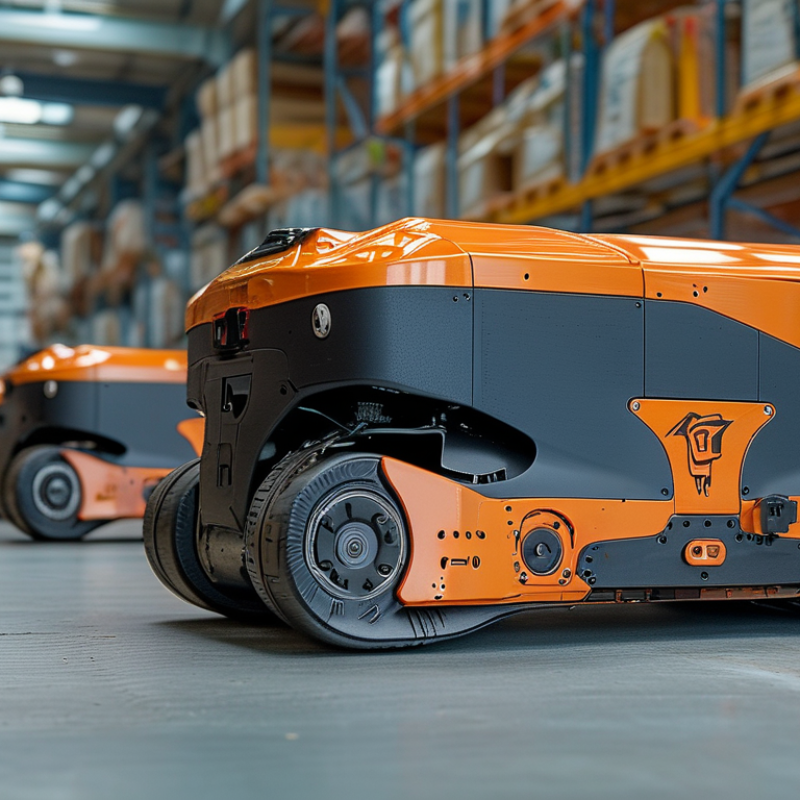
Best AGV Battery Pack Solutions for Global Buyers: An Overview
Automated Guided Vehicles (AGVs) are transforming industries by streamlining operations. A reliable battery pack is crucial for maximizing AGV efficiency. Global buyers face diverse needs, making the selection process challenging. Understanding specific operational requirements aids in making informed choices.
When selecting an AGV battery pack, consider the battery chemistry. Lithium-ion batteries offer high energy density and faster charging. Lead-acid batteries are cost-effective but have shorter lifespans. Weighing the pros and cons is essential. Performance expectations should align with the chosen battery type.
Tip 1: Always assess the charging infrastructure before purchase. Compatibility can save time and cost later.
Tip 2: Evaluate the warranty and support options. Good service can enhance longevity and productivity.
Tip 3: Plan for future scalability. Choose solutions that can adapt to evolving operational needs.
Interesting developments in battery technology continue to emerge. However, the balance between cost and performance often requires reflection. Each choice impacts operational efficacy, making it vital to proceed with care.
Key Factors in Choosing AGV Battery Packs for Efficiency
When selecting AGV battery packs, efficiency in performance is crucial. Look for battery types that offer long cycle life and fast charging capabilities. Lithium-ion batteries are a popular choice due to their light weight and high energy density. However, not all lithium-ion batteries are the same. Their chemistry and configuration can significantly impact their performance.
Power output is another critical factor. A battery pack should provide enough power to handle peak loads without strain. Evaluate how the battery performs under various conditions. Performance can drop at low temperatures or with prolonged usage. It is essential to assess these variables to ensure consistent performance.
Furthermore, consider the size and weight of the battery. Compact designs can save space in AGVs, but they must still meet power demands. Proper integration with the AGV's design is necessary for optimal efficiency. Buyers should reflect on their particular needs and test different solutions before making decisions. The right balance between size, power, and durability will influence overall operational efficiency.
Comparison of Battery Chemistries: Lithium-ion vs Lead-acid
When comparing lithium-ion and lead-acid battery chemistries for Automated Guided Vehicles (AGVs), distinct differences emerge. Lithium-ion batteries are lighter and offer higher energy density. They typically achieve about 250 Wh/kg, compared to lead-acid's 40-50 Wh/kg. This means that for the same capacity, lithium-ion batteries take up less space and weight, enhancing the overall efficiency of AGVs.
Lithium-ion batteries also boast a longer lifespan. They can last up to 5,000 cycles, while lead-acid batteries often need replacement after 500 to 1,500 cycles. This longevity contributes to lower overall costs despite higher initial investment. Notably, organizations leveraging lithium-ion see operational shifts towards reduced downtime and maintenance.
However, lithium-ion batteries do come with challenges. Their sensitivity to temperature variances can lead to performance issues if not managed properly. Additionally, the recycling process for lithium-ion batteries is still evolving and may pose environmental concerns. Meanwhile, lead-acid batteries are more established with a straightforward recycling process, though they have their own drawbacks in terms of efficiency and environmental impact. Balancing these factors is crucial for buyers in the AGV market.
Best AGV Battery Pack Solutions for Global Buyers
| Battery Chemistry |
Energy Density (Wh/kg) |
Cycle Life (cycles) |
Charge Time (hours) |
Weight (kg) |
Cost (per kWh) |
| Lithium-ion |
150-250 |
500-2000 |
1-4 |
40-50 |
$300-$600 |
| Lead-acid |
30-50 |
300-800 |
6-8 |
70-80 |
$150-$250 |
Global Market Trends in AGV Battery Pack Manufacturing
The global market for Automated Guided Vehicle (AGV) battery packs is evolving rapidly. Trends show an increasing demand for efficient and sustainable energy solutions. Manufacturers are focusing on developing lighter, higher-capacity battery packs. These innovations aim to enhance the performance and operational lifespan of AGVs.
There is a shift towards lithium-ion technology due to its high energy density and faster charging capabilities. Companies are also exploring modular designs, allowing easy upgrades and flexibility for users. Enhanced safety features, such as thermal management systems, are becoming standard. Yet, there are challenges, like varying quality standards across regions. This inconsistency can affect reliability.
Sustainability is also a key consideration. Many manufacturers are investing in recycling programs. They seek to reduce environmental impact while maintaining product performance. However, some companies struggle to balance cost and quality, leading to potential reliability issues. Increased collaboration across the supply chain can help address these challenges, ensuring a steady flow of reliable products.
Innovations in AGV Battery Technology and Their Impact on Performance
The evolution of Automated Guided Vehicles (AGVs) has significantly impacted battery technology. Innovations in battery chemistry, such as lithium-ion systems, have improved energy density. This allows AGVs to operate for longer periods without frequent recharging. Enhanced thermal management also plays a crucial role in battery lifespan, addressing overheating issues that plague earlier models.
Moreover, smart battery management systems (BMS) are now standard. These systems monitor battery health in real-time, ensuring optimal performance. They provide insights into usage patterns and potential maintenance needs. However, the complexity of these technologies can lead to challenges. Users may struggle to fully understand or utilize all features effectively.
The shift towards sustainable energy sources remains essential. Some innovations include integrating solar panels or using bio-based materials in battery construction. While these initiatives promise a greener future, they also require careful evaluation. The balance between innovation and reliability is critical. The industry needs to ensure that these advancements do not compromise performance or dependability.
FAQS
They are lighter, have high energy density, and longer lifespans compared to other types.
Performance can drop in low temperatures or with prolonged use, which must be assessed.
Lithium-ion batteries are significantly lighter and more compact, enhancing AGV efficiency.
Lithium-ion can last up to 5,000 cycles, while lead-acid lasts 500 to 1,500 cycles.
Yes, their recycling process is still developing, posing possible environmental issues.
There is a shift towards lighter, higher-capacity battery packs and sustainable solutions.
Increased collaboration across the supply chain is aimed at ensuring product reliability.
Manufacturers are investing in recycling programs to reduce environmental impacts and improve performance.
Yes, companies face issues like varying quality standards which can affect reliability.
Conclusion
The article "Best AGV Battery Pack Solutions for Global Buyers" provides a comprehensive overview of the factors that influence the selection of AGV battery packs to enhance operational efficiency. It highlights key considerations such as energy density, lifespan, and compatibility with various automated guided vehicles. A comparison of battery chemistries, particularly lithium-ion versus lead-acid, underscores their respective advantages in terms of performance and maintenance.
Furthermore, the article discusses global market trends in AGV battery pack manufacturing, indicating a shift towards more sustainable and technologically advanced solutions. Innovations in AGV battery technology are also explored, emphasizing their impact on overall performance and efficiency in various industrial applications. By understanding these elements, global buyers can make informed decisions when choosing AGV battery packs tailored to their specific operational needs.

 Liao Battery