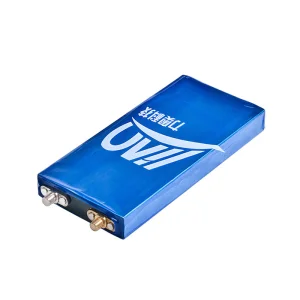
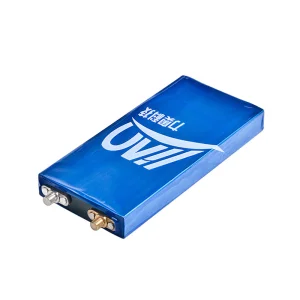
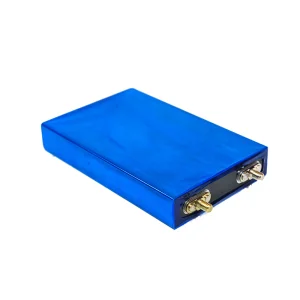
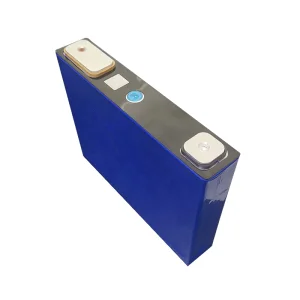
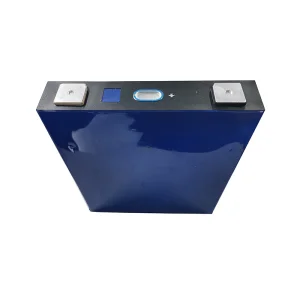
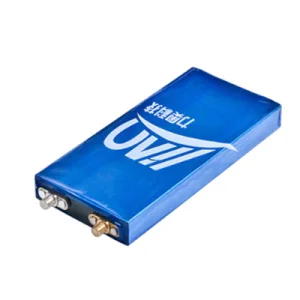
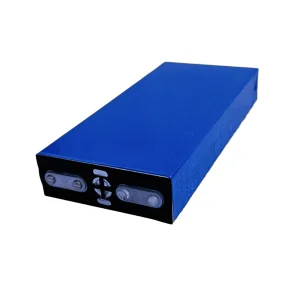
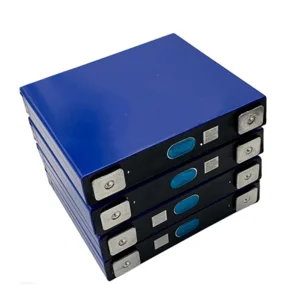
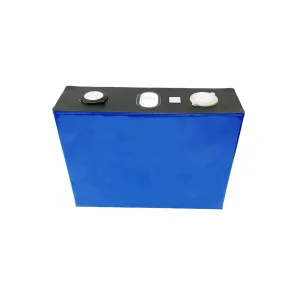
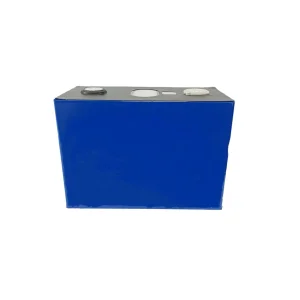
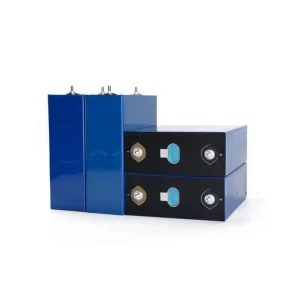
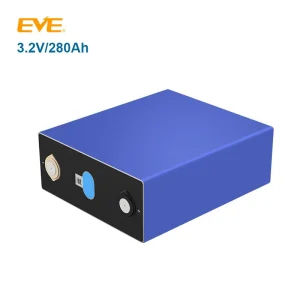
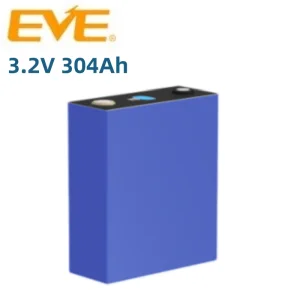
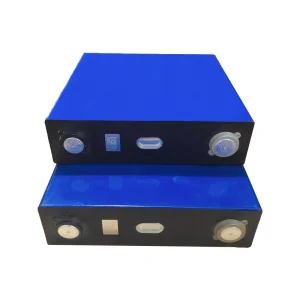
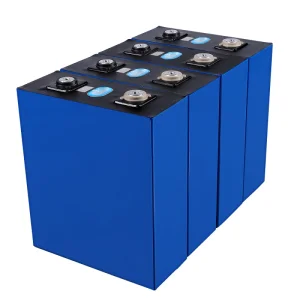
Direct manufacturer-grade cells configured for maximum safety, cycle life, and thermal stability. Ideal for energy storage systems (ESS), industrial electric vehicles, and custom power grid solutions.
In the global energy transition landscape, Chinese battery cell manufacturing stands out as the cornerstone of cost efficiency, massive scaling, and advanced chemical refinement. At Hangzhou LIAO Technology Co., Ltd., we leverage the core benefits of the local industrial ecosystem to deliver world-class LiFePO4 (lithium iron phosphate) solutions that balance strict safety protocols with high volumetric energy densities.
China is home to the most complete lithium-ion battery supply chain on earth. From the upstream processing of raw minerals like lithium carbonate, synthetic graphite, and iron phosphate precursors to downstream advanced assembly systems, every element is geographically clustered. This spatial integration drastically lowers transit costs, reduces logistics lead times, and allows for immediate quality feedback loops during the raw material inspection phase.
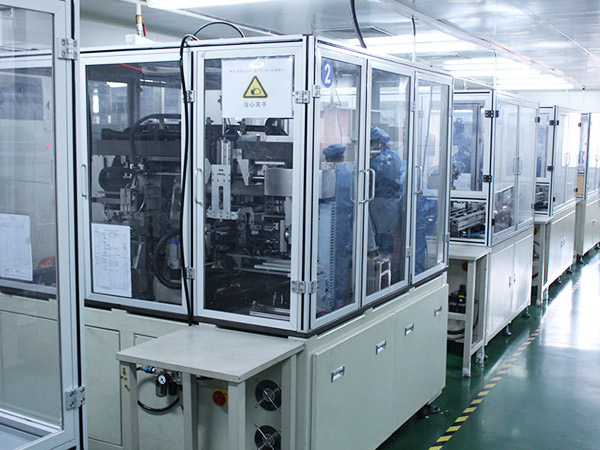
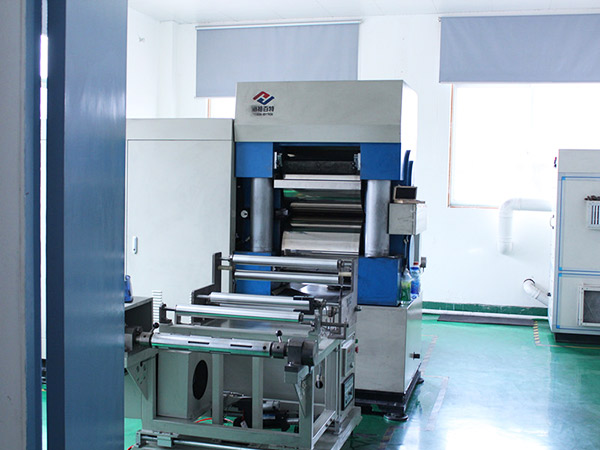
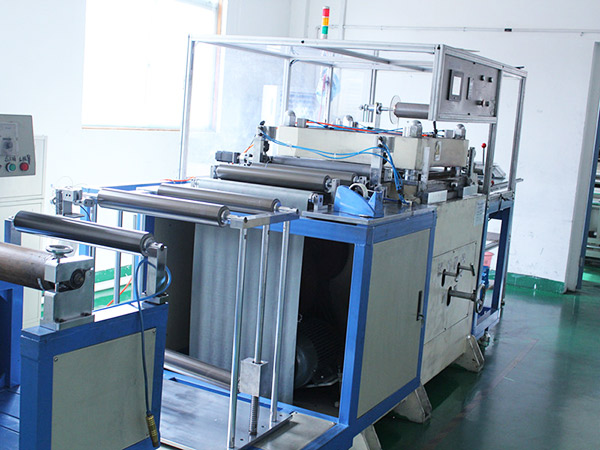
Beyond material access, China’s primary manufacturing edge is driven by high-degree automation. The integration of high-speed coating machines, automatic winding or Z-fold stacking, and ultra-precise laser terminal welding reduces manual handling, thereby eliminating the risk of internal micro-contaminants. These foreign particulates are the leading cause of micro-shortages and thermal runaway. Direct integration of laser inspection systems guarantees micron-level structural accuracy across all cell lines.
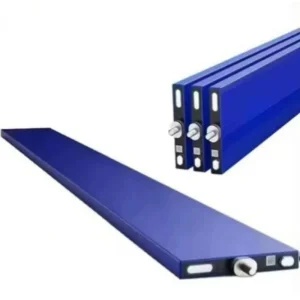
Additionally, local engineers are constantly optimizing cell formats—such as the development of structural prismatic shapes and compact blade form factors. These structural improvements maximize the space efficiency of battery packs (upwards of 60% cell-to-pack volumetric ratio) compared to standard cylindrical arrays. As global demand scales, China's gigafactories ensure that scalability is supported by cost-effectiveness, enabling global enterprises to meet their decarbonization goals within budget constraints.
Safety is the ultimate indicator of performance in lithium-ion battery integration. Our specialized focus on Lithium Iron Phosphate chemistry provides a stable crystal olivine structure, which possesses a strong covalent P-O bond. This makes the chemical structure fundamentally more resilient than nickel-based chemistries under abusive conditions.
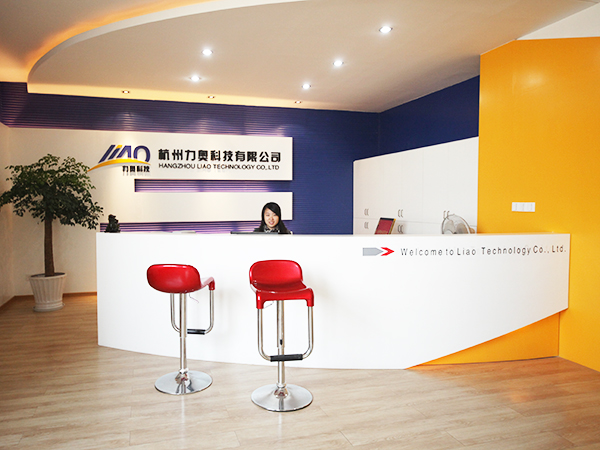
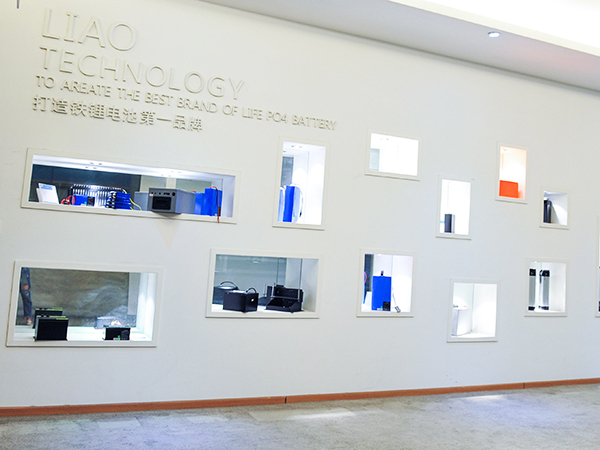
Established in 2009, Hangzhou LIAO Technology Co., Ltd. operates as a prominent developer and manufacturer of LiFePO4 batteries. We are dedicated to providing customized battery configurations and comprehensive battery packs for global businesses, research centers, and utilities. Over the last decade and a half, our systems have been successfully exported to more than 20 countries.
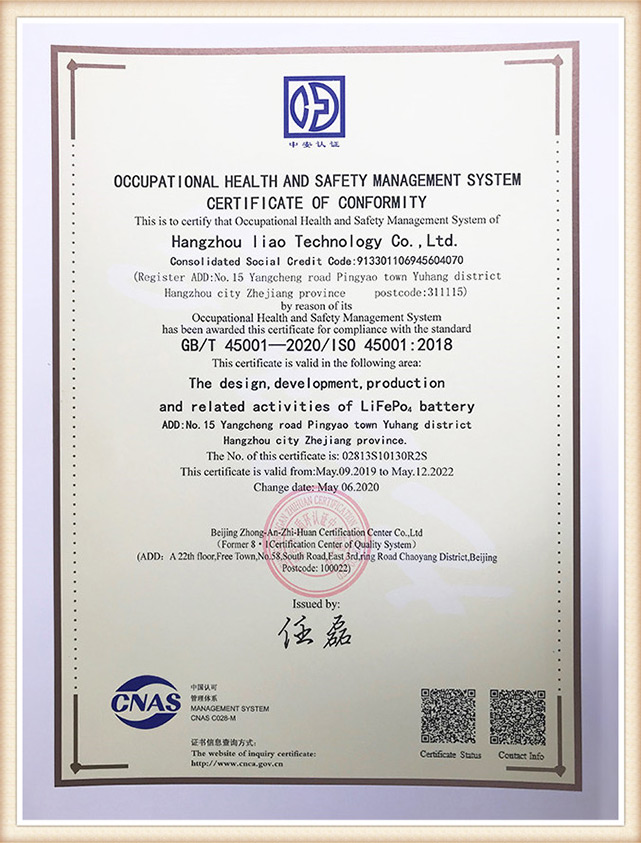
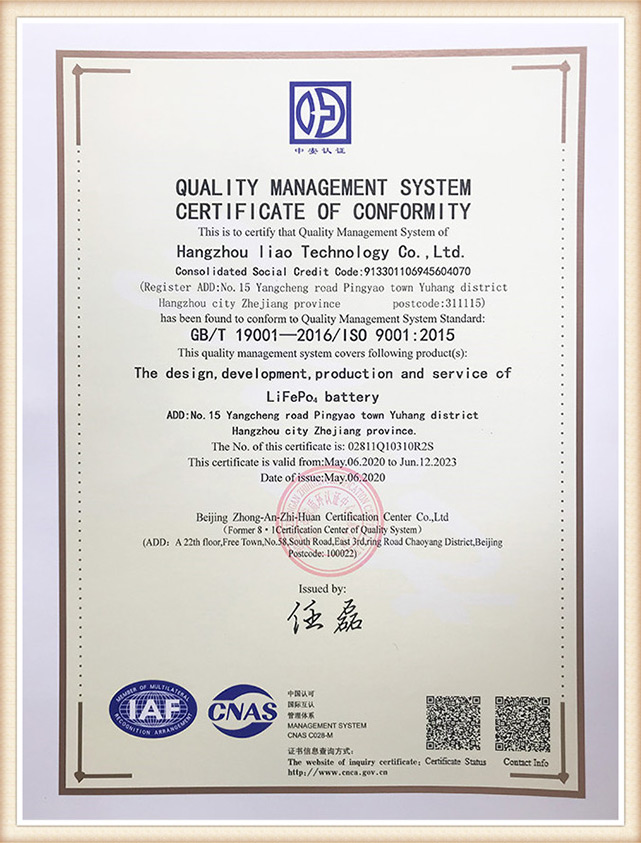
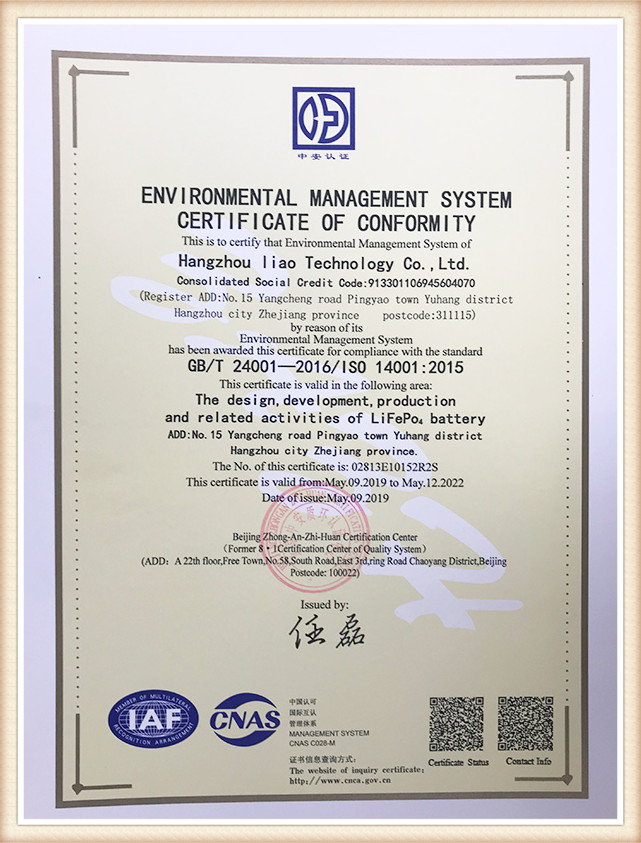
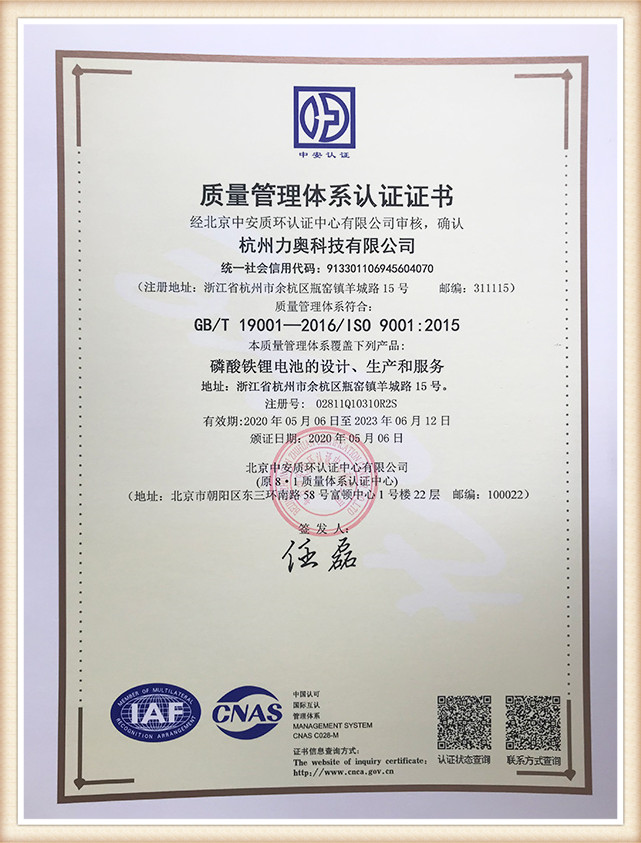
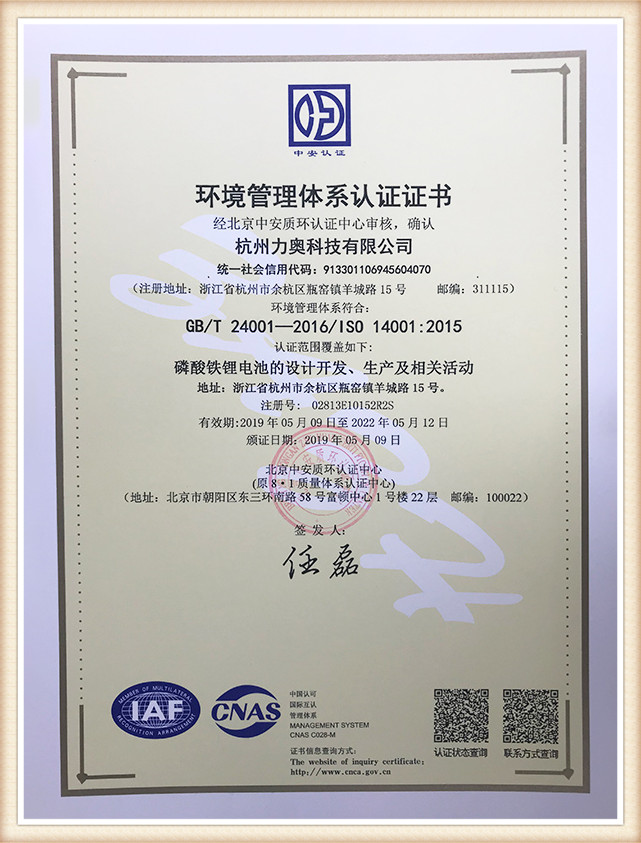
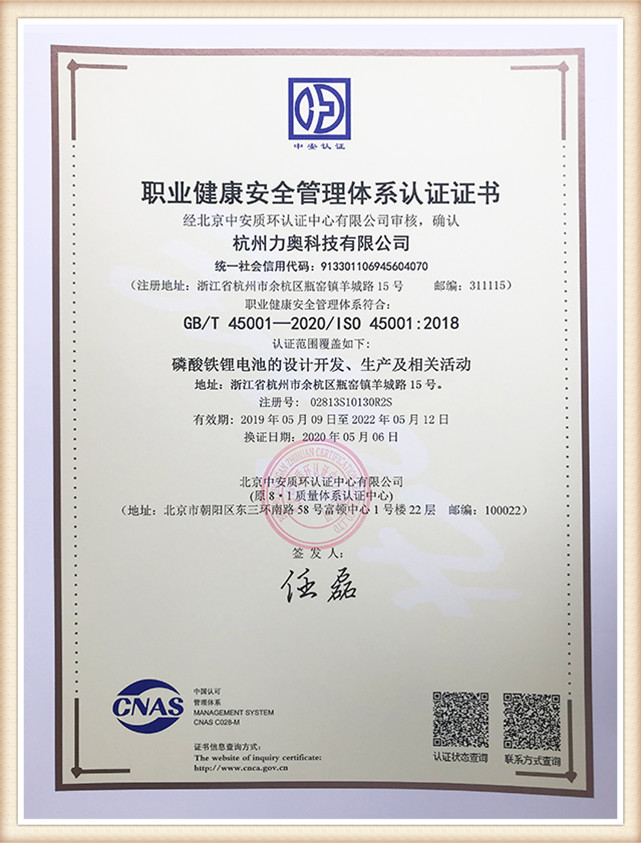
Our operation runs under a strict quality management system certified under ISO 9001. Furthermore, to verify our commitment to long-term sustainability and employee welfare, we maintain strict compliance with the ISO 14001 environmental management system and the ISO 18001 occupational health and safety standard.
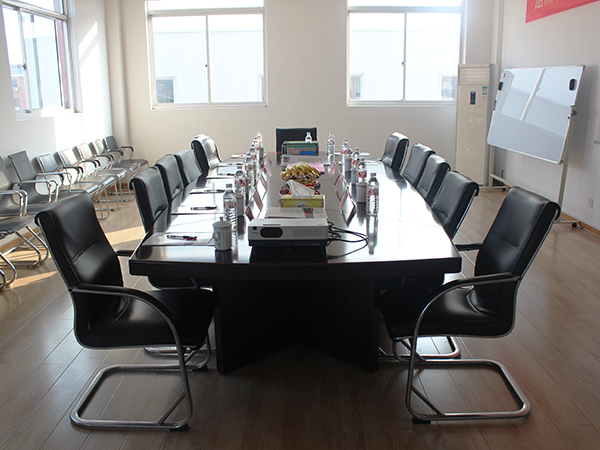
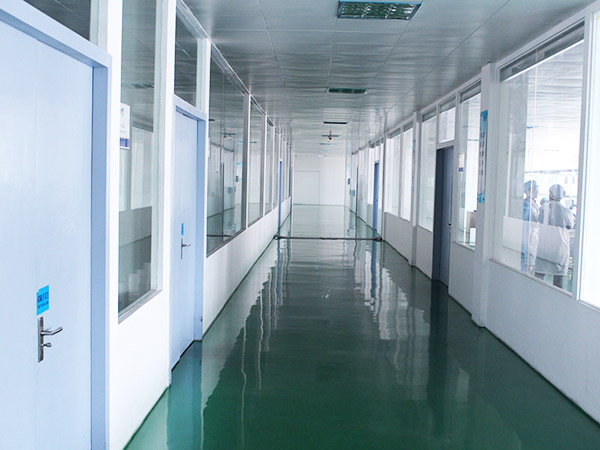
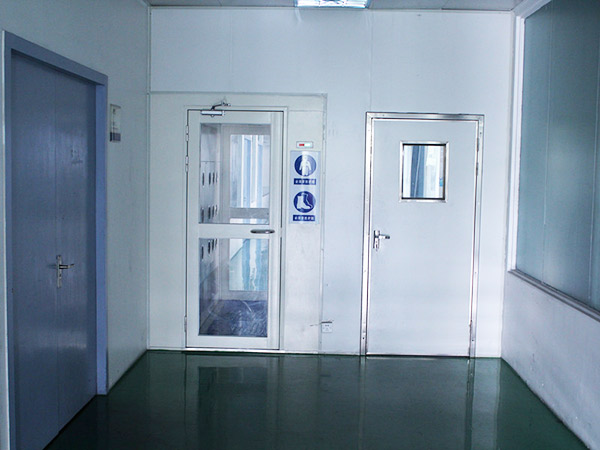
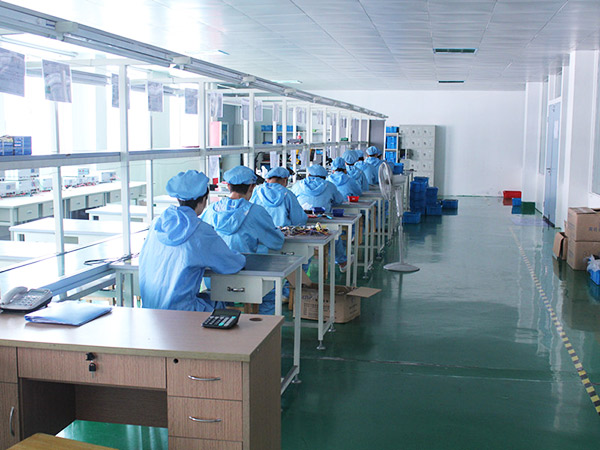
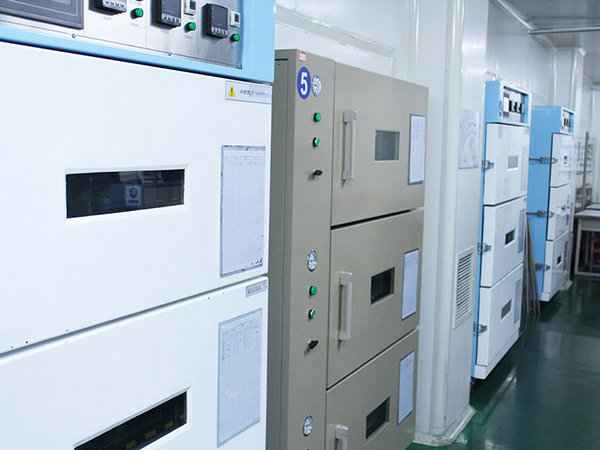
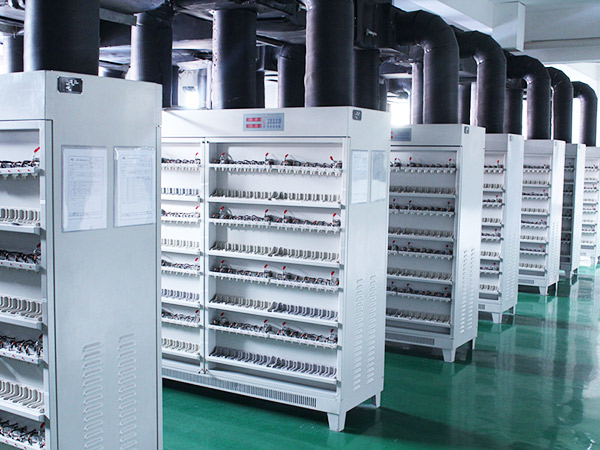
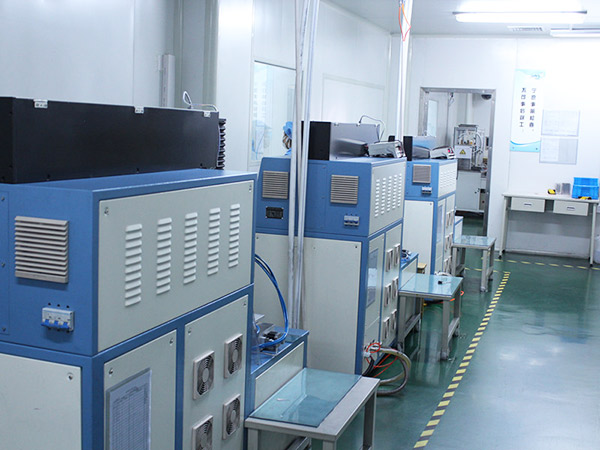
A high-performance LFP cell is only as good as the consistency of the manufacturing process. The production cycle requires advanced environmental control, with dust-free dry rooms monitoring humidity levels below 1% to prevent water contamination during electrolyte injection. Here are the core stages executed inside our facilities:
Custom engineered solutions tailored to specific commercial power profiles. We translate basic raw cell energy into stable, application-specific workhorse powerpacks.
The transition from traditional lead-acid batteries to high-density LiFePO4 cells represents a paradigm shift for golf courses and commercial resorts. Our customized battery designs ensure sustained torque outputs during hill climbs and steep terrains. Because LFP chemistry provides a flatter discharge curve, vehicles run at optimal speed and power all the way to 100% depth of discharge, avoiding the sluggish performance associated with traditional batteries.

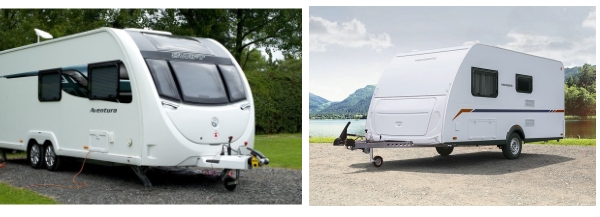
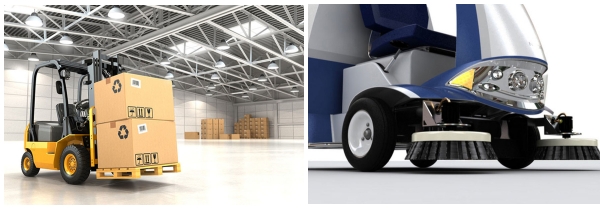
Modern caravan movers require high peak energy delivery for short-duration maneuvering over mud, grass, and gravel. Standard cells degrade quickly under heavy instant loads. Our high-rate prismatic cells are formulated to resist internal resistance build-up under high discharge parameters. This ensures that caravan movers operate reliably and quietly without emitting gases, reducing overall maintenance costs.
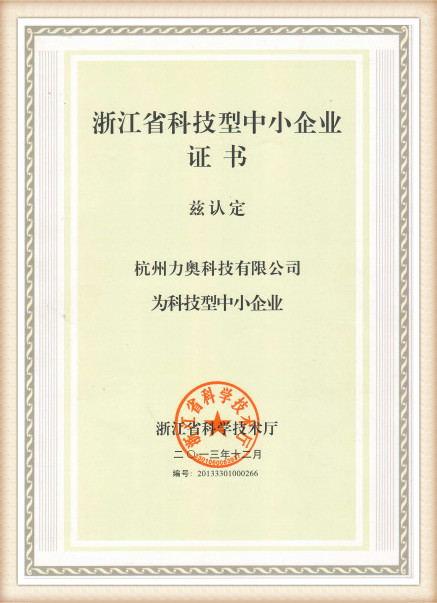
In warehouses and manufacturing hubs, Automated Guided Vehicles (AGVs) and forklifts must work around the clock. By using lithium iron phosphate cells, fleets can implement "opportunity charging." Operators can charge the equipment during short breaks, avoiding the need to swap heavy batteries or wait for 8-hour recharge cycles. LFP cells also do not release explosive hydrogen gas, making them safer for use in warehouses.
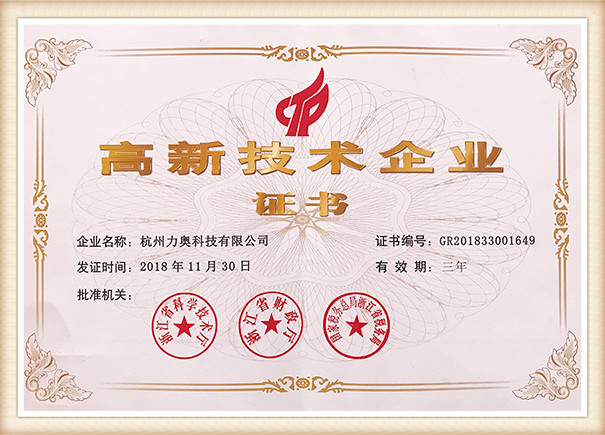
Marine environments subject electrical components to salt spray, vibrations, and high humidity. Our custom marine battery enclosures, paired with premium prismatic cells, protect against water ingress while maintaining thermal balance. Electric boating demands long discharge periods at low currents, followed by sudden bursts of throttle. The chemical stability of LiFePO4 cells ensures that long storage periods do not lead to capacity degradation.

Enterprise procurement managers face several challenges when sourcing lithium battery cells, including navigating international compliance certifications and verifying that performance claims match actual testing data. Ensuring quality control across large manufacturing batches is critical to preventing project delays.
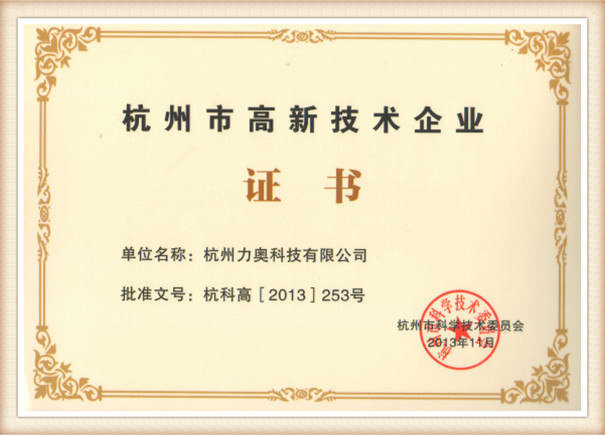
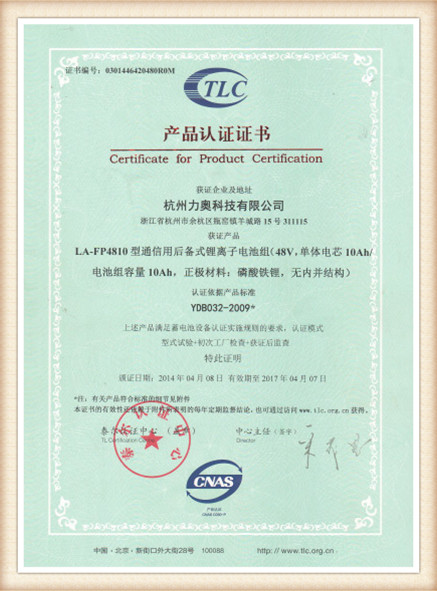
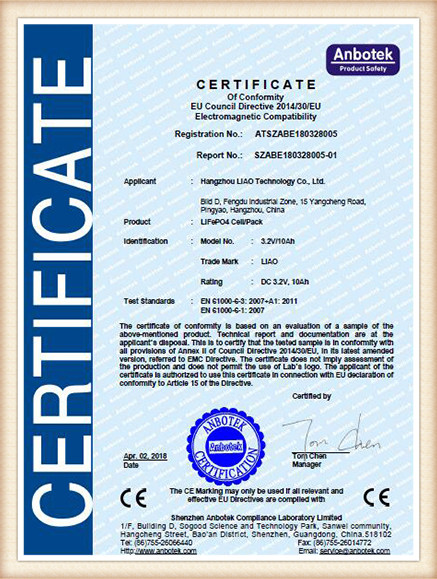
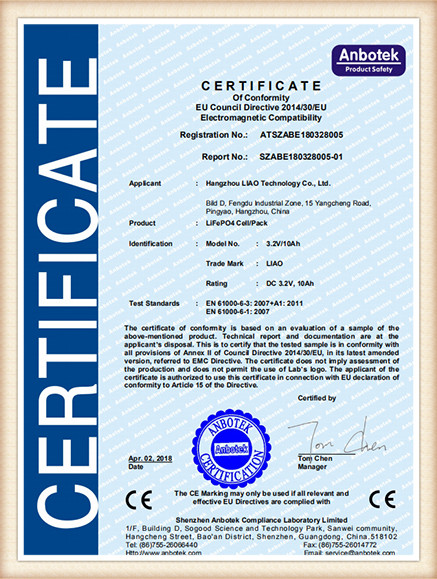
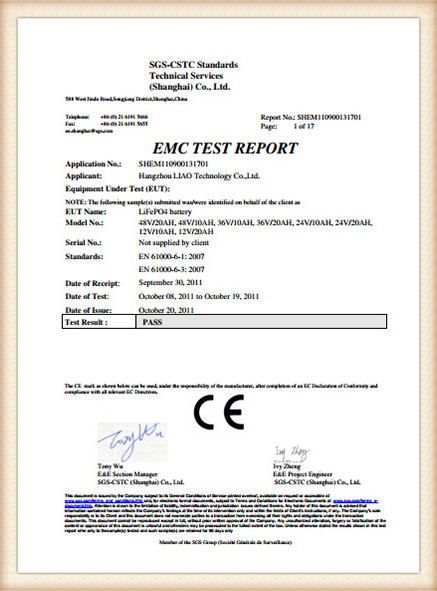
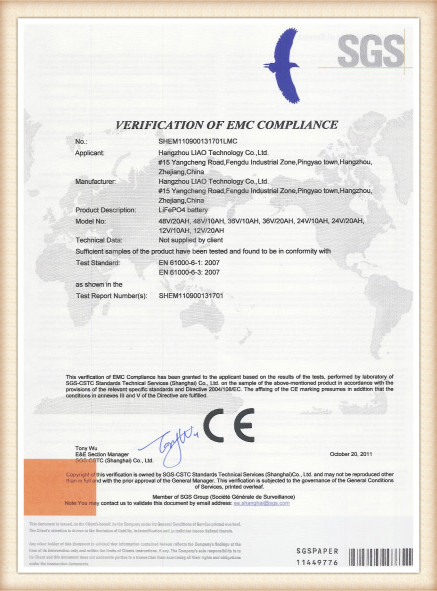
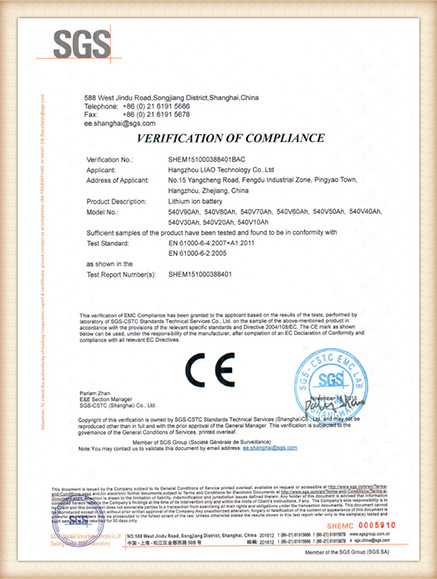
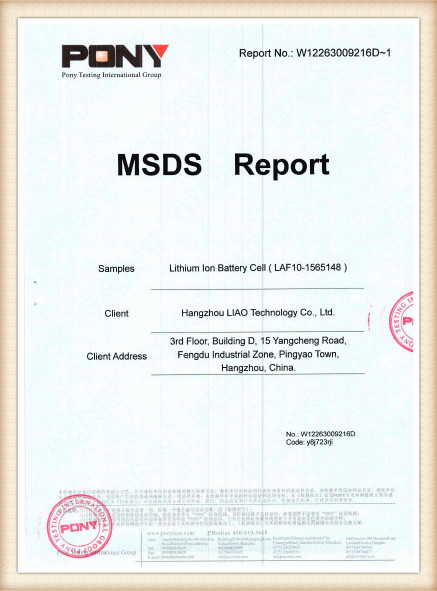
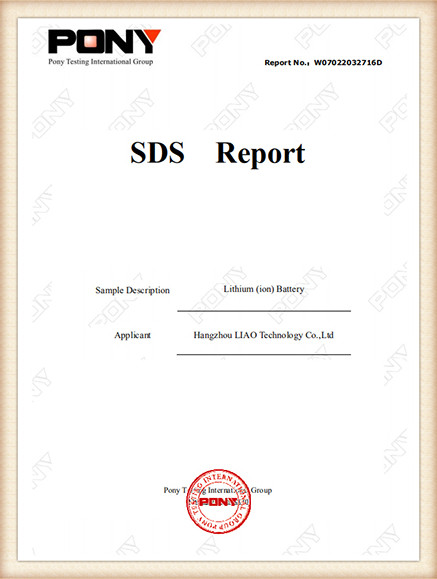
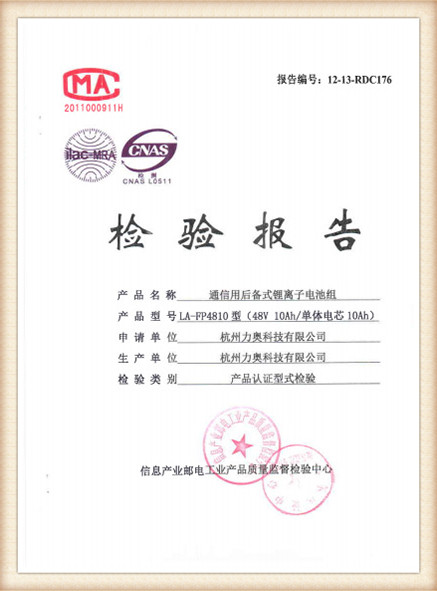
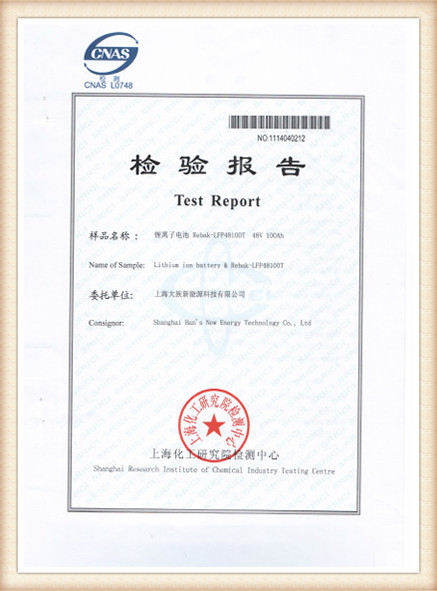
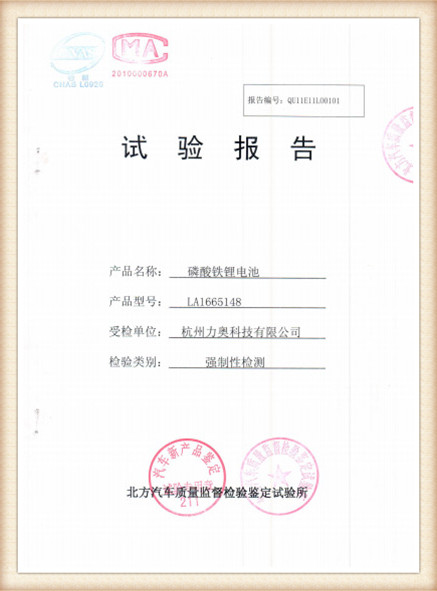
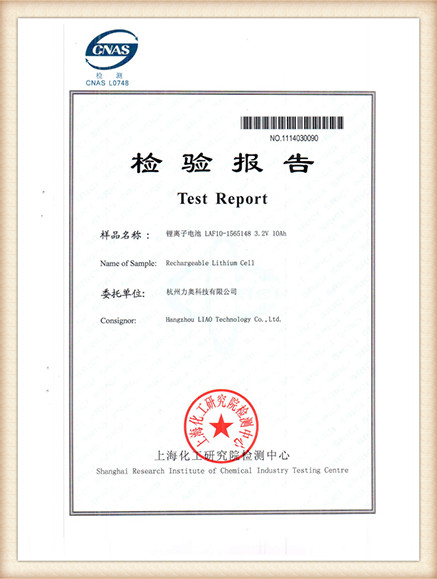
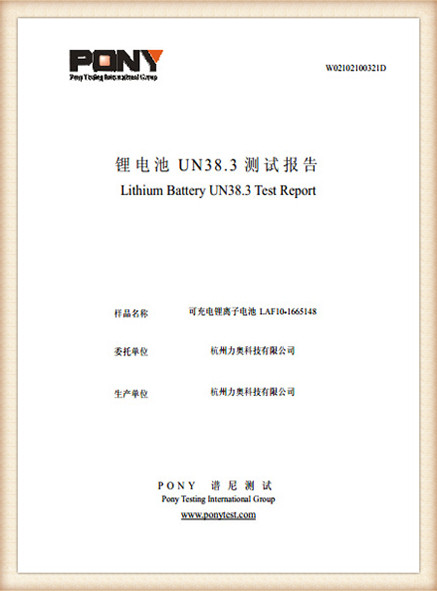
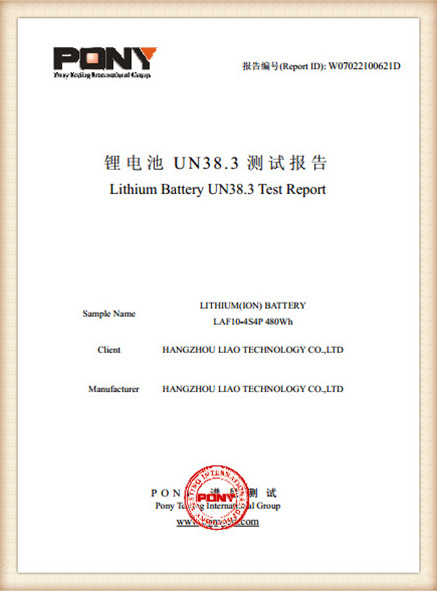
At Hangzhou LIAO, we address these concerns by offering detailed testing documentation for every production batch. Our battery cells are certified under global standards, including UN38.3, IEC 62619, CE, and UL certifications, ensuring hassle-free international transport and quick integration into local grid layouts.
Looking ahead, the energy storage industry is shifting toward larger prismatic cell formats (such as the standard 280Ah and 304Ah designs) to maximize system capacity while reducing assembly complexity. Furthermore, there is growing interest in integrating real-time telemetry into battery management systems (BMS), allowing operators to track cell health and predict thermal risks before they arise.

Engineered for large-scale utility grids, high-voltage battery banks, and OEM industrial applications.
Key technical and procurement questions answered directly by our engineering and sales teams.
 Liao Battery