Premium energy conversion units certified to international safety and output efficiency standards.
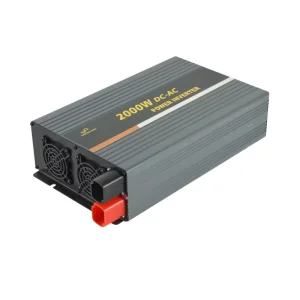
Modern commercial and industrial platforms demand high-efficiency power management systems. As systems transition from legacy architectures, DC-DC converters play a critical role in bridging voltage differences between raw storage medium (like lithium iron phosphate chemistries) and delicate microcontrollers or electric powertrains.
The shift toward wide-bandgap (WBG) semiconductors, specifically Gallium Nitride (GaN) and Silicon Carbide (SiC), has enabled DC-DC converter units to operate at significantly higher switching frequencies. This technical evolution directly reduces the size of passive magnetic components, yielding unprecedented power densities. The resulting compact configurations are invaluable in mobile robotics, EV charging systems, and marine crafts, where weight distribution and dimensional footprints are strictly constrained.
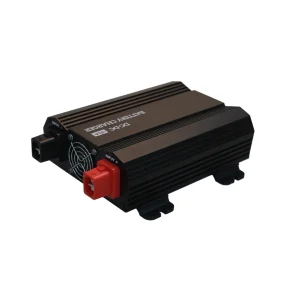
In battery-to-battery charging systems (such as 12V-12V chargers designed for RV and EV environments), multi-stage digital control loops are implemented to guarantee constant current/constant voltage (CC/CV) profiles. By using active thermal management and synchronous rectification, conversion losses are minimized below 4%, mitigating heat generation within enclosed equipment bays.

Global procurement teams prioritize specific operational performance vectors when qualifying power electronics suppliers.
Industrial systems operating in harsh remote areas, such as telecom base stations or outdoor solar installations, require continuous operation between -40°C to 85°C. Advanced thermal paste, multi-layer direct bonded copper (DBC) substrates, and robust aluminum heat sinks are critical for sustained lifecycle performance.
Electromagnetic interference can degrade signals in nearby sensors. Procurement checklists enforce strict compliance with certifications like FCC Part 15 Class B and EN 55032, using high-frequency filtering inductors and metallic shielding cages to limit radiated emissions.
Dynamic load steps in robotic actuators or vehicle propulsion motors cause extreme voltage fluctuations. Real-time digital signal controller (DSC) integration ensures that the DC-DC control loop stabilizes within microseconds, preventing output dropouts that can cause microcontrollers to reset.
Established in 2009, Hangzhou LIAO Technology Co., Ltd. has positioned itself at the vanguard of rechargeable battery technology, specializing in the development and industrial assembly of high-capacity LiFePO4 batteries. Our custom battery pack architectures are distributed globally across more than 20 countries.
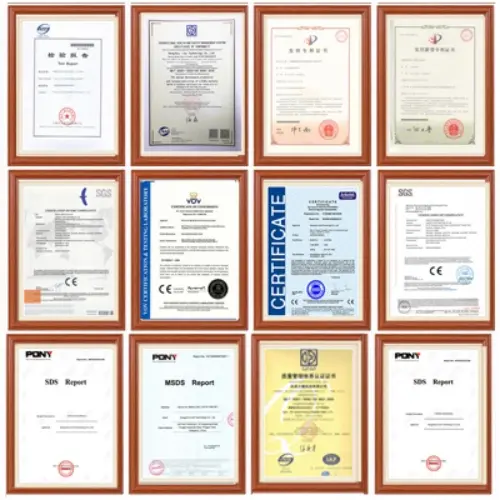
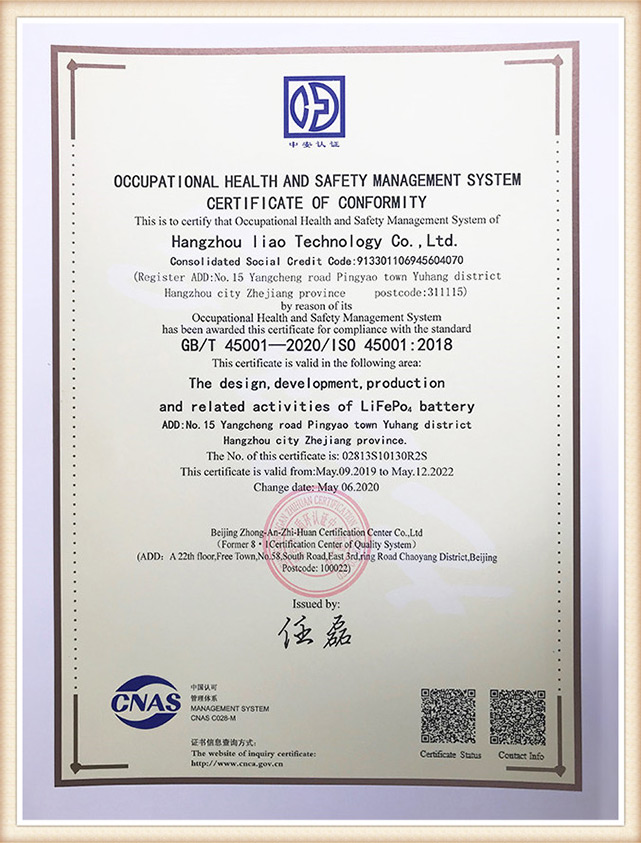
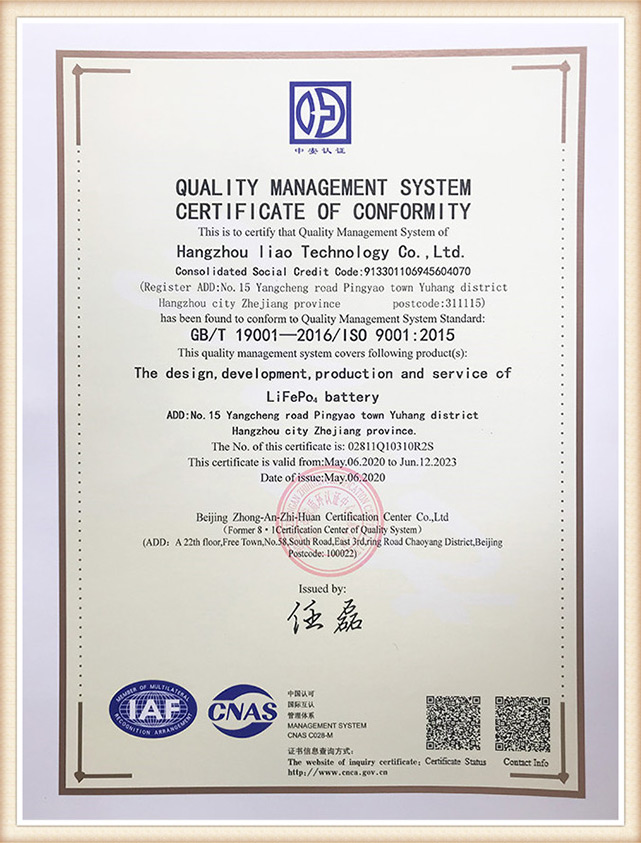
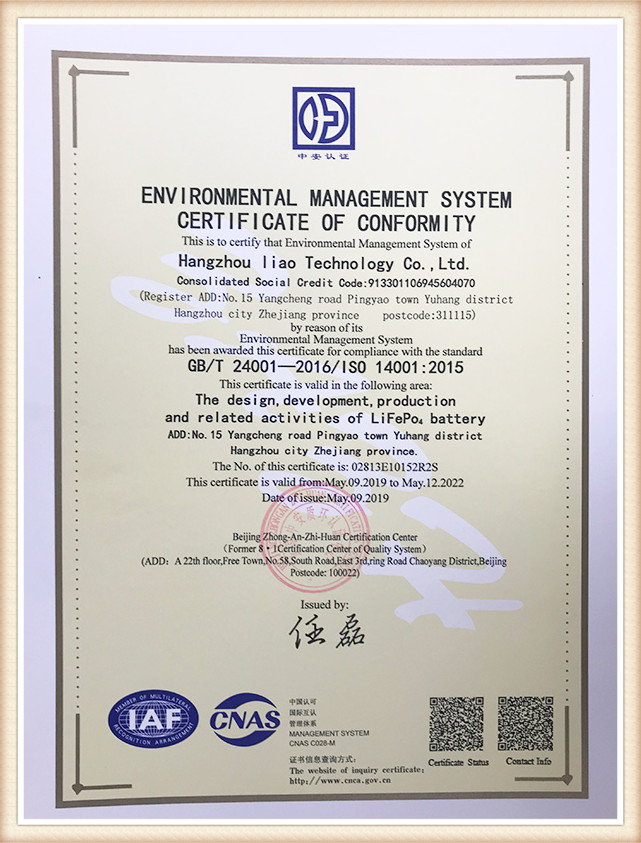
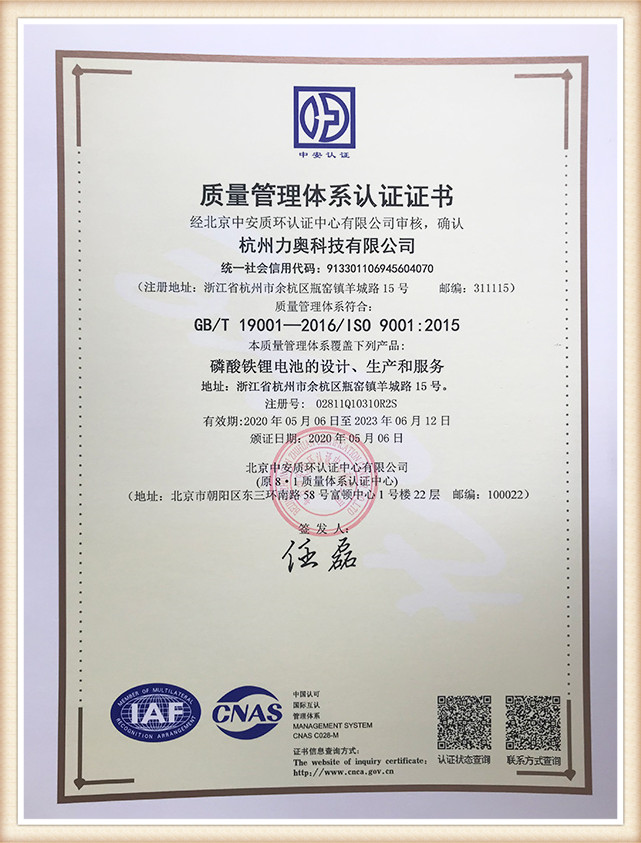
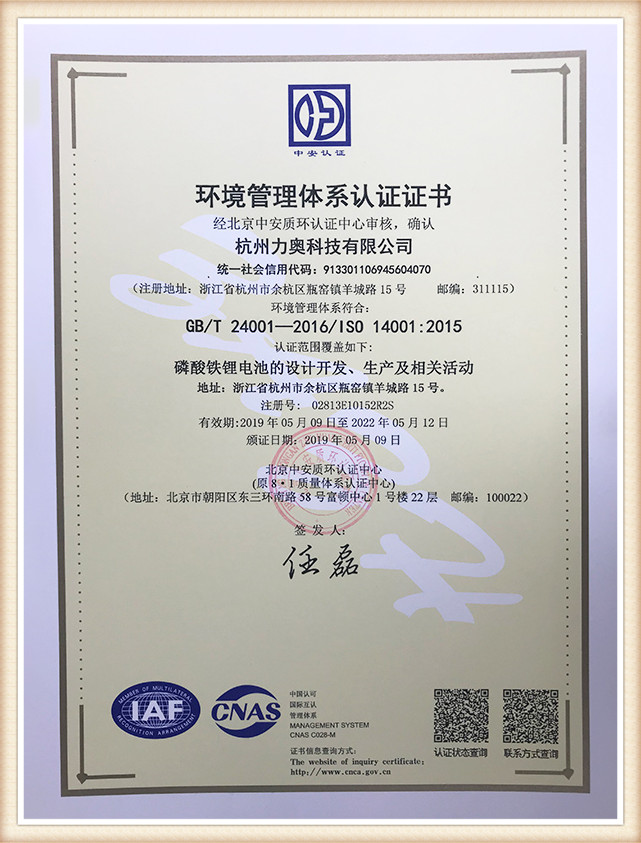
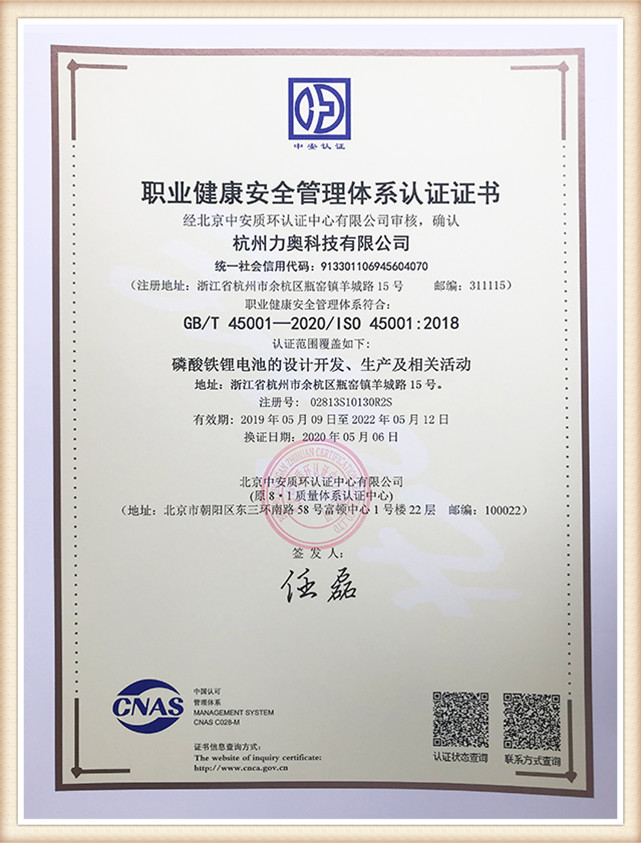
Our manufacturing pipeline operates under the strict governance of an ISO 9001:2015 Quality Management System. Environmental responsibility is maintained through strict compliance with the ISO 14001 environmental system framework, while production safety is certified under ISO 18001 / ISO 45001 occupational healthy standards. LIAO specializes in vertical integration, developing custom Battery Management Systems (BMS) with built-in DC-DC power converters to deliver highly efficient, plug-and-play energy solutions.
Whether the requirement is for high-power prismatic cells, robust backup power systems, or complex smart home energy storage setups, LIAO's experienced electrical and mechanical design division provides tailored OEM/ODM engineering solutions. Our design process matches source impedance characteristics with load dynamics to maximize overall system efficiency.
Our intelligent production lines integrate automated capacity testing, precision electrode rolling, and high-frequency laser welding.
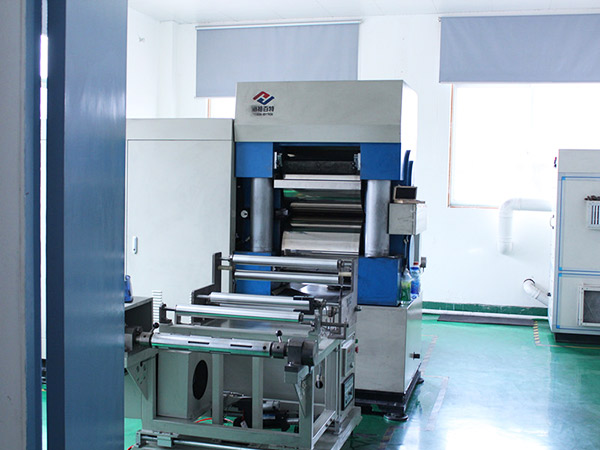
Uniform thickness control across active material substrates guarantees stable volumetric density and electrochemical efficiency.
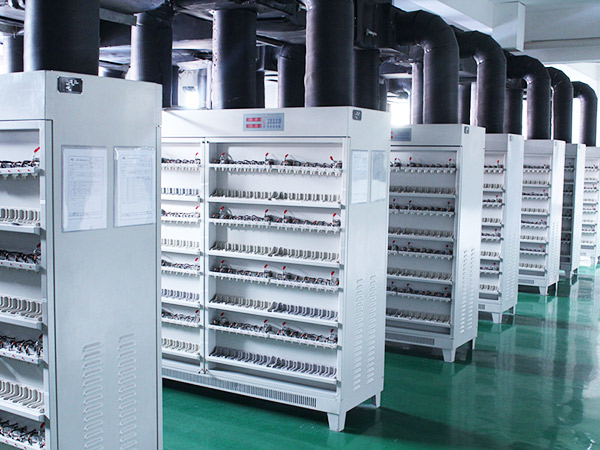
Every single cell undergoes multi-cycle charge-discharge tests. This ensures closely matched impedance and capacity profiles across battery packs.
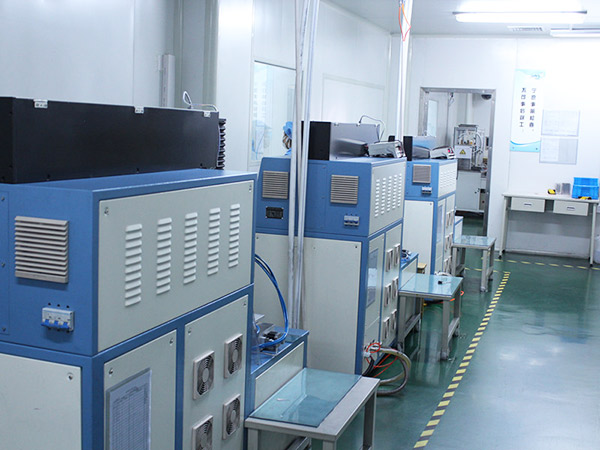
Robotic fiber laser stations execute ultra-precise busbar connections, minimizing joint resistance and reducing internal heat buildup.
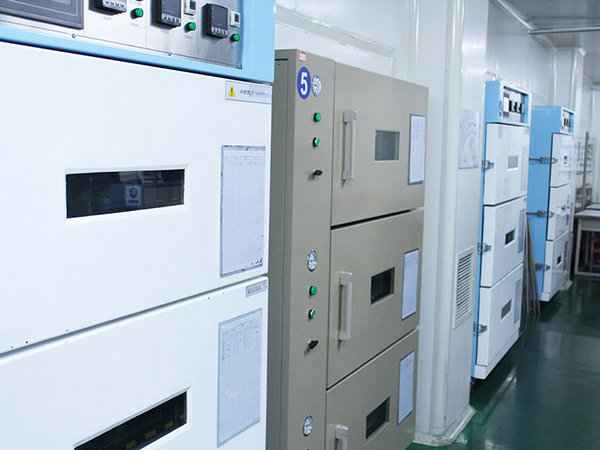
Multi-stage vacuum ovens remove moisture down to ppm levels, mitigating internal corrosion and preventing early capacity decay.
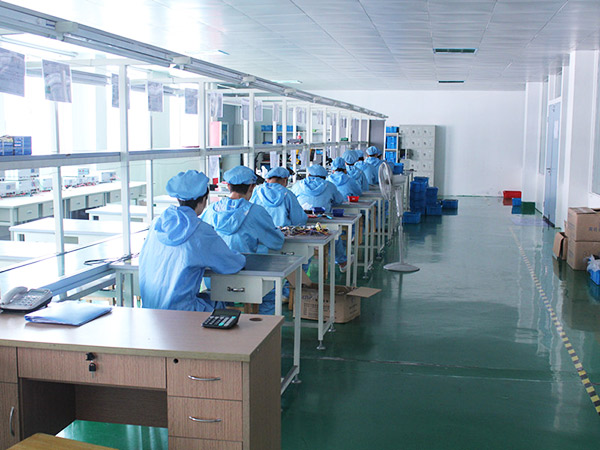
High-voltage structural adhesive, thermal insulation barriers, and custom wiring looms are integrated into durable vibration-resistant enclosures.
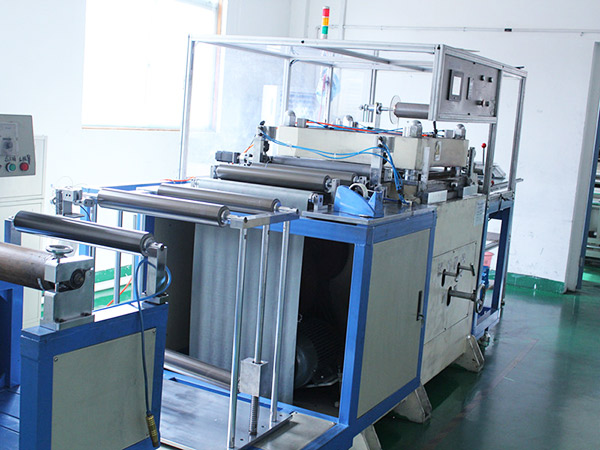
Automated cutting tooling processes separator and collector foils to micron levels, eliminating physical defects that could cause short circuits.
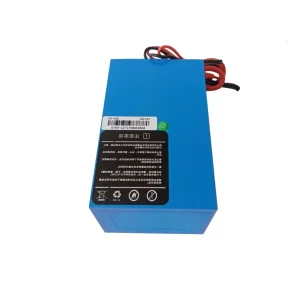
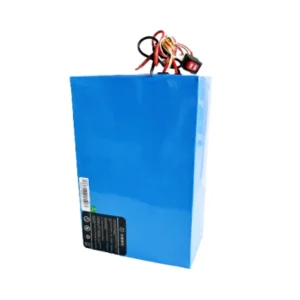
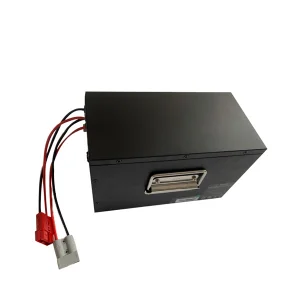
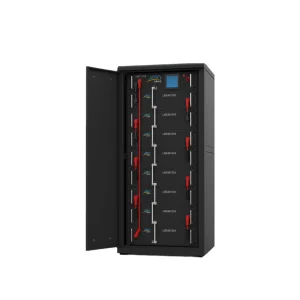
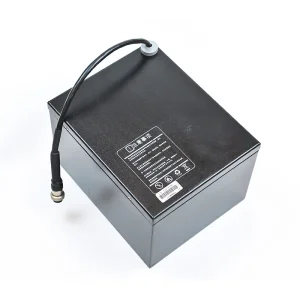
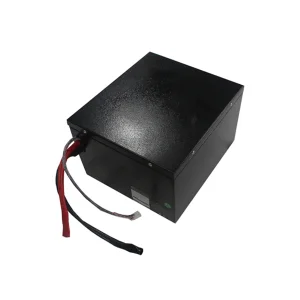
Our custom DC-DC converter setups and high-capacity battery solutions are designed to deliver reliable performance in critical environments.

Our high-discharge LiFePO4 packs feature robust dynamic capability, enabling vehicles to navigate hilly courses with minimal voltage sag.
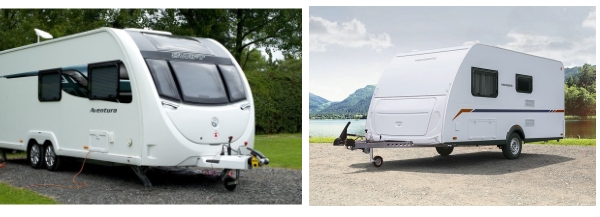
Supplying quiet, emission-free power with high startup torque, allowing heavy caravans to move smoothly on uneven surfaces.
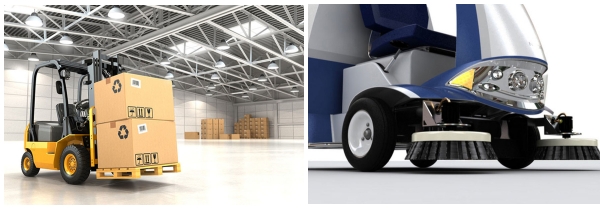
Built for the demanding duty cycles of forklifts and AGVs, enabling fast-charging capabilities to maximize factory runtime.

Sealed IP67-rated waterproof configurations built to withstand marine corrosion, delivering clean energy for electric boat propulsion.
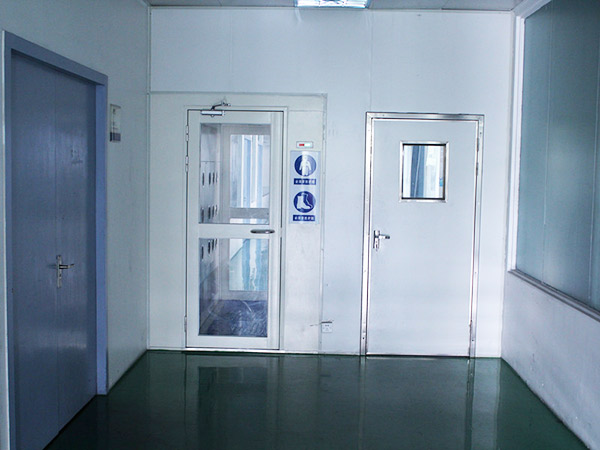
A transparent look at our operations, demonstrating our capacity to support high-volume OEM/ODM projects.
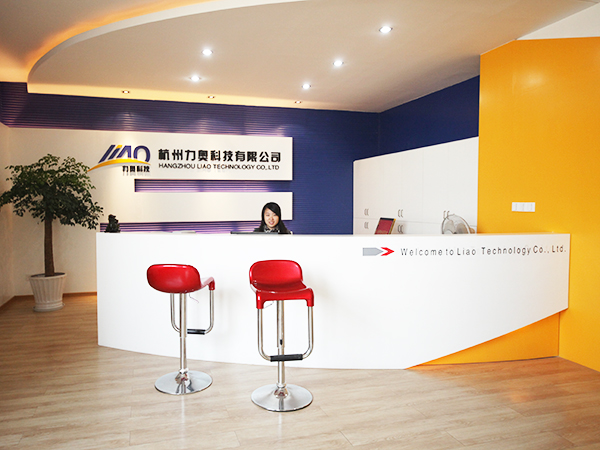
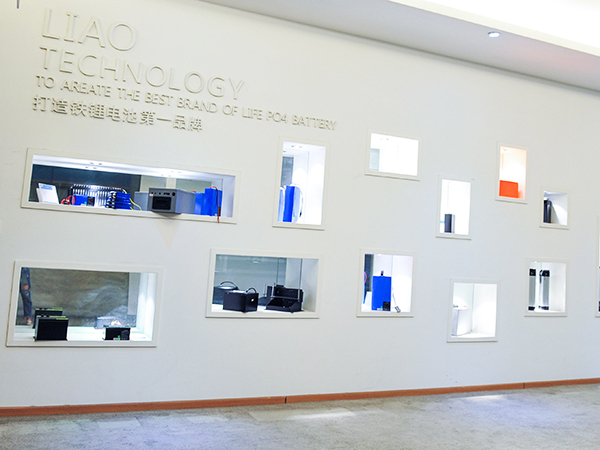
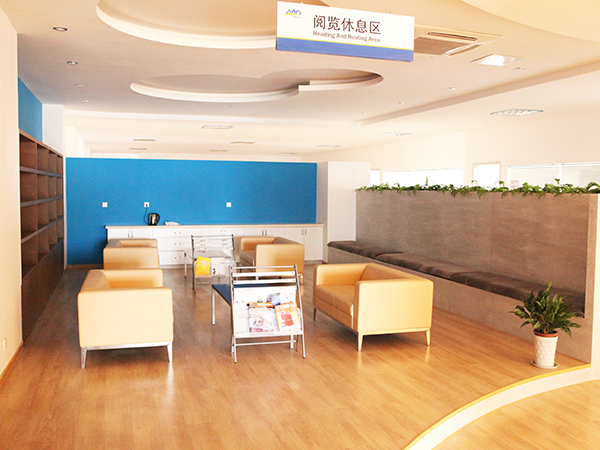
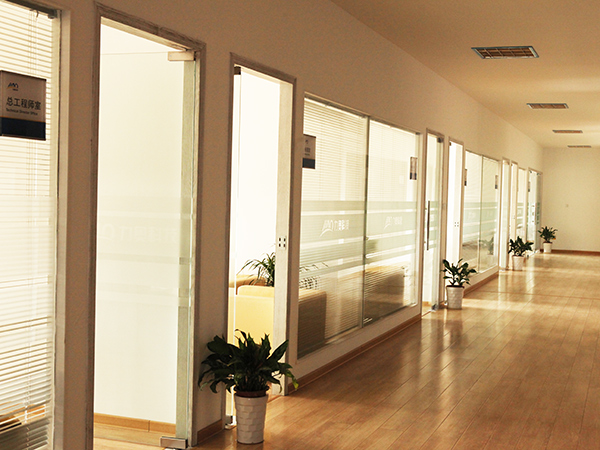

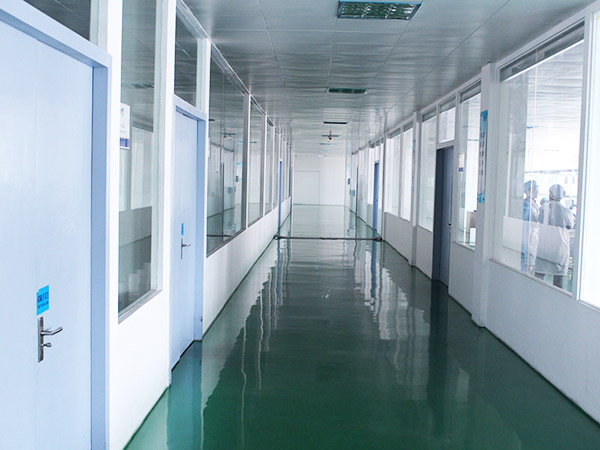
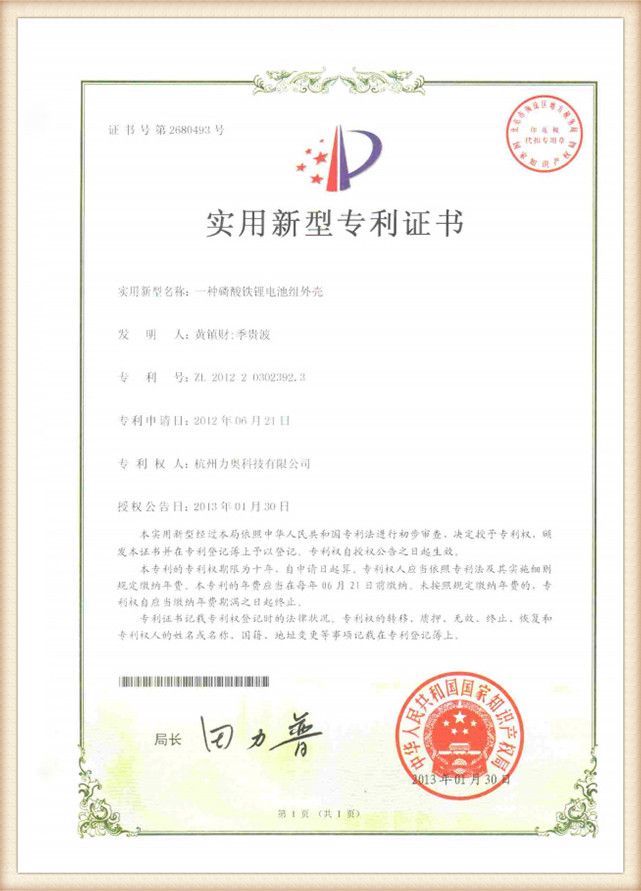
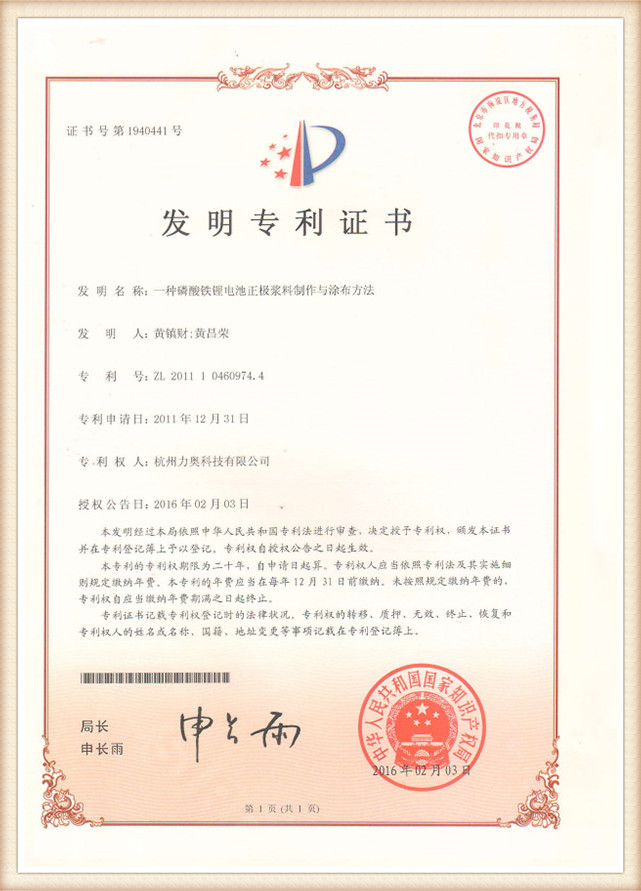
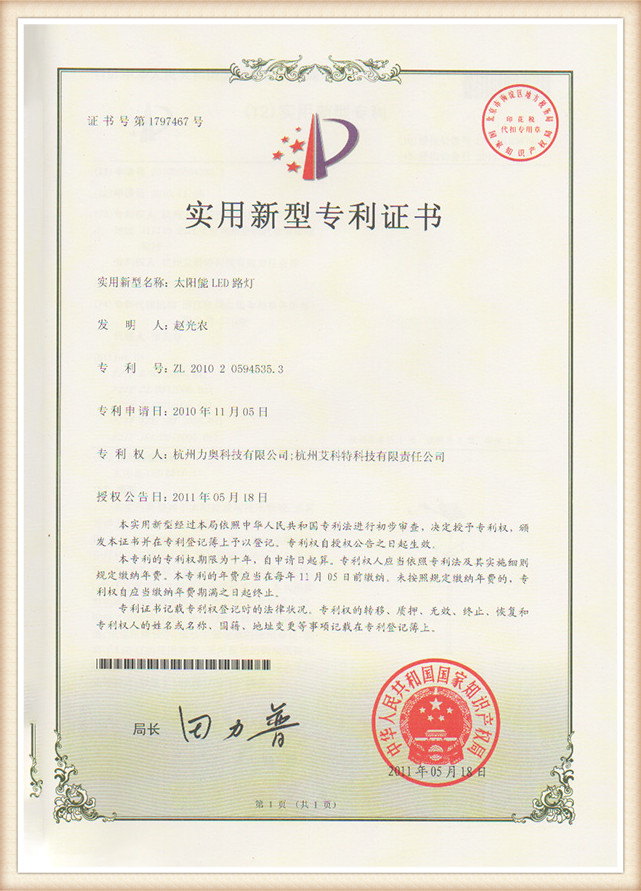
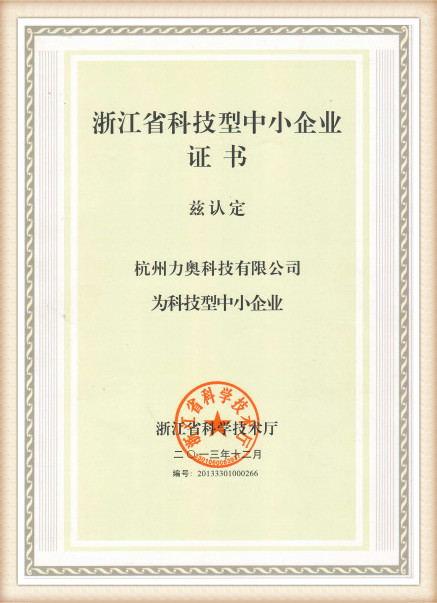
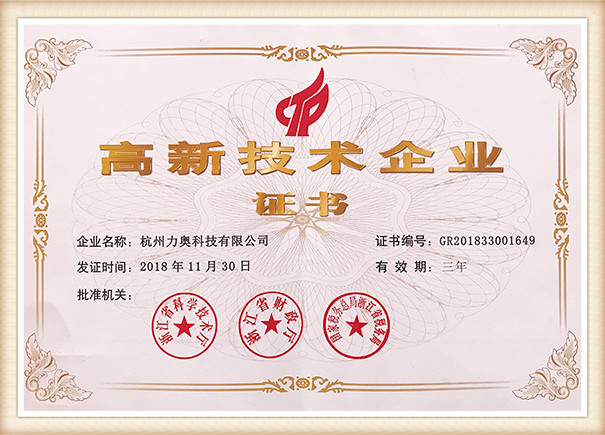
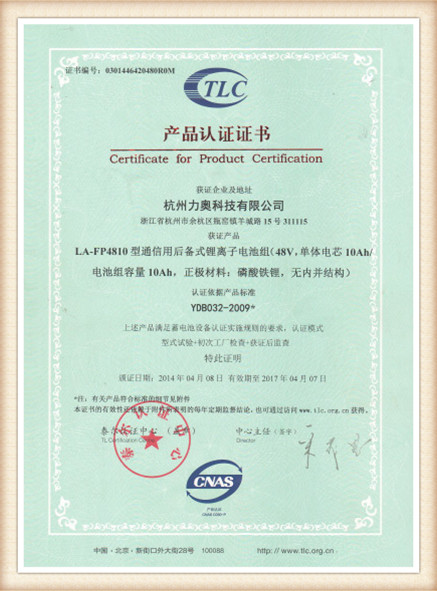
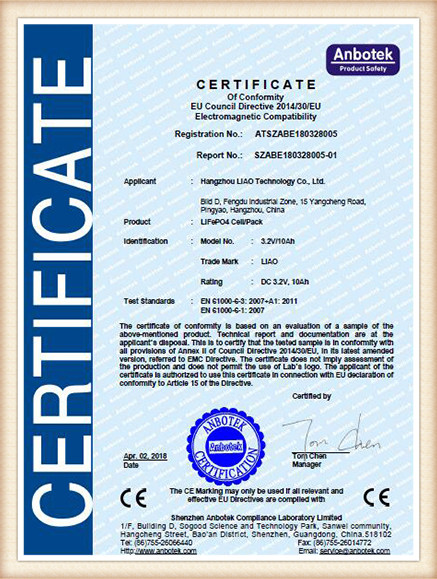
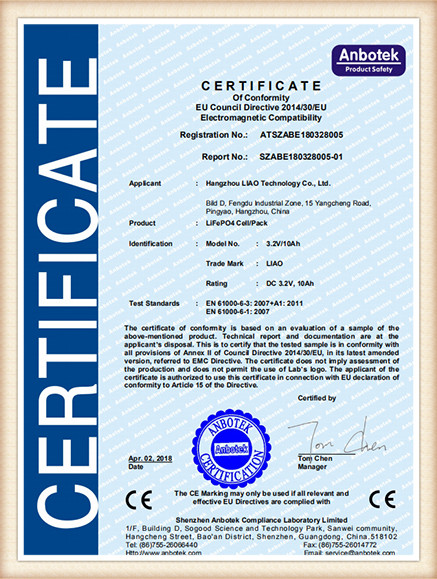
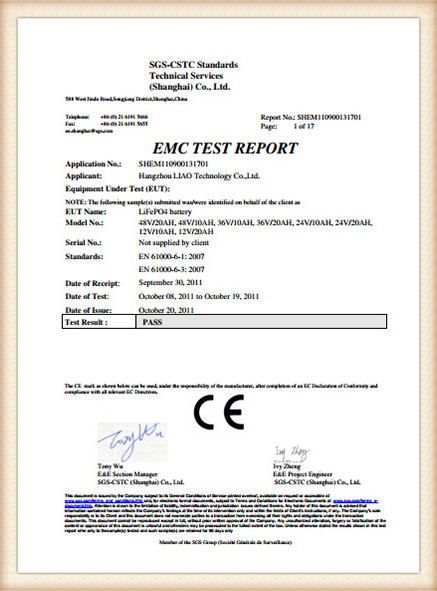
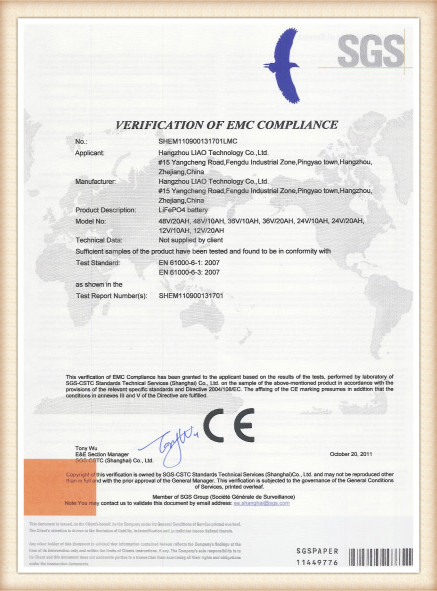
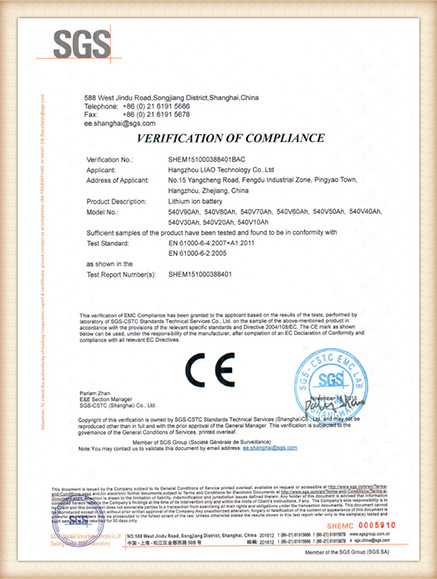
Our operations comply with international quality, safety, and environmental protection standards.

For engineering teams specifying custom power distribution units (PDUs) or battery storage systems, generic off-the-shelf models often fail to meet requirements. Our engineering division works directly with your technical personnel to design, simulate, prototype, and manufacture custom units built for your operating parameters.
Whether modifying the output current rails of a DC-DC buck-boost converter or tailoring the cell layout for restricted chassis spaces, LIAO integrates key safety and functional protections directly into the design:






In-depth insights into power conversion topologies, thermal control, and custom battery systems design.
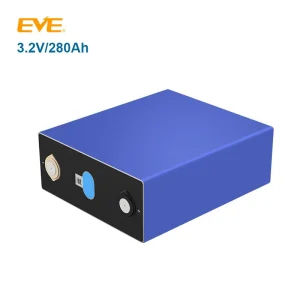
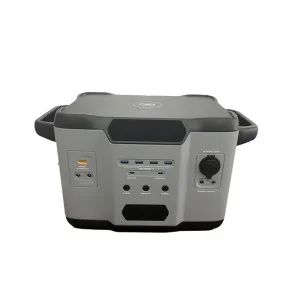
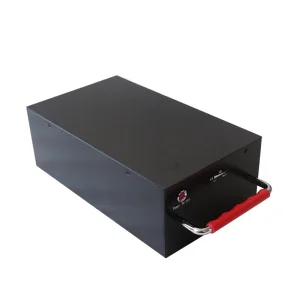
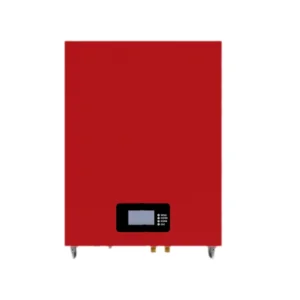
Complete your design cycle with our high-power prismatic cells and residential battery systems.
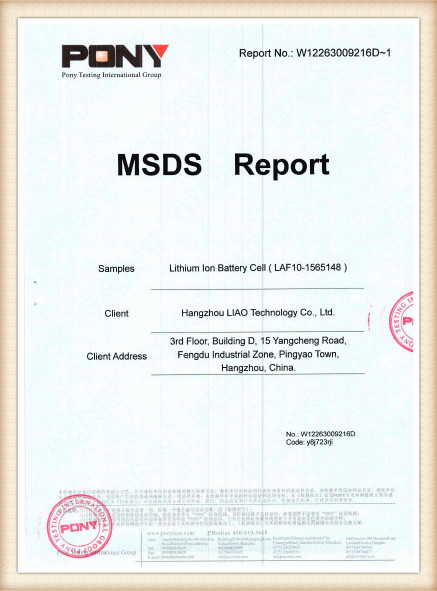
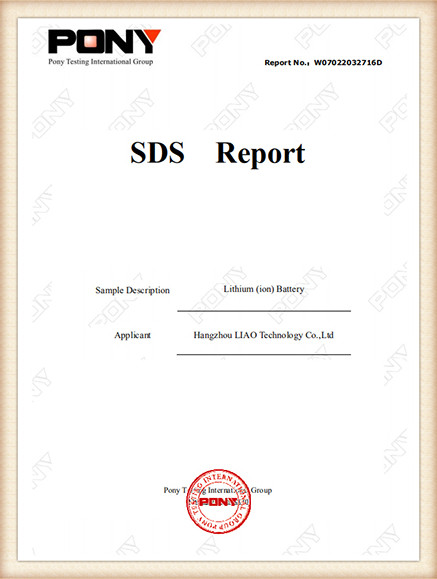
Comprehensive evaluation reports confirming structural integrity under physical load, puncture testing, and thermal stress cycles.
 Liao Battery