Explore our premium range of lithium iron phosphate battery systems configured with custom BMS protocols for global markets.
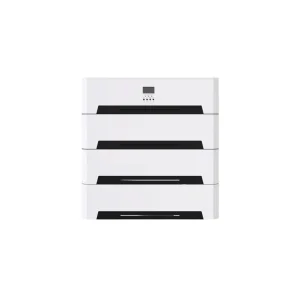
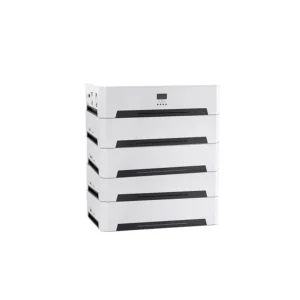
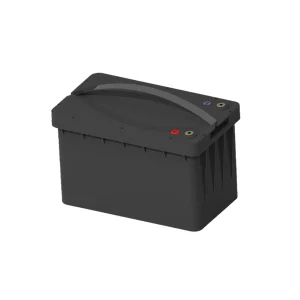
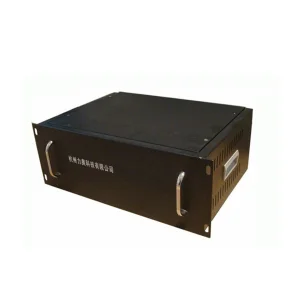
Founded in 2009, Hangzhou LIAO Technology Co., Ltd. has developed into a premier research, design, and manufacturing enterprise focused strictly on high-performance Lithium Iron Phosphate (LiFePO4) battery architectures. With over 15 years of industry leadership, we have supplied custom energy solutions to over 500 partners and clients across the world, establishing a reputation for uncompromising safety, structural integrity, and exceptional service.
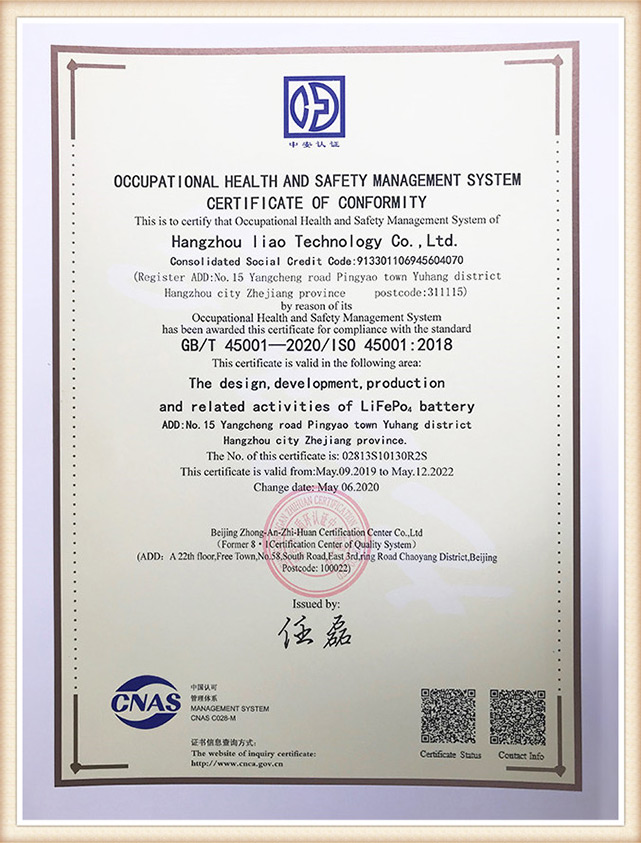
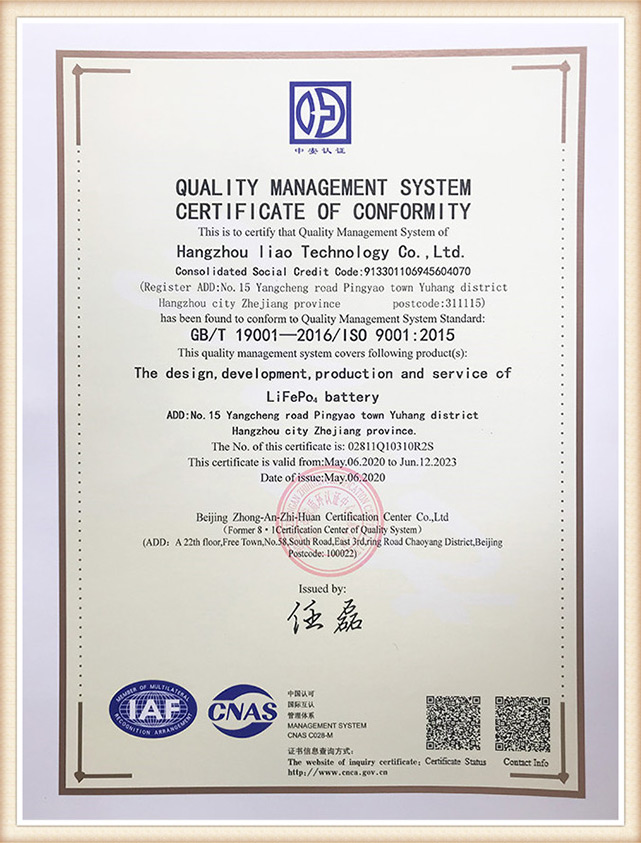
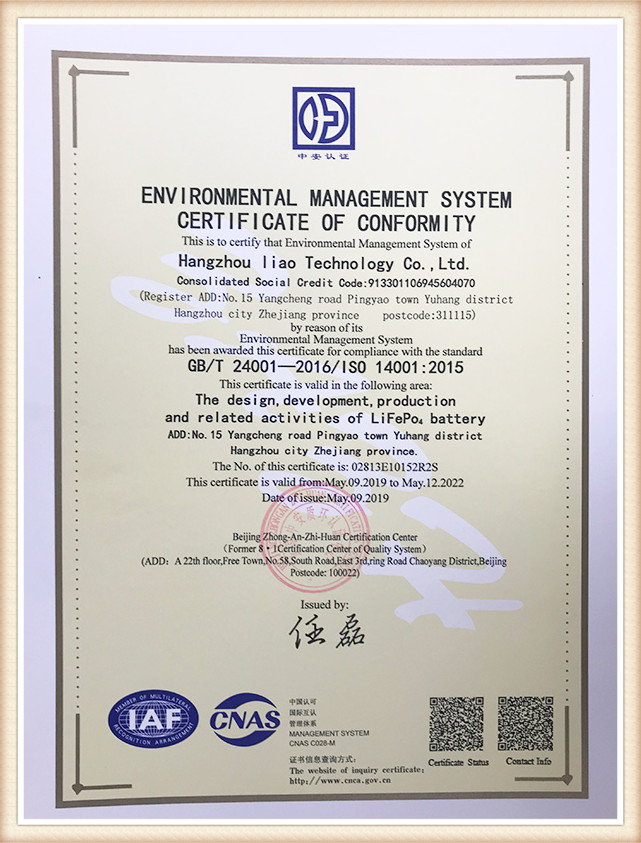
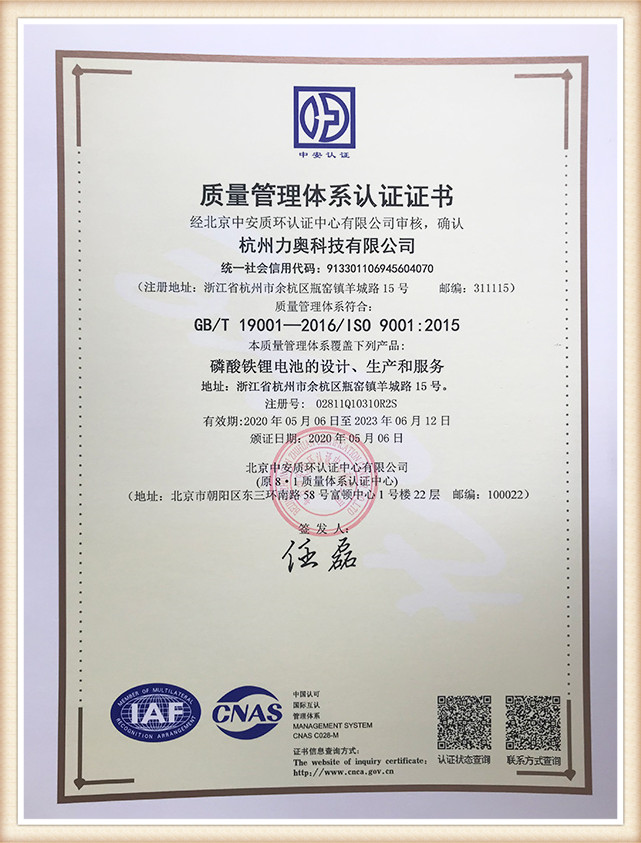
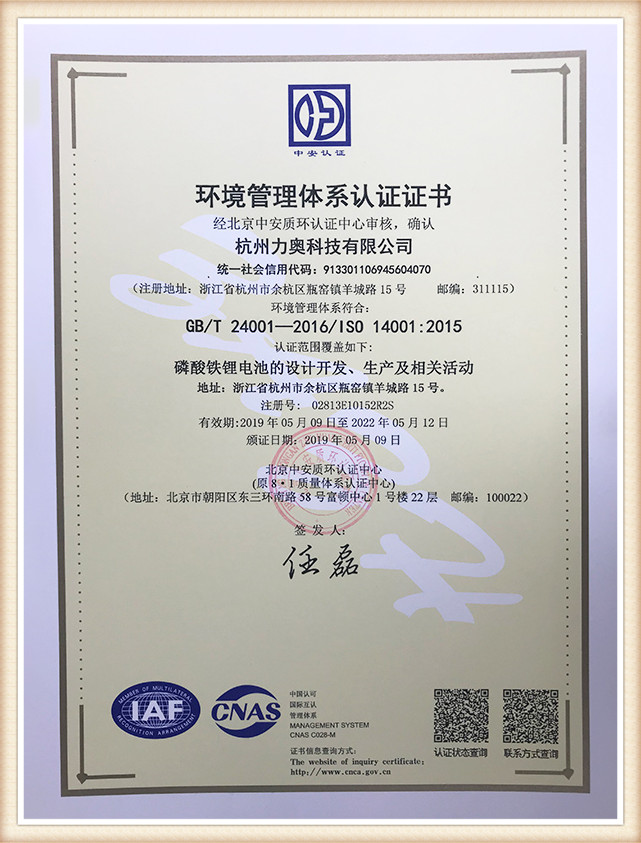
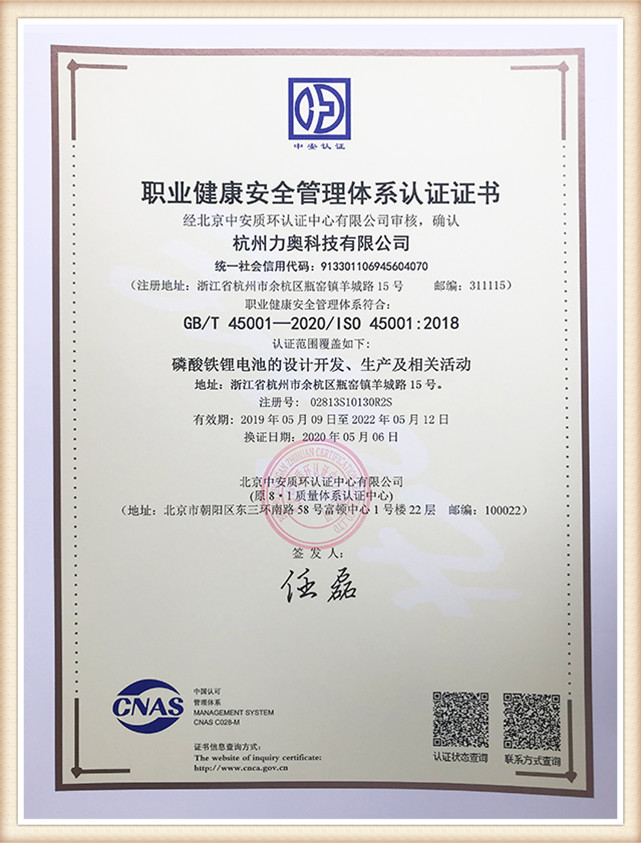
Our manufacturing operations are built upon structured quality and environmental stewardship frameworks. LIAO maintains continuous compliance and certification under the ISO 9001 Quality Management System, the ISO 14001 Environmental Management System, and the ISO 18001 / ISO 45001 Occupational Health and Safety Management Standards. By operating a highly optimized manufacturing ecosystem, we guarantee traceabilities for every component from prismatic cell raw materials through to finalized battery pack installations.
Why Tier-1 solar integrators and global distributors select LIAO LiFePO4 platforms for high-demand installations.
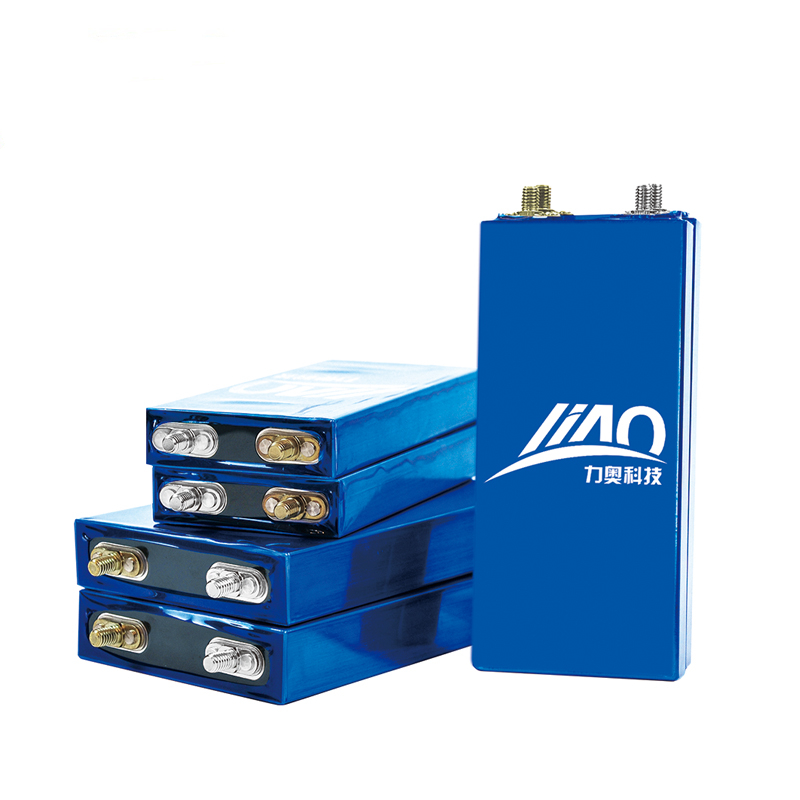
LIAO's prismatic cells are engineered with specialized chemical composition preventing thermal runaway. Our batteries will not catch fire or explode even under mechanical acupuncture and heavy compression tests.
Our battery packs are stable in harsh environments, maintaining efficient charge acceptance and stable discharging within an extreme operational range of -40°C to +85°C.
Delivering over 2800+ full cycles at 1C charge/discharge rates under 100% Depth of Discharge (DoD), retaining outstanding capacity and keeping the Levelized Cost of Storage (LCOS) to a minimum.
How residential energy storage infrastructures act as critical nodes in smart grids and Virtual Power Plants (VPP).
The modernization of global electrical infrastructure demands decentralized, intelligent, and highly stable energy storage nodes. Residential Energy Storage Systems (ESS) are no longer merely emergency backups; they are central components for domestic power optimization, active grid management, and carbon offset protocols.
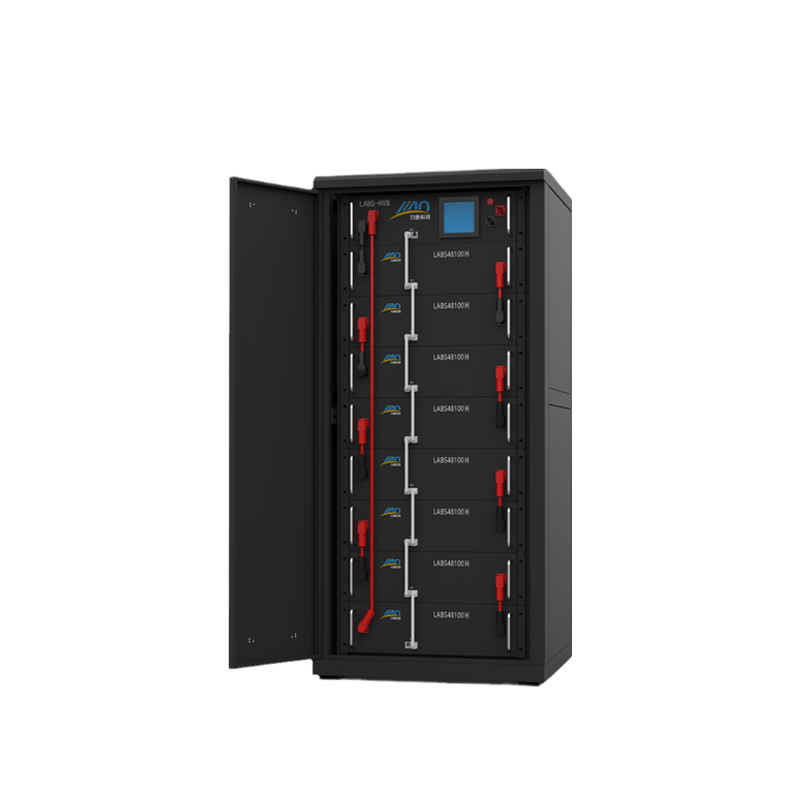
As renewable sources such as solar and wind experience intermittency, regional electrical distribution grids are subject to dynamic frequency variances and voltage drops. LIAO's high-capacity battery solutions integrate directly with standard smart hybrid inverters. This setup performs rapid sub-millisecond switching to feed energy back to local household distribution during grid instability. Homeowners leverage peak shaving strategies—charging the battery banks during off-peak times when energy costs are low and utilizing stored power during expensive peak-demand hours.
Modern residential ESS units serve as virtual power plants. By aggregating residential storage capacities using specialized communications interfaces, utilities can adjust consumption parameters in real-time. Our custom BMS platforms are compatible with RS485, CAN, and RS232 protocols, facilitating clean integration with IoT hubs. This allows communities to collectively discharge stored battery reserves back to the grid during emergency demand peaks, safeguarding regional grids while compensating system owners.
The demand for energy storage continues to rise. Across Europe—particularly in Germany, the Netherlands, Spain, and the UK—skyrocketing commercial energy costs and progressive feed-in tariffs have accelerated the adoption of home energy storage systems.
In the Americas (USA, Canada, Mexico, Brazil), grid resilience issues driven by extreme weather phenomena have led utilities and regulatory commissions to provide extensive incentives for hybrid energy storage installations. In parallel, markets across the Asia-Pacific (Australia, Korea, Japan, India) and emerging regions (South Africa, Nigeria) are adopting LiFePO4 technology to solve microgrid stability, manage rural electrification, and replace noisy, high-emission diesel generators.

Leveraging high-performance LiFePO4 chemistry to power electric vehicles, industrial assets, and recreational machinery.

Our new-generation LiFePO4 golf cart batteries deliver consistent voltage, lightweight construction, and rapid recharging, enabling carts to navigate varying terrains smoothly.
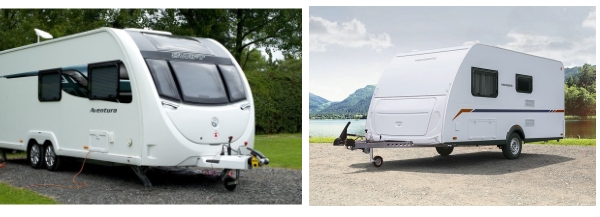
Engineered for continuous power release, these batteries operate caravan movers quietly and cleanly. They eliminate maintenance needs and enhance operation cycles for caravan users.
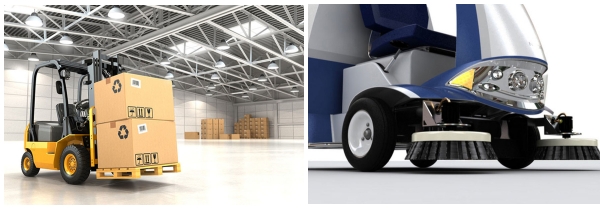
Optimized for material transport equipment, our heavy-duty battery packs deliver stable power to lifts and warehouse logistics, lowering maintenance costs and increasing load efficiency.
A look inside LIAO's cleanroom production facilities, automated testing systems, and quality control lines.
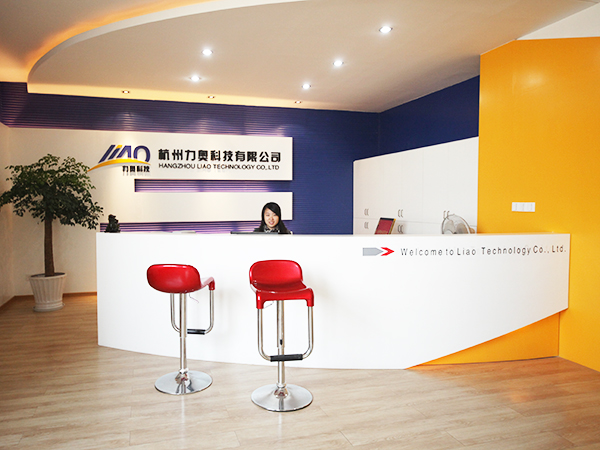
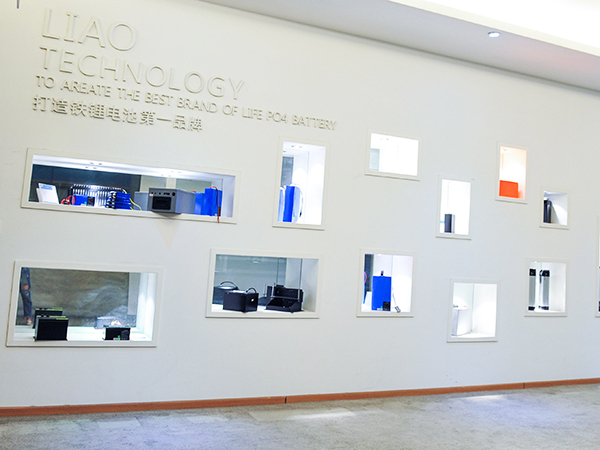
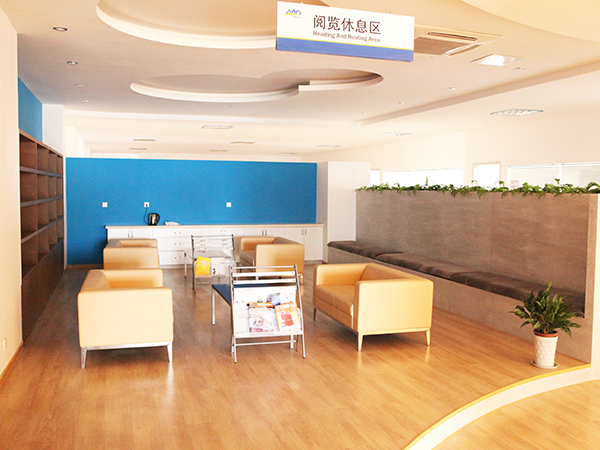
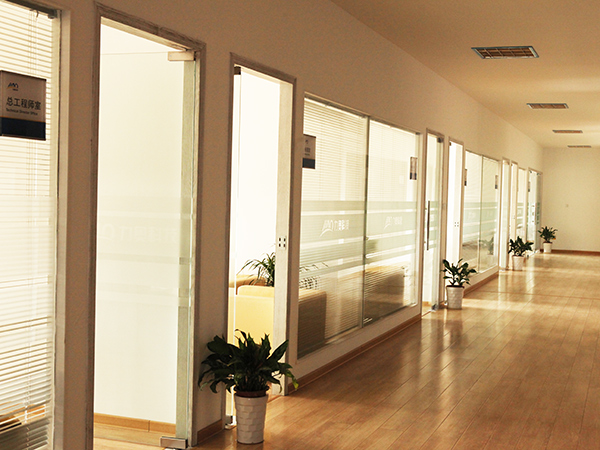

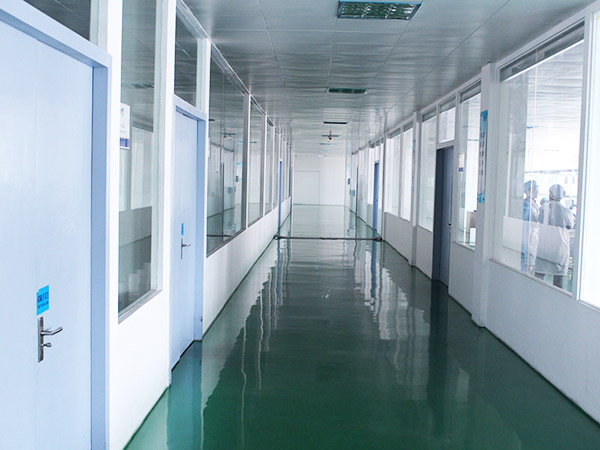
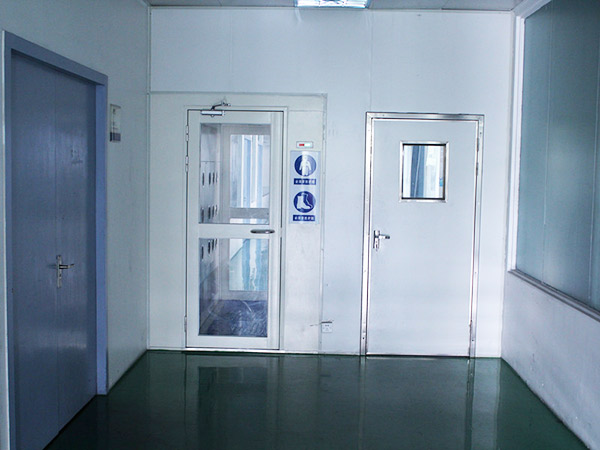
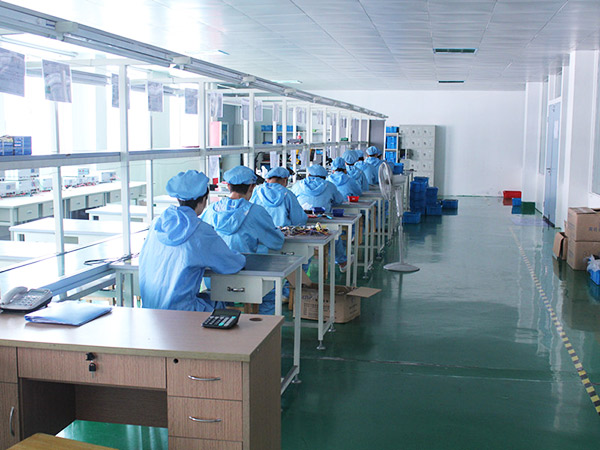
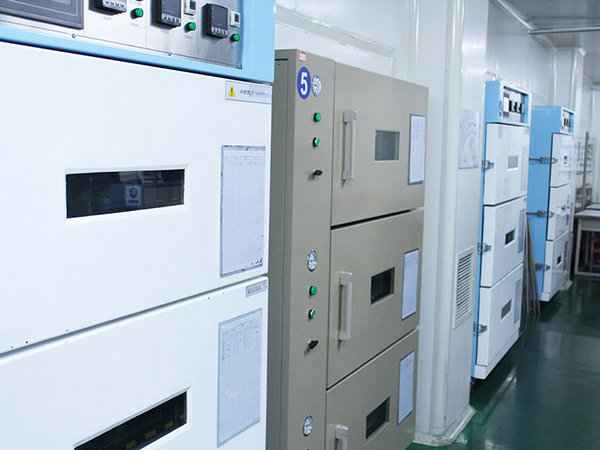
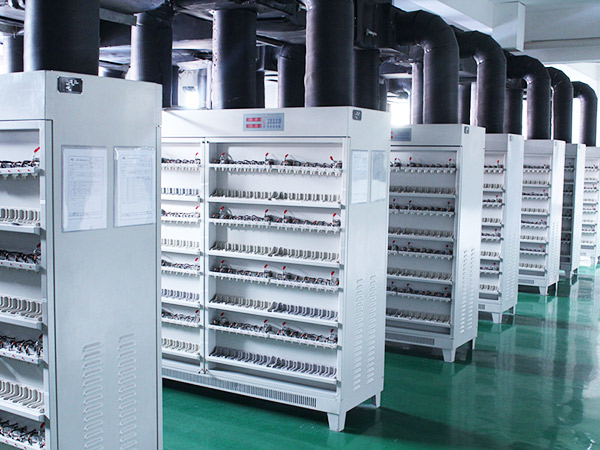
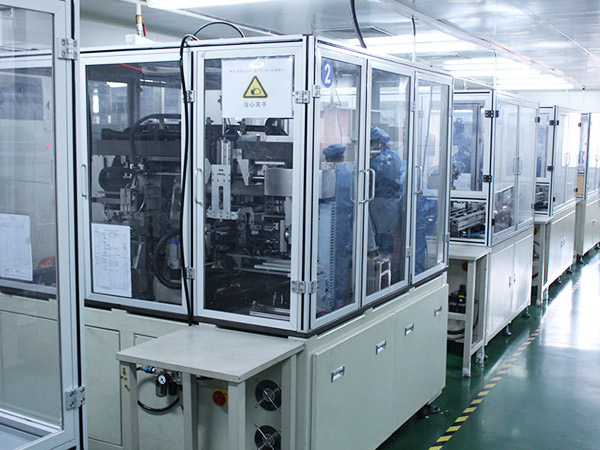
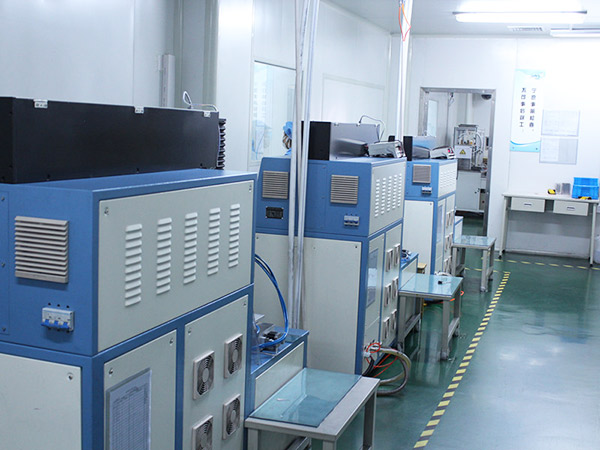
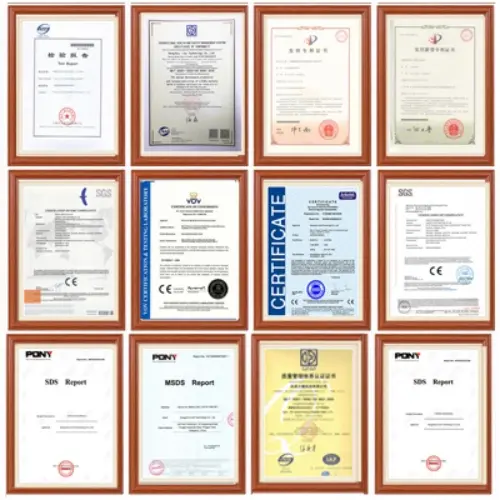
A key factor in energy storage integration is navigating local certification policies and safety standards. LIAO ensures that all custom battery packs meet or exceed localized grid connection codes and environmental safety criteria.
Our products undergo comprehensive certification testing including CE (EN 62619, EN 61000), UN38.3 (Safe Transport Regulations), and materials testing under the RoHS directive. This compliance structure guarantees smooth customs handling and direct eligibility for commercial installation incentives.
To support our OEM/ODM partners, we offer comprehensive engineering services: from thermal modeling and structural layout (CAD/3D rendering) to custom BMS communications firmware adjustments.
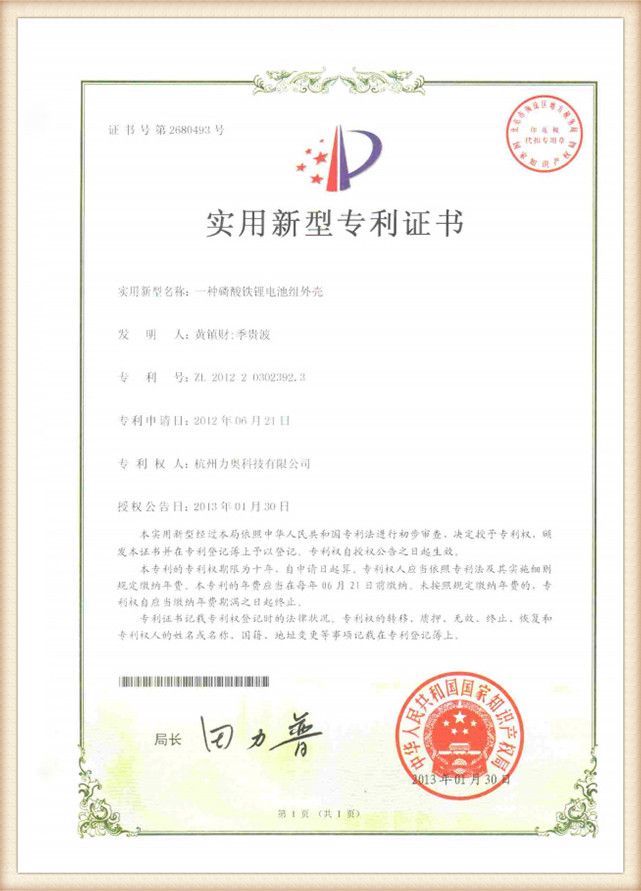
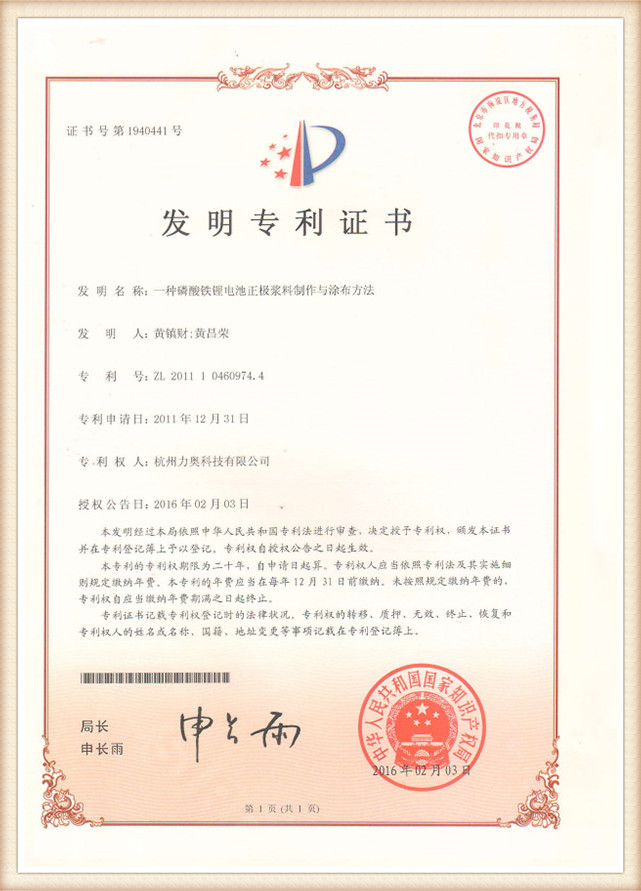
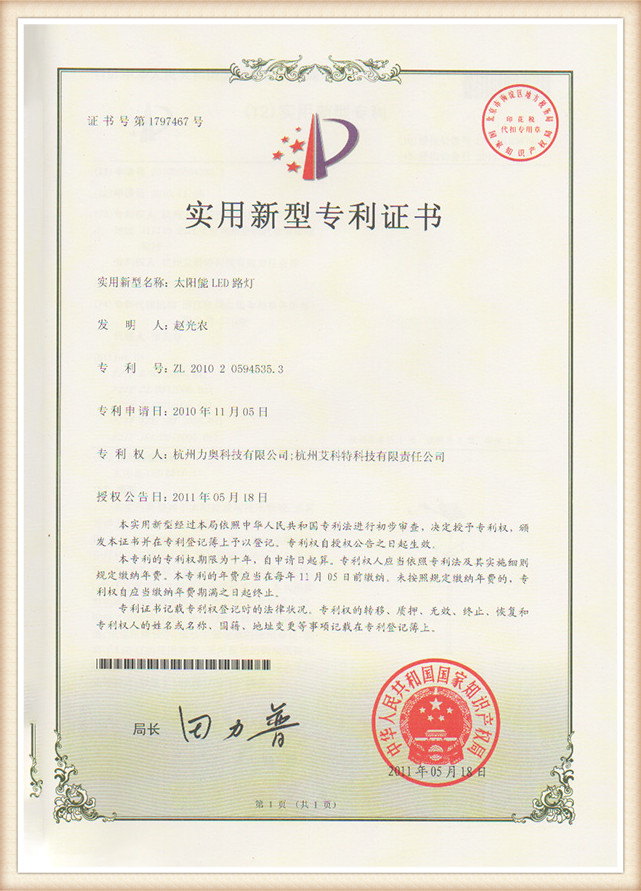
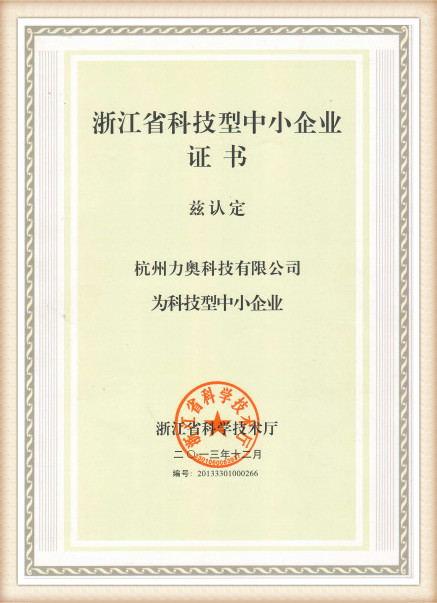
LIAO's patent portfolio and certification track record, validating safety, reliability, and manufacturing excellence.

LIAO's vision for chemistry optimization, intelligent BMS integration, and circular economy protocols.
While current LiFePO4 chemistry provides exceptional safety and cycle life, our laboratory is researching solid-state and semi-solid lithium iron phosphate technologies. By replacing liquid volatile organic solvents with non-flammable solid ceramic matrixes, we aim to increase energy densities past 220 Wh/kg while retaining safety under mechanical rupture.
LIAO's engineering team is developing cloud-connected BMS architectures that employ artificial intelligence. These systems will analyze real-time state of charge (SoC) and state of health (SoH) profiles across individual cells. Using machine learning models, the BMS can predict localized dendrite growth patterns and proactively optimize balancing protocols, extending operational lifetimes by up to 25%.
The shipping and marine industries face high regulatory pressures to decarbonize. Marine and e-boat systems demand battery banks that operate under high moisture and salinity levels. LIAO's IP67-enclosed marine LiFePO4 solutions offer clean, quiet propulsion without emission hazards. They ensure long-term stability and eliminate leakage risks in sensitive aquatic ecosystems.
Expert answers regarding LiFePO4 chemistry performance, custom BMS protocols, safety configurations, and integration parameters.
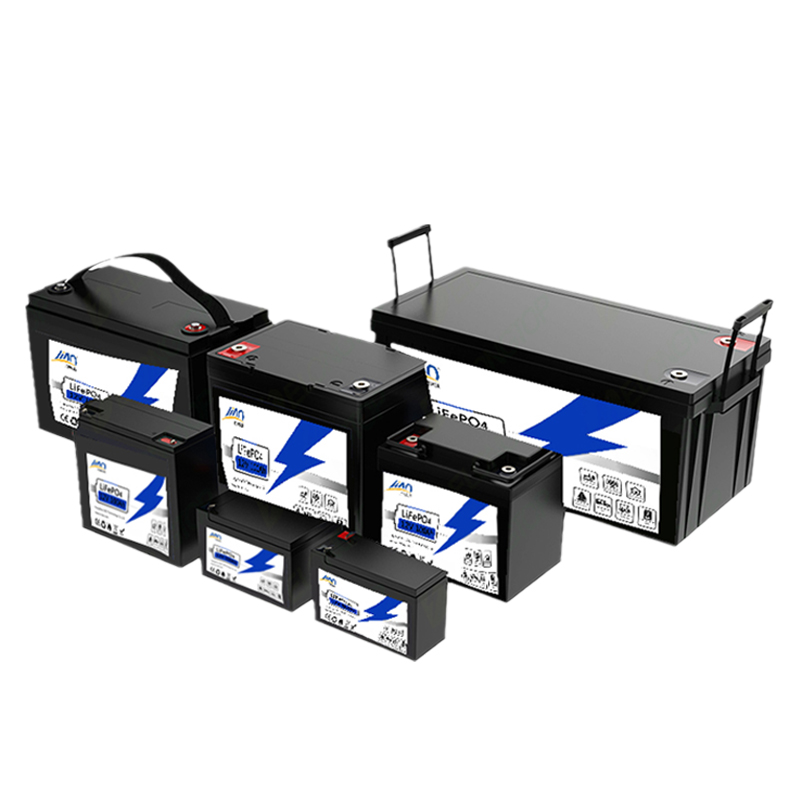
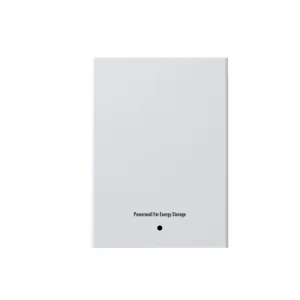
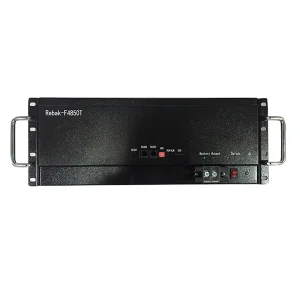
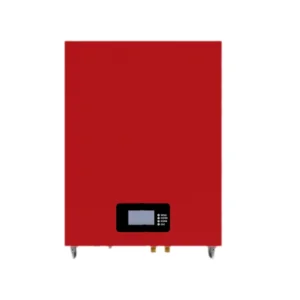
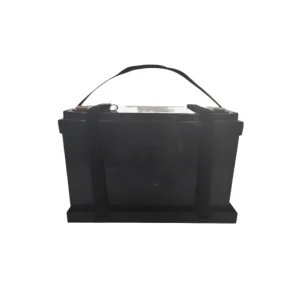
Discover our engineered solutions for wall-mounted solar storage, high-current vehicle power, and certified replacements.
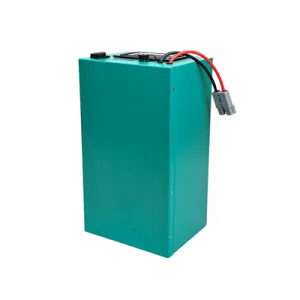
 Liao Battery