Rechargeable batteries look simple on a shelf. The right choice depends on what they power, how often they are used, and how they are charged. A camera flash, a child’s toy, and a wireless mouse place different demands on a cell. Capacity matters, but so do chemistry, voltage, cycle life, leakage protection, and charger compatibility. A large capacity number alone tells only part of the story.
Battery scientist Dr. Shirley Meng’s research highlights the value of matching battery materials and design to real-world needs. Paraphrased as a buying principle: “Choose for the device and usage pattern, not the biggest number on the package.” That distinction matters. A quality NiMH AA may suit frequently used household devices, while lithium-ion formats serve other compatible products. Never substitute a battery chemistry or size that the device manufacturer does not permit. Small detail. Big consequence.
This guide to the 10 Best Rechargeable Batteries for Global Buyers compares practical options for home, travel, and everyday electronics. It considers capacity claims, charging convenience, expected lifespan, and product information buyers can verify. Availability and labeling vary by market, so check local packaging and your device manual before purchasing. No battery lasts forever; performance can also disappoint when storage or charging conditions are poor. That is easy to overlook. The recommendations aim to clarify trade-offs, not promise a perfect cell for every buyer. A little skepticism helps. The best Recharge Battery choice is the one that fits the device safely and reliably.
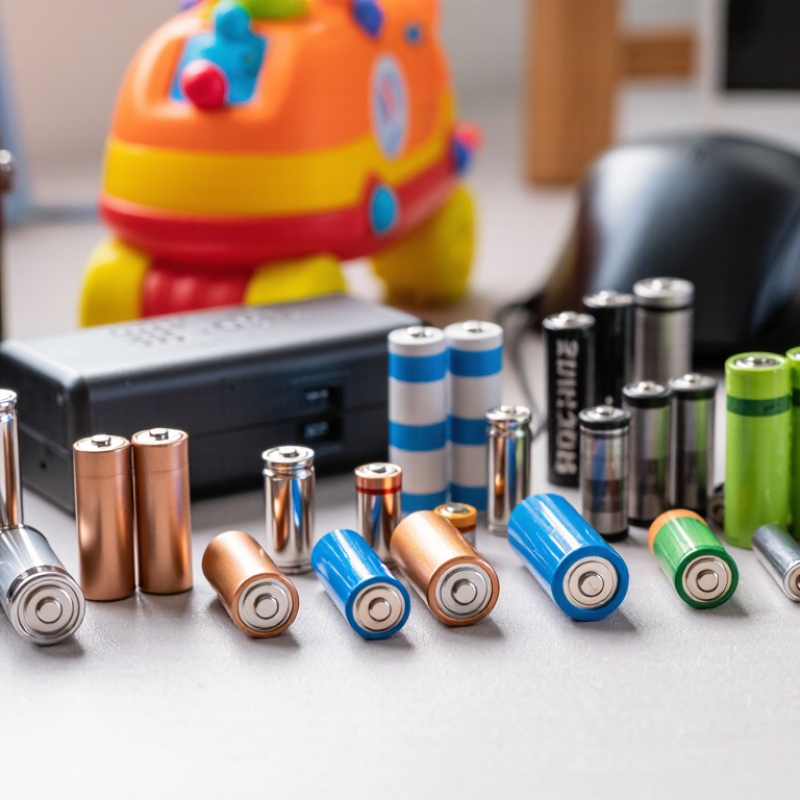
Rechargeable battery types differ in voltage, capacity, weight, and charging needs. Nickel-metal hydride cells typically provide 1.2 volts, making them common in AA and AAA replacements. Lithium-ion cells usually provide 3.6 or 3.7 volts, so they need chargers designed for that chemistry. Lead-acid cells deliver about 2 volts each and are heavier, but remain useful in backup systems. Voltage matters. A battery’s capacity, measured in amp-hours or milliamp-hours, describes stored charge; watt-hours help compare energy across different voltages.
Check the chemistry, size, rated capacity, cycle-life estimate, temperature range, and charging limits before buying. The International Energy Agency’s Global EV Outlook 2024 reports that electric-vehicle battery demand reached about 750 GWh in 2023, up roughly 40% from 2022. That figure reflects vehicle batteries, not household cells, but it shows lithium-ion’s scale in a major market. Specs still need context. Cycle-life figures depend on discharge depth, temperature, and test conditions, so two datasheets may not be directly comparable. A bright label is not enough. I’d also verify whether the listed capacity was measured at a realistic discharge rate; manufacturers do not always make that detail easy to find.
Choosing rechargeable batteries starts with the device’s size and power needs, not the lowest price. Remote controls and clocks use little power, while cameras, toys, and game controllers may need more frequent, steady output. Many NiMH cells provide 1.2 volts, compared with 1.5 volts for alkaline cells. Compatible devices usually work well, but some battery indicators may read low sooner. Check the device manual before changing battery chemistry. Capacity matters, too: a higher mAh rating can mean longer use between charges, though performance also depends on the device.
Tips: Match the charger to the battery’s chemistry and size. Replace cells as a set, and avoid mixing old and newly charged batteries. Small details matter.
For international use, check the charger label for its supported input voltage and frequency, and confirm that its plug fits your destination. A plug adapter does not convert voltage. Heat can shorten battery life, so avoid leaving cells in a hot car or direct sun. Cold conditions may also reduce runtime temporarily. Check local guidance for battery recycling when cells reach the end of their useful life. One easy-to-miss point: a familiar battery shape does not guarantee compatibility, so verify both the device instructions and charger specifications.
Global buyers need rechargeable batteries that match both their devices and local charging habits. A useful ten-type shortlist spans common household sizes and specialist formats. It includes low-self-discharge AA NiMH, high-capacity AA NiMH, AAA NiMH, C NiMH, D NiMH, and 9V NiMH cells. It also includes USB-C rechargeable AA-format lithium cells, protected 18650 cells, 21700 cells, and LIR2032 rechargeable coin cells. These are battery types, not interchangeable recommendations.
Check the device label before buying. NiMH cells typically deliver 1.2 volts, while alkaline batteries are nominally 1.5 volts; some devices may show a low-battery warning with NiMH. AA-format lithium cells can have different output voltages, so confirm compatibility carefully. An LIR2032 is not a direct substitute for a CR2032. Small details matter.
For travel, compare charger input ranges, plug types, and clear safety instructions. For frequent use, low-self-discharge NiMH cells can be convenient in remotes or emergency torches. High-capacity cells may suit devices used often, but capacity alone does not determine value. Store loose cells in a case, especially when carrying lithium-ion formats. The shortlist is practical, not perfect; device needs vary, and labels can be confusing. Check before checkout.
Compatibility starts with size, chemistry, and voltage. A battery that fits the compartment may still be unsuitable for the device. Check whether it requires AA or AAA cells, and whether its manual specifies nickel-metal hydride or another chemistry. Some equipment is sensitive to voltage differences, especially older cameras and measuring tools. A label can mislead.
Match the charger to the battery chemistry and cell count. Chargers designed for one type may not safely charge another. For international travel, check the charger’s input range; a marking of 100–240 V usually covers common mains supplies, though a plug adapter may still be needed. Avoid charging cells that feel hot, and use a charger that detects when charging is complete. Small details matter.
Performance depends on the job. High-drain toys or camera flashes benefit from cells that can deliver power steadily, while a remote control may work well with a lower-capacity option. Capacity figures help, but they do not tell the whole story: storage age, temperature, and self-discharge also affect runtime. In a cool hallway, a battery may seem weaker than it does indoors. I would compare runtime in the actual device, not rely on one headline number; even careful testing can be a little messy.
Rechargeable batteries work best when the cell type, charger, and device match. Before charging, inspect each cell for swelling, leaks, corrosion, or a damaged wrapper. Do not charge damaged batteries or leave charging cells on bedding or near paper. Keep them apart. That small habit is easy to forget when several devices need power at once.
Store batteries in a cool, dry place, away from direct sun, heaters, and metal objects. Loose cells can touch keys or coins and short-circuit, so use a case or suitable packaging. For long-term storage, follow the manufacturer’s guidance; recommended charge levels differ by chemistry. A garage may seem convenient, but summer heat can make it a poor choice. Never guess.
At end of life, use a battery collection program that accepts the specific battery type. Keep rechargeable cells out of household trash where dedicated collection is available. Cover exposed terminals with nonconductive tape if local collection instructions request it. Do not place swollen or damaged cells in a standard drop-off box; ask the local waste service how to handle them. Collection rules vary, and it is easy to assume one familiar bin accepts every battery type.
Check the required size, such as AA or AAA, and the chemistry listed in the device manual. A label can mislead.
No. Match the charger to the battery chemistry and cell count. Use a charger that detects when charging is complete.
Check its input range. A 100–240 V marking usually covers common mains supplies, but you may still need a plug adapter.
High-drain devices, like camera flashes, need steady power. Temperature, storage age, and self-discharge also affect runtime.
Test runtime in the actual device rather than relying only on capacity figures. It can be a little messy.
Look for swelling, leaks, corrosion, or a damaged wrapper. Do not charge damaged cells or cells that feel hot.
Keep them in a cool, dry place, away from sunlight, heaters, keys, and coins. Use a case or suitable packaging.
Use a collection program that accepts their specific type. If a cell is swollen or damaged, ask the local waste service how to handle it.
This guide explores the main types of rechargeable batteries and the specifications that matter when comparing them, including capacity, voltage, size, and cycle life. It explains how to choose suitable options for everyday devices and different regional needs, then reviews ten rechargeable battery choices for global buyers without focusing on any particular brand. The goal is to help readers match battery characteristics to their devices, usage habits, and charging requirements.
A practical Recharge Battery decision also depends on compatibility, charger support, and expected performance. The guide covers ways to use and charge batteries appropriately, along with safe storage habits and responsible recycling when a battery reaches the end of its useful life. Together, these considerations help buyers make informed choices, maintain reliable device operation, and handle rechargeable batteries with care.

Liao Battery