When it comes to long-distance travel, choosing the right Scooter Battery is crucial. Renowned scooter expert, John Lewis, emphasizes, “A reliable battery can make or break your journey.” This statement rings true for anyone venturing on extensive rides.
As electric scooters gain popularity for their convenience, the battery choices available today can be overwhelming. Different types of Scooter Batteries offer varied ranges and performances. It’s essential to consider factors like longevity, recharge times, and the terrain you plan to navigate.
While lithium-ion batteries are favored for their efficiency, some users find lead-acid batteries more cost-effective. Despite their pros and cons, the best option often depends on personal needs and the distance involved. Keep in mind that not every battery will meet the demands of long rides. Evaluating these factors is key to ensuring a smooth journey ahead.
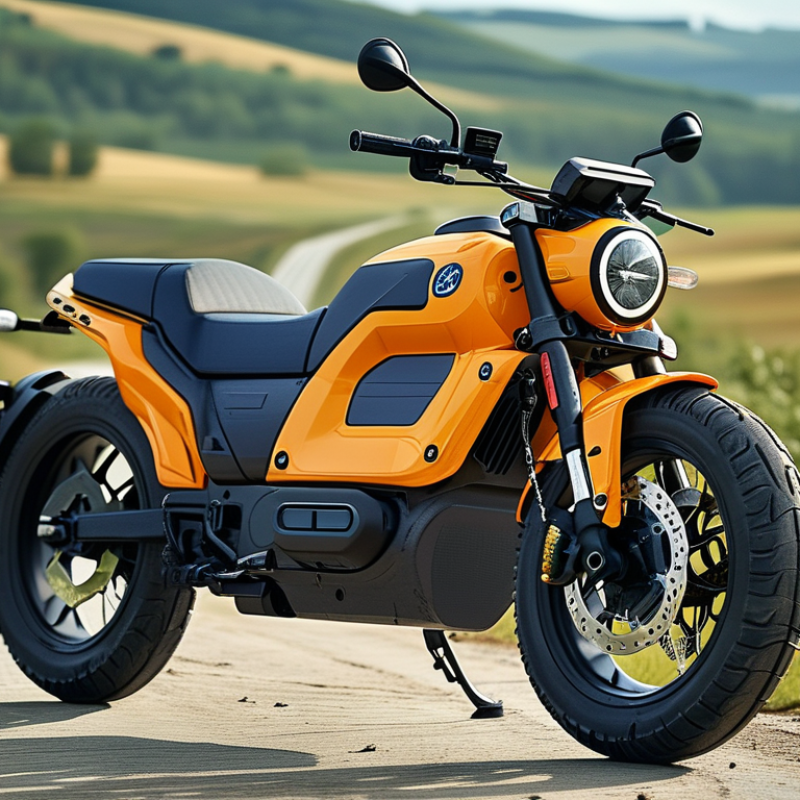
When planning for long-distance travel on a scooter, it's crucial to understand battery types.
Lithium-ion batteries are the most popular choice due to their lightweight and high energy density.
They can provide up to 80% more range than traditional lead-acid batteries. This translates to longer rides without frequent charging, which is essential on extended journeys.
However, the performance of lithium-ion batteries can vary significantly. Factors such as weather and usage patterns affect efficiency.
Cold temperatures can reduce battery capacity by up to 20%, meaning unexpected stops for charging.
Users should monitor their battery's health regularly. Insufficient maintenance can shorten battery lifespan, leading to potential travel disruptions.
Another option is AGM (Absorbent Glass Mat) batteries. They are sturdy and resist vibration, making them suitable for rugged terrains.
While they have a lower energy density compared to lithium-ion, they are generally more affordable.
Despite their resilience, they have a limited range. Riders should weigh the pros and cons before choosing between these types.
Understanding these nuances can lead to a much smoother travel experience.
When choosing a battery for long-distance scooter travel, several key factors come into play.
Capacity is crucial. A higher capacity battery can provide extended range. Look for batteries rated around
20Ah or more for optimal performance. Weight also matters. Heavier batteries can affect handling and speed.
Aim for a balance between capacity and weight that suits your
scooter's design.
Charging time should not be underestimated. Some batteries can take hours to fully recharge. If you plan multiple legs in a day,
fast charging options are worth considering. Consider the temperature sensitivity of the battery.
Extreme conditions can affect performance. Seek batteries designed to withstand a range of climates.
Additionally, pay attention to the battery's lifespan. Quality batteries have longer life cycles. They provide value over time.
Reviews from other users can offer insights into reliability. Reflect on your specific needs and riding style.
Your choices should align with personal preferences. Stay informed and ready for adjustments as technology evolves.
When planning for long-distance travel on a scooter, choosing the right battery is crucial. High-capacity scooter batteries are designed to enhance your journey. They offer longer run times, ensuring you reach your destination without interruptions.
Lithium-ion batteries are a popular choice among advanced users. These batteries provide impressive energy density. They tend to be lighter than traditional options, making your scooter more maneuverable. However, they can be pricier. It's worth considering your budget and travel needs.
Lead-acid batteries are another option. They are more affordable and widely available. However, they can be heavier and bulkier, which impacts the overall performance of your scooter. In many cases, their shorter lifespan and longer charging times can be a downside. Finding the right battery involves balancing cost, weight, and travel distance. Each type has advantages and disadvantages, and understanding these nuances is key to making an informed decision.
Maintaining your scooter battery is crucial for long-distance travel. A well-kept battery extends your riding range and improves performance. Regularly check the battery’s voltage. A significant drop indicates it needs attention. Keeping connections clean and tight helps prevent energy loss. Dirt can cause corrosion, which over time reduces efficiency.
Charge your battery correctly. Using the right charger is key. Overcharging can lead to overheating, while undercharging may leave your battery weak. Aim for a full charge before long trips. Temperature plays a role too. Extreme heat or cold can impact battery life. If it’s hot outside, cool your scooter in the shade before charging.
You should also consider periodic deep cycling. This can enhance battery health. It involves fully discharging and recharging your battery occasionally. But don’t overdo it. Too much deep cycling can cause damage. Be aware of signs of aging, like diminished range. If you notice these signs, it may be time for a new battery. Caring for your scooter battery is an ongoing process. Stay informed and adapt your practices based on your scooter's needs.
Long-distance travel on a scooter can be exhilarating, but safety is paramount. Understanding battery usage is critical for a smooth journey. Always check the battery condition before heading out. A damaged or worn battery poses serious risks. Regular maintenance checks can prevent unexpected failures on the road.
Tips: Charge your battery fully before long trips. Avoid complete discharges; they can harm its lifespan. Monitor battery performance while riding. If it seems sluggish, stop and assess the situation. Know the replacement intervals for your battery. Waiting too long can lead to a sudden breakdown.
Extreme weather can impact battery performance. Cold temperatures may reduce power output. In contrast, extreme heat can cause overheating. Always keep your battery charged and store it in a temperature-controlled place when not in use. Remember, safety goes beyond just battery health; wear a helmet and protective gear. Riding smart ensures you enjoy every mile.
: Lithium-ion batteries are preferred for their lightweight and high energy density, providing longer range.
Cold weather can reduce battery capacity by up to 20%, impacting your travel plans unexpectedly.
Regular maintenance is needed to avoid shortening battery lifespan, which can disrupt your travels.
AGM batteries are sturdy and good for rugged terrain but have a limited range compared to lithium-ion.
Check the battery condition regularly and charge it fully before long trips to prevent unexpected failures.
Lead-acid batteries are heavier and have shorter lifespans, impacting overall performance on your scooter.
Always keep your battery charged and store it in a temperature-controlled place to enhance performance.
If the battery performance is slow during a ride, stop and assess the situation to avoid being stranded.
Safety ensures an enjoyable ride, so wear a helmet and protective gear in addition to monitoring battery health.
When planning for long-distance travel on a scooter, understanding the various types of scooter batteries is crucial. Different battery types, such as lead-acid and lithium-ion, offer varying capacities and lifespans, significantly impacting your journey. Factors to consider include the range, weight, and charging time of the battery, all of which are essential for a smooth travel experience.
Additionally, selecting high-capacity scooter batteries is vital for ensuring that you won’t run out of power during your trip. Regular maintenance can help maximize the life of your scooter battery, including proper charging practices and storage. Lastly, prioritizing safety by adhering to guidelines for battery usage can prevent accidents and ensure a reliable ride throughout your long-distance adventure.

Liao Battery