How to Choose the Best E Bike Batteries for Your Needs?

Time:2026-07-27 Author:Charlotte
0%

Choosing the right E Bike Batteries can significantly enhance your cycling experience. As John Reynolds, an expert in e-bike technology, aptly states, "The battery is the heart of the e-bike." Your ride quality and performance hinge on this critical component.

Understanding your unique needs is essential. Different riders require different battery capacities depending on distance, terrain, and frequency of use. A commuter might favor lightweight batteries for quick trips, while an adventurous rider may prioritize longevity for longer journeys.

E Bike Batteries come in various types, each with its pros and cons. Lithium-ion batteries dominate due to their efficiency and lightweight design. However, they can be pricey. Lead-acid batteries might seem economical, but they are heavier and less efficient. Evaluating these options is vital. Reflect on your riding habits to make an informed choice.
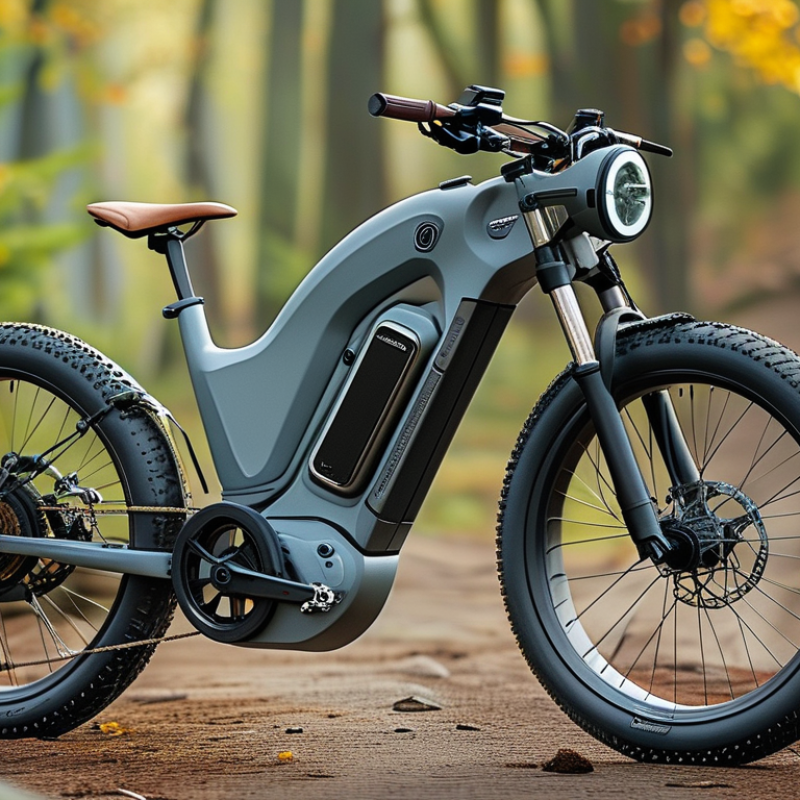
How to Choose the Best E Bike Batteries for Your Needs?

Understanding Different Types of E-Bike Batteries and Their Features

When choosing an e-bike battery, it's essential to understand the different types available. Lithium-ion batteries are popular because they offer high energy density and longer lifespan. They typically last between 500 to 1,500 charge cycles. However, they can be sensitive to heat and require careful handling.

Sealed Lead Acid (SLA) batteries might be cheaper but are heavier and bulkier. They have a shorter lifespan of around 300–500 cycles. If you're considering an SLA battery, think about how the weight impacts your ride. It can slow you down and affect your overall performance.

Tips: Always check the battery specifications. Look for amp hours (Ah) to gauge energy capacity. Inspect weight and size too. A suitable battery should match your bike's design.

Another option is nickel-based batteries. They tend to have a longer lifespan but can be less efficient than lithium options. Evaluating your budget and performance needs is vital. Reflect on your riding patterns—are you a casual cyclist or a frequent commuter? Your choices should reflect your unique lifestyle.

Evaluating Your Riding Needs and Battery Capacity Requirements

When selecting an e-bike battery, evaluate your riding needs and capacity requirements. For city commuting, you may need a battery with a capacity of 400Wh to 600Wh. Longer journeys may require more substantial performance. According to industry reports, a typical e-bike covers 20 to 40 miles on a full charge. However, actual distances can vary significantly based on terrain and riding style.

Consider the type of terrain you navigate. Hilly areas demand higher capacity batteries, often exceeding 600Wh. A study indicates that riders on steep inclines can consume battery power 50% faster. That means a 500Wh battery may last only half as long. Also, factors like rider weight and wind conditions impact battery life. These variables can make choosing the right battery perplexing.

Integrating regenerative braking can enhance battery efficiency, yet not all bikes have this feature. Some users overlook this crucial aspect. It’s worth reflecting on how often you'll recharge during longer rides. A portable charger may not always provide sufficient backup. Balancing these factors will help ensure you choose a battery suited to your specific needs.

Battery Capacity Requirements for E-Bikes

Key Factors to Consider When Choosing an E-Bike Battery

Choosing the right e-bike battery involves understanding several key factors. Battery capacity is essential. It determines how far you can ride on a single charge. A higher capacity means longer rides, but it also adds weight. This trade-off is crucial for many riders. Not every situation requires extended range. Sometimes, a lighter battery is better for urban commuting.

Voltage levels also matter. They impact motor performance and overall efficiency. Lower voltage batteries can provide adequate power for casual riders. However, performance enthusiasts may seek higher voltage options for better acceleration and speed. Think about your riding style before making a choice.

Charging times and lifespan are additional considerations. Some batteries charge quickly but may degrade faster. Others may take longer to recharge but have a longer life. Reflect on your daily usage. If frequent charging is an issue, prioritize a durable option. Balancing these factors can help ensure you choose a battery that aligns with your specific needs and riding habits.

Comparing Battery Brands and Their Performance Ratings

When selecting an e-bike battery, understanding brands and performance ratings is crucial. Recent industry reports highlight that lithium-ion batteries are the most widely used in e-bikes. Their energy density typically ranges from 150 to 250 Wh/kg, offering a great balance of weight and power. Comparing brands can reveal significant differences in capacity endurance and charging cycles.

One essential factor to consider is the battery's cycle life. High-quality batteries can endure 800 to 1,000 cycles. Some lesser-known brands may promise lower prices but might only last 300 cycles. This discrepancy can impact long-term costs and performance. Look for user reviews and expert analyses that rate battery brands on longevity and reliability.

Tip: Always check for warranties and service options. Make sure you understand the warranty conditions. Another point of caution is to verify the brand’s reputation. Poorly rated brands could lead to disappointing experiences. Overall, thorough research is key to making an informed decision.

Maintenance Tips for Extending E-Bike Battery Life

Maintaining your e-bike battery is crucial for longevity and performance. Regular charging practices can significantly extend its lifespan. Aim to charge your battery when it drops to about 20% capacity. Overcharging and leaving it completely drained are detrimental. Both scenarios can lead to battery degradation. Instead, try to keep it between 20% and 80% charged for optimal health.

Proper storage is another key factor. If you’re not using your e-bike for an extended time, store the battery in a cool, dry place. Avoid extreme temperatures. High heat can accelerate aging, while extreme cold can reduce performance. Periodically check the battery's condition. Look for signs of swelling or corrosion. If you notice such issues, it's advisable to address them promptly.

Regular cleaning of the battery terminals also helps. Dust and grime can cause resistance, affecting performance. Just a simple wipe can make a difference. While it's easy to overlook battery maintenance, doing it can prevent larger issues down the road. Reflect on your usage habits, and adjust to promote a healthier battery life.

How to Choose the Best E Bike Batteries for Your Needs? - Maintenance Tips for Extending E-Bike Battery Life

Battery Type Capacity (Ah) Voltage (V) Range (Miles) Average Lifespan (Years) Maintenance Tips
Lithium-ion 12 36 40 3-5 Keep charged between 20-80%.
Lead-acid 20 24 30 1-3 Avoid deep discharges.
Nickel-cadmium 15 36 25 2-5 Fully discharge occasionally to prevent memory effect.
Lithium-polymer 10 36 35 2-4 Store in a cool, dry place.

FAQS

: What should I consider when choosing an e-bike battery?

: Evaluate your riding needs, capacity requirements, terrain, and battery weight to select the right battery.

How does terrain affect battery consumption?

Hilly terrain can consume battery power 50% faster than flat routes.

What is the typical distance an e-bike can travel on a full charge?

Most e-bikes can cover 20 to 40 miles, but this varies based on riding style and conditions.

Why is battery capacity important?

Battery capacity affects how far you can ride on a single charge. Higher capacity means longer rides.

How do voltage levels impact performance?

Lower voltage batteries suffice for casual rides, while higher voltage options enhance acceleration and speed.

What should I know about charging times and battery lifespan?

Some batteries charge quickly but may have shorter lifespans. Consider your charging habits in your decision.

How can regenerative braking influence battery efficiency?

Regenerative braking can improve battery lifespan, but not all e-bikes come equipped with this feature.

What role do brand performance ratings play in battery selection?

Brands vary in battery reliability and lifespan. Research is essential to avoid poor-quality options.

How long can a high-quality battery last?

High-quality lithium-ion batteries can endure 800 to 1,000 cycles, affecting long-term performance and costs.

Should I check warranties before buying a battery?

Yes, understanding warranty conditions can protect you from unpleasant surprises later on.

Conclusion

Choosing the best E-Bike batteries requires an understanding of the various types available and their specific features. It's essential to evaluate your riding needs to determine the appropriate battery capacity that will support your journey without limitations. Several key factors come into play when selecting an E-Bike battery, including voltage, chemistry, and weight, all of which can significantly impact performance.

In addition to understanding battery types and capacities, comparing different brands and their performance ratings can help you make an informed decision. To ensure the longevity of your E-Bike batteries, implementing maintenance tips, such as proper charging practices and storage, can extend their life, helping you get the most value from your investment.


Charlotte

Charlotte

Charlotte is a seasoned marketing professional with a deep understanding of the company's portfolio and a passion for elevating its presence in the market. With a keen eye for detail and a commitment to excellence, she ensures that our professional blog is regularly updated with insightful articles......