How to Choose the Right Agv Robot Battery for Your Needs?

Time:2026-08-01 Author:Charlotte
0%

Choosing the right Agv Robot Battery is crucial for optimizing your automation processes. According to a report by Industry Insights, battery technology plays a key role in the performance of autonomous guided vehicles. An expert in the field, Dr. Emily Chan, states, “The efficiency of an Agv robot heavily relies on selecting the appropriate battery type.”

Many businesses overlook the specific requirements of their Agv systems. Each application demands different energy capacities and discharge rates. A standard lead-acid battery may suffice for simple tasks, but lithium-ion batteries offer enhanced performance. However, they come with a higher cost. It's essential to weigh these factors carefully.

Understanding the dynamics between energy needs and battery specifications can be complex. Some users may find themselves underestimating their requirements. This misjudgment can lead to reduced operational efficiency. Thus, conducting a thorough assessment of your Agv Robot Battery options is vital. Choosing wisely can significantly impact your overall productivity and efficiency.
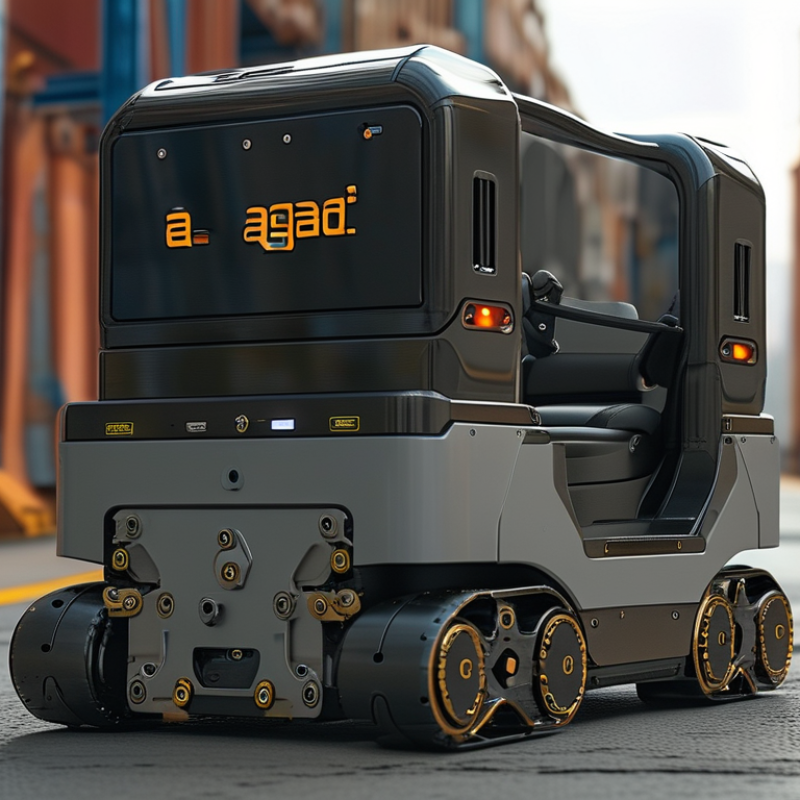
How to Choose the Right Agv Robot Battery for Your Needs?

Understanding Different Types of AGV Robot Batteries

Choosing the right AGV robot battery is crucial for optimal performance. Understanding the different types of AGV batteries can directly impact efficiency. Lithium-ion batteries are popular due to their long lifespan and fast charging. They are lightweight and offer a high energy density. However, they can be expensive and require careful handling.

Lead-acid batteries are another option. They are more affordable and widely used. But, they have a shorter lifespan and longer charging times. This can affect operational efficiency. Users often report needing to replace lead-acid batteries more frequently than expected, which can lead to unexpected costs.

Tips: When selecting a battery, consider your AGV's workload. Match the battery capacity to the robot's power requirements. Evaluate charging times based on your operation schedule. Regular maintenance of batteries can prolong their life, allowing you to avoid frequent replacements. Always monitor battery health to detect issues early. Quality over cost is essential for reliable performance.

Evaluating Battery Capacity and Runtime Requirements

When choosing an AGV robot battery, understanding your battery capacity and runtime needs is crucial. The right battery ensures your AGV operates efficiently. Consider the specific tasks your robot will perform. Different tasks require varying energy levels. For example, transporting heavy loads demands higher power. Conversely, lighter tasks can manage with less capacity.

Evaluate the duration of your operations. How long will the AGV run between charges? A short runtime may interrupt workflow. Longer runtimes usually require larger batteries. However, larger batteries can be heavier, impacting mobility. Think about the trade-offs. Could a smaller, agile battery suit your tasks better?

Assessing your environment is essential. Hot or cold conditions can affect battery performance. Choose a battery that can withstand such conditions. Remember, with all these factors, there is always room for improvement. Keep assessing your usage patterns. Are you getting the most out of your chosen battery? Make adjustments to optimize performance over time.

Battery Capacity and Runtime Requirements for AGV Robots

Considering Charging Times and Battery Lifespan

When selecting an AGV robot battery, it's essential to consider charging times and battery lifespan. Charging times can vary greatly between battery types. Some batteries offer quick charging, which is advantageous in a fast-paced environment. However, these may not always hold a charge as long as bulkier options. Evaluate your operational needs carefully.

Battery lifespan plays a critical role in overall efficiency. A long-lasting battery reduces the frequency of replacements, affecting operational costs. Still, it's important to recognize that longevity can come at a trade-off. Heavier batteries may last longer but can affect the AGV’s speed and maneuverability. Each scenario requires careful analysis of these factors.

Real-world insights reveal that many users often overlook charging duration. They focus on immediate performance but later face downtime. It's a common issue. Often, a balance must be struck between quick charging and a robust lifespan. As you choose, consider your specific environment and tasks. This choice will shape your AGV's performance in the long run.

Assessing Environmental Conditions and Operating Environments

When choosing the right AGV robot battery, the operating environment plays a crucial role. Assessing temperature extremes is essential. For instance, batteries often perform poorly in extreme heat or cold. Heat can cause overheating, while cold temperatures might reduce battery life. Understand that each battery chemistry reacts differently to these conditions. Some batteries thrive in hot environments, while others are better suited for cooler conditions.

Humidity is another critical factor. A wet environment can lead to corrosion and battery failure. Ensure your battery is rated for operations in humid conditions if necessary. Additionally, dust and particulate matter can obstruct battery performance. Regular maintenance checks are vital in such environments. Neglecting these details can result in unexpected failures, leading to costly downtime.

Remember the terrain where the AGV will operate. Regularly traverse uneven surfaces or slopes? Batteries must withstand the shock and vibration from such operations. Consider how often the AGV will be used and for how long. It’s essential to have batteries that match these demands. A mismatch could mean requiring more frequent battery replacements, increasing costs over time. These reflections can guide you in making a well-informed decision.

Budgeting and Cost-Effectiveness of Battery Options

Selecting the right battery for AGV robots is crucial for operational efficiency. Cost-effectiveness plays a significant role in this decision. According to a report from the International Robotics Federation, battery expenses can account for approximately 30% of the total operational costs of AGVs. Therefore, a thorough analysis of different battery options is essential for long-term budgeting.

Lithium-ion batteries are becoming increasingly popular. They offer a longer lifespan and higher energy density compared to traditional lead-acid batteries. However, their higher upfront cost can be a challenge. A study from ResearchAndMarkets highlights that while lithium-ion batteries can cost 50% more initially, their total cost of ownership is lower in the long run. This is due to reduced maintenance and replacement frequency.

Deciding on the right battery involves balancing cost and performance. It's important to evaluate specific operational needs. Short charging times may justify investing more initially. Conversely, a smaller budget might necessitate a lower-cost battery, but this could lead to higher costs over time. Always consider the trade-offs carefully.

FAQS

: What should I consider when choosing an

GV robot battery?

How do charging times affect AGV performance?

Quick charging may be beneficial, but it often leads to shorter battery life.

What is the importance of battery lifespan?

A longer lifespan reduces replacements, impacting overall operational costs effectively.

Can heavier batteries affect AGV efficiency?

Yes, heavier batteries may last longer but can slow down the AGV's speed.

Why is assessing environmental conditions crucial?

Temperature extremes can significantly impact battery performance and longevity.

How does humidity affect AGV batteries?

Moisture can cause corrosion, leading to battery failure, so always check corrosion ratings.

What terrain considerations should I take into account?

Uneven surfaces and slopes require batteries that can withstand shocks and vibrations.

How often should I perform maintenance on batteries?

Regular checks are essential to prevent unexpected failures and costly downtime.

What can happen if I neglect battery condition in certain environments?

Neglecting environmental factors can lead to performance issues and higher replacement costs.

How is battery chemistry important for environmental performance?

Different battery types react uniquely to heat and cold, affecting their lifespan and efficiency.

Conclusion

Choosing the right AGV robot battery is crucial for maximizing operational efficiency in automated systems. To make an informed decision, it's essential to understand the various types of AGV robot batteries available, each designed for specific applications and performance needs. Evaluating battery capacity and runtime is vital, as it determines how long the AGV can operate before needing a recharge, while considering charging times and battery lifespan helps in planning maintenance and replacement schedules to ensure continuous productivity.

Moreover, assessing environmental conditions and the operating environments in which the AGV will function can influence battery performance and durability. Finally, budgeting for the most cost-effective battery options will allow for an optimal balance between upfront costs and long-term value, ensuring that the chosen AGV robot battery meets both immediate and future operational demands.


Charlotte

Charlotte

Charlotte is a seasoned marketing professional with a deep understanding of the company's portfolio and a passion for elevating its presence in the market. With a keen eye for detail and a commitment to excellence, she ensures that our professional blog is regularly updated with insightful articles......