Choosing the right Caravan Battery can be a daunting task. With various types available, making an informed decision is essential. Understanding your power needs is crucial. For instance, if you enjoy camping with multiple devices, a higher capacity battery may be necessary.
When selecting a Caravan Battery, consider its lifespan and weight. Heavier batteries often provide more energy, but they can impact your travel efficiency. Pay attention to the battery's charge cycle requirements, as these can vary widely.
It's also beneficial to consult experts or read reviews. Peer insights about performance and reliability can guide your choice. A good battery supports you on your journeys and provides peace of mind. Investing in the right Caravan Battery ensures that you enjoy every minute on the road without worrying about power shortages.
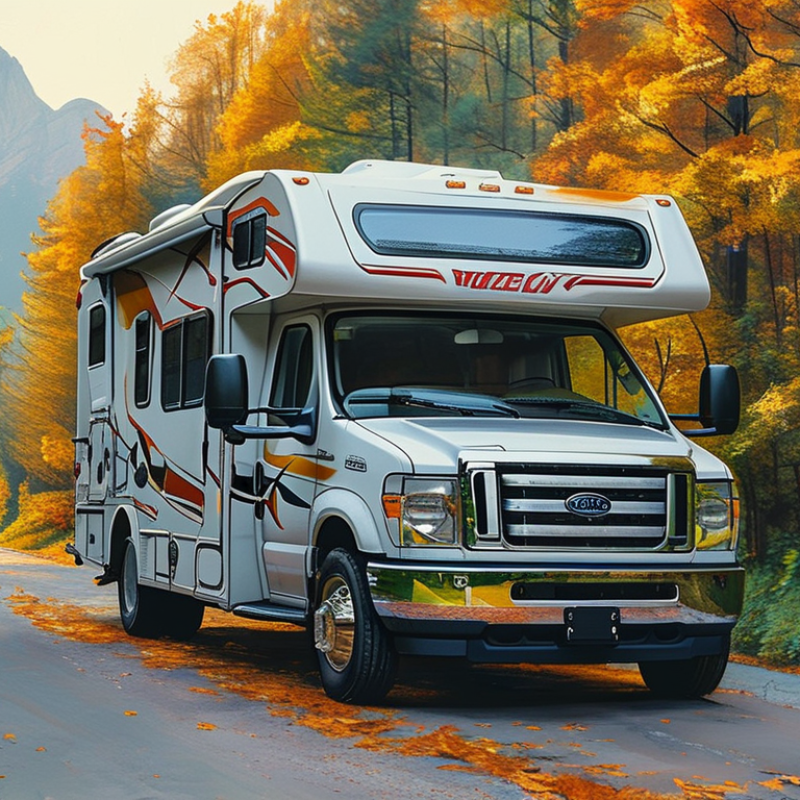
When selecting a caravan battery, understanding the different types available is vital. There are mainly three types: lead-acid, lithium, and AGM. Each type has unique characteristics that influence performance and lifespan. Lead-acid batteries are often the most affordable but can be heavy and require regular maintenance. They work well for short trips but may not suit long-term travelers.
Lithium batteries have gained popularity due to their lightweight design and long cycle life. They charge faster and offer more usable power. However, they come with a higher upfront cost. Beginners might struggle with their installation and care. AGM batteries sit between lead-acid and lithium, offering durability and lower maintenance. They don’t spill and can handle vibrations well, making them a reliable choice for rugged conditions.
Not every battery suits every caravan user. Assess your power needs and usage frequency carefully. A smaller battery might not suffice for extended trips. Likewise, investing too much in a sophisticated battery for occasional camping can lead to regret. Balancing your budget with the battery’s specifications is crucial, as this decision could impact your journeys significantly.
| Battery Type | Capacity (Ah) | Weight (kg) | Expected Lifespan (Years) | Advantages | Disadvantages |
|---|---|---|---|---|---|
| Lead-Acid | 100 | 30 | 3-5 | Cost-effective, widely available | Heavy, requires maintenance |
| AGM (Absorbent Glass Mat) | 110 | 32 | 5-7 | Low maintenance, resistant to vibrations | Higher cost, can be sensitive to overheating |
| Lithium-Ion | 100 | 25 | 10-15 | Lightweight, longer lifespan, faster charging | More expensive, can require special charging systems |
| Gel Battery | 100 | 28 | 4-6 | Sealed, maintenance-free, safe | Lower discharge rates, more expensive than lead-acid |
: There are three main types: lead-acid, lithium, and AGM. Each has unique features and performance.
Lead-acid batteries are affordable. They work well for short trips but may need regular maintenance.
Lithium batteries are lightweight and charge faster. They also offer a longer cycle life, but they cost more.
Assess your energy consumption. Calculate watt-hours to choose a battery that meets your needs for trips.
Yes, AGM batteries are durable, maintenance-free, and good for rugged conditions. They work well in varying temperatures.
Cheaper batteries may not last long, leading to higher future costs. Balance price with performance for the best choice.
Some batteries charge quickly, ideal for short trips. Others provide more power but take longer to charge.
Yes, always evaluate warranty terms. A strong warranty suggests reliability and can save you from future issues.
User reviews provide real-world insights on performance and durability. They help in understanding the pros and cons effectively.
Over-investing in a sophisticated battery for occasional use can lead to regret. Choose based on your actual needs.
Choosing the right caravan battery is crucial for ensuring an enjoyable camping experience. There are different types of caravan batteries available, each designed to meet varying power needs and usage patterns. When selecting a caravan battery, it's important to consider key factors such as capacity, weight, and type of technology (like AGM or lithium) that best suits your travel requirements. Additionally, accurately assessing your power requirements can help you select a battery that will provide sufficient energy for your appliances and equipment during your trips.
Maintaining your caravan battery is just as important as choosing the right one. Regular checks and proper care can significantly extend the lifespan of your battery, ensuring reliability on the road. Lastly, comparing costs and performance of popular caravan batteries is essential to make an informed decision that balances budget and efficiency. By following these guidelines, you can select a caravan battery that meets your needs and enhances your outdoor adventures.

 Liao Battery