As the demand for sustainable energy sources continues to rise, Lithium Batteries have emerged as a cornerstone of modern technology. These batteries are not only pivotal for electric vehicles but also play a significant role in renewable energy storage. Their high energy density and longer life cycles make them essential for various applications.
In 2026, buyers around the globe will seek the best Lithium Batteries available. The market is evolving quickly, influenced by innovations in battery chemistry and increasing consumer awareness. With countless options on the table, choosing the right battery can be daunting. It is crucial to consider factors such as performance, safety, and environmental impact. Not all batteries meet the same standards, raising questions about reliability and efficiency.
Potential buyers must navigate through a mix of reliable and lesser-known brands. Not every option will align with their specific needs, leading to reflections on personal priorities. As consumers continue to demand efficient and eco-friendly solutions, the landscape of Lithium Batteries will transform, underscoring the importance of informed choices.
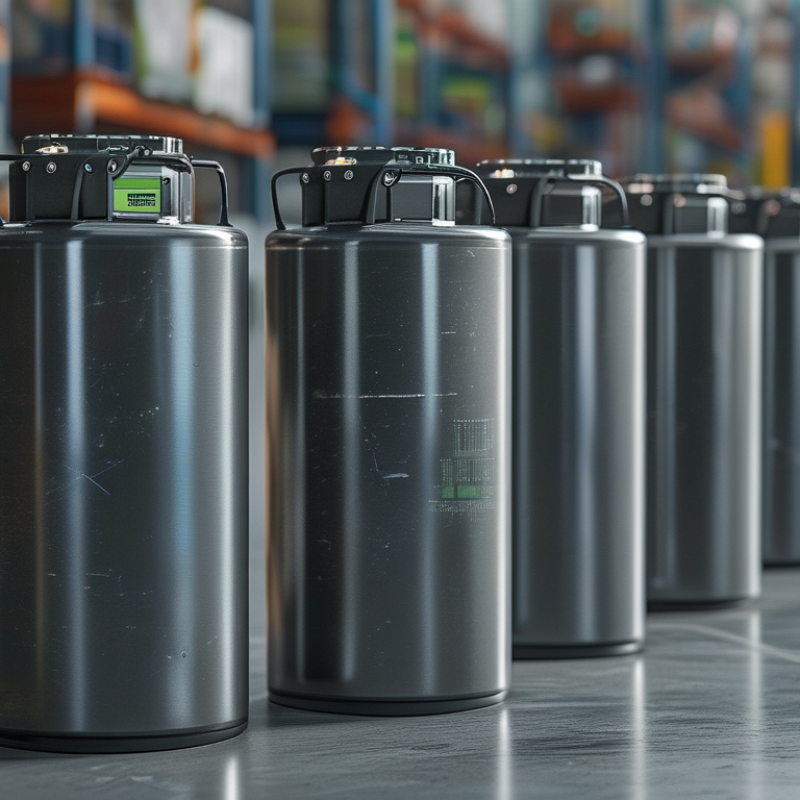
Top Lithium Battery Manufacturers to Watch in 2026
As we look toward 2026, the lithium battery market is evolving rapidly. Different manufacturers are emerging with innovative technologies. These companies are focusing on enhancing energy density and reducing charging times. This is critical for electric vehicles and consumer electronics alike.
Key manufacturers are investing heavily in research and development. They aim to improve battery life while ensuring safety standards. The focus is not only on performance but also on sustainable production methods. As lithium resources become limited, companies must find alternatives or recycling methods.
Yet, challenges remain. The competition is fierce, and some companies struggle to keep up with tech advancements. Smaller firms often lack the resources of industry giants. This creates a gap in capabilities that need addressing. It's essential for all manufacturers to prioritize quality and reliability over quantity. The future of lithium batteries will depend on who can adapt and innovate effectively.
Market Demand Forecast for Lithium Batteries in Global Industries
The demand for lithium batteries is projected to surge in global industries by 2026. A variety of sectors, including automotive, consumer electronics, and renewable energy, are driving this growth. Electric vehicles, in particular, are shifting towards lithium-based solutions. As manufacturers aim for environmentally friendly options, the push for advanced lithium technologies continues.
Challenges exist in this expanding market. Supply chain issues, such as sourcing raw materials, can hinder production. Environmental concerns regarding mining processes need to be addressed. Moreover, recycling lithium batteries remains a complex issue that requires innovative solutions. Without addressing these factors, the dream of a sustainable energy future may face significant barriers.
Market analysts suggest focusing on advanced battery technologies. Next-generation lithium batteries promise greater efficiency and longevity. Industry players are urged to invest in research and development. While the optimistic forecast highlights opportunities, it also emphasizes the need for responsible practices. Sustainability must be a priority for the industry to thrive in the long term.
Innovations in Lithium Battery Technology Leading Up to 2026
Lithium battery technology is advancing rapidly as we approach 2026. Researchers are exploring various materials to enhance battery performance. Innovations include solid-state batteries, which promise higher energy density and safety. These batteries use a solid electrolyte instead of a liquid, reducing the risk of leaks and fires.
Another exciting development is the incorporation of artificial intelligence in battery management systems. AI can optimize charging cycles, extend battery life, and improve efficiency. This technology adjusts to user habits, making energy consumption more efficient. However, integrating AI brings challenges, such as data privacy and system complexity that require careful consideration.
Furthermore, recycling lithium batteries is becoming increasingly important. The demand for sustainable solutions is pressing. Many old batteries are discarded, leading to environmental concerns. Developing effective recycling processes can recover valuable materials. This not only benefits the environment but also enhances resource efficiency. The path to 2026 highlights both remarkable innovations and critical areas for improvement in lithium battery technology.
Top Lithium Batteries for Global Buyers in 2026
| Battery Type |
Energy Density (Wh/kg) |
Cycle Life (Cycles) |
Charging Time (Hours) |
Temperature Range (°C) |
| Lithium Iron Phosphate (LiFePO4) |
120 |
2000 |
1.5 |
-20 to 60 |
| Lithium Nickel Manganese Cobalt (NMC) |
250 |
1000 |
1 |
-20 to 45 |
| Lithium Cobalt Oxide (LCO) |
150 |
500 |
0.5 |
0 to 60 |
| Lithium Titanate (LTO) |
70 |
5000 |
0.5 |
-30 to 50 |
| Lithium Polymer (LiPo) |
180 |
800 |
1 |
-20 to 60 |
Sustainability Trends Affecting Lithium Battery Production and Supply
Sustainability is reshaping lithium battery production and supply chains. A recent report from the International Energy Agency forecasts a 70% increase in lithium demand by 2026. This surge raises environmental concerns. The extraction of lithium, primarily from salt flats, can lead to water depletion. Many producers are seeking more sustainable practices, yet challenges remain.
The industry is shifting towards recycling and reuse. A study by the World Economic Forum indicates that approximately 90% of lithium-ion batteries can be recycled. This could significantly reduce the need for new material extraction. Companies are investing in closed-loop systems to recover valuable metals, which mitigates environmental impacts.
Tip: Choose suppliers who prioritize sustainable sourcing practices. This can reduce your carbon footprint.
Consumer awareness is increasing. Buyers now prefer products made with ethical materials. It’s crucial for companies to adapt. However, the pace of change is slow. Solid policies and regulations are still lacking in many regions. This inconsistency complicates supply chains and may hinder sustainable progress.
Tip: Engage in continuous research on suppliers. This ensures alignment with sustainability goals.
Key Global Policies Impacting Lithium Battery Market Growth by 2026
The lithium battery market is poised for significant growth by 2026, driven by key global policies. Various countries are implementing regulations to promote sustainable energy solutions, impacting battery production and usage. Policies encouraging electric vehicle adoption and renewable energy integration are gaining traction. Emerging economies are also setting targets to enhance battery recycling, further influencing the market landscape.
Tips for consumers: Stay informed about local energy policies. Understanding these policies helps consumers make better choices regarding battery usage and investments. Research manufacturers focusing on sustainable practices. Sustainable choices can lead to better long-term value.
Governments are also emphasizing research and development in battery technologies. Advancements in solid-state batteries may provide improved performance and safety. However, the lack of widespread infrastructure for these new technologies presents challenges.
Consumers should assess multiple suppliers to evaluate their sustainability claims. Verify their commitment to ethical sourcing and recycling. As the market evolves, keeping a critical eye on these aspects is essential for making informed decisions.
Top Lithium Batteries for Global Buyers in 2026
This chart displays projected lithium battery demand across different global regions by 2026, highlighting key market growth influenced by global policies.
FAQS
: Various sectors, especially automotive and consumer electronics, are increasing demand by 2026. Electric vehicles are key contributors.
Supply chain issues and environmental concerns about mining are significant hurdles. Recycling processes also need improvements.
Solid-state batteries promise higher energy density and safety. AI can help optimize charging cycles and battery efficiency.
Many old batteries are discarded, causing environmental harm. Effective recycling recovers valuable materials and boosts resource efficiency.
Policies promoting sustainable energy solutions will drive production and usage. Regulations on electric vehicle adoption are particularly impactful.
Stay informed about local energy policies. Research manufacturers that focus on sustainable practices for better long-term value.
Data privacy issues and complexity in systems may arise. These challenges need careful attention as AI technology advances.
Verify sustainability claims and ethical sourcing. Research their recycling commitment to ensure responsible practices.
Innovations like AI can enhance efficiency and extend battery life through smart adjustments to user habits.
Sustainability and recycling processes are essential. Without addressing these, achieving a sustainable energy future may remain difficult.
Conclusion
As we approach 2026, the landscape of lithium batteries is poised for significant transformation. Key manufacturers are emerging as leaders in innovation, focusing on advancements in battery technology that promise to enhance efficiency, capacity, and longevity. Market demand is expected to surge across various global industries, driven by the increasing adoption of electric vehicles and renewable energy solutions.
Sustainability trends are also influencing the production and supply of lithium batteries, reflecting a growing commitment to environmentally friendly practices. Additionally, key global policies are being implemented to support market growth, ensuring that the entire supply chain aligns with sustainable development goals. Together, these factors highlight a dynamic environment for lithium batteries, making them a critical component in the transition towards a more sustainable future.

 Liao Battery