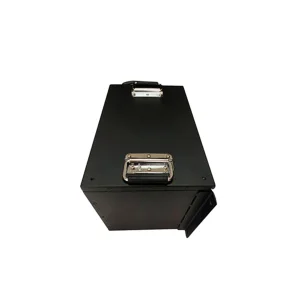
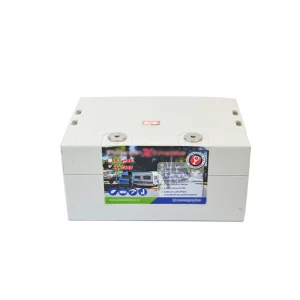
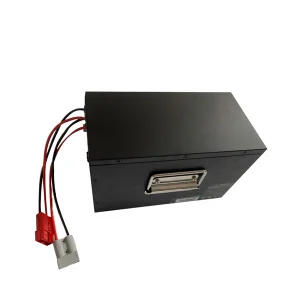
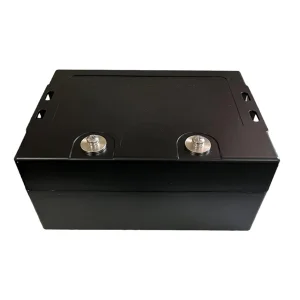
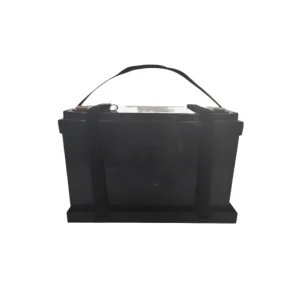
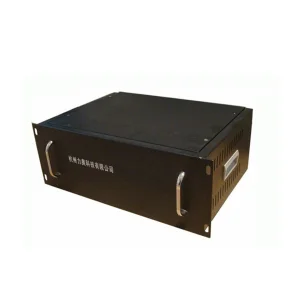
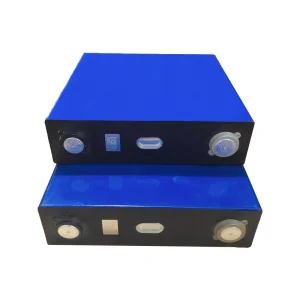
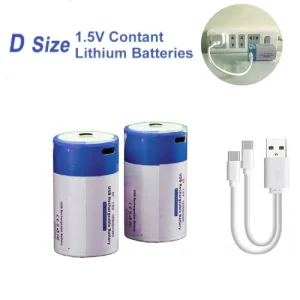
Explore our premium selection of integrated LiFePO4 solutions, precision-engineered for applications requiring high energy density and structural reliability.
In the rapidly evolving landscape of electrochemical energy storage, the Prismatic 3.2V 10Ah LiFePO4 battery cell has emerged as a cornerstone component. Industrial procurement managers, automotive hardware design engineers, and systems integrators are increasingly standardizing on this specific cell size. Its strategic value lies in its modular balance between energy volume density, thermal dissipation surface area, and mechanical resilience.
Historically, cylindrical cells (such as 18650 or 21700 form factors) were favored for lower capacity profiles due to high-speed manufacturing efficiencies. However, modern commercial and industrial (C&I) demands require highly optimized packaging layouts. The prismatic form factor provides a significantly higher spatial efficiency (exceeding 85% pack-level volume utilization compared to approximately 65% for cylindrical configurations). This is critical for high-density applications including Automated Guided Vehicles (AGVs), smart logistics networks, marine trolling motors, and remote utility monitoring networks.
Furthermore, the global market shift toward decarbonization has catalyzed strict supply-chain specifications. Large-scale utility systems demand battery configurations that eliminate risks associated with thermal runaway. The inherent chemical stability of Lithium Iron Phosphate (LiFePO4) crystalline structures—characterized by the robust olivine-type configuration—makes these cells highly resistant to physical abuse, structural fatigue, and internal short-circuits.
At a molecular level, the primary advantage of the LIAO LiFePO4 cells resides in the thermal and mechanical characteristics of the cell container. The prismatic metallic case (typically lightweight aluminum or custom-engineered steel alloys) provides a rigid physical barrier against external compression and expansion during continuous lithiation and delithiation cycles.
Unlike standard lithium cobalt or nickel chemistries, the phosphate-based cathode does not release oxygen upon thermal decomposition, significantly minimizing the threat of flame propagation. Under severe mechanical stress—specifically demonstrated during the industry-standard acupuncture (nail penetration) testing protocols—LIAO cells perform exceptionally well. Due to optimized internal separators and high-purity slurry coating, these cells do not burn or explode under direct internal shorting conditions.
| Specification Parameter | Value / Condition | Engineering Advantage |
|---|---|---|
| Nominal Voltage | 3.2 V | Stable plateau under steady discharge loads. |
| Rated Capacity | 10 Ah (0.2C discharge rate) | Optimized modular packaging for multiple configurations. |
| Cycle Life (100% DOD) | >2,800 Cycles (to 80% remaining capacity) | Reduces total cost of ownership (TCO) in industrial setups. |
| Operating Temperature Range | Discharge: -40 °C to 85 °C / Charge: 0 °C to 55 °C | Operates in high-altitude, refrigeration, and desert zones. |
| Self-Discharge Rate | ≤ 3% per month (at 25 °C) | Maintains charge over extended inactive storage periods. |
| Internal AC Resistance | ≤ 5 mΩ | Reduces internal heat generation during high discharge cycles. |
In high-power industrial projects, the ability to operate across a broad temperature scale (-40 °C to 85 °C) is critical. Under low-temperature environments, traditional lithium chemistries experience severe electrolyte crystallization, resulting in a sudden voltage drop. LIAO's proprietary electrolyte mixture utilizes low-viscosity organic solvents and specialized lithium salt additives to maintain ionic conductivity, ensuring system start-up capability even in arctic and high-altitude deployments.
Translating raw cells into robust, safe, and dynamic industry solutions using custom engineering and advanced assembly frameworks.

Our 3.2V 10Ah cells serve as the fundamental building blocks for high-voltage packs designed for golf carts and light utility fleets. We design modules that handle gradient terrains and frequent start-stop operations without rapid thermal degradation.
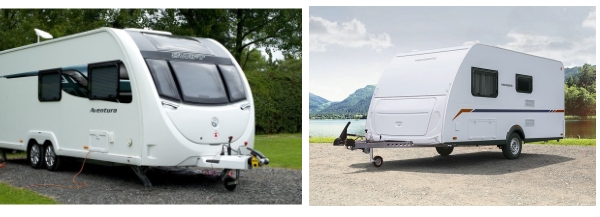
Eliminating environmental emissions and operation noise, LIAO's custom caravan solutions provide steady, long-term power delivery, allowing vehicles to traverse complex off-grid sites while maintaining compact system dimensions.
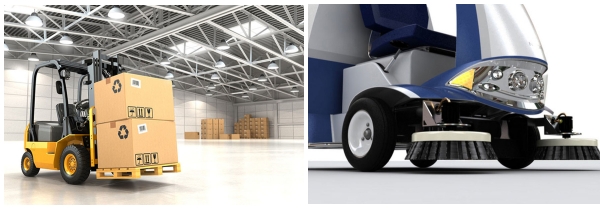
In smart warehouses, Automated Guided Vehicles (AGVs) demand continuous 24/7 opportunity charging cycles. The 3.2V 10Ah cell allows for high-rate fast-charging, reducing equipment downtime and streamlining facility operations.
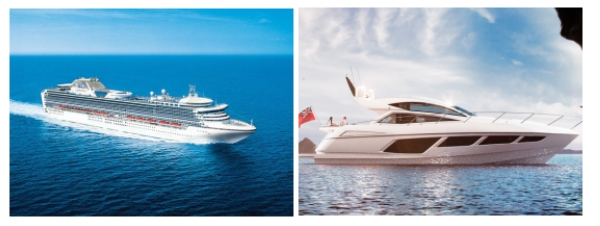
Waterproof and vibration-resistant structural layouts protect our LiFePO4 cells against saline air corrosion and high-frequency shock environments, making them ideal for modern eco-friendly yachting and marine propulsion.
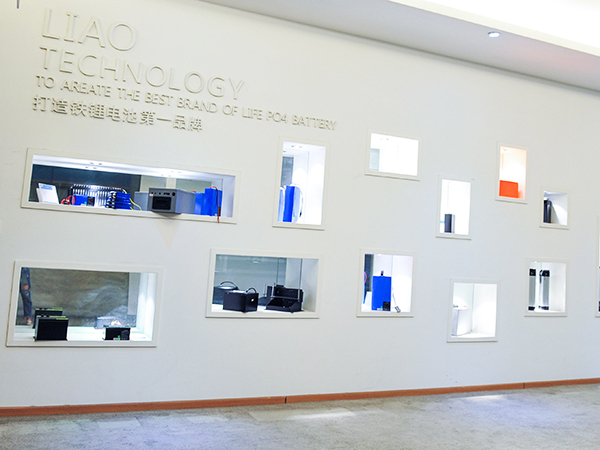
Established in 2009, Hangzhou LIAO Technology Co., Ltd. has developed into a premier manufacturer specialized in high-performance LiFePO4 batteries. Our design philosophy is simple: prioritize absolute safety, build for maximum cycle lifetime, and offer complete engineering transparency. Over the past 15 years, our systems and individual components have reached critical infrastructure and consumer systems in over 20 countries, including Germany, France, the Netherlands, Spain, the UK, the USA, Canada, Japan, and Australia.
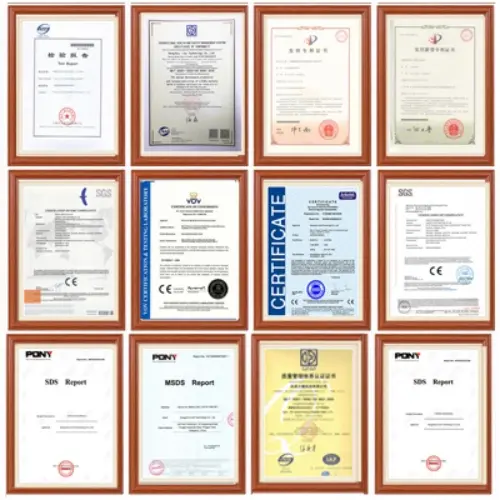
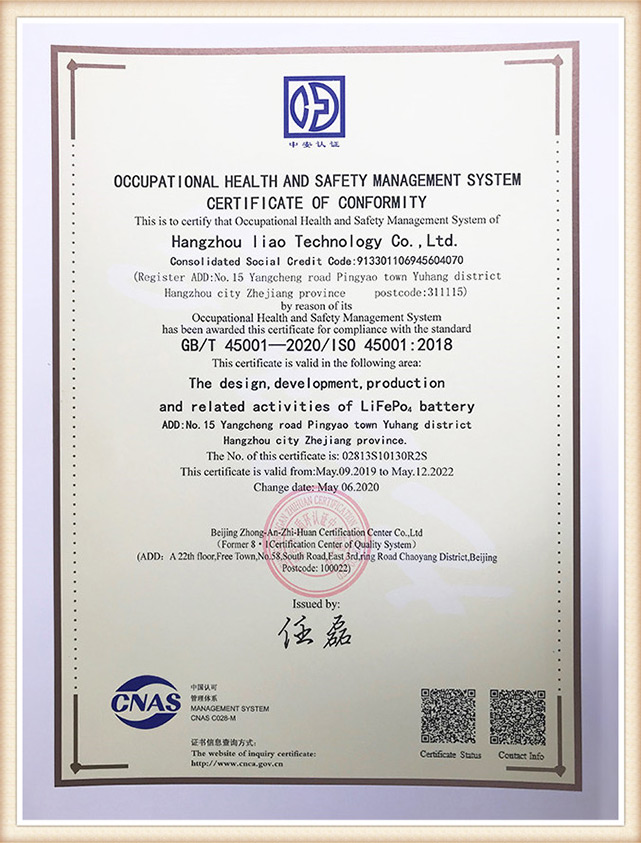
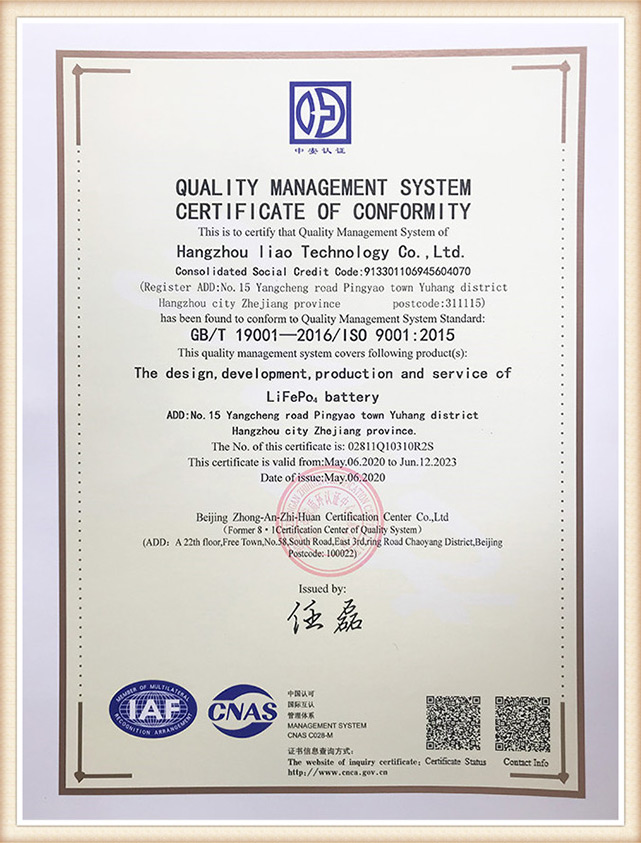
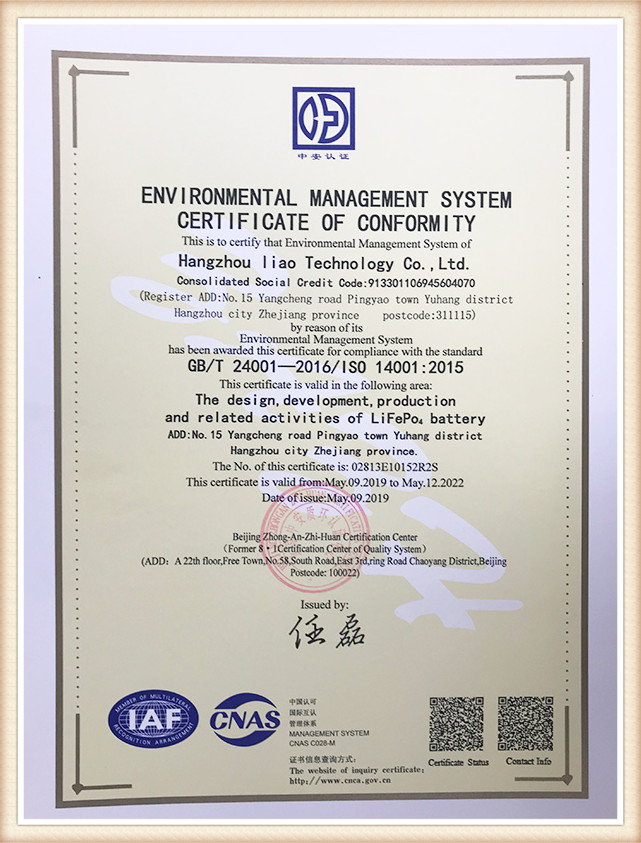
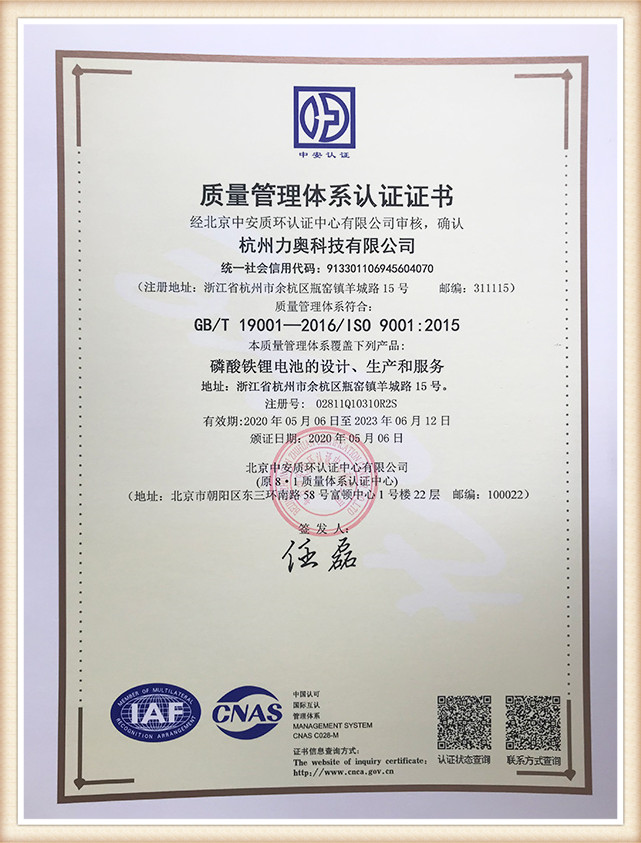
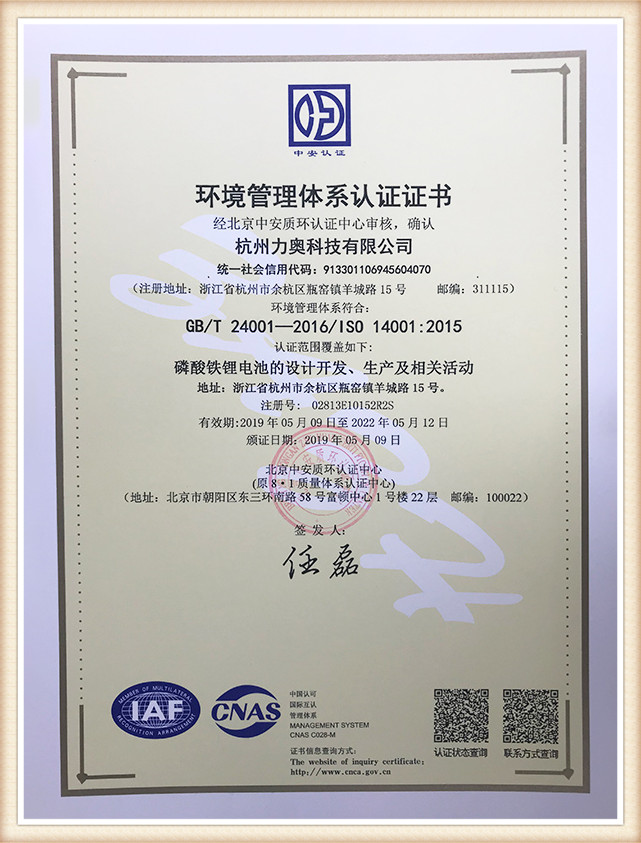
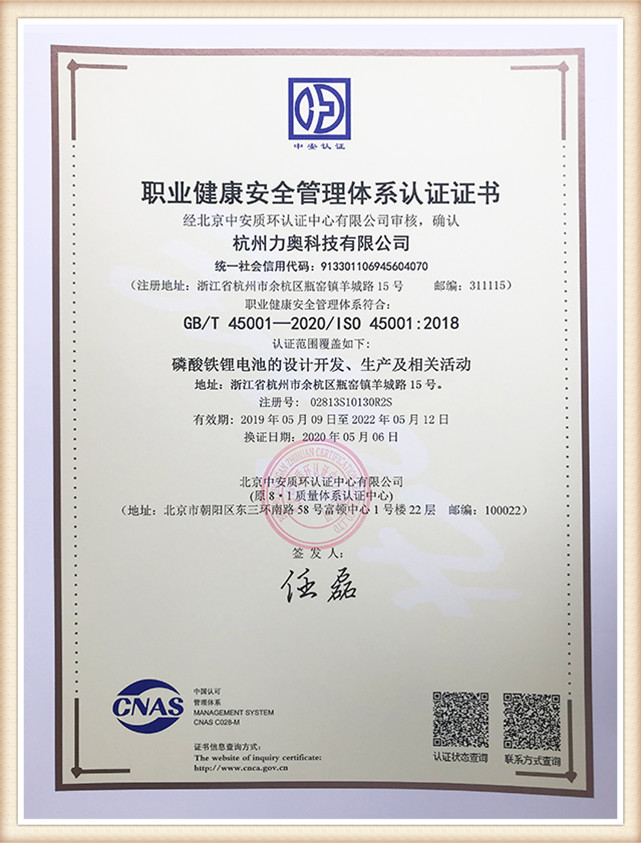
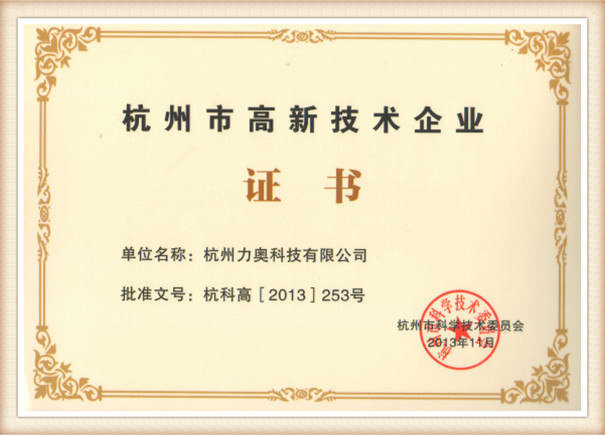
Our production facilities are governed under the strictest quality management guidelines. We maintain permanent, auditable compliance with ISO 9001 (Quality Management System), ISO 14001 (Environmental Management System), and ISO 18001/ISO 45001 (Occupational Health and Safety Management Systems).
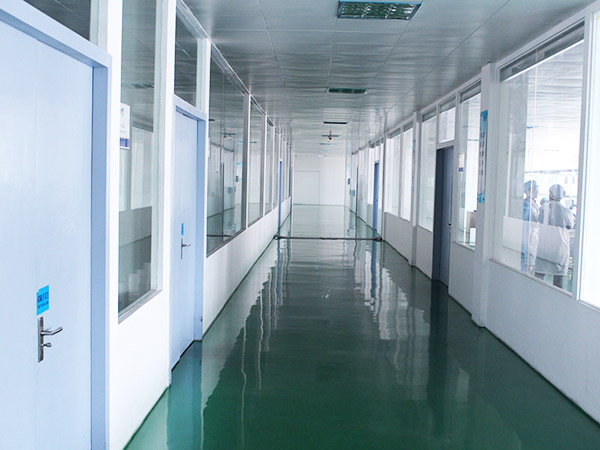
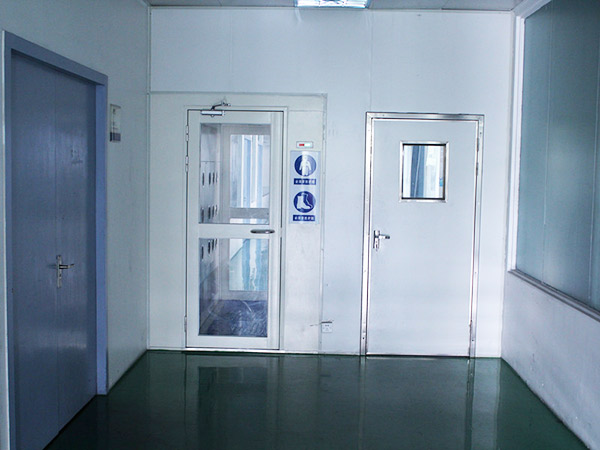
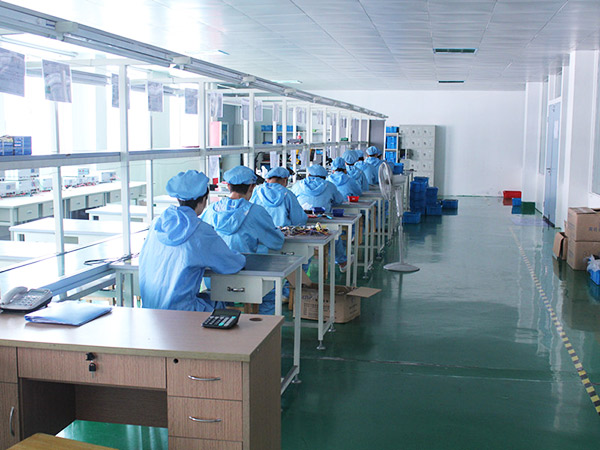
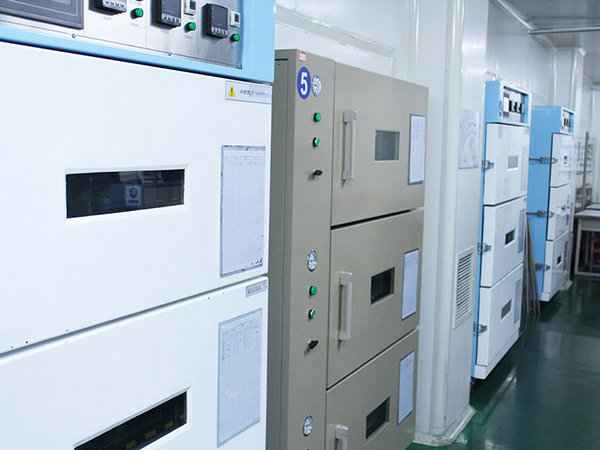
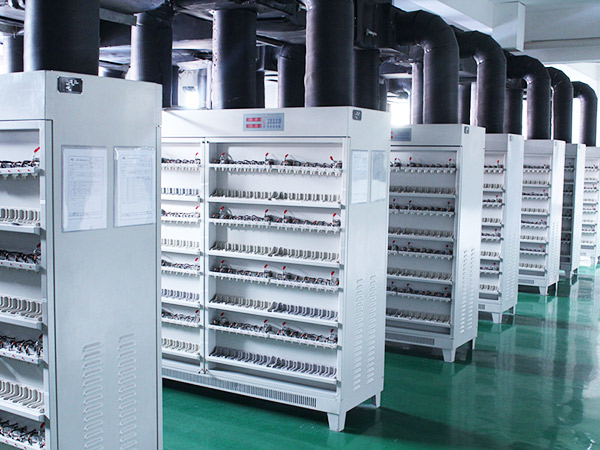
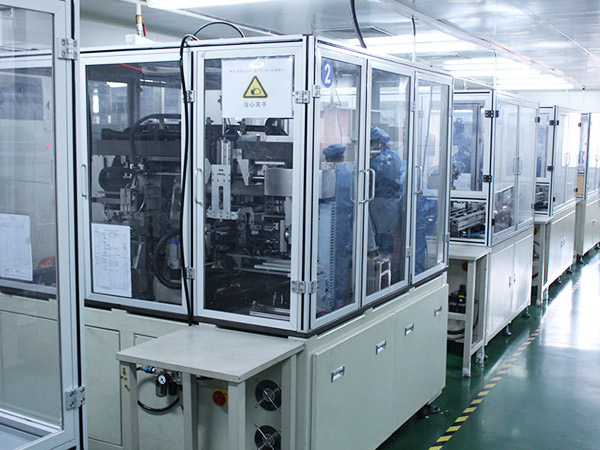
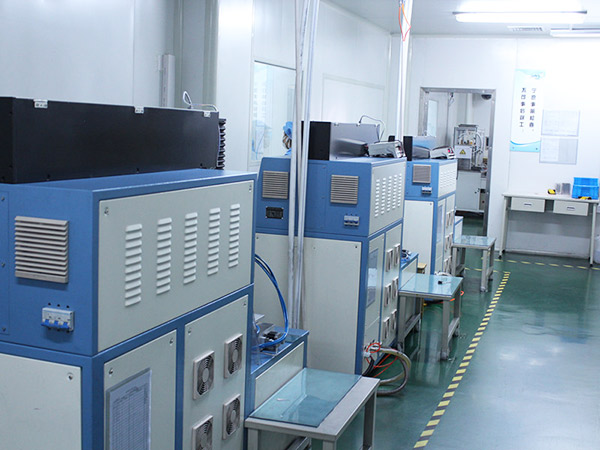
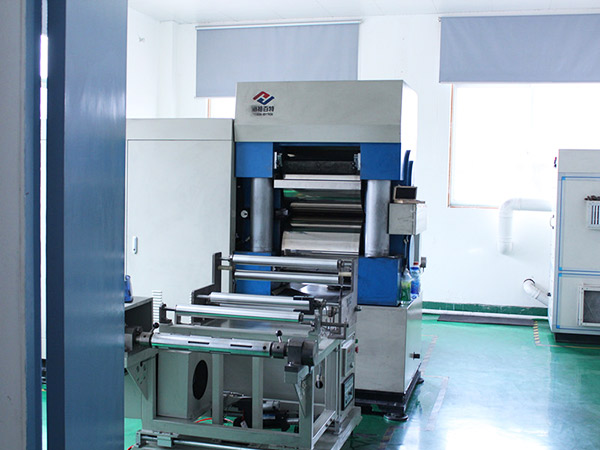
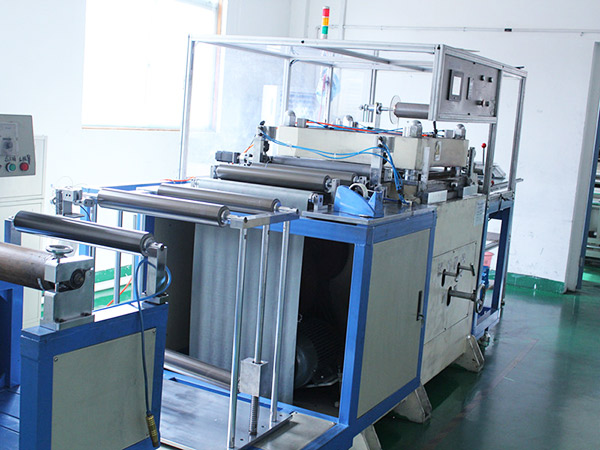
A high-quality LiFePO4 cell requires strict control over manufacturing tolerances. Our factory floor utilizes automated tooling systems to ensure consistent output across millions of cells. Our process includes:
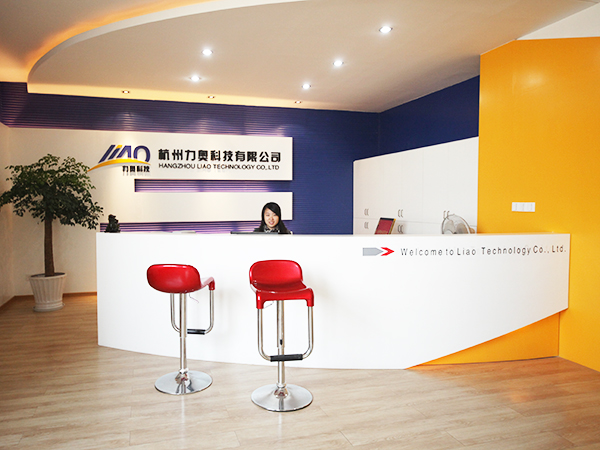
Our engineering team consists of experienced electrochemists, structural design technicians, and software developers. When industrial customers approach us with strict space, weight, and electrical load requirements, we deliver tailored end-to-end solutions.
A standard custom development cycle involves initial load profile modeling, mechanical chassis design (incorporating safety buffers and thermal insulation paths), and the integration of a custom Battery Management System (BMS). The BMS provides continuous oversight on crucial data such as individual cell voltages, state of charge (SOC), thermal levels, and over-current prevention, ensuring safe operation within system limits.

LIAO's electrical and mechanical design team modeling custom enclosures and busbar layouts.
Furthermore, we incorporate robust mechanical components to prevent internal cell shifts under vibration. This is critical for applications like construction vehicles, marine transport, and off-road camper systems.
Highly standardized spot-welding and inspection stations in our modern assembly hall.
At Hangzhou LIAO Technology, our commitment to research is demonstrated by our ongoing cell optimization roadmap. While current LiFePO4 chemistries offer exceptional cycle lifespans and safety profiles, our current research focus targets two primary areas:
As global regulatory bodies implement circular economy metrics and digital product passports, we are preparing our supply chain to trace raw mineral extraction through to manufacturing carbon footprints, ensuring full compliance with future import standards.
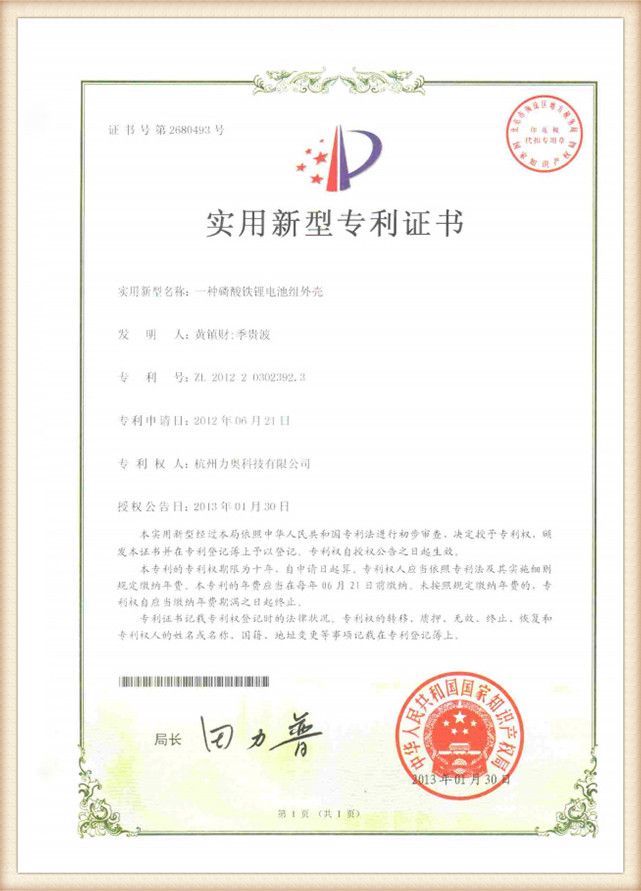
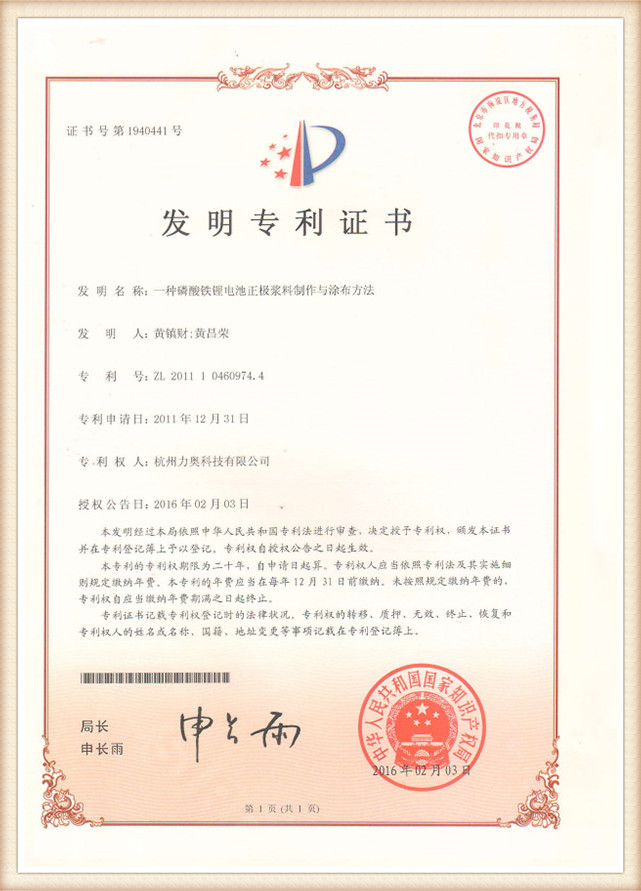
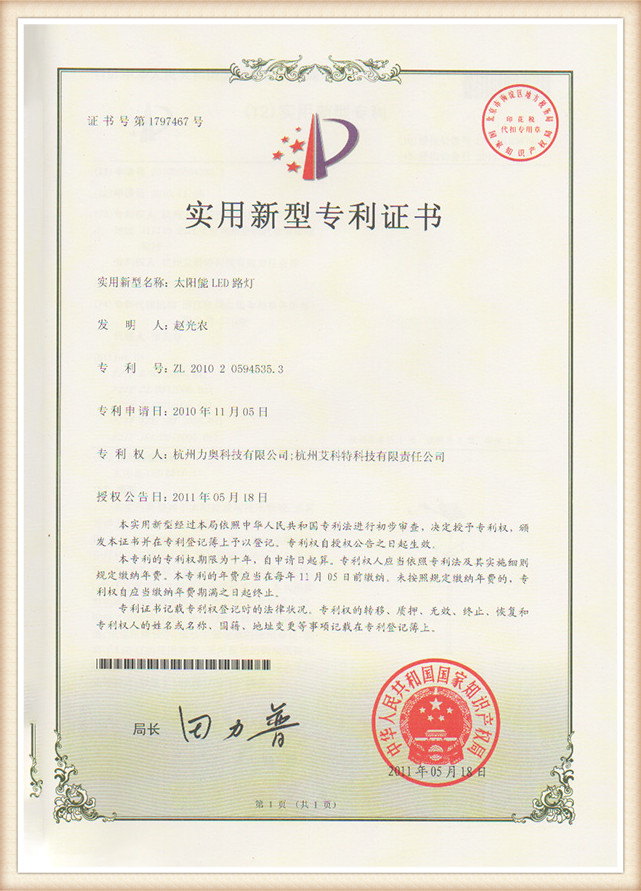
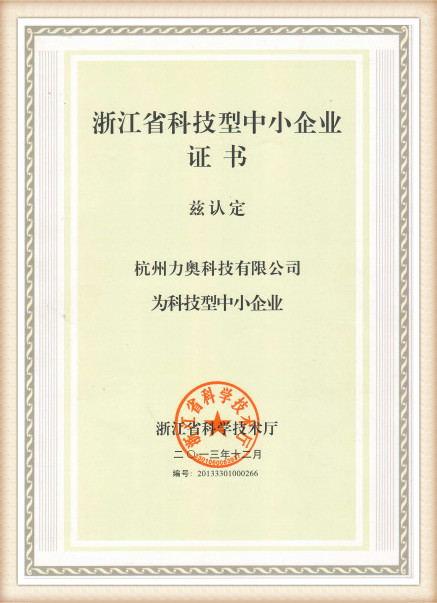
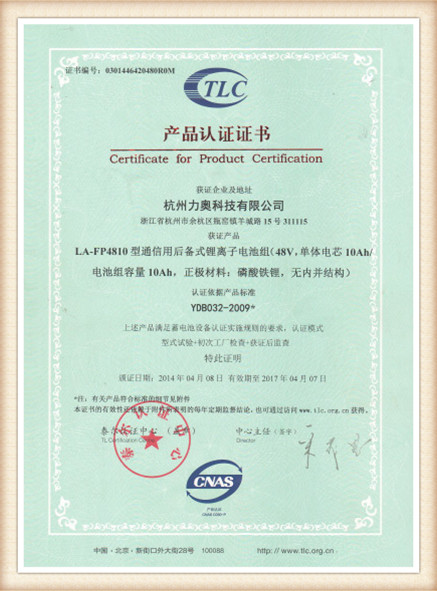
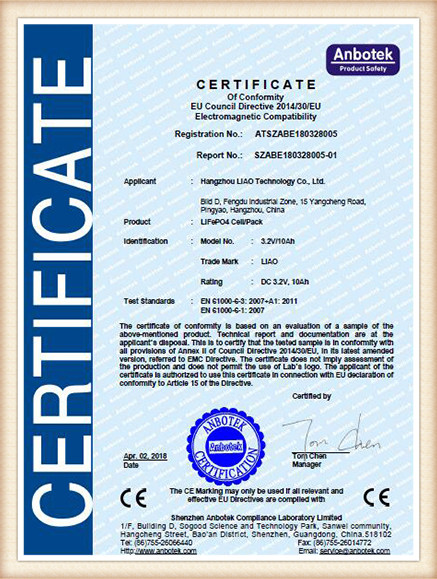
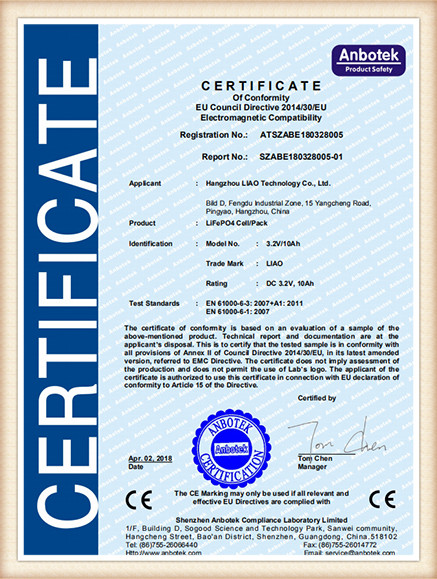
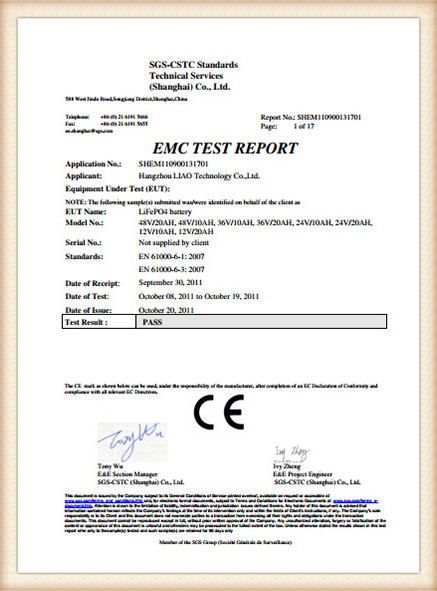
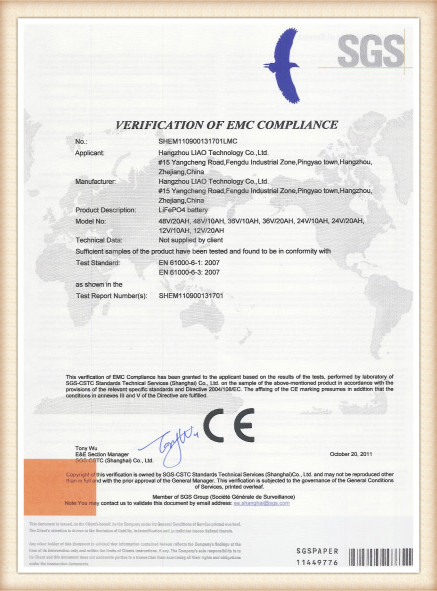
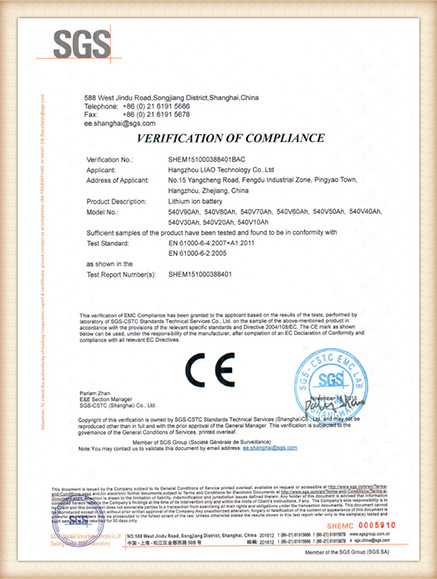
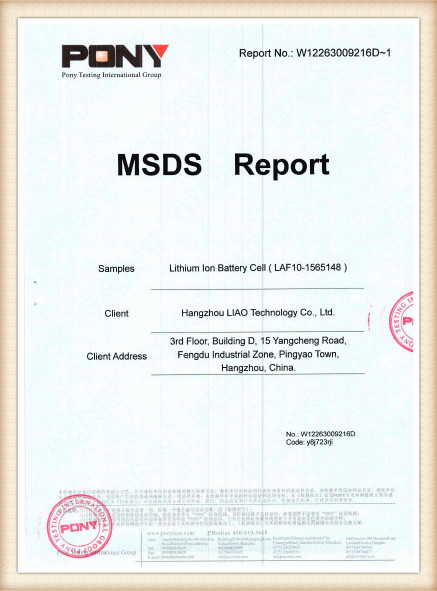
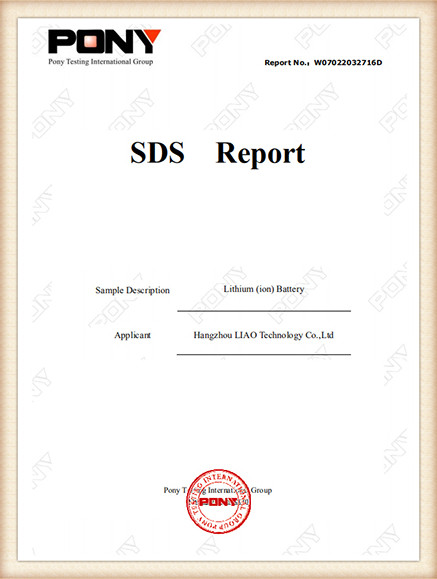
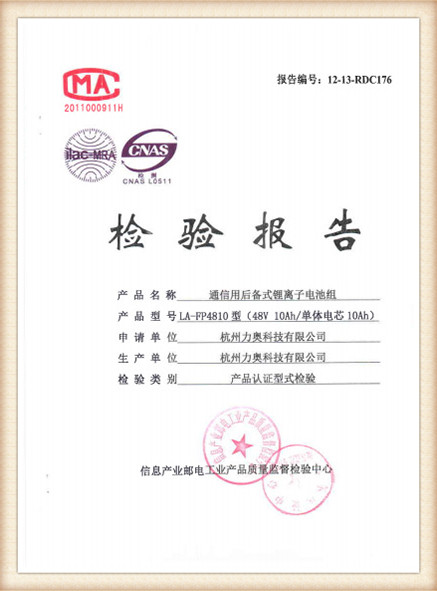
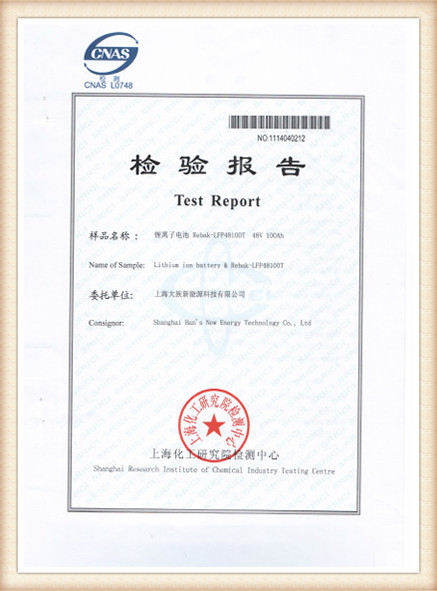
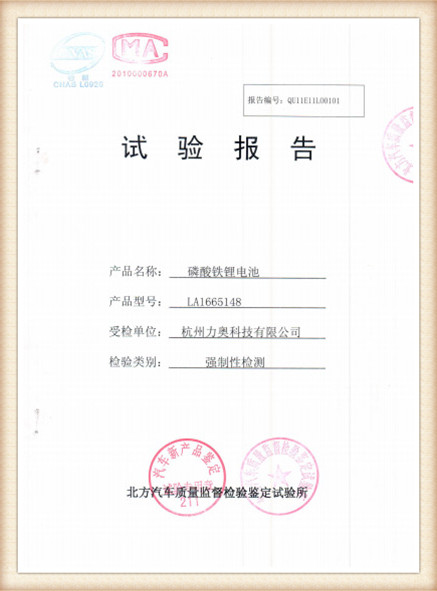
Exporting to over 20 nations requires meeting strict global safety standards. Our certified performance records guarantee compliance across all major international markets.


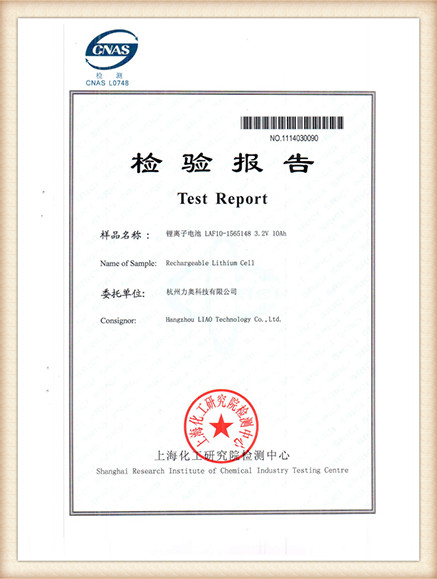
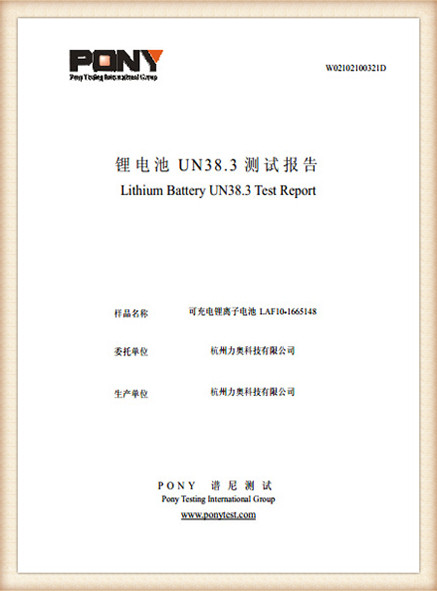
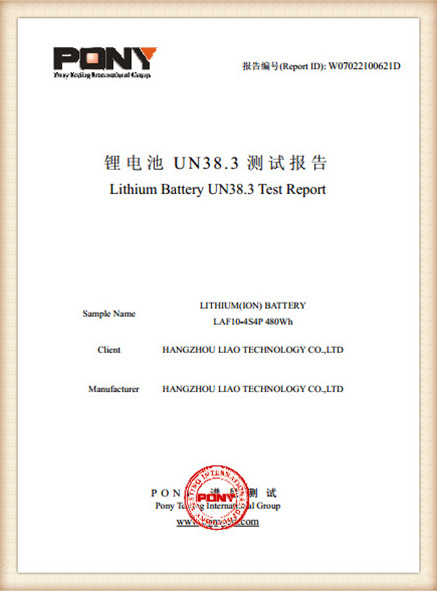
Technical and procurement answers regarding our prismatic 3.2V 10Ah cells and custom integration processes.
Explore additional LiFePO4 battery pack integrations, solar systems, and specialty industrial cells from LIAO.
 Liao Battery