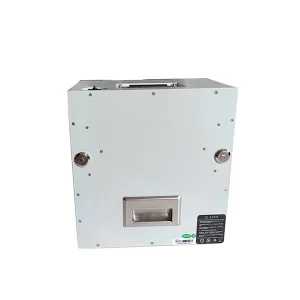
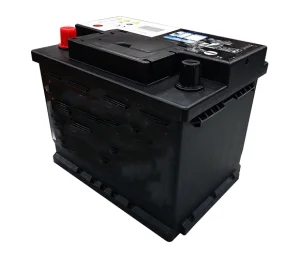
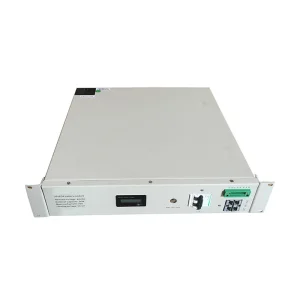
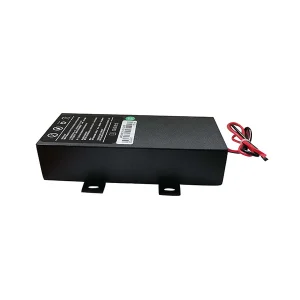
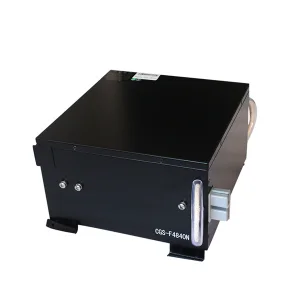
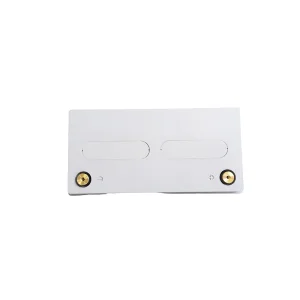
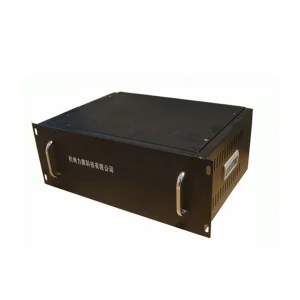
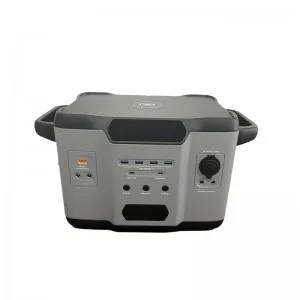
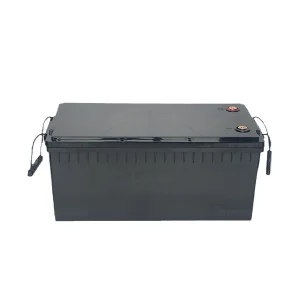
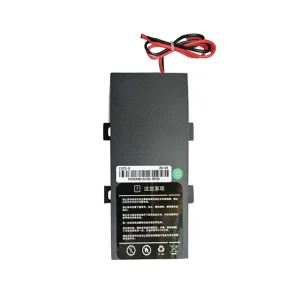
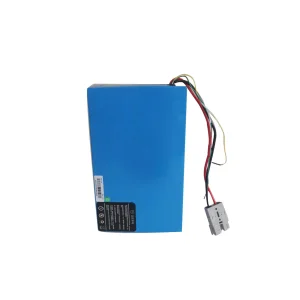
The global shift toward electrification has positioned the LiFePO4 12V 60Ah battery as the "Goldilocks" solution for medium-duty power requirements. Unlike its lead-acid predecessors, this specific capacity offers an unparalleled energy-to-weight ratio, making it the preferred choice for a 21st-century industrial ecosystem focused on ESG (Environmental, Social, and Governance) goals.
Currently, the Asia-Pacific region dominates production, led by innovative manufacturers like Hangzhou LIAO Technology Co., Ltd., while North America and Europe drive demand in the marine, RV, and renewable energy sectors. The transition is fueled by the falling Total Cost of Ownership (TCO), where the longevity of Lithium Iron Phosphate (exceeding 2,800 cycles) far outweighs the initial investment of cheaper, short-lived alternatives.
Cycles @ 100% DOD
Extreme Low Temp Op
Years Tech Expertise
Countries Exported
Integration of AI-driven Battery Management Systems (BMS) that predict cell failure before it occurs, utilizing IoT cloud monitoring for real-time fleet management.
Evolution from standard prismatic cells to semi-solid state architectures, aiming for a 20% increase in Wh/kg by 2026 without compromising safety.
Advanced recycling protocols where 95% of lithium, iron, and phosphate are recovered, aligning with global zero-waste industrial mandates.
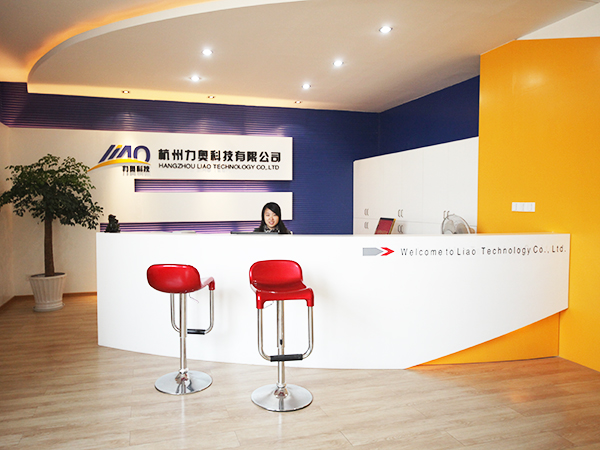
Founded in 2009, Hangzhou LIAO Technology Co., Ltd. is a professional and leading manufacturer specialized in LiFePO4 batteries. Our products have been exported to more than 20 countries including Germany, France, USA, Canada, and Australia.
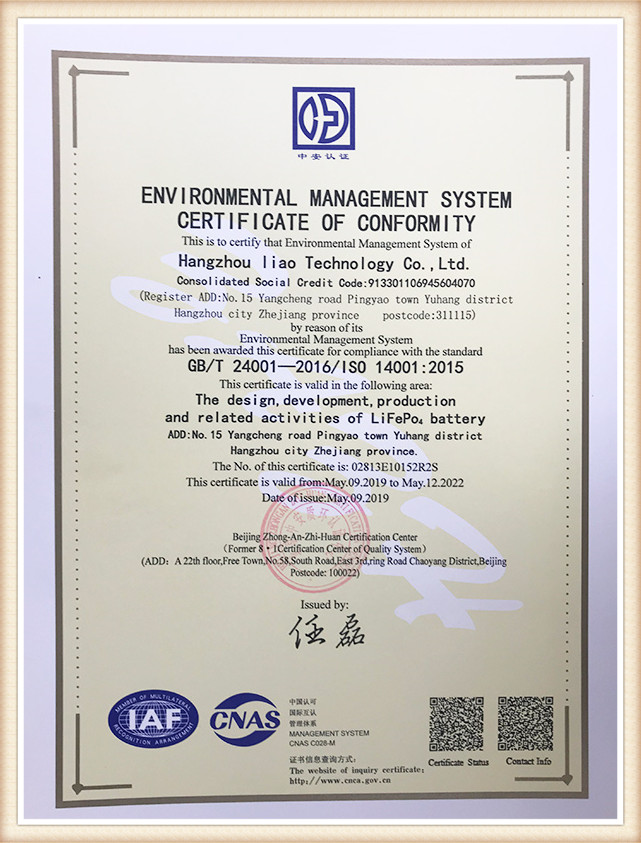
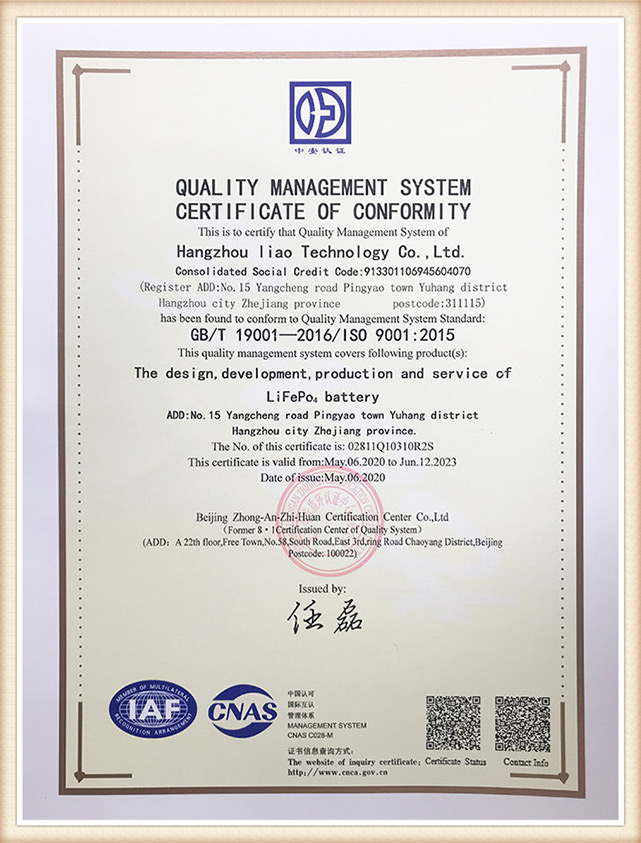
We operate under a strict and efficient QC system, with all products produced under ISO 9001 quality management. We maintain compliance with ISO 14001 (Environmental) and ISO 18001 (Occupational Health and Safety).

Next-generation LiFePO4 batteries designed for steep terrains, offering consistent voltage and rapid charging for 18+ holes without capacity drop.
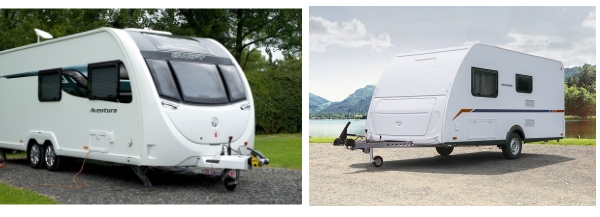
Lightweight 12V packs that eliminate lead-acid bulk, allowing for higher caravan payloads and quiet, zero-emission maneuvering.
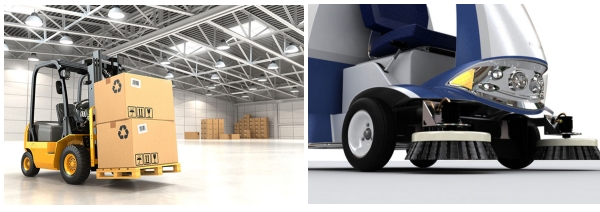
High-discharge solutions for Automated Guided Vehicles in logistics centers, supporting 24/7 opportunity charging and minimizing downtime.
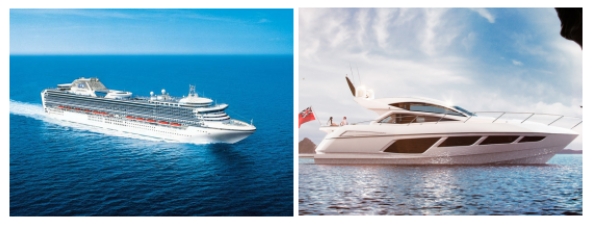
Environmentally friendly marine propulsion that prevents acid leaks in sensitive waterways while providing steady power for electric outboards.
When selecting a power source, the Peukert effect is often overlooked. In lead-acid batteries, as the discharge rate increases, the usable capacity decreases. However, our 12V 60Ah LiFePO4 maintains near 100% capacity even at high discharge rates. This means a 60Ah Lithium battery often outperforms a 100Ah Lead-Acid battery in real-world heavy-load scenarios.
Furthermore, the Flat Discharge Curve of LiFePO4 ensures that electronics receive a stable voltage (around 12.8V - 13.2V) for 95% of the discharge cycle. This prevents the "voltage sag" common in other chemistries, which can damage sensitive industrial controllers or marine navigation systems.
Safety is non-negotiable. Our cells utilize a Prismatic format, which offers better thermal management and structural integrity compared to cheaper cylindrical alternatives. The iron-phosphate bond is chemically stable, virtually eliminating the risk of thermal runaway.
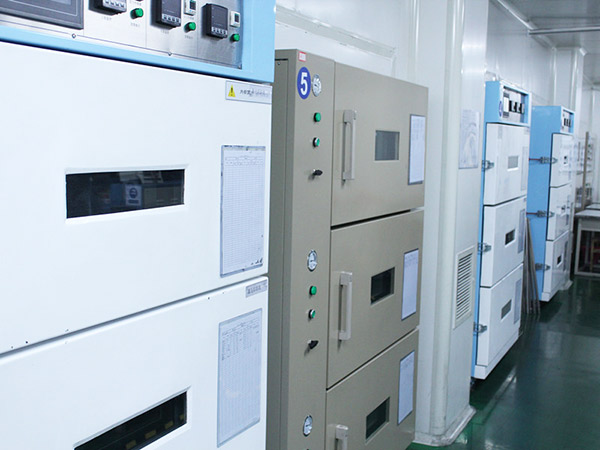
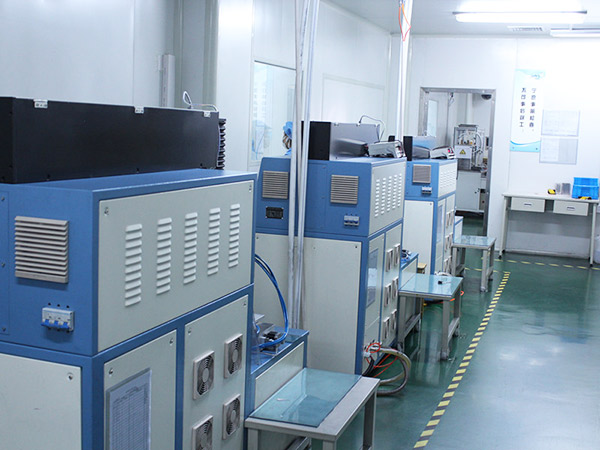
Our facility houses advanced Capacity Sorting, Stacking, and Die Cutting stations, ensuring every 12V 60Ah pack meets stringent resistance and capacity matching requirements before assembly.
Yes. Because LiFePO4 can be discharged to 100% (DOD) without damage, whereas Lead-Acid is typically limited to 50%, a 60Ah Lithium battery provides 60Ah of usable energy, compared to only 50Ah from a 100Ah Lead-Acid battery. Additionally, you save approximately 70% in weight.
The integrated BMS monitors each individual cell's voltage. It protects against over-charge, over-discharge, short-circuits, and thermal spikes. Our high-end models also feature low-temperature charge disconnect to prevent lithium plating in freezing conditions.
Due to a very low self-discharge rate (approx. 3% per month), LiFePO4 batteries can be stored for up to a year without significant capacity loss, provided they are stored at roughly 50-60% state of charge.
Absolutely. LiFePO4 does not off-gas (no hydrogen release) unlike flooded lead-acid batteries, making it perfect for indoor solar storage, RVs, and confined industrial spaces.
 Liao Battery