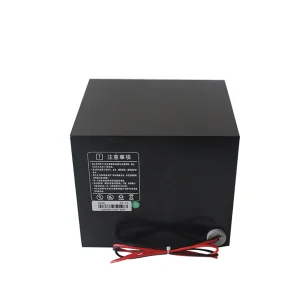
OEM Chinese Lithium Batteries Manufacturer & Suppliers

Hangzhou LIAO Technology Co., Ltd. — Delivering Custom Engineered LiFePO4 Systems with Industrial Resilience, Extreme Temperature Adaptability, and Verified Safety Standards Since 2009.

Global Sourcing Trends & Lithium Innovation

The global energy matrix is shifting rapidly toward electrification, driving unprecedented demand for reliable, high-density electrochemical storage. Among various lithium chemistries, Lithium Iron Phosphate (LiFePO4) has emerged as the definitive standard for industrial, commercial, and utility-scale applications. Its intrinsic thermal stability, structural integrity, and exceptional operational lifecycle present a superior total cost of ownership (TCO) compared to traditional lead-acid systems and cobalt-based chemistries.

Enterprise procurers are shifting from off-the-shelf options to highly tailored, engineered solutions. Modern lithium applications demand customized dimensions, intelligent battery management systems (BMS), and optimized cell balancing to operate efficiently in harsh, specialized conditions. Understanding this dynamic is key to building resilient energy infrastructures.
Advancements in Lithium Battery Manufacturing
15+
Years of OEM/ODM Innovation
500+
Global Partners Satisfied
2800+
Cycles at 100% DOD
20+
Countries Exported To

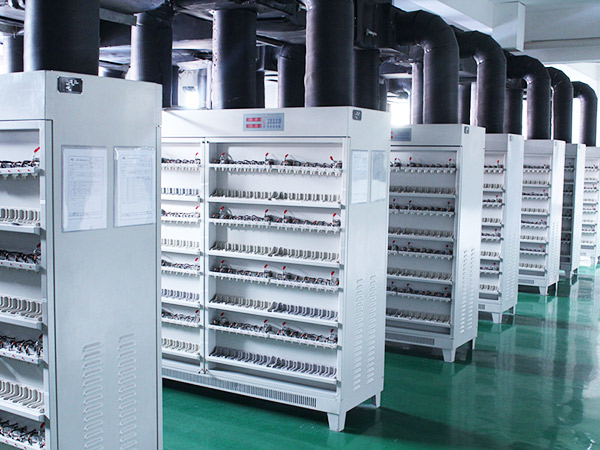
China Industry 4.0: Supply Chain Resiliency & Production Flow

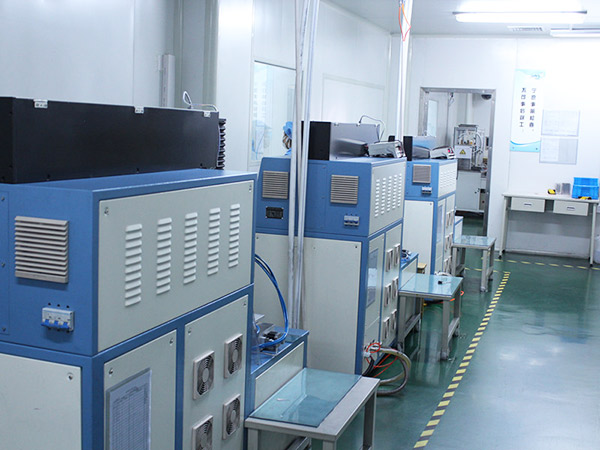
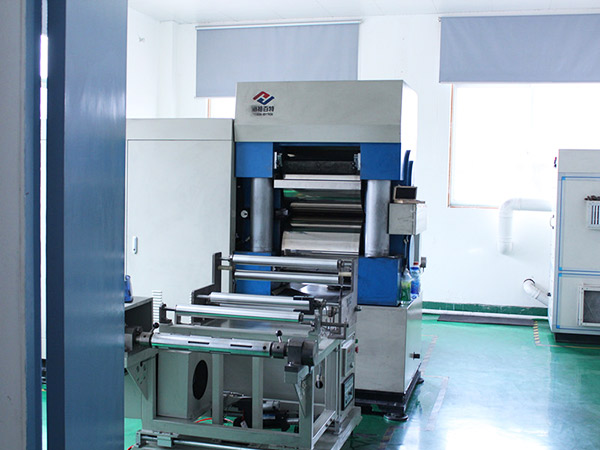
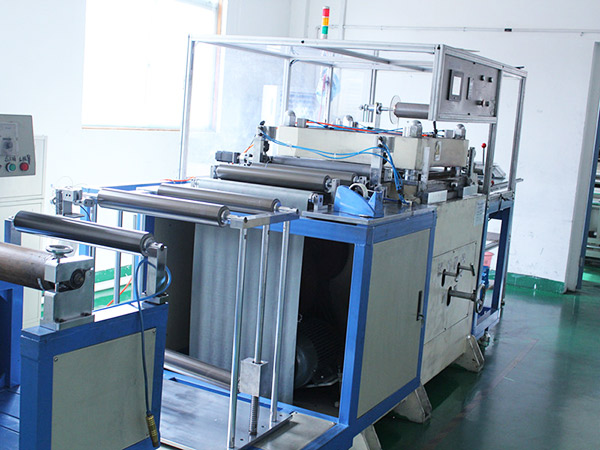
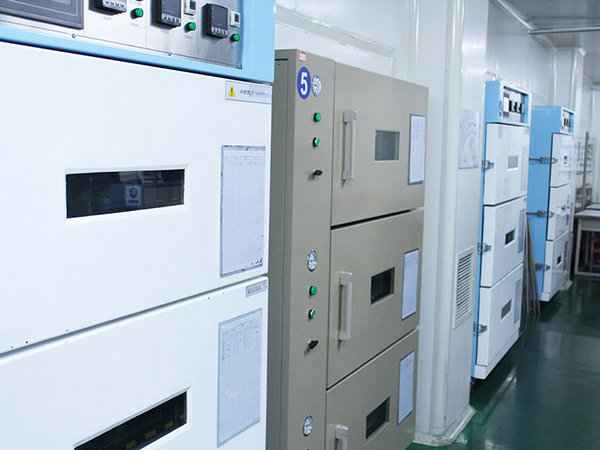
Our state-of-the-art facility integrates advanced manufacturing, automated controls, and strict testing protocols to guarantee consistent cell quality.
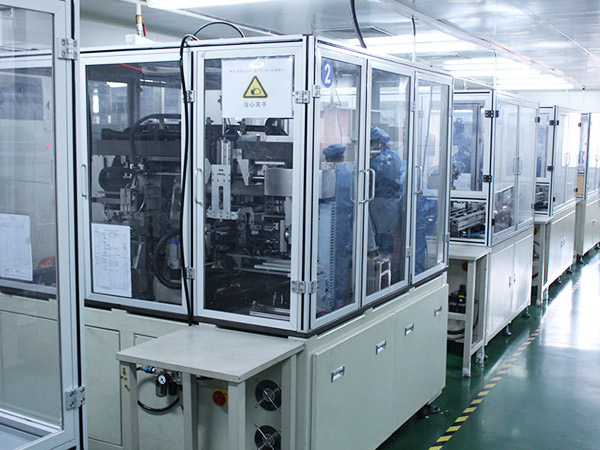
"By utilizing intelligent automation in critical steps—such as capacity matching, high-precision laser welding, and automated stacking—we reduce variance to levels that extend the system's operational lifetime by up to 30%."

Custom Engineered Lithium Solutions for Diverse Industries

We tailor standard and custom-configured battery packs to match the electrical, mechanical, and safety requirements of varied operating environments.

Golf Carts Battery Application

Golf Carts & Utility Vehicles

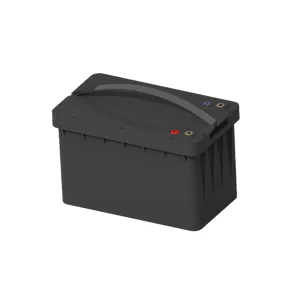
Our next-generation LiFePO4 golf cart battery solutions are designed to deliver reliable performance across diverse golf terrains, steep grades, and variable temperatures. With integrated BMS protection, these battery systems offer long discharge cycles, require zero maintenance, and charge rapidly to keep utility fleets operational throughout the day.

Caravan & Marine Propulsion (E-Boat)

Our marine and caravan battery systems support silent, emission-free operation without compromising on power. Engineered to handle high peak currents and constant vibration, they supply stable current for caravan movers, onboard appliances, and e-boat electric motors, reducing long-term maintenance costs.
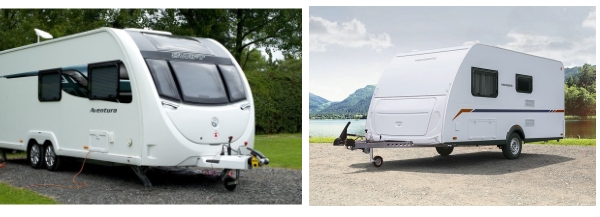
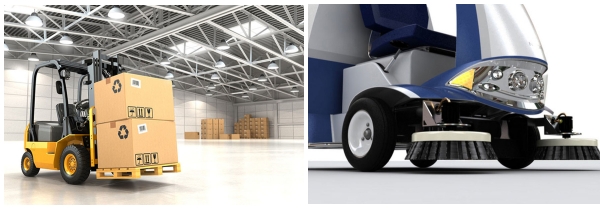
Caravan Mover Power Battery Pack
Industrial Vehicles AGV Forklift Power

Industrial Vehicles & Autonomous Logistics (AGVs)

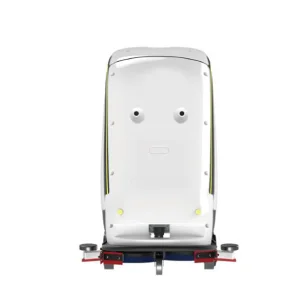
Industrial logistics environments demand constant operation with minimal downtime. Our high-cycle-life batteries power automated guided vehicles (AGVs), forklifts, and sweeping machinery. Supported by smart fast-charging algorithms, these battery systems keep automated supply chains moving efficiently.

Our Technical Core & Engineering Strengths

Hangzhou LIAO Technology Co., Ltd. delivers customized battery configurations using advanced chemical engineering to match strict operating requirements.

Verified Safety

Our LiFePO4 cells are engineered not to burn or explode, even under direct nail penetration testing.

Temperature Resilience

Engineered to charge and discharge efficiently in extreme environments ranging from -40°C to 85°C.

Extended Cycle Life

Provides 2800+ complete charging cycles at 100% Depth of Discharge (DOD) before capacity fade.

Testing Champion

Our LAXpower-1230 battery modules earned recognition as testing champions in independent European evaluations.

Global Regulatory Audits & Certifications

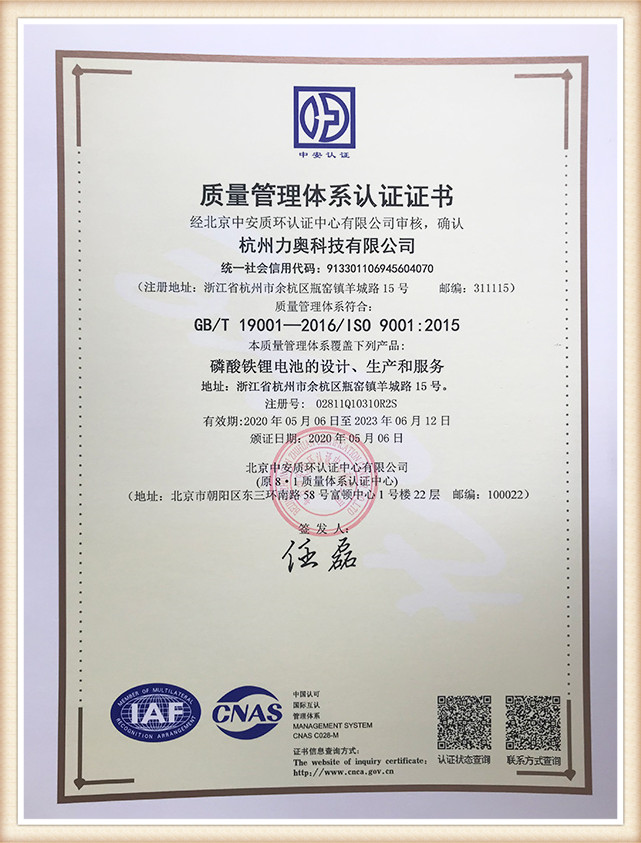
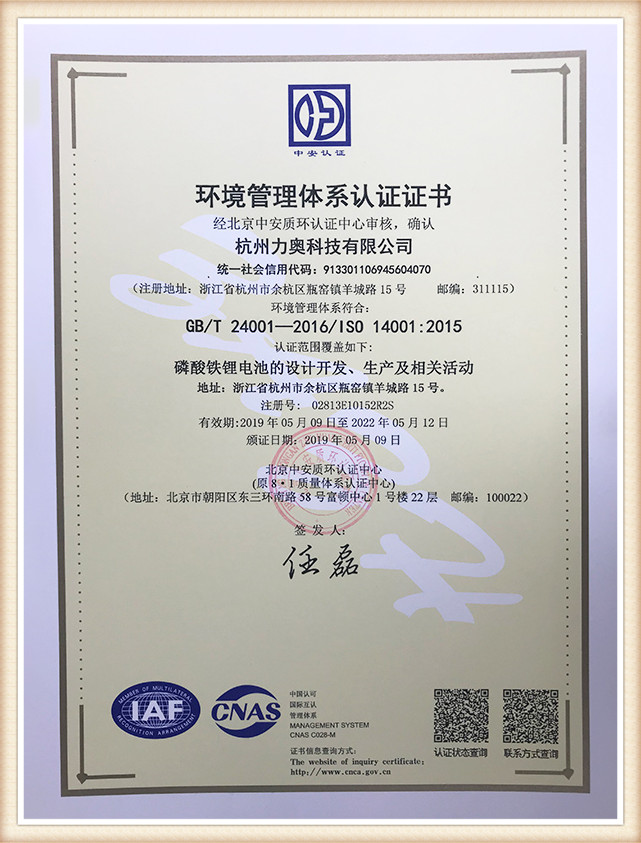
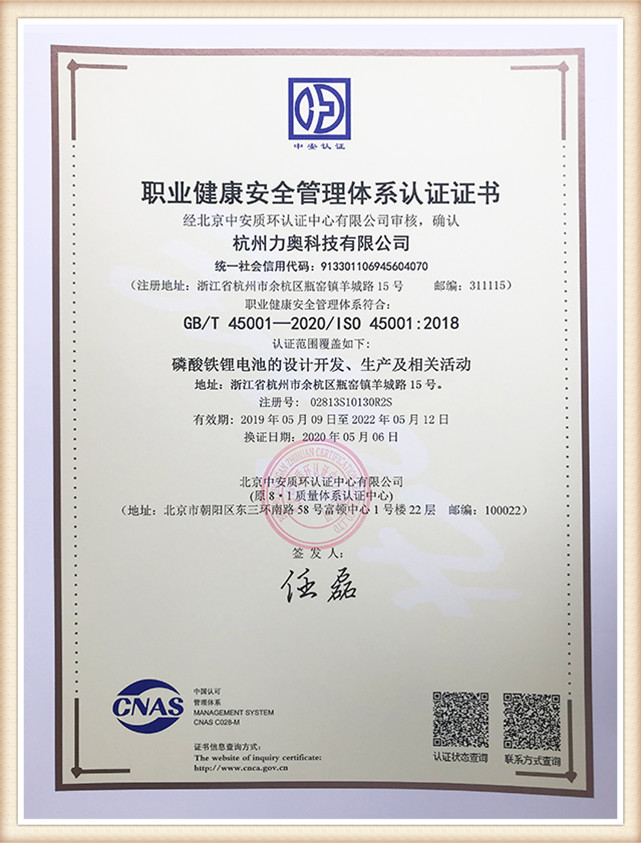
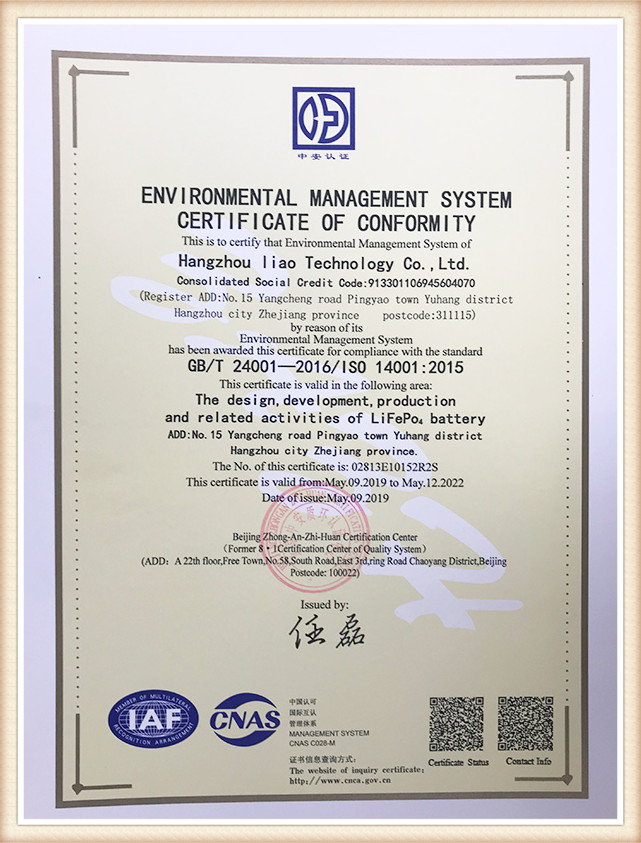
All LIAO battery designs are produced under an ISO 9001 quality management framework and meet environmental (ISO 14001) and safety (ISO 18001/45001) standards.
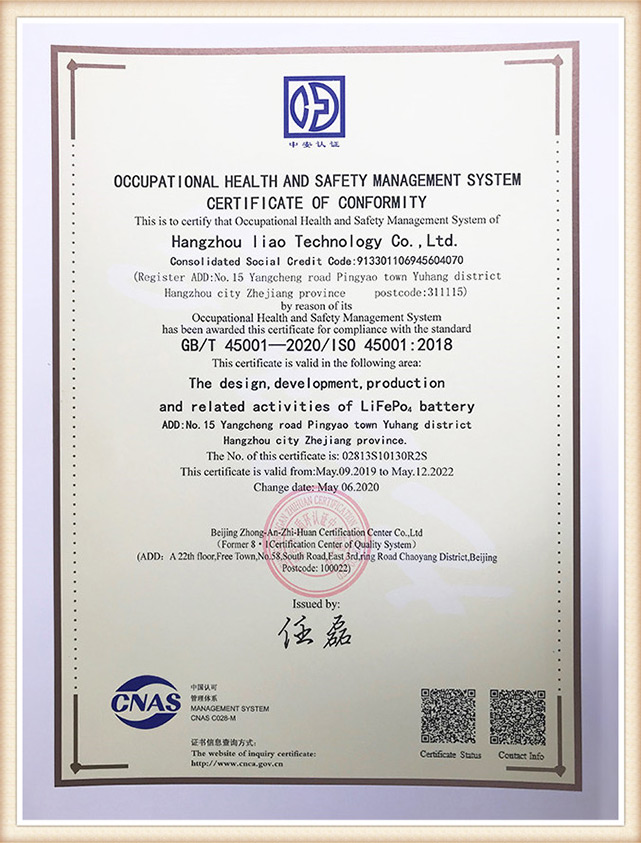
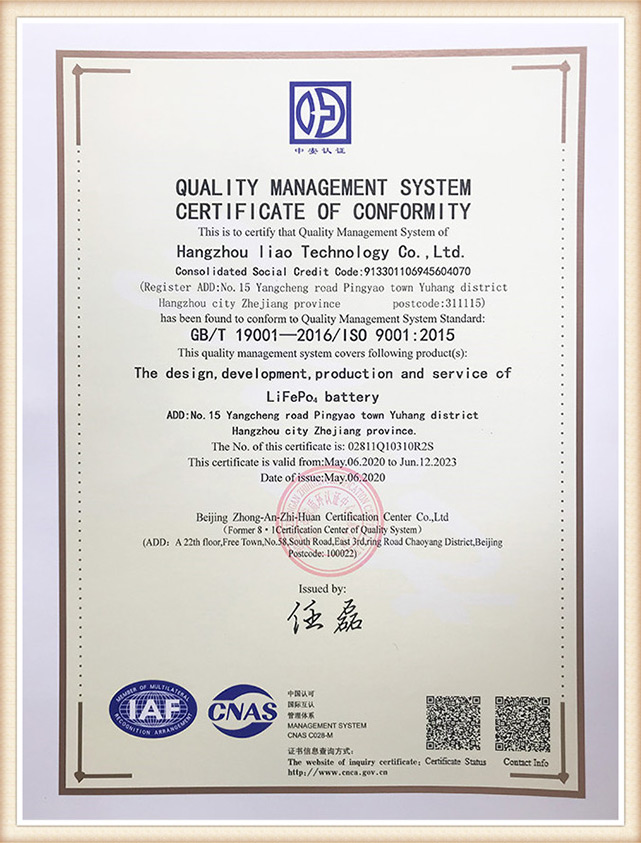
ISO Quality & Environmental Systems

ISO Cert 1 ISO Cert 2 ISO Cert 3

Patented Inventions & Designs

Patent 1 Patent 2 Patent 3

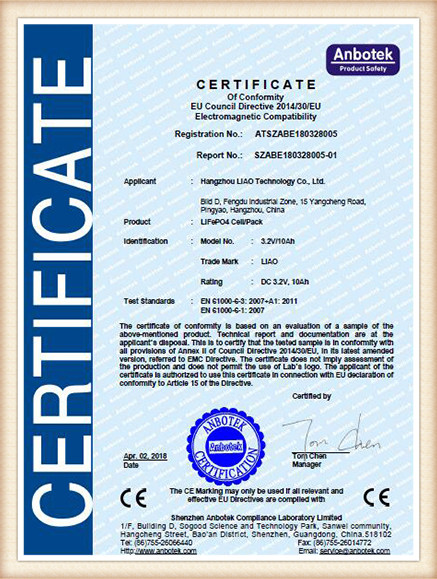
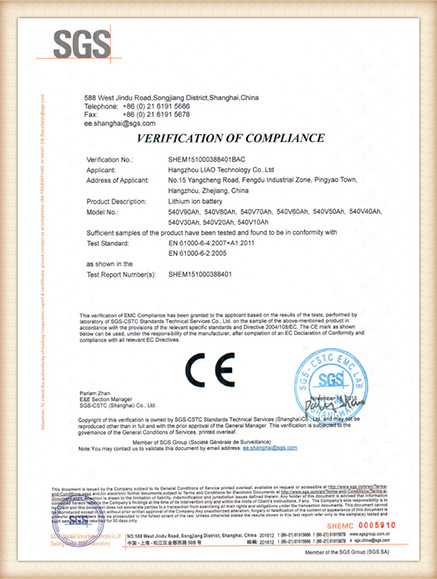
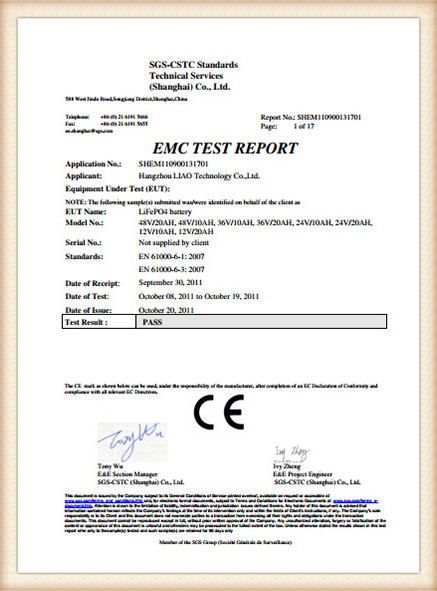
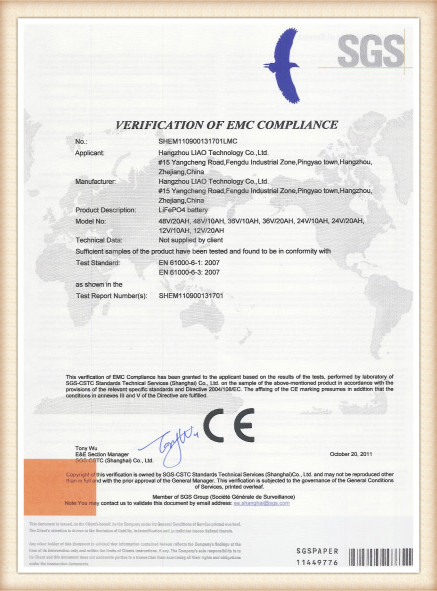
Product Safety Reports

Testing Doc 1 Testing Doc 2 Testing Doc 3

Exporting Globally

Our products support commercial projects across Europe (Germany, France, Netherlands, Spain, United Kingdom), the Americas (USA, Canada, Mexico, Brazil), Asia-Pacific (Australia, Philippines, Thailand, Singapore, Korea, Japan, India), and Africa (South Africa, Nigeria).
Safety 1 Safety 2 Safety 3 Safety 4

Technical FAQ (Search Intent & Spec Clarification)

Essential technical insights for procurement managers and engineers selecting custom industrial LiFePO4 battery systems.

1. What makes LiFePO4 chemistry safer than other lithium-ion formats?
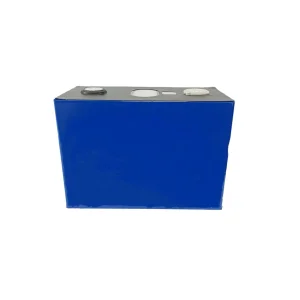
LiFePO4 (Lithium Iron Phosphate) features a strong covalent bond between oxygen, phosphorus, and iron, preventing structural breakdown during thermal stress. Unlike nickel manganese cobalt (NMC) batteries, it has a high thermal runaway threshold (typically above 270°C) and is resistant to self-sustained oxygen release, preventing fire hazards even under extreme mechanical damage like nail penetration.
2. How does LIAO achieve stable battery operation at extreme temperatures down to -40°C?
Typical lithium-ion chemistries suffer from slow ion transport and lithium plating at sub-zero temperatures. We address this using custom electrolyte additives, optimized anode structures, and, where needed, integrated internal BMS heating circuits. This allows cells to maintain safety and performance profiles across temperature ranges from -40°C to 85°C.
3. What is the significance of the 2800+ cycle life specification?
This rating indicates that the cell can undergo 2800 complete charge/discharge cycles at 100% Depth of Discharge (DOD) at a 1C rate before the nominal capacity drops below 80%. When operated at shallower discharge profiles (e.g., 80% DOD), the cycle life can extend beyond 4,000–5,000 cycles.
4. How does the battery pack's internal BMS manage cell balancing?
Our Battery Management Systems (BMS) utilize dynamic passive or active cell-balancing methods. By monitoring individual cell voltages during the final stages of charging, the BMS bypasses excess current around fully charged cells, allowing weaker cells to catch up. This process ensures matched cell parameters and prevents premature pack degradation.
5. What customization options are available for OEM/ODM battery packs?
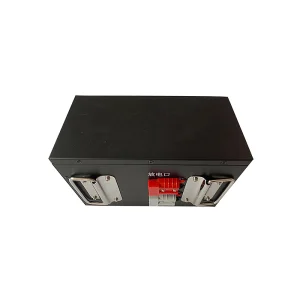
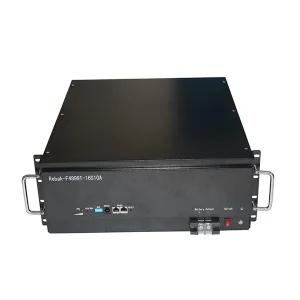
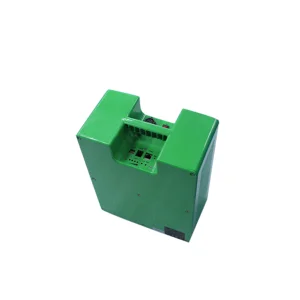
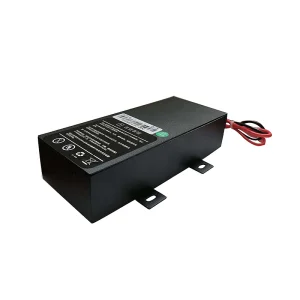
Our engineering team designs battery packs tailored to specific requirements, including custom dimensions, sheet metal or ABS enclosures, custom output connectors, communication protocols (CANbus, RS485, SMBus), and electrical configurations (parallel/series combinations) to deliver exact voltage and capacity profiles.
6. Which compliance certifications do LIAO batteries carry?
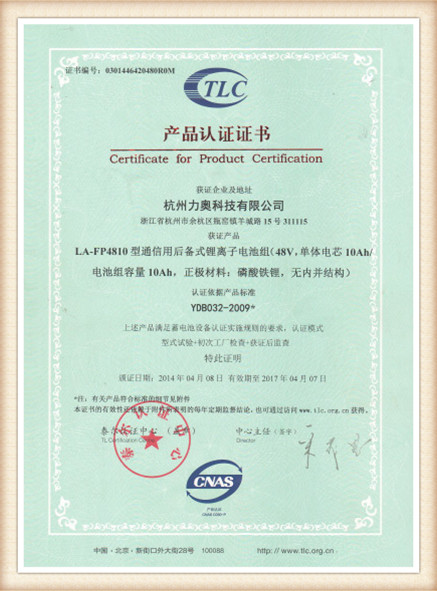
We maintain full compliance with international standards. Our factories operate under ISO 9001, ISO 14001, and ISO 18001/45001 frameworks, and our products hold certifications including CE, UN38.3, and independent European testing reports (such as the LAXpower-1230 testing reports).
7. How does a capacity sorting system improve pack performance?
Even minor manufacturing variances in capacity, internal resistance, or self-discharge rates can cause cell imbalance, leading to early pack failure. Our automated capacity sorting equipment groups identical cells, ensuring the entire pack ages uniformly and operates at maximum capacity.
8. What is the standard lead time for customized prototype evaluation?
Standard prototype design and engineering validation typically require 15 to 25 working days, depending on pack complexity, enclosure type, and BMS communication protocols.
9. Are LIAO batteries compatible with standard solar inverters and hybrid chargers?
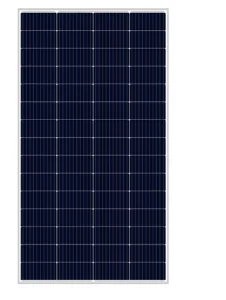
Yes, our custom energy storage systems (ESS) and high-voltage battery packs can be programmed to communicate with mainstream industrial inverters and hybrid controllers using CANbus or RS485 communication protocols.
10. How are LiFePO4 batteries prepared for international dangerous goods transport?
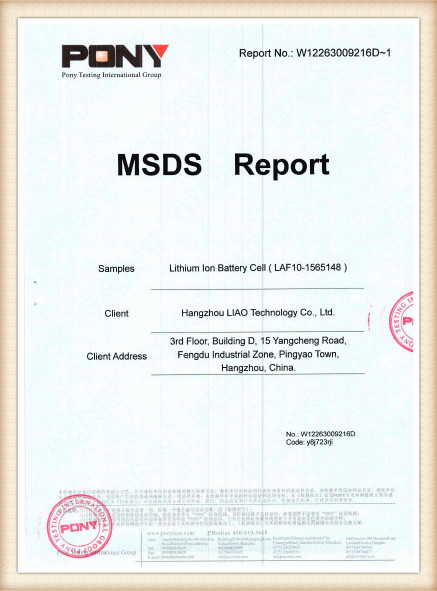
All batteries must comply with UN38.3 packaging standards to ensure safe transport. We utilize UN-certified double-corrugated fiberboard packaging, individual cell terminal isolation, and provide MSDS documentation, ensuring smooth air, sea, or land customs clearance.