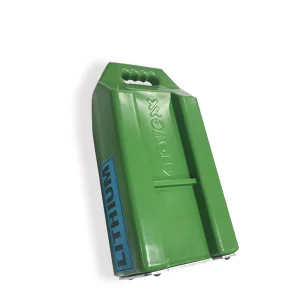
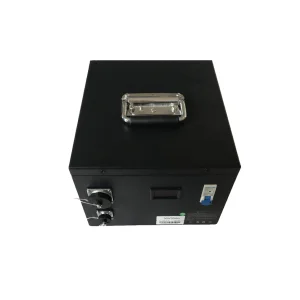
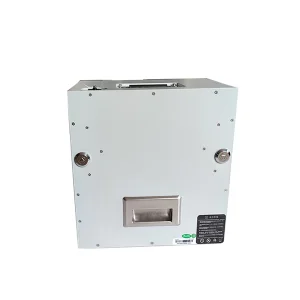
Explore our highly certified, custom-engineered lithium iron phosphate (LiFePO4) and lithium-ion systems designed for rugged industrial performance.
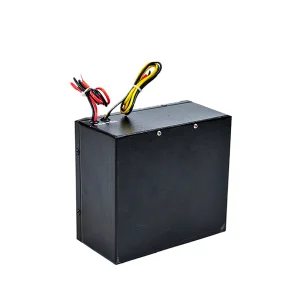
A comprehensive technical analysis of high-voltage systems and their operational advantages in modern industrial and commercial machinery.
In the pursuit of operational efficiency, global vehicle and equipment manufacturers are shifting rapidly from traditional 36V and 48V architectures to high-performance 72V Lithium battery packs. The fundamental driver of this shift lies in Joule's Law of heating, which states that thermal energy generated in a conductor is proportional to the square of the current ($P = I^2 R$). By elevating the nominal voltage to 72V, systems can achieve identical or higher power output ($P = V \times I$) with a significantly reduced current draw.
This reduction in amperage mitigates thermal accumulation within the cells and interconnects, ensuring optimal operation limits. Additionally, lower current requirements enable the use of thinner, lighter, and more cost-effective wiring harnesses. This simplifies the spatial design of vehicle chassis and lowers structural weight, which directly translates to extended operational runtimes per charge cycle.
The global transition to green energy systems has expanded beyond light consumer transportation. Heavy-duty utility fleets, industrial material handlers, Automated Guided Vehicles (AGVs), and e-mobility solutions demand robust continuous power. Key dynamics driving the 72V market segment include:
A trusted pioneer in industrial-grade LiFePO4 battery manufacturing and custom cell engineering since 2009.
Established in 2009, Hangzhou LIAO Technology Co., Ltd. is a premier manufacturing enterprise specializing in the development and fabrication of high-safety Lithium Iron Phosphate (LiFePO4) battery packs. Based in Hangzhou, China, our advanced engineering facilities supply reliable energy systems to clients across more than 20 countries.
Our core competency lies in delivering certified, robust, and custom-designed battery systems tailored to the rigorous demands of commercial operations. Guided by a strict, multi-tiered quality management system, LIAO power units deliver long lifecycle performance, high thermal resilience, and absolute safety under mechanical and electrical stress.
Our commitment to rigorous design and testing was proven in European benchmarking trials, where the LAXpower-1230 series was awarded the testing championship for outstanding capacity retention and safety standards.
Our LiFePO4 chemistry will not catch fire or explode even under mechanical acupuncture and severe physical deformation tests.
Engineered to operate reliably across extreme environments, supporting stable discharge from -40°C to 85°C.
Individual cell designs support over 2800 charge/discharge cycles at 1C rates with 100% Depth of Discharge (DOD).
LIAO operates under global management and environmental standards to ensure consistent cell uniformity and product reliability.
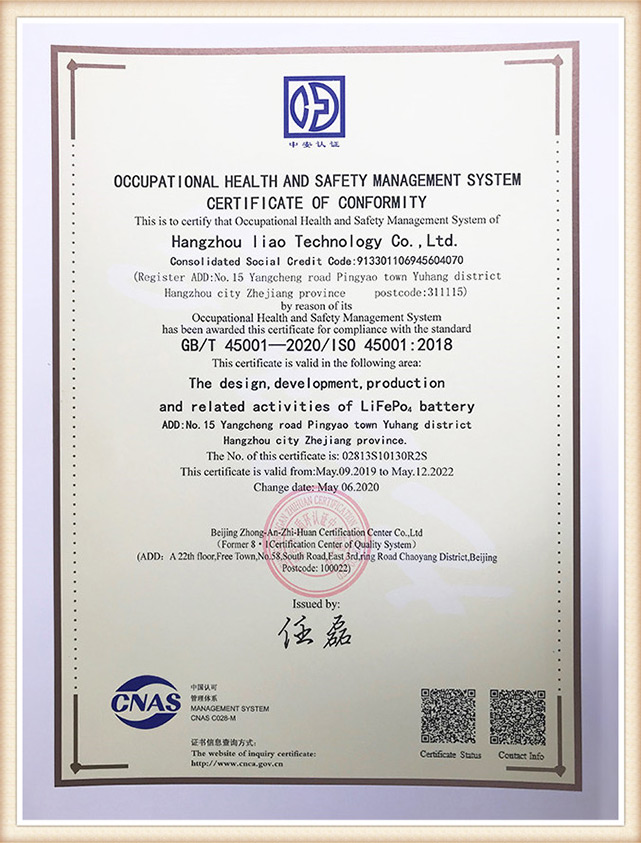
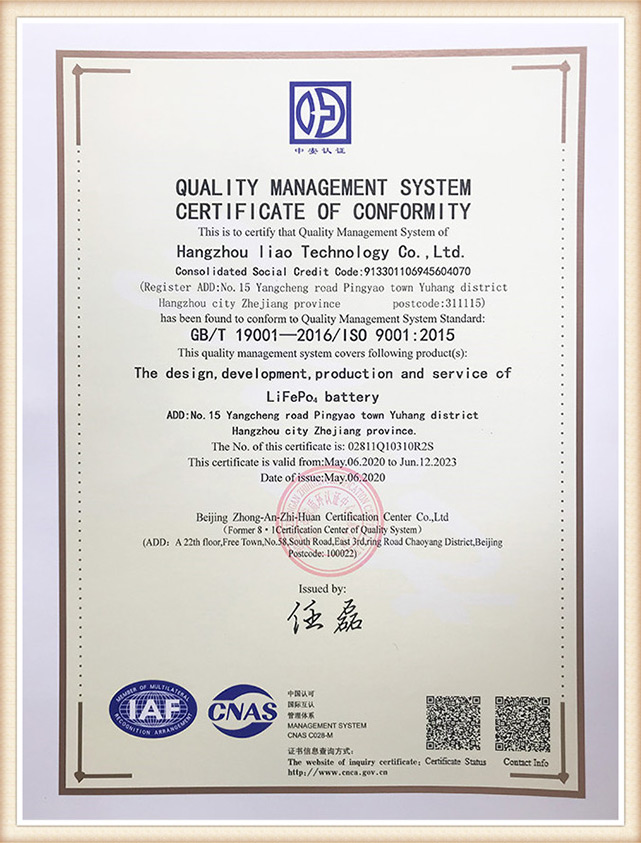
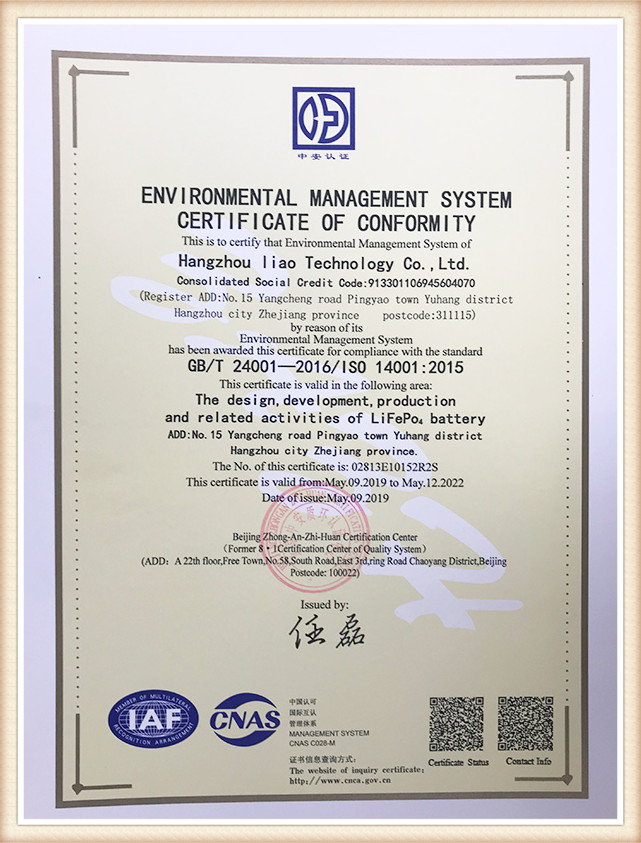
Every battery cell and pack manufactured by LIAO Technology is subject to comprehensive quality audits. This process begins with strict material inspection of raw lithium iron phosphate powders, continuous monitoring of thickness during rolling and die cutting, and final automated testing of completed packs. Our adherence to international environmental (ISO 14001) and safety (ISO 18001) standards reflects our focus on clean, sustainable, and responsible production.
How automation, geographical positioning, and manufacturing workflows support efficient and scalable battery production.
Reliable volume production of high-capacity 72V lithium packs requires advanced automation. At LIAO Technology, we integrate automated manufacturing lines with real-time tracking systems to guarantee cell consistency and competitive wholesale costs.
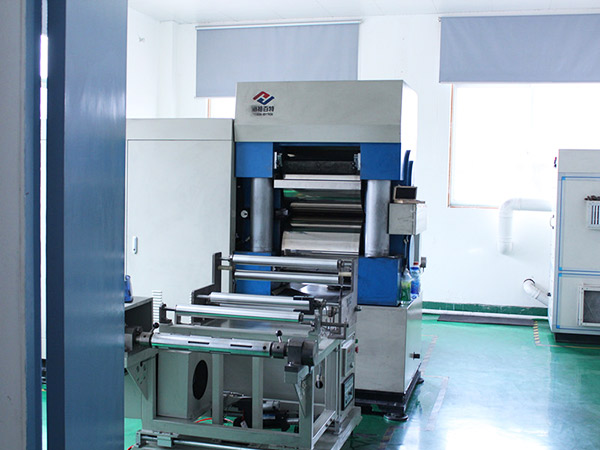
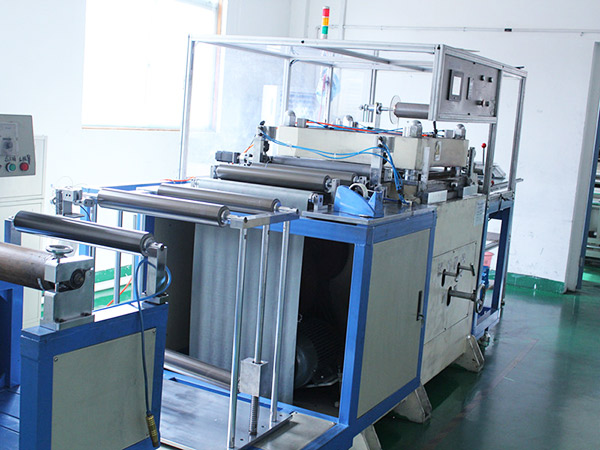
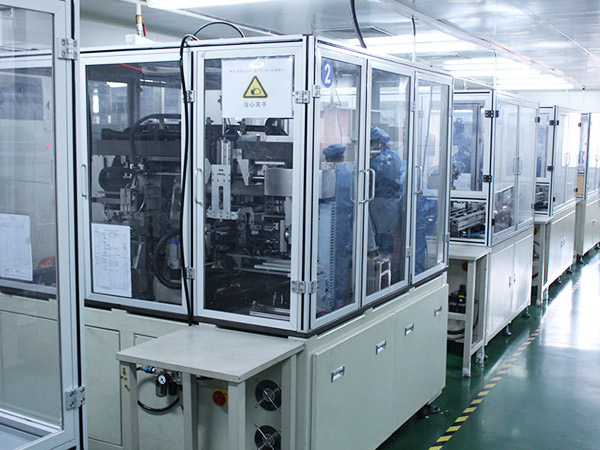
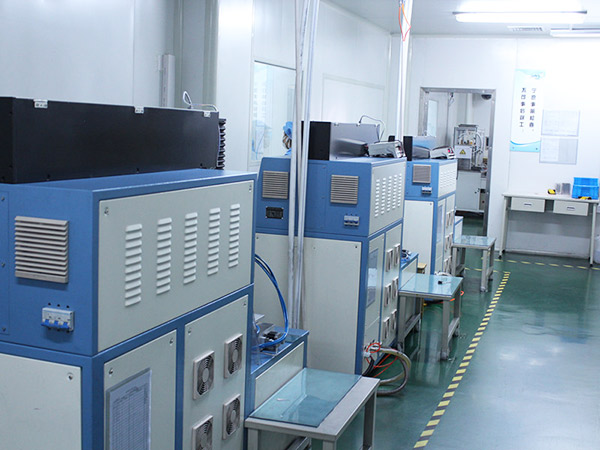
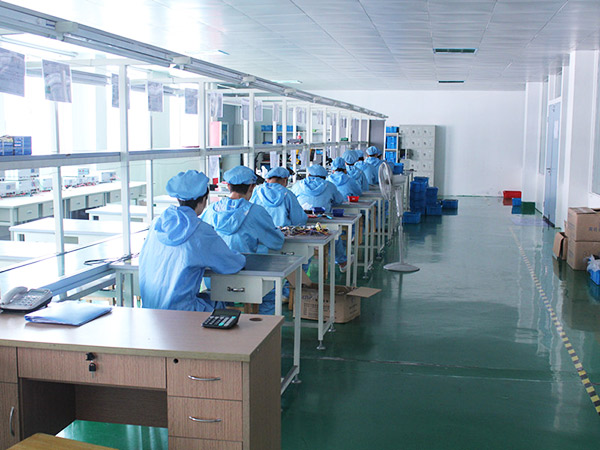
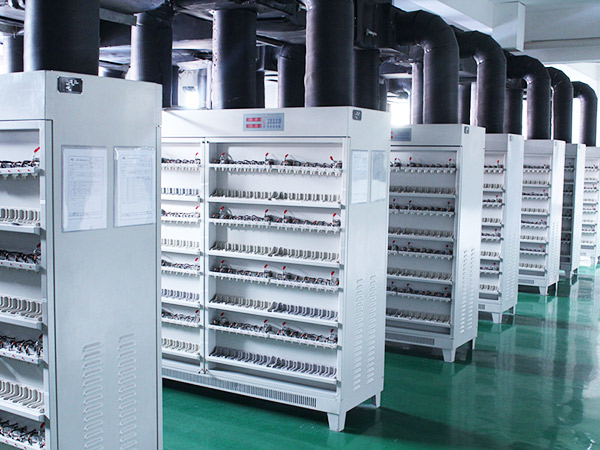
Our manufacturing facility in Hangzhou utilizes precise automated processes to reduce human error. Key stages of our production line include:
Tailored energy systems designed to deliver reliability and long-term value across diverse operating environments.

Modern fleet managers are replacing heavy, maintenance-intensive lead-acid batteries with high-energy LiFePO4 packs. LIAO 72V golf cart battery systems deliver constant torque even on steep inclines and varying terrains. With fast-charging capabilities, fleets can easily extend their operational schedules through rapid opportunity charging between shifts.
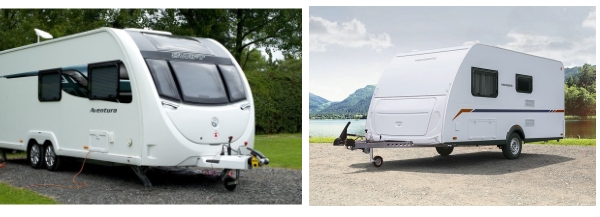
Recreational vehicle components require high surge current capacity within compact dimensions. LIAO lightweight battery systems are engineered to power electric caravan movers quietly and efficiently. These packs eliminate the weight, maintenance, and emissions associated with lead-acid alternatives, improving overall vehicle energy efficiency.
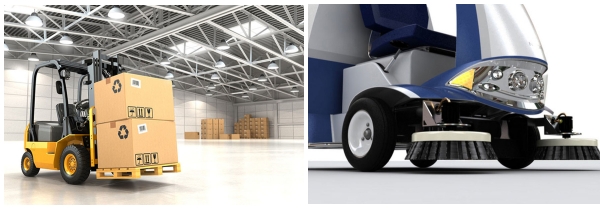
In automated warehouses, reliability and uptime are critical. LIAO high-capacity lithium batteries provide stable energy for material handling equipment, electric forklifts, and AGVs. These systems support heavy cargo transport over long shifts, reducing downtime and maintenance labor costs.
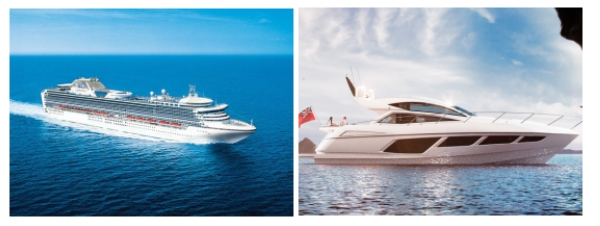
E-boats and electric marine vessels require durable power systems that can withstand harsh operating environments. LIAO marine-grade battery systems feature IP67-rated enclosures and advanced corrosion resistance. They provide clean, quiet propulsion that protects waterways from fuel spills and noise pollution.
A reference checklist for supply chain directors and engineers selecting high-voltage industrial battery systems.
Selecting a high-voltage lithium system for industrial applications requires a careful assessment of technical specifications, safety certifications, and long-term costs. When choosing a wholesale manufacturing partner, engineering and procurement teams should evaluate:
Advanced battery packs must include a smart Battery Management System (BMS). The BMS manages cell balancing, over-voltage limits, and thermal performance, and must support industry-standard protocols such as CAN-bus, RS485, and Modbus.
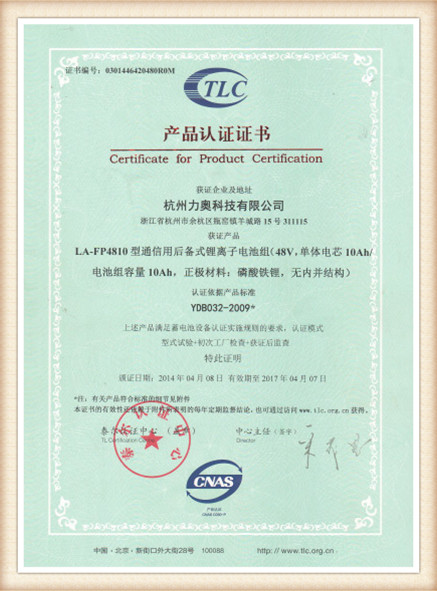
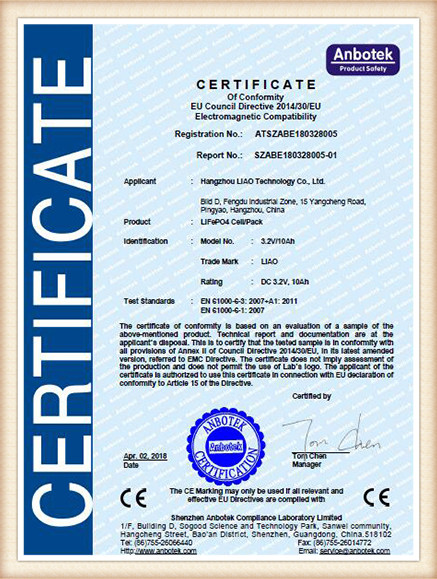
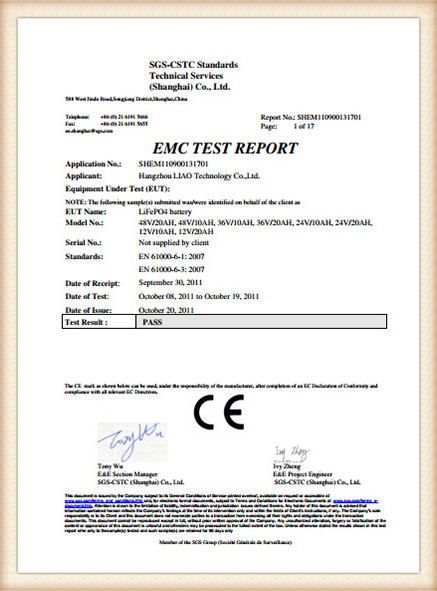
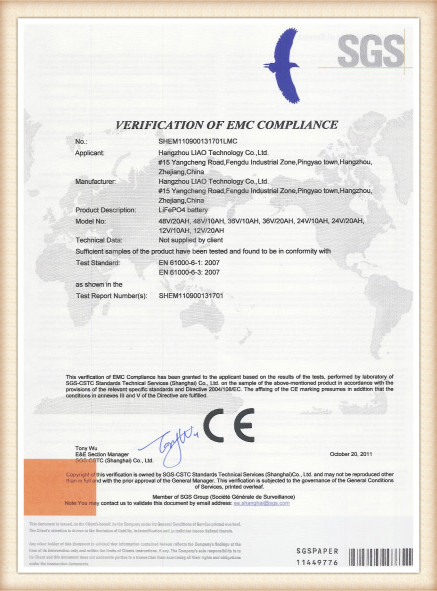
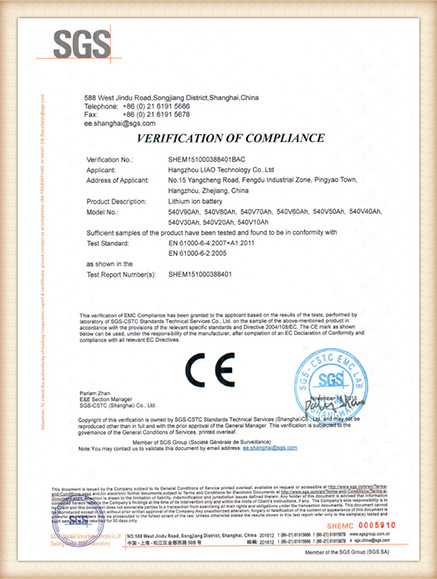
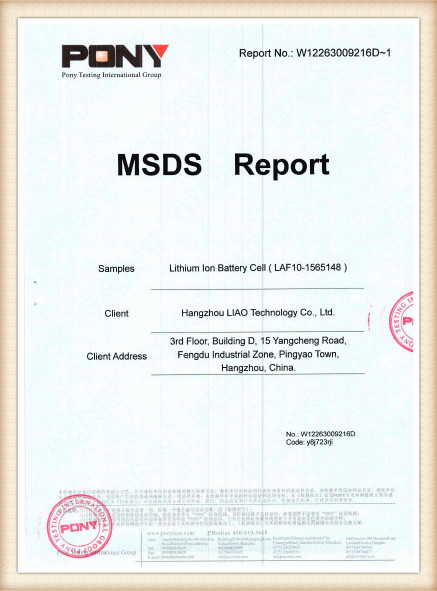
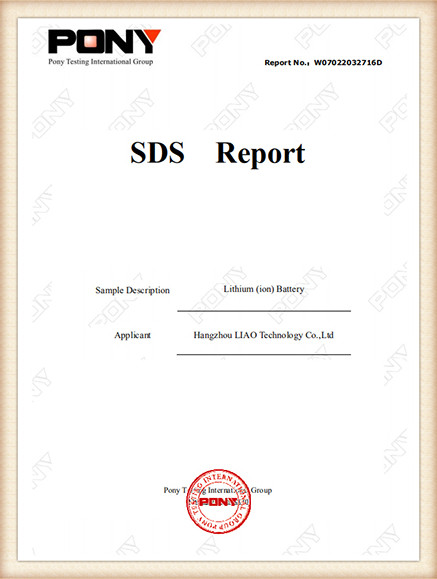
All industrial lithium batteries must comply with international transit and safety standards, including UN38.3, CE, IEC 62133, and RoHS, to ensure safe global transport and deployment.
Enclosures should feature rugged structures that withstand high vibrations and impacts. They must also manage thermal heat dissipation to protect the cells during continuous high-current discharges.
Our engineering team works directly with clients to design, prototype, and manufacture custom battery configurations. With more than 15 years of industry experience, we help OEM partners streamline development and bring certified, high-performance battery systems to market efficiently.
High-capacity lithium packs engineered to support demanding commercial, marine, and energy storage applications.
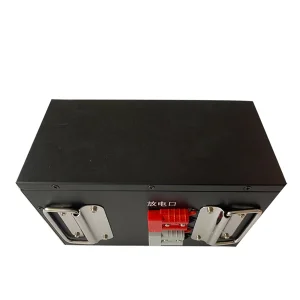
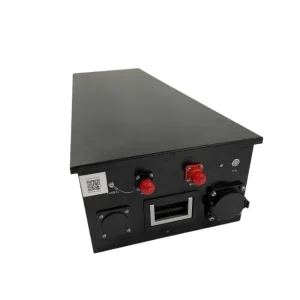
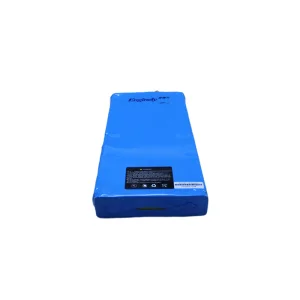
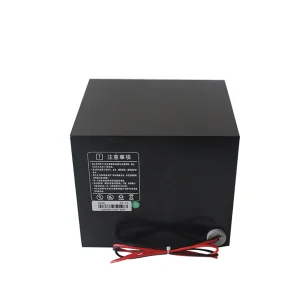
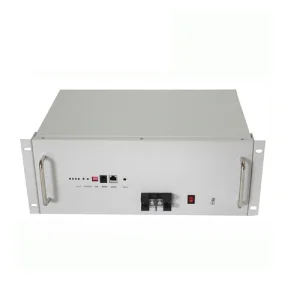
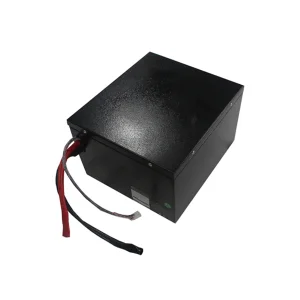
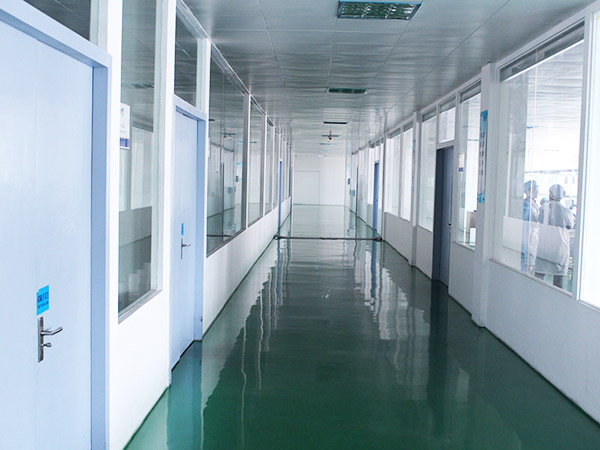
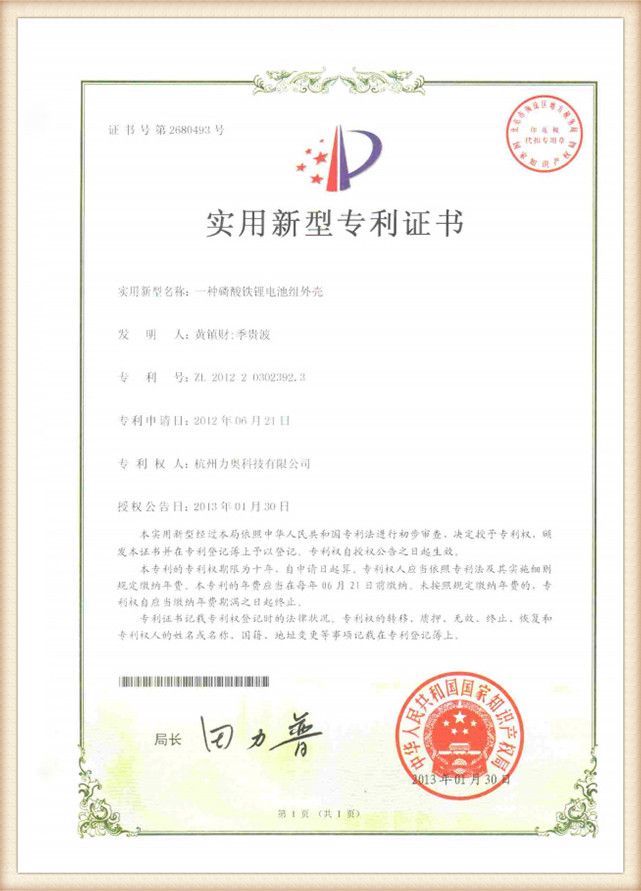
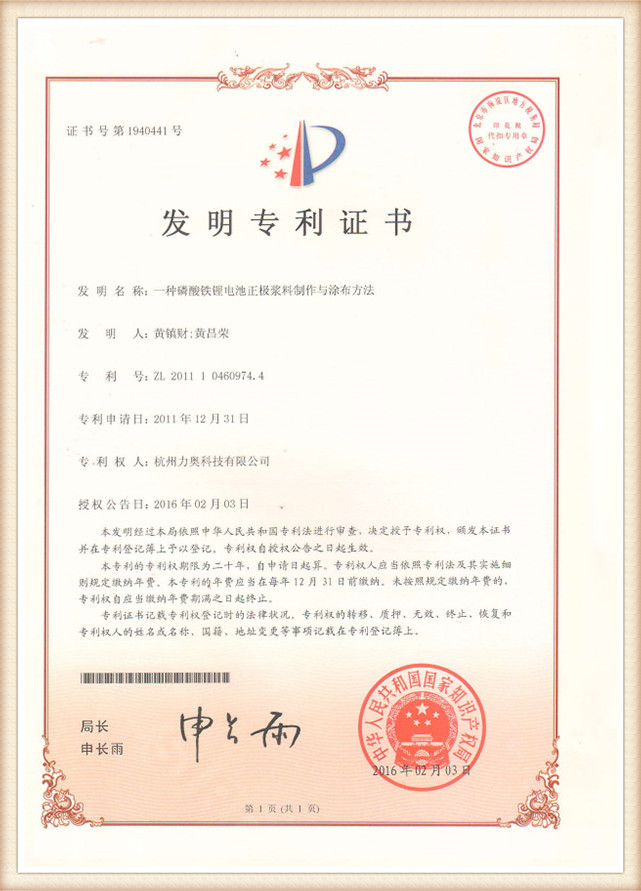
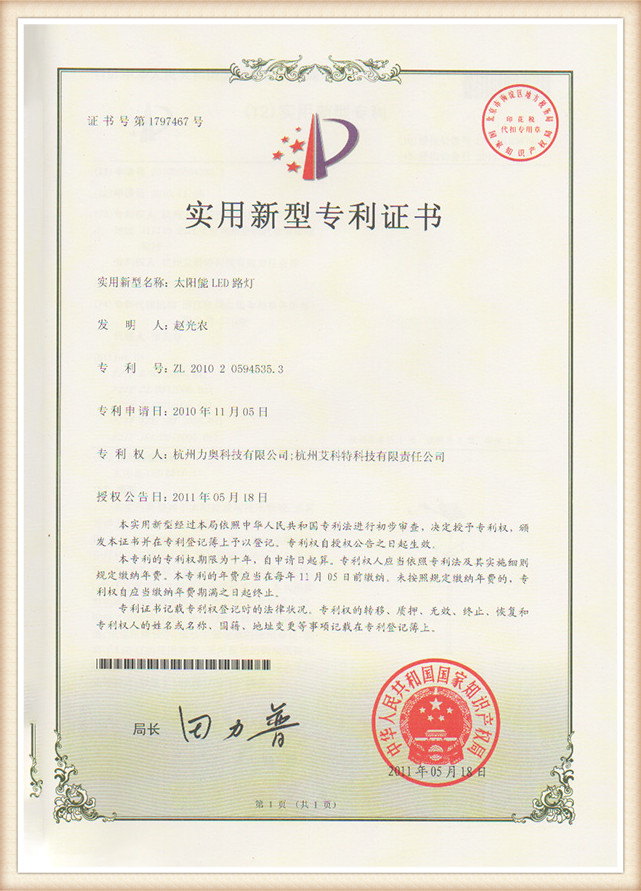
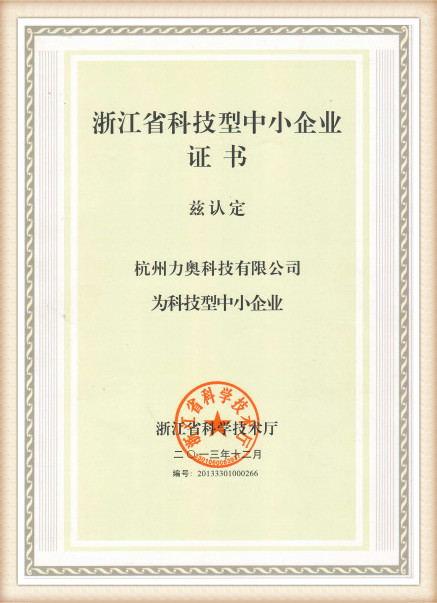
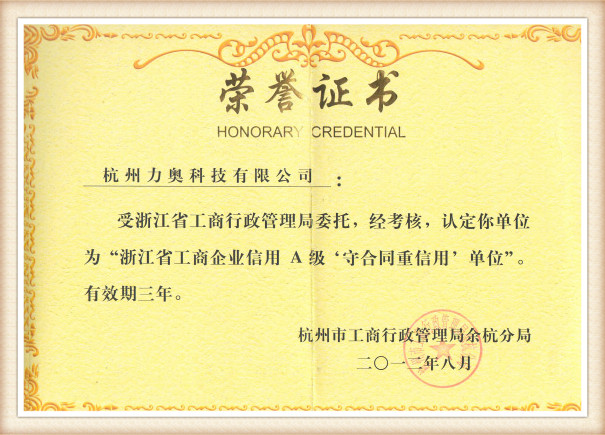
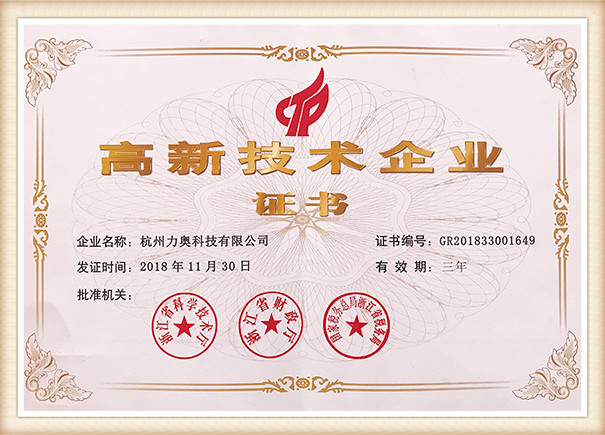
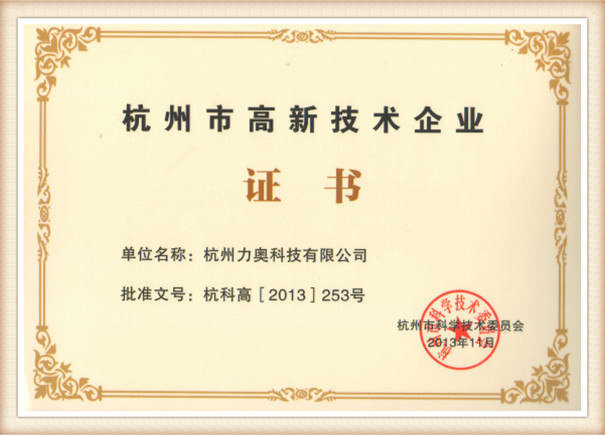
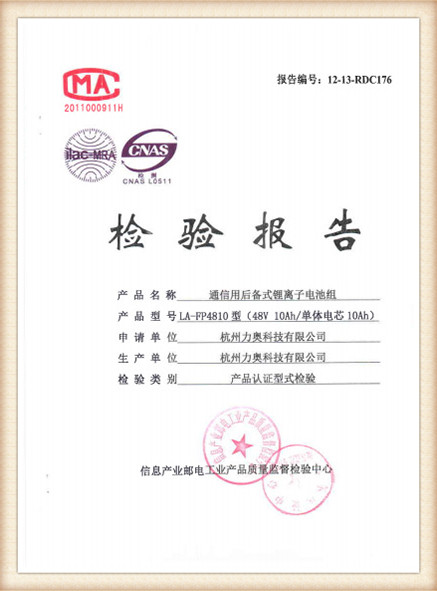
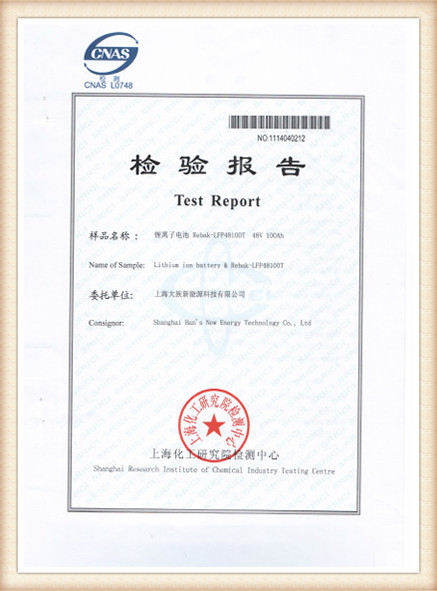
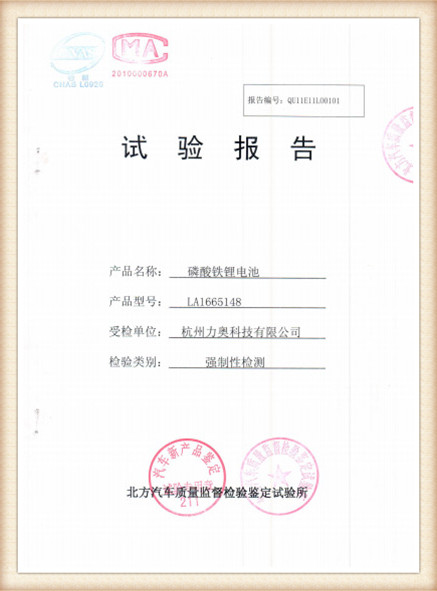
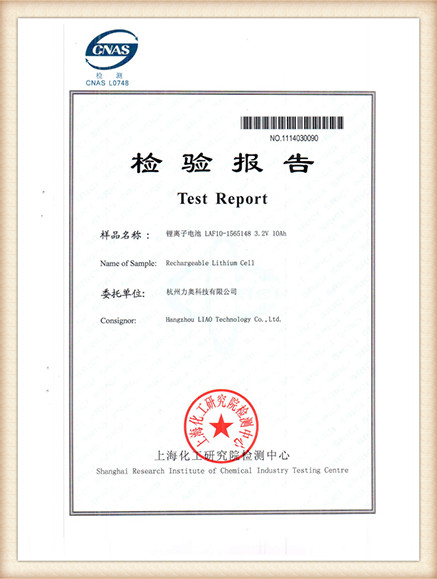
A closer look at LIAO Technology's design certifications and plant operations.






Technical answers to common questions raised by procurement managers and engineers.
A 72V architecture delivers higher power output with a lower current draw compared to a 48V system. Under identical load conditions, a 72V configuration reduces current by approximately 33%, which decreases resistive heat losses in the cables and cell connectors. This design enables the use of lighter wiring harnesses, improves system efficiency, and reduces thermal load, extending the runtime and lifecycle of the battery.
LIAO operates under ISO 9001, ISO 14001, and ISO 18001 standards. Our quality control system covers every stage of production, including electrode coating inspection, automated Z-stacking precision audits, high-energy laser tab welding checks, and automated cell capacity sorting. Finished packs are tested under load and checked for communication consistency prior to shipment.
Lithium Iron Phosphate (LiFePO4) offers excellent chemical and thermal stability, making it highly resistant to thermal runaway. The chemistry will not release oxygen under mechanical damage, such as acupuncture testing, preventing fire or explosion. Additionally, LiFePO4 delivers a long lifecycle of over 2800 cycles at 100% DOD and is completely non-toxic, unlike cobalt-based chemistries.
Yes. Our electrical and mechanical engineering teams customize battery packs to fit specific voltage, capacity, space, and communication requirements. We support design customization for diverse applications, including golf carts, AGVs, caravan movers, and marine propulsion systems.
Our battery packs are engineered to operate across a broad temperature range, discharging reliably between -40°C and 85°C. For sub-zero environments, we can integrate internal heating elements to allow safe charging and prevent lithium plating on the anodes.
Our smart Battery Management System (BMS) supports standard communication protocols, including CAN-bus, RS485, and Modbus. These protocols allow integration with vehicle motor controllers, chargers, and industrial telematics systems for real-time monitoring of cell voltages, temperature, and State of Charge (SOC).
All LIAO battery designs are built to pass safety testing, including UN38.3 for transport safety, CE certification for the European market, and relevant IEC safety standards. We provide certified packaging and documentation to ensure smooth international transport.
 Liao Battery