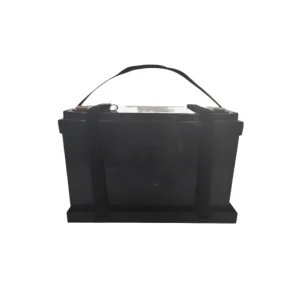
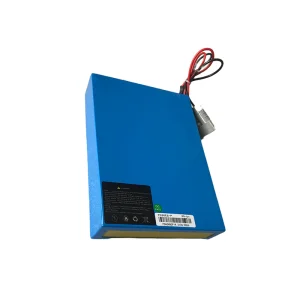
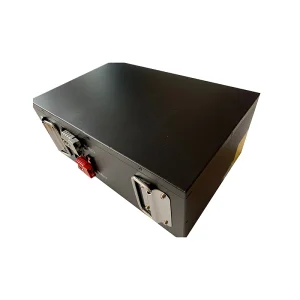
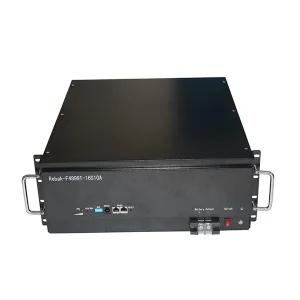
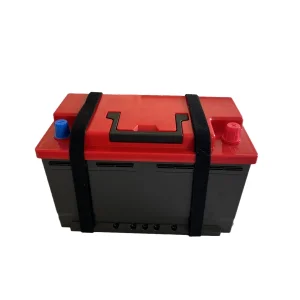
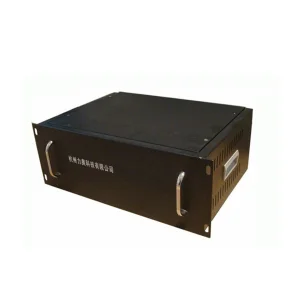
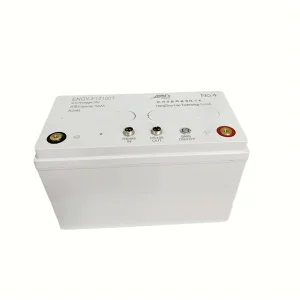
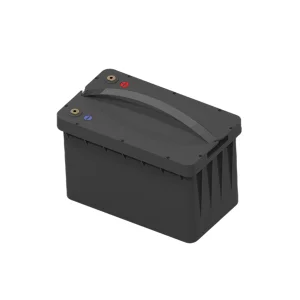
Engineered with premium prismatic LiFePO4 cells to support diverse configurations, deep cycle durability, and intelligent safety profiles.
The technical shift towards 48V (nominal 51.2V) configurations is driven by basic electrical principles and safety standards. In energy storage engineering, safety extra-low voltage (SELV) regulations typically dictate that direct current (DC) systems remain below 60VDC to prevent hazardous shock risks during installation and maintenance. A 48V system (composed of 15 or 16 prismatic LFP cells in series) provides a safe operating limit while delivering superior power density compared to traditional 12V or 24V networks.
Furthermore, from an efficiency perspective, the electrical power calculation (P = I * V) illustrates that increasing the voltage reduces the current required to deliver the same amount of wattage. Lower current reduces resistive power losses (I²R). Consequently, this allows system designers to utilize thinner, cost-effective copper wiring, minimize heat generation inside the battery module, and enhance round-trip efficiency (RTE) to over 95%.
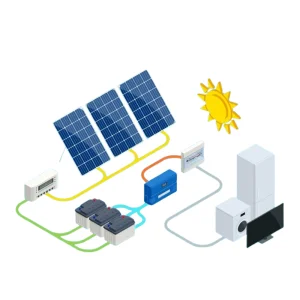
As micro-grids, residential solar systems, and telecom base stations shift toward decentralized grid architectures, our 48V lithium-ion solutions represent the optimal balance between high safety limits, thermal stability, and cost-efficient installation parameters.
Founded in 2009, Hangzhou LIAO Technology Co., Ltd. is an established, specialized manufacturer of lithium iron phosphate (LiFePO4) batteries. Over the last 15 years, our technical experts have engineered premium custom battery solutions for clients in over 20 countries. Our advanced manufacturing facility operates under the highest standards, maintaining strict alignment with environmental and occupational safety certifications.
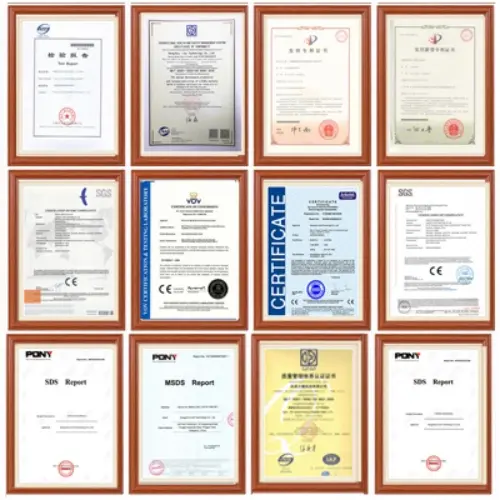
All LIAO products are produced under a robust, audited quality control system. We adhere to ISO 9001:2015 for quality management, ISO 14001:2015 for environmental compliance, and ISO 45001 / ISO 18001 for occupational health and safety standards. This systematic approach ensures that every single cell processed through our automated lines meets global technical specifications and safety standards.
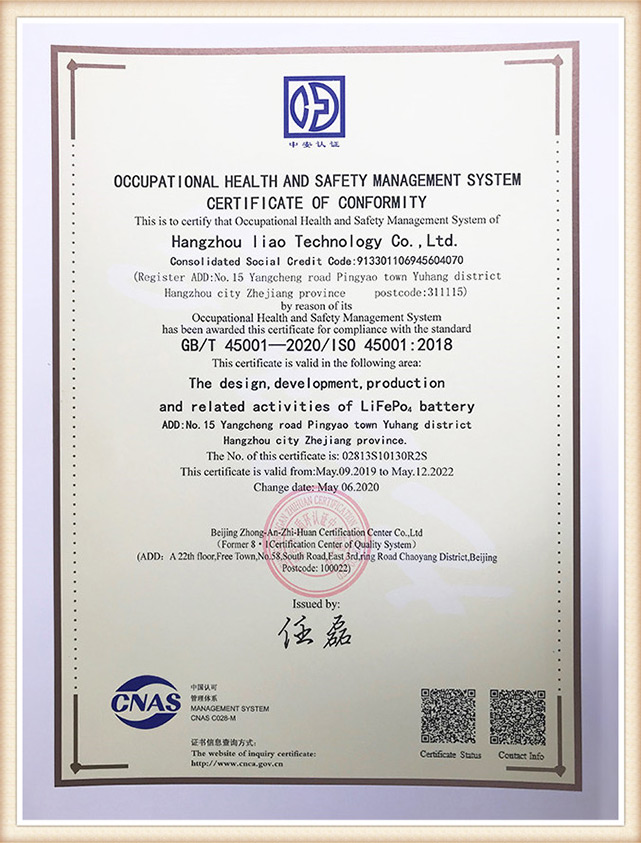
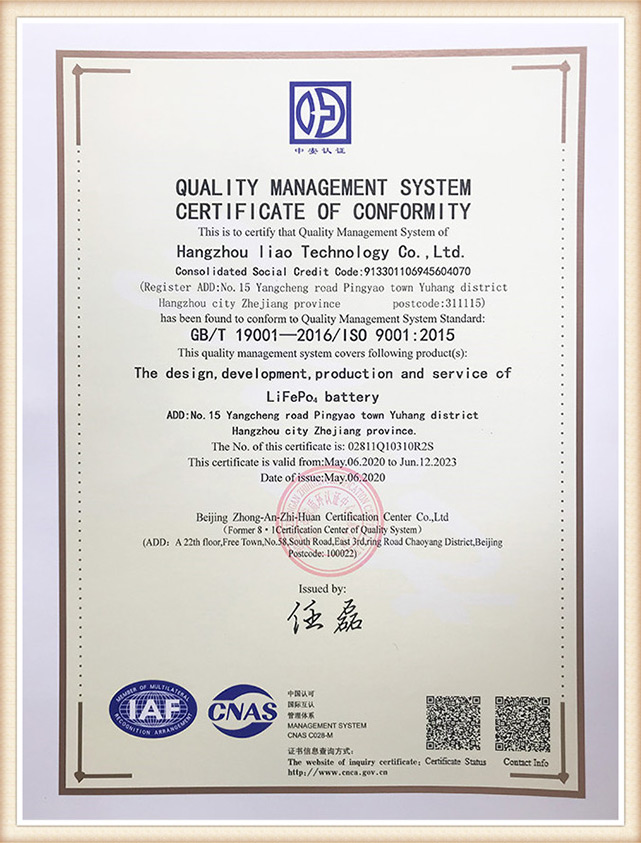
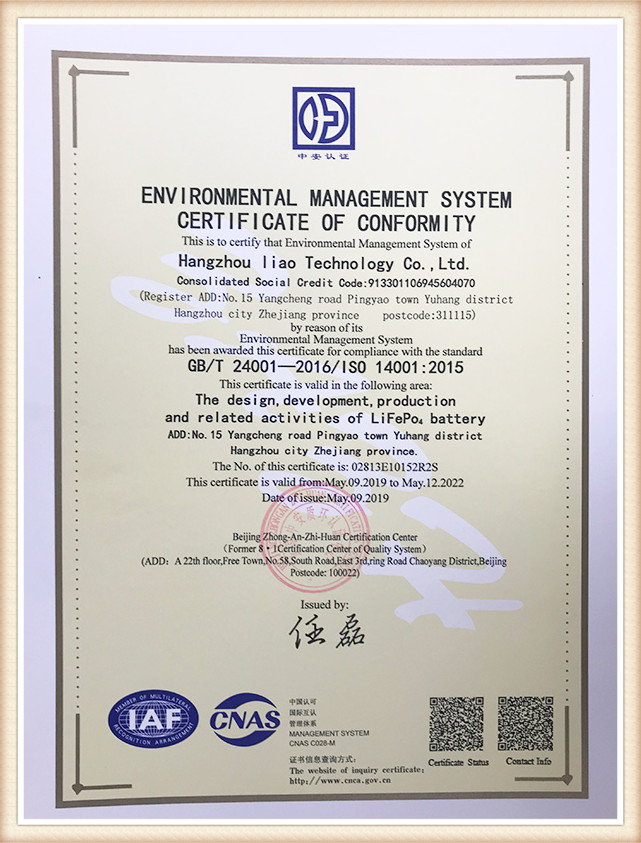
Our reliable quality controls and dedicated engineering support have earned LIAO Technology a global presence, supplying markets across several regions:
Germany, France, Netherlands, Spain, United Kingdom...
USA, Canada, Mexico, Brazil...
Australia, Korea, Japan, India, Singapore, Philippines...
South Africa, Nigeria...
We push the limits of LiFePO4 safety and energy performance. Our cells are engineered to withstand extreme thermal, mechanical, and electrical stress.
LIAO prismatic cells will not burn, explode, or experience thermal runaway during intense steel needle puncture (acupuncture) tests, ensuring structural safety.
Our custom electrolyte chemistry allows reliable discharge and power transfer over a wide operational temperature envelope of -40°C to +85°C.
Achieves over 2,800 full cycles at 1C charge and discharge rates at 100% Depth of Discharge (DOD) before cell capacity declines to 80% of its original state.
Our LAXpower-1230 battery modules earned recognition in professional European laboratory benchmarking, placing first in efficiency and thermal safety.
A breakdown of our manufacturing process, combining automated equipment, laser welding, and strict testing protocols.
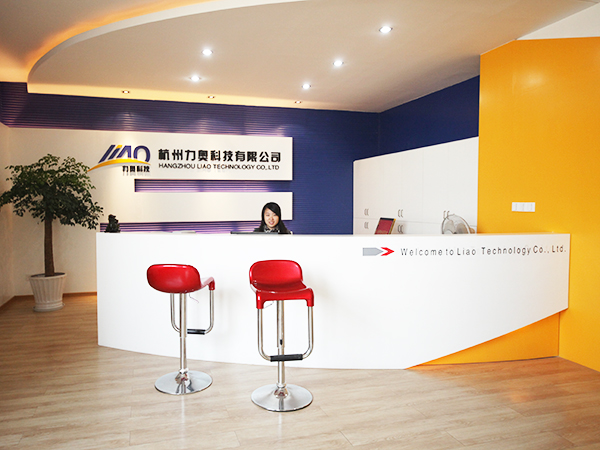
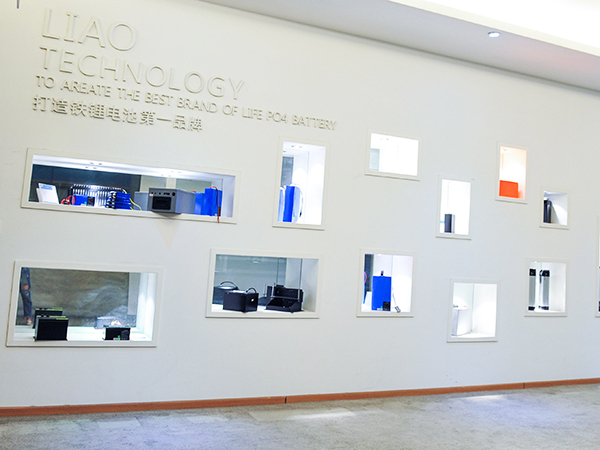
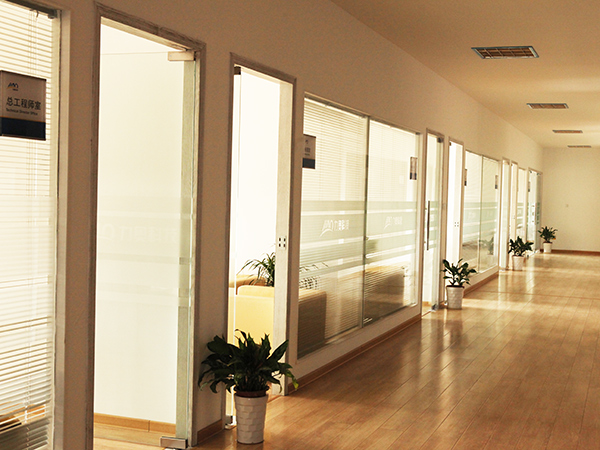
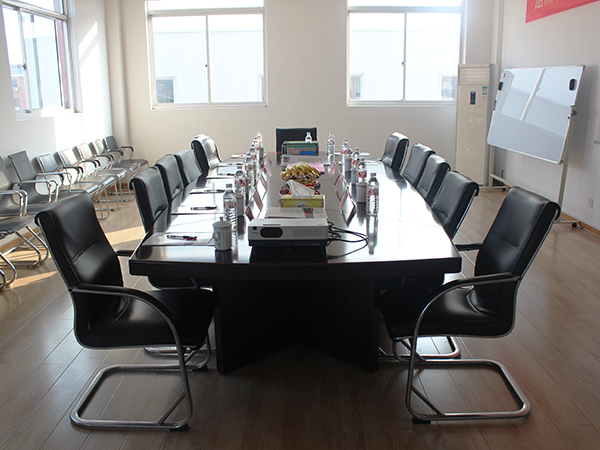
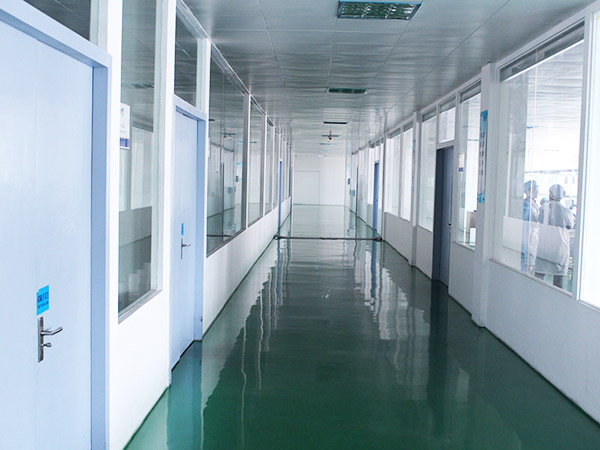
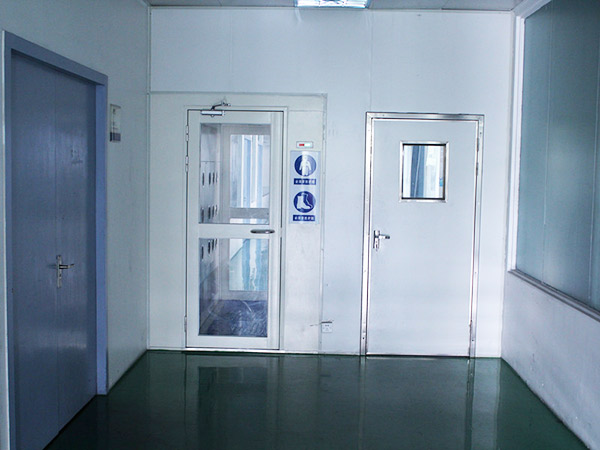
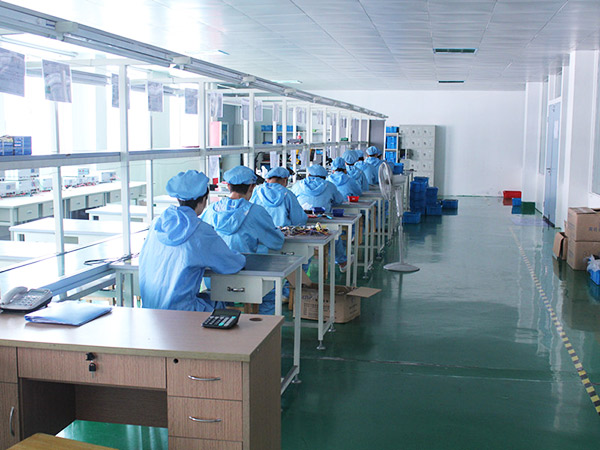
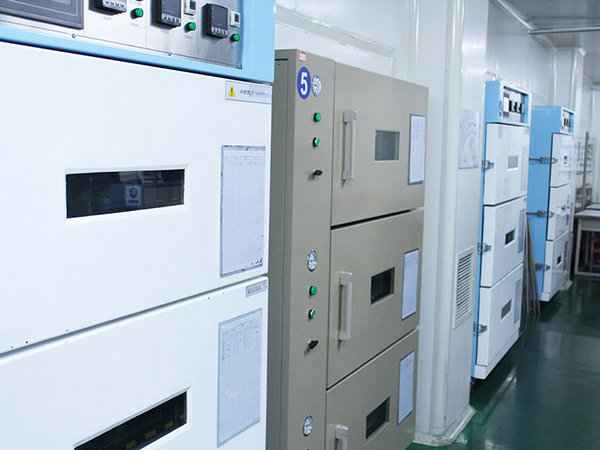
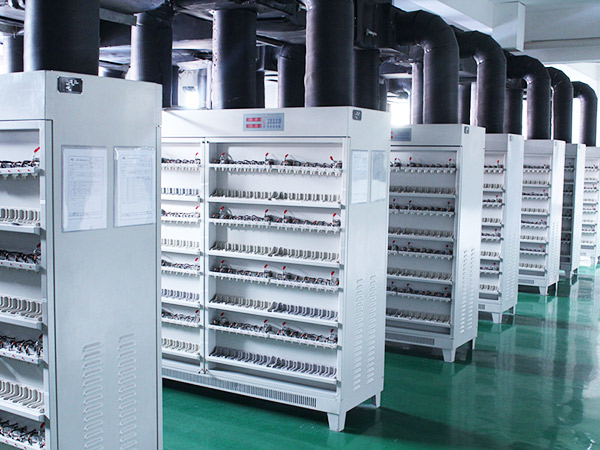
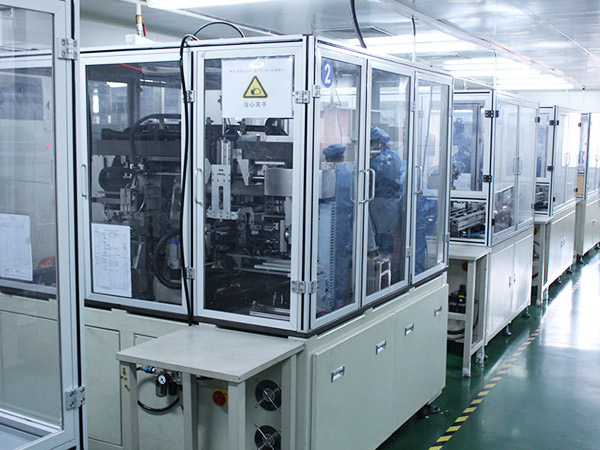
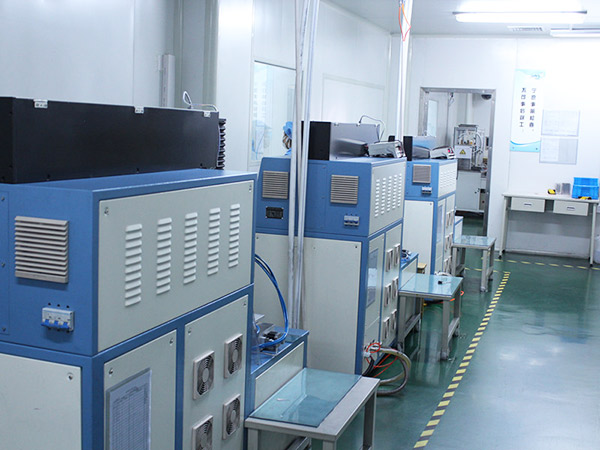
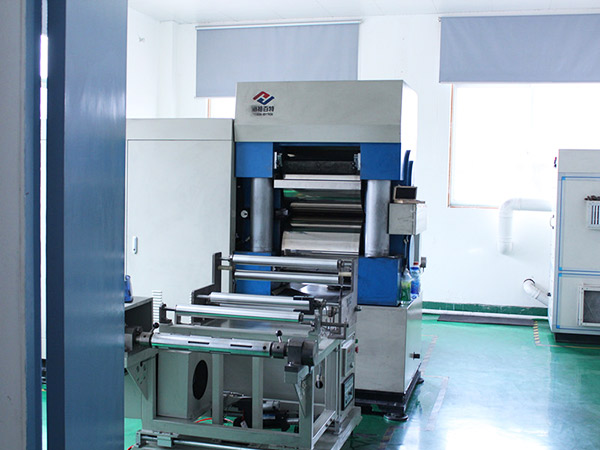

Standard off-the-shelf batteries rarely fit the spatial constraints, load profiles, or communication protocols of custom industrial and commercial applications. As a dedicated manufacturer with over 15 years of industry experience, LIAO helps over 500 business customers develop and deploy custom configurations designed for their exact requirements.
Our multi-disciplinary team of mechanical and electrical engineers works directly with your integration leads. We focus on:
By optimizing these configurations, we save our clients significant project integration time and costs, helping them bring their systems to market quickly with full confidence in product durability.
Our LiFePO4 batteries are deployed globally, powering residential storage networks, marine transportation, and heavy industrial machinery.

Our lightweight LiFePO4 golf cart batteries deliver consistent voltage throughout discharge. This prevents the typical slowdown associated with lead-acid alternatives, allowing utility vehicles to easily handle steep terrain and courses.
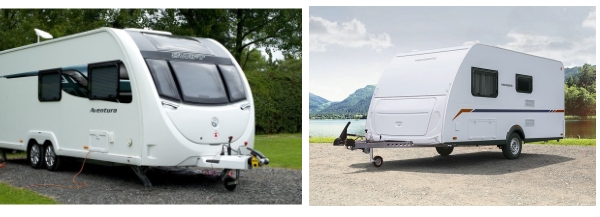
Designed for low-noise, emission-free operation, our deep-cycle caravan mover packs provide long standby power and support high startup currents. They are maintenance-free and significantly reduce overall vehicle weight.
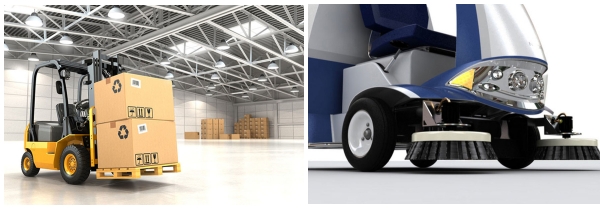
Heavy loads demand consistent, high-amperage power output. LIAO LiFePO4 packs are engineered for high-duty-cycle AGVs, fork trucks, and automated warehouse robotics. They support fast opportunity charging to reduce operational downtime.
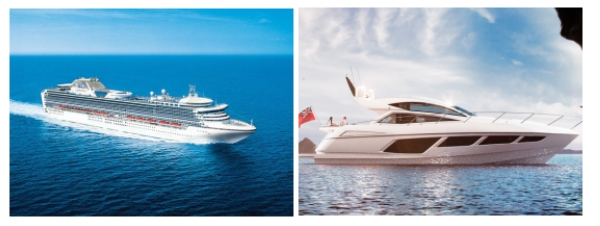
Electric boats require robust protection against moisture, corrosion, and continuous vibration. LIAO custom marine-grade packs offer high energy density in waterproof housings, providing clean, quiet propulsion without environmental risk.
Selecting a manufacturing partner in China provides global companies with distinct competitive and logistics advantages. China manages a major share of the global lithium-ion battery supply chain, spanning from raw precursor refining to advanced automated cell manufacturing.
Key supply chain advantages include:
This localized expertise enables LIAO to combine competitive manufacturing costs with high-quality components and strict international testing standards, delivering exceptional performance and value to our global clients.
Our components and manufacturing methods are regularly audited by global OEMs and industrial system integrators. Below are a few of the raw material testing certifications and client checks in place at our facility:




Expert answers addressing the design, safety, certification, and customization of LIAO 48V LiFePO4 batteries.
A 48V battery setup operates within the Safety Extra-Low Voltage (SELV) limit of 60VDC. This allows system integrators and electrical engineers to deploy, connect, and service these energy storage modules without requiring specialized high-voltage licensing. Compared to 12V systems, a 48V setup reduces the required line current by 75% for equivalent power draws. This drastically reduces resistive losses (I²R), allows the use of thinner cables, and limits heat generation during operation.
Our high-grade prismatic LiFePO4 cells are rated to deliver over 2,800 full cycles at 1C charge and discharge rates at 100% Depth of Discharge (DOD) before capacity drops below 80% of its nominal value. Under standard operating conditions (0.5C charge rates and 80% DOD), these cells routinely deliver over 4,000 to 5,000 cycles. For typical home solar energy storage setups, this translates to 10 to 15 years of reliable service.
Cell mismatch can reduce pack life and performance. LIAO manages this through a multi-stage selection process: First, cells undergo testing and classification using automated sorting equipment that measures capacity, internal resistance, and voltage down to millivolt thresholds. Second, only cells from the same production batch with matched parameters are laser-welded together. Third, our integrated Battery Management System (BMS) performs active balancing to maintain cell voltage equilibrium throughout the lifetime of the pack.
Our manufacturing facility is certified under ISO 9001:2015, ISO 14001:2015, and ISO 45001. At the product level, our battery packs and cells carry CE certificates, meet UN38.3 transport safety criteria, and have underwent testing in European labs (earning high safety ratings for the LAXpower-1230 modules). This certification ensures compliance with import regulations in major international markets.
Yes. Our specialty low-temperature lithium iron phosphate chemistry is designed to discharge at temperatures down to -40°C. Standard charging should only occur above freezing (0°C) to prevent lithium plating. However, we can integrate internal heating pads managed by the BMS for applications in extreme cold climates. These heaters use energy from the charger to warm the cells above freezing before charging begins.
Our engineering team can customize the BMS firmware to match your communication needs. We support CAN bus, RS485, and RS232 protocols to enable real-time communication with popular inverters, telemetry modules, and microgrids. Simply provide our team with your inverter's communication protocol document, and we will configure the battery parameters to match.
For custom ODM/OEM battery projects, the initial engineering assessment and drawing approvals take 5 to 10 business days. Prototype assembly and internal verification testing generally require 15 to 20 days. Once the prototype is approved, production lead times range from 30 to 45 days, depending on materials and volume.
All LIAO battery systems are packaged and shipped in compliance with Class 9 Dangerous Goods regulations (UN3480). We use UN-certified impact-resistant shipping crates, dense packaging foam, and moisture barriers. Each shipment includes complete documentation, including the Material Safety Data Sheet (MSDS), UN38.3 test summaries, and safety documentation for customs clearance.
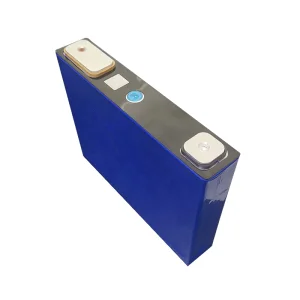
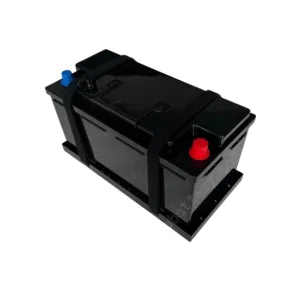
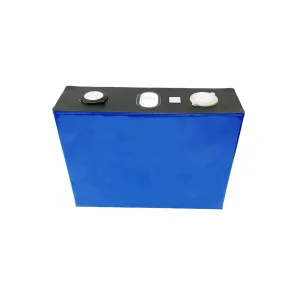
Explore our industrial battery cells, specialized RV packs, and DC chargers developed for mobile power and logistics.
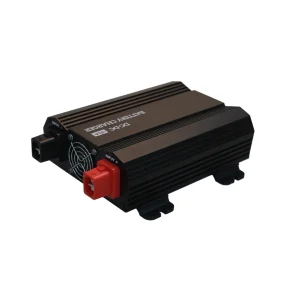
 Liao Battery