High-performance lithium iron phosphate (LiFePO4) systems optimized for resilient operations under tropical conditions.
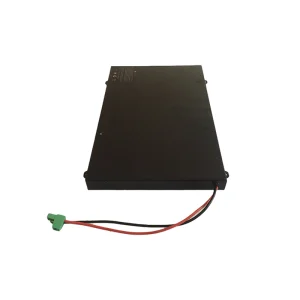
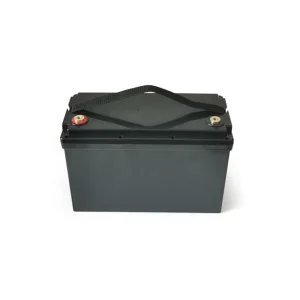
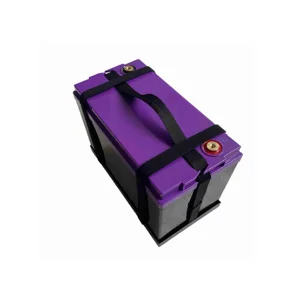
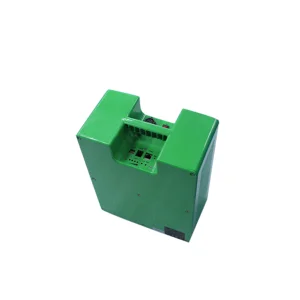
The Brazilian electricity grid is undergoing one of the most significant transformations in its history. Driven by the rapid expansion of solar photovoltaic (PV) generation, persistent threats of grid instability in northern states, and escalating peak-demand tariffs, the integration of high-performance energy storage systems (ESS) has shifted from a novelty to a commercial necessity. As Brazil pivots toward decentralized energy resources, industrial buyers require advanced battery technologies capable of weathering localized environmental challenges, volatile grids, and complex regulatory frameworks.
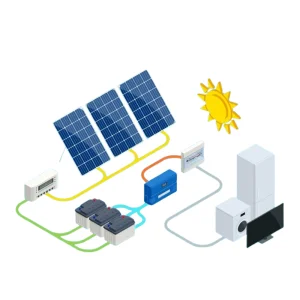
With the implementation of Law 14.300/2022 (the legal framework for Distributed Generation in Brazil), the transition toward grid-fee charging (Fio B tariff) has restructured the economics of clean energy systems. Self-consumption models are rapidly replacing basic net-metering schemes. Companies that store excess solar energy generated during the day and discharge it during peak tariff windows (typically between 5:30 PM and 8:30 PM) stand to maximize their return on investment. This has made local energy storage batteries, specifically using lithium iron phosphate (LiFePO4) chemistry, the primary choice for Brazilian microgrid installations, commercial peak-shaving units, and utility-scale ancillary services.
“By leveraging LIAO's 15+ years of professional manufacturing experience, our specialized battery packs are designed to communicate natively with leading Latin American hybrid and off-grid inverters, offering seamless integration under local Brazilian utility grids (such as Enel, CPFL, Light, and Cemig).”
Brazil's agricultural powerhouse regions—such as Mato Grosso, Paraná, and Goiás—suffer from massive grid quality issues. Power interruptions during critical crop-drying seasons or cold-chain storage failures can result in millions of Brazilian Reais in lost revenue. High-capacity LiFePO4 batteries are increasingly deployed alongside solar configurations to run irrigation pumps, automated feeding systems, and refrigeration networks. Unlike legacy lead-acid setups, LIAO's industrial lithium series performs reliably without active climate control in ambient operating temperatures reaching up to 60°C, a prerequisite for Brazil's rural interiors.
A global leader in safe, high-end LiFePO4 manufacturing for high-impact commercial and residential applications.
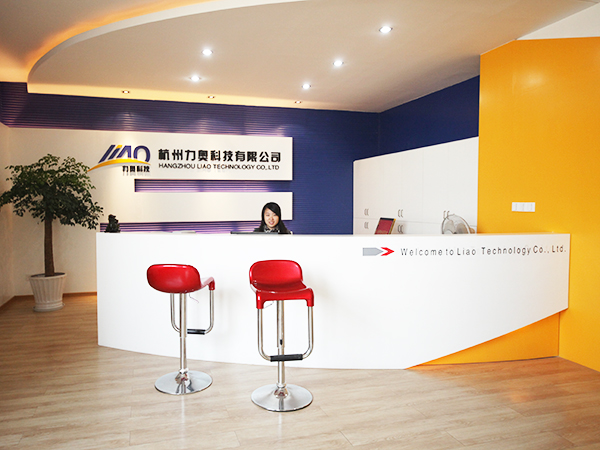
Founded in 2009, Hangzhou LIAO Technology Co., Ltd. is a pioneering developer and manufacturer specializing in lithium iron phosphate (LiFePO4) batteries. Over the past 15 years, our systems have been exported to more than 20 countries worldwide, cementing our reputation as a trusted OEM/ODM partner for grid-tie backup, industrial vehicles, marine transport, and smart medical electronics.
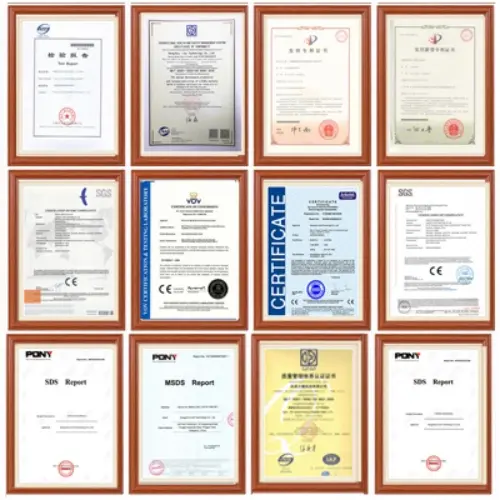
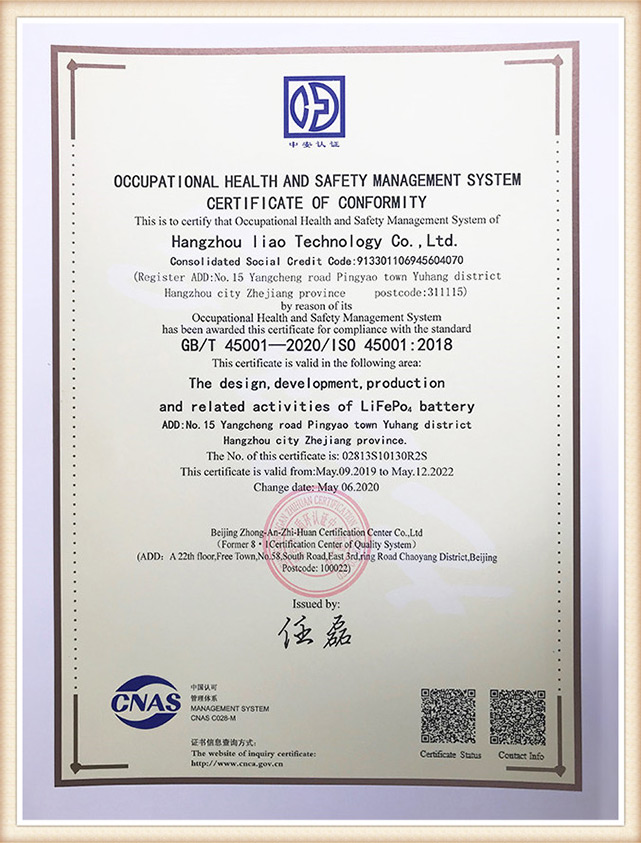
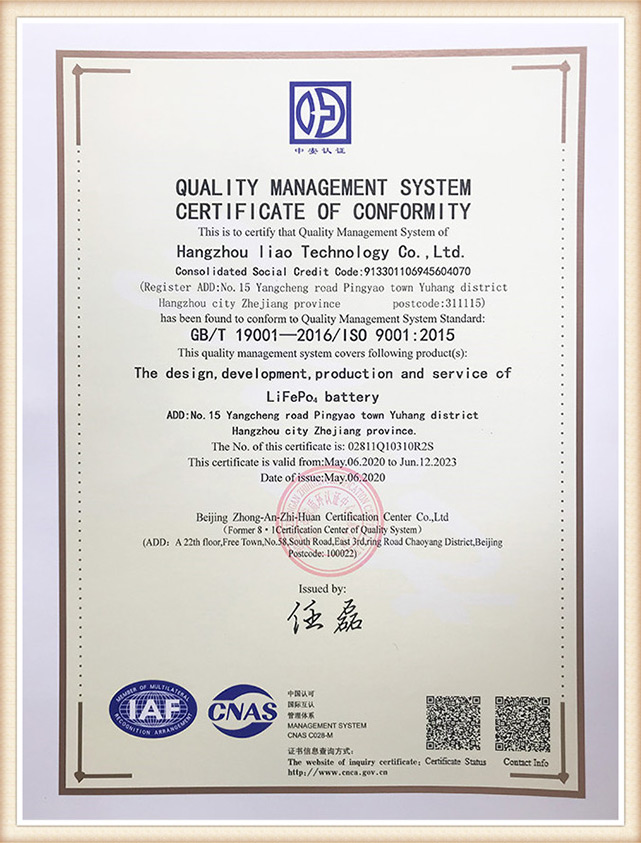
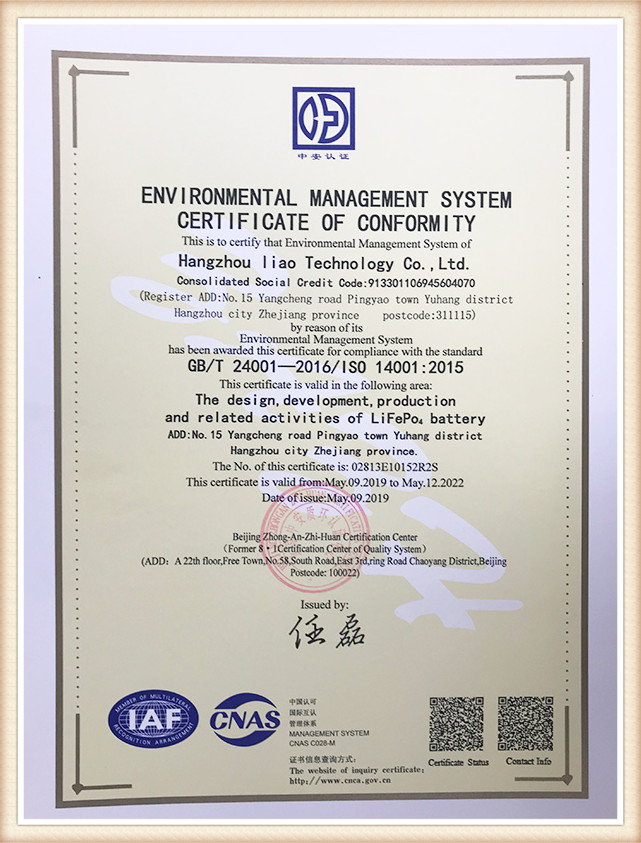
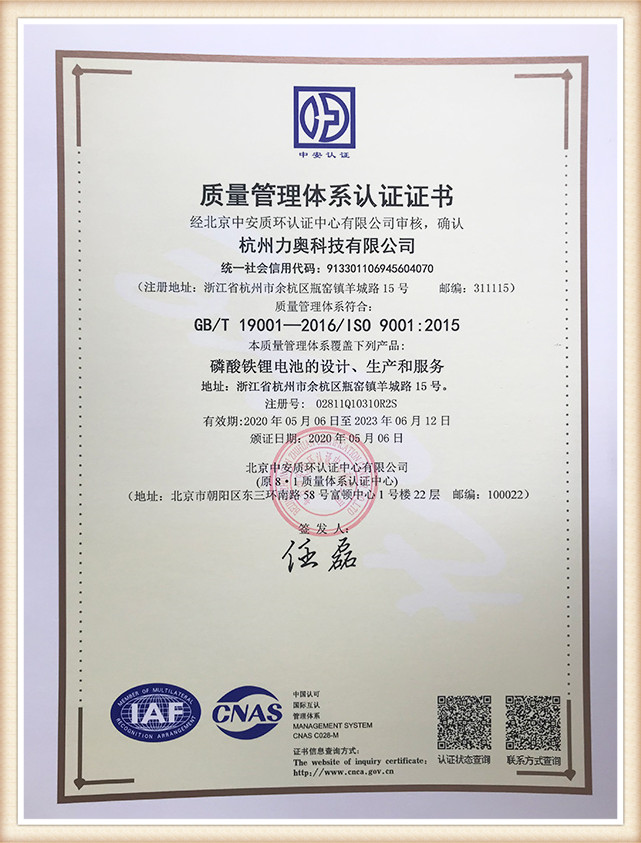
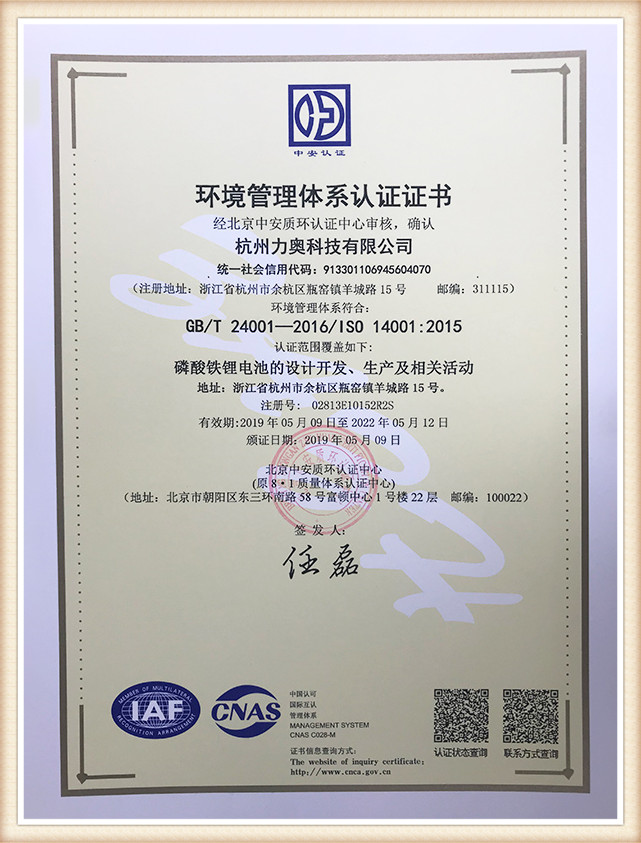
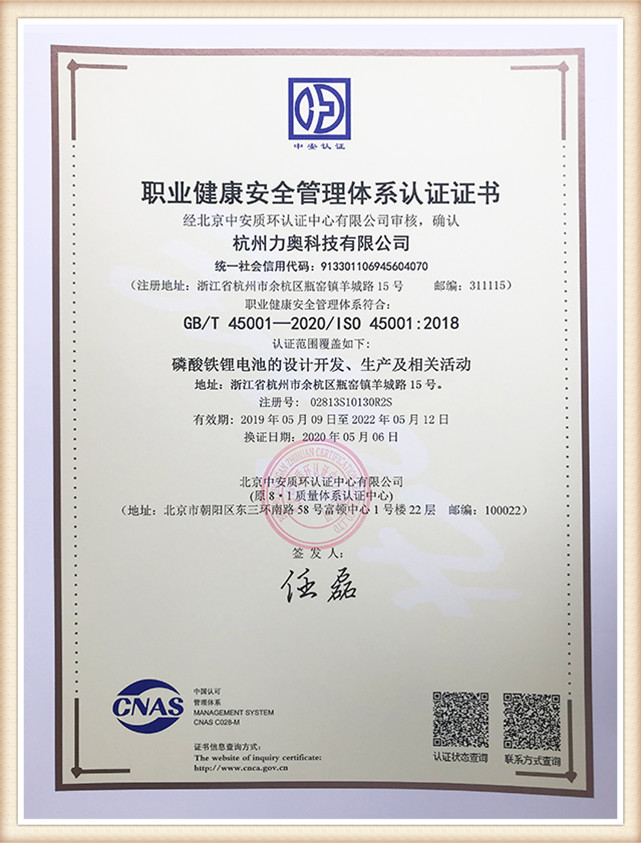
We enforce an exceptionally strict and efficient Quality Control (QC) system. All production steps conform rigorously to the ISO 9001 quality management framework. Additionally, our factories continuously align with the ISO 14001 environmental management system and the ISO 18001/45001 occupational health and safety standards.
Our specialized R&D division is uniquely positioned to handle the challenging import, technical, and regulatory requirements of the Brazilian market, ensuring full compliance with local regulatory expectations, high-temperature thermal requirements, and structural safety parameters.
Download Factory Profile & Case Studies
How our smart manufacturing line guarantees cell consistency, cycle life, and thermal resilience for export products.
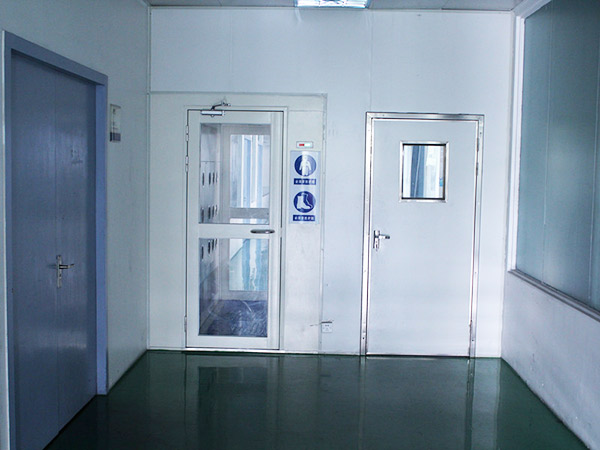
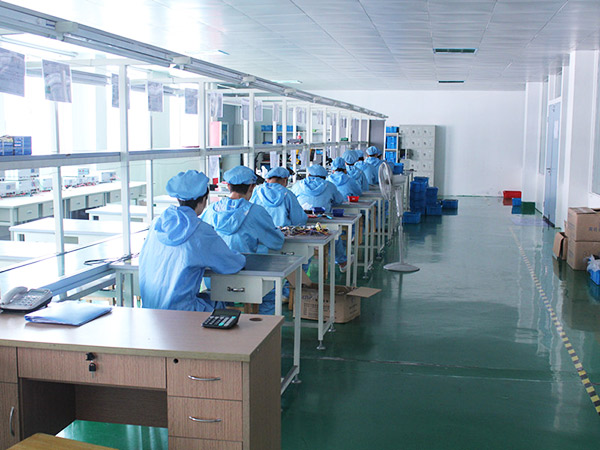
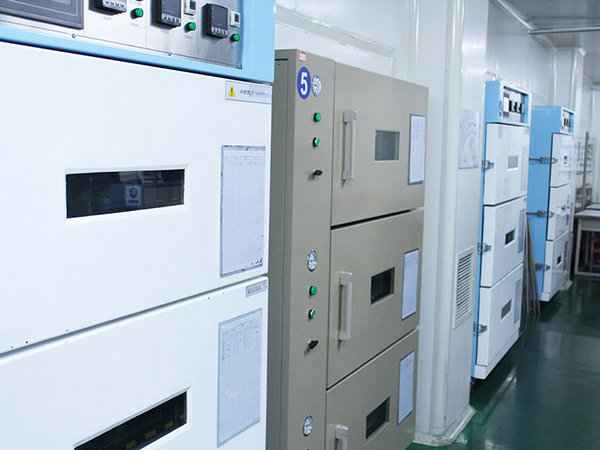
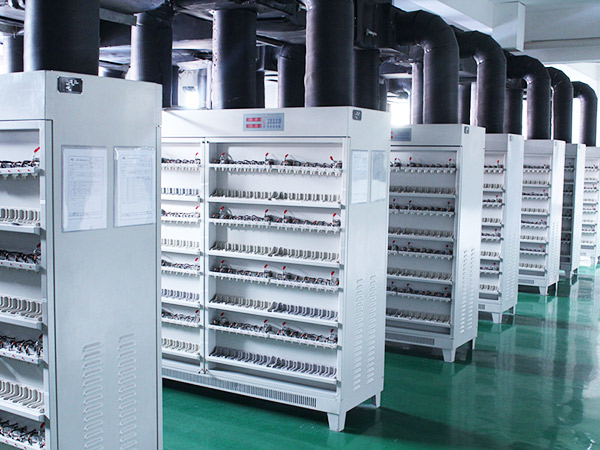
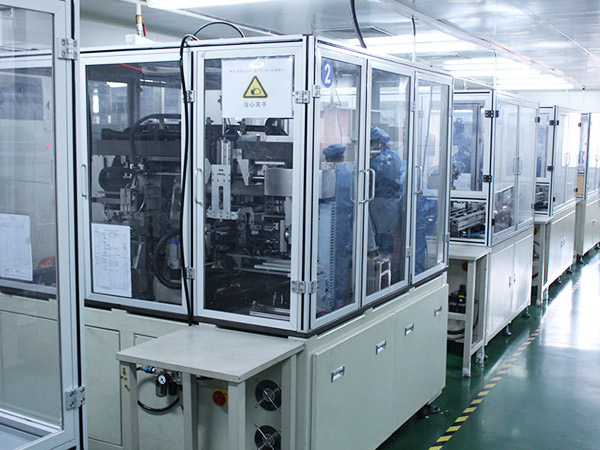
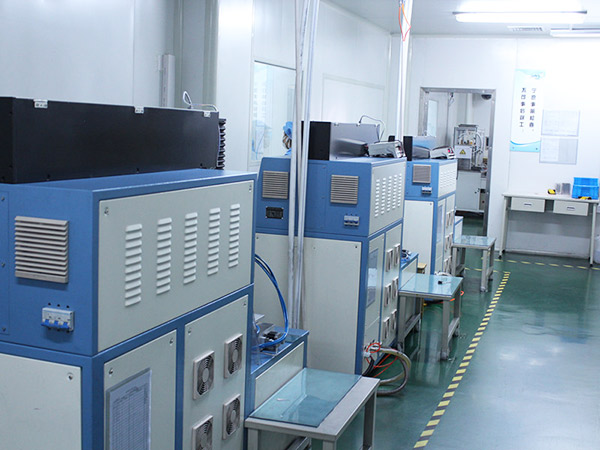
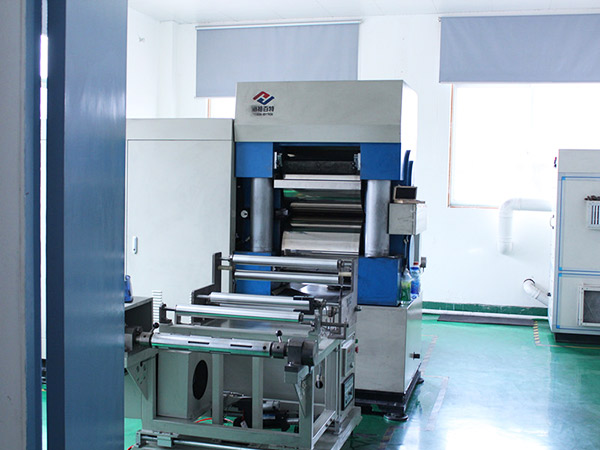
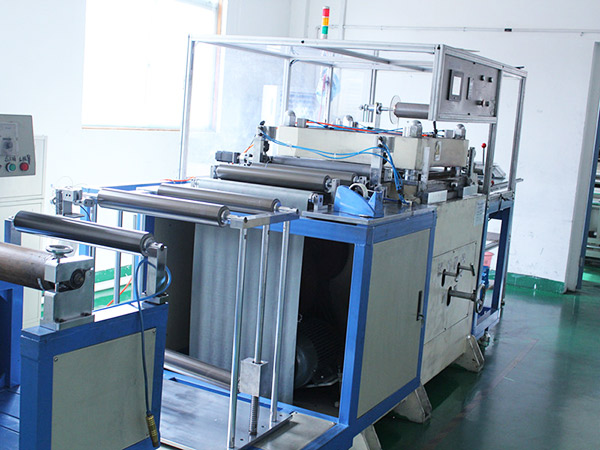
Exporting batteries to Brazil requires an unmatched degree of cell sorting consistency. Because shipping times can exceed 40 days, batteries must reach the destination with minimal self-discharge variance. LIAO's Factory 4.0 infrastructure utilizes a fully digitized MES tracking system. Every single lithium cell undergoes detailed capacity grading, internal resistance sorting (accurate to 0.1mΩ), and automated electrochemical stability validation before it is ever built into a module.
By automating the laser welding of interconnects and using automated module-level testing equipment, we eliminate cold welds or mechanical failures. This production reliability is crucial for industrial solar applications in remote areas, where post-sale maintenance is prohibitively expensive.
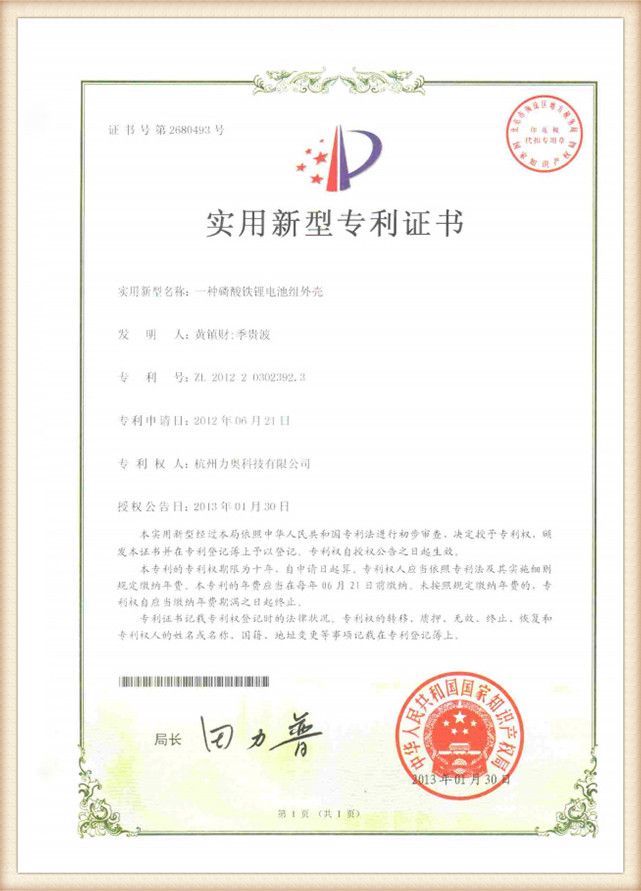
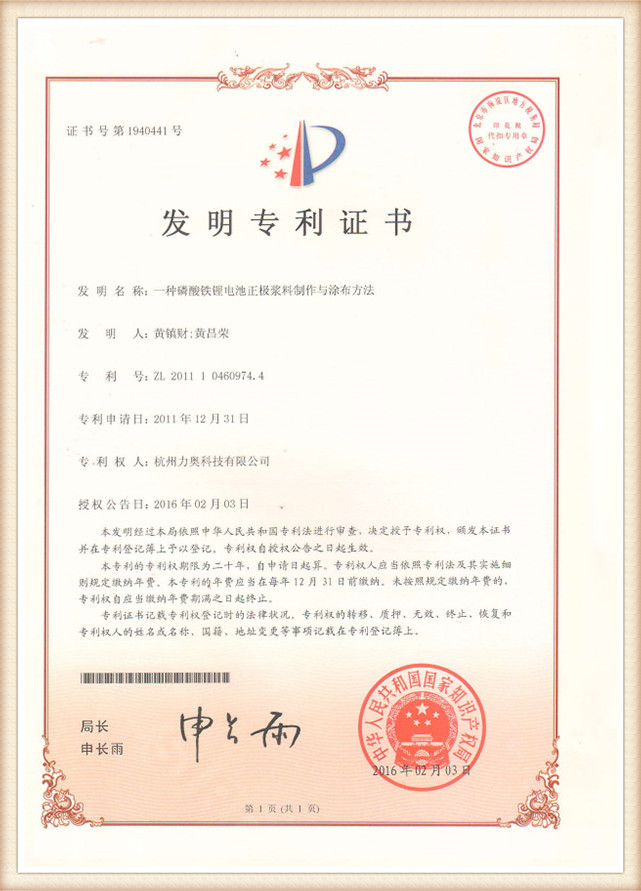
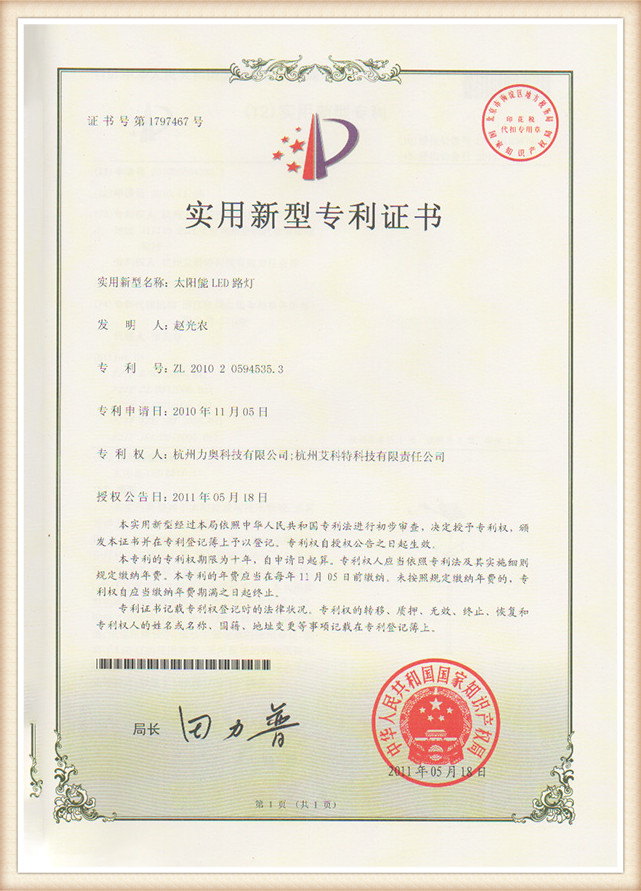
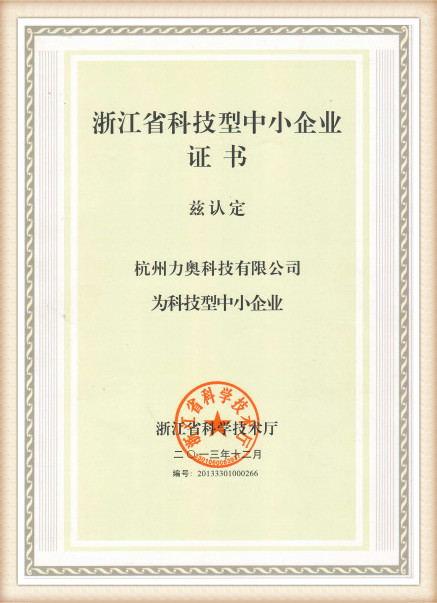
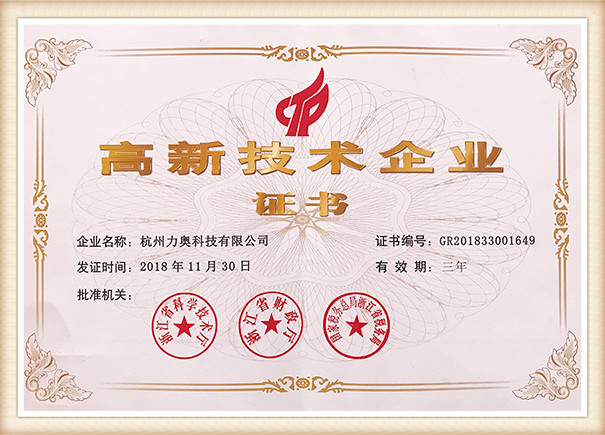
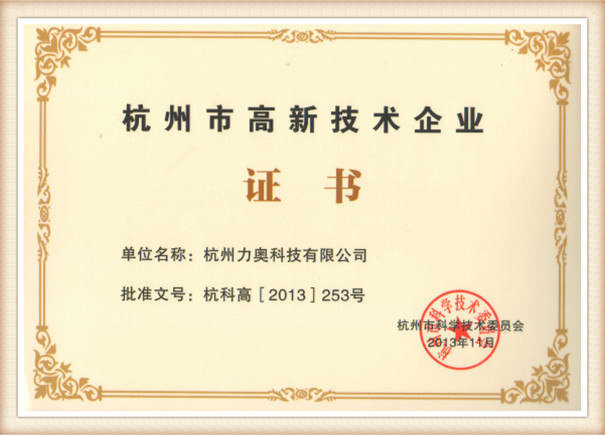
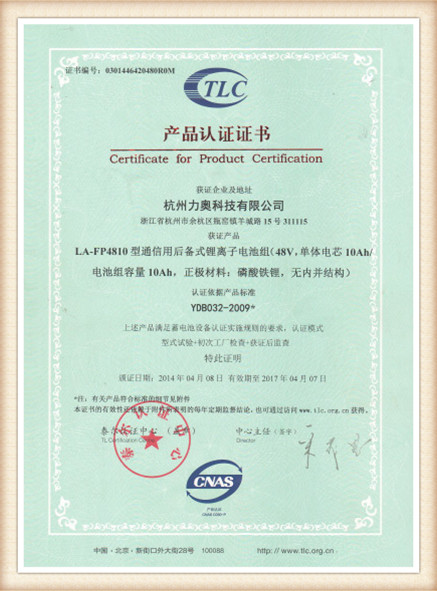
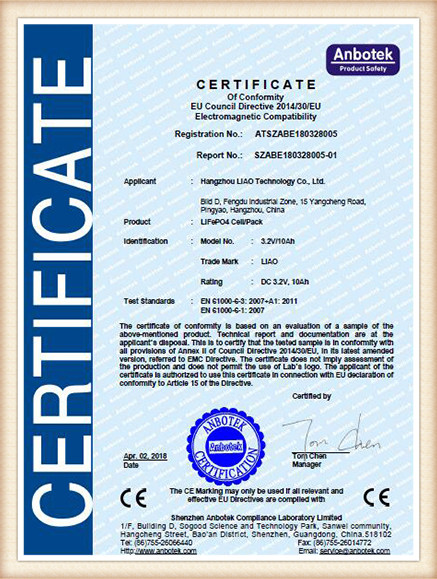
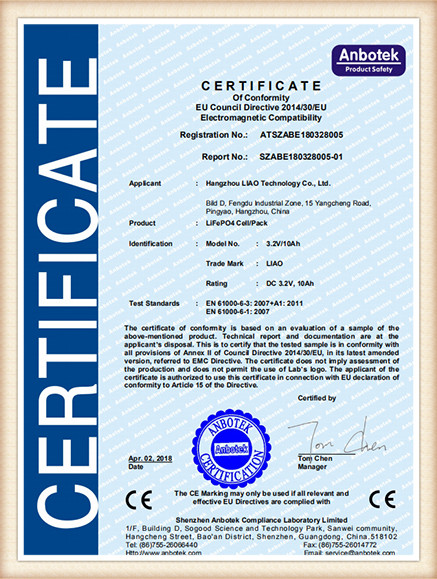
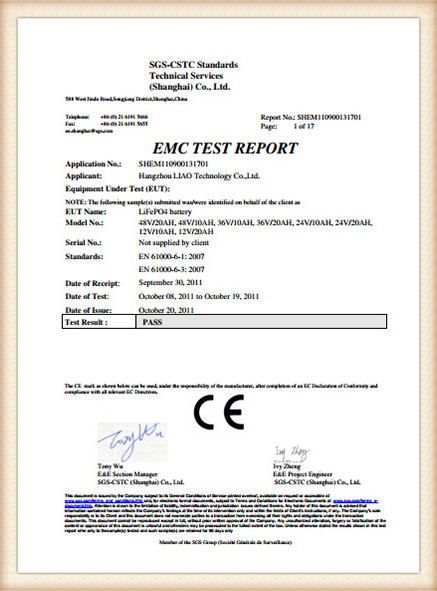
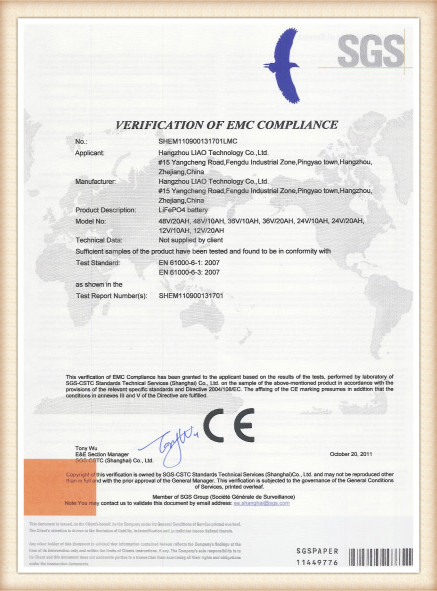
Our systems hold safety and performance approvals recognized by regulatory authorities worldwide.

Exhibits zero combustion or explosion characteristics when subjected to extreme mechanical impact or standard acupuncture tests.
Maintains active charge and discharge capabilities within a highly resilient range of -40 ℃ to 85 ℃.
Single cell architecture achieves 2800+ full (1C / 100% DOD) cycles, vastly outliving standard gel and lead-acid alternatives.
Our LAXpower-1230 design is an officially recognized testing champion for cycle stability and energy density metrics.
Unlocking superior operational uptime across Brazil's key commercial and recreation sectors.

LIAO's new-generation LiFePO4 batteries deliver consistent torque across hilly terrains in resort courses throughout São Paulo and Rio de Janeiro, with rapid charge capabilities that minimize fleet down-time.
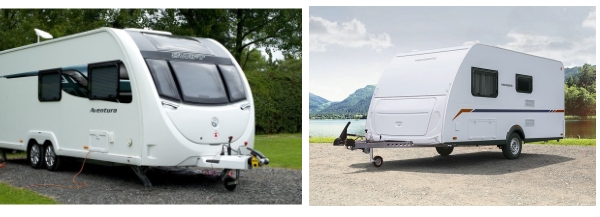
Providing quiet, pollutant-free energy output for RV enthusiasts navigating Brazil’s expansive interstate routes. Excellent shock-absorption and cell integration shield these systems from unpaved road vibration.
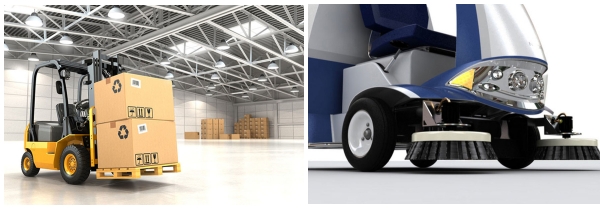
Optimized for localized manufacturing facilities, distribution centers, and ports. Our AGV systems feature high-rate discharge capabilities and fast opportunity charging, effectively reducing total cost of ownership (TCO).
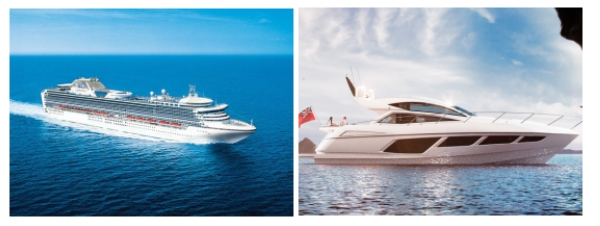
Eco-sensitive marine operations, particularly in sensitive ecosystems like the Amazon Basin, require highly reliable, low-maintenance energy sources. Our marine-grade packs offer high salt-mist and moisture protection (IP67).
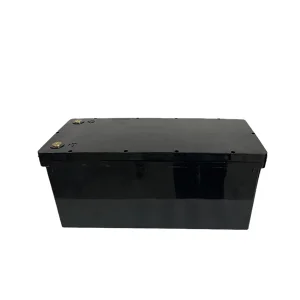
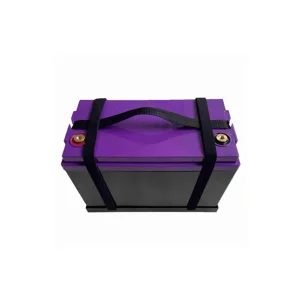
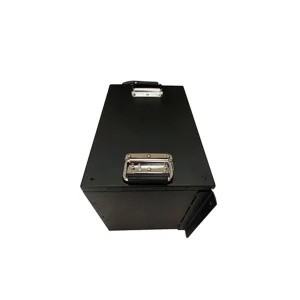
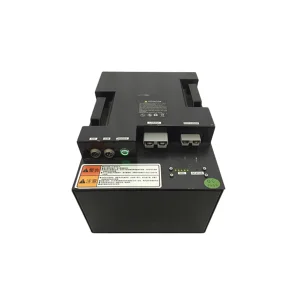
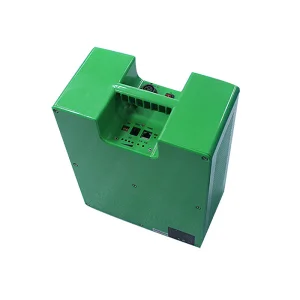
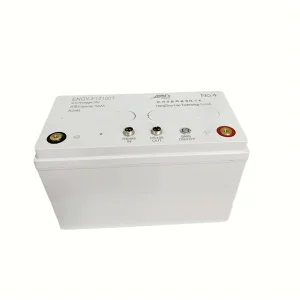
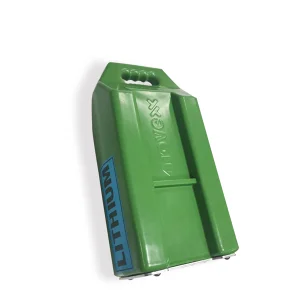
Preserving our complete industrial lineup, customizable through Hangzhou LIAO's direct OEM/ODM engineering teams.
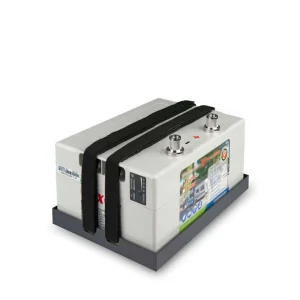
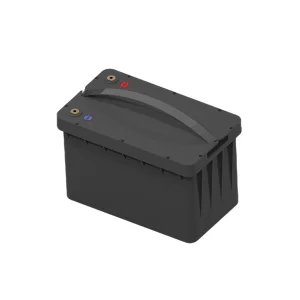
Critical compliance, tax, logistics, and performance insights for importing industrial energy storage into Brazil.
Yes. Our LiFePO4 cells and batteries meet all regulatory compliance steps needed for INMETRO testing. We routinely collaborate with Brazilian importers, supplying comprehensive technical documentation, raw certification data, and quality control reports under ISO 9001, streamlining the regulatory compliance validation with Brazilian labs.
Importing into Brazil involves managing taxes like II, IPI, PIS, COFINS, and local ICMS. We optimize our packaging solutions to maximize shipping container space, reducing per-unit freight costs. Additionally, we provide exact tariff classification codes (NCM) to help your customs brokers claim "Ex-Tarifário" tax reductions for qualified energy storage and solar products.
Our intelligent BMS features native RS485, CAN-bus, and Modbus communication protocols. We support direct integration with the top inverter systems sold throughout Brazil, including Deye, Growatt, GoodWe, Victron Energy, and Kehua, ensuring plug-and-play installation on regional microgrids.
Our standard manufacturing lead time is 25 to 35 days from receipt of deposit, depending on customization details. Standard sea freight shipping from Shanghai or Ningbo to the Port of Santos or the Port of Paranaguá ranges between 35 to 45 days. We provide end-to-end booking documentation and DG (Dangerous Goods) shipping approvals.
 Liao Battery