 Liao Battery
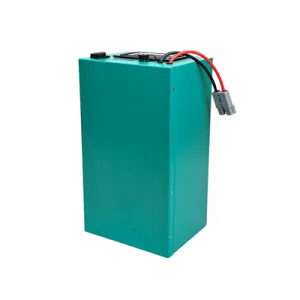
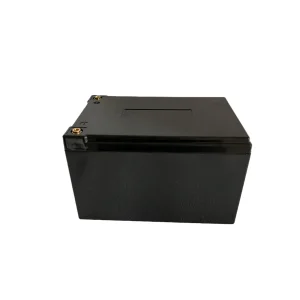
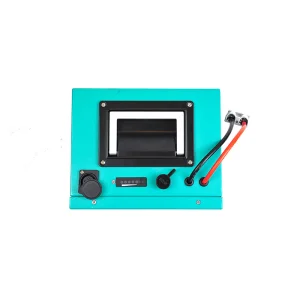
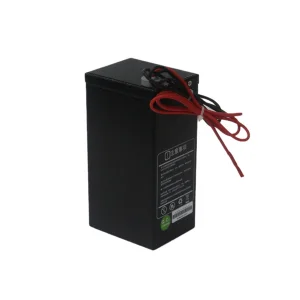
Industry Whitepaper: The Strategic Evolution of 36V Lithium-Ion Battery Systems
Insight into technical configurations, manufacturing trends, and global procurement criteria
1. The Rise of 36V Architectures in Industrial and Mobility Domains
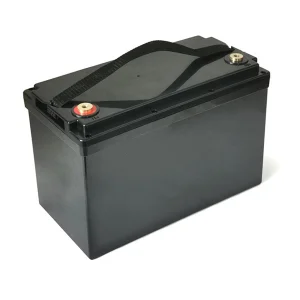
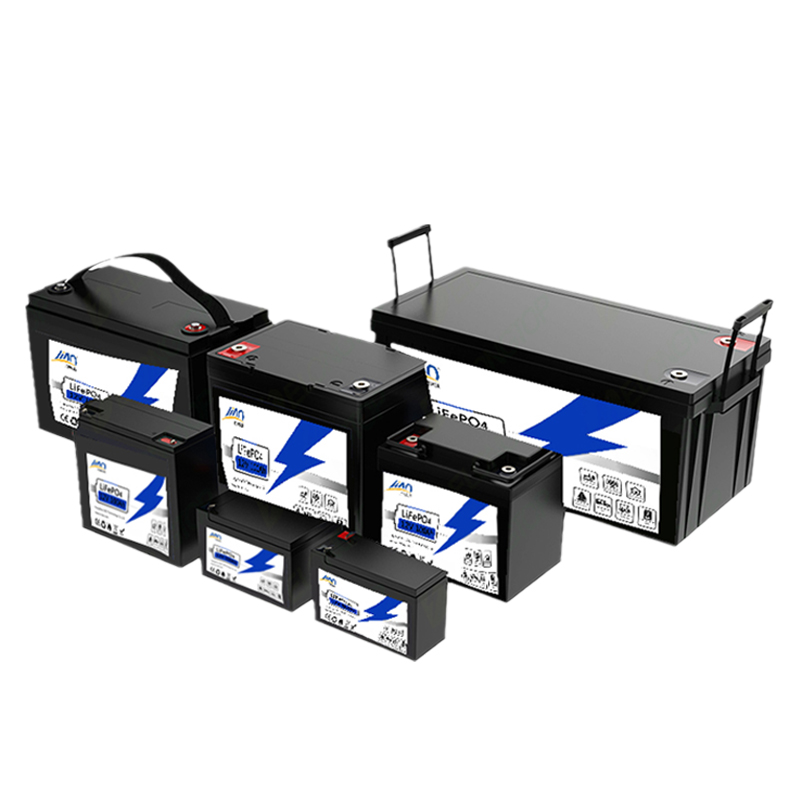
In the landscape of modern electrochemistry, the 36-volt configuration represents a highly optimized operating threshold for medium-duty industrial and commercial applications. Historically, lead-acid systems dominated motive and stationary storage requirements. However, the paradigm shift toward Lithium Iron Phosphate (LiFePO4) chemistry has redefined efficiency parameters. Systems running on 36V leverage the balance between high-power capability and safe working voltage limits, staying well below the 60V DC threshold commonly categorized as low-voltage by global safety directives (IEC 60479).
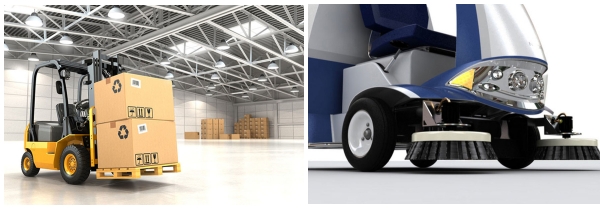
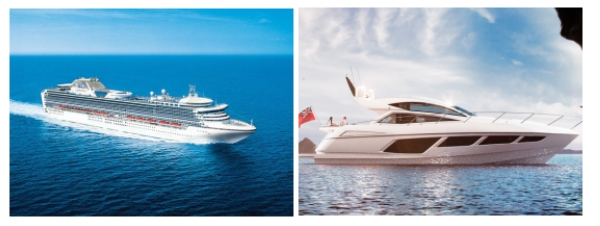
This voltage class is highly prevalent in utility turf equipment, medium-range automated guided vehicles (AGVs), marine propulsion systems, and small light electric vehicles (LEVs). Transitioning from lead-acid to 36V LiFePO4 eliminates voltage sag, drastically decreases system weight by up to 70%, and provides a linear discharge curve. This flat discharge rate allows machinery to operate with maximum torque and efficacy from 100% state-of-charge down to 10%.
2. Global Sourcing Dynamics & Technical Procurement Standards
Procurement teams face multi-variable decisions when selecting 36V lithium-ion battery suppliers. To secure reliable, long-term operational resilience, technical audits must evaluate several core attributes:
- Cell Grade and Uniformity: Sourcing factories must guarantee Grade A cells with tight internal resistance (IR) tolerances. Cell mismatching in large serial packs leads to premature capacity degradation and accelerated aging.
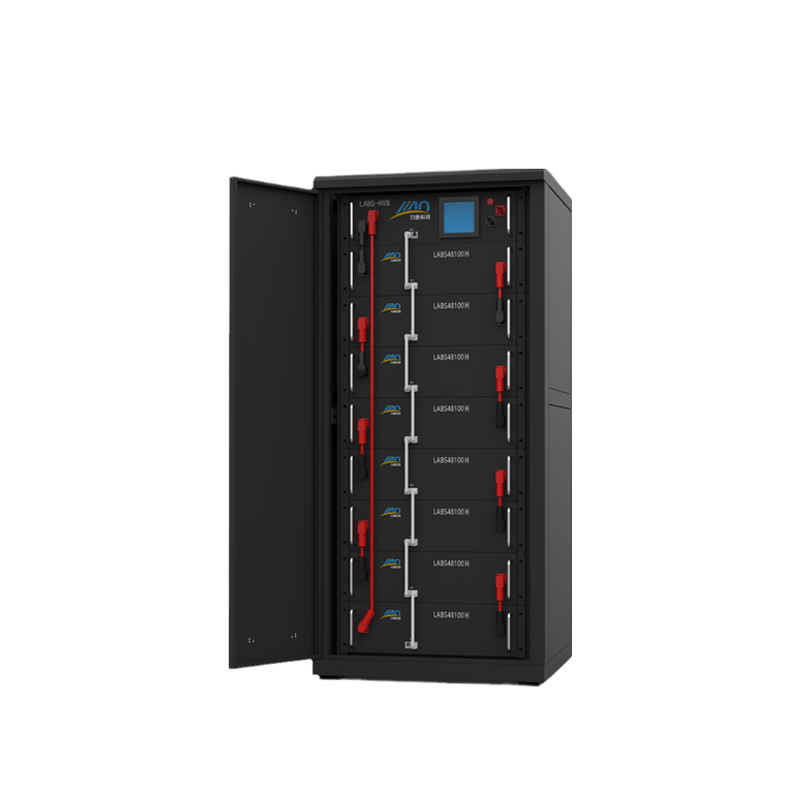
- Integrated BMS Sophistication: The Battery Management System (BMS) must offer integrated over-charge, over-discharge, short-circuit, and thermal protections. Smart communication ports (CANBUS, RS485, Bluetooth) are vital for predictive maintenance integration.
- Thermal Limits and Resilience: High-performance factories design thermal dissipation structures capable of managing operations under extreme environments, ideally from -40°C up to 85°C.