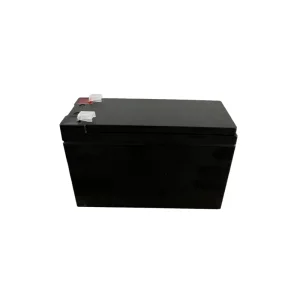
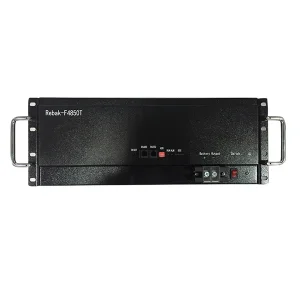
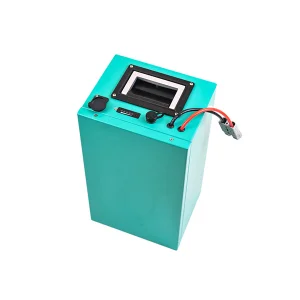
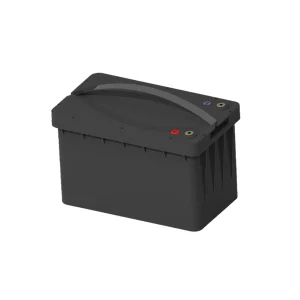
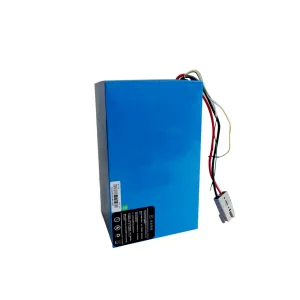
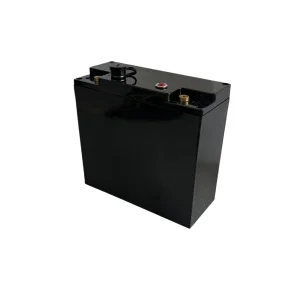
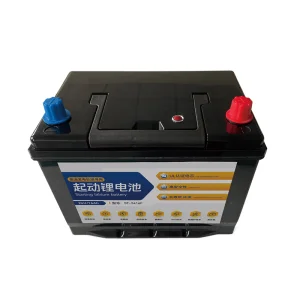
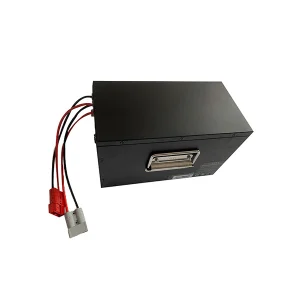
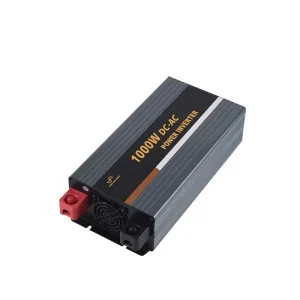
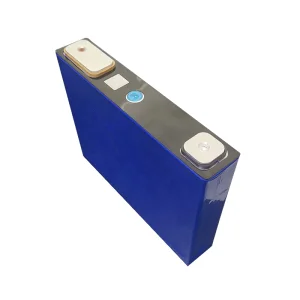
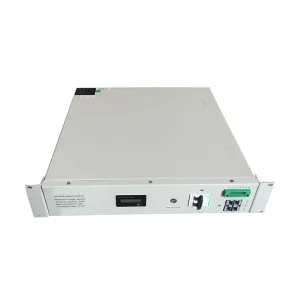
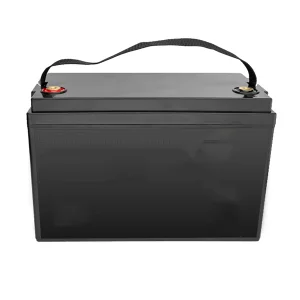
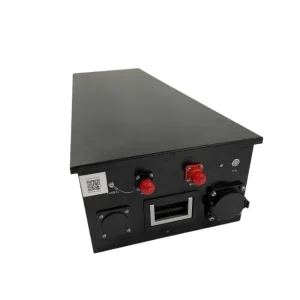
Engineered with Grade-A prismatic LFP cells and advanced integrated BMS electronics for performance matching.
In mid-to-high power electronic systems, selecting the power distribution path is critical to maximizing thermal efficiency and mechanical reliability. A 48V 1000W Lithium Ion Battery is mathematically optimized for efficiency: maintaining a continuous power draw of 1000 Watts at a nominal 48 Volts requires a continuous discharge current of approximately 20.8 Amperes (A).
By keeping the current output relatively low compared to 12V or 24V architectures, engineering systems experience lower line losses, minimized voltage sag under heavy load conditions, and decreased thermal output. This dynamic directly minimizes cable gauge size requirements, saving overall system weight and lowering total production assembly costs for vehicle and equipment manufacturers.
As a global OEM battery partner, we analyze and implement targeted battery chemistries, custom cell form factors, and smart battery management systems (BMS) to meet exact discharge curves, peak starting current surges, and enclosure profiles for demanding field operations.

Our LiFePO4 cells are puncture-resistant and thermal-runaway protected. Under extreme acupuncture and drop test conditions, they exhibit zero combustion, zero explosions, and minimal thermal dispersion.
Engineered for high longevity. Individual cells achieve over 2800 charge-discharge cycles under standard testing conditions (1C rate / 100% Depth of Discharge) before capacity retention decays below 80%.
Capable of providing stable discharge currents across extreme thermal environments ranging from -40°C up to 85°C, ensuring utility in cold storage and warm geographic deployments.
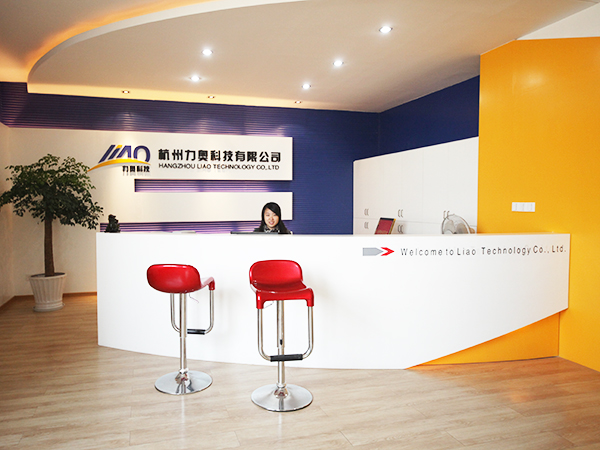
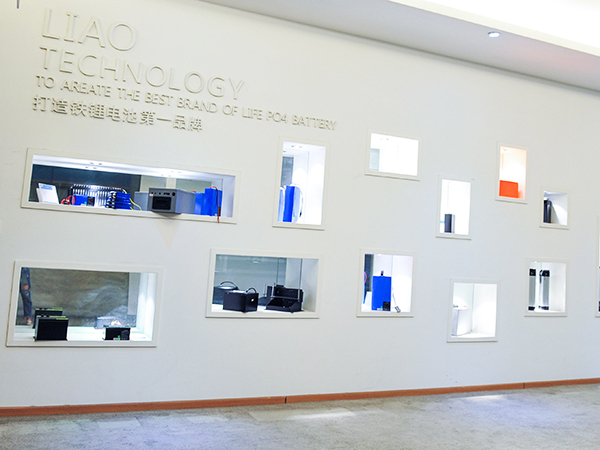
Founded in 2009, Hangzhou LIAO Technology Co., Ltd. has established itself as a leading international developer and OEM manufacturer of lithium iron phosphate (LiFePO4) battery packs. With over 15 years of technical expertise, our export networks extend to over 20 countries, servicing leading enterprises across Europe, the Americas, Asia, and Africa.
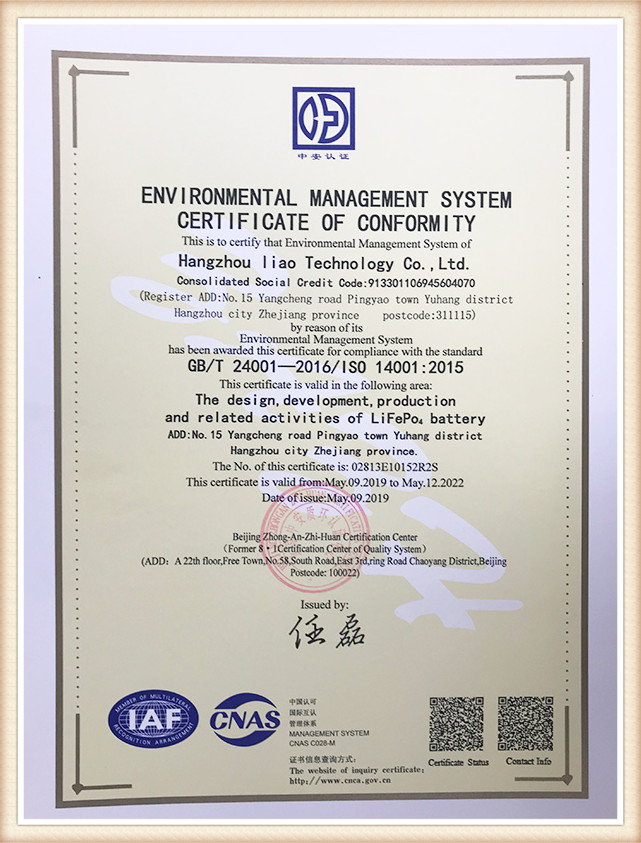
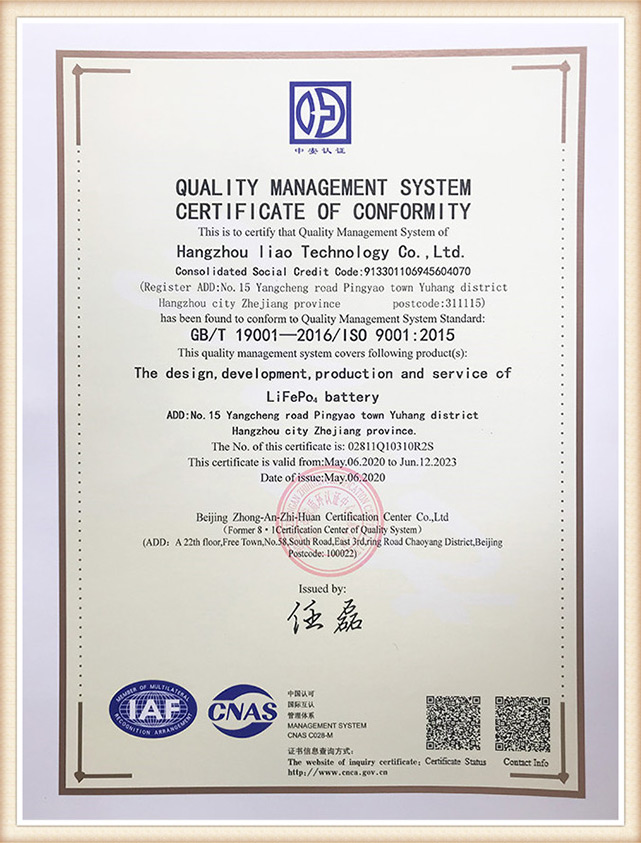
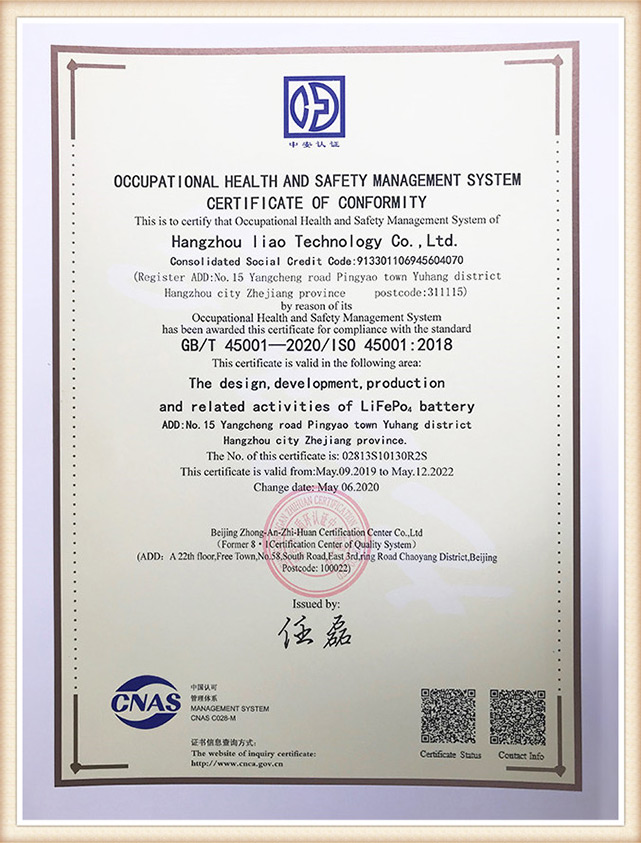
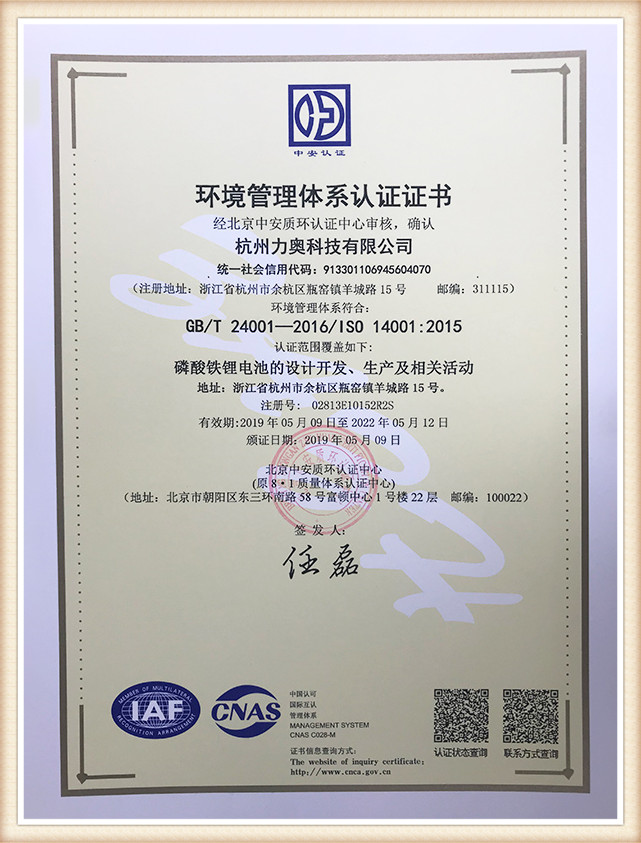
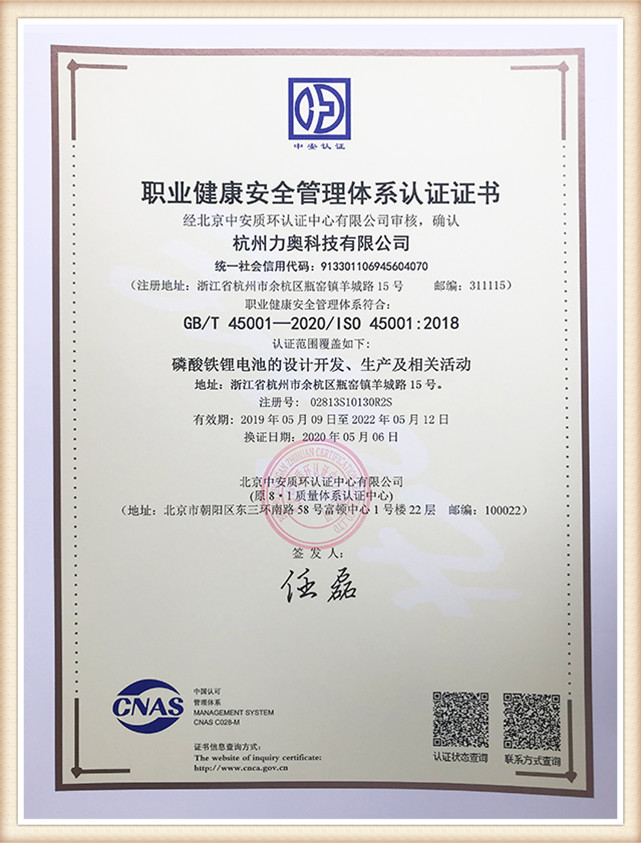
Quality control is embedded within our production dna. All processes operate in compliance with ISO 9001:2015 Quality Management systems, ISO 14001:2015 Environmental Management standards, and ISO 45001:2018 Occupational Health and Safety management systems. Our focus on specialized cell manufacturing, precise BMS programming, and rugged housing designs ensures that our batteries offer dependable, high-density energy storage across critical sectors.
Years Manufacturing Experience
Custom Battery Pack Designs
Cell Cycle Life (1C / 100% DOD)
Countries Exported Globally
How Hangzhou LIAO Technology is driving the evolution of lithium-ion systems to ensure long-term value for commercial clients.
While standard NMC (Nickel Manganese Cobalt) chemistry offers marginal volumetric energy density advantages, LFP has emerged as the global choice for heavy industrial, stationary storage, and commercial vehicle applications. The chemical stability of the P-O bond in LiFePO4 prevents oxygen release at high temperatures, ensuring unmatched safety profiles and avoiding thermal propagation under crash, impact, or cell failure scenarios.
Modern 48V architectures rely on smart telemetry. Our future roadmap integrates active-balancing BMS designs that actively transfer energy from high-charge cells to low-charge cells, rather than wasting energy as heat through passive resistors. Real-time diagnostic data is transferred via Bluetooth, CANopen, or custom cloud API interfaces to monitor State-of-Health (SoH) and predict potential maintenance issues before they occur.
We are closely tracking and testing semi-solid and solid-state electrolyte platforms. This development aims to double energy densities while maintaining LFP-level safety. Transitioning to solid-state chemistry will lead to smaller battery enclosures for 48V 1000W e-mobility platforms, extending the driving range without adding weight to the vehicle frame.
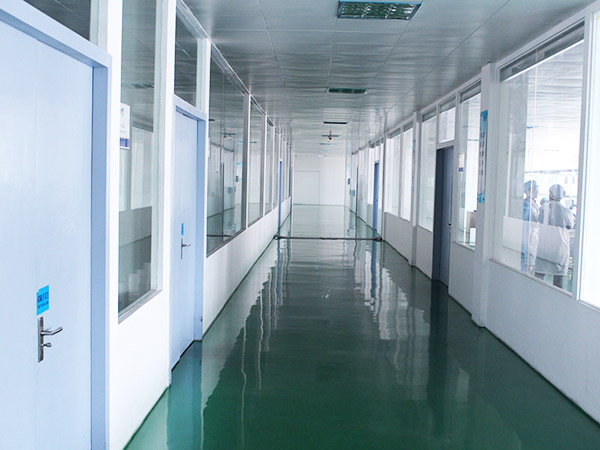
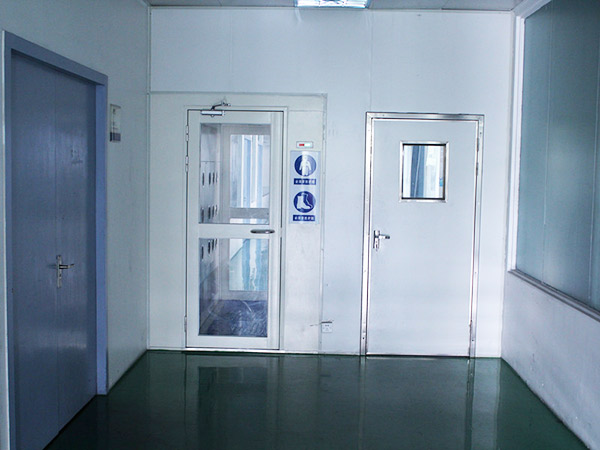
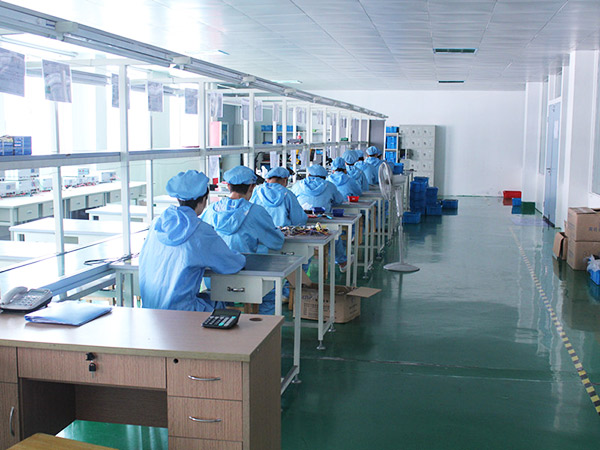
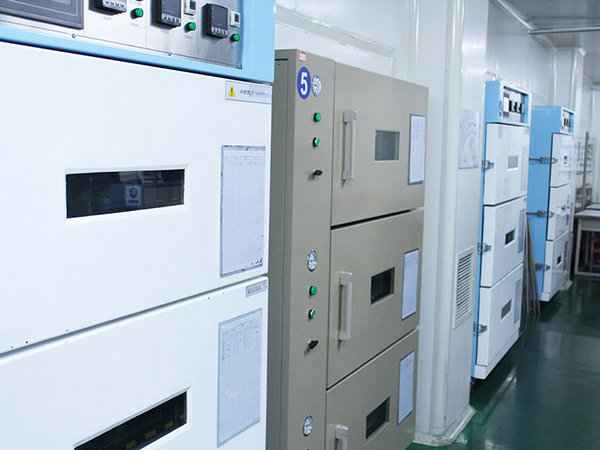
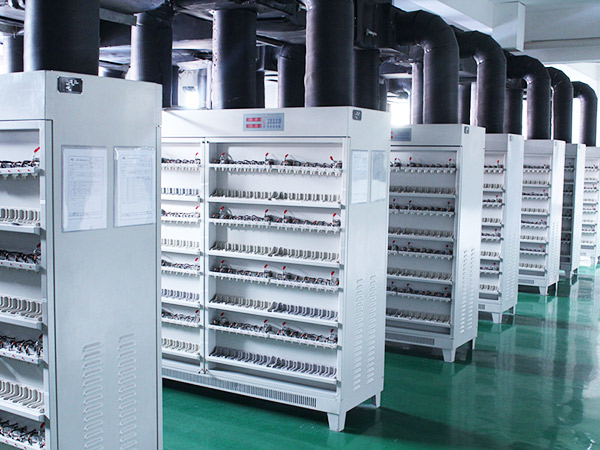
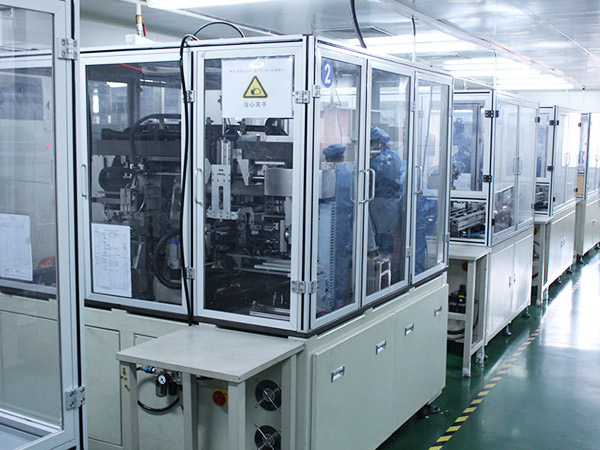
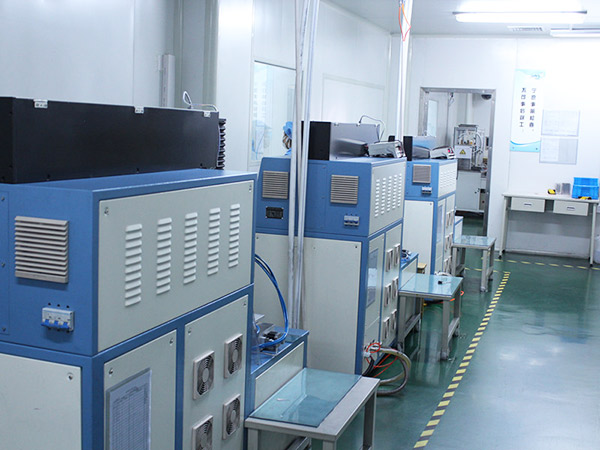
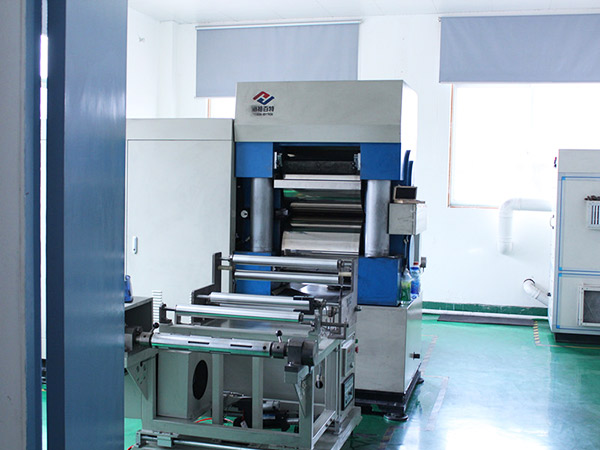
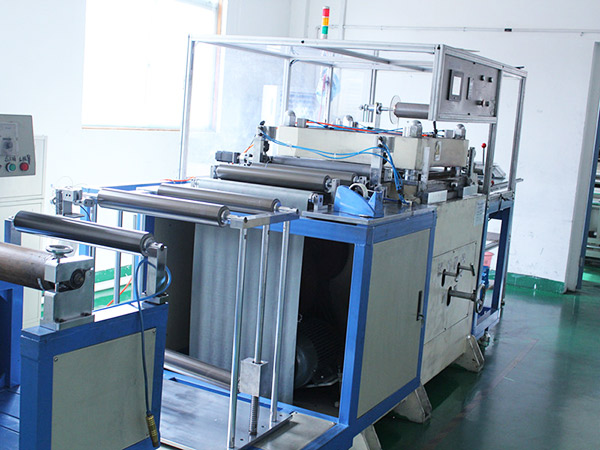
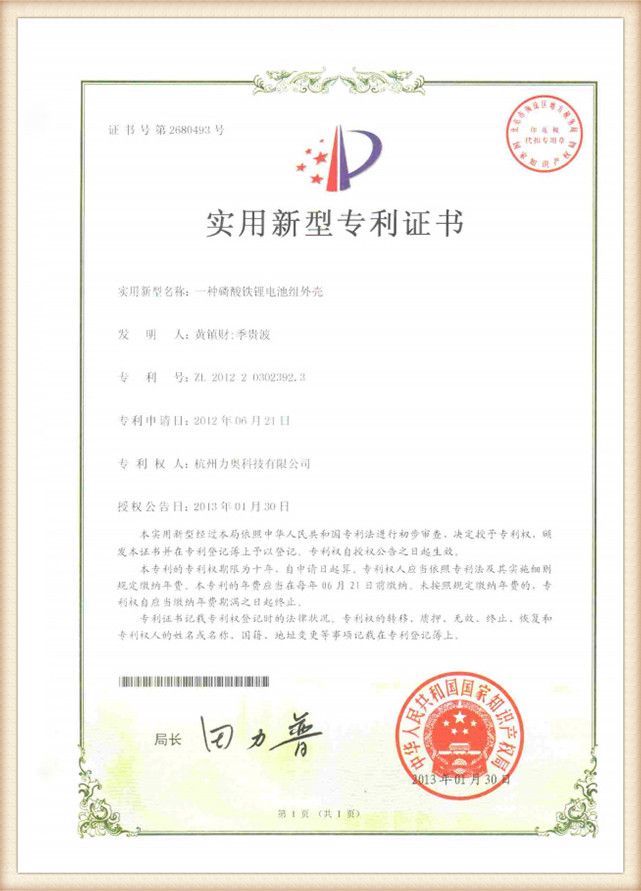
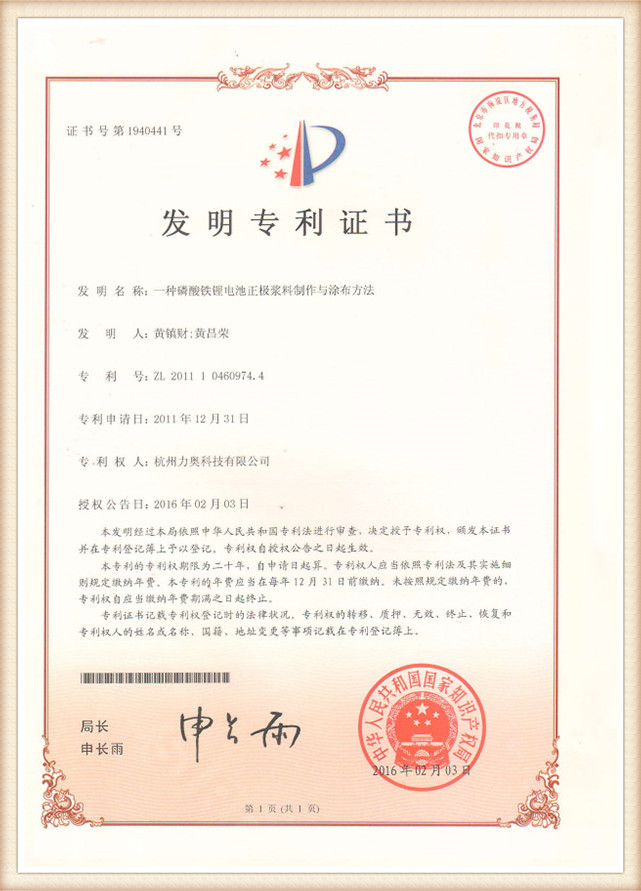
The reliability of a custom battery pack depends on the consistency of the individual cell parameters. A single weak cell in a 15-cell or 16-cell series configuration will limit the capacity and performance of the entire pack. LIAO Technology operates an advanced assembly process designed to ensure high cell matching consistency across our product range.
How our custom engineering designs optimize performance across primary application categories.

Our custom 48V LiFePO4 golf cart batteries provide consistent voltage output, reducing deceleration during incline climbs and maintaining acceleration across varied golf course terrain.
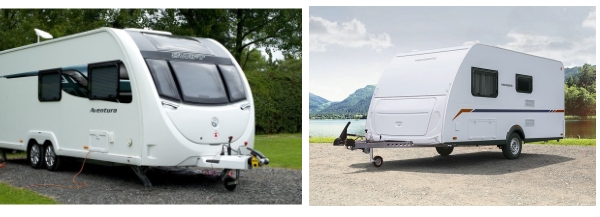
Replacing traditional heavy lead-acid configurations, our batteries enable quiet caravan maneuvering with high startup torque, zero direct emissions, and significant weight savings.
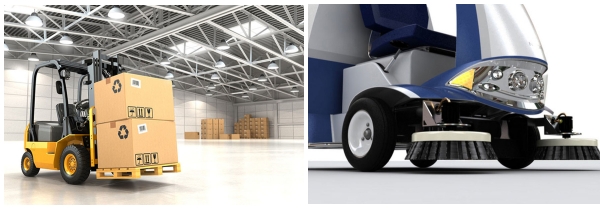
Designed for short-distance transport, electric tuggers, AGVs, and forklifts, providing efficient load management with minimal maintenance downtime.

Features IP65/IP67 rated enclosures to resist moisture intrusion. Delivers high current output for electric propulsion without environmental or noise pollution.
Lithium-ion batteries are classified as Class 9 Dangerous Goods under international regulations. Global logistics and installation compliance demand rigorous verification of cell safety designs.
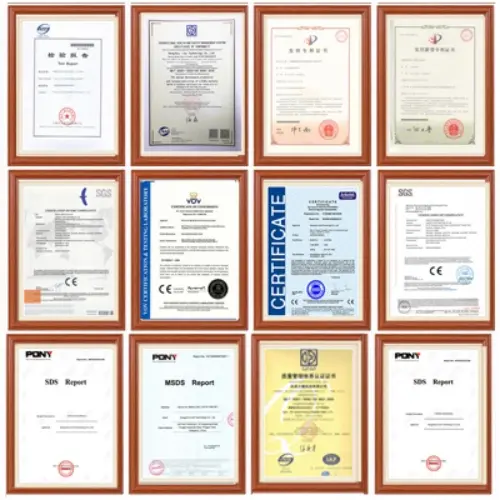
LIAO Technology subjects all production series to extensive testing protocols. We hold complete, updated documentation for UN38.3 (transportation testing parameters including vibration, thermal testing, altitude simulation, and external short circuit), MSDS, and European CE directives. Our cells are certified to maintain electrical isolation, housing integrity, and mechanical safety even under extreme physical deformation.
Passes international standards for safe transport by air, ocean, and ground.
Directly conforms with European safety, health, and environmental requirements.
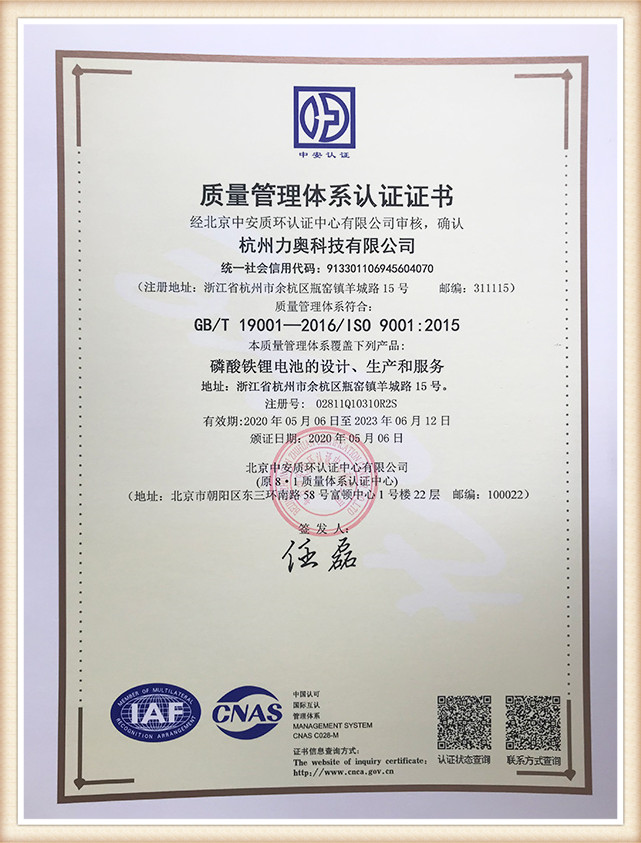
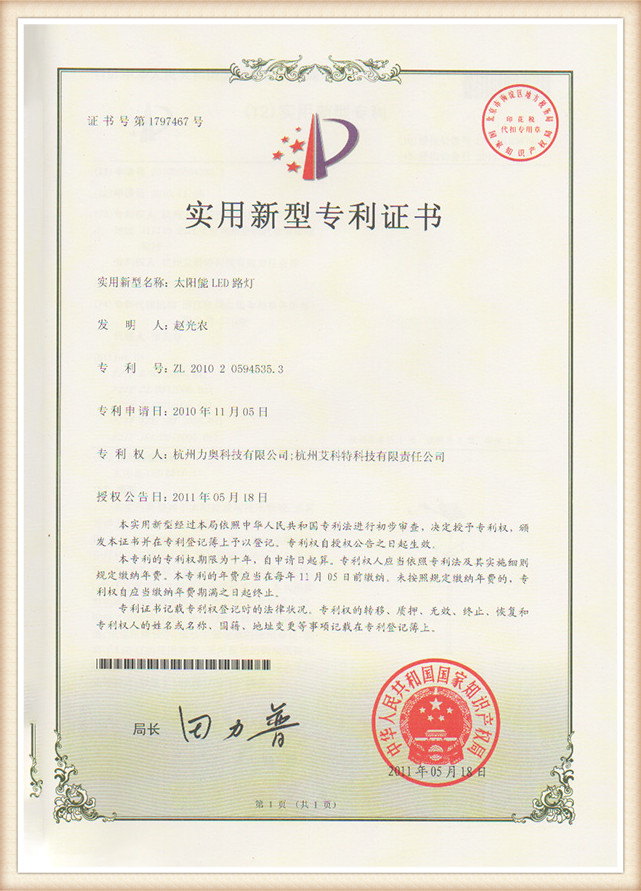
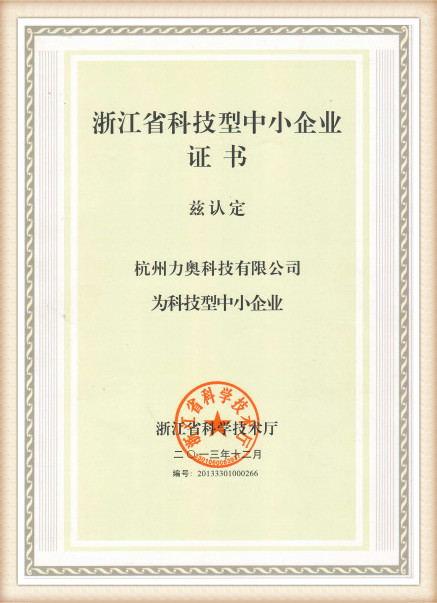

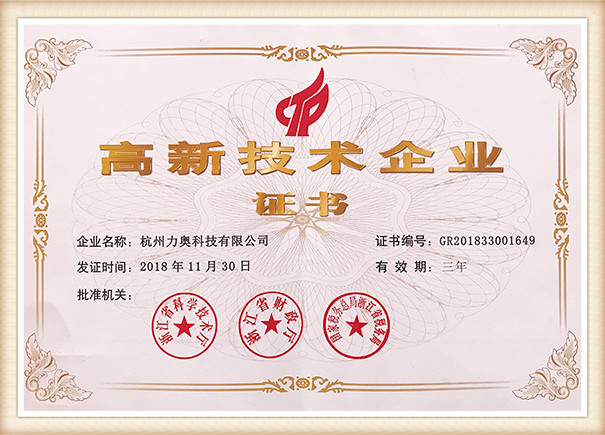
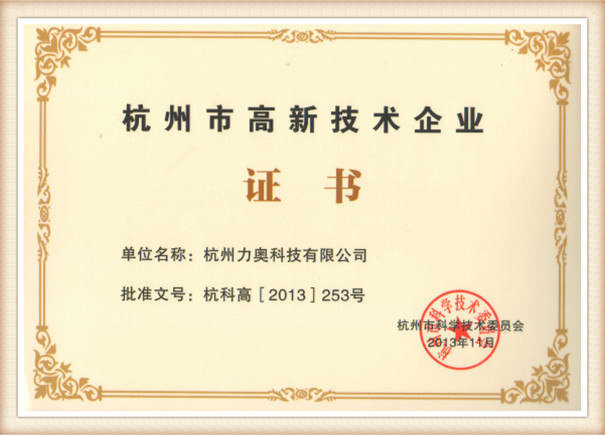
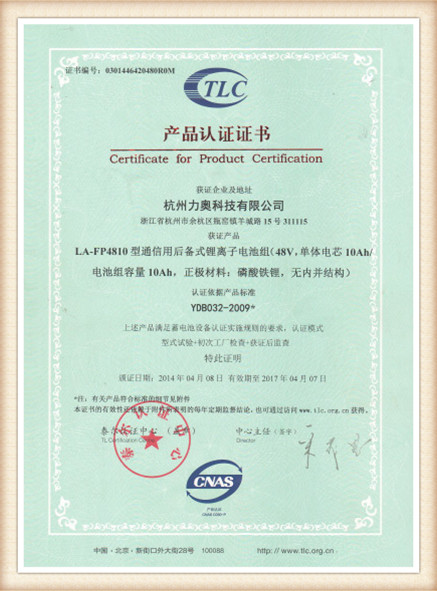
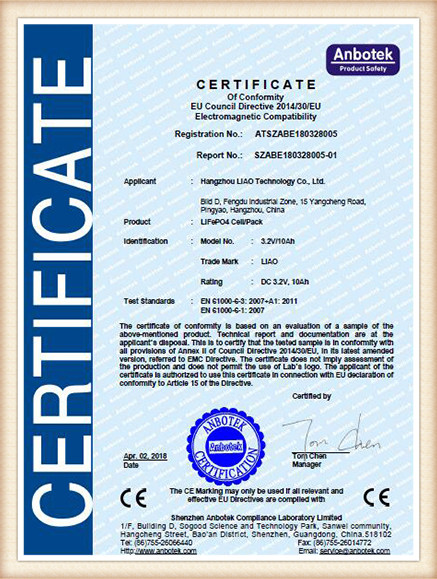
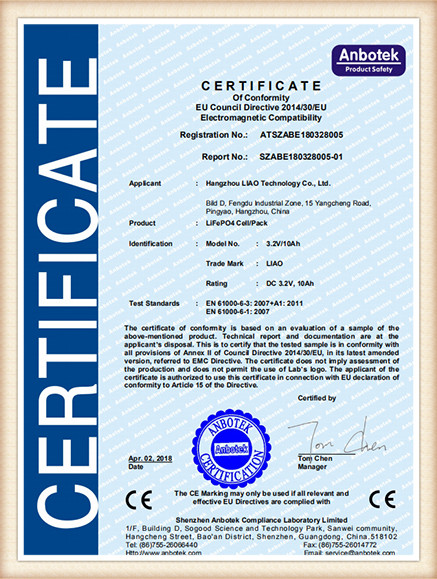
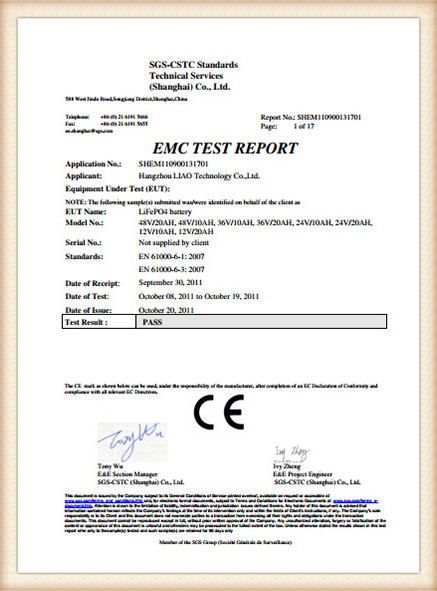
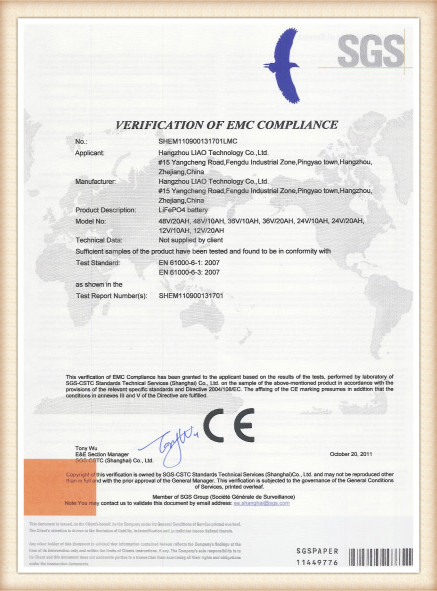
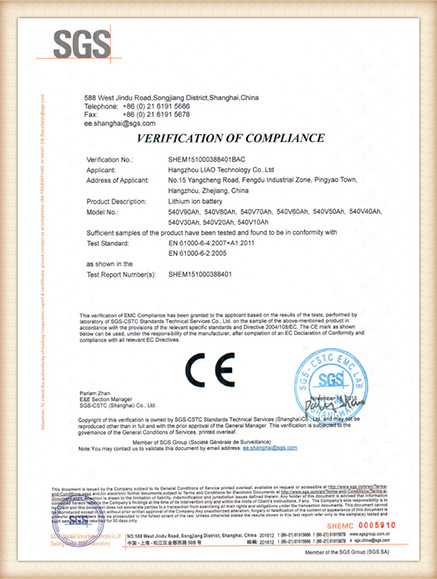
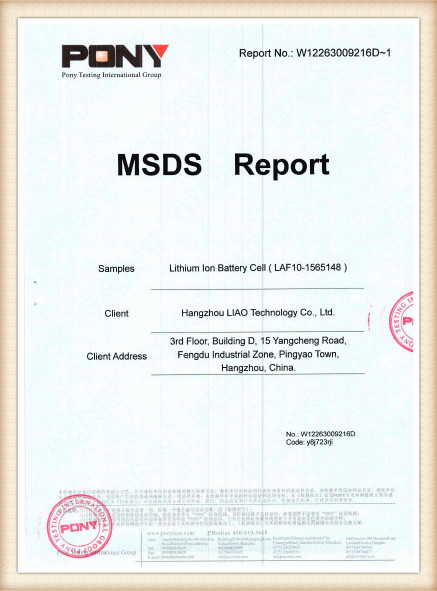
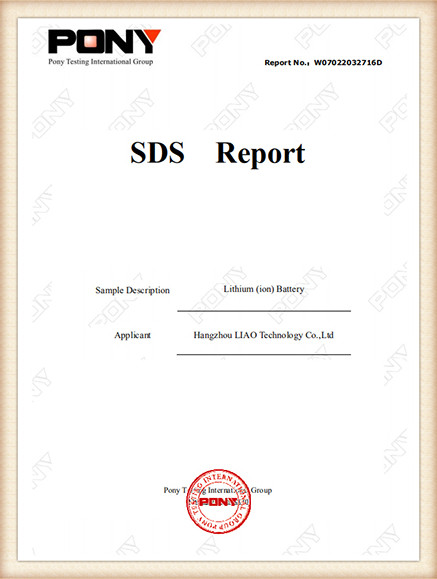
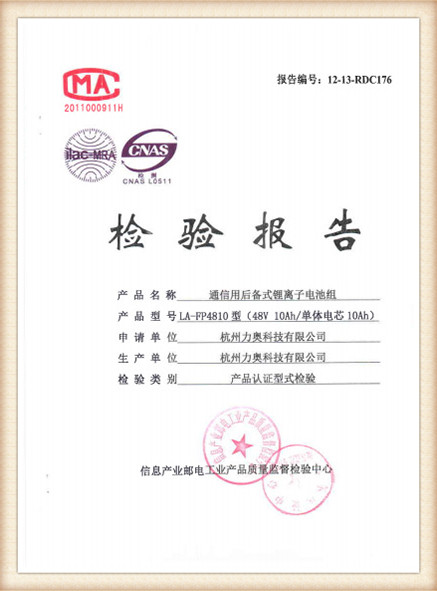
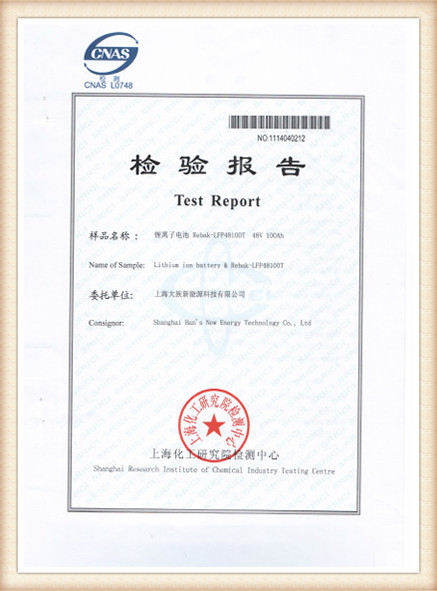
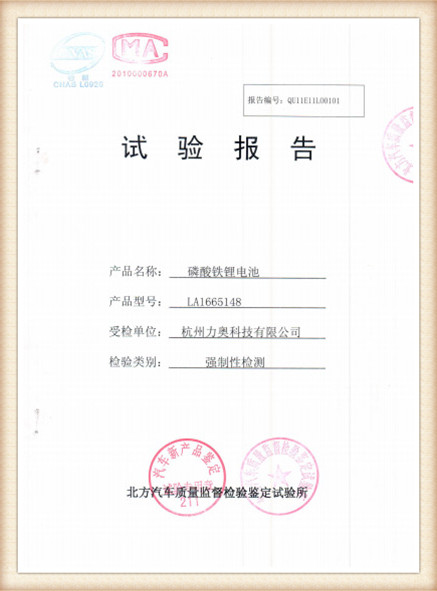
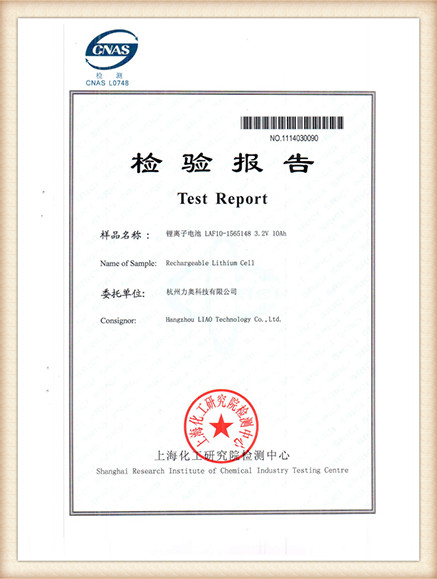
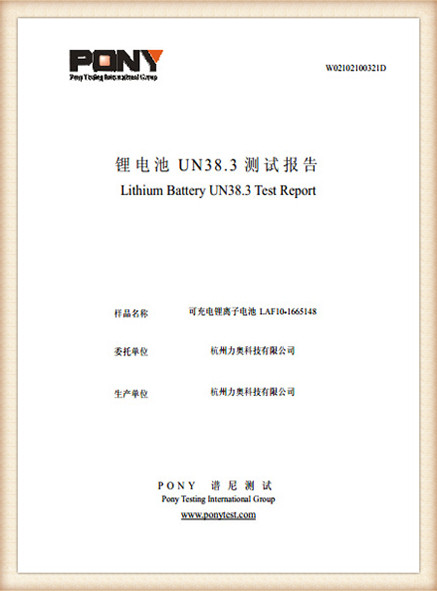
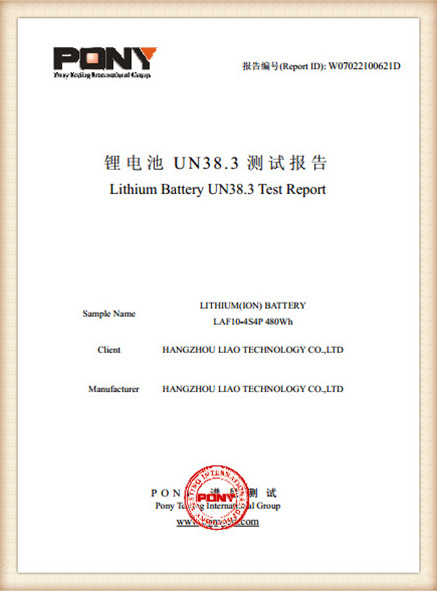
Contact engineering team for full-resolution test papers.
Key technical criteria that global supply chain directors look for when auditing lithium-ion battery suppliers.
Ensure your supplier matching processes evaluate cell-level parameters under loaded dynamic charge cycles. Wide cell variations can lead to early voltage cutoff thresholds, causing under-utilization of the overall battery capacity.
Verify whether the manufacturer utilizes custom CNC metal designs or standardized molded plastic housings. Severe environments, such as marine transport or outdoor telecom nodes, require certified IP65/IP66 enclosures with integrated Gore venting valves to manage pressure differentials.
Verify the support level of the Integrated Circuit (IC) controller. Premium systems require interface pathways such as CANbus, RS485, and Modbus networks to transmit voltage, temperature, state of charge (SoC), and diagnostic data to the motor controller or inverter system.
Answers to technical specifications and integration processes for 48V 1000W battery systems.
To determine runtime, divide the total watt-hour capacity of the battery pack by the nominal load wattage (1000W). For instance, a 48V 30Ah pack provides 1,440 Watt-hours (Wh) of energy (48V x 30Ah = 1440Wh). Under a continuous 1000W load, and assuming an 85% depth-of-discharge parameter combined with typical inverter/BMS conversion efficiencies, the calculation is: (1440Wh * 0.85 * 0.90) / 1000W = approximately 1.1 hours of running operation.
A 15S LiFePO4 series pack features a nominal voltage of 48.0V (15 x 3.2V) and charging cutoff at 54.0V. A 16S configuration has a nominal voltage of 51.2V (16 x 3.2V) and charging limit of 57.6V. Choosing between 15S and 16S depends on your inverter/motor controller input voltage window. 16S is typically selected for solar storage setups to align with standard telecom telecom chargers, whereas 15S is often chosen to replace 48V lead-acid systems without exceeding voltage limitations.
LiFePO4 chemistry contains a strong covalent bond between oxygen and phosphorus atoms. Under high physical or electrical stress (acupuncture puncture, impact, thermal overload), this bond prevents the release of oxygen, reducing the risk of thermal runaway. In comparison, NCM chemistry can release oxygen at lower temperatures (~200°C), which can accelerate thermal reactions under abuse conditions.
Yes, but scaling is dependent on BMS capabilities. Standard packs can be coupled in parallel for higher capacity and runtime, provided they are balanced at similar voltages. Setting packs in series to increase voltage requires custom BMS variants designed with higher voltage mosfet relays and isolation boundaries. Please consult our technical staff prior to designing a multi-pack array.
LIAO cells discharge across a wide operating window of -40°C to 85°C. However, charging requires careful management: standard lithium-ion batteries cannot safely accept charge below 0°C without risk of lithium plating, which can lead to internal short-circuits. For freezing conditions, we supply optional integrated thermal heating blankets that warm the cells using charging power before initiation.
Our smart BMS transmits real-time telemetry, including: individual cell voltages, aggregate pack current, temperature sensor values, estimated State-of-Charge (SoC), State-of-Health (SoH), warning codes (over-voltage, under-voltage, over-temperature, short-circuit protection), and cycle count data. This allows system controllers to optimize power consumption and manage thermal profiles.
Typical engineering lifecycles for custom pack development include: 3D CAD enclosure and wiring design (5-7 business days), prototype sample fabrication and cell matching (10-14 days), safety validation testing (e.g., vibration, thermal shock, cycle validation - 14 days), and final mass assembly. Standard production runs take 25 to 35 days, depending on raw material backlogs and order volume.
All battery exports must be packaged according to UN Class 9 Dangerous Goods requirements. We provide full UN38.3 test summaries, MSDS documentation, and custom crating designs tailored for sea freight or air compliance. We coordinate with international freight forwarders to ensure smooth customs clearance at port destinations.
Featuring single prismatic cell units, high-voltage automotive-grade modules, and high-efficiency backup power packs.
 Liao Battery