High-performance custom packs & cells certified for global industrial distribution
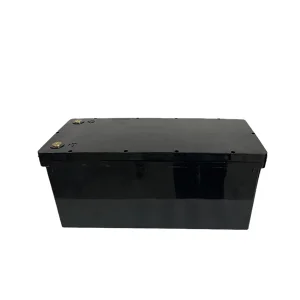
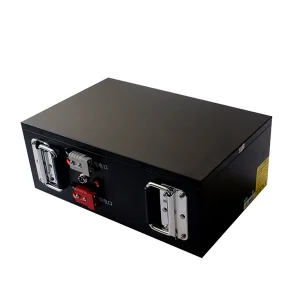
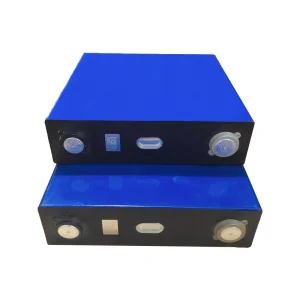
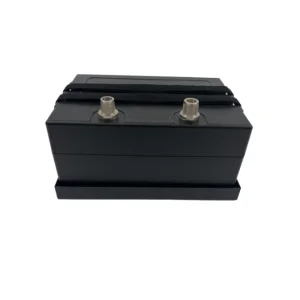
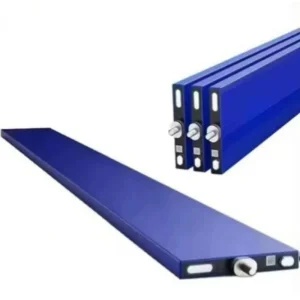
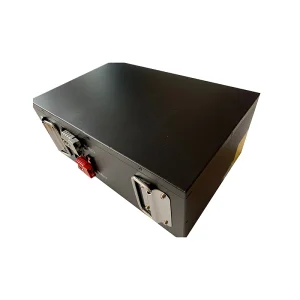
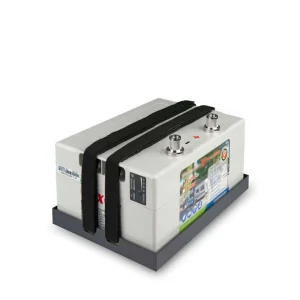
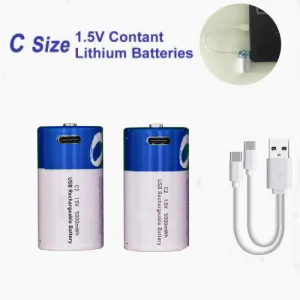
In the rapidly changing landscape of localized energy storage, the 12V 10Ah lithium-ion battery has transitioned from a specialized unit to a cornerstone of portable, low-voltage power. Historically dominated by lead-acid alternatives, industrial applications today require higher energy density, lightweight configurations, and extended operational lifespans. As a direct response, the development of Lithium Iron Phosphate (LiFePO4) systems has addressed the safety hazards, weight penalties, and short cycle life of legacy batteries.
For original equipment manufacturers (OEMs) and commercial buyers globally, navigating the market requires a granular understanding of certification standards—specifically CE Certification. CE compliance verifies that a battery pack meets strict European safety, environmental protection, and electromagnetic standards. Consequently, this document serves as a comprehensive technical guide detailing how 12V 10Ah LiFePO4 battery systems are manufactured, certified, and deployed across critical localized application scenarios worldwide.
The core of our 12V 10Ah systems relies on Lithium Iron Phosphate (LiFePO4) chemistry. When compared directly to classic lead-acid, AGM, or alternative lithium chemistries like Cobalt-based (LCO) or Nickel Manganese Cobalt (NMC), LiFePO4 provides superior thermal and chemical stability. The olivine-type crystal structure of lithium iron phosphate features robust P-O covalent bonds that resist decomposition even under extreme thermal stress, preventing thermal runaway and oxygen release.
| Performance Indicator | LiFePO4 Chemistry (12V 10Ah) | Lead-Acid/AGM Battery (12V 10Ah) | NMC Chemistry (12V 10Ah) |
|---|---|---|---|
| Cycle Life (100% DoD) | 2,800 to 5,000+ cycles | 200 to 400 cycles | 500 to 1,000 cycles |
| Energy Density | ~120 - 150 Wh/kg | ~30 - 45 Wh/kg | ~200 - 250 Wh/kg |
| Thermal Stability | Exceptional (No combustion under nail test) | High (No thermal runaway, but acid spill risks) | Moderate (Potential runaway above 180°C) |
| Operating Temp Range | -40°C to 85°C | -15°C to 50°C | -20°C to 60°C |
| Weight (Approximate) | ~1.1 kg - 1.3 kg | ~3.2 kg - 3.5 kg | ~0.8 kg - 1.0 kg |
Our batteries feature a proprietary chemical configuration that allows safe discharging within a wide thermal window of -40 ℃ to 85 ℃. Under standardized nail penetration tests (acupuncture test), the cells exhibit zero combustion, leakage, or explosion, verifying their structural integrity. Furthermore, we maintain a single-cell life profile of 2800+ cycles (at 1C rate / 100% Depth of Discharge), ensuring that the total cost of ownership remains low for operators of commercial infrastructure.
Selecting the correct power supply requires matching application profiles to environmental conditions. A CE-certified 12V 10Ah lithium battery operates as a reliable power source in various specialized and localized systems:
Due to its compact layout and flat discharge curve, the 12V 10Ah LiFePO4 battery pack is commonly used in remote solar street lighting systems. Positioned inside pole compartments, these batteries endure high summer heat and sub-zero winter temperatures without needing constant replacement.
Automated Guided Vehicles (AGVs) in smart logistics centers require reliable, vibration-proof power. Delivering stable current to motors and telemetry systems, these battery packs help prevent warehouse downtime caused by voltage dips.
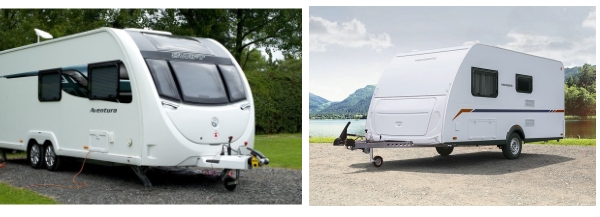
Caravan movers and light e-boats rely on these compact power units to move loads without noise, air pollution, or heavy lead-acid weight. The built-in Battery Management System (BMS) prevents overcharging, keeping recreational vessels and utility setups safe.
The international demand for high-performance batteries is shaped by regional safety standards and import regulations. In European Union states (e.g., Germany, France, Netherlands, Spain, United Kingdom), CE Certification is a mandatory entry requirement. Importing uncertified lithium packs exposes industrial buyers to legal risks and product recalls. In the Americas (USA, Canada, Mexico, Brazil) and Asia-Pacific (Australia, South Korea, Japan), additional compliance processes focus on battery cycle lifetimes and environmental impacts.
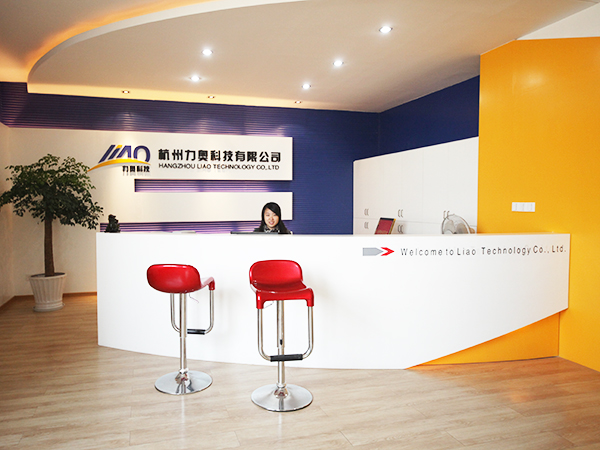
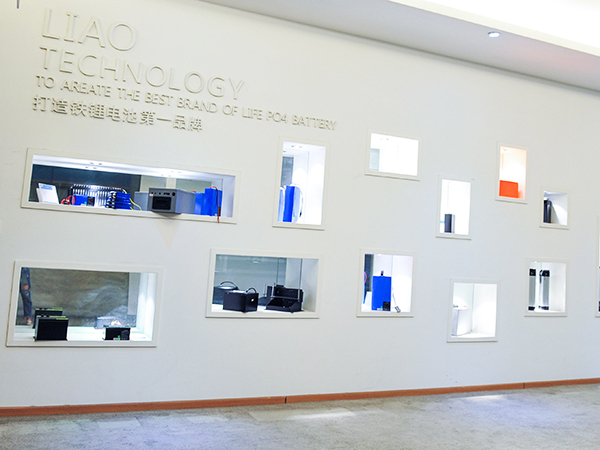
To address these requirements, Hangzhou LIAO Technology Co., Ltd. provides customized battery designs, combining electrical and mechanical engineering expertise to meet specific client needs. By utilizing specialized designs, we assist over 500 customers across diverse industries in launching localized products quickly and cost-effectively.
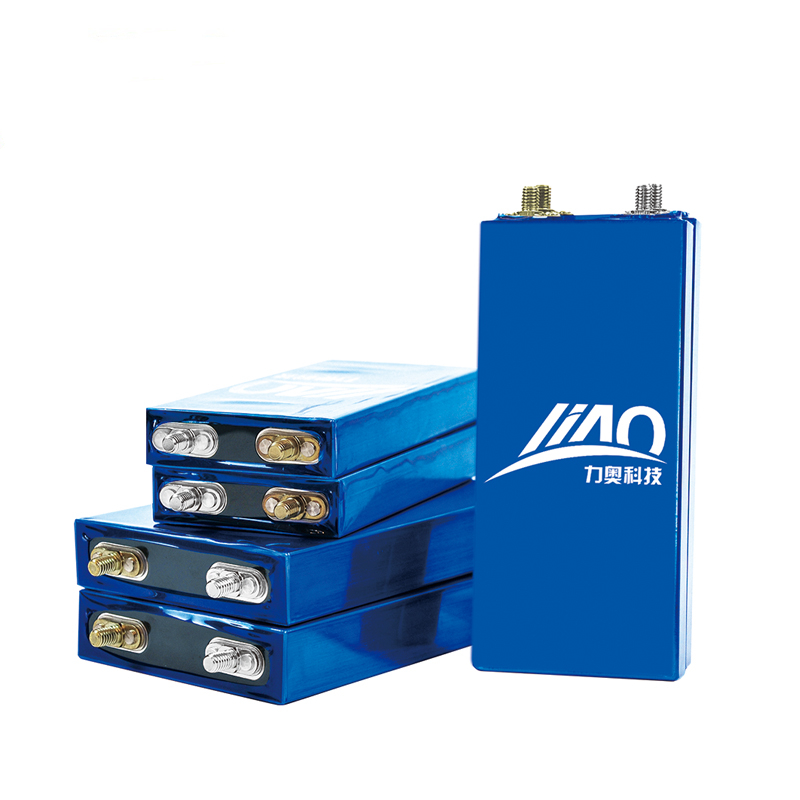
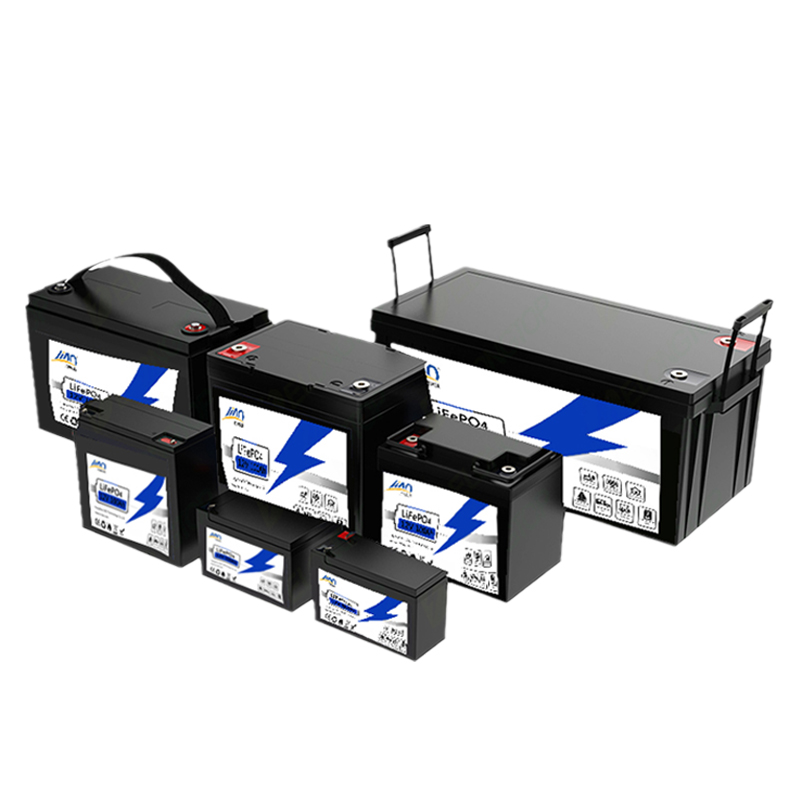
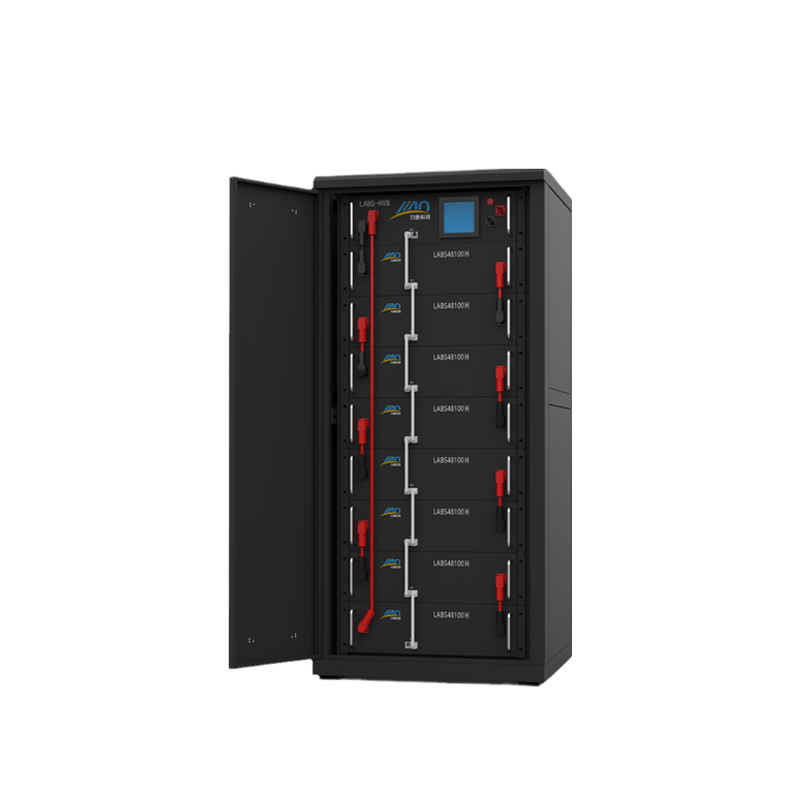
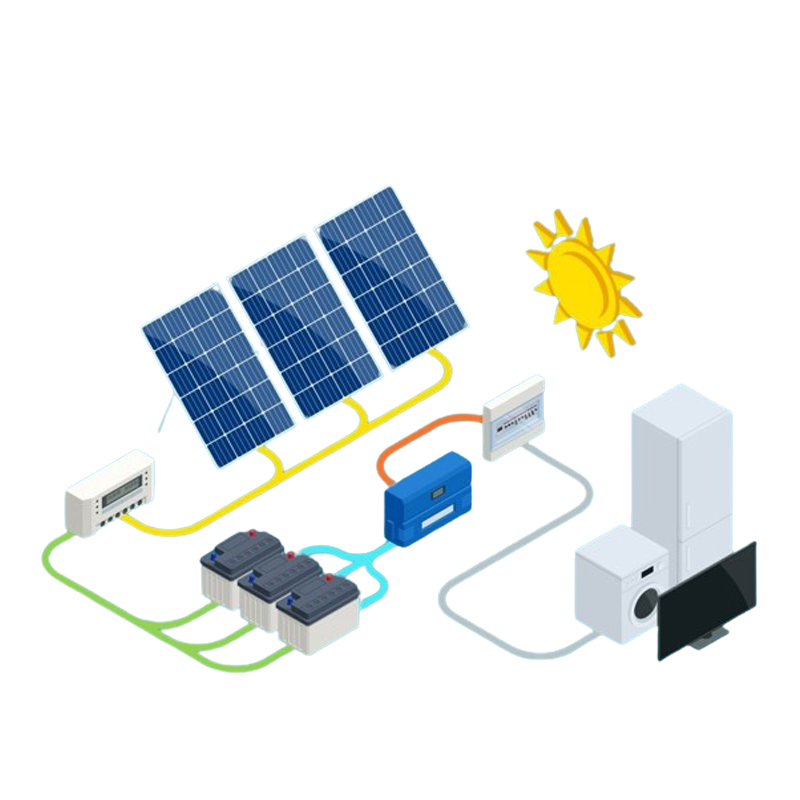
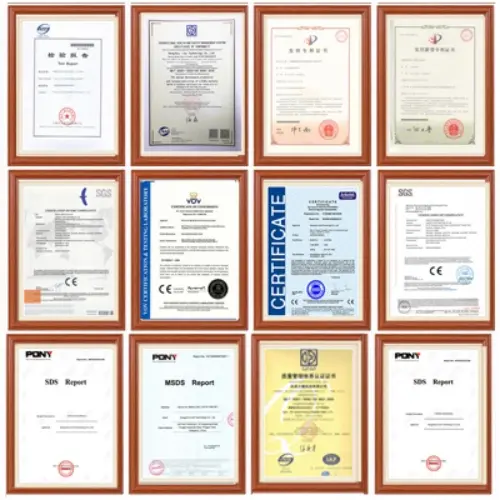
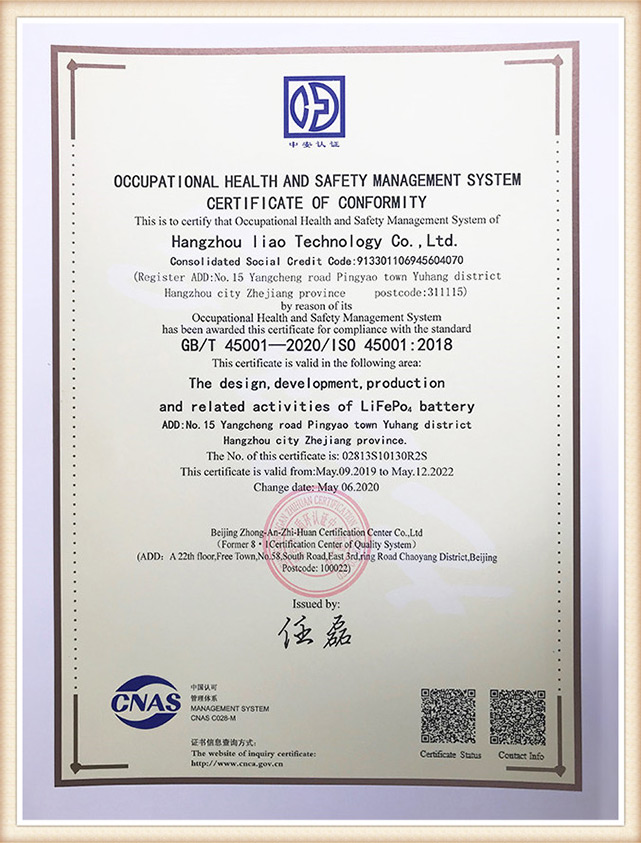
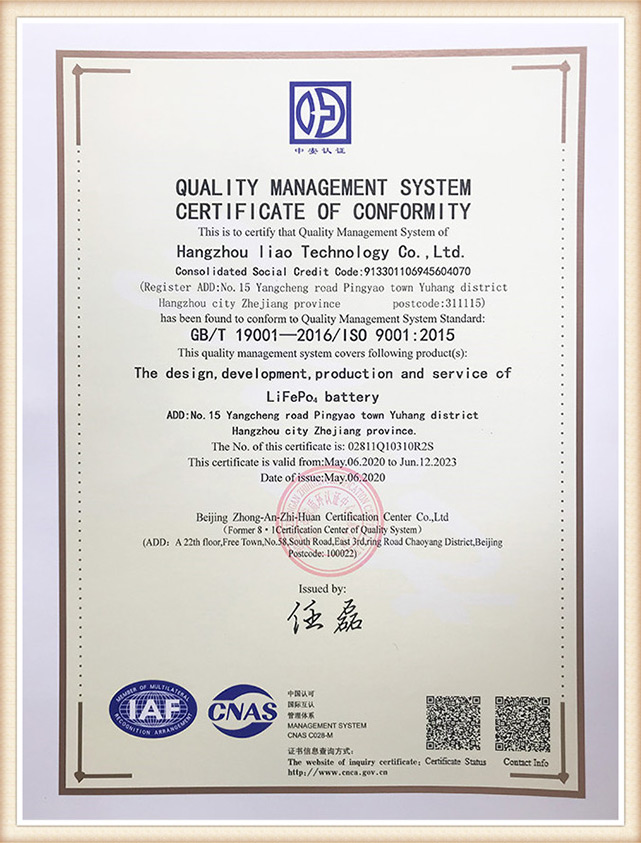
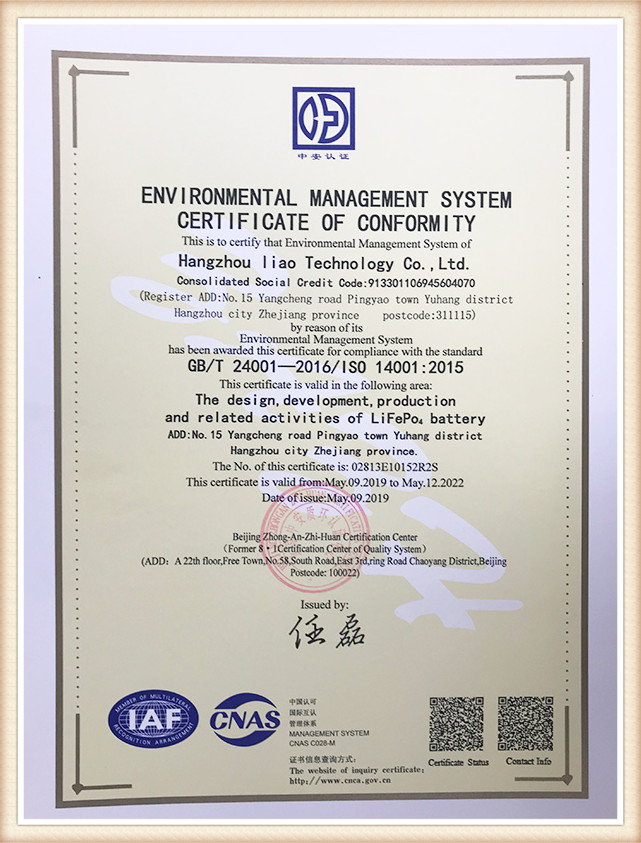
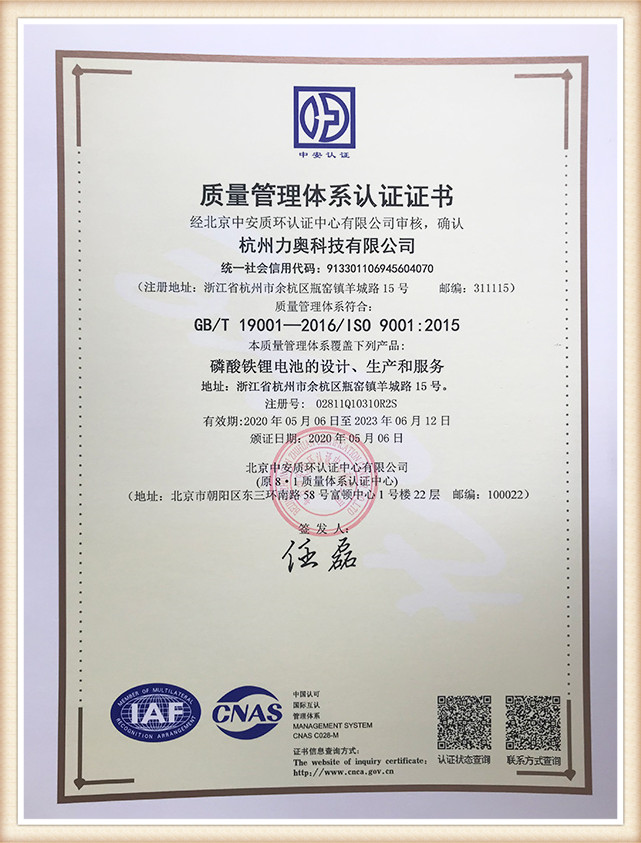
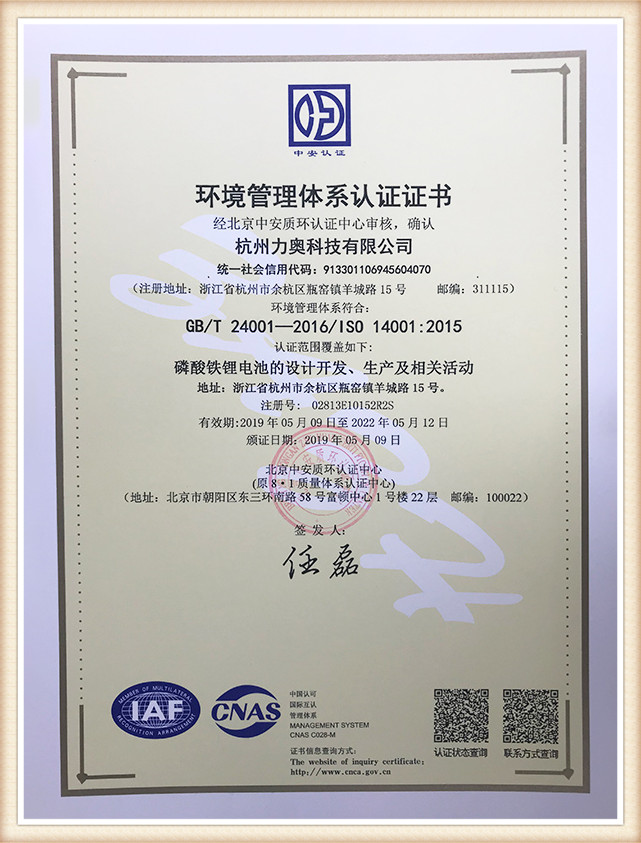
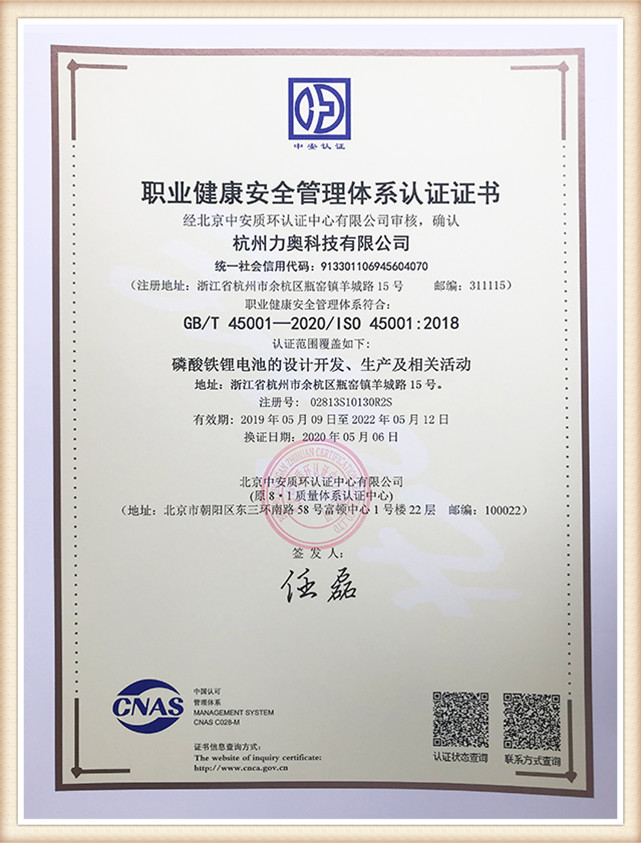
Founded in 2009, Hangzhou LIAO Technology Co., Ltd. has established itself as an experienced manufacturer specializing in high-performance LiFePO4 batteries. Headquartered in China's manufacturing region, our products are exported to more than 20 countries. Under strict quality management protocols, our facilities operate under ISO 9001 quality, ISO 14001 environmental, and ISO 18001 occupational health and safety standards.

The primary advantage of our Hangzhou manufacturing hub lies in supply chain integration. The local industrial ecosystem provides direct, reliable access to raw lithium carbonate, high-quality anode substrates, safety valves, and microcontrollers. This localized integration shortens cycle times and reduces geopolitical supply chain risks, allowing us to maintain stable pricing and prompt delivery for high-volume orders.
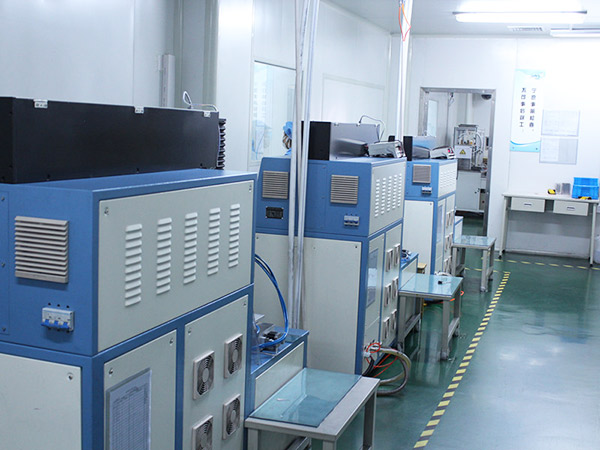
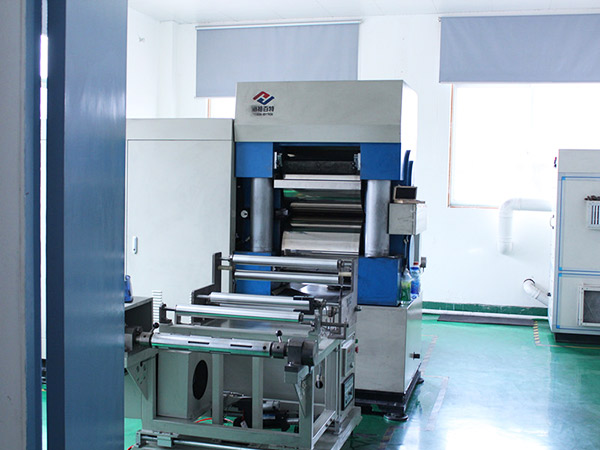
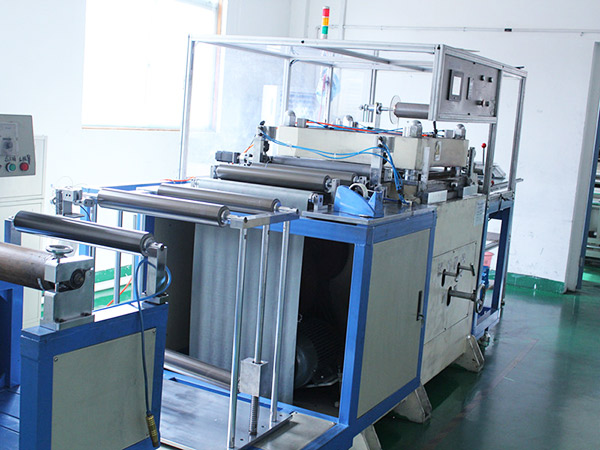
To maintain strict quality standards, we track every phase of production. We utilize specialized testing equipment to monitor cell performance through all manufacturing stages, from initial cell testing to terminal laser welding and die-cutting.
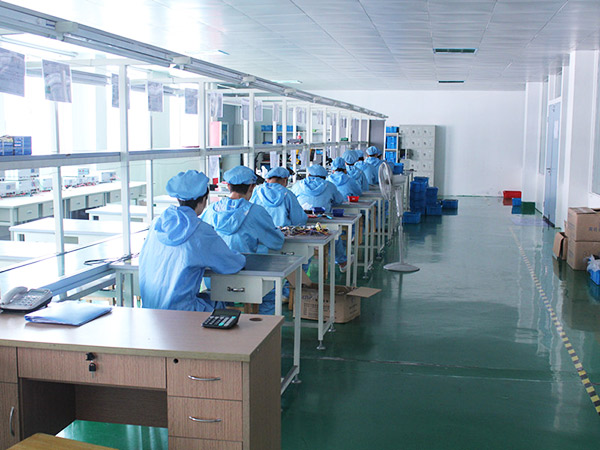
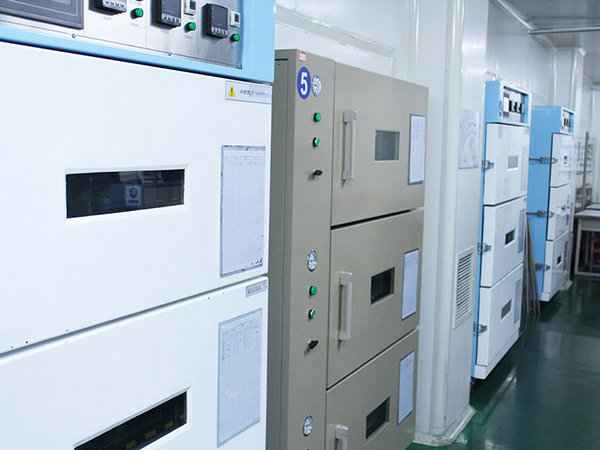
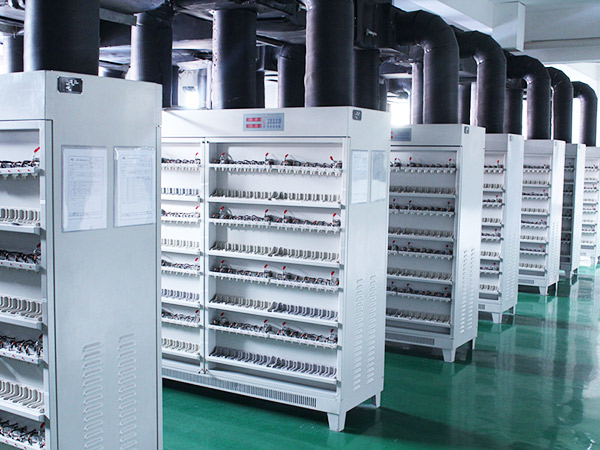
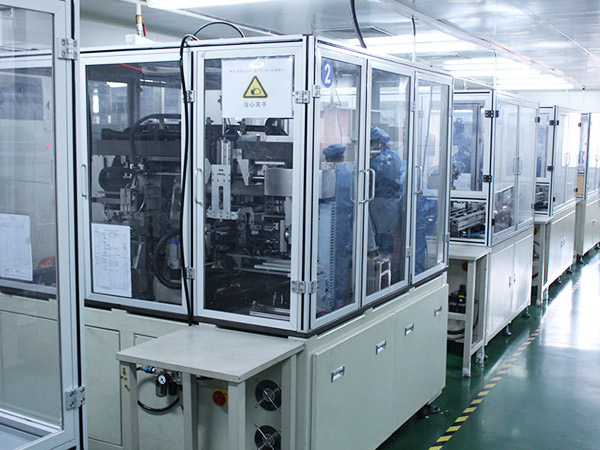
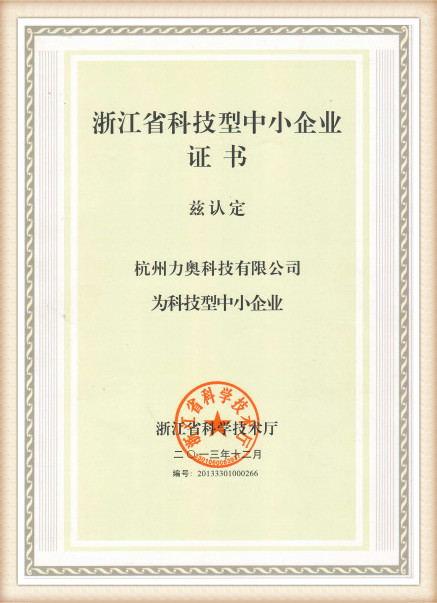
Hangzhou LIAO Technology Co., Ltd. maintains a comprehensive set of verified industrial certifications. Our design documents, raw materials, and finished packs undergo evaluation by independent compliance laboratories to ensure global regulatory approval.

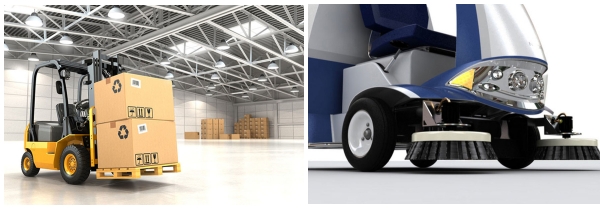
Choosing the right battery configuration requires understanding its integration with specific devices. We offer tailored assembly variations for golf carts, caravan movers, short-haul industrial loaders, and electric boats.


As electronic applications become more compact, battery development continues to evolve. Our future roadmap focuses on solid-state electrolyte integration, high-density silicon anodes, and cloud-connected Battery Management Systems. The development of cloud-based BMS platforms allows real-time diagnostics, cycle tracking, and predictive thermal management, helping to prevent battery failure before it occurs.
In terms of chemistry, we are researching silicon-carbon composite anodes to increase volumetric energy density by up to 25% without compromising the stability of the olivine FePO4 structure. These improvements aim to enable faster charge times and better performance at low temperatures.
Technical answers for engineers and commercial buyers
Explore additional battery variants designed for commercial, industrial, and retail systems
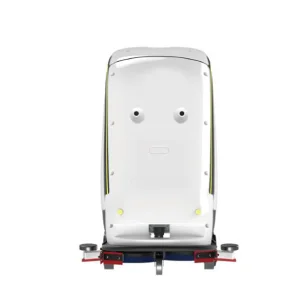
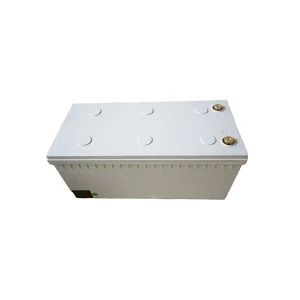
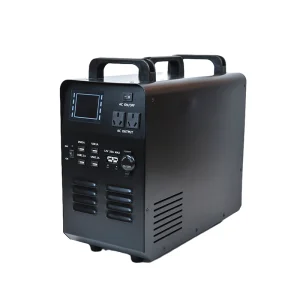
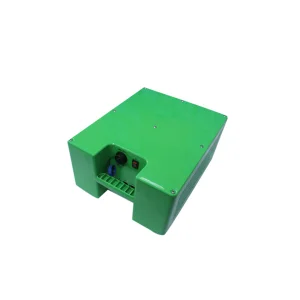
 Liao Battery