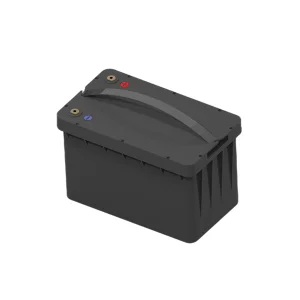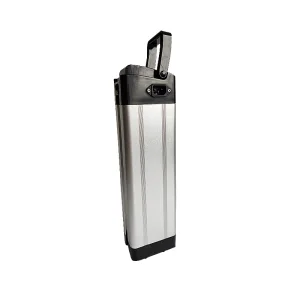
The global micro-mobility industry is undergoing a structural transition. As urban congestion and ecological mandates drive the adoption of Light Electric Vehicles (LEVs), electric bikes (E-bikes) have transitioned from recreational toys to critical infrastructure for municipal commuting and last-mile delivery services. Central to this revolution is the optimization of the powertrain, where the 48V Lithium Battery Pack has emerged as the definitive global standard, rapidly displacing older 36V configurations.
Why 48V? In electrical engineering, a higher voltage platform reduces the current required to deliver the same power output (P = V × I). By operating at 48V, system designers can minimize resistive thermal losses (I²R) in the cabling and motor controllers. This allows for lighter wiring harnesses, cooler operating temperatures under high loads, and enhanced torque curves. For electric cargo bikes and terrain-heavy utility bicycles, 48V architectures provide the necessary current headroom to tackle gradients without thermal throttling, maintaining a sustained power envelope that is essential for commercial fleet uptime.
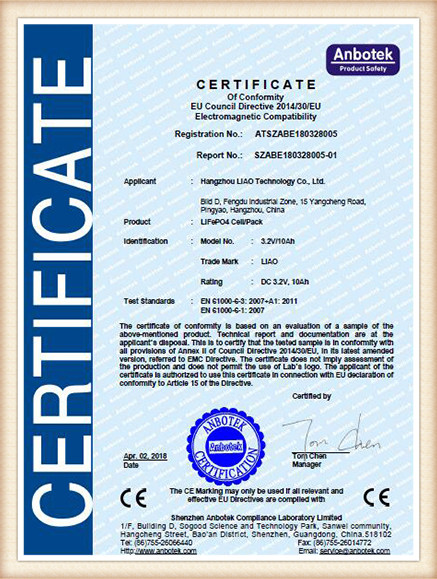
Furthermore, international regulatory frameworks, specifically the European Union's EN 15194 standard for EPACs (Electronically Power Assisted Cycles), strictly mandate safety and operational boundaries. Achieving CE Certification for a 48V battery pack is not merely a legal checkbox; it represents rigorous validation under harmonized safety guidelines. It ensures that the lithium battery system mitigates hazards including electrical overcharge, mechanical impact, thermal runaway, and electromagnetic emission, making the product safe for global consumer import and commercial distribution.
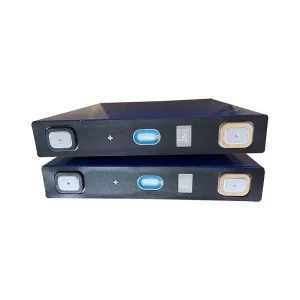
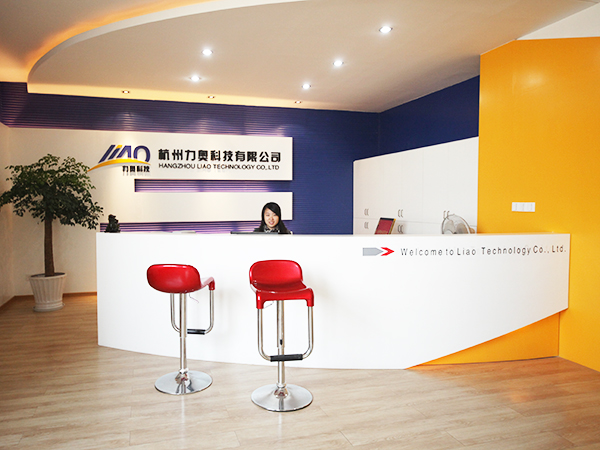
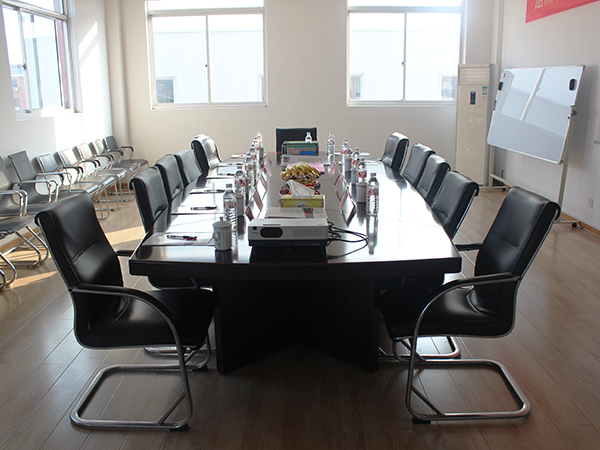
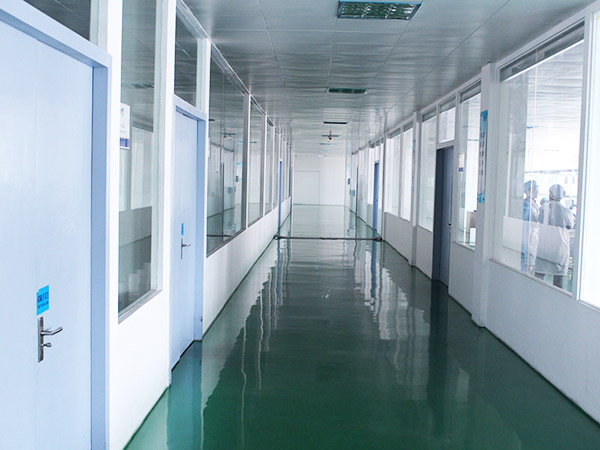
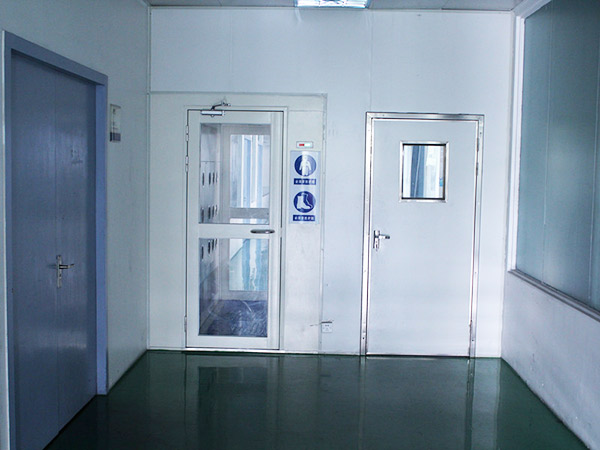
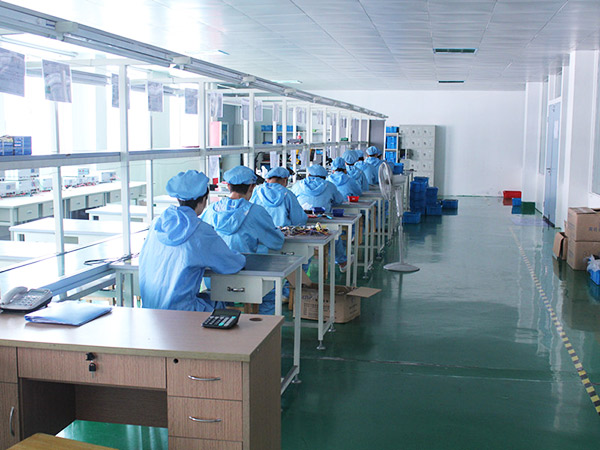
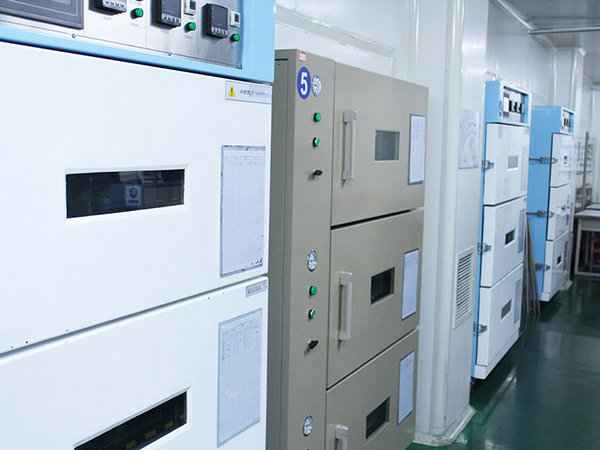
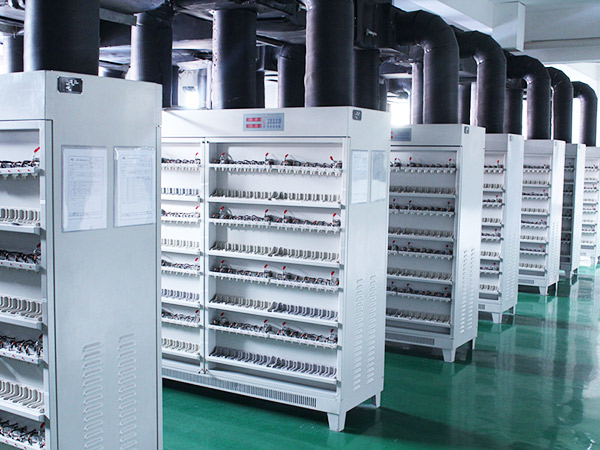
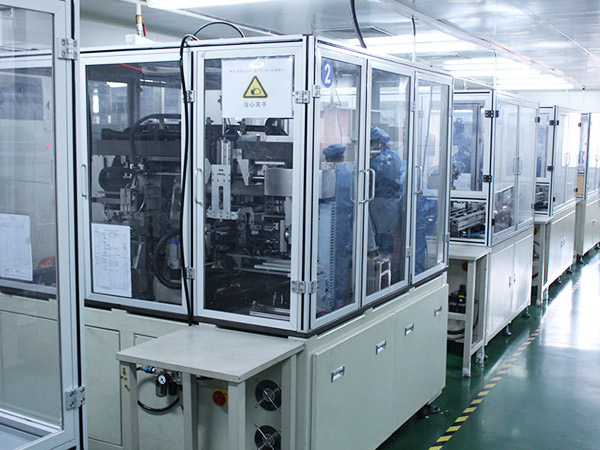
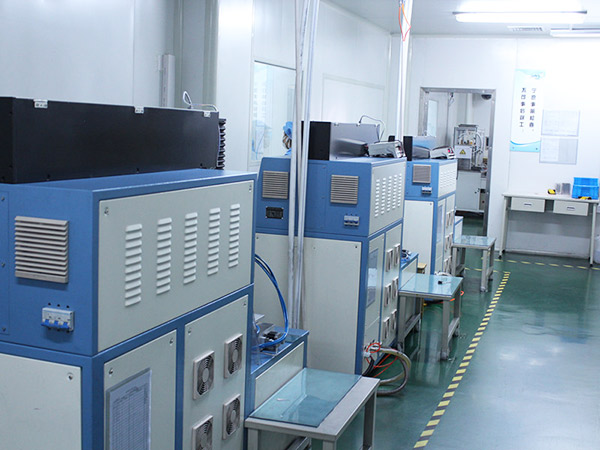
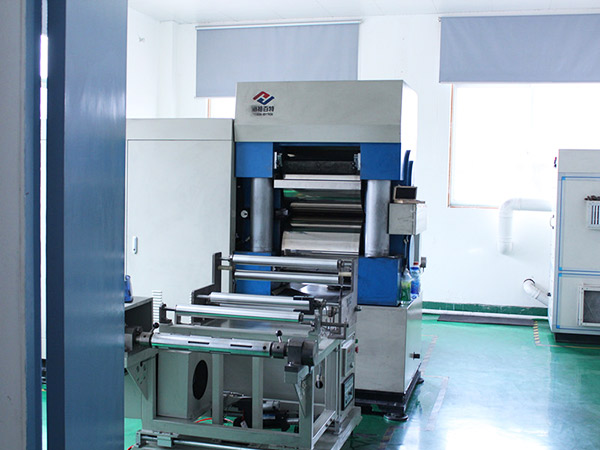
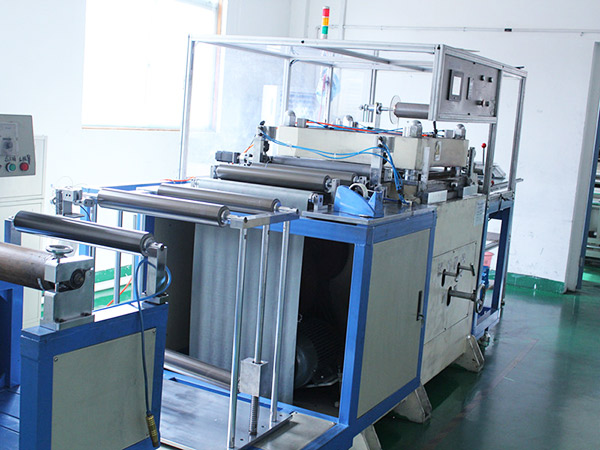
China's dominance in the lithium-ion supply chain is rooted in vertical integration and automated manufacturing precision. Hangzhou LIAO Technology Co., Ltd., founded in 2009, operates at the heart of this manufacturing ecosystem. Spanning over 15 years of robust technical development, our production methodology integrates advanced automation with meticulous quality control systems, ensuring high consistency across thousands of manufactured prismatic cells and customized battery packs.
The manufacturing efficiency of our Chinese facility is characterized by several key process advantages:
By leveraging local raw material sourcing—from lithium iron phosphate (LiFePO4) active materials to smart Battery Management Systems (BMS)—LIAO Technology passes significant cost-efficiencies directly to global B2B procurement partners, without compromising on E-E-A-T validated safety metrics.
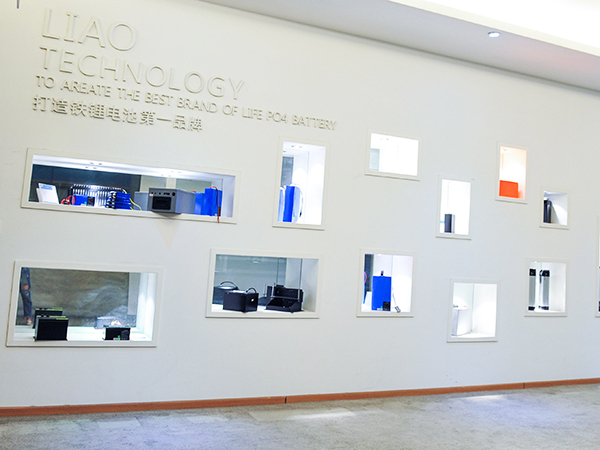
A standardized approach to battery pack configuration is insufficient to meet the challenges of modern industrial, commercial, and recreational applications. System variables such as peak load currents, operational temperature swings, moisture exposure, and vibration dynamics necessitate localized, application-specific designs. LIAO Technology specializes in tailoring LiFePO4 and Lithium-Ion battery modules to deliver peak reliability under diverse conditions.
The new generation of LiFePO4 golf cart batteries helps your carts run easily in different golf terrains or courses. By transitioning to LiFePO4, fleet operators benefit from a massive weight reduction compared to traditional lead-acid batteries, resulting in less turf damage, faster acceleration, and extended driving range per charge.

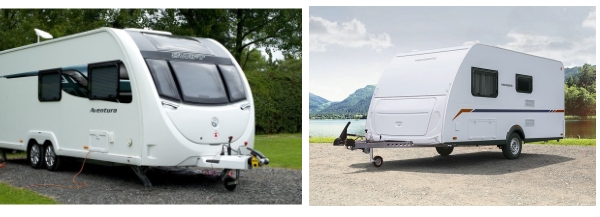
Our LiFePO4 batteries help your caravan mover run quietly with zero air pollution. At the same time, manual labor costs are saved, and operational working efficiency is vastly improved. These batteries provide stable voltage during deep discharges, powering heavy-duty caravan maneuvering systems on loose gravel or wet grass.
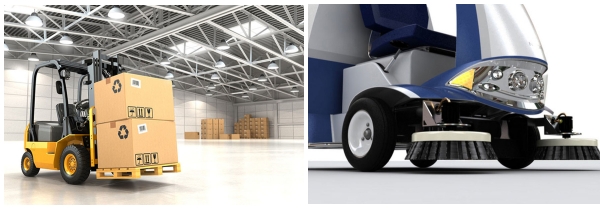
Perfect for short-distance heavy transportation. Our LiFePO4 batteries help your industrial vehicles, AGVs, and electric forklifts lift and transport goods efficiently with less effort, especially under heavy payloads. Fast-charging capabilities permit opportunity charging during worker shifts, eliminating the need for spare battery packs and dedicated battery rooms.
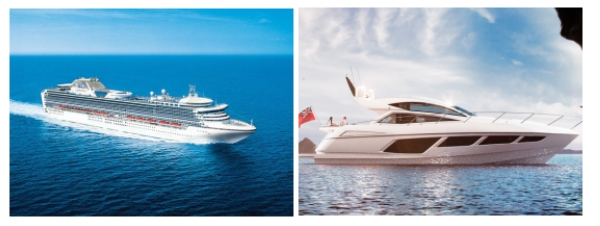
E-boat propulsion is a highly sustainable, eco-friendly transport tool for waterways and nature reserves. LIAO LiFePO4 battery modules operate silently, generating zero noise pollution and zero local chemical emissions. Their robust, hermetically sealed construction is highly resistant to saltwater corrosion and humidity ingress.
Future 48V e-bike batteries are moving away from passive protection. The incorporation of IoT chips and smart BMS software allows for real-time tracking of cell health, state-of-charge (SoC), thermal profiling, and remote telemetry transmission via CANbus or Bluetooth protocols.
Through chemistry modification, LFP cells are achieving higher gravimetric energy densities. Concurrently, fast-charging profiles (e.g., 2C charging) are being adopted to allow high-usage delivery fleets to recharge batteries to 80% capacity within 30 minutes safely.
Global environmental mandates now demand clear carbon footprints. Batteries designed with easily dismantlable structures allow cells to be effortlessly repurposed for secondary grid storage once their capacity drops below 80% for mobility tasks.
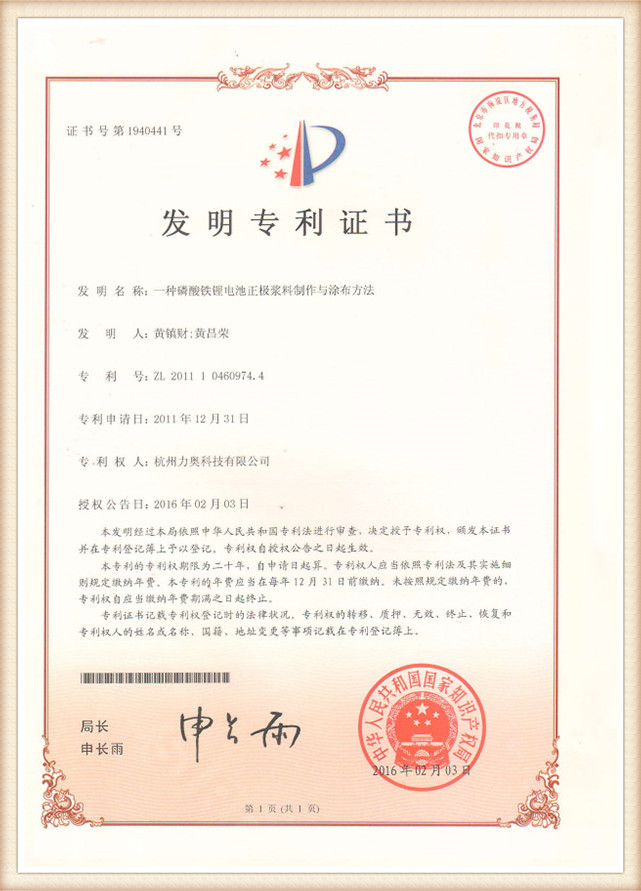
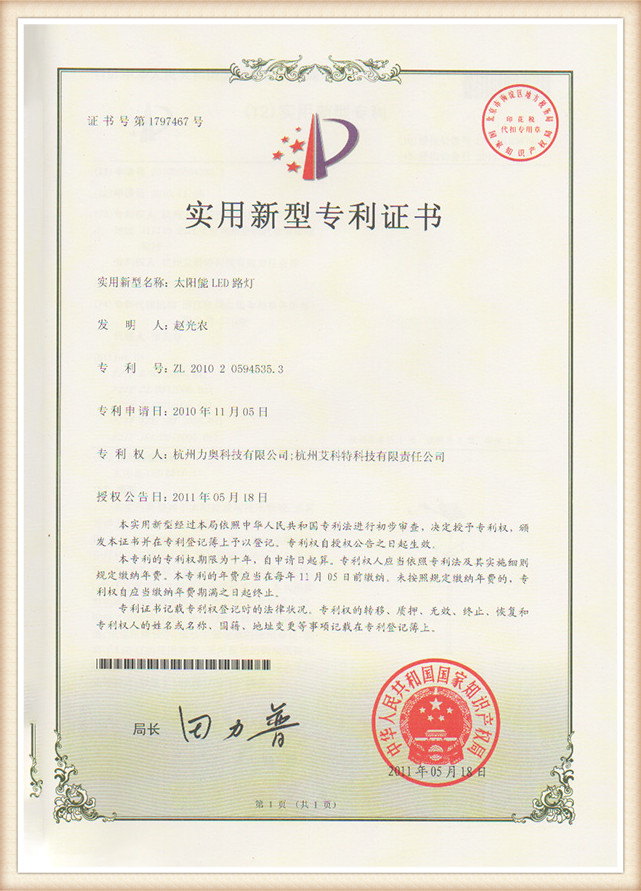
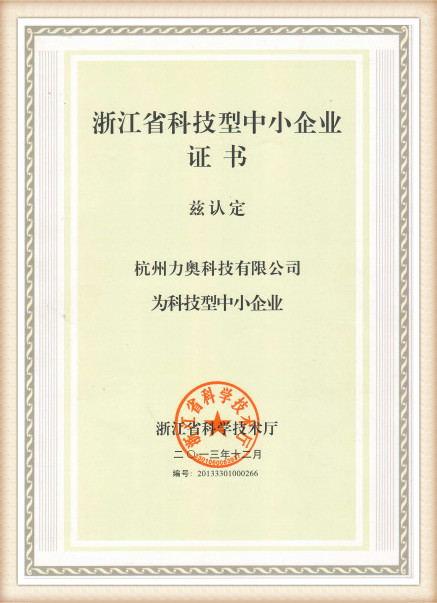
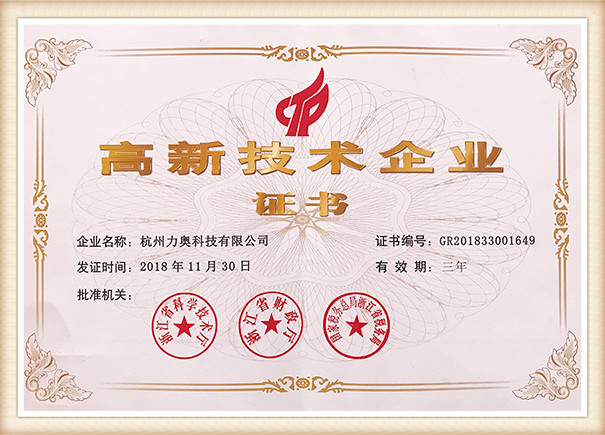
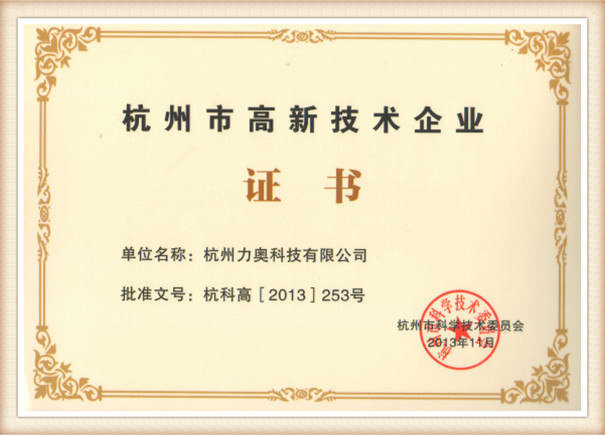
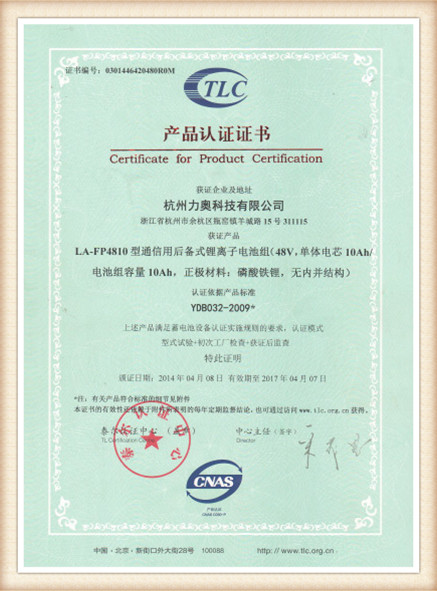
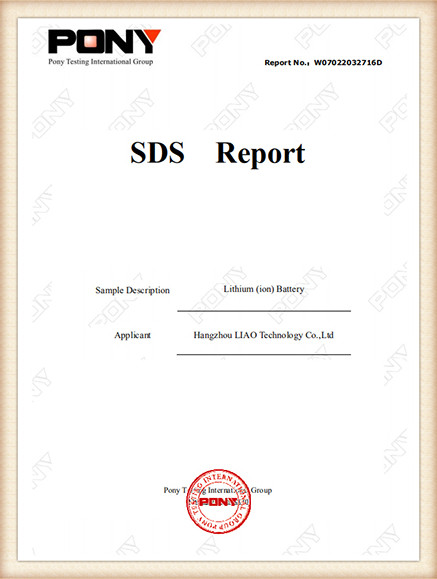
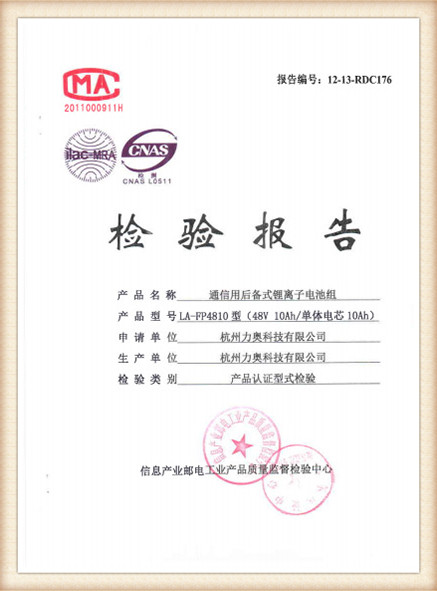
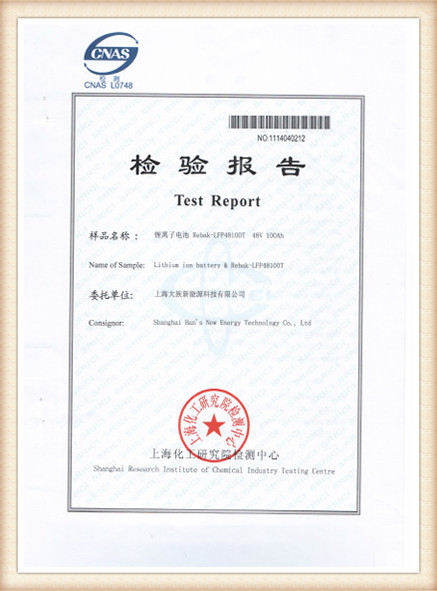
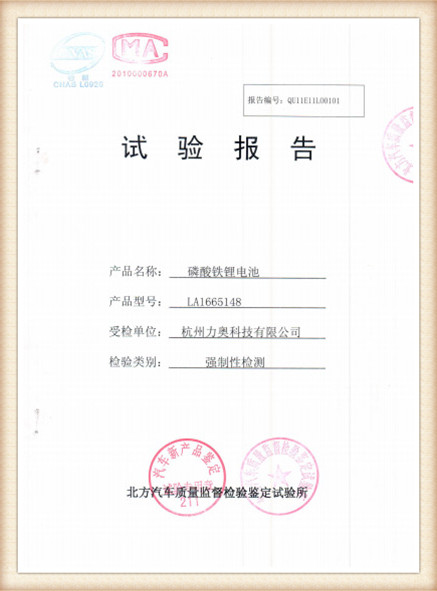
LIAO Technology is committed to providing industry-leading, safe, and high-performance energy solutions. Our credentials, team, and patented technologies stand as evidence of our expertise and reliability as a primary battery supplier.
Our LiFePO4 cells are engineered to pass severe safety tests. They will not burn or explode under direct nail acupuncture, heavy crush, or short-circuit testing protocols.
Excellent low and high-temperature performance: LIAO cells are validated to discharge reliably within the range of -40 °C to 85 °C, facilitating operation in polar regions or high-ambient desert environments.
Single-cell testing benchmarks demonstrate more than 2800+ complete charging/discharging cycles (1C rate / 100% Depth of Discharge) before capacity retention decays to 80%.
Our premier battery pack design, the LAXpower-1230, was awarded testing champion by European evaluation agencies, verifying our engineering quality in demanding consumer markets.
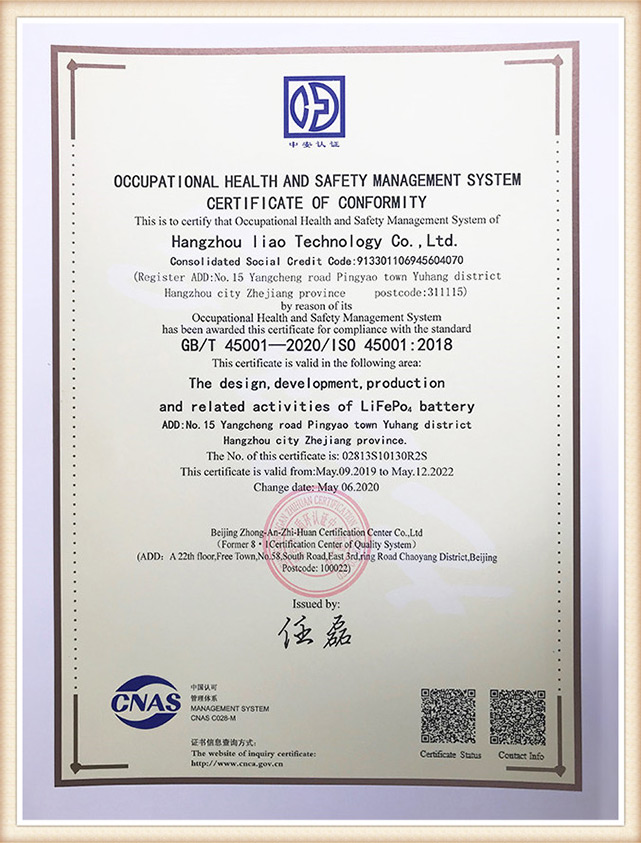
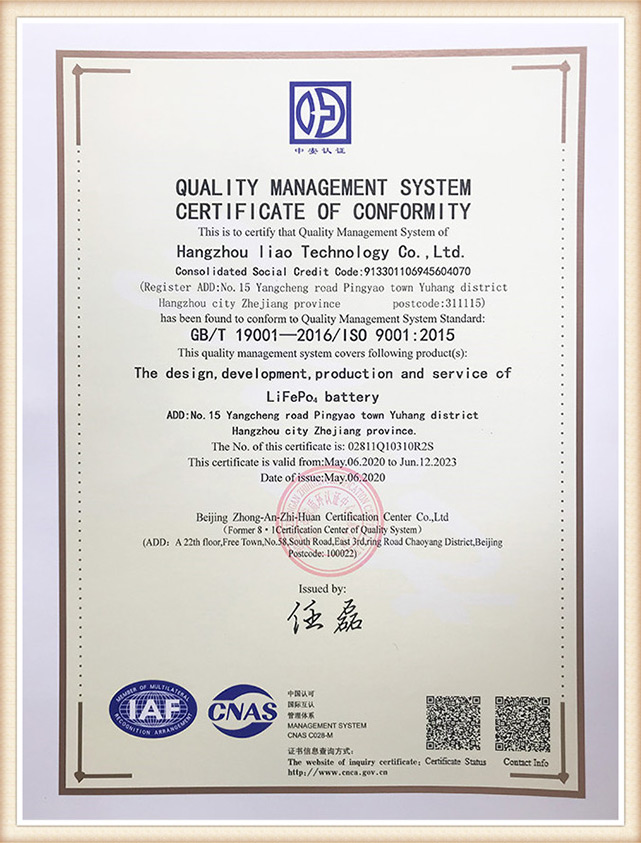
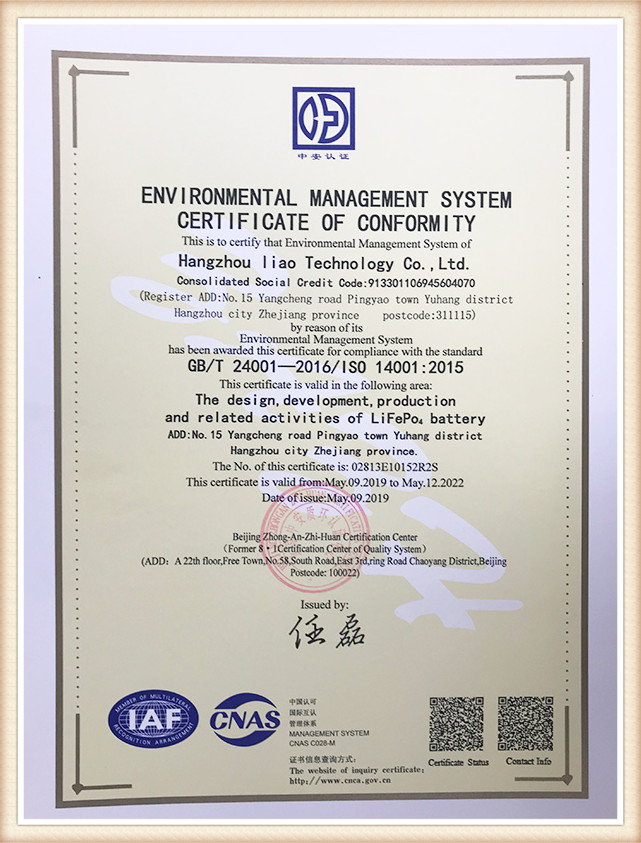
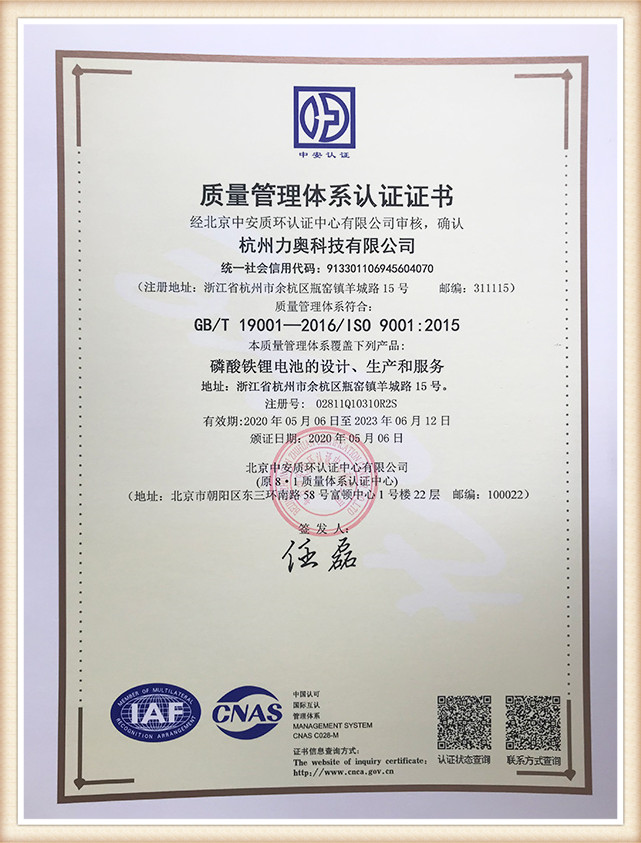
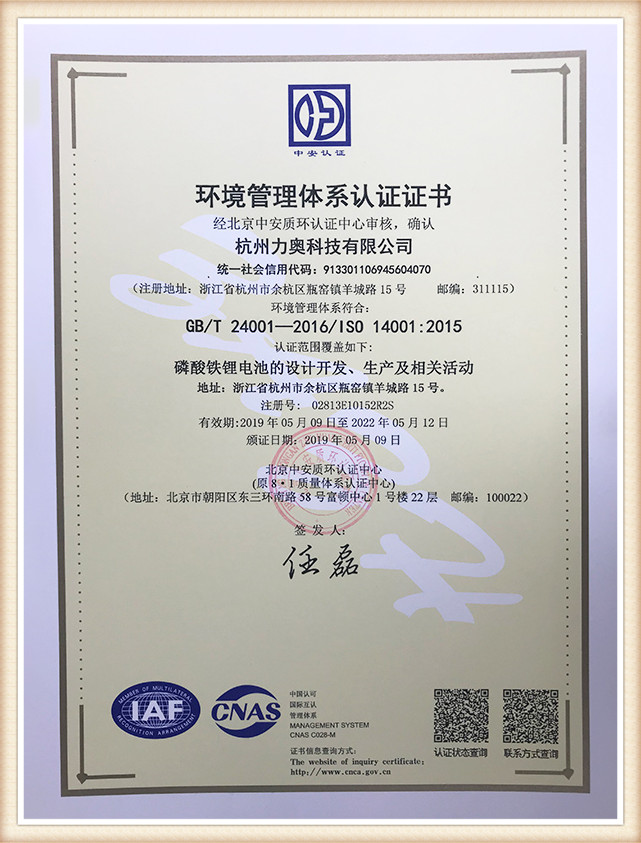
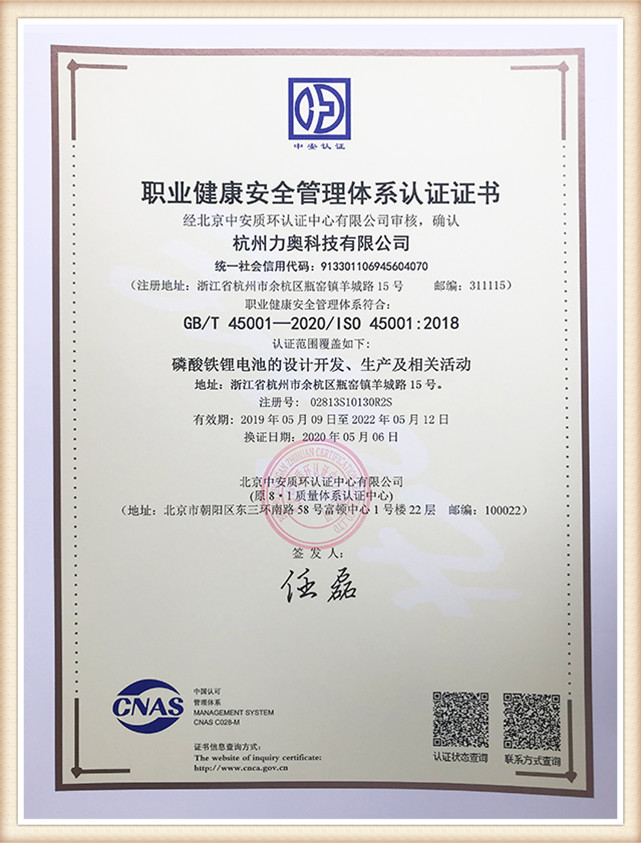
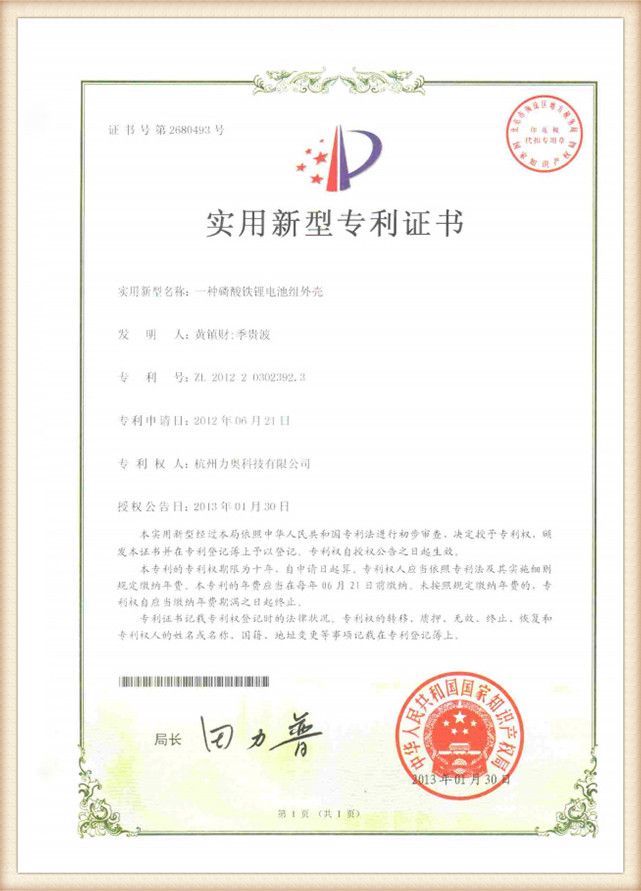

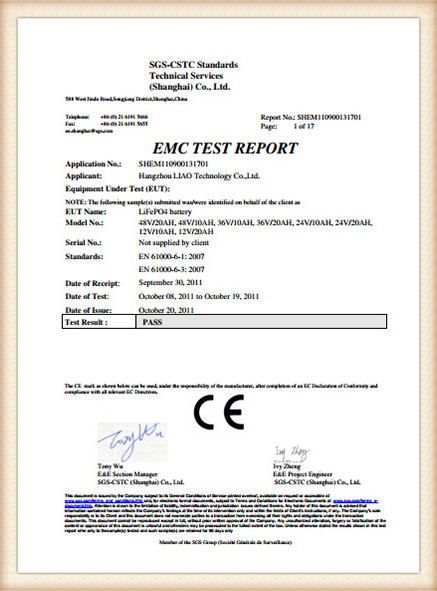
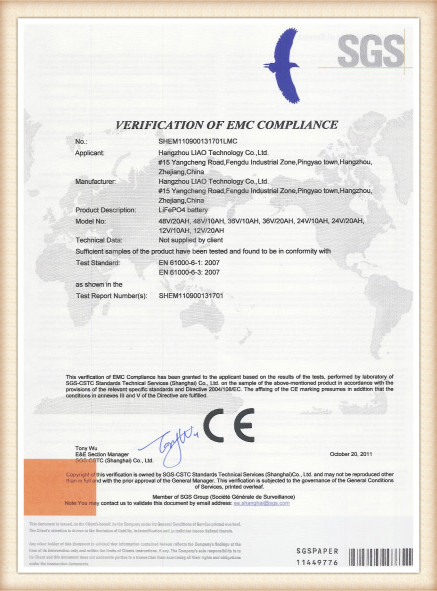
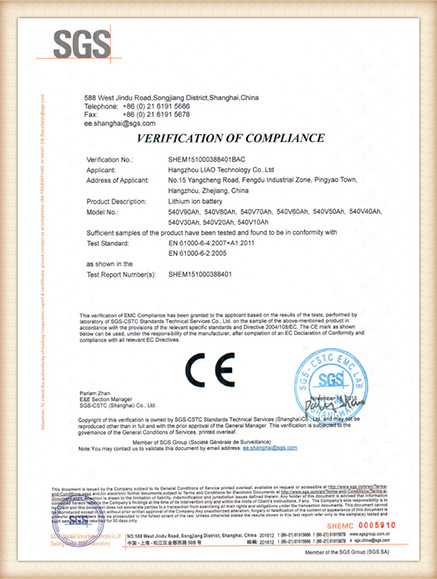
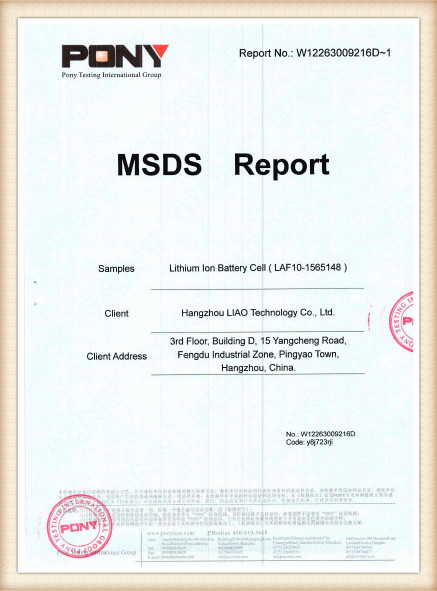
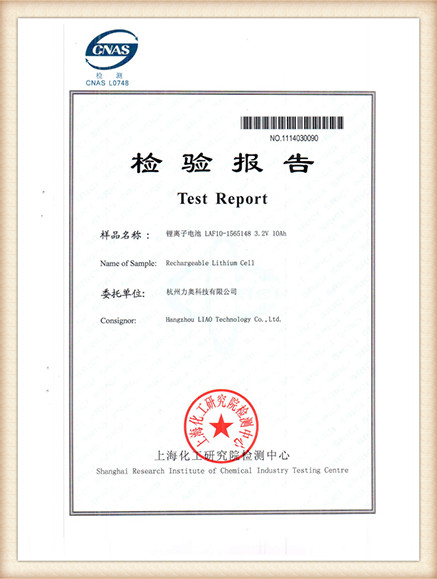
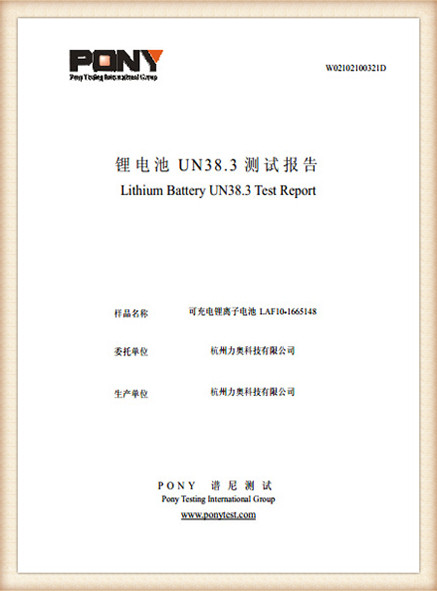
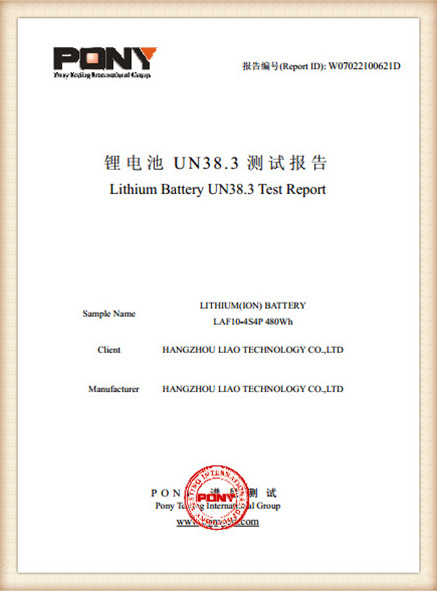
B2B procurement agencies and electric bike manufacturers require strategic consistency, strict quality assurances, and supply chain reliability. Purchasing batteries internationally involves navigating complex safety directives, global shipping regulations (particularly Class 9 dangerous goods handling for lithium batteries), and customs clearing requirements.
For custom battery integration (OEM & ODM), LIAO Technology operates a streamlined engineering pathway:
 Liao Battery