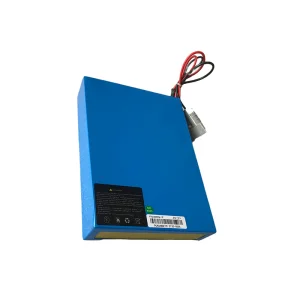
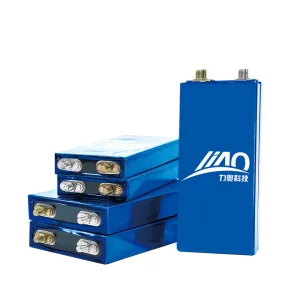
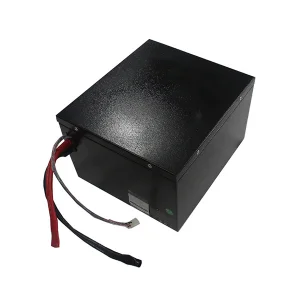
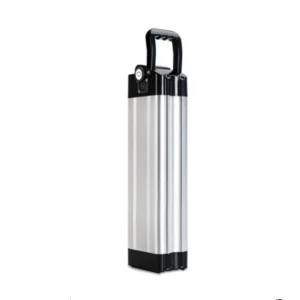
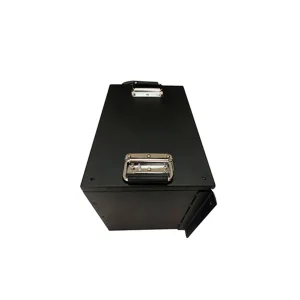
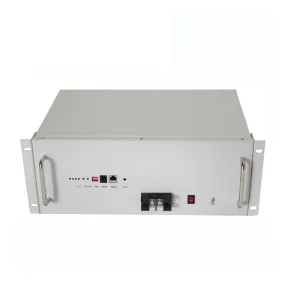
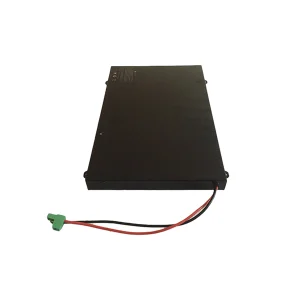
Fully compliant industrial solutions from Hangzhou LIAO Technology. Engineered with integrated smart BMS modules.
Established in 2009, Hangzhou LIAO Technology Co., Ltd. has stood at the forefront of the lithium iron phosphate (LiFePO4) battery manufacturing sector for over 15 years. We operate as a premier design partner and custom manufacturer, supporting more than 500 enterprise clients globally. Our battery technologies have successfully penetrated critical operations across more than 20 countries, establishing a reliable footprint in Europe, North America, East Asia, and the Southern Hemisphere.
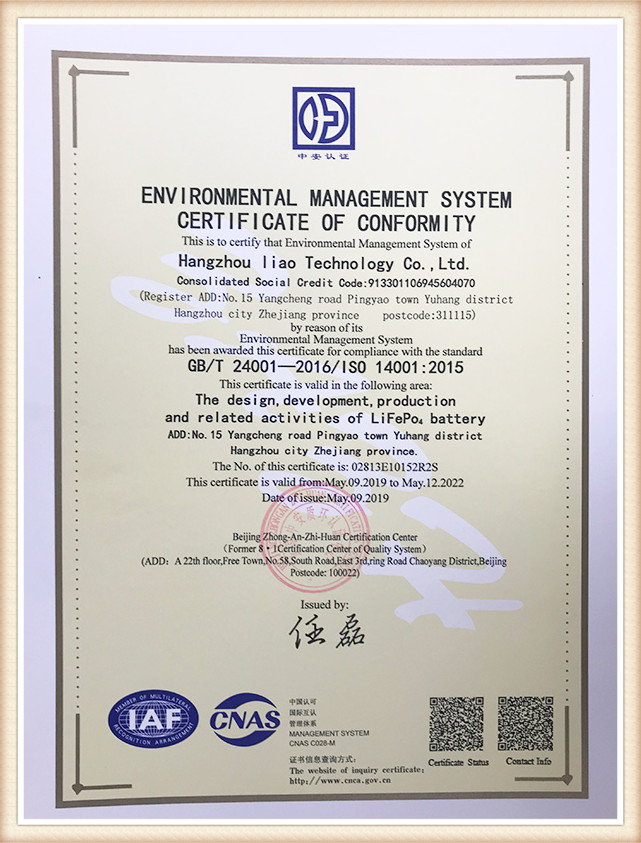
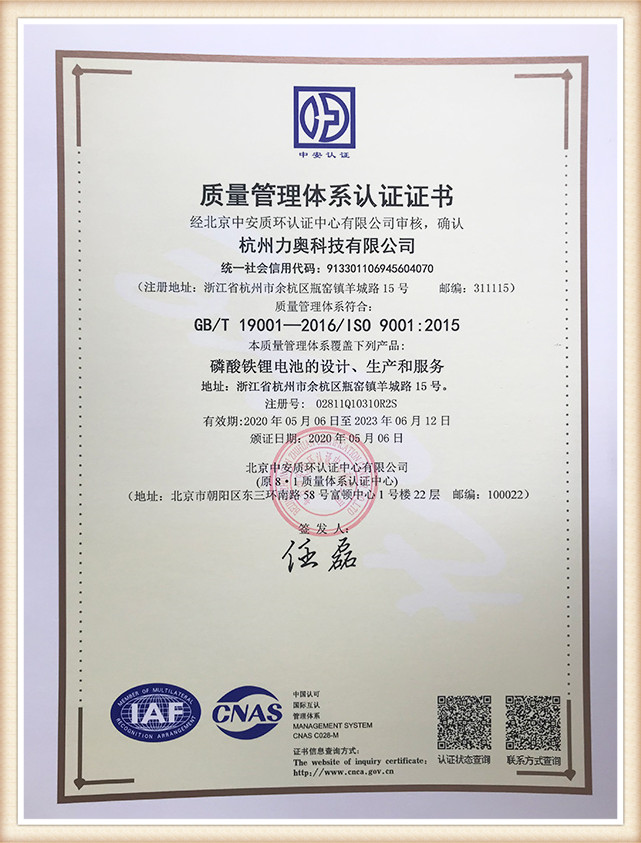
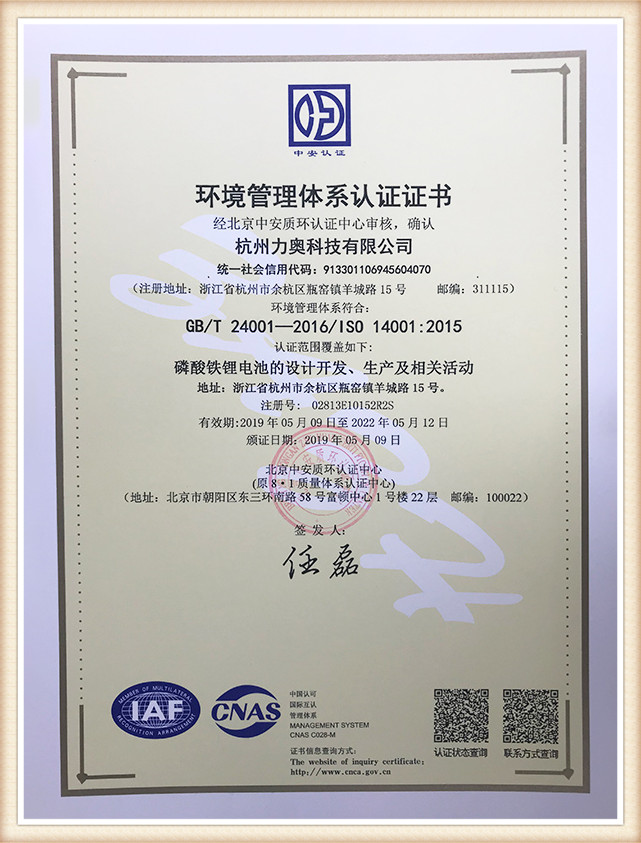
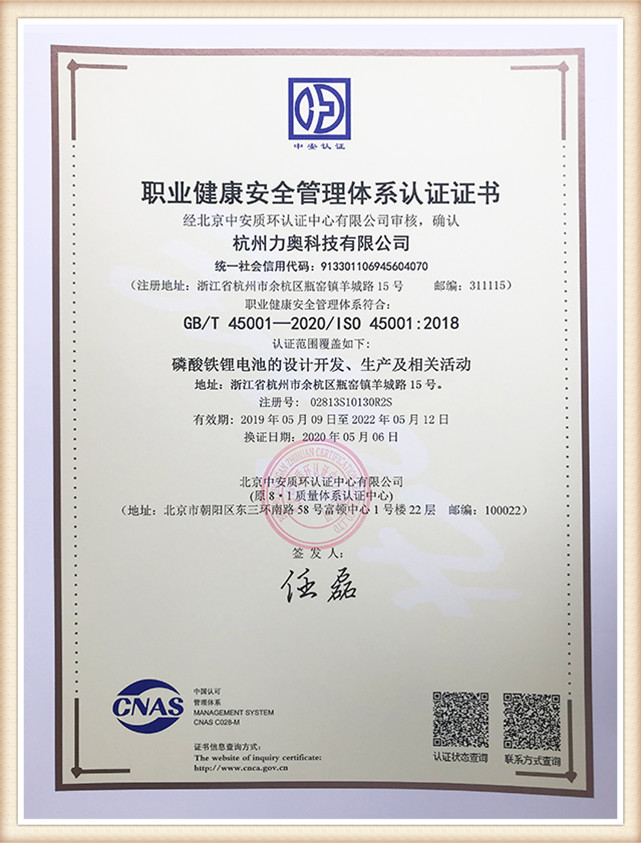
We are backed by systemic qualifications including the ISO 9001 Quality Management System, the ISO 14001 Environmental Management System, and the ISO 18001 Occupational Health and Safety Management System. Every cell chemistry, structural assembly, and integrated battery management system (BMS) we design adheres to these frameworks, guaranteeing that our production runs meet the rigid standards expected by global supply chains.
Verifiable parameters indicating how our LiFePO4 cells outperform conventional storage systems.
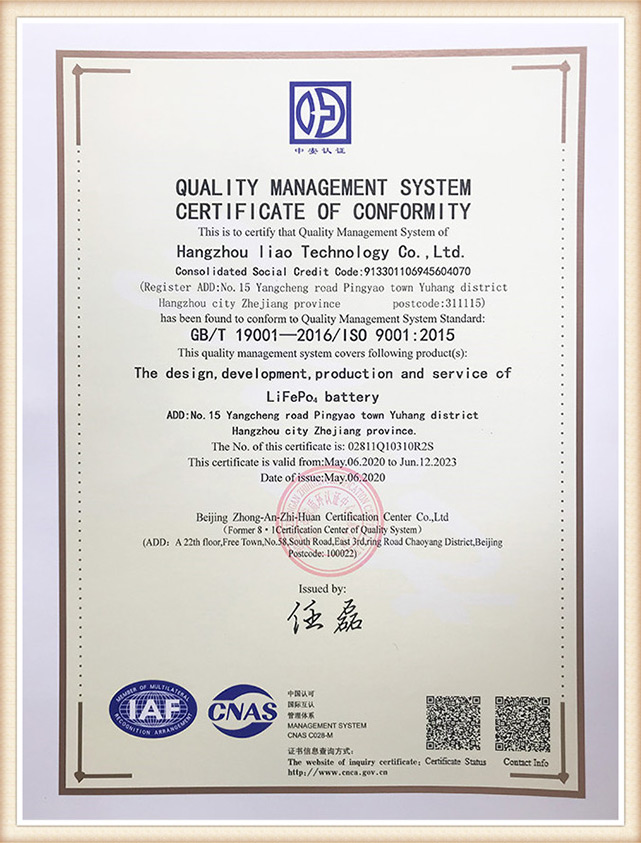
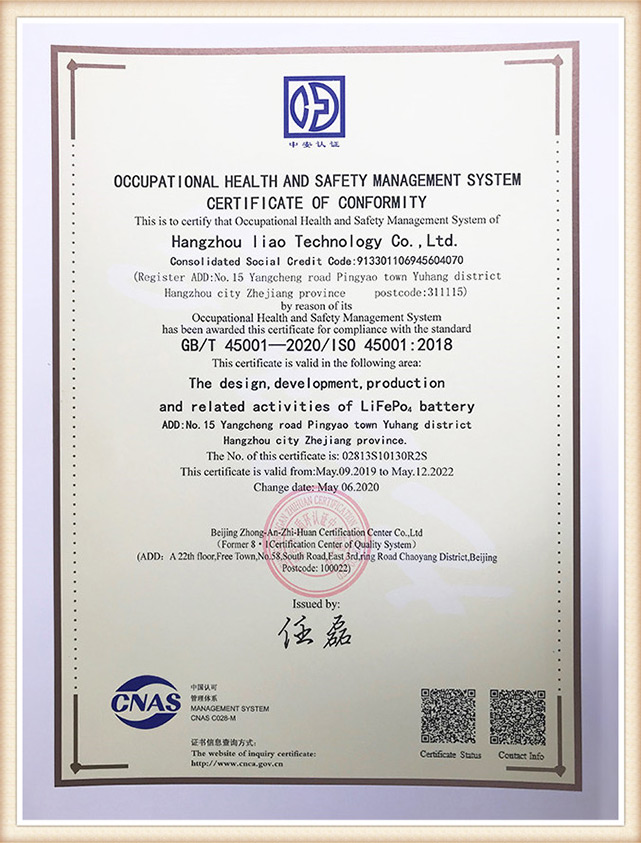
Hangzhou LIAO has built an expansive business network, providing localized service across vital geographic nodes:
Our dedicated engineering and technical management teams are trained to align directly with modern client workflows. Whether utilizing OEM or ODM pathways, LIAO merges core electrochemistry development with tailored design capabilities. We optimize the physical envelope, electrical profiles, thermal management systems, and functional features to match our clients' complex environments.
Step-by-step insight into how our China-based assembly lines manage battery precision.
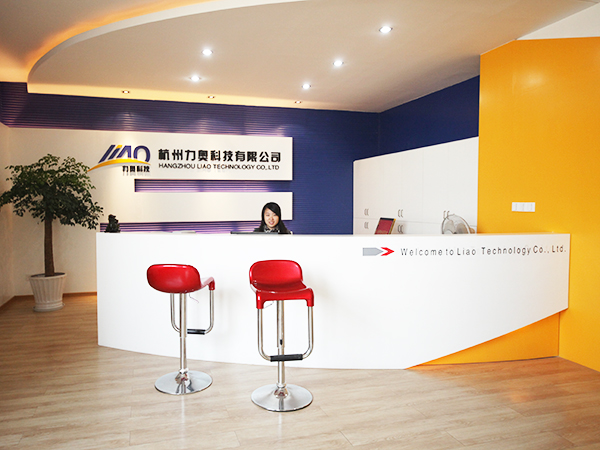
Our administrative and customer intake division routes new RFQs and handles project initiations with global sourcing managers.
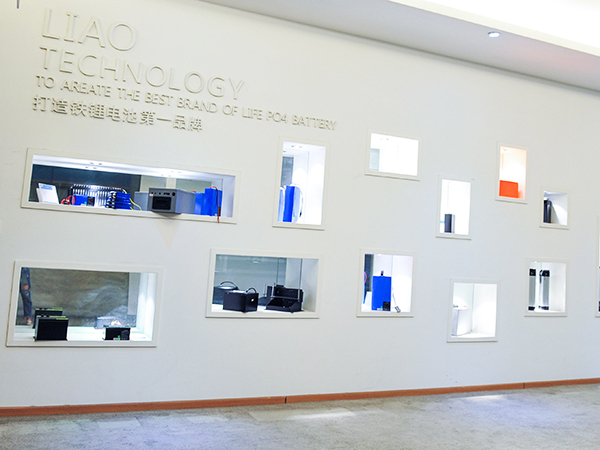
A physical showcase of certified prismatic cells, custom standard packs, and experimental solid-electrolyte models.
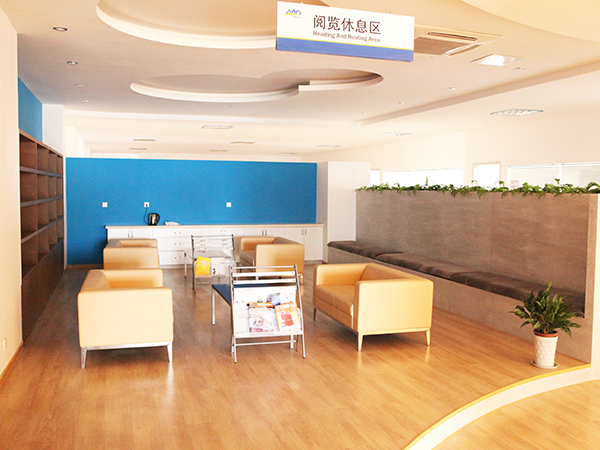
Encouraging continuous technical learning and comfortable working spaces to support intellectual exchange.
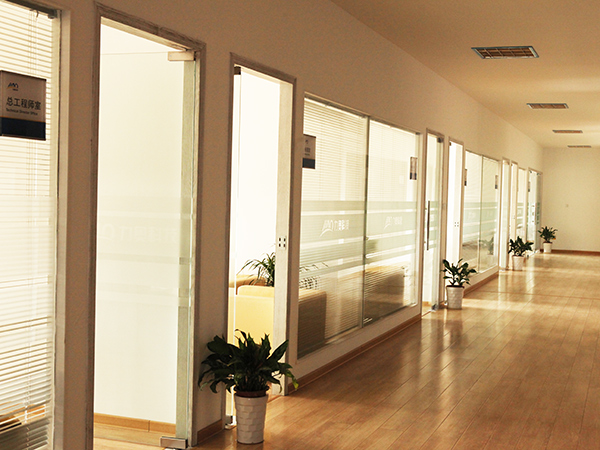
Housing our design engineering division, where mechanical layouts and custom BMS schematics are developed.
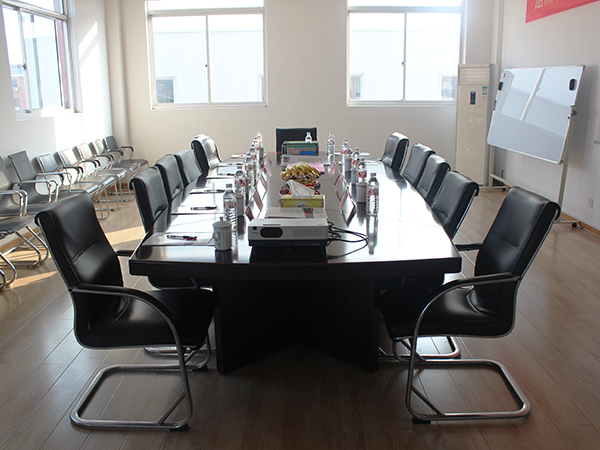
A digital conference space for real-time collaboration with overseas clients and regulatory certification bodies.
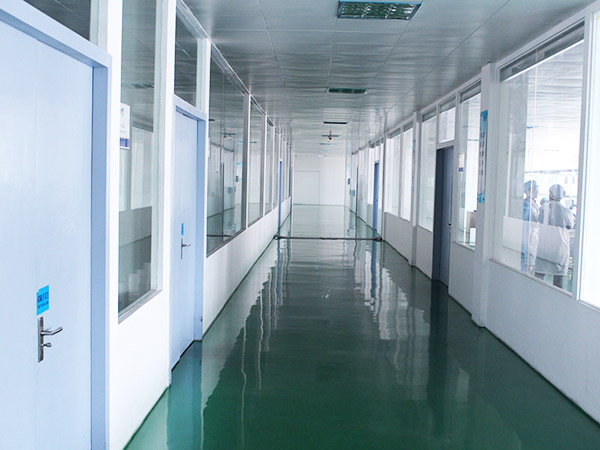
Transparent cleanroom windows allowing external auditors to inspect our manufacturing and safety environments.
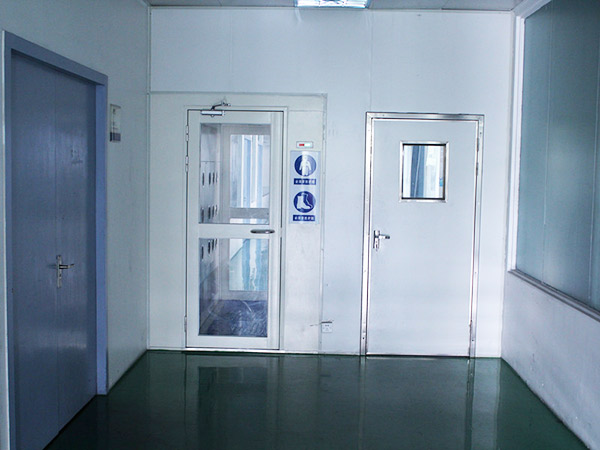
Strict dust-free air showers and ESD control portals to maintain absolute cell purity.
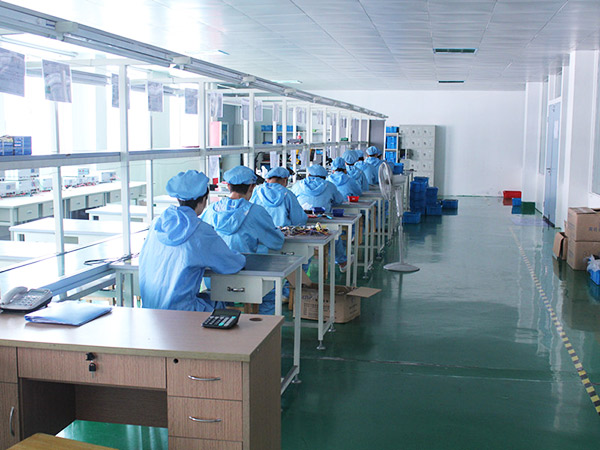
The automated assembly zone where individual cells are compiled into multi-parallel series modules.
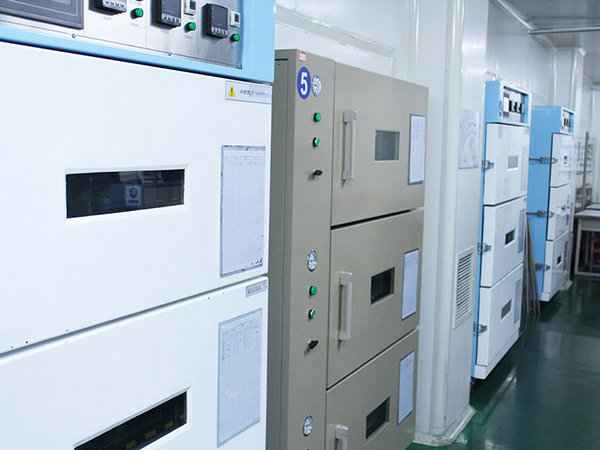
High-vacuum ovens removing micro-moisture from current collectors and active electrode surfaces.
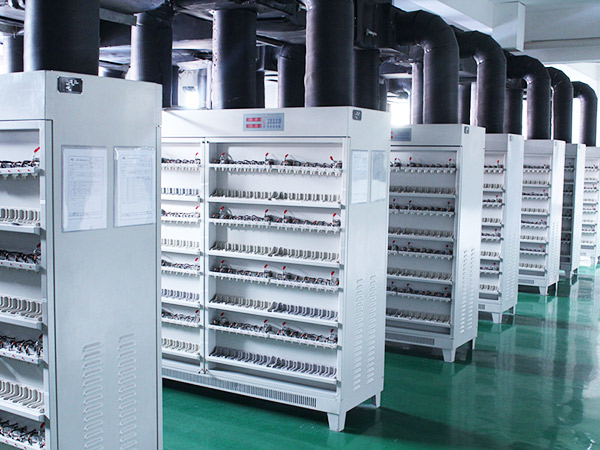
Automated charge-discharge channels sorting cells by voltage, internal resistance, and capacity to ensure pack balance.
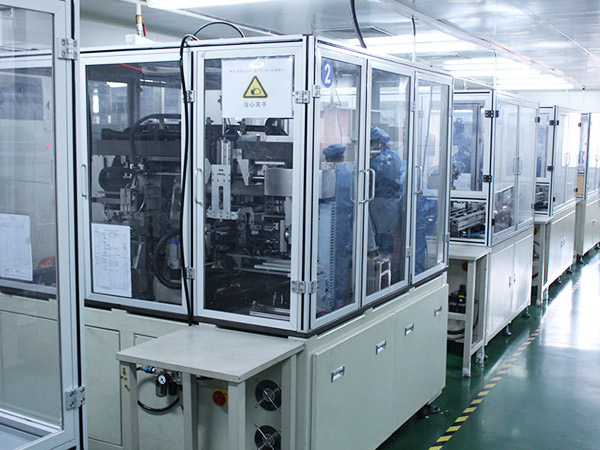
Precise robotic stacking of anode, cathode, and separator layers to avoid internal mechanical stress.
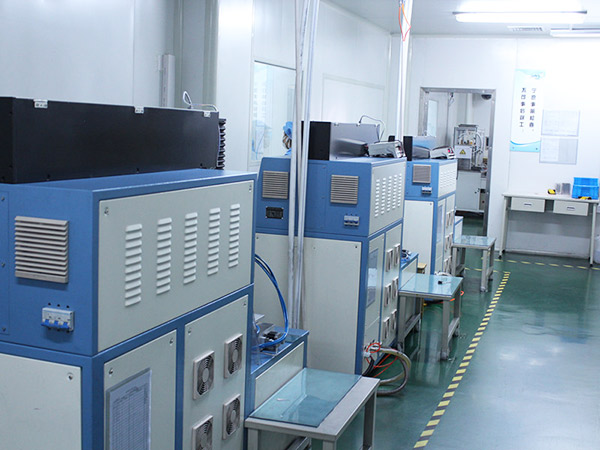
Fiber laser welding systems fusing tab connections with minimal heat input, preventing thermal damage.
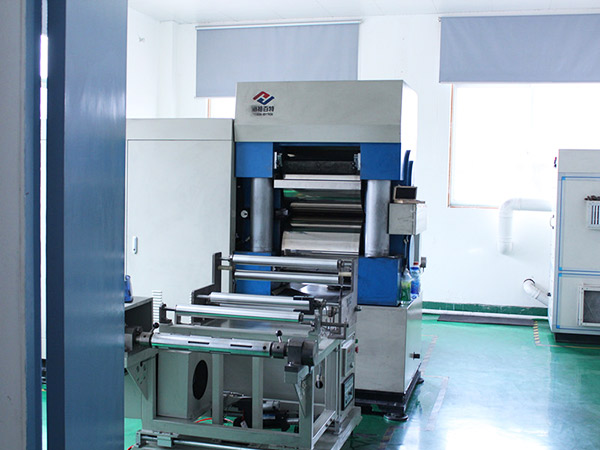
High-pressure rollers adjusting the density of active materials on foil substrates for optimal energy storage.
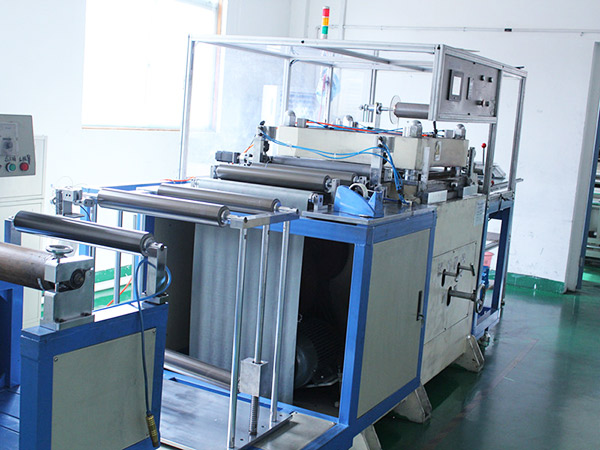
High-speed rotary die cutters producing smooth electrode shapes without creating burrs.
Our complete workflow operates within a closed-loop quality tracking system. Every cell is assigned a unique barcode, mapping trace materials from raw powders to final delivery.
The global battery industry is transitioning beyond basic lead-acid replacements. While LiFePO4 remains the premier choice for stationary and light traction duties due to its structural safety, Hangzhou LIAO Technology is expanding limits through intensive R&D. We are currently focusing on two major developmental paths:
1. Solid-State and Semi-Solid Electrolyte Integration: Liquid electrolytes present inherent flammability risks under extreme thermal runaway. By transitioning to polymer and ceramic hybrid solid electrolytes, we can significantly reduce flammable solvent content. This modification improves safety margins during physical intrusion while raising cell energy densities beyond 220 Wh/kg.
2. Advanced BMS Architectures & Smart State Assessment: Standard passive balancing systems are insufficient for large serial connections over multi-year lifecycles. Our team is developing active-balancing BMS networks that utilize predictive Kalman Filtering (EKF) to monitor State of Charge (SoC) and State of Health (SoH) down to individual cells. This algorithm proactively manages internal resistances, extending pack longevity by up to 35% compared to basic BMS solutions.
"Our commitment to the safety of our LiFePO4 cells is absolute. Under destructive nail puncture tests, the cell structures do not experience cascading thermal runaway, remaining stable without fire or explosion."
Industrial applications demand targeted system integration. Hangzhou LIAO designs customized solutions tailored to specific commercial operational environments:
Operating out of the Hangzhou high-tech manufacturing hub, our facility leverages regional material ecosystems. From sourcing raw lithium iron phosphate powders to obtaining premium grade anode foils, we maintain direct oversight. This localized supply chain reduces lead times and secures access to essential components during global supply disruptions, ensuring reliable deliveries for our international OEM clients.
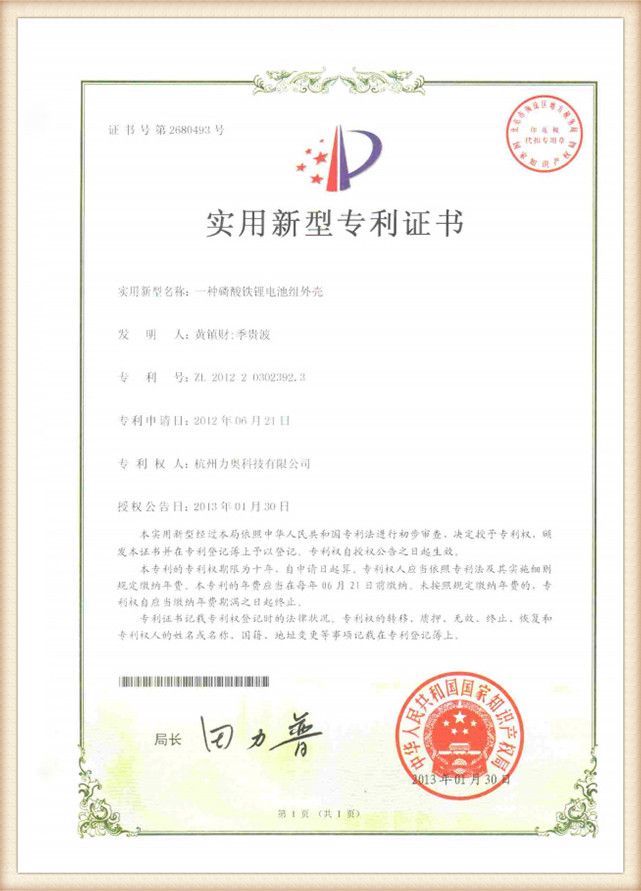
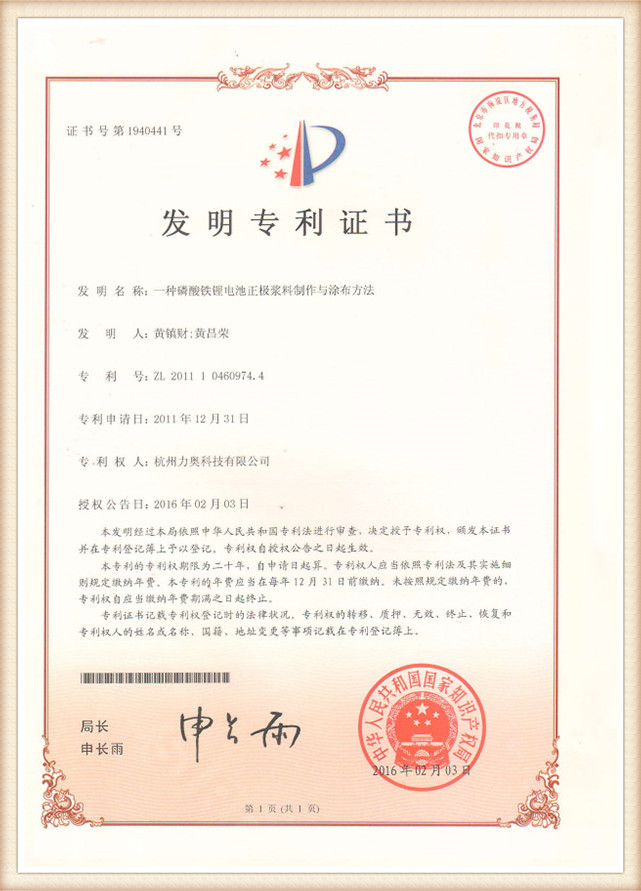
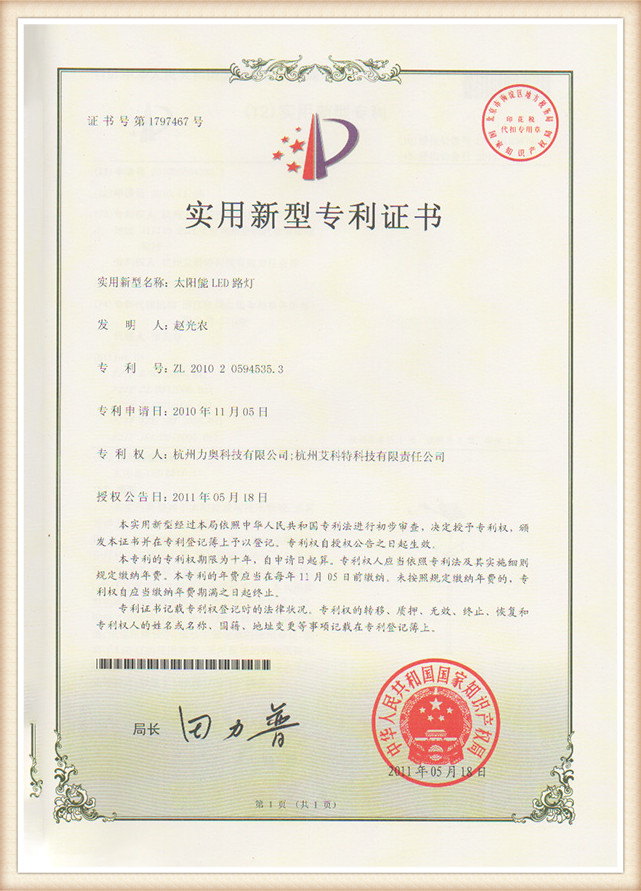
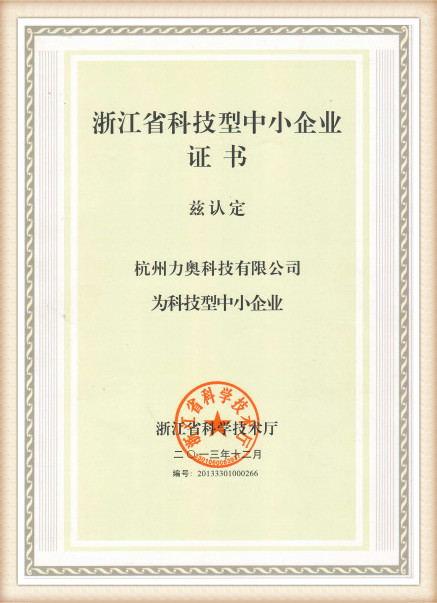
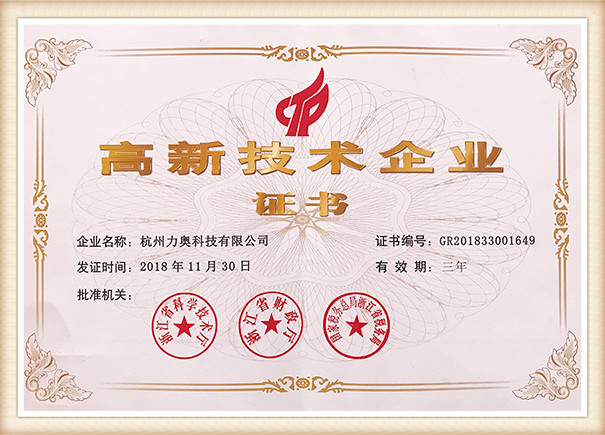
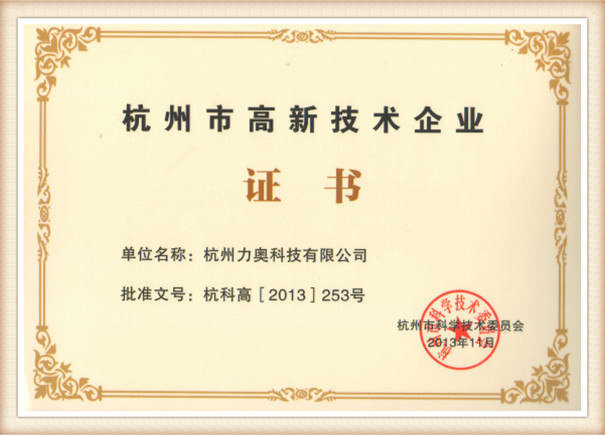
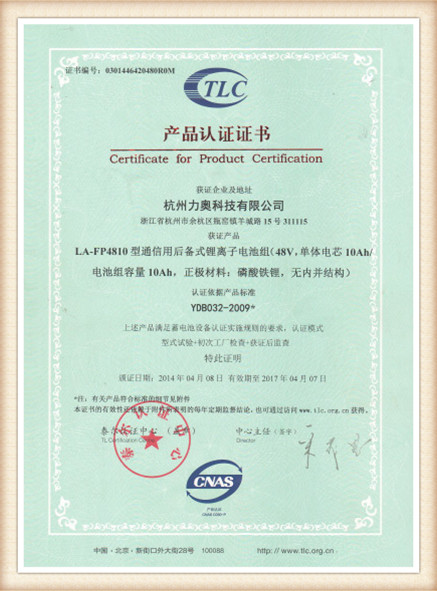
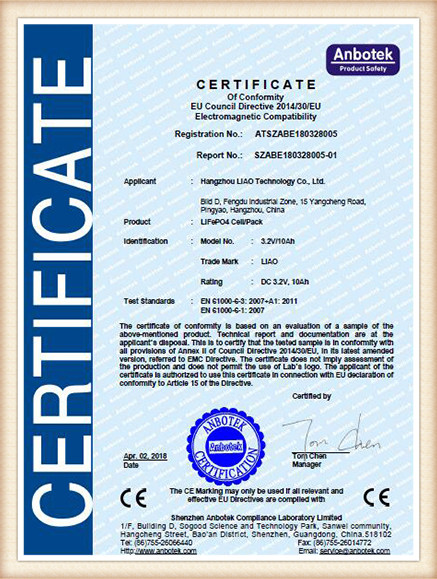
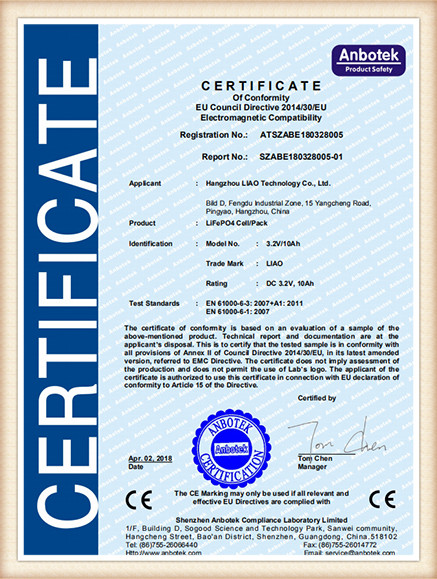
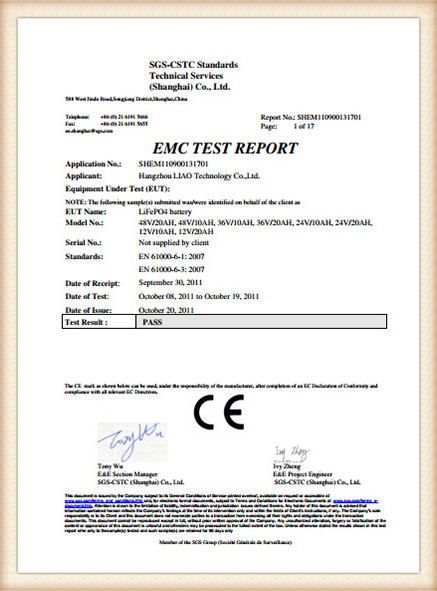
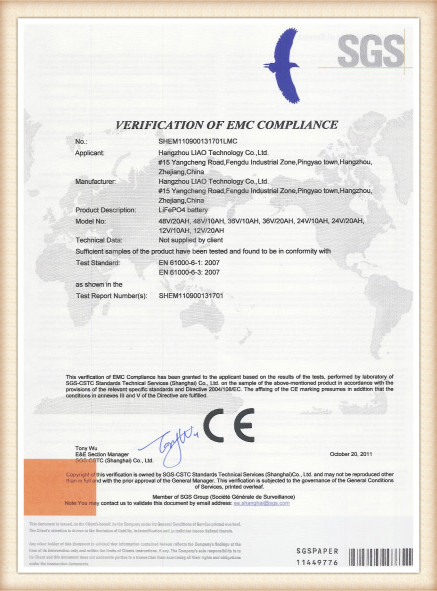
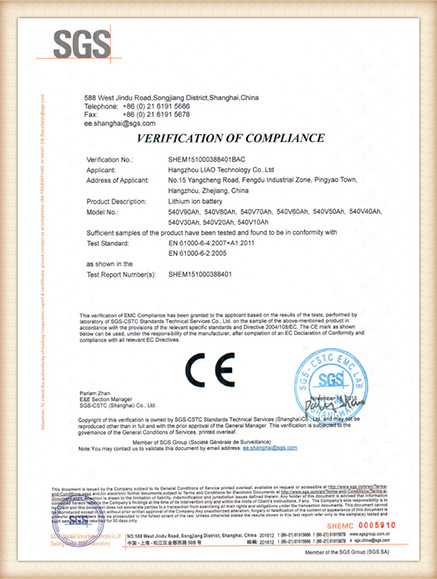
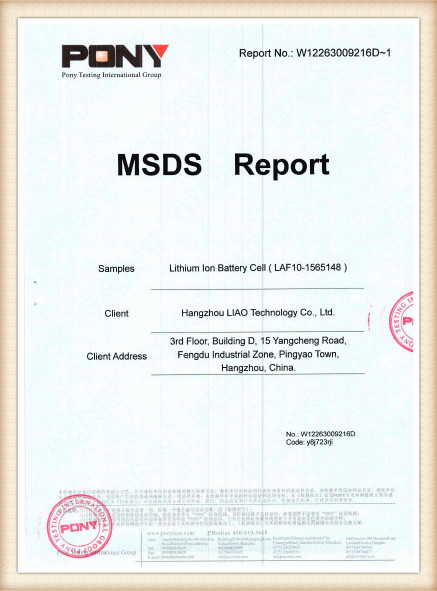
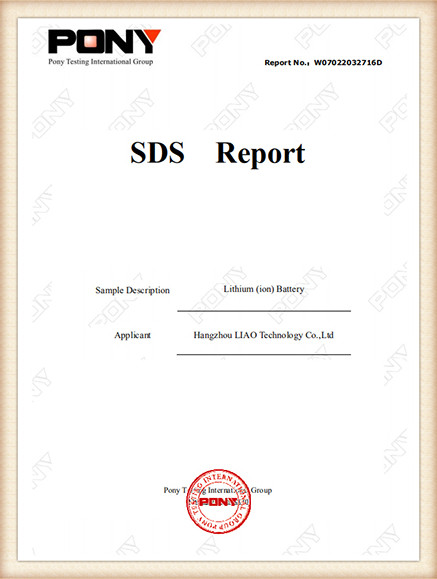
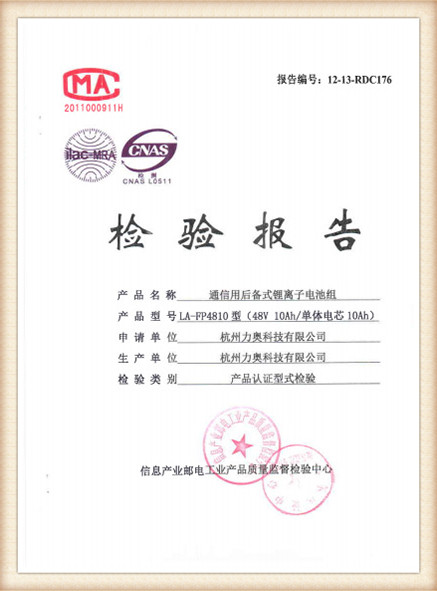
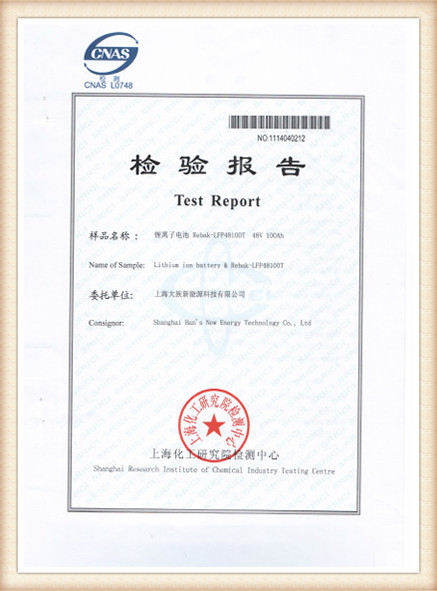
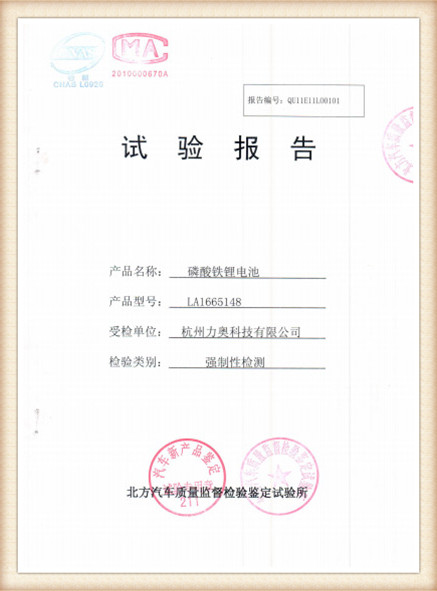
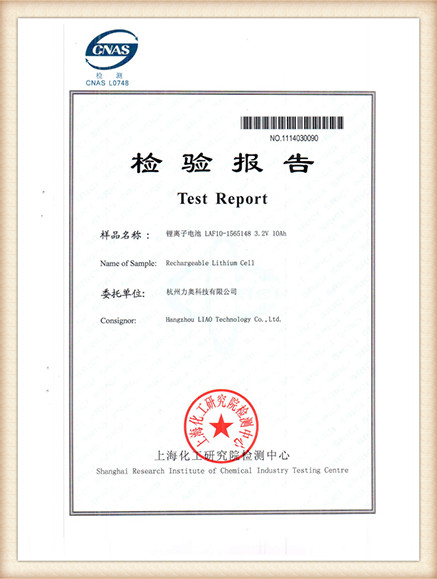
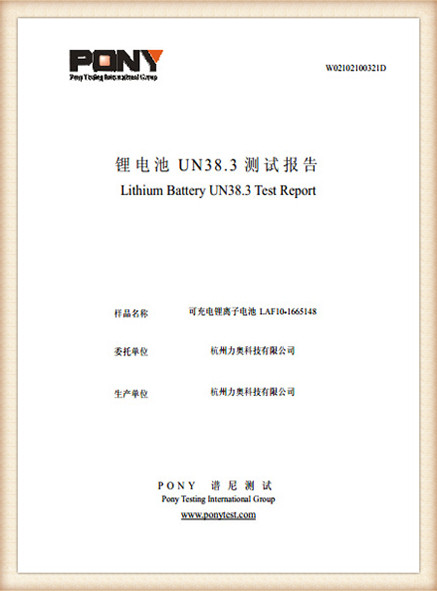
Our battery packs carry international certifications, proving they are ready for immediate integration into demanding markets.

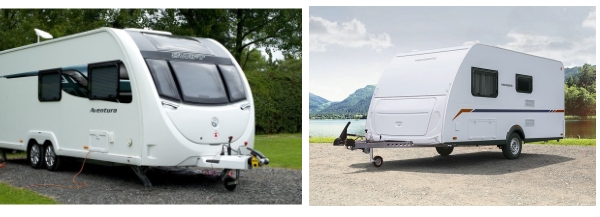
Providing high-reliability energy platforms for commercial and recreational sectors.

Standard lead-acid options suffer from capacity fade and require frequent maintenance. Our new generation of LiFePO4 golf cart batteries addresses these issues, providing stable voltage output throughout the entire discharge cycle. This ensures consistent cart performance across varied terrains, while our lightweight design improves vehicle energy efficiency.
Caravan movers require silent operation, high peak current delivery, and zero exhaust emissions. Our LiFePO4 batteries deliver the necessary starting currents for precision maneuvers in confined spaces, maintaining structural integrity and voltage stability without environmental contamination.
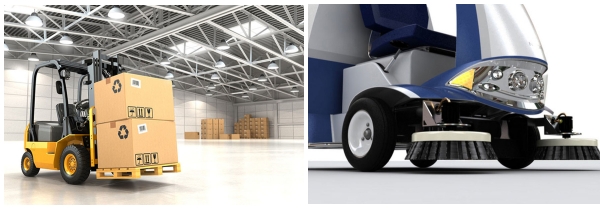
Designed for heavy cargo and short-distance operations. Our industrial battery packs support continuous high-rate discharge cycles, providing reliable power for material handling equipment. This minimizes charging downtime, reduces labor costs, and improves overall facility throughput.
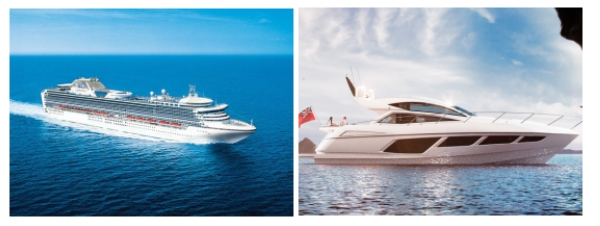
Marine environments require high ingress protection and reliable mechanical design. LIAO's e-marine battery solutions are engineered to withstand marine salt-spray conditions. They operate silently and cleanly, eliminating fuel spill risks to protect sensitive aquatic ecosystems.
Answering common engineering and regulatory questions from system designers and procurement managers.
CE Certification verifies compliance with essential EU directives, specifically the Electromagnetic Compatibility (EMC) Directive (2014/30/EU) and the Low Voltage Directive (LVD) (2014/35/EU). For custom battery packs, it ensures they have passed rigorous safety testing under electrical stresses, electrical surges, and thermal limits, allowing legal entry and distribution in European markets.
LiFePO4 provides superior chemical and thermal stability. The strong covalent bond between oxygen and phosphorus atoms in the olivine crystal structure prevents oxygen release under high temperatures, reducing thermal runaway risks. Additionally, LiFePO4 offers a longer cycle life (2800+ cycles at 1C, 100% DoD) compared to NCM cells (typically 800 to 1200 cycles).
Through proprietary electrolyte formulation and mechanical design. Liquid electrolytes typically experience high viscosity at low temperatures, hindering lithium-ion migration. Our custom low-temperature formulation maintains ionic conductivity down to -40°C, and we can integrate internal heating elements managed by the BMS for automated pre-heating during charge cycles.
Yes. Our mechanical and electrical engineering departments design custom enclosures (sheet metal, extruded aluminum, vacuum-formed plastics) to meet specific ingress ratings (IP65, IP67). We also support communication protocols like CAN-bus, RS485, RS232, and Modbus to ensure seamless integration with host controllers and industrial networks.
Our process starts with an initial RFQ evaluation, followed by 3D CAD modeling, schematic development, and BMS configuration. Prototyping is typically completed within 3 to 4 weeks. Following client validation and testing, full-scale production runs at our Hangzhou facility average 4 to 6 weeks, depending on materials and volume.
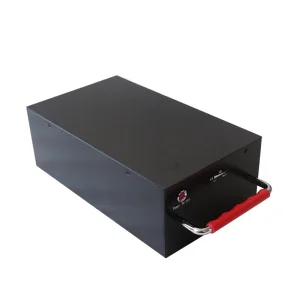
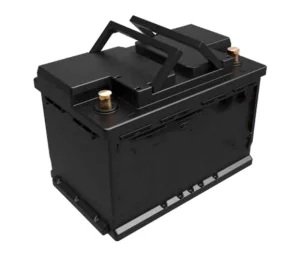
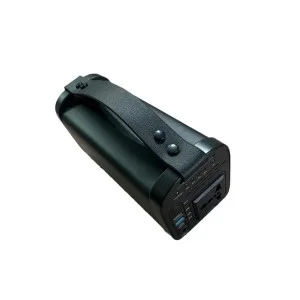
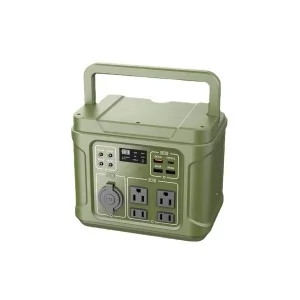
High-voltage assemblies, marine systems, and portable power stations built for global distribution.
 Liao Battery