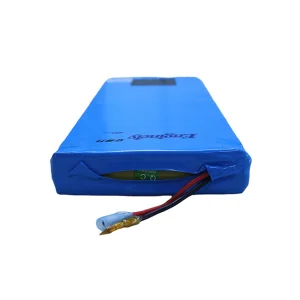
Explore our CE-certified, high-rate lithium solutions engineered for global performance compliance and custom energy storage applications.
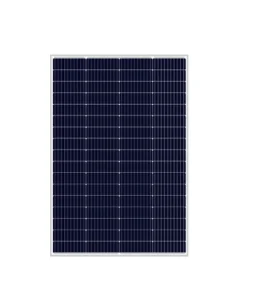
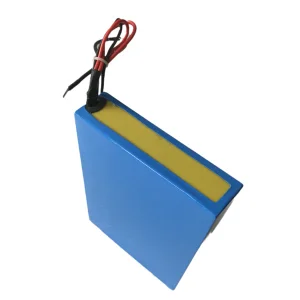
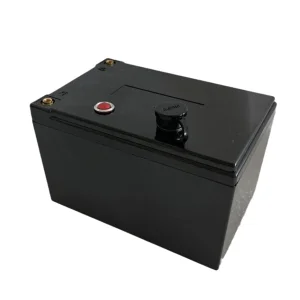
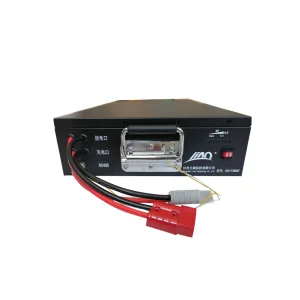
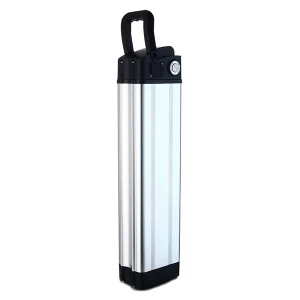
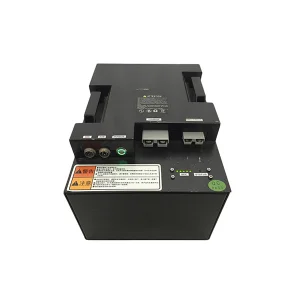
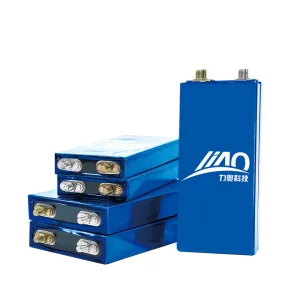
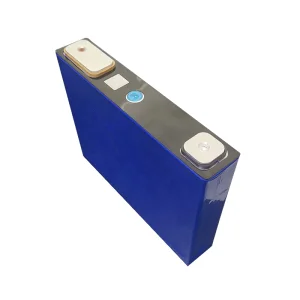
In the rapidly evolving battery industry, the requirement for high-power, reliable, and thermally stable battery cells is crucial. Lithium Iron Phosphate (LiFePO4) chemistry represents the absolute gold standard for safety and cycle life. Within this product range, the High C-Rate 3.2V 20Ah LiFePO4 cell stands out as a versatile building block for heavy-duty applications. Understanding the characteristics of these cells is essential for engineering high-performance battery systems.
The "C-Rate" defines the charge and discharge current rates of a battery cell. A 1C rate indicates that the complete capacity of a 20Ah cell is discharged in exactly 1 hour, yielding a continuous current flow of 20 Amperes. For High C-Rate variants, the cells are chemically engineered to support continuous discharge at 3C (60A), 5C (100A), and even peak surge rates up to 10C (200A) or more without experiencing thermal runaway or critical voltage drops.
Achieving this high-rate capability requires reducing the internal resistance (IR) within the cell. This is achieved by optimizing electrode coating thickness, using highly conductive carbon additives, and engineering precise tabs. Low internal resistance minimizes Joule heating (I²R loss), keeping the cell within safe operating temperatures during high-current events.
A standard high C-rate 3.2V 20Ah cell operates under specific electrochemical conditions to ensure safety and longevity. Below is the typical specification matrix for these advanced cells:
| Parameters | Standard Specifications | High C-Rate Optimized Range |
|---|---|---|
| Nominal Voltage | 3.2 V | 3.2 V |
| Nominal Capacity | 20 Ah | 20 Ah |
| Internal Resistance (IR) | ≤ 2.5 mΩ | ≤ 1.2 mΩ |
| Standard Charge Current | 0.5C (10A) | 1C to 2C (20A - 40A) |
| Continuous Discharge Current | 1C (20A) | 3C - 5C (60A - 100A) |
| Peak Discharge Current (10s) | 3C (60A) | 8C - 12C (160A - 240A) |
| Cycle Life (100% DOD at 1C) | ≥ 2,000 cycles | ≥ 2,800+ cycles |
| Operating Temperature | Charge: 0°C to 45°C Discharge: -20°C to 60°C |
Charge: 0°C to 55°C Discharge: -40°C to 85°C |
Safety is a primary advantage of LiFePO4 compared to alternative chemistries like NCM (Nickel Cobalt Manganese). Our High C-Rate cells are tested to resist ignition or explosion under severe physical abuse, including direct acupuncture (nail penetration tests), heavy impact, and crushing. The strong covalent P-O bonds within the phosphate crystal structure remain stable at high temperatures, preventing oxygen release and mitigating the risk of thermal runaway.
How Hangzhou LIAO Technology Co., Ltd. ensures quality, reliability, and custom capabilities for global enterprises.
Why sourcing directly from China's primary raw-material and technological hubs ensures cost and quality advantages.
China is a major hub for the global lithium iron phosphate battery supply chain. Sourcing directly from Hangzhou LIAO Technology Co., Ltd. offers access to raw materials and optimized production systems that support cost efficiency and quality control.
Our integrated process begins with the procurement of raw materials, including high-purity iron phosphate, lithium carbonate, and graphite. With our facility located in the industrial zone of Hangzhou, we manage every step of production—from slurry preparation and electrode coating to laser terminal welding and high-rate formatting.
This complete vertical integration, combined with automation, allows us to maintain consistent quality across large production volumes. We also work directly with developers and engineering firms to provide customized cell sorting and custom-engineered pack configurations.
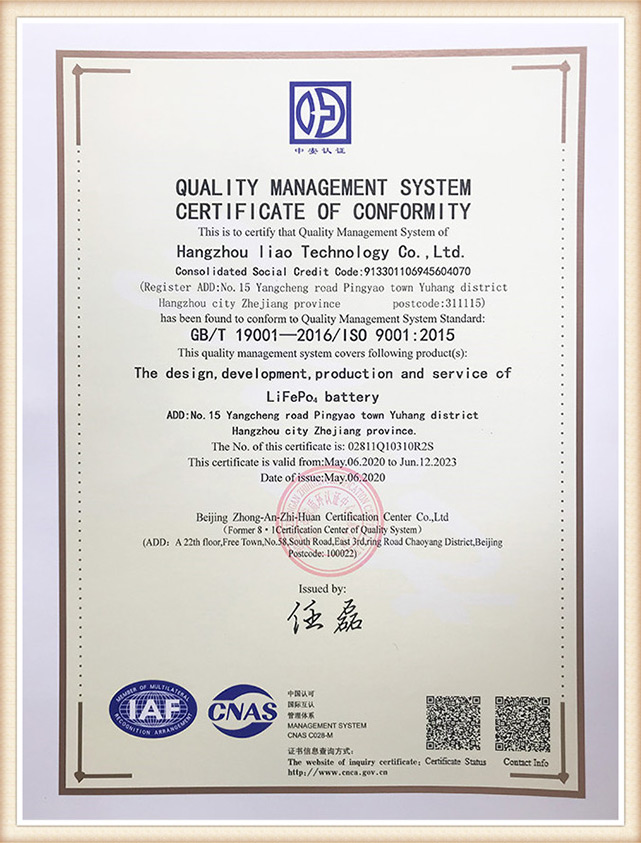
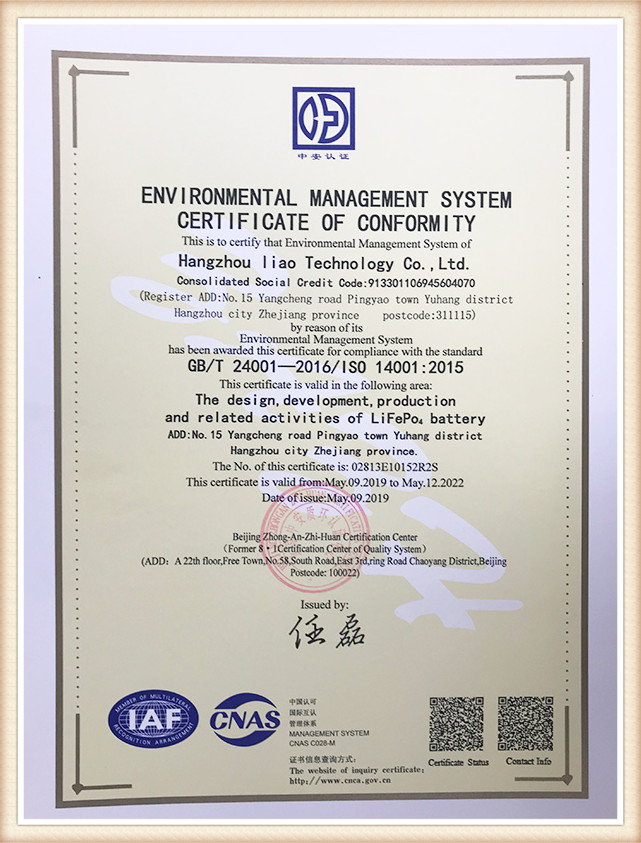
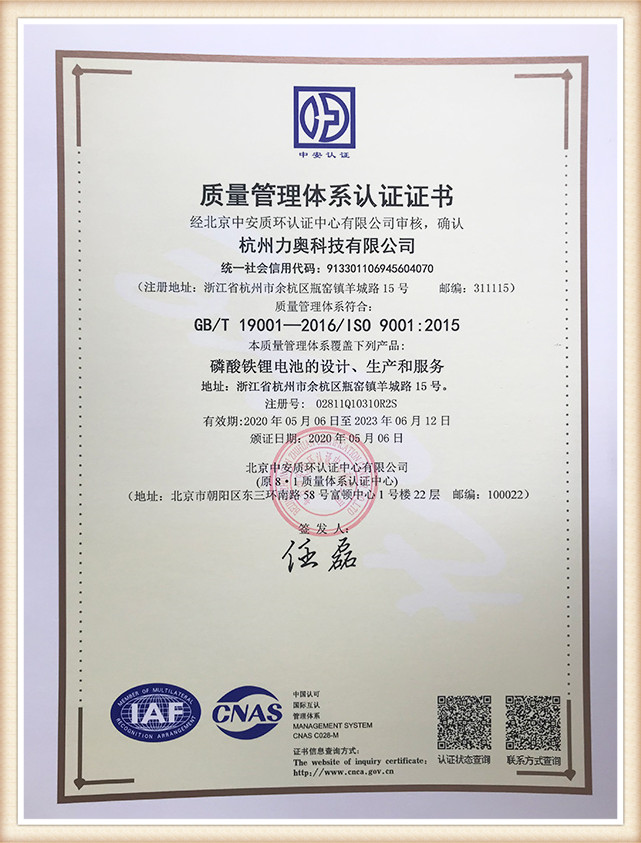
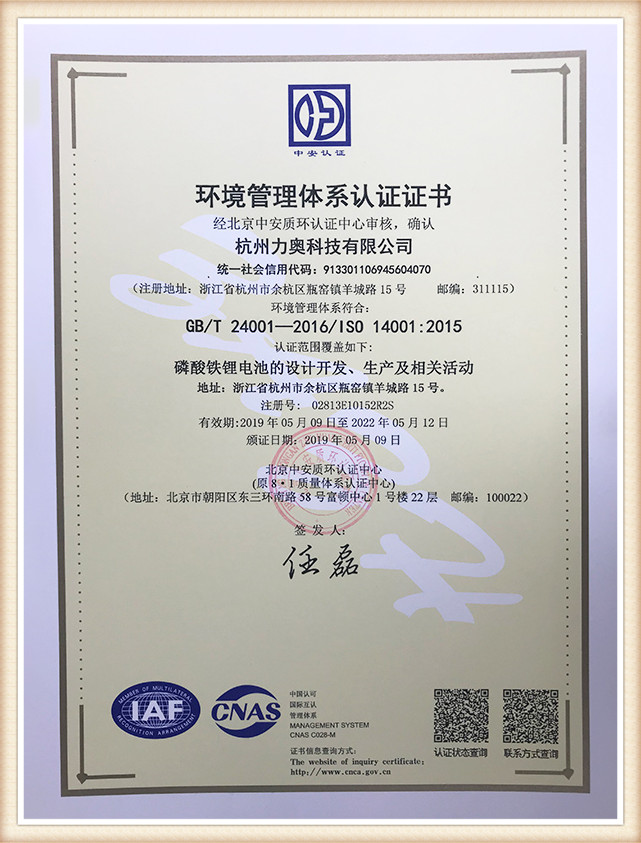
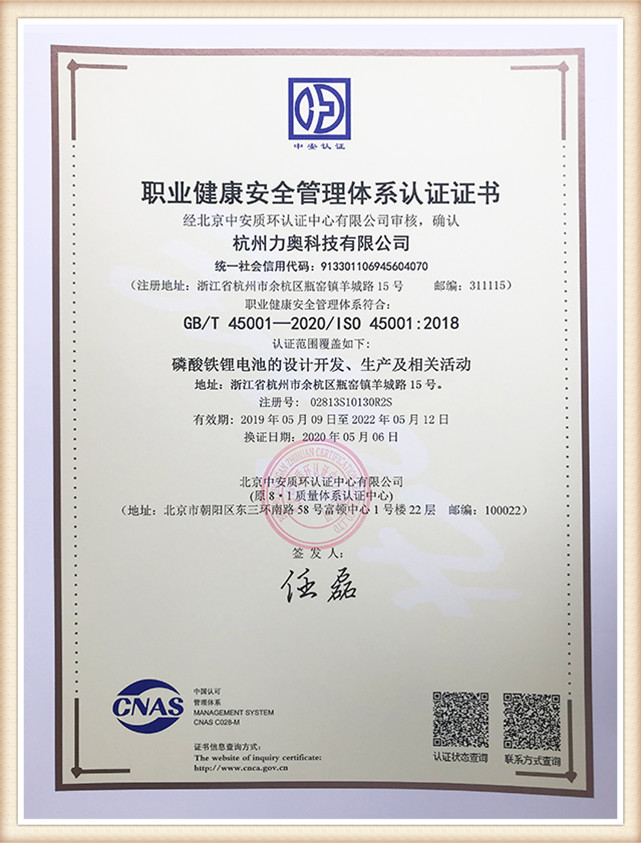
Every cell is produced under a quality management system certified to ISO 9001, ISO 14001 (Environmental Management), and ISO 18001/45001 (Occupational Health and Safety).
Our technical design team includes electrical and mechanical engineers who develop customized battery packs tailored to specific energy density, thermal, and configuration needs.
High-rate 3.2V 20Ah cells and integrated custom systems designed for specialized global markets.

Our LiFePO4 golf cart systems provide consistent voltage and high current output, designed to maintain performance across varied course terrains.
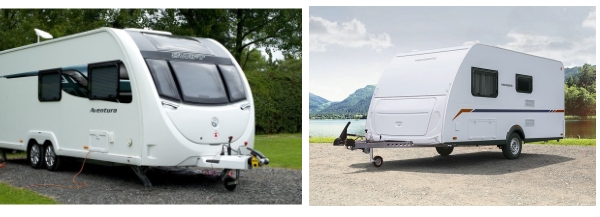
High-rate cells provide the necessary current for precise, heavy maneuvers in caravan moving applications, reducing local emissions and noise.
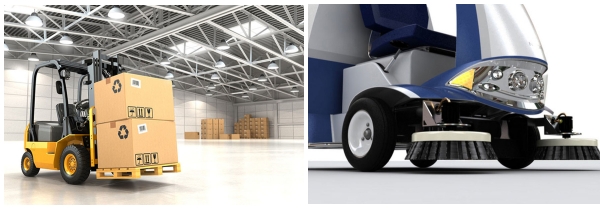
Designed for material handling and electric warehousing, our LiFePO4 packs support high discharge rates under heavy lifting loads.

Waterproof-encased LiFePO4 marine packs offer power output without fluid pollution, suitable for sensitive freshwater and coastal waterways.
Inside Hangzhou LIAO Technology: Modern production lines and global compliance certifications.
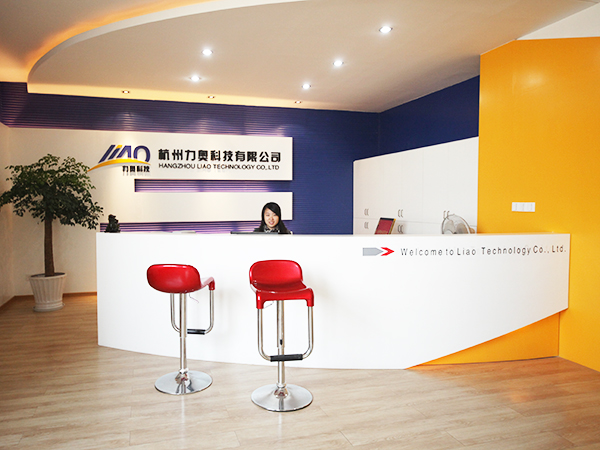 Reception Area
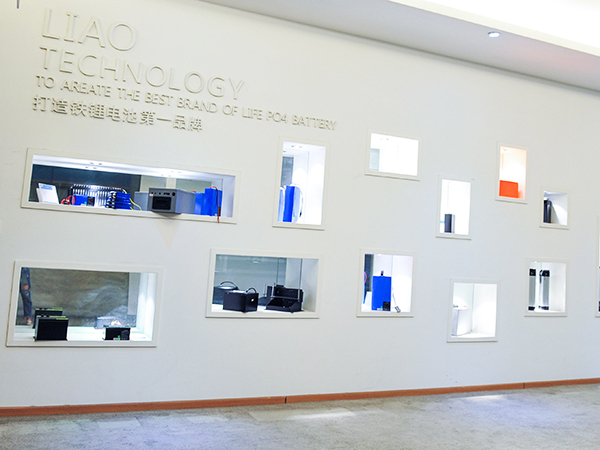 Exhibition Area
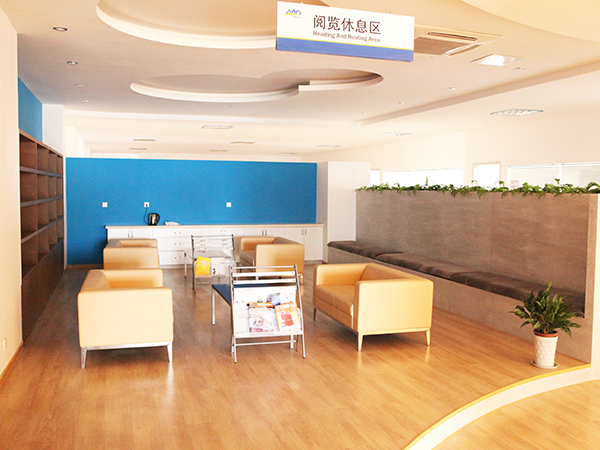 Reading Rest Area
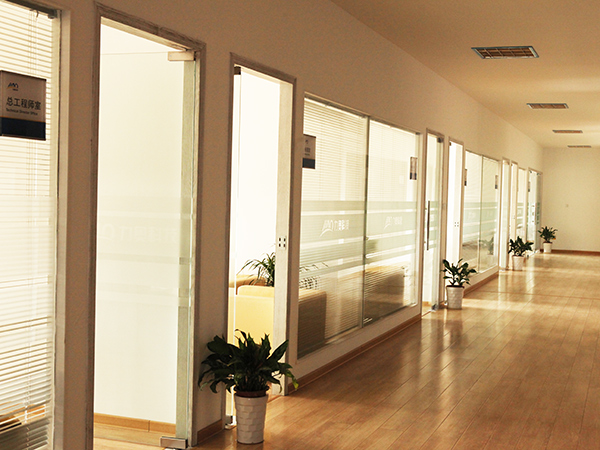 Office Area
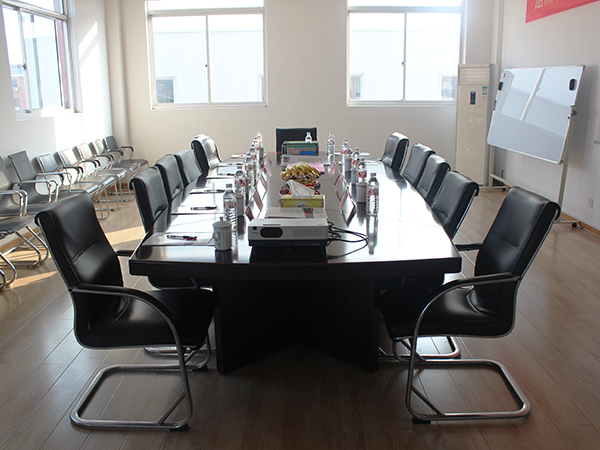 Meeting Room
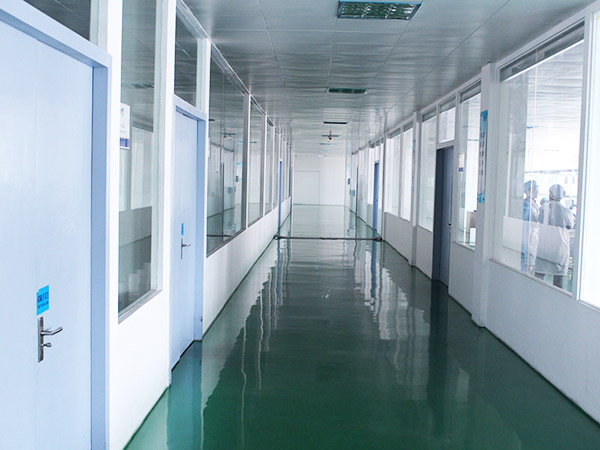 Visiting Access
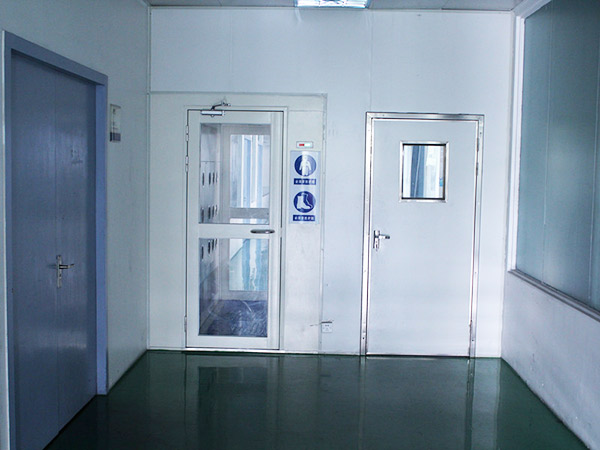 Factory Entrance
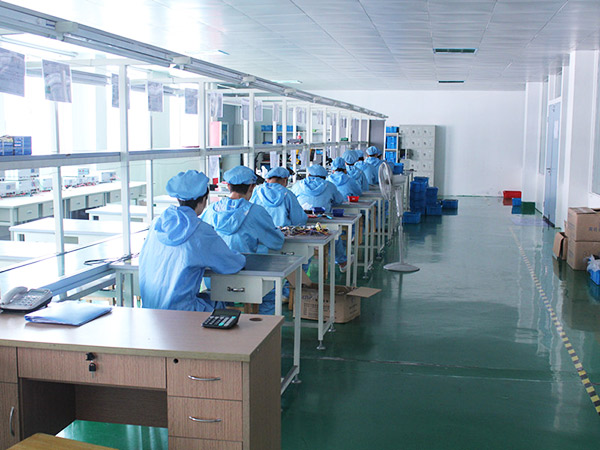 Pack Assembly Line
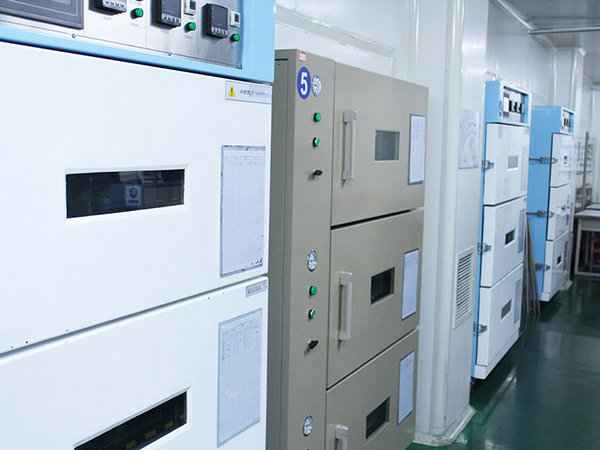 Baking Line
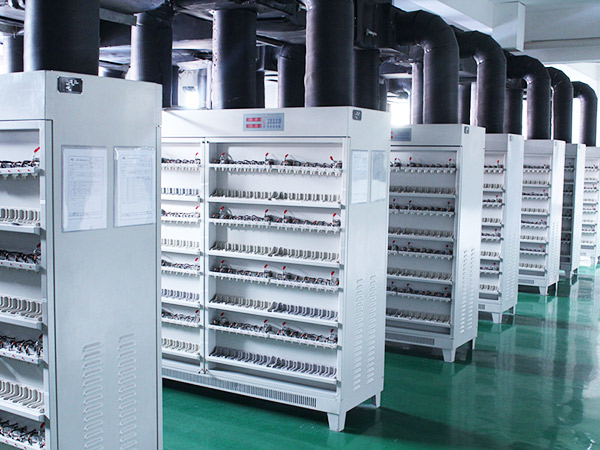 Capacity Sorting
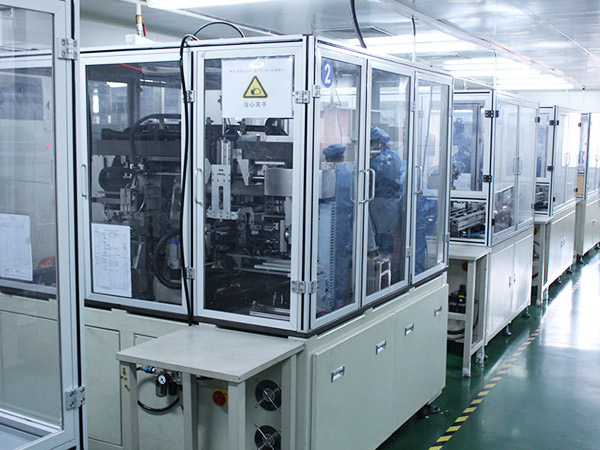 Electrode Stacking
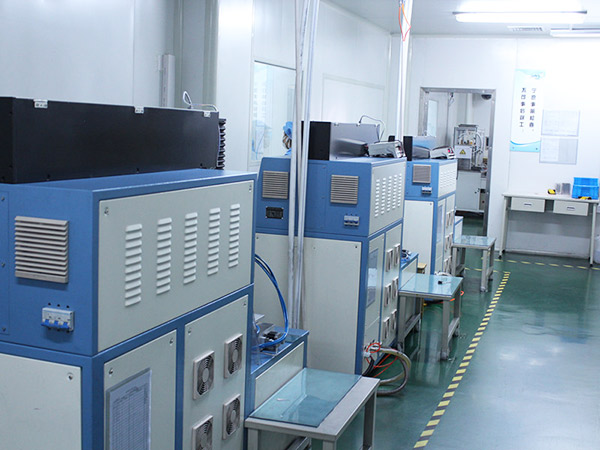 Laser Welding
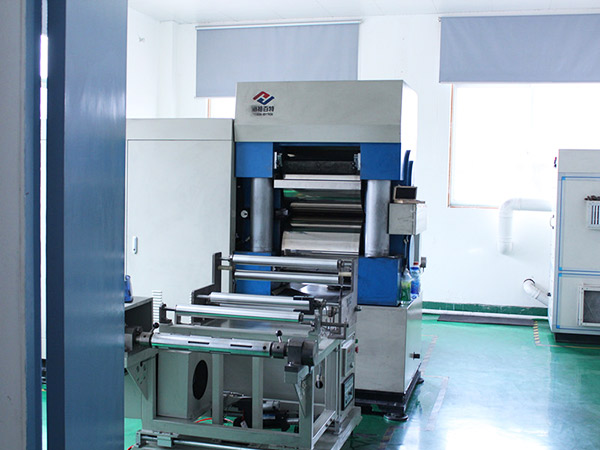 Electrode Rolling
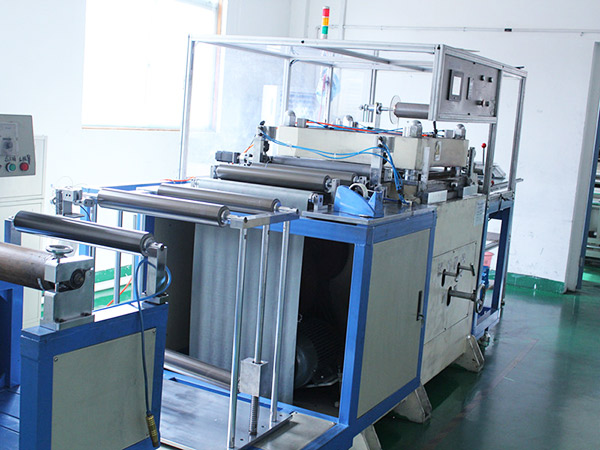 Die Cutting
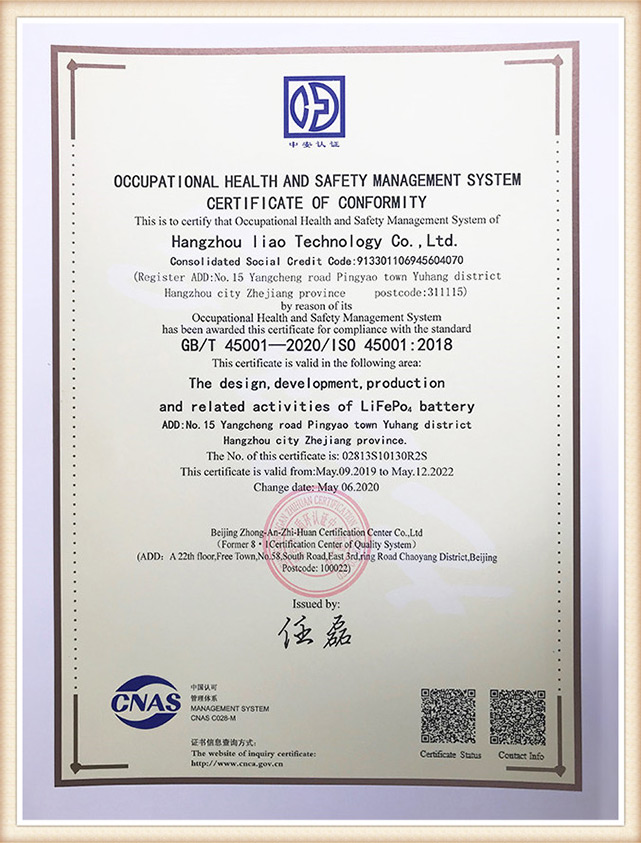 ISO 9001
 ISO 14001
 ISO 18001
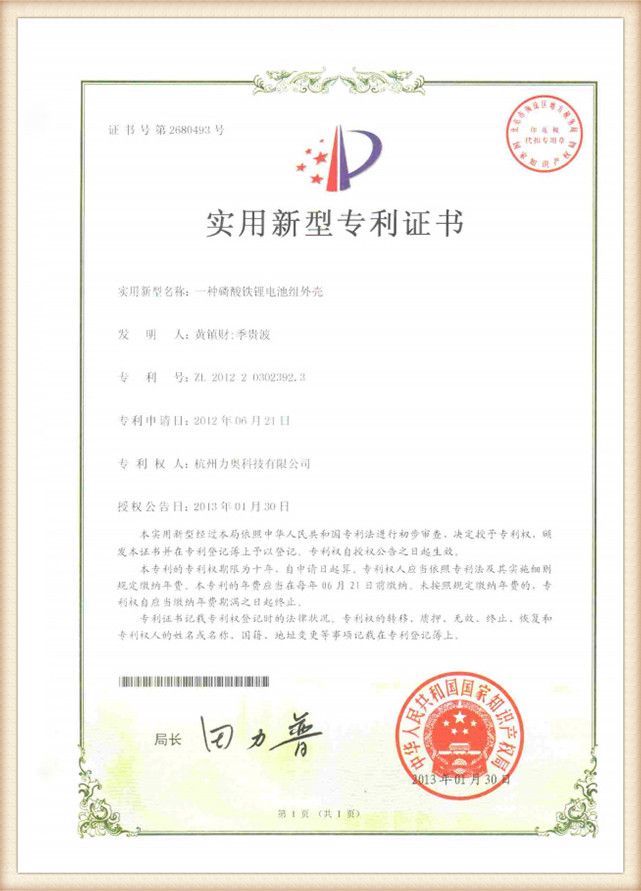
 Patent Cert 1
 Patent Cert 2
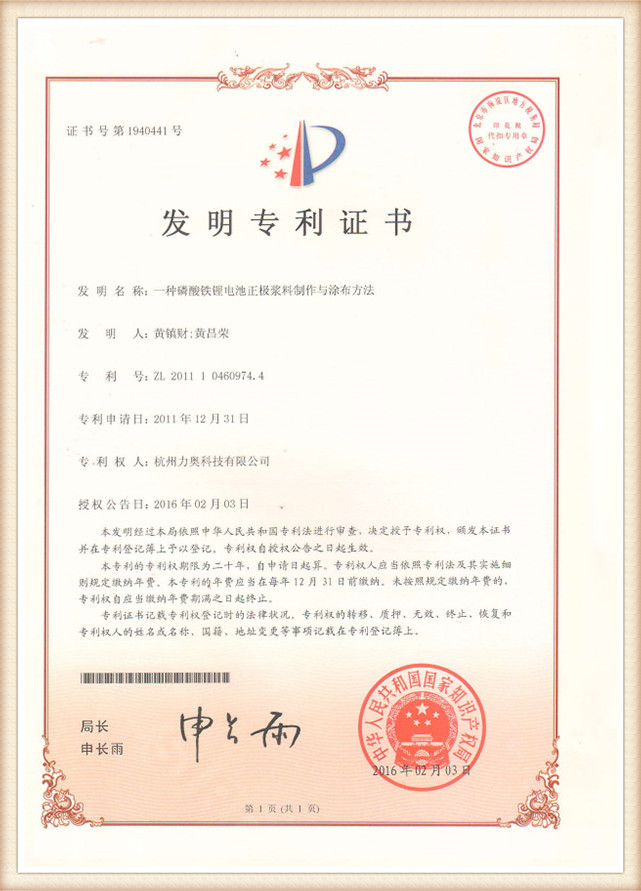
 Patent Cert 3
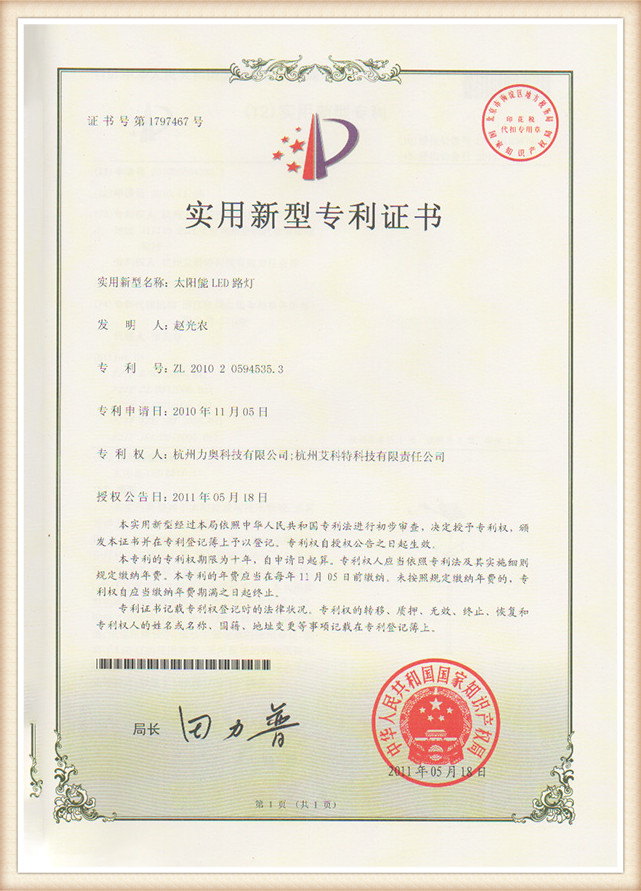
 Honor Certificate 1
 Honor Certificate 2
 Honor Certificate 3
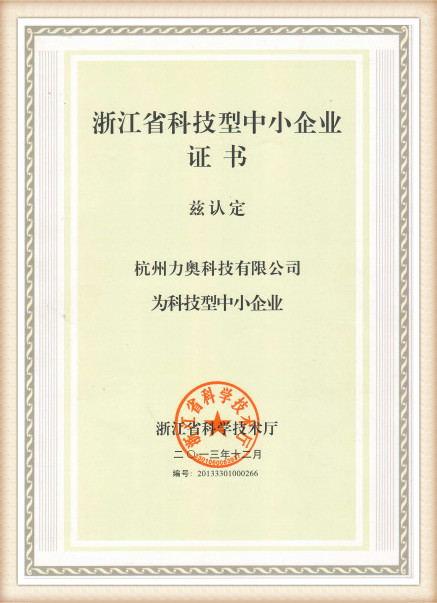 Honor Certificate 4
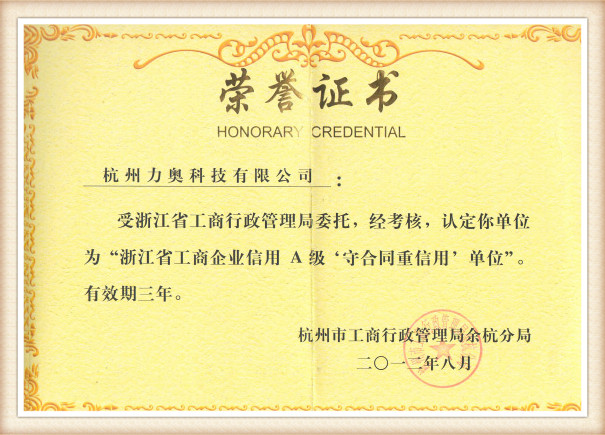 Honor Certificate 5
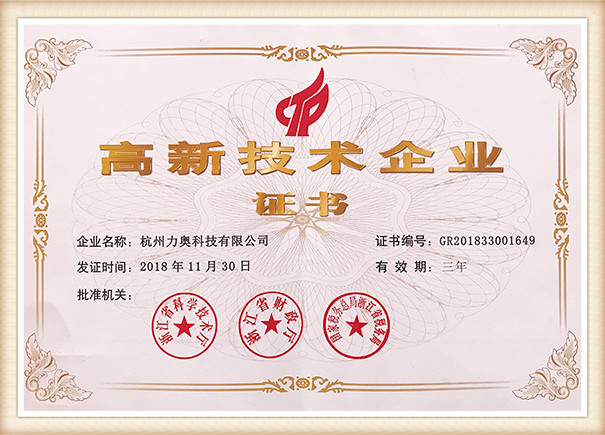 Honor Certificate 6
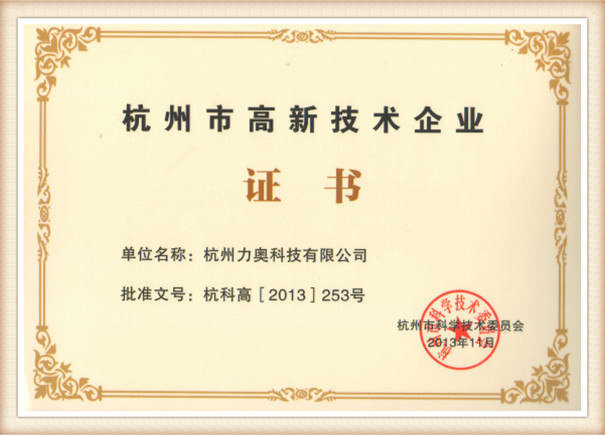 Honor Certificate 7
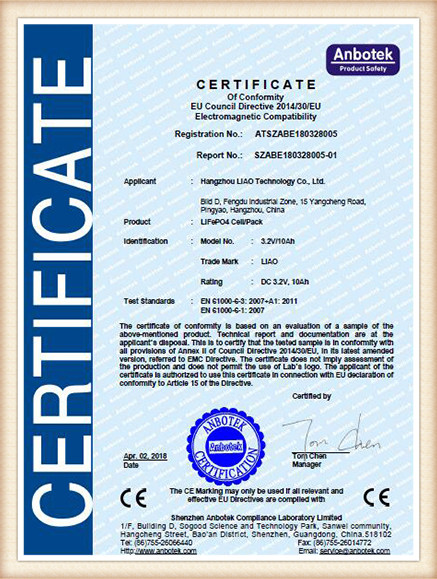
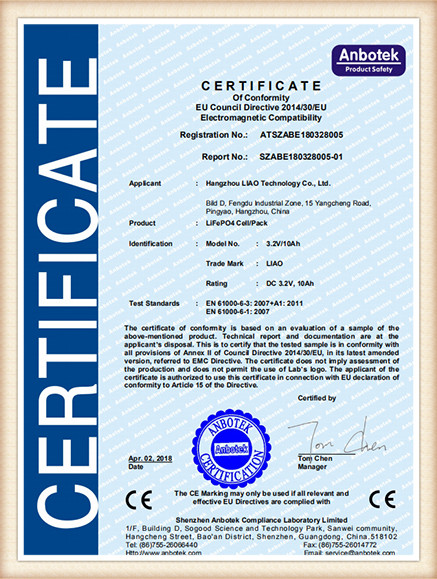
 CE Report
 UN38.3 Report
 IEC 62133 Cert
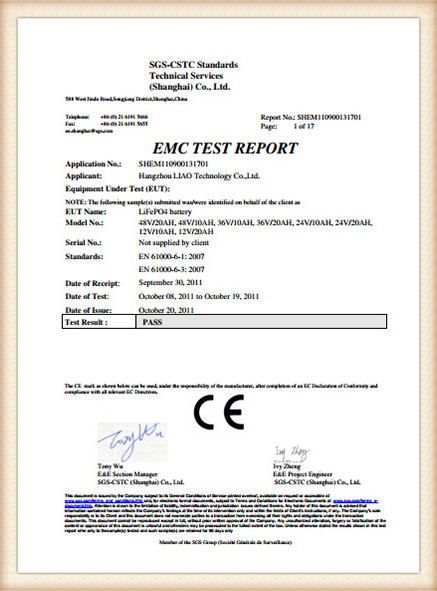 Cert Sheet 1
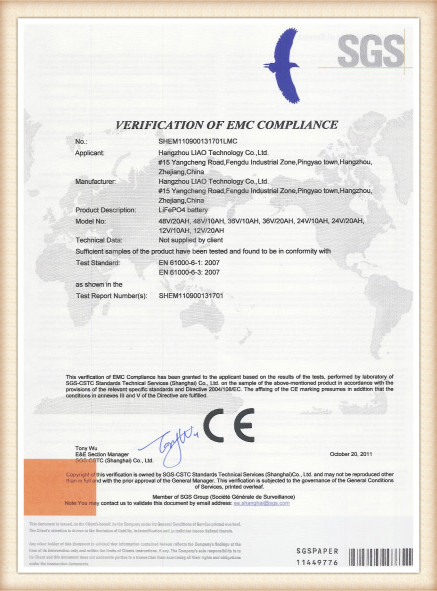 Cert Sheet 2
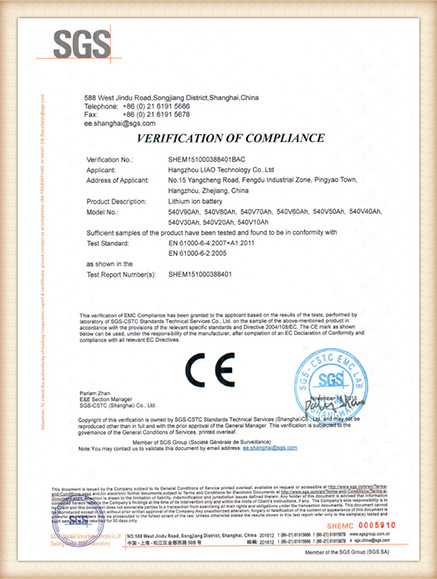 Cert Sheet 3
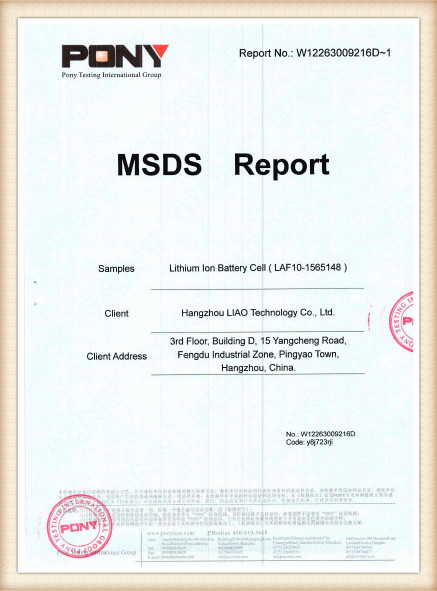 Cert Sheet 4
 Cert Sheet 5
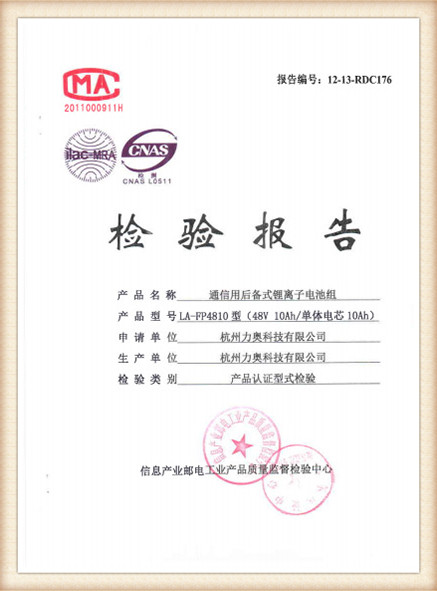 Cert Sheet 6
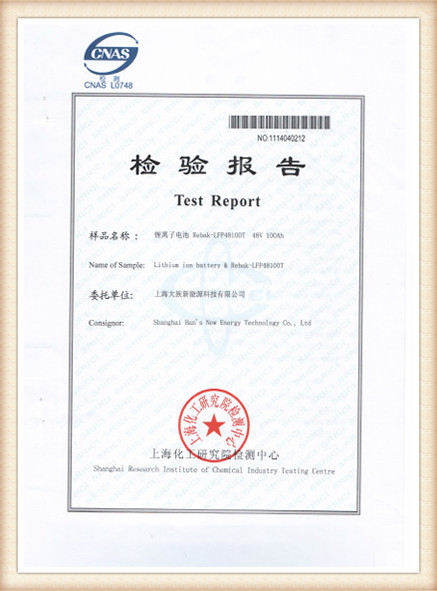 Cert Sheet 7
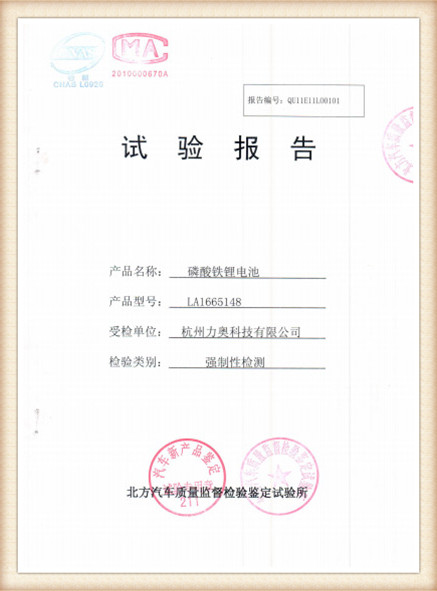 Cert Sheet 8
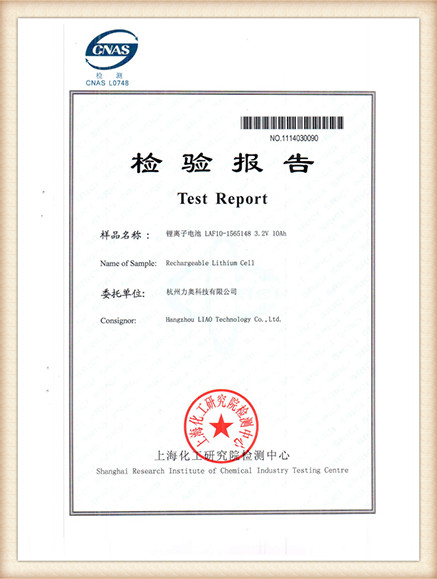 Cert Sheet 9
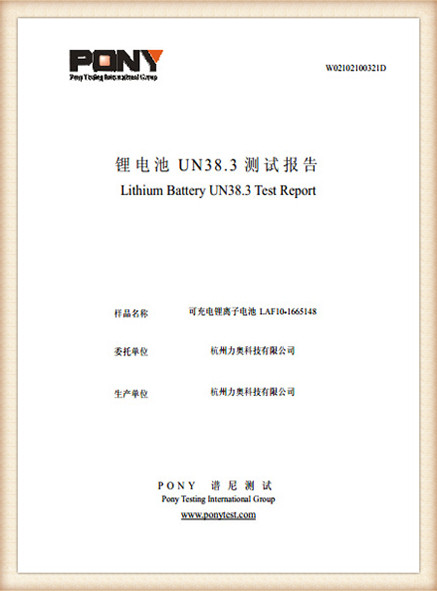 Cert Sheet 10
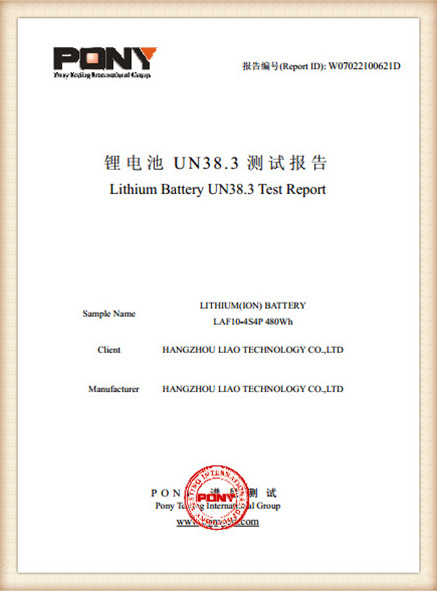 Cert Sheet 11
Providing reliable power solutions to distributors and OEM partners worldwide.
Our specialized products have been exported to more than 20 countries. We offer localized customs support and compliance management for markets including:






Technical details, design criteria, and ordering processes for engineering teams.
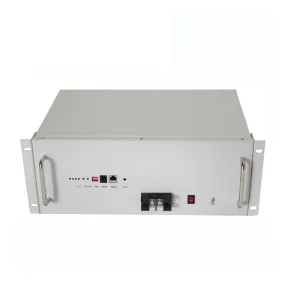
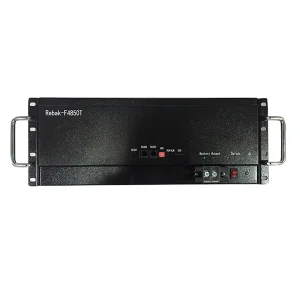
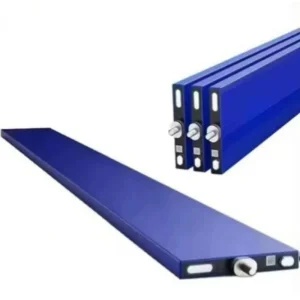
From modular prismatic cells to customized high-capacity backup systems, we design for performance.
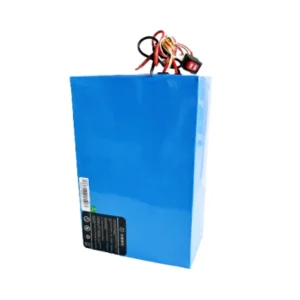
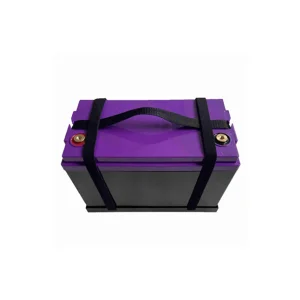
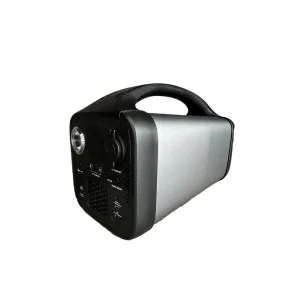
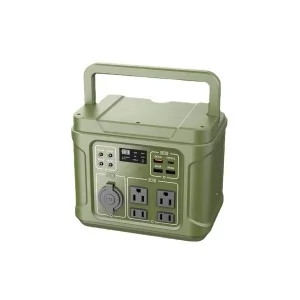
Connect with our technical sales and engineering departments to review specifications, request certificates and test reports, or schedule a custom solution consultation.
Contact Our Technical Engineers Liao Battery