Engineered for extreme performance, certified safety, and long cycle life. Select a solution to view technical specifications.
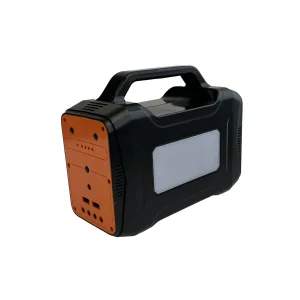
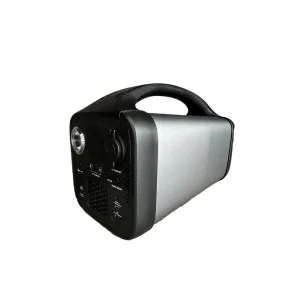
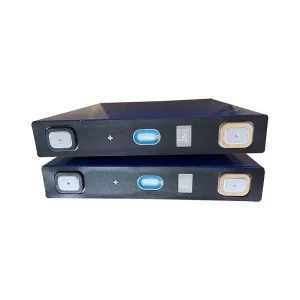
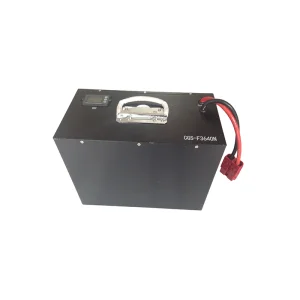
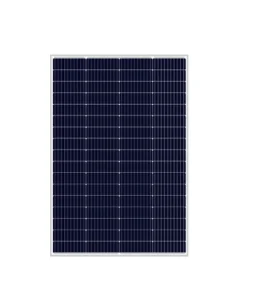
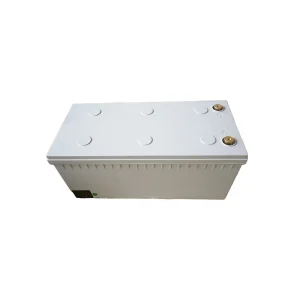
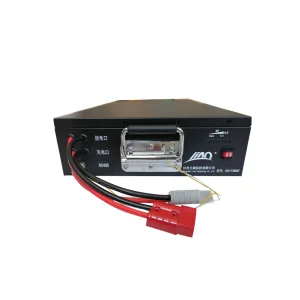
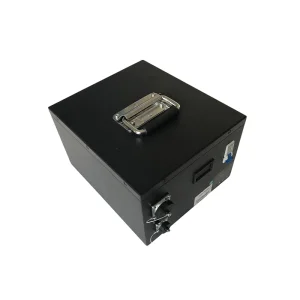
Decoding how certified Lithium Iron Phosphate systems are reshaping industrial, grid, and automotive mobility infrastructures.
As the international community accelerates toward net-zero carbon emissions, the architecture of power grids and commercial transportation is undergoing a radical transition. Lithium Iron Phosphate (LiFePO4) chemistry has emerged as the cornerstone of this revolution. Unlike cobalt-based chemistries, LFP offers a non-toxic, structurally stable alternative that satisfies the stringent ESG (Environmental, Social, and Governance) targets of modern enterprises.
From decentralized solar microgrids in the Asia-Pacific to heavy-duty industrial vehicles in European logistics hubs, LiFePO4 is proving to be the optimal choice for high-duty cycle applications. The transition from legacy lead-acid systems is driven not merely by environmental mandates, but by a compelling Total Cost of Ownership (TCO) argument.
Cycles at 100% DOD
Operating Temp Range
Design Life Span
Combustion in Nail Test
Modern grid operators utilize high-capacity LFP arrays to perform frequency regulation and Peak Shaving. Under Virtual Power Plant (VPP) topologies, certified battery packs execute thousands of rapid micro-charges and discharges yearly, demanding high cycle integrity.
LFP systems equipped with intelligent Battery Management Systems (BMS) feed telemetry data directly to cloud systems. This permits real-time health analysis, predictive maintenance schedules, and maximum utilization of cell life.
In applications like underground mining vehicles and medical backup systems, combustion is not an option. CE-certified LFP cells are physically engineered to withstand extreme puncture, crushing, and electrical over-stress without cascading into thermal runaway.
An authoritative deep dive into LFP phase transitions, degradation dynamics, and the regulatory framework of CE marking.
The core longevity of the Lithium Iron Phosphate battery lies in its olivine-type crystal structure ($LiFePO_4$). Unlike the layered cobalt-oxide configurations found in NMC or LCO cells, the P-O covalent bonds in LFP cells are exceptionally strong. This structural framework exhibits high stability during the extraction and insertion of lithium ions during charge/discharge cycles.
Consequently, LFP cells resist the micro-structural fracturing and phase degradation that compromise NMC cells over time. Furthermore, the oxygen atoms in LFP are securely locked into the tetrahedral structure, preventing oxygen release at elevated temperatures. This chemical configuration makes thermal runaway virtually impossible under normal and even severe operating conditions.
To evaluate battery life accurately, engineers analyze three primary degradation vectors:
For B2B buyers, CE certification is not just a regulatory checkmark; it is a legal and quality guarantee of safe integration into the European market. A CE-marked LiFePO4 battery pack has undergone comprehensive evaluation under multiple European Directives:
1. Low Voltage Directive (LVD) 2014/35/EU: Ensures the battery pack functions safely within defined voltage limits, offering protection against electric shock, fire, and mechanical hazards.
2. Electromagnetic Compatibility (EMC) Directive 2014/30/EU: Verifies the integrated Battery Management System (BMS) does not emit electromagnetic interference that disrupts surrounding hardware, and is itself immune to external EM fields.
3. EN 62619 Compliance: The gold standard safety benchmark for industrial lithium batteries. It mandates cell-level and pack-level testing for thermal abuse, drop impact, forced internal short circuits, and operational safety systems.
At Hangzhou LIAO Technology, compliance is integrated into our initial engineering phase. Our products strictly conform to these standards, providing risk mitigation for system integrators globally.
Hangzhou LIAO Technology Co., Ltd. — A Professional & Leading LiFePO4 Manufacturer Since 2009.
Founded in 2009, Hangzhou LIAO Technology Co., Ltd. is a professional and leading manufacturer specialized in LiFePO4 batteries. Our products have been exported to more than 20 countries all over the world.
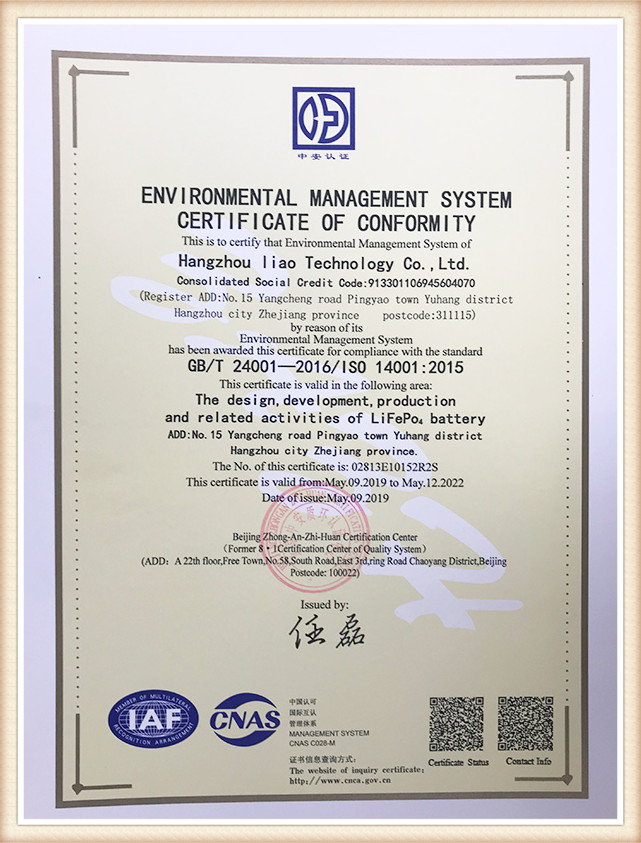
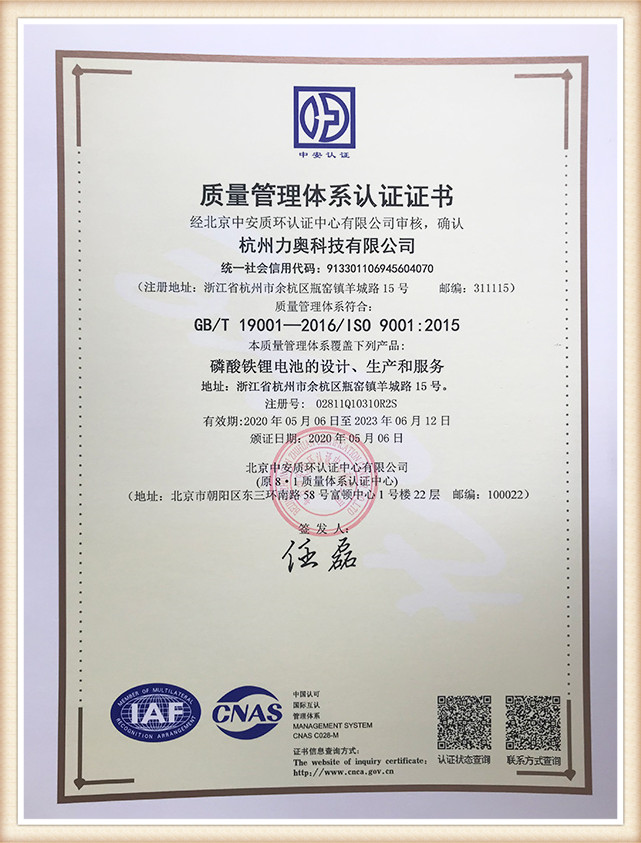
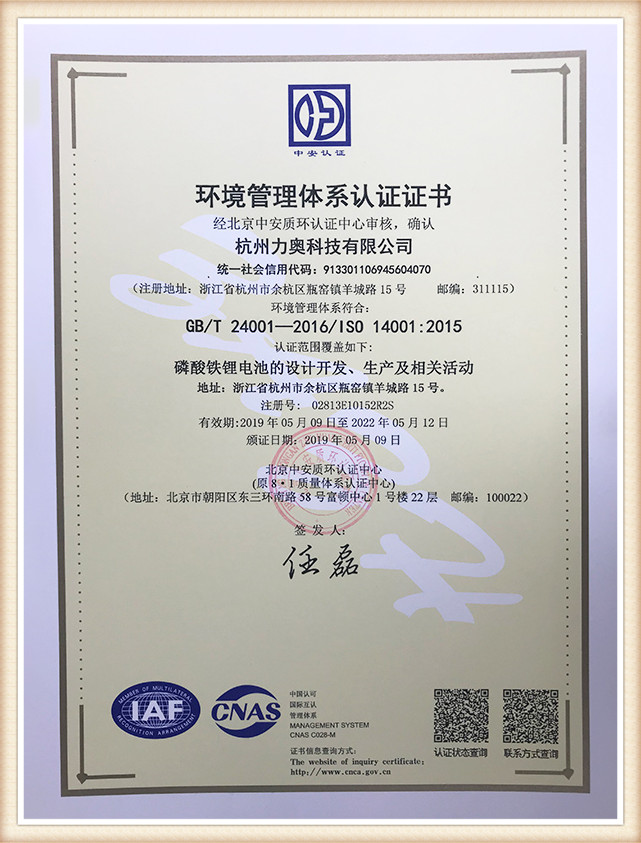
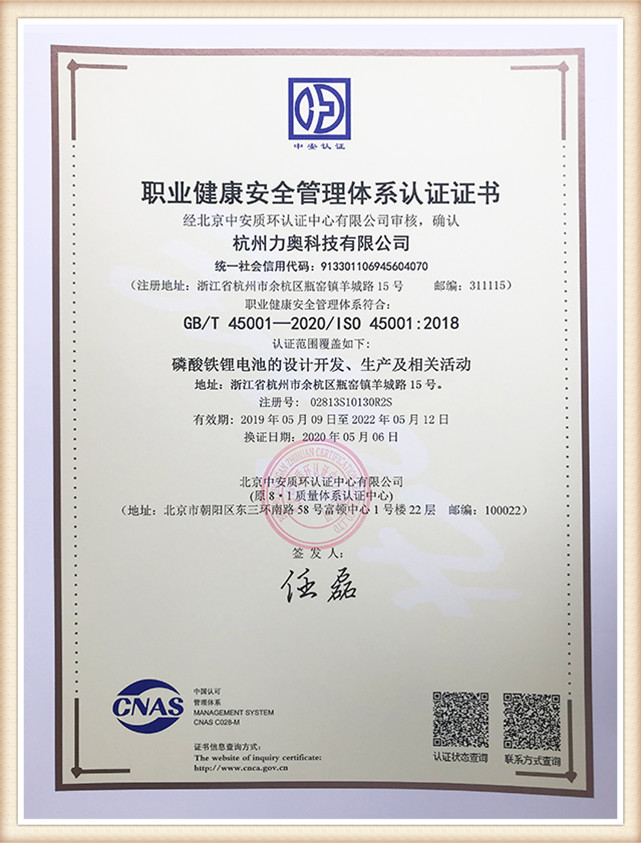
We already established a strict and efficient QC system. All of our products are produced strictly under the quality management system of ISO 9001. Meanwhile, we have passed and always keep compliance to the environmental management system ISO 14001 as well as occupational health and safety management system ISO 18001.
Excellent service and reliable quality help us win a worldwide reputation. Our major commercial footprint spans across key global markets: Germany, France, Netherlands, Spain, United Kingdom, USA, Canada, Mexico, Brazil, Australia, Philippines, Thailand, Singapore, Korea, Japan, India, South Africa, Nigeria, and beyond.
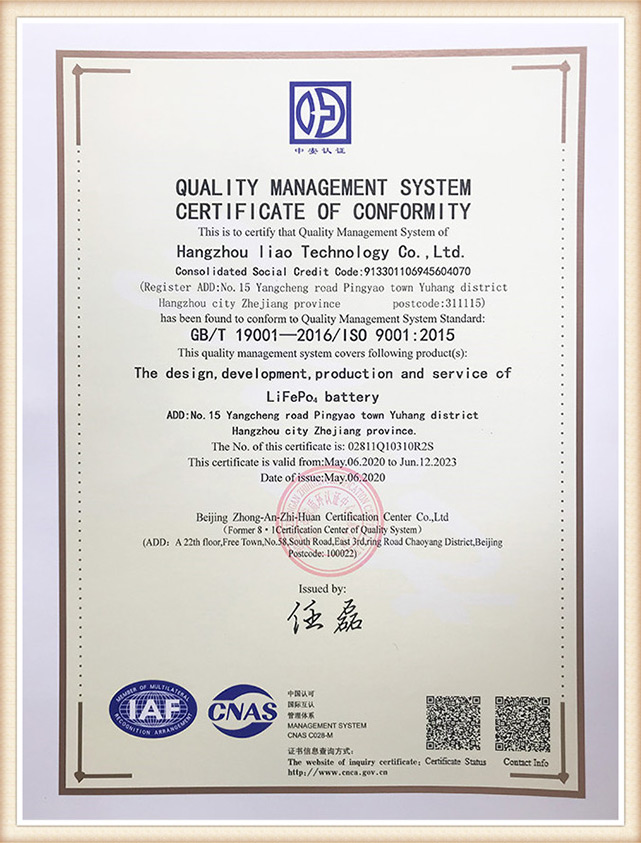
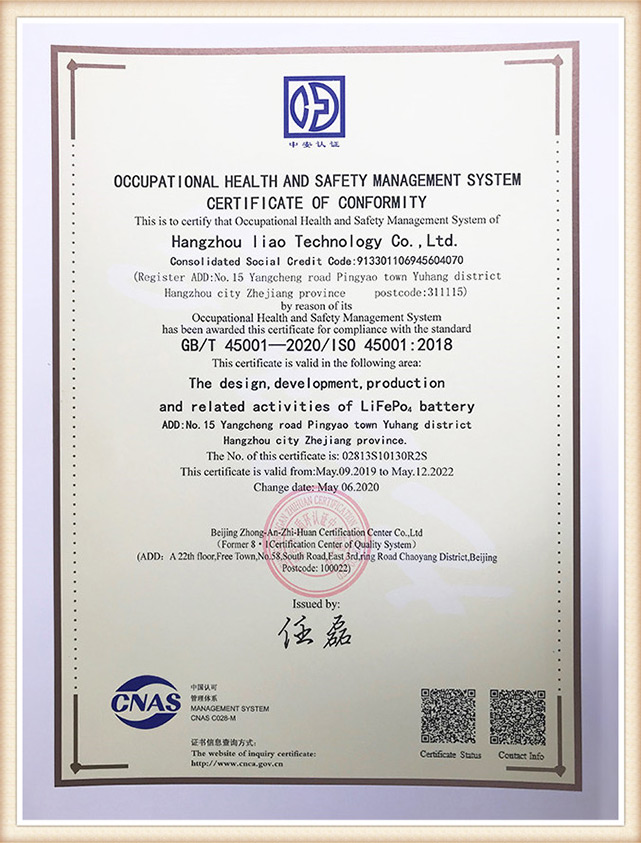
Where raw materials are transformed into highly stable power storage systems using advanced robotics and precise manufacturing controls.
Our LiFePO4 chemistry is engineered to ensure it will not burn or explode under direct steel acupuncture (nail penetration testing). This represents the highest thermal runaway defense level in lithium chemistry.
Designed to operate and discharge reliably within a broad temperature envelope ranging from -40°C to 85°C, making it suitable for arctic and desert applications alike.
Delivers 2800+ complete cycles under a rigorous 1C charge/discharge profile at 100% Depth of Discharge (DOD) before cell capacity approaches 80% SOH.
Our highly regarded LAXpower-1230 system was officially awarded the testing champion title in European benchmarks, proving our operational reliability.
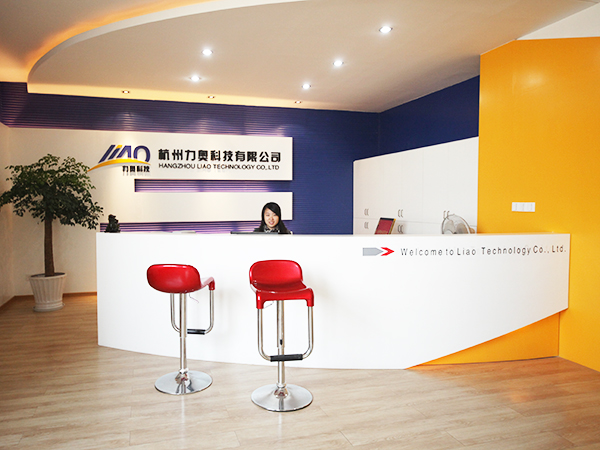
Reception
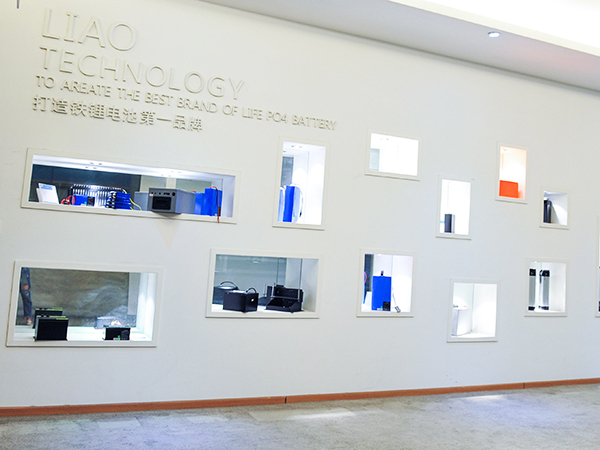
Exhibition Area
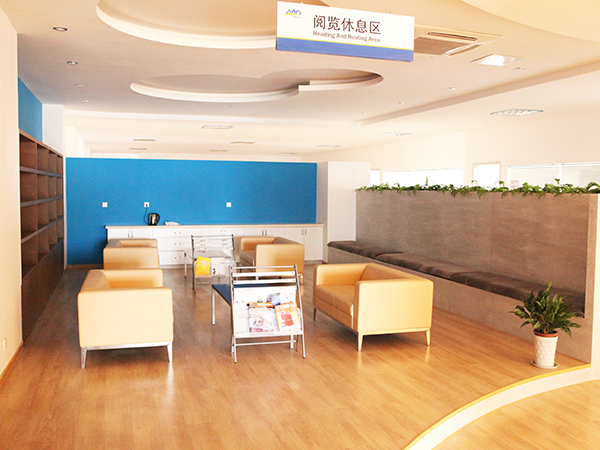
Reading Rest Area
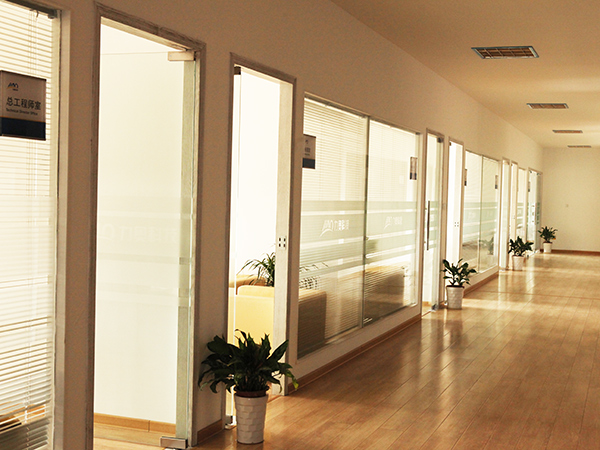
Office Area
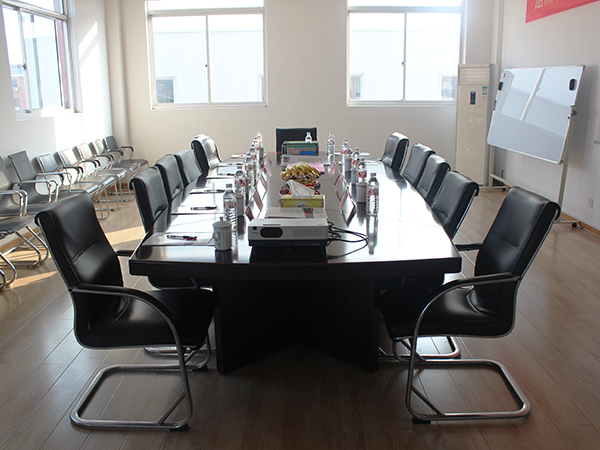
Meeting Room
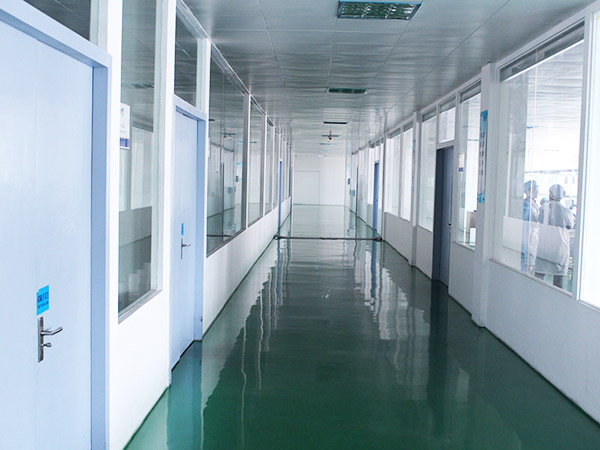
Visiting Access
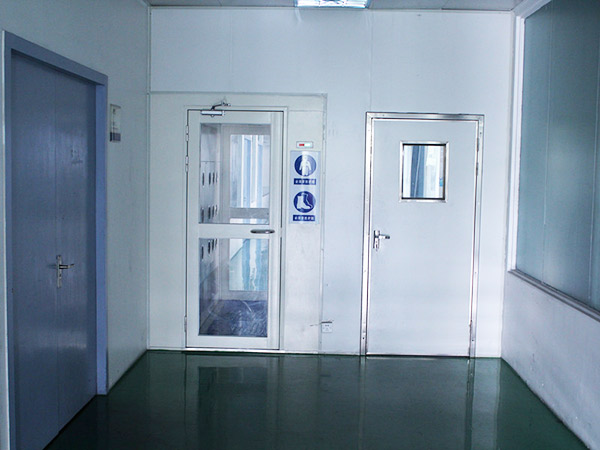
Entrance
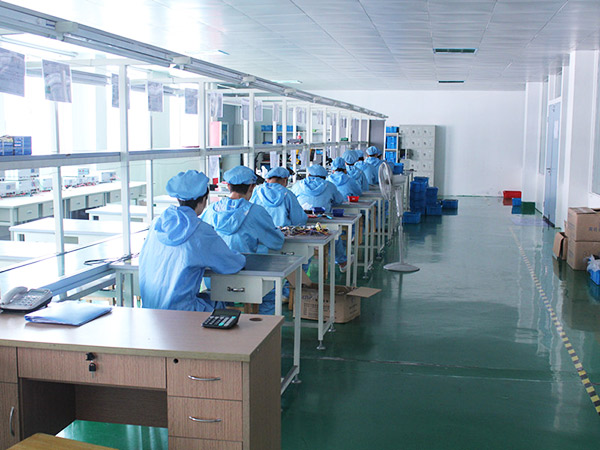
Pack
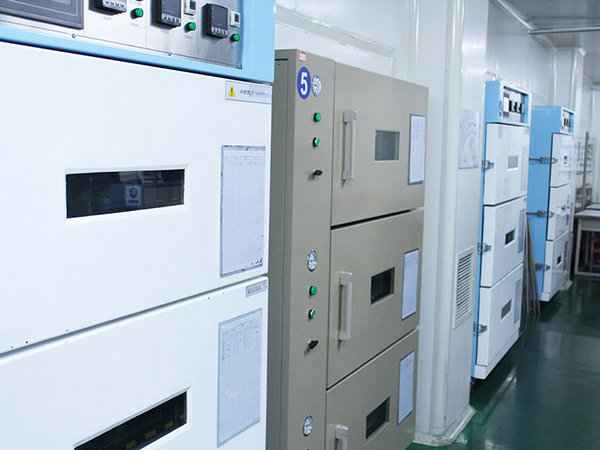
Baking
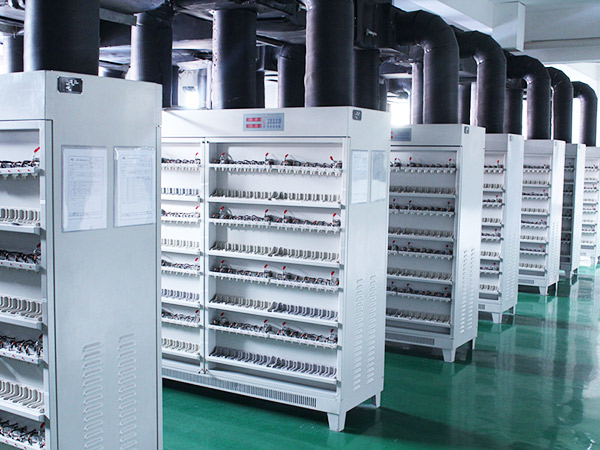
Capacity Sorting
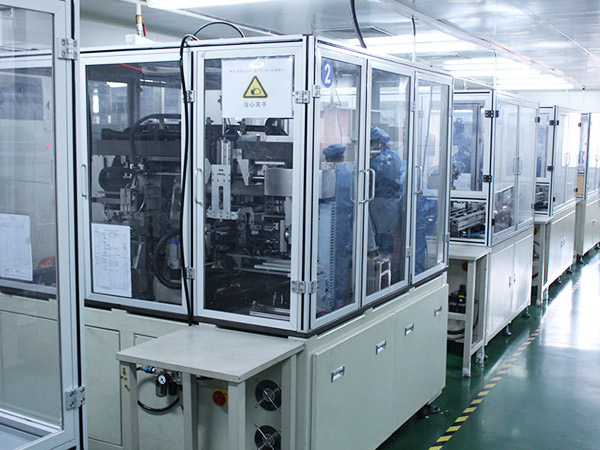
Stacking
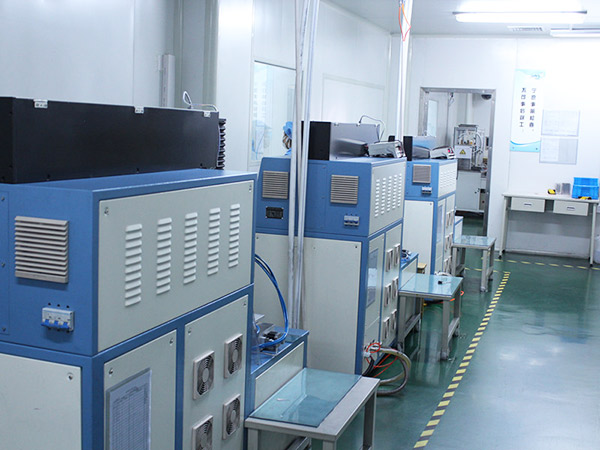
Laser Welding
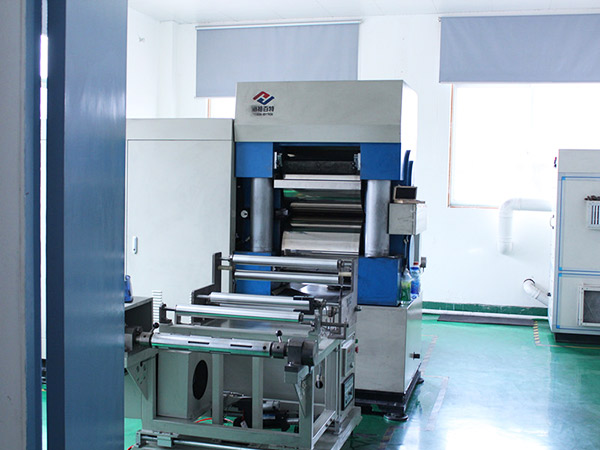
Rolling
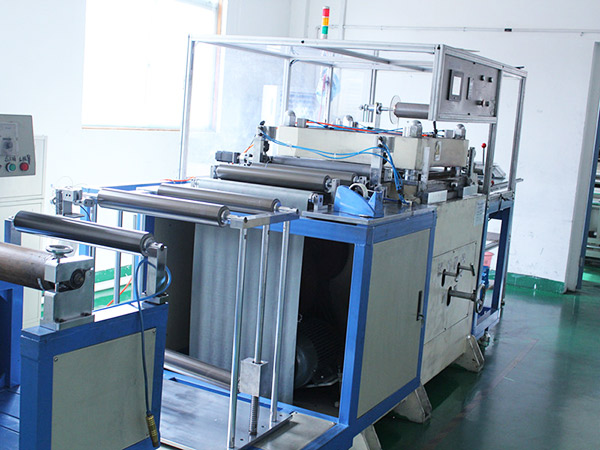
Die Cutting
Our operation is supported by an efficient, professional management and technical team, capable of responding to custom demands quickly. Supported by a complete R&D system, we customize battery pack solutions to address specific design constraints.
Our sales personnel are highly experienced and possess marketing capabilities, business negotiation expertise, international marketing knowledge, and continuous learning capabilities. They are familiar with English, battery technical parameters, international trade regulations, and global supply logistics protocols.
Every single step in our production line — from cell baking to laser welding and automatic sorting — is monitored by automated QC equipment. We carry out 100% capacity checking, voltage balancing, and internal resistance matching for all cells prior to final assembly. This ensures uniform degradation rates, preventing individual weak cells from reducing the lifespan of entire multi-cell packs.
Over 13 years of technical experience in custom battery design, providing safe and cost-effective power solutions.
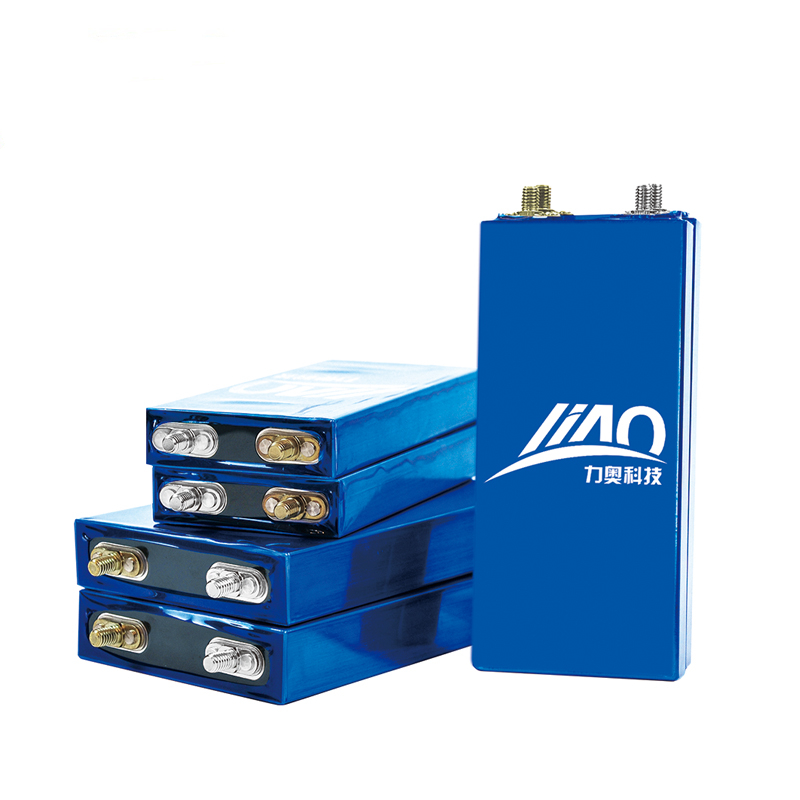
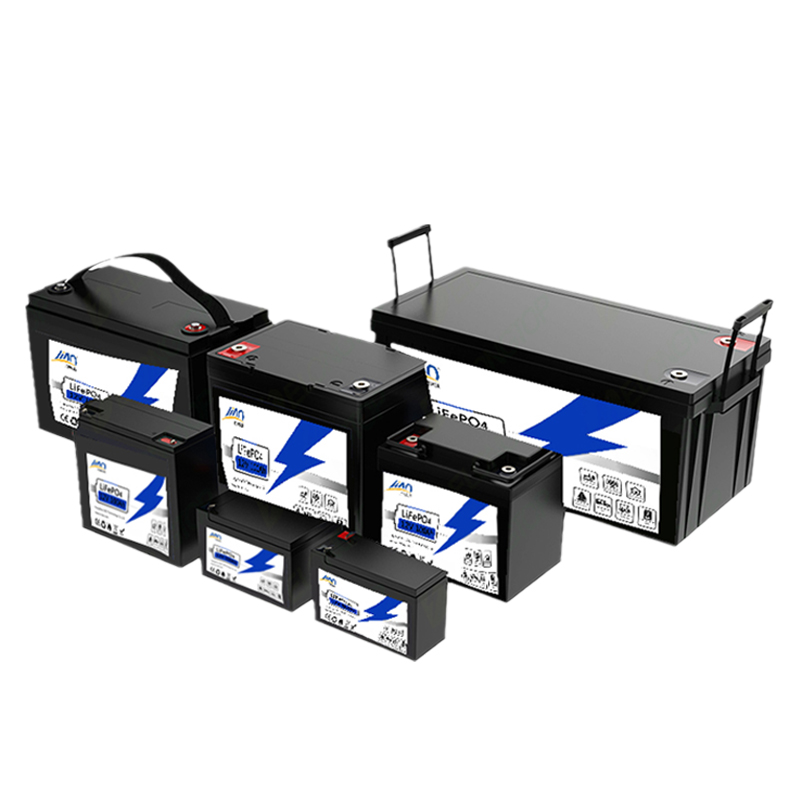
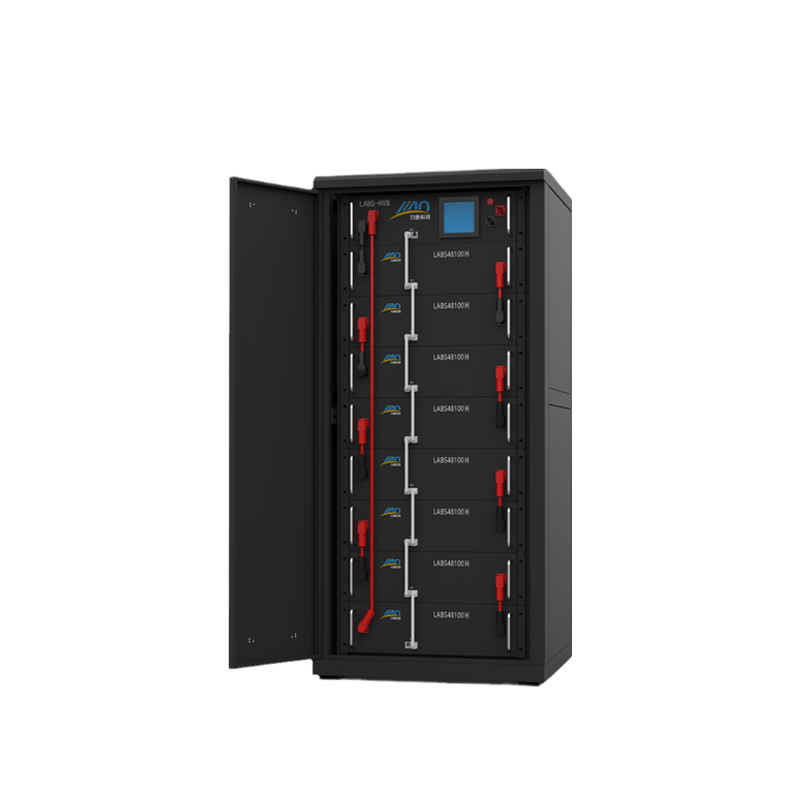
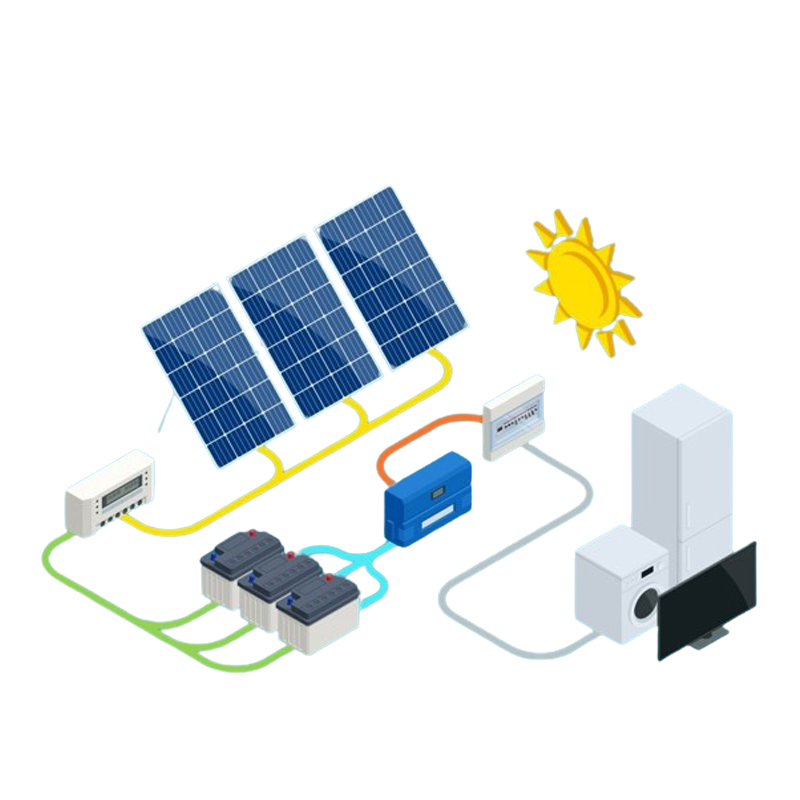
LIAO is a professional custom LiFePO4 battery manufacturer that has been in business for over 15 years. We help 500+ customers design custom battery configurations for various demanding industries.
We feature an design team with electrical and mechanical engineers. With over 10 years of experience, our engineers can design battery pack solutions tailored to your products. Our sales and engineering teams collaborate to provide you with technical support.
Our custom battery pack solutions save time and money, helping you establish a market presence quickly. If you are looking for a custom battery pack manufacturer in China, please contact us for more details.
The new generation of LiFePO4 golf cart batteries help your carts operate smoothly on different terrains and courses. They provide lightweight and high-discharge capabilities, increasing speed and efficiency.
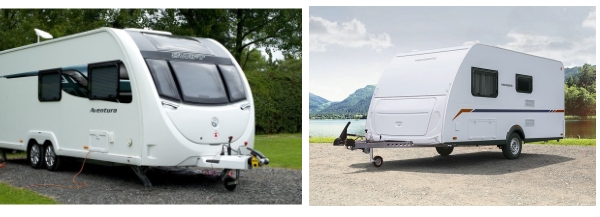
Our LiFePO4 batteries power caravan movers quietly with zero emissions. They help optimize operation, reduce labor costs, and improve transport efficiency.
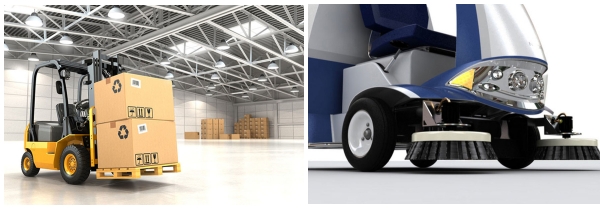
Designed for short-distance transportation. Our LiFePO4 batteries help industrial vehicles lift and transport heavy loads efficiently, reducing operational downtime and lowering maintenance costs.
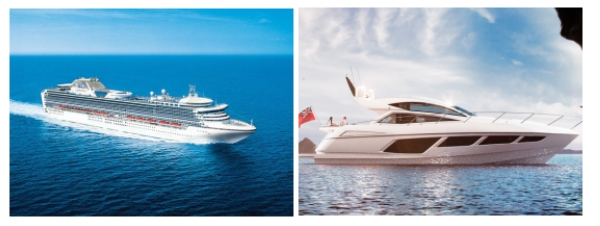
E-boats are environmentally friendly options for marine transport. Our LiFePO4 battery systems generate zero operational emissions and run quietly, protecting sensitive marine ecosystems.
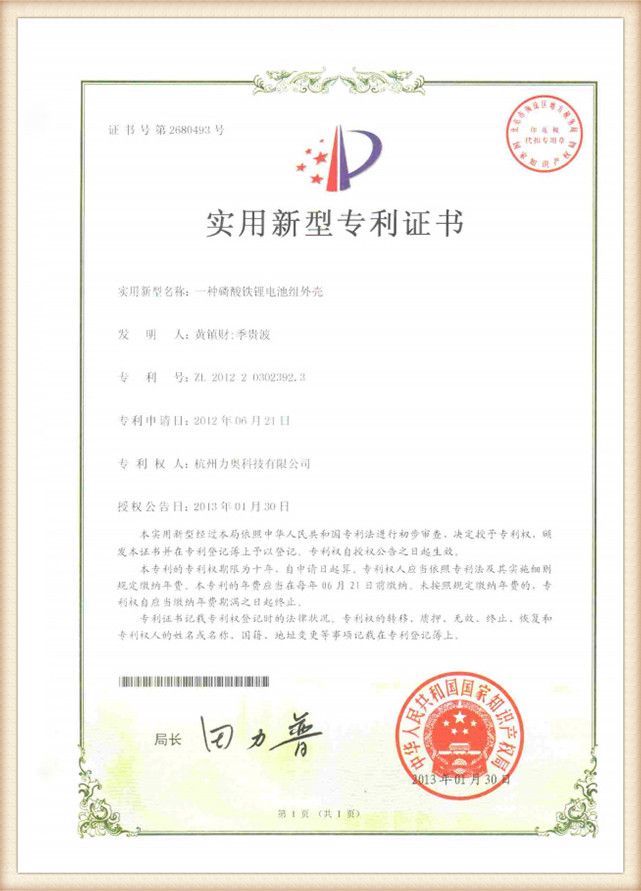
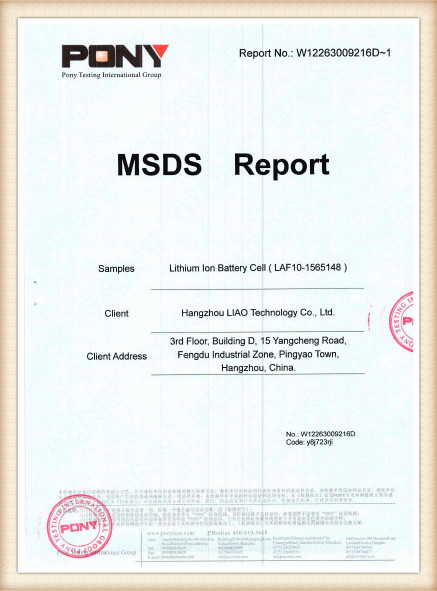
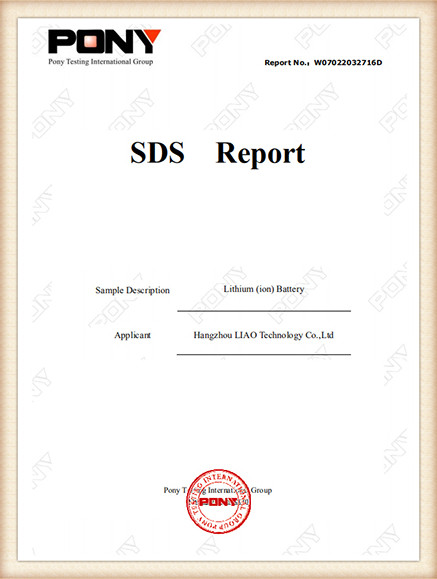
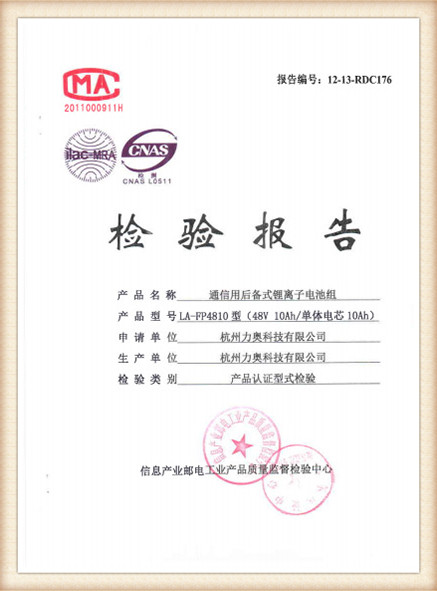
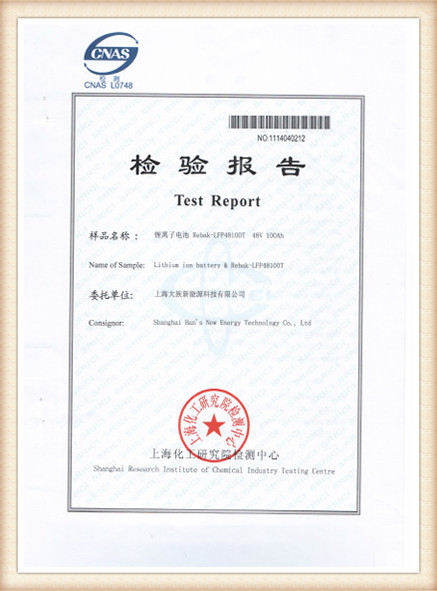
Verified patents, certifications of honor, and test reports ensuring global compliance and safety standards.
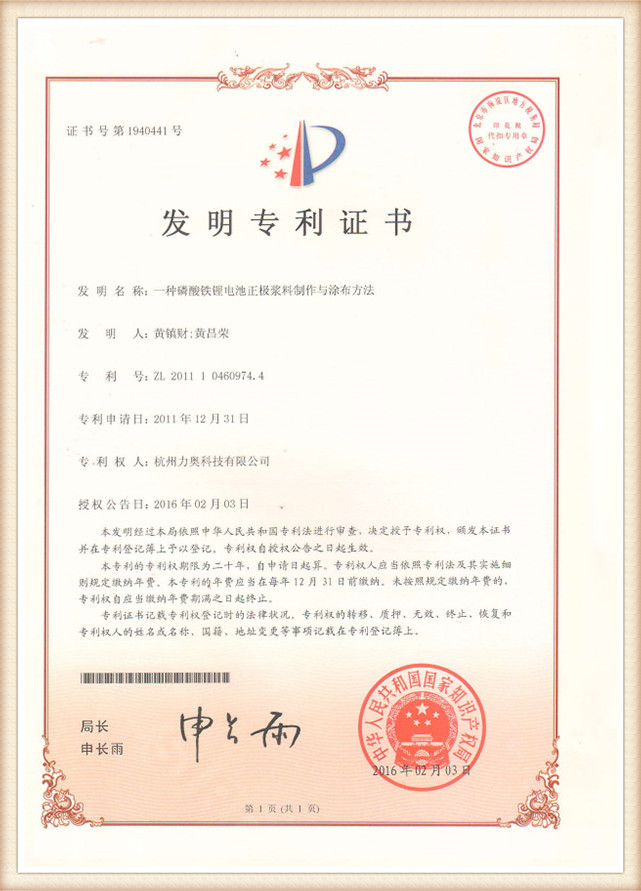
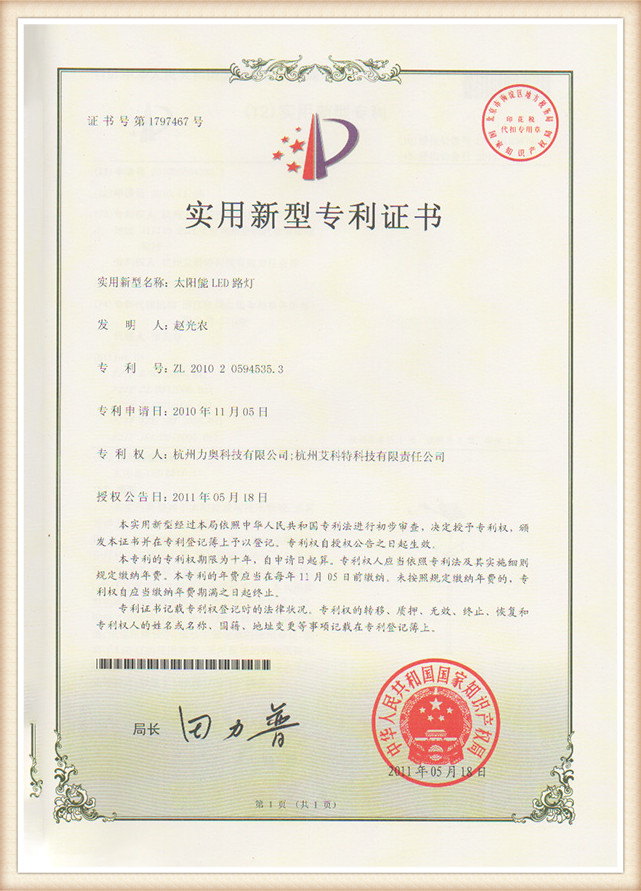
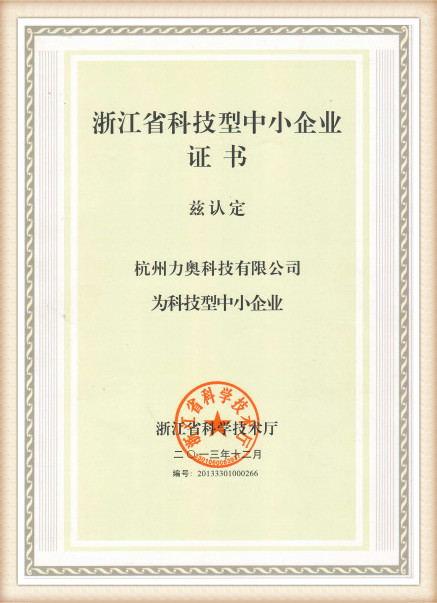
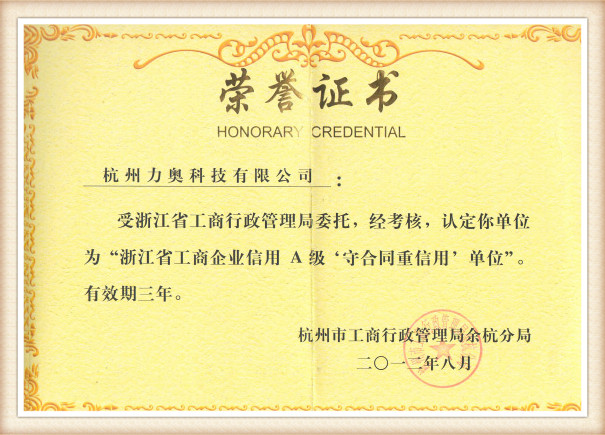
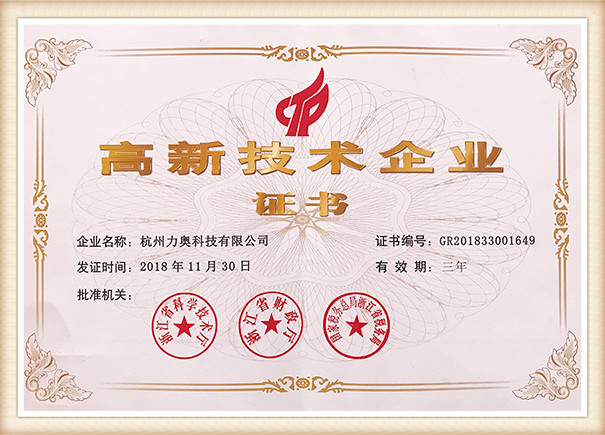
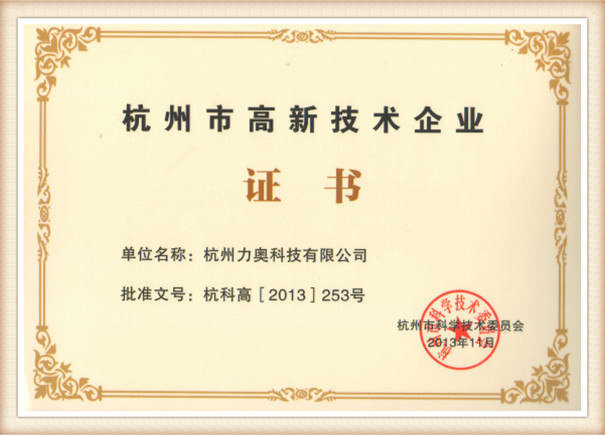
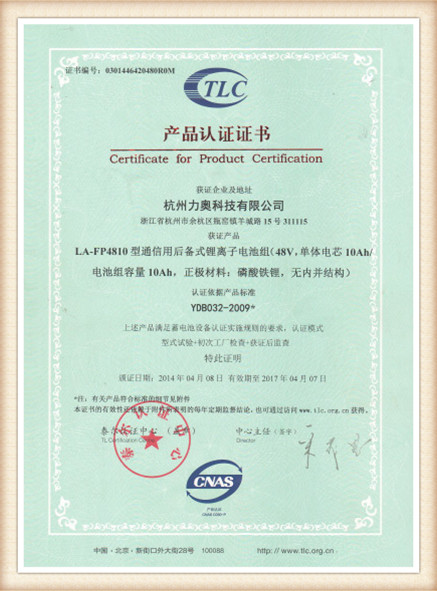
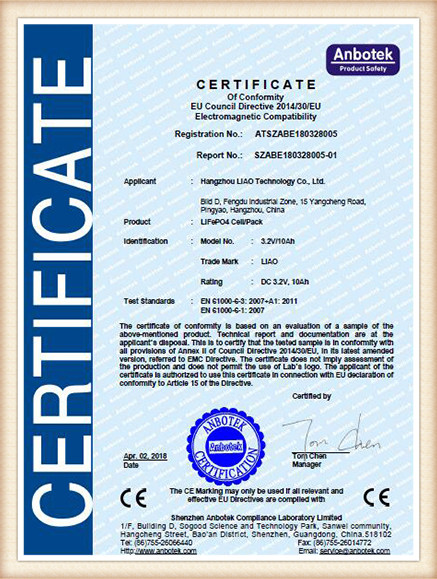
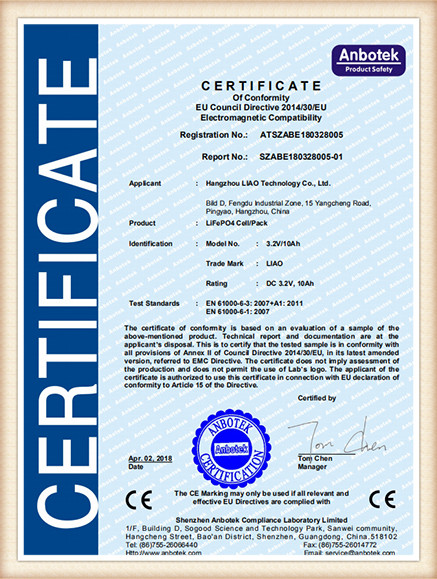
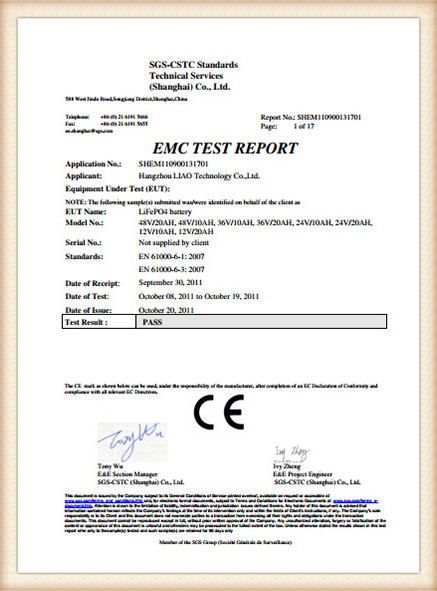
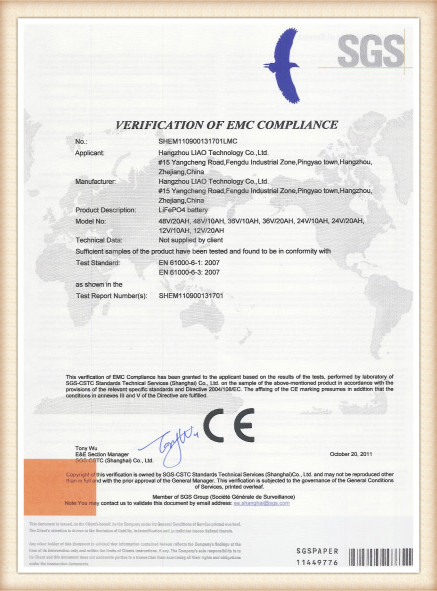
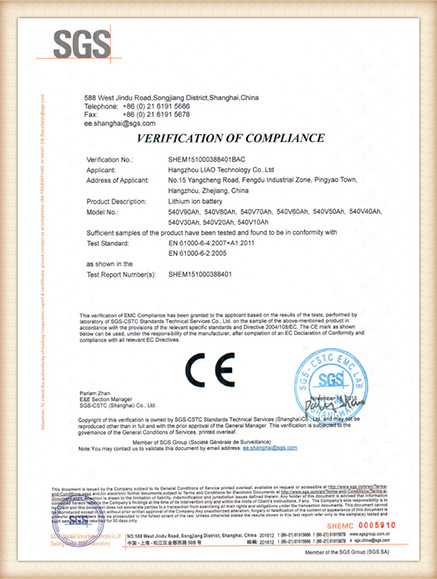
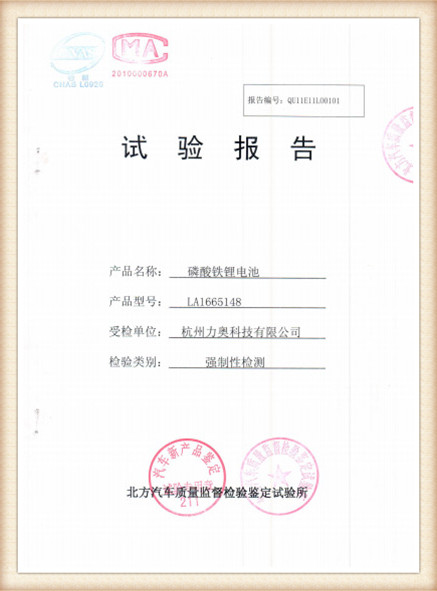
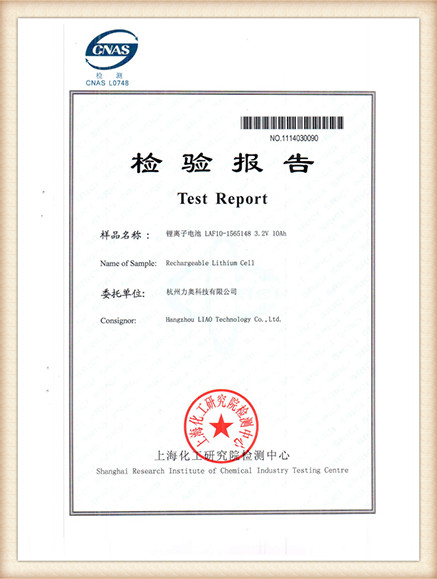
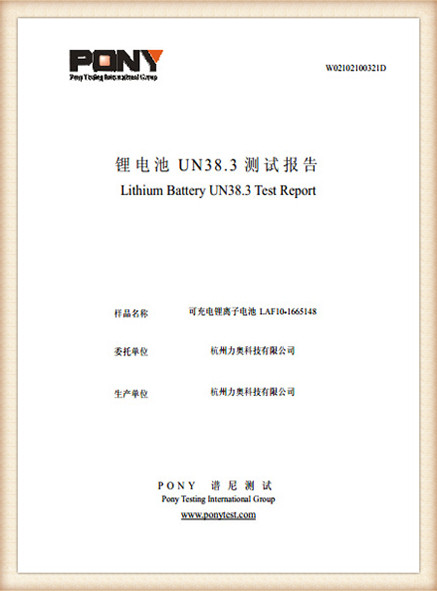
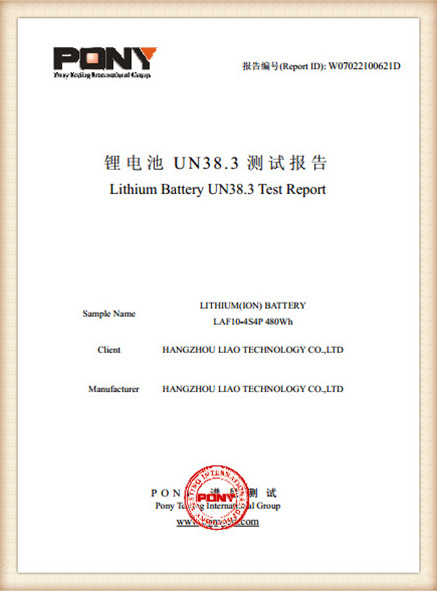
Trusted by leading equipment OEMs and distributors worldwide.






How Hangzhou LIAO Technology is driving the next generation of electrochemical energy storage technologies.
Our research division continues to optimize our standard LFP chemistry. Key initiatives include development of semi-solid-state LFP configurations and Lithium Manganese Iron Phosphate (LMFP) blends. LMFP chemistry increases energy density by up to 20% compared to standard LFP while retaining core thermal safety benefits, helping B2B integrators reduce footprint volume without safety compromises.
Additionally, we are investigating next-gen sodium-ion alternatives for grid applications, providing cost-effective alternatives for non-mobile energy storage systems.
The future of battery longevity relies on intelligent control. Our next-generation BMS architecture features active cell balancing algorithms, predictive health diagnostics (using cloud-integrated machine learning), and standardized CANbus/Modbus integration. By monitoring voltage fluctuations and ambient thermal conditions, these systems optimize cycle life and support system integration.
Expert technical answers to key questions about LiFePO4 battery life, CE compliance, and customization.
Calendar life is influenced by state of charge (SOC) history and ambient operating temperatures. Storage at 100% SOC in high temperature environments accelerates degradation of the cathode material. For optimal calendar life (exceeding 15 years), batteries should ideally be maintained at 50% SOC when stored for long periods, with ambient storage temperatures kept between 15°C and 25°C.
CE certification indicates compliance with European Union safety, health, and environmental protection standards. It ensures that battery packs meet directives like the Low Voltage Directive (LVD) and Electromagnetic Compatibility (EMC) Directive. This certification is required for importing and distributing electronic products within the European Economic Area (EEA).
Standard discharge currents (around 0.5C to 1C) maintain stable temperatures and consistent degradation rates. Discharging at higher rates (such as 2C or 3C) increases internal heat due to Joule heating ($I^2R$). Without adequate thermal management, this heat can stress electrode structures and accelerate active materials degradation. LIAO packs are designed with integrated thermal pathways to manage heat dissipation during high-discharge cycles.
LiFePO4 chemistry has high thermal runaway resistance. In nail penetration tests, our cells show no combustion or explosion. This safety profile is due to the chemical stability of the iron-phosphate lattice, which remains stable and resists rapid oxygen release under mechanical short circuits.
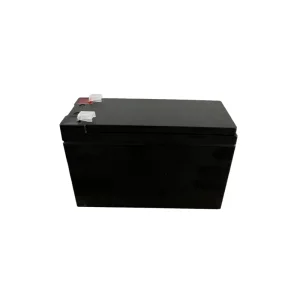
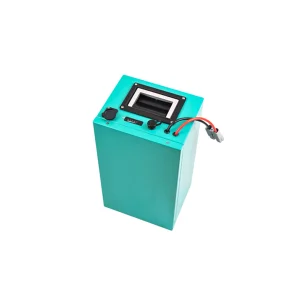
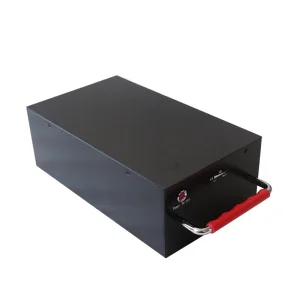
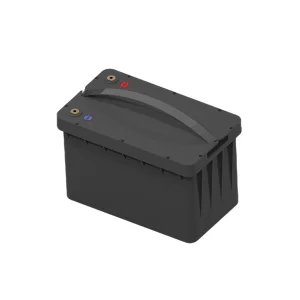
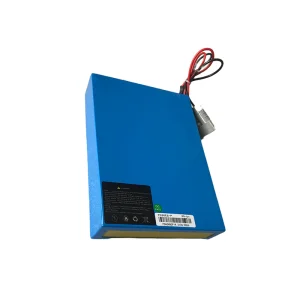
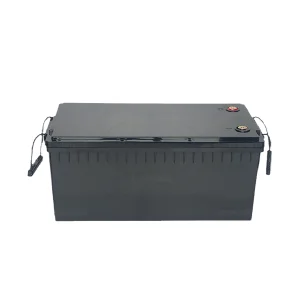
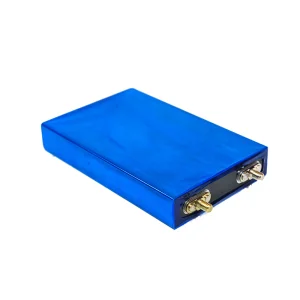
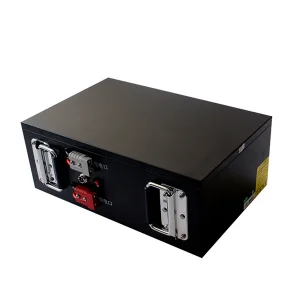
Select a product below to review compliance data sheets, safety ratings, and manufacturing details.
 Liao Battery