Explore our core selection of high-reliability LiFePO4 battery systems and components, serving global tier-one OEM applications.
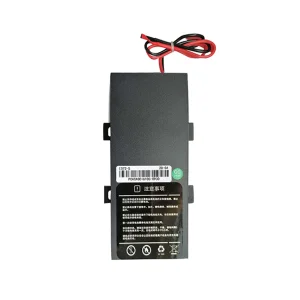
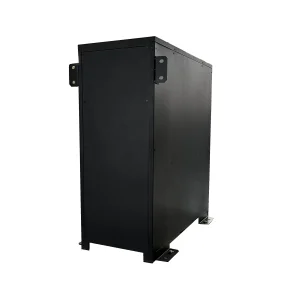
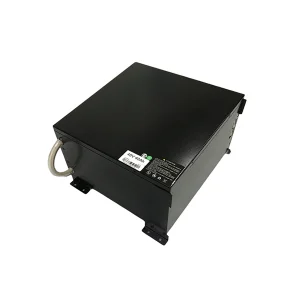
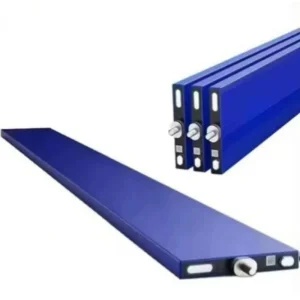
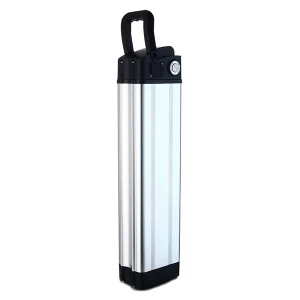
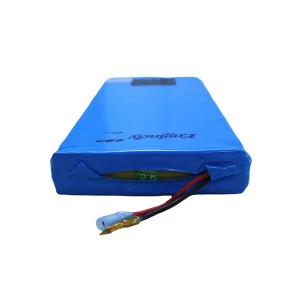
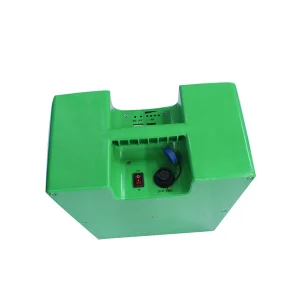
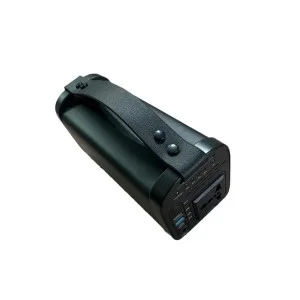
As industries worldwide pivot toward zero-emission targets, the selection of battery chemistry has transitioned from basic energy storage parameters to long-term reliability, thermal runway safety, and environmental accountability. Lithium Iron Phosphate (LiFePO4) has emerged as the premier chemistry for industrial, motive, and energy storage applications.
Unlike NMC (Nickel Manganese Cobalt) chemistries, LFP offers a stable olivine structure that prevents oxygen release under thermal stress. This renders the cell inherently safe, preventing the explosive fires commonly associated with commercial lithium battery failures. Complemented by high cycle lifetimes, it achieves the lowest total cost of ownership (TCO) across standard industrial lifespans.
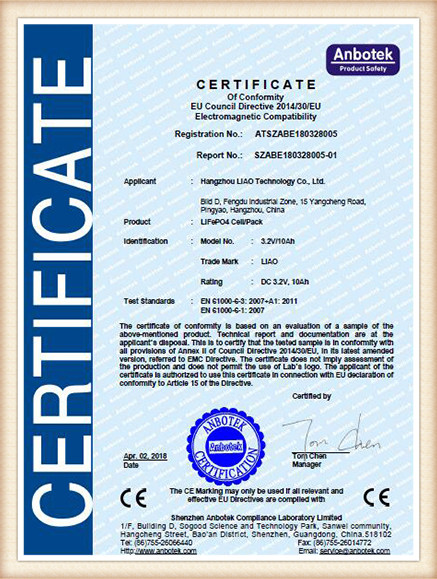
Regulatory Compliance (CE Mark): For European markets, CE certification is not merely a formality but a stringent declaration that electrical systems conform to essential safety standards, protecting personnel operating high-voltage AGVs, medical backup units, and heavy industrial machinery.
| Parameters | LiFePO4 (LFP) | NMC (Lithium-Cobalt) | Lead Acid (Traditional) |
|---|---|---|---|
| Thermal Runaway Threshold | 270°C (Extremely Safe) | 210°C (Risk of Fire) | N/A (Sulphating Risks) |
| DOD Cycle Life (1C rate) | 2,800+ Cycles (100% DOD) | 800 - 1,200 Cycles | 300 - 500 Cycles |
| Operational Temperature | -40°C to 85°C | -20°C to 60°C | -15°C to 45°C |
| Environmental Toxicity | Zero Cobalt/Nickel | High Cobalt Dependency | High Lead & Acid Content |
Founded in 2009, we are a professional and leading manufacturer specializing in industrial LiFePO4 batteries, with systems exported to more than 20 countries globally.
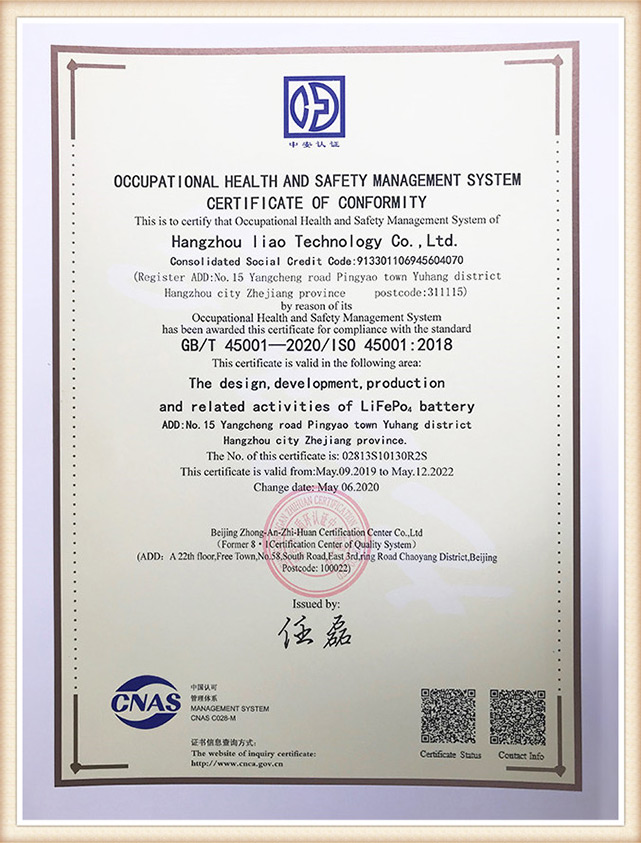
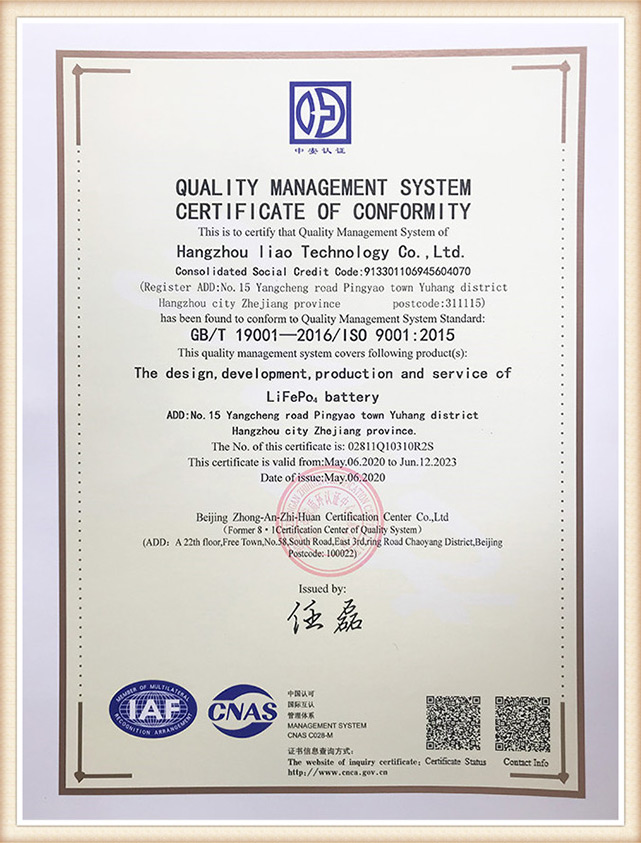
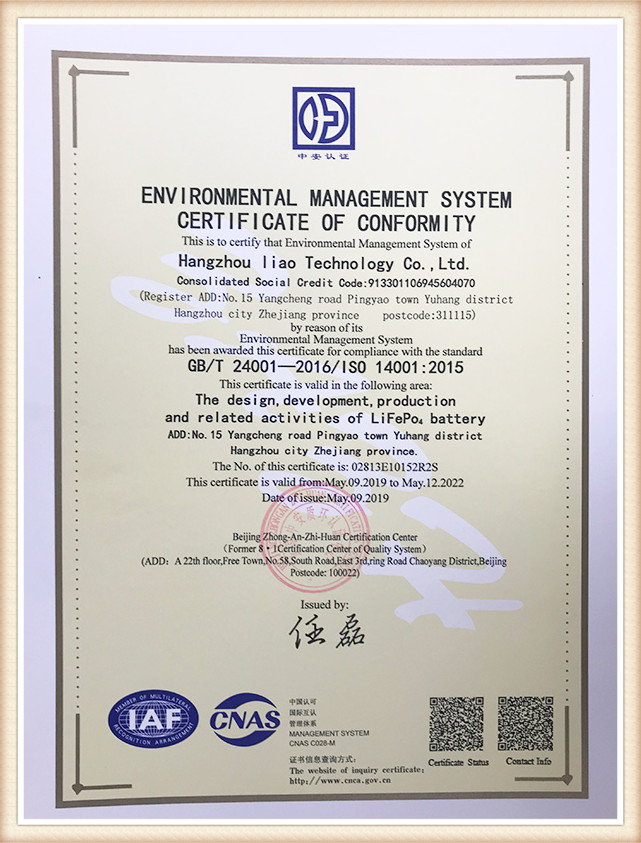
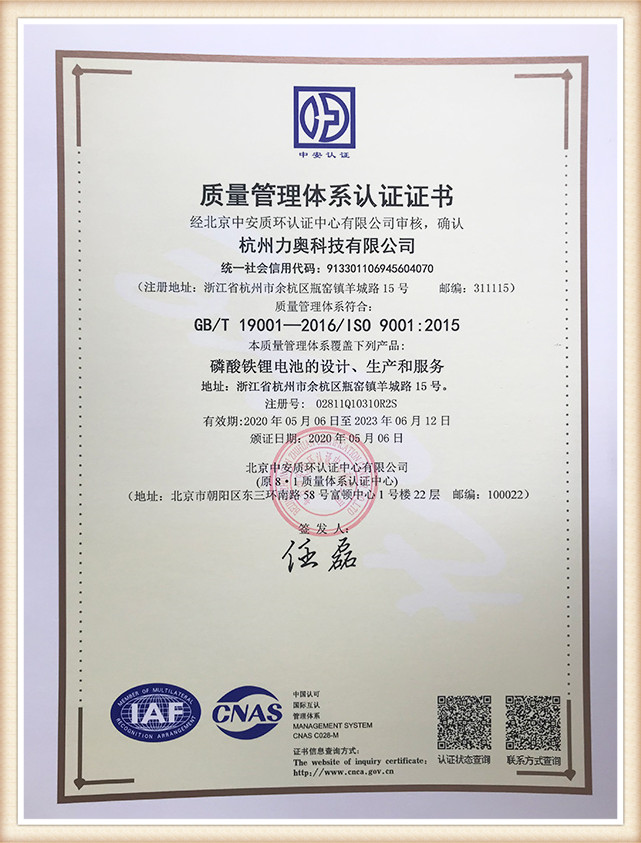
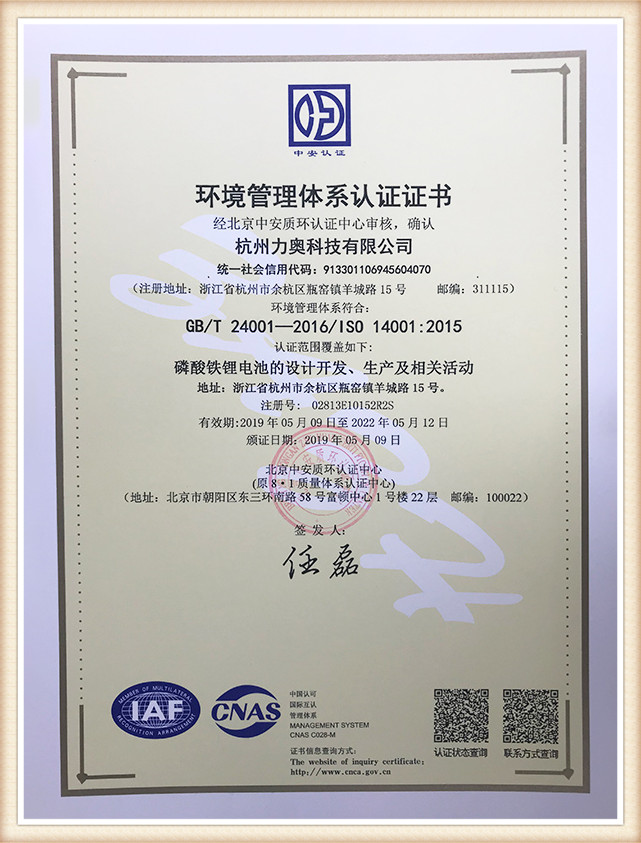
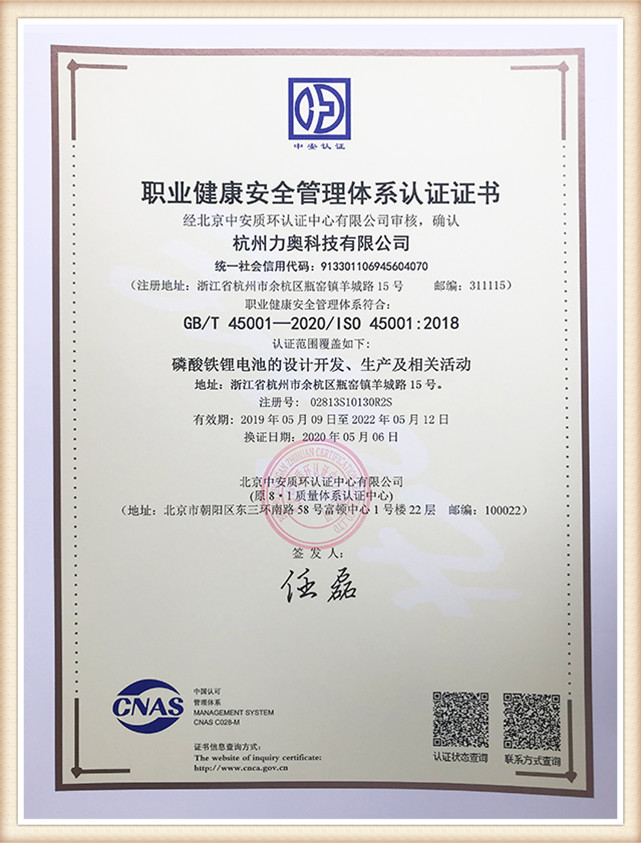
Operated strictly under the ISO 9001 quality management framework, ensuring strict tractability for every cell manufactured. We also maintain continuous compliance with environmental management system ISO 14001 and occupational health & safety management system ISO 18001.
Unmatched safety metrics (no combustion or explosion during acupuncture testing), broad discharge limits (-40°C to 85°C), and verified cycle life exceeding 2800+ cycles at 1C / 100% Depth of Discharge.
We actively export to tier-one industrial operations across Germany, France, the Netherlands, Spain, the United Kingdom, the USA, Canada, Mexico, Brazil, Australia, Japan, Korea, India, and South Africa.
Years Battery R&D Experience
Cell Cycles (1C / 100% DOD)
Custom Battery Pack Designs
Operational Range (°C)
LIAO is a professional custom LiFePO4 battery manufacturer that has been in business for over 15 years. We help 500+ customers create custom battery designs for various heavy industrial, medical, and motive applications.

From silent marine engines to automated material handling, our CE-certified battery systems deliver consistent performance where failure is not an option.

New generation LiFePO4 golf cart systems engineered to manage steep inclines and variable terrains, maintaining consistent output compared to traditional lead-acid models.
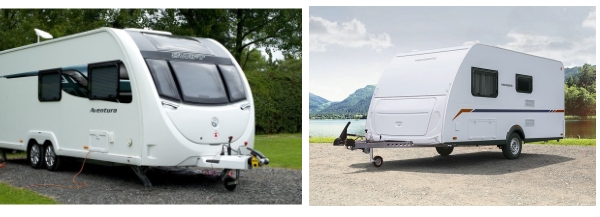
Compact, high-density LFP systems designed to support high current draw during precision maneuvering, running quietly without air pollution or performance decay.
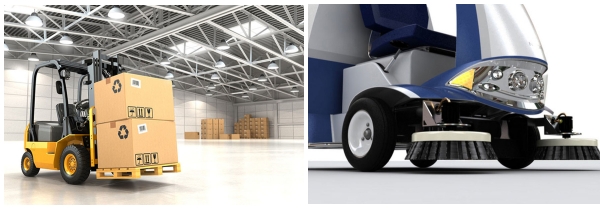
Purpose-built for short-distance transport, AGVs, and forklifts. Delivers consistent voltage output throughout the entire discharge cycle to keep heavy industrial workflows moving.
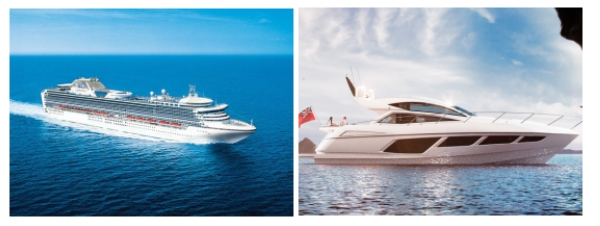
Hermetically sealed marine-grade packs protecting cells from salt mist corrosion while offering high reliability without emissions or acoustic pollution.
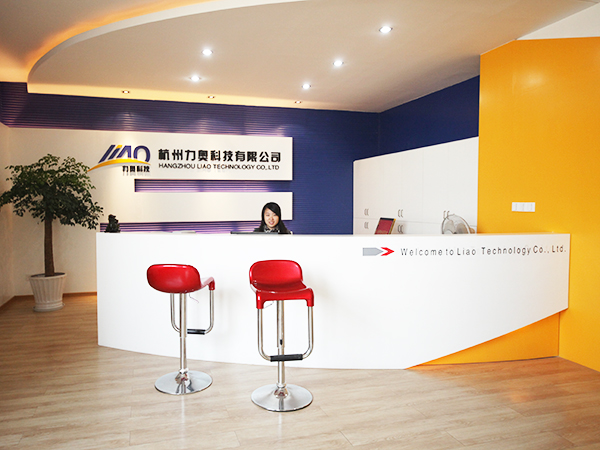
Take a virtual step into our Hangzhou manufacturing facility to see how we maintain standard-setting quality control at every phase of assembly.
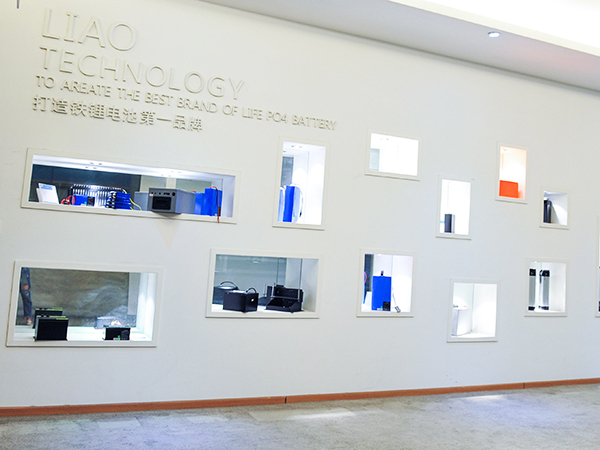
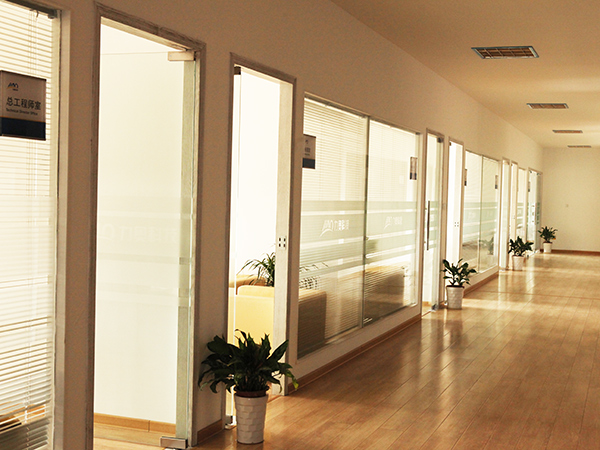
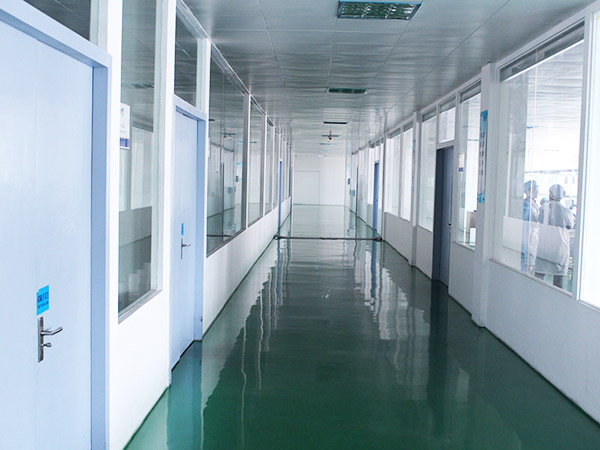
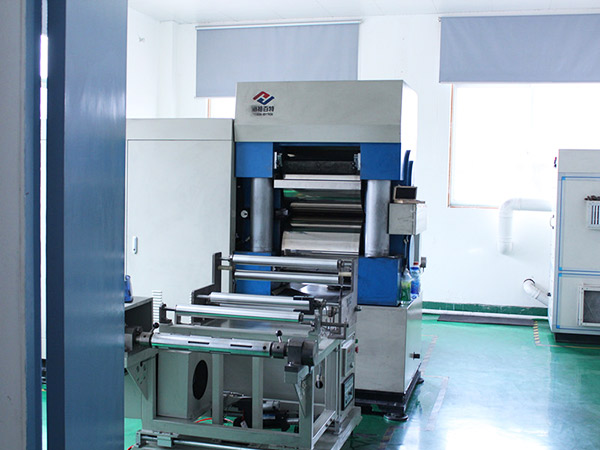
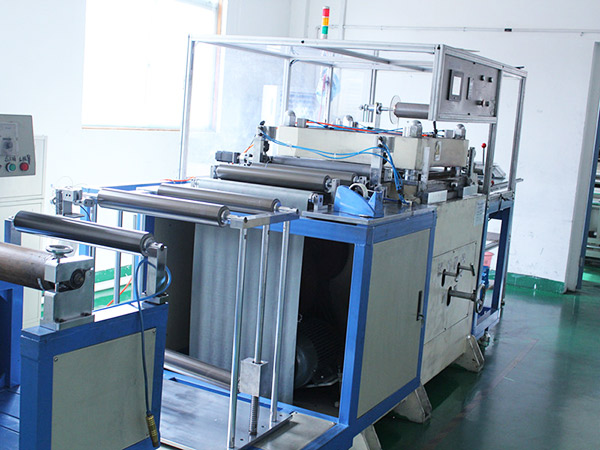
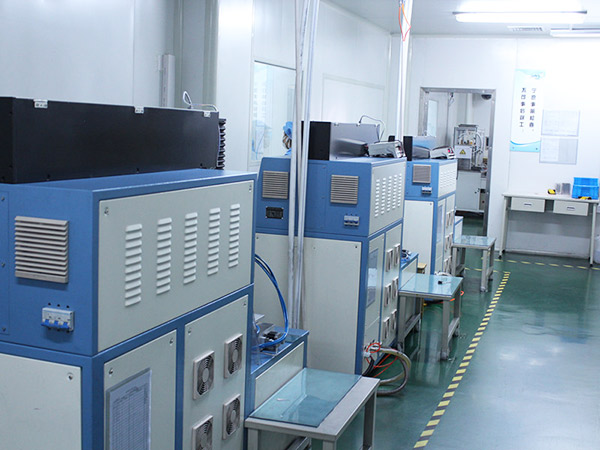
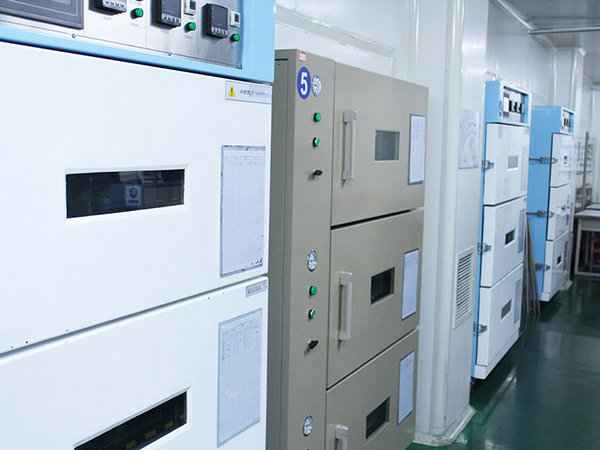
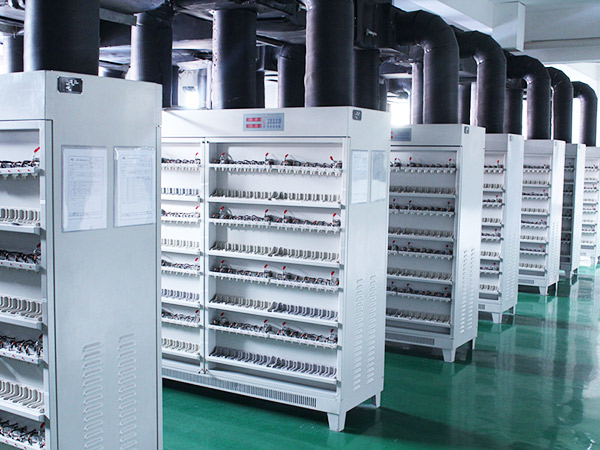
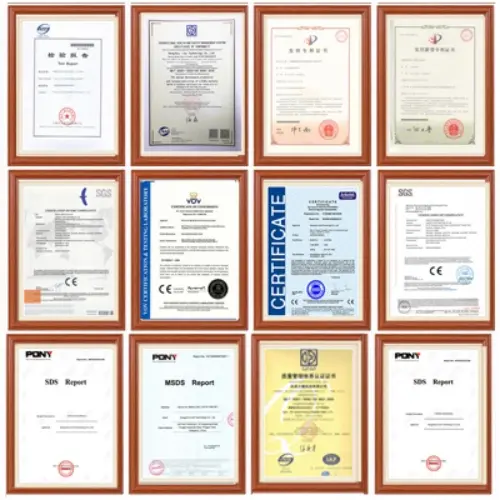
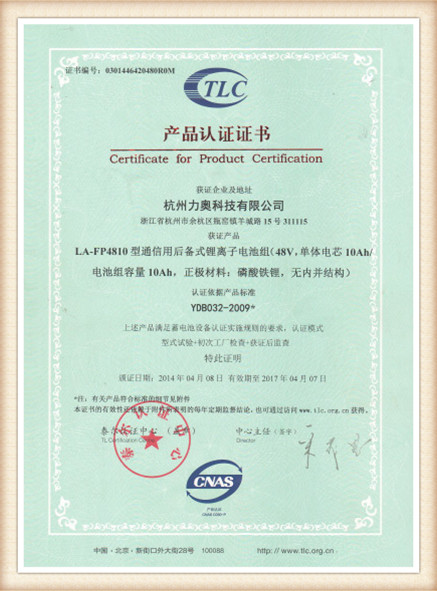
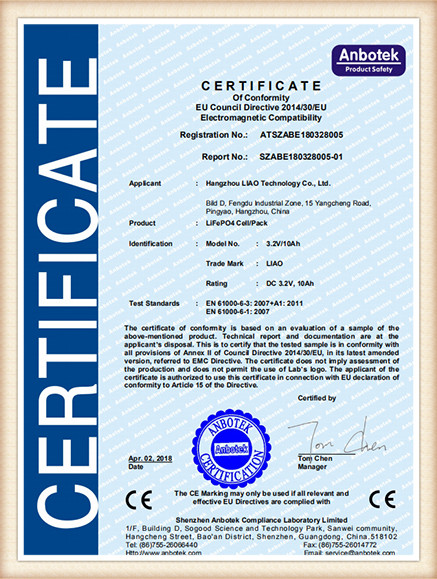
LIAO Technology's cells are tested and certified to ensure absolute compliance with major international standards.
Verified documentation validating electromagnetic compatibility and system-level functional safety requirements.
Proprietary structural and thermal design innovations, securing high durability under mechanical shocks.
Confirms total restriction of hazardous substances, ensuring safe recycling processes at end-of-life.
LIAO's vision is rooted in research. We continuously invest in advanced materials and packaging techniques to push performance limits.
Our lab is currently evaluating solid-state and semi-solid polymer electrolytes, working to double volumetric energy density while maintaining LFP safety.
Developing onboard machine-learning diagnostics to detect internal micro-shorts and degradation patterns before they affect operation.
Working to achieve a 95% metal recovery rate in partnership with certified recycling plants, ensuring sustainability throughout the battery life cycle.






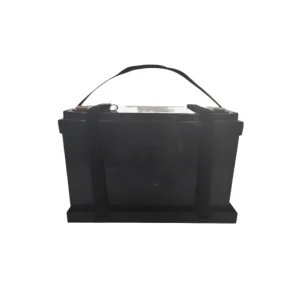
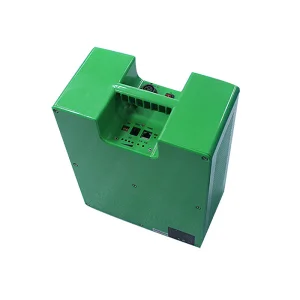
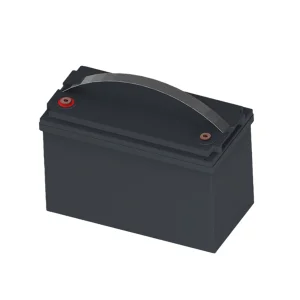
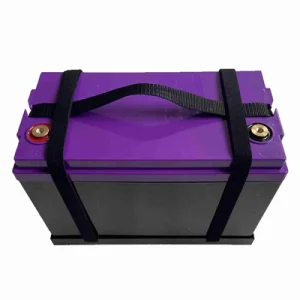
Engineered for high current capability, standard physical dimensions, and straightforward drop-in installation.
Get answers to key technical questions about safety testing, operational parameters, and customization workflows for commercial battery systems.
CE certification proves that a lithium battery system meets the safety standards of directives like the Low Voltage Directive (LVD 2014/35/EU) and the Electromagnetic Compatibility Directive (EMC 2014/30/EU). In industrial settings like factories or medical facilities, CE compliance ensures that the battery system won't interfere with surrounding machinery and can handle electrical anomalies safely.
LIAO LiFePO4 chemistry features a strong olivine molecular structure, which has a higher thermal runaway threshold (around 270°C) compared to NMC batteries (around 210°C). During failure conditions, LFP cells release negligible oxygen, preventing self-sustaining combustion and explosive thermal runaway. This is proven by our acupuncture tests, where the cells do not burn or explode.
Yes. While standard lithium batteries lose capacity below freezing, our specialized chemistry maintains reliable discharge performance down to -40°C. For charging, we recommend using active heating elements inside the BMS housing to ensure the battery charges safely at temperatures below 0°C, which helps prevent lithium plating.
Our quality control lab tests cell longevity by running continuous charge/discharge cycles at a 1C rate with 100% Depth of Discharge (DOD) at a controlled temperature of 25°C. After 2,800 cycles, the cells maintain over 80% of their original capacity, which translates to a service life of 8 to 15 years in typical daily-use applications.
Our proprietary Battery Management System (BMS) can be configured to support CAN bus, RS485, RS232, Modbus, and SMBus protocols. This allows systems like commercial solar setups, telecommunication backups, and AGVs to monitor battery parameters like SOC, temperature, and cell balance in real-time.
Our design process typically takes 2 to 4 weeks, from initial technical consultation to building a functional prototype. Our engineers handle mechanical cell layouts, custom BMS firmware, and housing design to deliver an optimized system. Once approved, production and shipping timelines are finalized based on the order volume.
 Liao Battery