High-performance configurations engineered for e-mobility, backup power, solar energy storage, and industrial automated guided vehicles (AGV).
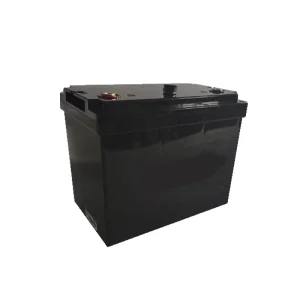
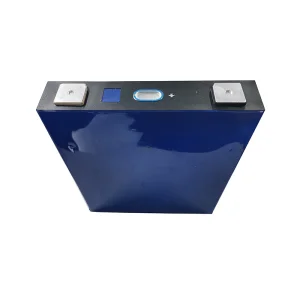
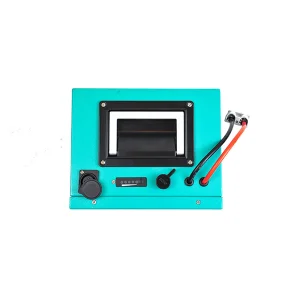
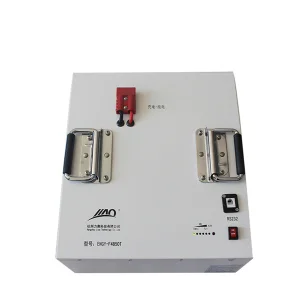
Exploring the market drivers, engineering specifications, and global logistics dynamics that make the 36V 20Ah format a key standard for industrial electrification.
Within B2B energy markets, the 36V 20Ah lithium battery pack (delivering 720 Watt-hours of storage) represents a critical engineering design standard. This specific voltage and capacity profile bridges the gap between high-mobility consumer gear and heavy industrial equipment. At 36 Volts nominal, electrical systems manage optimal thermal performance without requiring the thick conductor lines or extensive high-voltage insulation needed for 48V or 72V circuits, while still avoiding the higher current draw and efficiency losses typical of 12V or 24V applications.
Whether in LiFePO4 (Lithium Iron Phosphate) or NMC (Nickel Manganese Cobalt) chemistries, a 36V 20Ah pack provides sufficient energy density to drive small utility vehicles, light automated guided vehicles (AGVs), medical equipment trolleys, and e-mobility solutions for full-shift duty cycles. Industrial buyers focus closely on cell design quality, charge-discharge curve consistency, and battery management system (BMS) integration to guarantee safety and uptime over thousands of operational cycles.
A 36V system operates below the standard 50V DC low-voltage electrical safety threshold, simplifying regulatory compliance, assembly safety, and field maintenance procedures for machinery manufacturers.

Global enterprises are transitioning away from sealed lead-acid (SLA) systems to lithium-based solutions to reduce total cost of ownership. Key requirements focus on cycle lifetimes, thermal stability in harsh environments, and real-time digital cell monitoring interfaces (CANBUS/RS485).
China is home to the world's most integrated lithium battery supply chain. From precursor materials and raw lithium refining to precision BMS design and high-speed automated cell manufacturing, Chinese suppliers offer significant advantages in production speed, engineering support, and cost.
Leading Chinese factories excel at customizing battery dimensions, cell configurations, enclosures, and connector types to fit unique spaces, while matching specific peak power curves and thermal operating parameters.
Engineered by Hangzhou LIAO Technology Co., Ltd. to deliver reliability and safety under demanding conditions.
LIAO's lithium iron phosphate cells will not burn, catch fire, or explode under strict acupuncture test criteria. This thermal and chemical stability makes them safe for public transit, clinical health facilities, and high-impact logistics warehouse operations.
Engineered with proprietary electrolyte formulations and advanced cell architecture, our batteries support continuous discharge from -40 ℃ up to 85 ℃, enabling outdoor telecommunications, cold chain distribution, and desert solar systems.
Our LAXpower-1230 battery pack was named testing champion in rigorous European lab trials, validating LIAO's industry-leading energy efficiency, structural build quality, and real-world cycle lifetime consistency.
A professional, research-focused manufacturer specializing in industrial LiFePO4 battery pack design and assembly.
Founded in 2009, Hangzhou LIAO Technology Co., Ltd. is an established manufacturer specializing in LiFePO4 battery systems. Our products serve diverse commercial and industrial sectors, exporting to more than 20 countries worldwide. We maintain an efficient quality control infrastructure certified to global manufacturing standards.
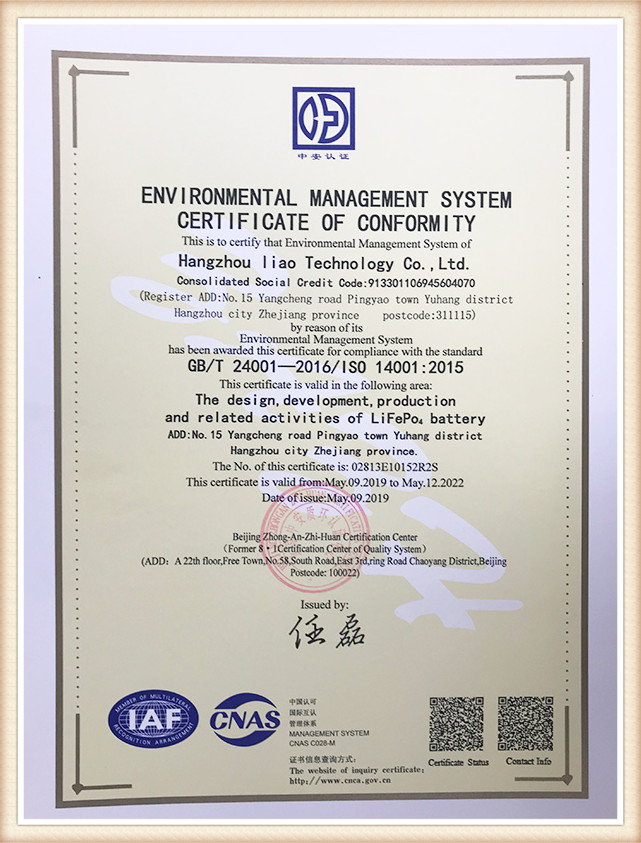
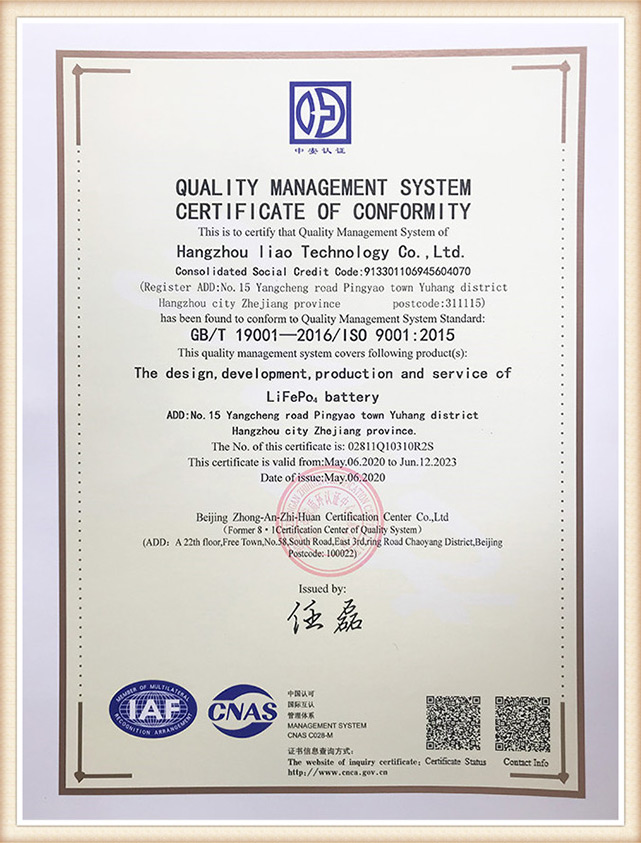
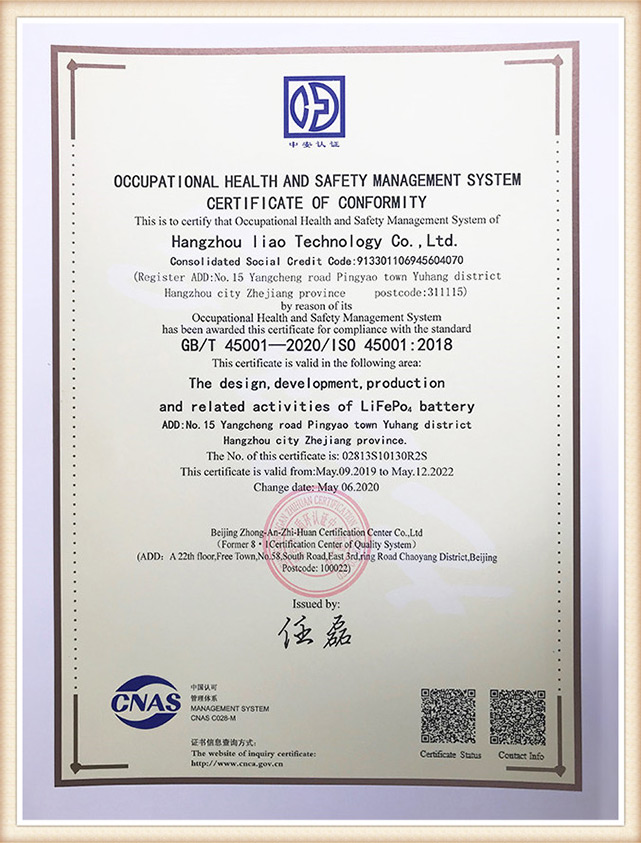
All operations are structured under the ISO 9001 Quality Management System. We also operate in compliance with the ISO 14001 Environmental Management System and the ISO 18001 (ISO 45001) Occupational Health and Safety Management System. This guarantees that our manufacturing workflows are safe, environmentally responsible, and consistent.
Our battery packs are integrated into client systems across Europe (Germany, France, Netherlands, Spain, United Kingdom), the Americas (USA, Canada, Mexico, Brazil), Asia-Pacific (Australia, Philippines, Thailand, Singapore, Korea, Japan, India), and Africa (South Africa, Nigeria).
How our integrated design team turns complex mechanical and electrical specifications into reliable battery systems.

With over 15 years of industry experience, our mechanical and electrical design engineers develop custom solutions for over 500 customers across various fields. By combining application engineering with cell chemistry knowledge, we optimize power performance for your specific environment.
Our OEM/ODM solutions reduce engineering overhead and accelerate time-to-market. Whether you need a specific 36V 20Ah footprint for an electric golf cart, an integrated BMS communication module for caravan movers, or vibration-resistant packaging for industrial sweepers, our factory provides fully tested prototypes and production-ready packs.
Our professional battery packaging processes ensure cell matching, balanced thermal management, and reliable vibration isolation. By optimizing interior cell arrangements and structure, we maximize cooling and minimize physical stress. This design standard extends battery life and reduces maintenance overhead, protecting your equipment from unexpected field failures.
We work directly with engineering clients from early concept design and electrical simulation to structural prototyping, regulatory testing, and volume manufacture.
Our systems are deployed across diverse applications, engineered to meet specific dynamic load and environmental demands.
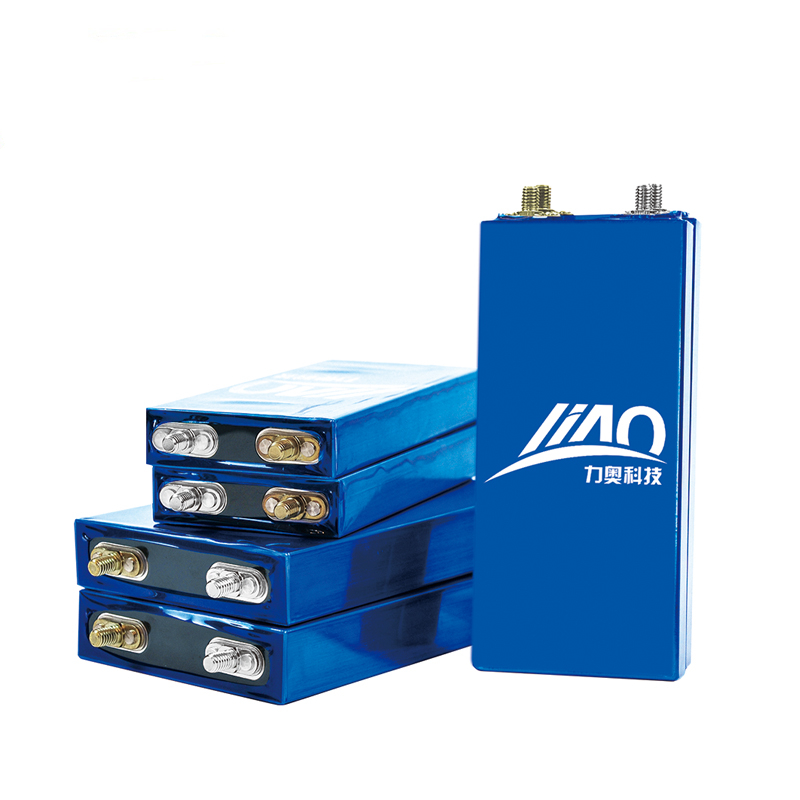
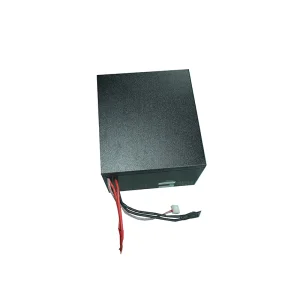
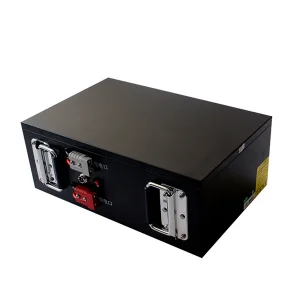
High-capacity prismatic lithium cells configured for high vibration tolerance. Ideal for stationary solar storage arrays, telecom backup systems, and heavy-duty electric power setups requiring structural durability.
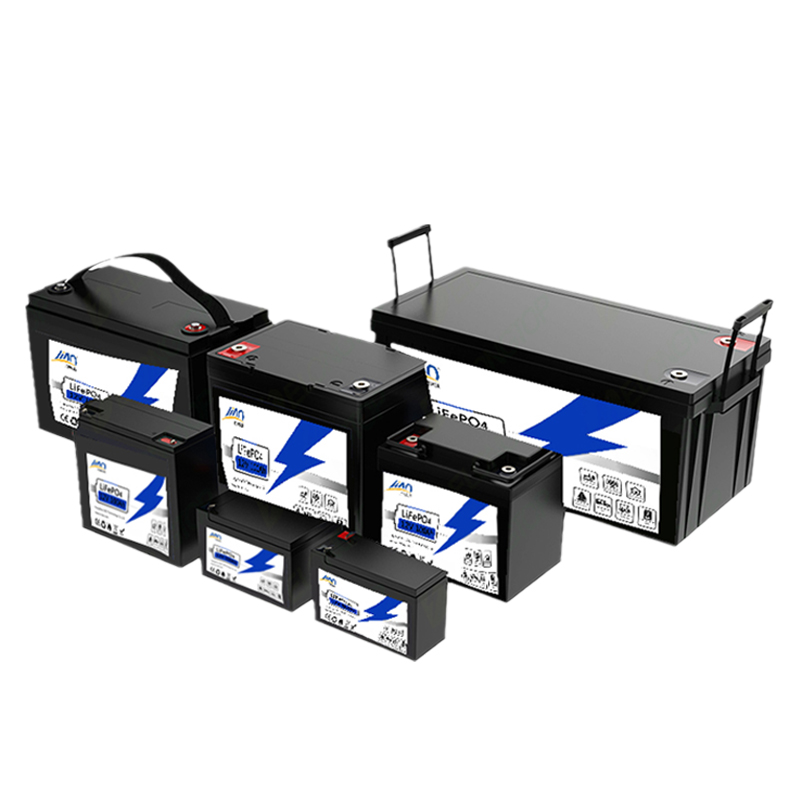
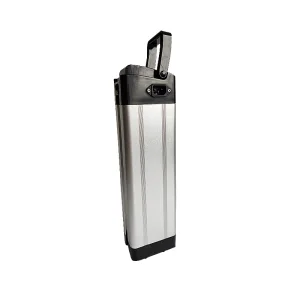
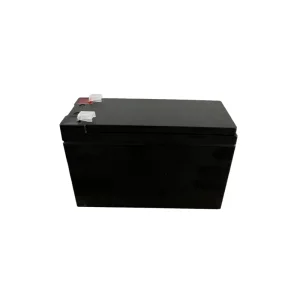
Custom and standardized battery packs configured for direct drop-in replacement. Provides stable voltage output, reliable thermal management, and long cycle lives for standard utility vehicles.
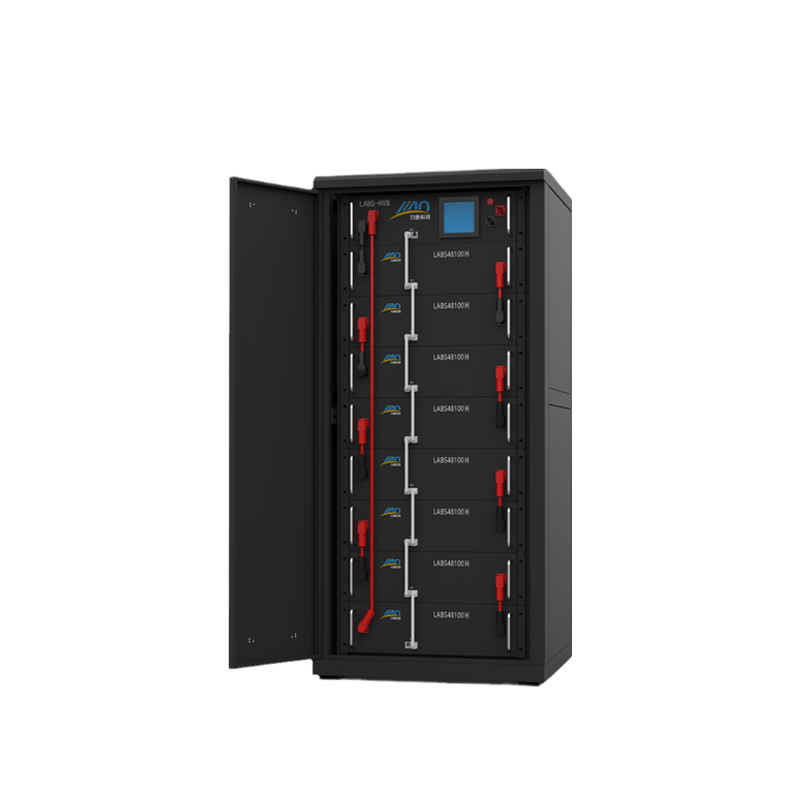
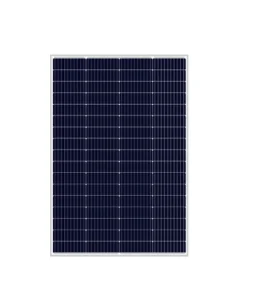
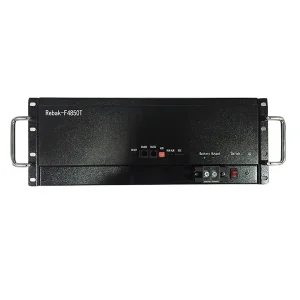
Integrated household and commercial scale power cabinets. Engineered to manage photovoltaic charge control, power peak-shaving, and reliable grid-interactive UPS operations.
The new generation of LiFePO4 golf cart batteries helps vehicles negotiate variable terrain and steep grades. Steady power delivery maintains speed uphill, while the chemistry supports quick charging intervals between uses.
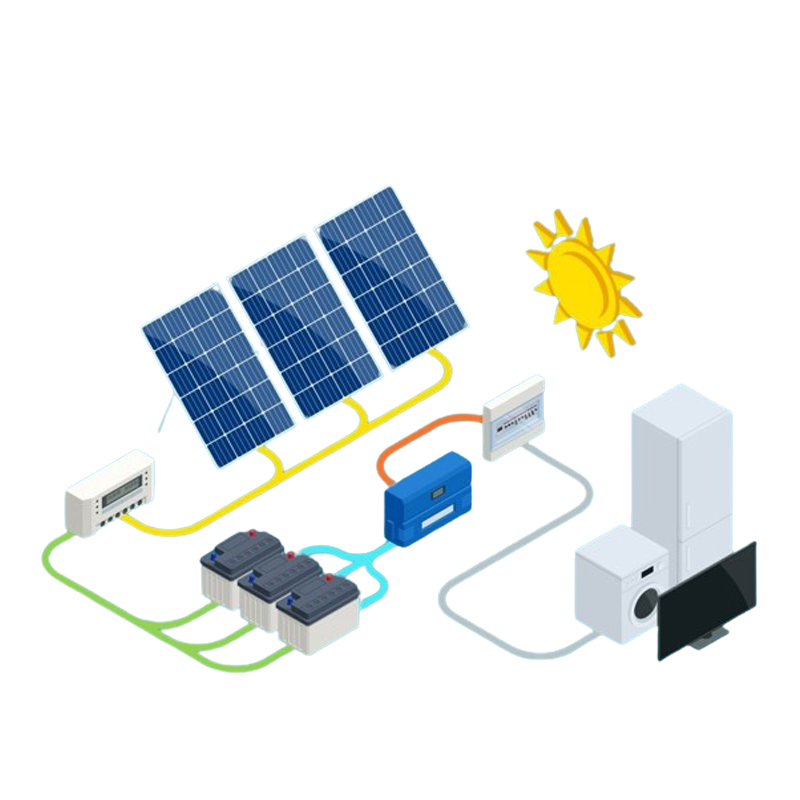
Our batteries power caravan movers and industrial utility equipment quietly without emissions. The flat discharge curve ensures reliable motor control, helping operators position equipment safely and efficiently.
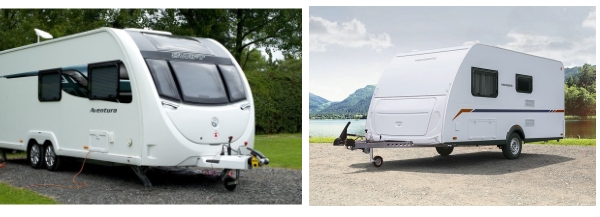
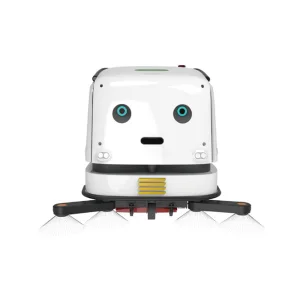
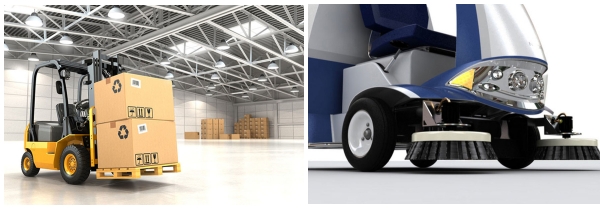
Designed for multi-shift materials handling. These battery systems help automated guided vehicles (AGVs) and heavy industrial carts transport goods consistently, reducing battery replacement downtime and operational costs.
Marine environments require high reliability and moisture isolation. Our sealed LiFePO4 batteries operate cleanly and quietly without risk of environmental contamination, providing reliable propulsion for electric marine vessels.

A visual tour of our production facility, showing the quality control steps implemented at each stage of battery manufacture.
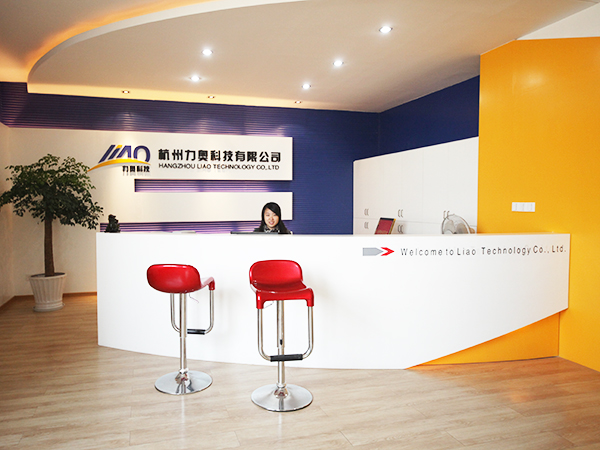
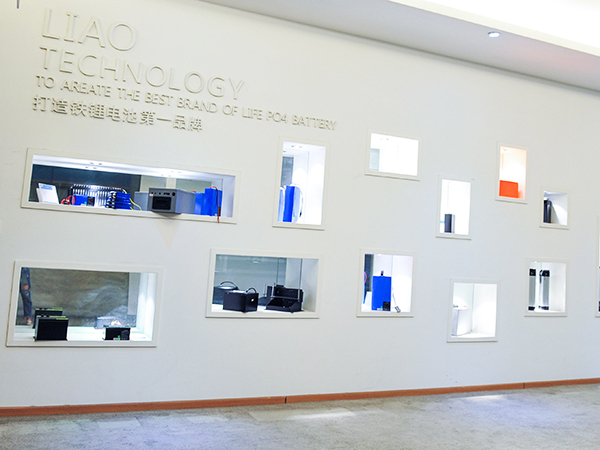
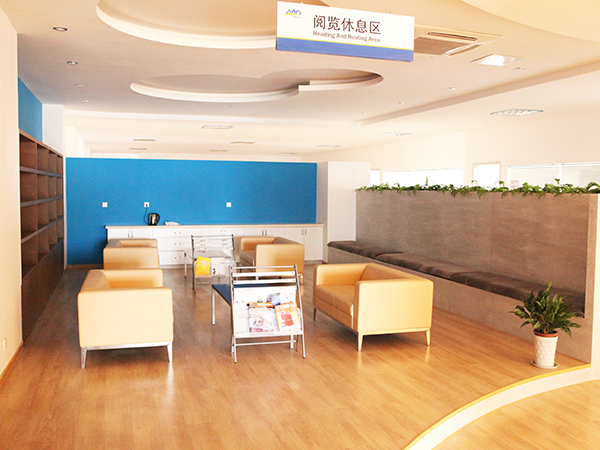
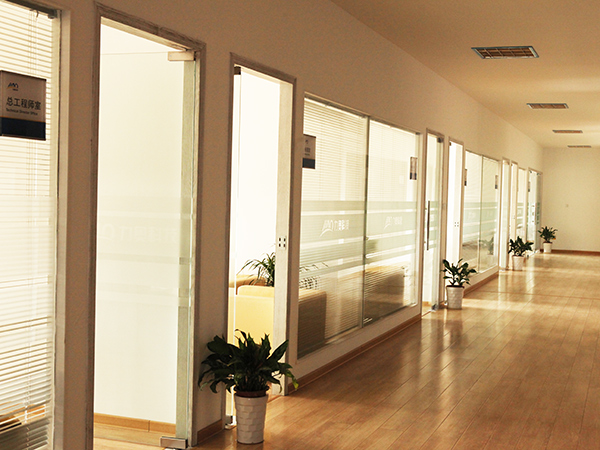
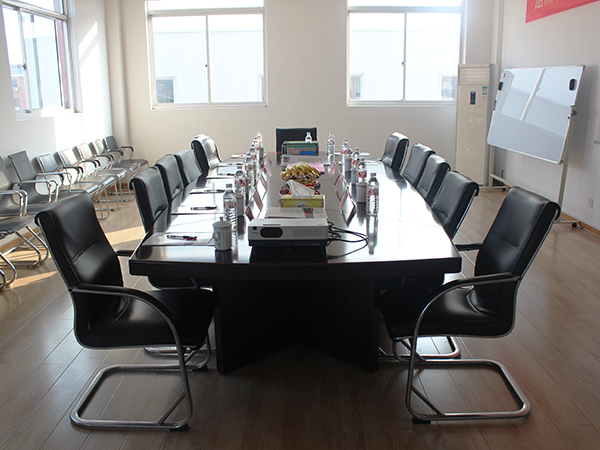
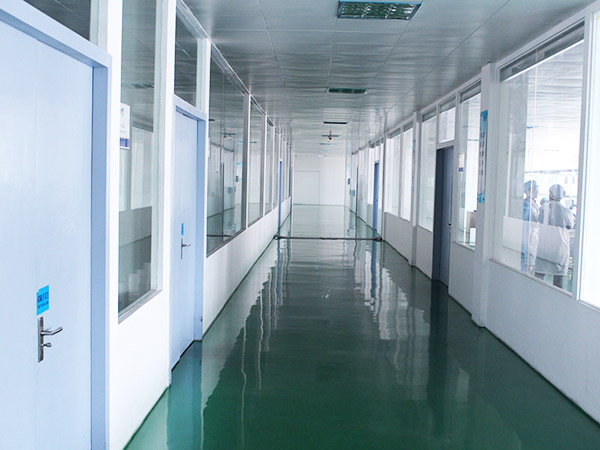
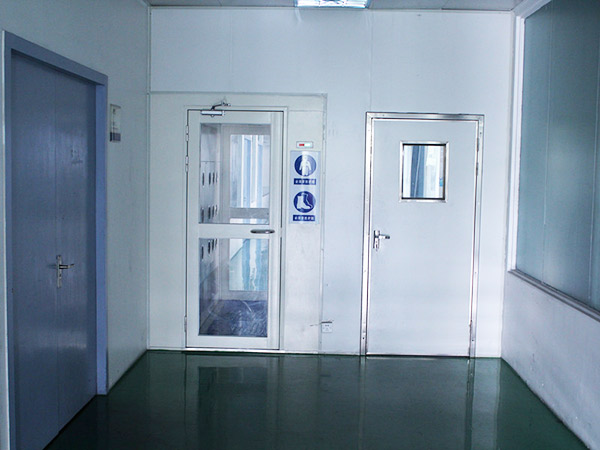
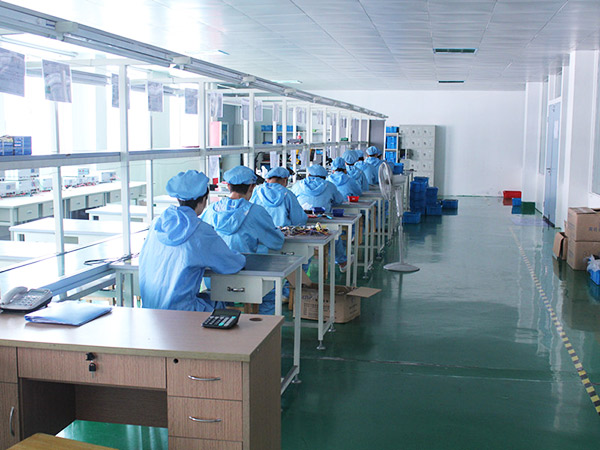
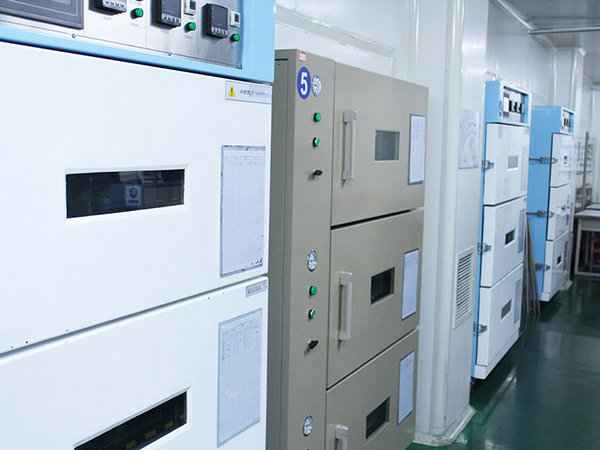
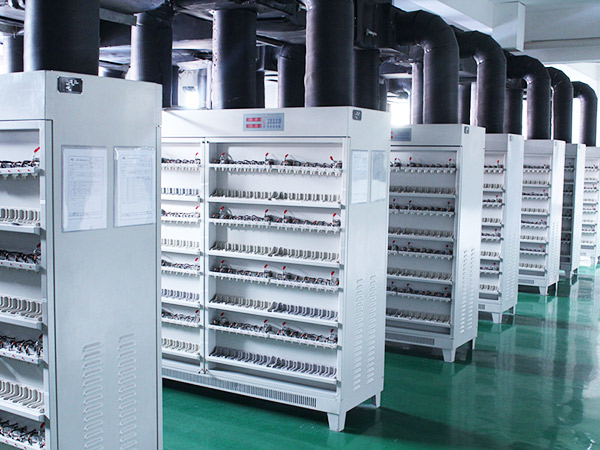
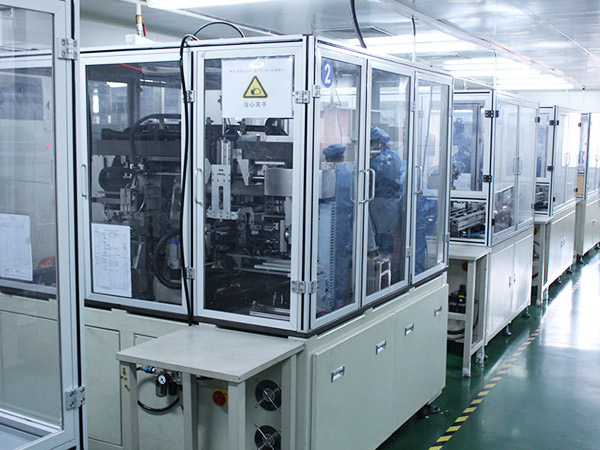
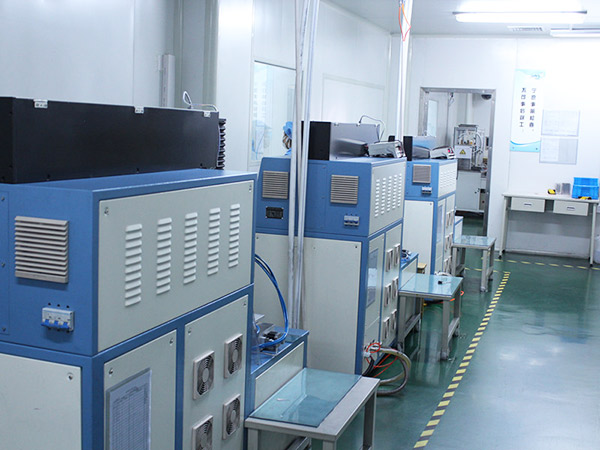
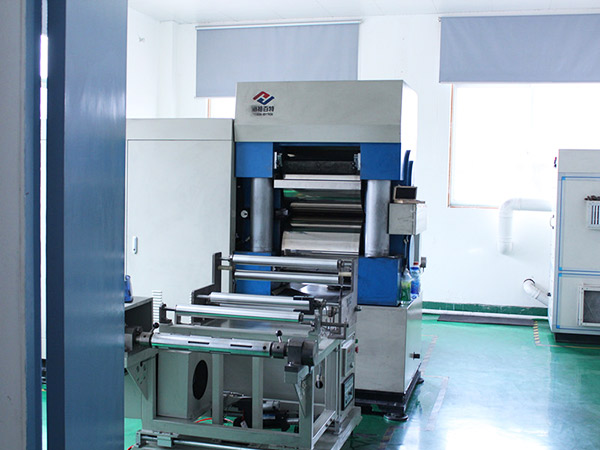
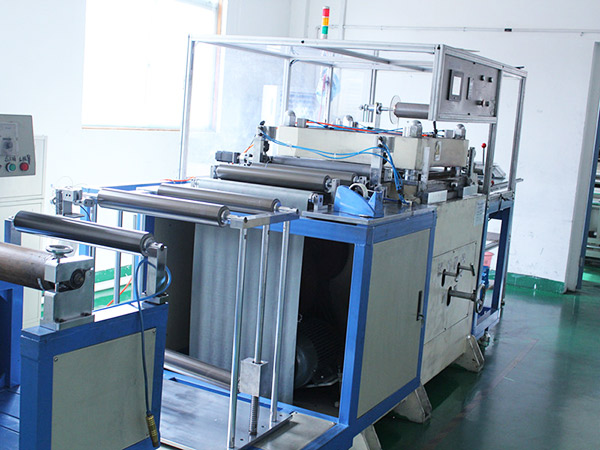
Operating under ISO 9001, 14001, and 18001 standards to maintain quality at every stage.
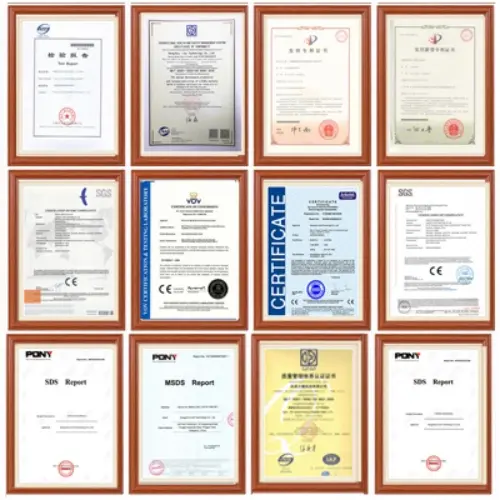
We maintain certifications to comply with global safety and environmental requirements.
International quality, environmental, and workplace safety compliance.
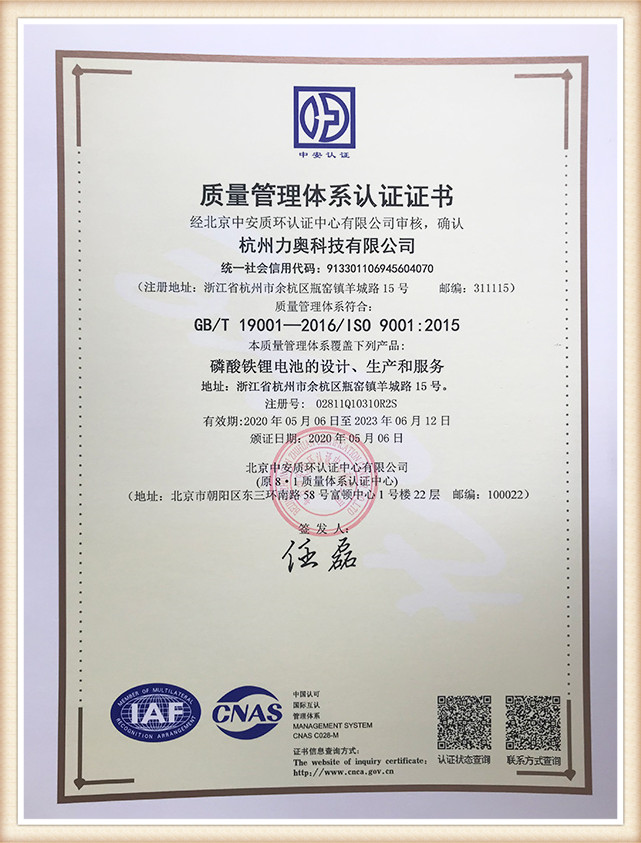
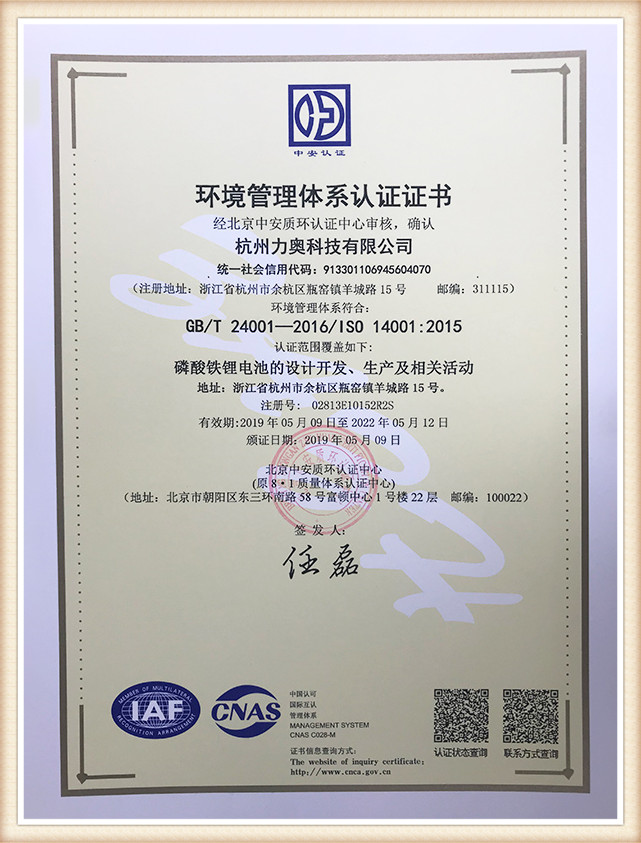
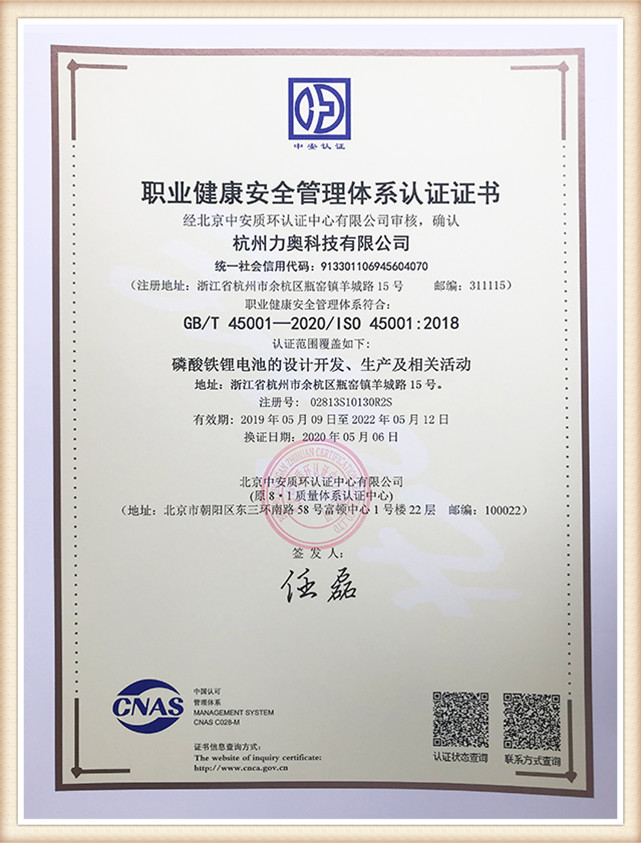
Proprietary cell structures and BMS safety algorithms developed in-house.
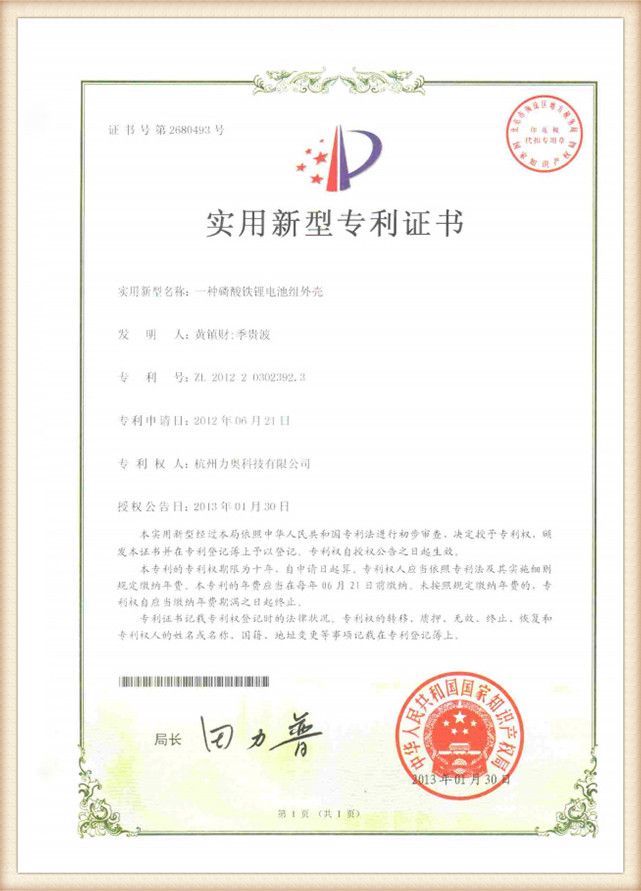
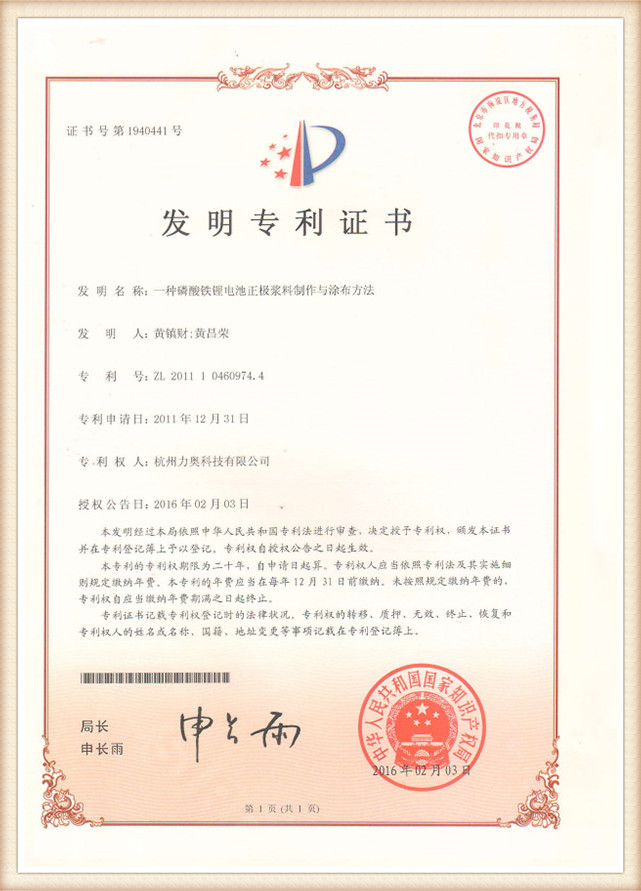
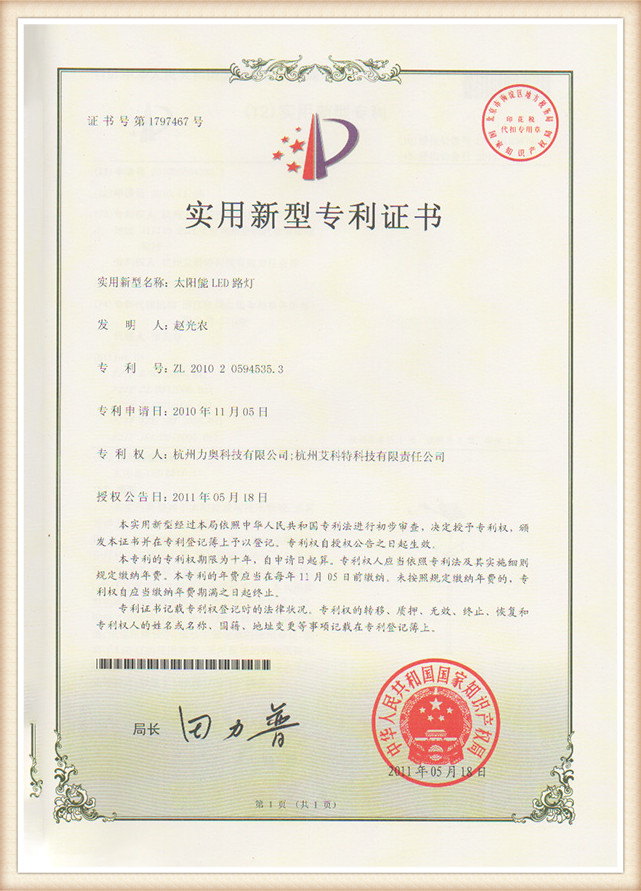
Meets CE, RoHS, UN38.3, and MSDS shipping safety regulations.
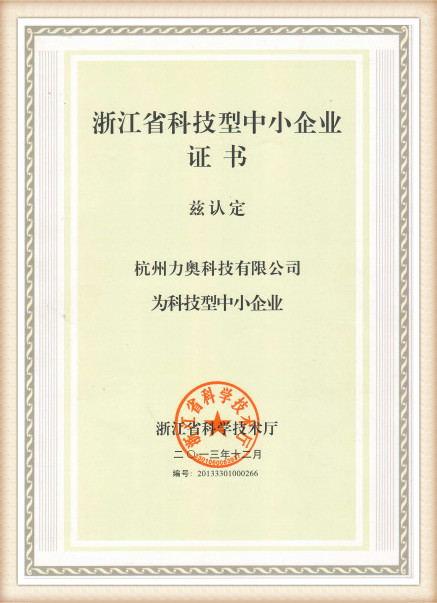

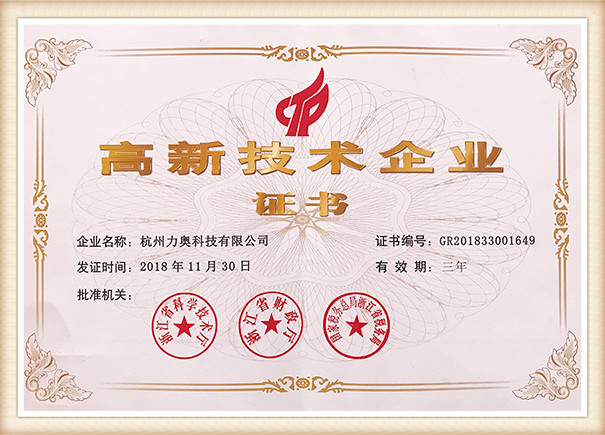
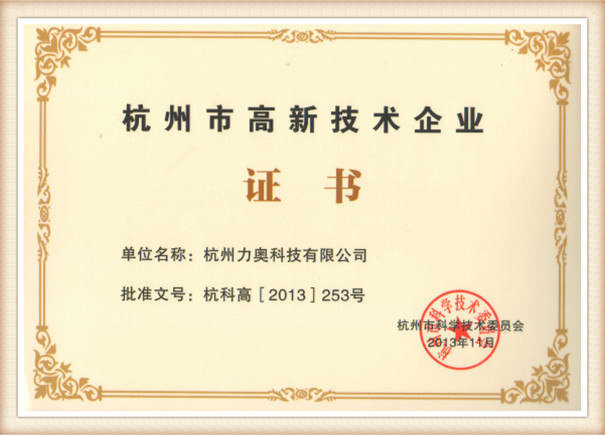
Recognized for technical contributions and engineering standards.
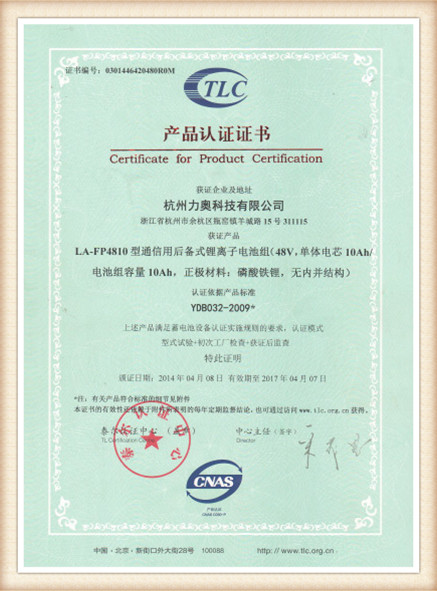
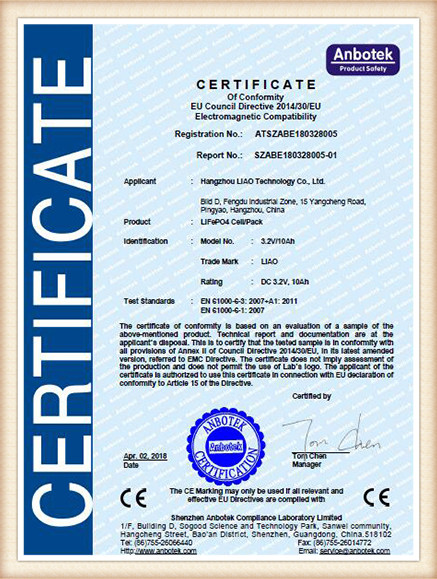
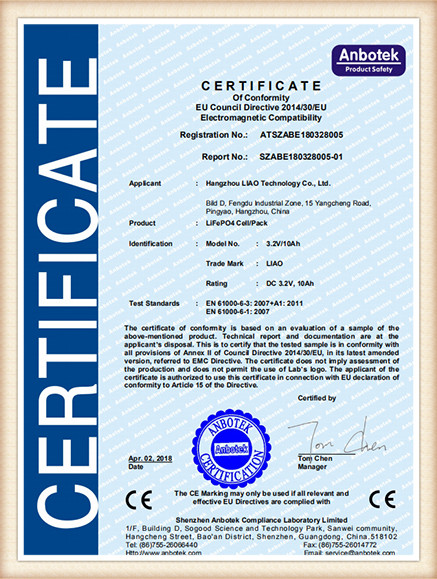
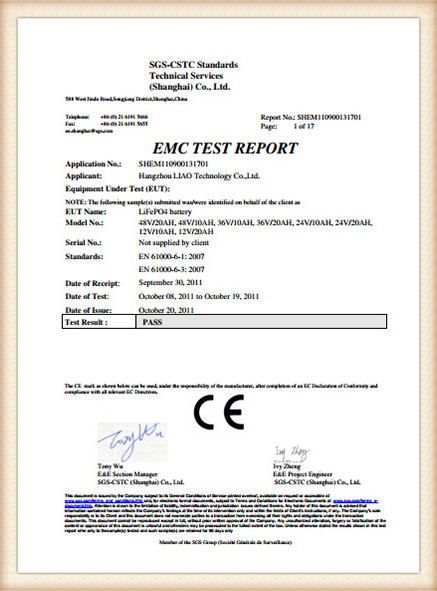
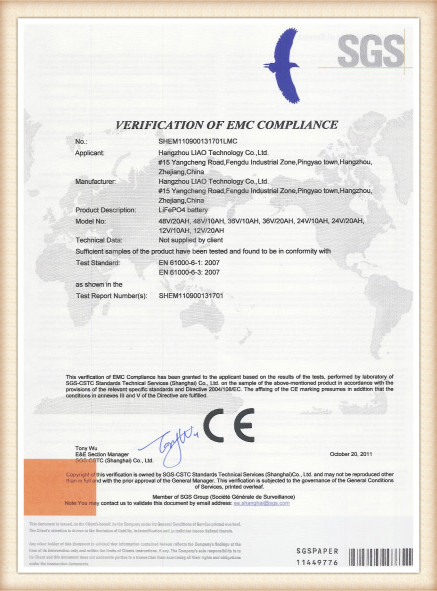
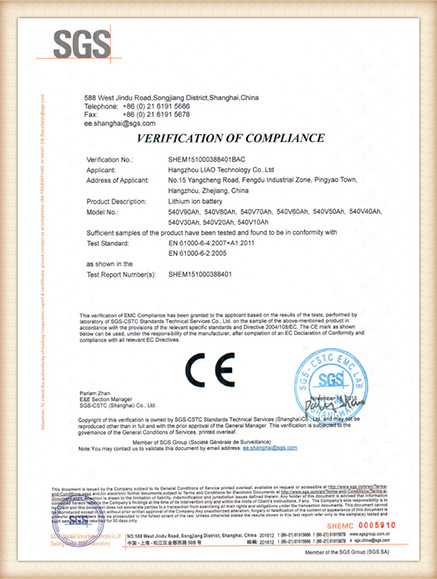
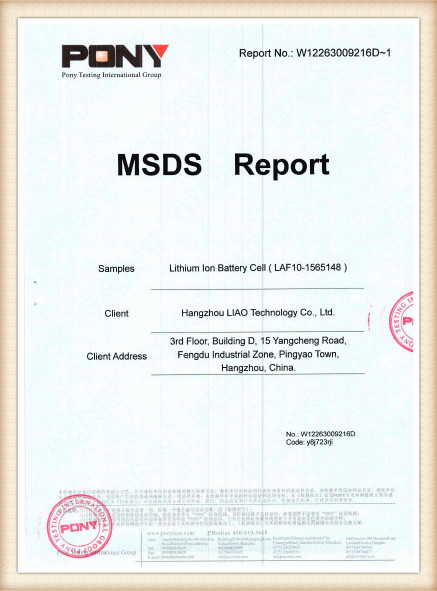
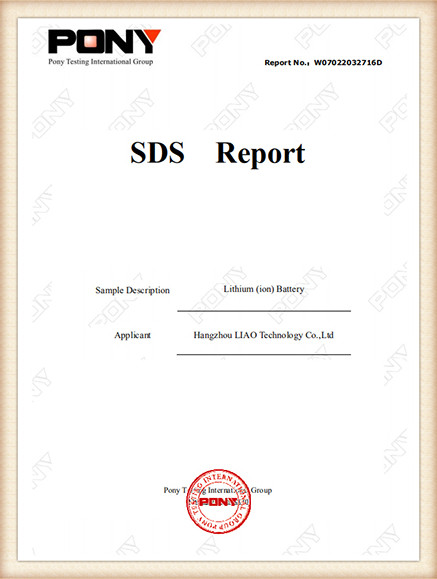
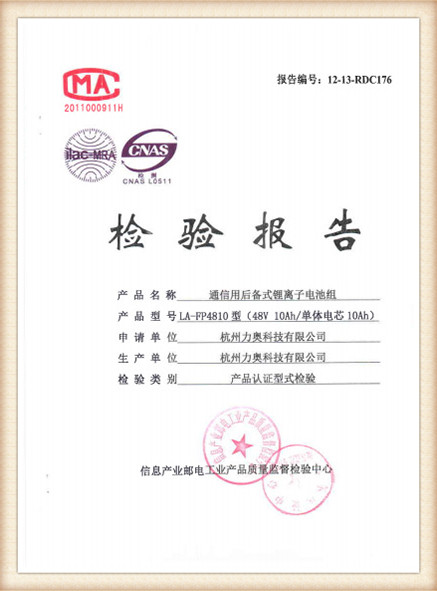
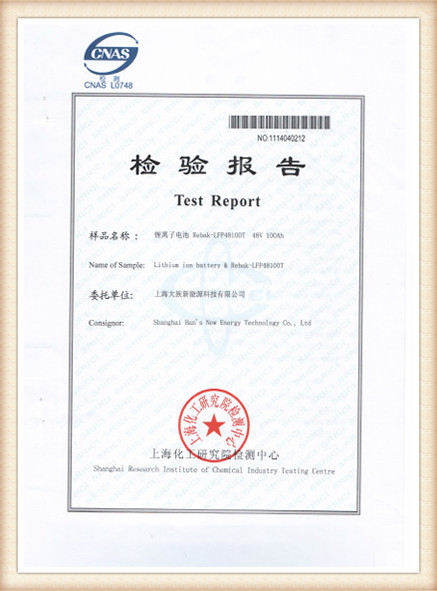
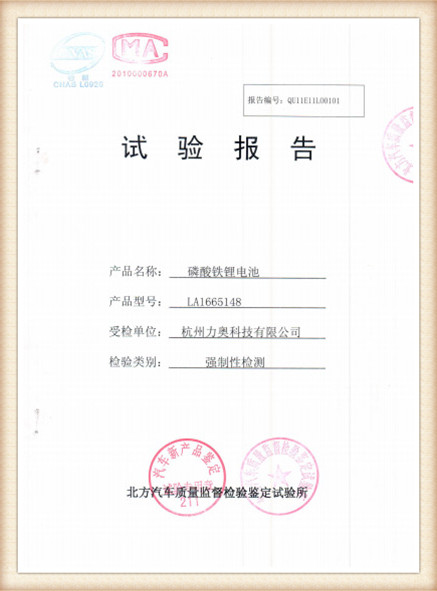
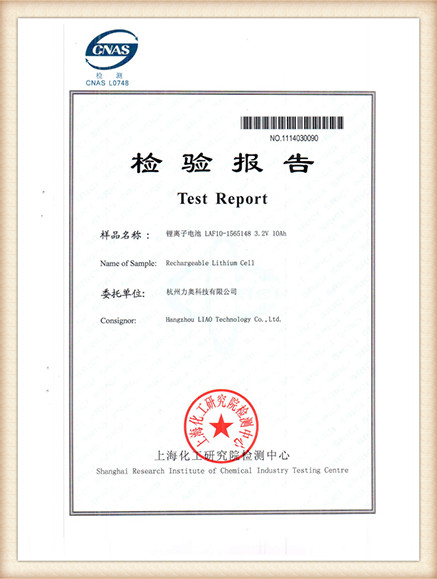
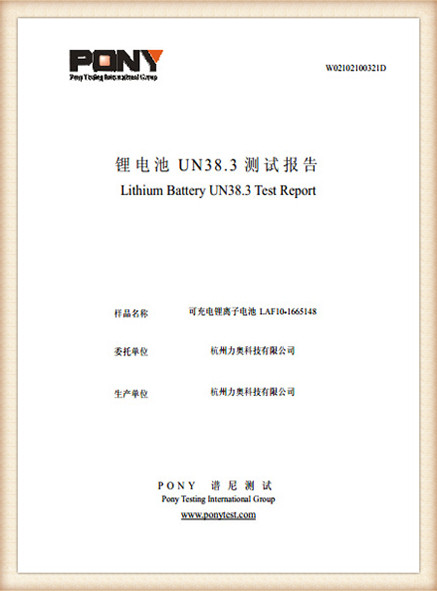
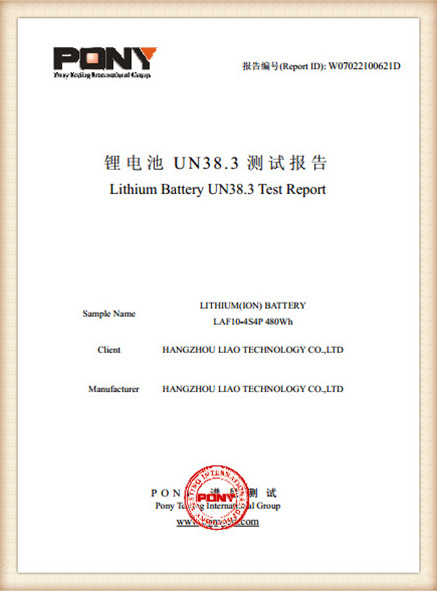
Comprehensive batch test data validating cycle stability, capacity retention, and charge-discharge rates.
Important engineering factors to consider when comparing global suppliers for battery pack designs.
For a 36V 20Ah configuration, select the battery chemistry based on your application's mechanical and electrical constraints:
Modern battery integrations require monitoring battery metrics. Ensure your supplier's BMS supports standard communication protocols:
Batteries operating in cold storage or near high-heat machinery need appropriate thermal management. LIAO's low-temperature designs support discharge down to -40 ℃, while our high-temperature cells operate up to 85 ℃. For extreme environments, verify the BMS low-temperature charge protection limits to prevent lithium plating during sub-zero charging.
We recommend verifying that your supplier performs 100% capacity matching and internal resistance sorting on cells before pack assembly. Unmatched cells lead to premature pack capacity degradation and reduce operational life.
Answers to common technical, design, and logistics questions from procurement managers and system engineers.
Discover our broader range of rechargeable lithium power products, certified solar panels, and portable backup stations.
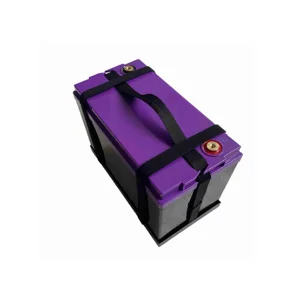
 Liao Battery