 Liao Battery
1 / 3
Pure electric vehicles, compared with fuel vehicles, the main difference lies in the four major components: drive motor, speed controller, power battery, and on-board charger. Compared with gas stations, it consists of shared ultra-fast charging stations. The quality difference of pure electric vehicles depends on these four components, and their value is also dependent on the quality of these four components.
The weight of the on-board power battery depends on the choice of power battery such as lead-acid, zinc-carbon, and lithium batteries which have different sizes, specific gravity, specific power, specific energy, and cycle life. This is dependent on the manufacturer's positioning and use of the vehicle grade, as well as market definition and market segmentation.
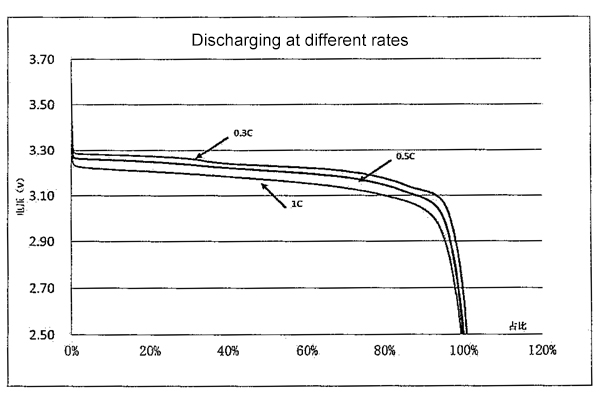
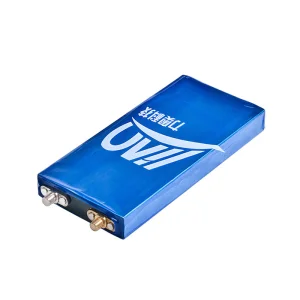
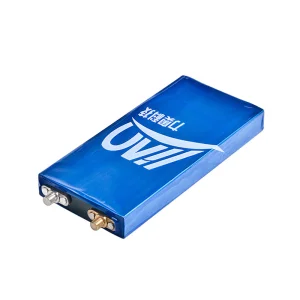
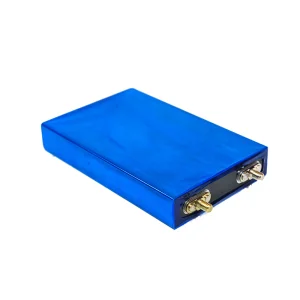
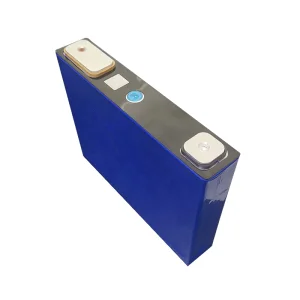
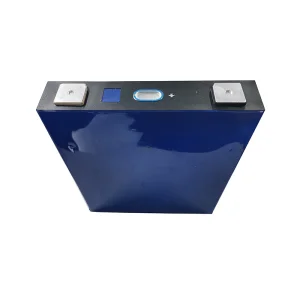
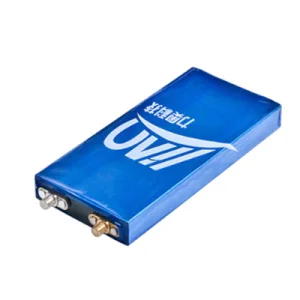
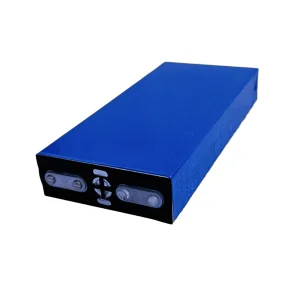
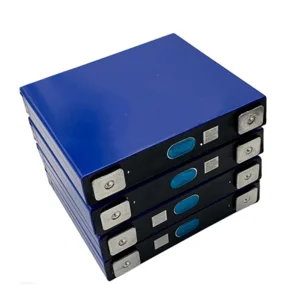
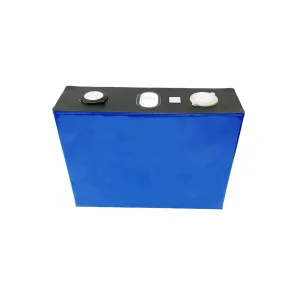
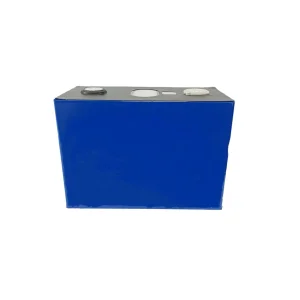
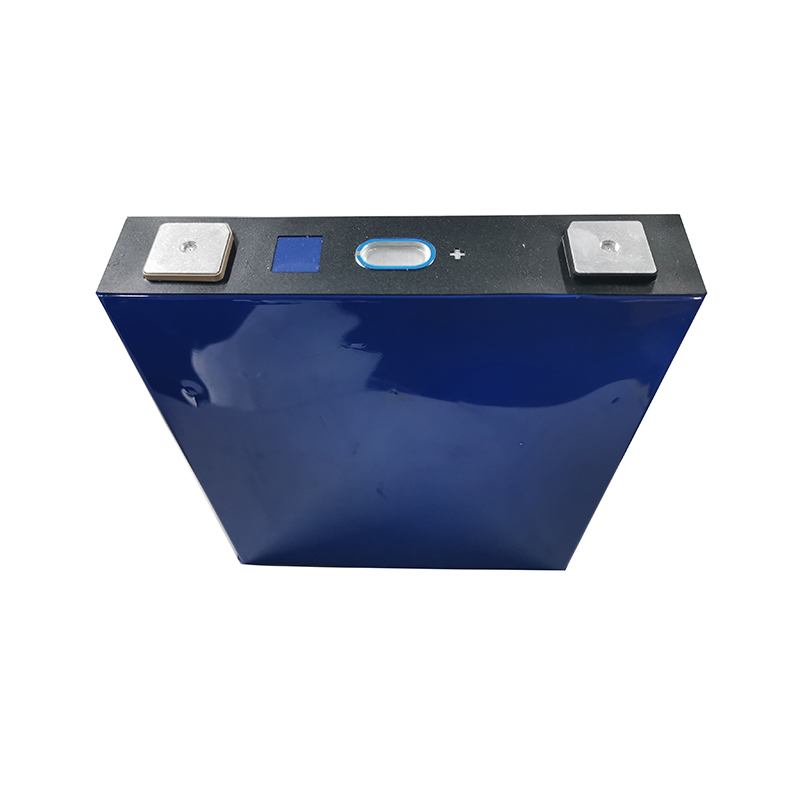
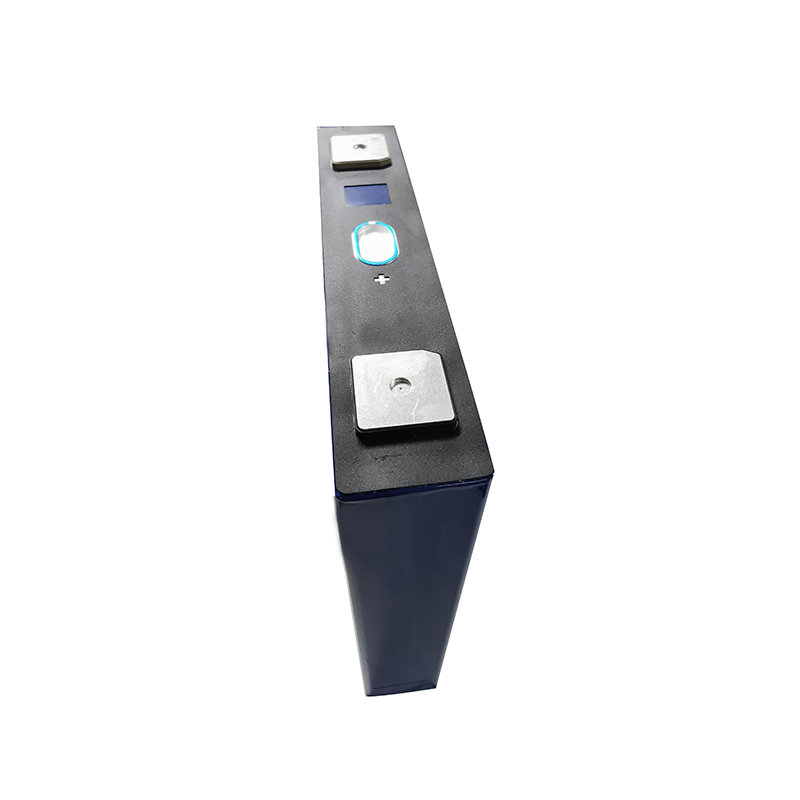
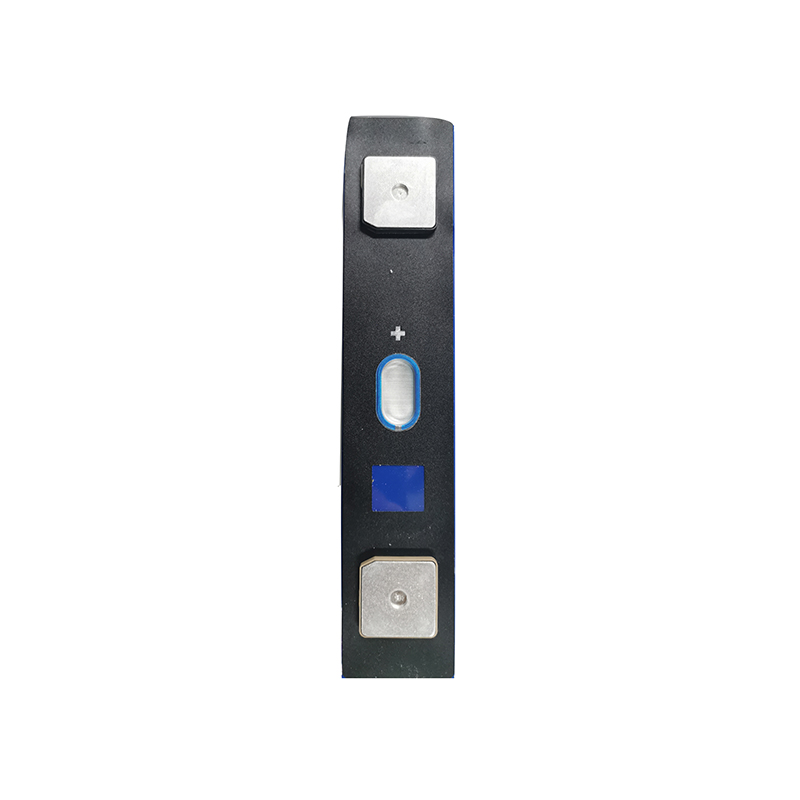
The big capacity 3.2V 100Ah prismatic LiFePO4 battery cell with good performance.
It is only around 1/3 weight compared to the traditional lead acid batteries.
It is almost the safest lithium battery type currently recognized in the industry.
Lithium iron phosphate is a new type of electrode material, characterized by large discharge capacity, low price, non-toxicity, and no environmental pollution.
Specially designed and engineered for power supply applications like electric vehicles (EV).
| Parameter | Specification |
|---|---|
| Model No. | F100-29173202 |
| Nominal Voltage | 3.2V |
| Nominal Capacity | 100Ah |
| Internal Resistance | ≤ 2mΩ |
| Max. Continuous Charge Current | 1C |
| Max. Continuous Discharge Current | 1C |
| Max. Impulse Discharge Current | 2C |
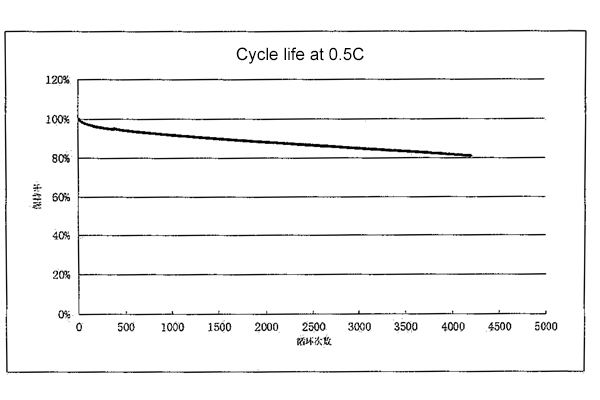
| Cycle Life | ≥ 2000 times |
| Charge Temperature | 0°C ~ 55°C |
| Discharge Temperature | -20°C ~ 55°C |
| Storage Temperature | -20°C ~ 55°C |
| Weight | 2180g |
| Dimension | 28.82mm * 147.70mm * 202.47mm |
| Application | Make battery packs for power supply application like EV |