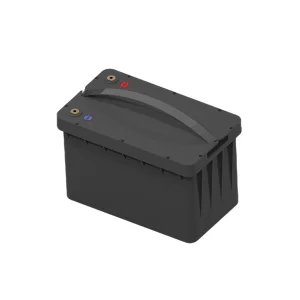
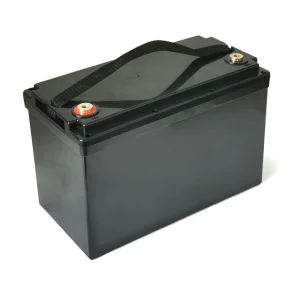
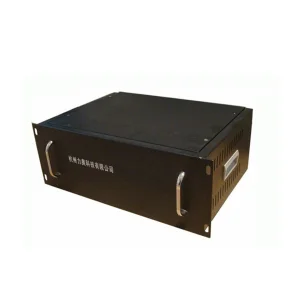
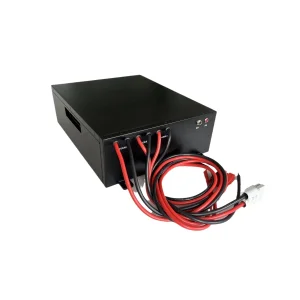
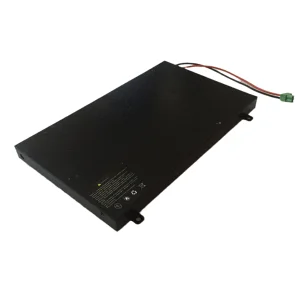
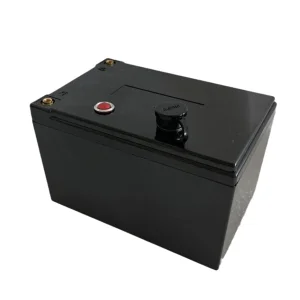
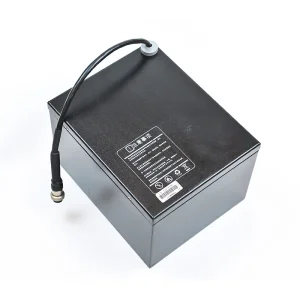
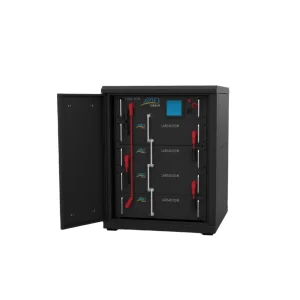
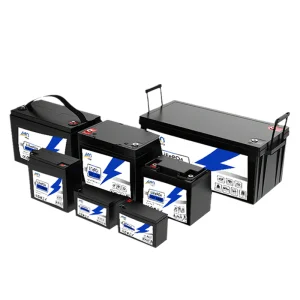
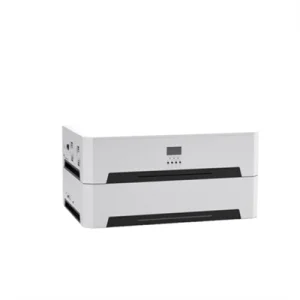
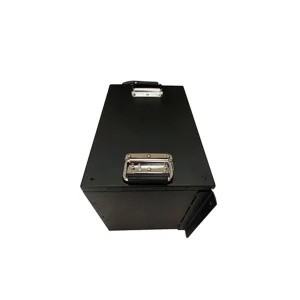
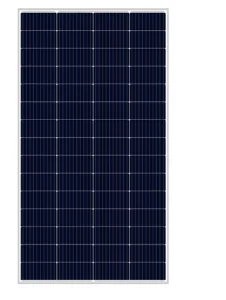
Engineered with smart BMS, certified safety protections, and direct mechanical compatibility for SLA replacements.
The structural shift from traditional SLA (sealed lead-acid) to LiFePO4 chemistry in commercial, industrial, and residential applications.
The global transition away from lead-acid batteries represents one of the most significant shifts in industrial energy storage technology. Driven by strict environmental regulations, ESG (Environmental, Social, and Governance) corporate initiatives, and the long-term economic benefits of high-cycle-life chemistries, manufacturers worldwide are actively replacing legacy SLA systems. Lithium Iron Phosphate (LiFePO4) has emerged as the definitive standard for industrial battery replacements.
Compared to traditional options, LiFePO4 offers a vastly superior Total Cost of Ownership (TCO). Lead-acid batteries generally suffer from low Depth of Discharge (typically restricted to 50% to prevent degradation) and short life expectancy (300 to 500 cycles). In contrast, custom-engineered lithium replacement packs sustain over 3,000 deep discharge cycles at 80% to 100% DOD. This transition reduces replacement frequency, maintenance costs, and facility downtime across automated guided vehicles (AGVs), telecom installations, solar networks, and marine systems.
Understanding the evolution of custom battery management systems (BMS), thermal runaway prevention, and structural design.
Modern lithium replacements utilize digital Battery Management Systems incorporating active cell balancing, telemetry protocols (CANbus, RS485, Modbus), and real-time SoC/SoH tracking to prevent overcharging or thermal instability.
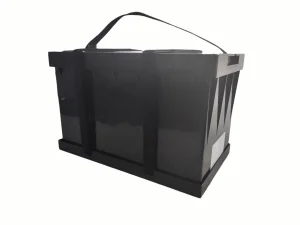
To simplify the replacement process, standard DIN dimensions and structural form factors (such as Group 24, 27, and 31 cases) are used, allowing companies to transition without costly chassis modifications.
Compared to NMC (Nickel Manganese Cobalt) cells, LiFePO4 exhibits exceptionally high thermal runaway thresholds. It remains stable under internal short circuits and physical impact, satisfying strict transportation regulations.
From custom industrial utility vehicles to specialized consumer marine crafts, delivering clean and efficient energy.

The new generation of LiFePO4 golf cart batteries help your carts running easily in different golf terrains or courses without power drops or frequent recharges.
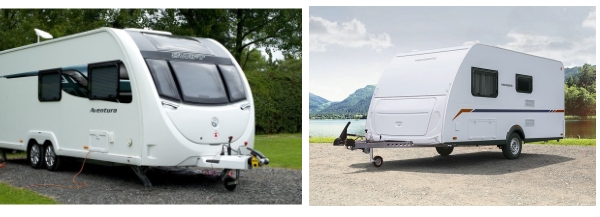
Our LiFePO4 batteries help your caravan mover running quietly with no air pollution. At the same time, labor costs are saved and working efficiency is improved.
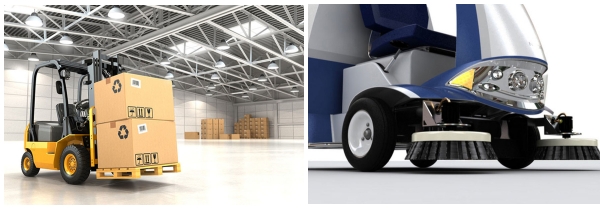
Designed for short-distance transport. Our LiFePO4 batteries help industrial vehicles and heavy-load equipment lift and transport goods efficiently with minimal effort.

E-boat/ship is an environmentally friendly transportation tool. Our LiFePO4 batteries operate cleanly and quietly without environmental or noise pollution.
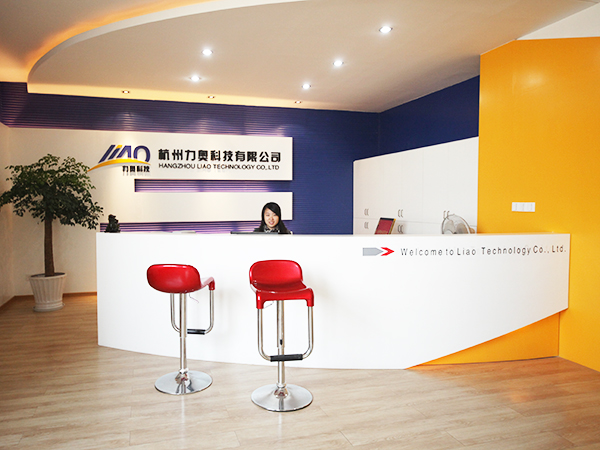
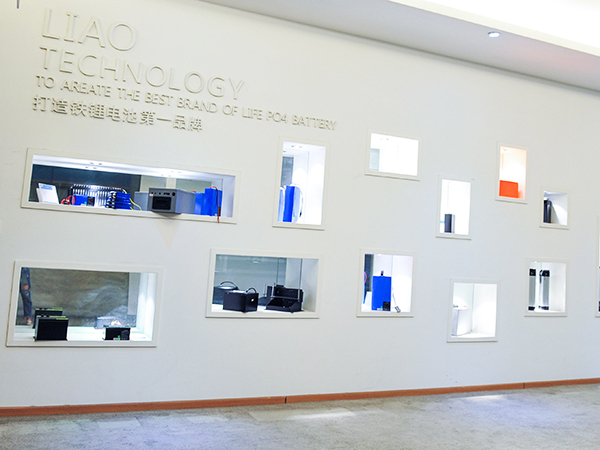
Founded in 2009, Hangzhou LIAO Technology Co., Ltd. is a professional and leading manufacturer specialized in LiFePO4 batteries. Our products have been exported to more than 20 countries all over the world, earning a reputable presence in Europe, North America, the APAC region, and Africa.
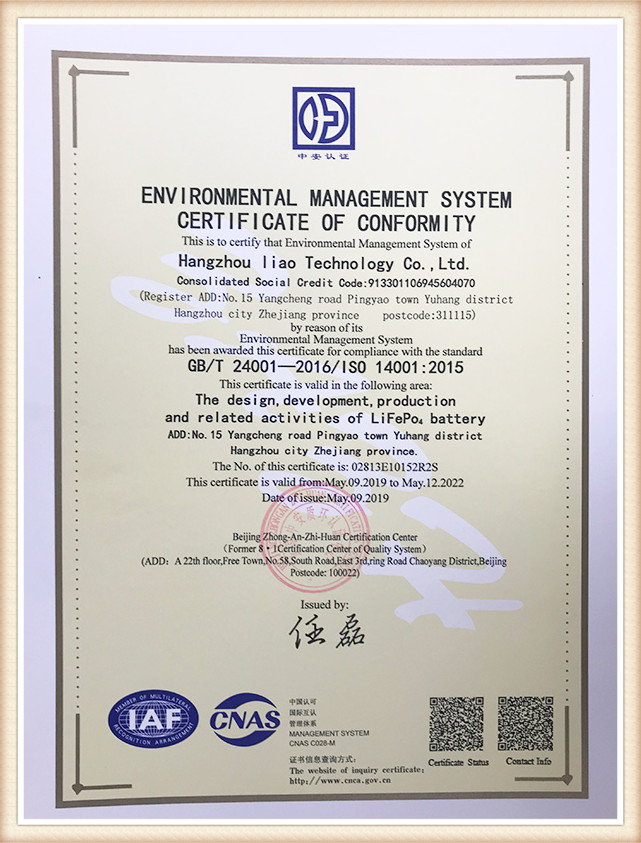
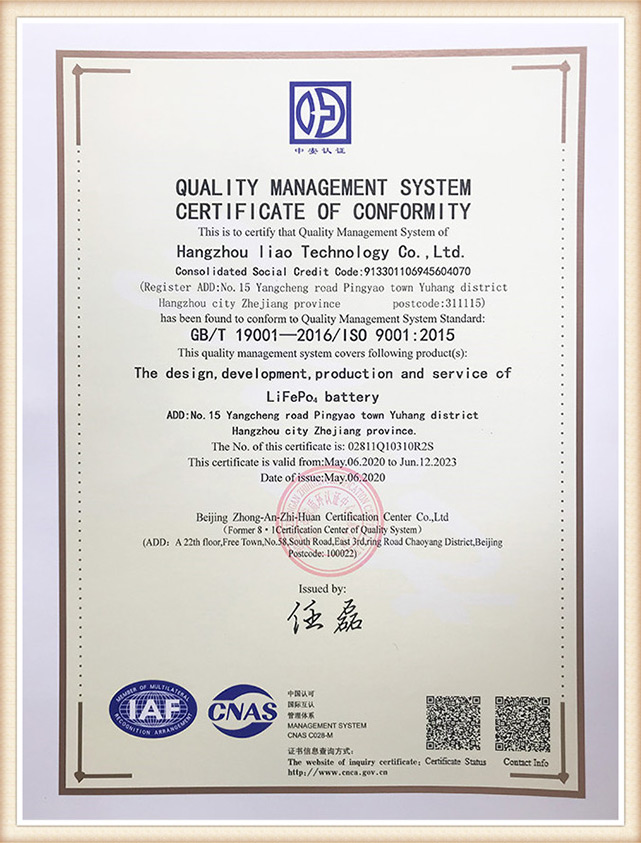
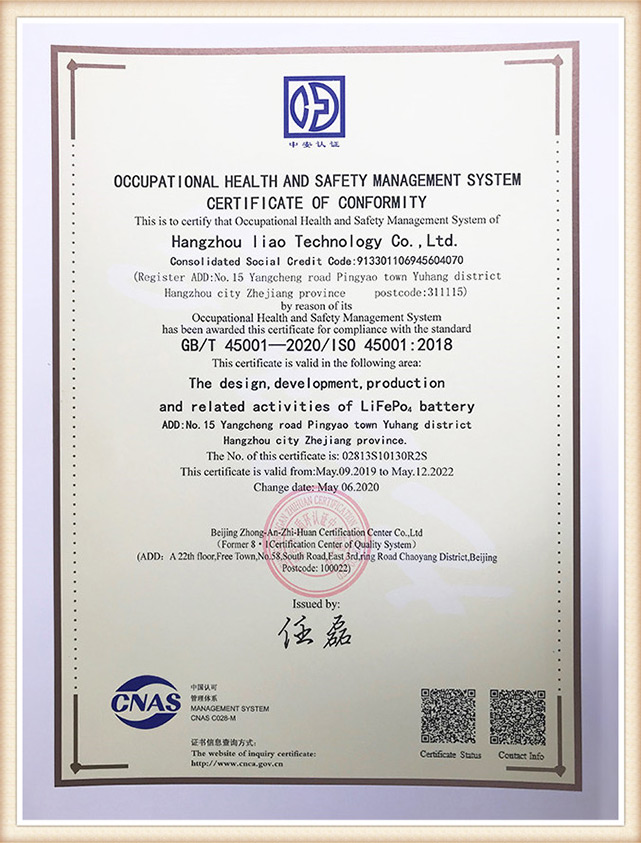
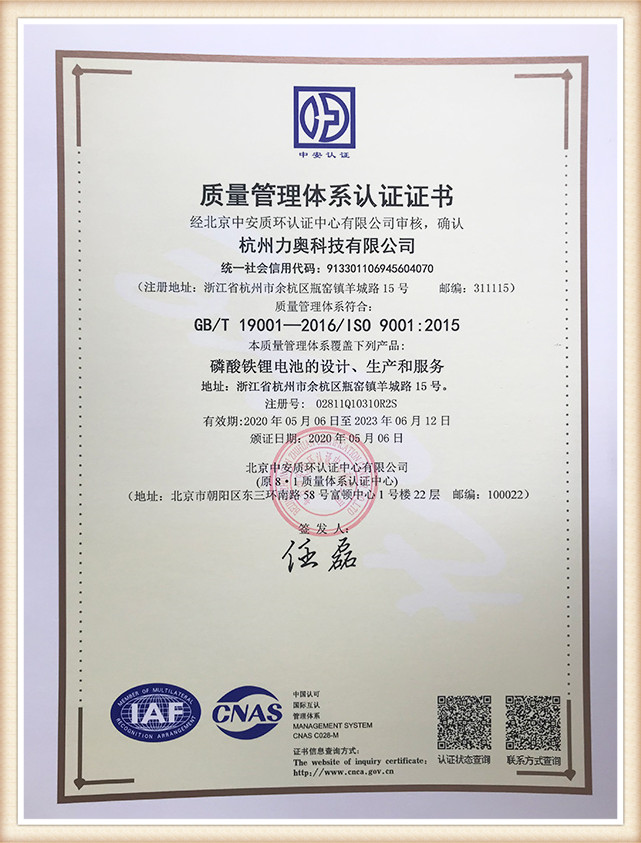
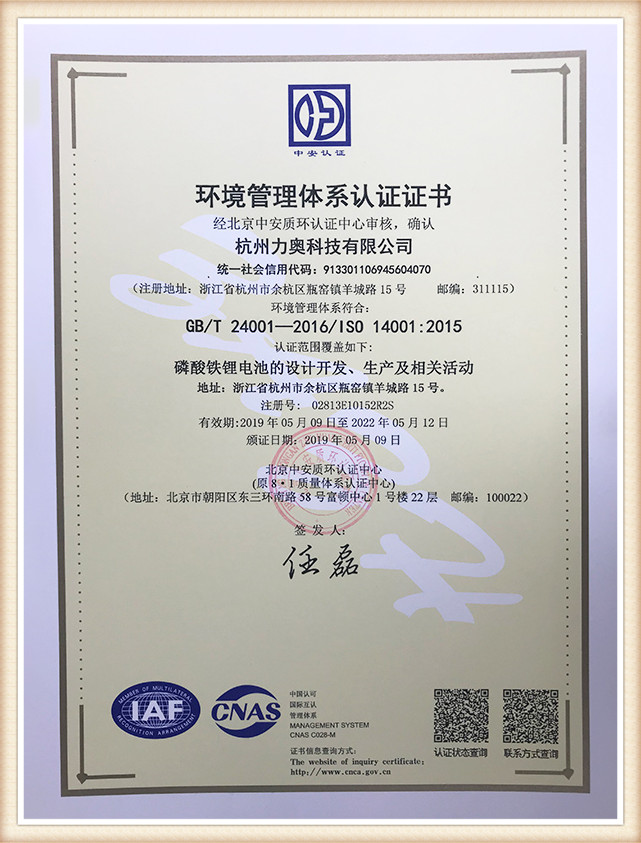
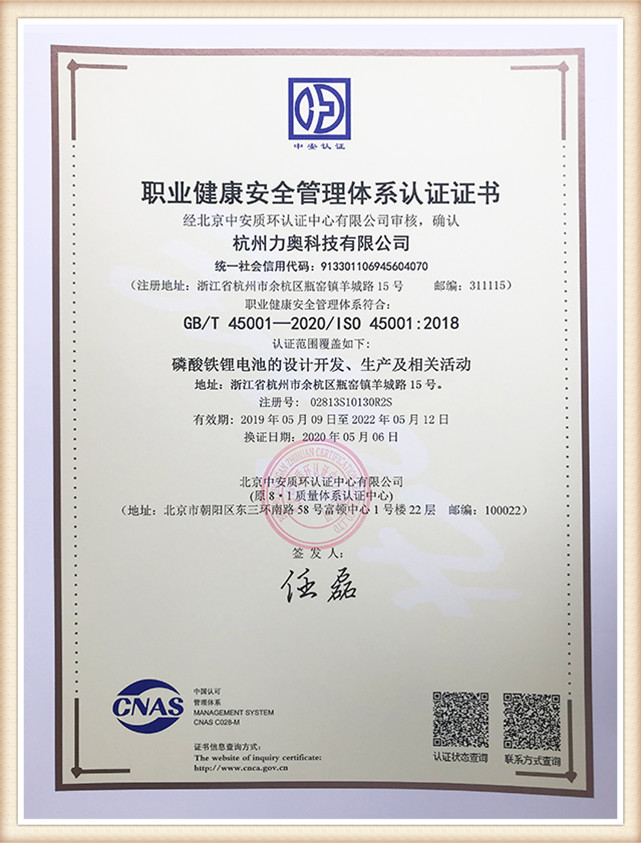
We have established a strict and efficient QC system. All products are manufactured under the quality management system of ISO 9001. We maintain compliance with environmental management system ISO 14001, and occupational health and safety management system ISO 18001.
Our strengths are anchored on four core foundations: unmatched safety (cells will not burn or explode under acupuncture tests), excellent performance in temperature extremes (-40℃ to 85℃), long cycle lifespan exceeding 2,800 cycles (1C/100% DOD), and European testing recognition (LAXpower-1230 awarded testing champion).
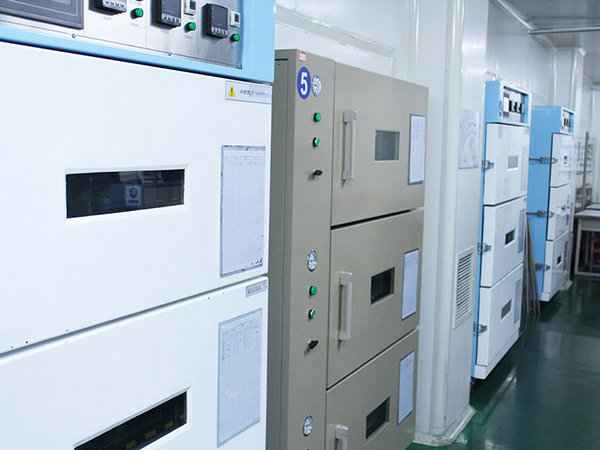
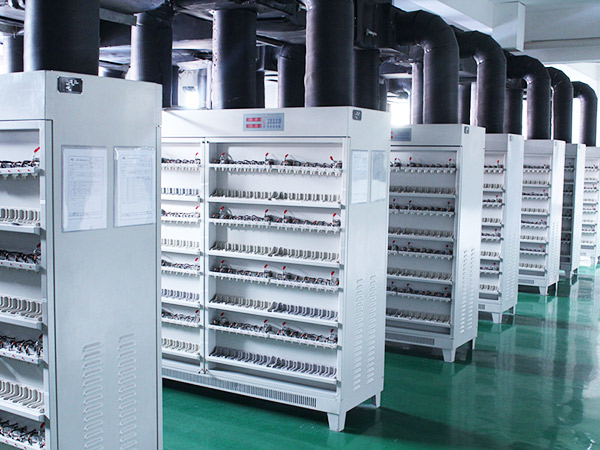
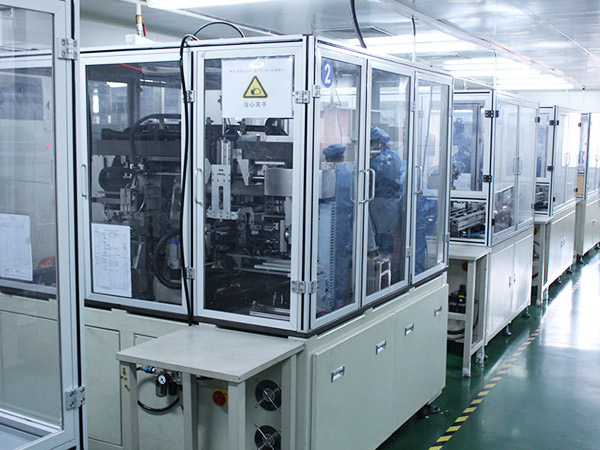
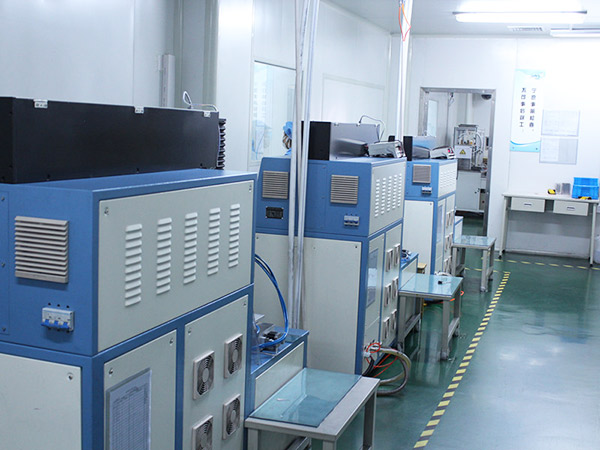
Manufacturing Experience
Inside our quality-controlled manufacturing floor where lithium chemistry is built to demanding industrial standards.
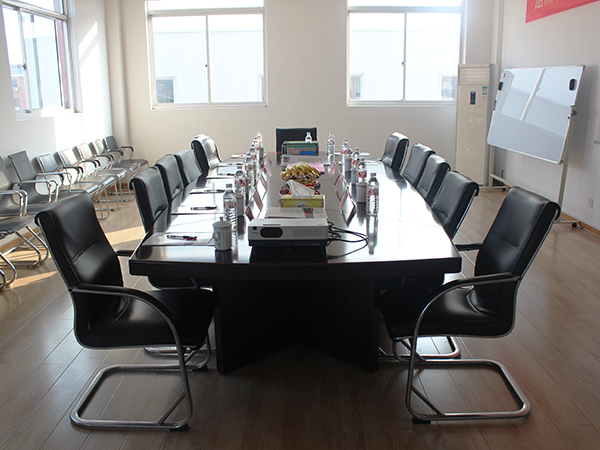
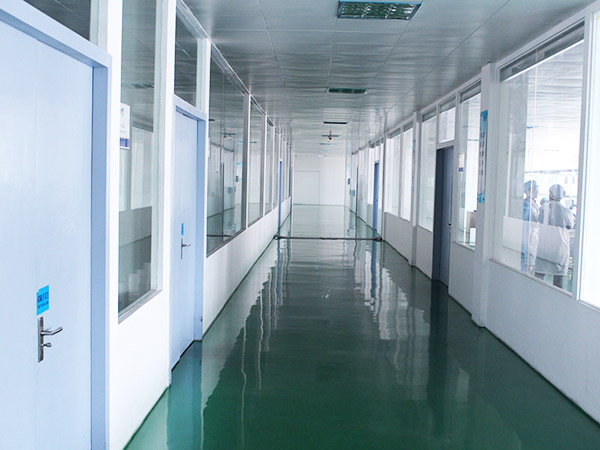
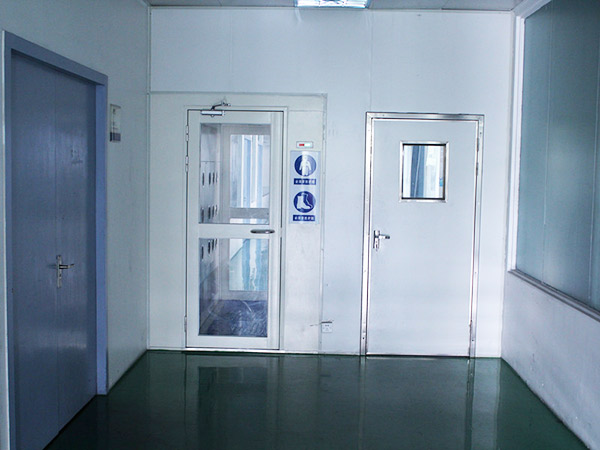
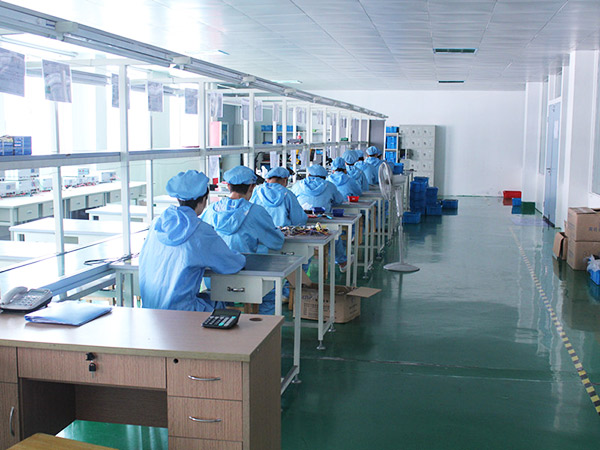
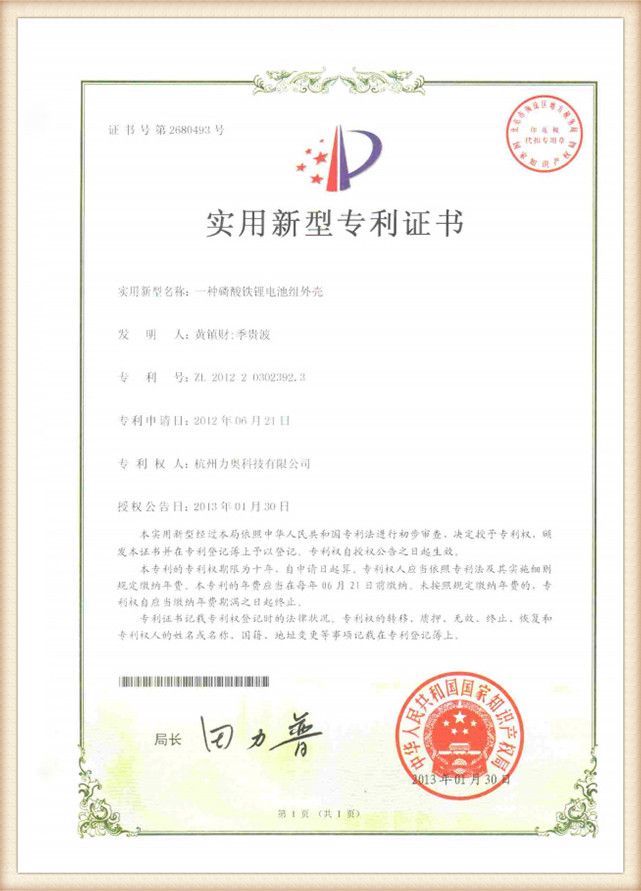
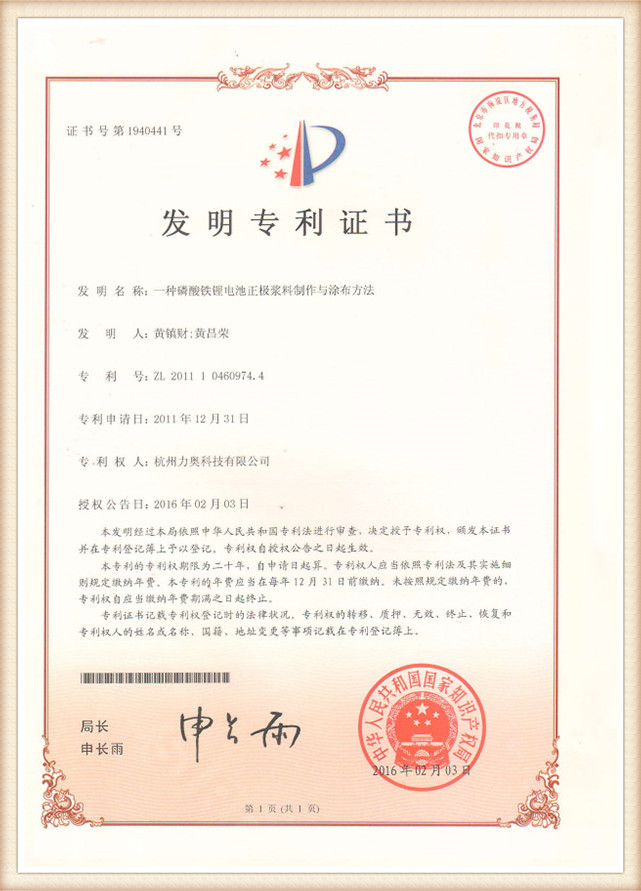
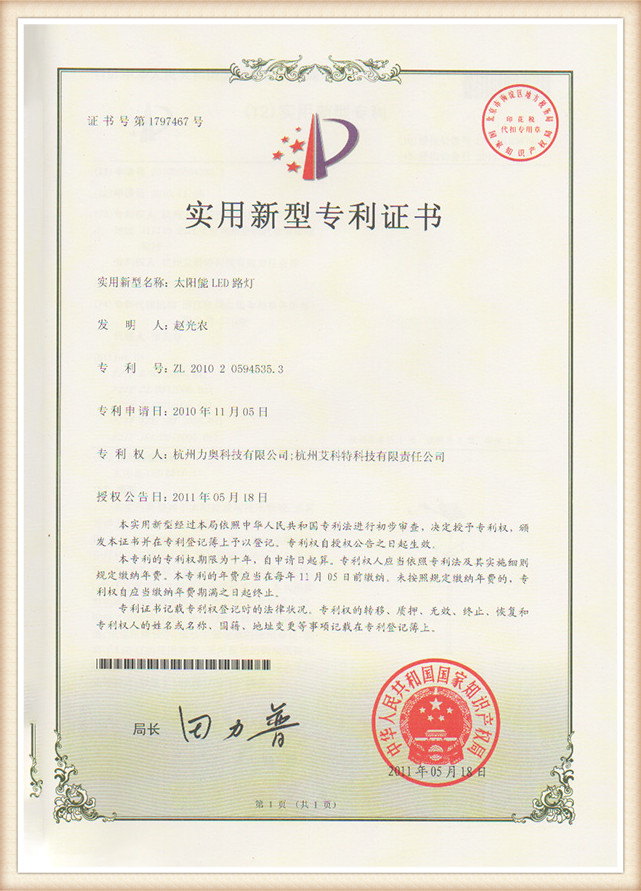
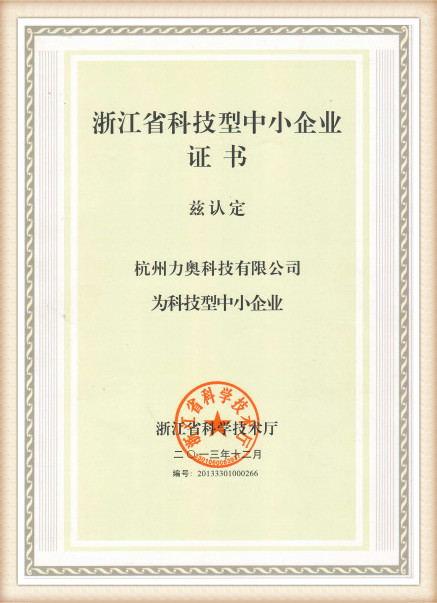
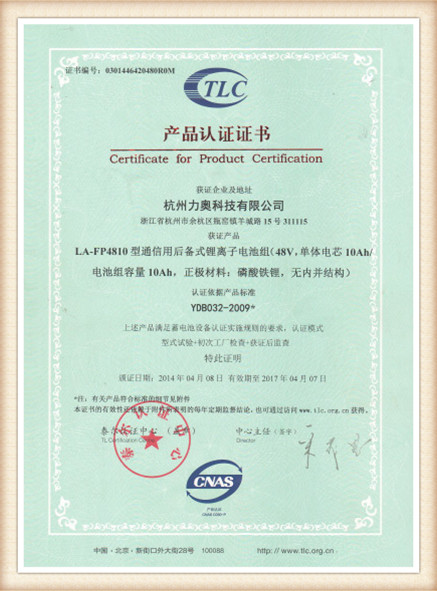
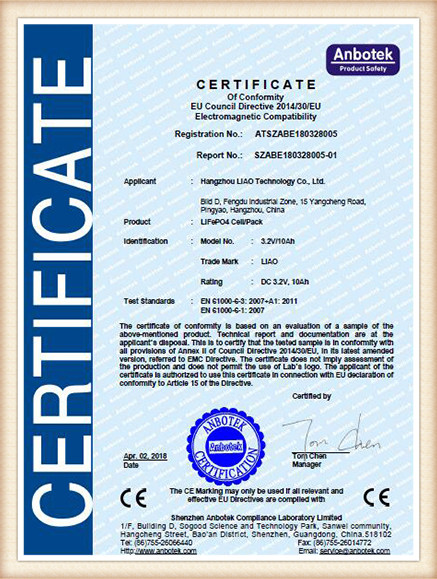
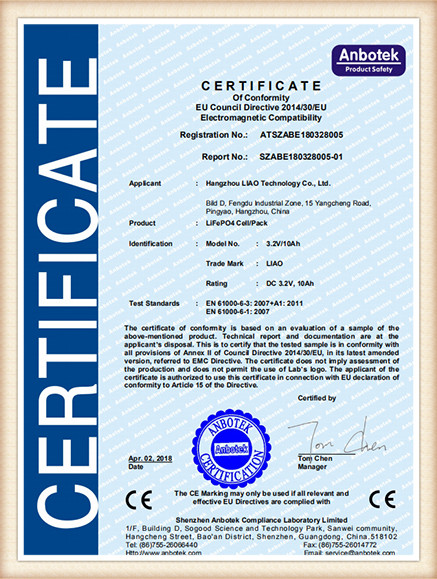
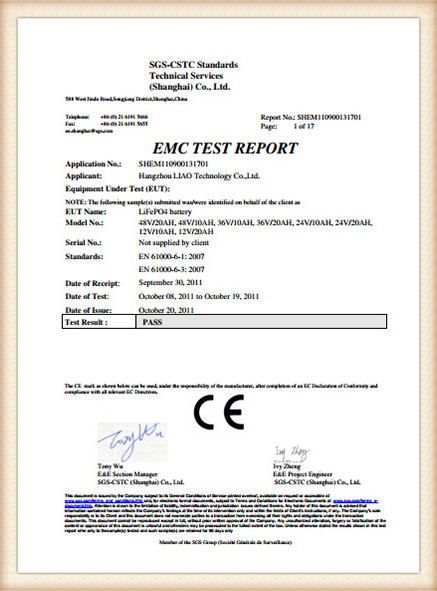
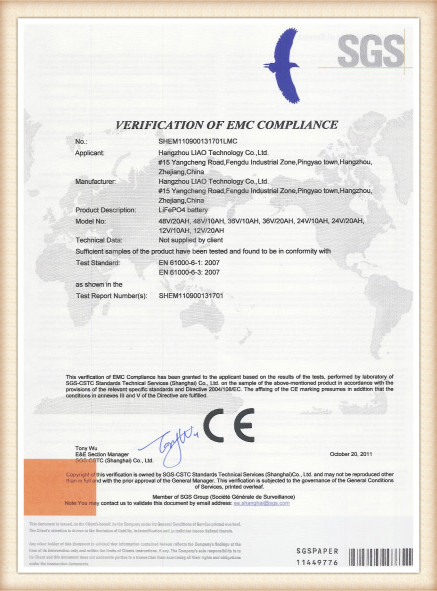
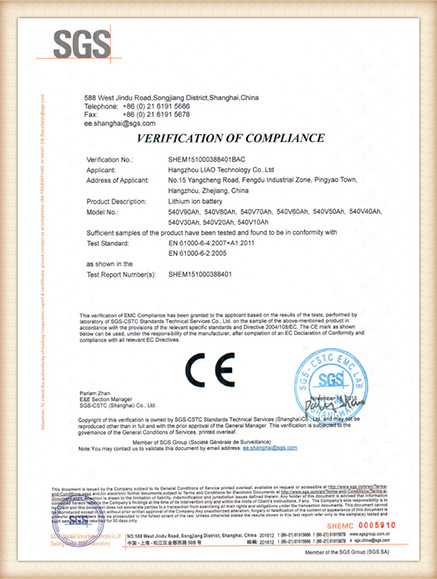
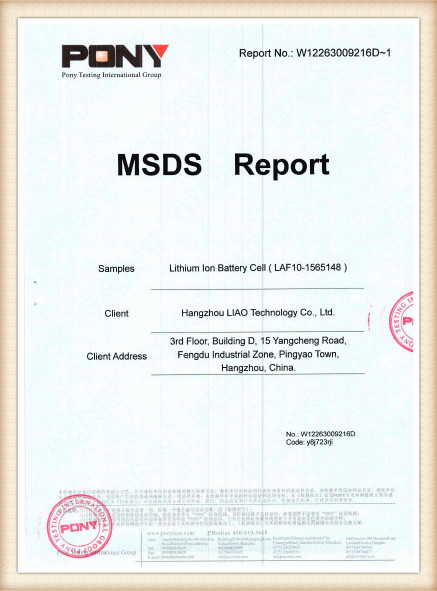
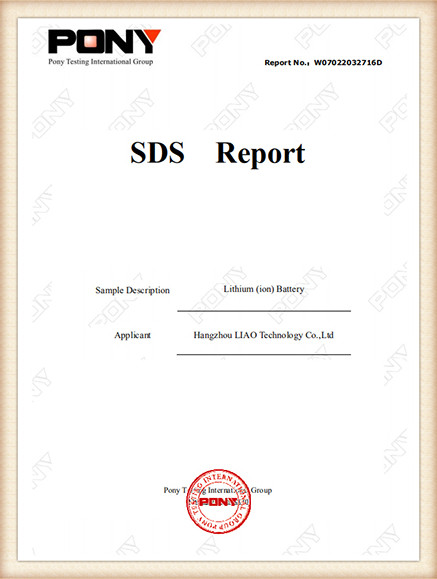
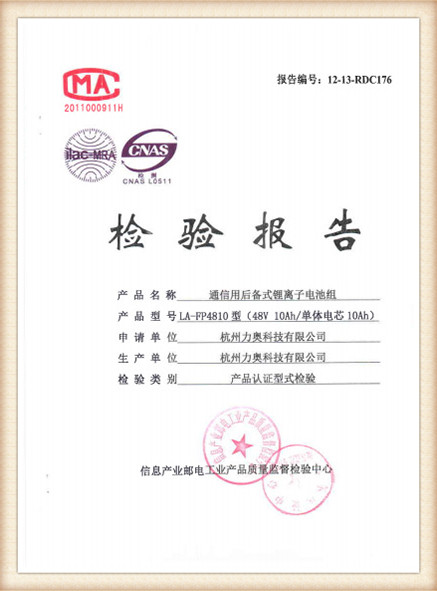
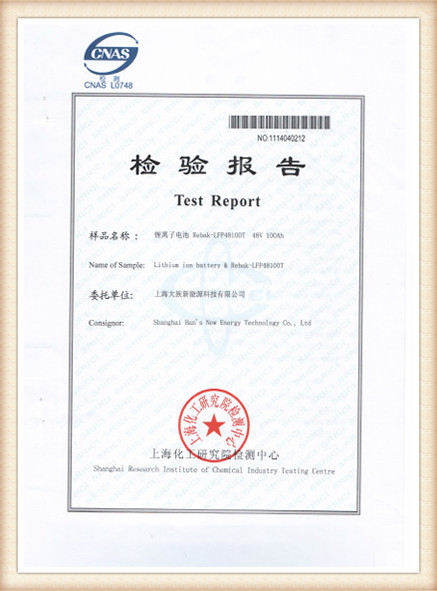
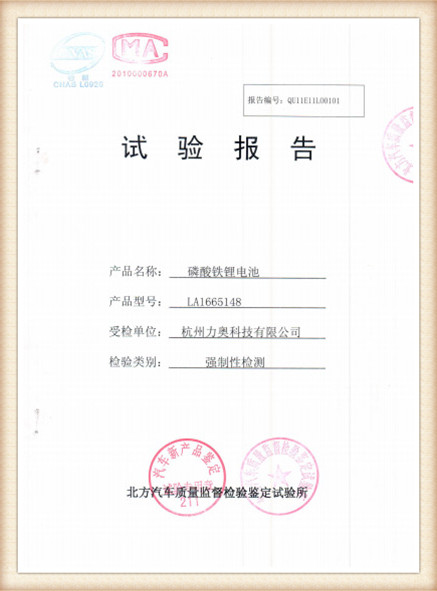
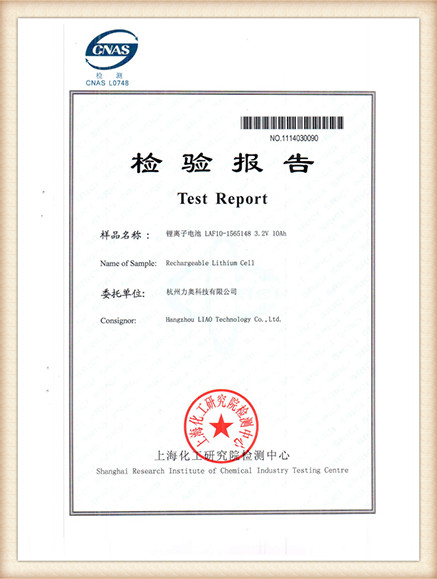
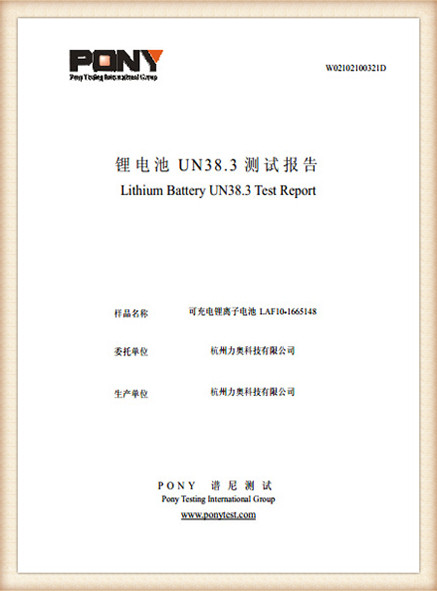
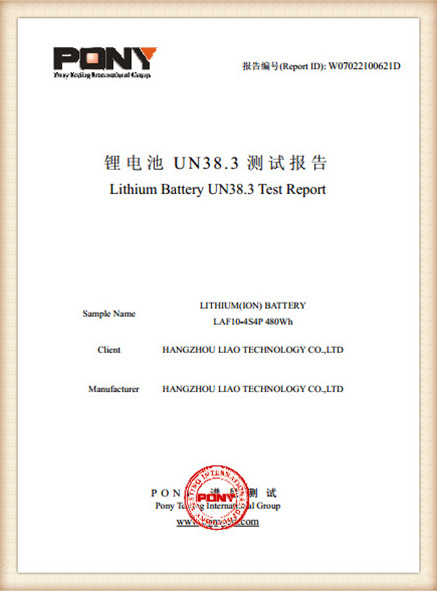
Tested and certified for secure international trade and extreme mechanical applications.



The engineering framework driving high-efficiency lithium replacements through 2030.
Standardizing case architecture to perfectly align internal cells with existing lead-acid formats, ensuring seamless physical fitment and terminal orientation without external adaptations.
Migrating from passive resistive cell balancing to dynamic lossless active balancing, optimizing operational cycles and extending cell pack usability by up to 20%.
Designing stackable, high-voltage battery modules (up to 800V strings) tailored for telecom centers, utility grid buffering, and industrial traction drivetrains.
Direct technical explanations addressing key challenges when switching from lead-acid to LiFePO4 batteries.
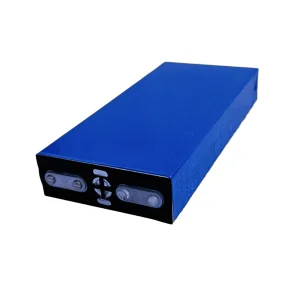
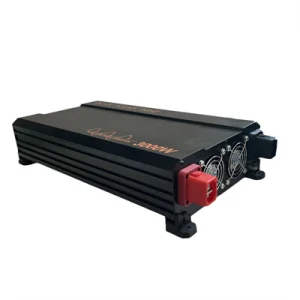
High-capacity prismatic cells, power inverters, solar panels, and specialized power bank arrays for heavy duty projects.
 Liao Battery