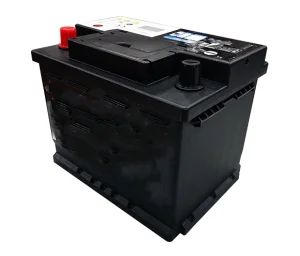
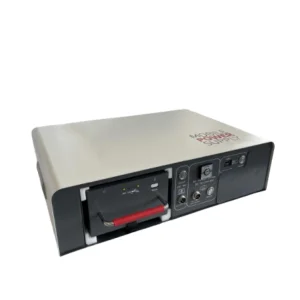
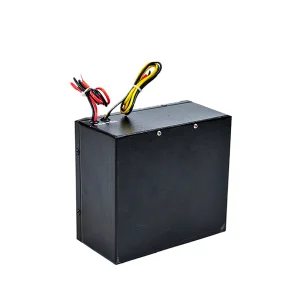
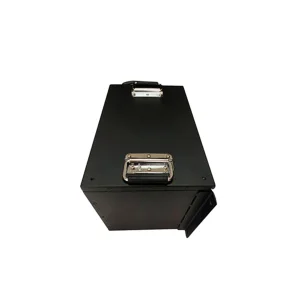
Highly engineered energy storage configurations designed for longevity, thermal stability, and seamless mechanical compatibility.
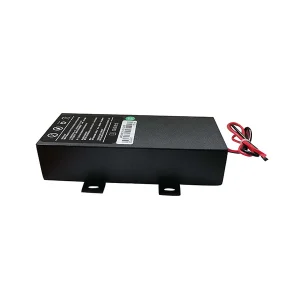
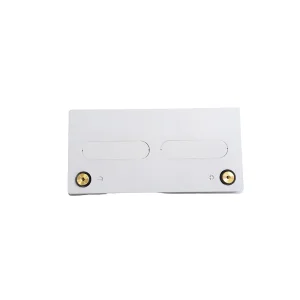
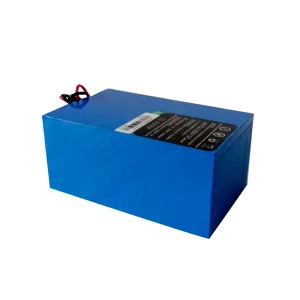
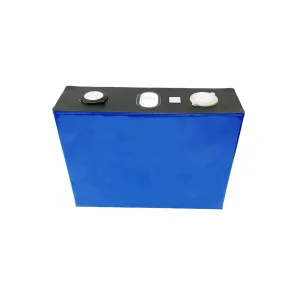
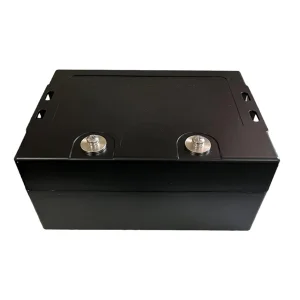
Why industrial buyers globally coordinate with Hangzhou LIAO Technology Co., Ltd. for custom 12V lithium pack deployments.
Over 80% of global lithium refining and cell manufacturing raw materials are processed within domestic networks. Hangzhou LIAO leverages raw material integration to ensure pricing stability and guaranteed cell classification (Grade A cells only).
Every application demands customized discharge curves. We supply standard 12V 100Ah architectures alongside bespoke systems designed with customized communication buses (CANbus, RS485, SMBus, I2C) to match legacy systems.
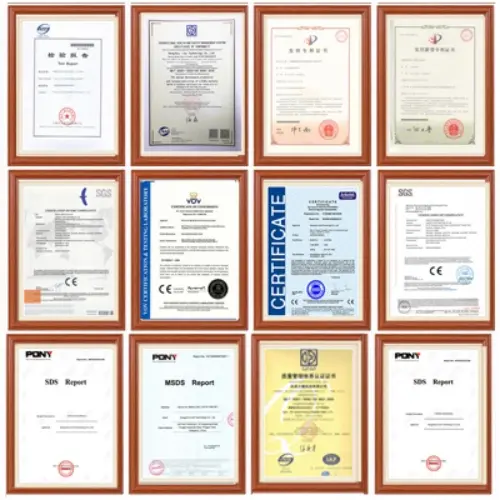
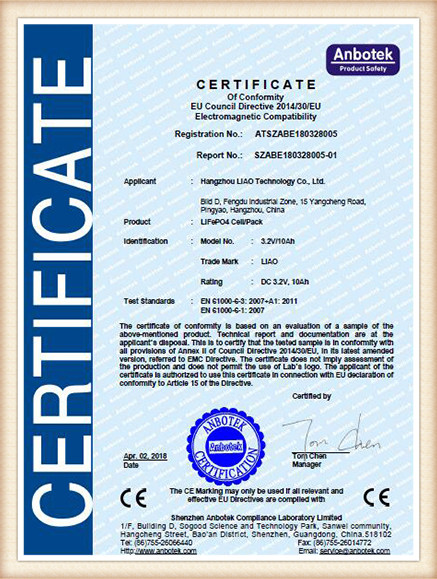
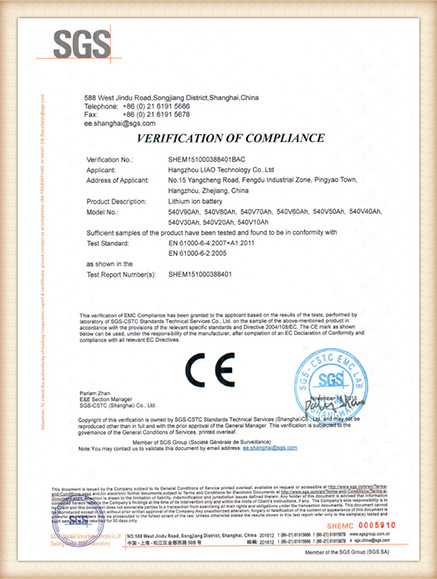
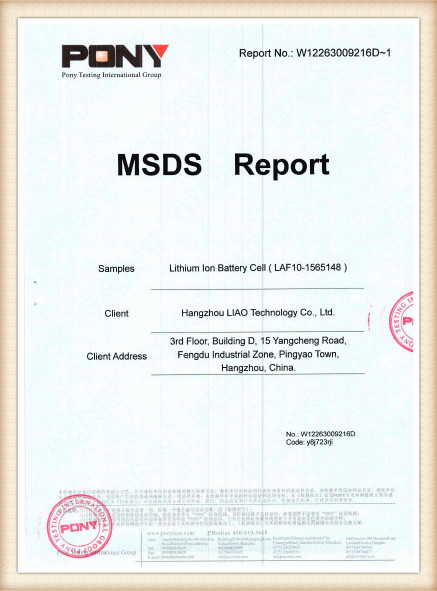
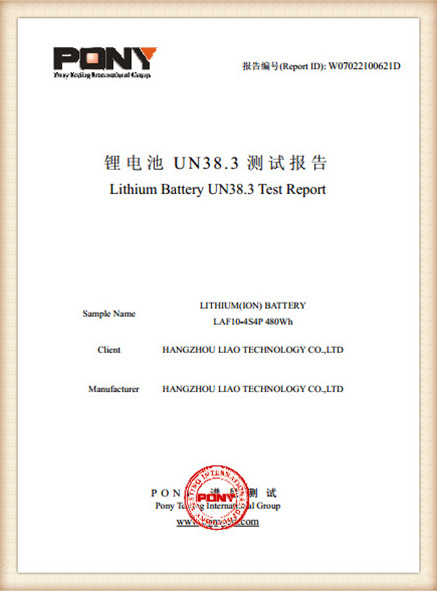
Lithium chemical dangerous goods classifications demand international logistics compliance. Our packs meet UN38.3, MSDS, and CE directives, ensuring smooth customs clearing and air/ocean freight compliance globally.
Founded in 2009, Hangzhou LIAO Technology Co., Ltd. is a professional and leading manufacturer specialized in high-performance LiFePO4 batteries. Our high-durability products have been exported to more than 20 countries worldwide, supporting vital infrastructure, medical mobility, and clean energy projects.
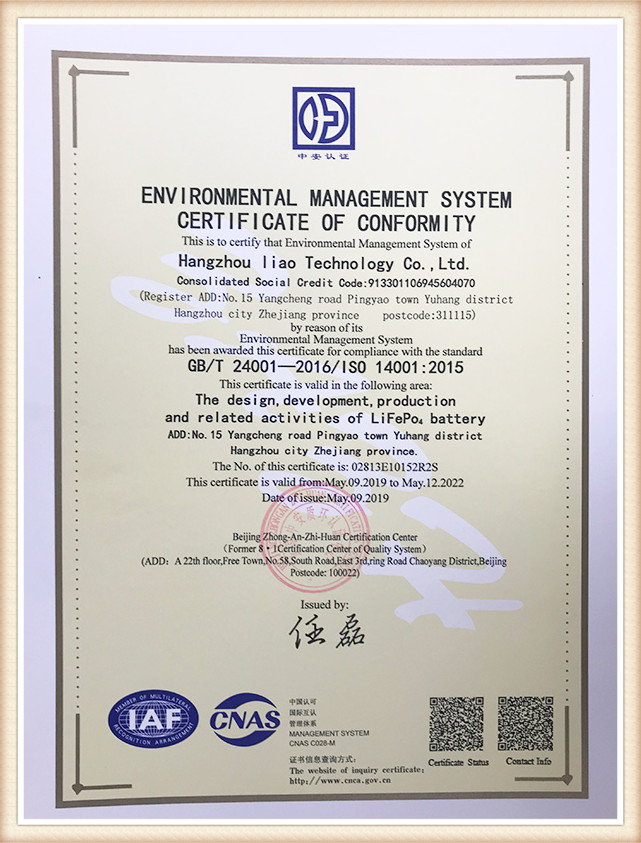
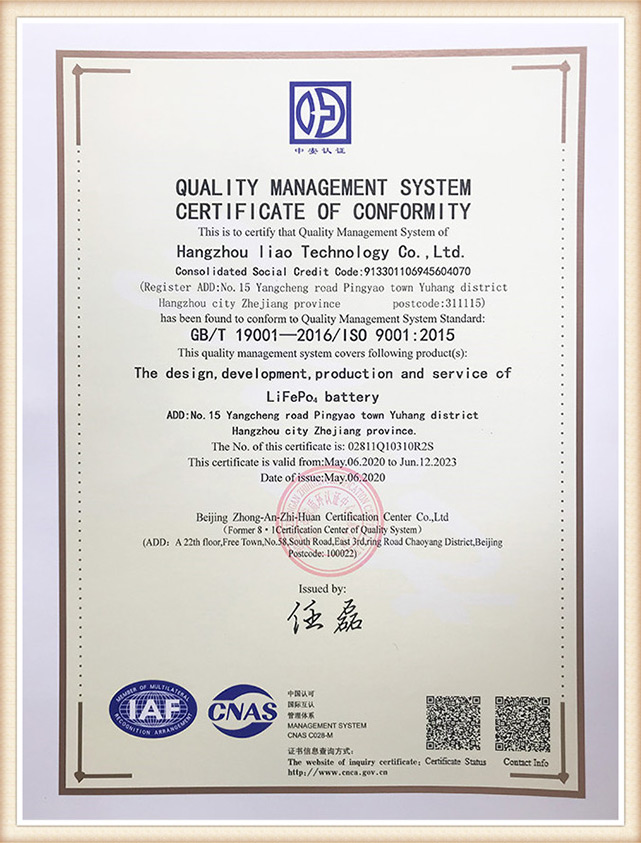
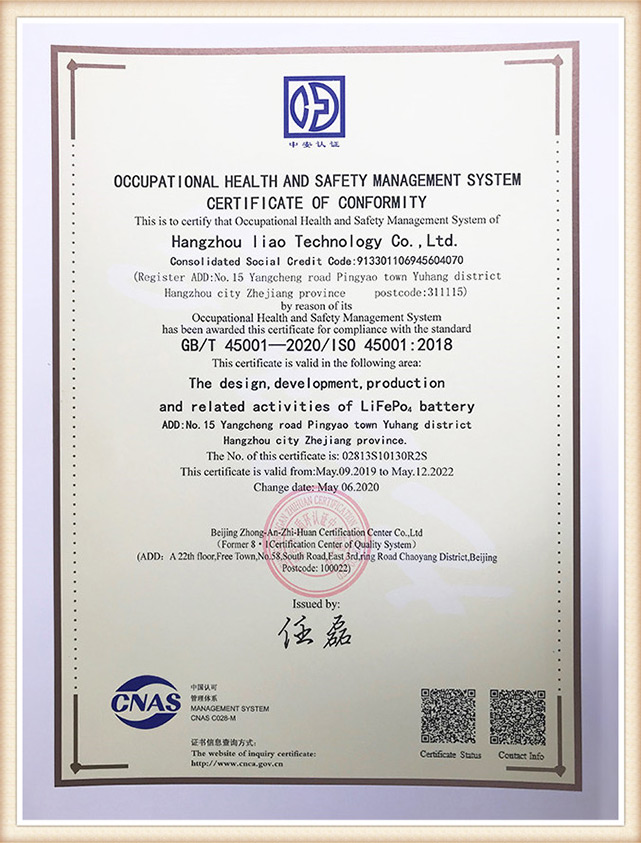
We operate a strict QC system. All products are manufactured under the quality management mandate of ISO 9001:2015. Furthermore, we maintain strict compliance with environmental protection standard ISO 14001 and safety parameters specified in ISO 18001.
Our Core Technology and completely integrated R&D system empower our engineers to respond to customers' needs quickly. From standard 12V setups to custom-voltage energy storage systems, we offer both OEM and ODM solutions.
A B2B engineer's guide comparing LiFePO4 chemical architectures to traditional Lead-Acid and alternative lithium solutions.
| Performance Indicator | LIAO 12V LiFePO4 Pack | Standard Sealed Lead-Acid (SLA) | Lithium Nickel Manganese Cobalt (NMC) |
|---|---|---|---|
| Cycle Life (100% DoD) | 2,800+ Cycles (To 80% Capacity) | 300 - 500 Cycles | 800 - 1,200 Cycles |
| Energy Density | 120 - 140 Wh/kg | 30 - 45 Wh/kg | 180 - 240 Wh/kg |
| Thermal Runaway Temp | 60C (No combustible venting) | Susceptible to hydrogen outgassing | 150C (Vulnerable to high-energy combustion) |
| Operating Range | -40°C to 85°C (Extreme Range Capable) | -15°C to 45°C (Severe cold capacity drop) | -20°C to 60°C |
| BMS Integration | Standard Smart BMS monitoring cell voltage, SOC & temp | None (Relies on external float charge regulation) | Mandatory high-resolution active balancing BMS |
Most industrial equipment, marine vessels, and backup stations were designed for 12V lead-acid charging curves. A direct replacement using Lithium-Ion NMC batteries is dangerous because NMC has a nominal voltage of 11.1V (3S configuration) or 14.8V (4S configuration). LFP cells run at 3.2V nominal, meaning a 4S system gives exactly 12.8V nominal. This matches lead-acid curves perfectly, allowing direct drops-in for marine, caravan, and solar application arrays without replacing chargers.
Additionally, LIAO's patented chemistry ensures cell stability during physical penetration or high temperature exposure. Our cells do not burn or explode under needle puncture tests, establishing a high benchmark for safety.
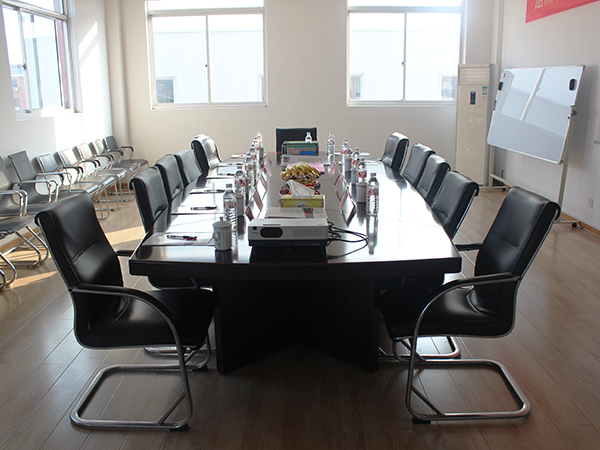
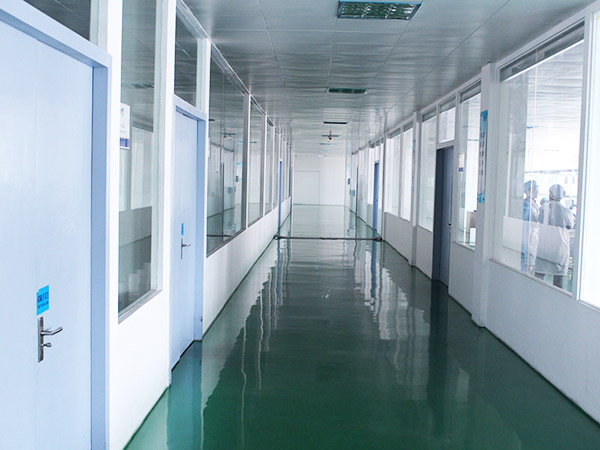
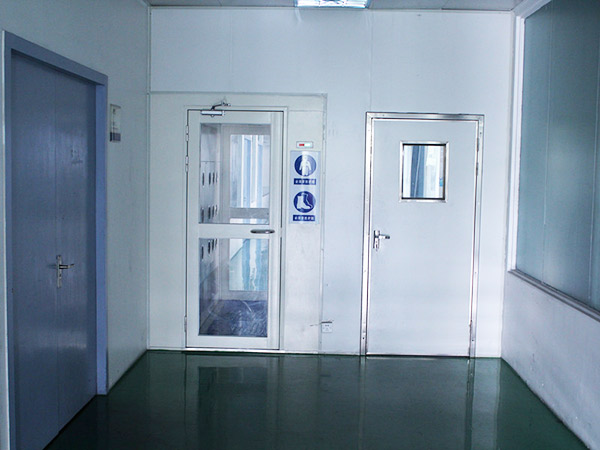
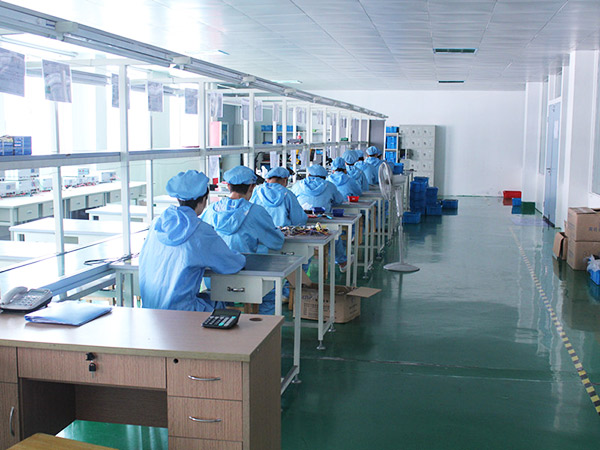
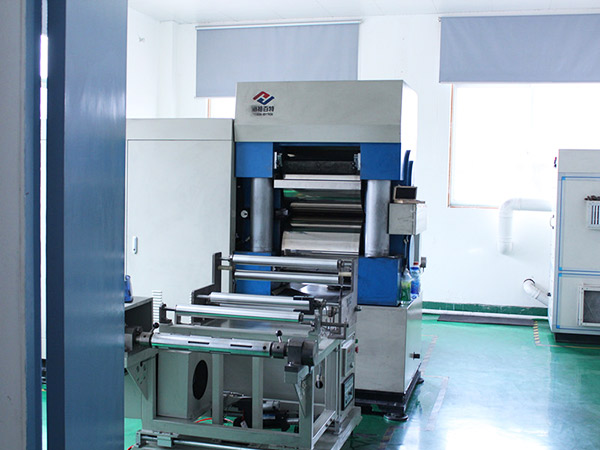
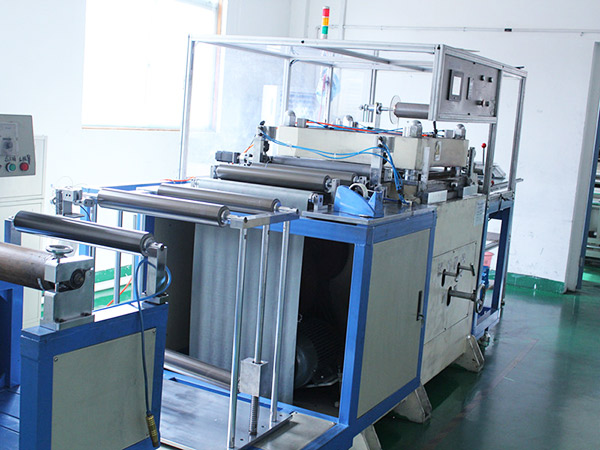
Direct view inside our Hangzhou assembly lines. We manage quality from raw material capacity sorting to laser welding and final testing.
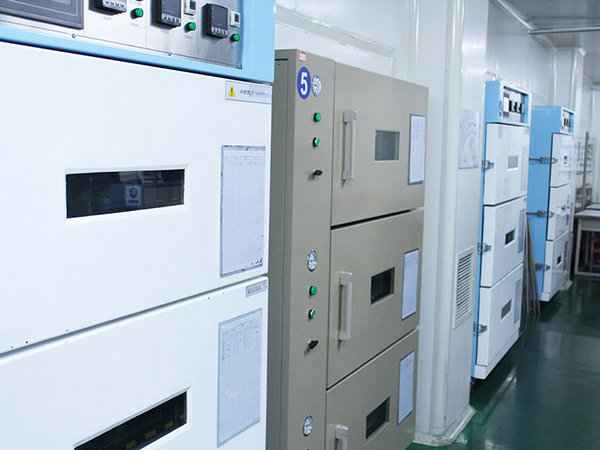
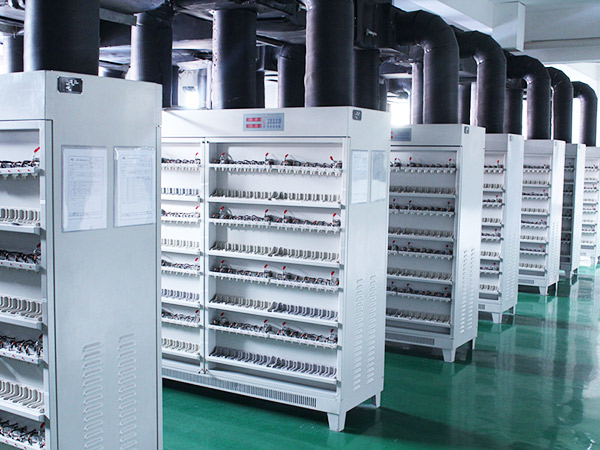
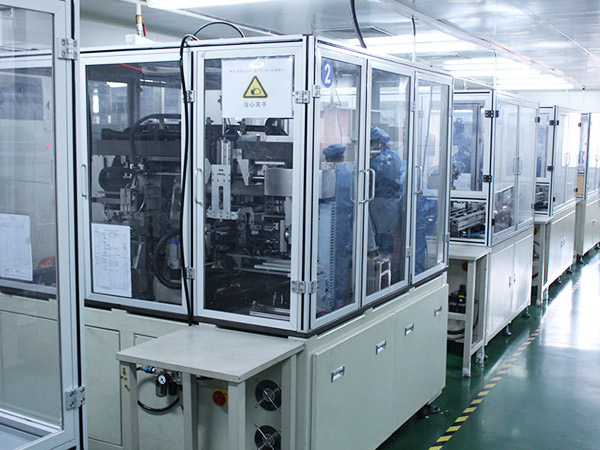
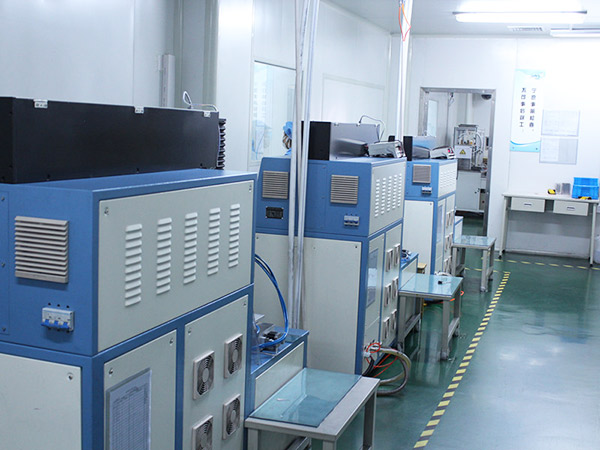
Engineered to withstand physical vibration, moisture, and high-frequency discharge cycles across specific environments.

Our LiFePO4 configurations help electric utility vehicles operate on steep courses. The high C-rate capability ensures sufficient peak current for hills, while our customized enclosure keeps the battery pack protected from dust and water spray.
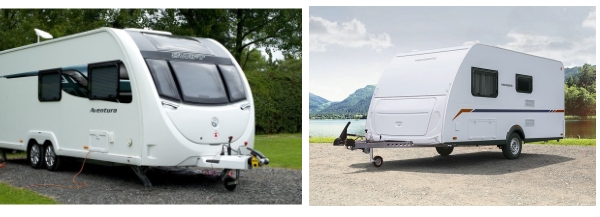
Weight reduction is critical in mobile homes. Replacing standard heavy lead-acid batteries with LIAO 12V units sheds up to 70% of the energy storage weight, leaving more room for gear and improving fuel economy during transport.
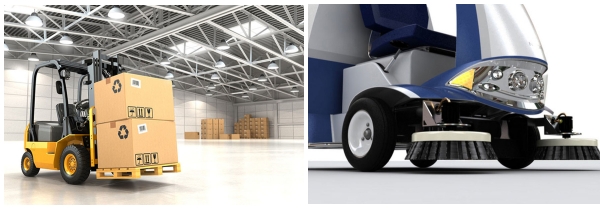
Designed for automated material handling. Automated Guided Vehicles (AGVs) demand high charging speeds to maximize operational runtime. LIAO packs support 1C fast charging, permitting fast top-ups during short shifts.

The marine sector requires batteries that resist salt mist corrosion and sudden mechanical shocks. LIAO battery assemblies are sealed to protect the internal cell groups from high humidity and bilge water splashes.
Our design team includes mechanical and electrical engineers who specialize in custom LiFePO4 cells. We collaborate with clients to optimize cell grouping, thermal design, and electrical protection.
LAXpower-1230 design is award-winning in European markets for build quality and performance under test conditions.
Excellent thermal performance with reliable discharge profiles from -40°C up to 85°C.
We customize terminal connections, case shapes (ABS, steel cases), communication links, and current outputs to match your build needs.

LIAO Technology exports to organizations globally. Our logistics team secures battery shipments via direct ocean, road, and air lanes.






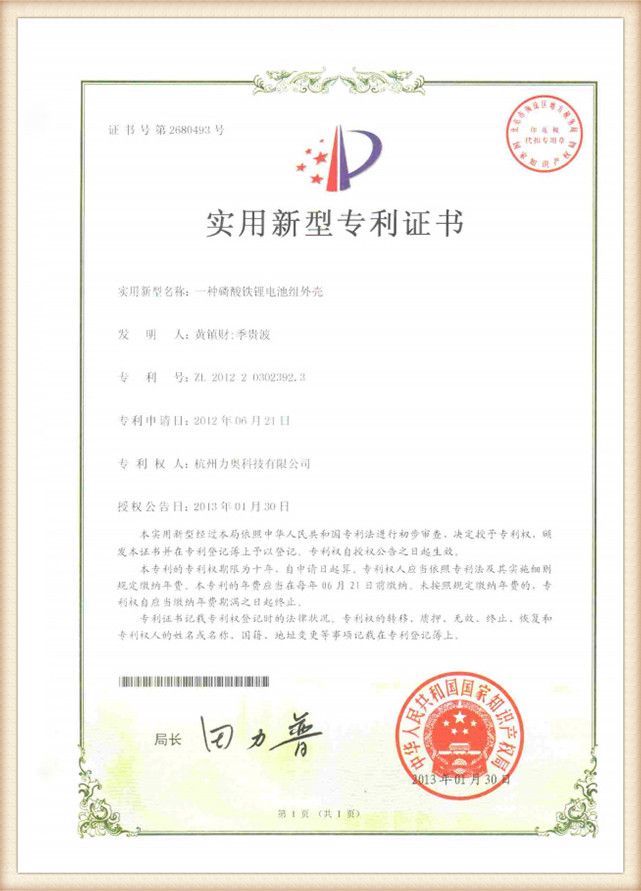
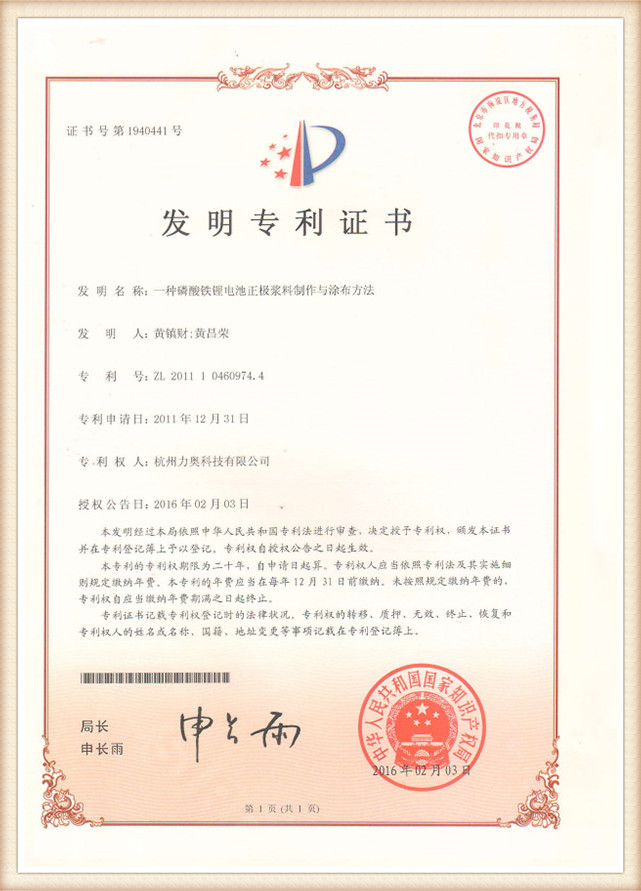
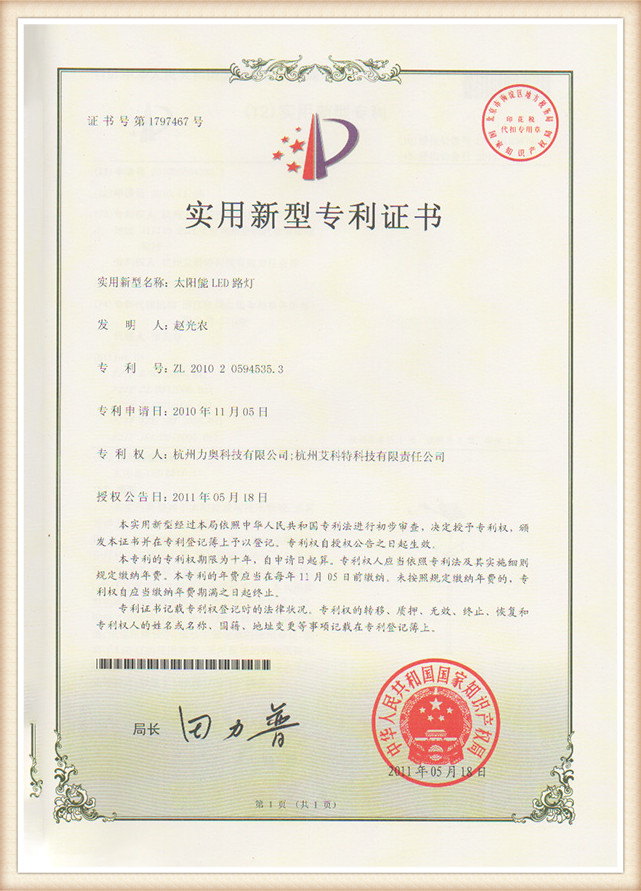
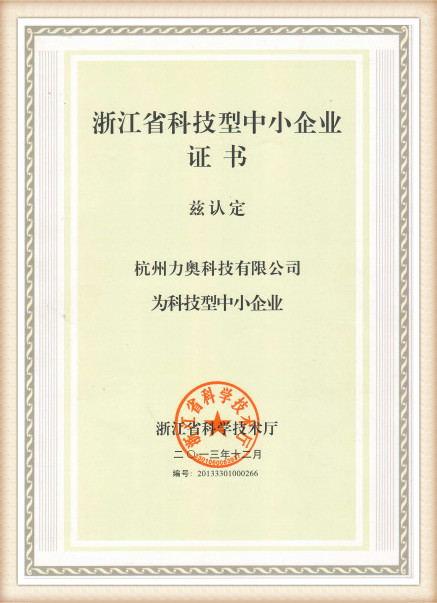
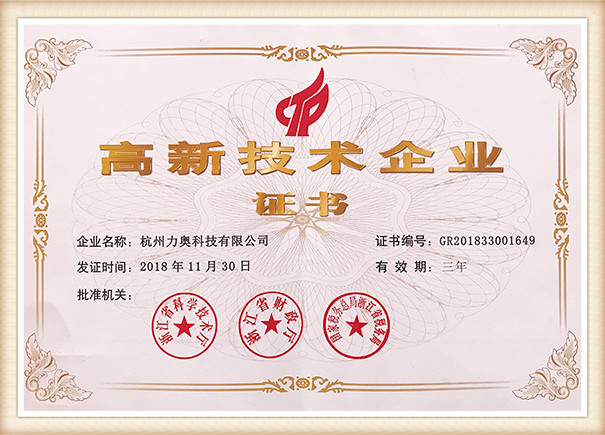
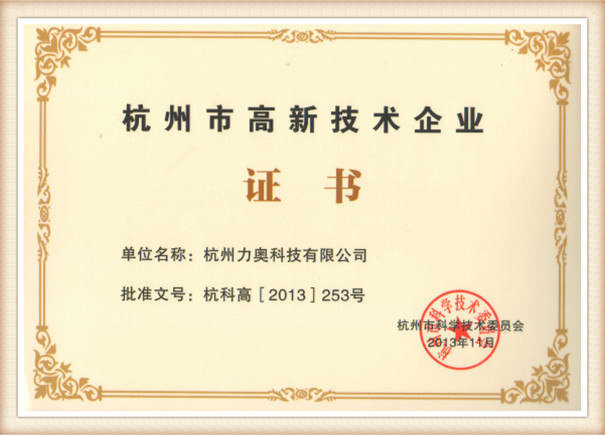
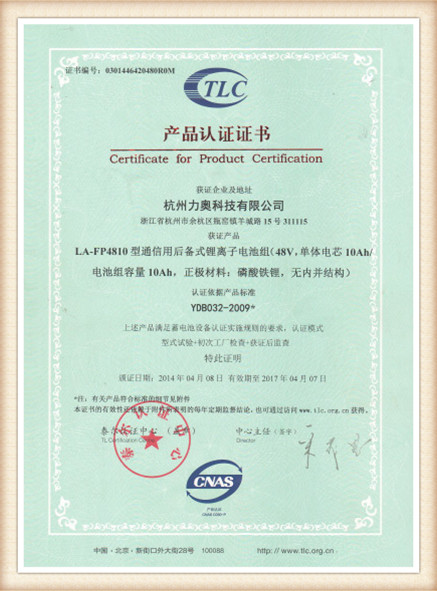
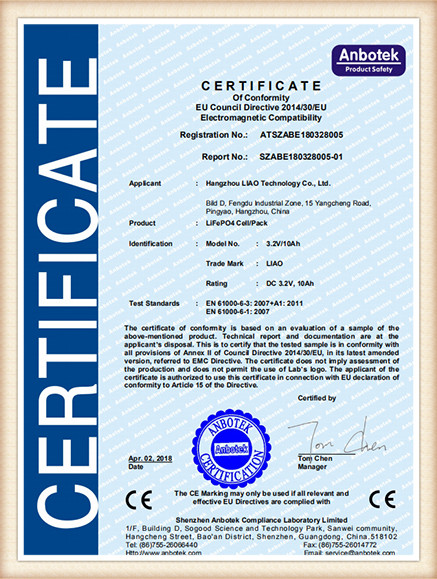
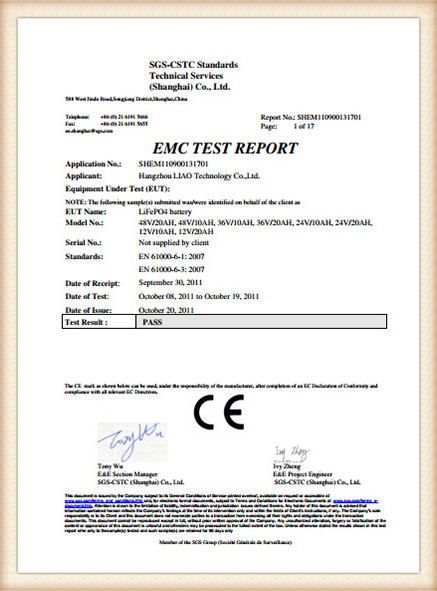
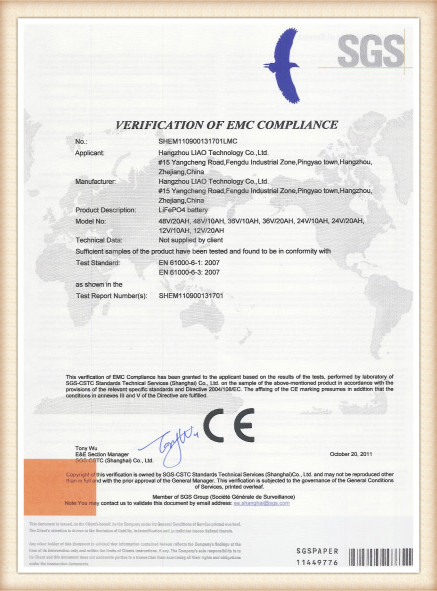
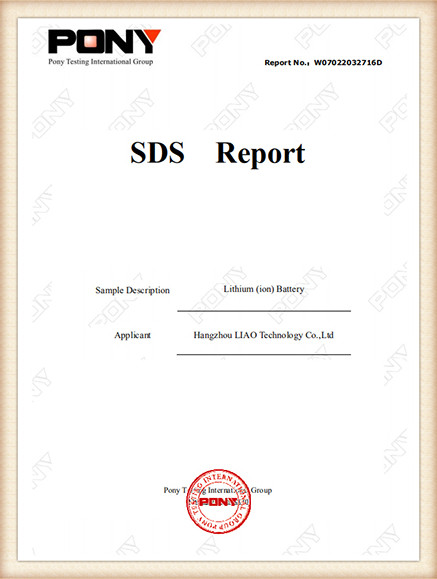
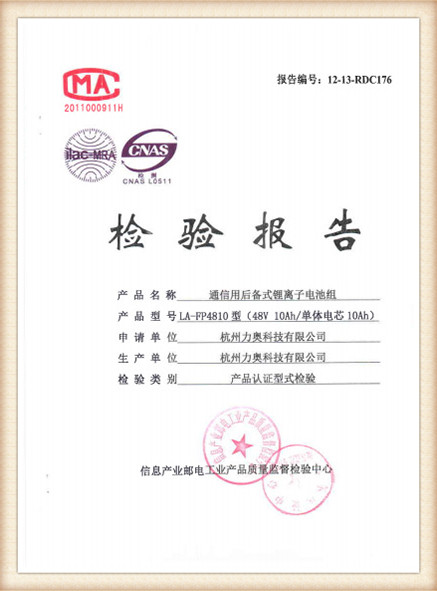
Our commitment to transparent quality assurance is backed by certified safety records, patent portfolios, and international compliance testing.

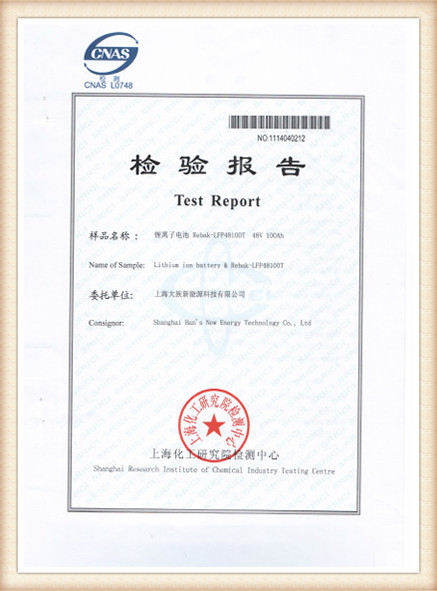
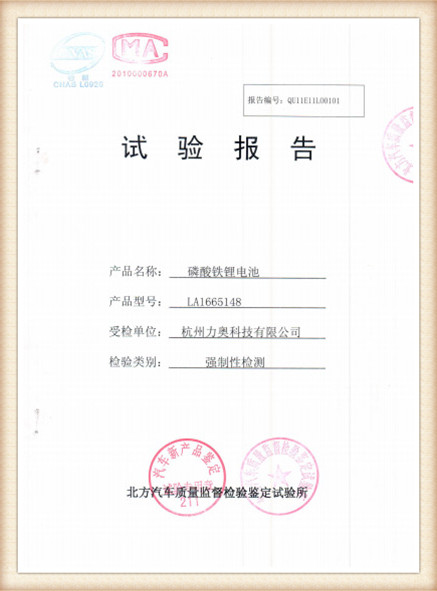
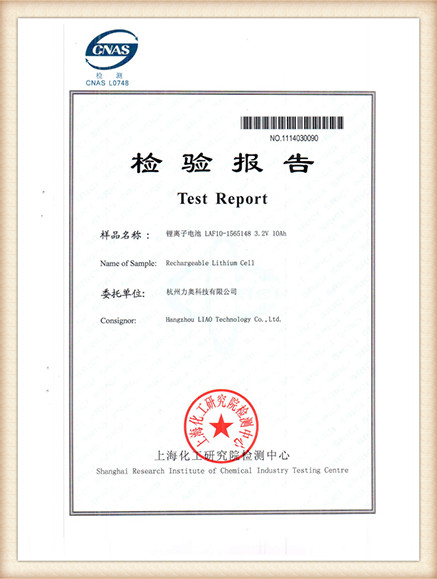
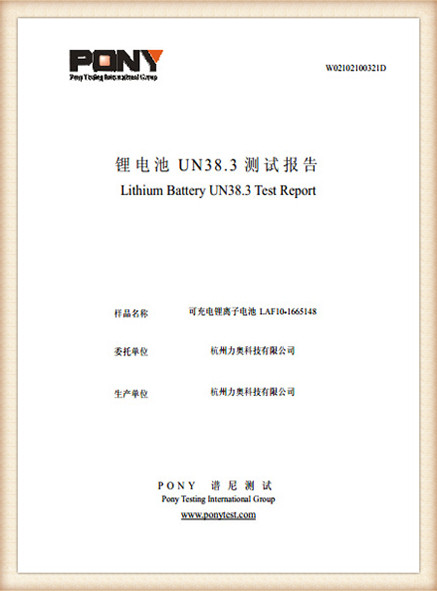
Developing robust power solutions requires deep control over the cell classification phase. In our Hangzhou plant, cells undergo strict impedance matching. This ensures that when packed into 4S configurations, no single cell experiences over-voltage or premature capacity fade.
By locating our facility in Zhejiang, we sit close to major component supply chains. From custom structural aluminum frames to precision BMS boards, we source quality components to shorten lead times.
To support global supply chains, we provide extensive shipping documentation. This includes UN38.3 test summaries, MSDS compliance, and drop-test verifications, ensuring transport safety under IMDG and IATA guidelines.
We see a major shift toward smart interfaces in the 12V lithium-ion battery sector. Standard "dumb" batteries are being replaced by smart, interconnected units. Our R&D focuses on integrating Bluetooth monitoring modules, CANbus outputs, and active cell balancing systems directly onto the BMS board.
This allows fleet operators, caravan users, and industrial supervisors to monitor cell temperatures, cycle health, and State of Charge (SoC) in real-time, preventing system failures before they occur.
Expert insights addressing key concerns for bulk procurement and technical validation.
LiFePO4 cells operate at a nominal 3.2V, meaning four cells in series (4S) deliver a stable 12.8V. This matches the charging profile of 12V lead-acid systems. NMC configurations require either 3S (11.1V, too low) or 4S (14.8V, too high), which can damage standard 12V electrical systems. Additionally, LiFePO4 offers a longer lifespan (over 2,800 full cycles compared to around 800 for NMC) and has a higher thermal runaway threshold (60°C versus 150°C), making it the safer choice for industrial use.
Our quality control operates under an ISO 9001 quality system. Every production batch undergoes capacity sorting, where cell capacity and internal resistance are matched. We use automatic laser welding to connect cells, minimizing resistance. Completed packs undergo full charge-discharge cycles and temperature validation before final assembly and shipment.
We provide full customization, including case materials (durable ABS, sheet metal, waterproof IP67 ratings), custom communication interfaces (CANbus, RS485, SMBus, I2C, Bluetooth), modified discharge rates, specific mounting configurations, and integrated heating elements for sub-zero charging.
Lithium-ion batteries are classified as Class 9 Dangerous Goods. We manage shipping through certified carriers, providing UN38.3 reports, MSDS, and package safety certificates. We support ocean cargo, air freight, and door-to-door delivery options depending on your location and urgency.
Our standard LiFePO4 packs operate down to -20°C. For extreme cold-weather operations, we supply custom packs with built-in BMS heating pads that pre-heat cells using the charging current, enabling safe charging down to -40°C.
Explore our industrial configurations designed for robotics, telecommunication racks, and utility vehicles.
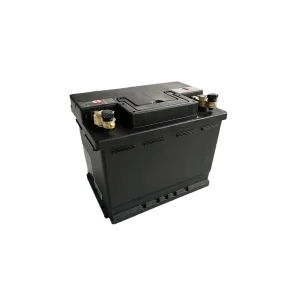
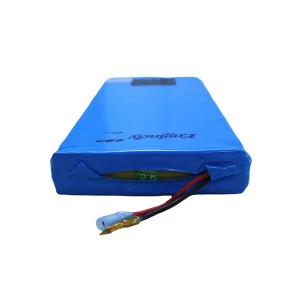
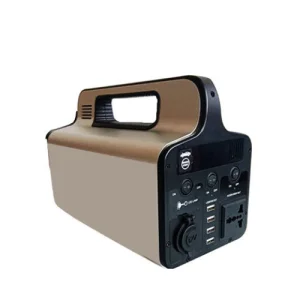
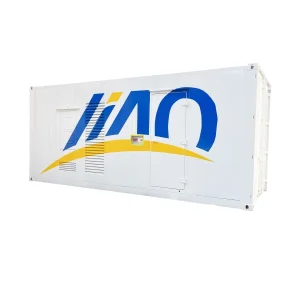
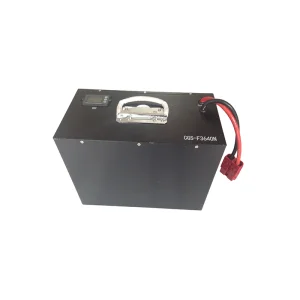
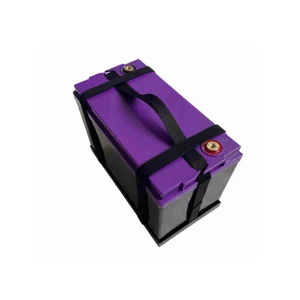
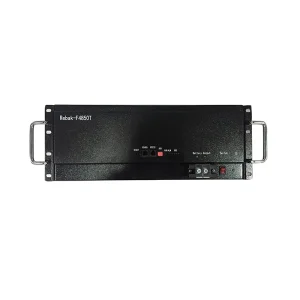
Contact our engineering team to review system designs, request custom CAD casing files, or request testing samples.
Request Custom Design Consultation Liao Battery