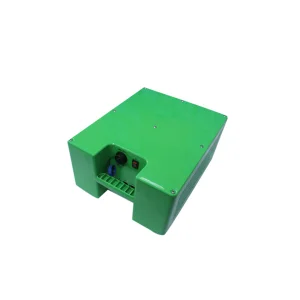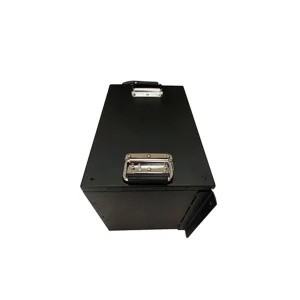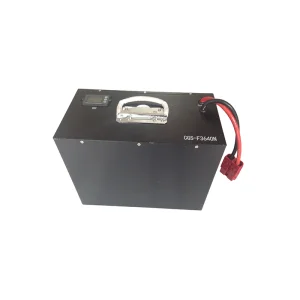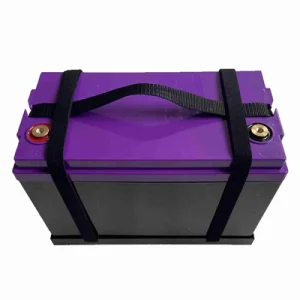
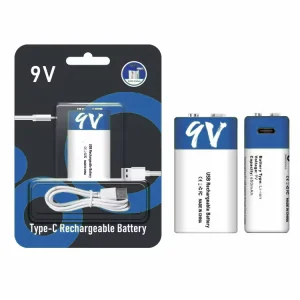
In mid-to-high capacity electronic architectures, operating at 12V often introduces electrical bottlenecks due to high current requirements. Transitioning to a 24 Volt LiFePO4 configuration reduces the operating current by 50% for the exact same power output ($P = V \times I$). This optimization allows system engineers to employ thinner, lighter, and more cost-effective copper wiring, drastically minimizing resistive thermal losses ($I^2R$) and enhancing overall system efficiency.
The olivine crystal structure of Lithium Iron Phosphate ($LiFePO_4$) exhibits extremely robust covalent bonding between phosphorus and oxygen atoms. This structural integrity prevents the release of oxygen under high-temperature conditions—a common failure mode in Nickel Manganese Cobalt (NMC) cells. Consequently, 24V LiFePO4 packs offer unprecedented thermal safety, high discharge rates, and an operating lifespan exceeding legacy systems by up to five times.
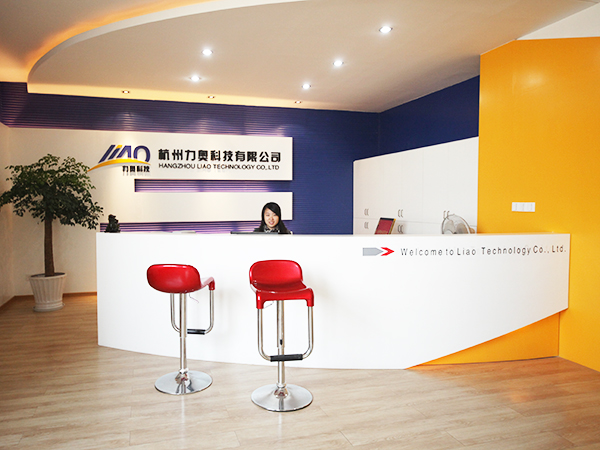
Founded in 2009, Hangzhou LIAO Technology Co., Ltd. is a professional and leading manufacturer specialized in LiFePO4 batteries. Our products have been exported to more than 20 countries all over the world, earning an outstanding reputation for safety, reliability, and precision engineering.
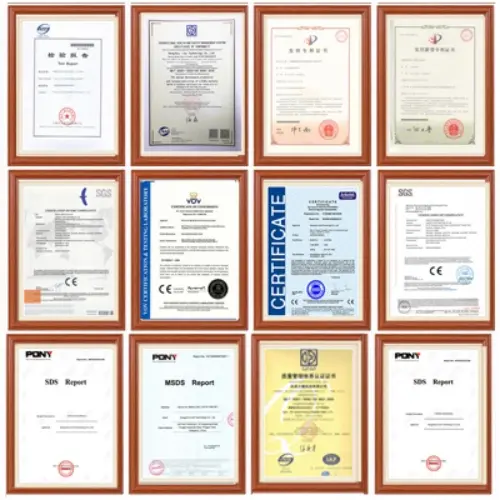
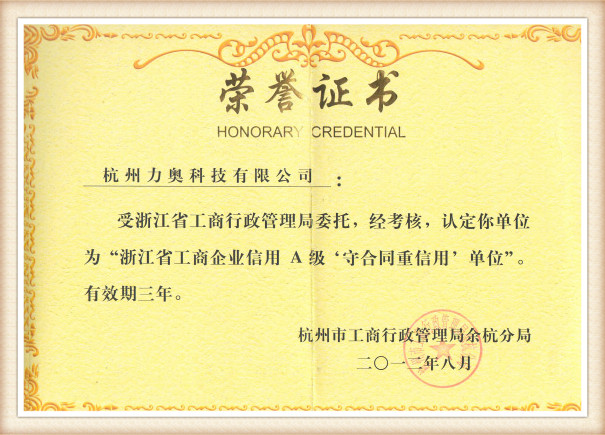
We have established a strict and highly efficient Quality Control (QC) system. All of our products are produced strictly under the quality management system of ISO 9001. Meanwhile, we have passed and always keep compliance to the environmental management system ISO 14001 as well as the occupational health and safety management system ISO 18001.
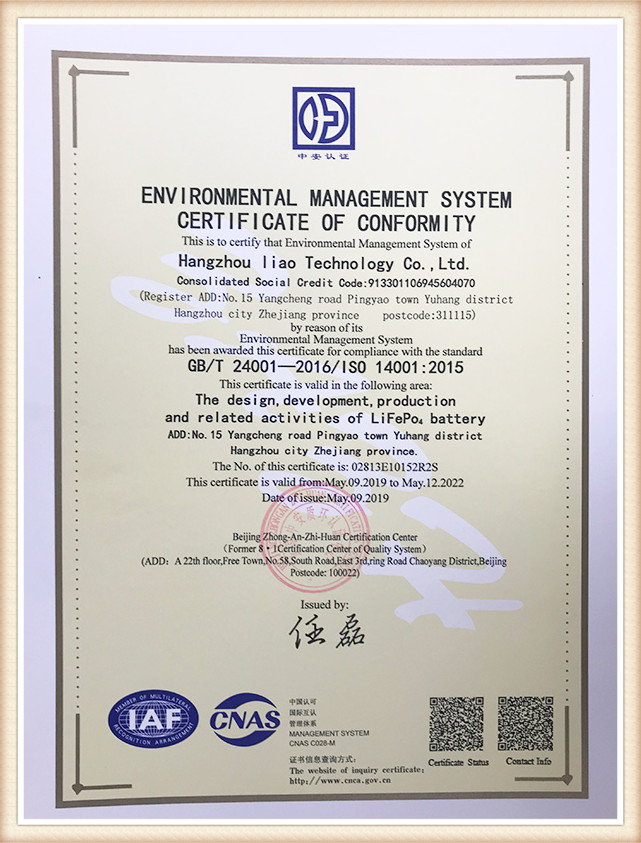
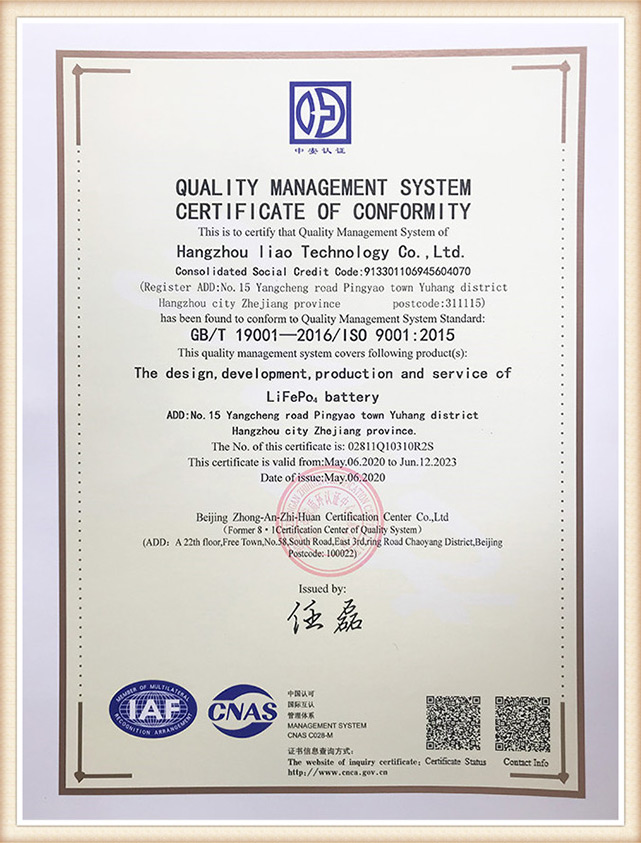
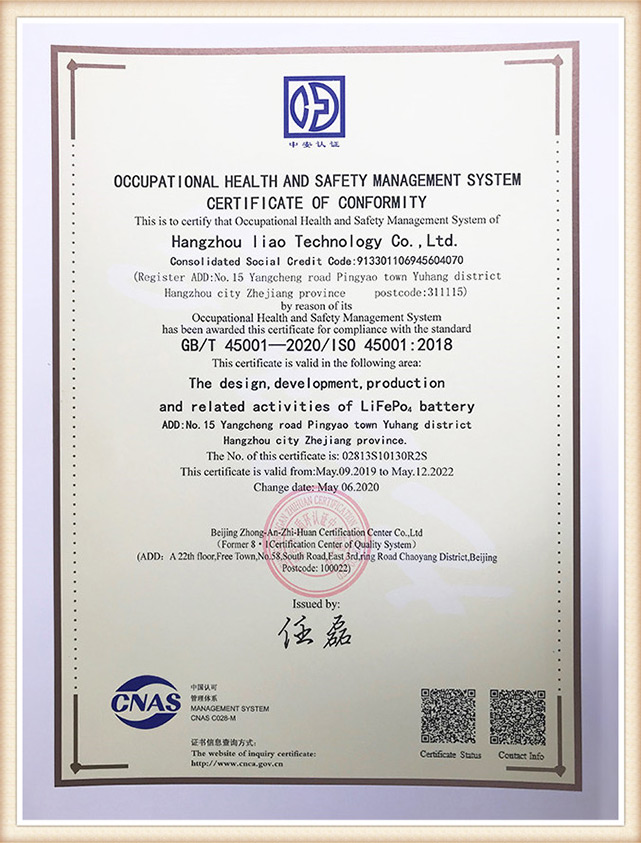
Excellent service and reliable quality help us win a worldwide reputation. Our solutions are deployed globally, including in:
Active deployments in Germany, France, Netherlands, Spain, United Kingdom, and surrounding regions requiring strict CE compliance.
Reliable supply networks in USA, Canada, Mexico, Brazil, providing custom residential and industrial backup power.
Supplying high-demand applications in Australia, South Korea, Japan, India, Singapore, Philippines, Thailand, South Africa, and Nigeria.
At Hangzhou LIAO Technology, we help over 500 customers conceptualize, design, and assemble custom LiFePO4 battery systems tailored to their proprietary hardware. Our world-class R&D team consists of mechanical, electrical, thermal, and software engineers who integrate seamlessly to transition concepts from prototype to production quickly and cost-effectively.
We boast a complete R&D pipeline that matches mechanical tolerances with electrical characteristics, optimizing the safety, heat dissipation, and space utilization of our custom battery packs.
Our highly experienced sales and management team is fluent in international trade protocols, product regulatory compliance, and client communications, ensuring efficient global operations.
Each pack features an engineered Battery Management System (BMS) that monitors cellular balance, temperature thresholds, over-voltage, and over-current protections.

The energy storage industry is rapidly evolving, demanding higher energy density, faster charging rates, and wider operational temperature margins. LIAO Technology’s research roadmap is aligned with key material science breakthroughs to keep our products at the forefront of the commercial market:
We are integrating advanced silicon-carbon composite anodes to surpass the traditional graphite capacity limits. This boosts cell-level energy density from 160 Wh/kg to over 210 Wh/kg, without compromising the cycle life of the LiFePO4 chemical profile.
By transitioning from liquid organic electrolytes to semi-solid state interfaces, our future cells will reduce fire hazards to absolute zero. This design minimizes the risk of electrolyte leakage and mitigates degradation at extreme temperatures.
Our upcoming BMS models leverage machine-learning algorithms on the edge to predict State of Health (SOH) and run real-time anomaly detection. This helps prevent localized micro-shorts and manages cell aging dynamically.
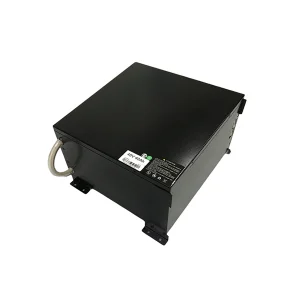
LIAO Technology designs standard and bespoke 24V and 48V power packs that fulfill the operating profiles of various heavy industries, recreational systems, and grid storage setups.

Our light electric vehicle batteries replace heavy lead-acid packs, dropping vehicle weight by up to 70% while improving range and torque on hilly terrains.
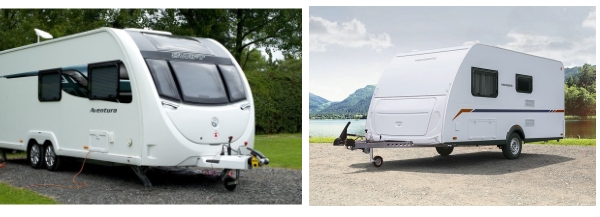
Engineered for high instantaneous current demands, enabling caravan movers to maneuver heavy chassis silently and reliably without voltage sag.
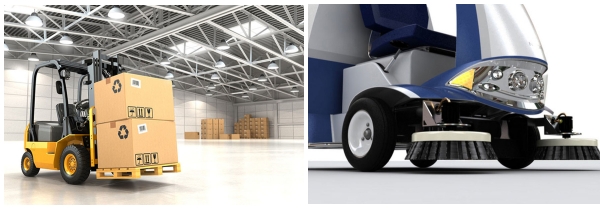
Built for continuous industrial cycles. Support rapid opportunity charging during shifts, saving manual labor and maximizing automated transport uptime.

Zero emissions and quiet operation. Housed in water-resistant, vibration-proof casings to withstand harsh marine environments and salt spray.
Our advanced production facilities in Hangzhou utilize automation, inline measurement systems, and traceability databases to ensure every cell leaving the line is qualified for long-term usage. By controlling key steps in-house—from electrode rolling to final pack assembly—LIAO guarantees absolute safety and quality.
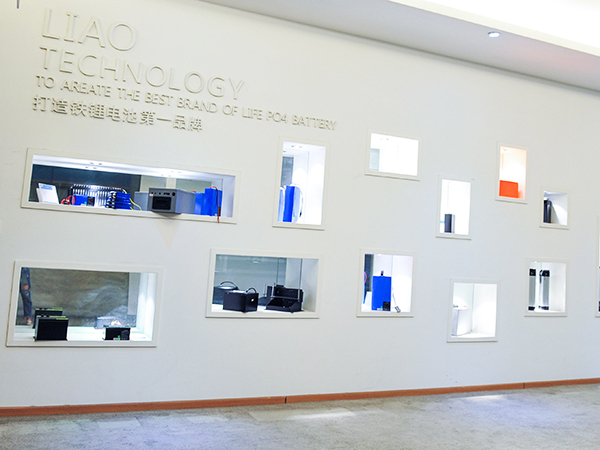
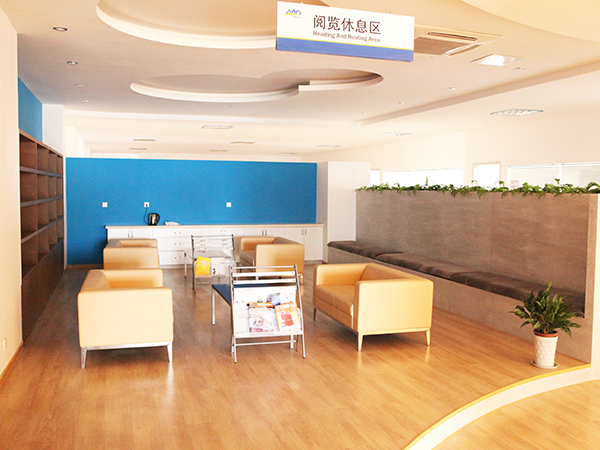
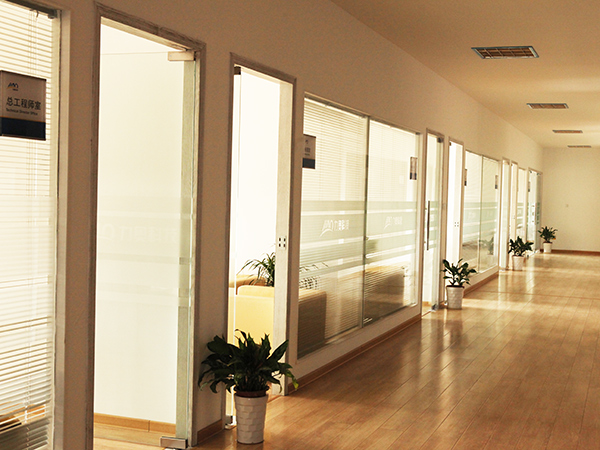
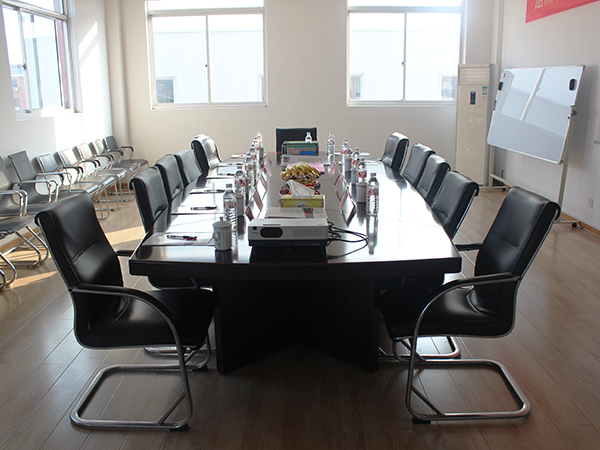
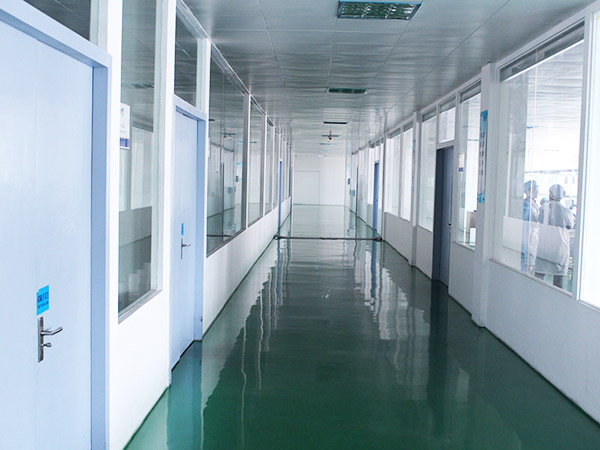
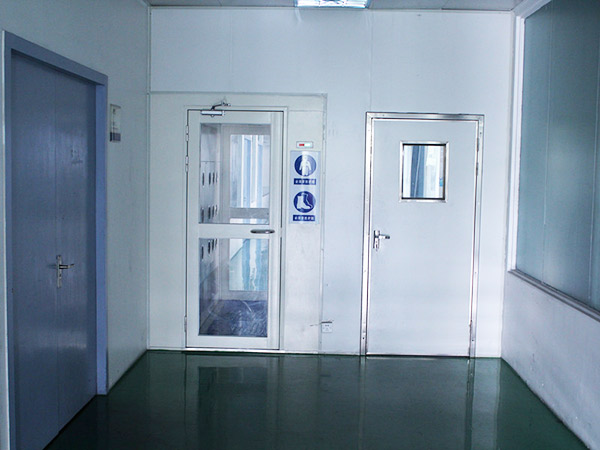
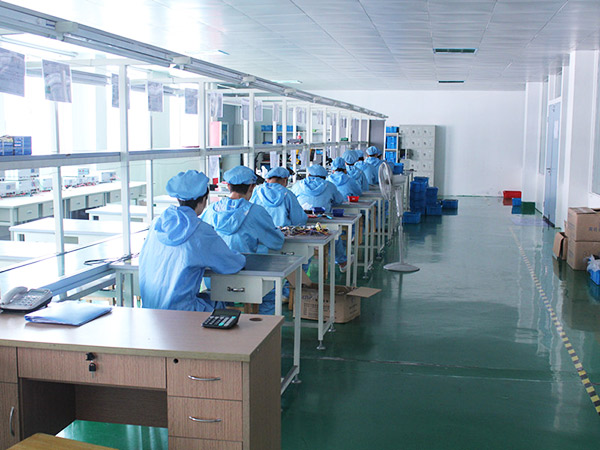
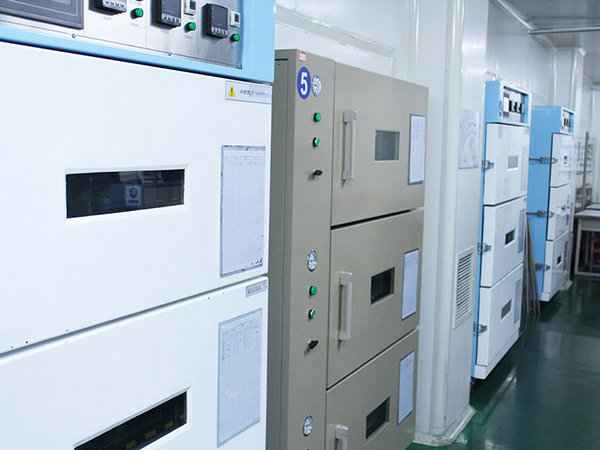
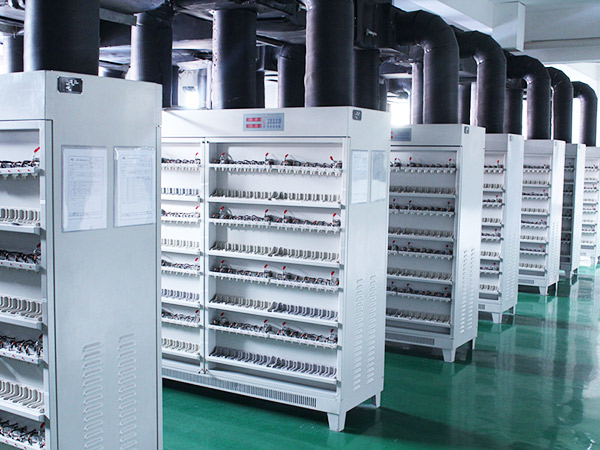
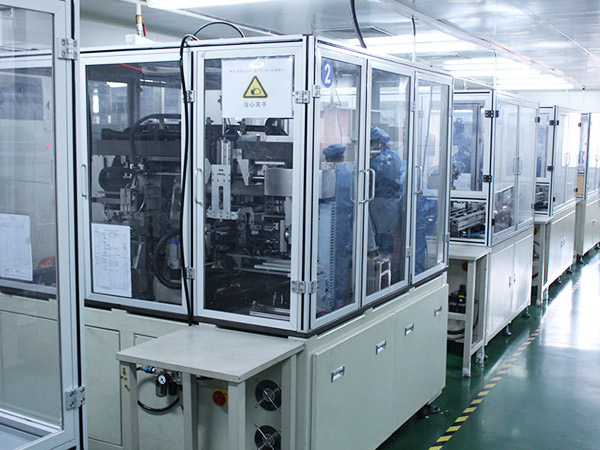
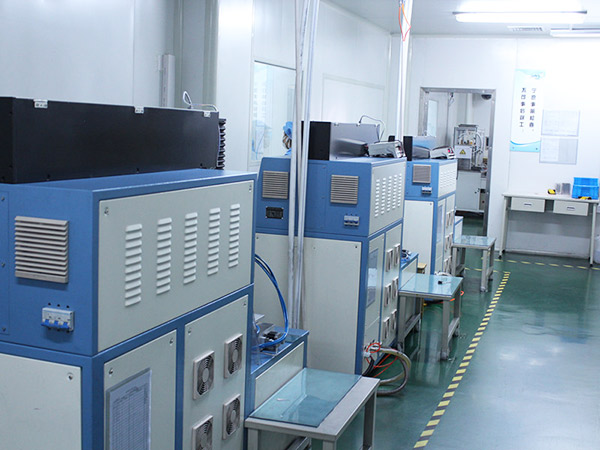
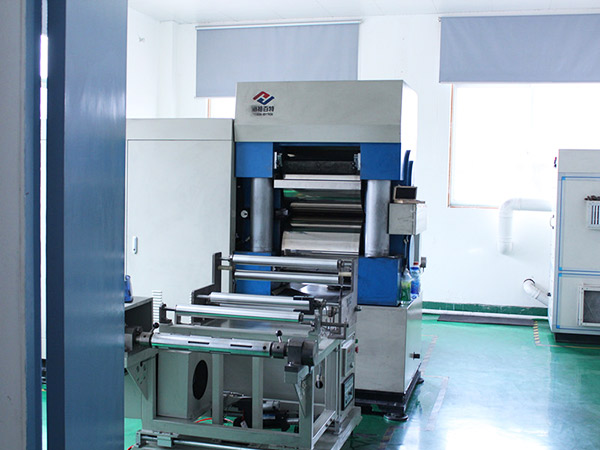
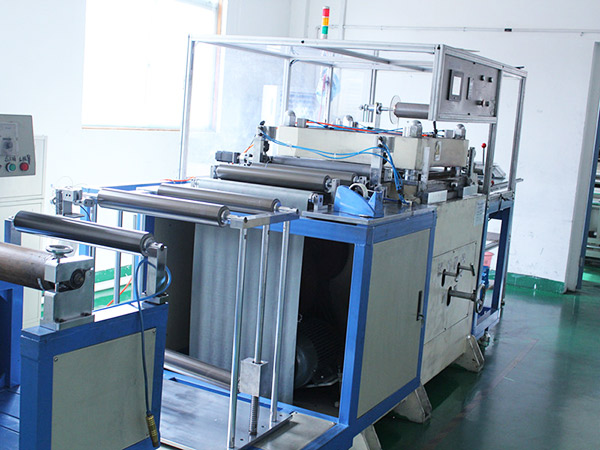
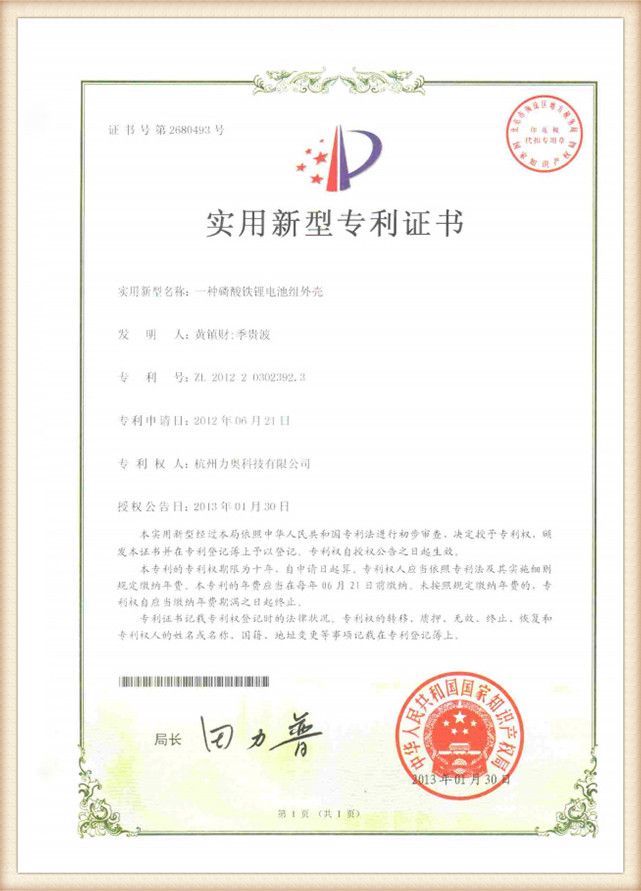
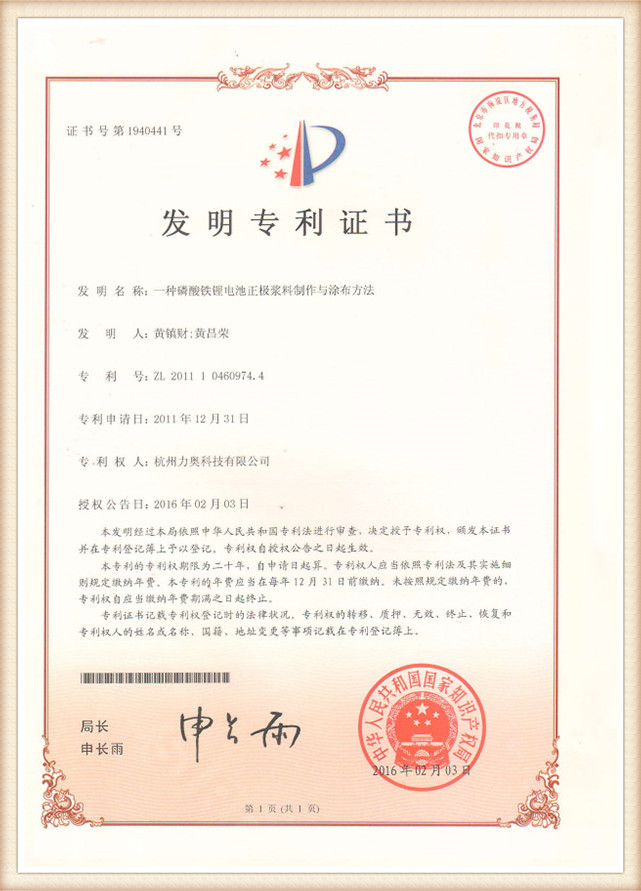
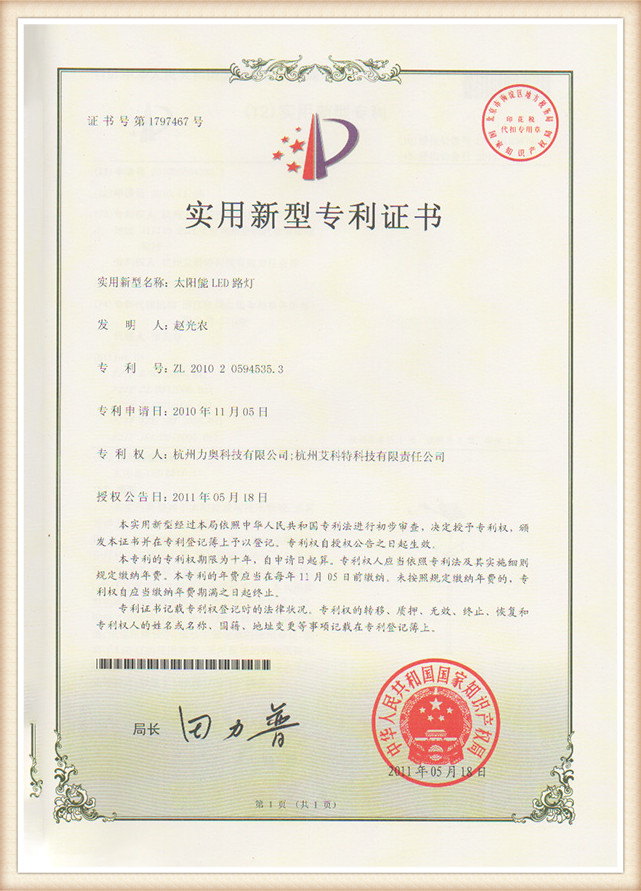
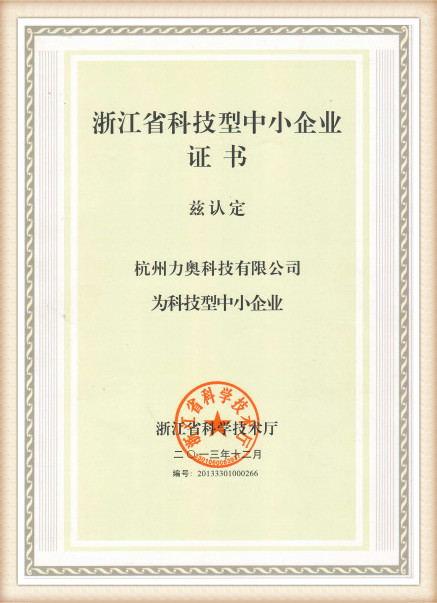
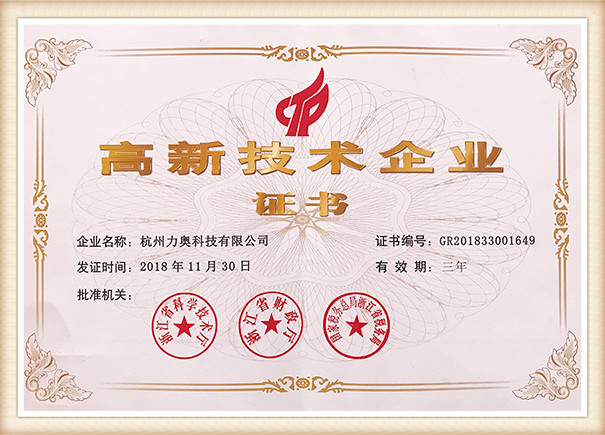
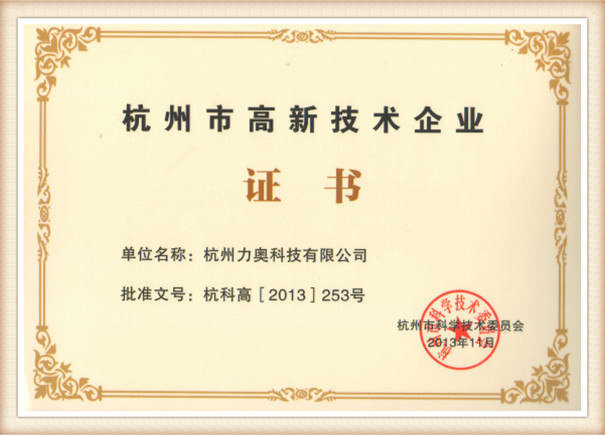
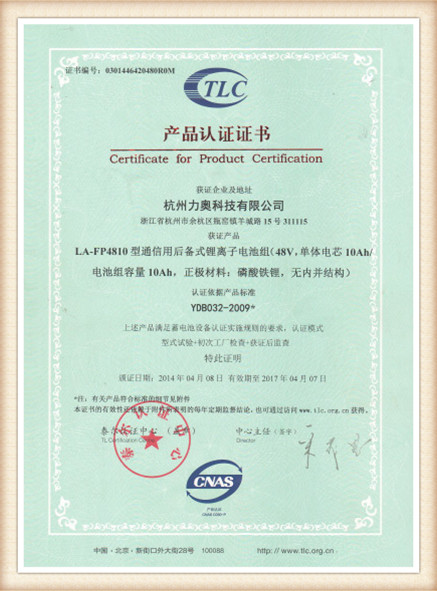
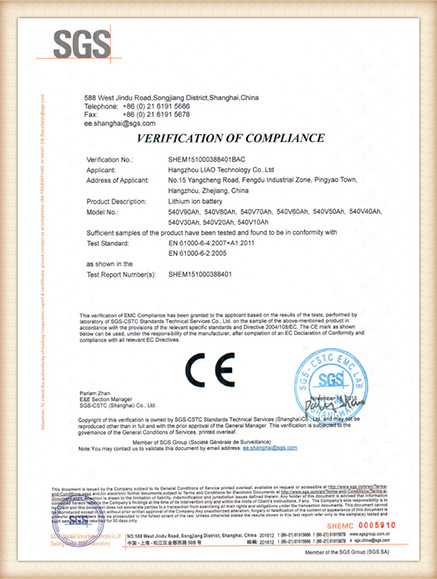
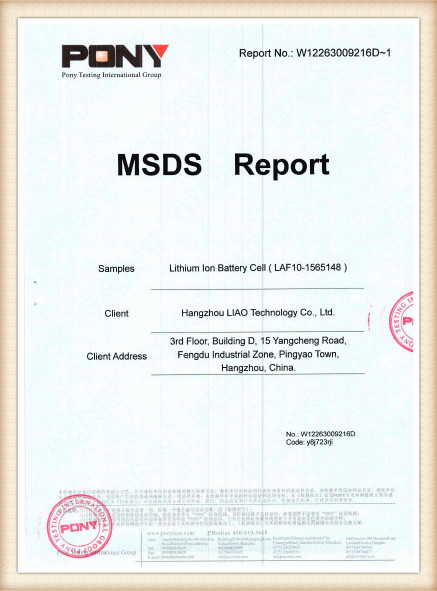
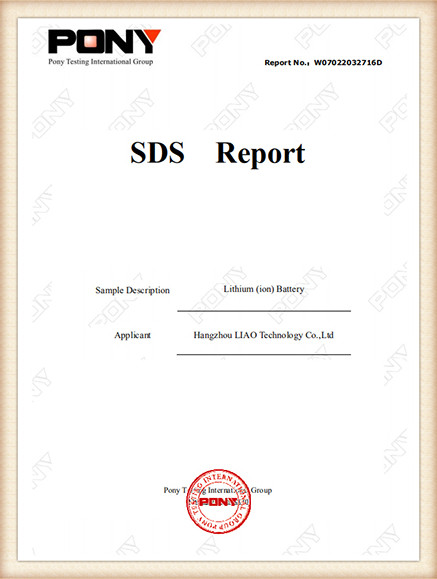
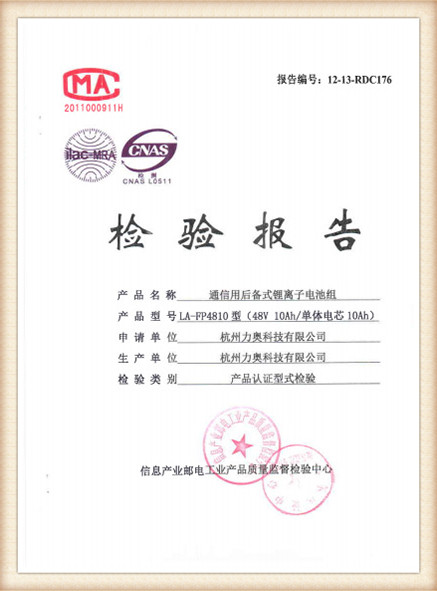
Our commitment to reliable performance is backed by global standard testing and certificates, ensuring that our products meet import, installation, and transportation criteria in the EU, Americas, and APAC.
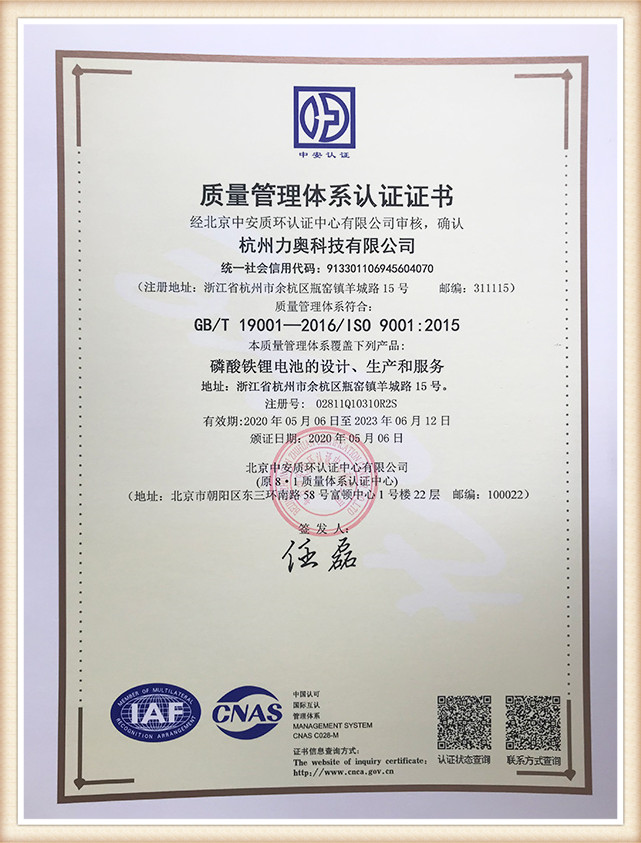
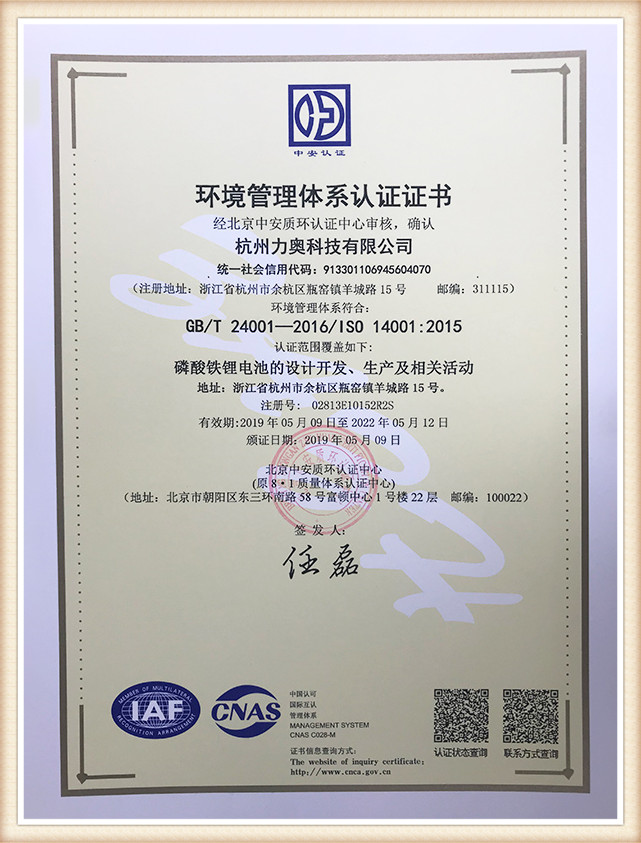
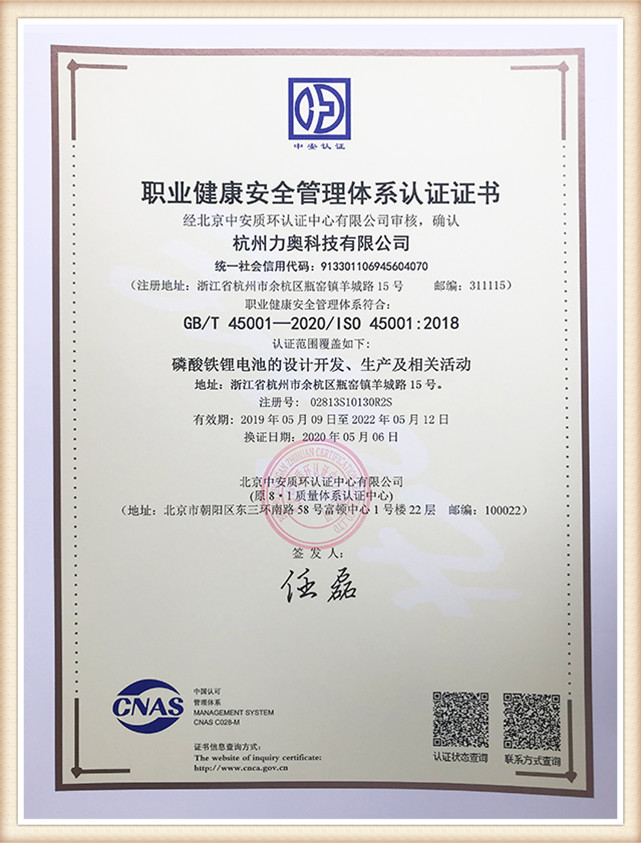
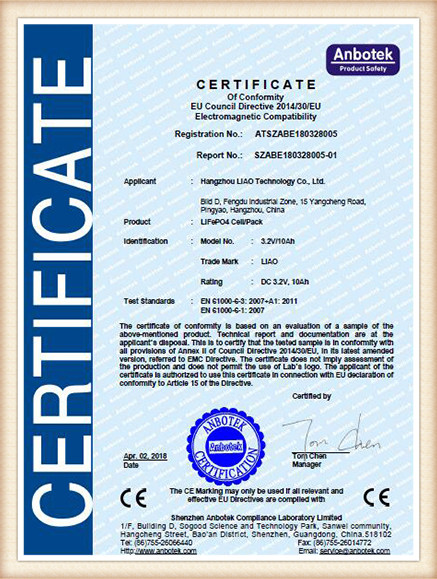
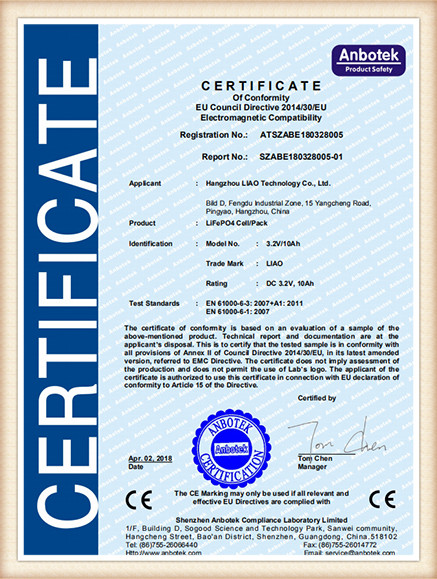
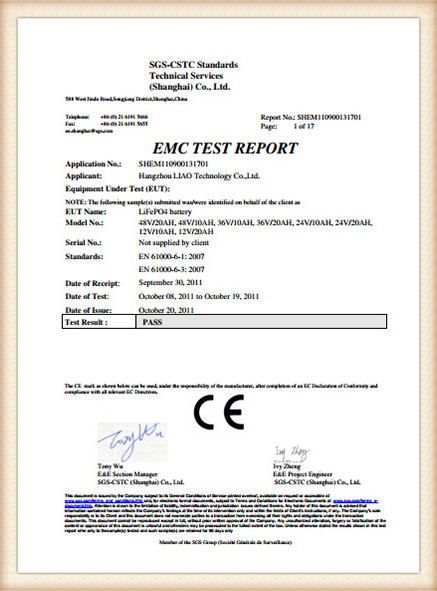
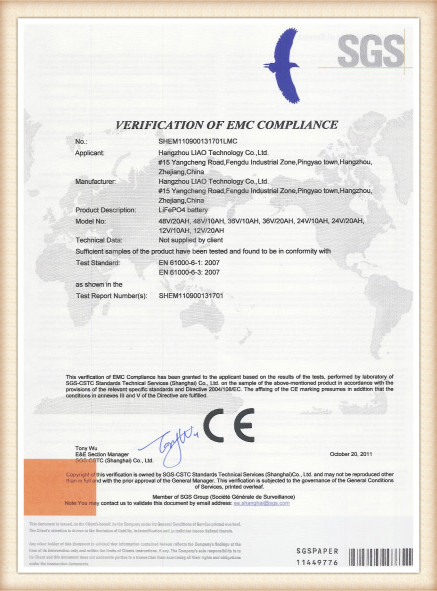
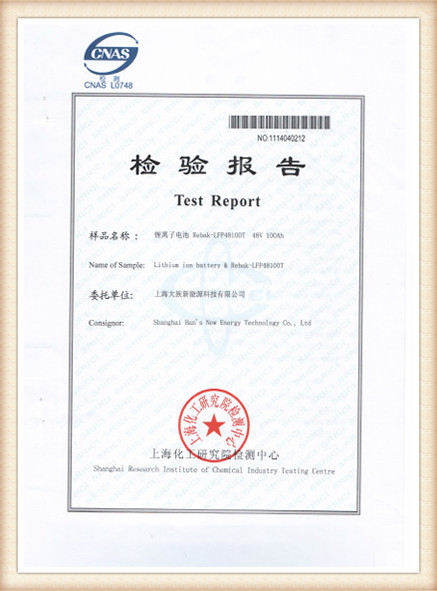
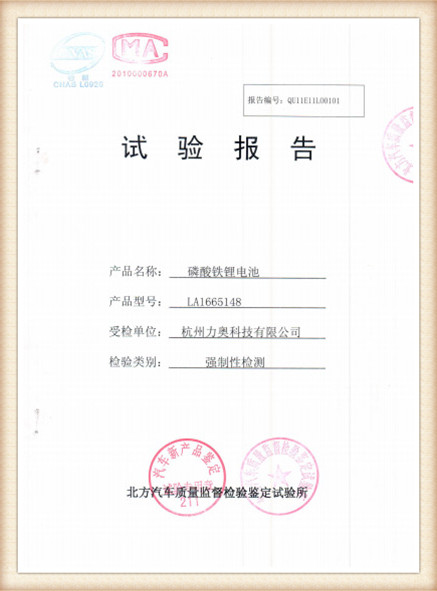
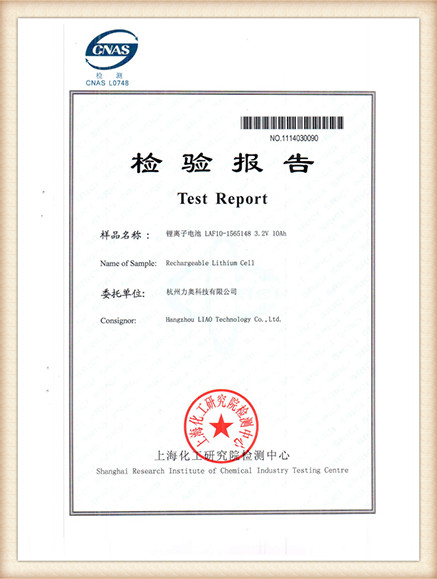
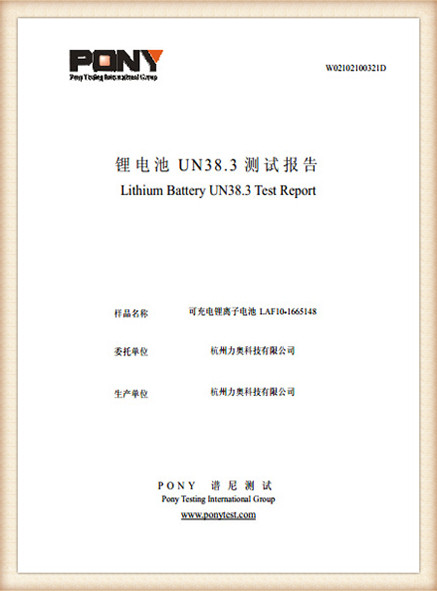
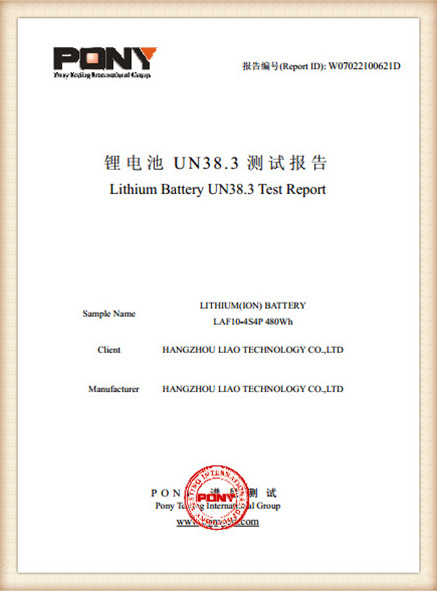
When engineering and sourcing managers evaluate battery manufacturers, verifying key parameters ensures long-term return on investment (ROI) and system compatibility:
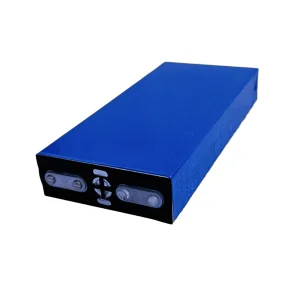
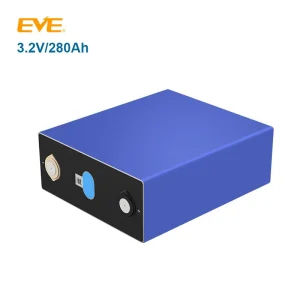
Ensure cells are Grade-A prismatic units with matching internal resistance ($R_i$), capacity ($C$), and open-circuit voltage ($V_{oc}$). Cell matching prevents premature pack degradation and localized thermal hotspots.
High-capacity systems require robust balancing strategies. Active balancing redistributes charge from higher to lower voltage cells, preserving up to 15% more usable capacity over time compared to passive balancing.
Ensure the manufacturer holds valid certifications including **UN38.3** (safe transport), **IEC 62619** (safety in industrial applications), and **UL 1973** (stationary battery safety).
In-depth answers to technical questions commonly encountered by design engineers and procurement personnel.
A 24V LiFePO4 battery pack is typically configured in an 8S (8 cells in series) arrangement. Since the nominal voltage of a single cell is 3.2V, the overall pack nominal voltage is 25.6V. Under charge, it peaks at 29.2V, and during discharge, it maintains a stable plateau around 25.6V to 26V. This aligns perfectly with 24V lead-acid charging curves, allowing for direct replacement in most power systems.
Acupuncture or nail-penetration testing simulates an internal short circuit caused by structural damage. In NMC and other cobalt-rich lithium cells, internal shorts trigger thermal runaway, releasing oxygen and causing rapid combustion. The robust covalent bonds of the $PO_4$ group in LiFePO4 prevent oxygen release under extreme heat, ensuring the cell only vents smoke without open flames.
While our batteries can discharge down to -40°C, charging lithium-ion chemistry below 0°C (32°F) can lead to lithium plating on the anode, causing permanent cell degradation and safety hazards. For freezing conditions, we offer custom packs with integrated thermal heating elements that warm the cells to safe levels before accepting charge current.
Unlike lead-acid batteries, which degrade quickly under partial state of charge (PSOC), LiFePO4 batteries experience minimal chemical degradation over time. When cycled at 1C discharge rate and 100% Depth of Discharge (DOD), single cells achieve 2800+ cycles. Under typical operating conditions and partial cycles, the battery can deliver 4000 to 6000 cycles, translating to a calendar lifespan of 10 to 15 years.
LIAO customized battery packs can be equipped with advanced BMS options featuring standard industrial communication protocols such as RS485, CANbus, Modbus, and SMBus. This allows real-time telemetry transfer of State of Charge (SOC), State of Health (SOH), individual cell voltages, and diagnostic fault codes to industrial PCs, solar inverters, or motor controllers.
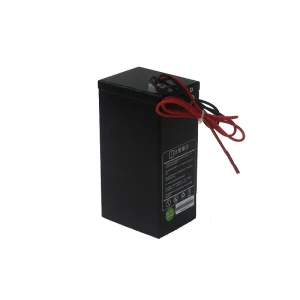
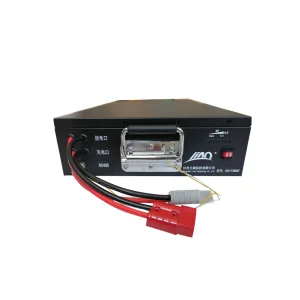
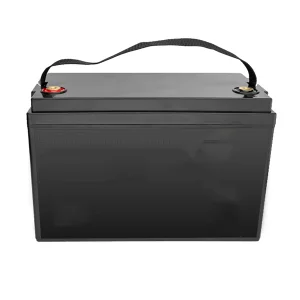
 Liao Battery