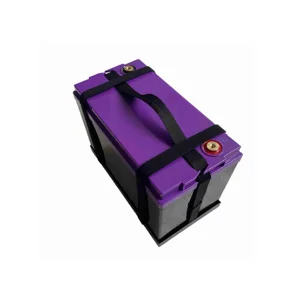
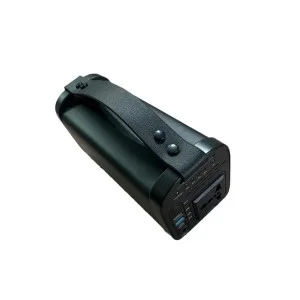
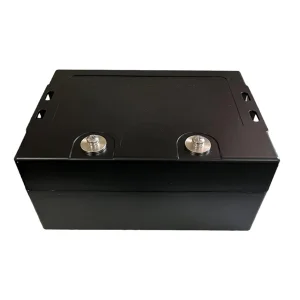
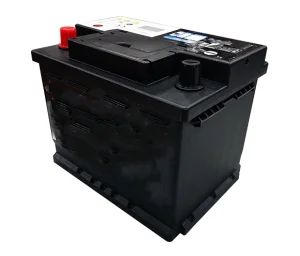
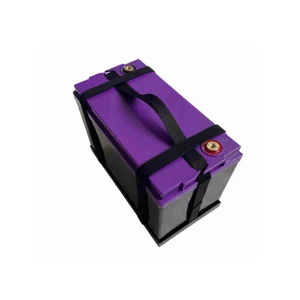
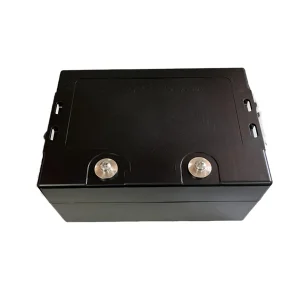
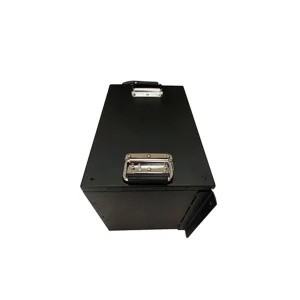
High-Quality 48 Volt LiFePO4 Battery Factory & Product Solutions

Empowering Industrial Automation, Commercial Energy Storage Systems (ESS), and Smart Mobility with Next-Gen Lithium Iron Phosphate Technology.

Strategic Whitepaper: The Essential Role of 48V LiFePO4 Systems

Executive Summary: As global industries shift toward high-efficiency electrification, the 48 Volt LiFePO4 (Lithium Iron Phosphate) architecture has emerged as the global standard for material handling, stationary grid storage, and backup systems. This technical review details Hangzhou LIAO Technology Co., Ltd.'s strategic advantage in custom battery design, automated cell assembly, and global supply chain integration.

Why 48V is the Optimal System Architecture

Operating systems at 48 Volts provides an ideal balance of safety, thermal stability, and transmission efficiency. In contrast to low-voltage 12V configurations that require massive, heavy cabling to handle high currents, 48V systems significantly cut current draw for the same power output. This reduction limits copper loss, lowers heat emission, and eliminates the risk of high-voltage shock, complying with global low-voltage safety standards (typically under 60V DC limits).

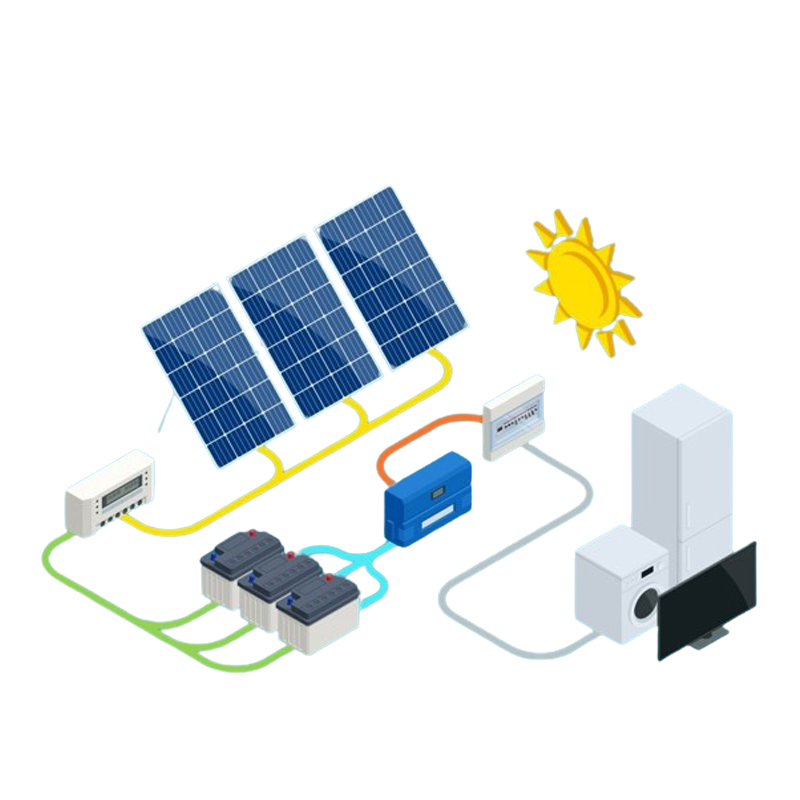
From golf carts and AGVs to residential solar grids, the 48V platform enables seamless integration with standard telecommunications power units, commercial hybrid inverters, and heavy traction motor controllers.

Hangzhou LIAO Technology: 15+ Years of Industry Leadership

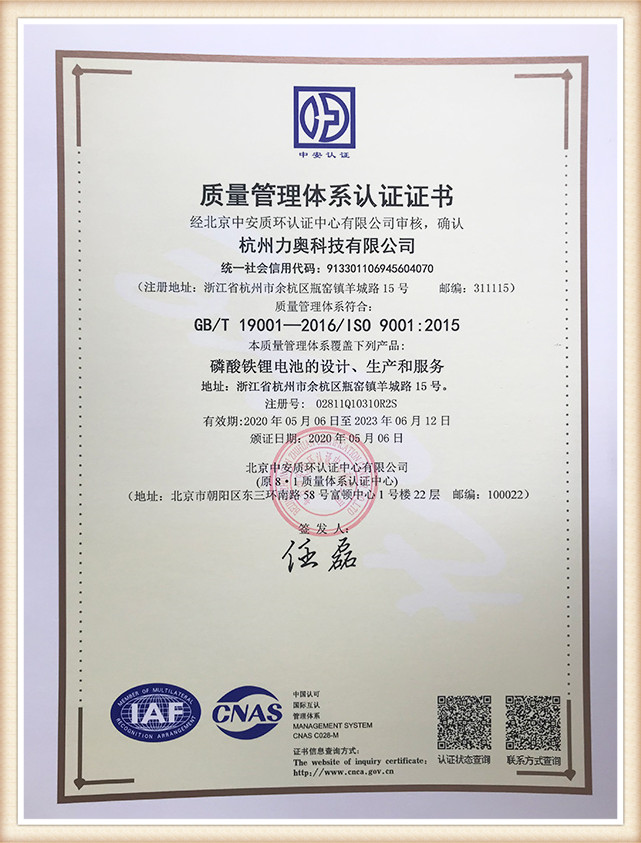
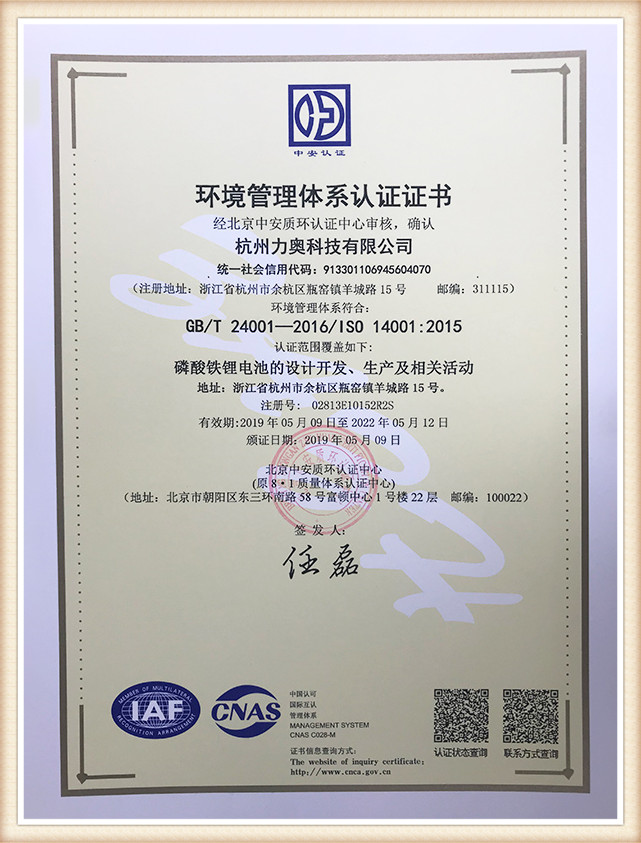
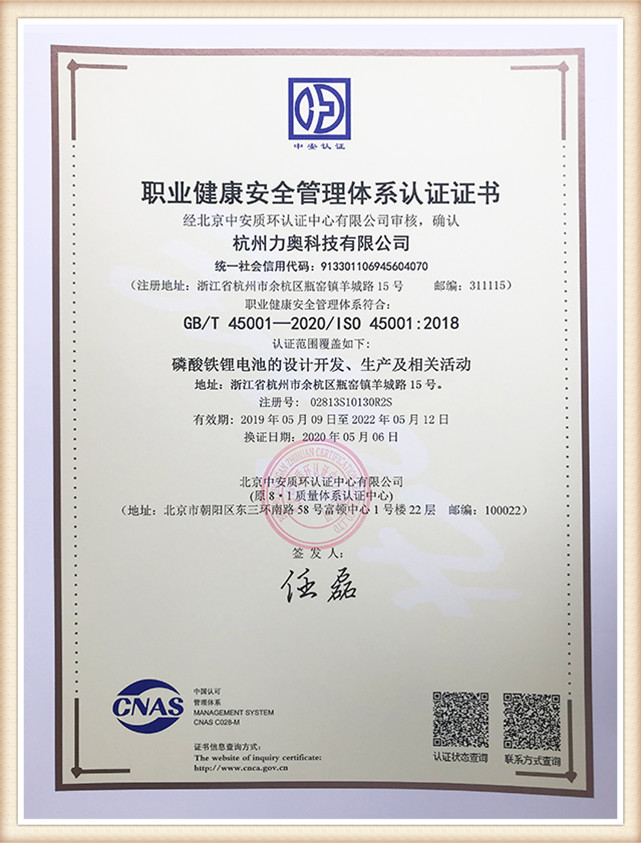
Founded in 2009, Hangzhou LIAO Technology Co., Ltd. is a dedicated manufacturer specialized in custom LiFePO4 batteries. Our processes are governed under rigorous ISO 9001 quality management, ISO 14001 environmental safety controls, and ISO 18001/45001 occupational health standards.

With exports reaching over 20 countries, LIAO combines advanced cell chemistry with custom Battery Management System (BMS) engineering. This integration helps global enterprises safely transition from legacy lead-acid batteries to durable lithium solutions.

2009
Year Established
2800+
Cycles @ 1C 100% DoD
20+
Global Export Countries
500+
OEM/ODM Clients Served

Technical Roadmap & Future Outlook

The field of LiFePO4 chemistry is advancing rapidly to meet the requirements of modern energy networks. Hangzhou LIAO Technology's R&D center targets three key areas on its technology roadmap:

1. Advanced Cathode Engineering & LMFP Transition

By introducing manganese into the iron phosphate olivine structure (forming Lithium Manganese Iron Phosphate or LMFP), we are working to raise the cell operating voltage from 3.2V to 3.7-3.8V. This increases cell-level energy density by up to 25% while preserving the safety and long cycle life of standard LFP chemistry.

2. Smart Cloud-BMS Integration (AI-Driven Prognostics)

Future 48V battery systems will incorporate edge-computing BMS units paired with cloud networks. By monitoring internal resistance, cell swelling pressures, and temperature gradients in real-time, our algorithms can predict thermal anomalies up to 72 hours before they occur, ensuring superior safety.

3. Solid-State and Semi-Solid Electrolyte Systems

To address operating issues in freezing environments, LIAO is engineering gel-polymer and semi-solid state electrolytes. This approach preserves battery performance at low temperatures and eliminates risk from volatile liquid electrolytes, ensuring high safety during puncture or crushing.

China Factory 4.0: Supply Chain Resilience & Process Excellence

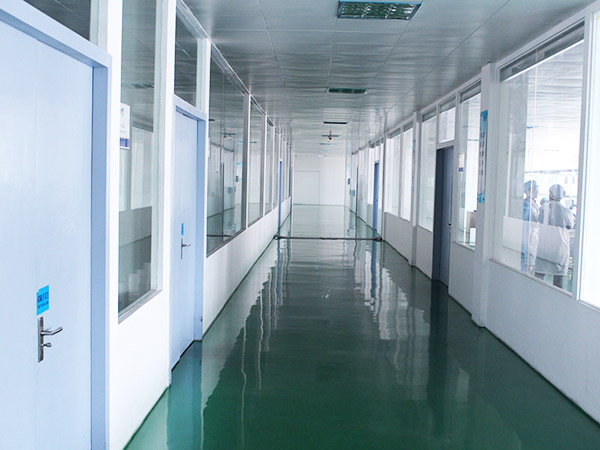
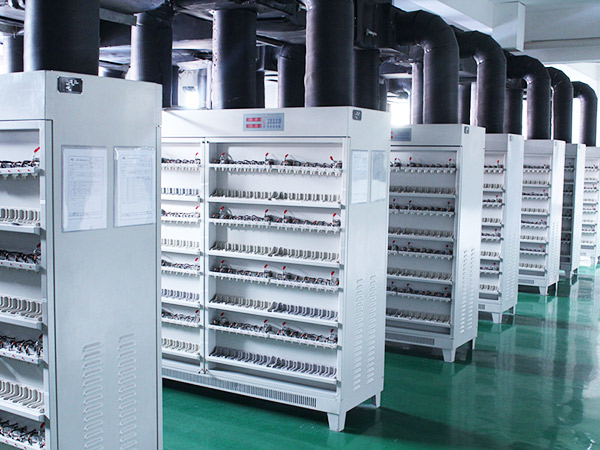
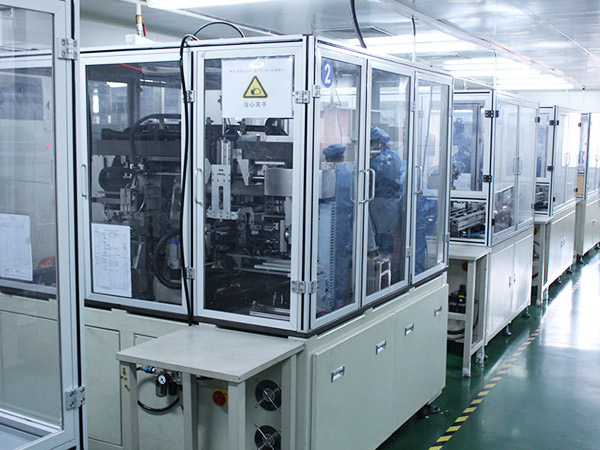
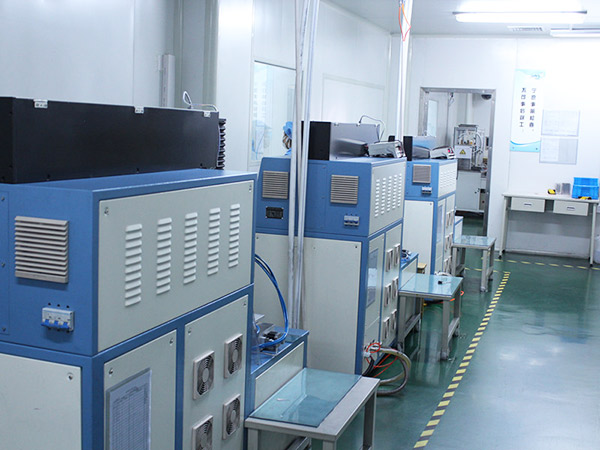
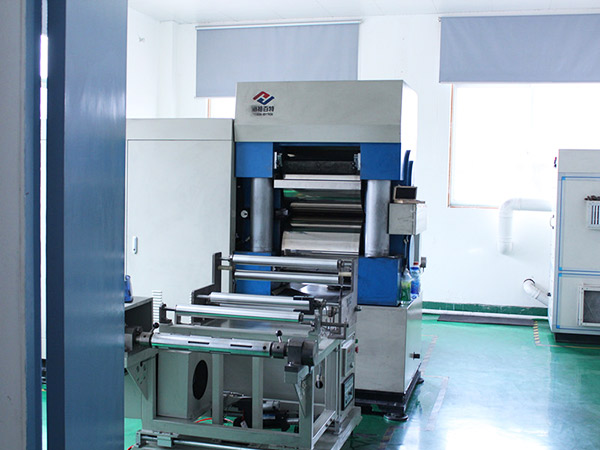
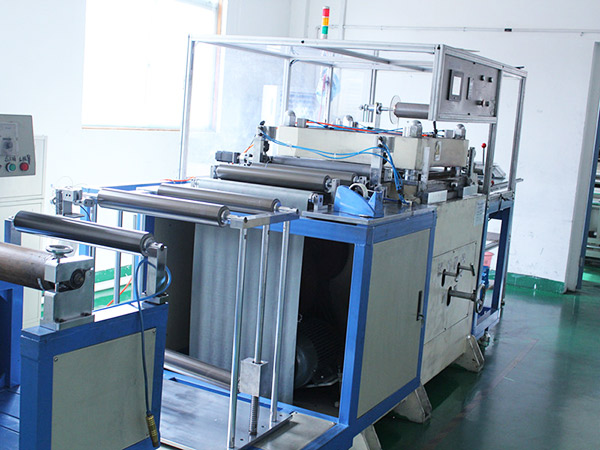
Our automated production facility in Hangzhou, China utilizes advanced processing machinery, from raw electrode preparation to final pack assembly.
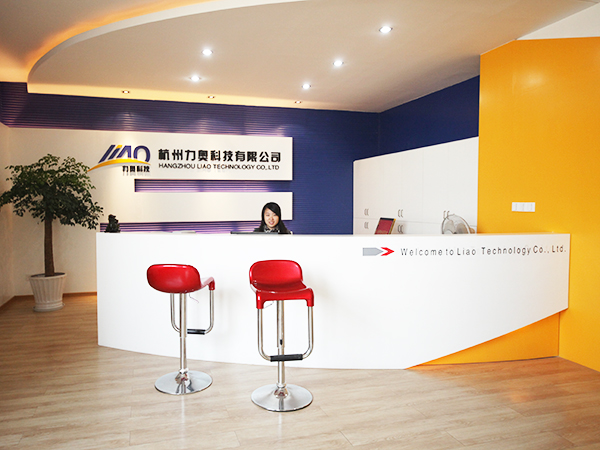
Hangzhou Liao Factory Reception

Factory Reception

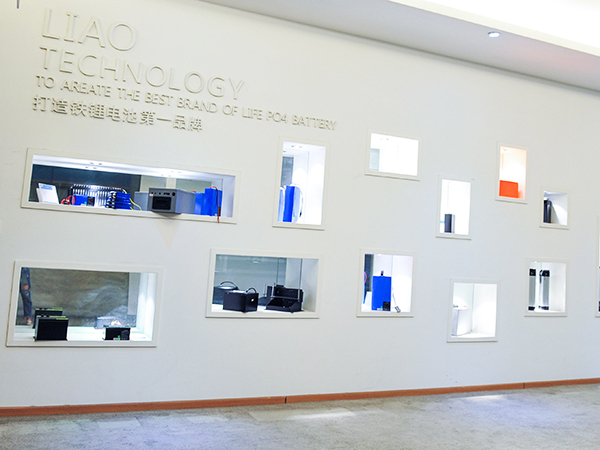
Exhibition Area

Exhibition Area

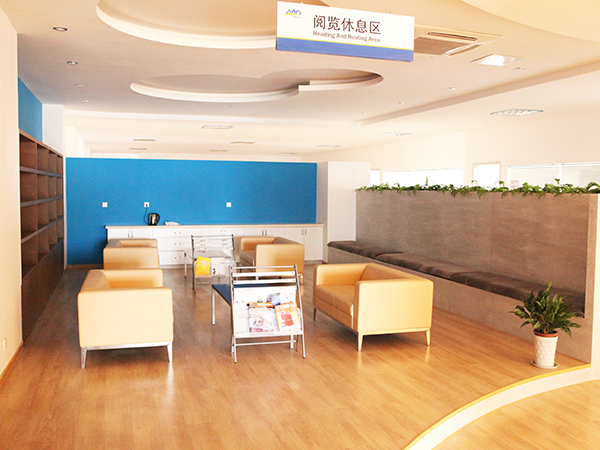
Reading Rest Area

Reading Rest Area

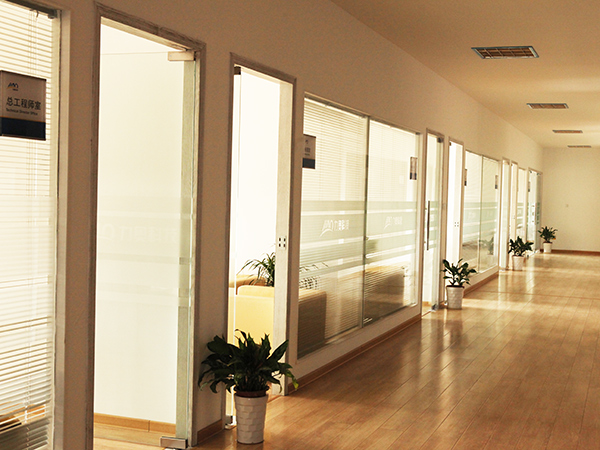
Office Area

Office Area

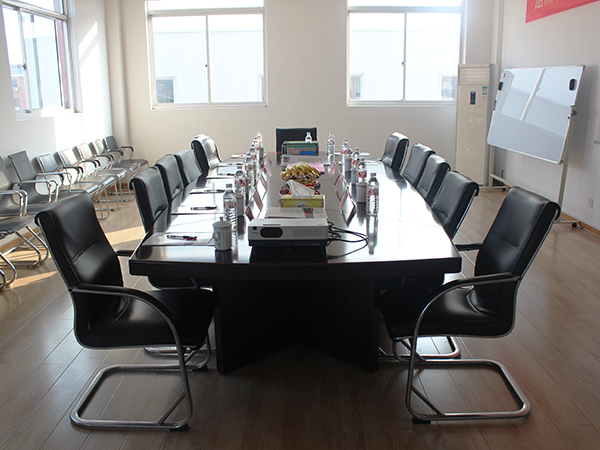
Meeting Room

Meeting Room

Visiting Access

Visiting Access

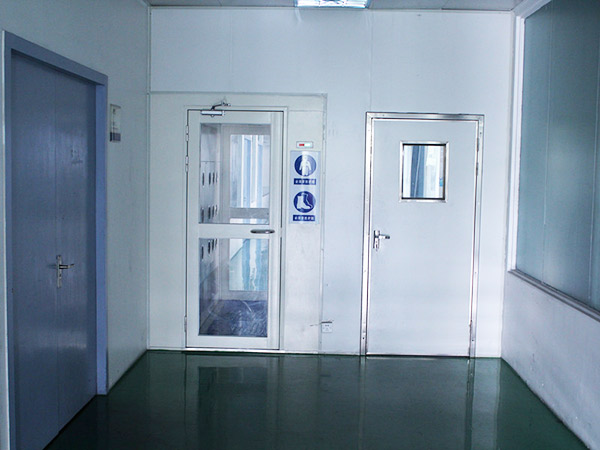
Factory Production Entrance

Production Entrance

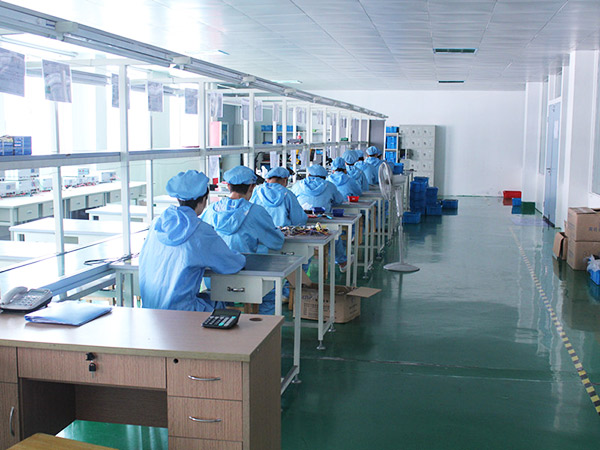
Pack Assembly Line

Pack Assembly

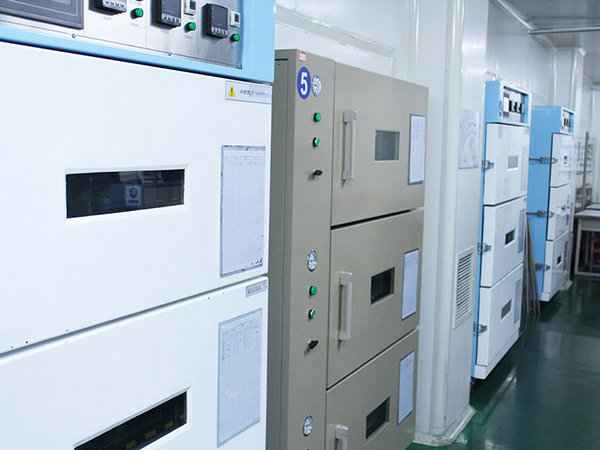
Baking Process

Vacuum Baking

Capacity Sorting System

Capacity Sorting

Prismatic Stacking

Automatic Stacking

Laser Welding System

Laser Welding

Electrode Rolling Machine

Precision Rolling

Electrode Die Cutting

Electrode Die Cutting & Slitting Process

Quality Assurance and Control Flow

Maintaining cell quality requires strict manufacturing controls. Hangzhou LIAO Technology operates under ISO 9001 standards using a structured QC flow:

  • Raw Material Inspection: We verify the purity and density of our Lithium Iron Phosphate cathode powder and graphite anode structures.
  • Laser Welding Inspection: Automated visual inspection systems monitor every weld seam for depth and consistency.
  • Capacity Sorting & Matching: Cell capacities are matched within a 0.5% deviation margin, and internal resistances are matched within 0.2mΩ to prevent pack degradation.
  • High-Temperature Baking & Aging: Cells undergo aging cycles under heat to identify trace self-discharge profiles before final assembly.

Custom OEM/ODM Battery Solutions for Industrial Sectors

Different environments demand specific power delivery systems. Hangzhou LIAO Technology engineers custom battery solutions for complex operating conditions.

Golf Carts Solution

Golf Cart Solutions

New-generation LiFePO4 batteries power golf carts across rolling terrain and steep grades, maintaining performance throughout the day.
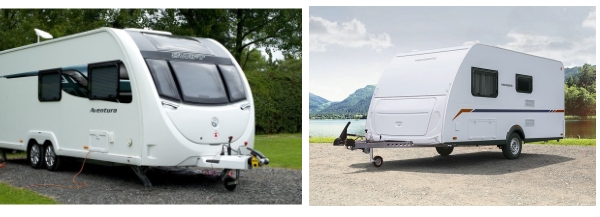
Caravan Mover Solution

Caravan Movers

Providing reliable discharge currents for heavy caravans and utility trailers, offering long shelf life and deep discharge capabilities.
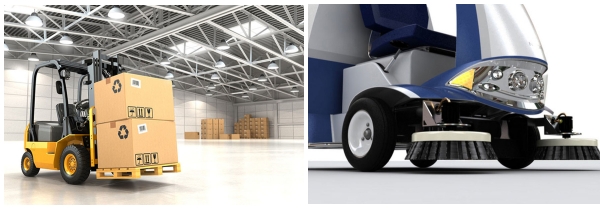
Industrial Vehicles

Industrial Vehicles

Designed for heavy-duty applications including material handling, electric forklifts, pallet jacks, and automated guided vehicles (AGVs).
E-Boat Solution

E-Boat Propulsion

IP67-sealed, marine-grade battery systems that withstand salt corrosion while supplying electric motors with clean, quiet power.

Custom Battery Packaging & Engineering

With 15+ years of battery manufacturing experience, our design team combines electrical, firmware, and mechanical engineering expertise to customize:

  • Custom form factors for irregular battery compartments.
  • CANbus, RS485, and Bluetooth communication interfaces.
  • Active cell balancing systems that improve cycle life by up to 30%.
  • Heating wraps that permit sub-zero charging in cold climates.
LIAO Design Team Workstation

LIAO engineers utilize CAD modeling, thermal simulation, and specialized BMS programming.

Global Certifications & Quality Compliance

Our products are certified to international regulatory and safety standards, ensuring smooth customs clearance and import compliance.
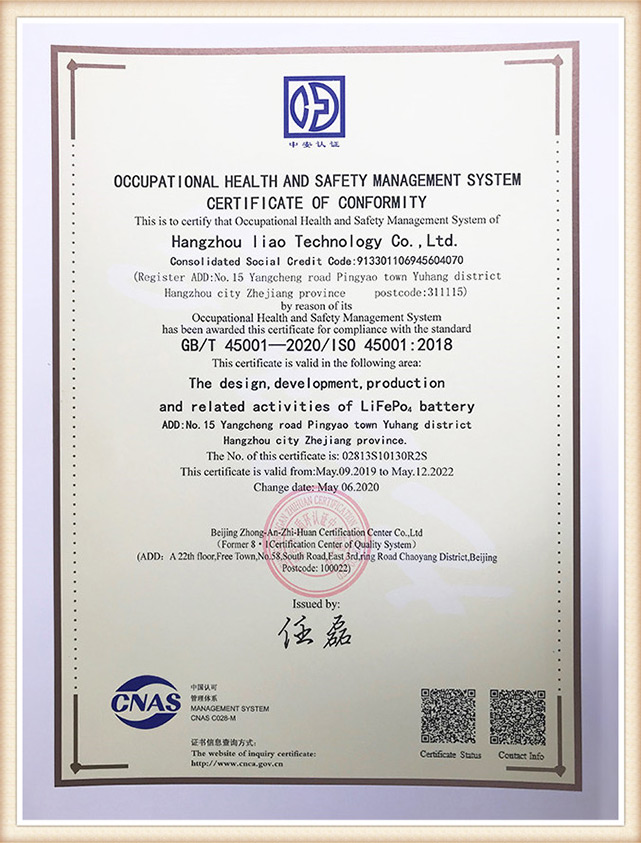
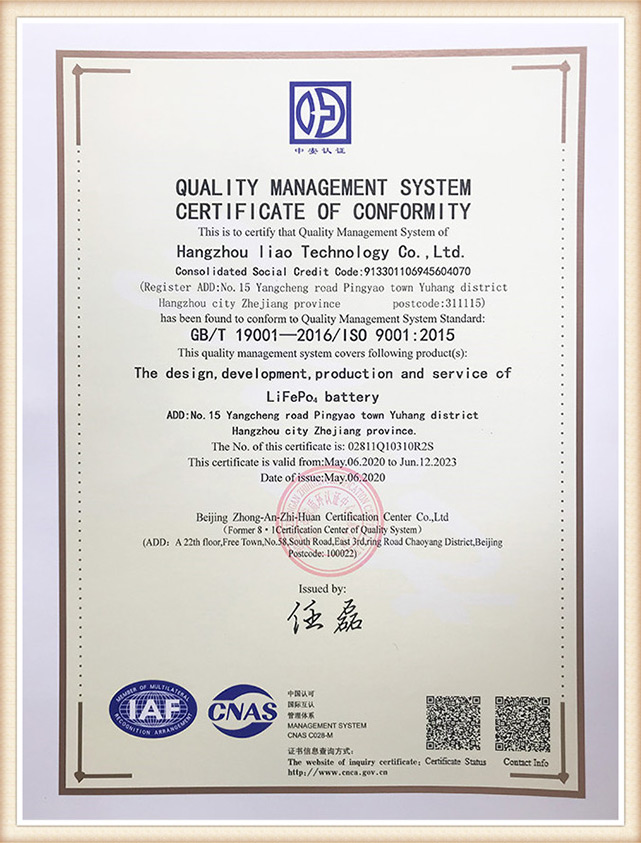
ISO 9001 Certificate

ISO 9001 QMS

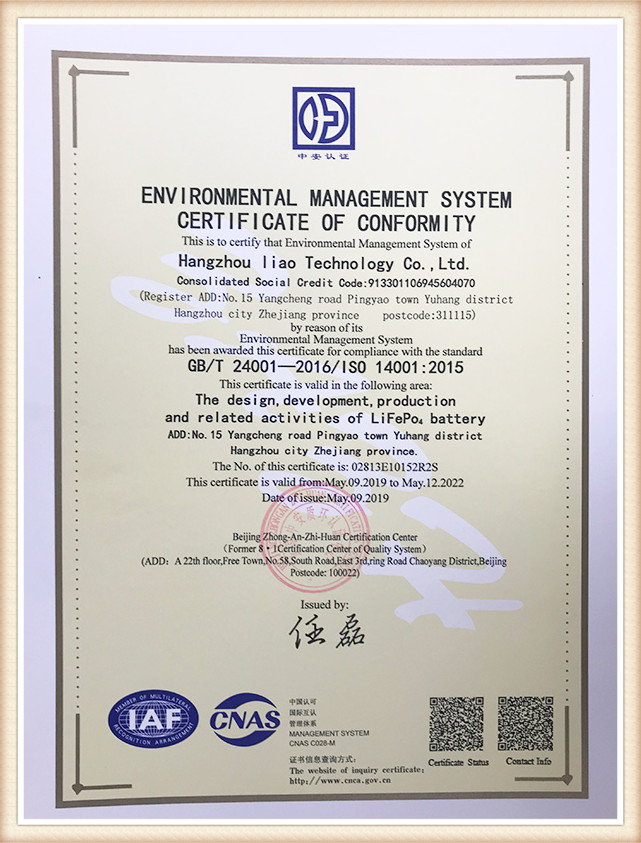
ISO 14001 Certificate

ISO 14001 EMS

OHSAS 18001 Certificate

ISO 18001 OHSMS

UL Test Report

UL/IEC Safety Reports

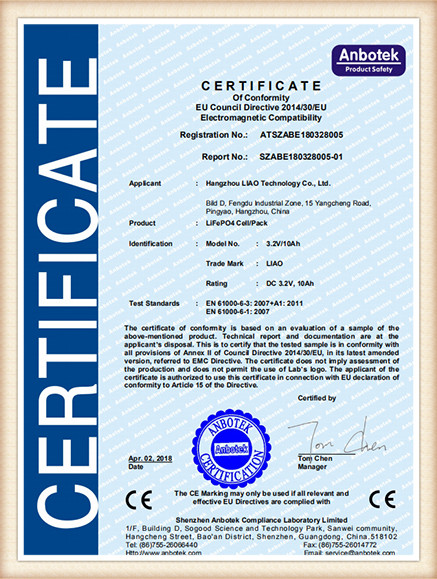
CE Certificate

CE Certification

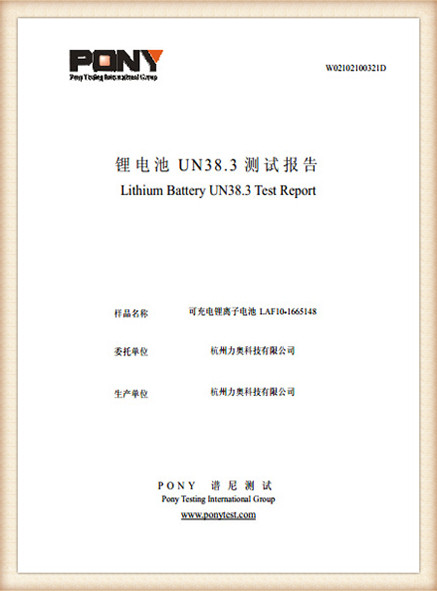
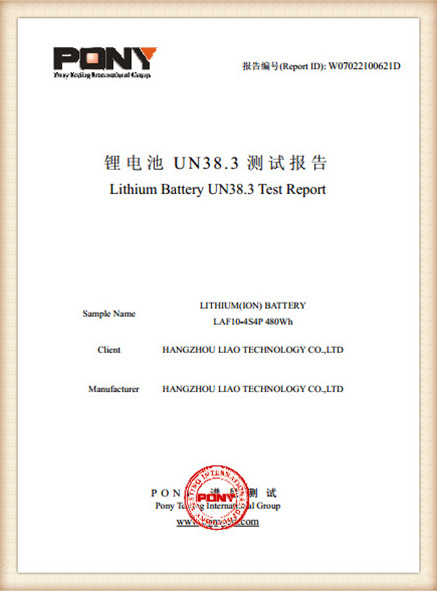
UN38.3 Safe Transport

UN38.3 Shipping Approval

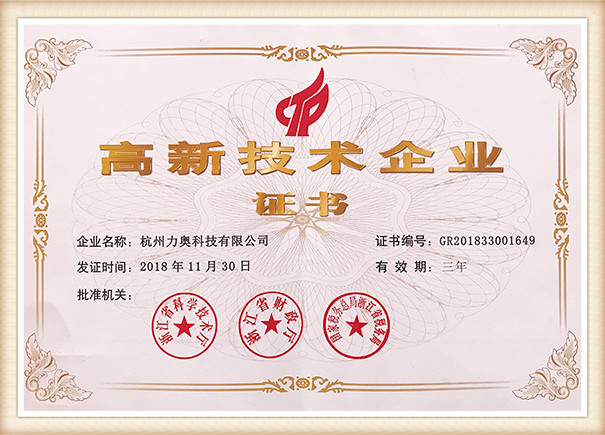
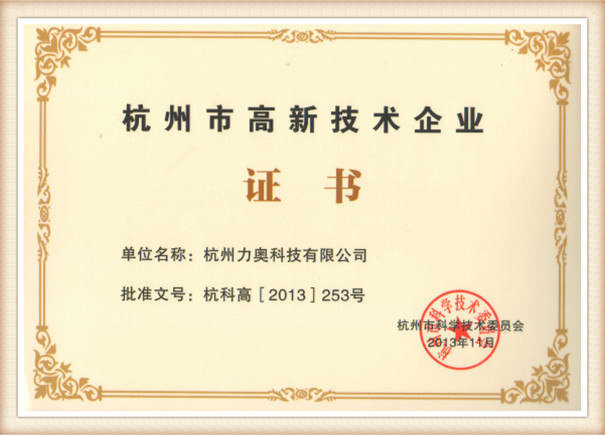
Technical Patents & Industrial Accolades

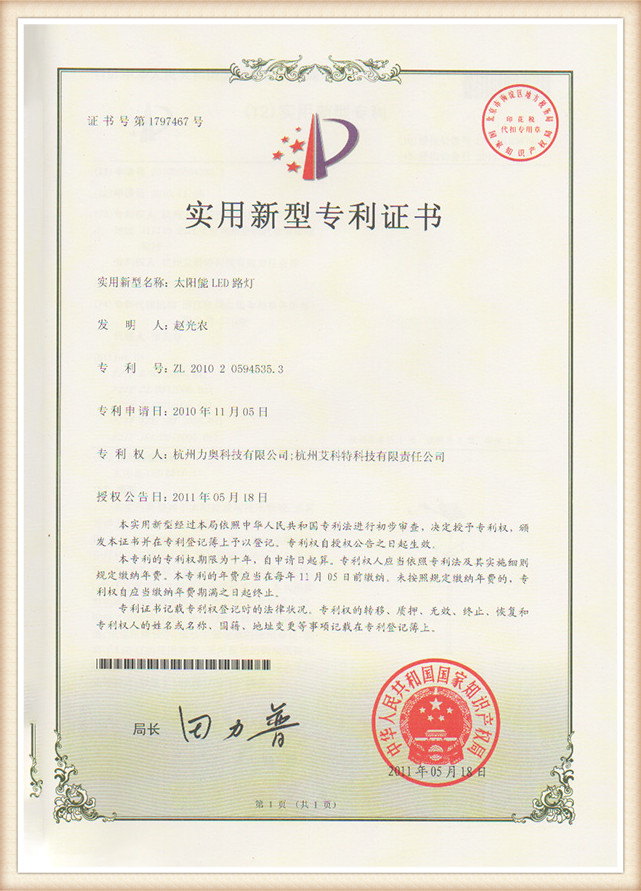
Hangzhou LIAO Technology invests significantly in battery patents, focusing on cell safety vents, high-voltage battery enclosures, and BMS thermal monitoring.
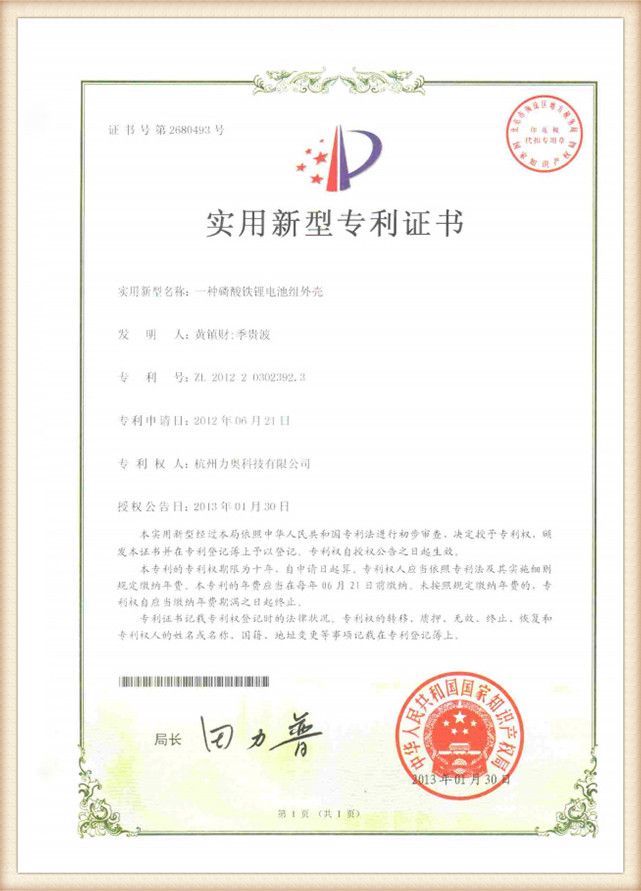
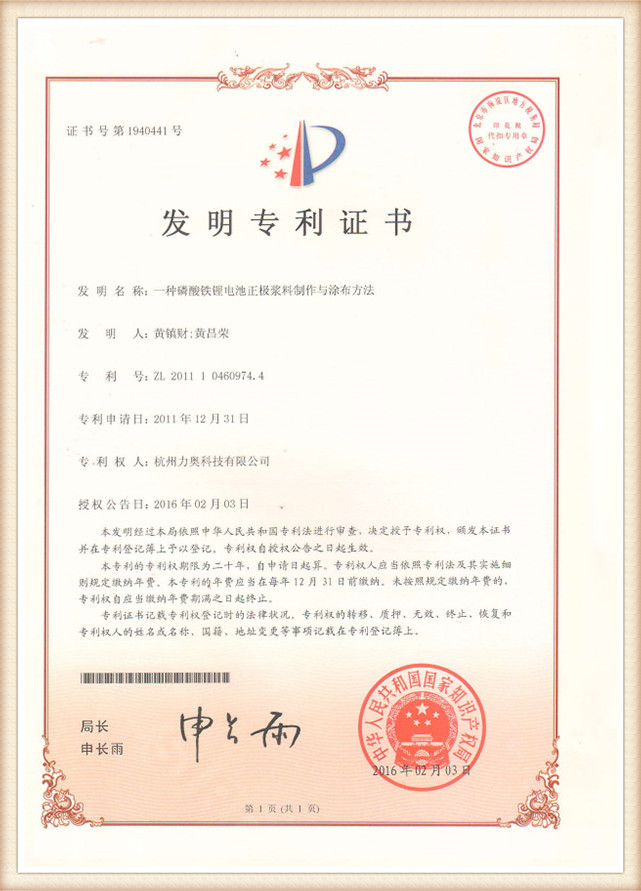
Patent Image A
Patent Image B
Patent Image C

Europe Testing Champion and Industrial Standing

Our LAXpower-1230 battery pack was named the testing champion in a European competition, reflecting our design focus on safety and cycle life.
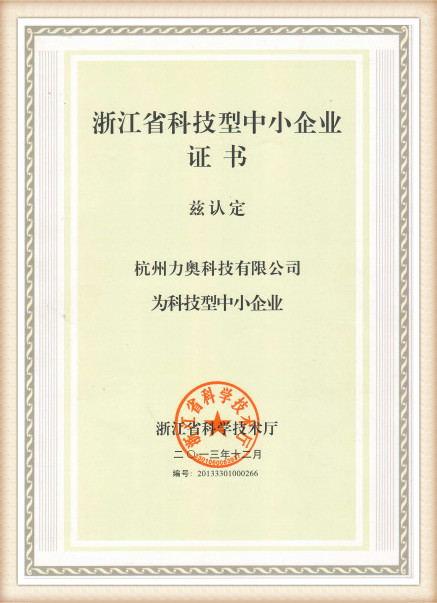

Honor Certificate A
Honor Certificate B
Honor Certificate C
Honor Certificate D

Key Criteria for Global Enterprise Procurement

B2B battery procurement managers must evaluate several factors beyond base costs to minimize system failure risks:

  • Cell Grading Consistency: Batteries should only contain Tier 1 cells that have gone through strict capacity and internal resistance matching. Mixing cells with different performance profiles can reduce pack lifetime.
  • BMS Reliability: The BMS should feature dual thermal cutoffs, over-current limits, cell-balancing circuitry, and compatible communication ports (such as CANbus or RS485) for system monitoring.
  • Mechanical Enclosures: Industrial applications require shock-resistant housings (e.g., sheet metal or heavy-duty ABS) with built-in venting to handle vibration and mechanical stresses.
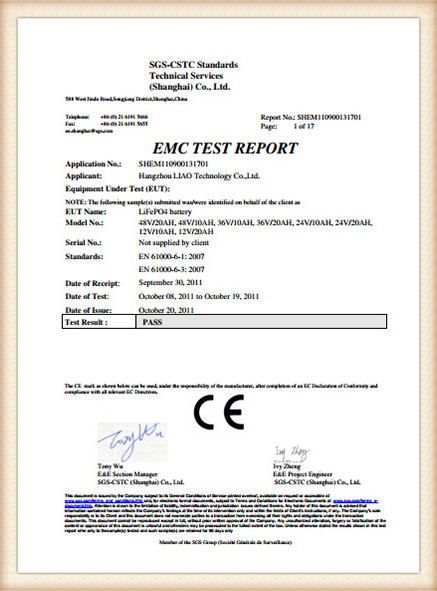
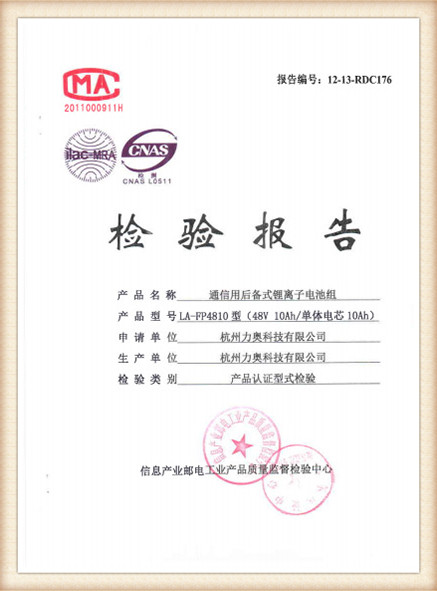
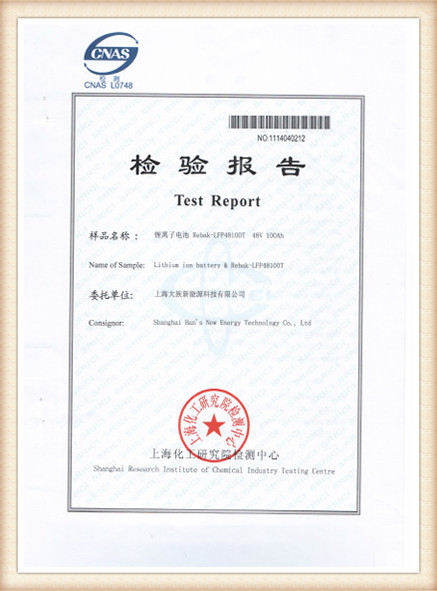
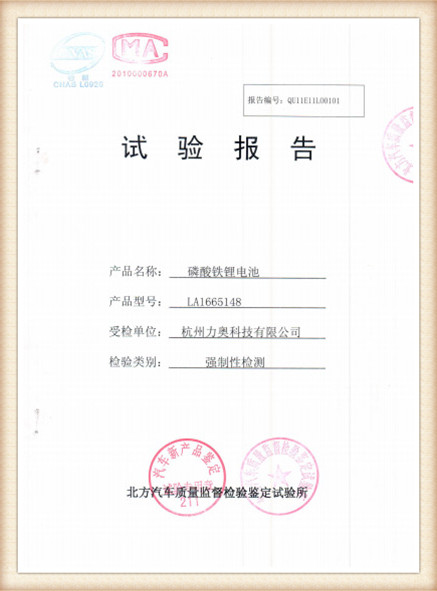
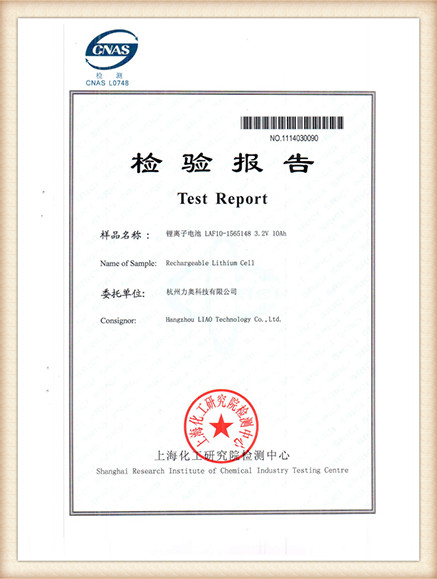
Procurement Support at LIAO: We provide detailed testing documentation for every production batch, including charge/discharge profiles, impedance tracking, and thermal images.

By supporting both small-batch validation and large-scale automated manufacturing, we help OEMs launch products efficiently with reduced development cycles.
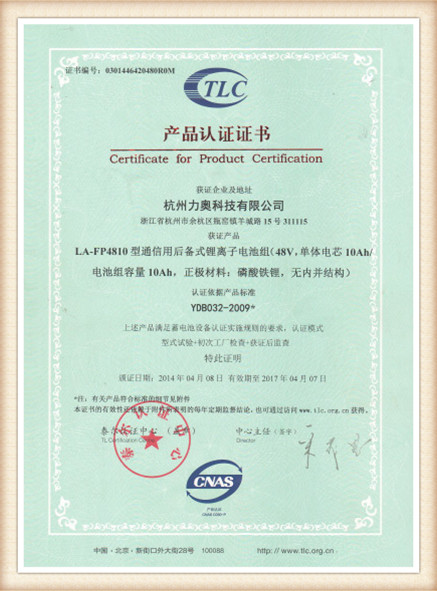
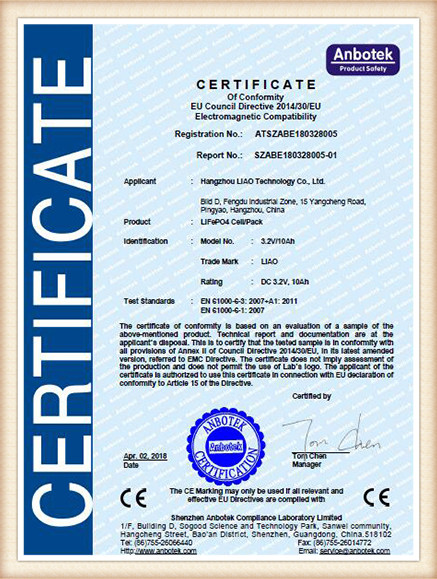
Official Testing Reports & Documentation

Report 1
Report 2
Report 3
Report 4
Report 5
Report 6
Report 7
Report 8
Report 9
Report 10
Report 11
Report 12
Report 13
Report 14

Core Battery Form Factors & Subsystems

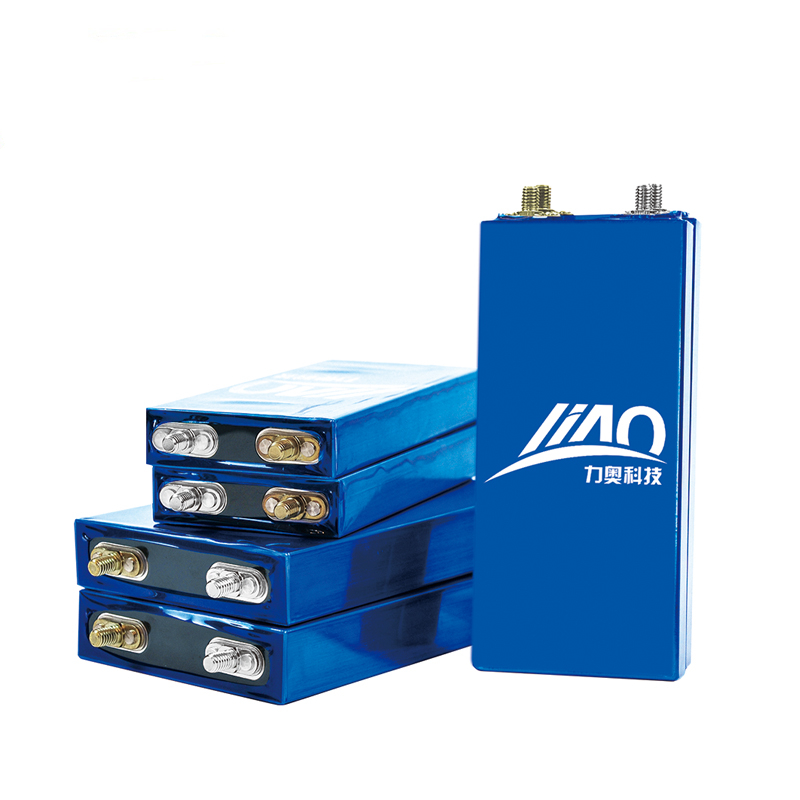
Prismatic Cells

Prismatic Cells

Individual lithium iron phosphate cells with high volumetric efficiency, designed for heavy machinery and utility solar grids.
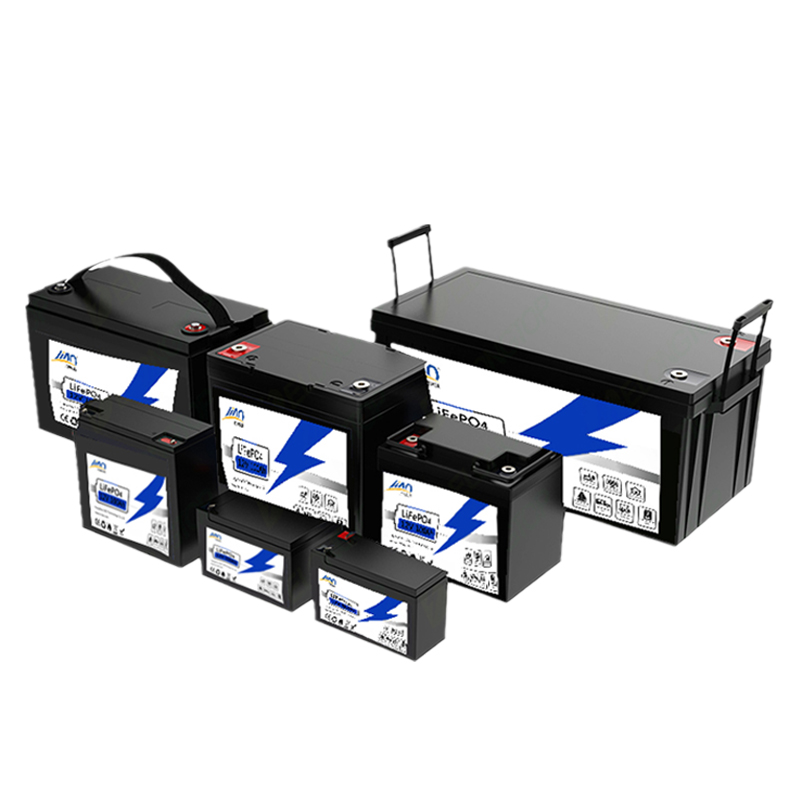
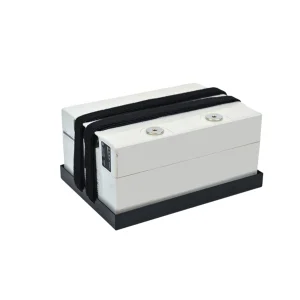
LiFePO4 Battery Pack

LiFePO4 Battery Packs

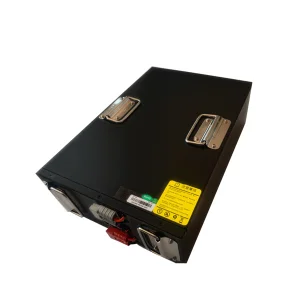
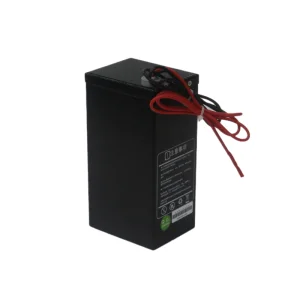
Engineered battery systems complete with integrated BMS, custom mounting brackets, and interface connections.
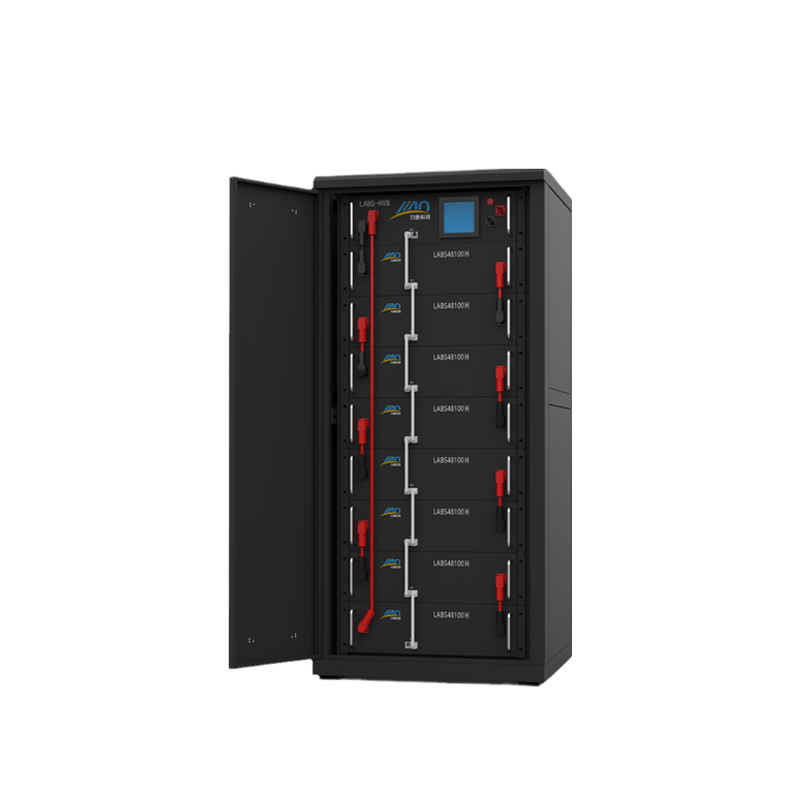
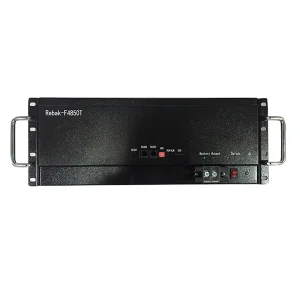
Energy Storage Systems

Energy Storage Systems

Cabinet-style battery solutions designed for peak shaving, grid support, and commercial UPS power backup.
Energy Solution

Custom Power Solutions

Tailored engineering services supporting dynamic power profiles, rugged environments, and system integration.

Localization Support & Compliance Assurance

Exporting lithium batteries requires navigating complex regional compliance codes. Hangzhou LIAO Technology simplifies this process by providing certification support:

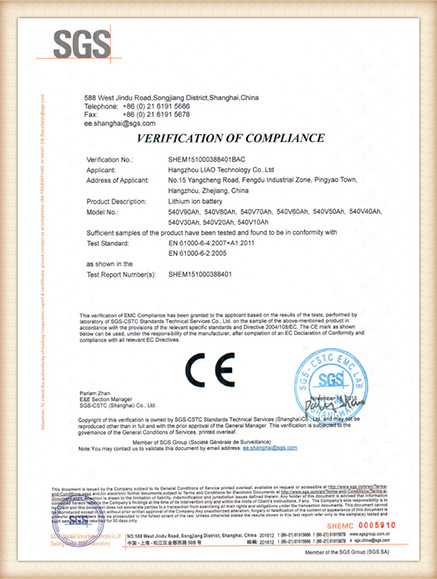
  • Europe (CE, RoHS, WEEE): Full compliance with CE directives and restriction of hazardous substances, ensuring smooth distribution throughout the EU.
  • North America (UL1973, UL9540A): Our energy storage cells undergo testing to meet strict safety limits for thermal runaway propagation.
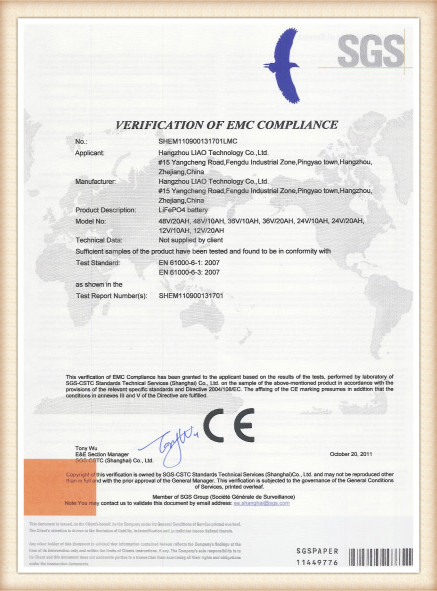
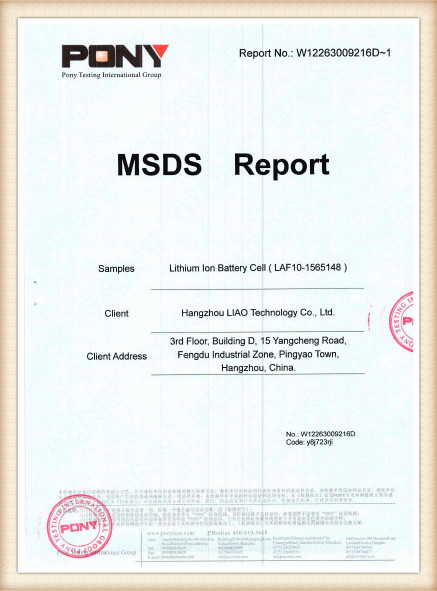
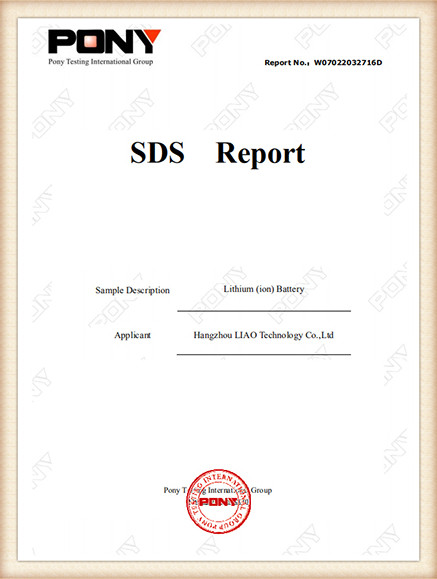
  • Safe Transport (UN38.3, MSDS): Every cell batch is certified under UN38.3, enabling standard shipping by air and sea.

Targeted Global Distribution

We supply products to major international markets including Germany, France, the Netherlands, Spain, the UK, the USA, Canada, Mexico, Brazil, Australia, Korea, Japan, India, and South Africa.

By working with international logistics partners, we assist customers with customs clearance, tax handling, and DDP delivery options to ensure smooth logistics.
Frequently Asked Questions (FAQ)

Q1: What are the main benefits of a 48V LiFePO4 battery compared to a 12V or 24V system?
A 48V configuration reduces current draw for the same power output. This allows the use of thinner, lighter cabling, reduces thermal losses, and improves energy efficiency. It is also safer because it operates below the 60V DC threshold that typically requires specialized high-voltage protection.
Q2: How does Hangzhou LIAO Technology ensure the safety of its battery packs?
We use high-stability LiFePO4 chemistry that is resistant to fire and explosion, even under physical damage like puncture tests. Every pack features a custom BMS that guards against overcharging, over-discharging, thermal spikes, and short circuits, with active balancing to keep cells performing consistently.
Q3: What is the typical life cycle of your prismatic LiFePO4 cells?
Our cells are rated for 2,800+ full charge/discharge cycles at 1C discharge rates with 100% Depth of Discharge (DoD) before capacity drops to 80% of its original rating. Under standard operating conditions (0.5C rate, 80% DoD), life expectancy can reach 4,000 to 5,000 cycles.
Q4: Do you offer OEM/ODM services for custom battery shapes and enclosures?
Yes, we specialize in OEM/ODM services. Our engineering team designs custom sheet-metal or molded enclosures, configures custom BMS protocols (such as CANbus, RS485, or Modbus), and tailors the battery dimensions to fit specific spaces.
Q5: Which international certifications do your batteries hold?
Our factory operates under ISO 9001, ISO 14001, and ISO 18001/45001 standards. Our battery products hold CE, UN38.3, and MSDS approvals, and we provide testing documentation to assist with regional certifications like UL or IEC.
Q6: How do your batteries perform in extreme high or low temperatures?
Our battery systems operate across a wide temperature range, discharging reliably between -40°C and 85°C. For freezing conditions, we can integrate internal heating pads that keep the cells within optimal temperature ranges during charging.