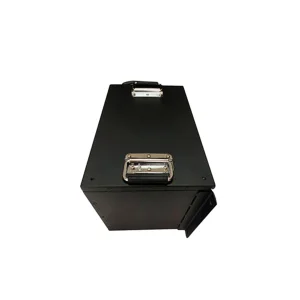
Explore our core high-performance battery models configured for smart transportation, energy storage, and industrial mobility.
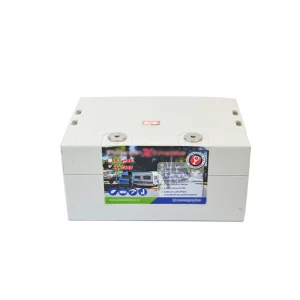
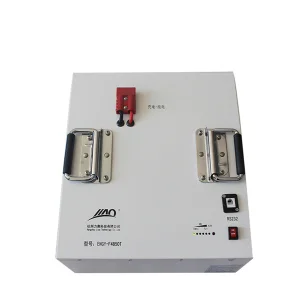
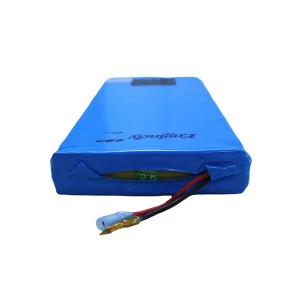
An authoritative analysis of structural stability, thermodynamic behavior, and global adoption patterns.
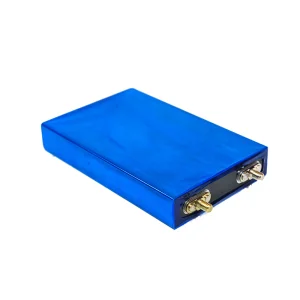
The 3.2V 10Ah LiFePO4 (Lithium Iron Phosphate) cell stands as the baseline building block for customized industrial and commercial power modules. The olivine-type crystal structure of LiFePO4 features strong covalent P-O bonds, preventing structural decomposition and oxygen release at elevated temperatures. Unlike conventional NCM chemistries, which are prone to thermal runaway above 150°C, LiFePO4 cells maintain thermodynamic integrity up to 270°C, offering unmatched intrinsic safety profiles.
Engineered with a nominal voltage of 3.2V and a calibrated capacity of 10Ah, these cells provide optimal granularity for pack building. System engineers can construct highly modular packs with precise voltage steps and exact capacity sizing, eliminating dead weight in space-constrained installations like Automated Guided Vehicles (AGVs) and portable medical systems.
Understanding supply-chain needs, localization criteria, and geopolitical factors driving industrial procurement.
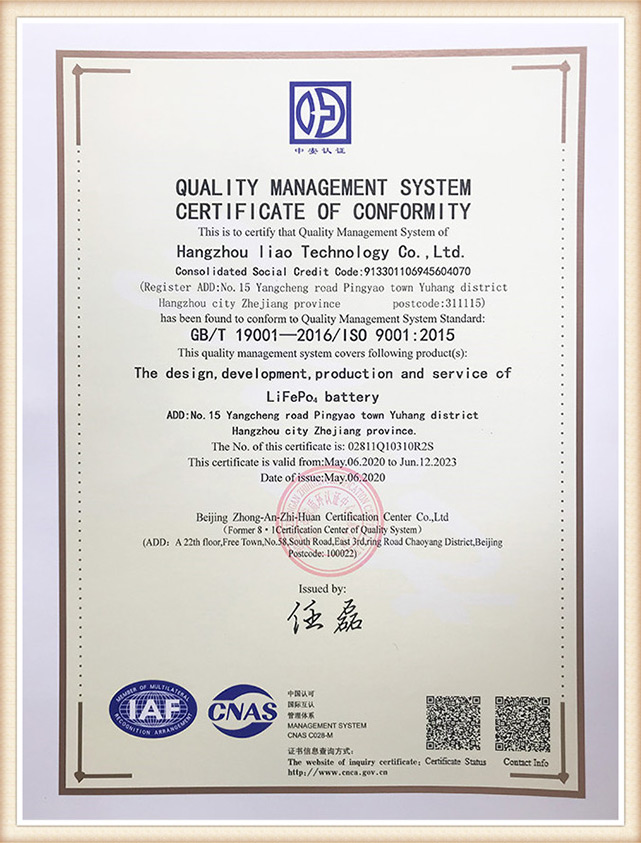
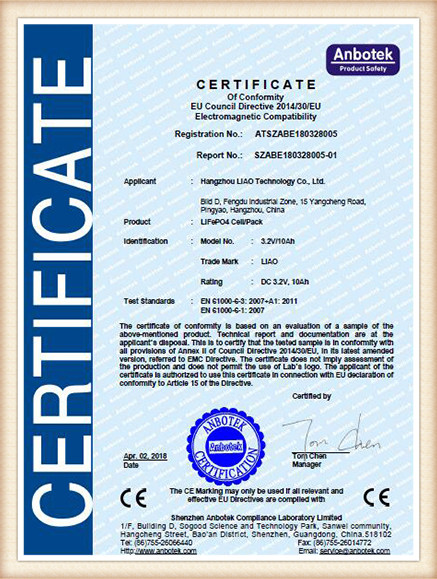
Global procurement teams prioritize manufacturers holding valid ISO 9001, CE, UN38.3, and UL certifications. Safety verification through standardized testing is no longer optional for entry into EU and US markets.
System integrators require flexible custom layouts to optimize performance across varying footprints, moving away from rigid standard sizes to custom-tailored dimensions.
Emerging applications in cold-chain logistics, sub-zero telecom, and heavy outdoor industrial environments demand cells capable of steady discharge rates from -40°C up to 85°C.
Inside Hangzhou LIAO Technology: 15 Years of Advanced Automated Cell Assembly and Integration.
Modern battery production requires precise material control, mechanical consistency, and environmental monitoring. Hangzhou LIAO Technology Co., Ltd. uses high-speed precision manufacturing systems that maintain constant temperature and humidity control during cell production.
By automating raw material processing, slurry coating, laser welding, and high-precision sorting, LIAO limits cell variation to minimal tolerance brackets (Internal Resistance difference ≤ 0.5mΩ, Capacity discrepancy ≤ 50mAh). This ensures that multi-cell configurations maintain balance over thousands of charge-discharge cycles, preventing premature degradation.
Through our comprehensive quality control framework, we track components from initial production stages to final testing. This reliability is why our custom solutions are used in demanding applications in Germany, France, USA, Japan, and other global markets.
Why industrial buyers and global engineering firms partner with Hangzhou LIAO Technology.
Our cell design prevents combustion or thermal runaways under severe compression, impact, or direct nail penetration tests.
Operational stability spanning a wide temperature envelope from -40°C up to 85°C for polar and desert systems.
Single cell testing demonstrates 2800+ full charging/discharging cycles (at 1C / 100% Depth of Discharge) before capacity retention drops to 80%.
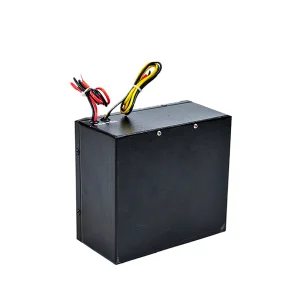
Our customized power solutions (LAXpower-1230) won testing champion honors in independent EU performance comparisons.
Customized power designs tailored to diverse fields requiring reliable, long-cycle energy.
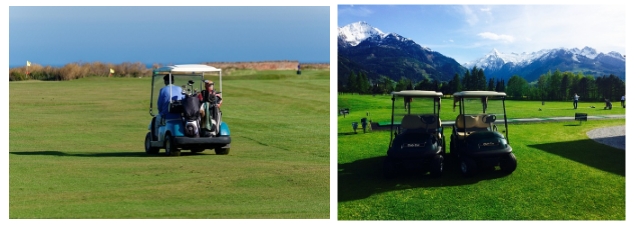
Provides consistent high current discharge under steep grade climbs. Lightweight architecture improves efficiency across various golf courses.
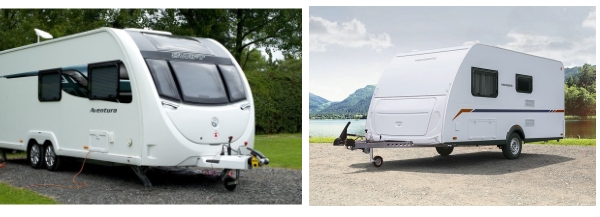
Compact form factor with high current output for clean, quiet, and reliable operation. Maintenance-free design lowers overhead costs.
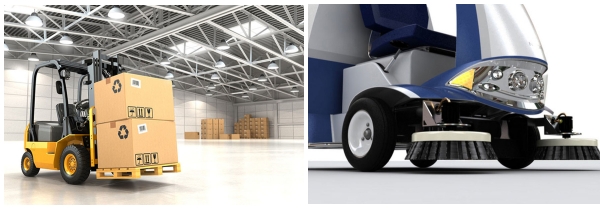
Configured for deep discharging, fast-charging integration, and stable power delivery under heavy loading cycles.
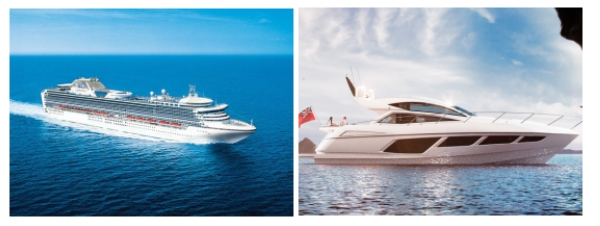
Fully sealed IP-rated casing prevents moisture ingress and corrosion. Zero emissions and minimal vibration protect sensitive marine environments.
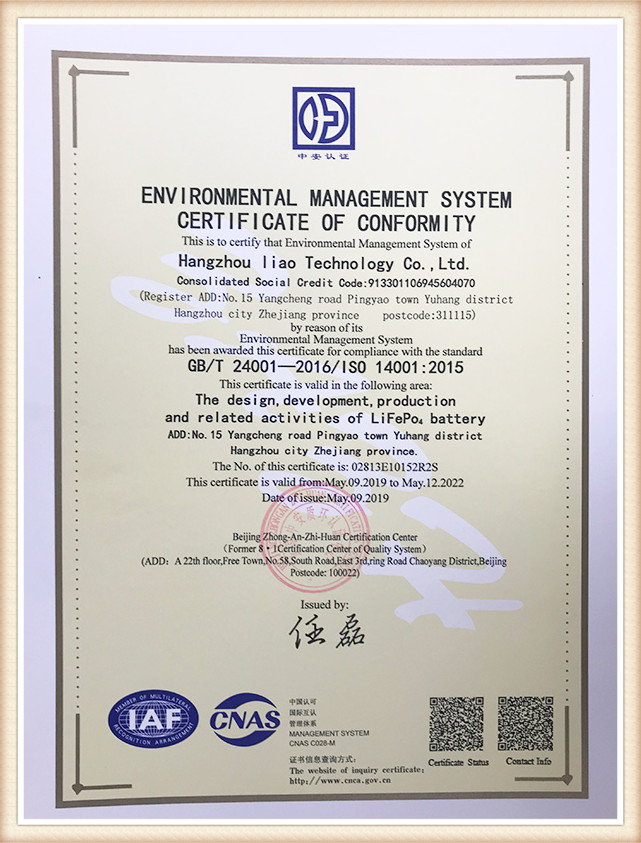
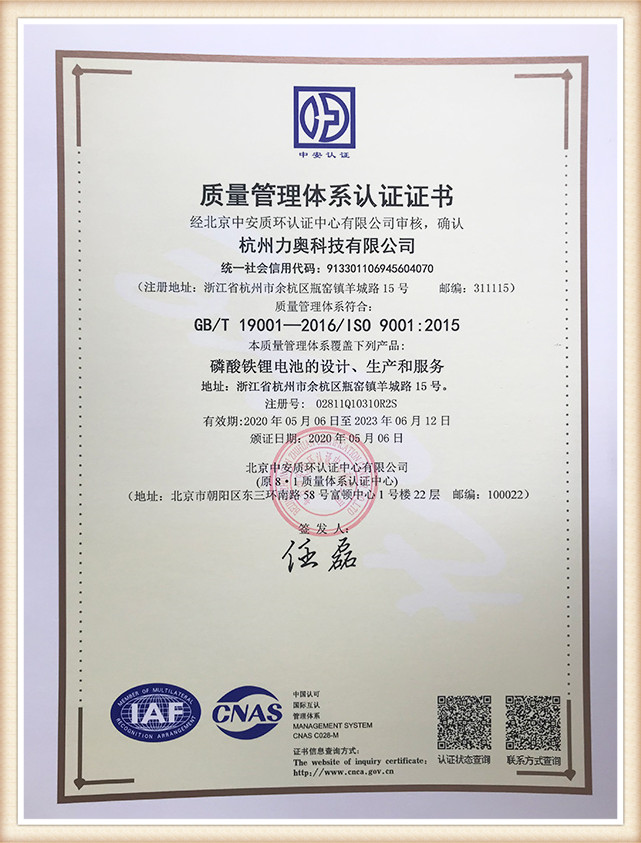
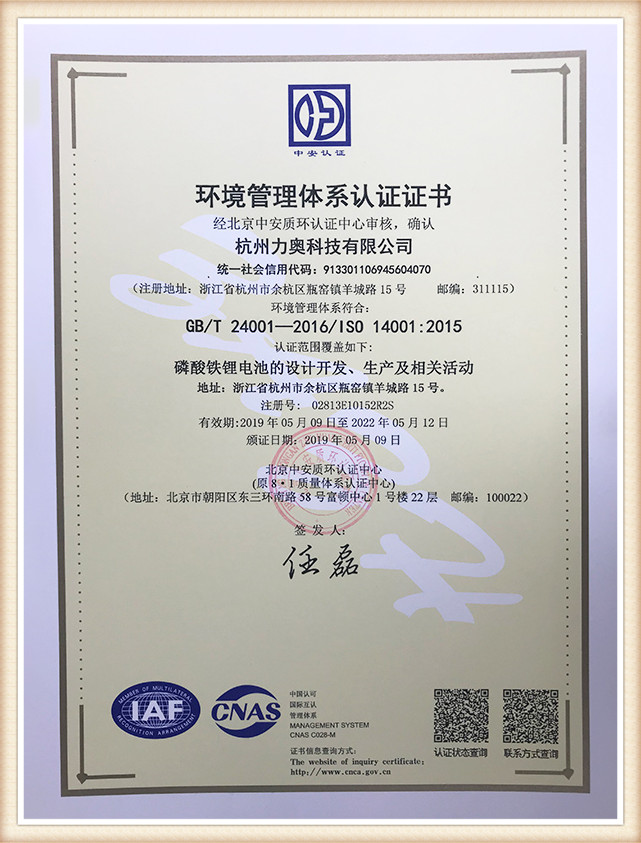
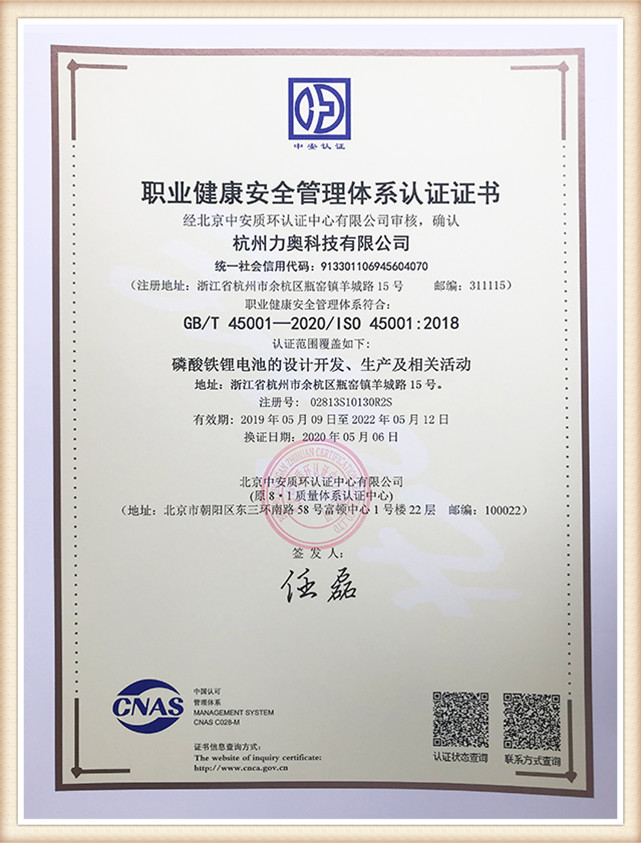
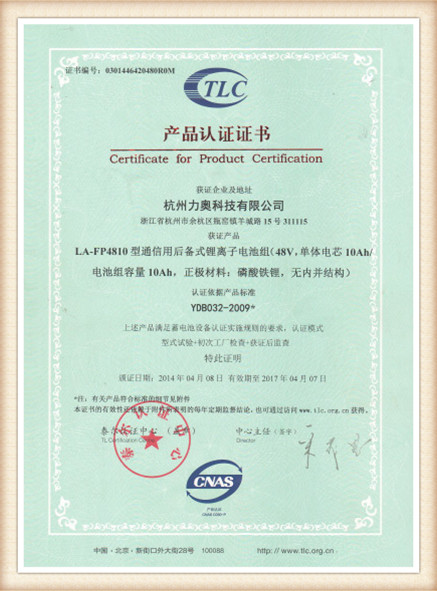
Visualizing our ISO 9001, ISO 14001, and ISO 18001 certified manufacturing facilities.
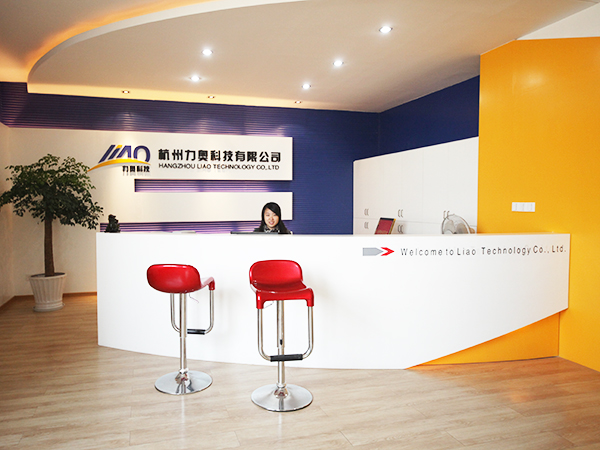
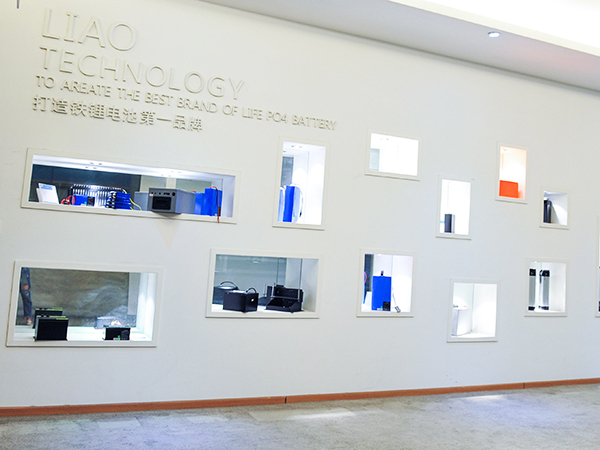
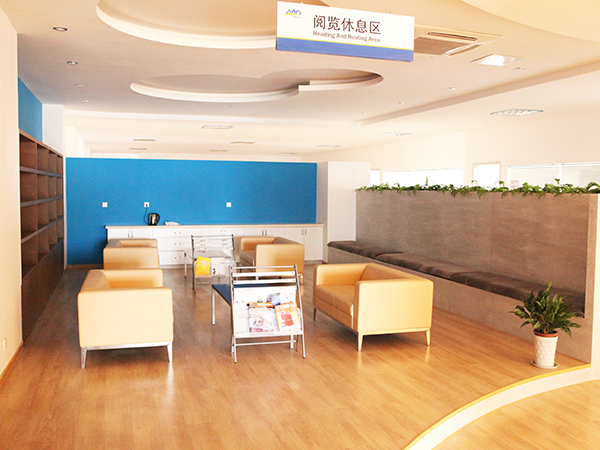
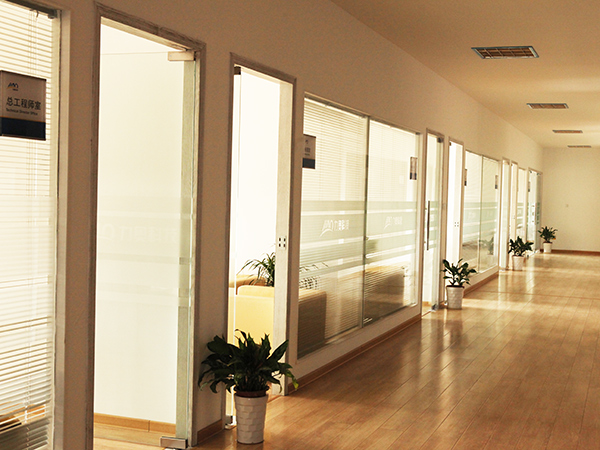
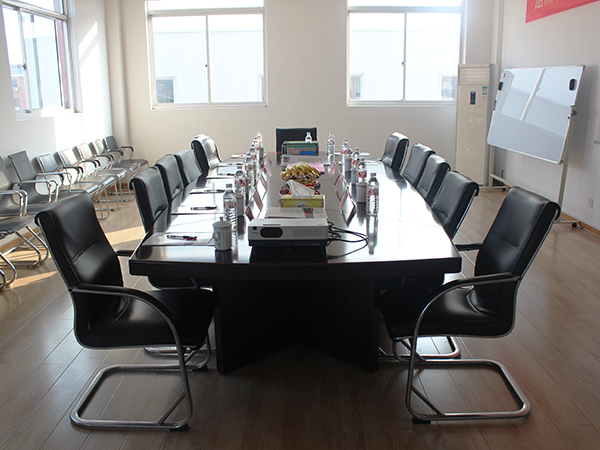
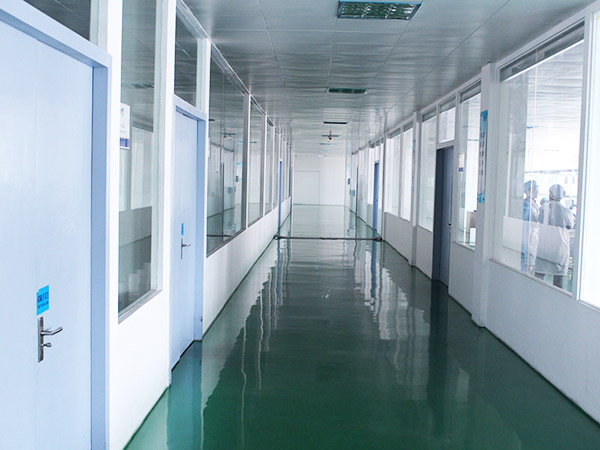
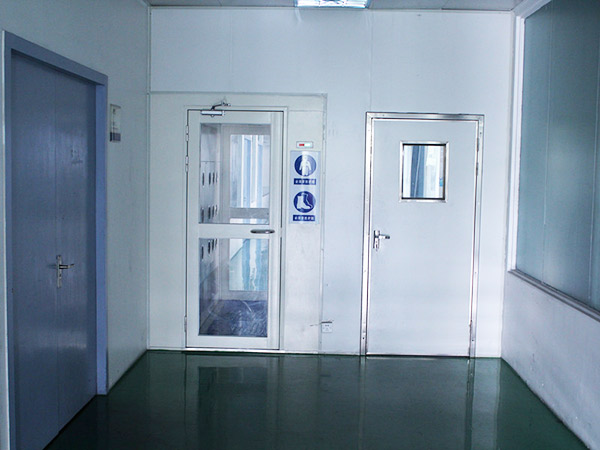
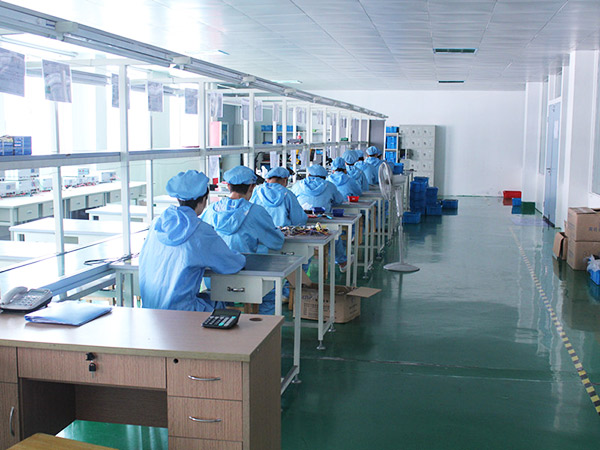
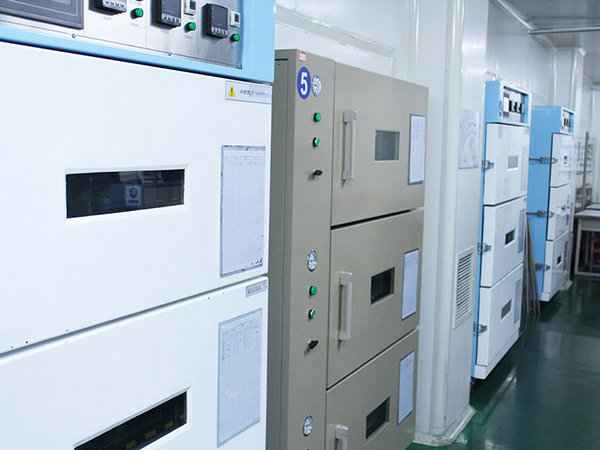
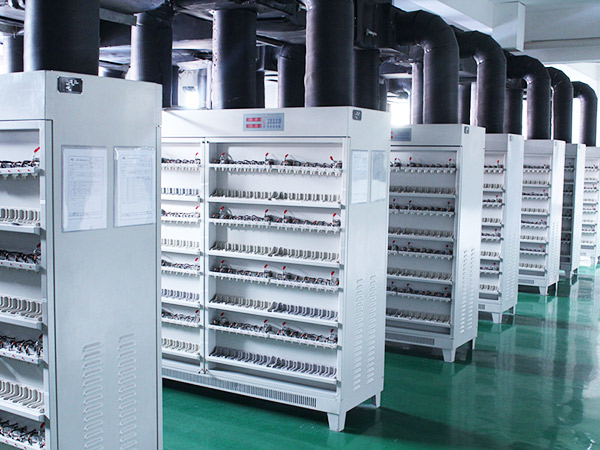
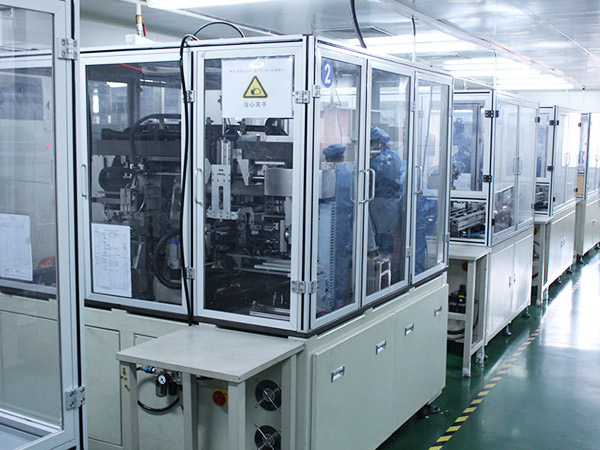
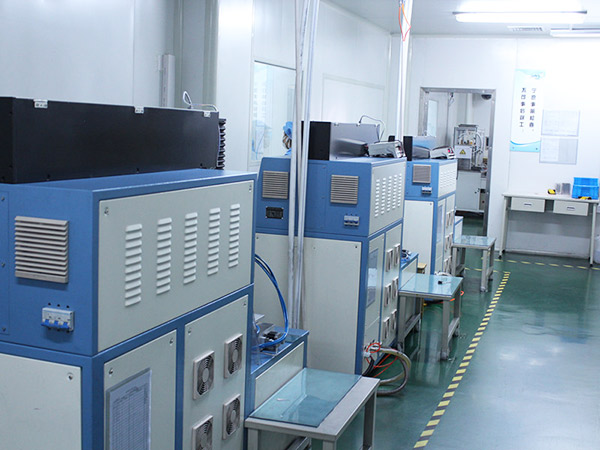
Documented validation of our engineering protocols and industrial safety parameters.
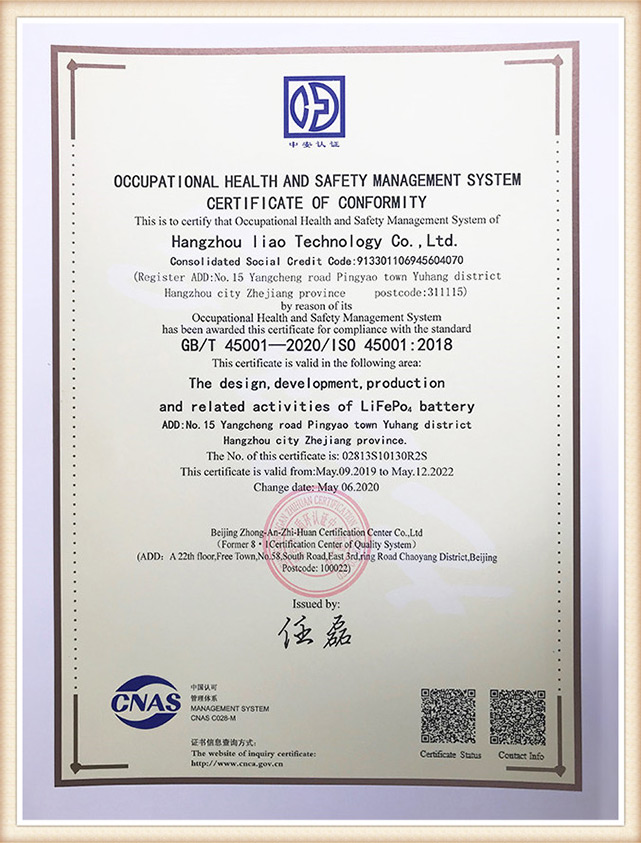
Technical clarifications on sourcing, application engineering, and quality control.
Sourcing 3.2V 10Ah cells allows engineers to configure precise voltage profiles and physical dimensions for customized packs. Larger block systems lack this flexibility, often leading to wasted space and mismatched configurations. In addition, single-cell modularity simplifies diagnostics and servicing, as individual cells can be balanced or replaced without discarding the entire assembly.
We utilize automated capacity sorting and internal resistance grading systems. Cells are matched based on capacity, internal resistance, and self-discharge rates. This strict consistency prevents individual cell overcharging or undercharging in series configurations, extending the functional life of the pack beyond 2800 cycles.
Yes. LiFePO4 has high thermal stability, with a thermal runaway threshold of approximately 270°C. Additionally, our safety valves automatically release excess pressure under high-temperature conditions, preventing fire or explosion hazards. The operational temperature range extends from -40°C up to 85°C.
Our standard design cycle for custom battery packs is 1-2 weeks. This includes mechanical modeling, BMS design, and initial configuration. Production and validation timelines vary from 3-4 weeks depending on the order size and safety certifications required.
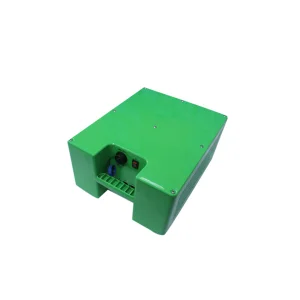
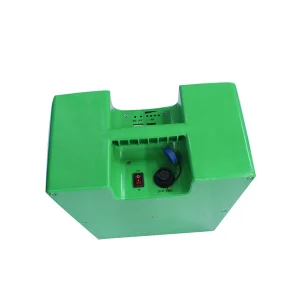
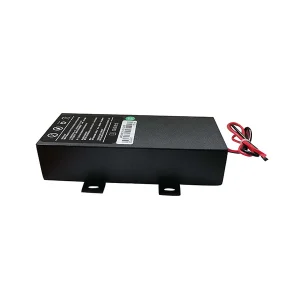
High-capacity packs, monocrystalline modules, and smart power units designed for harsh environments.
 Liao Battery