Engineered for durability, high discharge rates, and ultimate thermal safety across diverse environments.
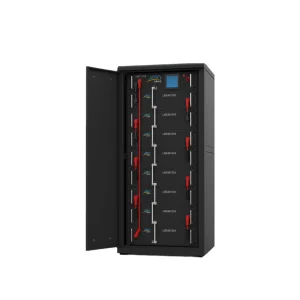
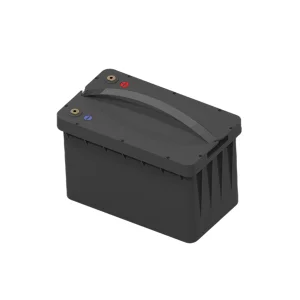
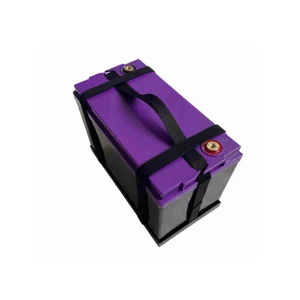
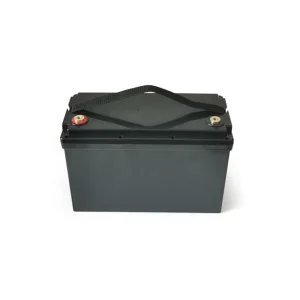
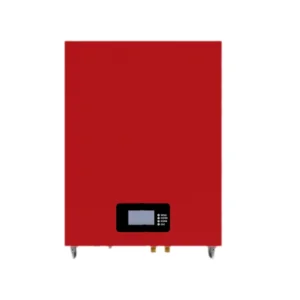
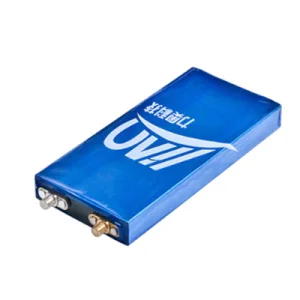
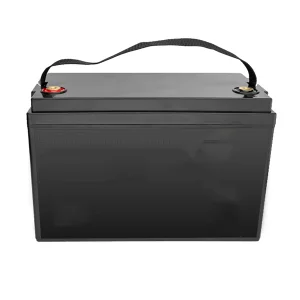
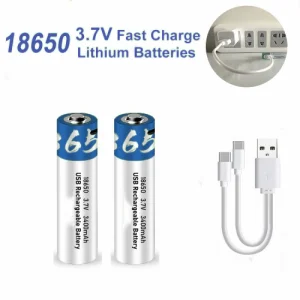
Understanding the electrochemical shifts driving the transition away from legacy lead-acid and standard NMC technologies.
In the commercial mobility sector, operating efficiency is a direct function of energy storage performance. Fleet operators of golf carts, automated guided vehicles (AGVs), personnel carriers, and light industrial electric utility vehicles are systematically shifting their energy assets to Lithium Iron Phosphate (LiFePO4) chemistry. The reason for this transition lies within thermodynamic stability, total cost of ownership (TCO) optimization, and charge cycle lifespan metrics.
Legacy lead-acid battery chemistries present significant operational bottlenecks: high weight-to-energy density ratios, high sensitivity to depth of discharge (DoD), toxic environmental footprint, and regular maintenance requirements (watering/equalization charges). While Nickel Manganese Cobalt (NMC) chemistries offer high nominal energy density, they present safety profiles vulnerable to thermal runaway under high mechanical shock or electrical abuse. This is where LiFePO4 stands out as the optimal technology for heavy-duty industrial and utility vehicles.
| Performance Indicator | Lead-Acid (Deep Cycle) | Lithium NMC (Nickel Manganese Cobalt) | LiFePO4 (LFP) (Hangzhou LIAO Quality) |
|---|---|---|---|
| Cycle Life (100% DoD) | 300 - 500 cycles | 1,000 - 1,500 cycles | 2,800+ cycles (Up to 5000+ at 80% DoD) |
| Thermal Stability Temperature | Low Risk (but releases explosive hydrogen) | 210°C (High Risk of Fire) | 600°C (Extreme Safety) |
| Usable Depth of Discharge (DoD) | 50% (Recommended limit to avoid damage) | 80% - 90% | 100% (Without cycle life penalty) |
| Average Weight Factor | 1.0 (Baseline Heavy) | 0.3 (Ultralight) | 0.4 (Lightweight & stable balance) |
| Operational Temperature Range | -20°C to 50°C (Steep output drop) | -20°C to 60°C | -40°C to 85°C (Extreme Performance) |
Under demanding conditions—such as multi-shift warehouse transport or steep, uneven golf course terrains—the thermal stability of LiFePO4 prevents cell overheating. Additionally, the flat discharge curve of LFP cells guarantees that the motorized vehicle maintains consistent speed and torque throughout the entire duty cycle, unlike lead-acid batteries which suffer from "voltage sag" under load when their state of charge drops below 50%.
A 15-Year Manufacturer Pioneering LiFePO4 Advanced Production
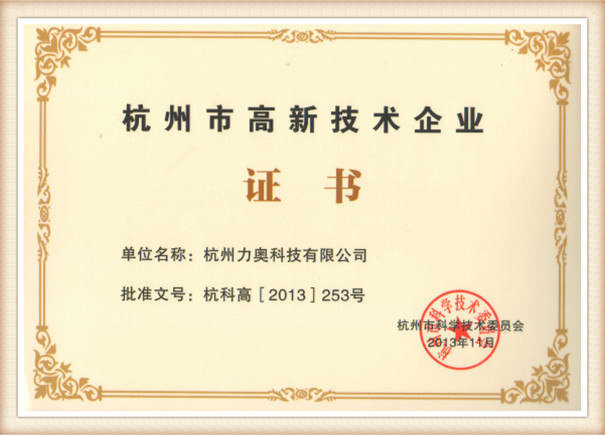
Founded in 2009, Hangzhou LIAO Technology Co., Ltd. is a leading custom manufacturer specialized in Lithium Iron Phosphate (LiFePO4) cell chemistry development and intelligent battery pack engineering.
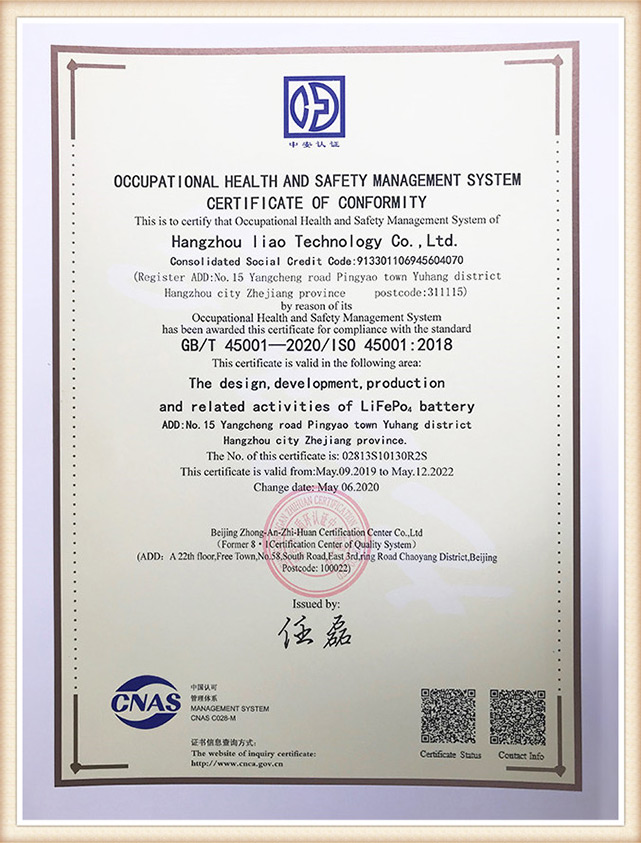
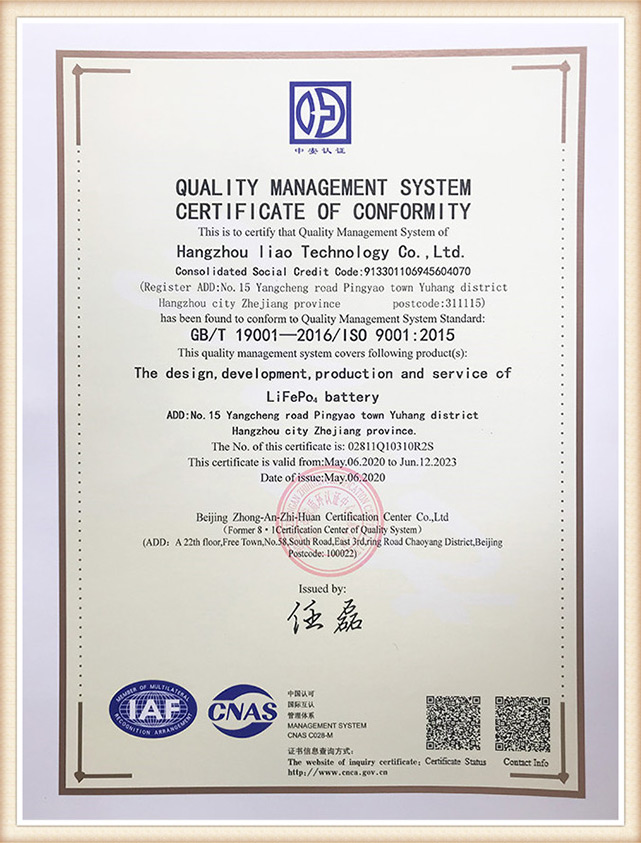
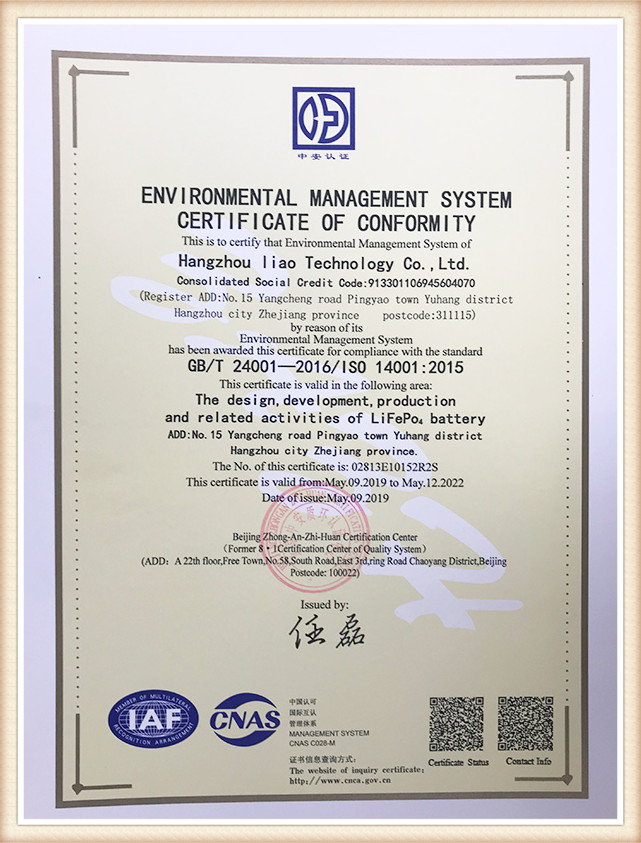
Our operations comply with international quality protocols, verified by ISO 9001 (Quality Management), ISO 14001 (Environmental Safeguards), and ISO 18001 (Occupational Health & Safety standards).
Our power systems are trusted in over 20 nations, supplying key industrial zones across Germany, France, the UK, the Netherlands, Spain, the United States, Canada, Australia, South Korea, Japan, India, and South Africa.
In independent testing, the LAXpower-1230 battery systems were awarded the testing champion in Europe, solidifying our reputation for delivering premium capacity, minimal cell mismatch, and robust structural engineering.
Optimizing power systems for specific commercial and recreational use-cases.

Our solutions support continuous hill-climbing over variable terrain. High-current output enables rapid acceleration, and compatibility with regenerative braking prevents overvoltage faults on steep declines.
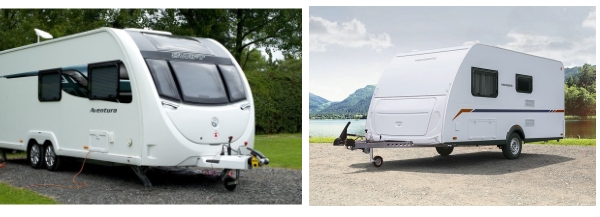
Our battery systems provide quiet, exhaust-free operation for caravan movers and RV auxiliary loads. They deliver reliable starting power and support long-duration deep discharge cycles for off-grid offloading.
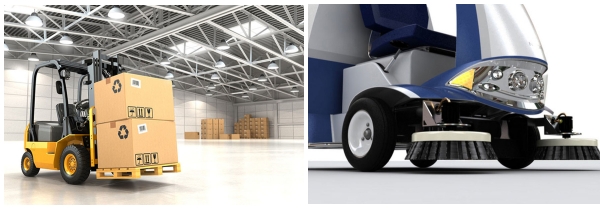
Built for continuous operation in warehouses and distribution centers, our batteries support high-rate opportunity charging, enabling rapid top-ups during breaks and minimizing vehicle downtime.
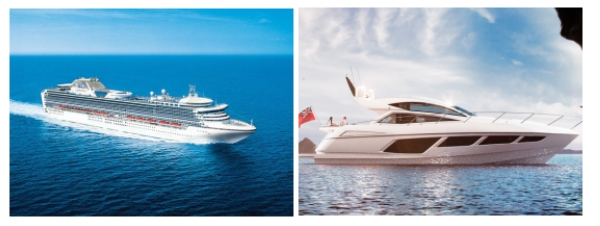
Our marine battery systems are designed to withstand vibration and moisture. With robust IP65+ enclosures and high energy density, they provide clean, quiet power for electric boats and auxiliary marine electronics.
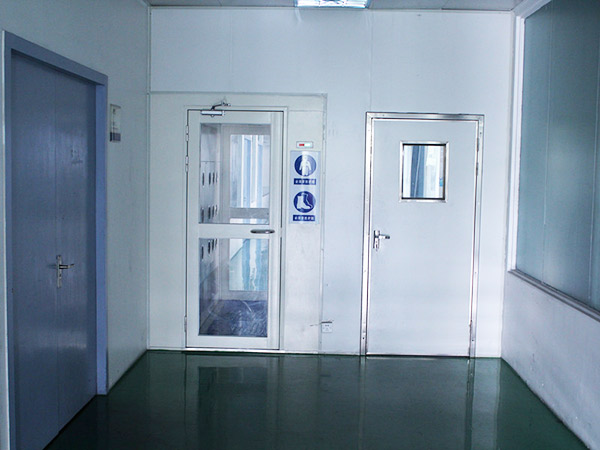
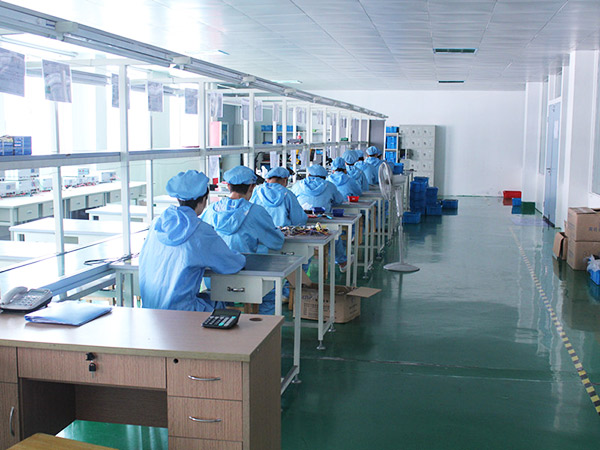
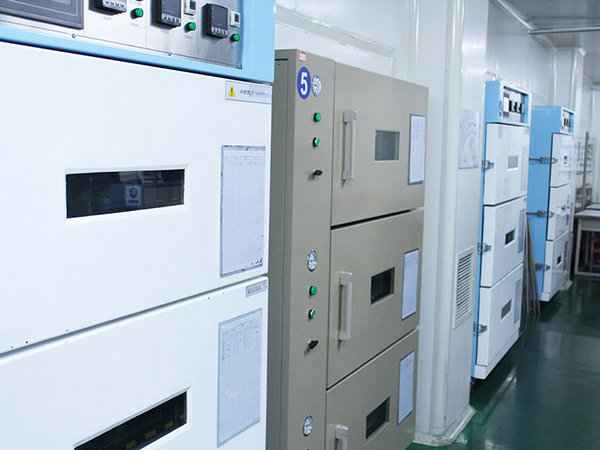
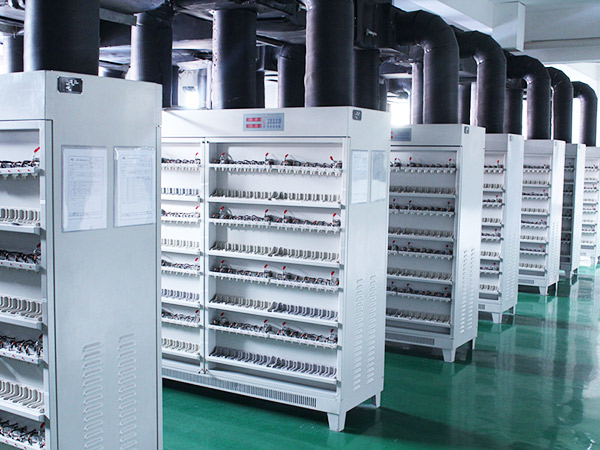
Inside LIAO's Manufacturing Base: Sourcing, Quality Control, and Automation
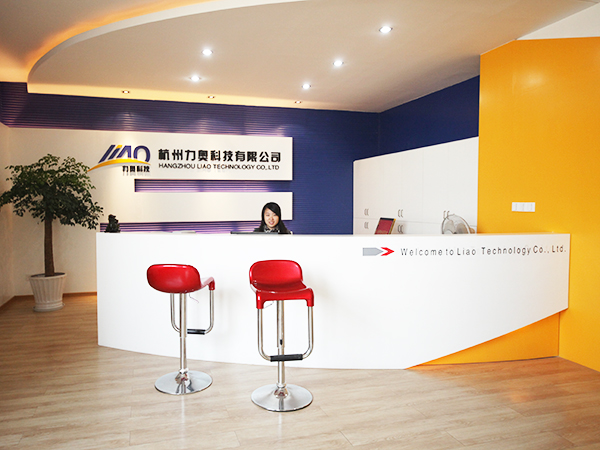
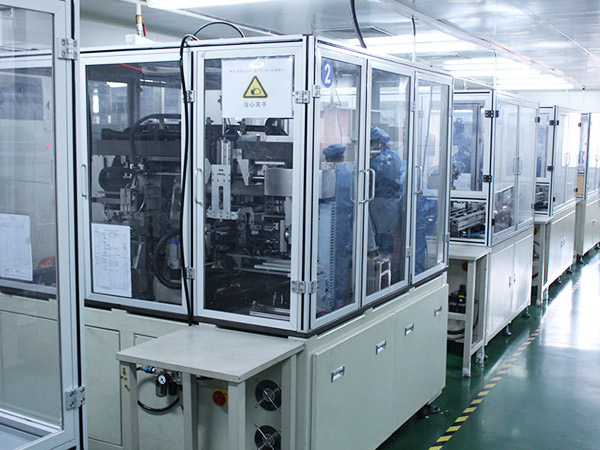
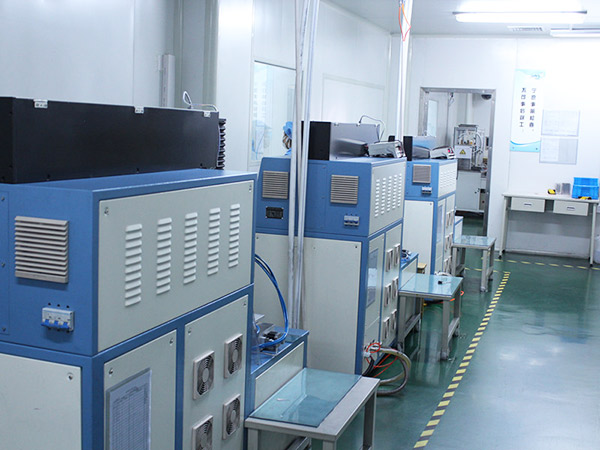
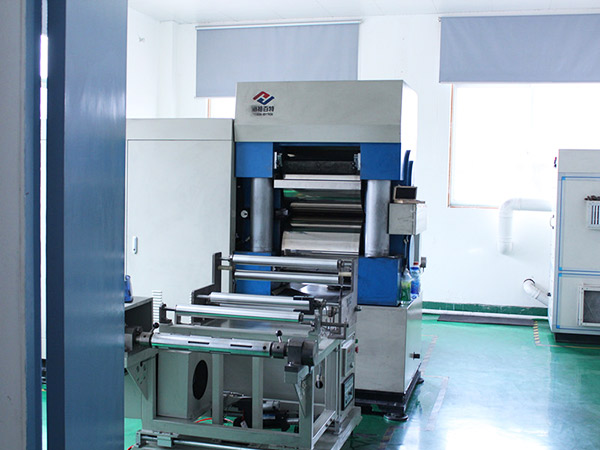
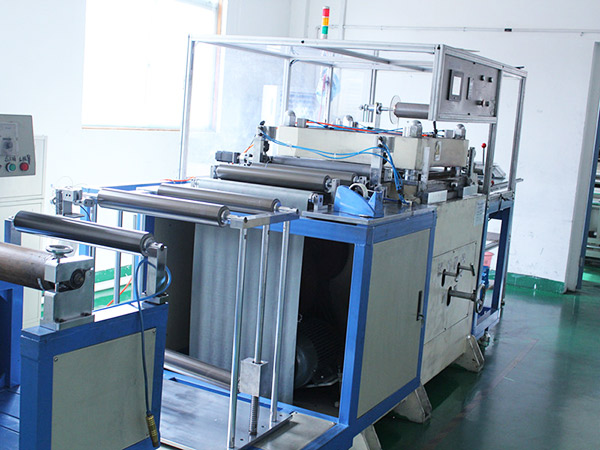
The reliability of a custom LiFePO4 battery pack is determined during its manufacturing phase. At Hangzhou LIAO Technology Co., Ltd., we combine vertical integration with automated production lines. Our facility handles raw materials from domestic lithium suppliers, managing cell fabrication, structural welding, BMS programming, and pack assembly within a single, unified workflow.
This localized supply chain integration protects our operations from global raw material volatility and ensures consistent quality. By manufacturing cells in-house, we can sort, pair, and assemble them based on precise internal resistance and voltage capacity matching. This step is critical for preventing premature pack degradation.
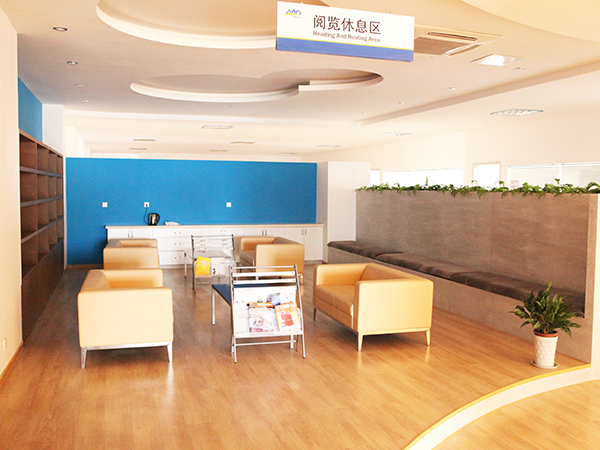
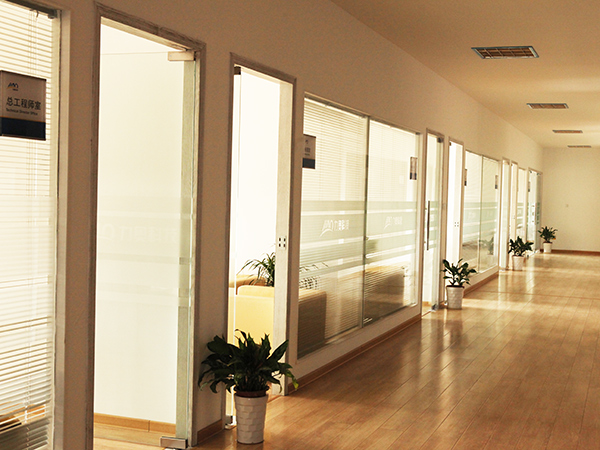
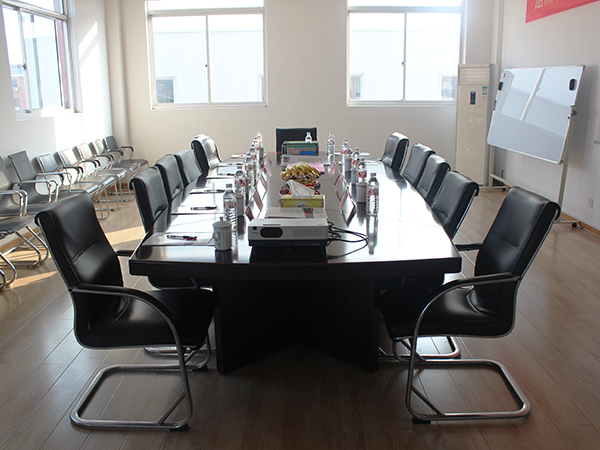
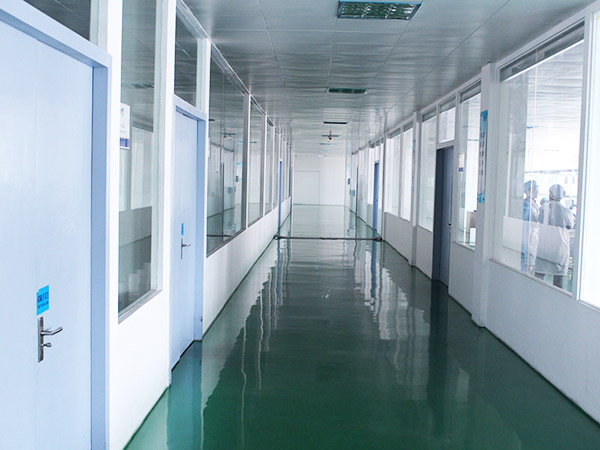
R&D and upcoming technology shifts in energy storage solutions.
Our research and development program focuses on three main technological goals:
1. Low-Temperature Electochemistry: Standard LFP chemistries experience charge acceptance limitations below 0°C. By using advanced organic solvents and low-viscosity electrolytes, our cold-temperature protective cells can discharge within a range of -40°C to 85°C. They also support charging under cold-weather conditions without inducing lithium plating.
2. Smart BMS Integration with Cloud Diagnostics: Our latest battery management systems feature dynamic cell-balancing algorithms, built-in CAN bus/RS485 networks, and IoT-enabled telemetry. Fleet managers can monitor temperature profiles, cycle counts, voltage variances, and State-of-Health (SoH) metrics in real time via remote interfaces.
3. Advanced Solid-State LFP Electrolytes: Looking ahead, our technical team is testing semi-solid electrolytes. These promise to increase battery safety and boost energy density beyond 180 Wh/kg at the cell level, while retaining the long lifecycle benefits of the LFP cathode structure.
Rigorous testing, certifications, and compliance verification.
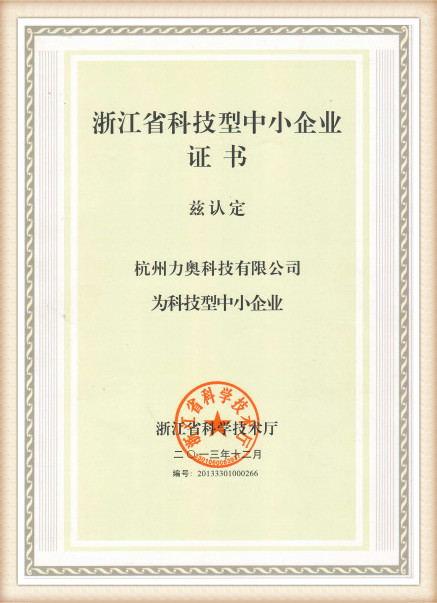
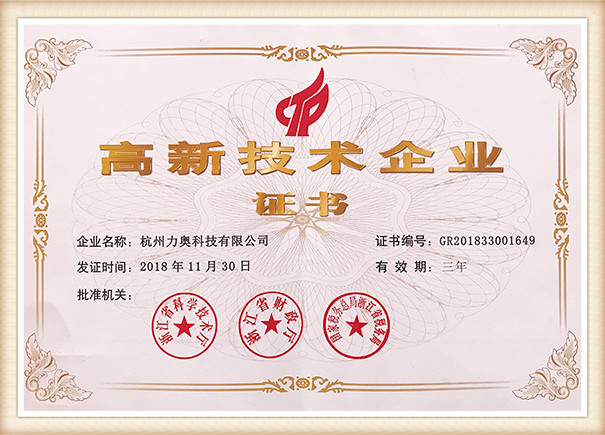
B2B procurement requires verifiable compliance with international shipping and safety standards. Every battery cell and integrated battery pack we manufacture must pass rigorous quality inspections. Our cells are designed not to burn or explode under acupuncture testing, ensuring safety against internal short circuits caused by physical impact or structural stress.
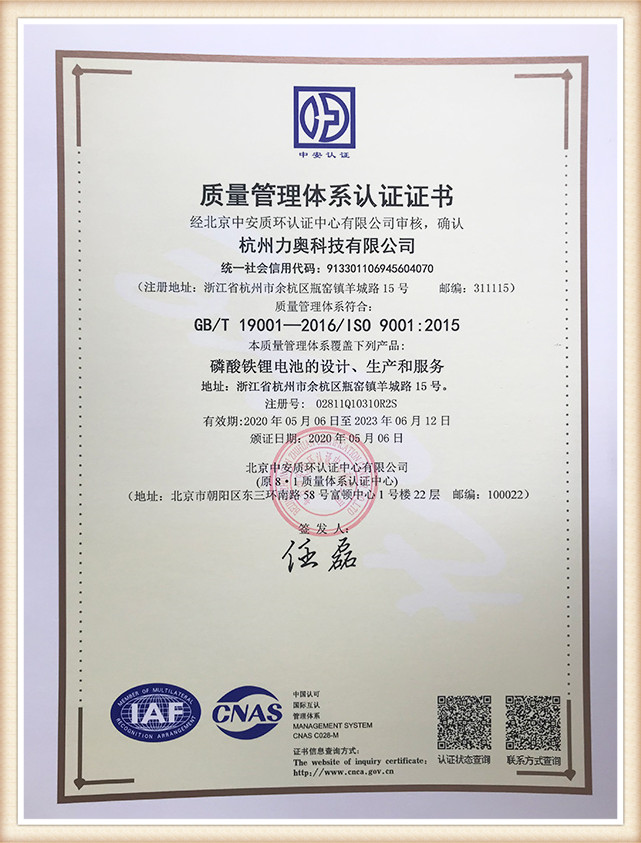
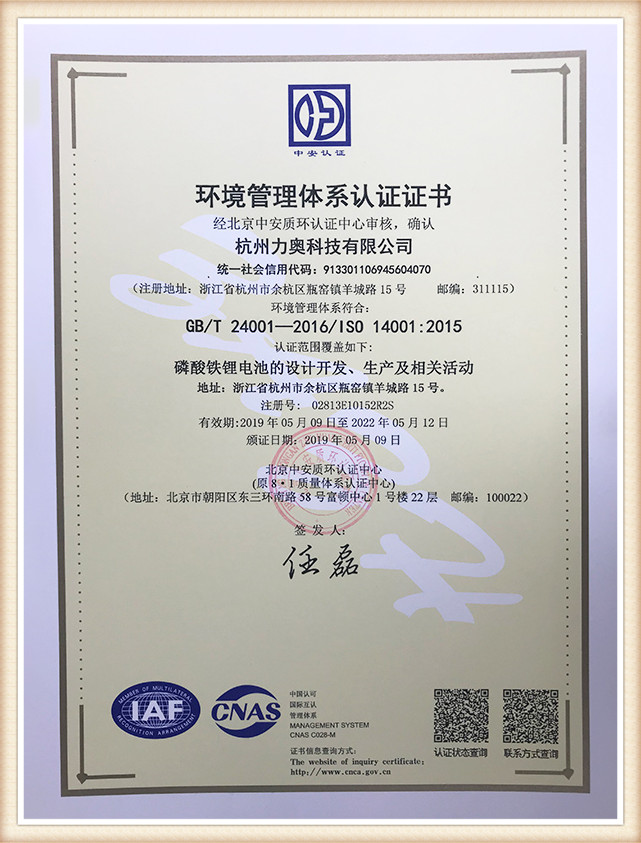
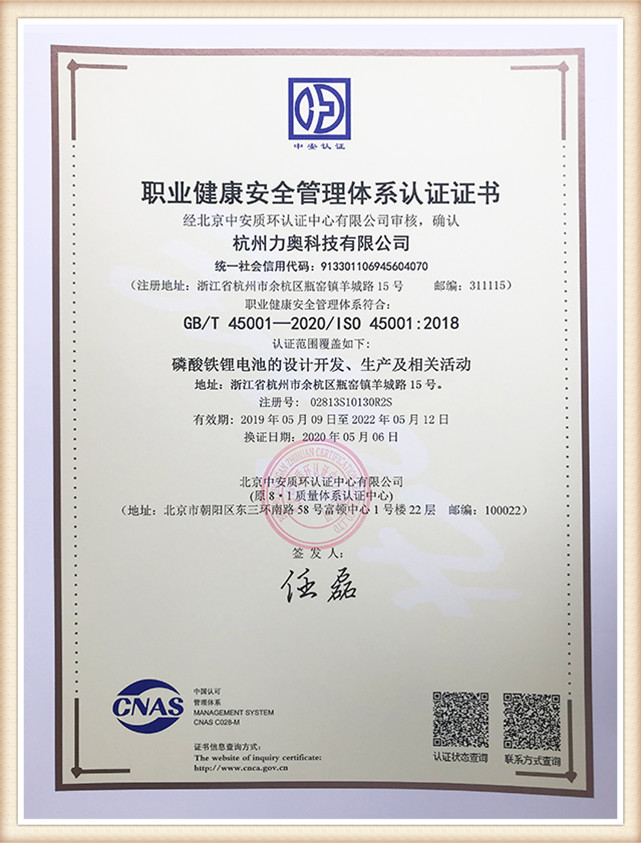
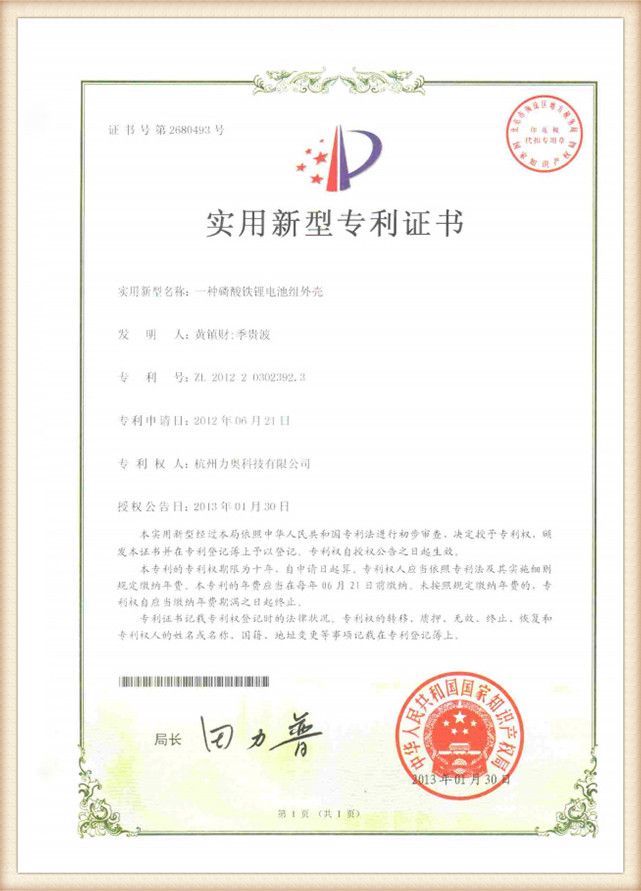
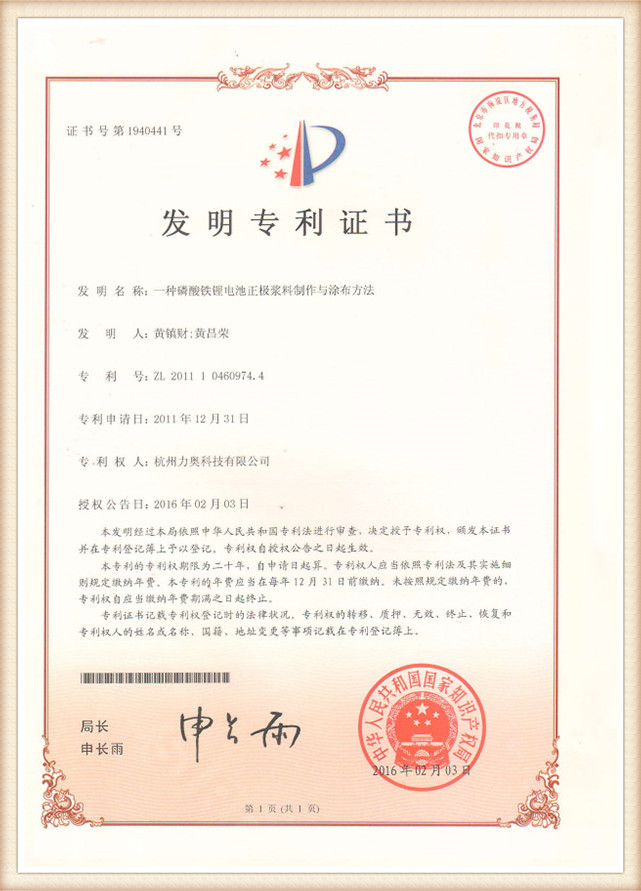
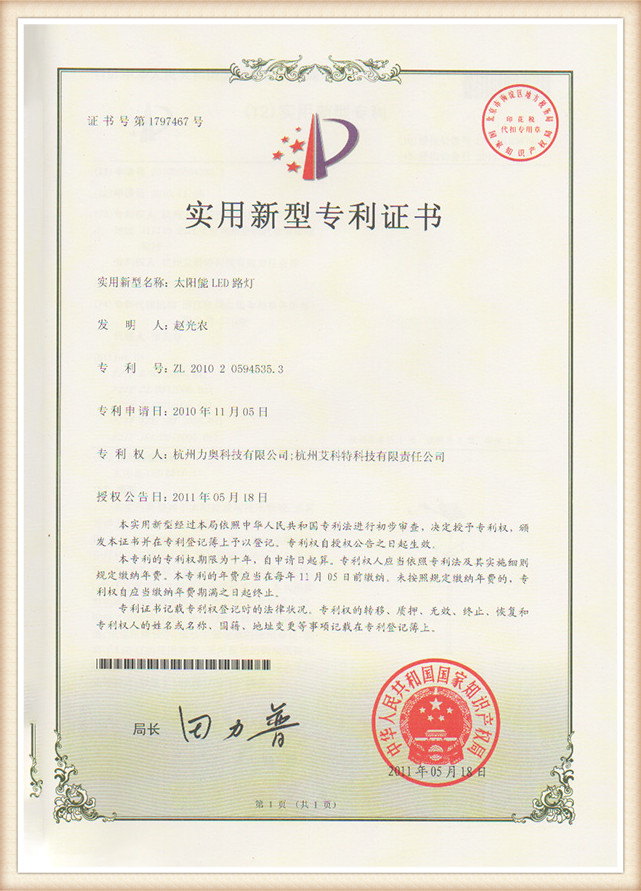
LIAO battery systems comply with international transport regulations. Our battery packs are certified under UN38.3 protocols, CE standards, UL compliance procedures, and RoHS requirements. This documentation facilitates seamless customs clearance and guarantees compatibility with global commercial systems.

Addressing common technical questions from fleet operators, industrial managers, and engineers.
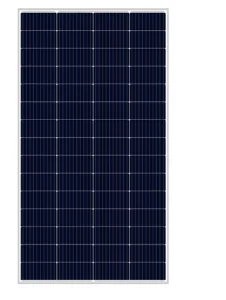
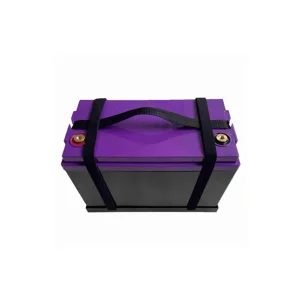
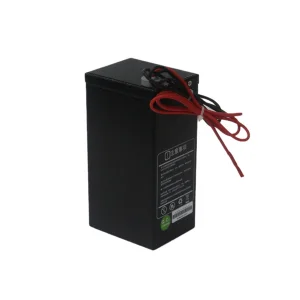
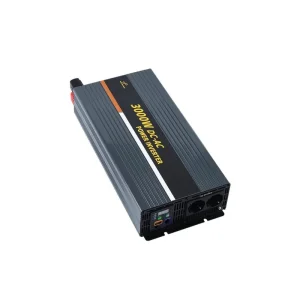
High-efficiency solar components, deep-cycle mobility battery packs, and power inverters.
 Liao Battery