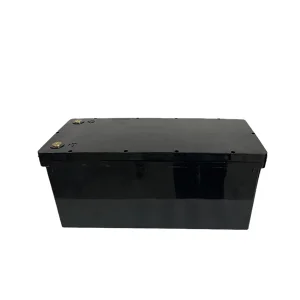
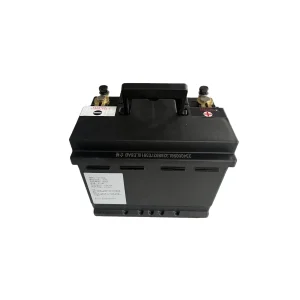
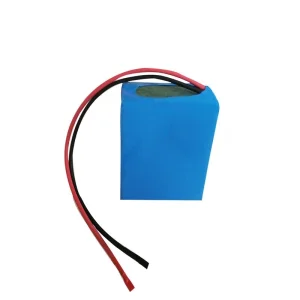
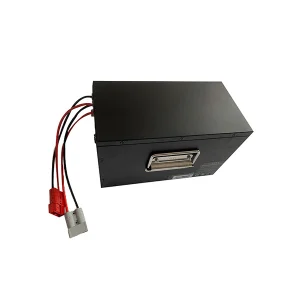
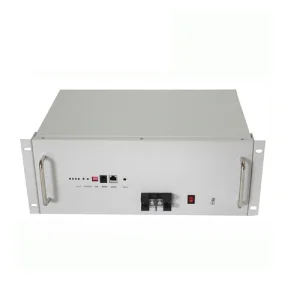
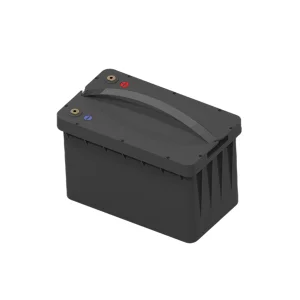
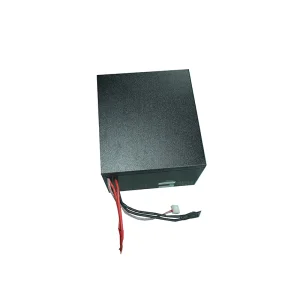
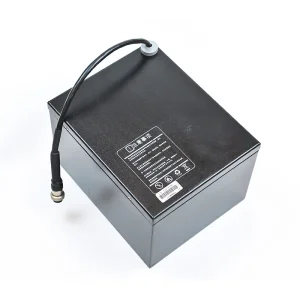
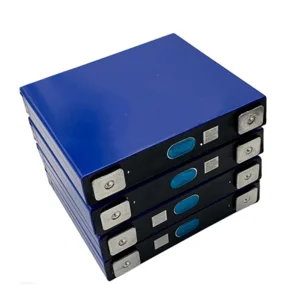
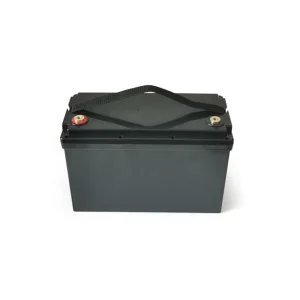
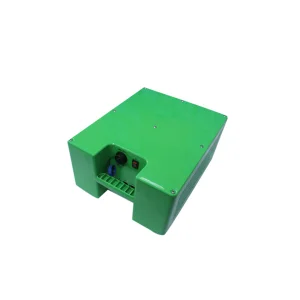
Founded in 2009, Hangzhou LIAO Technology Co., Ltd. is a professional and leading manufacturer specialized in high-performance Lithium Iron Phosphate (LiFePO4) batteries. Over the last decade and a half, we have dedicated ourselves to bridging the gap between raw chemical energy and complex electronic integrations, developing solutions that power critical sectors worldwide. Today, our advanced products are exported to more than 20 countries, establishing a footprint that covers Europe, the Americas, Asia-Pacific, and Africa.
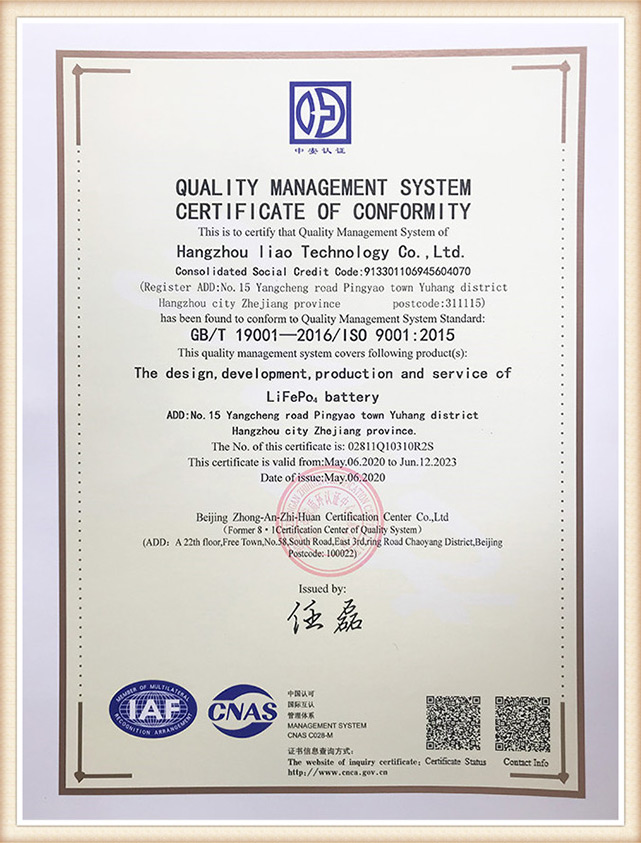
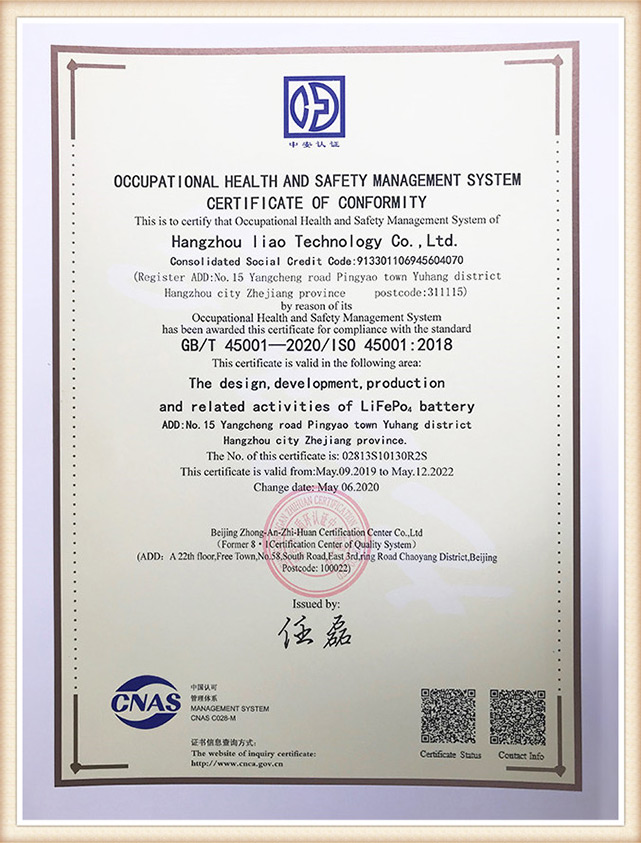
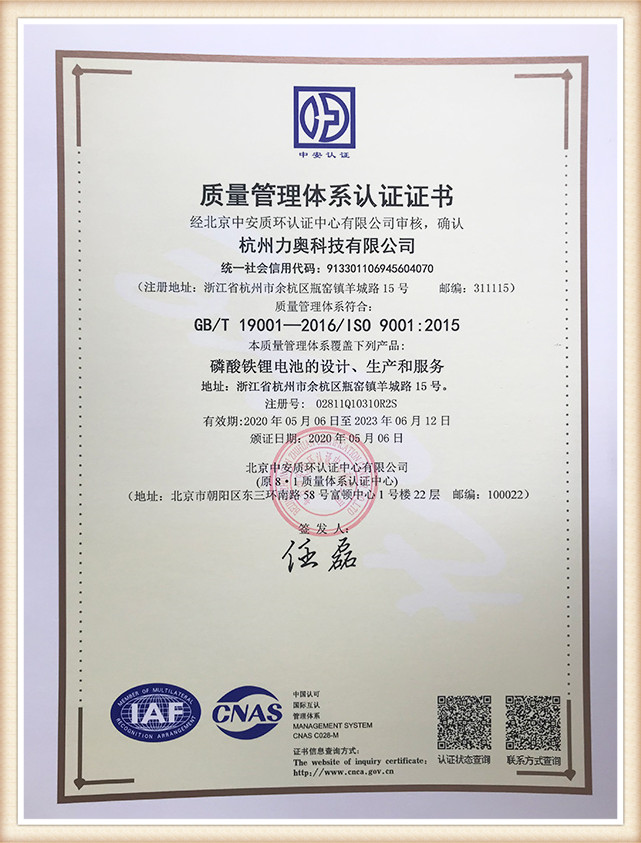
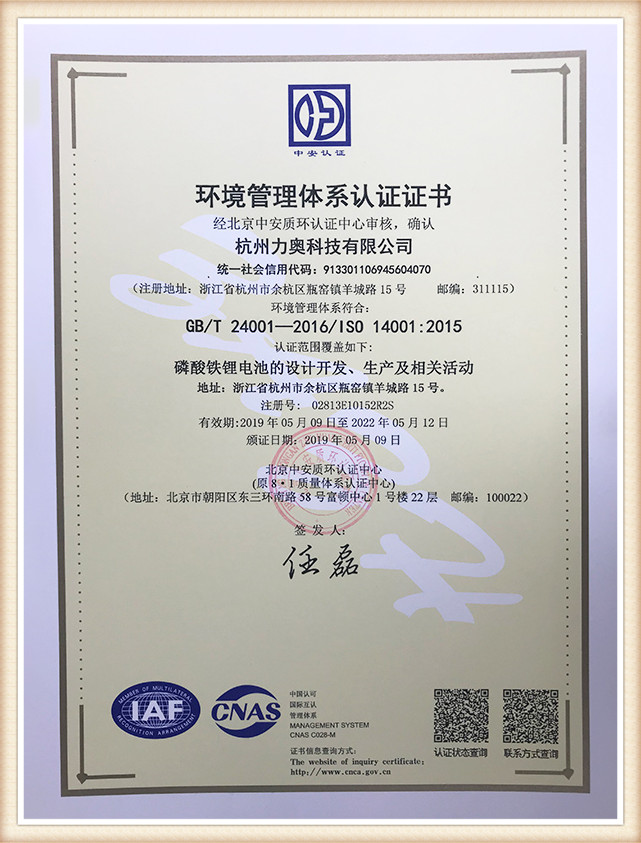
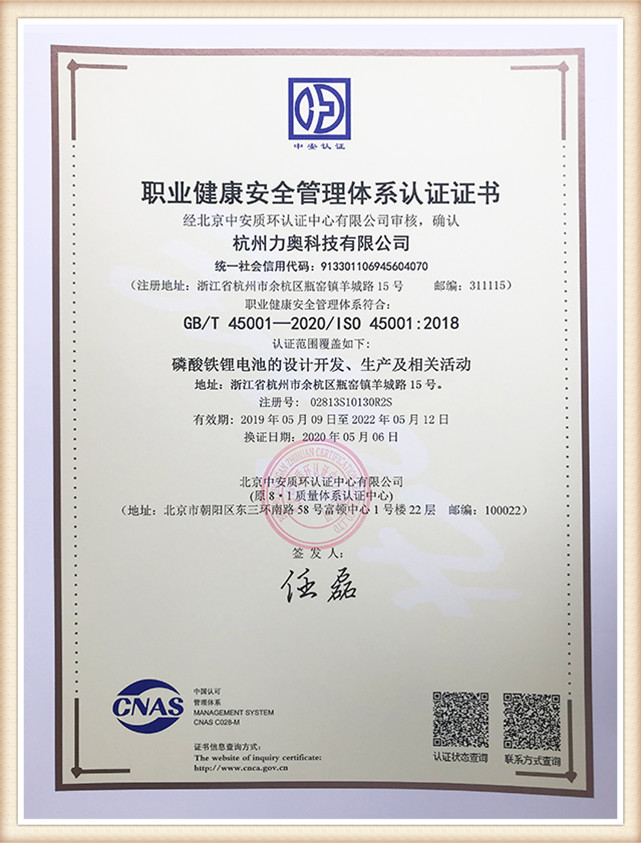
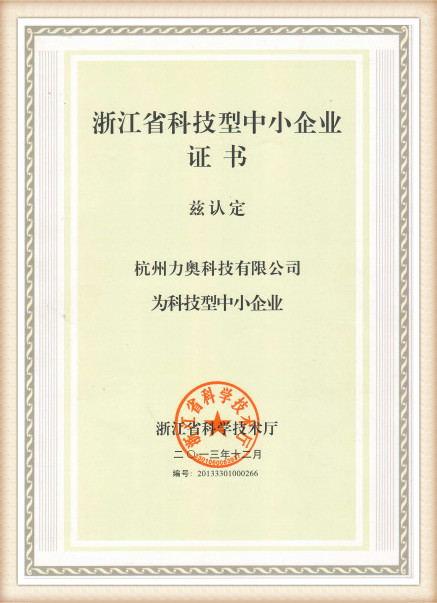
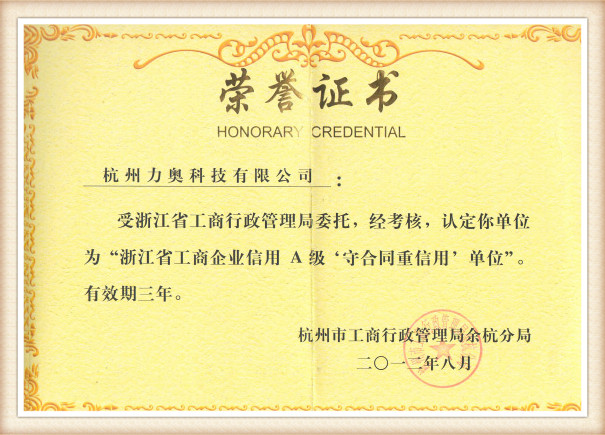
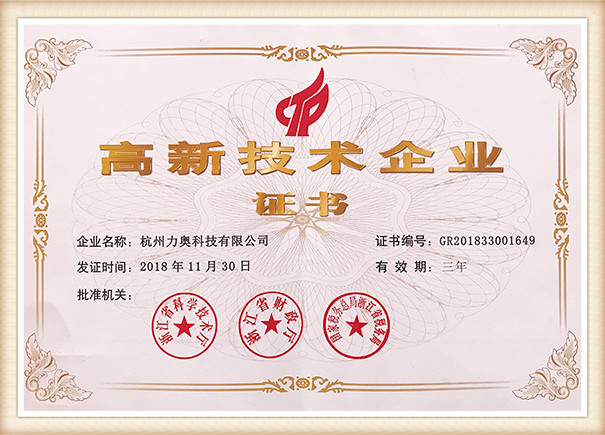
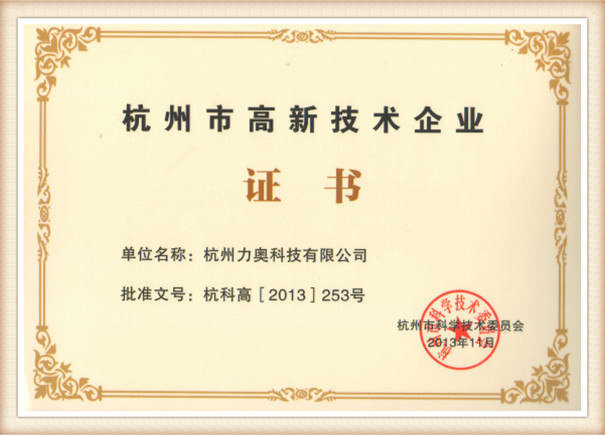
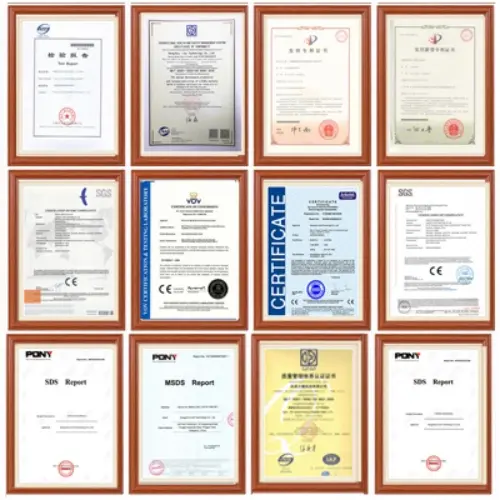
To sustain our reputation for quality, LIAO Technology operates under strict quality management processes. We have built an efficient Quality Control (QC) infrastructure and are fully accredited with ISO 9001 (Quality Management), ISO 14001 (Environmental Management), and ISO 45001 / OHSAS 18001 (Occupational Health and Safety). Every battery pack that leaves our facility is subject to strict traceability, testing, and validation, ensuring that our corporate buyers get the reliability they require.
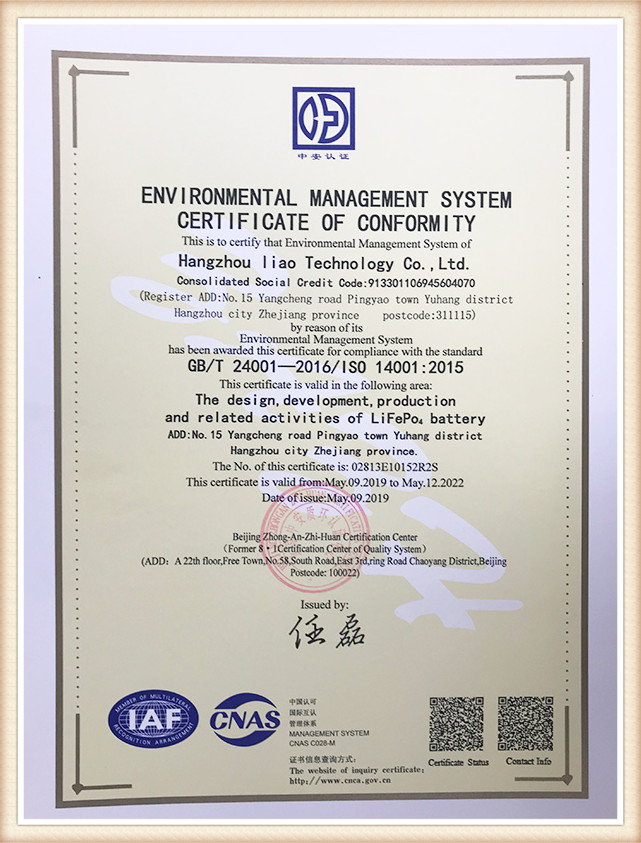
LIAO's research and development targets the core advantages of lithium iron phosphate chemistry. Compared to conventional lead-acid batteries and other lithium chemistries (such as NMC/LCO), LiFePO4 offers unmatched structural and thermal stability. Our batteries do not suffer from memory effects, are highly resistant to thermal runaway, and offer a longer functional life. This makes them ideal for demanding applications like telecommunications, solar power storage, marine vessels, and electric vehicles.
LIAO's LiFePO4 cells are engineered to prevent combustion or explosion even under direct acupuncture/nail penetration tests. The stable olivine structure ensures chemistry integrity under extreme conditions.
Engineered to operate reliably across extreme environments, our battery packs support normal charge and discharge cycles in a temperature range from -40°C to 85°C, ensuring stability in Arctic or desert climates.
Our premium single cells achieve more than 2,800+ cycles at 1C charge/discharge rate and 100% Depth of Discharge (DOD), maintaining over 80% of their initial capacity for long-term operations.
LIAO's signature power pack LAXpower-1230 was named testing champion in rigorous European assessments, validating our focus on engineering quality, stable voltage profiles, and high round-trip efficiency.
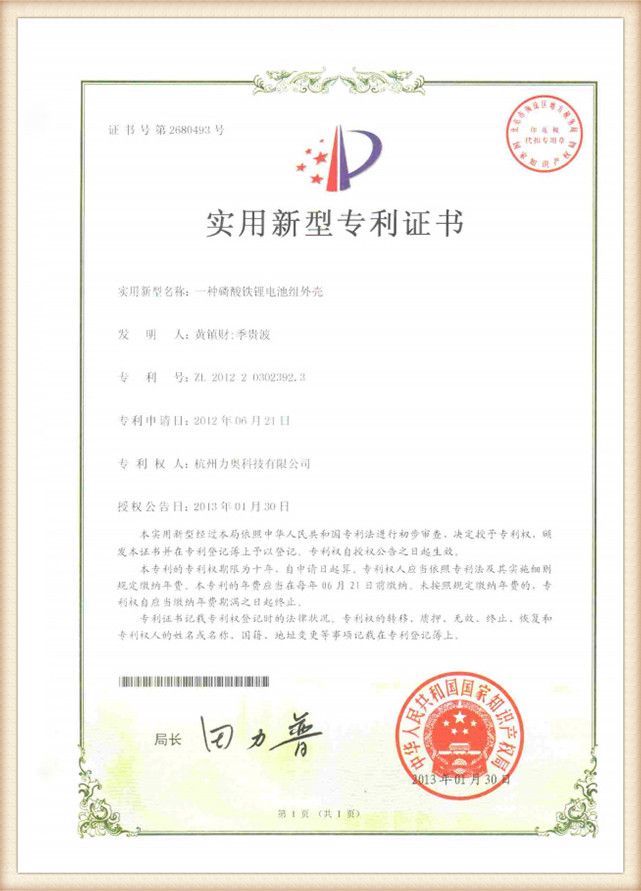
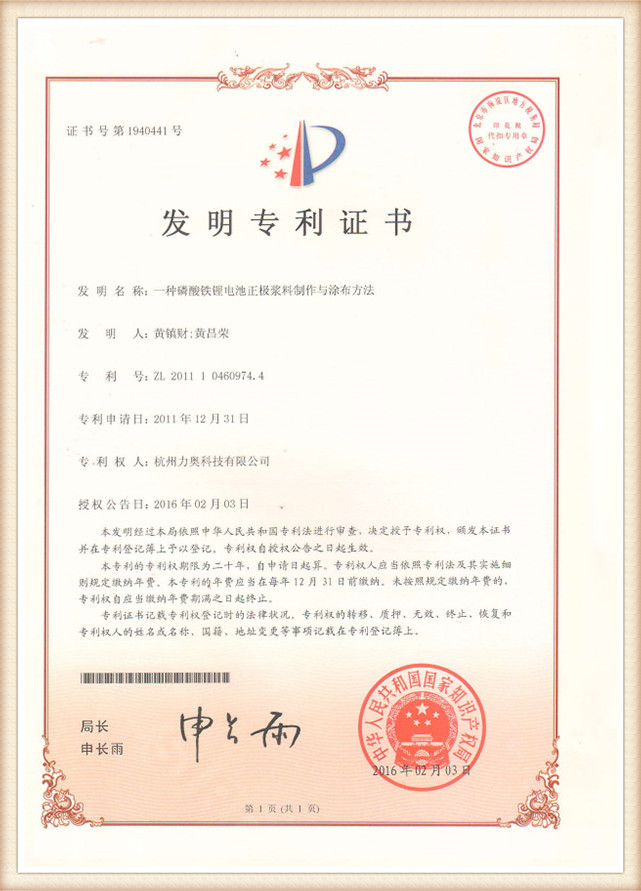
With 15+ years of battery manufacturing experience, our electrical and mechanical engineering teams design and manufacture customized battery packs tailored to your dimensions, voltage, and discharge requirements.
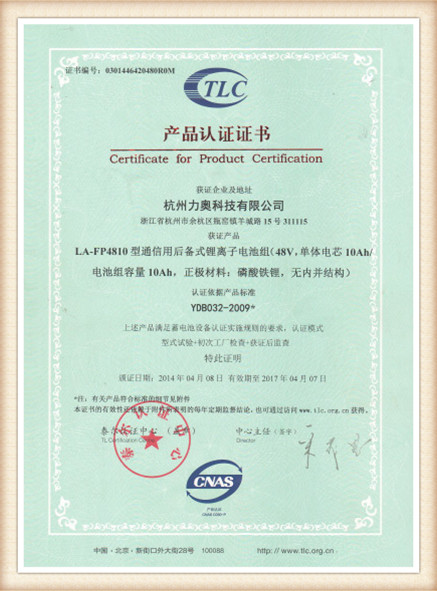
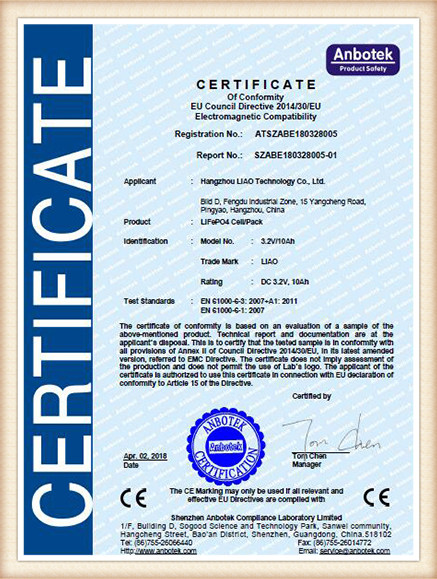
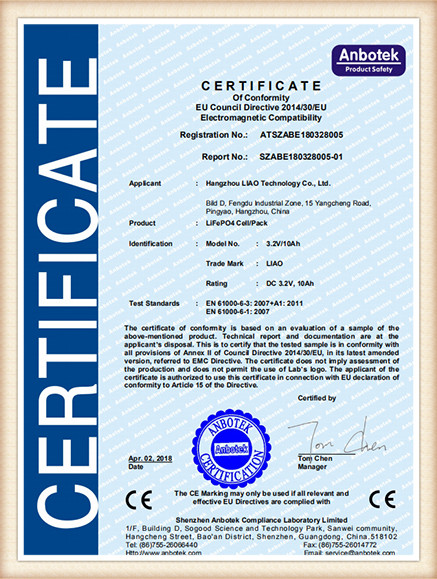
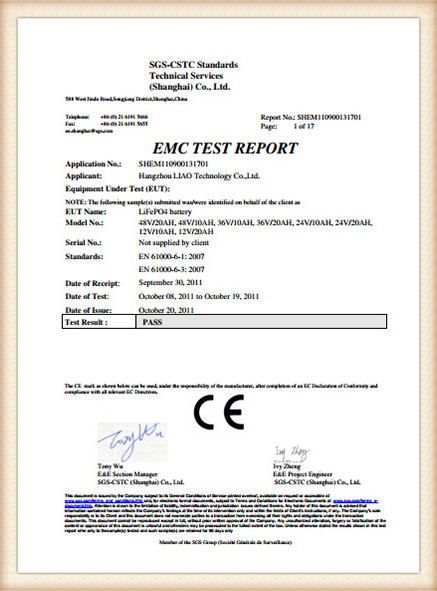
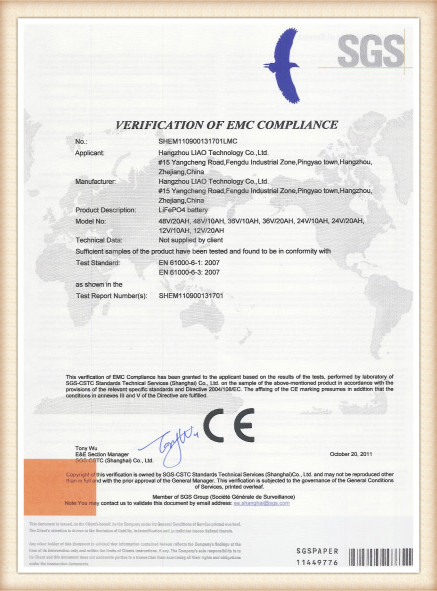
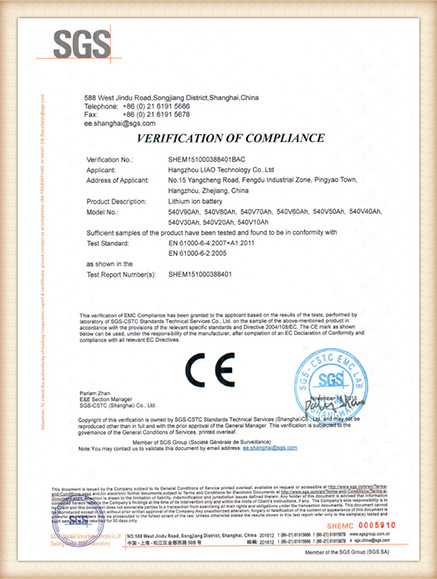
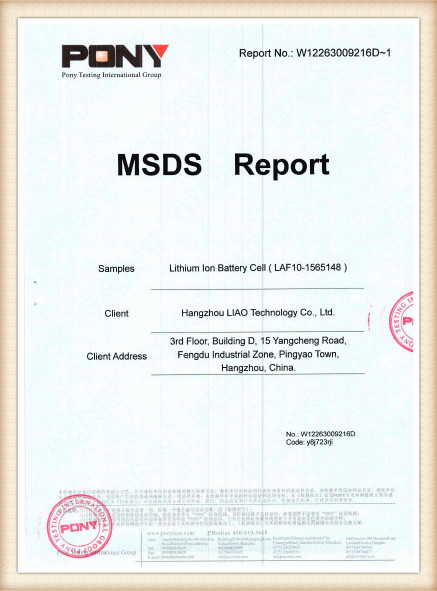
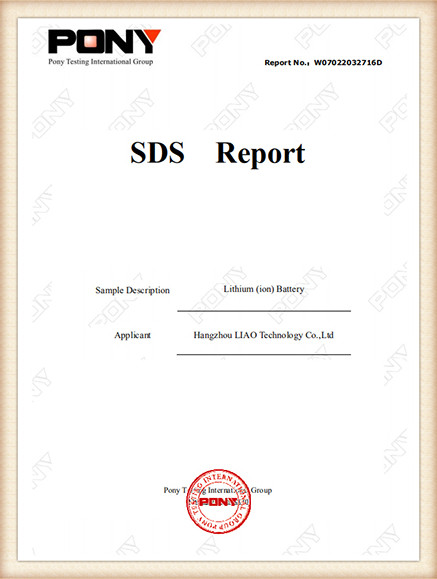
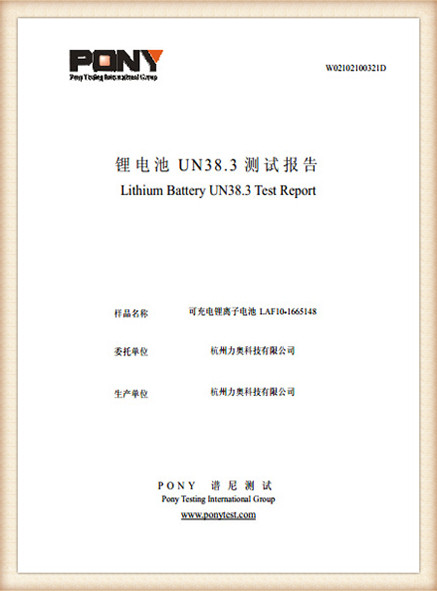
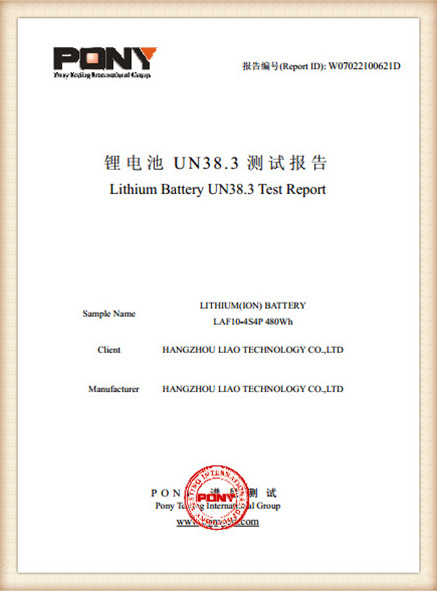
Our products are fully certified under CE, UN38.3, MSDS, and relevant international safety directives, simplifying local custom clearance and validation processes for worldwide shipments.
Operating out of Hangzhou, China, LIAO Technology leverages the country's highly developed lithium-ion supply chain ecosystem. From direct access to high-purity lithium carbonate and iron phosphate precursors to mature localized automated machinery, we translate supply chain efficiencies into reliable performance, fast turnaround times, and competitive pricing for our global clients.
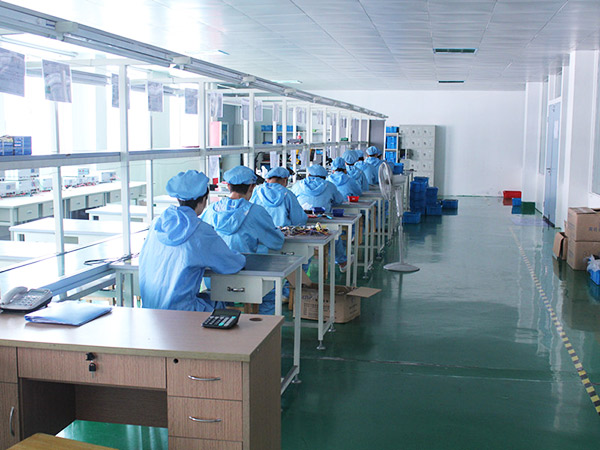
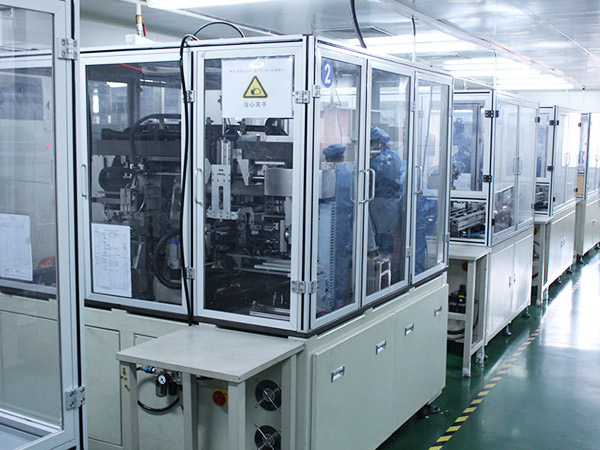
Our manufacturing philosophy focuses on precision automation. By minimizing manual interventions, we reduce cell-to-cell variations, which is critical for extending the cycle life of large series-parallel configurations.
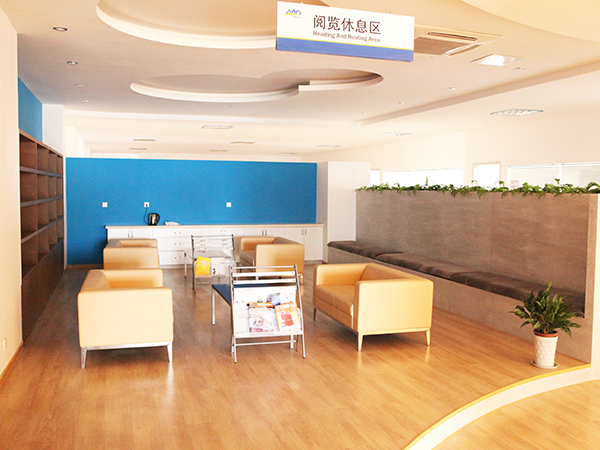
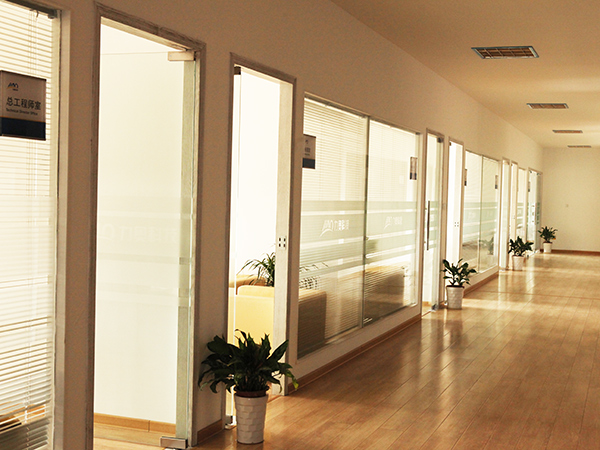
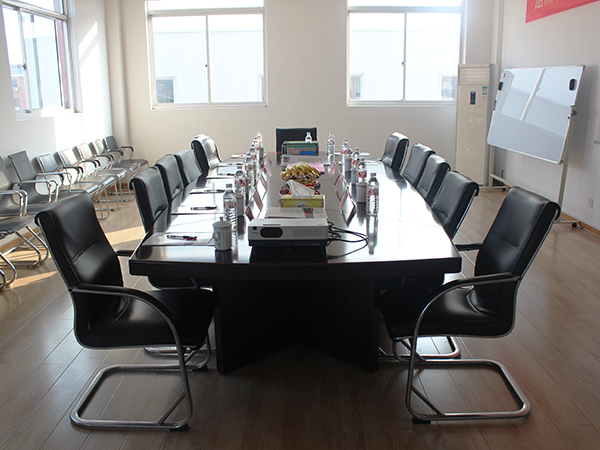
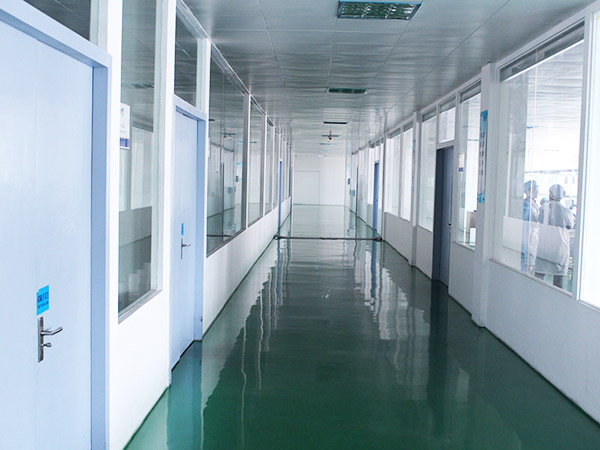
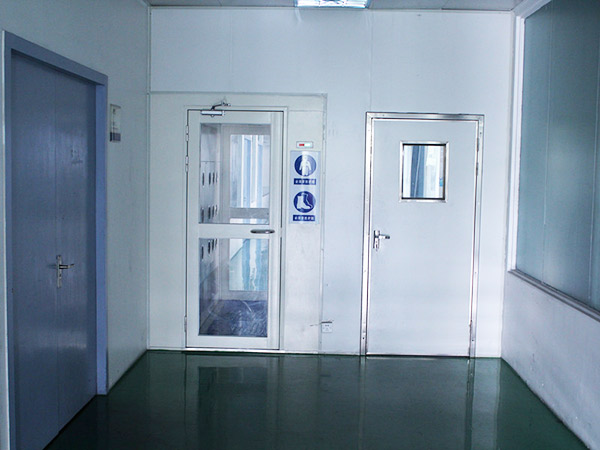
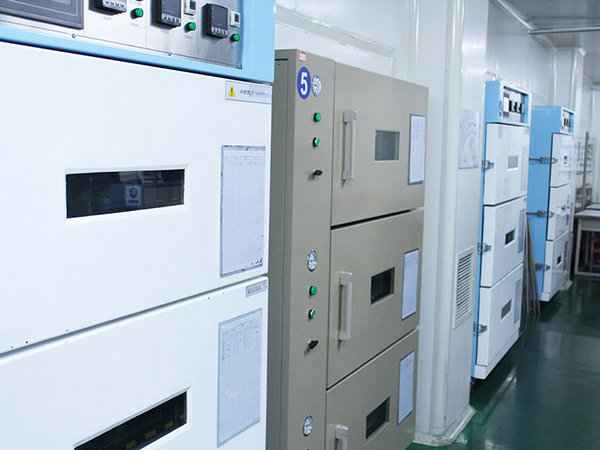
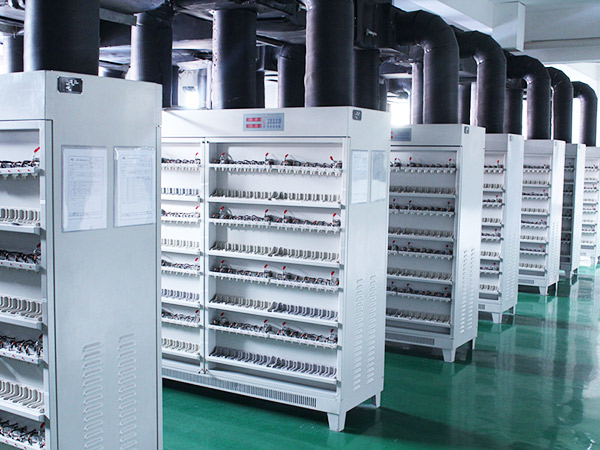
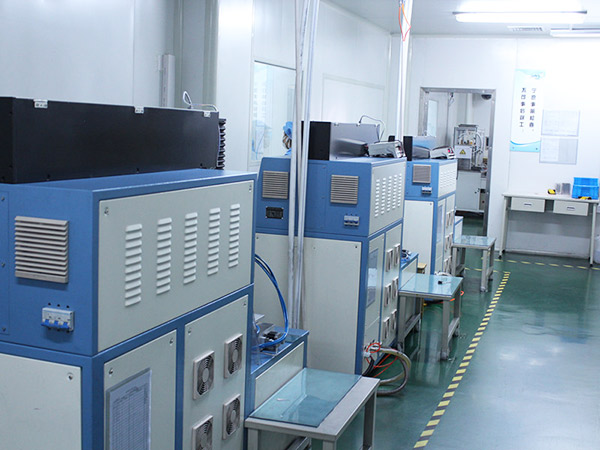
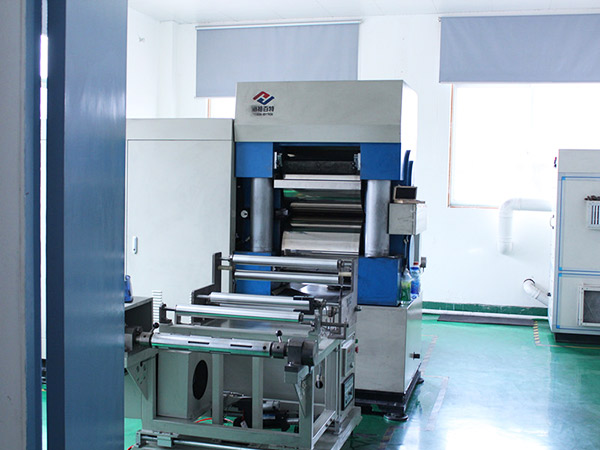
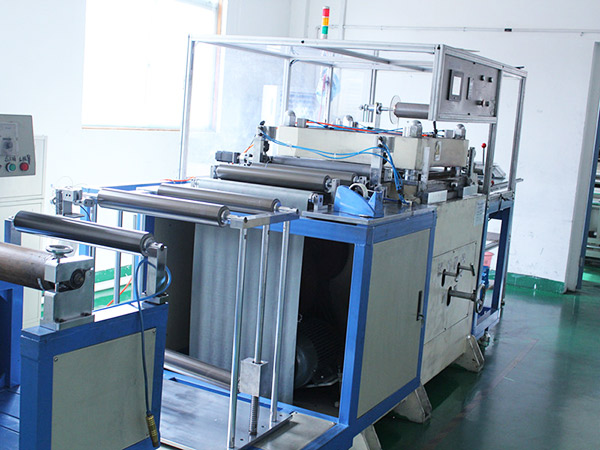
Below is a tour of our manufacturing, assembly, and testing facilities. Every stage of production is controlled to ensure compliance with international quality standards.
Commercial and industrial battery sourcing is complex. Purchasing managers, systems integrators, and engineering heads prioritize a range of technical and commercial factors, including cost per kilowatt-hour, delivery times, local policy compliance, and technical support. At LIAO Technology, we customize our manufacturing processes to directly address these corporate priorities:
We work with distributors, industrial OEMs, and solar contractors across five main regions:
Germany, France, Netherlands, Spain, UK. Focus: CE approvals, REACH compliance, solar battery replacements, and caravan power storage.
USA, Canada, Mexico, Brazil. Focus: Off-grid storage solutions, low-temperature operations, heavy-duty AGV fleet upgrades, and home backup power.
Australia, Philippines, Thailand, Singapore, Korea, Japan, India. Focus: Telecommunications backups, solar street lights, and marine electrification.
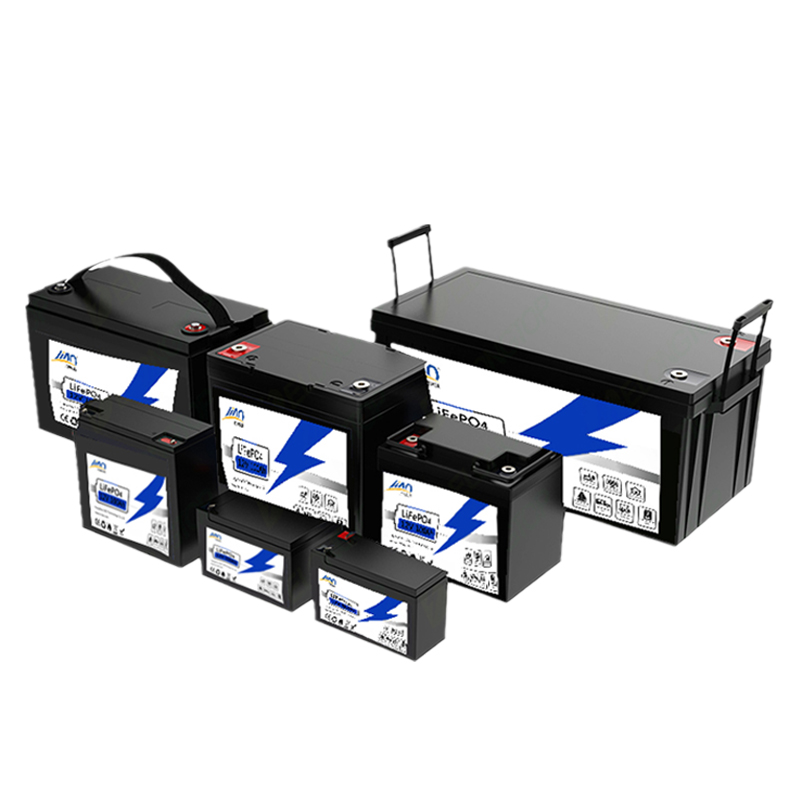
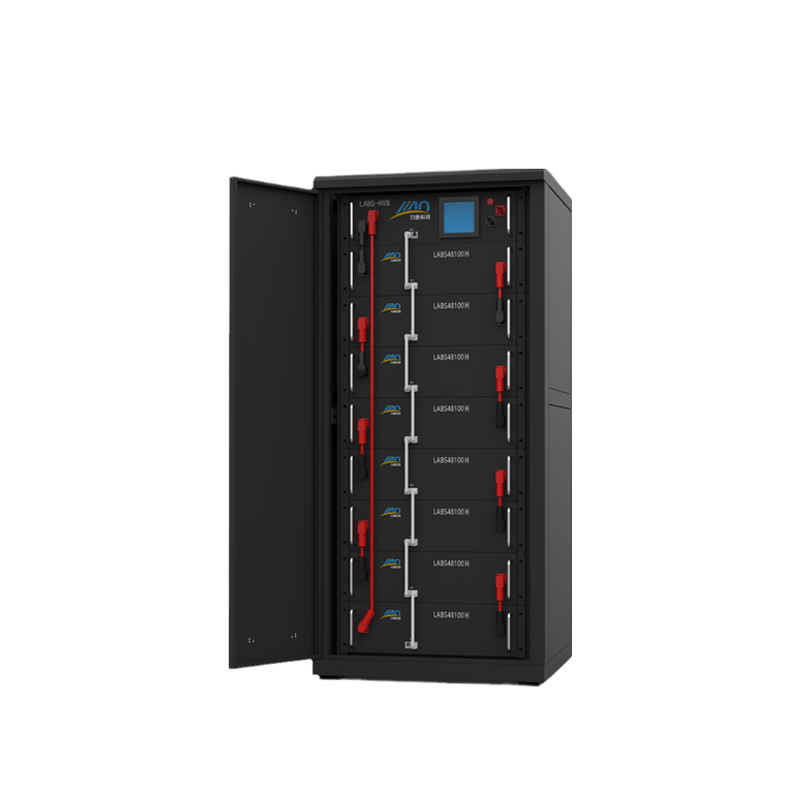
We design and build lithium battery solutions that optimize weight, discharge efficiency, and service life across major commercial and industrial industries.

Our custom LiFePO4 golf cart batteries provide high peak discharge current capability, allowing carts to navigate steep terrain and heavy loads without voltage drops. They eliminate daily maintenance, reduce vehicle weight for better turf protection, and charge up to 3 times faster than traditional lead-acid batteries.
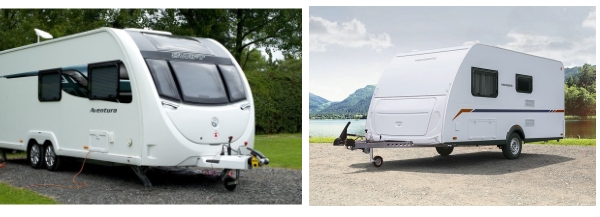
Providing high energy density in a compact size, LIAO house batteries power motor homes and caravans. They support high-power appliances like air conditioners, microwaves, and water pumps, and offer long shelf lives for seasonal storage without degradation.
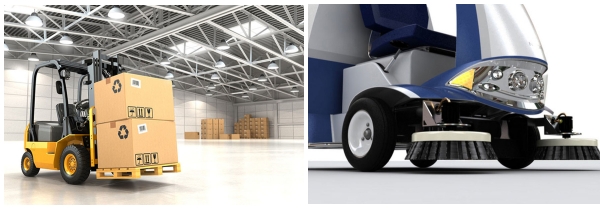
Designed for logistics hubs and automated factories, our AGV batteries support opportunity charging during brief idle cycles. They offer high efficiency, eliminate toxic gas emissions during charging, and provide stable power to lift mechanisms and traction motors.
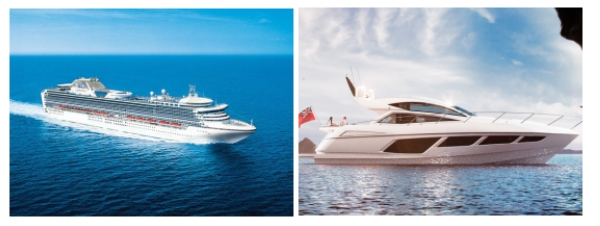
LIAO's marine-grade LiFePO4 packs feature robust mechanical structures and water-resistant materials, helping boats operate quietly without noise or exhaust emissions. Our active balancing BMS protects the cells in moist, high-vibration marine environments.
Sourcing commercial batteries requires meeting strict safety, regulatory, and logistics standards. As global markets transition from lead-acid to lithium chemistries, regulatory bodies have implemented rigorous validation demands. LIAO Technology ensures our manufacturing processes, components, and transport protocols align with these international requirements.
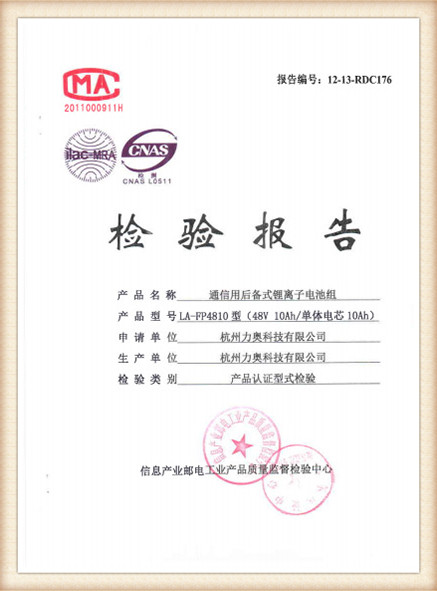
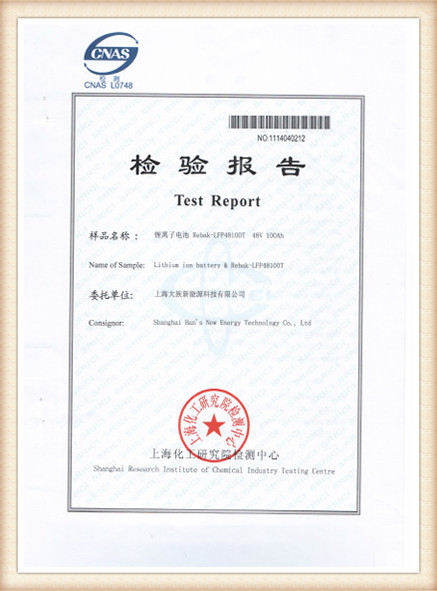
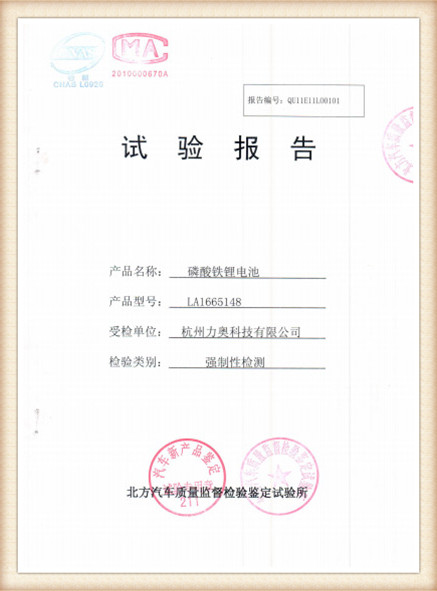
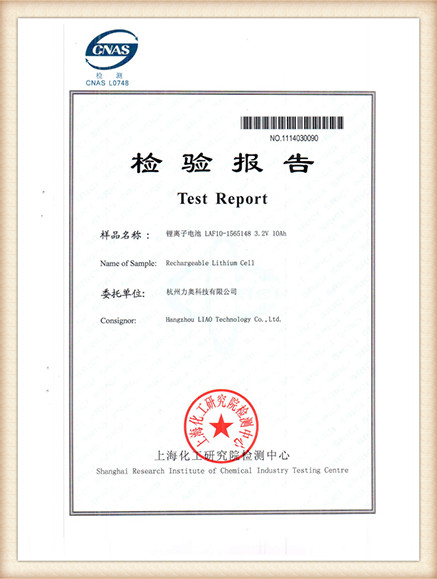
We maintain comprehensive documentation for all our product lines, including UN38.3 transport reports, safety data sheets, and CE compliance certificates, helping our partners pass local regulatory checks and secure project approvals.
LIAO battery packs are protected by an intelligent Battery Management System (BMS) designed by our electrical engineers. The BMS acts as the primary safety barrier, continually monitoring variables at both the cell and pack levels. Its main safety and management features include:
The global battery market is changing rapidly, driven by grid decarbonization, fleet electrification, and new regional regulations. As a leading manufacturer, LIAO keeps track of these industry trends to help our clients adapt their sourcing strategies:
1. Stricter Safety and Environmental Standards: Regulations like the European Union's New Battery Regulation require high levels of supply chain transparency, carbon footprint reporting, and end-of-life recycling plans. Our ISO 14001 certification and non-toxic LiFePO4 chemistry position us well to meet these environmental standards.
2. Transition from Lead-Acid to Lithium-Ion: Industries are replacing lead-acid systems with LiFePO4 batteries to benefit from lower weight, smaller footprints, and longer cycle life. This shift reduces total cost of ownership (TCO) across telecom tower networks, solar energy setups, and industrial material handling equipment.
3. Smart Battery Integration (IoT & Telemetry): Modern systems require batteries to communicate real-time State of Charge (SOC) and State of Health (SOH) data. Our advanced BMS options include Bluetooth and CANbus connectivity, allowing operators to monitor battery performance remotely in critical installations.

LIAO Technology maintains an in-house design team with electrical and mechanical engineers. With over 15 years of industry experience, our engineers design custom battery systems that integrate into our customers' final products.
Our sales and engineering teams work together to help partners select cell form factors, specify wiring configurations, and design enclosure protections that fit their environmental and mechanical requirements.
By handling design, engineering, and manufacturing under one roof, we help partners reduce development costs and accelerate time-to-market. Our custom prototyping process includes mechanical drafting, thermal modeling, electrical safety testing, and pre-shipment compliance validation.
Whether you need custom battery systems for low-temperature applications, industrial AGVs, or residential solar storage, LIAO delivers solutions built to your specifications.






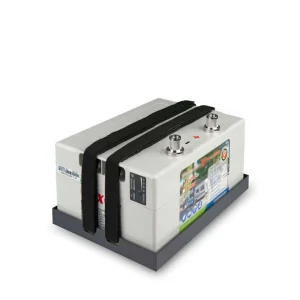
 Liao Battery