A deep dive into why industrial buyers are transitioning from Lead-Acid to custom 12V LiFePO4 batteries, focusing on safety factors, cycle characteristics, and thermal metrics.
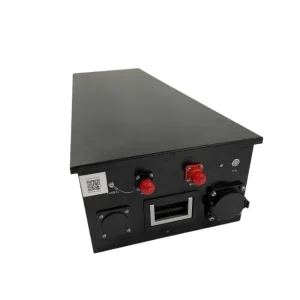
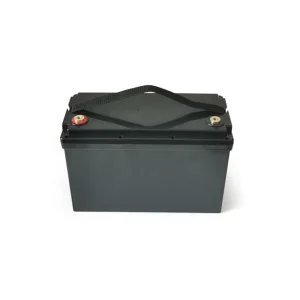
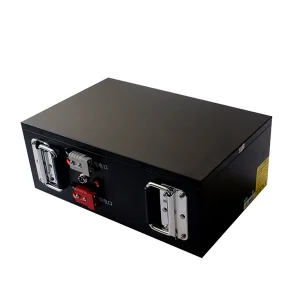
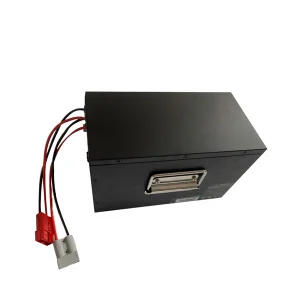
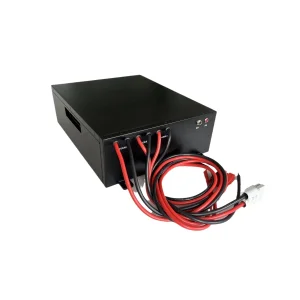
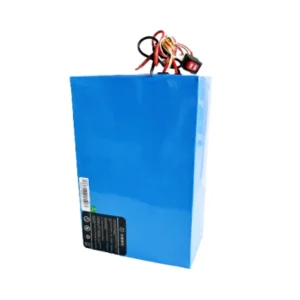
For global design engineers and procurement teams, sourcing a 12V Lithium Battery is not merely a transactional purchase; it is a critical safety and lifespan calculation. Historically, lead-acid systems offered simplicity but suffered from extreme weight, shallow depths of discharge (DOD), and vulnerability to thermal degradation. Modern LiFePO4 (Lithium Iron Phosphate) chemistry resolves these systemic limitations by offering up to 100% depth of discharge with minimal voltage sag.
At Hangzhou LIAO Technology Co., Ltd., we customize cell capacities and pack topologies to match exact OEM load curves. Our products exhibit superior safety profiles that prevent thermal runaway even under acute external stressors.
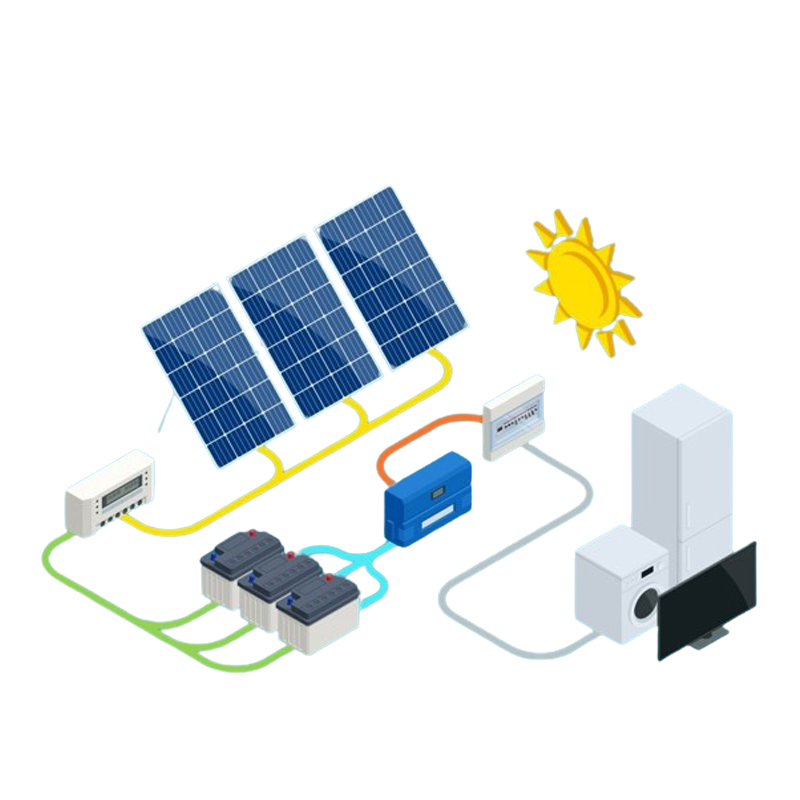
Standard battery designs suffer severe capacity fade when operated outside a narrow 15°C to 25°C window. Our custom OEM formulations are thermally stabilized to discharge efficiently in cold-chain logistics or extreme equatorial zones—ranging from a cryogenic -40°C up to 85°C.
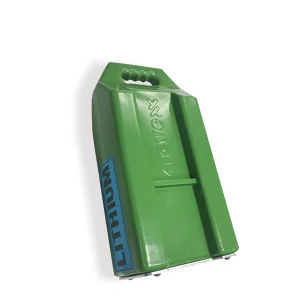
Furthermore, our proprietary *LAXpower-1230* series has been awarded testing champion honors in Europe, validating the electrical engineering logic embedded in our internal cell connections, low internal resistance profiles, and active balance circuitry.

Hangzhou LIAO Technology Co., Ltd. was established in 2009. We have developed into a dominant manufacturer of LiFePO4 batteries, with standard and custom systems running globally across 20+ countries.
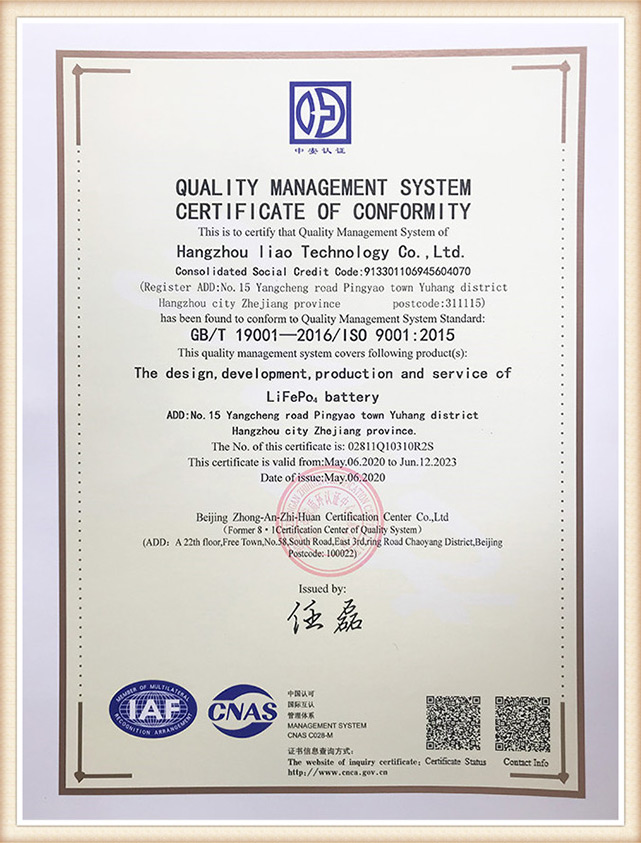
Operating quality management systems under the strict oversight of ISO 9001 ensures that every production lot is traceable. We enforce clean-room production standards, advanced optical inspection parameters during electrode slotting, and automated cell grading before pack assembly.
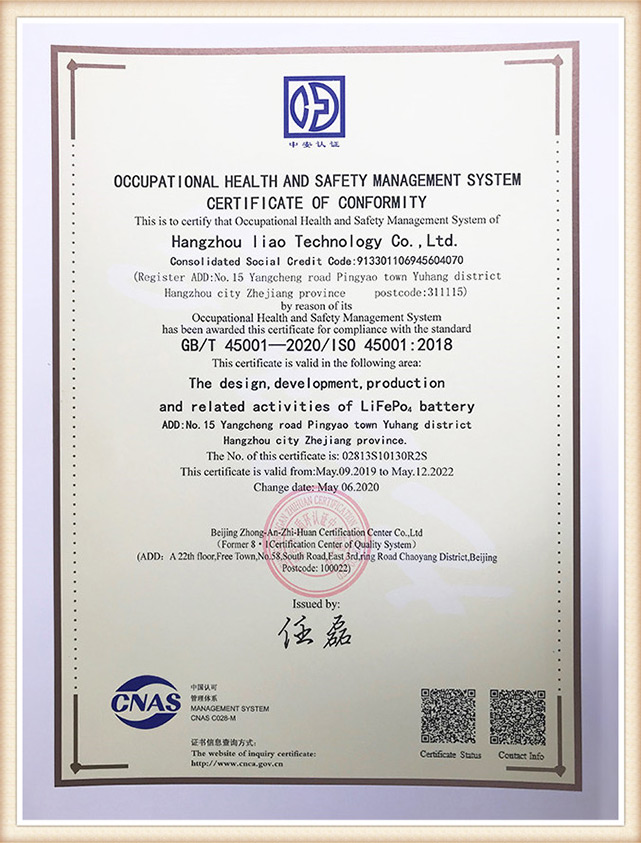
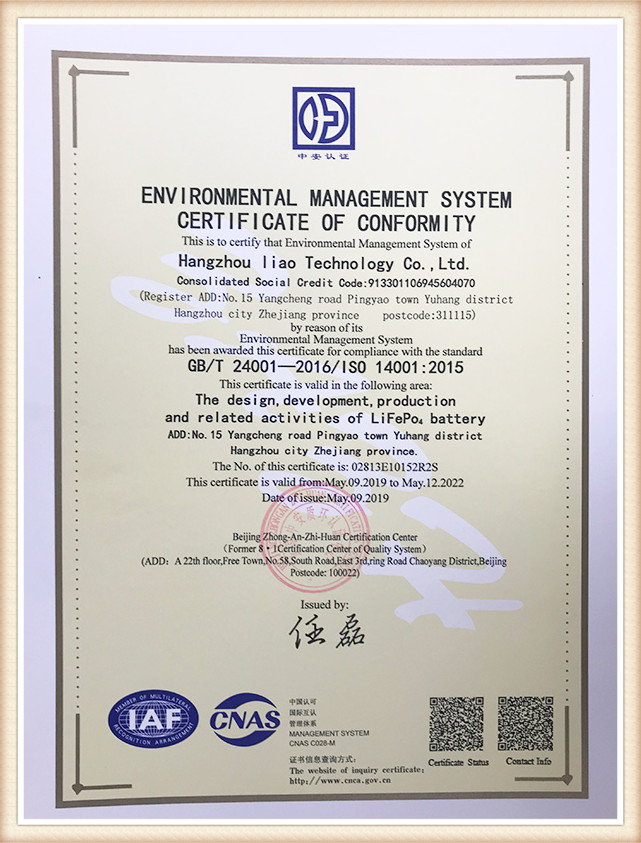
We operate in full compliance with the environmental management system ISO 14001 and the occupational health and safety management system ISO 18001, proving our commitment to sustainability and ethical industrial practices.
Our products find applications worldwide: Germany, France, Netherlands, Spain, United Kingdom, USA, Canada, Mexico, Brazil, Australia, Philippines, Thailand, Singapore, Korea, Japan, India, South Africa, Nigeria, and beyond.
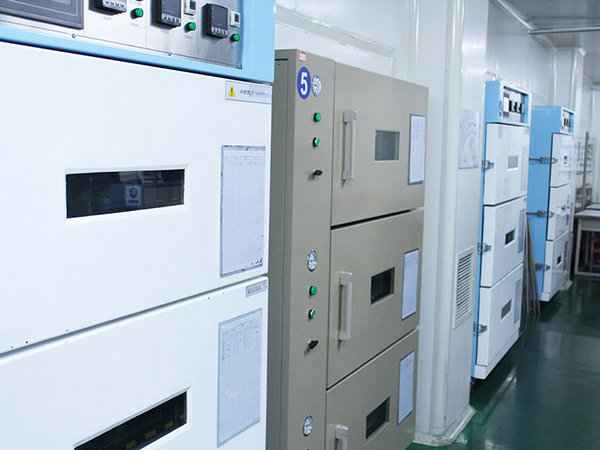
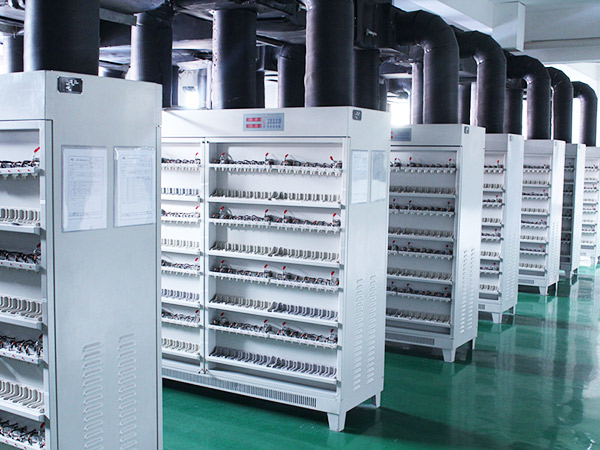
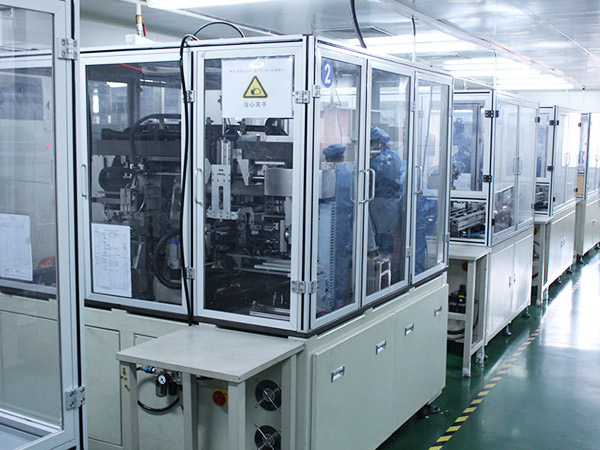
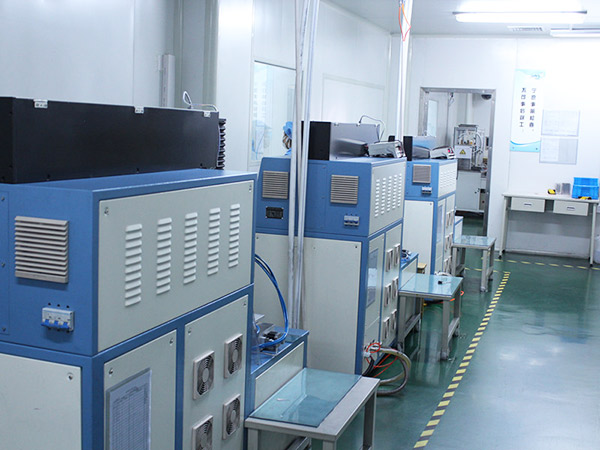
Take a virtual look inside our ISO-certified production floor, where modern automation meets advanced engineering controls.
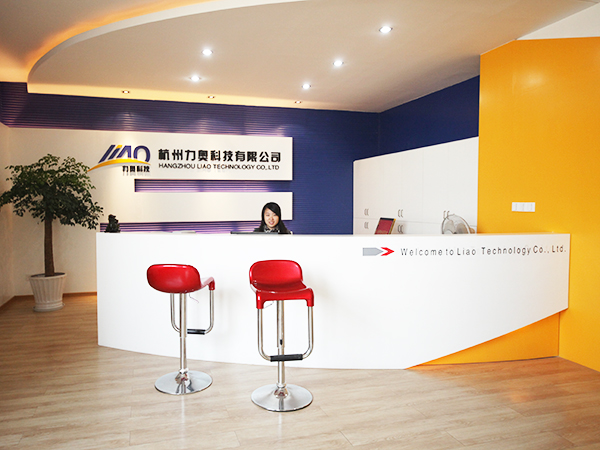
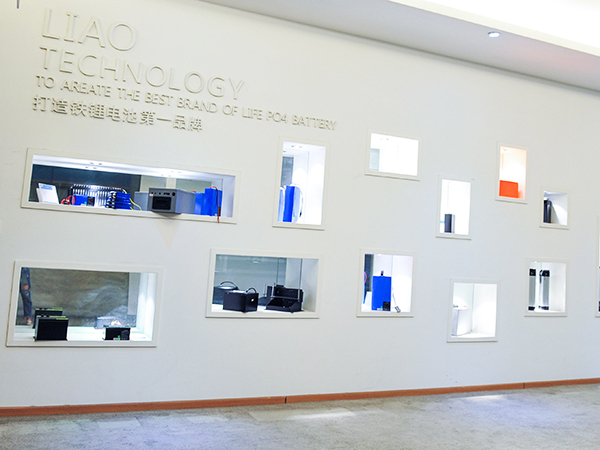
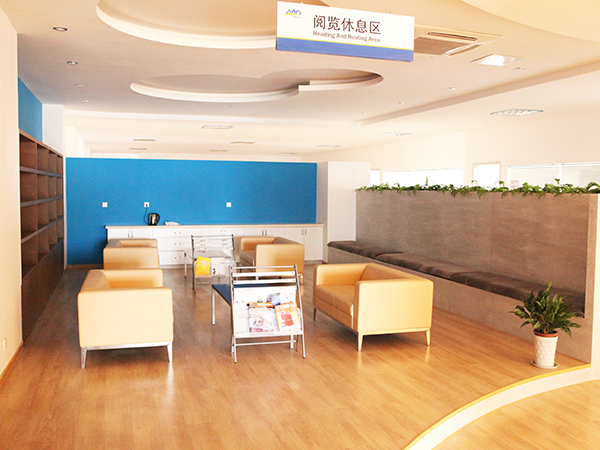
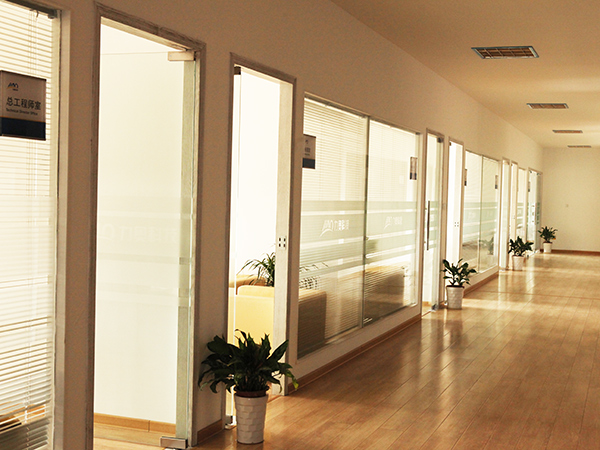
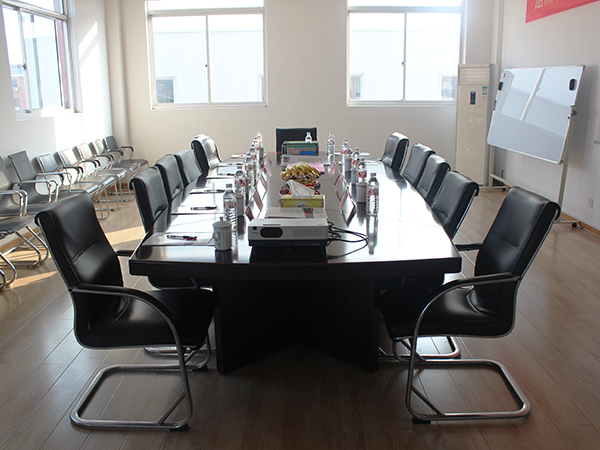
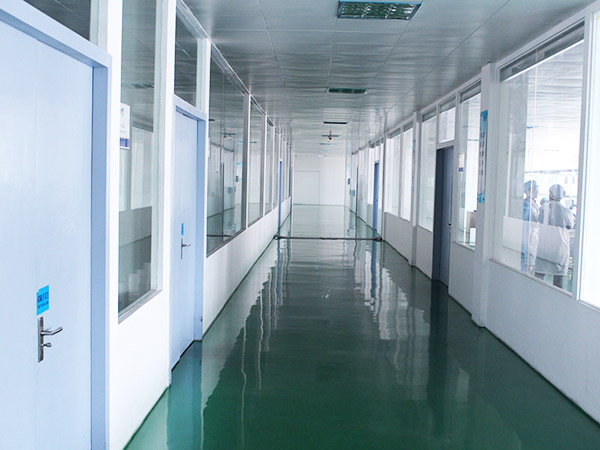
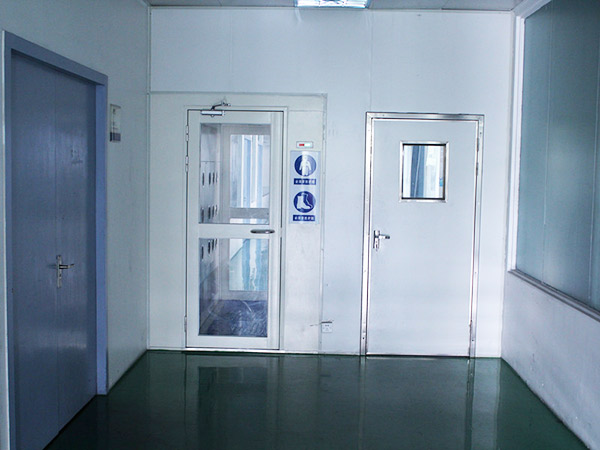
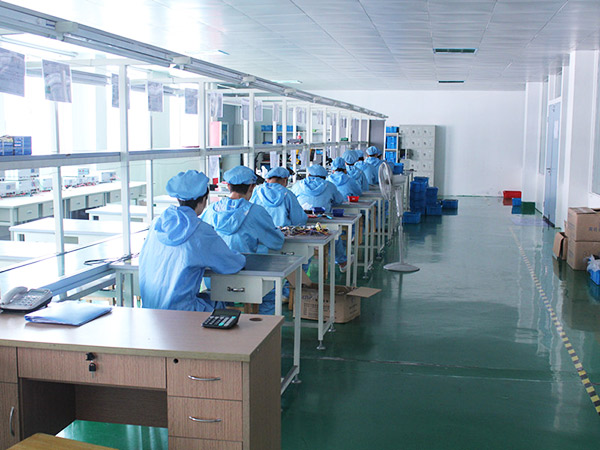
Ensuring continuous cell alignment, robust materials management, and automated engineering lines for unmatched efficiency.
Modern high-capacity battery manufacturing is a delicate balancing act of chemical purity and electrical tolerance. At Hangzhou LIAO, our manufacturing processes are divided into isolated, air-monitored zones to prevent particulate contamination. We leverage precise rolling, die cutting, automated cell stacking, and high-energy laser welding systems to guarantee zero thermal stress points on anode and cathode tabs.
Our automated sorting lines evaluate cells based on dynamic internal resistance (AC-IR) and open-circuit voltage drift. Only cells showing less than 1.5% variance are designated for our OEM 12V and high-voltage battery modules.
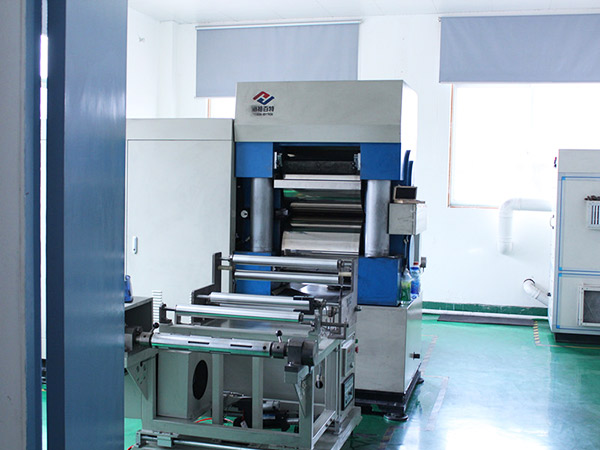
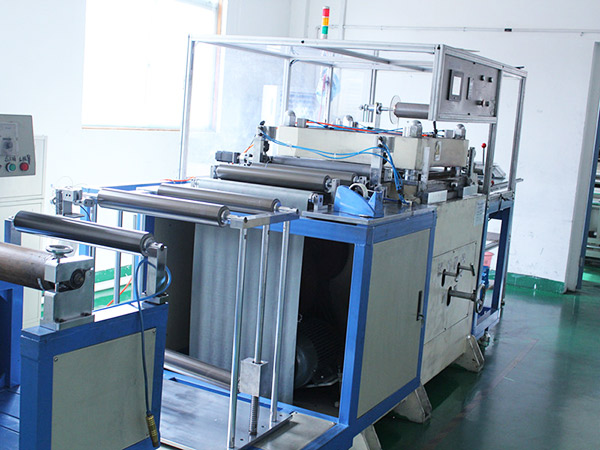
Custom battery packs designed to optimize performance, run quietly, and maximize efficiency across diverse global sectors.

Our high-capacity LiFePO4 packs allow golf fleets to operate seamlessly across varied terrains and steep gradients, with zero cold-temperature power drops.
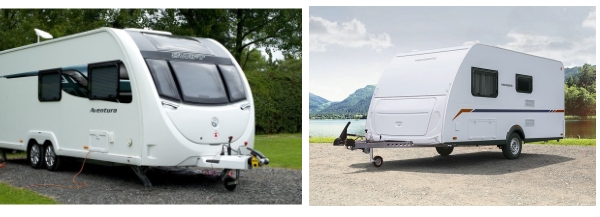
Providing consistent peak torque to caravan movers without dangerous voltage sags. Environmentally friendly and maintenance-free operation.
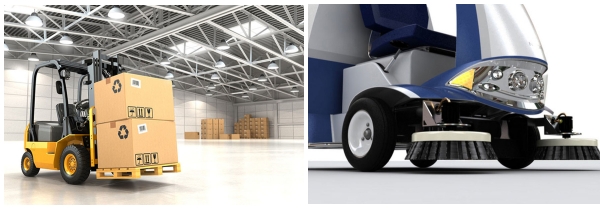
Engineered for material handling, cleanroom AGVs, and industrial floor sweepers requiring rapid opportunity charging capabilities.

Sealed, vibration-resistant battery packs built to resist corrosion and moisture intrusion in marine and freshwater environments.
LIAO's strategic vision for next-generation energy storage products, solid-state chemistries, and ultra-high density cells.
The transition from traditional organic liquid electrolyte LiFePO4 cells to semi-solid state systems represents the next evolutionary leap. This transition addresses the critical limitations of active material detachment during high-temperature cycles.
Our engineering lab is currently optimizing manganese-doped lithium iron phosphate (LMFP) cells. By blending manganese into the olivine crystal structure, we target a nominal voltage increase from 3.2V to 3.8V, allowing a 15–20% boost in overall volumetric energy density without compromising safety.
Our upcoming BMS revisions will integrate IoT machine-learning algorithms to monitor internal resistance dynamically, allowing preemptive cycle warning indicators to prevent fleet downtime.
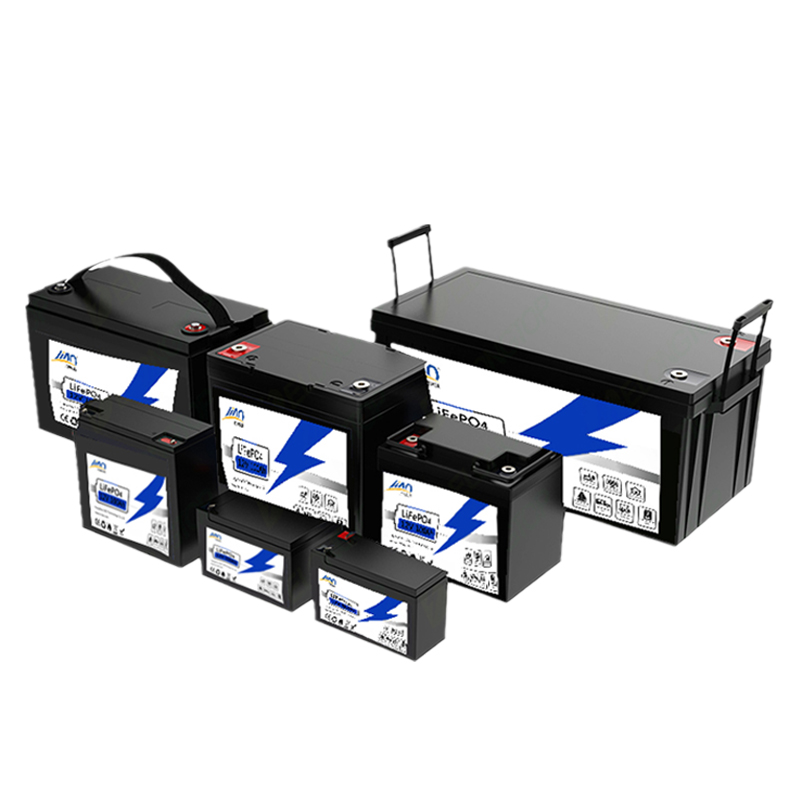
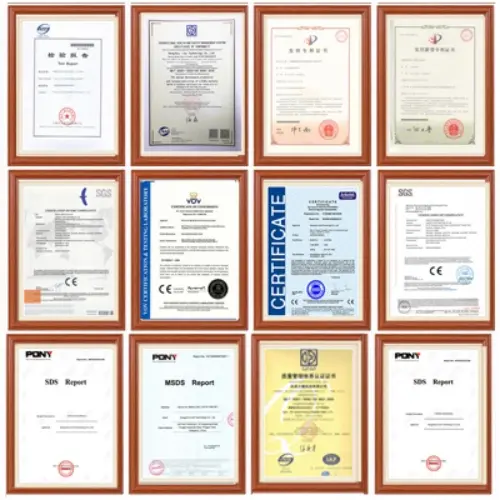
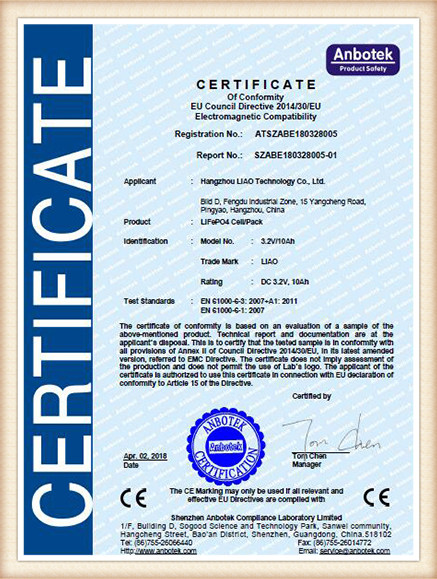
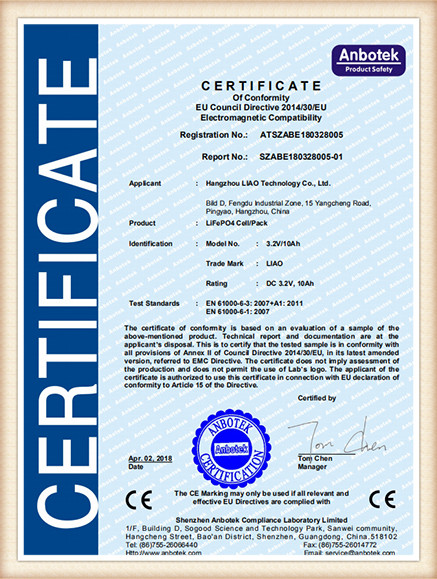
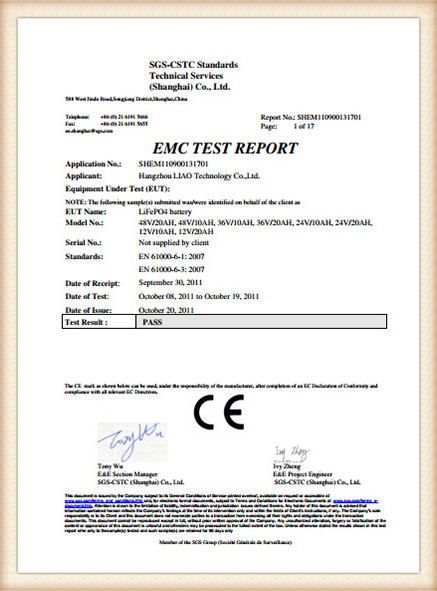
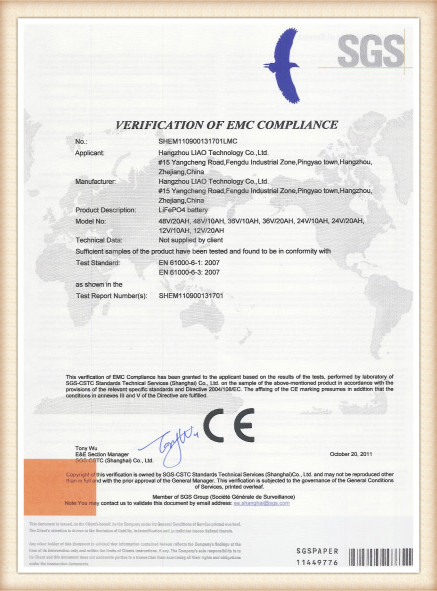
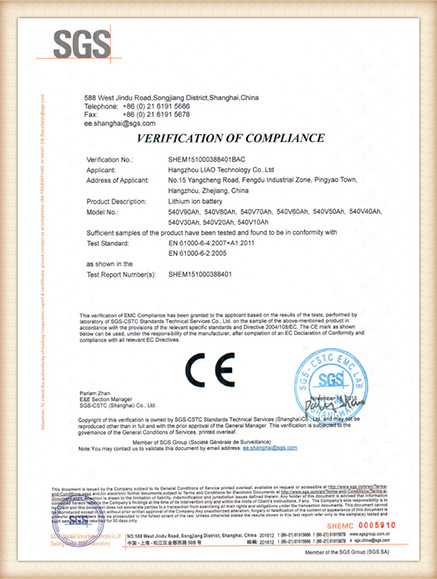
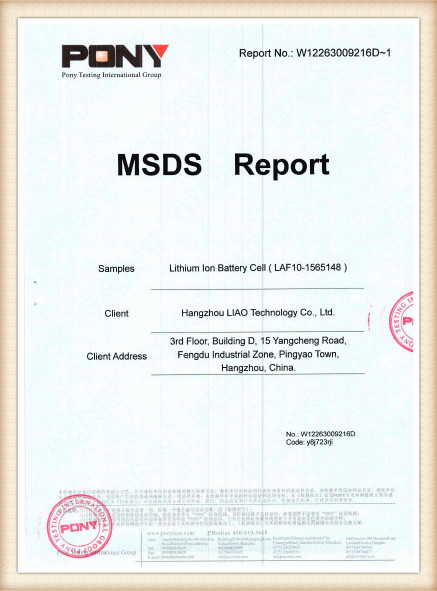
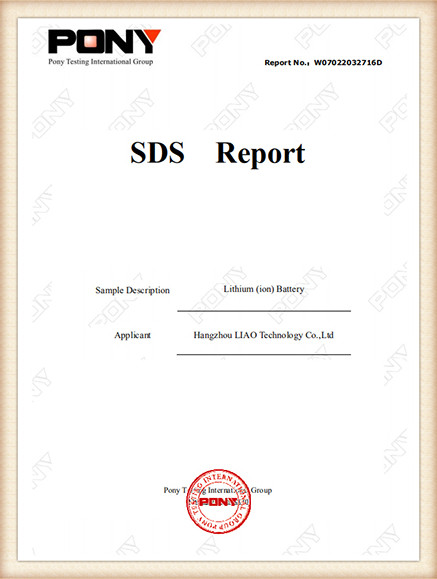
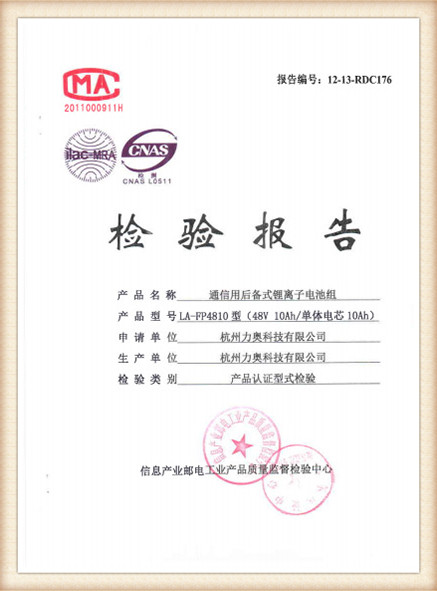
Our extensive patent portfolio and certifications ensure that Hangzhou LIAO products comply with international legal and commercial frameworks.
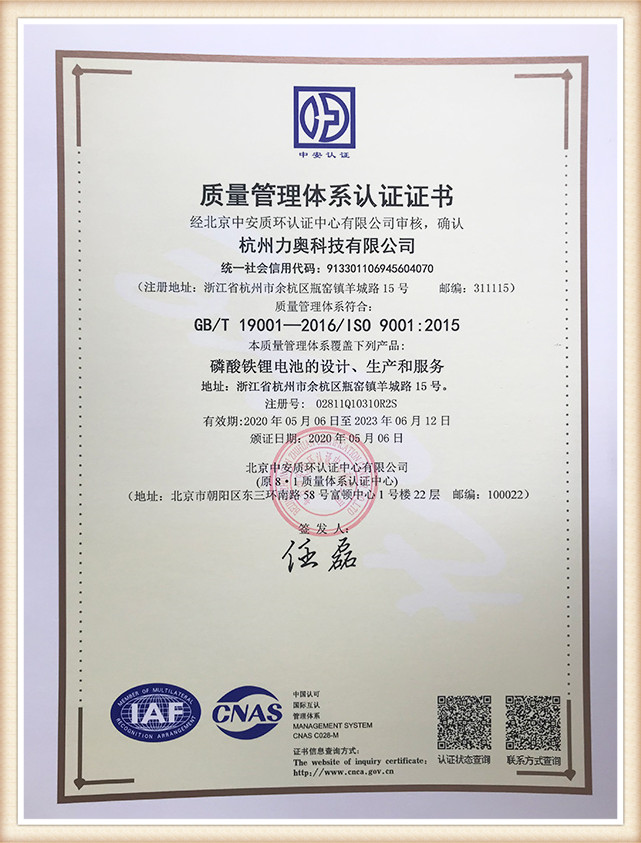
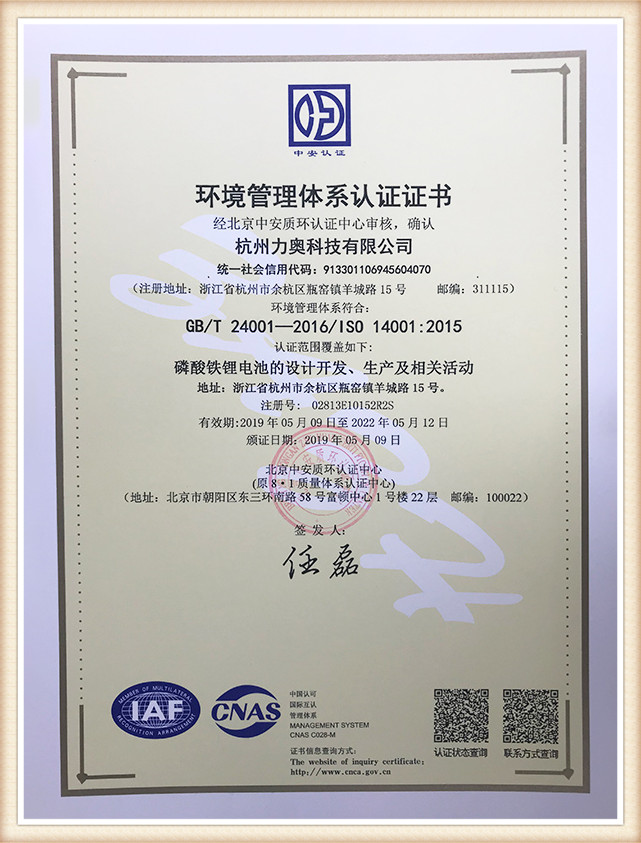
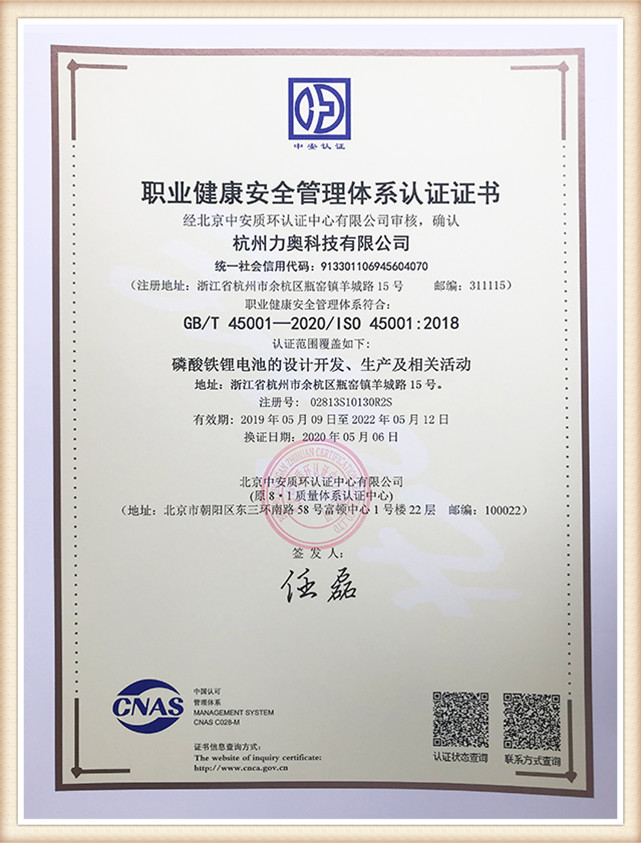
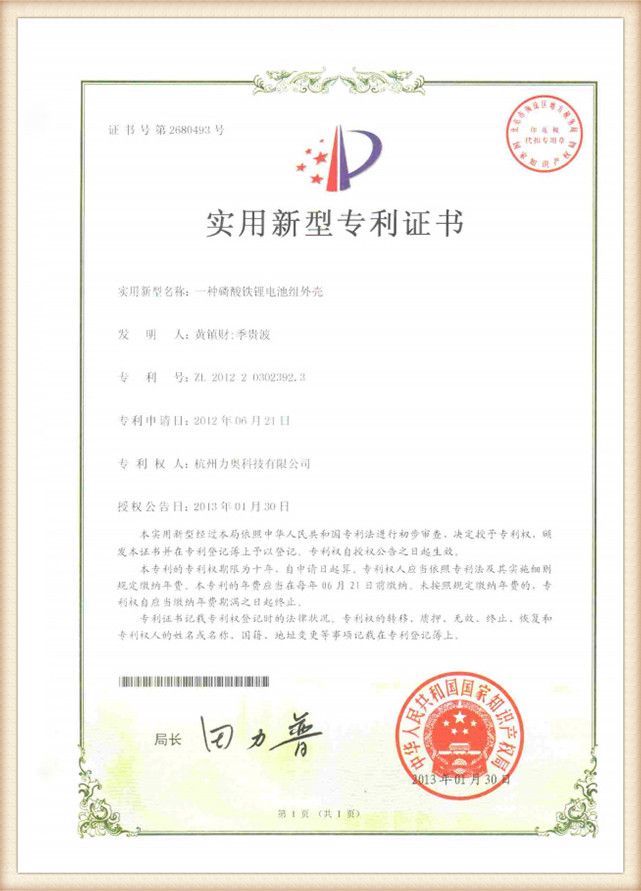
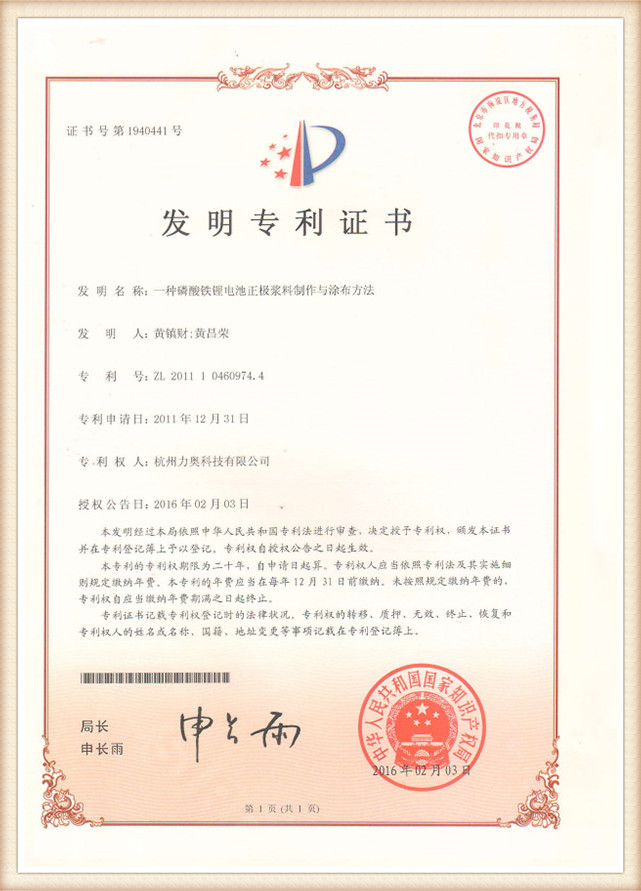
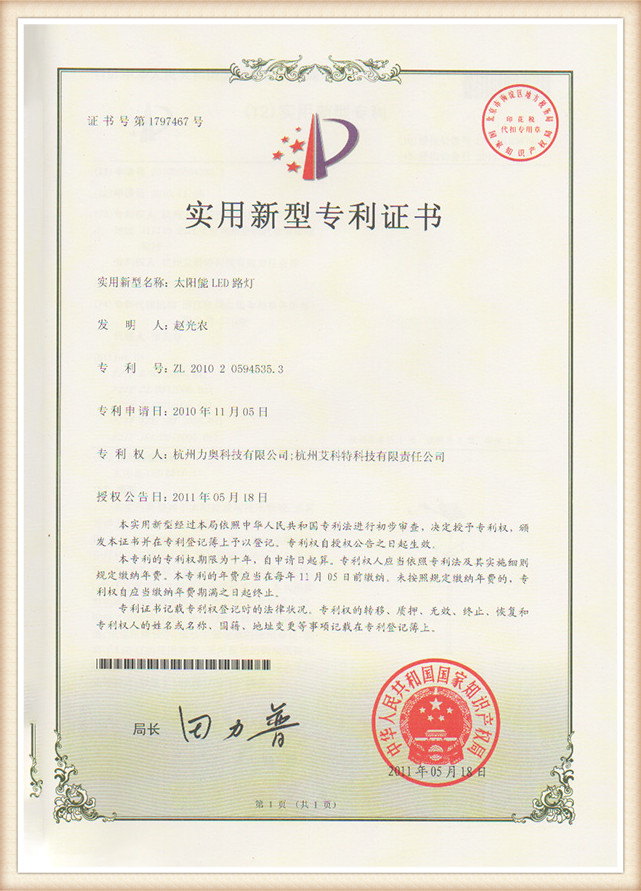






Mitigating risk in international B2B battery procurement requires understanding cell architecture, matching tolerances, and testing protocols.
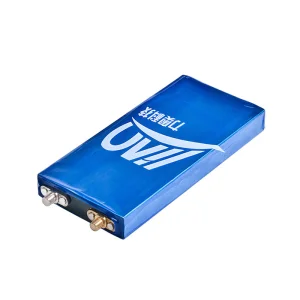
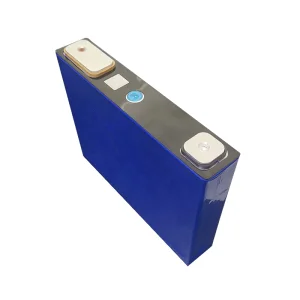
For high-capacity 12V configurations (e.g., 100Ah, 120Ah, 200Ah), prismatic cells are generally preferred over cylindrical arrays due to their superior thermal dissipation. Prismatic cell design reduces connection points by up to 90%, decreasing the likelihood of failure at the busbars.
Ensure your supplier provides detailed cell matching parameters. A quality pack must use cells with internal resistance variations of less than 0.5mΩ and open circuit voltage differences of less than 2mV. Out-of-spec variations lead to pack imbalance and a shortened operational lifespan.
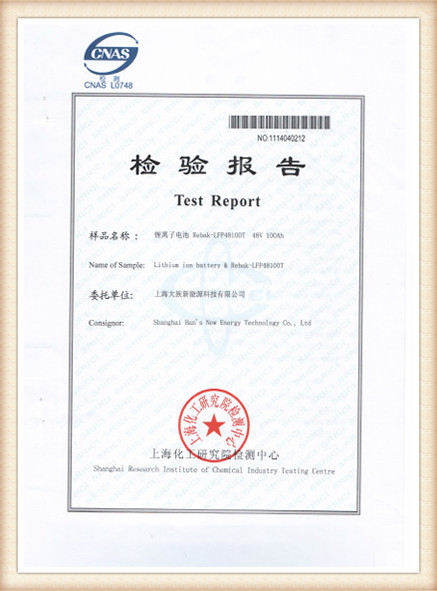
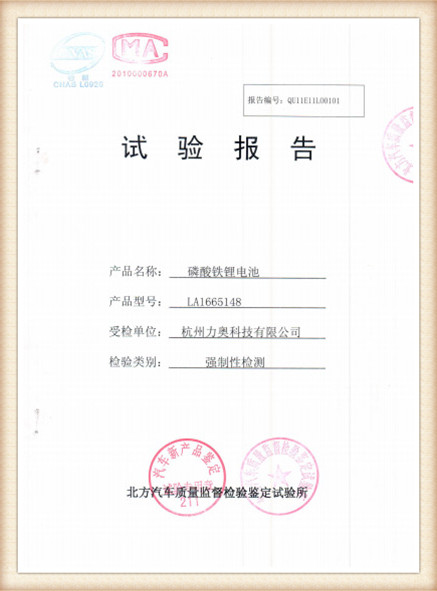
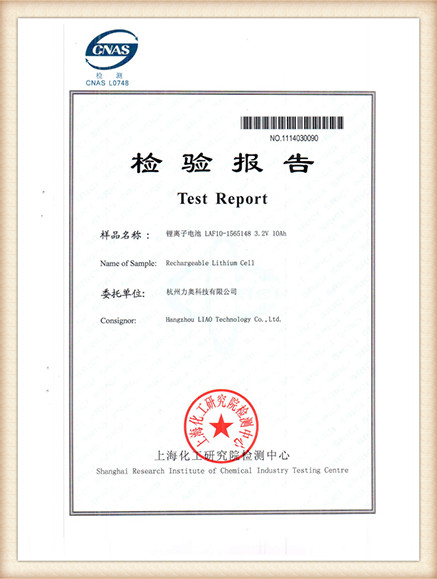
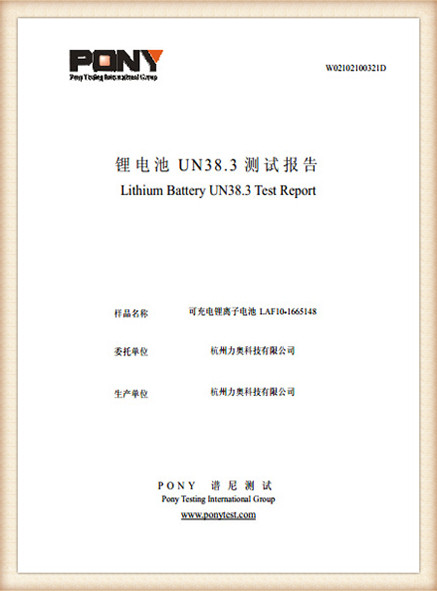
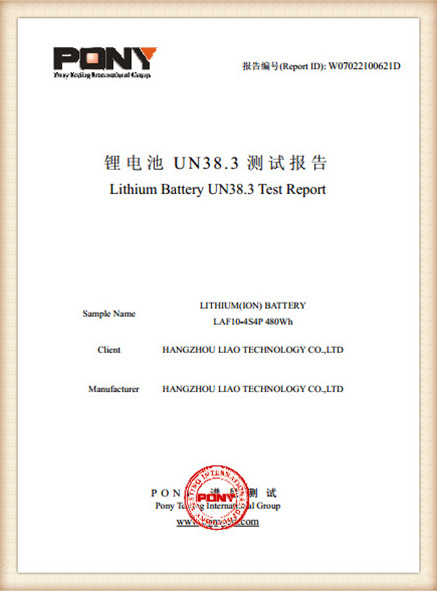
Procurement teams should verify compliance with UN38.3 transport standards (crucial for air cargo logistics), along with CE, UL, and localized electromagnetic compatibility testing.
Always request the following documentation before finalizing custom cell agreements:
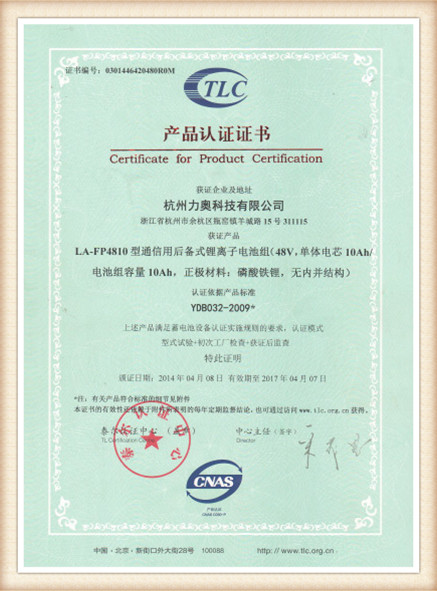
Below is our verifiable portfolio of compliance audits, safety certificates, and international test reports.
Expert engineering responses to the most common technical inquiries from global procurement and design teams.
 Liao Battery