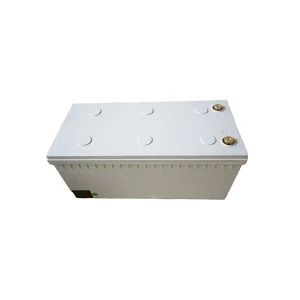
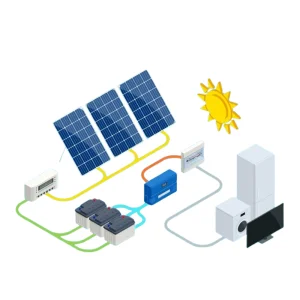
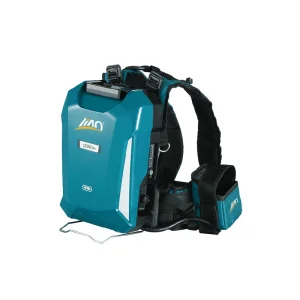
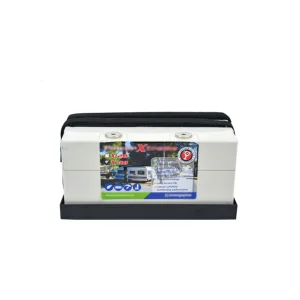
Explore our premium grade product line configured to meet global industrial directives. High reliability, certifications, and adaptive cell integration options.
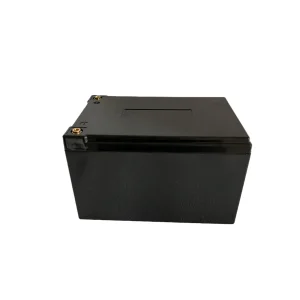
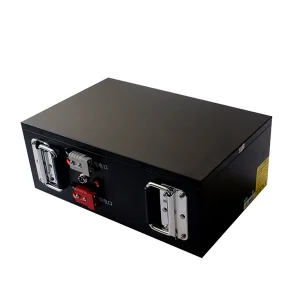
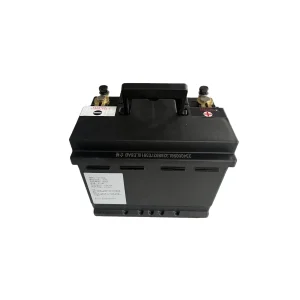
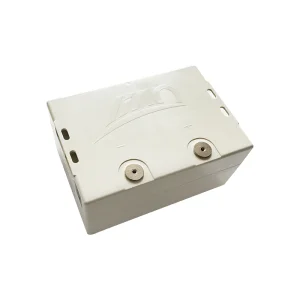
The industrial and commercial e-mobility market is experiencing a profound transition from legacy lead-acid and low-voltage lithium platforms (such as 24V and 48V) to high-voltage, high-capacity 72V Lithium-Ion (especially LiFePO4) systems. High-voltage structures reduce nominal currents for equivalent power draws, allowing engineers to mitigate thermal build-up and achieve higher thermodynamic efficiencies. By drawing fewer amperes, industrial drives operate within safer thermal thresholds, significantly increasing the operational longevity of internal switches, controllers, and wiring infrastructure.
For large-scale applications like automated guided vehicles (AGVs), electric utility tasks, marine e-propulsion, and heavy duty golf transport fleets, a 72V setup is the baseline requirement. It reduces I2R losses (thermal dispersion) and enables thinner wire gauges, saving weight and optimization cost across complex assemblies. Manufacturers and industrial procurement partners can realize a rapid Return on Investment (ROI) by leveraging these efficiency gains over multiple shift schedules.
A structured breakdown of efficiency and integration enhancements across commercial application fields.
*Data verified based on LIAO laboratory tests under simulated continuous high-output duty cycle benchmarks.
Industrial procurement teams representing enterprise equipment manufacturers must analyze several parameters when selecting custom OEM battery factories. Low upfront unit costs are secondary to battery lifecycle stability, safety mechanisms, and supply chain continuity.
Traditional lead-acid cells present low entry costs but mandate replacement cycles every 1-2 years. High-performance LiFePO4 cells from LIAO provide 2800+ cycles at 100% DOD, ensuring total lifecycle operating costs are reduced by over 60% when accounting for labor, shipping, and downtime protection.
OEM projects require highly functional integrated Battery Management Systems (BMS). A reliable BMS tracks cell voltages, protects against overcharging, over-discharging, thermal runaway, and integrates CANbus or RS485 communication protocols to support standard industrial diagnostics.
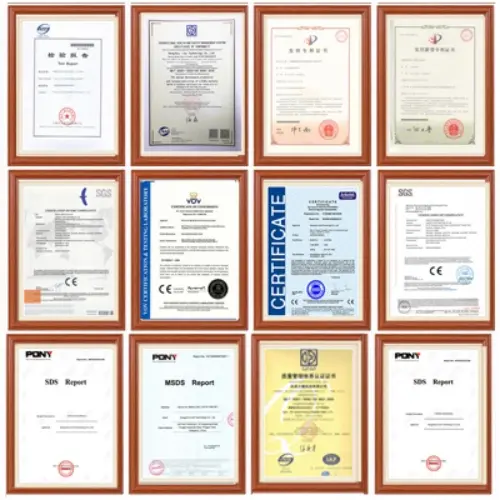
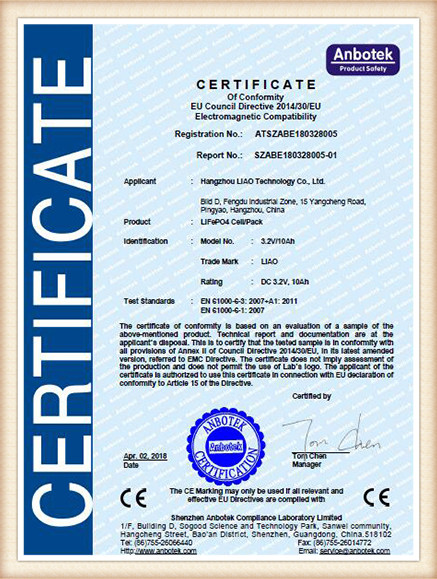
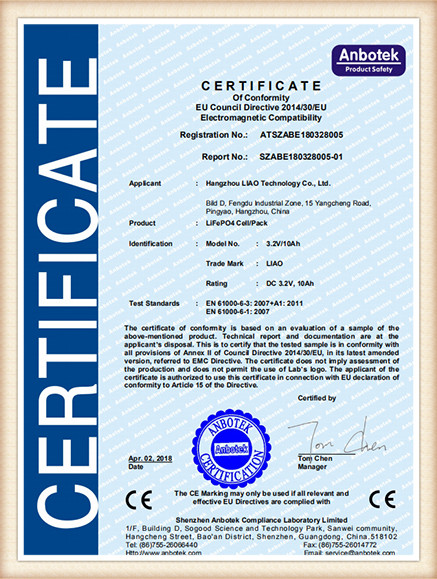
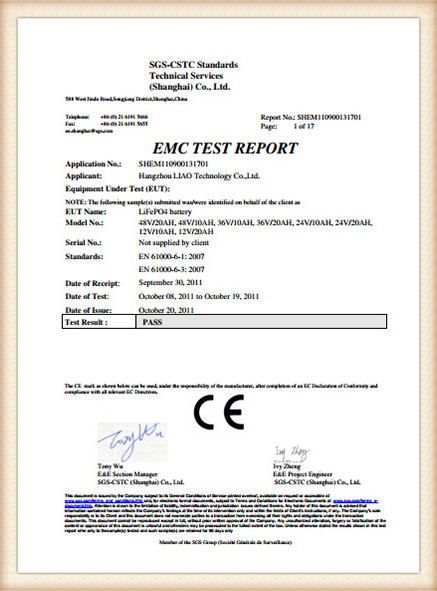
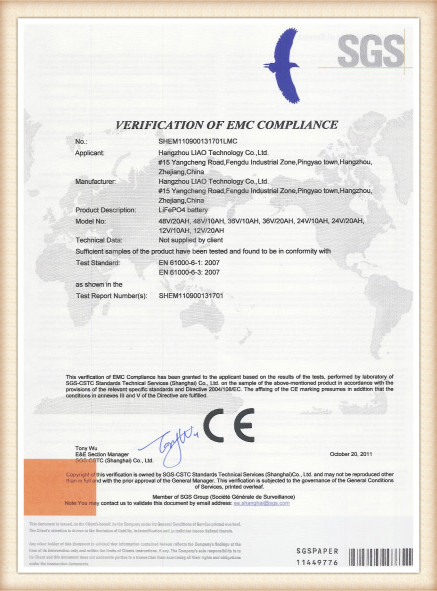
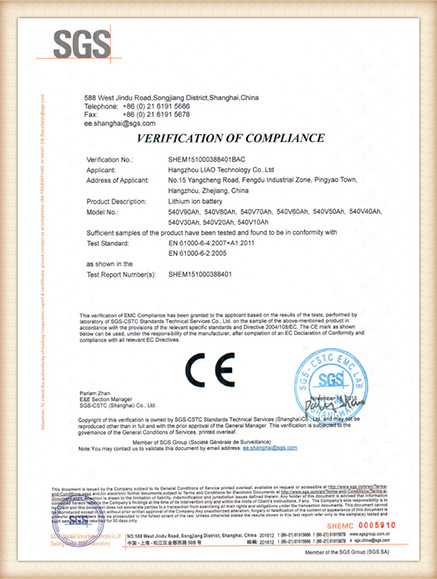
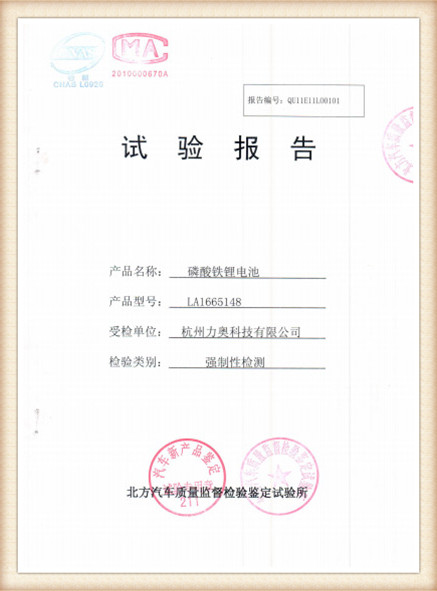
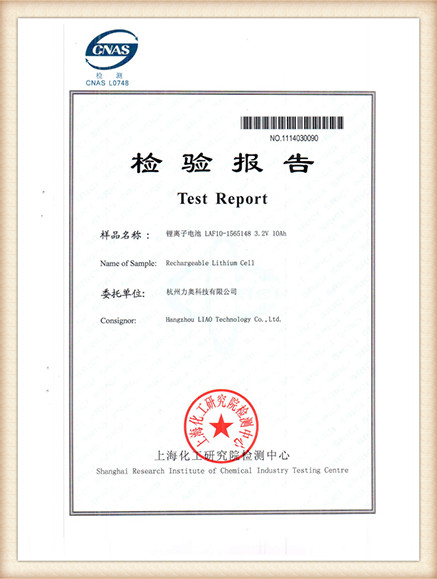
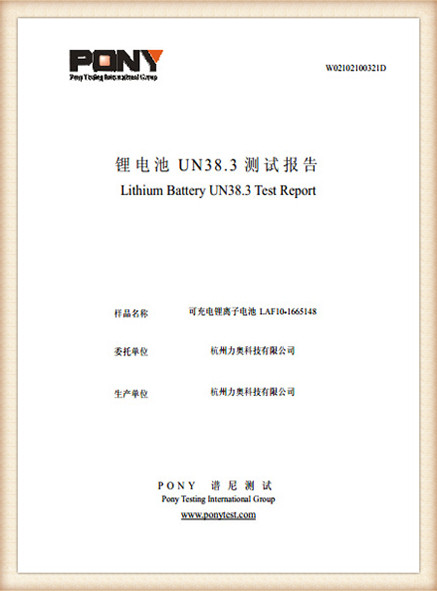
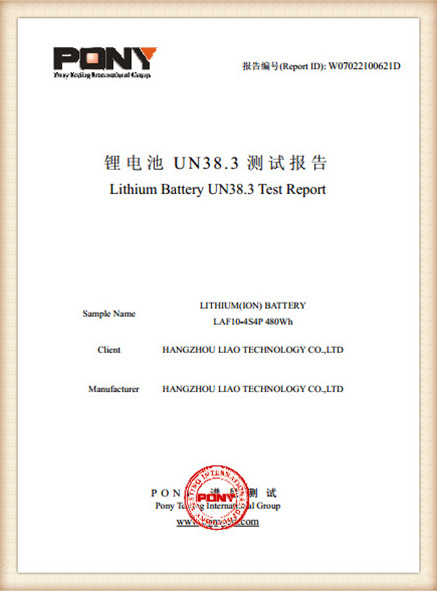
Exporting to European and North American markets requires compliance with safety protocols. Suppliers must consistently pass certifications, including CE, UN38.3, UL1642, and IEC62133, to protect global customers against liability risks and customs delays.
Founded in 2009, Hangzhou LIAO Technology Co., Ltd. is a professional and leading manufacturer specialized in high-performance LiFePO4 batteries. With over 15 years of technical expertise, our products are distributed to more than 20 countries globally.
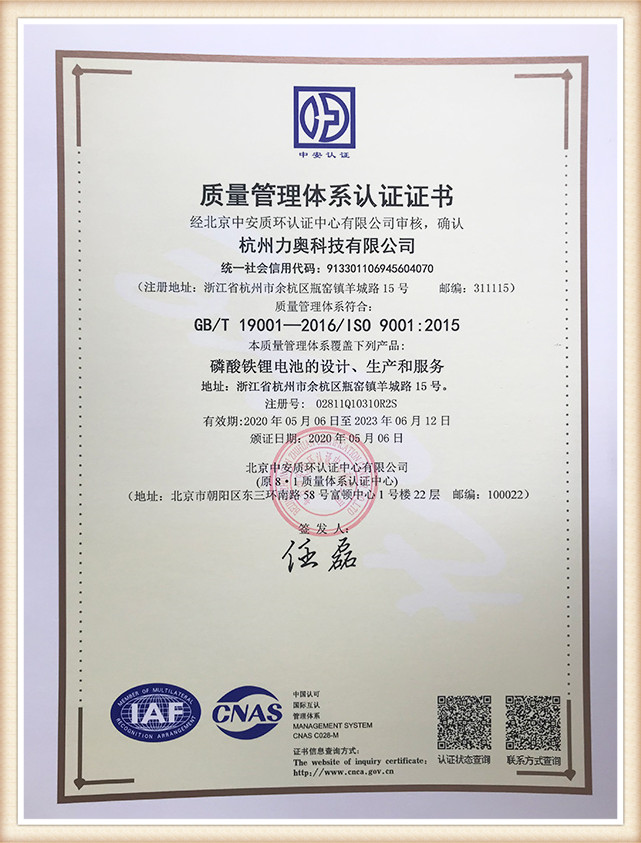
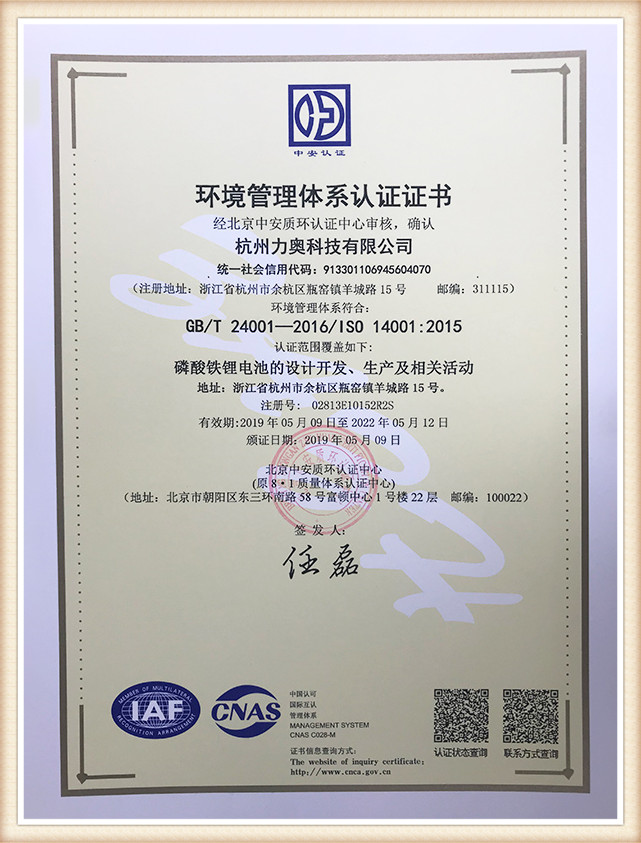
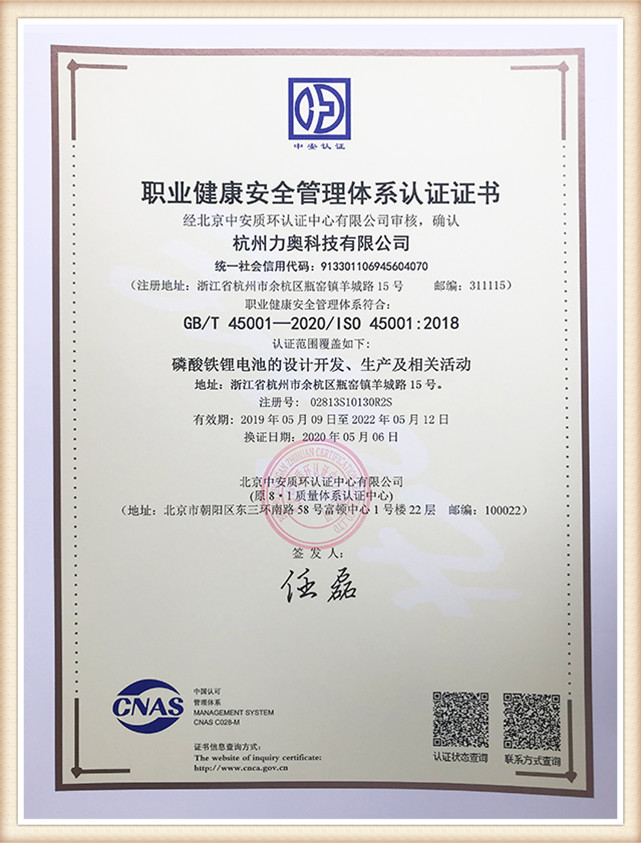
Our organization has implemented a rigorous and reliable quality control system. All steps of our manufacturing processes run in strict accordance with the ISO 9001 quality management framework. Additionally, LIAO maintains continuous compliance with the ISO 14001 environmental management standard and the ISO 18001 occupational health and safety system.
LIAO focuses on safety, environmental protection, long lifespans, high energy density, and compact, lightweight footprints. We customize power options to meet specific requirements for both domestic and international markets, delivering responsive services to our global clients.
Our core capabilities include:
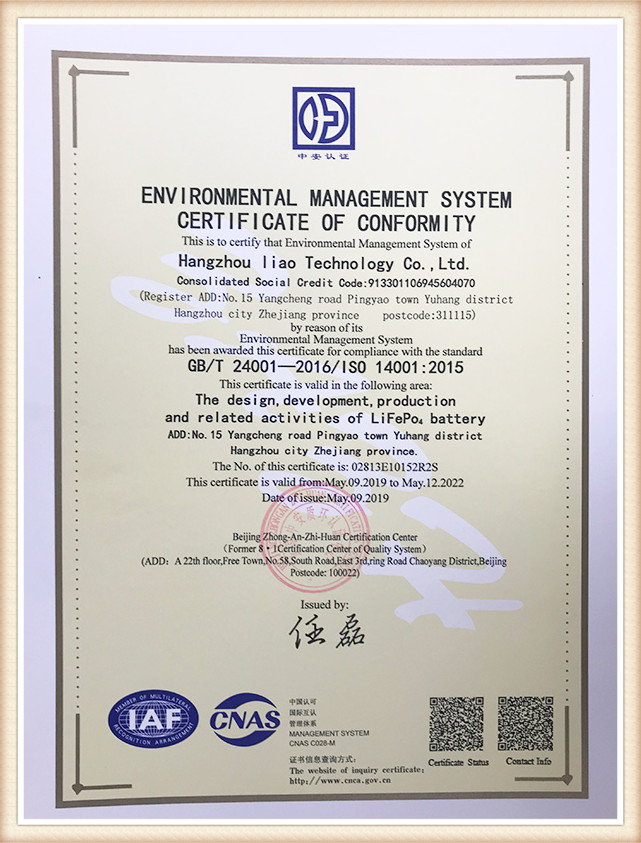
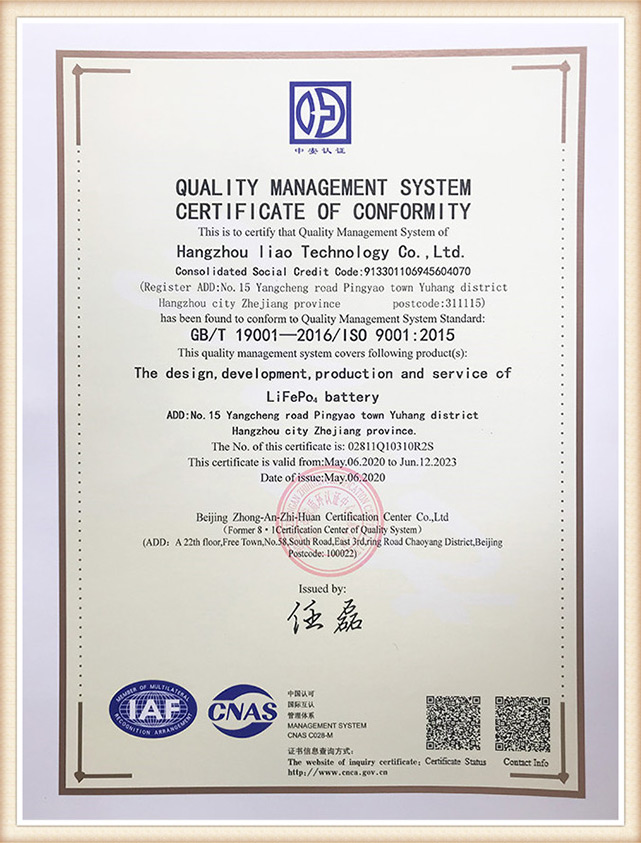
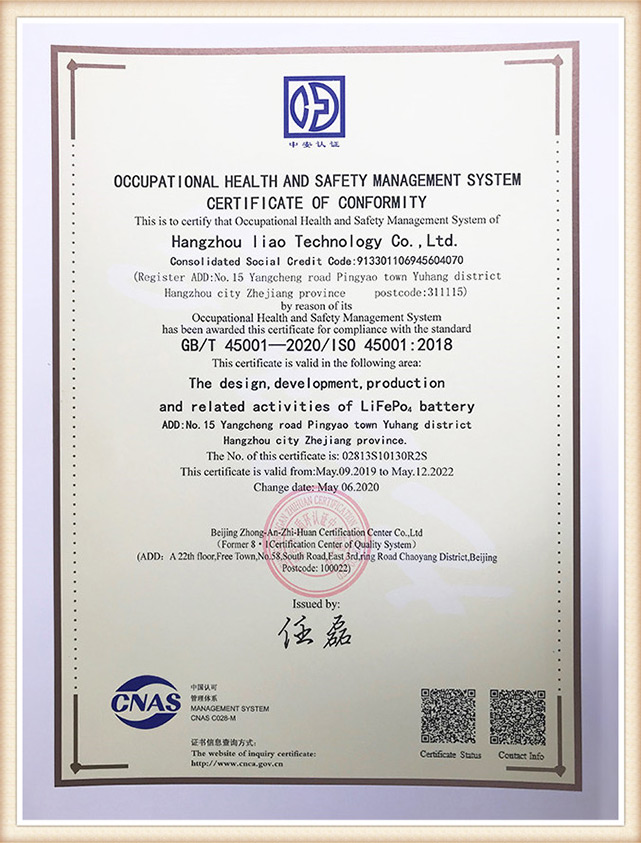
Official ISO Certificates demonstrating compliance to global production and environmental management standards.
Modern battery production requires precise assembly. At LIAO, we utilize advanced manufacturing machinery to ensure consistency across cell batches, which helps mitigate imbalances inside multi-cell battery packs.
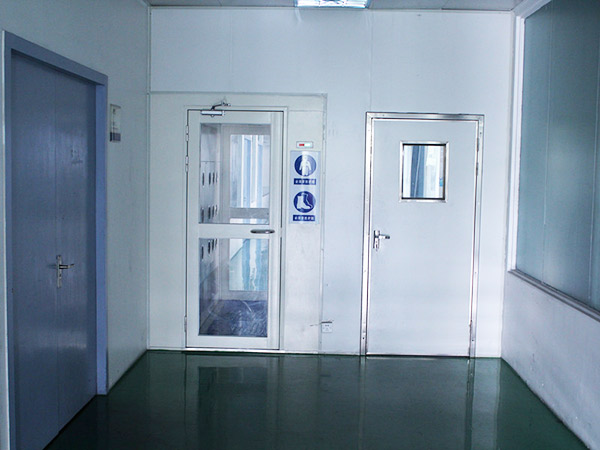
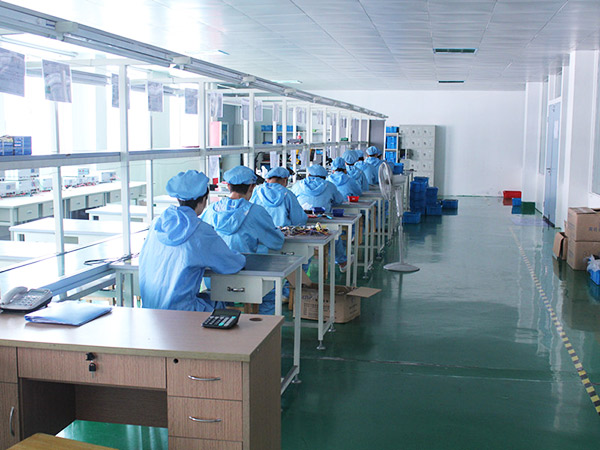
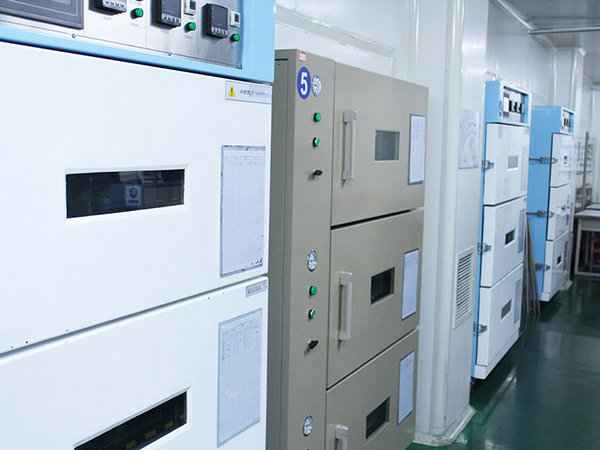
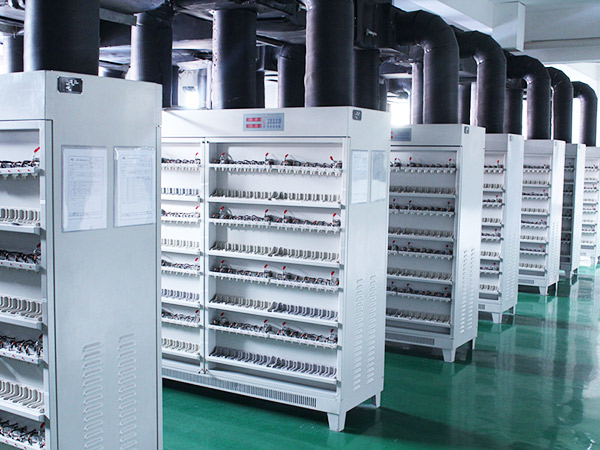
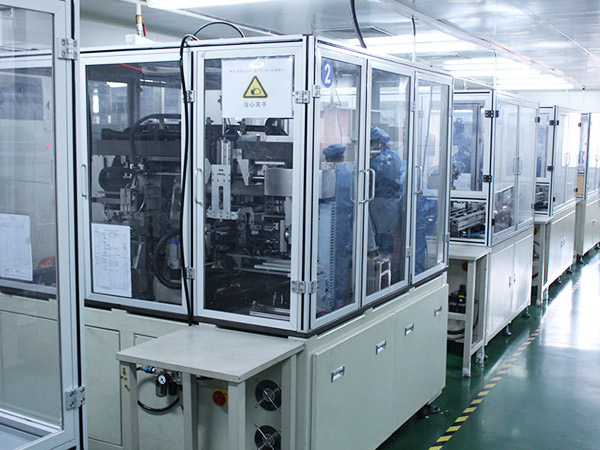
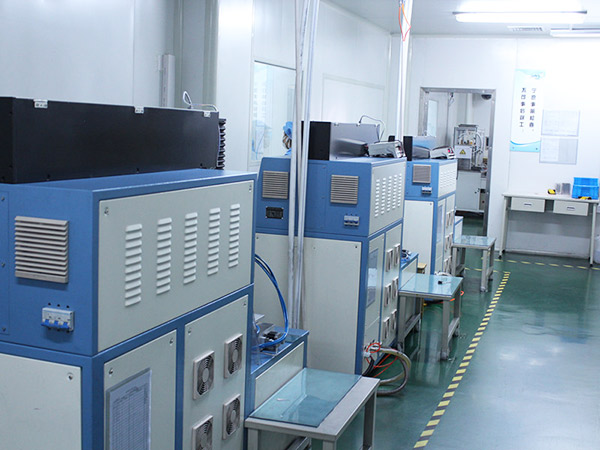
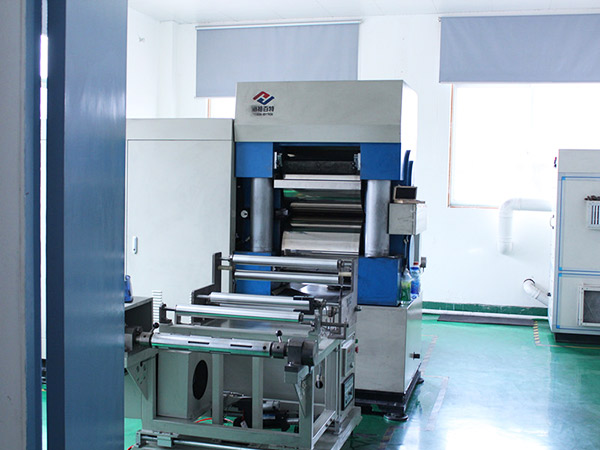
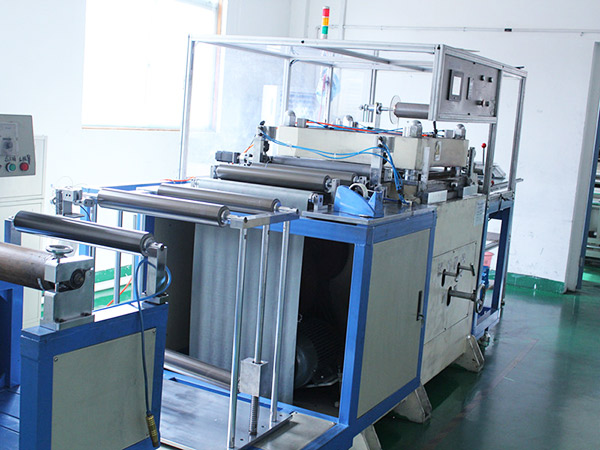
LIAO manages trace quality by registering and monitoring raw materials through to final shipment testing. Each cell is assigned a unique tracking identifier to log capacity, internal resistance, and open-circuit voltage characteristics. Our automated sorting processes ensure only matched cells are assembled into battery packs, which helps prevent thermal issues and early cell degradation.
LIAO features an experienced, collaborative management and technical team, positioned to respond efficiently to client specifications. With a comprehensive research and development department, our engineers design custom solutions to address challenging requirements.
Our sales and engineering teams work together to provide comprehensive support, from initial concept to mass production. We have helped more than 500 customers build custom battery packs for diverse applications, helping them save development time, lower engineering costs, and launch products on schedule.

Our engineers and designers collaborate to prototype, test, and manufacture lithium iron phosphate battery packs.
Different industrial and commercial vehicles require specific power configurations. We design customized configurations to meet the demands of varied operating environments.

Our LiFePO4 golf cart systems are built to handle uneven terrain, steep inclines, and variable temperatures. They supply consistent voltage output throughout the entire discharge cycle, ensuring carts maintain consistent performance without power drops.
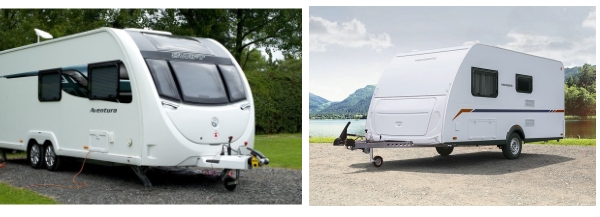
Our LiFePO4 batteries deliver high peak discharge current to move heavy caravans efficiently, operating quietly and with zero emissions. Their lightweight design helps reduce total caravan tow weights.
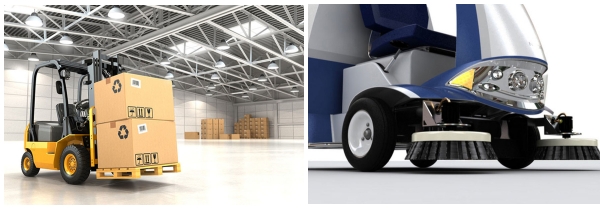
For short-distance logistics and heavy loads, our batteries help industrial vehicles and AGVs operate efficiently. They support opportunity charging, helping to minimize operational downtime and reduce fleet overhead costs.

Electric boats and ships require quiet, clean propulsion. Our marine-grade LiFePO4 batteries produce no acoustic or chemical emissions, helping to protect marine environments while delivering reliable power.
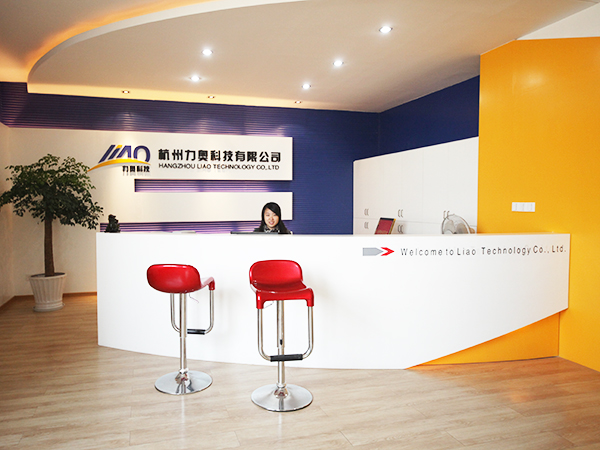
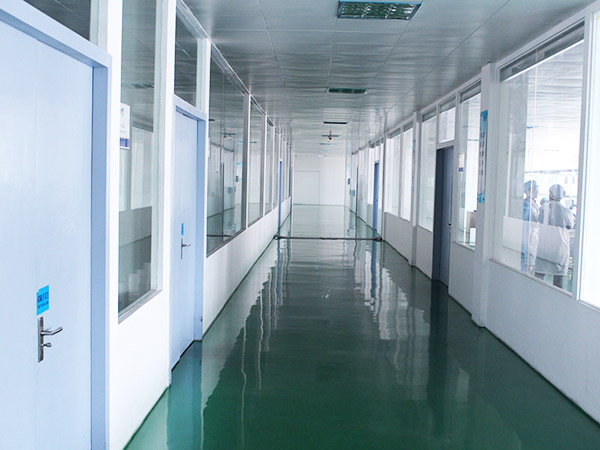
We welcome domestic and international clients to tour our ISO-certified facilities and inspect our automated production lines.
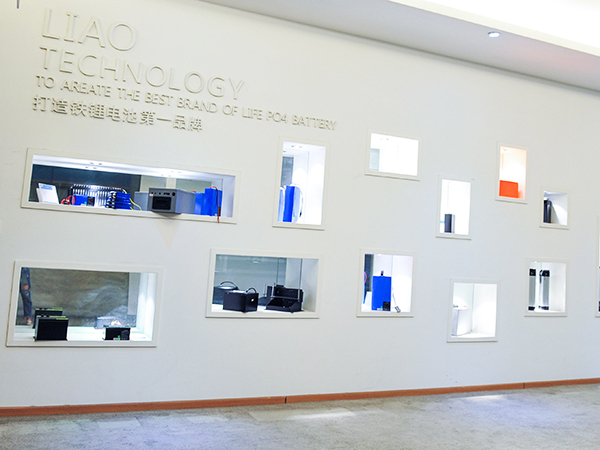
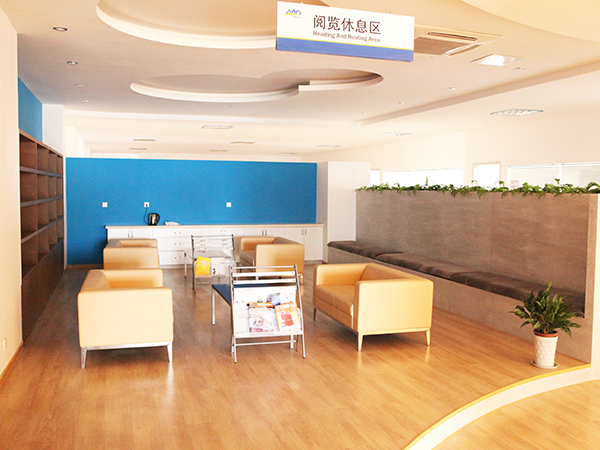
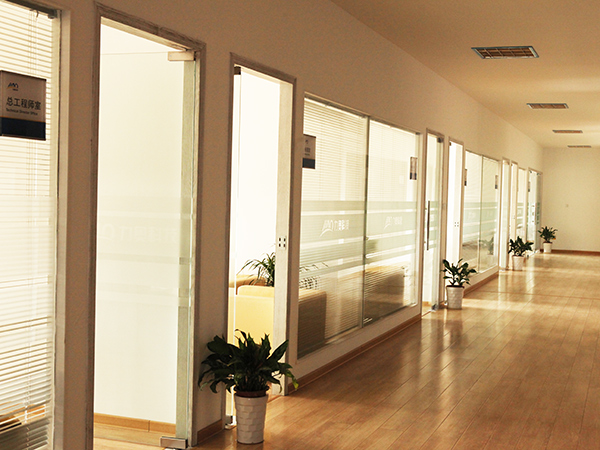
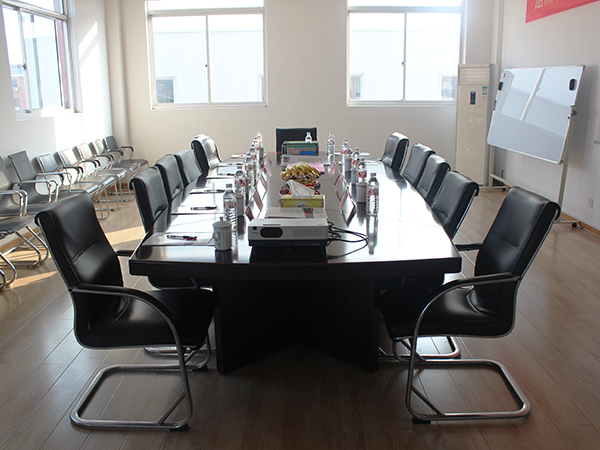
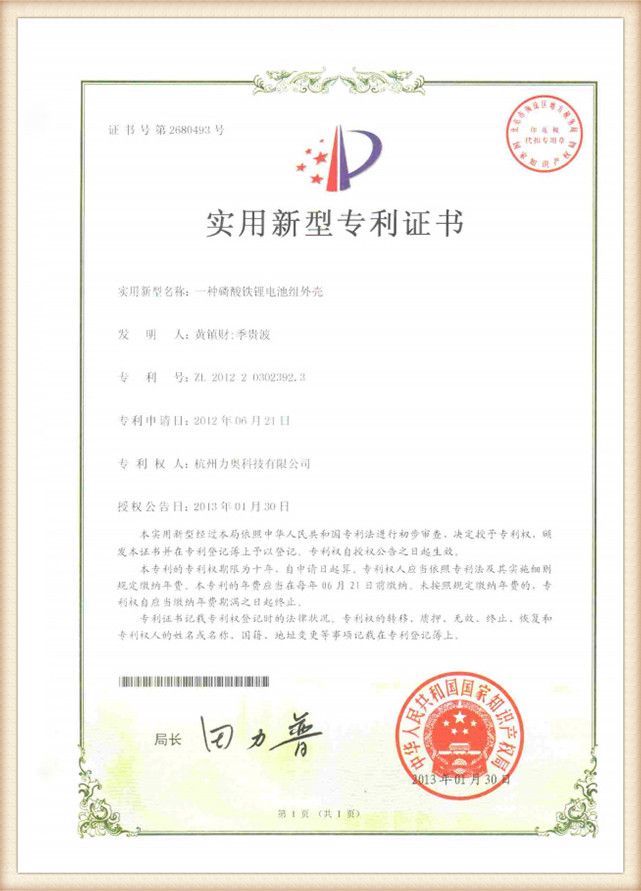
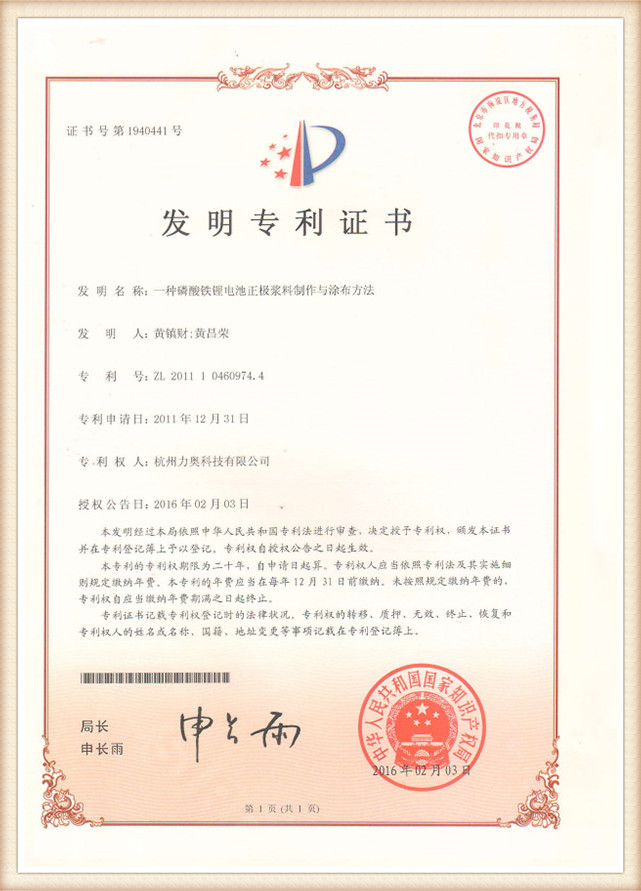
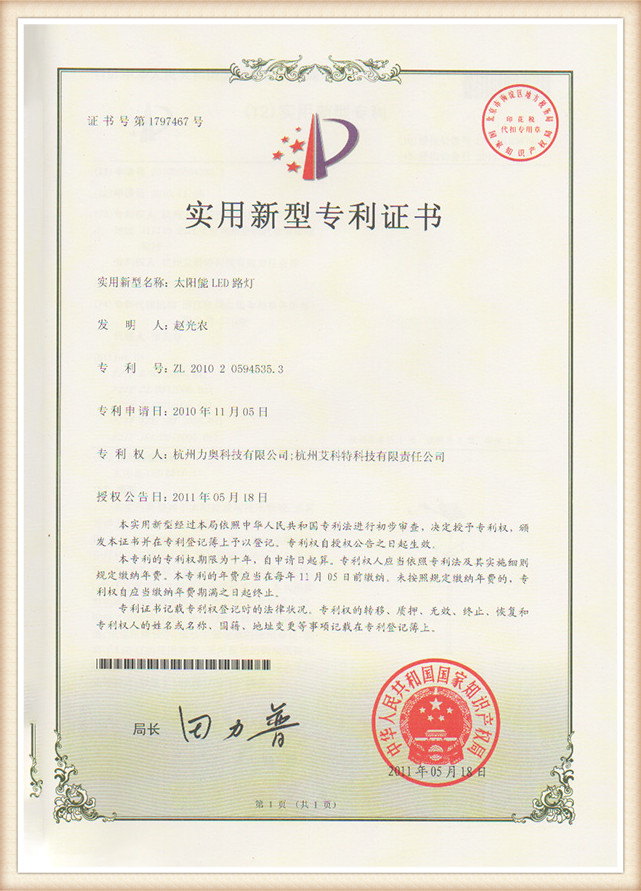
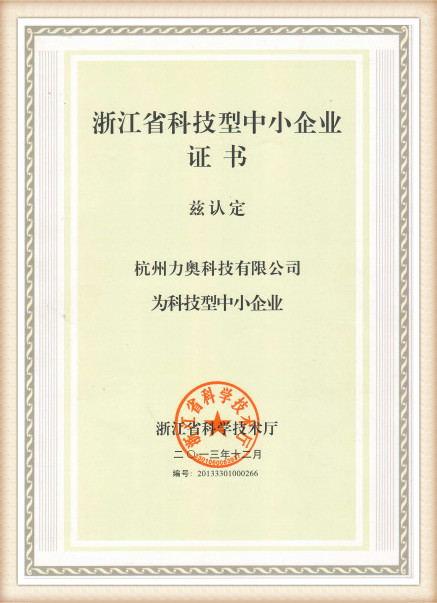
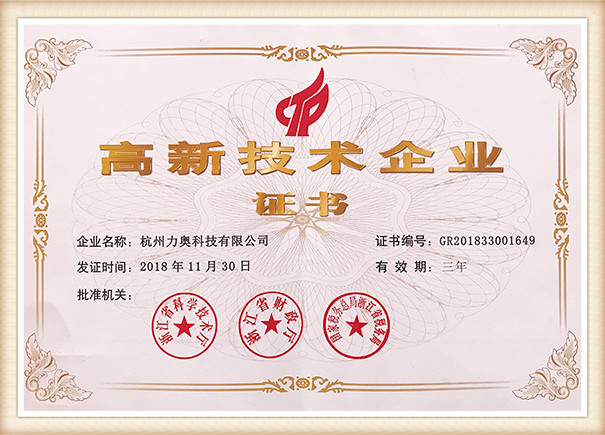
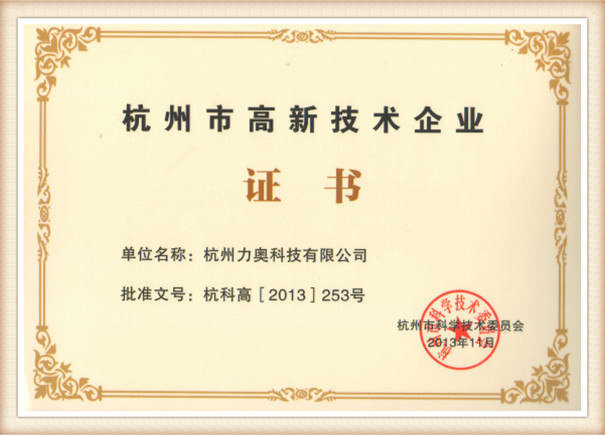
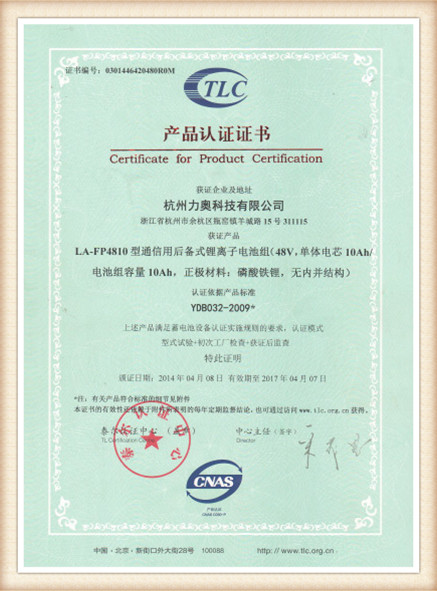
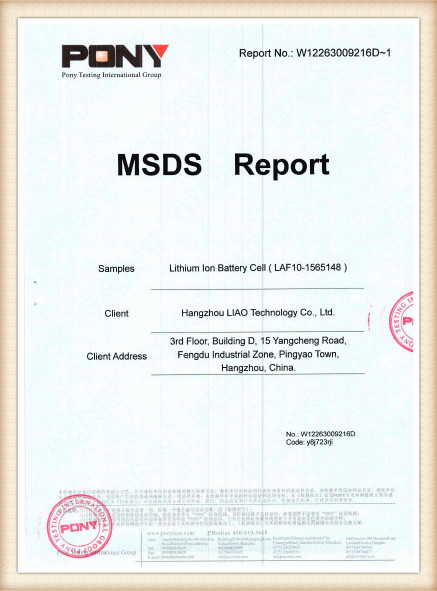
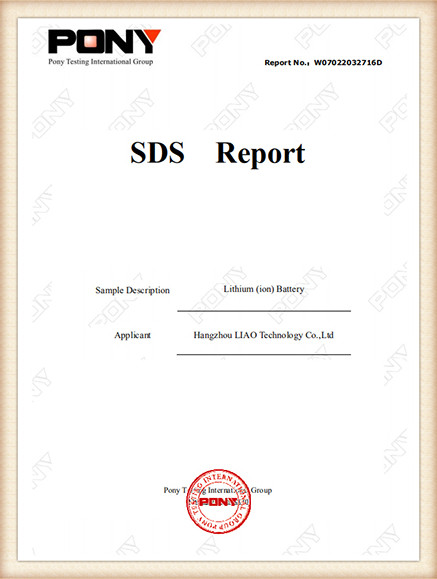
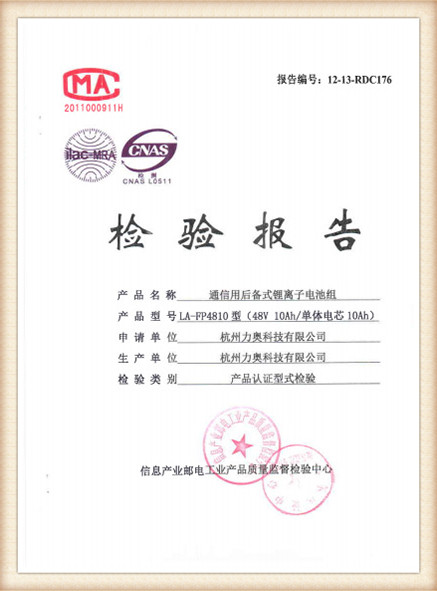
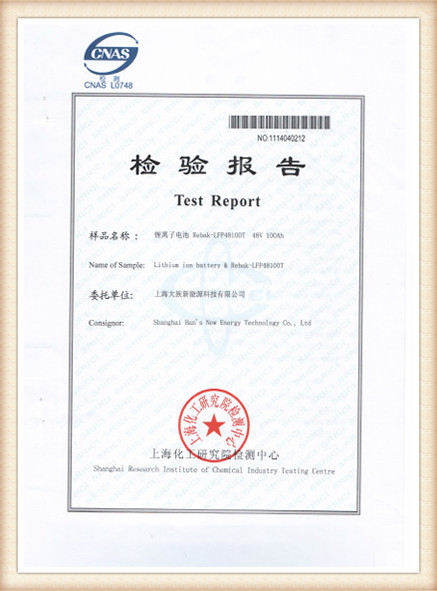
LIAO is committed to safety and regulatory compliance, maintaining certifications to support global trade distribution.

Review answers to common technical and logistical questions from industrial buyers and engineers.
A 72V LiFePO4 battery offers longer cycle life (2800+ cycles at 100% DOD compared to 300-500 cycles for lead-acid), a lighter weight (typically 60% lighter), zero maintenance, and stable voltage delivery under load. Additionally, it supports opportunity charging without memory effects, helping to improve operational efficiency.
We build our batteries using high-quality lithium iron phosphate (LiFePO4) chemistry, which features high thermal stability. Our packs undergo puncture testing without burning or exploding. Each system includes an integrated BMS that monitors cell voltages, balances charge, and protects against overcurrent and thermal runaway.
Yes, our R&D engineering team can customize the BMS to support standard industrial communication interfaces, including CANopen, Modbus, RS485, and SMBus. This enables integration with vehicle controllers and telemetry systems.
Our battery packs are rated to operate within a discharge temperature range of -40 ℃ to 85 ℃. For sub-zero charging conditions, we can integrate internal heating elements controlled by the BMS to ensure safe charging down to -20°C.
Initial design proposals and 3D schematics are typically completed within 5-7 business days. Once engineering specifications are approved, prototyping takes 2-3 weeks. Mass production lead times range from 4 to 6 weeks, depending on materials sourcing and capacity sorting schedules.
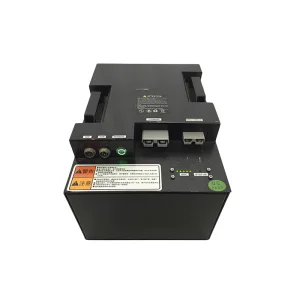
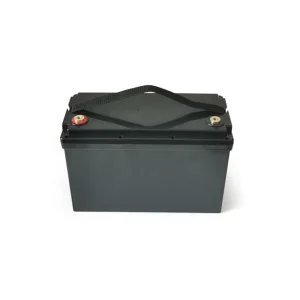
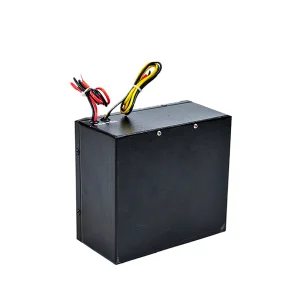
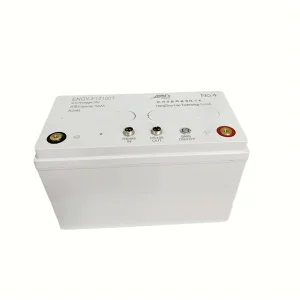
Standard and custom configurations built to international specifications for industrial, medical, marine, and logistics applications.
 Liao Battery