 Liao Battery
1 / 1
An Automated Guided Vehicle (AGV), commonly referred to as an AGV trolley, is a transport vehicle equipped with electromagnetic or optical automatic navigation devices. It is capable of driving along a prescribed navigation path, featuring safety protection and various transfer functions. In industrial applications, these vehicles do not require a driver and utilize rechargeable batteries as their primary power source.
Generally, an AGV's path and behavior can be controlled by a computer, or configured via an electromagnetic path-following system. The electromagnetic track is affixed to the floor, enabling the unmanned vehicle to move and act precisely based on the path data.
A notable feature of the AGV is its unmanned driving capability. Equipped with an automatic guidance system, it ensures that the vehicle travels along a predetermined route without manual piloting, automatically transporting goods or materials from the starting point to the destination. Additionally, AGVs offer excellent flexibility, a high degree of automation, and a superior level of intelligence. The driving path can be flexibly modified based on storage space requirements or production process flows, and the cost of path modification is very low compared to rigid, traditional conveyor belts.
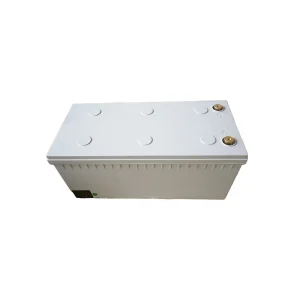
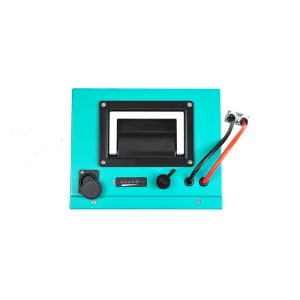
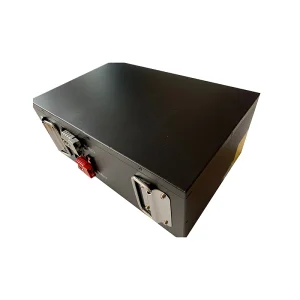
AGVs are typically equipped with automatic loading and unloading mechanisms, interfacing seamlessly with other logistics equipment to automate the entire handling process. Powered by onboard batteries, AGVs operate quietly and emission-free, making them highly suitable for clean industrial working environments.
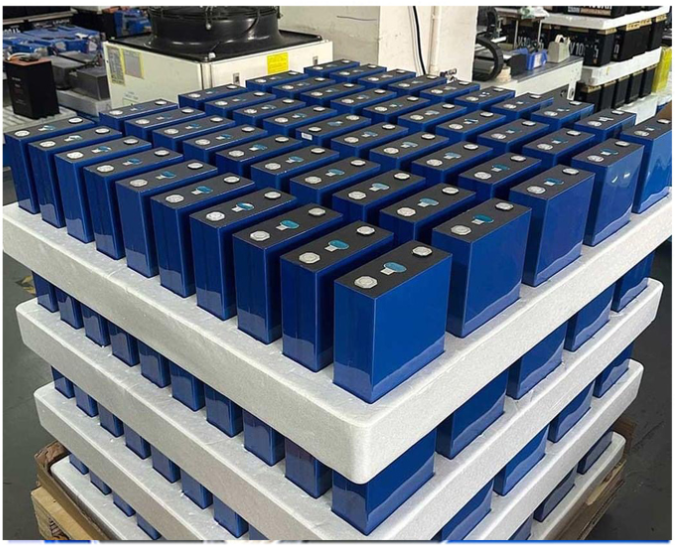
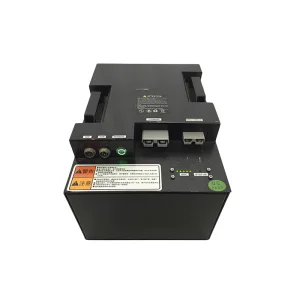
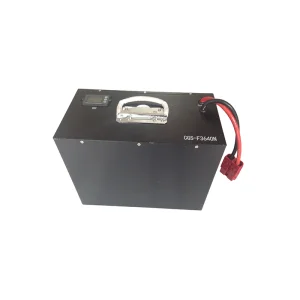
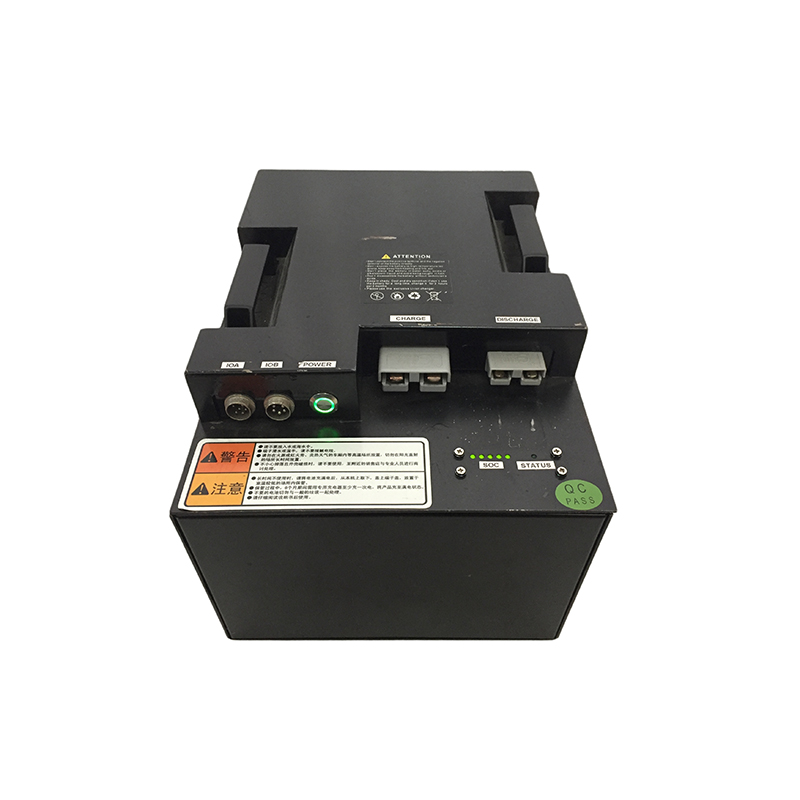
| Model No. | ENGY-F2460T |
| Nominal voltage | 24V |
| Nominal capacity | 60Ah |
| Max. charge current | 120A |
| Max. discharge current | 60A |
| Cycle life | ≥ 2000 times |
| Charge temperature | 0°C ~ 45°C |
| Discharge temperature | -20°C ~ 60°C |
| Storage temperature | -20°C ~ 45°C |
| Weight | 18 ± 0.5kg |
| Dimension | 342mm * 173mm * 210mm |
| Application | AGV, power supply |