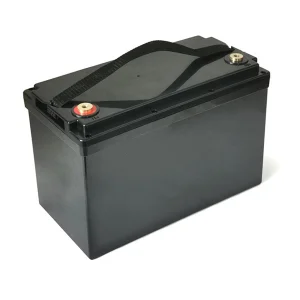
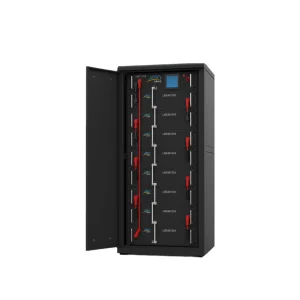
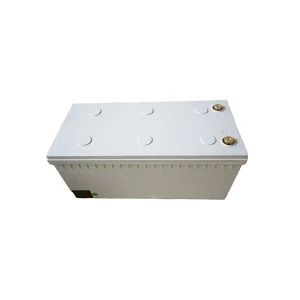
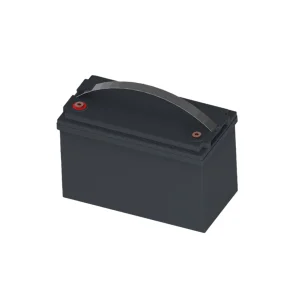
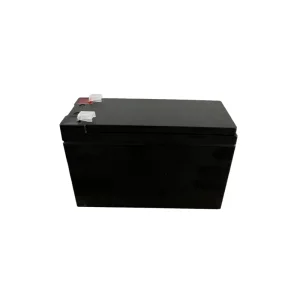
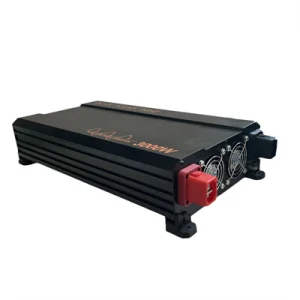
Premium OEM/ODM LiFePO4 batteries engineered for extreme reliability and optimized performance under demanding conditions.
Established
Years OEM Experience
Custom Projects Delivered
Exporting Countries
A technical whitepaper analyzing critical criteria for global smart energy system deployment.
One of the primary challenges in global solar storage applications is the fluctuation of ambient temperatures. Standard lithium batteries fail under extreme freeze or desert heat. Our engineered LiFePO4 cells are rated to operate reliably between -40°C and 85°C. By implementing advanced internal thermal management and automated pre-heating circuits within the BMS, we protect the chemical structural integrity of the cathodes, preventing lithium plating at low sub-zero temperatures and structural degradation under high tropical heat.
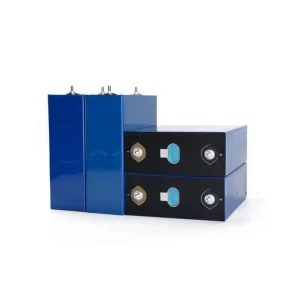
Unlike cylindrical cells that introduce structural assembly overheads and mechanical vulnerabilities, our flagship systems leverage ultra-dense prismatic LiFePO4 cells. Prismatic formats provide superior volumetric efficiency, simplified modular stacking, and highly robust busbar connection paths. The robust outer aluminum casing ensures the cell is protected against physical shock, acupuncture, and extreme mechanical pressures without compromising safety, making them ideal for heavy industrial and remote off-grid solar arrays.
In high-capacity solar setups (e.g., 200Ah, 300Ah packs), cell imbalances degrade overall system performance over time. Active cell balancing redistributes charge from higher-SOC cells to lower-SOC cells during both charging and discharging cycles. LIAO technology integrates custom-coded Smart BMS solutions that monitor internal resistance, temperature differentials, and individual cell voltage drift in real-time. This active protection ensures the entire pack achieves a real-world cycle life of 2800+ cycles at 100% Depth of Discharge (DOD), extending commercial system lifespan up to 10-15 years.
Founded in 2009, Hangzhou LIAO Technology Co., Ltd. is a professional and leading manufacturer specialized in LiFePO4 batteries. Over more than a decade, our products have been exported to more than 20 countries all over the world, earning a prestigious reputation in Europe, North America, and the Asia-Pacific region.
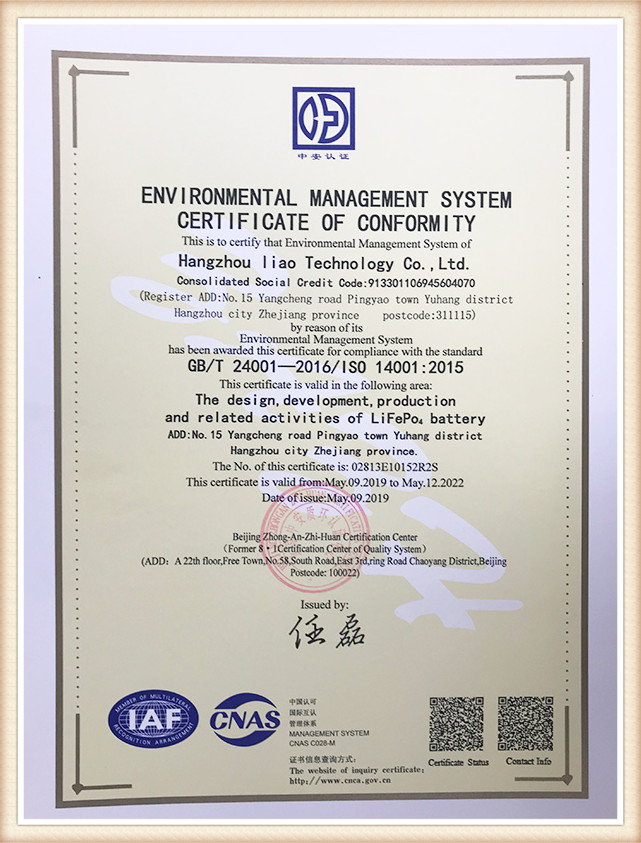
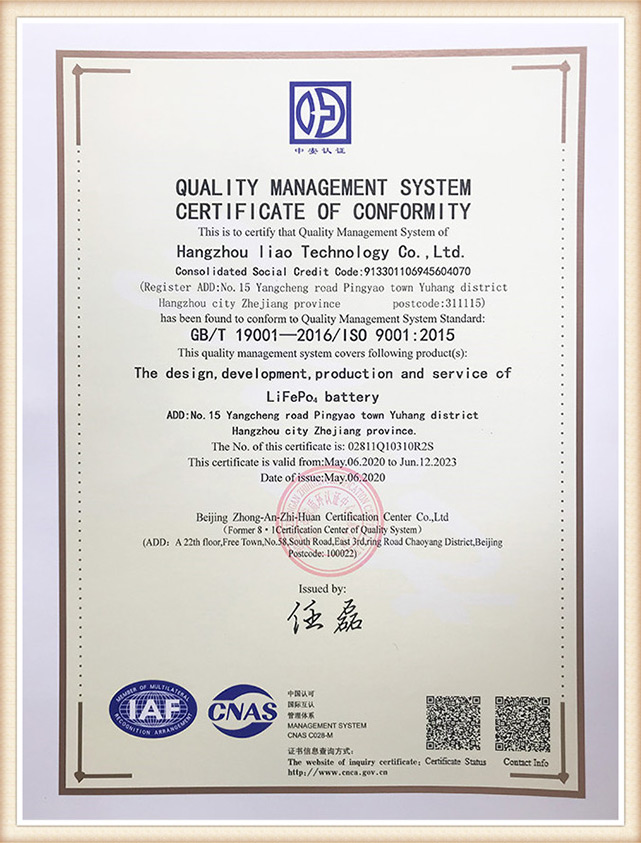
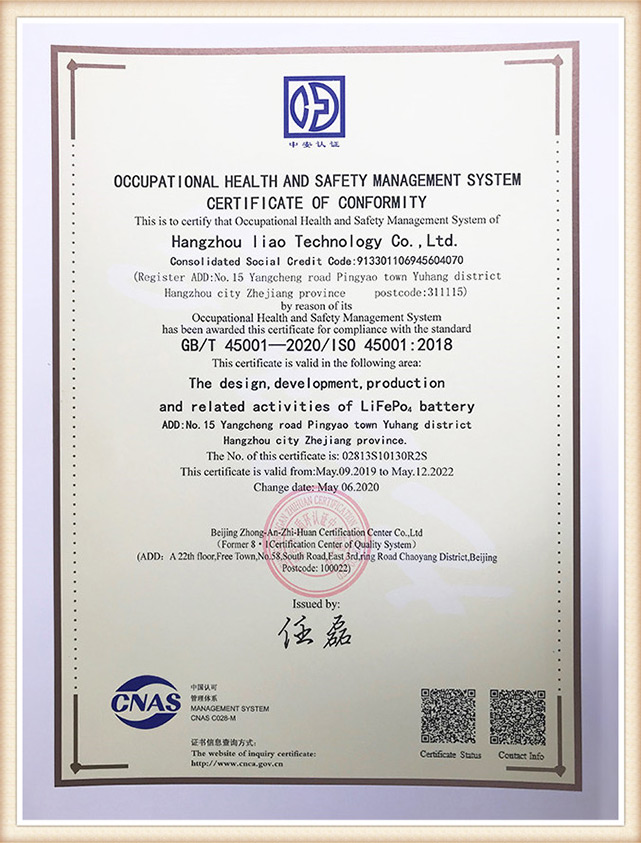
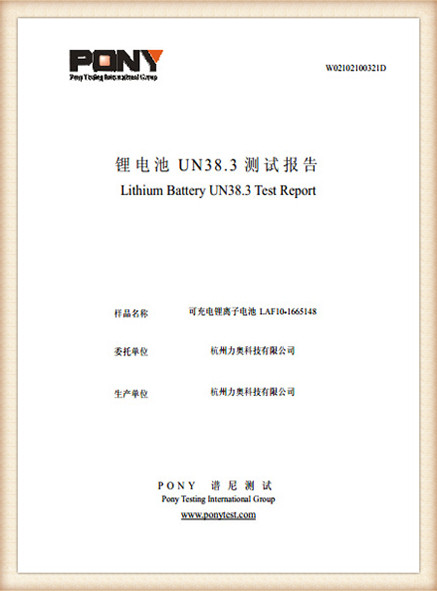
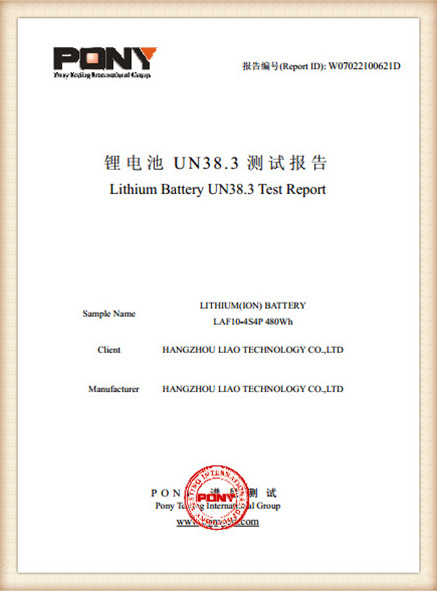
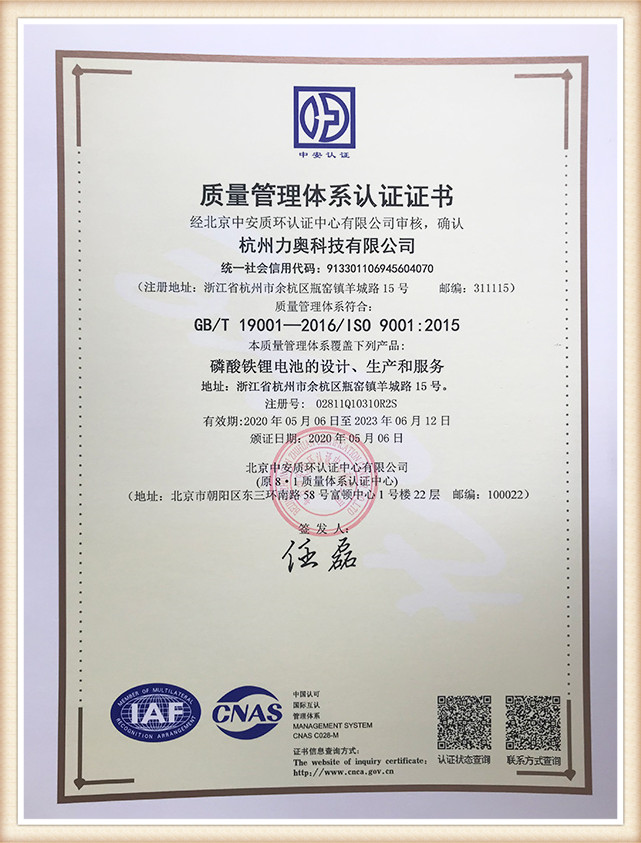
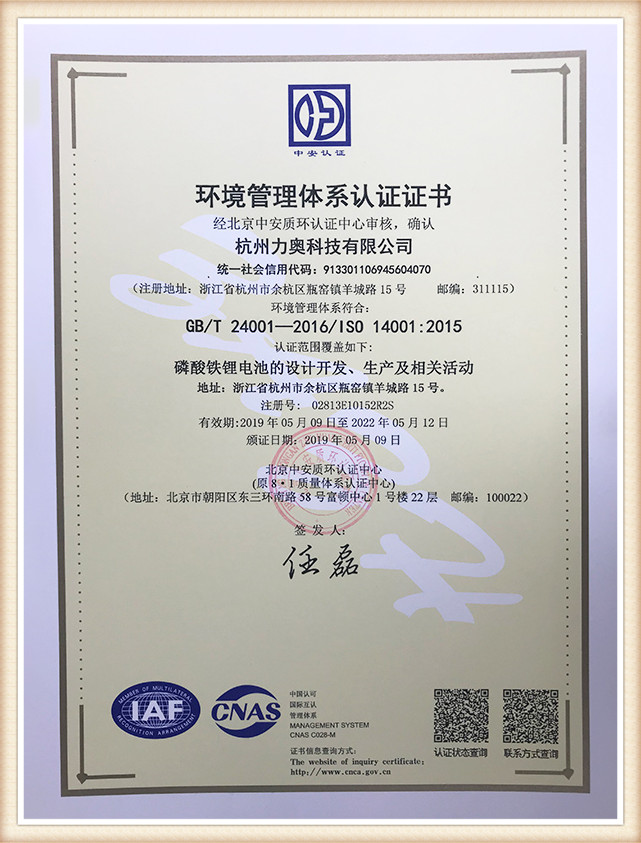
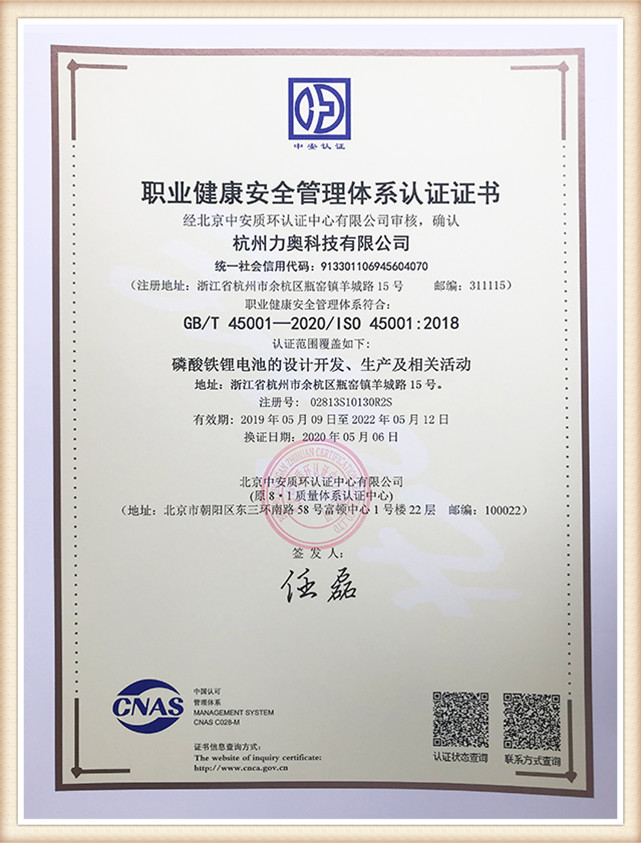
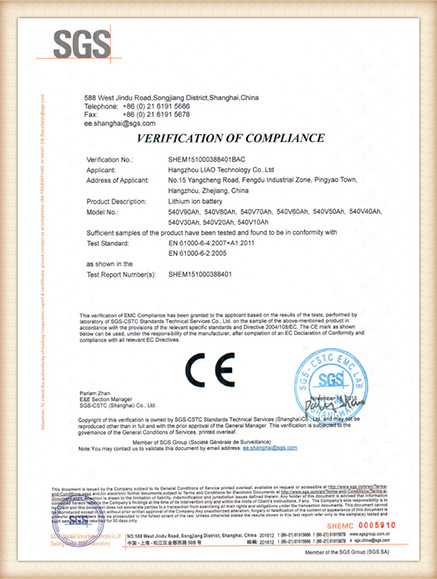
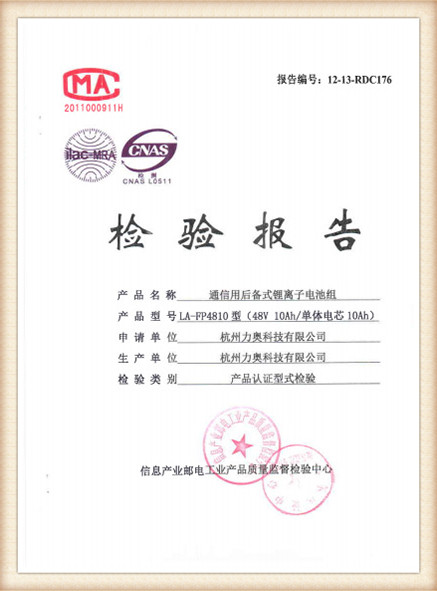
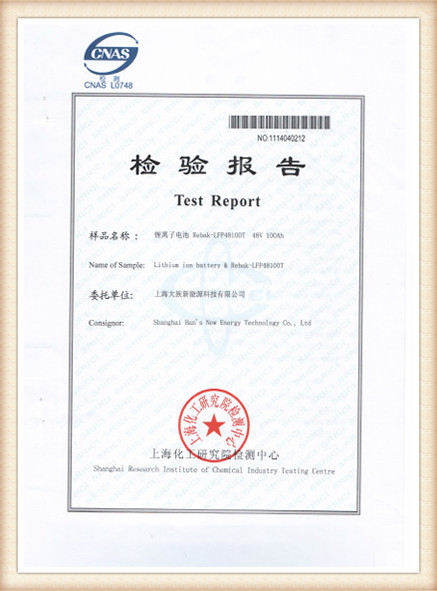
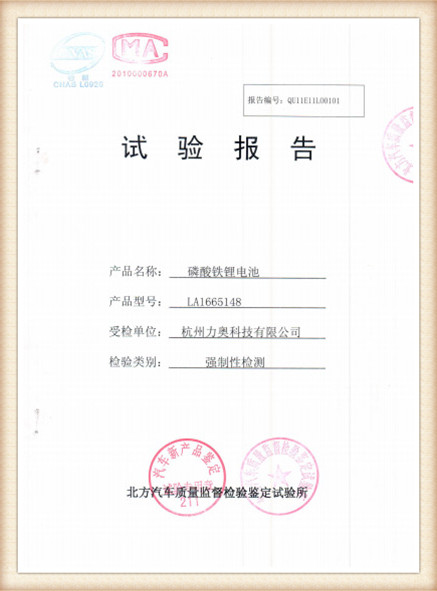
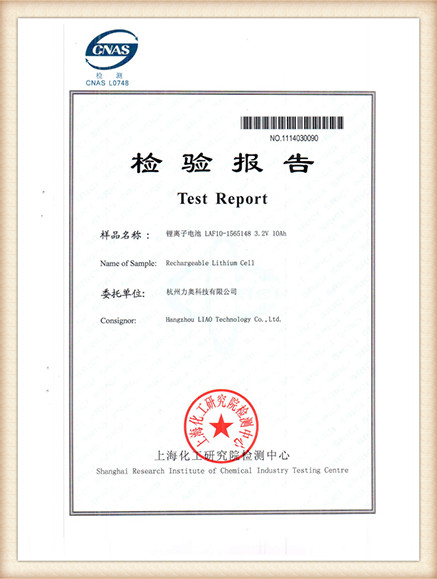
To guarantee exceptional quality and absolute reliability, we have established a strict and efficient Quality Control (QC) system. All of our production processes operate strictly under the ISO 9001 Quality Management System. Additionally, we remain compliant with the ISO 14001 Environmental Management System as well as the ISO 45001 (formerly ISO 18001) Occupational Health and Safety Management System.
We support partners globally, including in: Germany, France, Netherlands, Spain, United Kingdom, USA, Canada, Mexico, Brazil, Australia, Philippines, Thailand, Singapore, Korea, Japan, India, South Africa, Nigeria, and other regions.
Why sourcing custom lithium energy storage solutions from our specialized facility in Hangzhou optimizes your supply chain.
Our location in Hangzhou, Zhejiang places us in the epicenter of the global battery supply chain. We procure raw materials, cells, and BMS microcontrollers under strict volume agreements. This integration reduces costs and allows rapid response to custom design specifications.
We boast a world-class engineering team specialized in mechanical, electrical, and firmware designs. Over 15 years, we have helped more than 500 customers customize systems to fit precise physical form factors and electrical loads.
Safety is the primary metric in our factory. Our prismatic LiFePO4 cells undergo nail penetration, thermal shock, short-circuit, and overcharge testing. They do not ignite or explode during acupuncture, ensuring stability in residential, marine, and commercial storage sites.
A closer look at the core physical and chemical benchmarks of LIAO LiFePO4 custom battery configurations.
Our chemistry is inherently stable. It will not burn or explode under physical damage or acupuncture testing.
Excellent discharge range capability designed specifically for extreme cold and high ambient heat environments.
Long cycle life at 1C charge/discharge rates under 100% Depth of Discharge (DOD) cycles.
Our specialized caravan battery model, LAXpower-1230, was awarded testing champion in Europe.
How we design customized battery systems for specific industrial and commercial niches.

The new generation of LiFePO4 golf cart batteries helps your fleet run smoothly on various terrains and courses. By transitioning to lightweight LiFePO4 packs, fleet operators reduce overall cart weight, increase acceleration profile, decrease turf damage, and charge vehicles up to 3x faster than traditional lead-acid options.
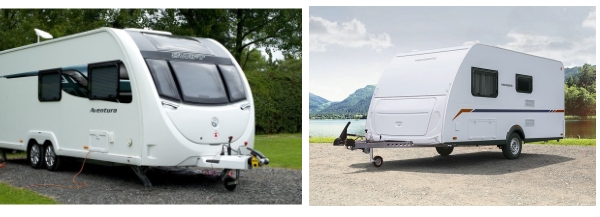
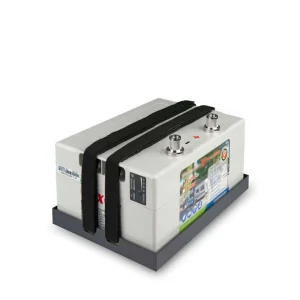
Our bespoke caravan battery packs (such as the award-winning LAXpower-1230) allow caravans to move quietly and cleanly, eliminating local emissions. The lightweight build saves space and reduces vehicle load, while our built-in high-current BMS handles peaks during startup on steep inclinations.
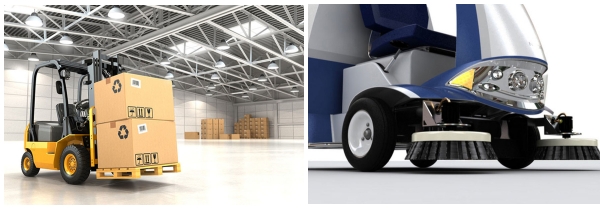
Specifically engineered for heavy loads, short-distance transit, AGVs, and forklifts. Our battery setups ensure material handling equipment operates continuously with opportunities for fast charging during shifts. This reduces downtime and helps save labor and operating costs.

Electric boats and yachts operate in highly corrosive marine environments. Our customized marine battery packs feature waterproof enclosures, dual BMS communication channels (Bluetooth & CANbus), and cell safety mechanisms. They deliver reliable power with zero local noise or fuel pollution.
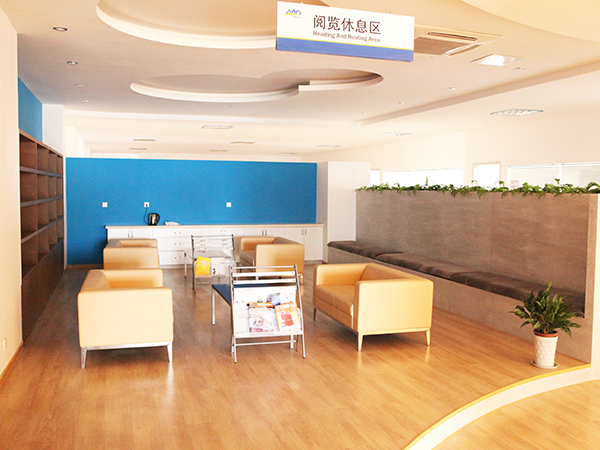
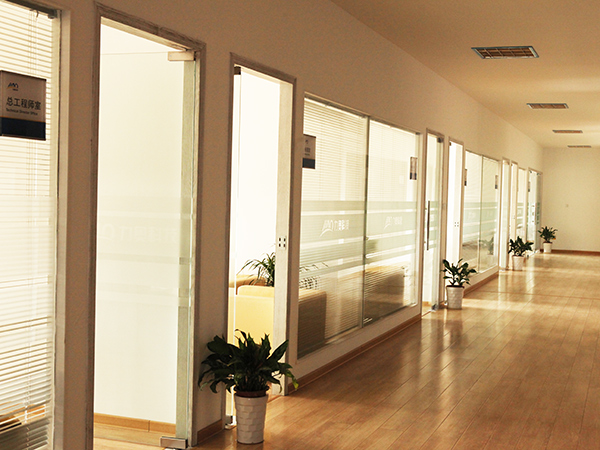
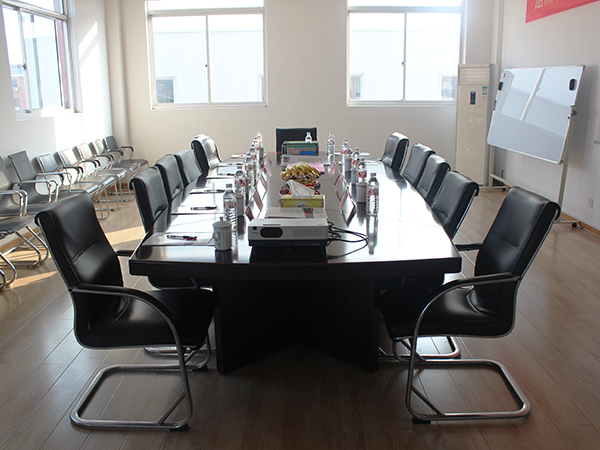
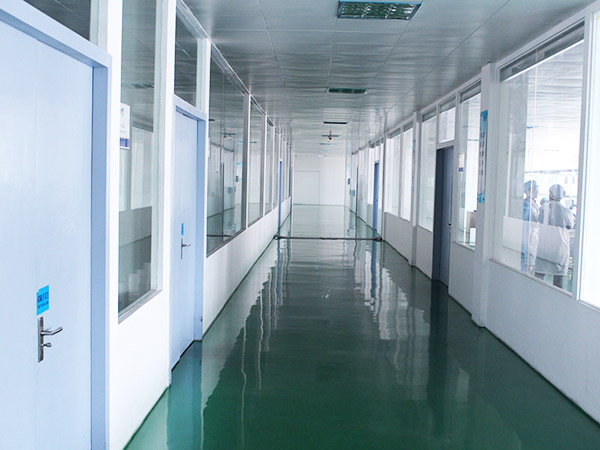
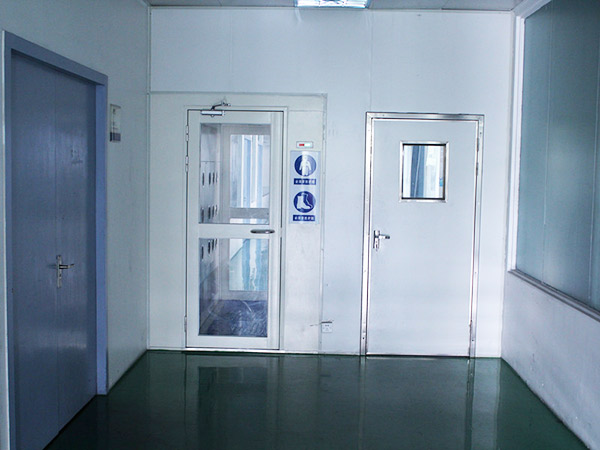
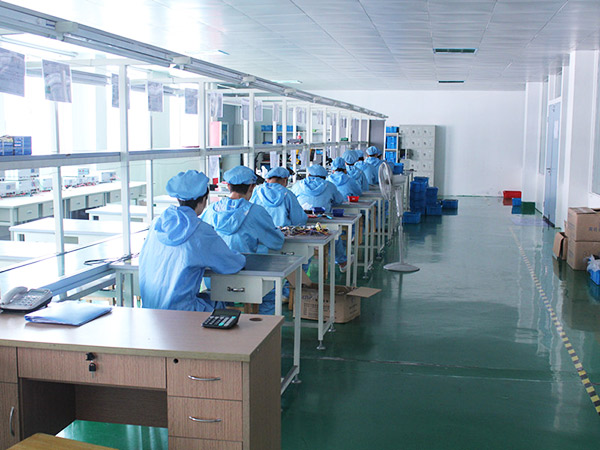
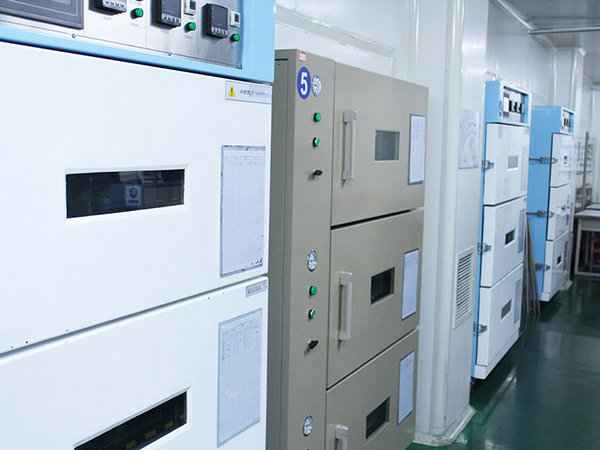
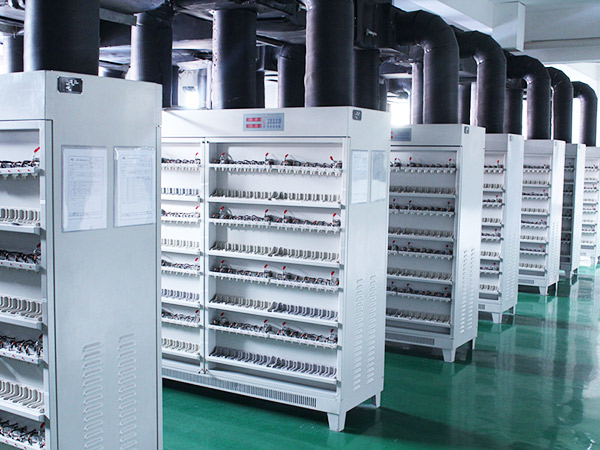
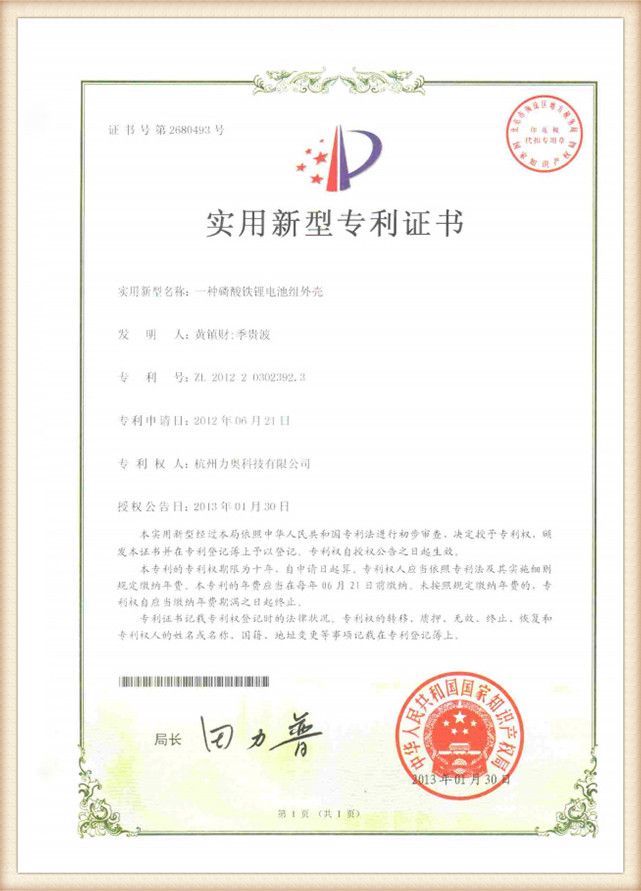
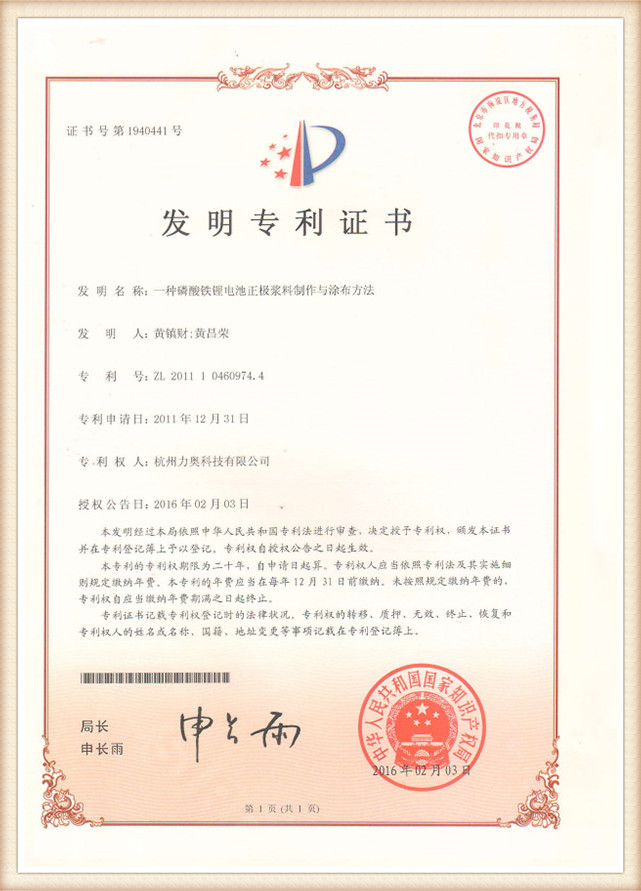
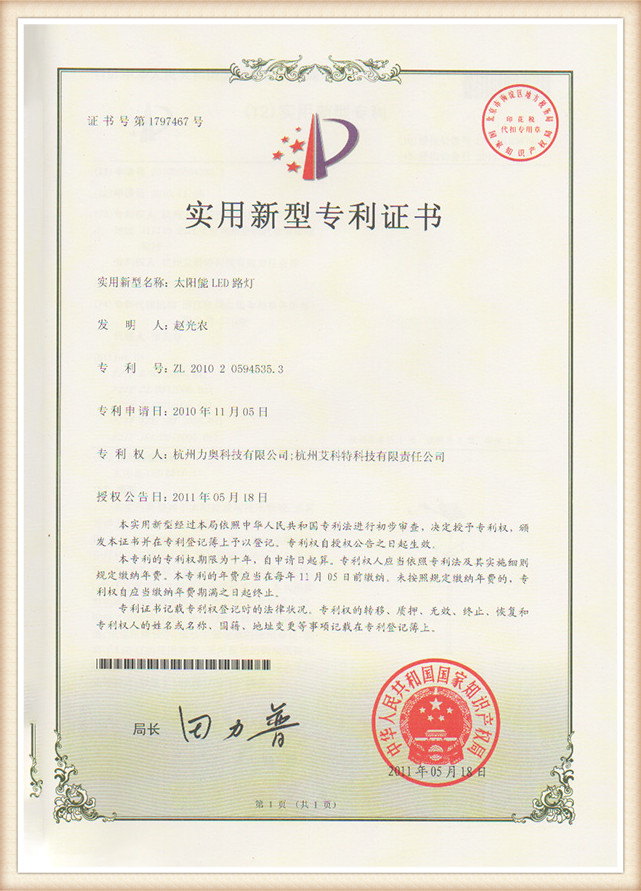
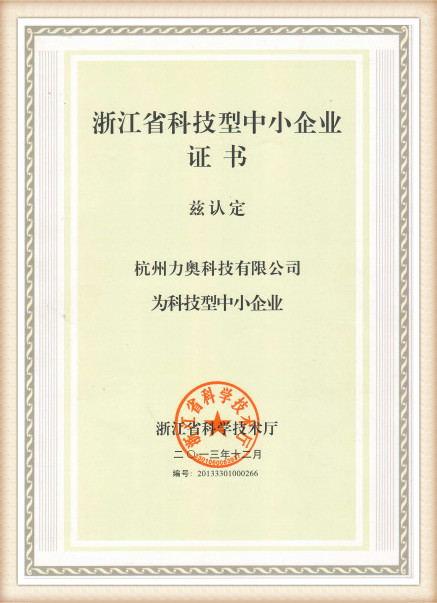
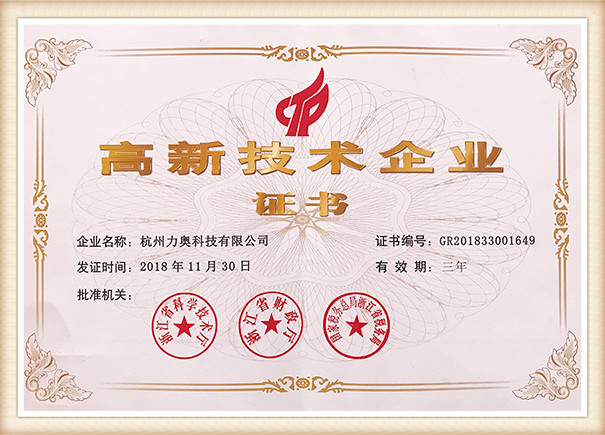
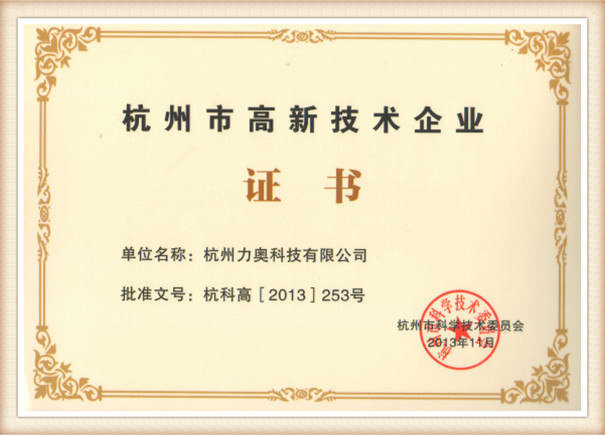
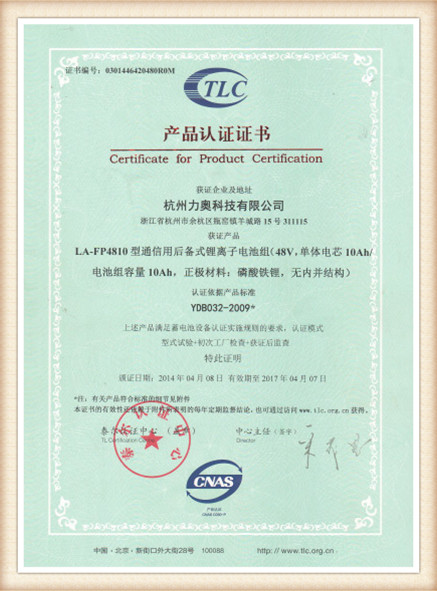
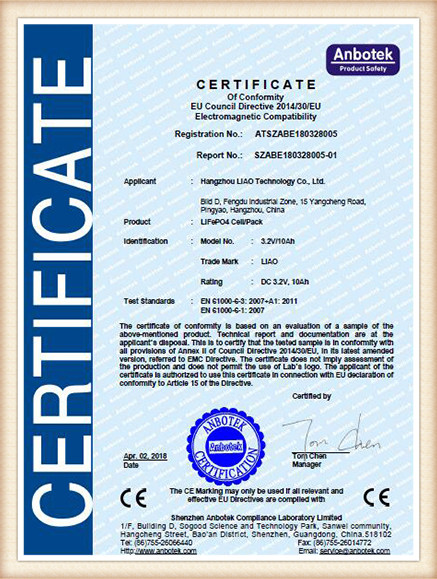
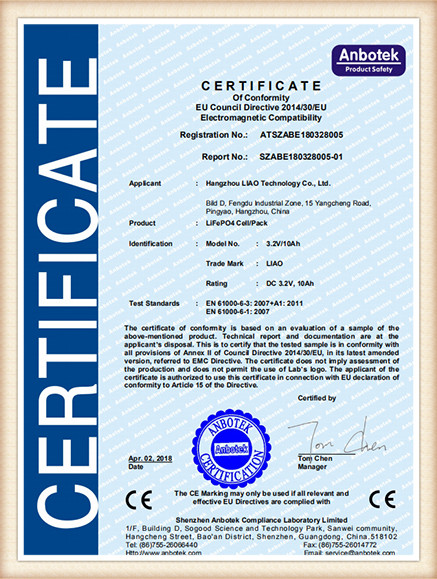
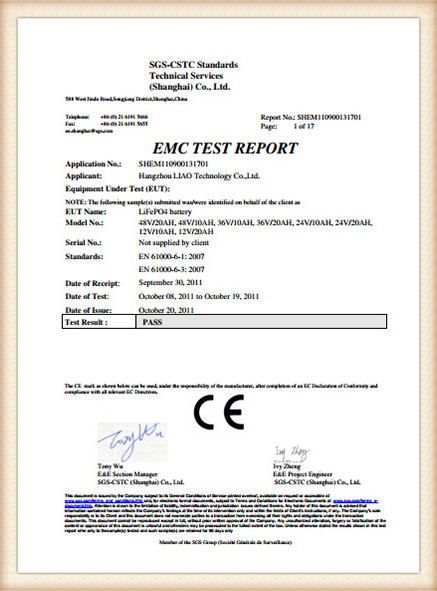
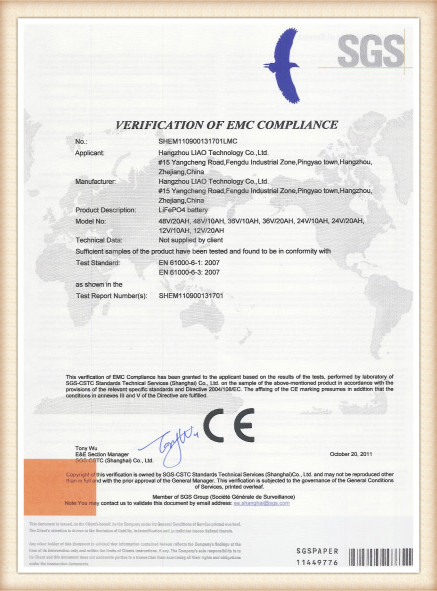
An inside look at our specialized LiFePO4 battery production steps and certified corporate environment.
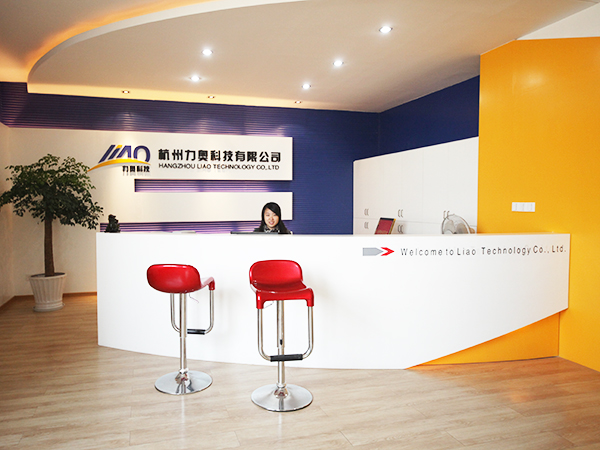
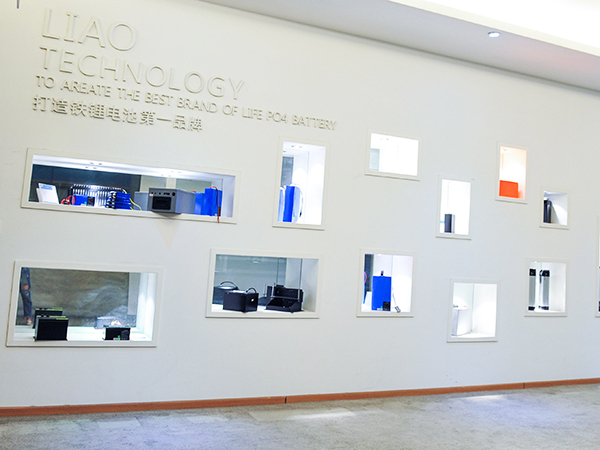
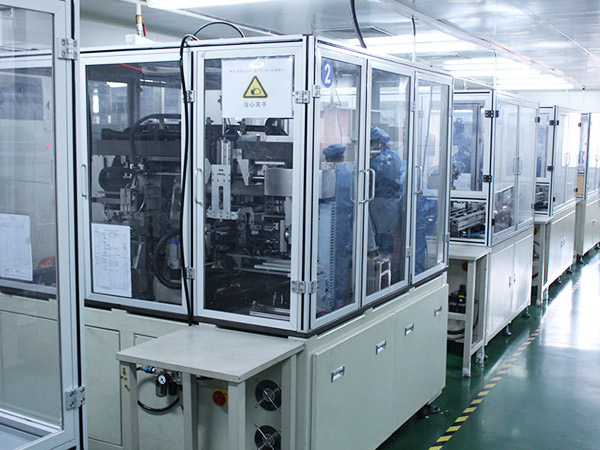
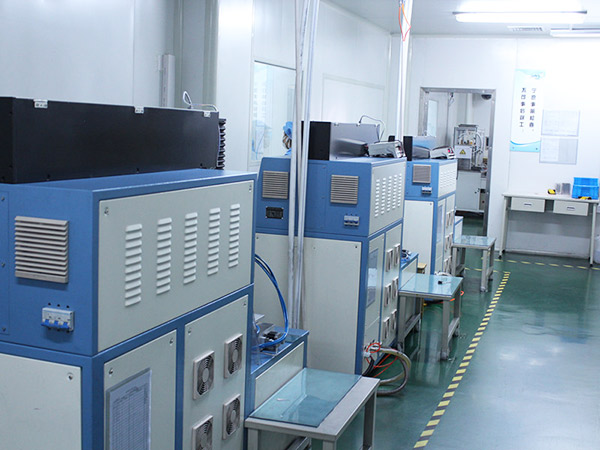
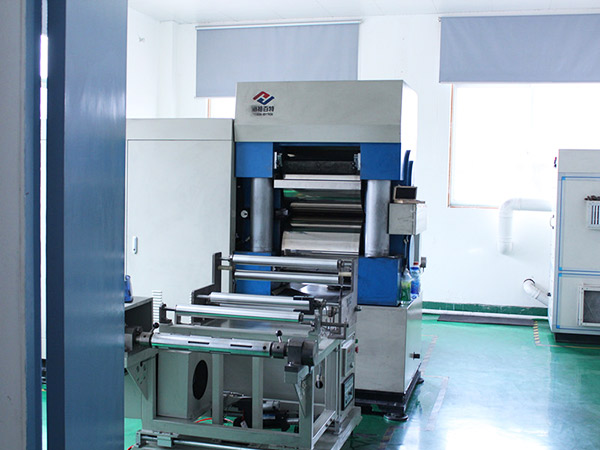
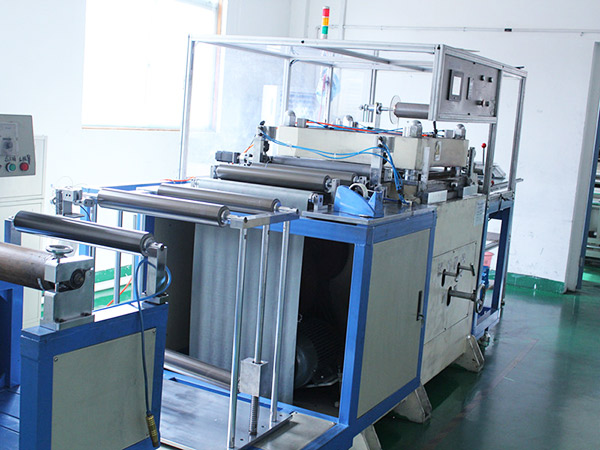

Information gain metrics for procurement managers, EPC directors, and solar distribution partners.
Global buyers must demand strict cell verification. Our facility utilizes only Grade A prismatic cells from premium manufacturers. Every cell features matching internal resistance, matching self-discharge rates, and clear tracing barcodes. We prevent mixed-batch cell degradation, avoiding pack failure in the field.
Custom solar storage installations require communication protocols (CANbus, RS485, Modbus) to work with multi-brand hybrid solar inverters. Our custom smart BMS systems are engineered to communicate with mainstream off-grid and hybrid inverters, permitting clean monitoring of individual cells, temperature values, and charge states.
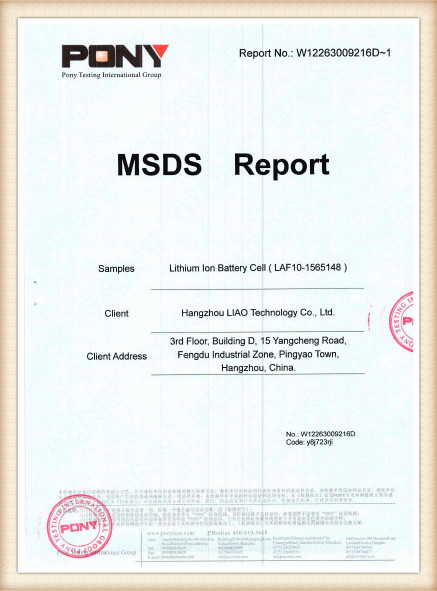
Lithium shipments are classified under UN Class 9 dangerous goods. Safe delivery requires strict certifications, including UN38.3 test protocols, MSDS sheets, and specific marine or air transport clearances. LIAO ensures compliance, providing worry-free global logistics, customs declarations, and final delivery to our clients.
Direct technical answers to common queries raised by engineers, procurement directors, and battery developers.
LiFePO4 features a strong olivine-type crystal structure, which boasts high chemical and thermal stability. LFP has a thermal runaway temperature threshold of roughly 270°C, compared to NMC's ~150°C. In the event of physical damage or electrical failure, LFP releases oxygen much slower, preventing explosive flames or fire risks.
A battery pack is limited by its weakest cell. During charging, an unmatched cell with high internal resistance will reach peak cutoff voltage prematurely, halting the charging process before other cells are fully charged. Our factory ensures cell balancing with a variance check under 5mV, maximizing safety and cycle life.
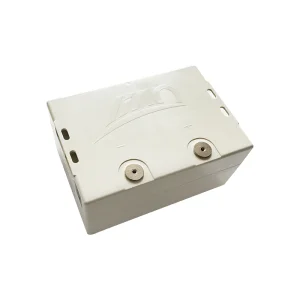
Yes. We offer extensive custom packaging. Depending on the installation environment, we provide options like heat-shrink film, custom injection-molded plastic enclosures, bent sheet metal, and stainless steel casings with IP67 water and dust resistance, designed specifically for yacht and outdoor telecom sites.
For standard configurations, prototyping requires roughly 10-15 business days. For complex configurations with specialized BMS communication logic or custom injection casings, the process takes approximately 30-45 days, including design validation, engineering review, assembly, and testing.
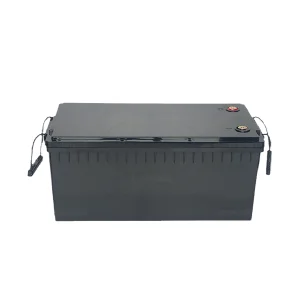
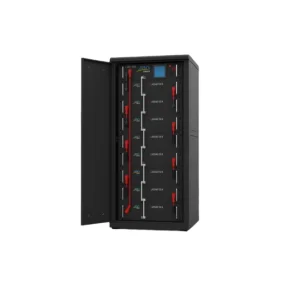
Explore our complete range of specialized battery solutions and cells for high-capacity applications.
 Liao Battery