Explore our foundational range of customized energy storage systems, prismatic cells, and smart battery packs engineered for global applications.
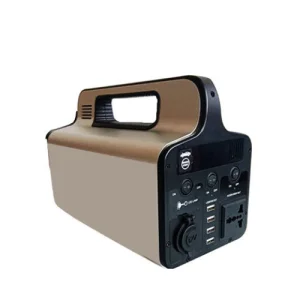
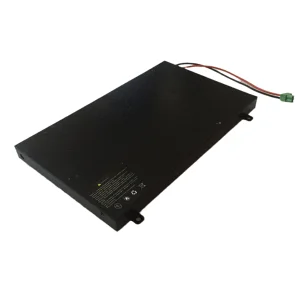
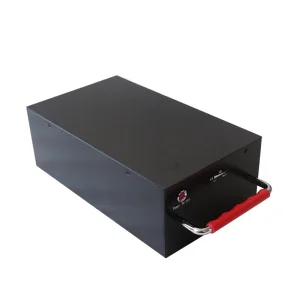
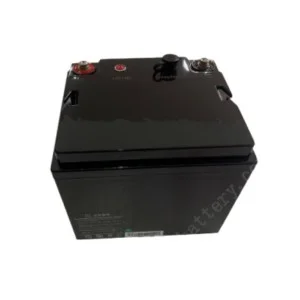
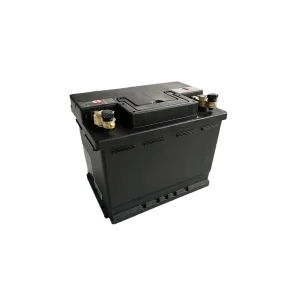
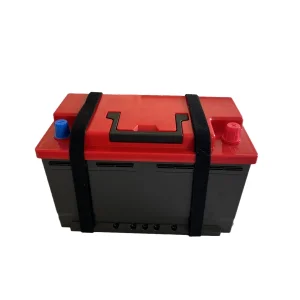
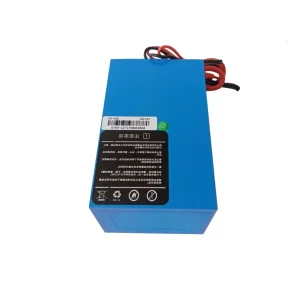
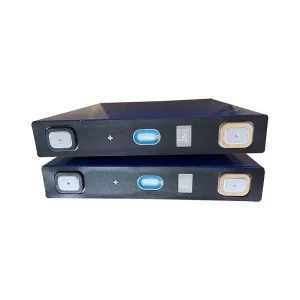
The strategic migration from traditional high-maintenance power configurations to smart 48V LiFePO4 architectures across sectors.
The industrial and commercial sector is undergoing a massive shift toward 48V Lithium Battery Packs. Driven by the dual imperatives of decarbonization and operational efficiency, 48V systems have established themselves as the optimal voltage threshold. They sit at the sweet spot where safety meets performance: high enough to drastically reduce thermal and resistive wire losses, yet low enough to fall within the safe extra-low voltage (SELV) range, simplifying regulatory certifications and minimizing design costs.
From modern telecom network infrastructure (where 48V DC power remains the global standard) to solar microgrids, Material Handling Equipment (MHE), and Automated Guided Vehicles (AGVs) in smart warehouses, 48V LFP systems deliver consistent power. As global supply chains face mounting carbon taxes, switching from heavy, hazardous lead-acid setups to lithium iron phosphate (LiFePO4) isn't just about eco-friendliness—it's a critical strategy to cut down operating expenses (OPEX) and improve total cost of ownership (TCO).
At 48V, system designers can deploy lighter copper cabling compared to 12V/24V systems without triggering the stringent insulation and safety certifications required by higher-voltage DC lines. This dramatically reduces balance-of-system (BOS) costs while improving systemic round-trip efficiency.
Analyzing the shift from lead-acid technology toward chemistry-optimized, high-safety lithium-iron systems.
LiFePO4 maintains extreme thermal stability. It resists puncture, thermal runaway, and combustion under severe physical impacts or overcharging conditions.
Standard cells achieve over 2,800+ full charging/discharging cycles (1C / 100% DOD), outliving lead-acid alternatives by up to six times.
Though initial capital expenditure is higher, LFP eliminates maintenance costs, simplifies ventilation systems, and significantly lowers operational costs.
LFP chemistry contains zero heavy metals like lead, cadmium, or nickel, offering a clean, recyclable product aligned with global green initiatives.
A global energy manufacturer delivering specialized custom lithium solutions since 2009.
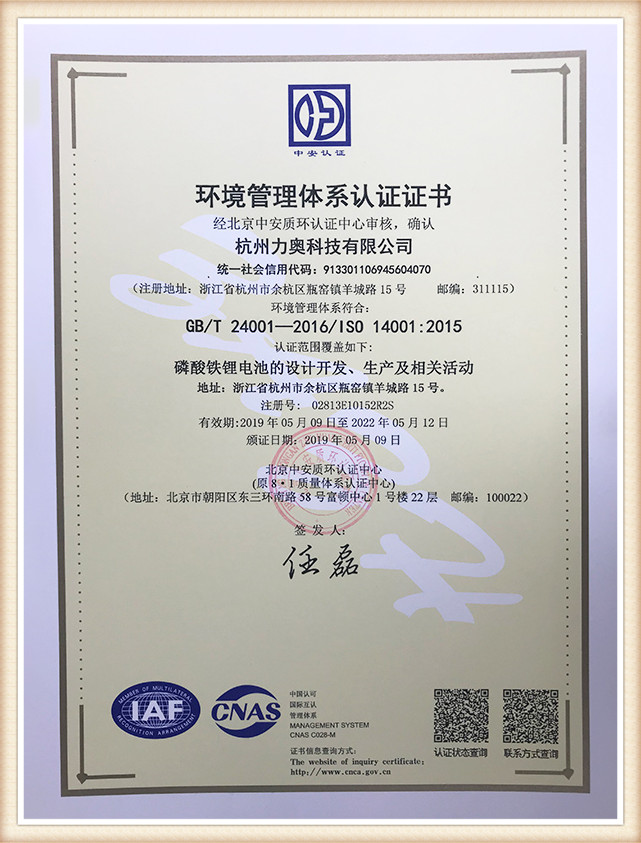
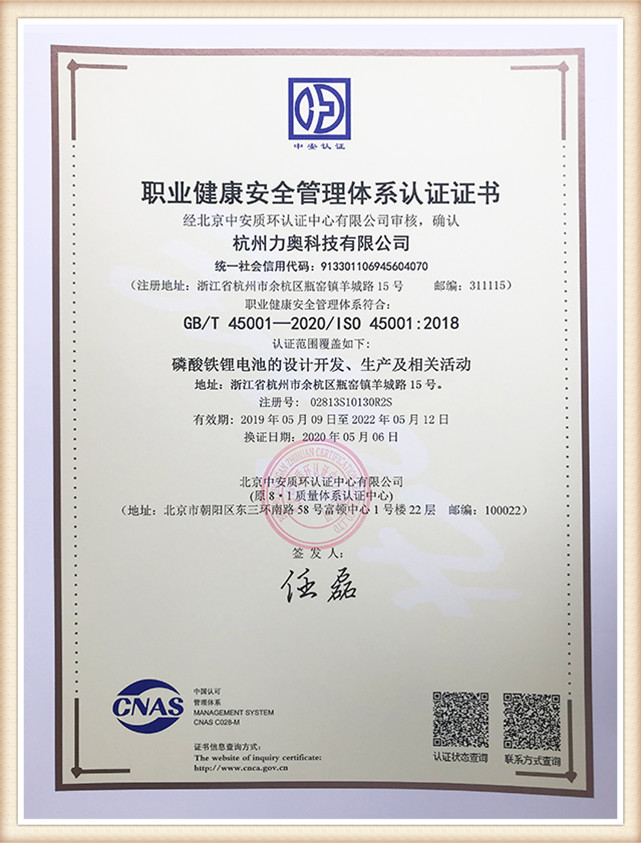
Founded in 2009, Hangzhou LIAO Technology Co., Ltd. is a leading professional manufacturer specializing in premium lithium iron phosphate (LiFePO4) batteries. Our systems provide power to critical infrastructure, marine setups, industrial electric vehicles, and residential energy storage systems in over 20 countries. Driven by a focus on quality, our operations strictly adhere to the ISO 9001 Quality Management System, ISO 14001 Environmental Management System, and ISO 18001 Occupational Health and Safety standards.
Our core competitive edge lies in our comprehensive engineering process. Our veteran R&D team works closely with customers from the initial concept design and custom thermal modeling, all the way to complete assembly and test integration. Whether handling complex smart BMS designs or developing custom battery packs for extreme environments (tested to perform between -40°C and 85°C), we consistently deliver reliable power systems on time.
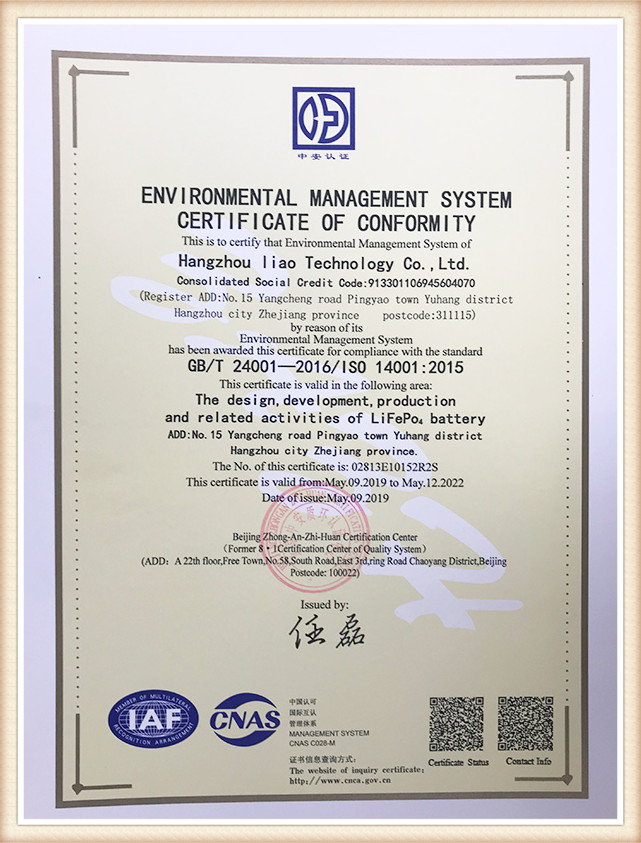
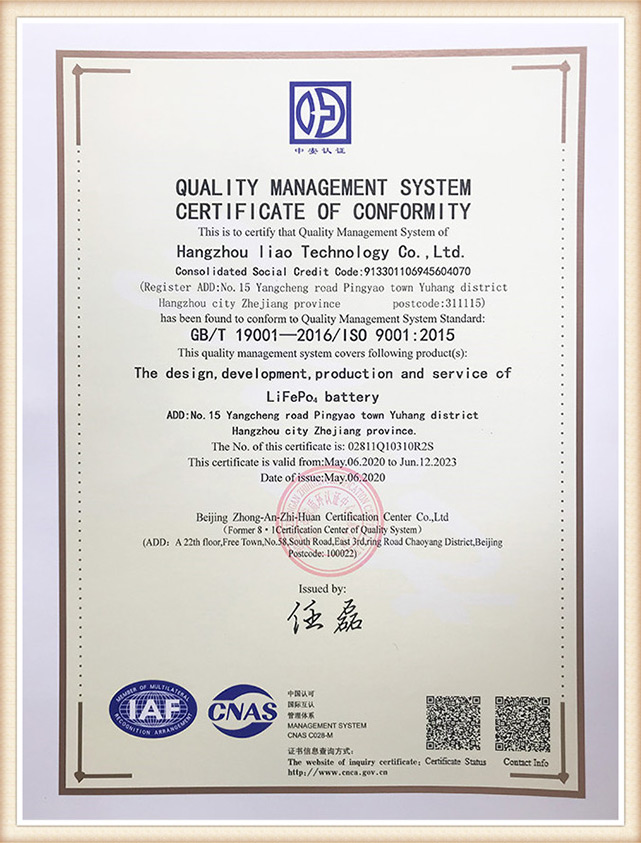
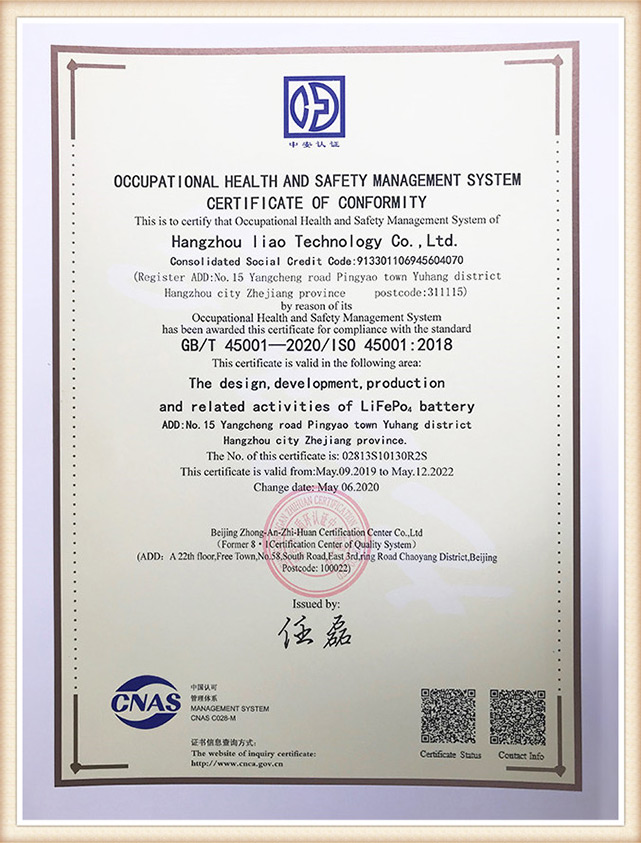
LIAO battery designs are optimized for maximum safety, thermal tolerance, and long-term durability.
Our custom cells are built to prevent combustion or explosions, passing rigorous nail acupuncture, physical crushing, and electrical overcharge tests.
Features robust charge-discharge metrics under extreme environments, delivering power across a wide temperature range of -40°C to 85°C.
Single-cell testing benchmarks show over 2,800 full charge/discharge cycles at 1C and 100% Depth of Discharge (DOD) before reaching end-of-life (80% SOH).
Our LAXpower-1230 battery pack was awarded the testing championship in Europe for its high conversion efficiency and exceptional thermal management.
Custom-engineered 48V and multi-voltage configurations optimized for diverse global operating environments.

Our new-generation 48V LiFePO4 batteries feature an integrated high-current Smart BMS. Designed to handle rugged, hilly terrain, they deliver consistent power output while maintaining a compact, lightweight footprint.
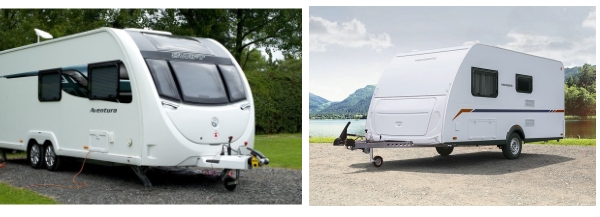
Providing quiet, zero-emission power systems. Our custom battery packs enable caravans and mobile homes to operate longer off the grid. They offer rapid charging capabilities and feature low self-discharge rates during storage.
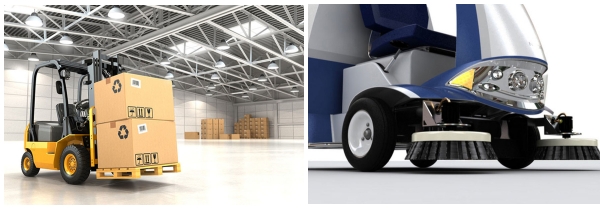
Engineered for continuous 24/7 warehouse operations. These heavy-duty battery packs support opportunity charging, allowing logistics centers to maximize fleet uptime and minimize downtime during shifts.

Our specialized marine-grade batteries are housed in IP67 water-resistant, corrosion-proof enclosures. Engineered to deliver stable power in harsh saltwater environments, they help protect marine ecosystems by preventing fuel leaks and noise pollution.
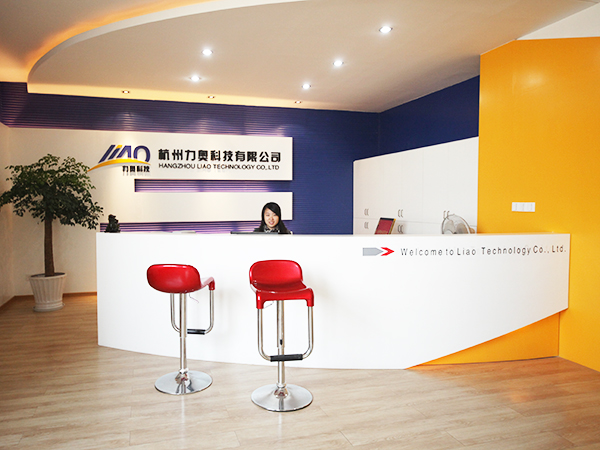
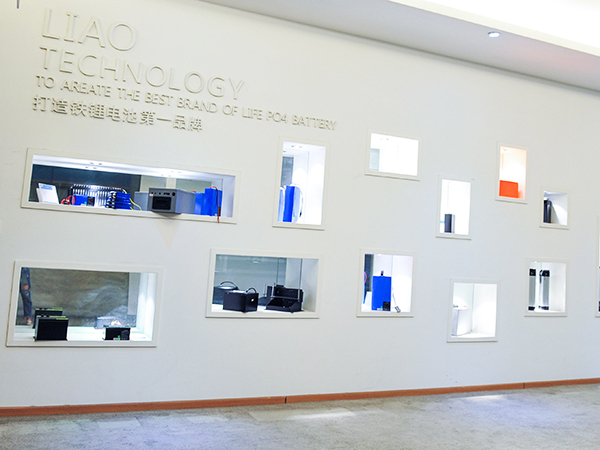
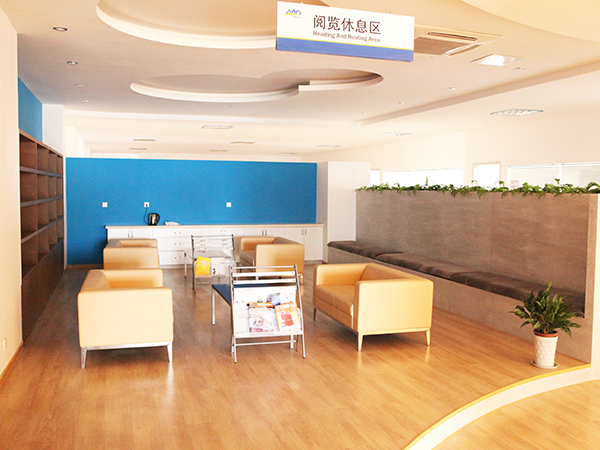
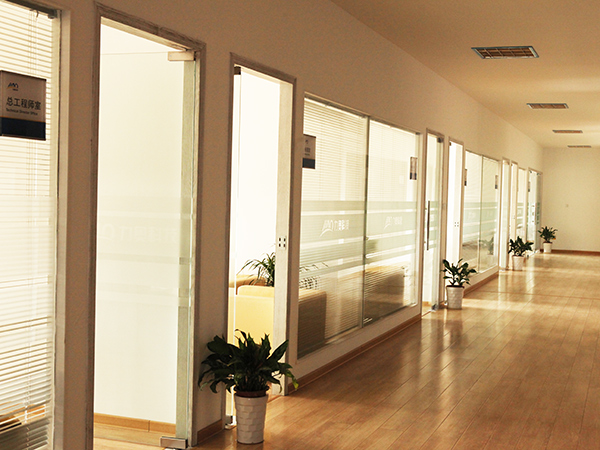
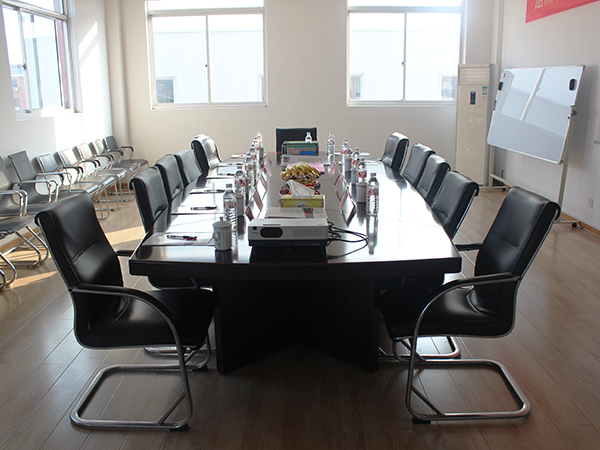
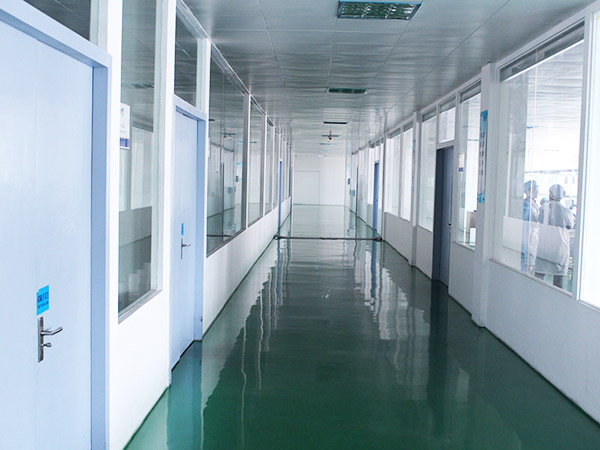
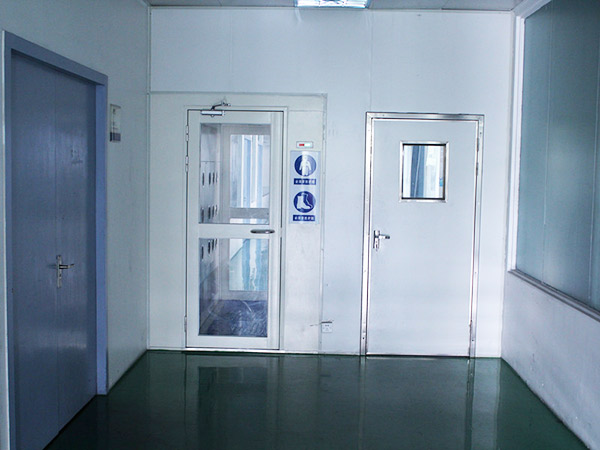
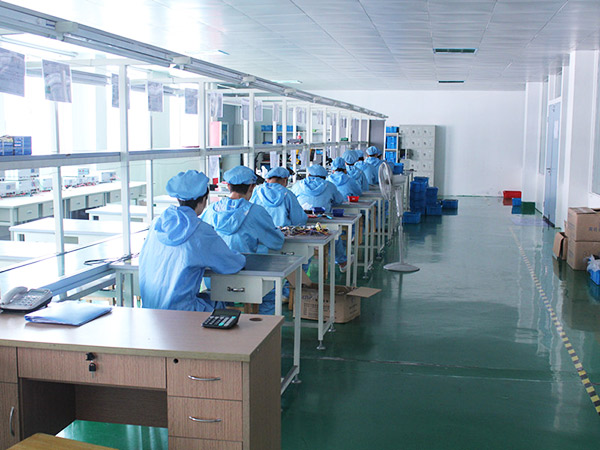
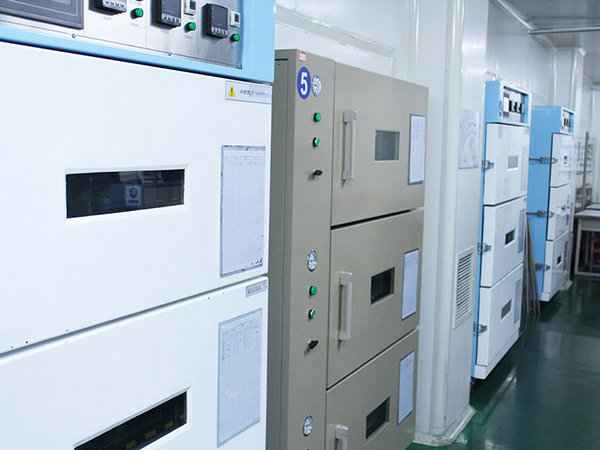
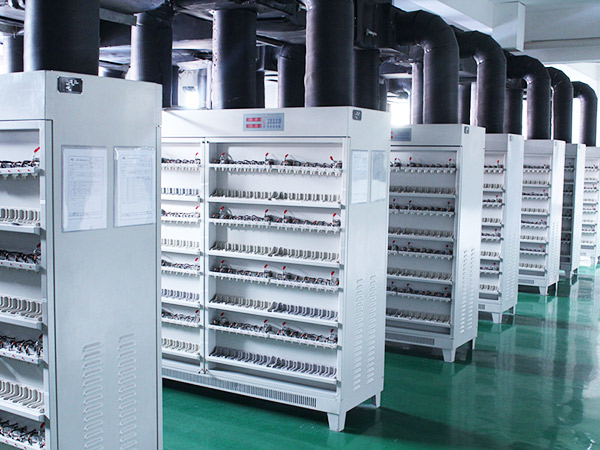
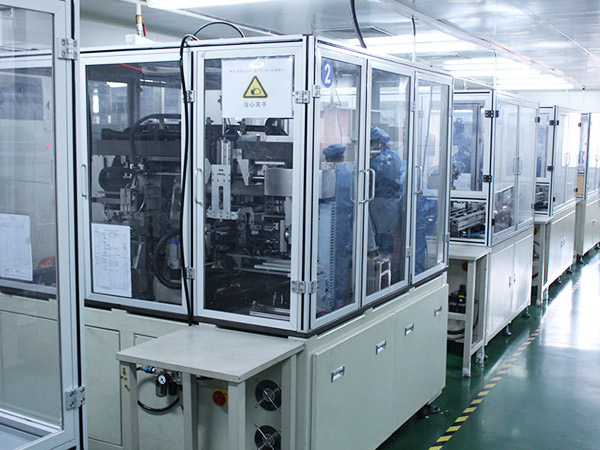
A closer look inside our advanced manufacturing facility, showing our multi-stage inspection and quality control protocols.
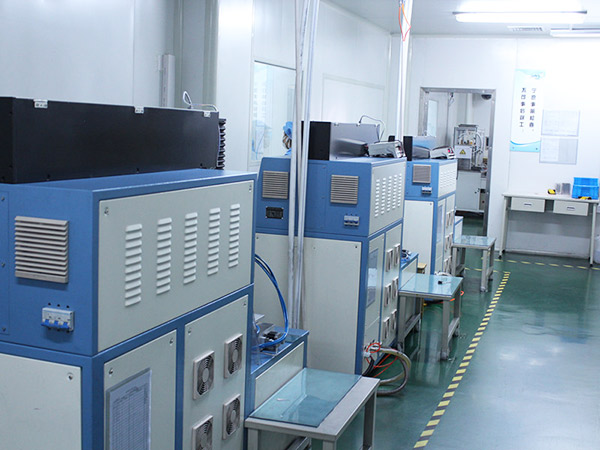
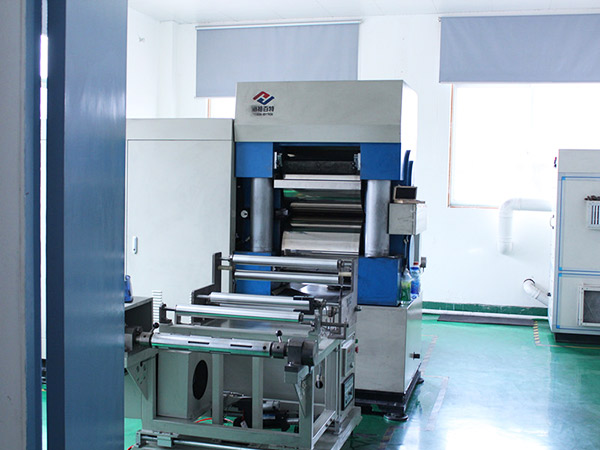
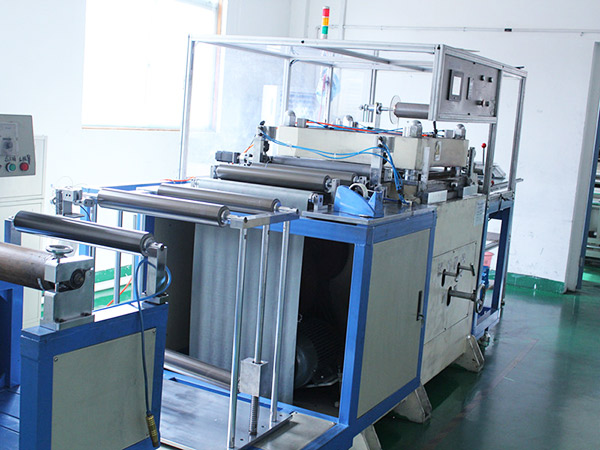
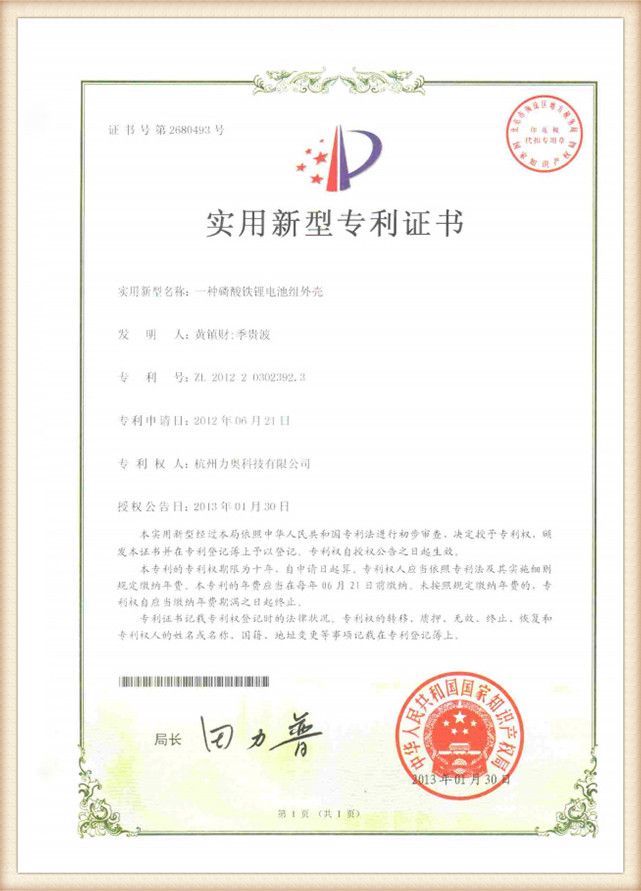
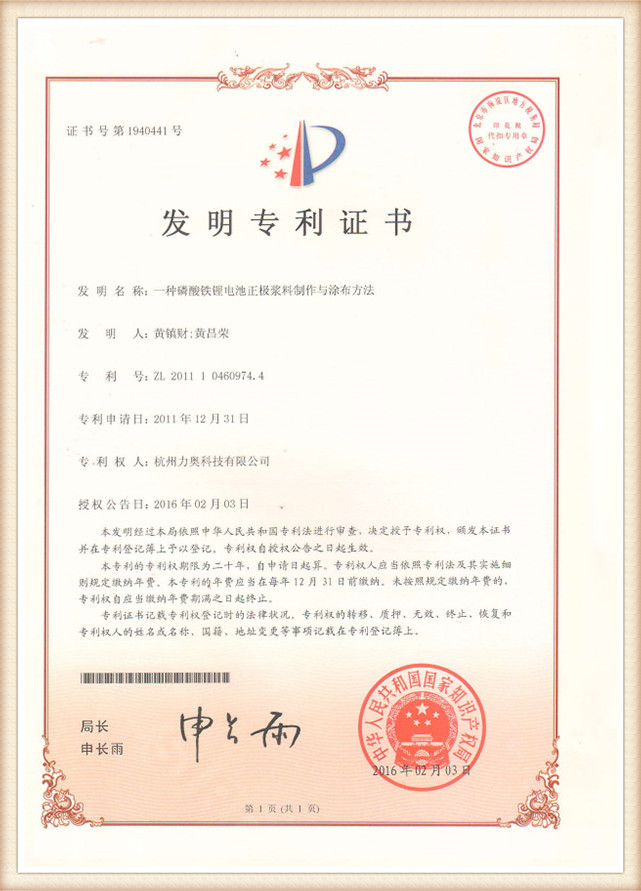
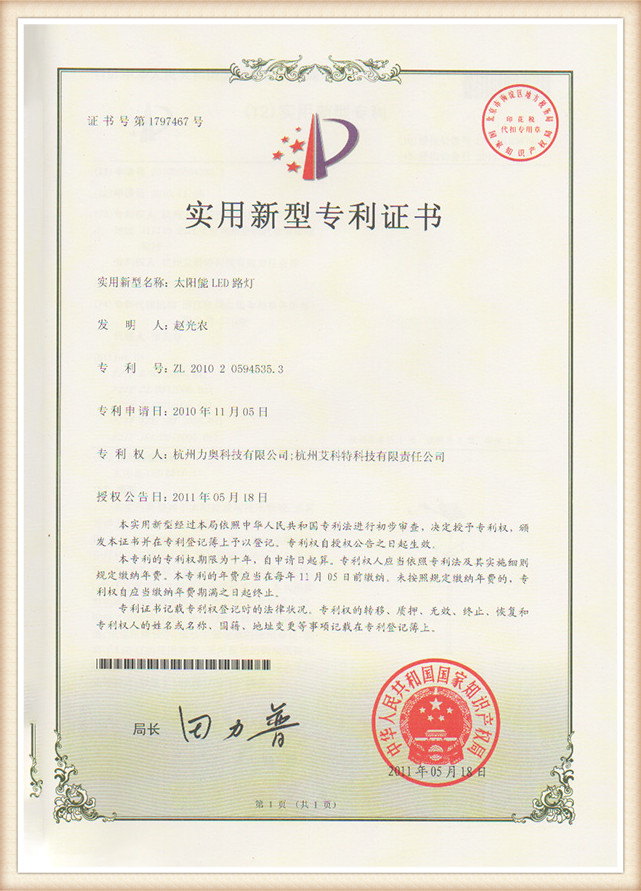
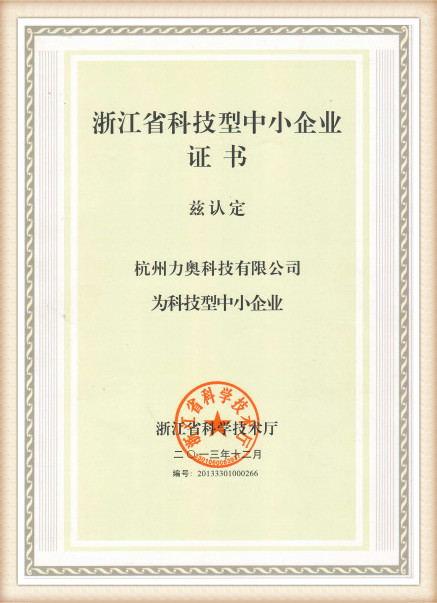
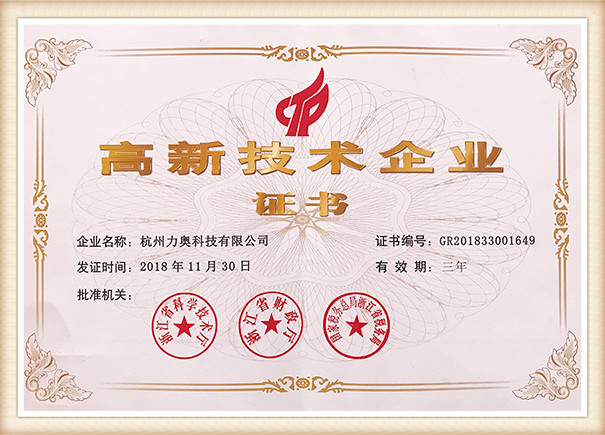
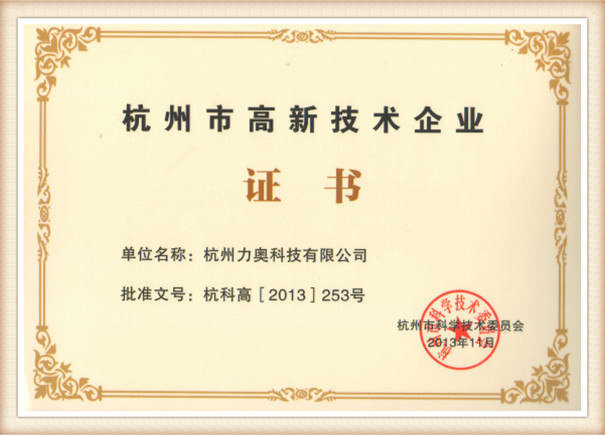
A proven track record of design innovation and compliance, verified by international certification bodies.
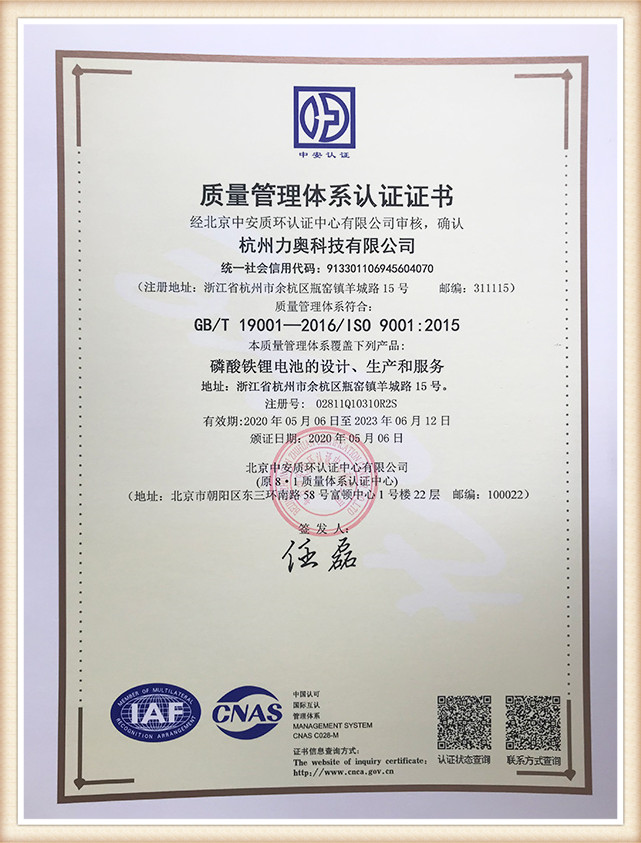 Design Patent I
 Design Patent II
 Design Patent III
 National Technology Honor
 High-Tech Enterprise Certificate
 Innovation Star Award
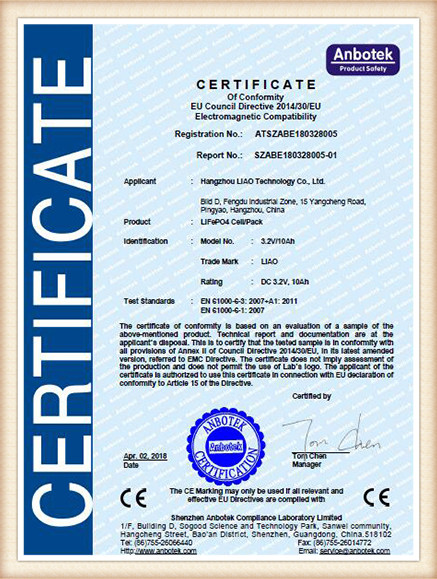
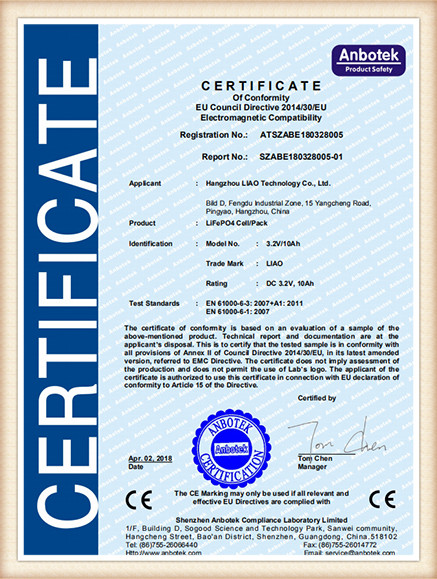
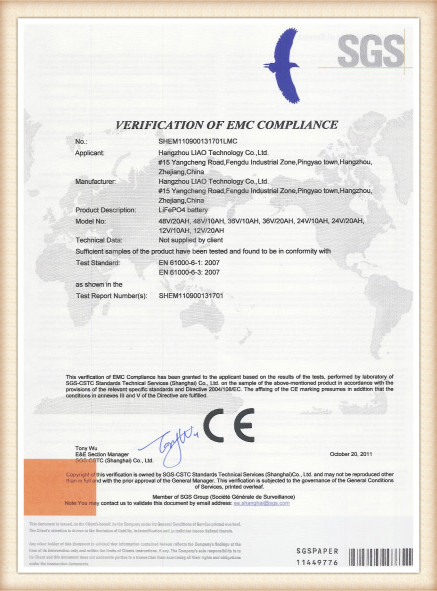
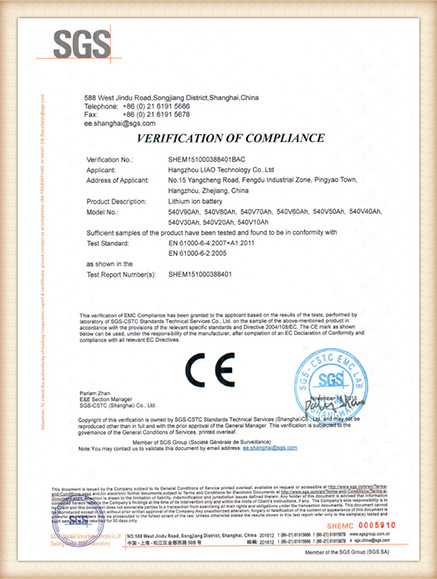
 CE Compliance Document
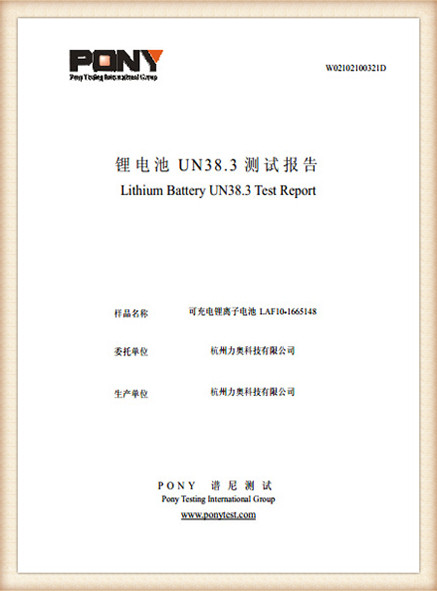
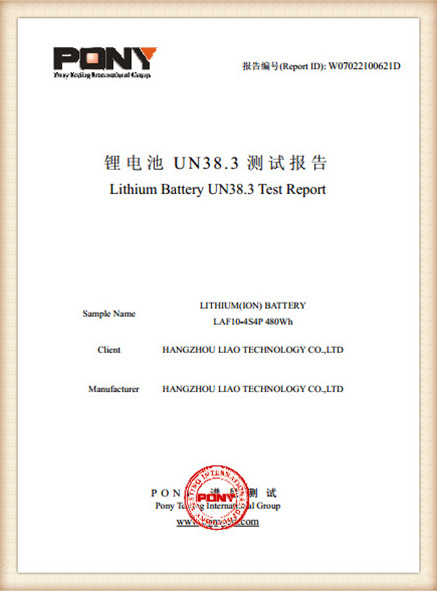
 UN38.3 Shipping Approval
 IEC Safety Standards
 RoHS Green Standard Certificate
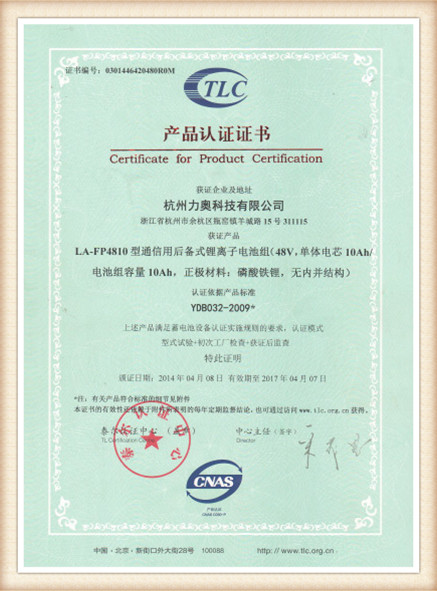
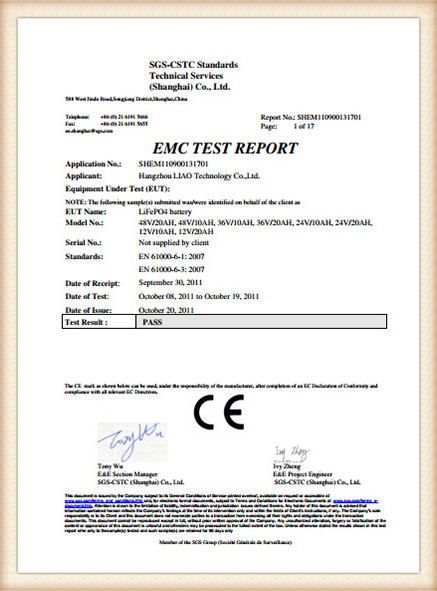
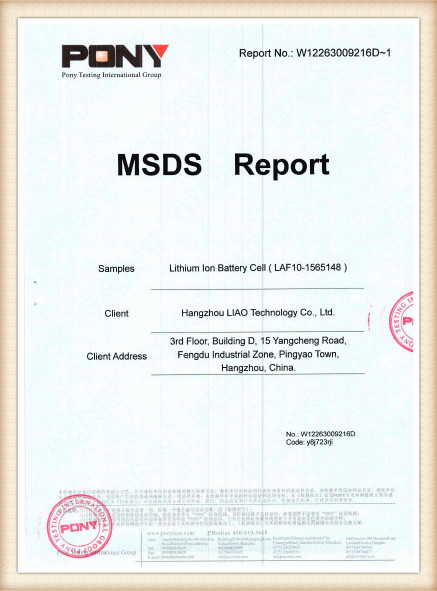
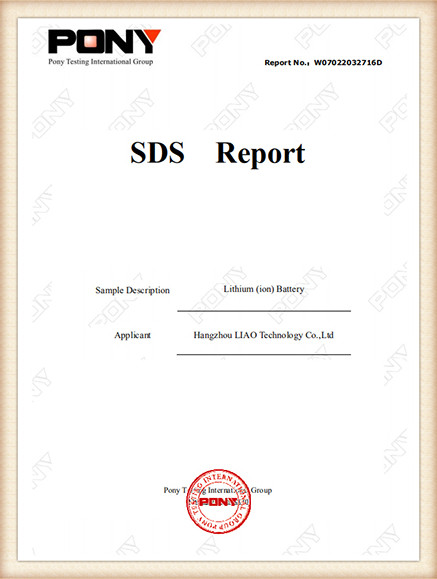
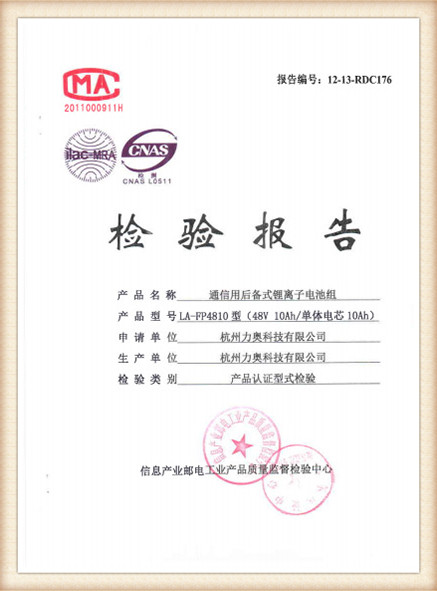
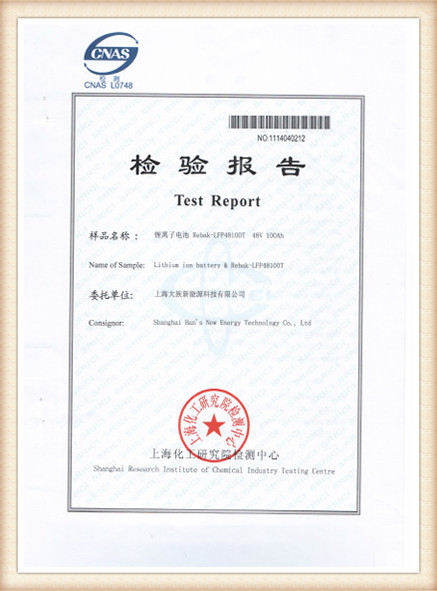
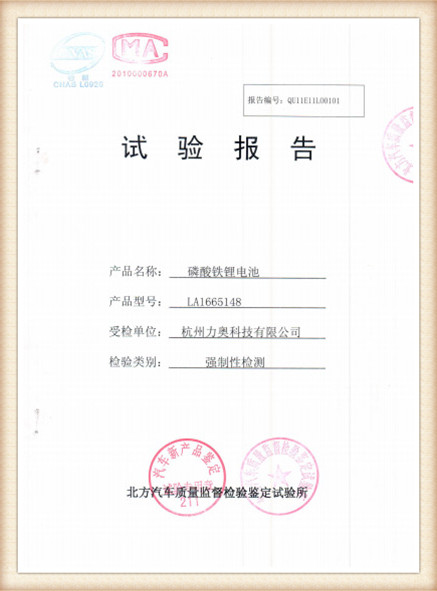
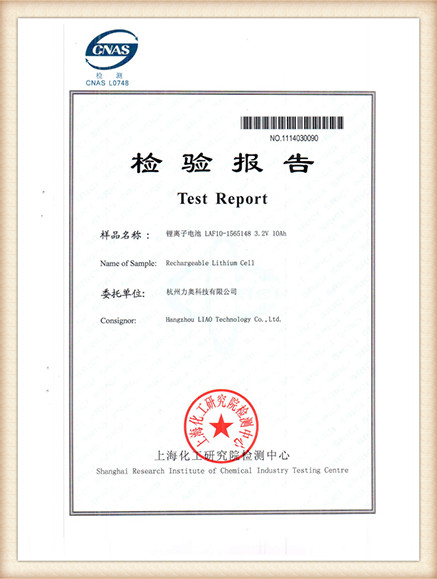
A collection of verified laboratory test reports certifying our compliance with international safety and shipping regulations.
A look at how we are incorporating smart analytics, advanced materials, and enhanced battery safety features into our upcoming designs.
Looking ahead, Hangzhou LIAO Technology is focusing on integrating smart technologies directly into our battery systems. Our engineering roadmap prioritizes the development of AI-Optimized Battery Management Systems (BMS). These advanced systems will run predictive health analytics, allowing commercial users to anticipate maintenance needs and extend system life before any degradation begins.
We are also active in materials research, exploring solid-state additives to further improve the safety of our LiFePO4 cells. In addition, we are designing modular 48V building blocks that can scale seamlessly to higher voltages (up to 400V and 800V setups). These systems will serve heavy-duty industrial vehicles and high-capacity microgrid projects while maintaining the same reliable safety features of LIAO cell chemistry.
Common inquiries regarding design specifications, battery safety, and system integration answered by our engineering team.
While NMC (Nickel Manganese Cobalt) chemistries offer slightly higher volumetric energy density, LiFePO4 (Lithium Iron Phosphate) delivers superior thermal stability, safety, and a significantly longer cycle life. LiFePO4 chemistry is highly resistant to thermal runaway under structural damage, puncture, or high temperatures, making it the ideal choice for heavy-duty industrial equipment, marine applications, and occupied residential energy storage systems.
LIAO battery systems are designed with advanced Battery Management Systems (BMS) that actively monitor and balance cells during operation. The BMS protects against overcharging, deep discharge, high-current spikes, short-circuits, and extreme temperatures. It also supports standard communication protocols like CANbus, RS485, and Modbus for seamless integration with external inverters and vehicle systems.
Our single-cell tests show that after 2,800 full charge/discharge cycles under a continuous 1C charge and discharge rate, the battery cells retain over 80% of their original nominal capacity. In typical real-world applications with lower discharge rates (e.g., 0.5C or 0.2C), the system can achieve up to 4,000–6,000 cycles, offering an exceptionally long operational life.
Yes. Our specialized low-temperature battery packs are designed to operate safely between -40°C and 85°C. For applications in extremely cold climates, we can integrate automatic self-heating film elements within the pack housing. These elements use a small amount of charge to warm the cells to safe temperatures before initiating the charging cycle, preventing lithium plating and maintaining performance.
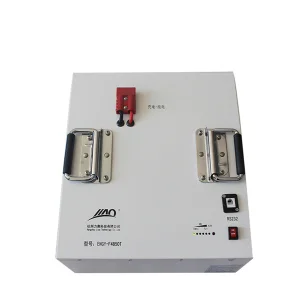
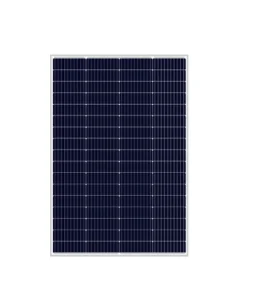
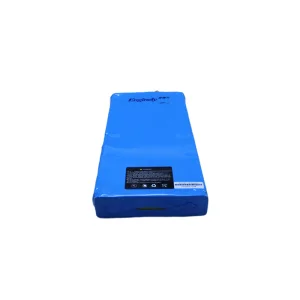
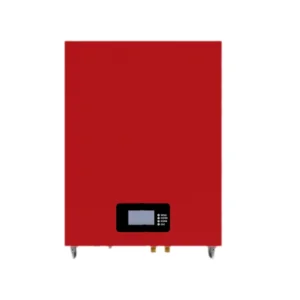
Explore our high-voltage designs and customizable system solutions built for commercial and residential energy storage.
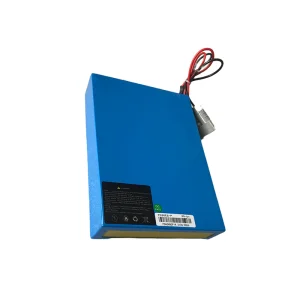
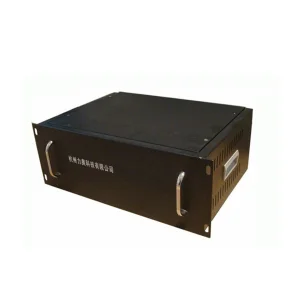
 Liao Battery