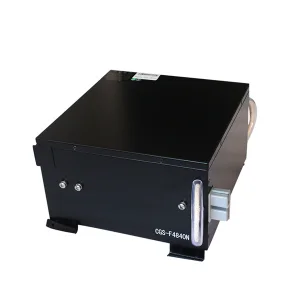
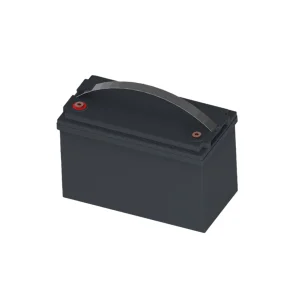
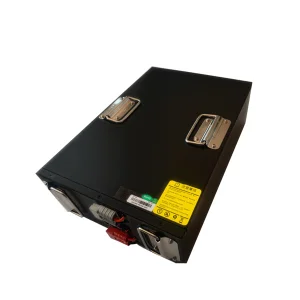
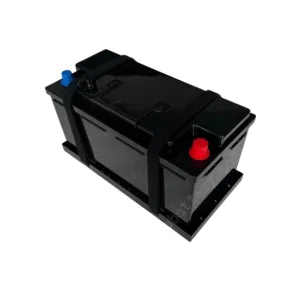
Explore our high-performance lithium iron phosphate battery products, modules, and systems designed for specialized industrial and custom applications.
An in-depth analysis of form factor evolutionary pathways, manufacturing supply chains, and B2B engineering specifications.
The global transition toward green electrification has highlighted the critical importance of selecting the correct battery cell architecture. Prismatic Lithium Iron Phosphate (LiFePO4) cell form factors have rapidly overtaken cylindrical and pouch designs, positioning themselves as the industry benchmark for commercial, industrial, and utility-scale energy storage systems (BESS). The structural rigidity of prismatic casings, typically constructed using advanced aluminum alloys, offers robust mechanical protection and facilitates efficient block integration.
From an electrochemical safety standpoint, LiFePO4 possesses exceptional thermal runaway resistance due to the robust covalent bonding of the oxygen atoms within its olivine crystal structure. This ensures that even under physical damage, high temperatures, or overcharging conditions, the cell remains chemically stable without liberating atomic oxygen. The prismatic configuration elevates this inherent safety profile by integrating functional structural components: pressure-relief safety vents, internal current interrupting devices (CIDs), and specialized insulation wraps that prevent cascading thermal anomalies between adjacent cells.
Hangzhou LIAO Technology Co., Ltd. leverages the unparalleled industrial density of Chinese manufacturing clusters to deliver unmatched cost performance, design customization, and supply chain consistency. The optimization of the domestic battery industry spans vertically integrated operations, including raw mineral processing, synthetic cathode synthesis, high-throughput automated electrode coating, and laser welding verification. This level of vertical integration guarantees that we secure premium grade-A raw precursor materials while maintaining complete quality control across all production phases.
Furthermore, China's established manufacturing networks enable rapid scaling and agility. Whether processing high-capacity custom cell topologies or standard cell blocks (such as the standardized 100Ah, 200Ah, and 280Ah forms), our production lines maintain strict geometric tolerances. This allows us to supply global developers with cells that exhibit minimal voltage and internal resistance variance, greatly extending the operational lifespan of the final battery systems.
Established in Hangzhou, China, LIAO Technology specializes in the design and production of high-safety LiFePO4 technologies.
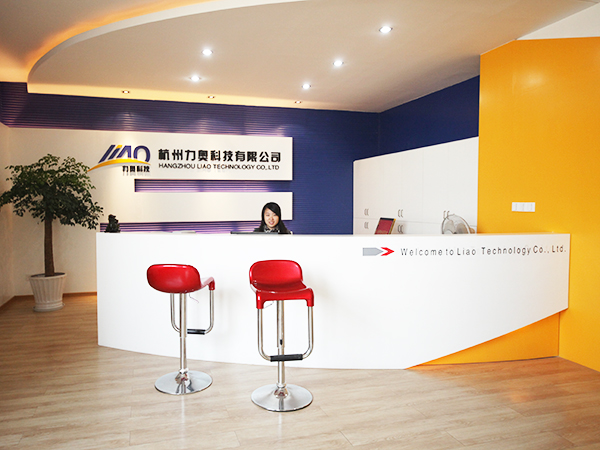
Founded in 2009, Hangzhou LIAO Technology Co., Ltd. is a professional and leading manufacturer specialized in LiFePO4 batteries. Our products have been exported to more than 20 countries all over the world, earning a prestigious reputation across Europe, the Americas, and the Asia-Pacific region.
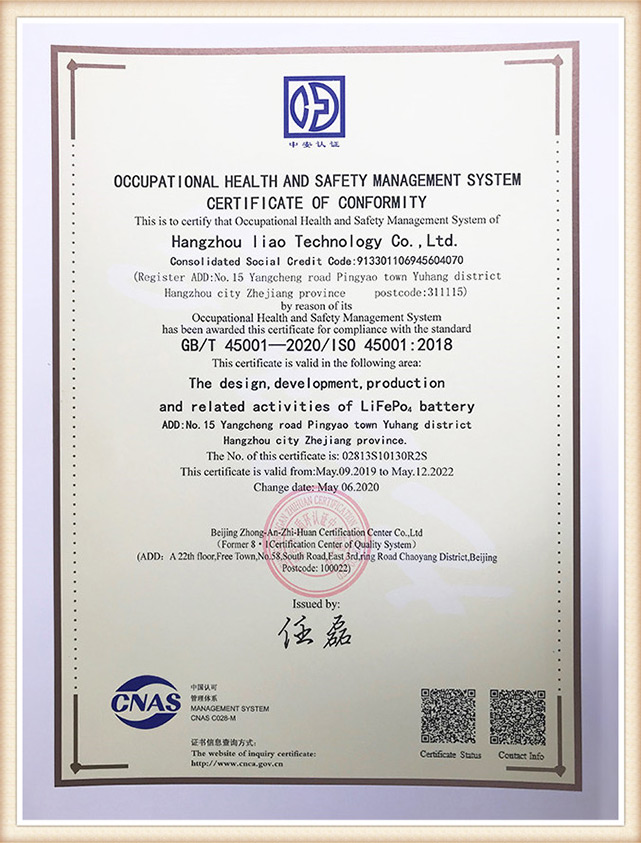
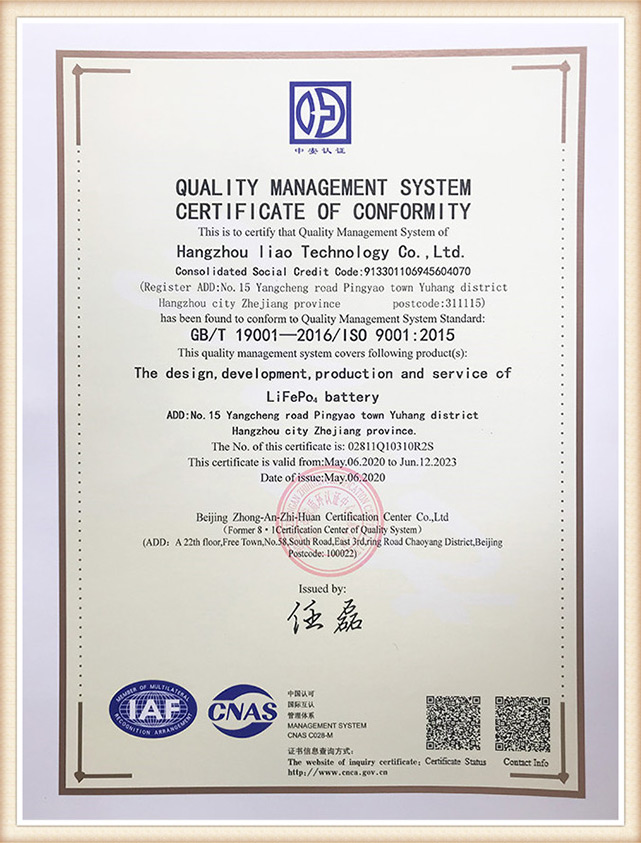
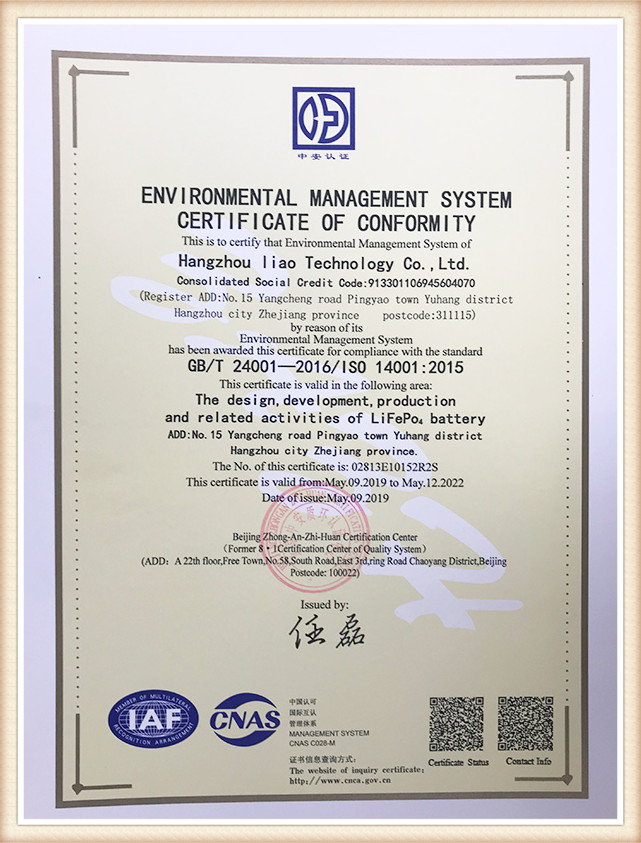
We already established a strict and efficient QC system. All of our products are produced strictly under the quality management system of ISO 9001. Meanwhile, we have passed and always keep compliance to the environmental management system ISO 14001 as well as occupational health and safety management system ISO 18001.
Will not burn or explode under physical abuse, short circuit, or acupuncture testing.
Delivers stable performance and discharge capabilities within -40 ℃ to 85 ℃.
Single cell cycle life exceeds 2800+ cycles at 1C charge/discharge rate and 100% DoD.
Excellent service and reliable quality help us win a worldwide reputation. Our major regional distribution include:
With over 15 years of robust technical experience in custom battery design, we match mechanical packaging with tailored electronics for ultimate safety.

New generation of LiFePO4 golf cart battery packs engineered to withstand rugged terrains, offering stable power profiles and prolonged runtimes for fleet operations.
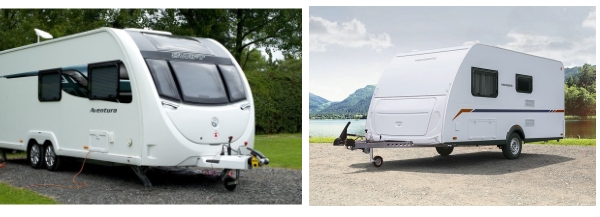
High-rate discharge solutions that operate quietly and reliably. Drastically reduces manual maintenance while cutting total operational costs.

Designed for high-duty short-distance material transport. Fast-charging capabilities and deep-cycle parameters guarantee uninterrupted facility workflow.

IP67-rated, moisture-resistant battery architectures offering robust cycle lives. Engineered to deliver stable current outputs in harsh marine environments without acoustic pollution.
Our mechanical and electrical engineers assist you in designing a customized battery system that matches your specific mechanical constraints, electronic integration requirements, and environmental variables. With over 15 years of industry experience, we ensure that you establish a fast, safe, and highly efficient path to market.
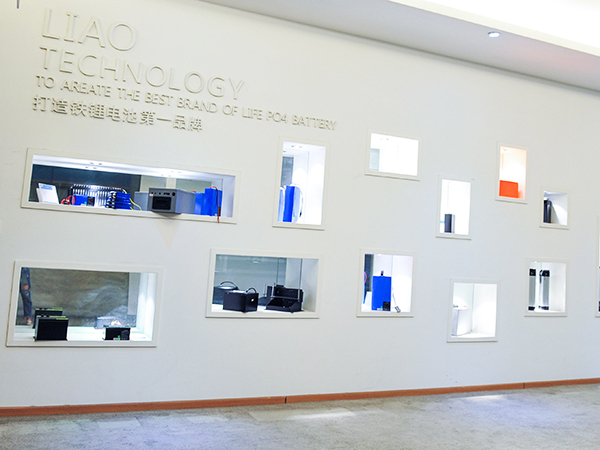
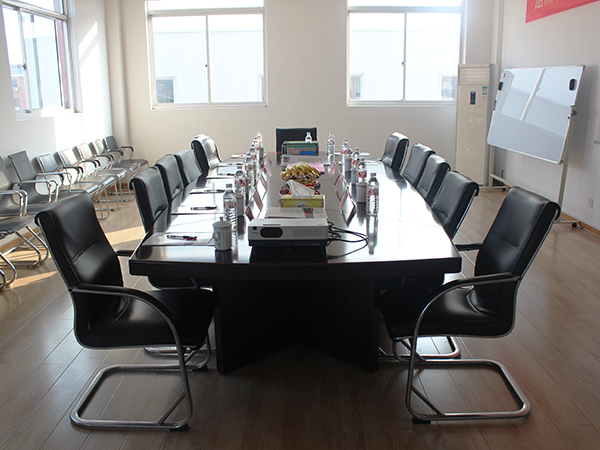
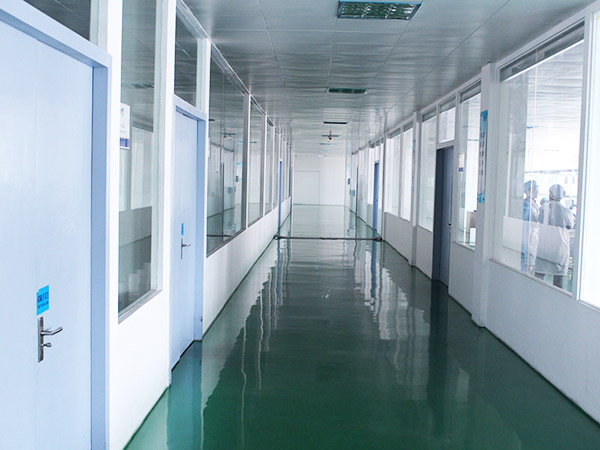
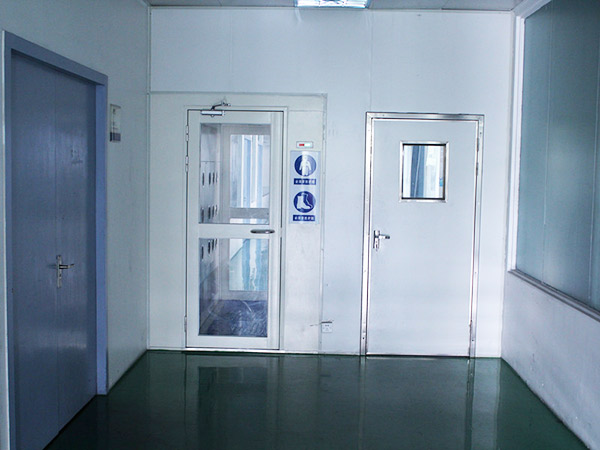
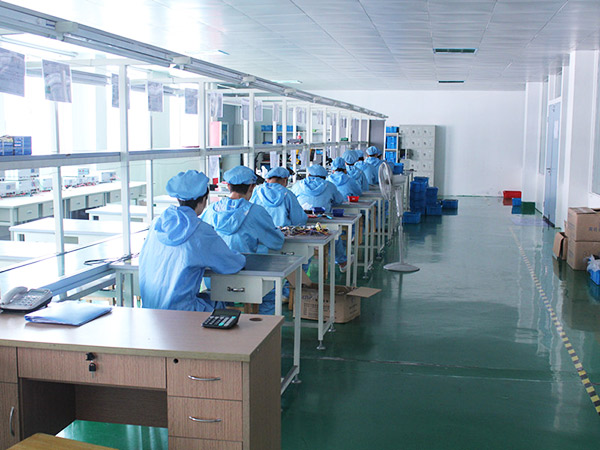
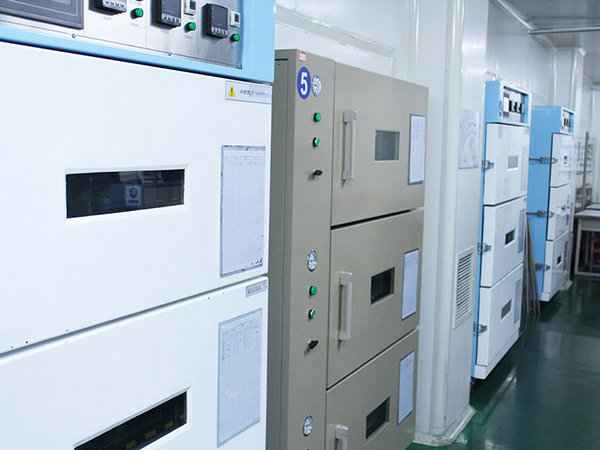
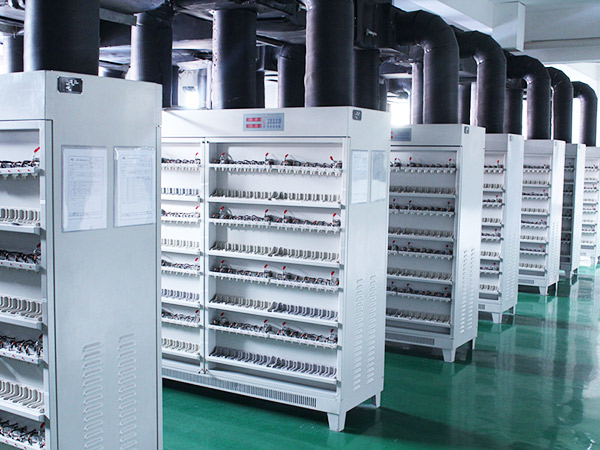
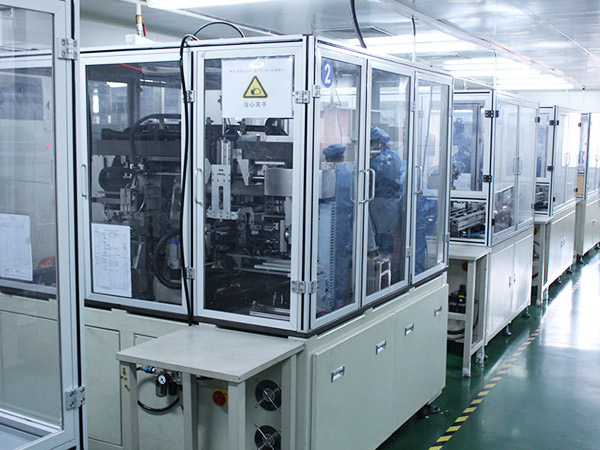
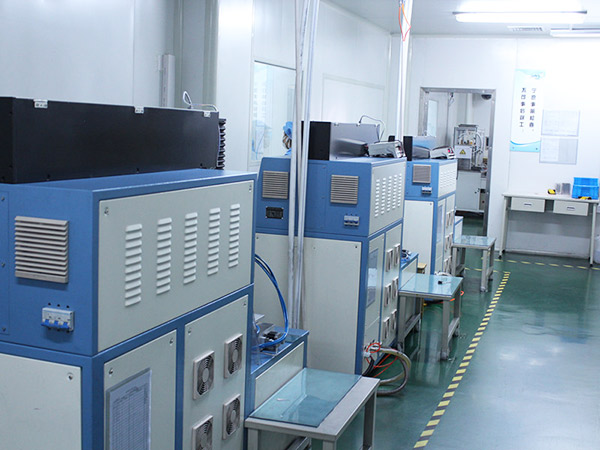
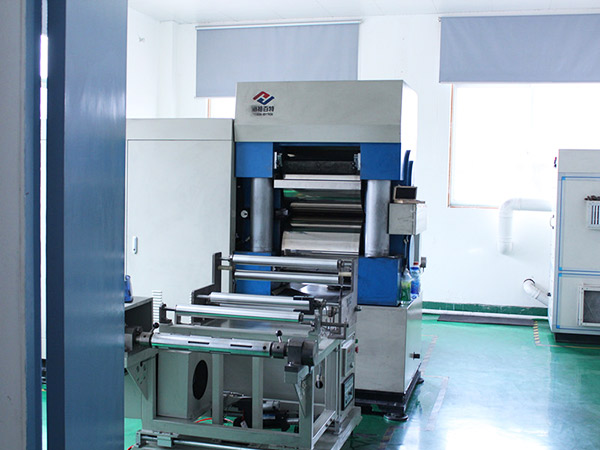
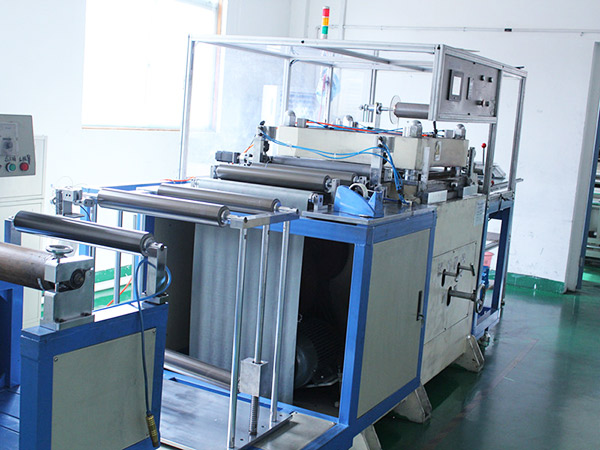
Review our automated processes, quality gates, assembly cells, and test benches.
Essential electrochemical indicators and parameters for industrial procurement evaluations.
For B2B procurement managers and system integrators, selecting the ideal cell configuration depends on an analysis of electrochemical profiles, volumetric energy density, and mechanical constraints. The following matrix illustrates the performance standards of our prismatic LiFePO4 cells compared to alternative technologies.
The next frontier in lithium iron phosphate technology centers on expanding energy density boundaries without sacrificing safety. Research into Lithium Manganese Iron Phosphate (LMFP) blends presents an evolutionary pathway, elevating nominal cell voltages from 3.2V to 3.8V, which translates to a potential 15% increase in energy density. Simultaneously, solid-state electrolytes are transitioning from laboratory testing to pilot production. These designs replace volatile liquid organic carbonates, eliminating risks of internal dendrite penetration and expanding operating temperature ranges. Hangzhou LIAO continues to invest in solid-state and LMFP research to ensure our product portfolio remains at the forefront of the industry.
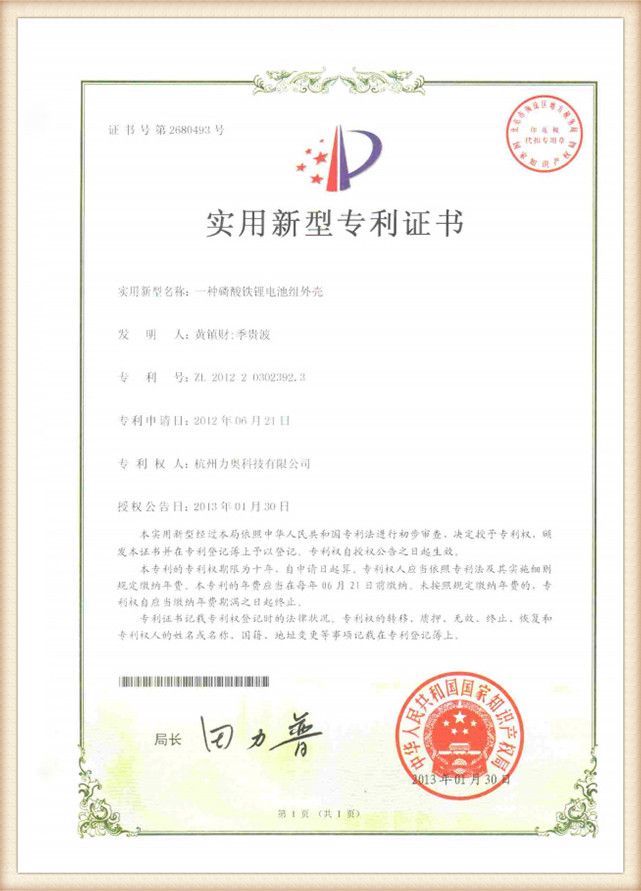
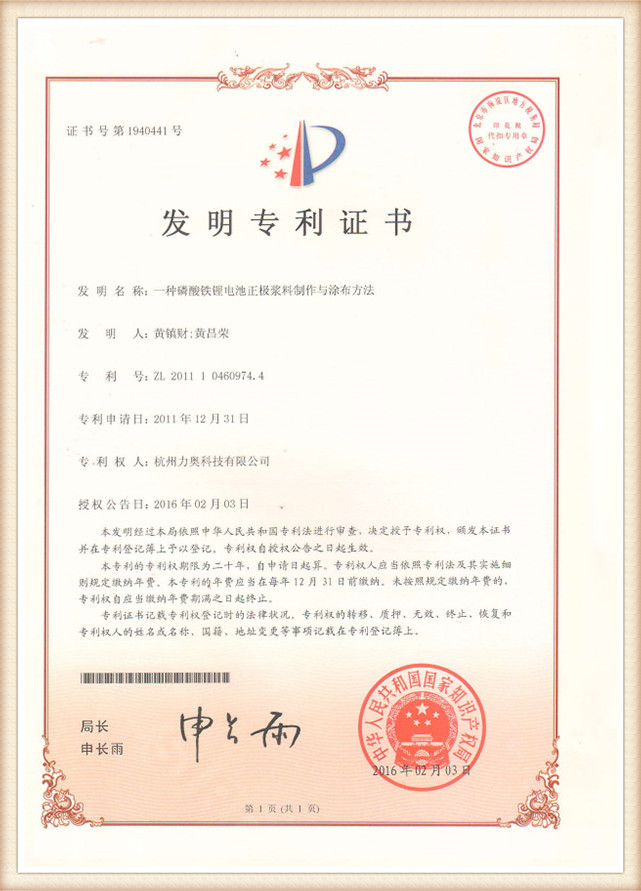
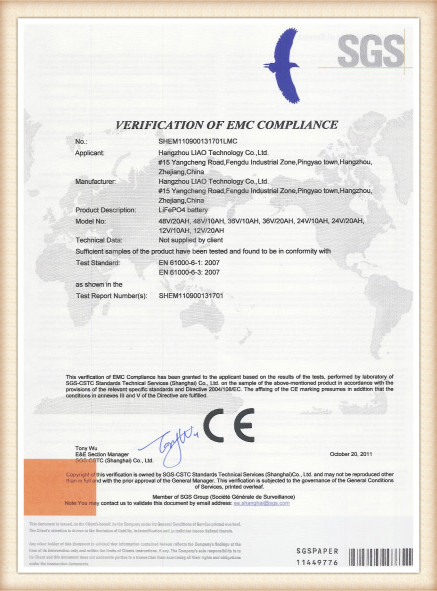
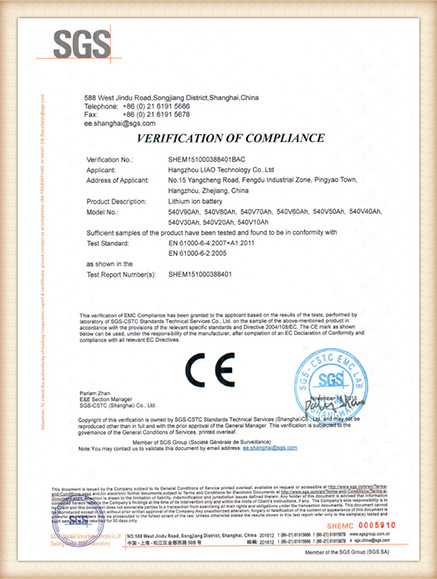
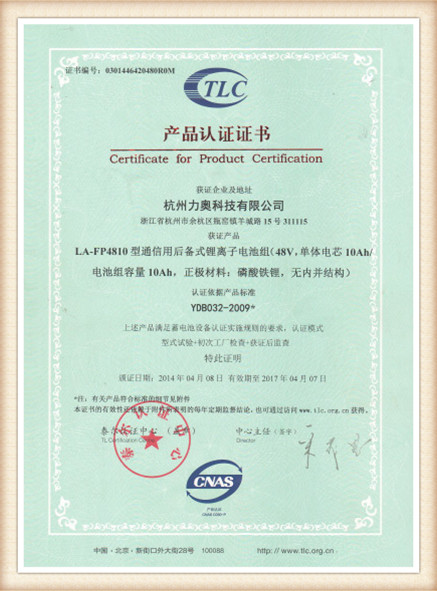
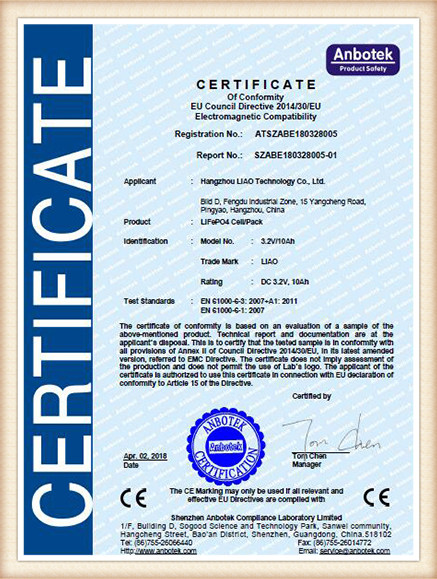
Our manufacturing and product quality is verified by recognized international testing registries.
Expert answers addressing the design, performance, and commercial procurement of LiFePO4 cells.
Prismatic cells feature high volumetric packaging density, superior thermal dissipation channels, and structural robustness. Their rectangular form factor allows block alignment inside modules with virtually no structural voids. In contrast, cylindrical cells leave physical air gaps between adjacent units, which reduces overall package density and increases cooling complexity in multi-megawatt configurations.
Every batch of our LiFePO4 cells undergoes comprehensive electrical safety validation, including overcharge and over-discharge tolerances, external short-circuit simulation, high-temperature thermal testing, structural crush resistance, and acupuncture testing. Under puncture, the cells do not exhibit thermal runaway, combustion, or structural explosion.
While our cells are capable of discharging across this wide temperature range, extreme cold or hot temperatures can affect their internal resistance and rate capability. In cold environments, a smart BMS with integrated heating elements can preheat the cells to ensure optimal performance, while in high temperatures, passive or active cooling keeps the cells within safe operational limits.
A typical prototype cycle takes approximately 3 to 6 weeks, depending on design complexity. This timeline includes electrical routing, mechanical casing adjustments, BMS integration, communication protocol testing, safety certification, and performance verification.
High-quality industrial battery packs, solar arrays, and custom modules designed for modern energy infrastructures.
 Liao Battery