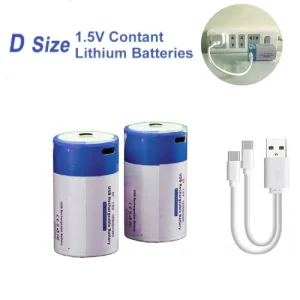
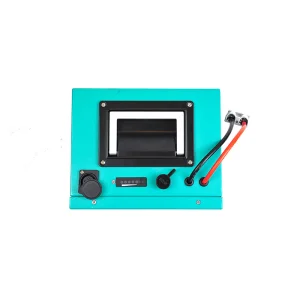
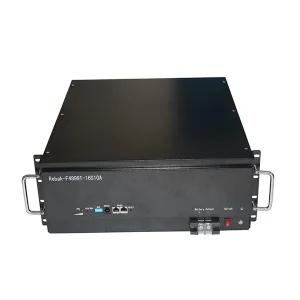
Advanced Li-ion and LiFePO4 cells engineered for cold climate endurance and stable voltage output in critical Eurasian operations.
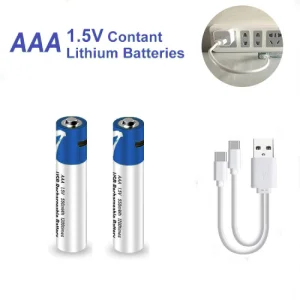
Analyzing sub-zero performance constraints, local logistics adaptation, and advanced BMS engineering for the Russian industrial sector.
For rechargeable battery applications in regions like Siberia, the Urals, and the Russian Far East, winter temperatures frequently drop below -30°C and can reach down to -50°C. Standard lithium-ion batteries exhibit severe performance degradation in these conditions. This is due to the exponential increase in internal resistance, slow lithium-ion intercalation kinetics within the graphite anodes, and the potential freezing of standard liquid organic electrolytes.
Operating conventional cells below freezing points can cause lithium plating on the anode during charge cycles, leading to permanent capacity loss and, in extreme cases, internal short circuits and thermal runaway. Hangzhou LIAO Technology Co., Ltd. addresses this vital market challenge through specialized LiFePO4 (Lithium Iron Phosphate) electrochemistry paired with active thermal management and custom-formulated low-temperature electrolytes.
In Russia, the demand for high-capacity rechargeable systems spans critical sectors, including telecom backup power, oil and gas pipeline telemetry, railway signaling, and off-grid solar energy storage installations. As industrial operators move away from lead-acid batteries due to their short lifespan and environmental concerns, LiFePO4 technology has emerged as the standard for modernizing utility infrastructure.
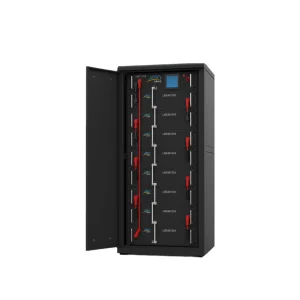
LIAO offers system-level energy storage solutions (ESS) designed to interface seamlessly with industrial power systems. By using modular building blocks, we build customized high-voltage and high-capacity battery systems that feature active balancing Battery Management Systems (BMS). This ensures that telecom towers in remote Eurasian forests remain powered 24/7, even during extended grid outages under heavy snowfall.
A trusted global manufacturer providing certified, high-performance battery systems since 2009.
Founded in 2009, Hangzhou LIAO Technology Co., Ltd. is a leading professional manufacturer specialized in LiFePO4 batteries. We are committed to developing energy storage systems that offer long life cycles, small footprints, lightweight profiles, and top-tier safety. Our products have been exported to more than 20 countries worldwide, including Western Europe, North America, the Asia-Pacific region, and major emerging economies.
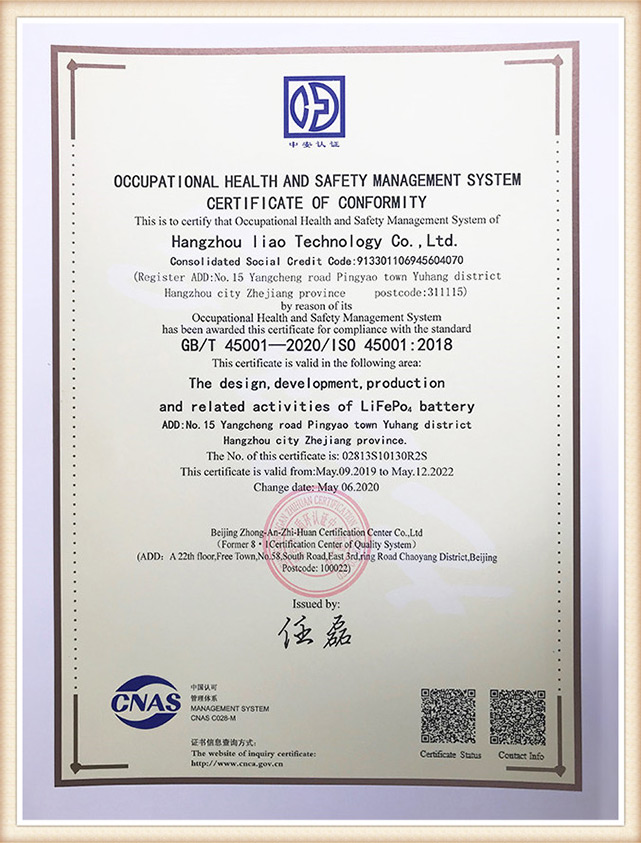
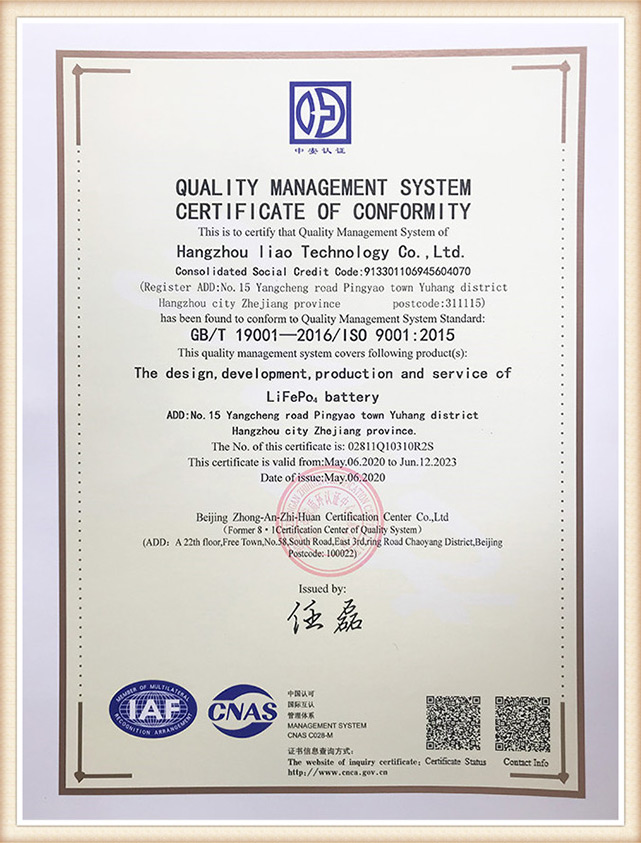
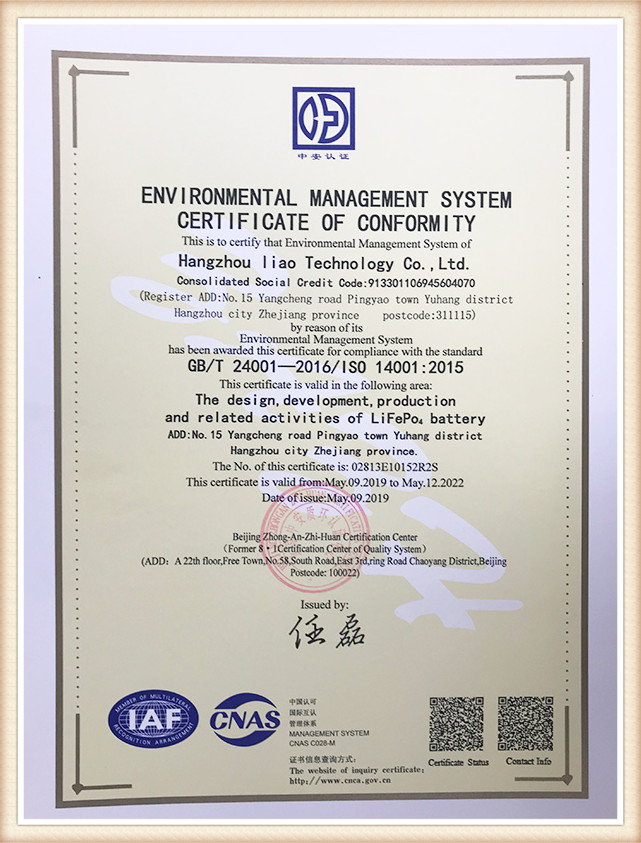
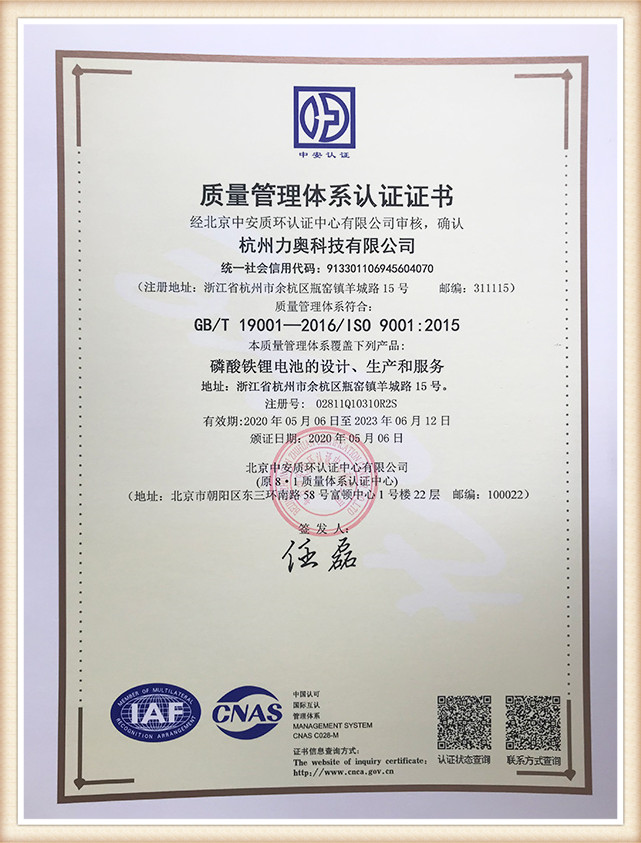
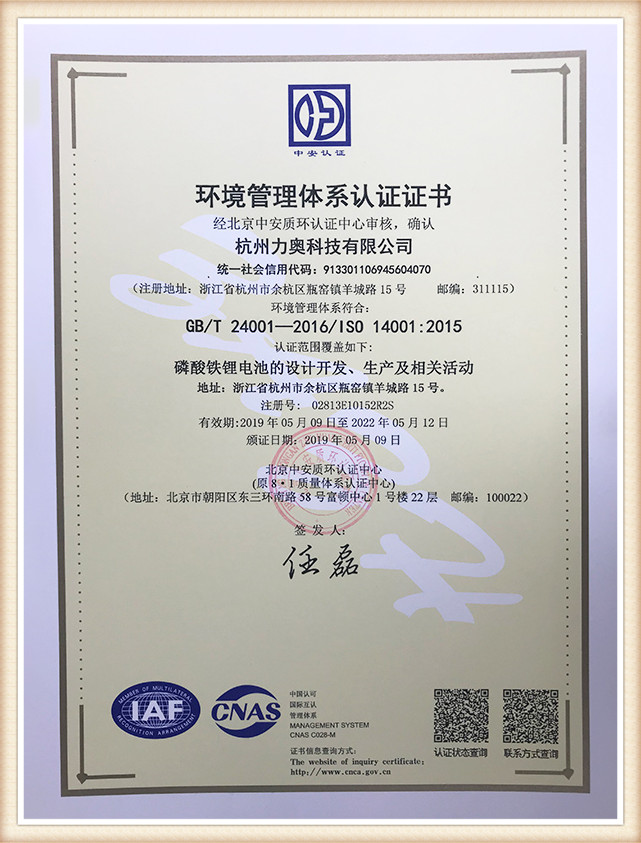
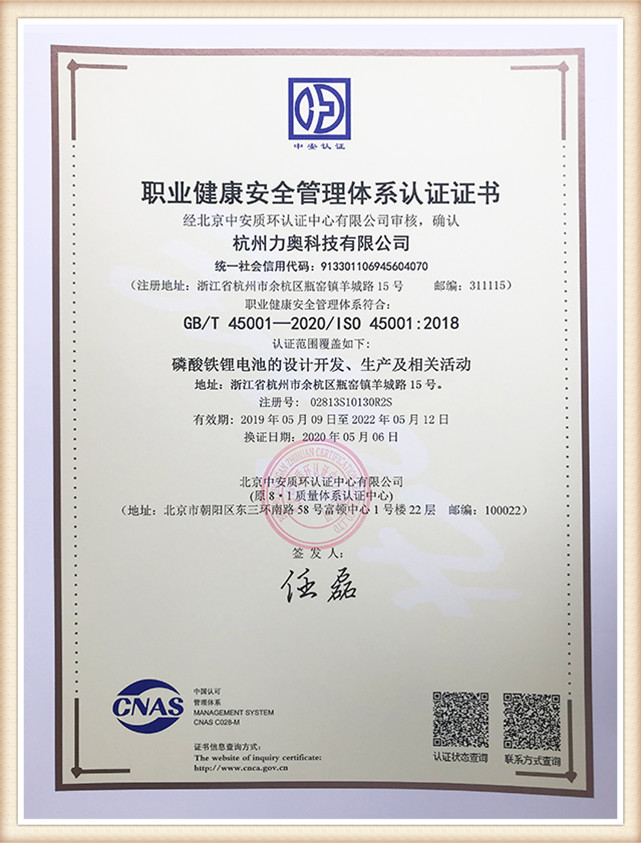
To ensure high quality, we maintain a strict and efficient Quality Control system. All manufacturing processes are carried out under the ISO 9001 quality management framework. Additionally, we are fully compliant with the ISO 14001 environmental management system and the ISO 18001 occupational health and safety standard. This comprehensive compliance guarantees that every battery batch meets high industrial expectations.
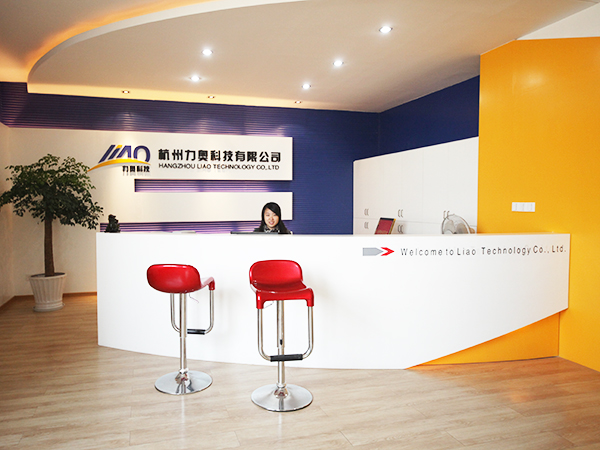
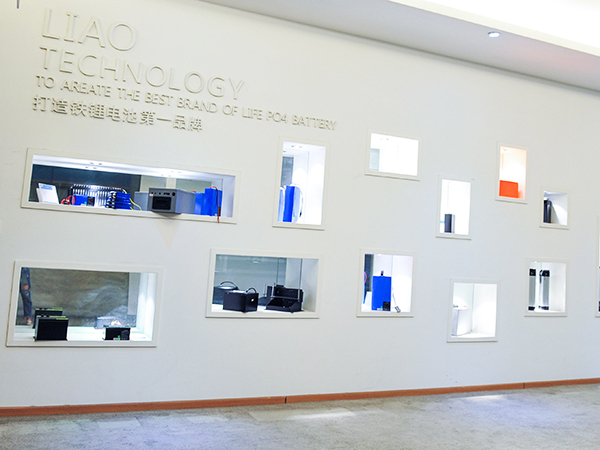
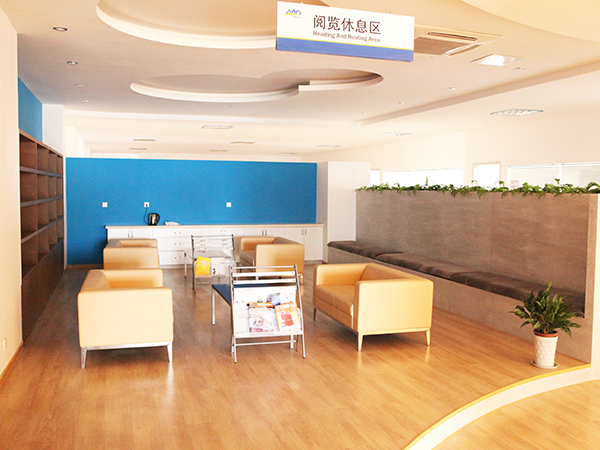
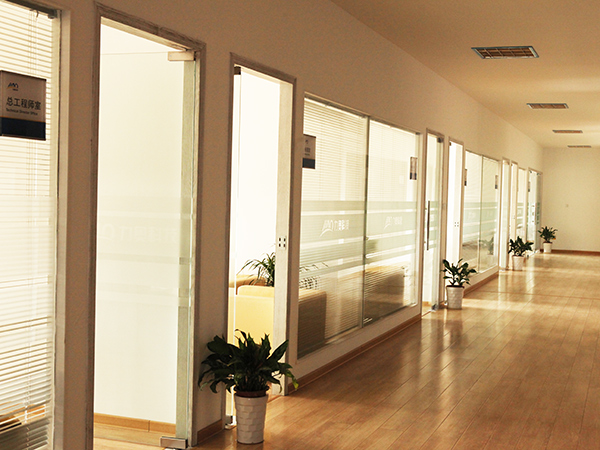
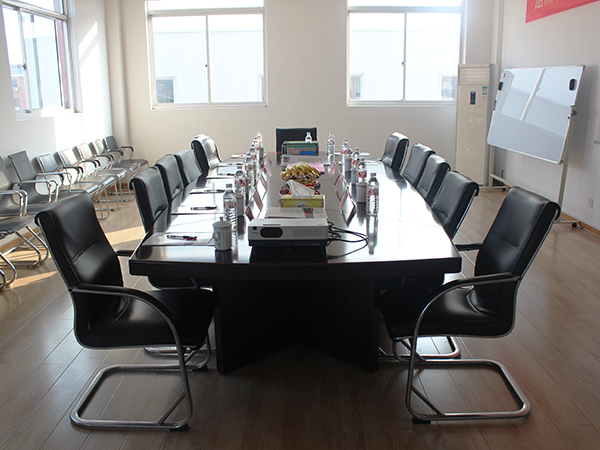
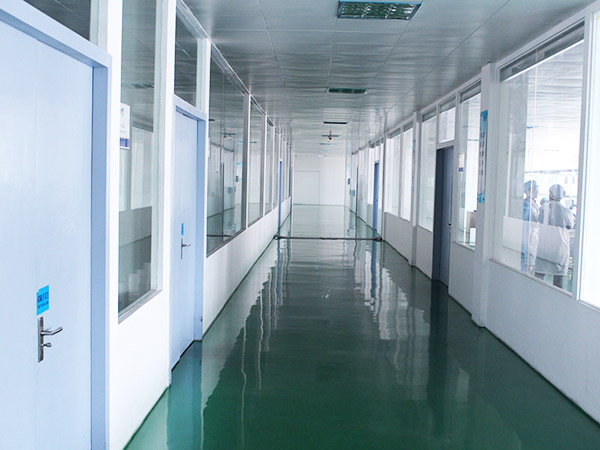
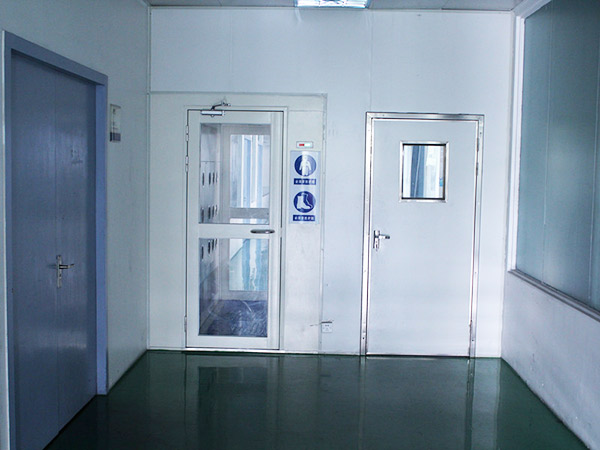
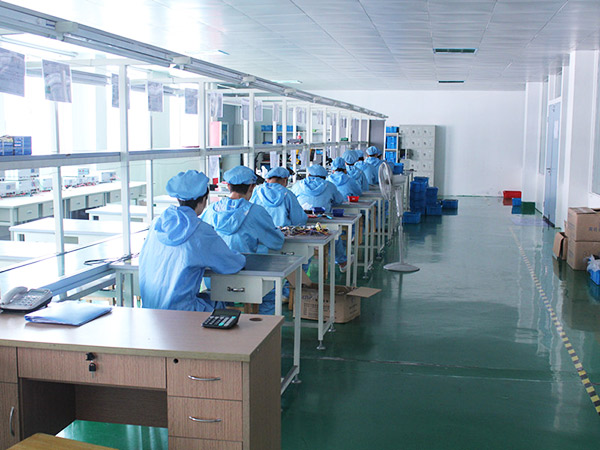
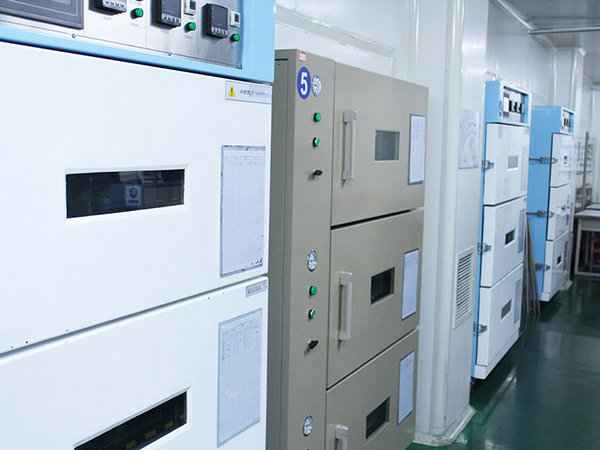
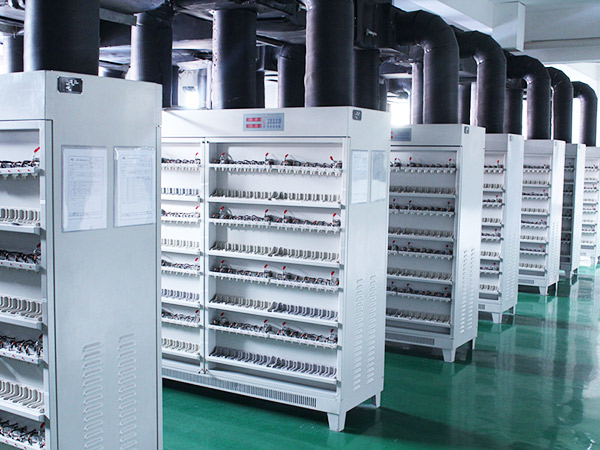
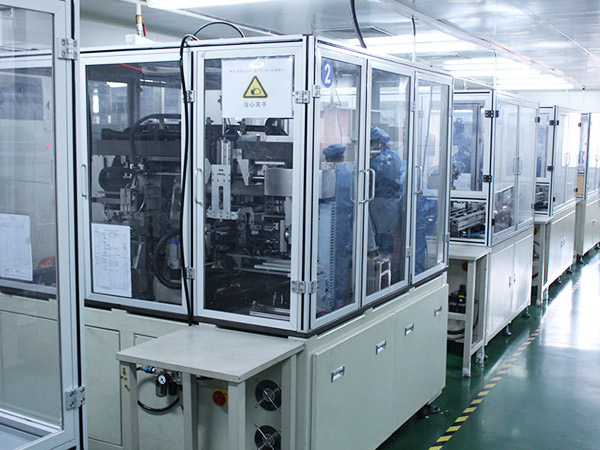
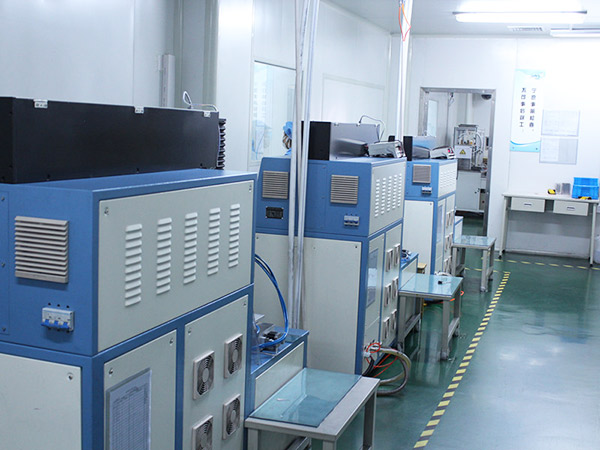
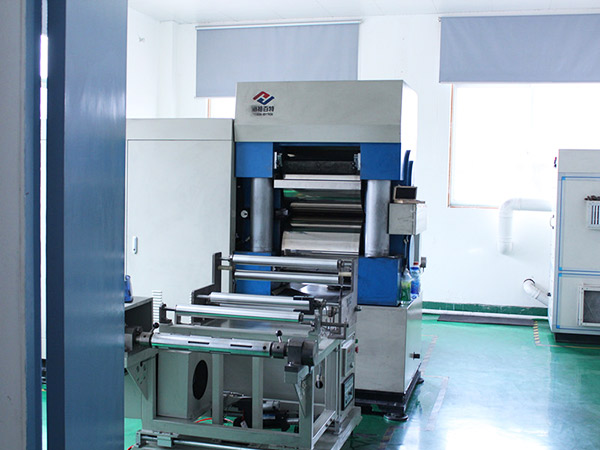
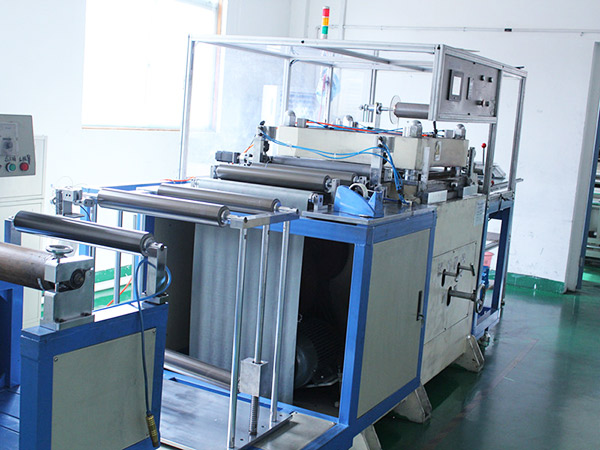
Our production facilities are equipped with automated lines for electrode preparation, cell stacking, laser welding, and high-precision testing. Below is an inside look at our factory operations:
High-discharge and specialty lithium units built for custom integration and micro-mobility applications.
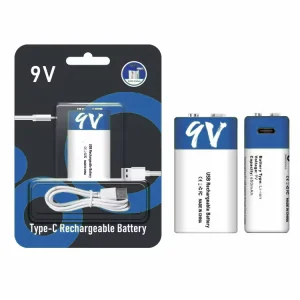
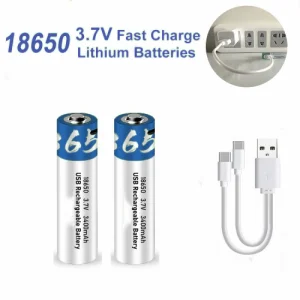
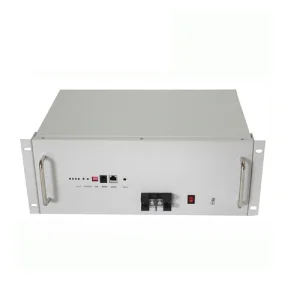
How LIAO rechargeable battery configurations power key sectors across the Eurasian industrial landscape.
Logistics hubs in Moscow, Saint Petersburg, and Novosibirsk require 24/7 material handling. LIAO LiFePO4 battery packs replacement for traditional lead-acid batteries reduces charging time from 8 hours to under 2 hours. This enables opportunity charging during operator breaks. These batteries operate reliably in cold-storage warehouses, maintaining stable capacity down to sub-zero temperatures.
Siberian telecom base stations require reliable backup power under extreme temperatures. Our 48V 100Ah battery modules run stably in outdoor cabinets. They withstand thousands of micro-cycles without capacity degradation, outperforming standard lead-acid batteries which often fail rapidly in sub-zero winter temperatures.
Eco-tourism operations on Lake Baikal and the Neva River are shifting toward electric propulsion. LIAO marine LiFePO4 packs generate zero local exhaust and minimal noise, protecting sensitive water ecosystems. The high structural integrity of the cells ensures stable operation under continuous vibration in cold water.
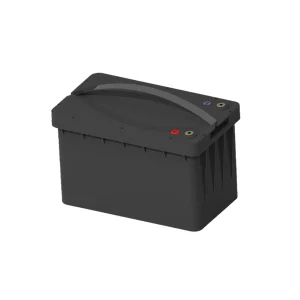
Caravan campers traversing the Eurasian Highway rely on secondary power storage for heating and auxiliary equipment. LIAO 12V LiFePO4 batteries feature integrated BMS protection to guard against overcharging, over-discharging, and short circuits, ensuring a safe off-grid camping experience.
LIAO offers regulatory and technical support for import partners in Russia. We ensure that our product shipments comply with Eurasian Economic Union (EAEU) customs standards. Our batteries undergo rigorous certification testing, including UN38.3 for safe transport, CE guidelines for electronics, and conform to the necessary technical standards for industrial equipment.
We work with regional freight forwarders to offer reliable logistics corridors, such as rail transport via the New Silk Road or maritime shipping through Vladivostok. This ensures that custom orders arrive safely and on time, complete with technical documentation, datasheets, and wiring diagrams in both English and Russian.
Our commitment to quality control is verified by globally recognized testing organizations. Below are our ISO certificates, patents, and official product testing reports:
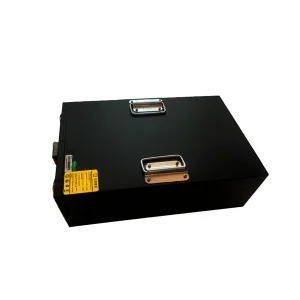
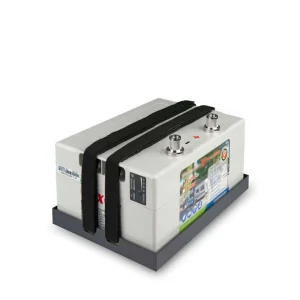
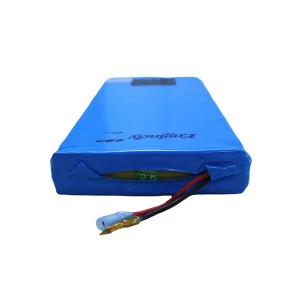
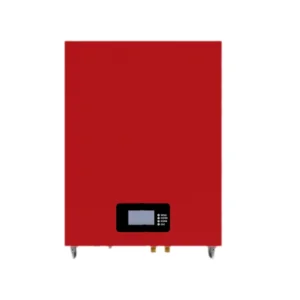
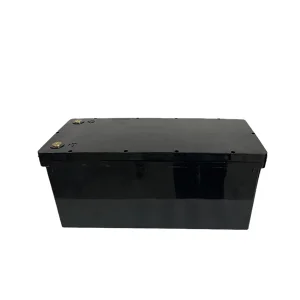
Heavy-duty power systems designed for off-grid residential setups, electric mobility, and utility backups in Russian regions.
Developing next-generation solid-state chemistry and smart telemetry integration to serve harsh climates.
In response to evolving market needs, Hangzhou LIAO Technology is developing several advanced chemistry pathways. The demand for higher volumetric energy density without sacrificing safety has driven our research into two main fields:
LMFP cells combine the safety and stability of traditional LiFePO4 with the higher voltage characteristics of manganese chemistries. This increases energy density by up to 15-20% at the cell level. This technology provides longer range for electric utility vehicles and micro-mobility platforms without increasing battery compartment volume.
We are researching semi-solid-state cells to improve performance in extreme cold. By replacing volatile organic liquid electrolytes with polymer-gel electrolytes, we can significantly reduce the risk of internal short circuits and keep internal resistance low, even when temperatures drop to -50°C.
Future iterations of our battery systems will feature advanced IoT communication interfaces (such as CAN, RS485, and Modbus protocol compatibility) integrated with cloud-based diagnostics. This allows regional technical personnel to monitor cell temperature, state-of-charge (SoC), and state-of-health (SoH) remotely from Moscow or Saint Petersburg. Operators can identify and address individual module variations before any power failures occur.
Expert answers regarding battery custom design, logistics, compliance, and cold-climate performance.
 Liao Battery