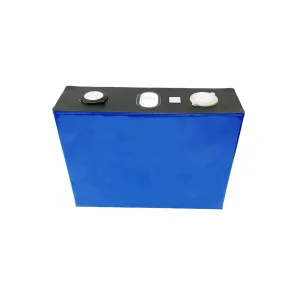
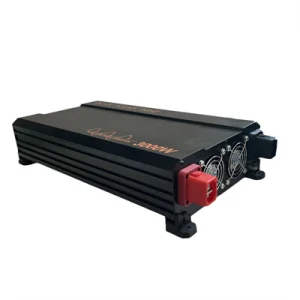
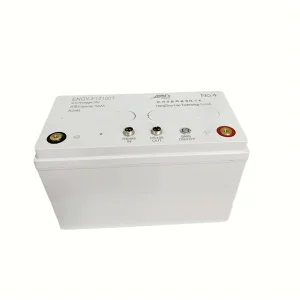
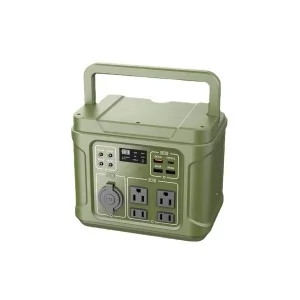
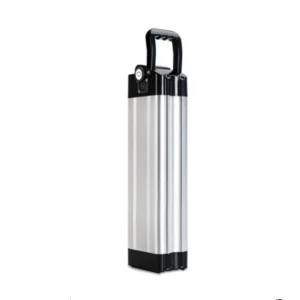
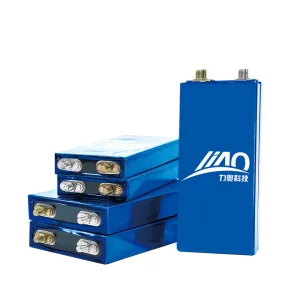
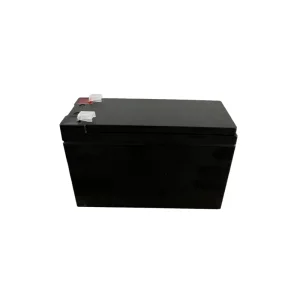
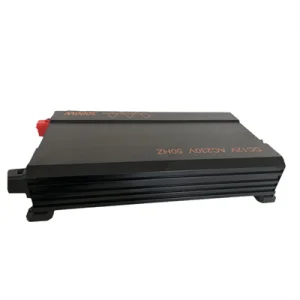
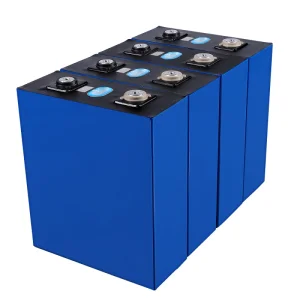
Explore our high-performance 3.2V Lithium Iron Phosphate (LiFePO4) individual cells, multi-series battery packs, and smart solar inverters.
Lithium Iron Phosphate (LiFePO4) has emerged as the premier chemistry for heavy-duty, long-lifespan applications, utilizing a nominal cell voltage of 3.2 V. Unlike ternary lithium chemistries (such as NCM/NCA) which operate at a higher nominal voltage (3.6V - 3.7V), 3.2V LiFePO4 cells utilize a highly stable olivine structure. The strong covalent P-O (phosphorus-oxygen) bonds within the crystal lattice mean that oxygen is tightly bound and is not easily released even under extreme mechanical damage or electrical abuse.
This distinct chemistry ensures high thermal stability and an exceptionally high thermal runaway temperature (exceeding 270°C). By selecting 3.2 V prismatic cells as the baseline unit, pack designers can configure scalable, safe, and highly efficient energy storage networks. From single cell integrations up to MW-level containerized solutions, 3.2 V LFP remains the foundational building block for sustainable electrification.
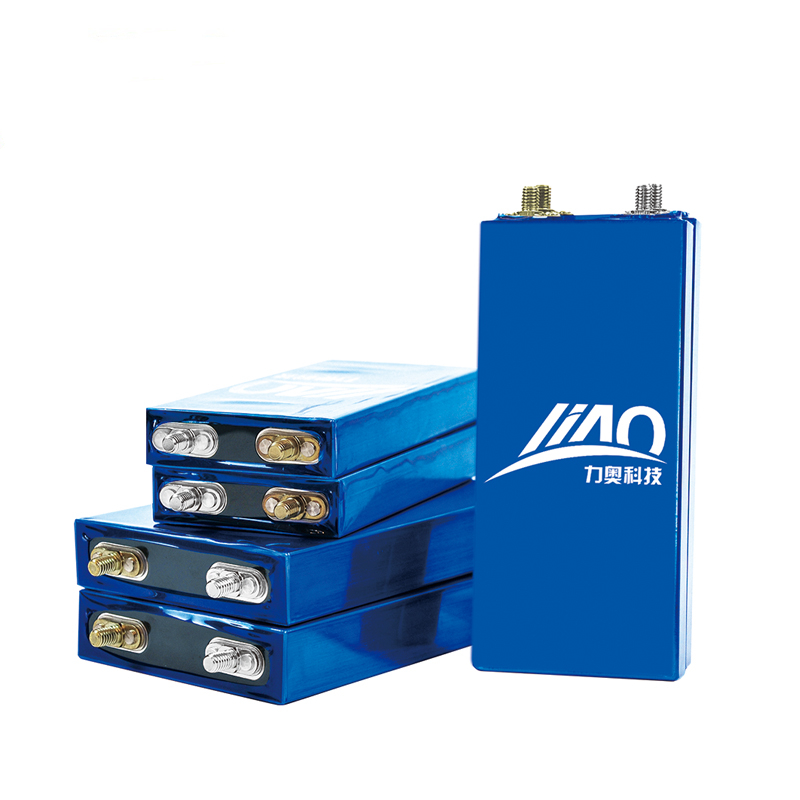
Designed with olivine chemistry, these cells will not combust, explode, or emit toxic oxygen gas during nail penetration, impact testing, or high pressure crush scenarios.
Delivers more than 2,800 full cycles at 1C charge and discharge rates under 100% DOD (Depth of Discharge), preserving more than 80% of original capacity.
Maintains robust discharge capabilities in environments ranging from sub-zero conditions of -40°C all the way up to extreme heat conditions of 85°C.
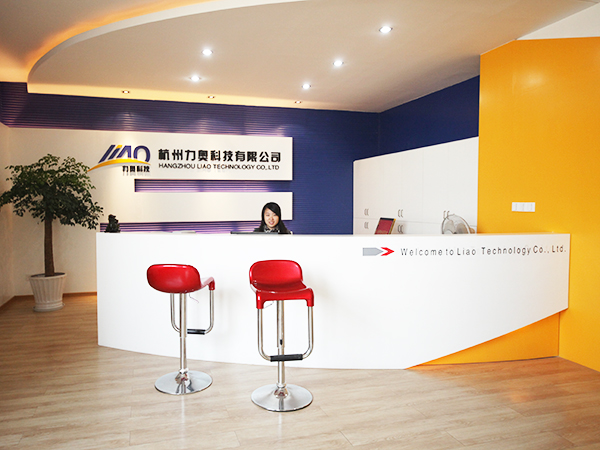
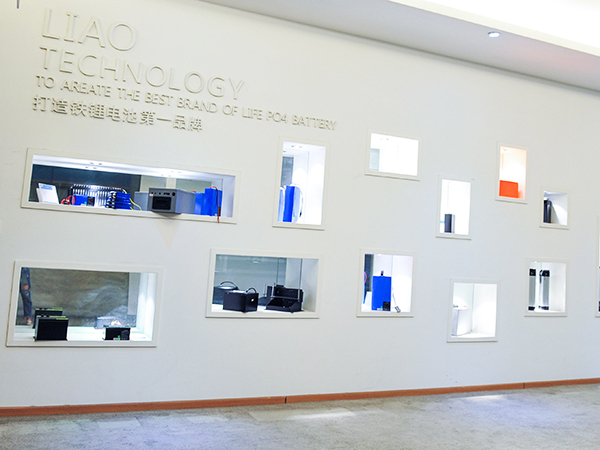
Founded in 2009, Hangzhou LIAO Technology Co., Ltd. has established itself as a professional, leading manufacturer focusing on premium-grade Lithium Iron Phosphate (LiFePO4) batteries. Over the last 15 years, our technical teams have engineered proprietary solutions that enable robust energy integration across diverse industries. Our high-grade cells and custom battery packs are exported to more than 20 countries globally.
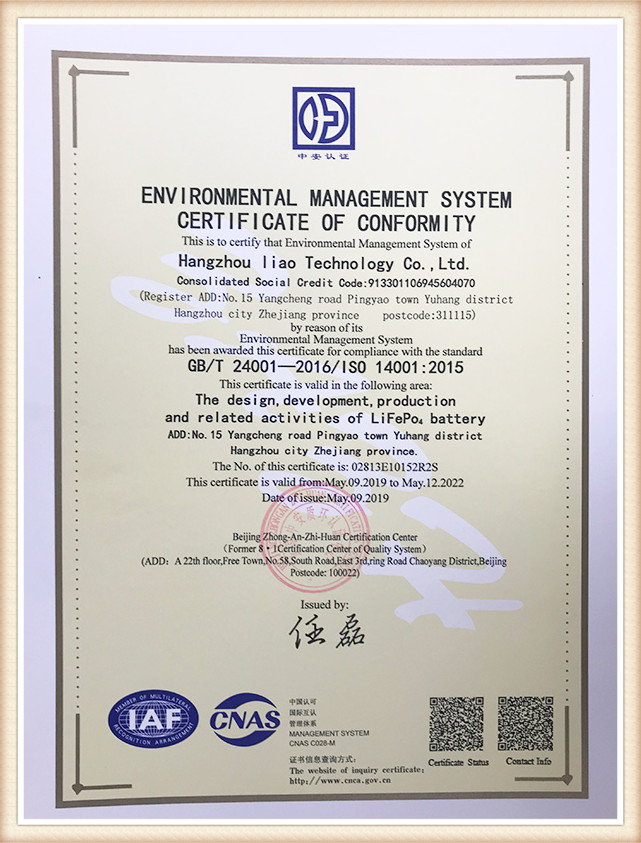
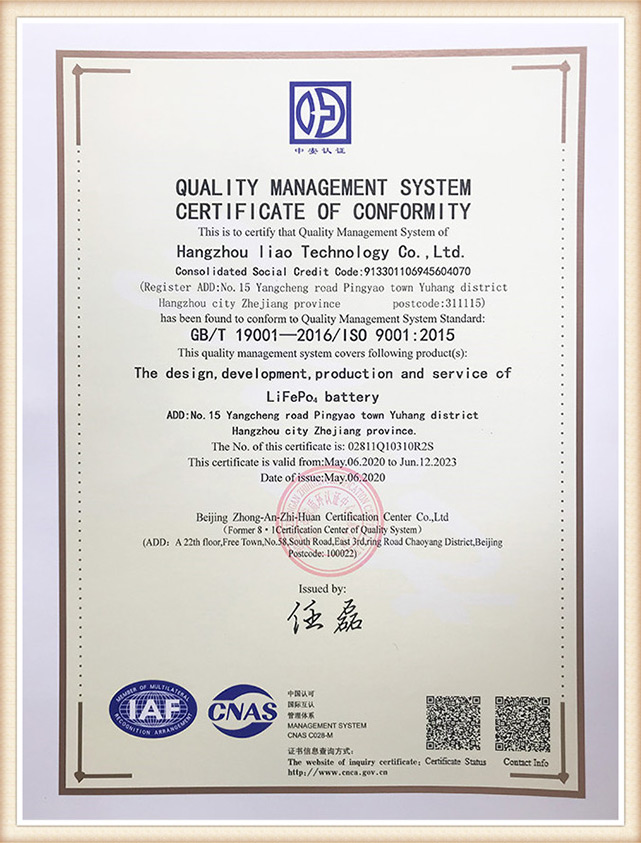
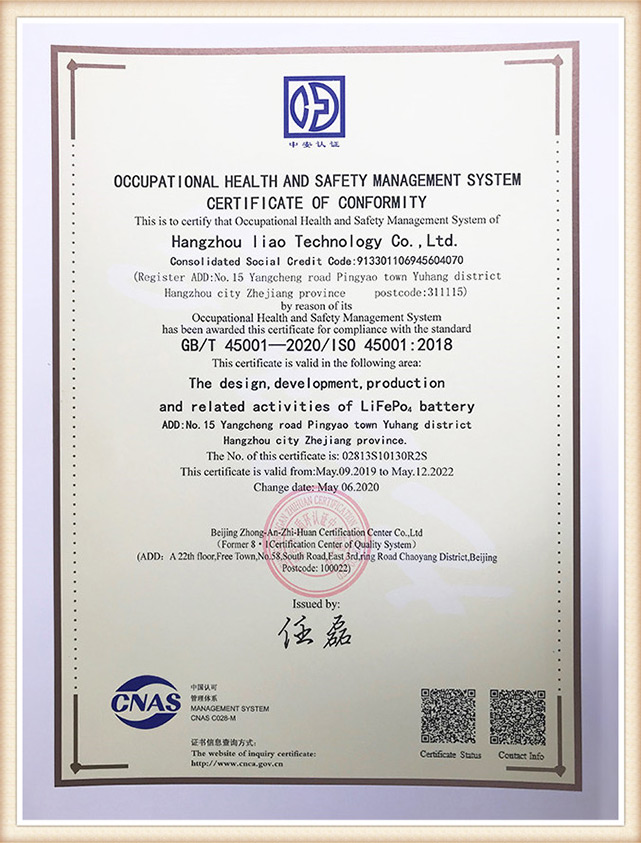
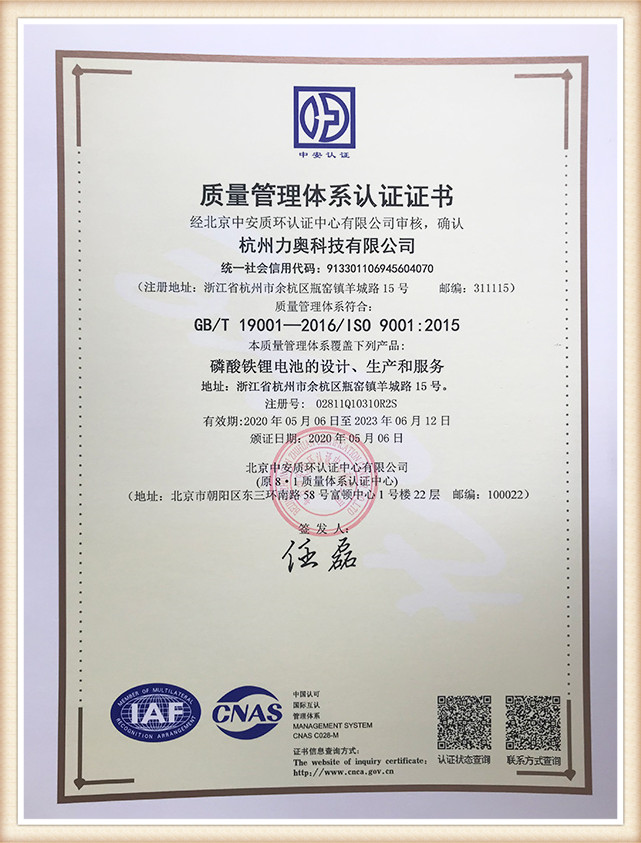
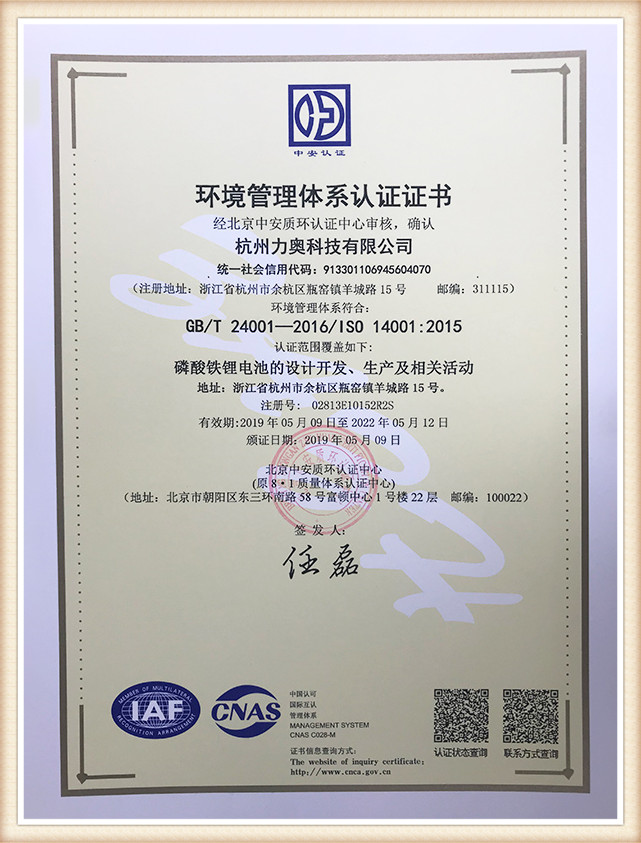
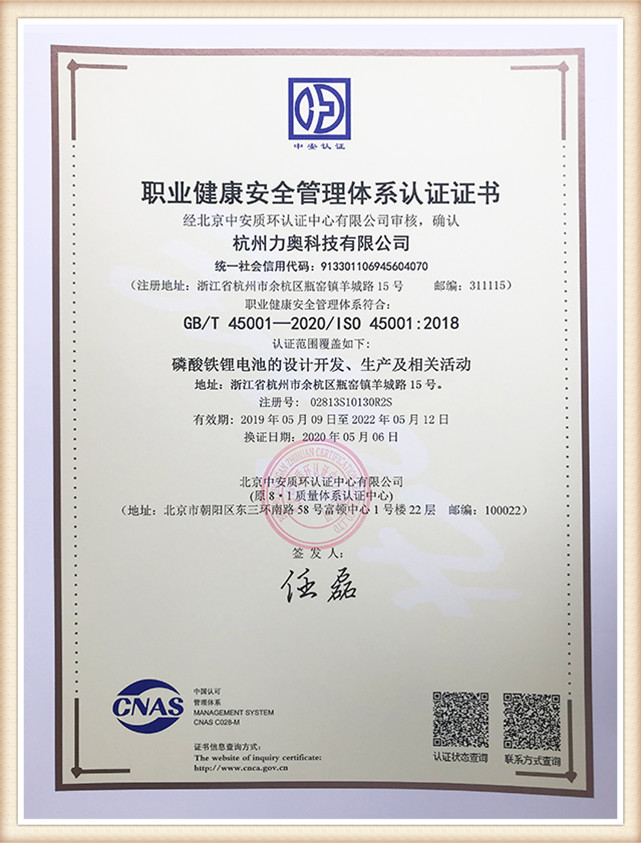
We operate under a rigorous quality control paradigm. All products are manufactured in strict compliance with the ISO 9001 Quality Management System, ISO 14001 Environmental Management System, and ISO 18001 Occupational Health and Safety Management System. By combining structural longevity with meticulous cell matching, we ensure every project meets and exceeds international standards.
Why China remains the global epicentre for high-grade 3.2V Lithium Phosphate battery production and supply chains.
From raw precursor material extraction (lithium carbonate and iron phosphate compounds) to high-precision separator membranes and electrolyte formulation, the entire supply chain is geographically concentrated within China. This vertical integration reduces logistics costs, minimizes shipping lead times, and stabilizes material costs against market fluctuations.
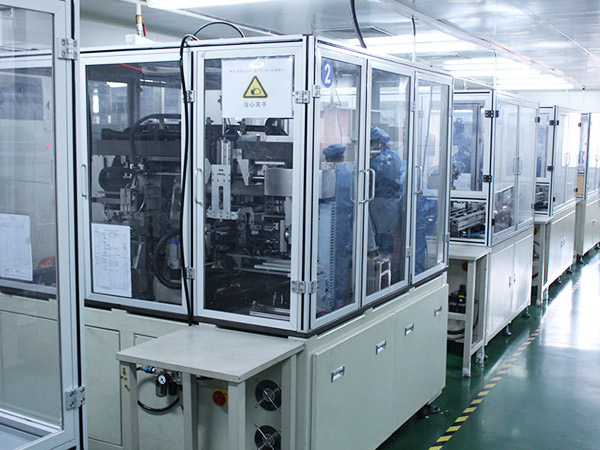
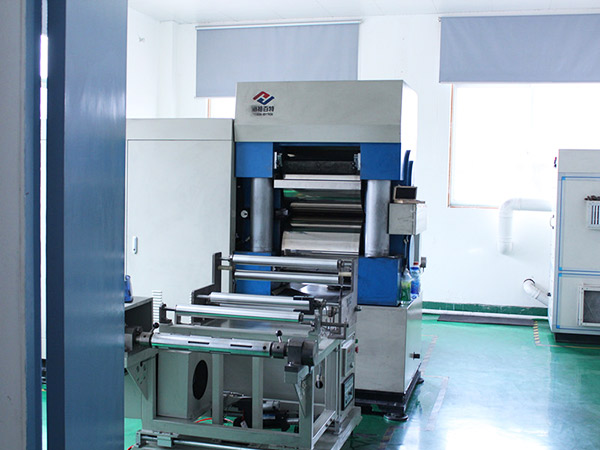
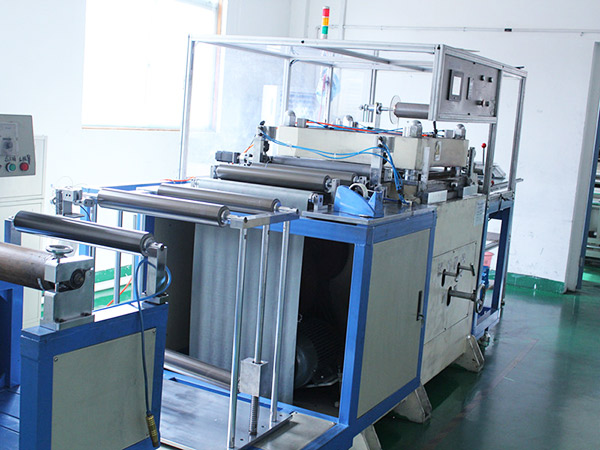
Our state-of-the-art facilities implement ultra-precise die cutting, automated continuous rolling, high-power fiber laser welding, and automated vacuum electrolyte injection. Advanced robotics minimize human errors, ensuring a high degree of uniformity in capacity, internal resistance, and voltage across every cell batch.
Chinese battery factories have immediate access to world-class local testing facilities capable of conducting rigorous thermal abuse, short-circuit, impact, overcharge, and mechanical shock validation. We ensure certifications like CE, UL, IEC, UN38.3, and RoHS are standard procedures, not optional extras.
Every industry requires custom power profiles. Our engineering team designs optimized pack solutions to maximize application performance and longevity.

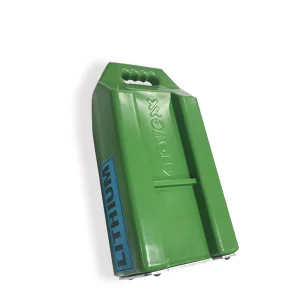
Our new generation LiFePO4 golf cart batteries deliver consistent voltage, lightweight power, and maintenance-free operation across diverse golf terrains and challenging slope conditions.
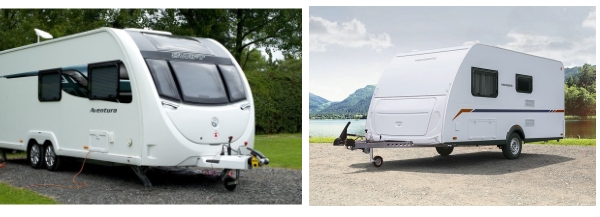
Provide quiet, high-torque starting current for caravan movers without gas emissions. Save on manual labor while improving operations with lightweight battery setups.
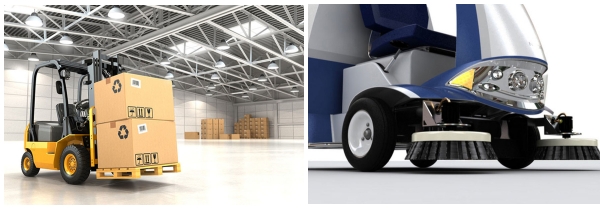
Optimized for heavy material handling, forklift trucks, and warehouse AGVs. Reduces charging intervals and delivers high power throughput during high-load transport cycles.

Eco-friendly marine grade battery arrays. Resists vibration and moisture while outputting zero ambient emissions and low noise pollution, safeguarding the natural marine environment.

Developing a dependable energy storage system (ESS) requires deep engineering synergy between electrochemical cell properties, mechanical pack architecture, and the Battery Management System (BMS). Our design division consists of veteran mechanical and electrical engineers with over a decade of dedicated expertise.
By conducting detailed thermal modeling, stress analysis, and cycle simulations, we deliver high-reliability custom packs for unique industrial and consumer requirements. We integrate reliable BMS layers featuring active balancing, protection against short-circuit, overcharge, deep discharge, and CANbus/RS485 communication protocols. Partnering with us minimizes design risks, expedites time-to-market, and protects your investment.
Hangzhou LIAO Technology Co., Ltd. provides robust contract manufacturing channels for international battery distributors, solar power integrators, and equipment OEMs. We offer flexible branding options, custom packaging configurations, and specific cell tuning options to meet complex project needs. Our dedicated account managers cooperate directly with your technical teams to streamline prototyping, pilot runs, and large-scale mass assembly.
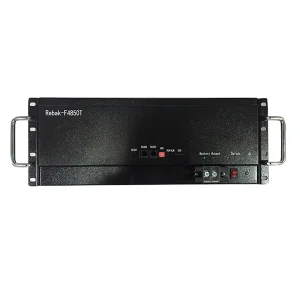
Whether you require single 3.2V prismatic cells with custom thread terminals or integrated 48V telecom-grade racks, our production floor is calibrated to scale rapidly to your delivery schedules. Get in touch with us for full pricing quotes, customization datasheets, and sample evaluations.
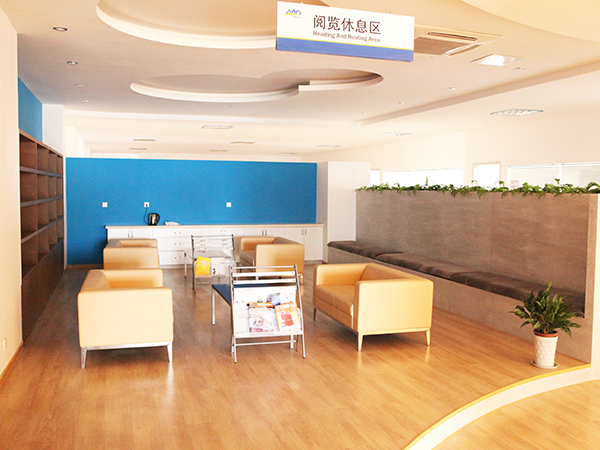
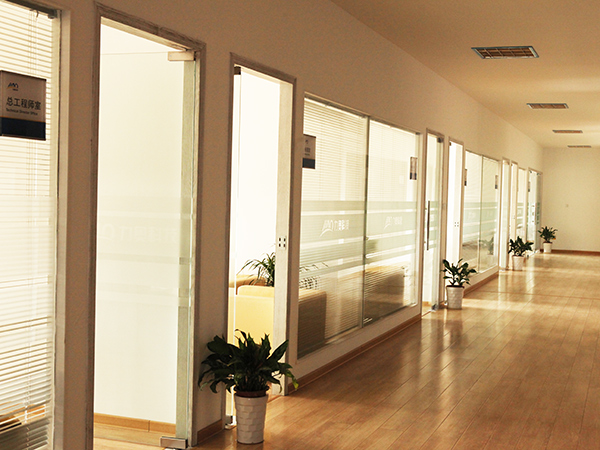
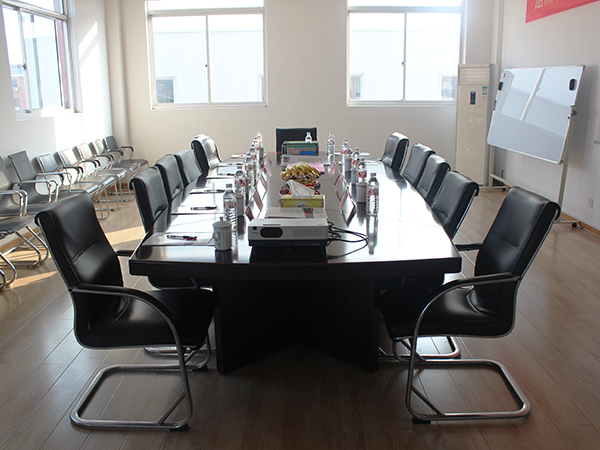
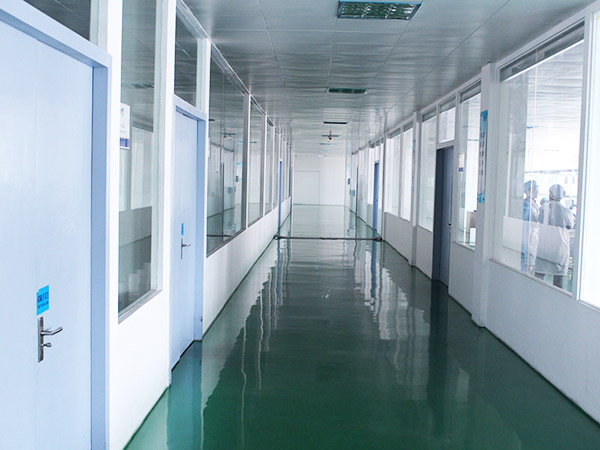
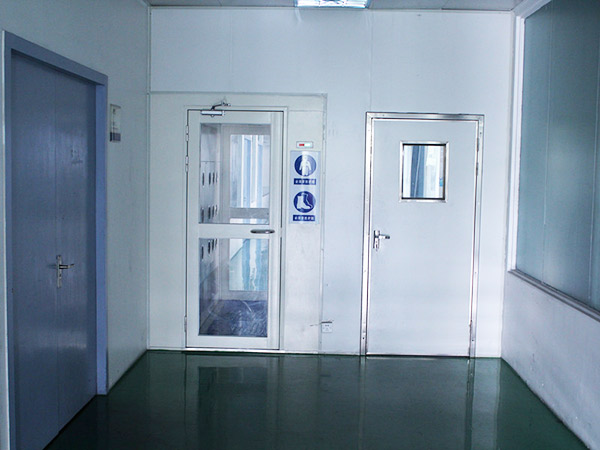
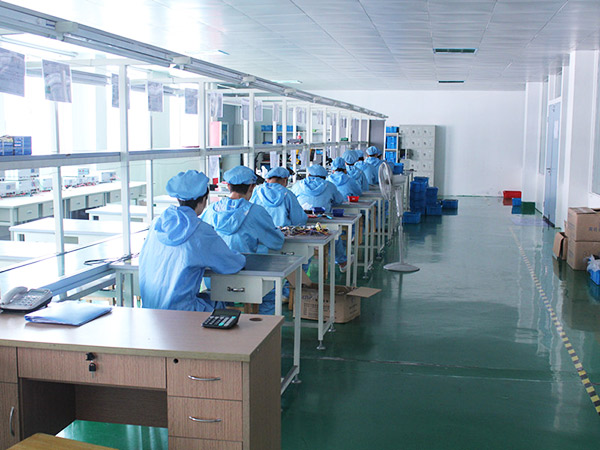
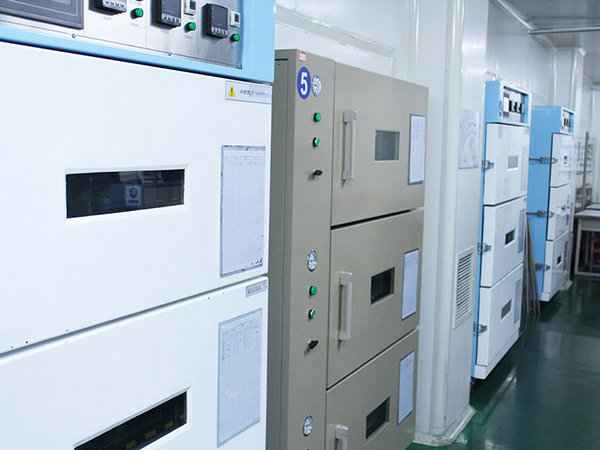
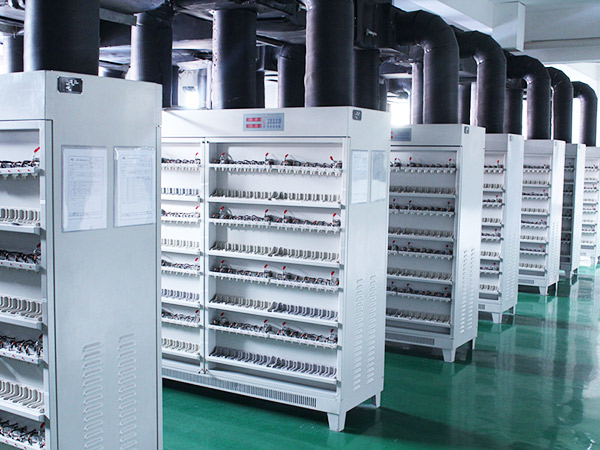
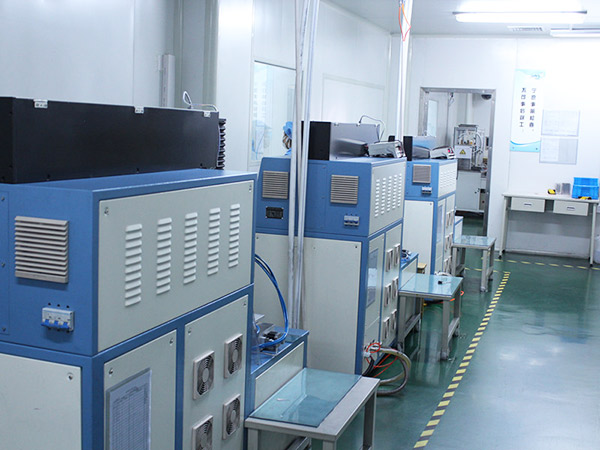
A transparent visual journey demonstrating our state-of-the-art manufacturing facilities, cleanroom production stages, and advanced automation machinery.
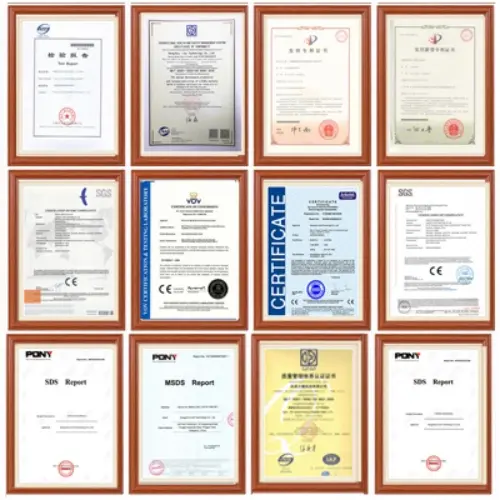
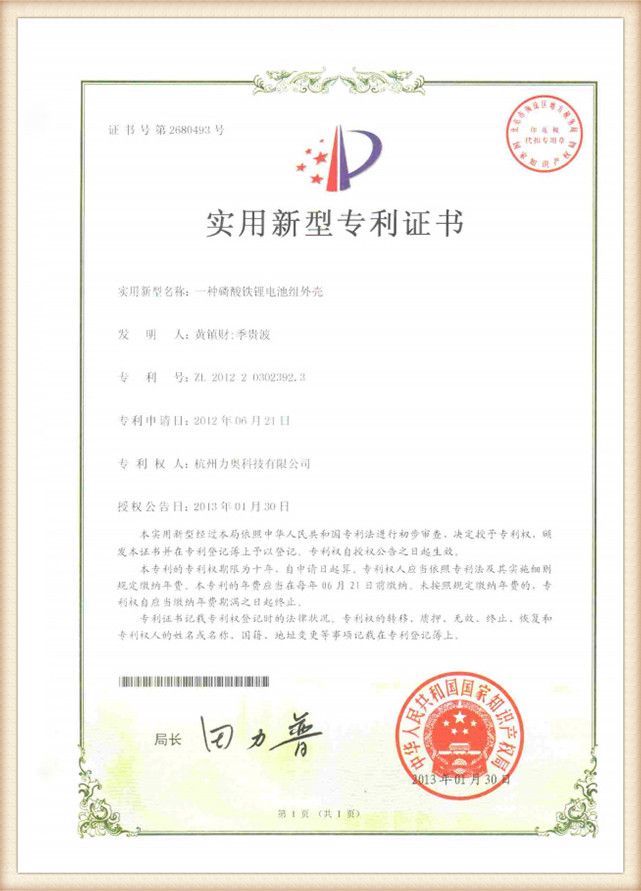
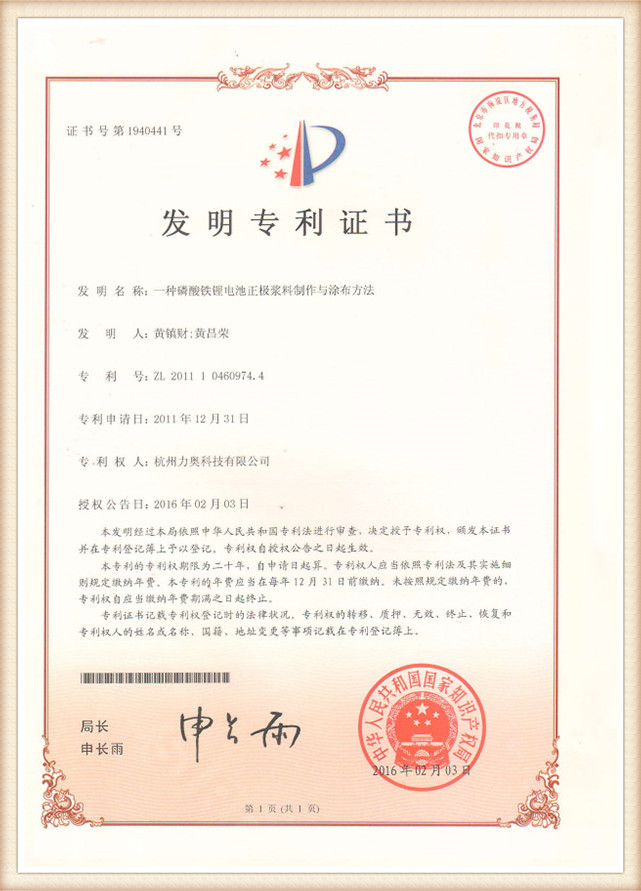
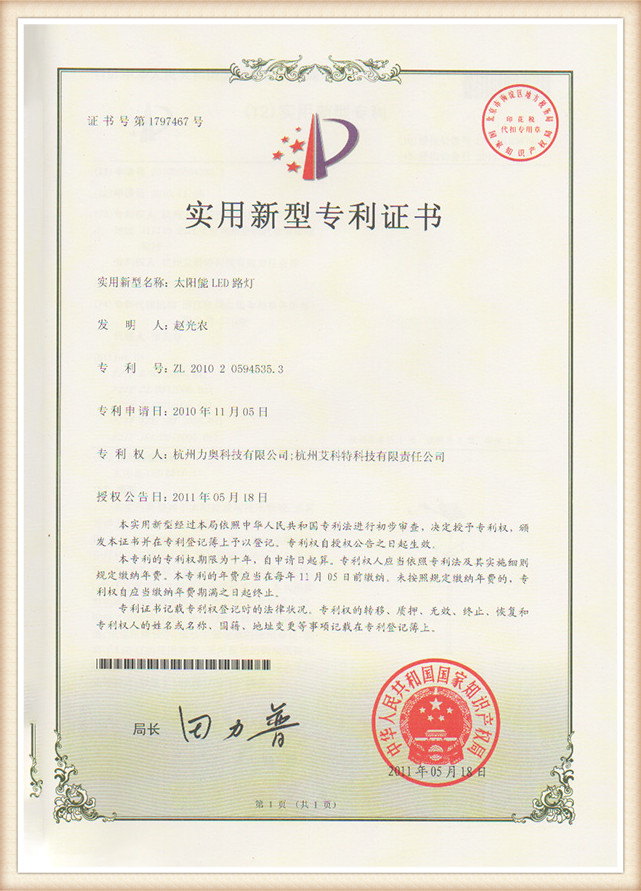
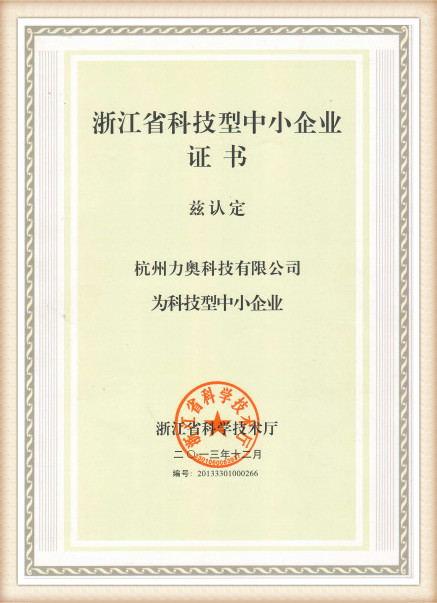
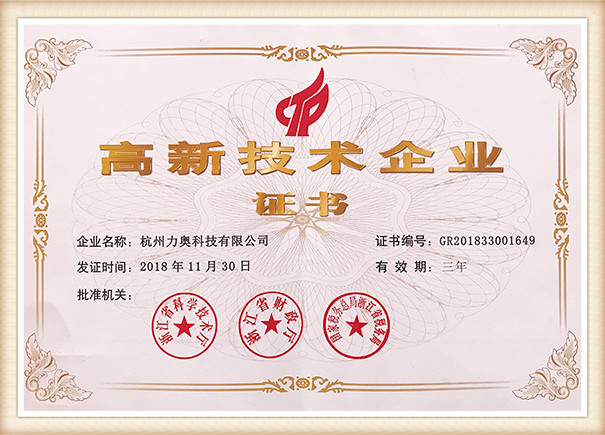
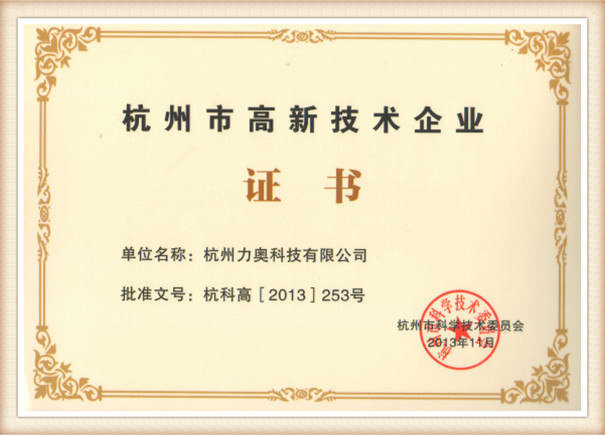
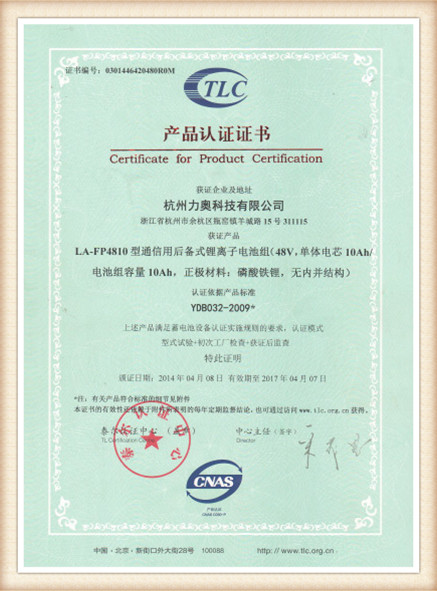
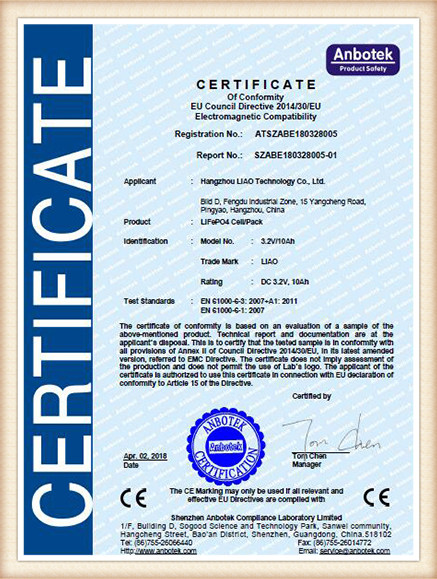
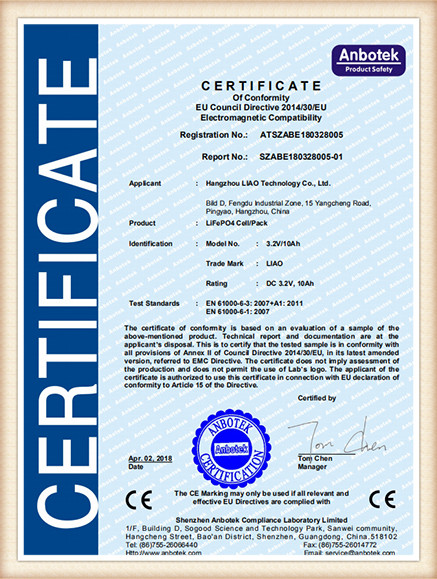
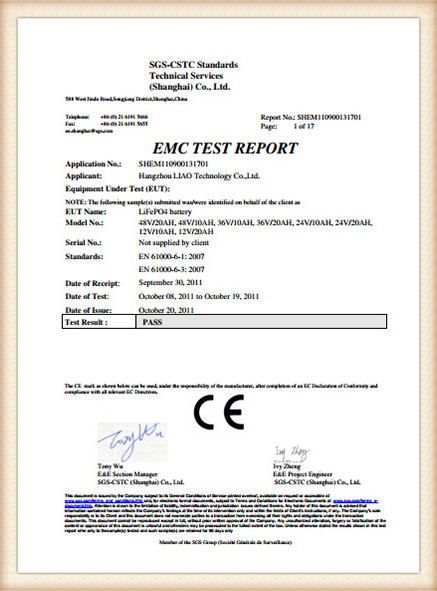
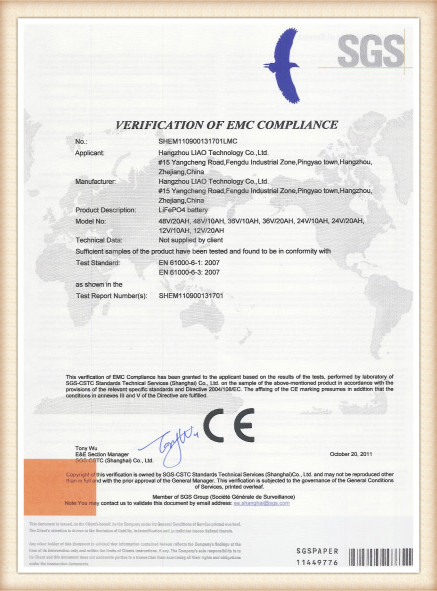
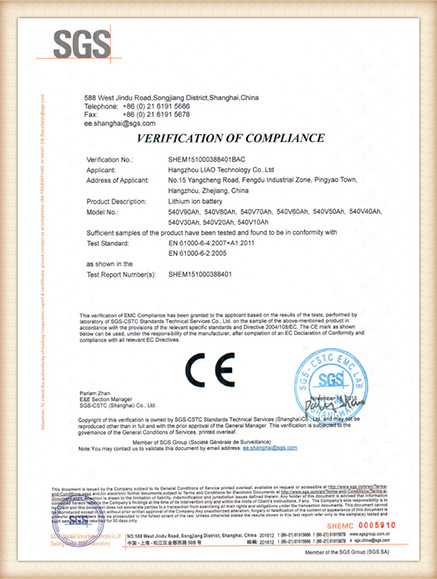
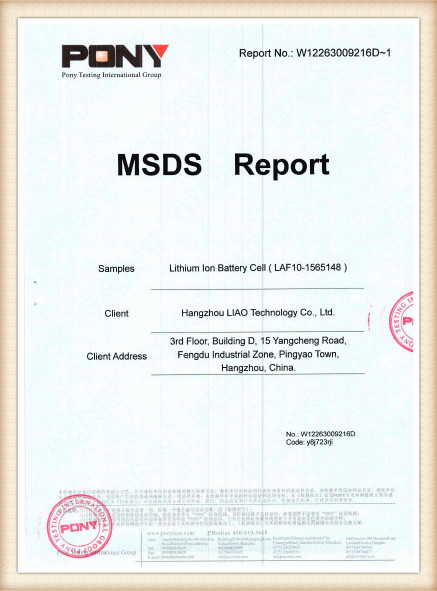
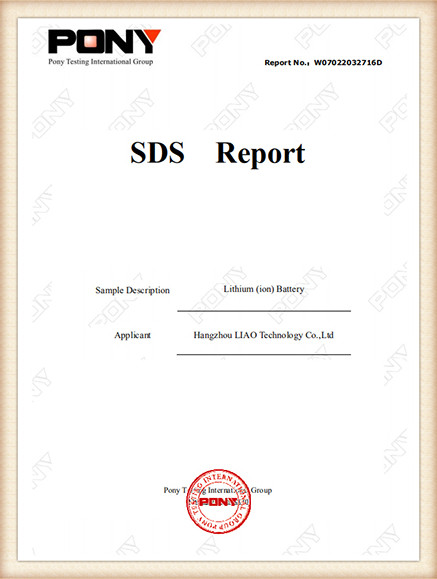
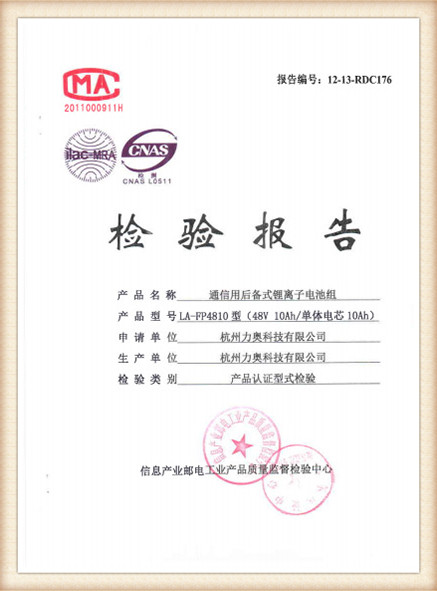
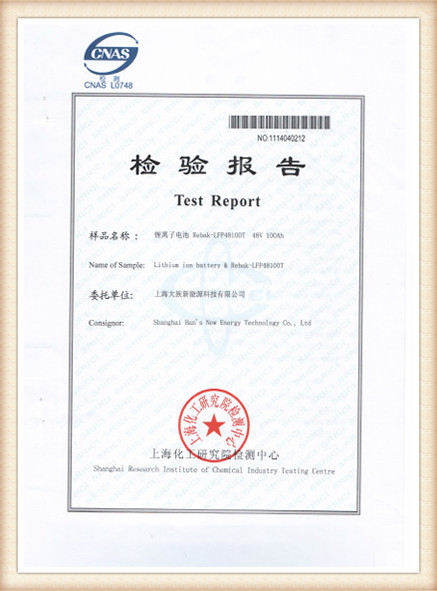
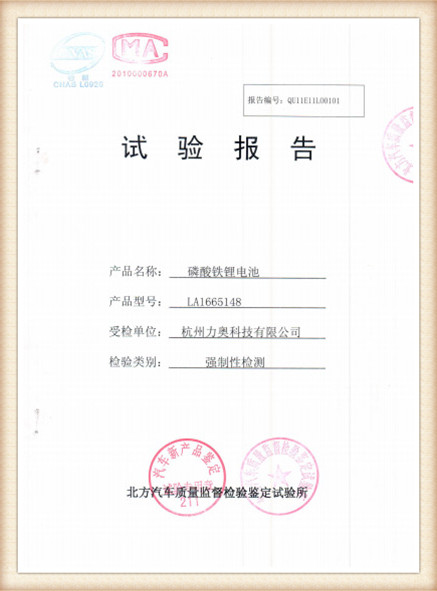
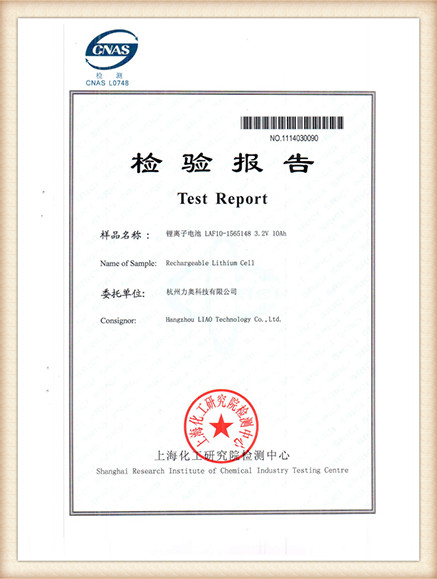
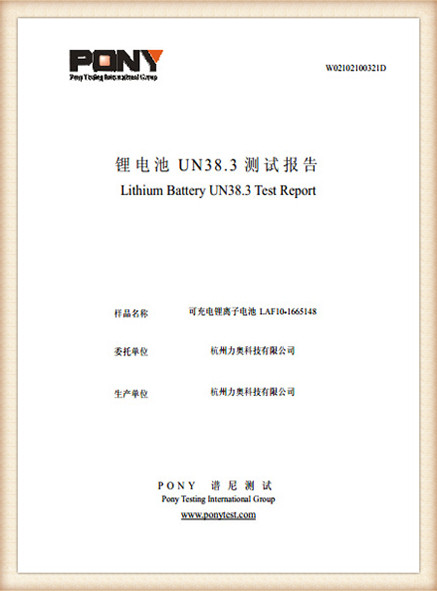
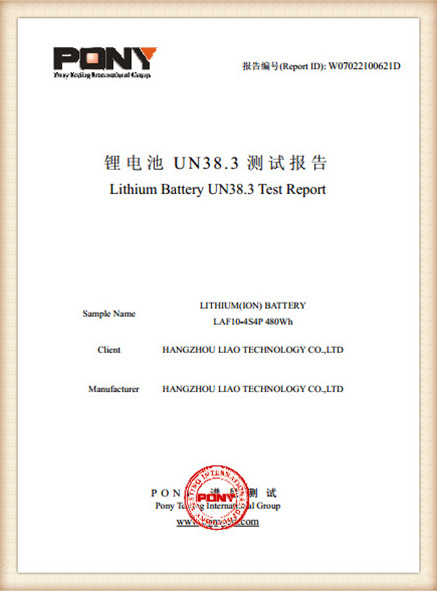
Safety is validated through rigorous third-party assessment. Our LiFePO4 cells carry international certification proving reliability under absolute limit states.

Understanding future technologies helps corporate buyers purchase systems that do not quickly become obsolete.
Markets are rapidly moving away from smaller cylindrical cells toward large prismatic formats (e.g., 50Ah, 100Ah, 280Ah, and 306Ah). These larger formats maximize energy density per package volume, simplify cell-to-pack (CTP) structural configurations, and reduce the overall components in the Battery Management System (BMS).
By blending manganese into the traditional iron phosphate lattice structure, researchers are establishing cells with a nominal voltage of 3.8V-4.0V while preserving the fundamental safety profiles of LFP. This approach improves system energy density by 15-20% without escalating production costs.
Modern battery packs are moving away from simple analog protection circuits. The integration of high-speed microcontrollers running AI-based State of Charge (SoC) and State of Health (SoH) prediction algorithms allows real-time thermal runaway warning systems and dynamic remote diagnostics.
Technical answers to help buyers evaluate chemistry, cycle parameters, and system layouts.
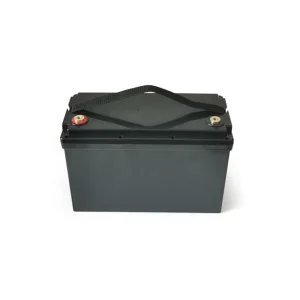
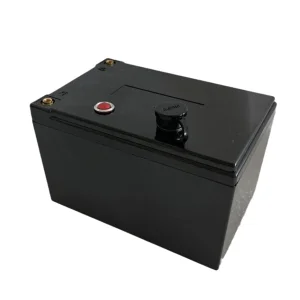
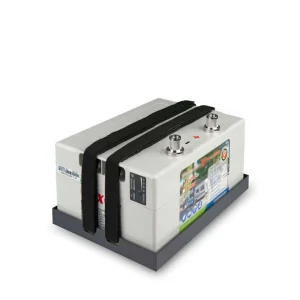
Choose from our certified heavy-duty storage arrays, golf trolley packs, and replacement units.
 Liao Battery