Explore our top-tier catalog of custom-engineered LiFePO4 cells, designed to deliver exceptional thermal stability, long cycle life, and optimized energy densities.
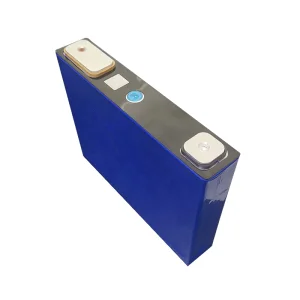
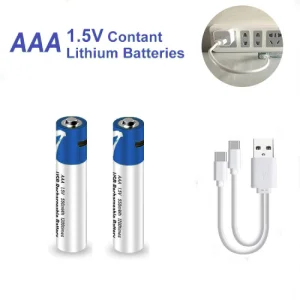
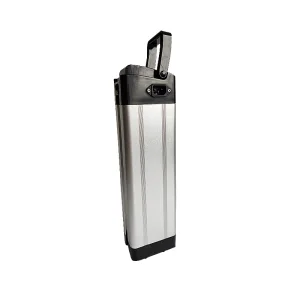
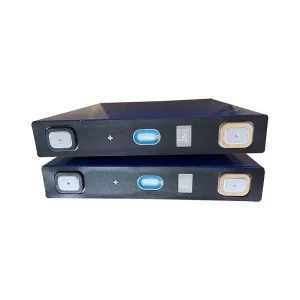
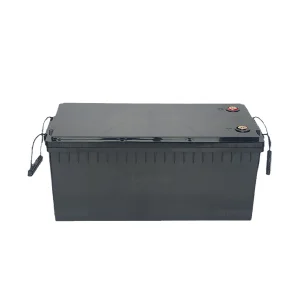
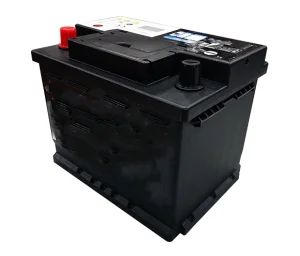
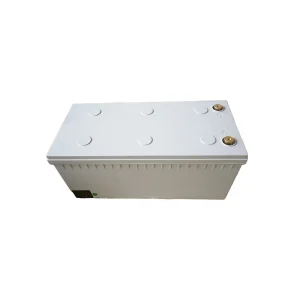
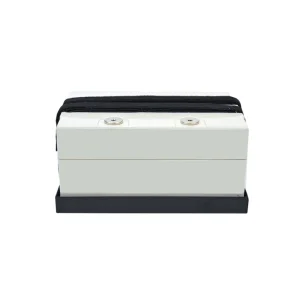
In the rapidly transforming landscape of global electrochemical energy storage, the 3.2V 20Ah LiFePO4 (Lithium Iron Phosphate) battery cell has emerged as a cornerstone building block. Representing an ideal middle ground between small cylindrical form factors (such as 18650 or 32700 cells) and massive prismatic utility-scale cells (like 280Ah and 320Ah), the 20Ah capacity is exceptionally optimized for medium-power applications. This includes Light Electric Vehicles (LEVs), material handling machinery, telecom backup systems, and customized residential and industrial solar battery packs.
Unlike Nickel-Manganese-Cobalt (NMC) chemistries, the intrinsic olivine crystal structure of LiFePO4 (LFP) provides superior thermal and chemical resilience. B2B procurement managers globally select the 3.2V 20Ah variant because it offers a highly modular granularity, enabling system integrators to configure battery modules with high structural density, minimized passive weight, and highly precise thermal management pathways.
Hangzhou LIAO Technology Co., Ltd., founded in 2009, stands as an industry-leading manufacturer specialized in the research, development, and manufacturing of premier LiFePO4 batteries, delivering certified quality and customized solutions to over 20 countries globally.
Understanding the mechanical and electrochemical distinctions among LFP form factors is vital for system safety and commercial viability. The 3.2V 20Ah specification is predominantly manufactured in two physical form factors: cylindrical cells (typically using advanced wound configurations) and prismatic/pouch cells.
Typically structured with robust steel or aluminum casings. These cells excel in structural integrity and high-rate discharge. Their round profile naturally facilitates passive air cooling throughout pack ventilation channels, minimizing the need for complex liquid-cooling systems in low-to-medium power demands.
Designed to maximize volumetric efficiency. Prismatic 20Ah cells use rigid metallic housings to save space within battery enclosures, while pouch variants employ laminated aluminum foils for extreme weight savings, though they require strict compression design inside the module chassis.
The demand for 3.2V 20Ah cells is geographically diverse but highly concentrated in hubs accelerating green energy transitions. European markets (including Germany, the UK, the Netherlands, and France) demand cells with strict ESG compliance, high traceabilities, and verified lifecycle analyses. In North America, procurement centers heavily evaluate the cells for residential off-grid solar micro-grids and customized RV/marine power system configurations.
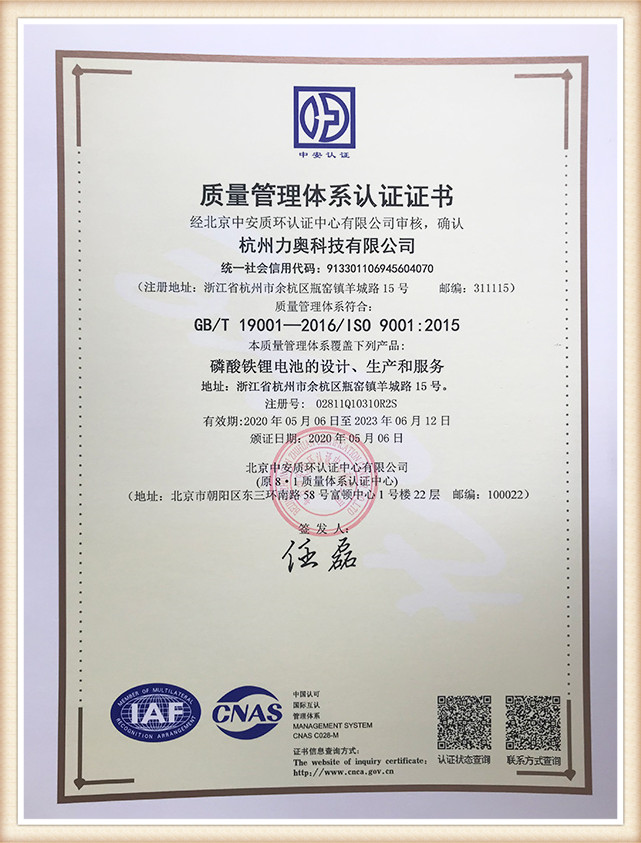
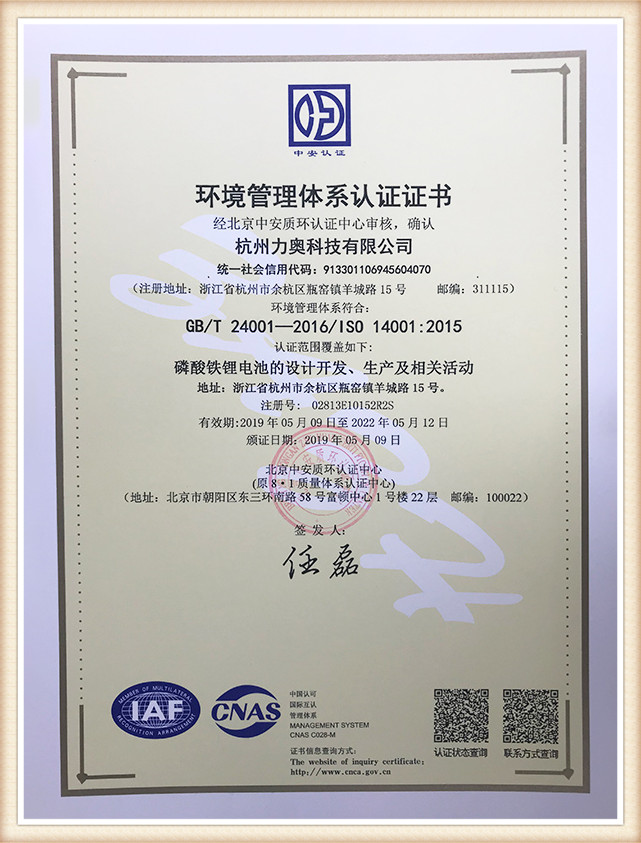
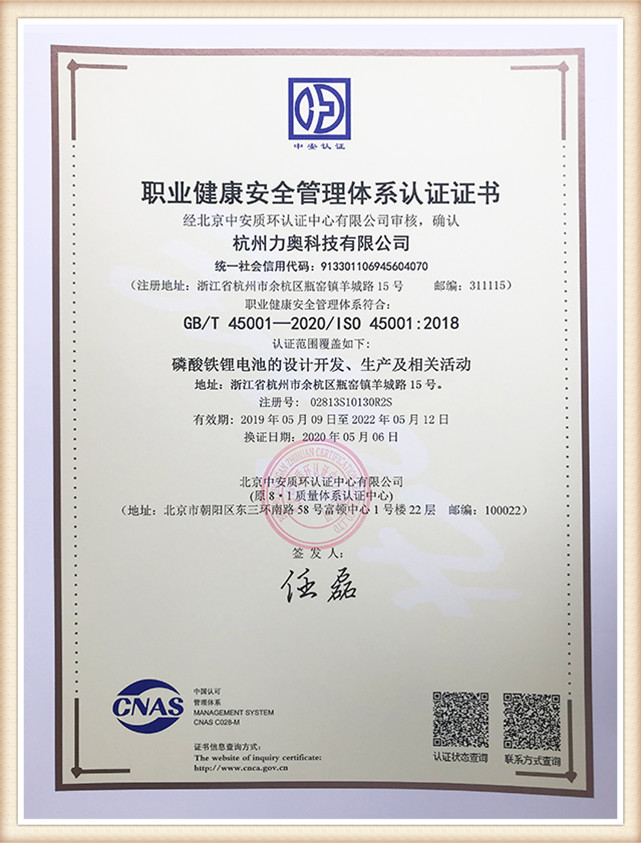
Sourcing these cells requires dealing with manufacturers that demonstrate high-precision production control. The raw cathode materials (LiFePO4 powder), electrolyte purity, and separator coatings must be strictly monitored. Chinese manufacturing leads the supply chain, providing optimized unit economics paired with highly automated assembly systems. B2B buyers must prioritize suppliers possessing robust certifications (ISO 9001, ISO 14001, and ISO 45001/ISO 18001) to verify production repeatability and safety integrity.
Building reliable battery systems with 20Ah cells requires a meticulous engineering system architecture. Below are the core integration pathways for primary applications:
By connecting 3.2V 20Ah cells in a 16S2P configuration, engineers build 51.2V 40Ah battery packs that seamlessly fit the tight under-seat footprints of standard golf carts and autonomous guided vehicles (AGVs). These modules replace heavy lead-acid configurations, saving up to 70% in system weight while maintaining stable discharge voltages even during high peak climbs or heavy industrial load pulls.
Marine and RV environments demand exceptional vibration resistance and thermal resilience. A 4S1P configuration yields a robust 12.8V 20Ah module, and higher parallel connections (such as 4S10P for 12.8V 200Ah) provide deep-cycle, fire-safe energy storage. These packs interface with standard solar controllers and inverters to power communication equipment, appliances, and electric trolling motors.
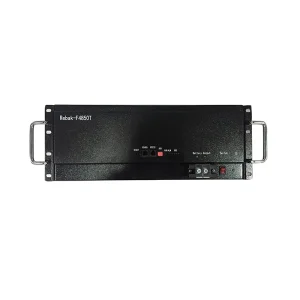
Modern telecom towers require long standby lifetimes under high ambient temperatures. 3.2V 20Ah cells assembled into standard 19-inch rack-mounted 48V 50Ah or 100Ah packs offer outstanding operational savings. These cells require no active climate control inside base station enclosures, operating reliably across an extensive thermal range from -40°C to 85°C.
Established in 2009, Hangzhou LIAO Technology is a world-class OEM & ODM manufacturer of premium LiFePO4 batteries. Guided by ISO 9001, ISO 14001, and ISO 18001 standards, our products deliver reliability across more than 20 countries.
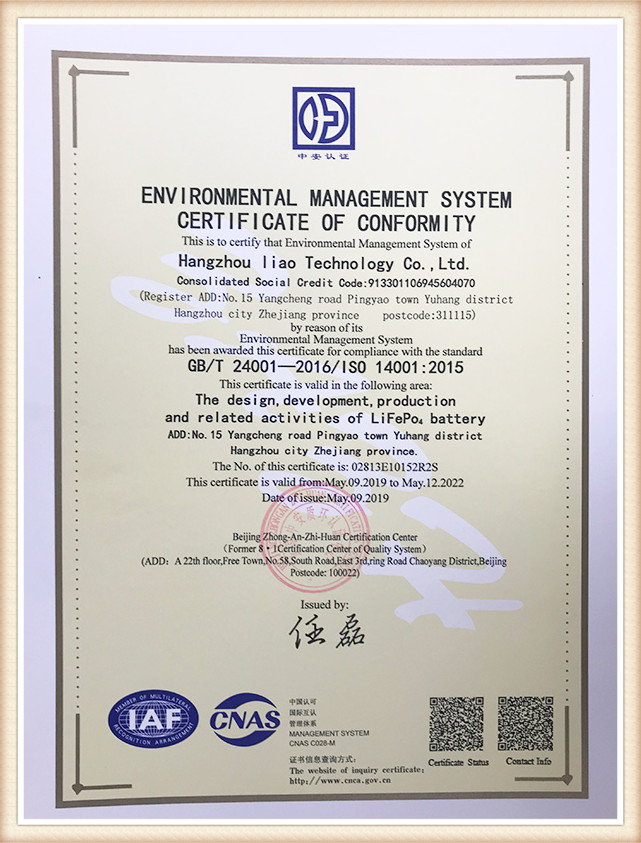
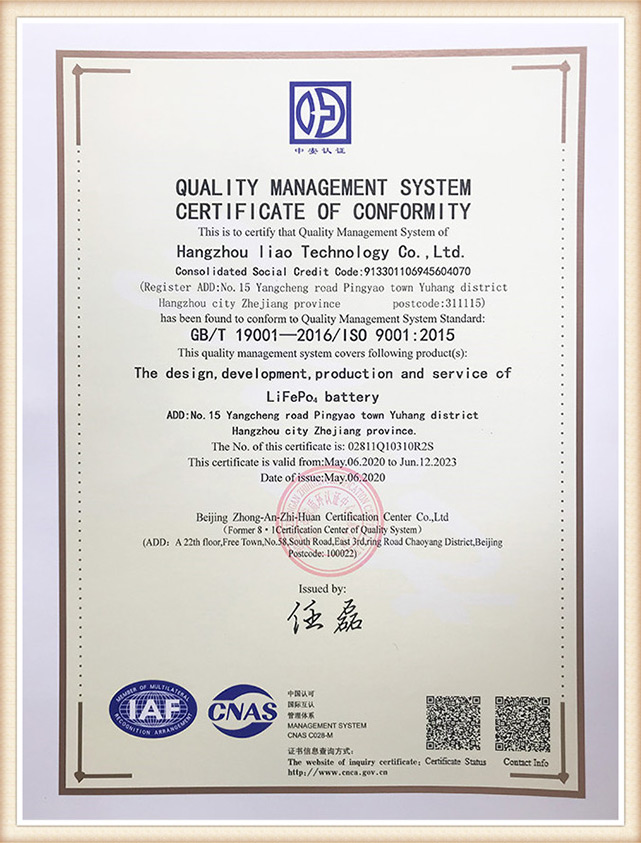
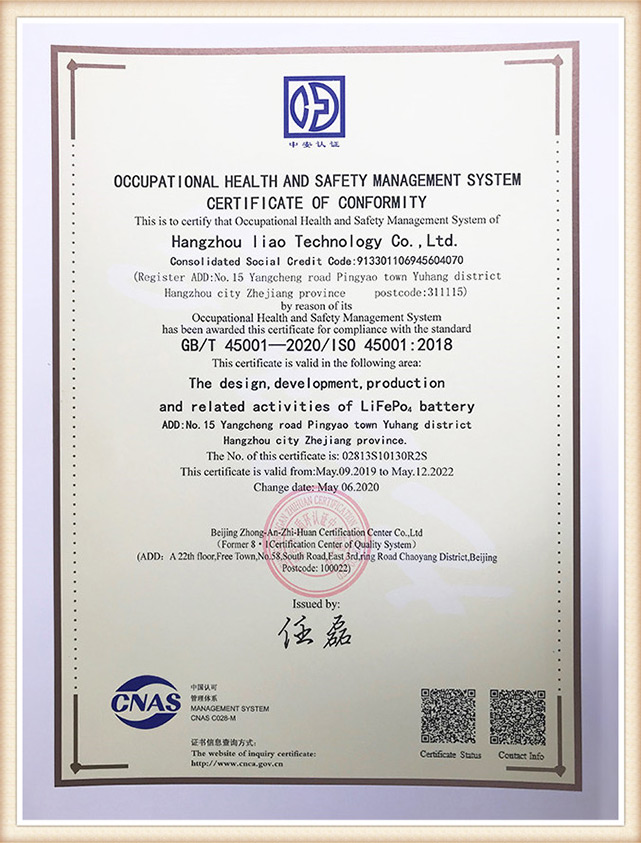
Hangzhou LIAO Technology houses a world-class design division comprised of electrical and mechanical engineering specialists. With over a decade of hands-on custom packaging experience, LIAO helps over 500 customers conceptualize and manufacture custom battery configurations. From small-scale prototypes to bulk industrial runs, our OEM and ODM services shorten the time-to-market while reducing manufacturing development costs.
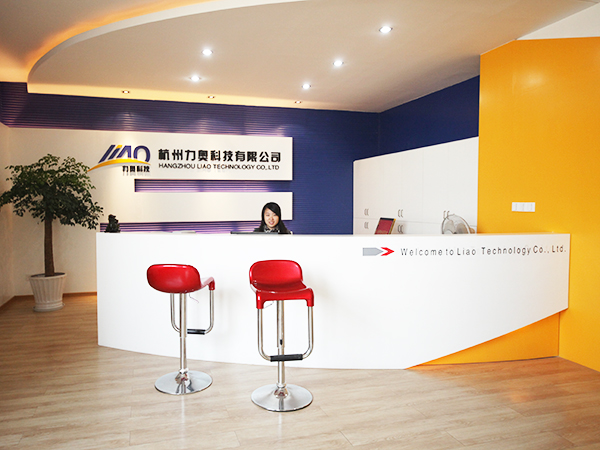
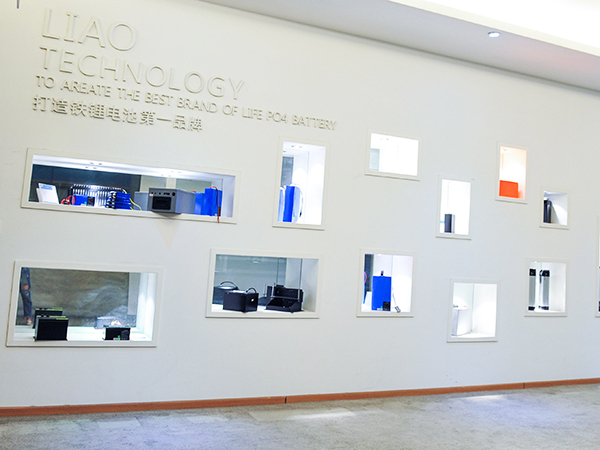
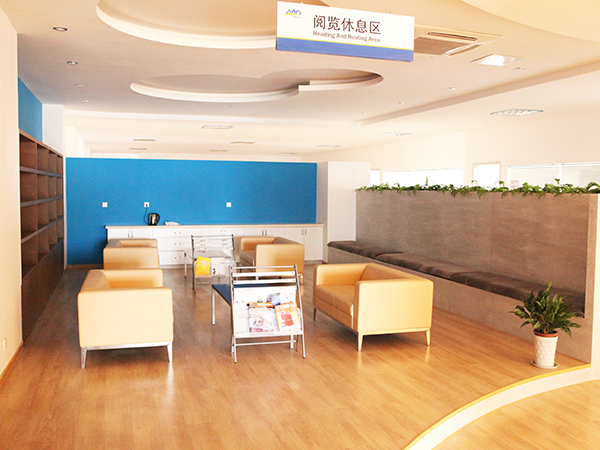
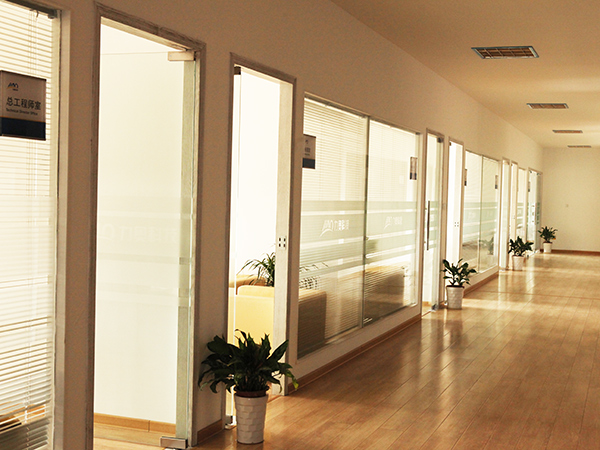

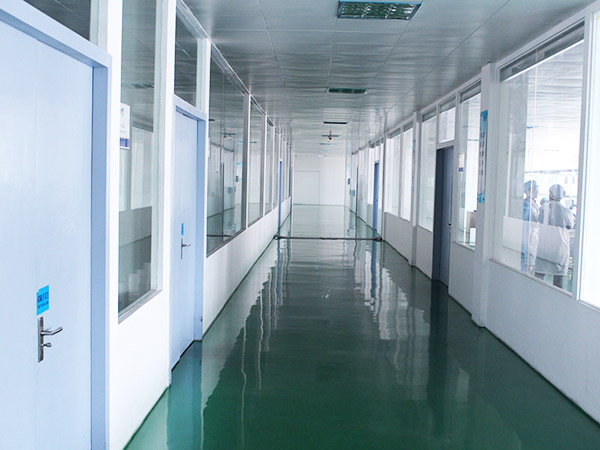
Our manufacturing facility features dynamic machinery that guarantees structural integrity, zero contamination, and perfect mechanical tolerances. We use state-of-the-art systems for cell rolling, high-precision die cutting, automated stacking, capacity sorting, and computer-controlled laser welding to ensure that every cell module stands up to extreme operating conditions.
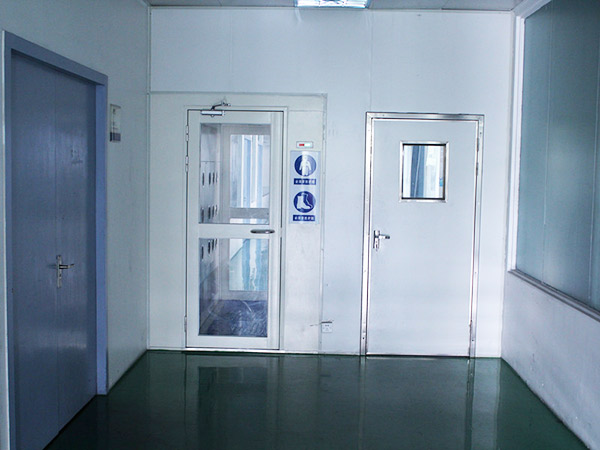
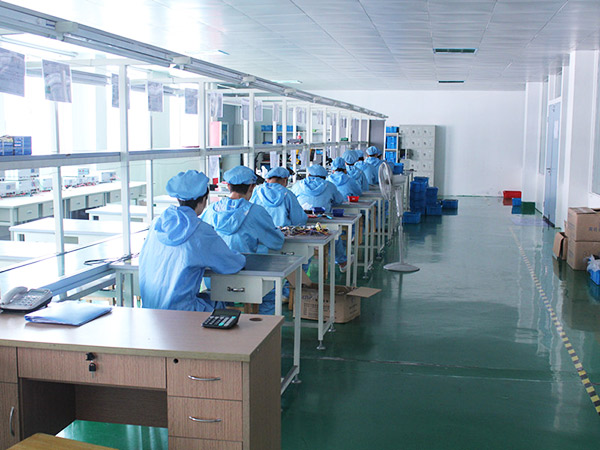
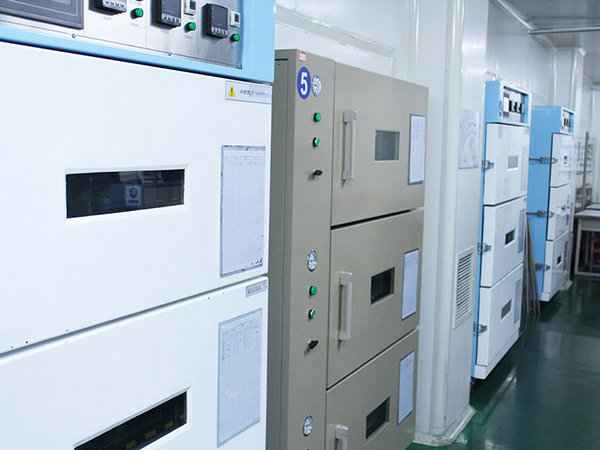
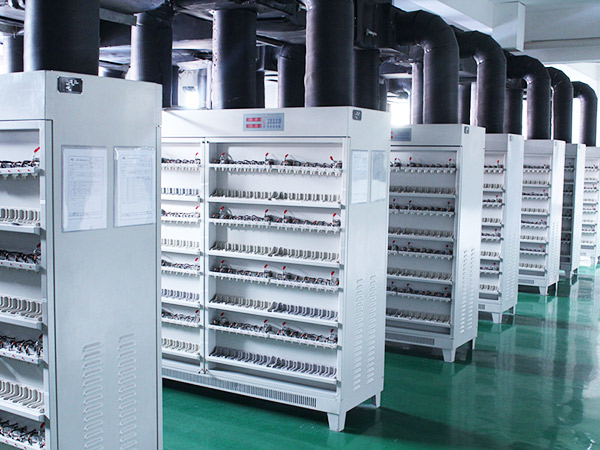
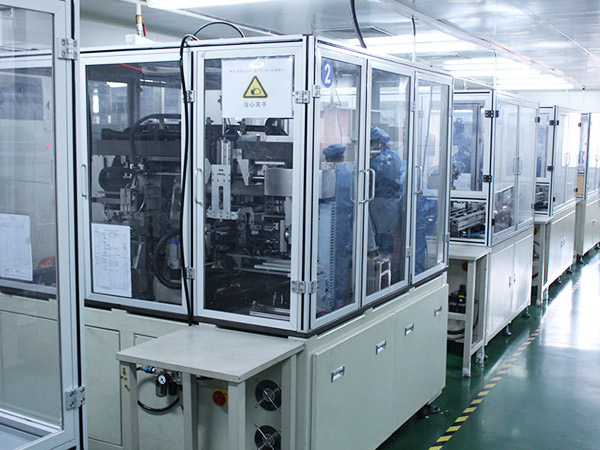
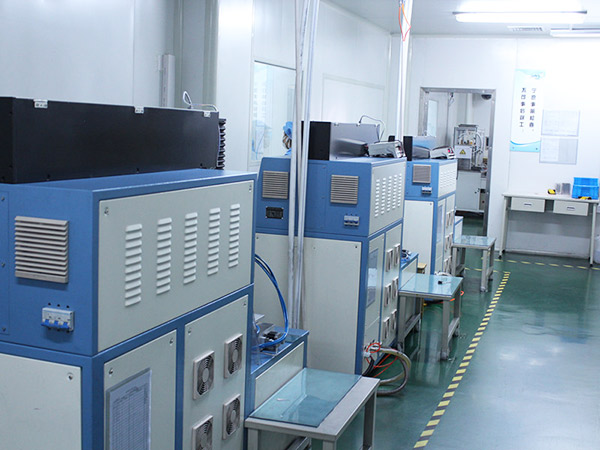
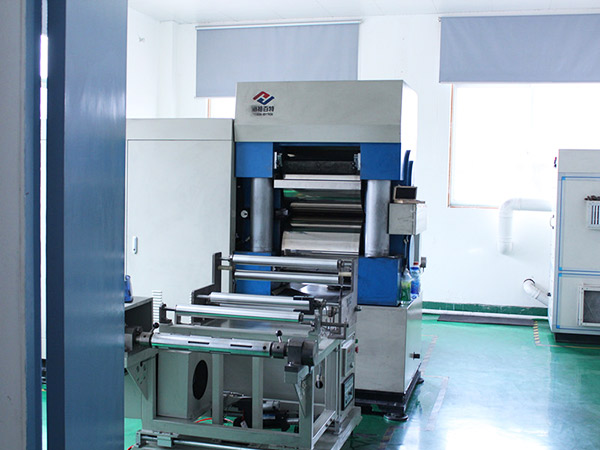
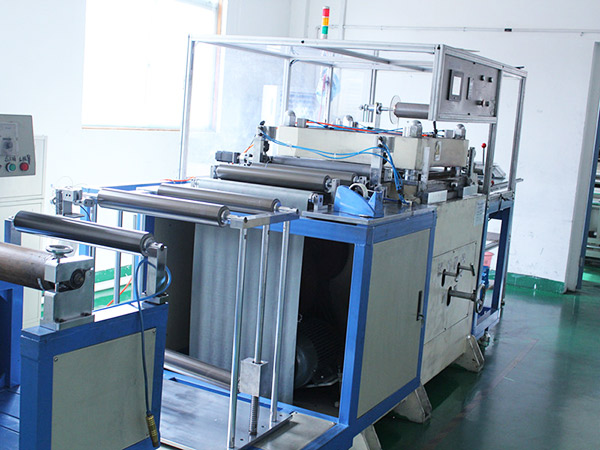
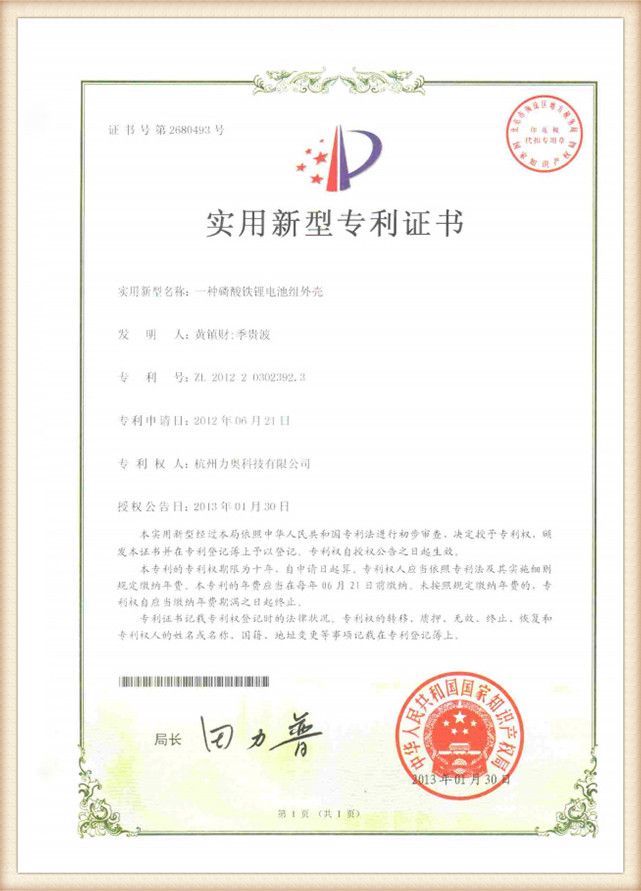
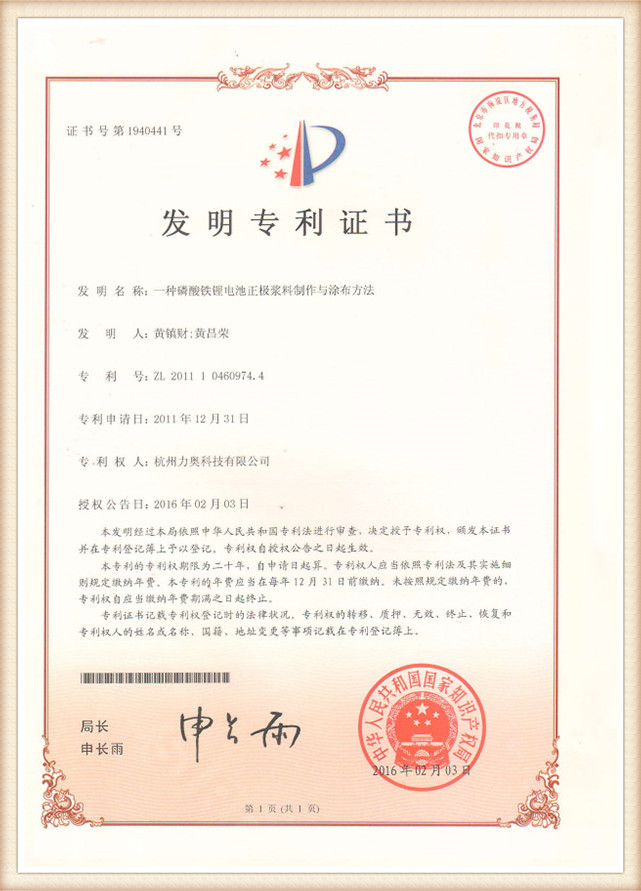
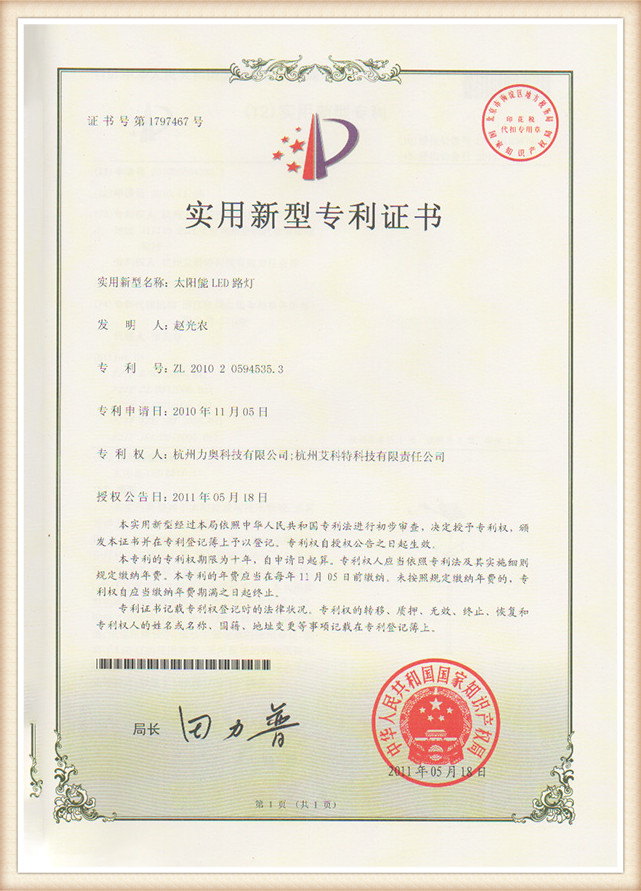
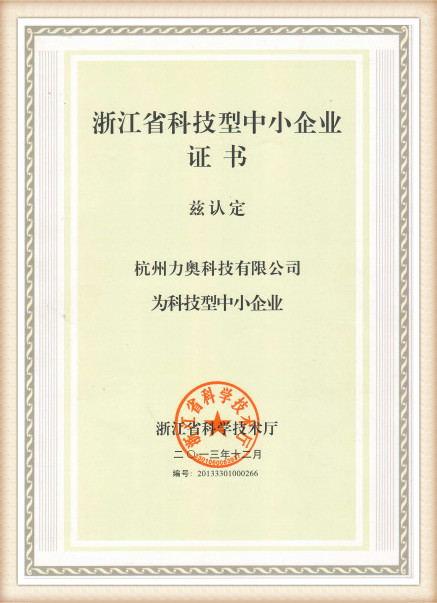
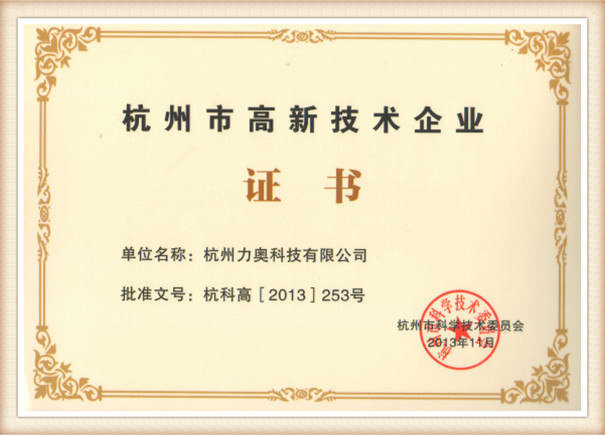
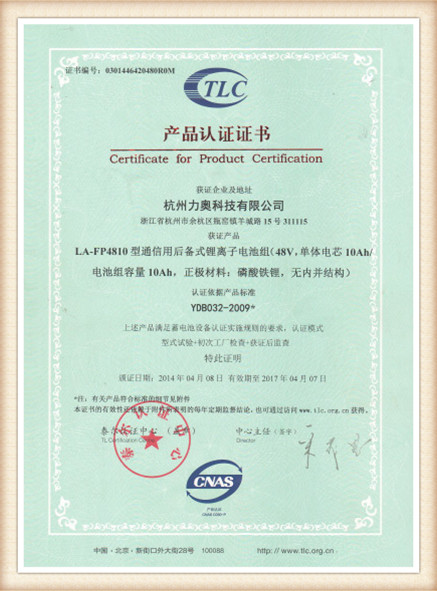
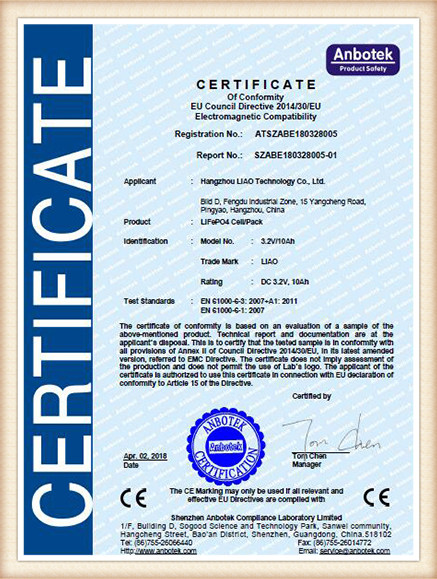
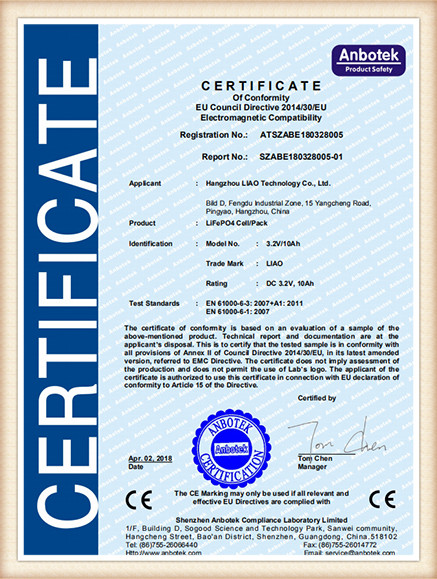
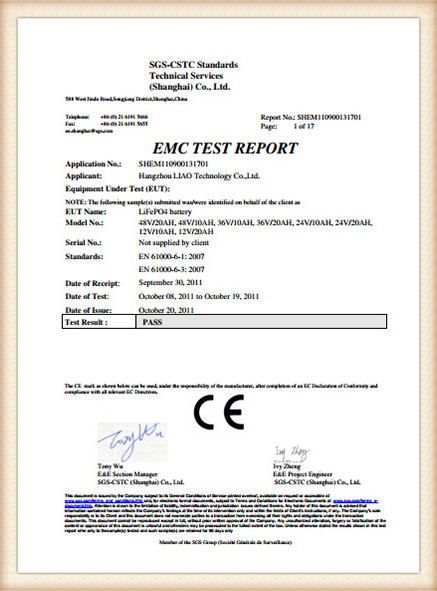
Our strict quality verification system ensures that every product batch meets the highest safety standards required by global customs and industrial regulatory bodies.


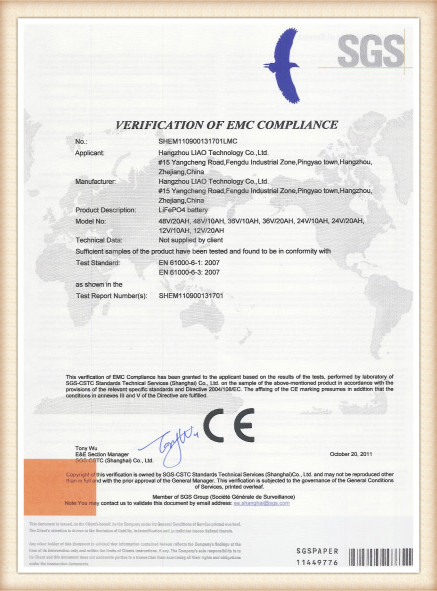
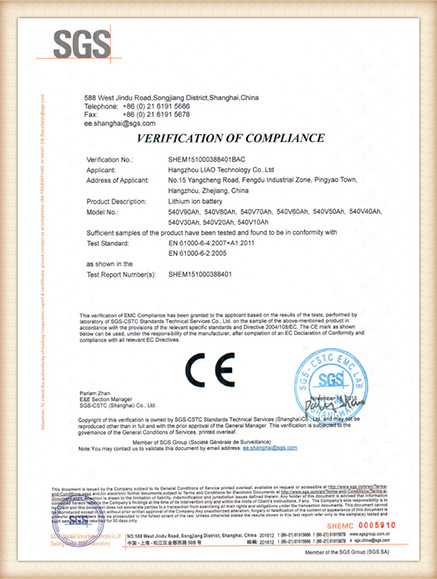
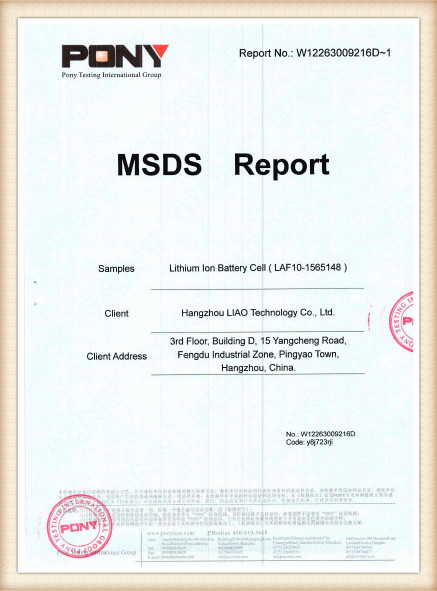
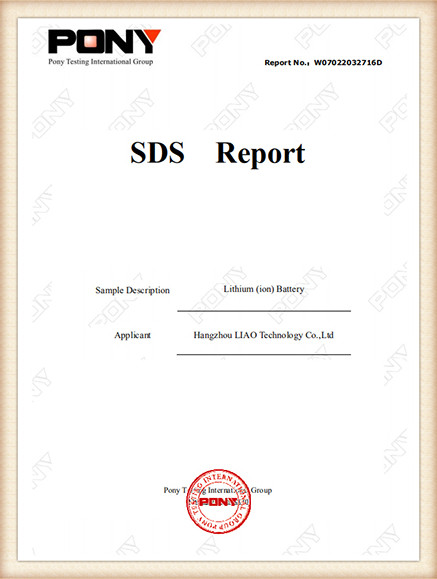
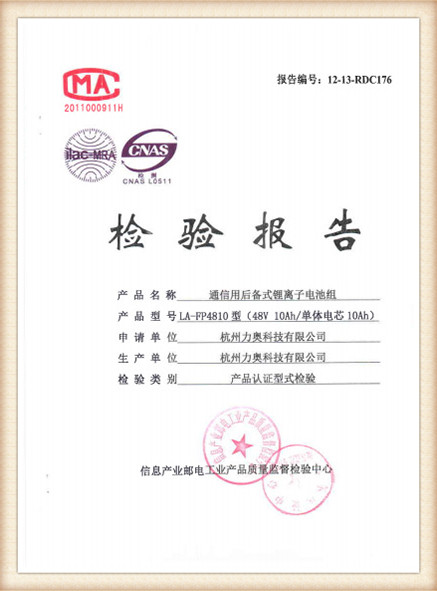
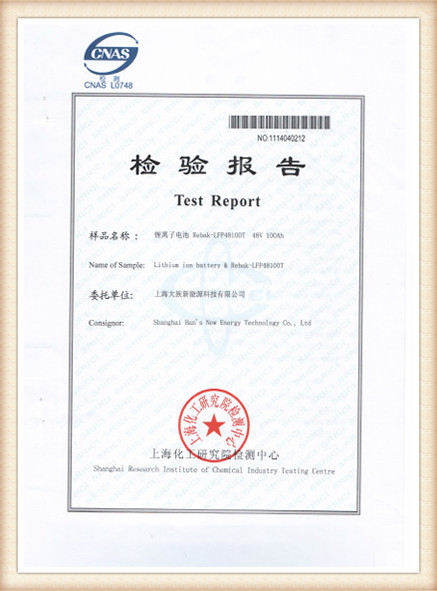
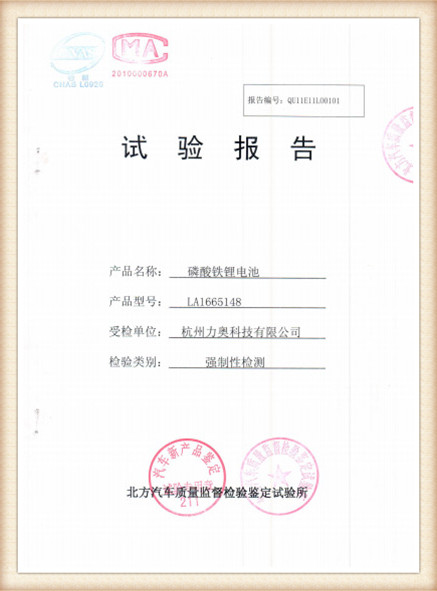
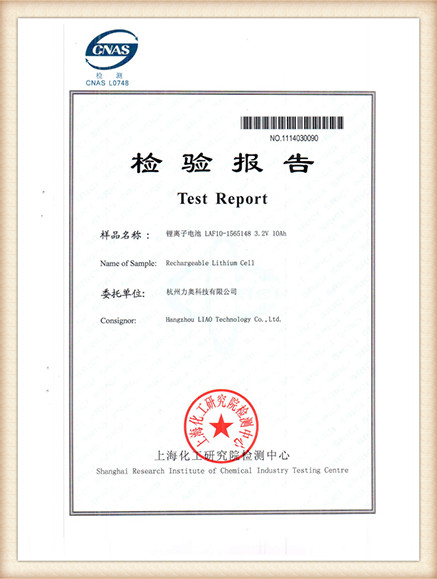
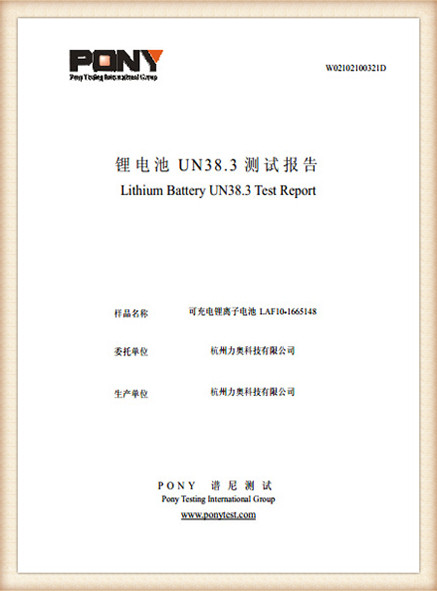
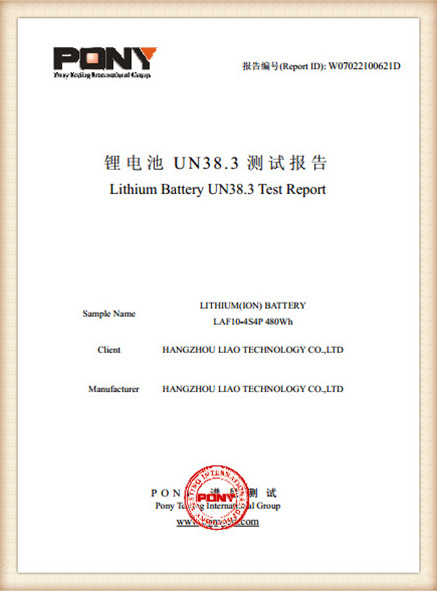
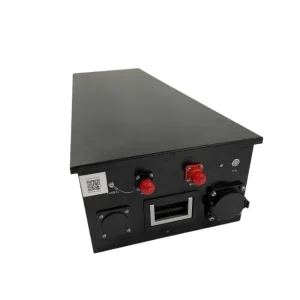
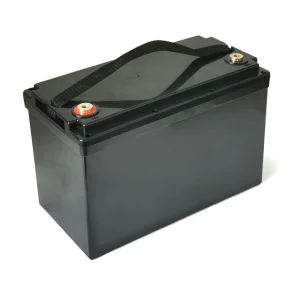
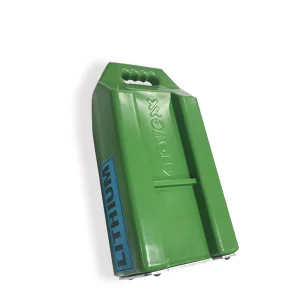
Our engineering team designs turnkey battery systems using 3.2V 20Ah LFP cells, meeting custom power demands across various industries.

The new generation of LiFePO4 golf cart batteries helps your carts run easily across different golf terrains and courses. By adopting 20Ah cell technology grouped in modular packs, golf cart owners benefit from lightning-fast charging rates, zero maintenance (no watering or corrosion issues), and a prolonged service life that easily outlives lead-acid batteries by more than three times.
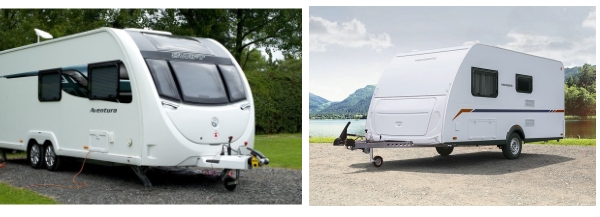
Our LiFePO4 batteries help your caravan mover run quietly with zero air pollution. At the same time, your labor costs are saved and working efficiency is improved. Having a stable 12V or 24V supply built from our cells means constant torque delivery to the caravan mover motors without suffering from steep voltage drops, even under high current loads.
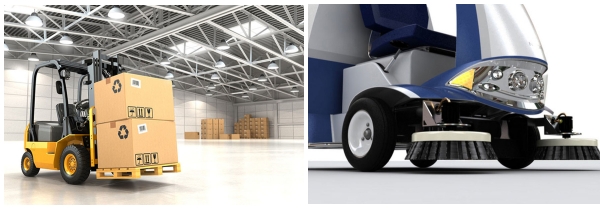
This is for short-distance transportation. Our LiFePO4 batteries help your industrial vehicles raise and transport goods efficiently with less effort, especially for heavy loads. Labor costs are saved as well. Because our cells handle fast charging during breaks, AGVs and forklifts can run 24/7 without needing battery swaps.
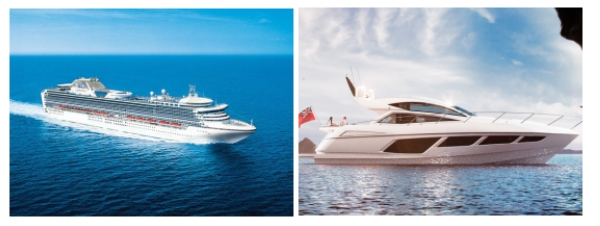
E-boat/ship configurations are highly environmentally friendly transportation tools for both humans and nature. Our LiFePO4 batteries cause no environmental or sound pollution. The high mechanical resistance of LIAO cell modules protects components from moisture, salt corrosion, and impact stress in marine applications.
The future evolution of the 3.2V 20Ah LFP cell focuses on anode optimization and intelligent Battery Management System (BMS) integration. By doping the graphite anode structure with silicon nanoparticles (Si-C anodes), battery scientists are successfully lifting energy densities close to 190 Wh/kg without compromising the long cycle life of LiFePO4. This helps system designers construct lighter modules for weight-sensitive applications.
Simultaneously, the integration of smart, cell-level BMS components represents a major industry leap. A modern BMS monitoring a 20Ah configuration actively measures temperature and voltage fluctuations across individual series blocks. It uses active cell balancing to transfer charge from higher-energy cells to lower-energy ones during charging. This keeps capacity balanced across the pack, extending overall pack life by 15% and preventing early cell degradation.
Find engineering and procurement answers regarding 3.2V 20Ah LiFePO4 cells to streamline your system integration.
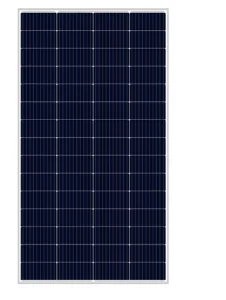
Complete solar energy and battery storage systems built to maximize energy savings and grid independence.
 Liao Battery