High-efficiency, custom-engineered energy storage systems and component cells designed for demanding industrial operations.
An authoritative analysis of chemistry specifications, global B2B procurement trends, and engineering solutions.
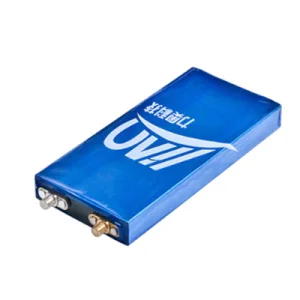
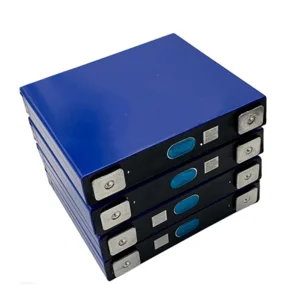
In the arena of industrial electrification, the **3.2V Prismatic Rechargeable Lithium-Ion Battery Cell** has established absolute dominance. Leveraging Lithium Iron Phosphate (LiFePO4) chemistry, these cells represent the optimal convergence of chemical safety, thermal resilience, and long-term cycle durability. Unlike cylindrical counterparts (like 18650 or 21700), the prismatic form factor uses stacked or flat-wound electrode sheets encased in rigid aluminum or steel protective shells. This mechanical approach maximizes space efficiency in large-scale modular builds, allowing system integrators to configure denser battery management systems (BMS) with minimal volume wastage.
Beyond pure geometry, the chemical composition of LiFePO4 cells offers intrinsic safety advantages. The covalent bonding between iron, phosphorus, and oxygen atoms in the olivine crystal lattice resists thermal runaway under structural compromise. This structural integrity guarantees that the cells will not burn or explode during high-impact structural accidents, extreme compression, or even direct needle puncture (acupuncture testing).
| Parameters & Metrics | Prismatic Cells (3.2V Form Factor) | Cylindrical Cells (18650/32700) | B2B Practical Advantage |
|---|---|---|---|
| Volumetric Packaging Density | Highly optimized (Flat side matching blocks) | Low (Inter-cylindrical spatial void loss) | Reduces total volume of multi-kWh system cases by 20-30% |
| Structural Mechanical Shell | Rigid Aluminum/Steel casing | Thin steel wrap | Advanced thermal dissipation and high impact resistance |
| Cycle Durability (100% DOD) | 2800+ to 6000+ Full Cycles | 1500 - 2000 Cycles | Extends field operation life up to 10 years without intervention |
| BMS Integration Complexity | Minimal connections (High capacity per unit cell) | Extremely complex parallel arrays | Fewer welding points, dramatically reducing BMS failure points |
The global battery storage supply chain is undergoing profound structural reconfiguration. Industries worldwide are transitioning away from high-cobalt lithium chemistries due to supply chain vulnerabilities, ethical sourcing constraints, and catastrophic thermal risk records. This has catapulted 3.2V prismatic cells to the forefront of global procurement pipelines.
In this transition, Chinese gigafactories—such as **Hangzhou LIAO Technology Co., Ltd.**—have established unprecedented supply chain integration advantages. China's efficiency is not merely based on labor arbitrage; it is defined by end-to-end industrial clustering. From raw lithium chemical synthesis and cathode coating technology to laser welding robotics and automated capacity sorting, Chinese factories deliver unparalleled output consistency. At LIAO, all cells and battery packs undergo standardized ISO 9001 and ISO 14001 testing protocols. By maintaining strict operational alignment with ISO 18001 standards, Chinese battery manufacturers guarantee highly reliable cell-to-cell performance consistency, which is critical for preventing early failure in multi-cell assemblies.
Engineering evaluation metrics for industrial rechargeable cells prioritize three vital profiles: safety under abuse, operational temperature envelopes, and lifetime performance attenuation profiles.
Deploying 3.2V prismatic cells effectively requires customized pack architectures designed for specific operating environments:
High peak-current discharge capabilities allow golf carts to easily handle steep, varied terrains and off-road courses. Transitioning to LiFePO4 cells reduces total cart weight by up to 70%, improving handling and course range.
Zero sound and air pollution. Marine packs built from prismatic cells feature IP67-rated enclosures, offering resistance to saltwater corrosion and high vibration dampening under heavy sea swells.
Designed for short-distance material transport, AGVs, and heavy-duty forklifts. Enables opportunity charging, allowing operators to charge during breaks to maintain continuous multi-shift performance.
Quiet, reliable off-grid power solutions. Maintenance-free operations replace outdated lead-acid batteries, delivering three times the usable energy capacity at a fraction of the weight.
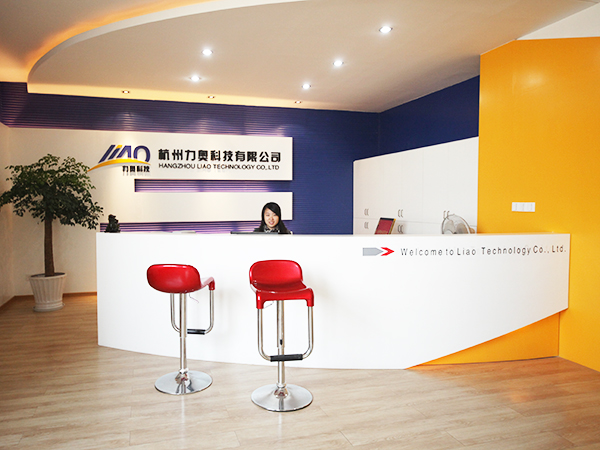
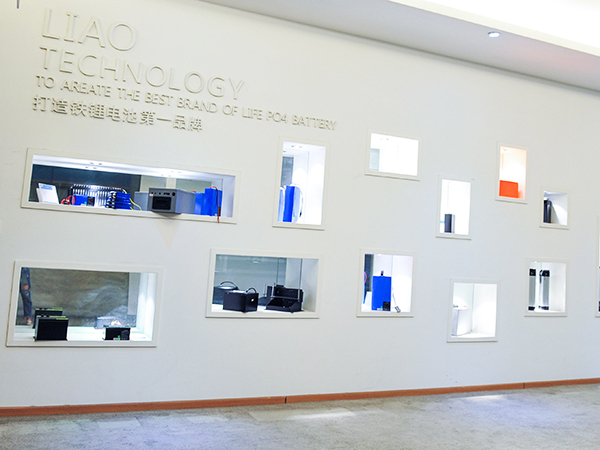
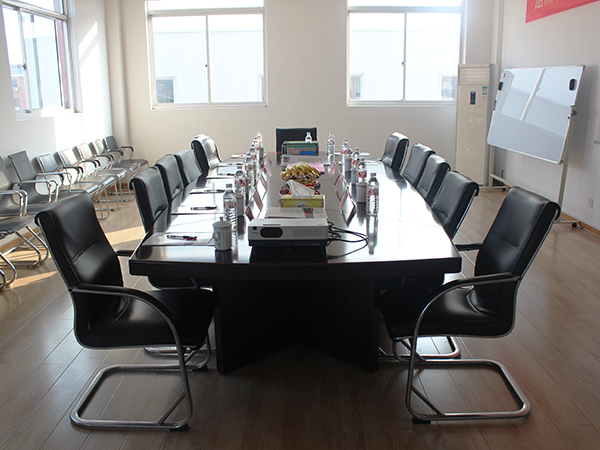
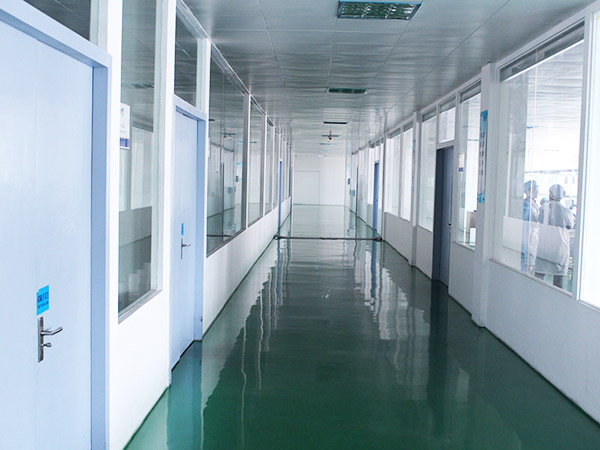
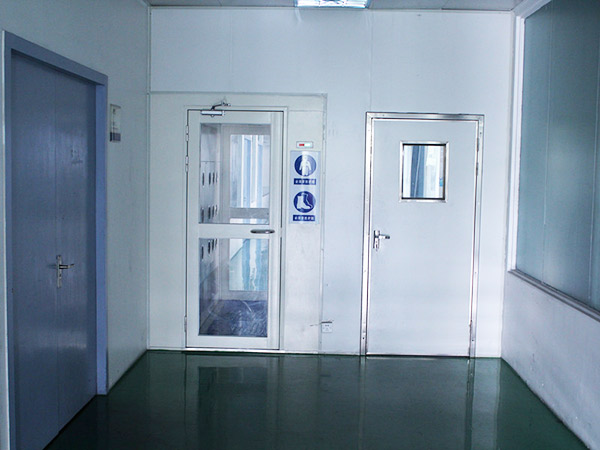
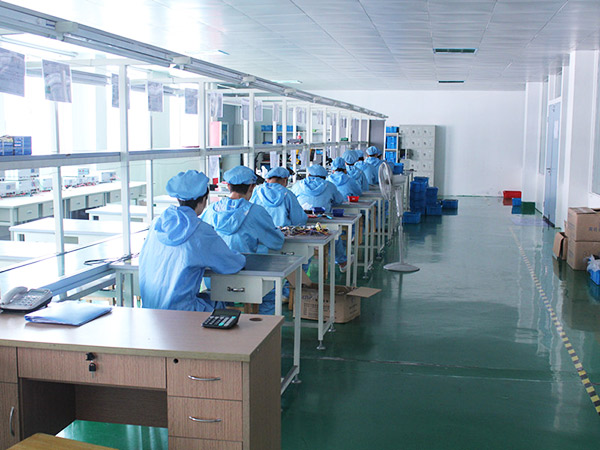
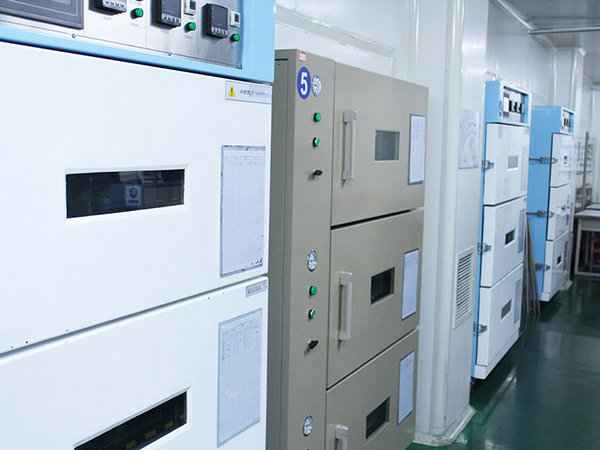
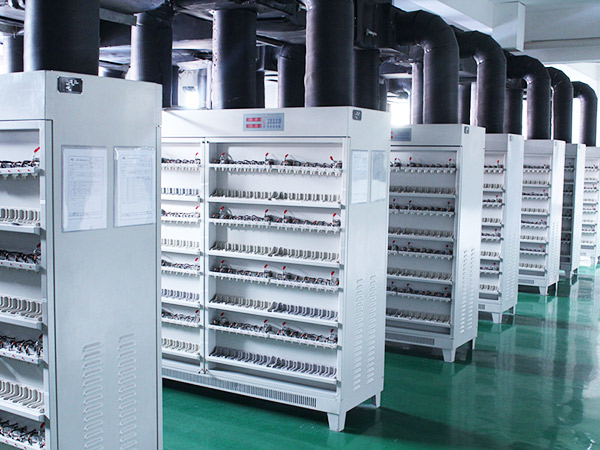
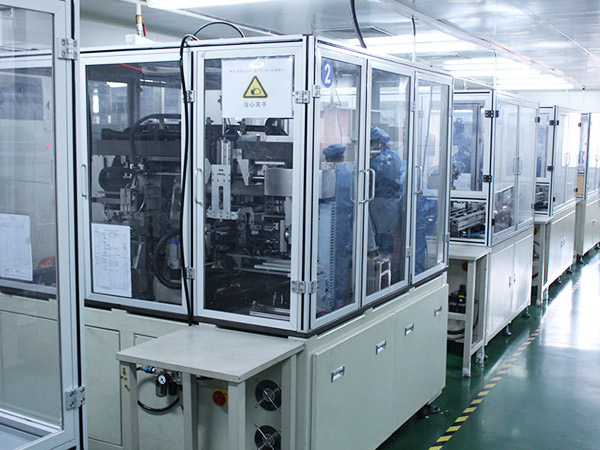
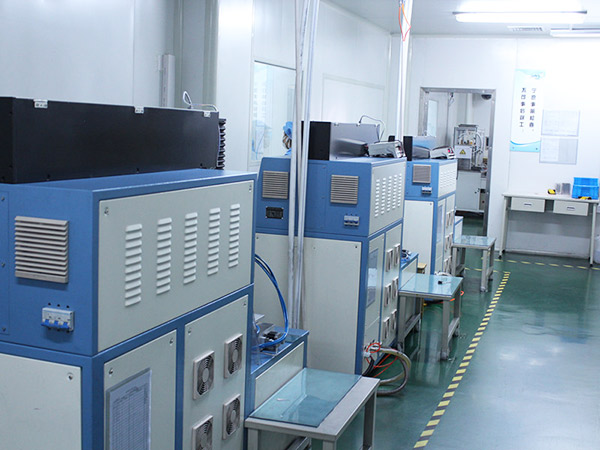
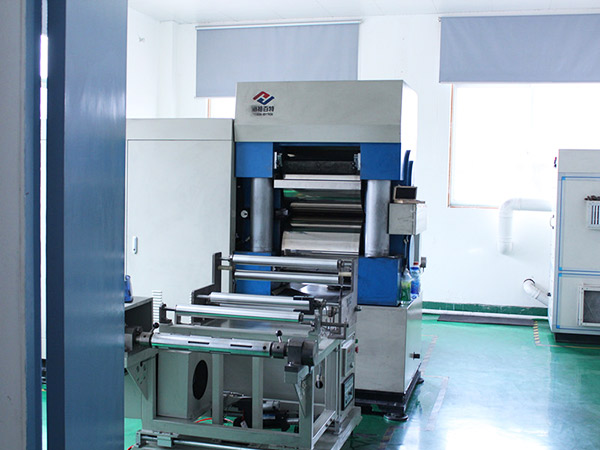
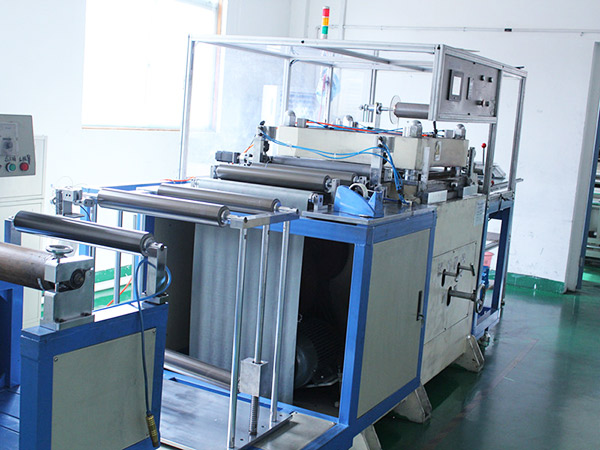
Examine our highly structured production line, where precision automation ensures cell uniformity and structural reliability.
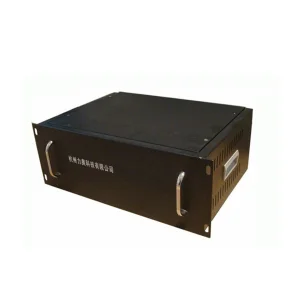
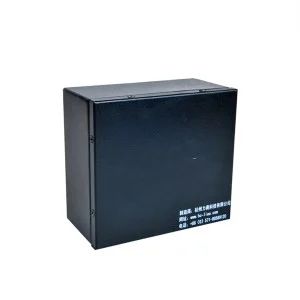
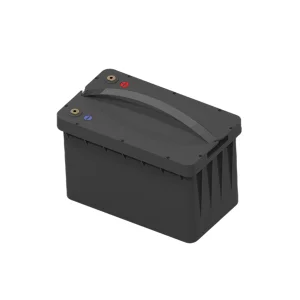
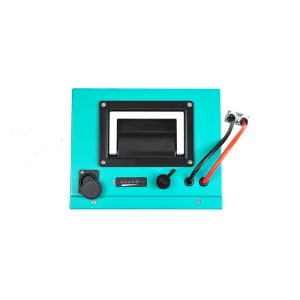
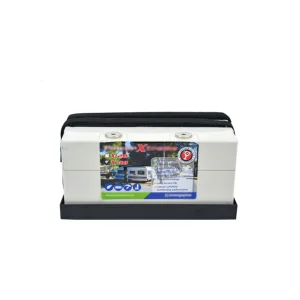
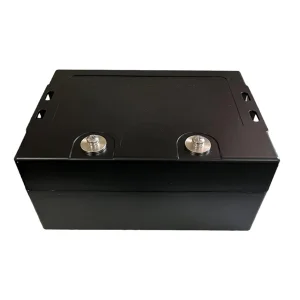
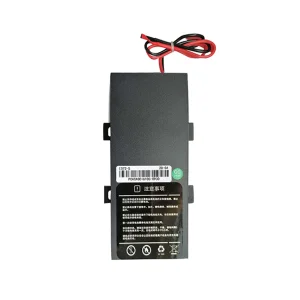
Explore our custom pack designs and configurations engineered to match specific application demands.

New generation LiFePO4 packs designed to operate across diverse golf course terrains.
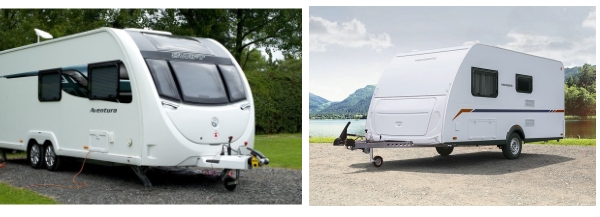
Quiet, exhaust-free caravan movers that lower operational costs and improve power efficiency.

High-capacity power configurations built to raise and transport heavy cargo with minimal labor overhead.

Eco-friendly watercraft propulsion with zero emissions, protecting aquatic habitats while running quietly.
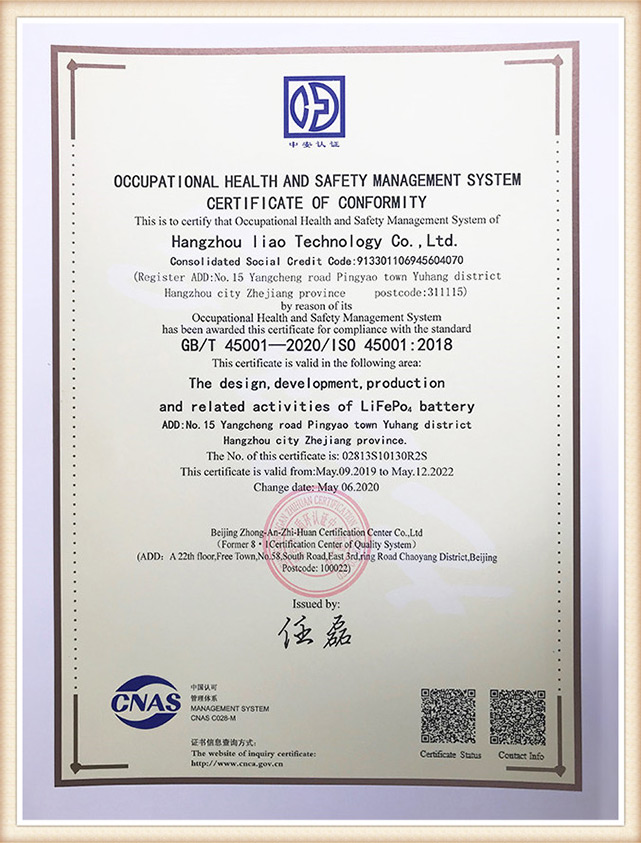
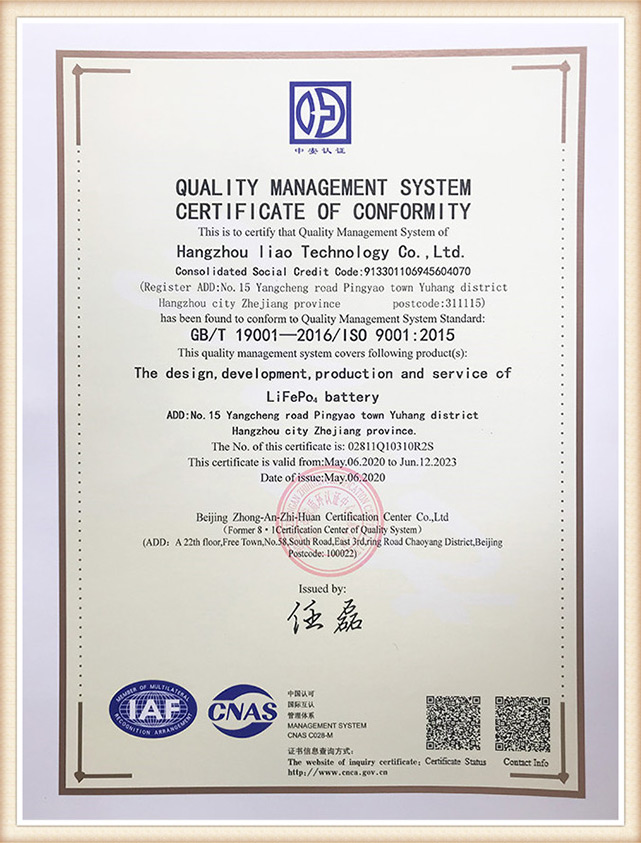
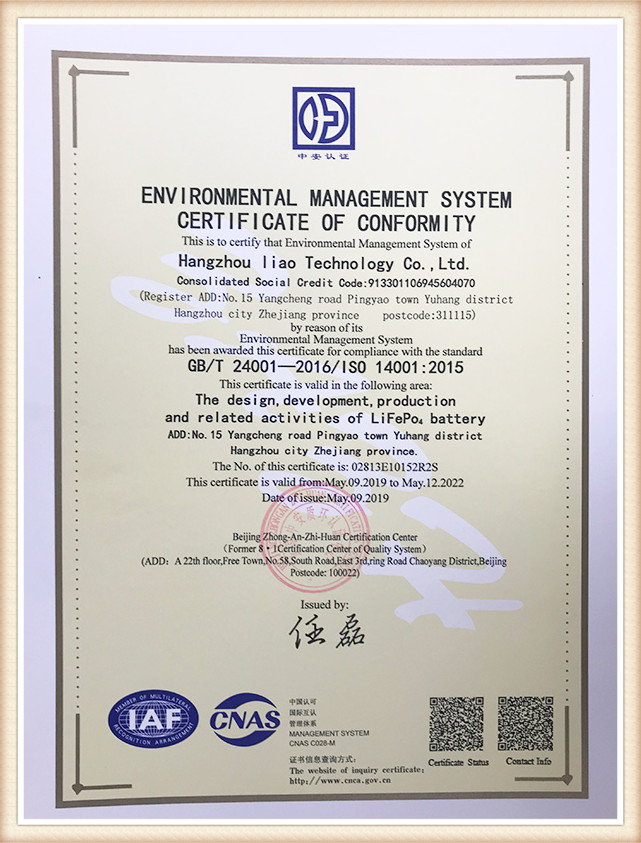
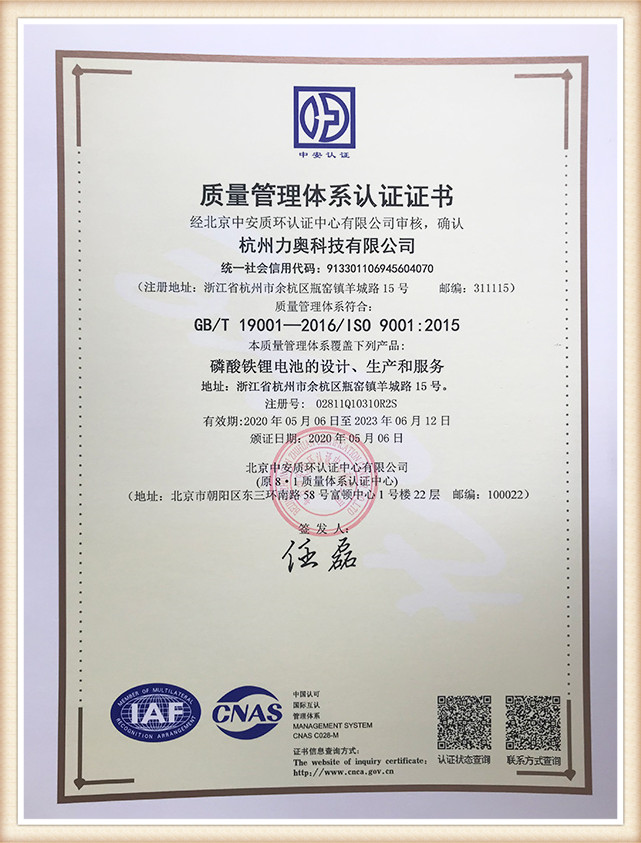
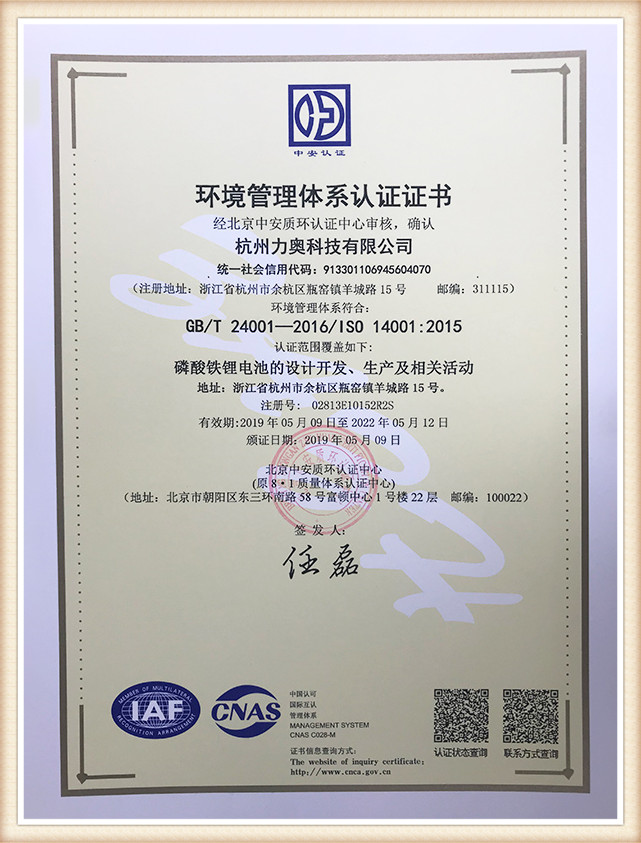
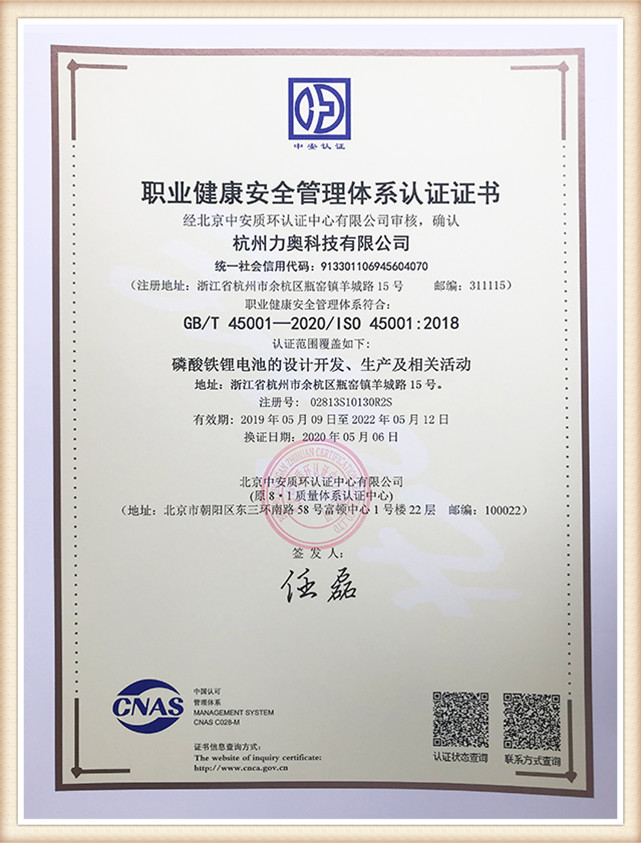
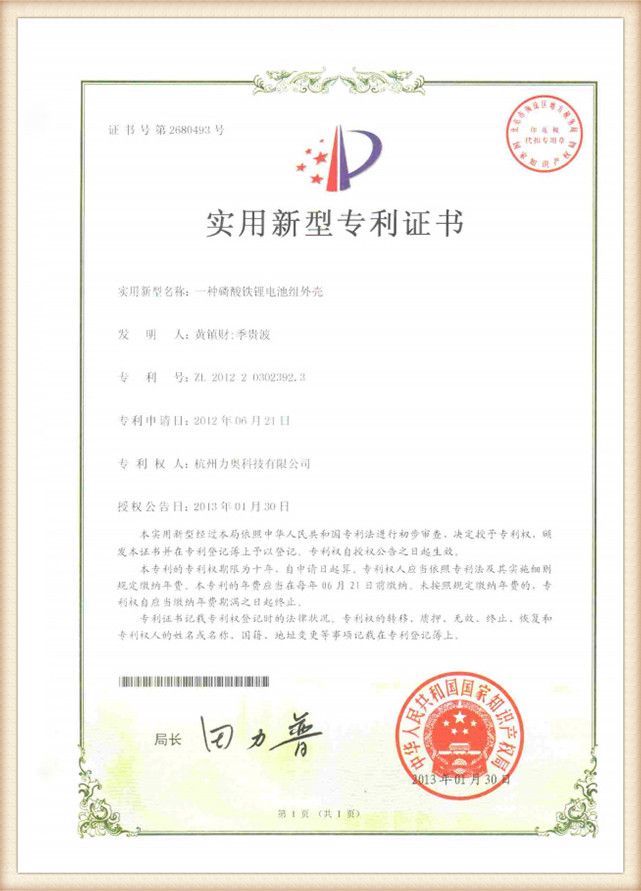
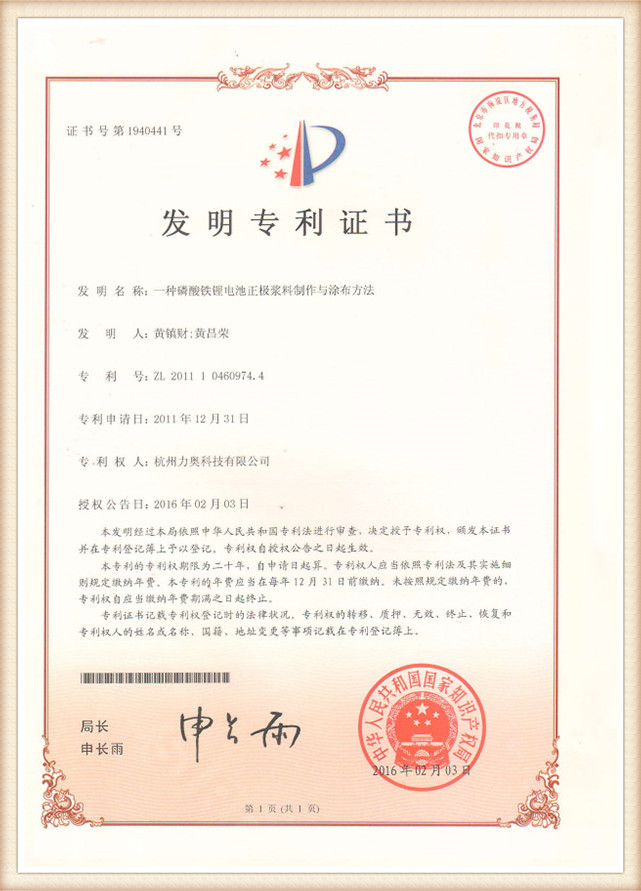
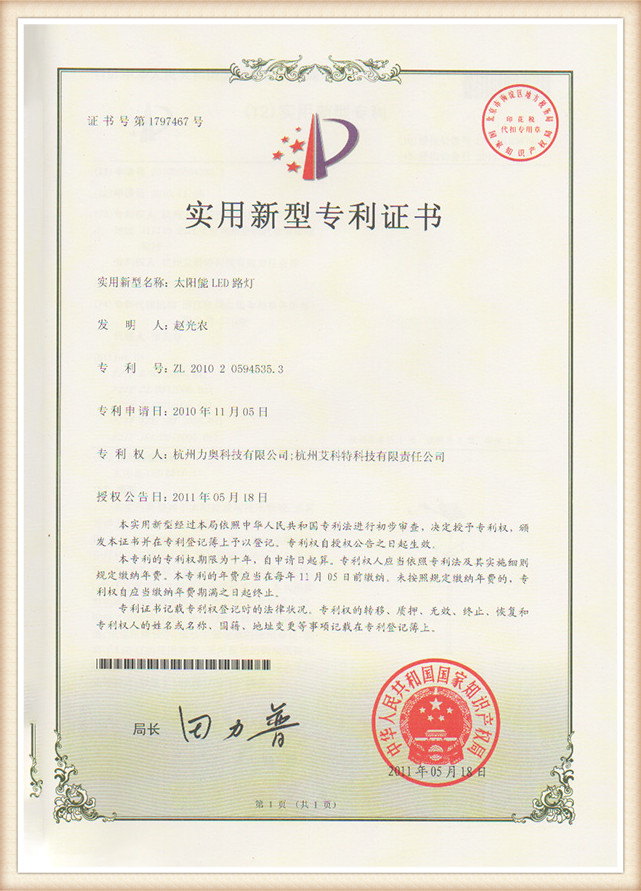
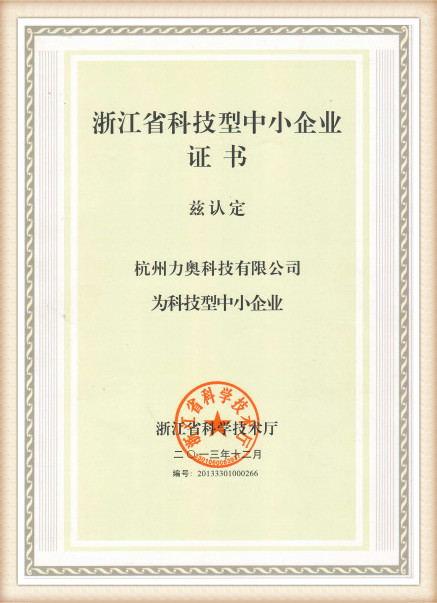
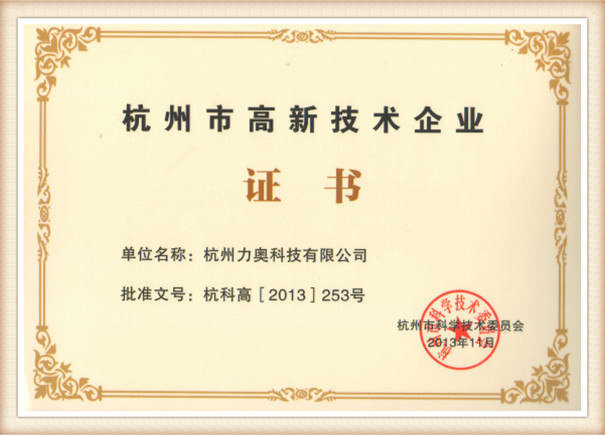
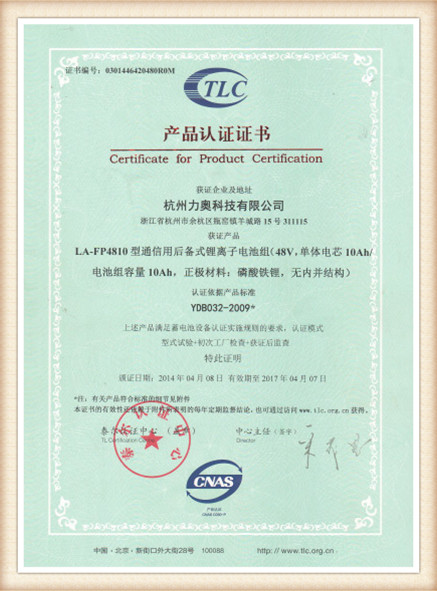
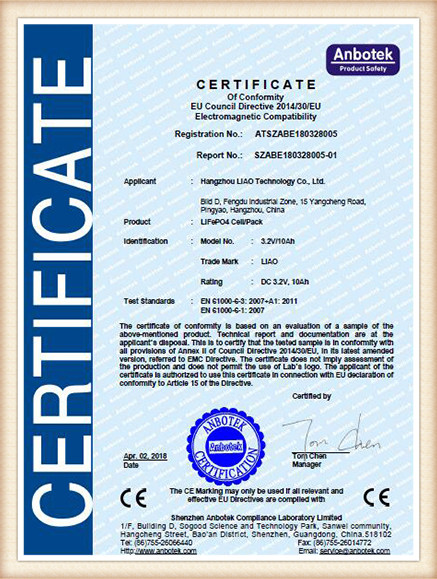
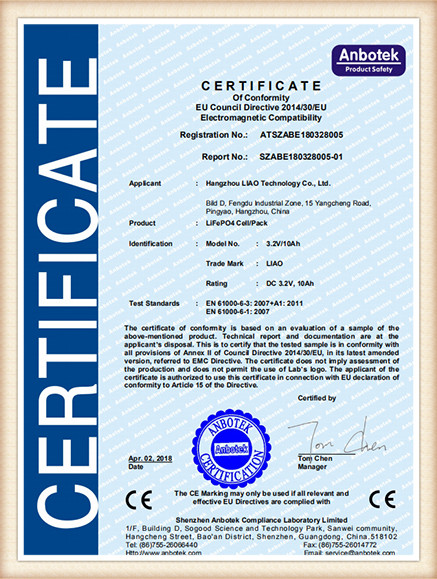
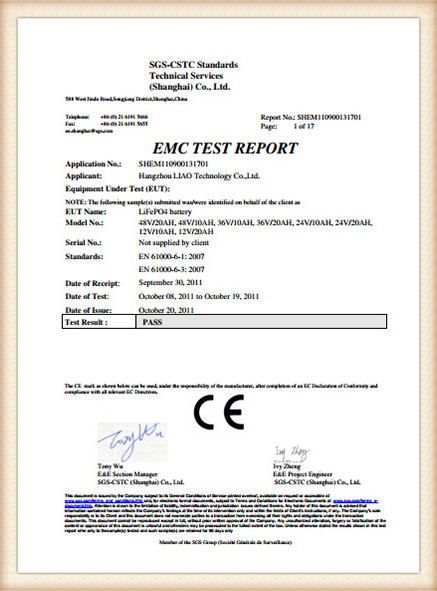
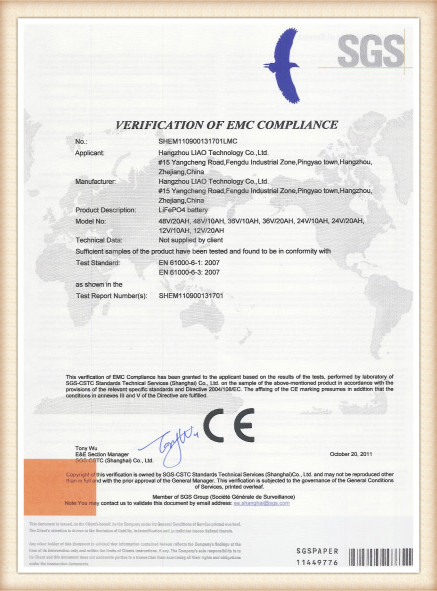
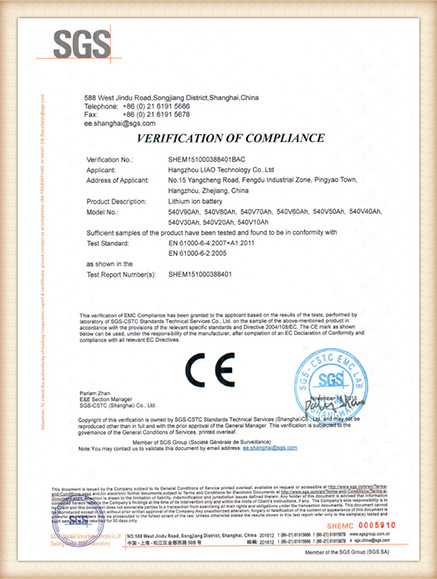
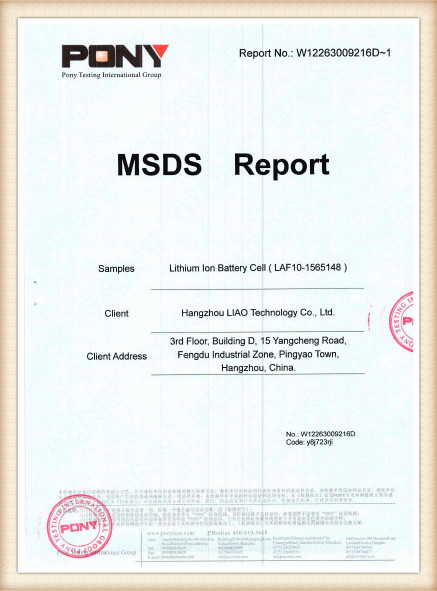
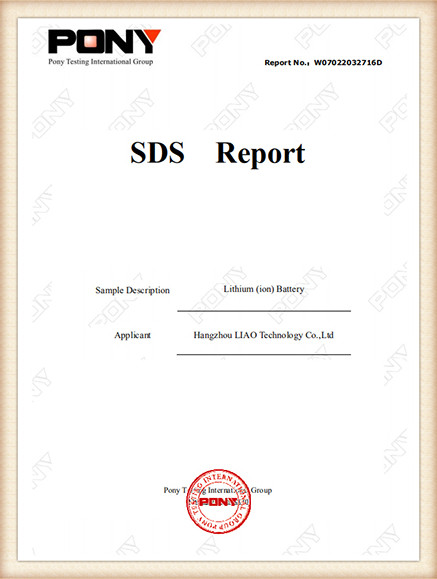
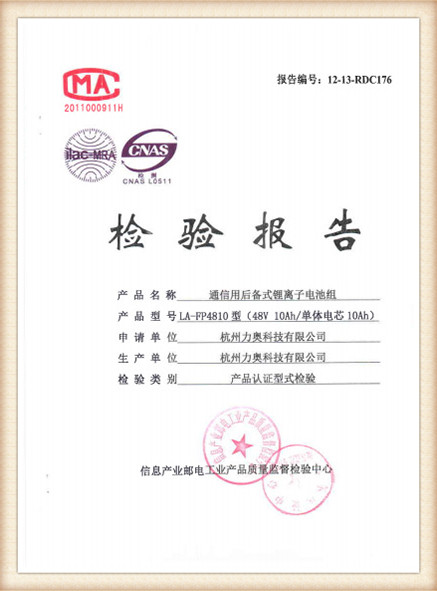
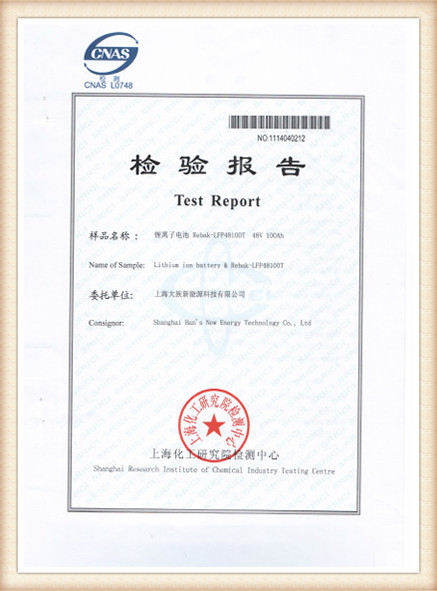
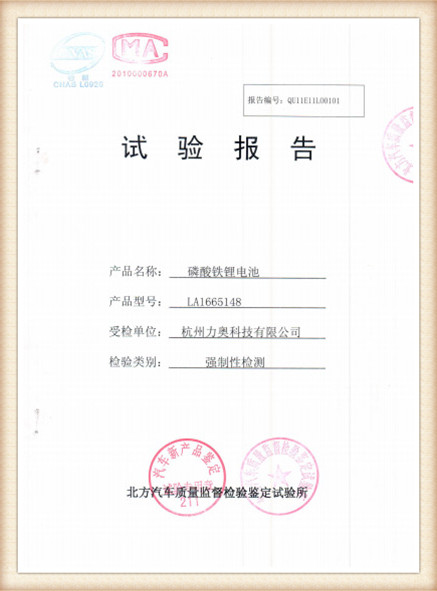
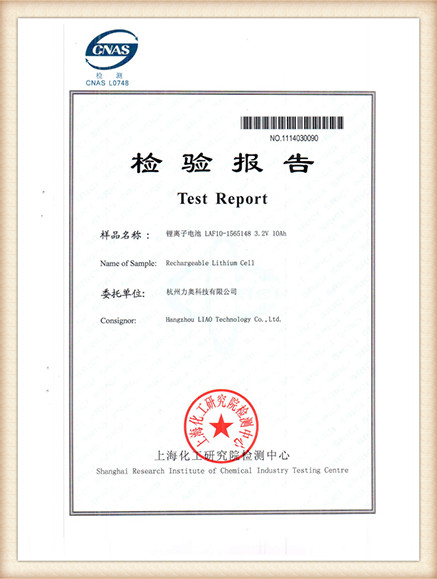
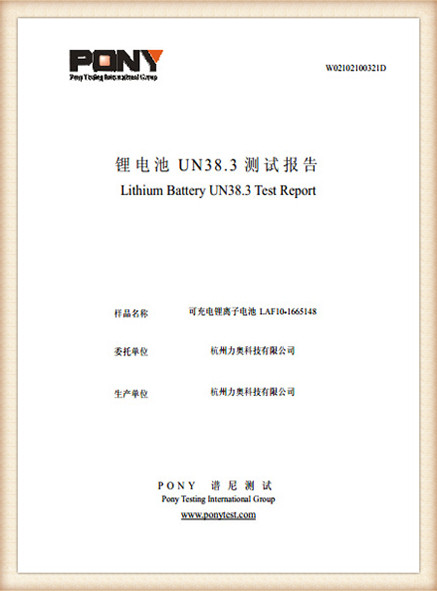
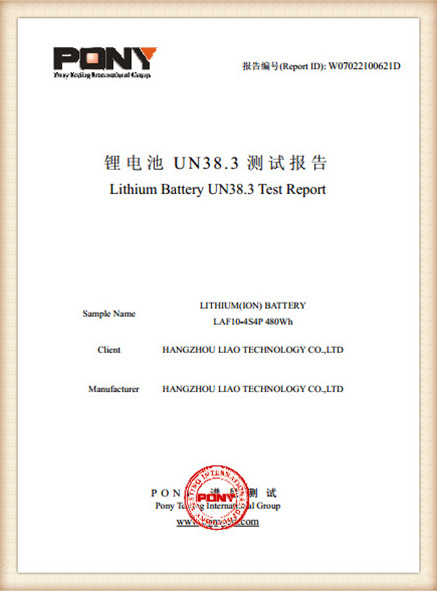
Verified regulatory compliance, strict quality assurance, and proprietary patent portfolios.


Technical answers to clarify logistics, safety, customization, and factory operations.
LIAO's 3.2V prismatic cells deliver over 2,800 full cycles at a 1C charge and discharge rate under 100% Depth of Discharge (DOD). Capacity retention remains above 80% of its nominal capacity rating. Under standard charging profiles and lower discharge rates (e.g., 0.5C), these cells can achieve up to 5,000 cycles before reaching end-of-life (EOL).
Our cells are certified to operate across a broad temperature range of -40°C to 85°C. For sub-zero conditions, cold-temperature protection features prevent lithium plating during charge, while keeping the internal impedance low to maintain reliable capacity discharge.
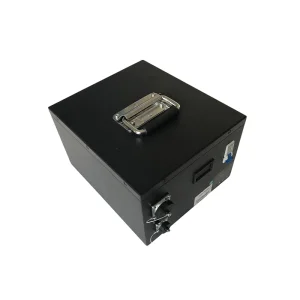
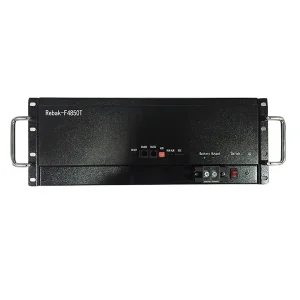
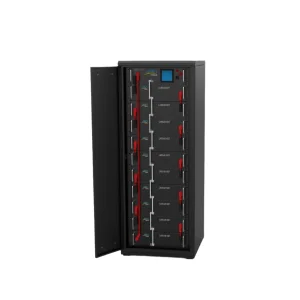
We provide comprehensive custom engineering services. This includes configuring cells into specific voltage configurations (e.g., 12V, 24V, 36V, 48V, 96V, up to 480V systems), customized battery management systems (BMS) with integrated communication protocols (CANbus, RS485, Bluetooth), and specialized outer metal enclosures to fit specific dimensions.
All our manufacturing operations comply with ISO 9001, ISO 14001, and ISO 18001 standards. Our products carry CE, UN38.3, and MSDS safety certifications. We also perform rigorous in-house quality control testing, including puncture (acupuncture), crushing, thermal abuse, and overcharge safety tests.
The puncture test involves forcing a steel needle directly through the center of a fully charged prismatic cell. Due to the high thermal stability of our LiFePO4 chemistry and our advanced cell structure, the cell will not catch fire, burn, or explode during this test, verifying its high physical safety.
Browse our wide range of lithium-ion cells, integrated home energy storage systems, and power solutions.
 Liao Battery