Direct factory distribution of engineering-grade lithium-iron phosphate battery configurations for dynamic power requirements.
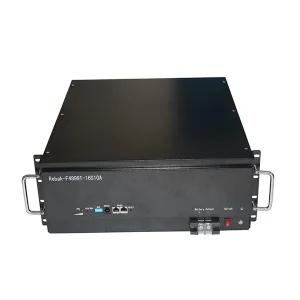
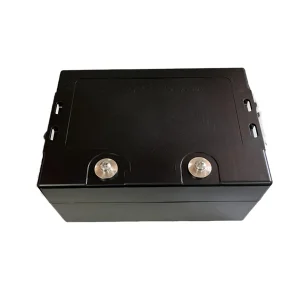
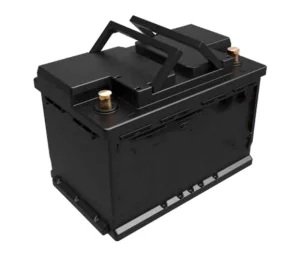
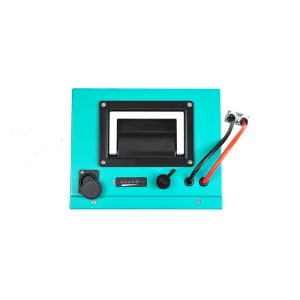
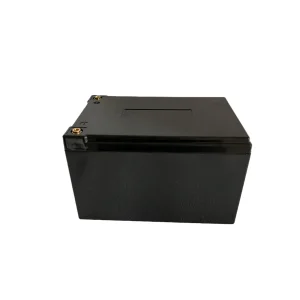
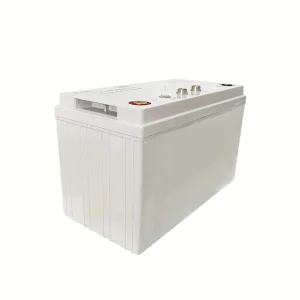
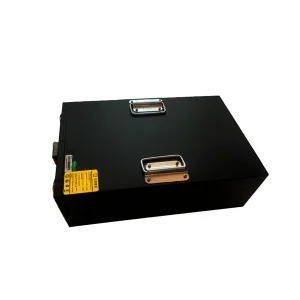
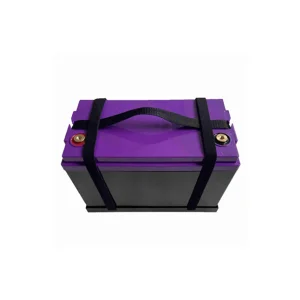
In modern commercial power applications, the choice of a 48V nominal voltage battery module has emerged as the definitive standard for safety, line losses, and system efficiency. A 48V 50Ah LiFePO4 (Lithium Iron Phosphate) battery pack provides 2.4 kWh of usable energy capacity, which constitutes the baseline cell matrix for medium-duty materials handling, telecommunication backup infrastructure, and clean energy microgrids.
From a chemical and material-engineering perspective, LIAO utilizes custom-configured prismatic lithium iron phosphate cells. LFP's inherent olivine crystal structure featuring robust P-O covalent bonds ensures thermodynamic stability under high-stress conditions. In comparison to alternative lithium chemistries like NCM (Nickel Cobalt Manganese), LiFePO4 cells eliminate the risks of oxygen generation at normal operational temperatures, preventing catastrophic thermal runaway events.
Our technical design integrates cell-to-pack (CTP) structural configurations. Eliminating intermediate module housings increases overall volumetric efficiency by 15%, permitting greater shock absorption and improved thermal dissipation channels.
1. Chemistry Thermal Boundary: Active LFP chemistry maintains cell-level structural integrity up to 60°C without active thermal degradation.
2. Precision Cell Matching: Dynamic internal resistance matching during cell grouping minimizes voltage dispersion (< 5mV) over extended cycling phases.
3. Built-in Intelligence: Proprietary multi-point BMS monitors cell voltages, state of charge (SoC), state of health (SoH), and executes active balancing routines.
| Performance Metrics | Prismatic 48V 50Ah LFP Standard | Competitor Standard Lead Acid Equivalent | Engineering Design Implication |
|---|---|---|---|
| Cycle Life (100% DoD) | 2,800+ Cycles (to 80% Capacity) | 300 - 500 Cycles | Lowers Total Cost of Ownership (TCO) across 7+ years of service. |
| Operating Range | -20°C to +60°C (Charging protection active) | 0°C to +40°C | Enables deployments in remote telecom cabinets and harsh environments. |
| Volumetric Energy Density | ~110 Wh/L | ~35 Wh/L | Reduces the physical spatial footprint in utility cabinets by up to 68%. |
| Continuous Discharge Rate | 1C (50A continuous, 2C peak) | 0.2C typical without capacity drop | Sustains heavy electrical load spikes without voltage sagging. |
| Round-trip Efficiency | >95% | ~75% - 80% | Minimizes active power loss during charge and discharge operational cycles. |
Pioneering advancements in custom LiFePO4 battery pack engineering since 2009.
Founded in 2009, Hangzhou LIAO Technology Co., Ltd. stands as a professional and leading manufacturer specialized in LiFePO4 batteries. Over 15 years, our technical products have been exported to more than 20 countries and regions worldwide, delivering clean power to major industrial systems in Germany, France, the Netherlands, Spain, the United Kingdom, USA, Canada, Brazil, Australia, Korea, Japan, India, South Africa, and beyond.
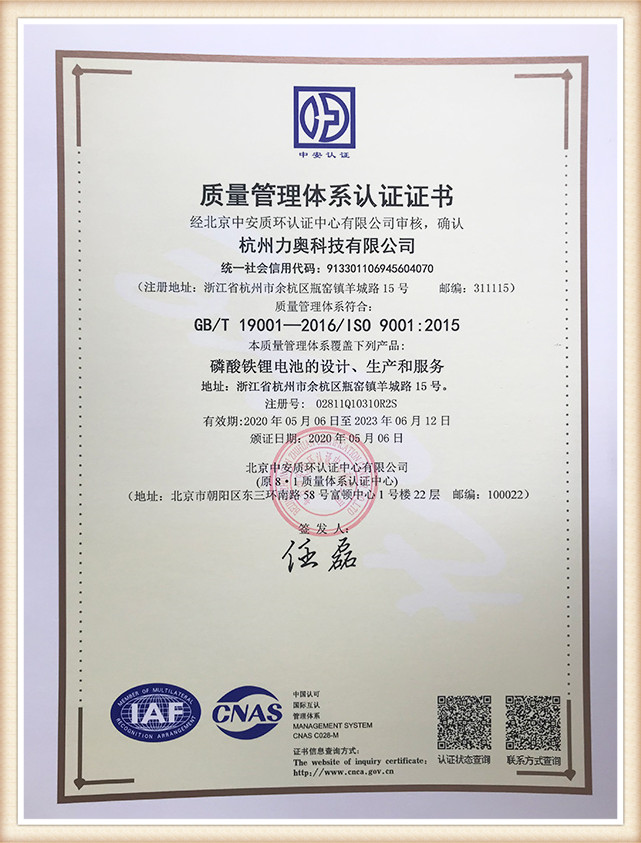
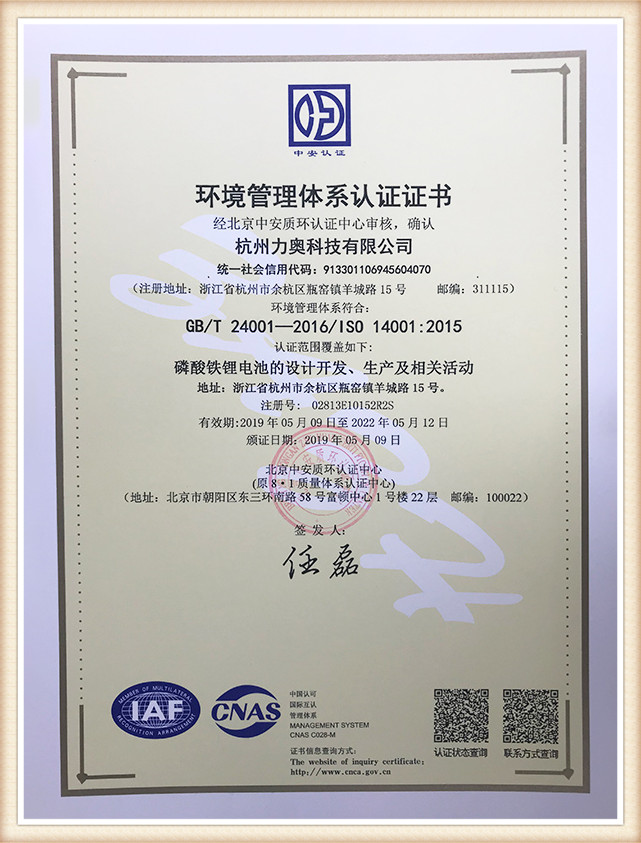
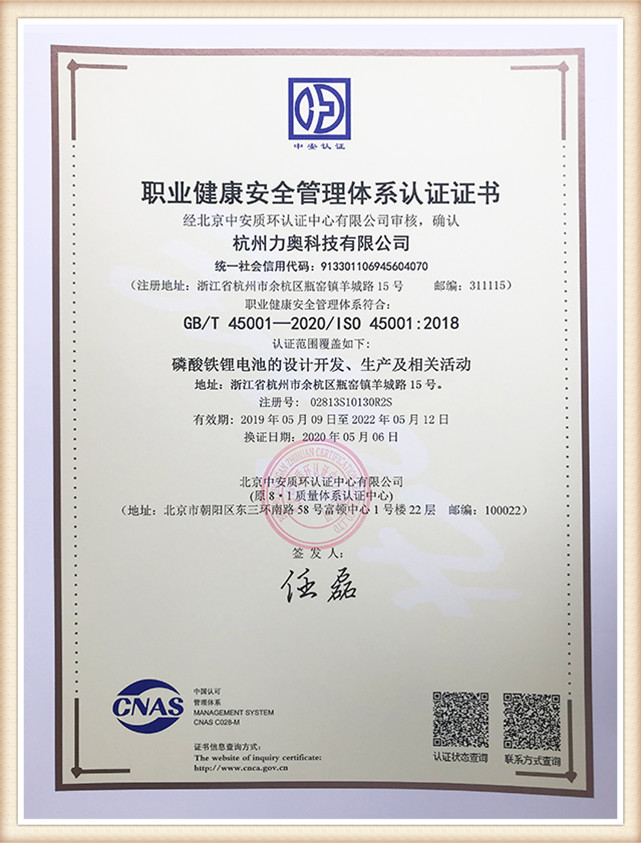
We have established a strict and highly efficient QC infrastructure. All of our production processes operate strictly under the ISO 9001 Quality Management System, while keeping constant compliance with environmental management system ISO 14001 as well as occupational health and safety management system ISO 18001 (OHSAS 18001).
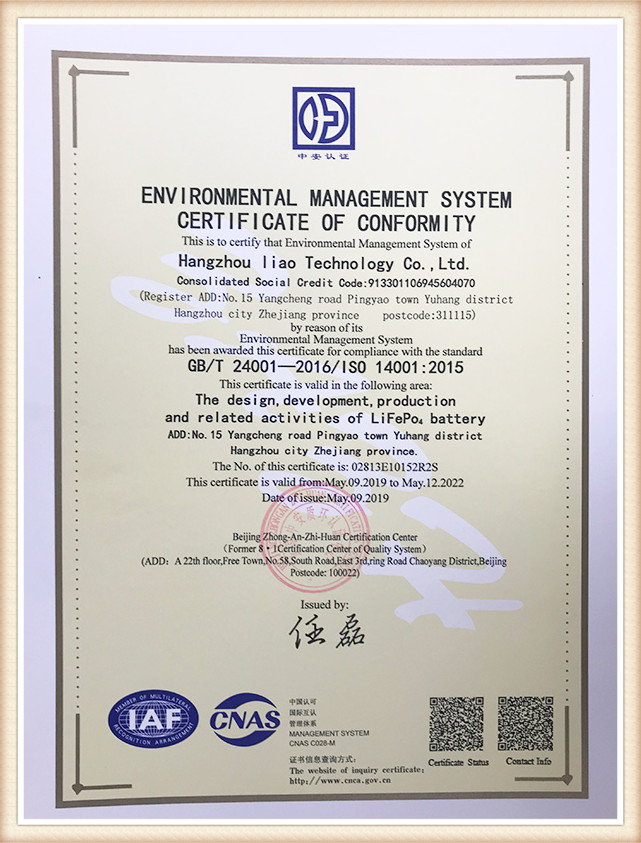
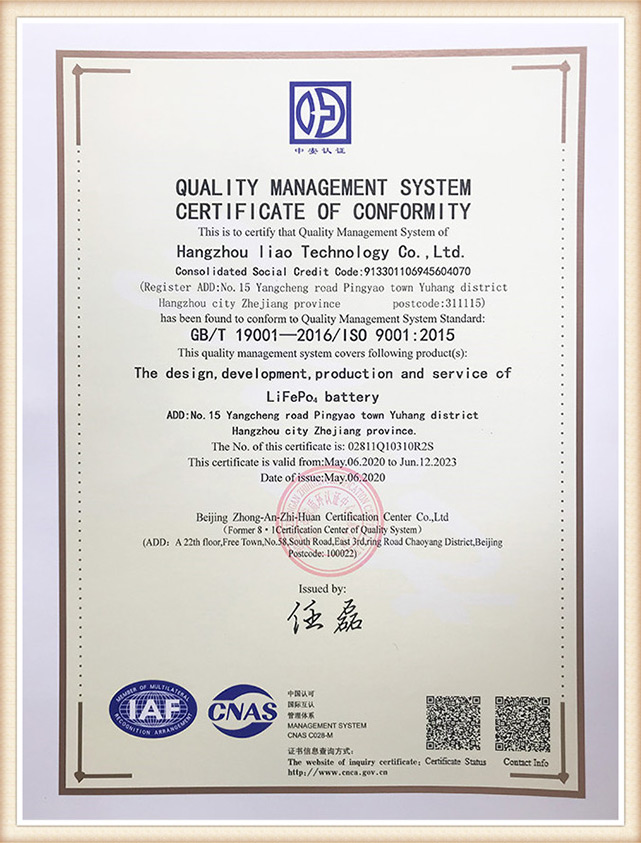
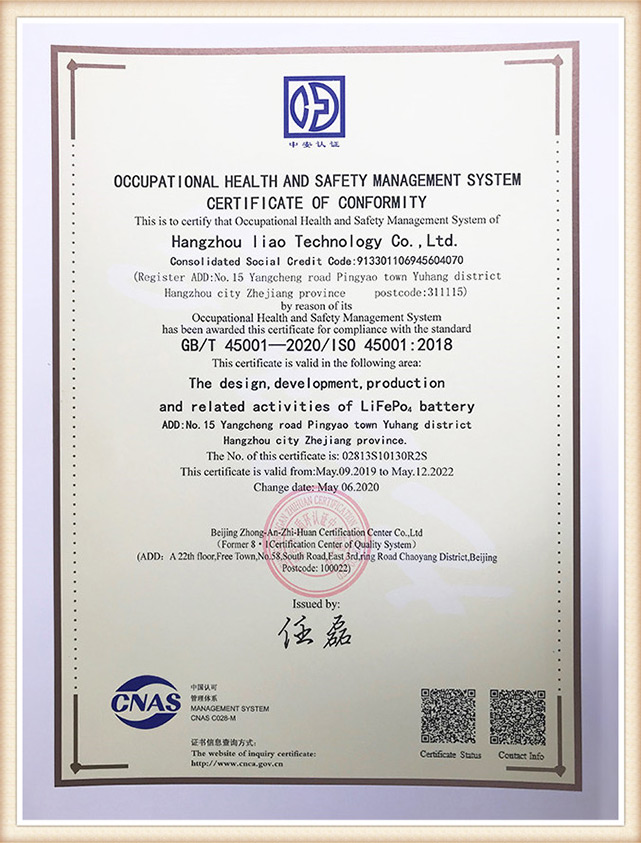
LIAO operates with an efficient and professional management & technical team, enabling rapid engineering responses to any customer requirements. Our complete research & development system produces customized solutions adapted to challenging applications.
Our skilled production team ensures thorough quality inspections at every step. Complementing this, our sales team features deep international trade proficiency, handling multi-regional logistics compliance, foreign trade laws, and technical communication.
We warmly welcome OEM and ODM cooperation requests. We offer tailored design packages that help global organizations scale up their battery deployments efficiently.
Global Footprint: Trusted by engineering clients across Europe, North America, the Asia-Pacific region, and Africa.
Why technical procurement departments choose LIAO as their primary manufacturing partner.
Our cells will not burn or explode under rigorous puncture, short-circuit, or acupuncture validation tests.
Stable output across temperatures ranging from -40°C to +85°C, ensuring extreme climate resilience.
Single cell achieves 2,800+ cycles at 1C charge/discharge rates under 100% Depth of Discharge (DOD).
Our high-performance model LAXpower-1230 was recognized as testing champion in competitive testing rounds.
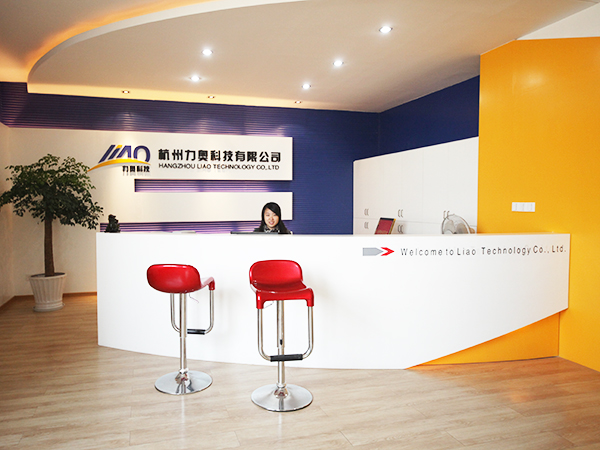
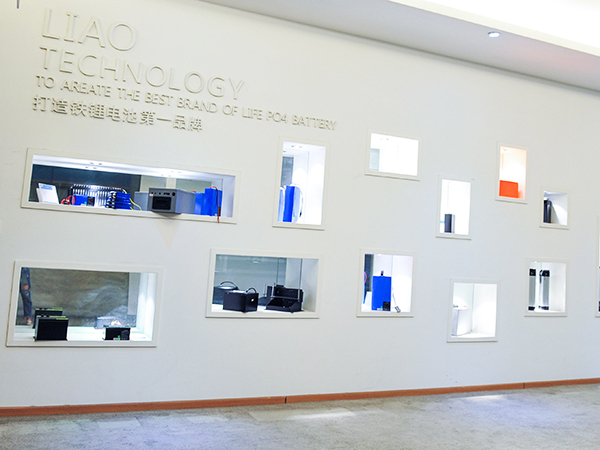
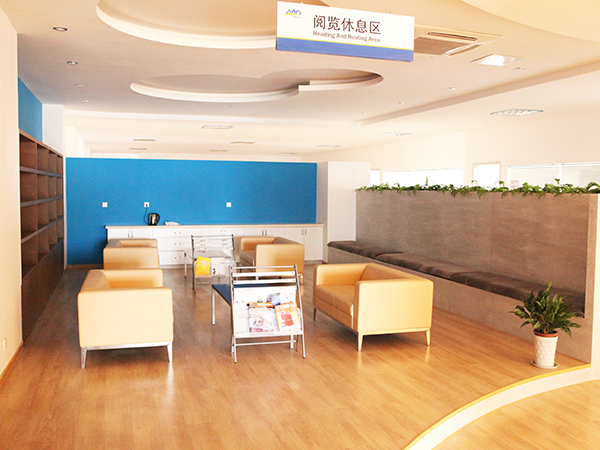
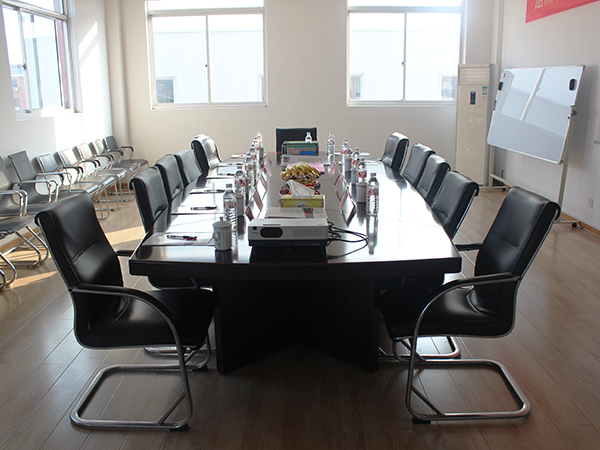
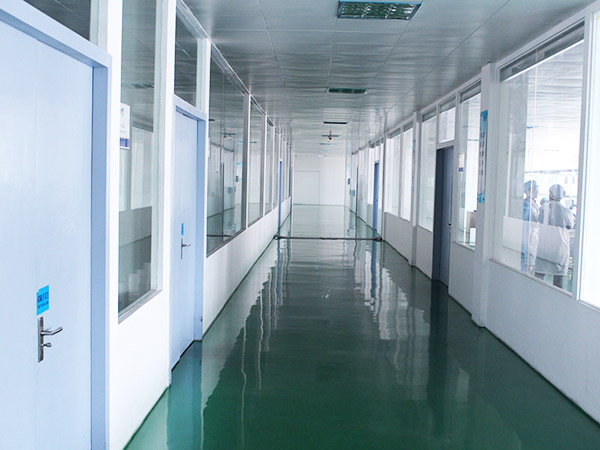
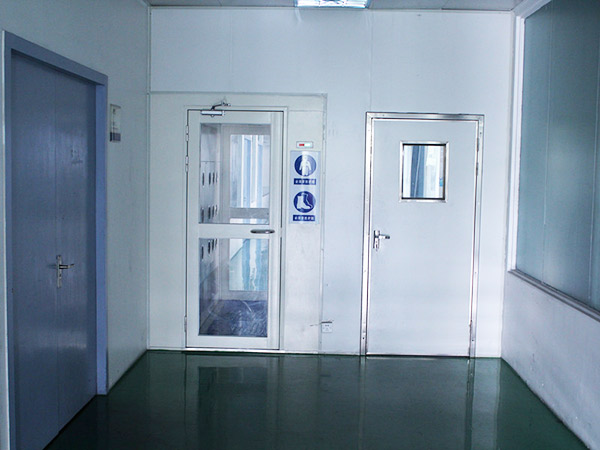
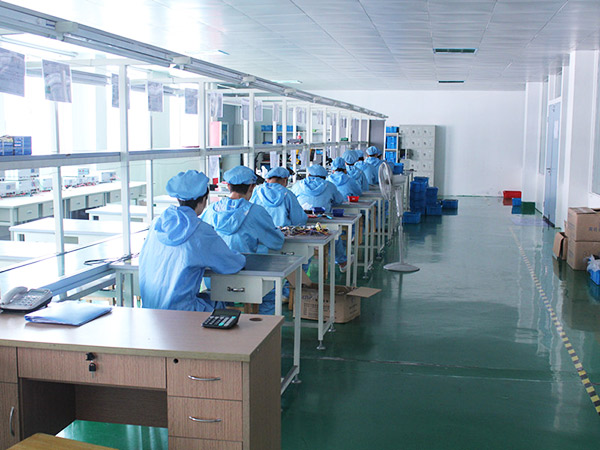
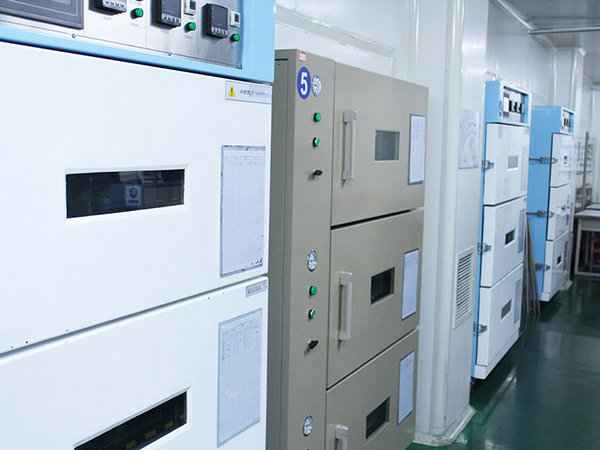
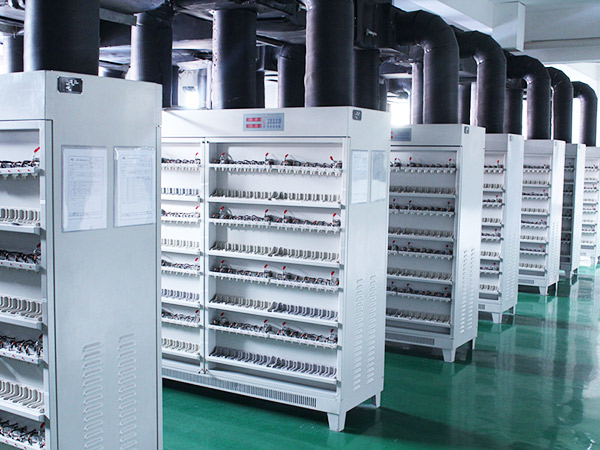
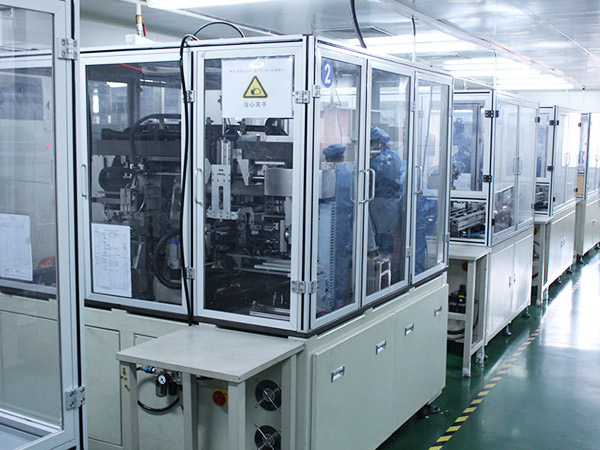
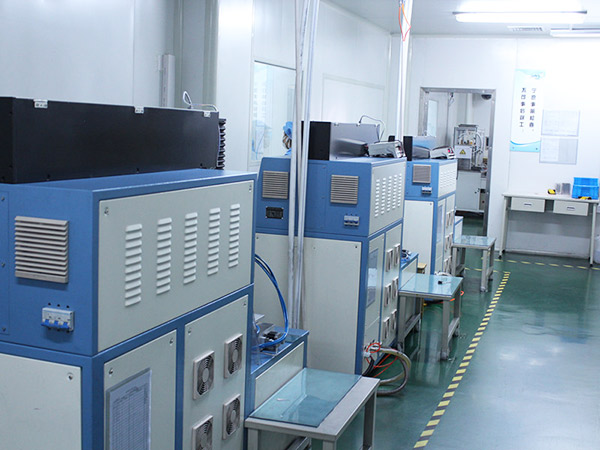
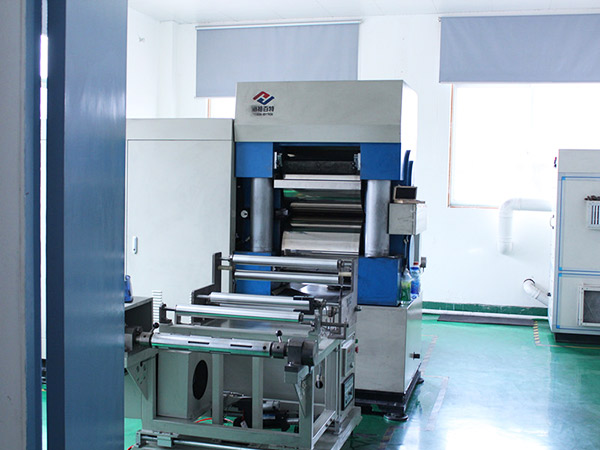
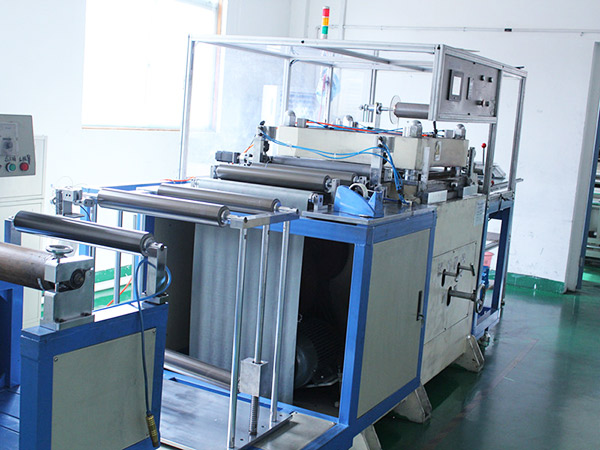
Touring LIAO's advanced manufacturing facility where raw chemistry is converted into high-grade battery systems.
Our facility leverages advanced automation technology. Every step—from automated cell grading and laser tab welding to deep vacuum chamber baking and multi-point capacity sorting—is logged on our central system. This guarantees that trace records are available for every 48V 50Ah battery pack built, ensuring long-term reliability and compliance with international standards.
Tailoring specific battery chemistry profiles to match the environmental conditions of different application sectors.

The new generation of LiFePO4 golf cart battery packs replaces heavy lead-acid options. Offering light-weight, high current discharge profiles and fast recharging rates, these packs keep carts running smoothly across varying courses and challenging terrains.
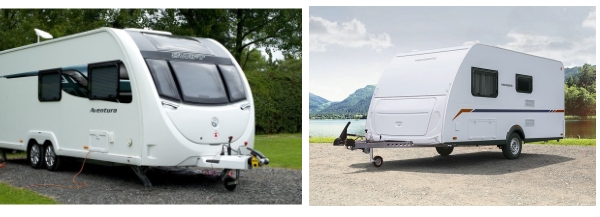
Our lithium-iron batteries power caravan movers quietly with no local emissions. High energy density combined with robust packaging results in a smaller product footprint, helping improve operational efficiency.
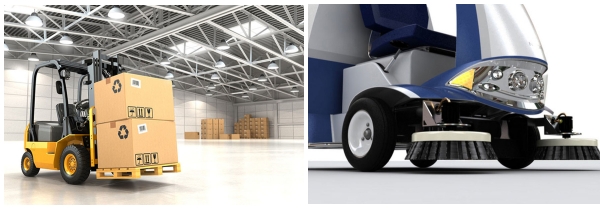
Built for short-distance cargo handling, our lithium packs help utility vehicles and AGVs transport heavy loads reliably. With zero maintenance requirements, they reduce total operating costs over time.
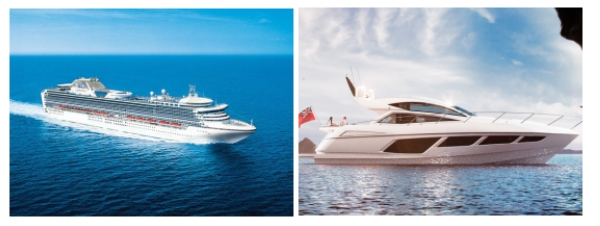
E-boats operate in delicate marine environments. Our sealed LiFePO4 solutions offer clean, quiet propulsion that prevents water pollution risks while delivering stable voltage outputs.
Partnering directly with LIAO engineers to implement custom hardware configurations.
Our multi-disciplinary team of electrical, thermal, and mechanical designers brings years of combined experience to every design cycle. When working on OEM/ODM solutions, we carefully analyze application requirements including peak dynamic currents, physical mounting restraints, and operational temperature profiles.
This collaborative approach helps minimize development cycles, saving clients development costs and allowing for faster time-to-market.
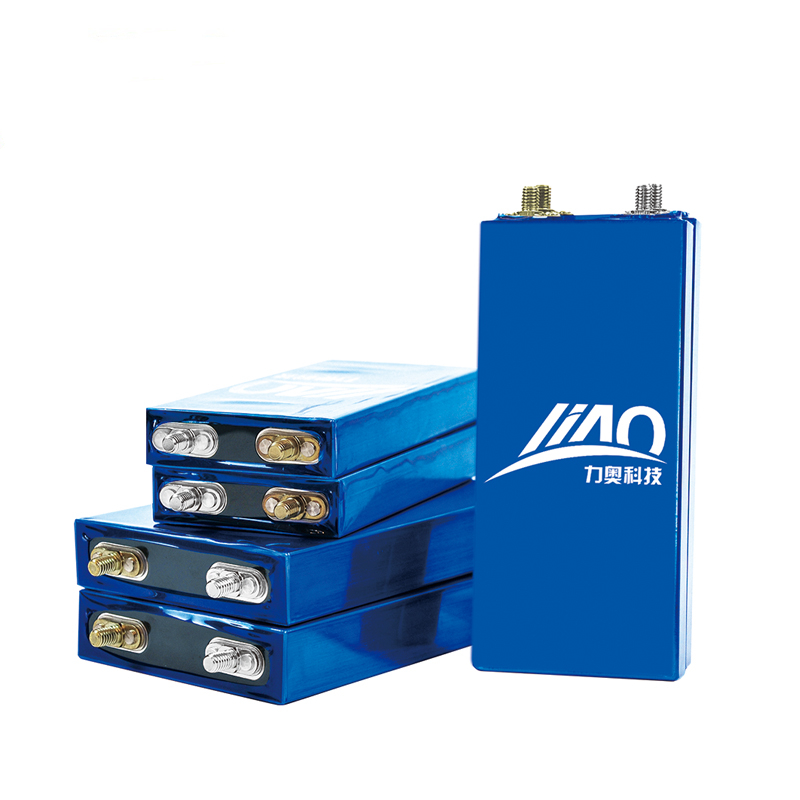
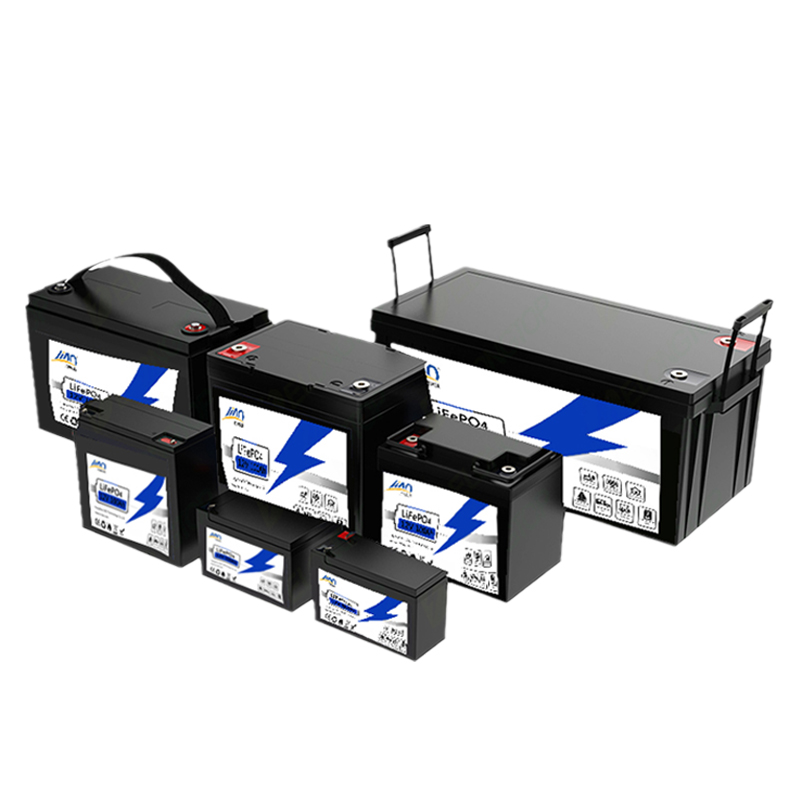
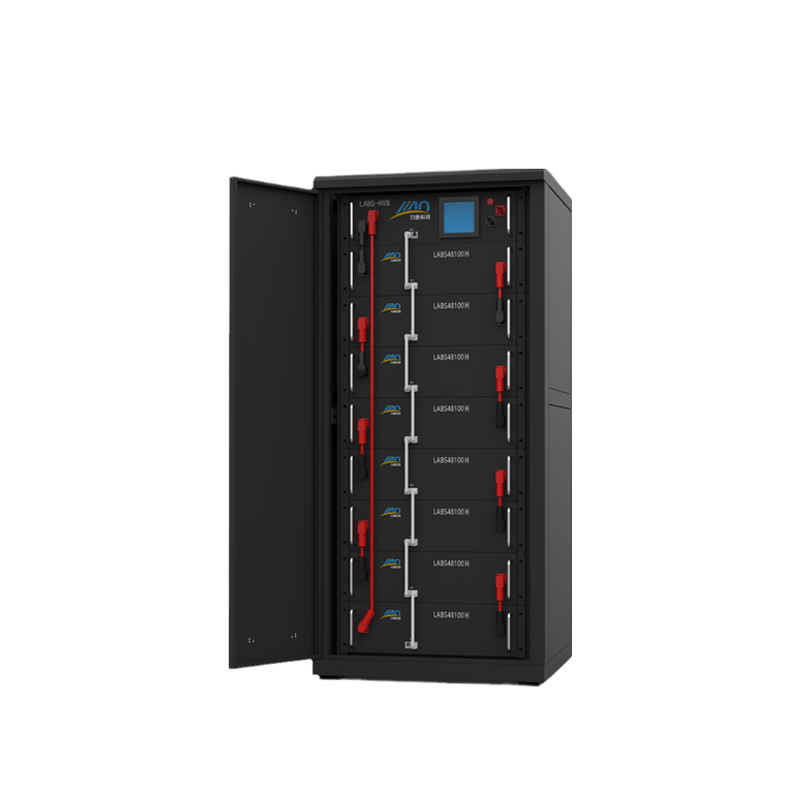
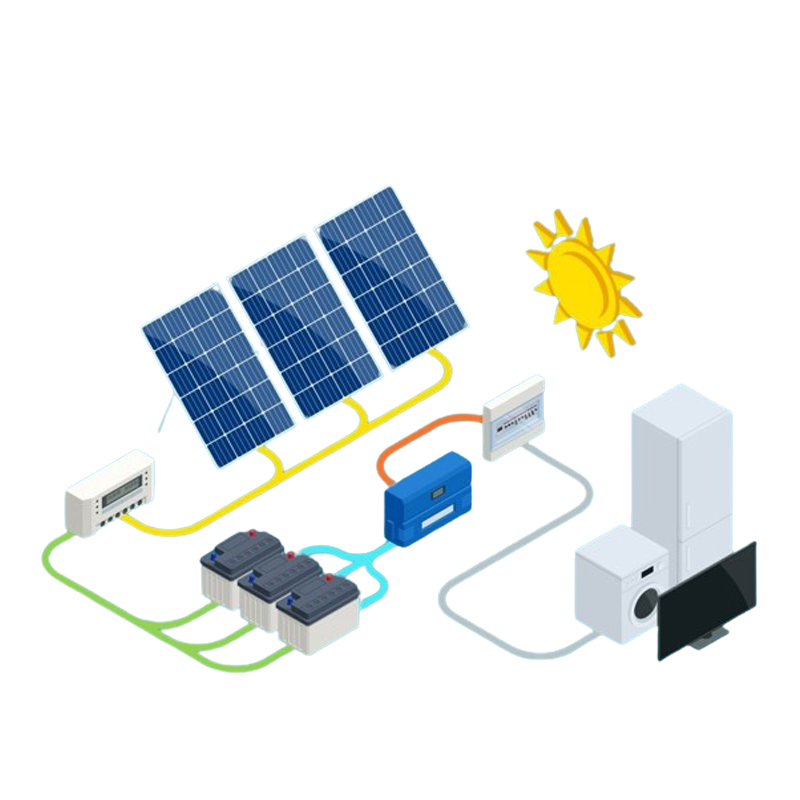
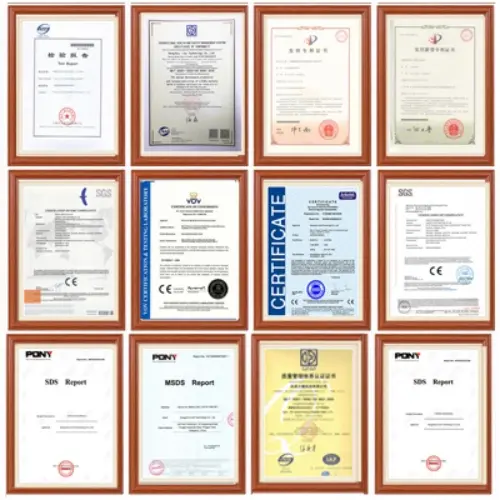
We maintain a comprehensive certification portfolio ensuring smooth international clearance and regulatory compliance.
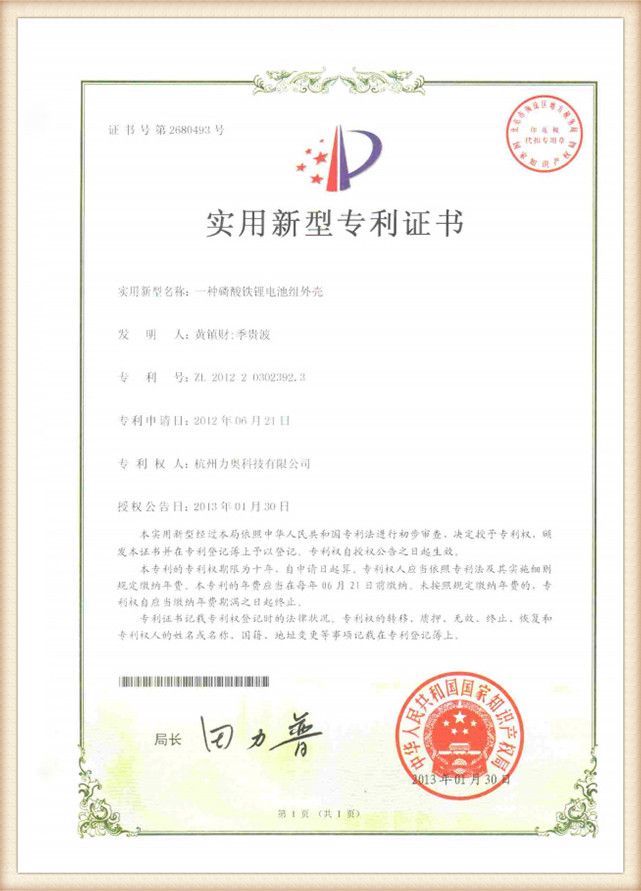
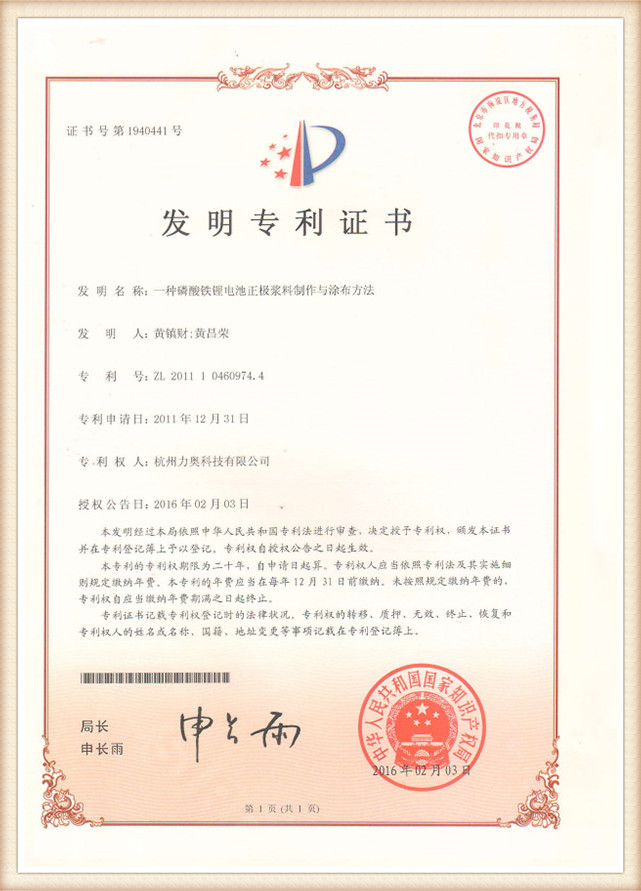
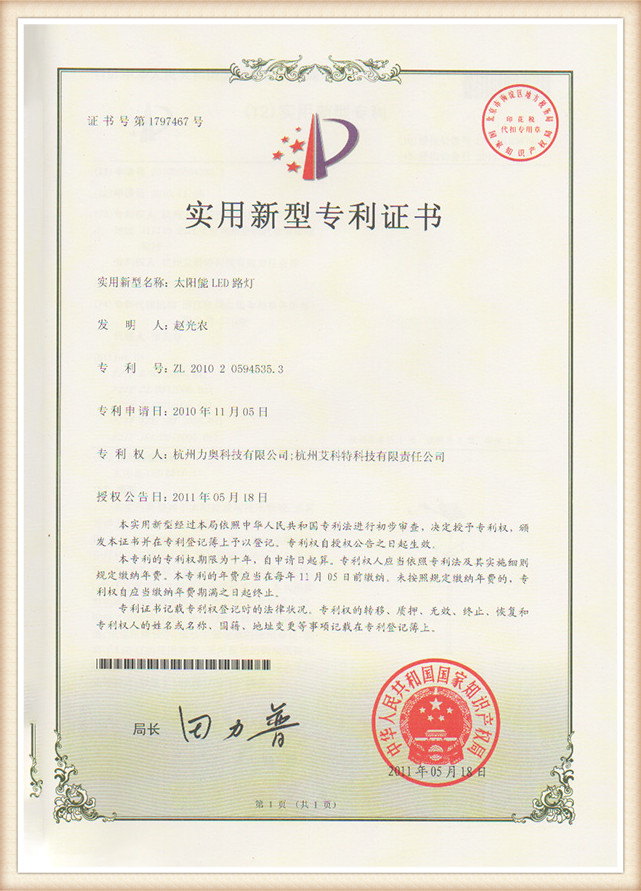
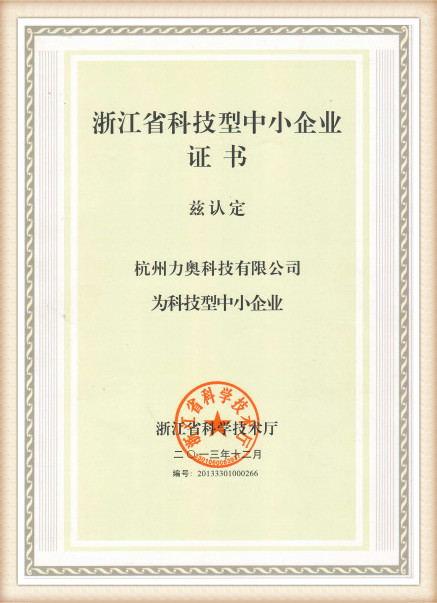
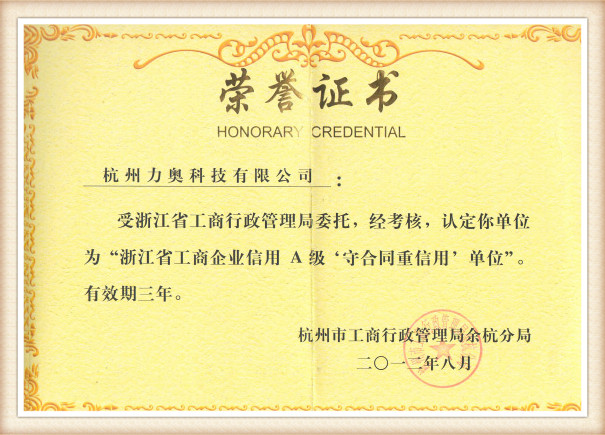
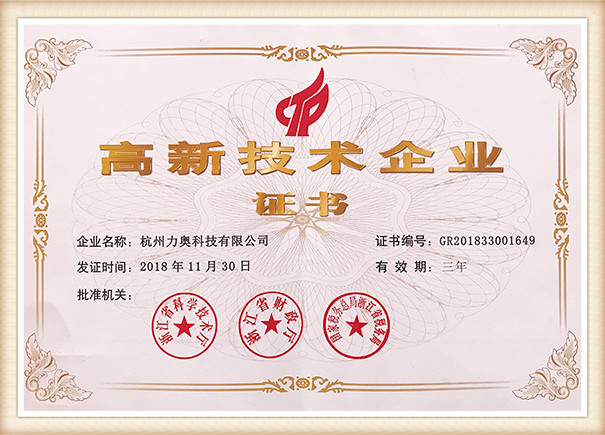
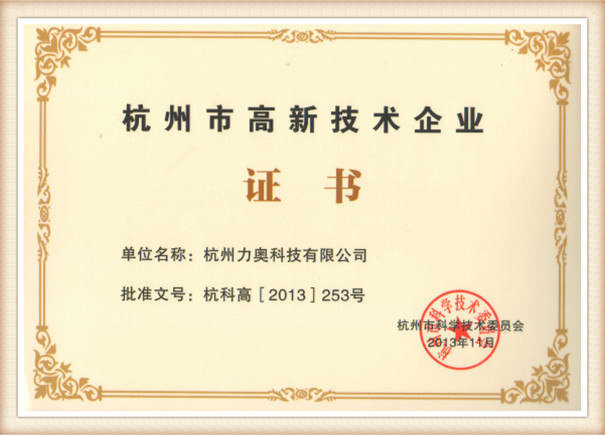
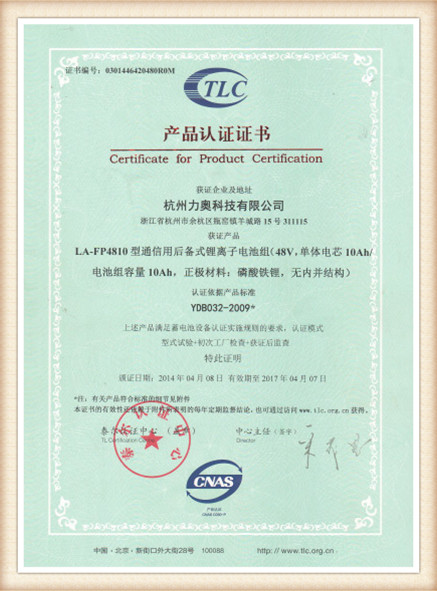
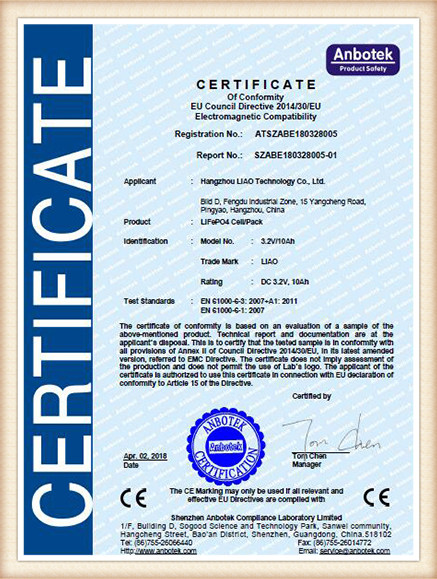
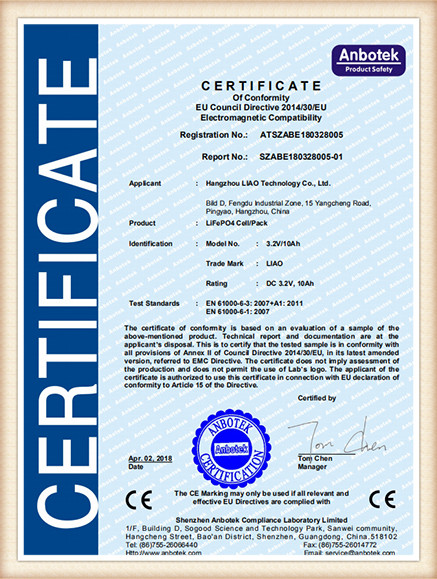
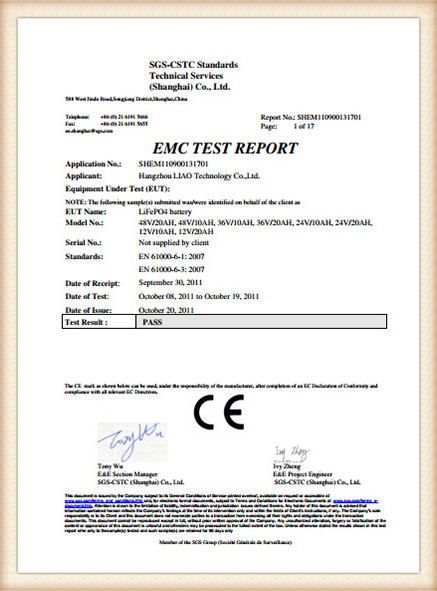
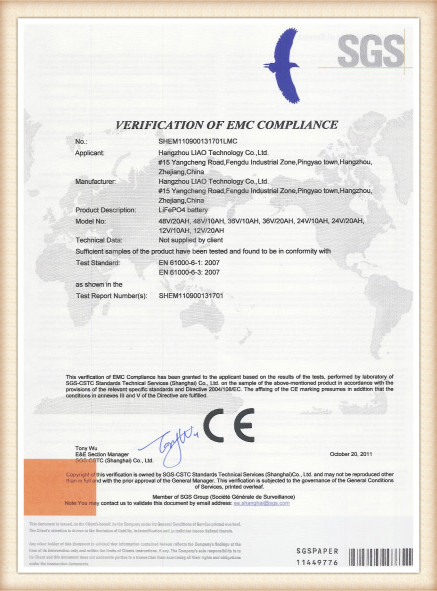
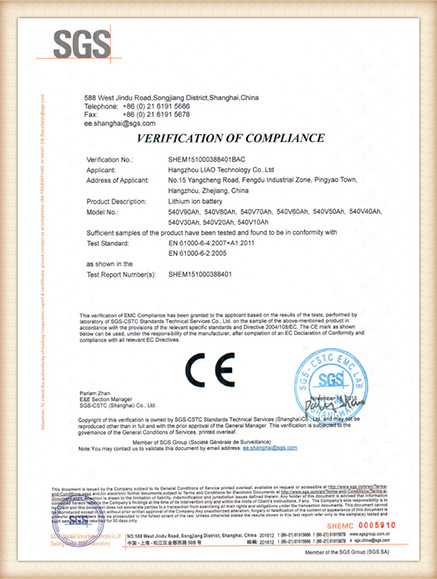
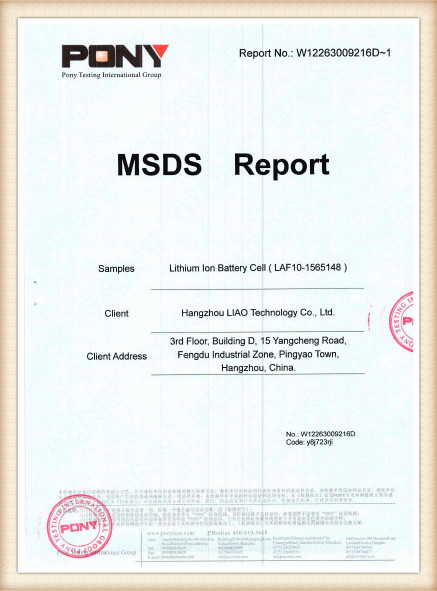
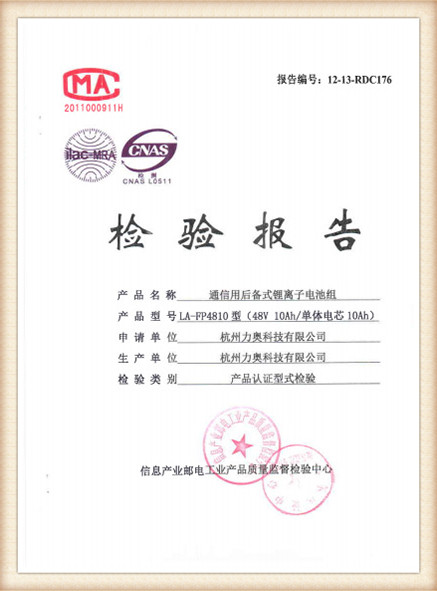
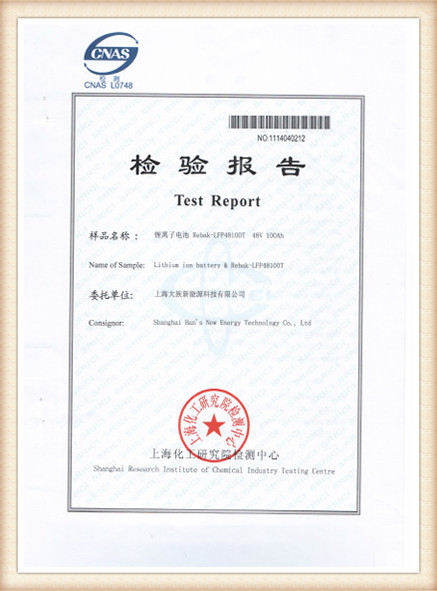
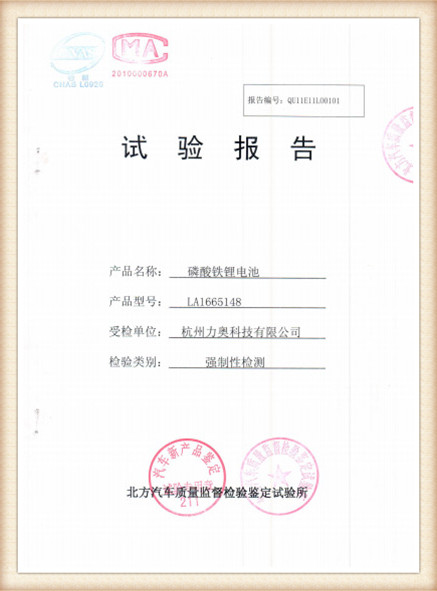
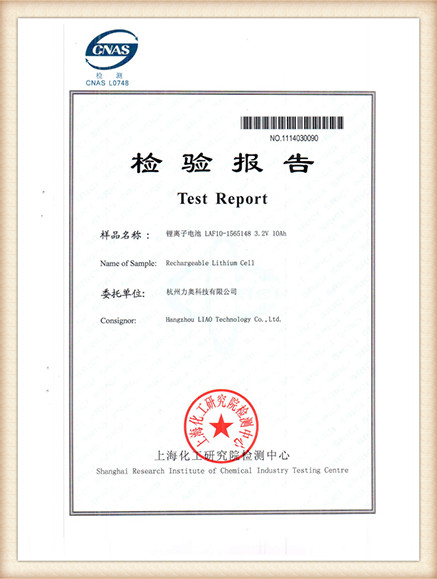
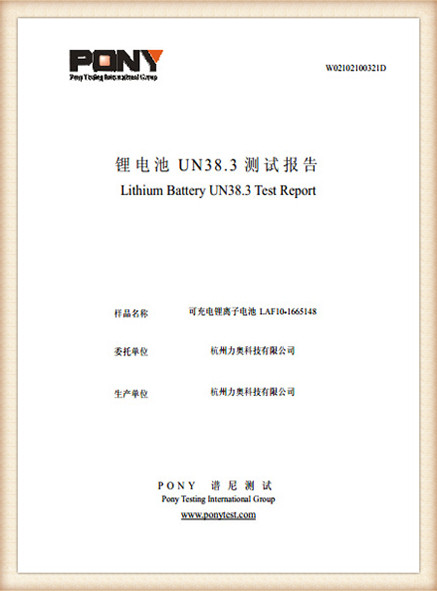
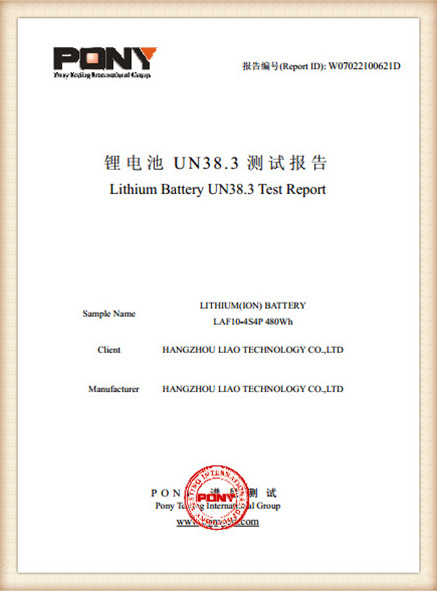
Shipping industrial lithium batteries requires compliance with strict transportation rules. Our designs undergo testing to secure certificates including UN38.3, MSDS, and CE. These credentials verify that LIAO battery systems meet safety requirements for marine, air, and land transportation.
Key considerations for international purchasing managers and system engineers.
A key step in selecting a lithium pack is evaluating how system voltage behavior changes under dynamic loads. We help customize the pack layout to align the battery's discharge curves with your specific inverter and motor controller parameters.
For outdoor applications, managing internal temperatures is essential. We design enclosures with targeted airflow paths and thermal insulation layers, keeping the core cells within their optimal operating range.
Because lithium batteries are classified as Class 9 hazardous materials, shipping requires specialized handling. We handle packaging, documentation, and customs coordination to ensure safe delivery to your warehouse.
Clear answers to common questions about 48V 50Ah LiFePO4 batteries.
A 15S configuration operates at a nominal voltage of 48.0V (using 3.2V nominal cells), whereas a 16S configuration has a nominal voltage of 51.2V. 16S packs are commonly used to match standard telecom equipment voltage levels, while 15S versions are often chosen for specific industrial systems designed to replace older lead-acid banks without exceeding maximum input limits.
Operating at a continuous discharge rate of 1C will yield approximately 2,800 to 3,000 cycles to 80% remaining capacity. Discharging at lower rates (such as 0.5C or 0.2C) reduces mechanical stress and heat inside the cells, extending the lifespan closer to 4,000 cycles under typical conditions.
Yes, our packs support parallel connection to increase total storage capacity, managed by matching BMS units. However, series connection is generally not recommended unless the BMS has been specifically configured for it, as high voltage drops can stress the internal components.
Our built-in Battery Management System (BMS) monitors cell state parameters in real time. It guards against over-charge, over-discharge, over-current, and short circuits, and includes low-temperature charging protection to prevent internal lithium plating.
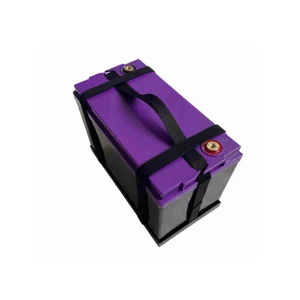
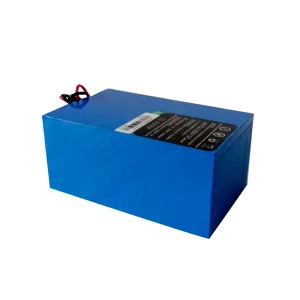
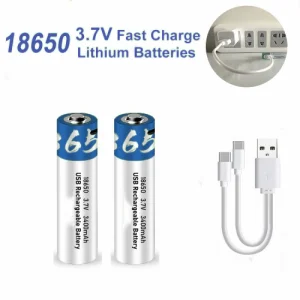
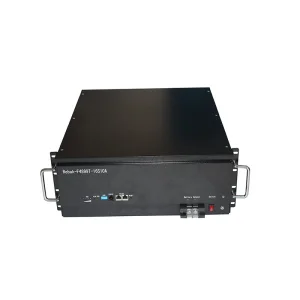
Explore additional battery designs and customized cell configurations available from our factory.
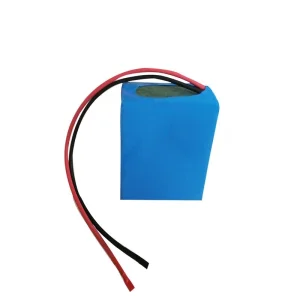
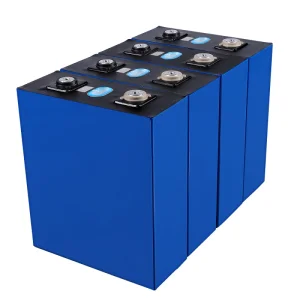
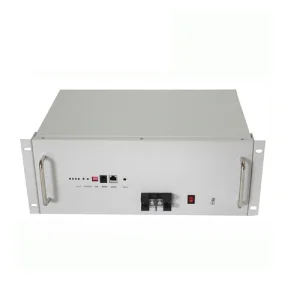
 Liao Battery