Explore our top-performing LiFePO4 battery modules, custom forklift integration systems, and emergency storage assemblies.
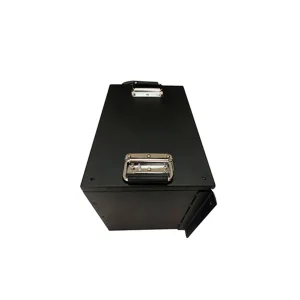
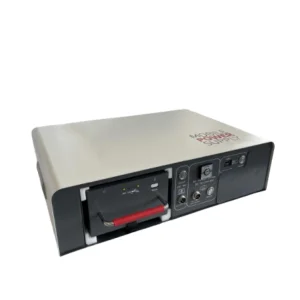
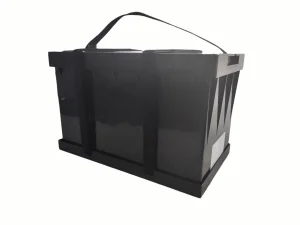
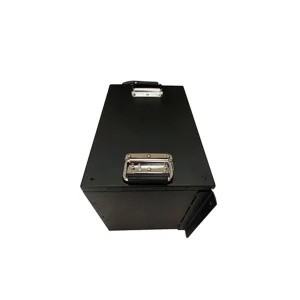
Why industrial procurement is shifting away from permanent weld joints toward heavy-duty threaded stud and bolt configuration terminal structures.
Bolt-on prismatic lithium iron phosphate (LiFePO4) cell design utilizes precision-machined female threads or integrated threaded studs (typically M6, M8, or M10). This layout entirely eliminates high-heat laser welding during module setup. It allows system engineers to construct custom battery arrangements using only torque-calibrated tooling, simplifying assembly lines and boosting throughput.
Should a single cell within a 48V or 96V pack degrade or present abnormal voltage behavior, mechanical bolt terminals make replacement simple. Rather than scrapping the entire welded block or using manual cutting tools that risk short circuits, operators can de-torque the busbar fasteners, exchange the compromised cell, and re-torque the unit safely. This structure facilitates circular recycling initiatives at end-of-life.
Under vibration-heavy operating conditions—such as in forklifts, AGVs, or marine environments—loose connections lead to localized thermal runaway. Bolt design terminal interfaces are engineered with anti-rotation tabs and specific surface plating (nickel or tin on copper) to achieve contact resistance of less than 0.1mΩ, maintaining safe, low thermal signatures.
SEO Insight & Information Gain: Bolt Design LiFePO4 cells are not just about convenient assembly; they serve as a crucial safeguard in heavy commercial vehicles. Welding creates irreversible HAZ (Heat Affected Zones) at the cell terminal, which can alter the molecular structure of the copper-aluminum terminal plate over time. Mechanical bolt setups avoid thermal stressing during module assembly, preserving cell life and ensuring reliable high-rate discharge.
How Hangzhou LIAO Technology Co., Ltd. achieves elite industry standards across safety, temperature parameters, and structural longevity.
Our custom-formulated LiFePO4 cells demonstrate outstanding safety. During acupuncture testing, our cells experience zero thermal runaway, fire, or explosion. Under extreme puncture tests, internal heat release is controlled, preventing catastrophic failures across the pack.
Traditional lithium cells degrade outside room temperatures. LIAO technology cells are designed to charge and discharge efficiently in demanding conditions, maintaining performance across a wide operating window from -40°C to 85°C.
Designed for multi-shift industrial applications, a single LIAO cell supports over 2,800 full charge-discharge cycles under continuous 1C rate testing at 100% Depth of Discharge (DOD) before capacity slips below 80% of nominal rating.
Our LAXpower-1230 cell series participated in rigorous performance assessments in Europe, earning top marks for cycle stability and mechanical terminal construction.
A detailed engineering comparison highlighting why bolt-design LiFePO4 cells are favored in low-volume, high-mix custom projects and heavy duty machinery.
| Evaluation Parameter | Bolt Design (Threaded Stud / Insert) | Laser-Welded Terminal Design | Operational Impact |
|---|---|---|---|
| Assembly Equipment Cost | Low (Requires standard torque wrenches & insulated bits) | High (Requires robotic fiber laser-welders) | Reduces initial tooling investment for bespoke systems. |
| Rework / Maintenance | Highly accessible; individual cell replacement is possible in the field | Very difficult; requires grinding weld seams and risks damage | Slashes MTTR (Mean Time to Repair) from days to minutes. |
| Vibration Resistance | Very High (With Nord-Lock washers & loctite application) | High (Rigid joints can crack under structural chassis flex) | Essential for rough-terrain material handling machinery. |
| Contact Resistance | < 0.15 mΩ (Highly dependent on torque accuracy) | < 0.05 mΩ (Extremely low electrical losses) | Ensures high currents do not overheat the terminal contacts. |
| Recycling Compatibility | Fully dismountable (Fast mechanical material separation) | Poor (Copper and aluminum terminals fuse and contaminate sorting) | Aligns with EU Circular Economy Battery Directives. |
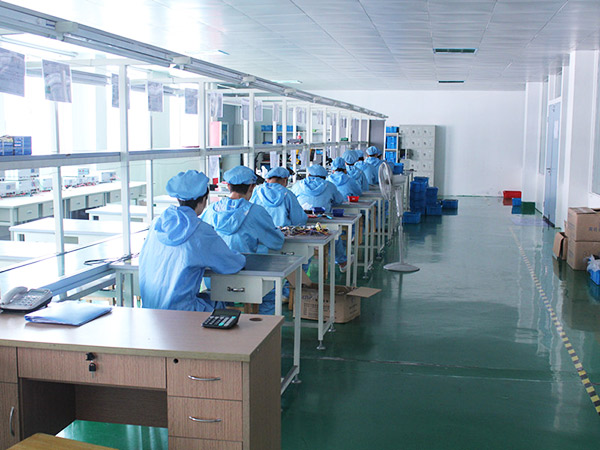
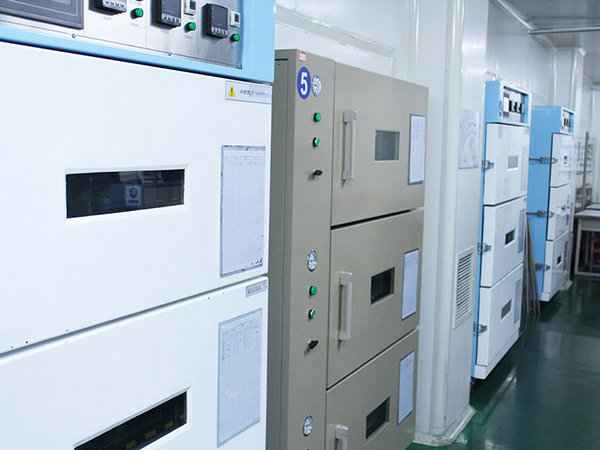
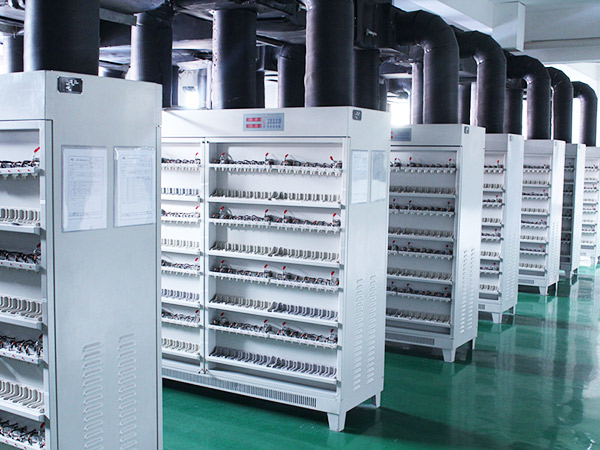
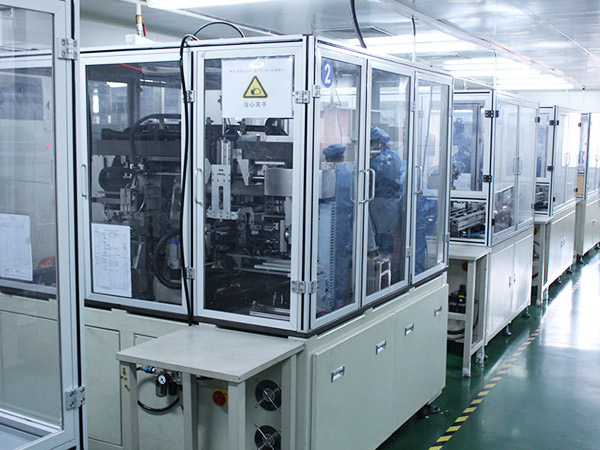
Hangzhou LIAO Technology Co., Ltd. combines advanced manufacturing lines with international standards to ensure product consistency.
Founded in 2009, Hangzhou LIAO Technology Co., Ltd. is a leading manufacturer specializing in LiFePO4 battery solutions. Our products are exported to more than 20 countries worldwide, serving markets across Europe (Germany, France, Netherlands, Spain, United Kingdom), the Americas (USA, Canada, Mexico, Brazil), Asia-Pacific (Australia, Philippines, Thailand, Singapore, Korea, Japan, India), and Africa (South Africa, Nigeria).
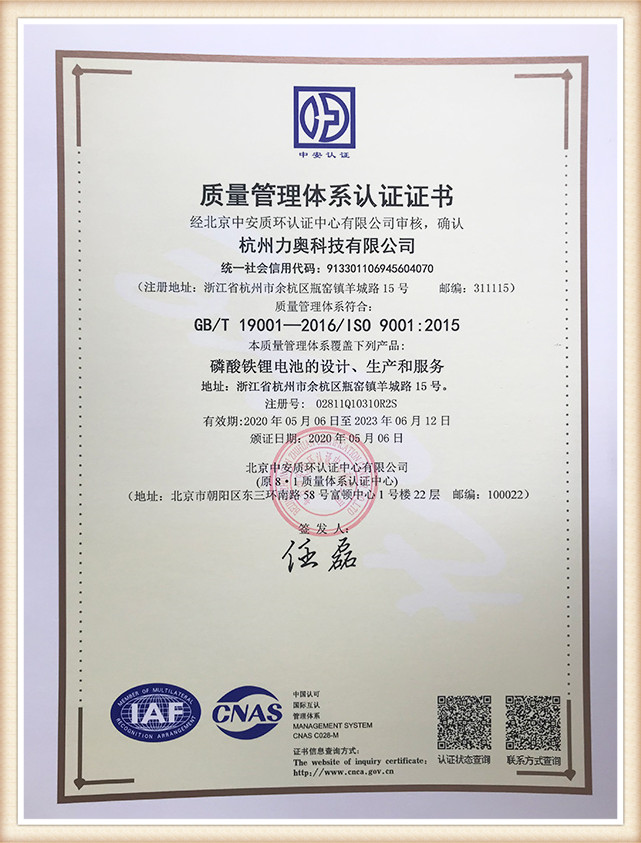
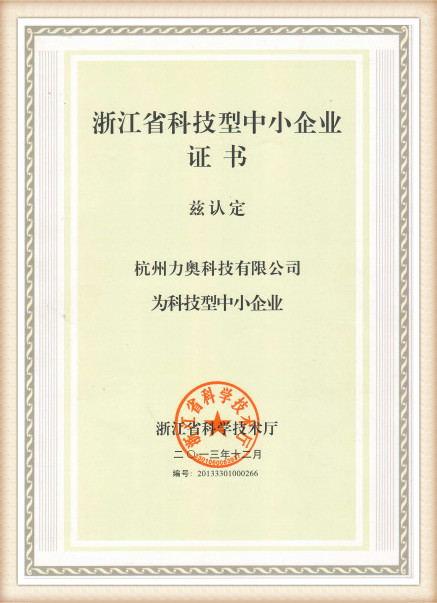
We maintain a strict and efficient quality control system. Our operations comply with the ISO 9001 quality management framework, the ISO 14001 environmental management system, and the ISO 18001 (now transitionally aligned with ISO 45001) occupational health and safety standard.
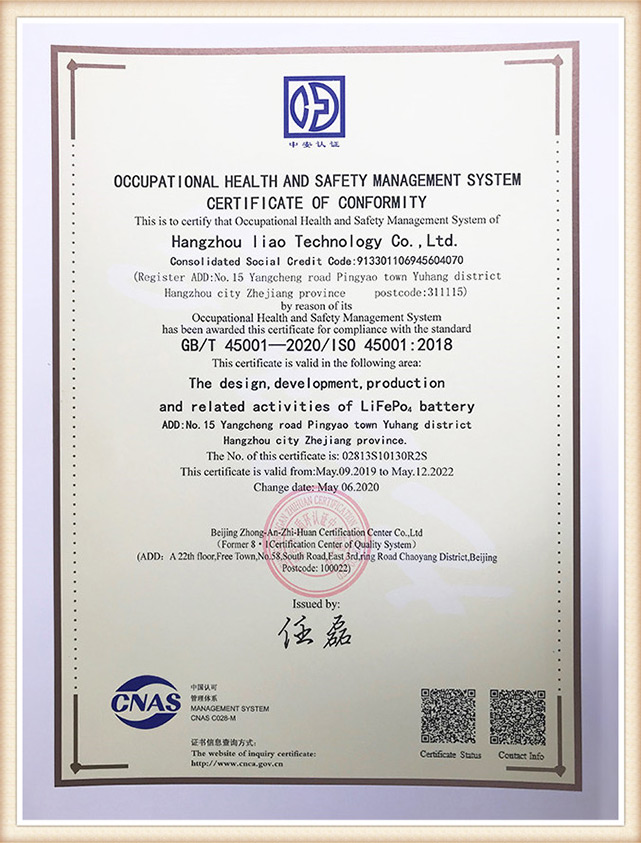
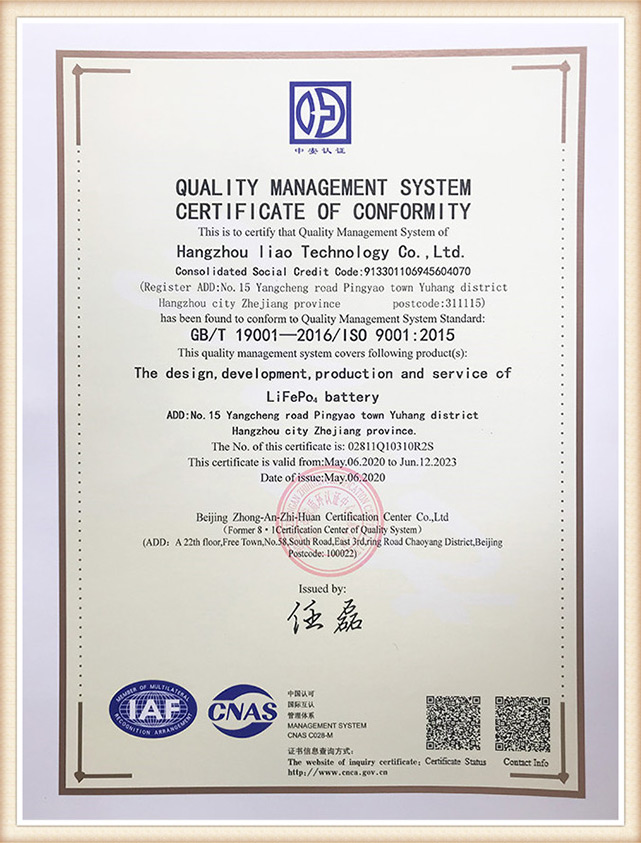
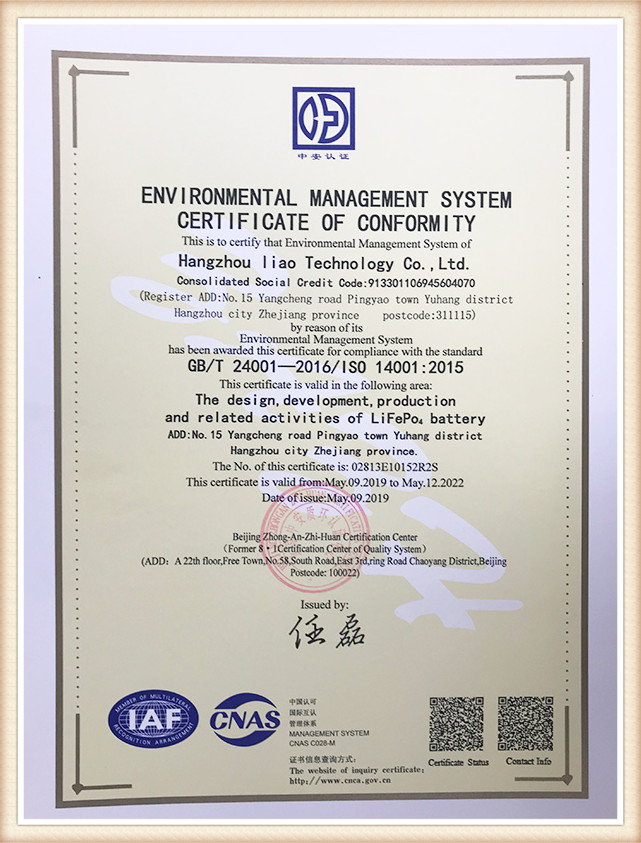
Our engineering team holds design and utility patents, demonstrating our commitment to cell integrity and electrical configuration.
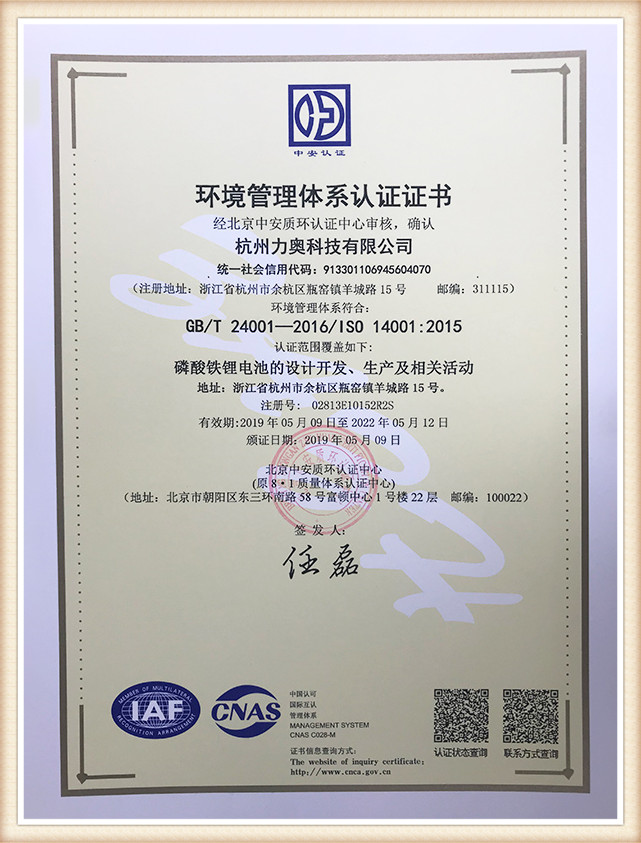
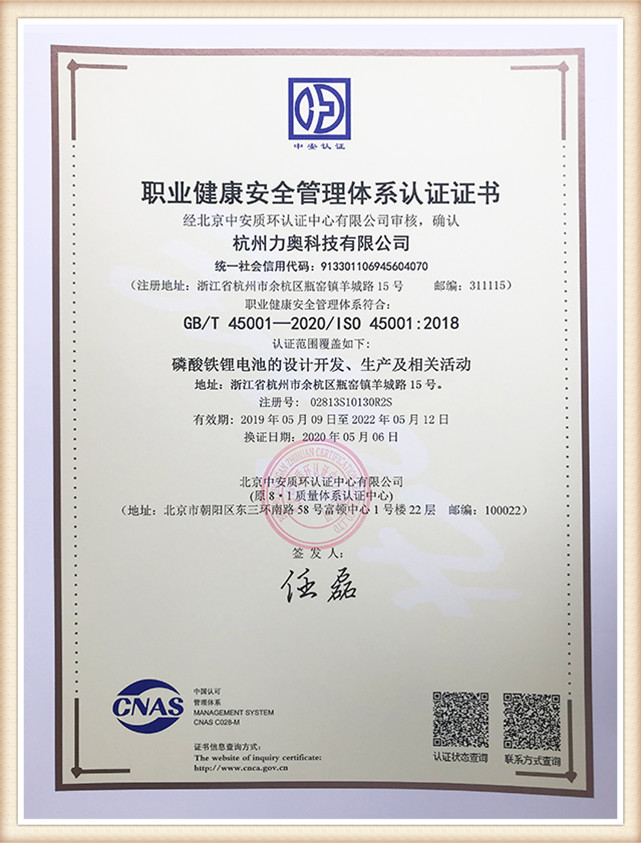
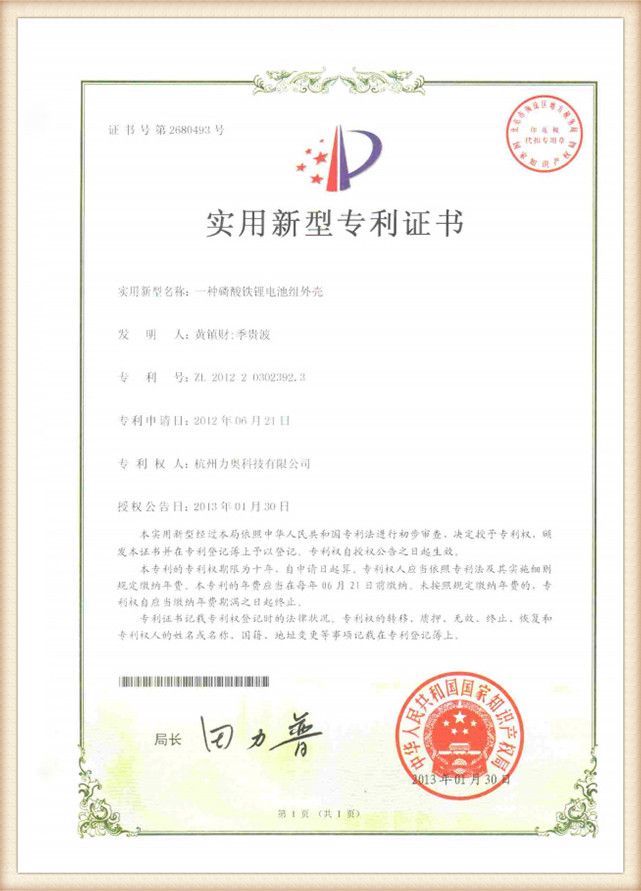
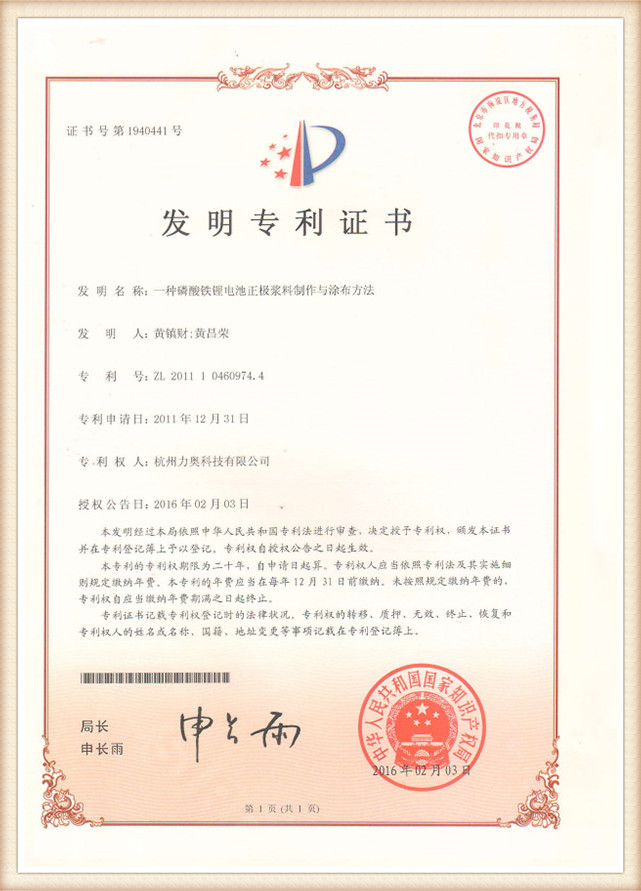
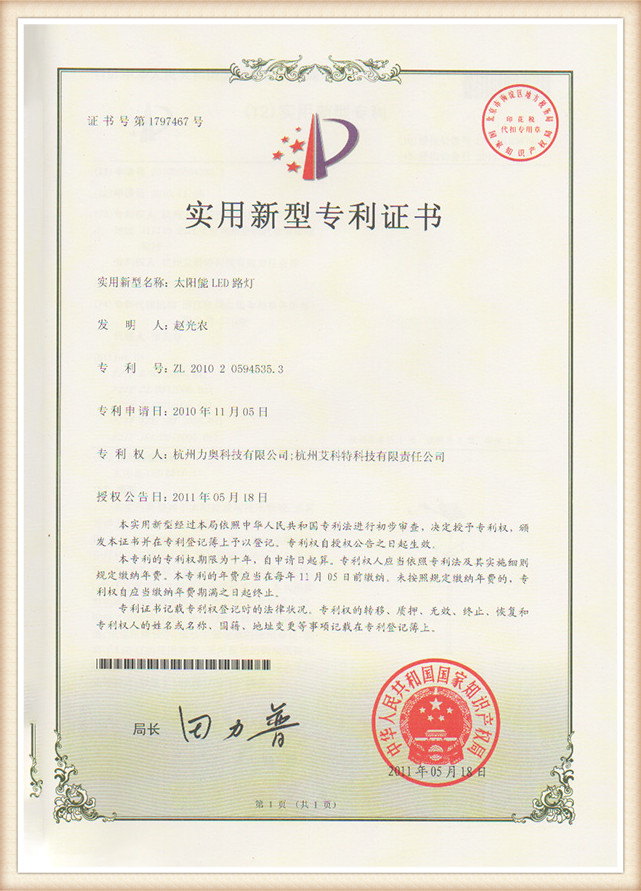
Leveraging over 15 years of robust technical experience, we develop custom battery configurations for challenging commercial environments.

Our new generation of LiFePO4 golf cart batteries offers stable energy delivery on varied terrains and steep gradients.
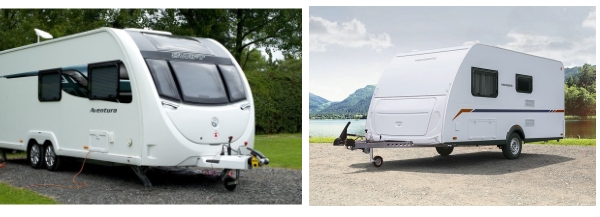
LIAO LiFePO4 batteries support caravan movers with zero tailpipe emissions and low sound signatures.
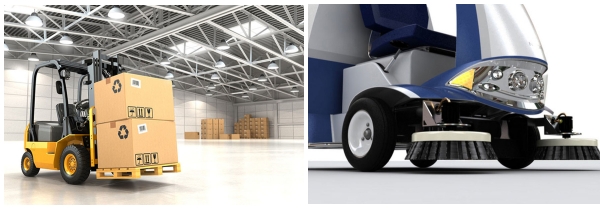
Engineered for heavy-duty short-distance transport, helping forklifts and AGVs move high-load weights efficiently.

Zero emissions and vibration-damped bolt-on modules, designed to withstand saltwater exposure in marine applications.
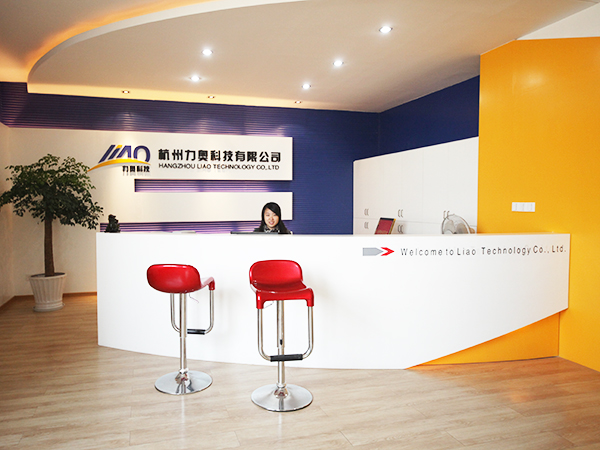
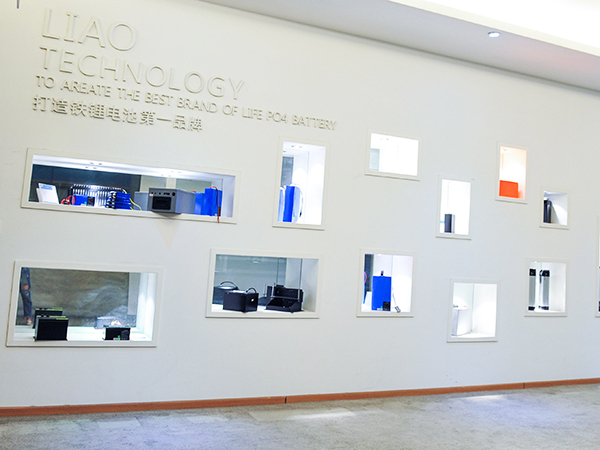
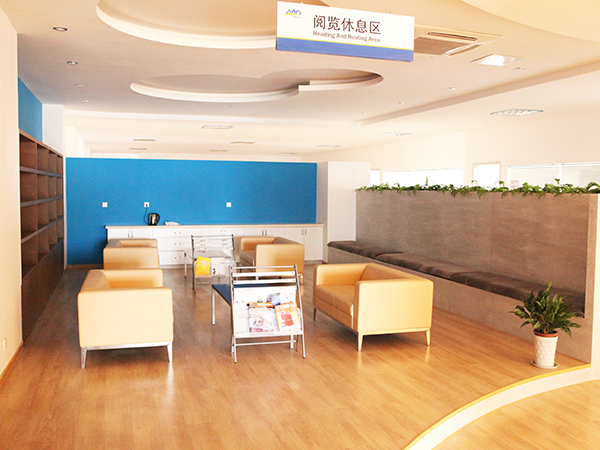
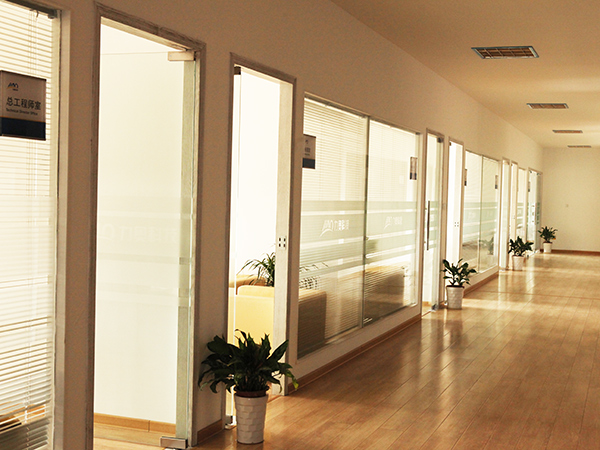
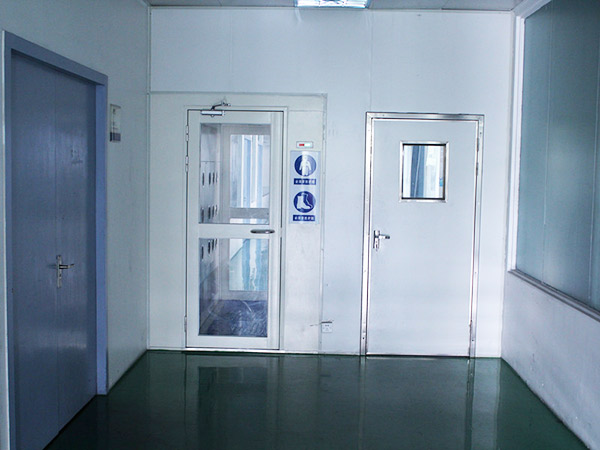
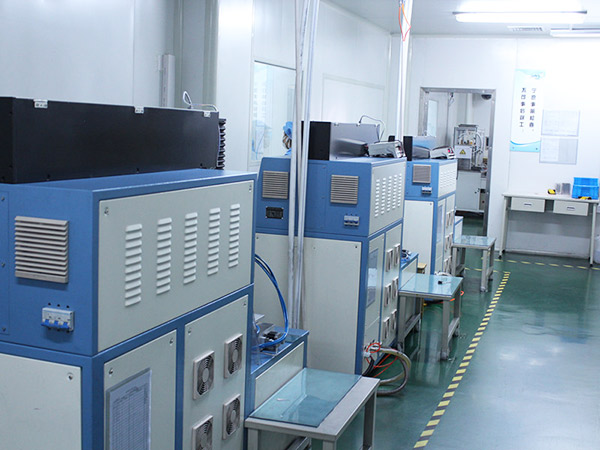
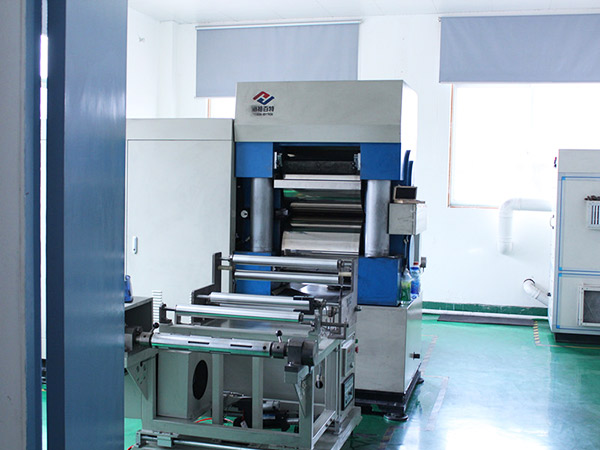
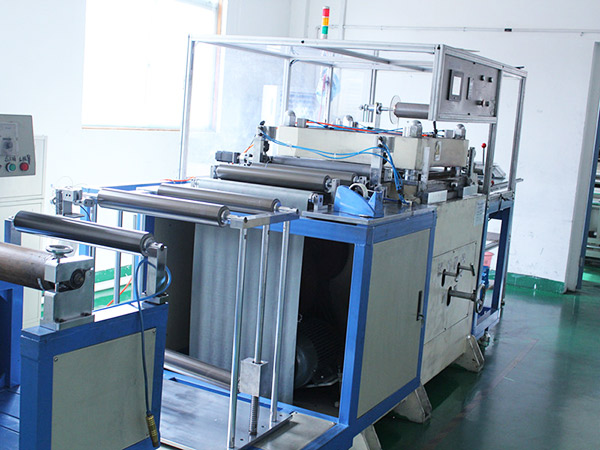
Take a virtual walk through our advanced production lines. LIAO ensures precise manufacturing, sorting, and quality controls.


A guide to key considerations when sourcing bolt-design prismatic lithium iron phosphate cells.
Proper torque settings prevent connection failure. Under-torqued connections generate high contact resistance, while over-torquing can damage internal threads. Always ask suppliers for torque specifications (e.g., 6 N·m for M6, 9 N·m for M8 terminals).
Ensure the mounting bolt's thread length matches the terminal depth. If a bolt bottom-out occurs, it leaves the busbar loose, leading to localized heating under load currents.
Verify that terminal plating matches your busbar material. Mixing bare copper and aluminum can trigger galvanic corrosion, increasing resistance and generating heat over time.
Next-generation designs feature built-in temperature sensors near terminal studs, allowing BMS units to detect localized heat buildup directly. Manufacturers are also improving internal current collectors to support fast charging and discharge cycles without straining the bolt joints.
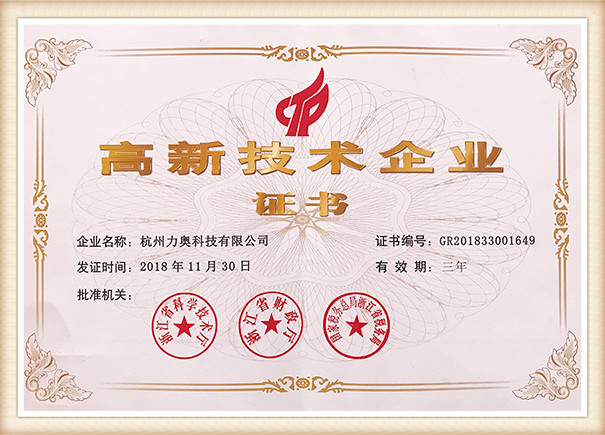
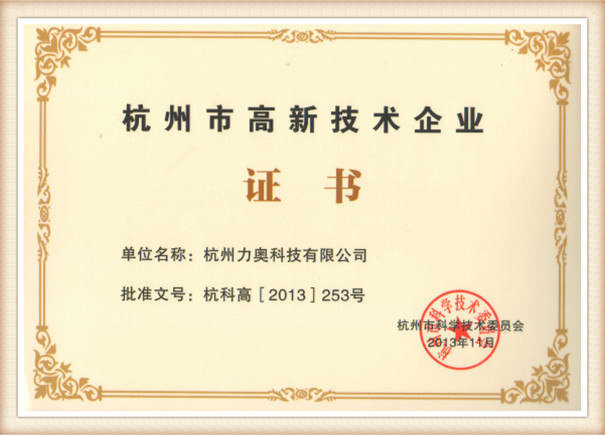
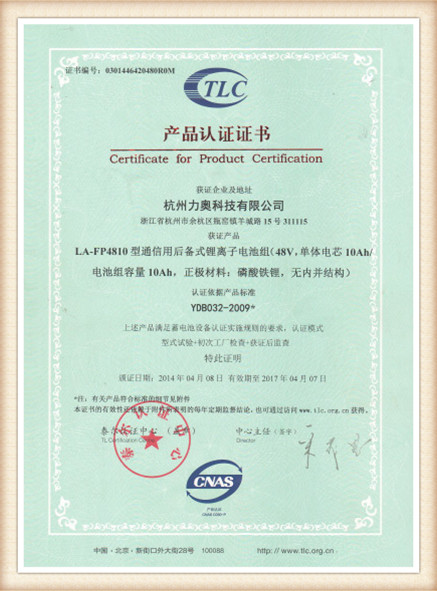
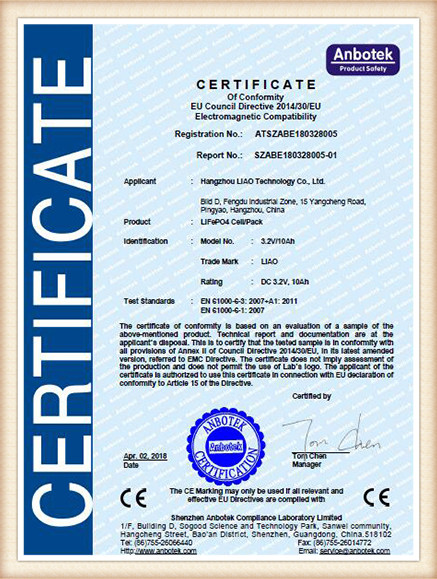
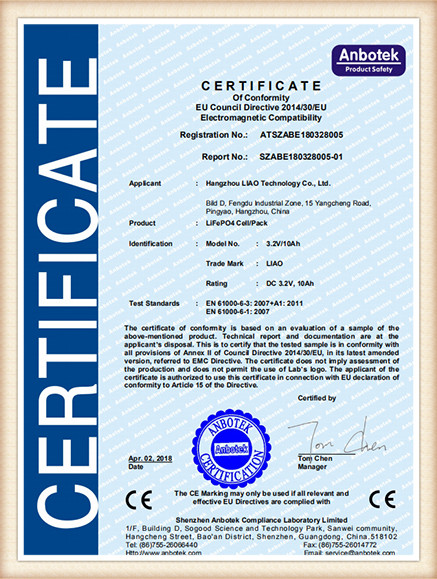
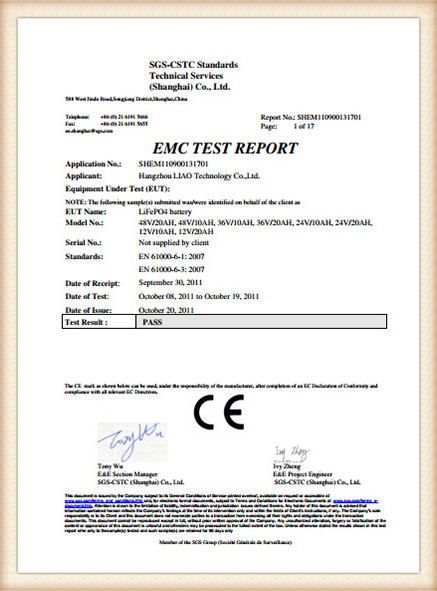
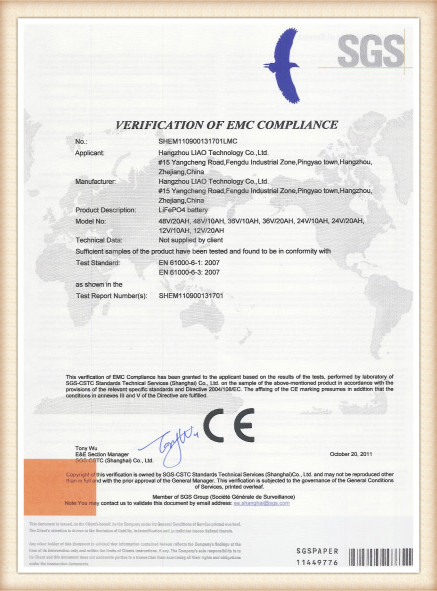
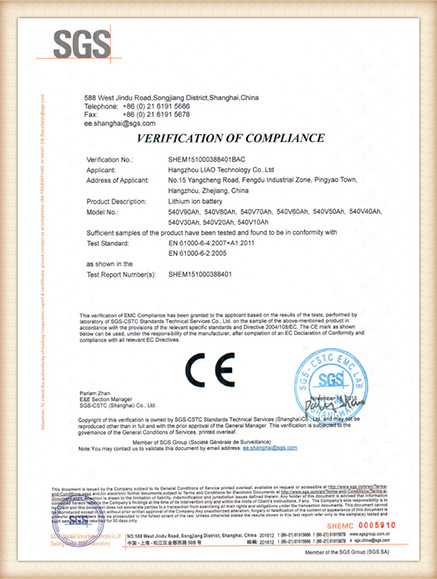
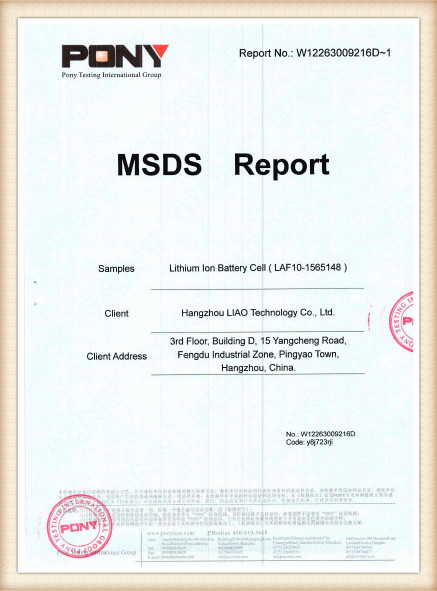
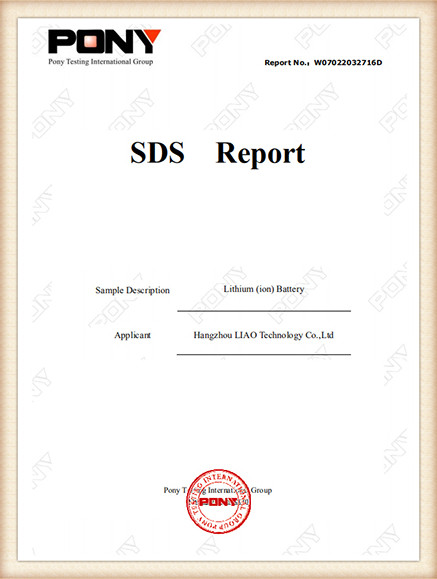
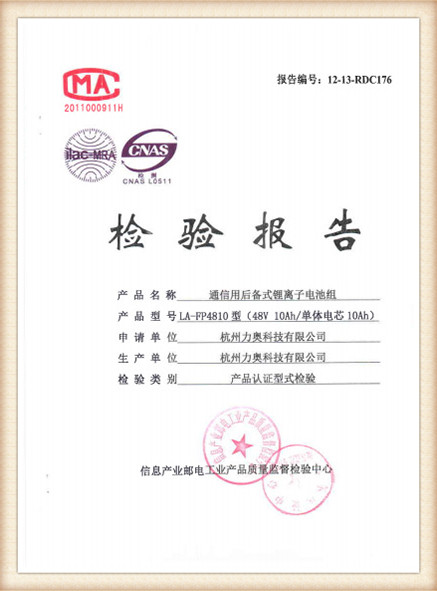
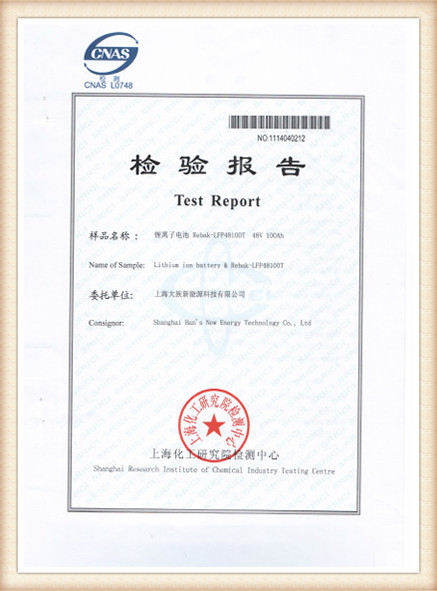
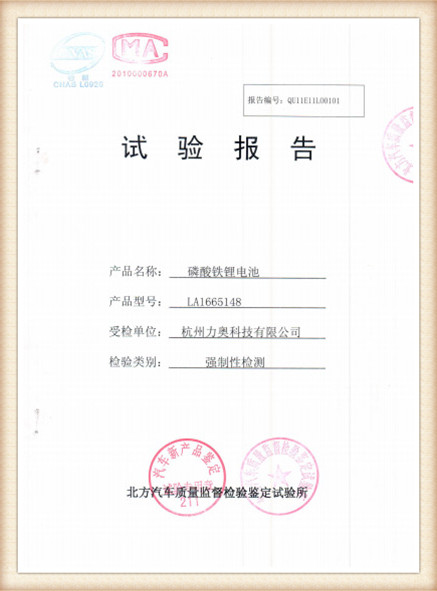
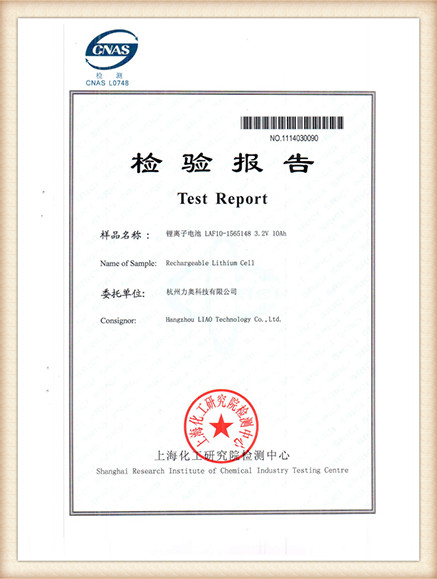
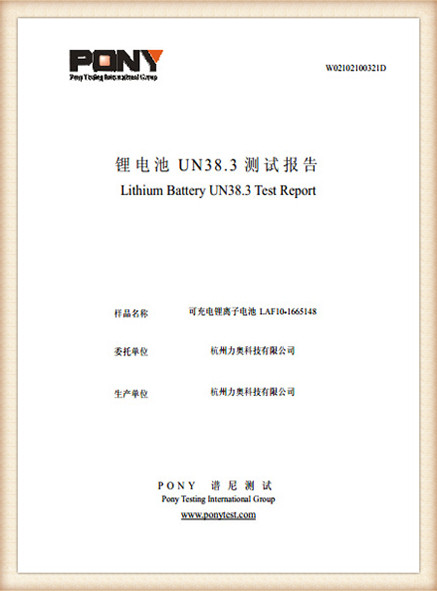
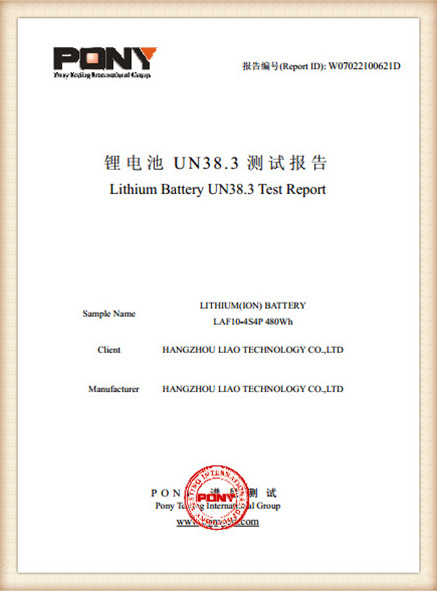
LIAO cells pass strict testing regimes, allowing for trouble-free customs clearance and compliant operation worldwide.

Technical answers regarding cell safety, installation standards, and custom configuration options.
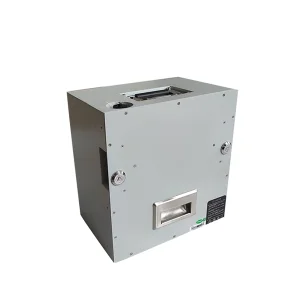
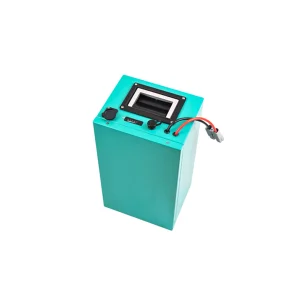
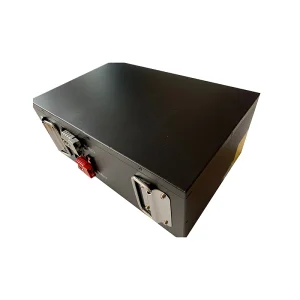
Browse additional custom power options, from high-capacity backup stations to specialized robotic sweepers and electric vehicle battery packs.

 Liao Battery