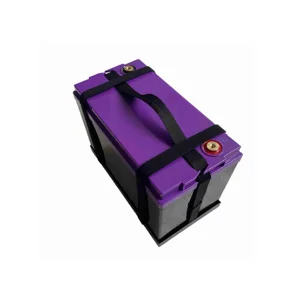
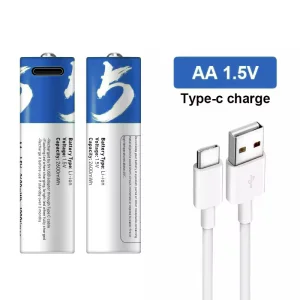
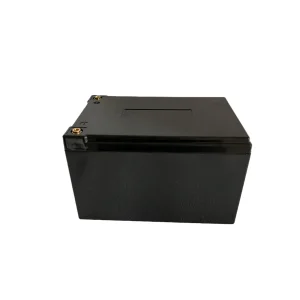
The global energy storage matrix is undergoing a seismic transition. Once dominated by standard Lead-Acid options and Nickel Manganese Cobalt (NMC) chemistries, commercial markets have strategically tilted toward Lithium Iron Phosphate (LiFePO4) systems. Industrially, LFP cell technologies are selected because of their remarkable inherent thermal safety, resource sustainability, and exceptional lifecycle cost dynamics. The absence of volatile metals such as Cobalt and Nickel avoids geopolitically vulnerable supply chains, assuring reliable procurement for developers worldwide.
Across North America, Europe, and the Asia-Pacific region, utility-scale developers and grid operators have established LiFePO4 as the benchmark chemistry. The rise of industrial electrification—spanning materials handling fleets, autonomous mobile robots (AMRs), off-grid telecom networks, and localized microgrids—highlights the necessity of dependable battery architectures. In these high-uptime environments, failures translate directly to significant financial losses. LFP technology offers a reliable solution, maintaining structural integrity under repeated high-discharge demands.
Resource Independence: Eliminates vulnerable raw materials like Cobalt and Nickel, minimizing ethical procurement concerns.
Levelized Cost of Storage (LCOS): Lower upfront asset degradation yields superior return on investment (ROI) over extended operational lifetimes.
Safety and Compliance: Easily conforms to strict global transport and functional safety guidelines (UN 38.3, UL 9540A).
Our manufacturing procedures focus on maximizing energy density, thermal range resilience, and lifecycle longevity to ensure dependable energy system installations.
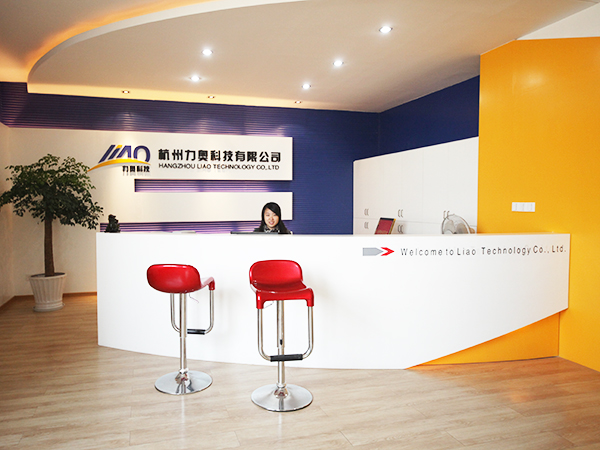
Founded in 2009, Hangzhou LIAO Technology Co., Ltd. is a leading, specialized manufacturer dedicated to high-performance LiFePO4 battery systems. Over fifteen years of constant refinement in lithium electrochemistry has allowed our product solutions to support operations in over 20 countries globally.
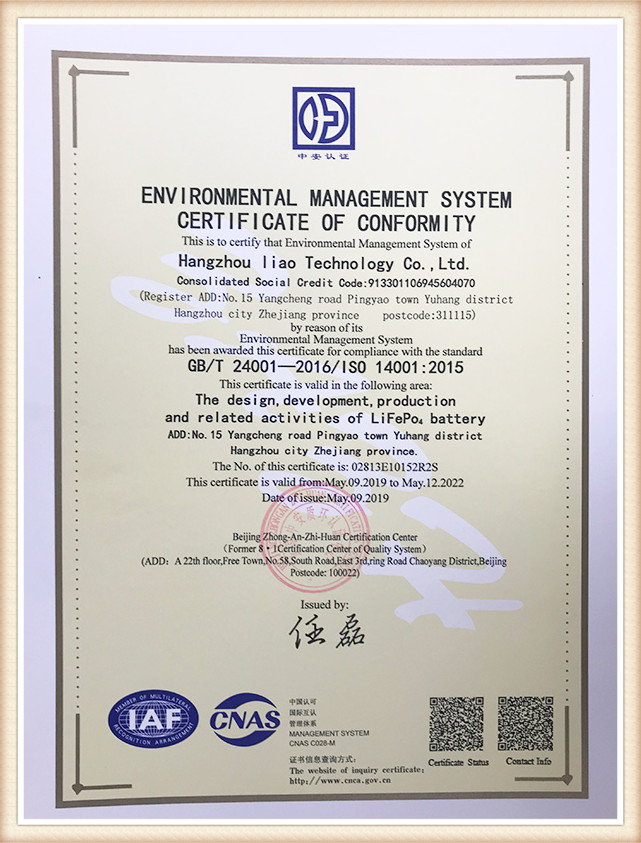
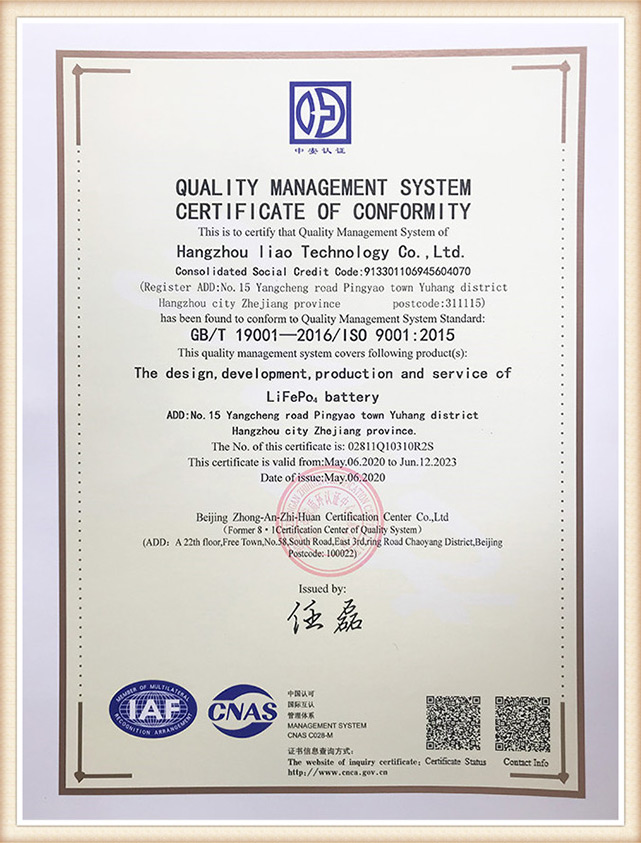
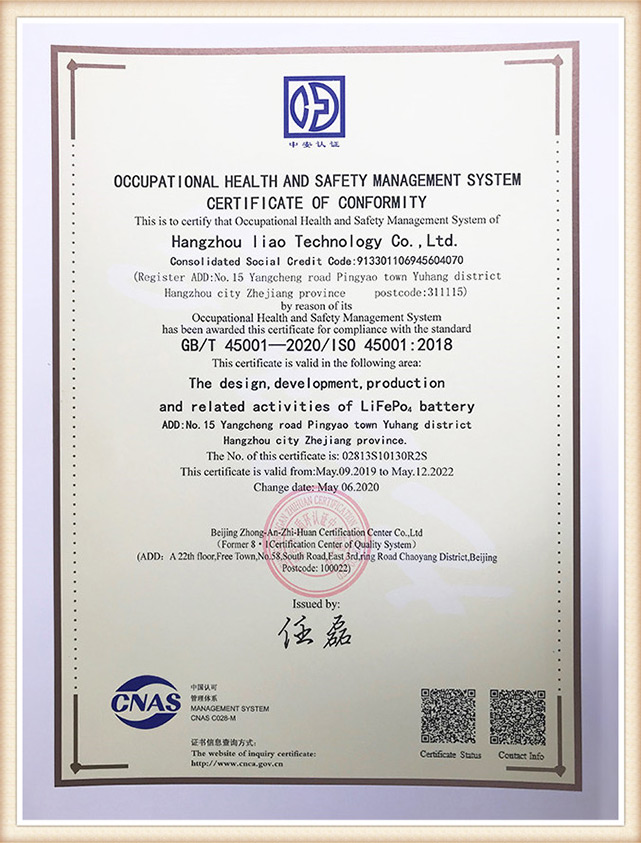
Our operations prioritize consistency and reliability. We enforce a strict QC methodology, manufacturing all battery architectures in alignment with the ISO 9001 Quality Management system. Furthermore, we maintain active compliance with the ISO 14001 Environmental Management standard, along with the ISO 18001 Occupational Health and Safety guidelines.
Engineering cells that do not combust, rupture, or explode during needle-penetration, heavy impact, or localized cell compression testing.
Advanced thermal formulation permits steady electrical discharge throughout cold temperatures down to -40°C and hot conditions up to 85°C.
A minimum threshold of 2800+ cycles at 1C / 100% Depth of Discharge, maintaining over 80% State of Health (SOH).
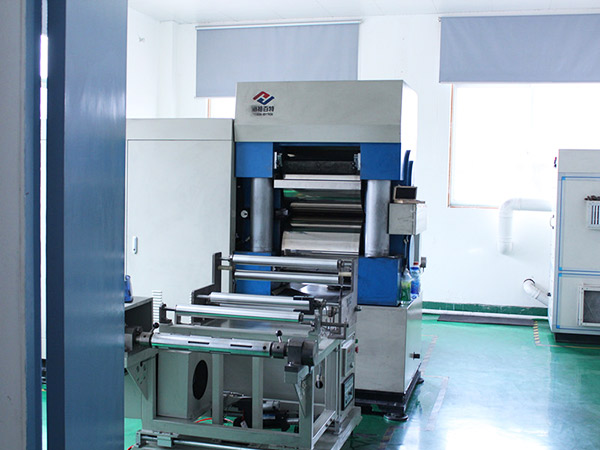
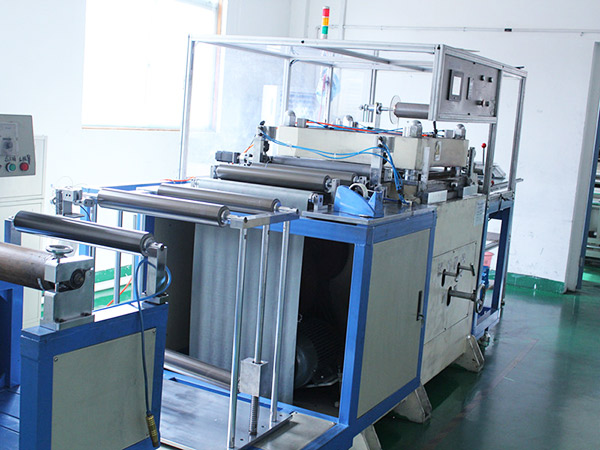
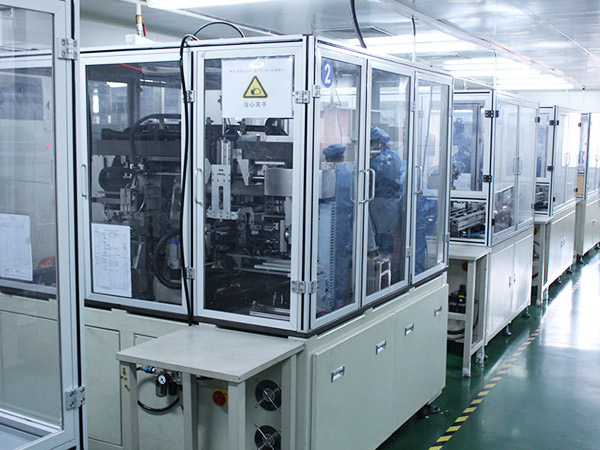
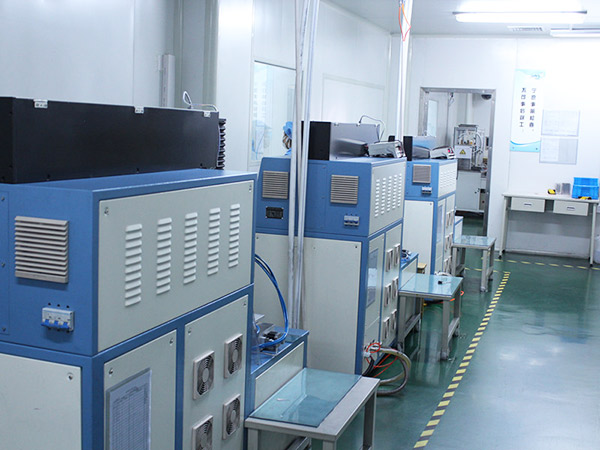
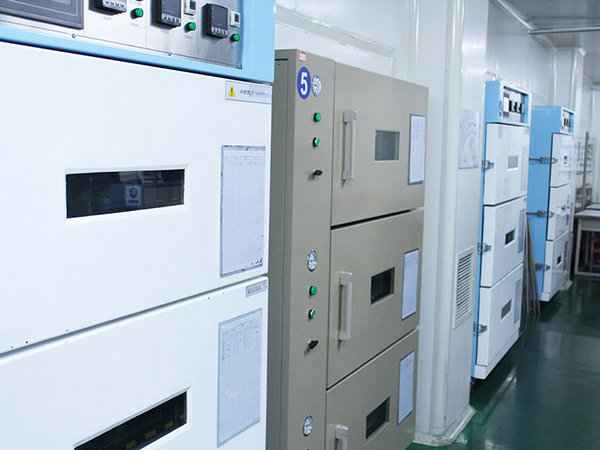
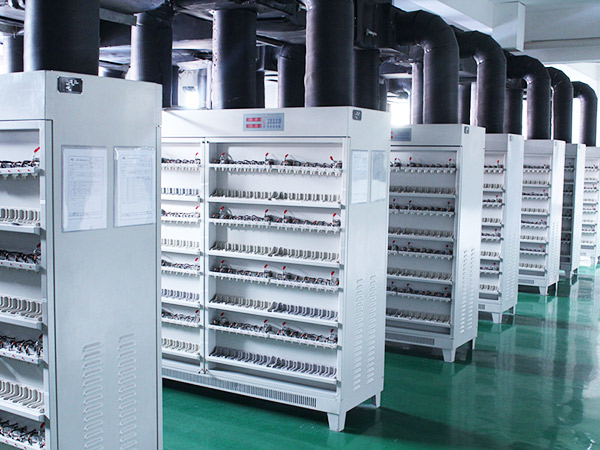
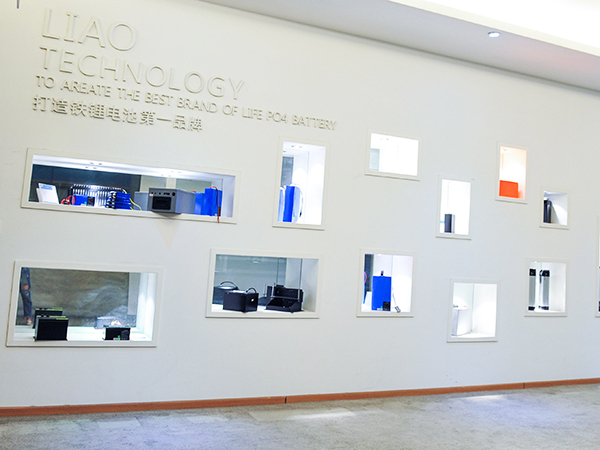
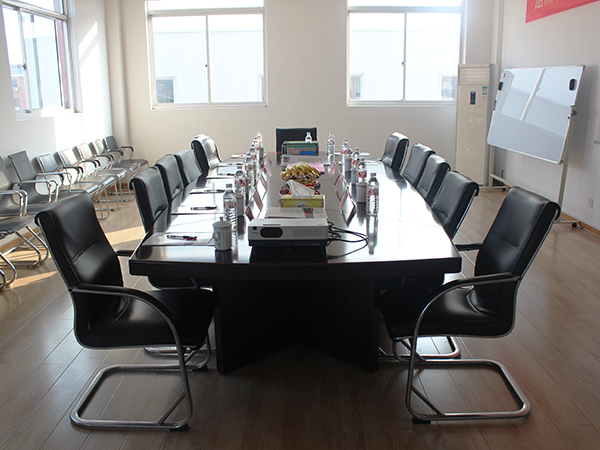
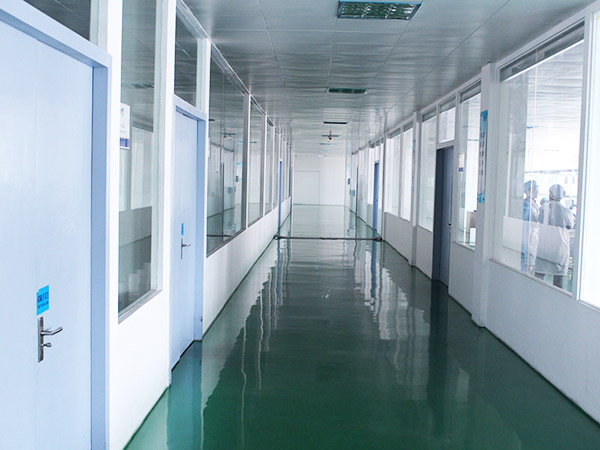
We provide transparent manufacturing insights. Our production lines feature custom automated assembly, precision rolling, laser welding, and thorough quality inspection protocols.
Every commercial application requires specific power delivery characteristics. We customize battery systems to optimize runtime and durability for various usage scenarios.
Our new generation of LiFePO4 golf cart systems provides reliable torque and sustained power. Designed to handle varying terrains and slopes, these modules improve power efficiency and reduce maintenance requirements.

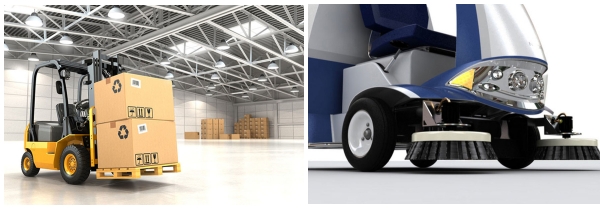
Designed for warehouse logistics, materials handling, and high-load transport vehicles. These battery systems minimize fleet downtime through rapid charging cycles, helping lower operational costs.
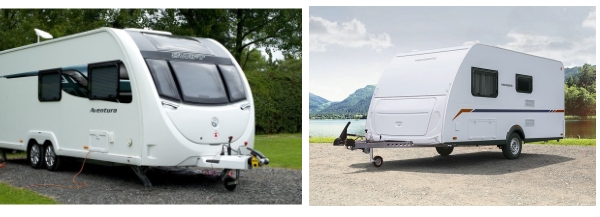
Our lightweight deep-cycle caravan batteries deliver consistent off-grid power, ensuring reliable operation for onboard appliances, lighting, and auxiliary propulsion systems.
We engineer specialized water-resistant marine battery solutions. Built with robust safety systems, these batteries offer silent, zero-emission propulsion for e-boats, protecting marine ecosystems.

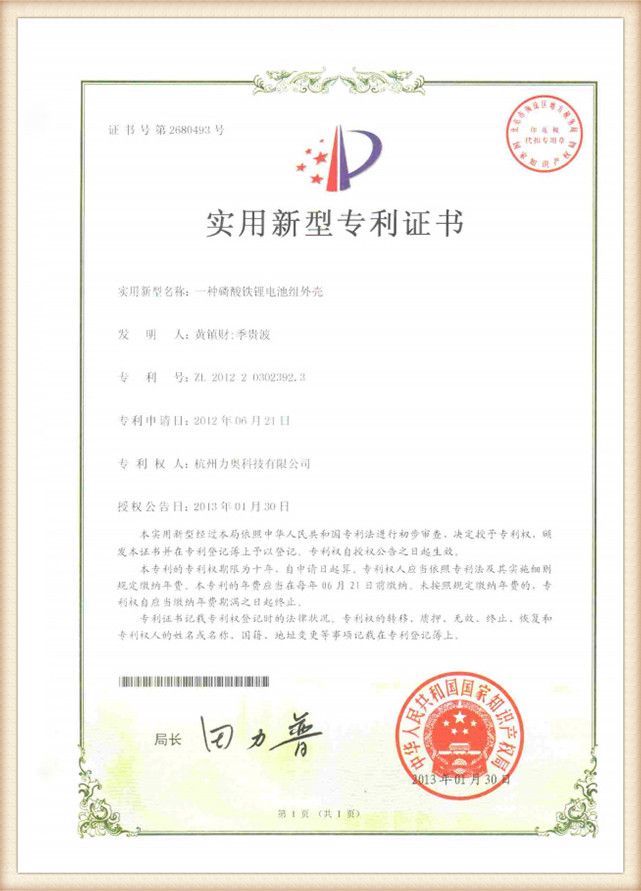
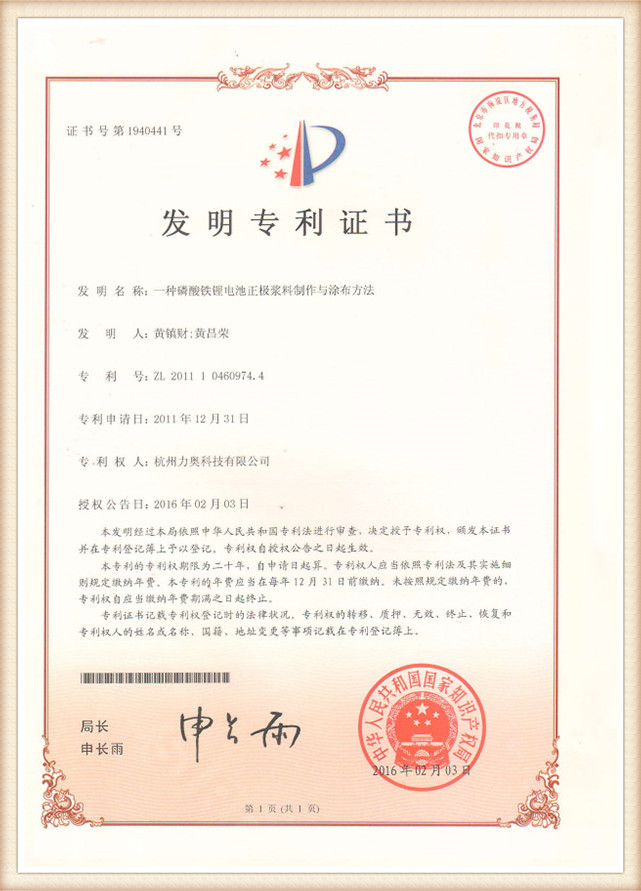
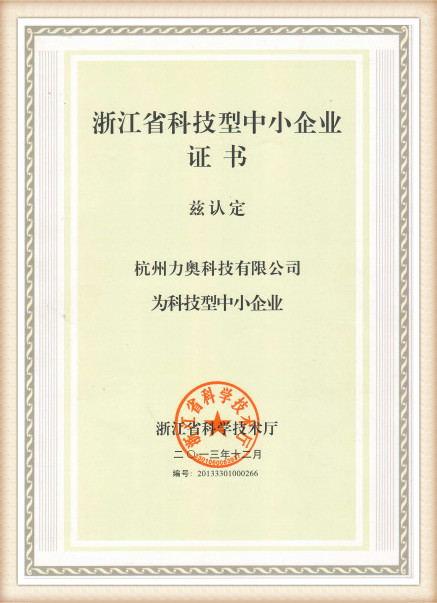
Our products undergo rigorous testing and certification processes to ensure they meet global safety standards for worldwide shipping and installation.
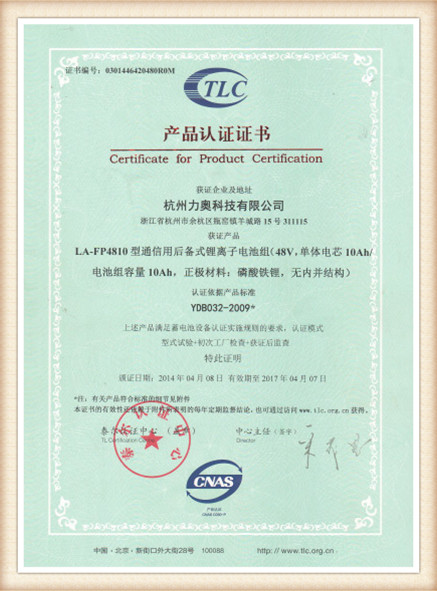
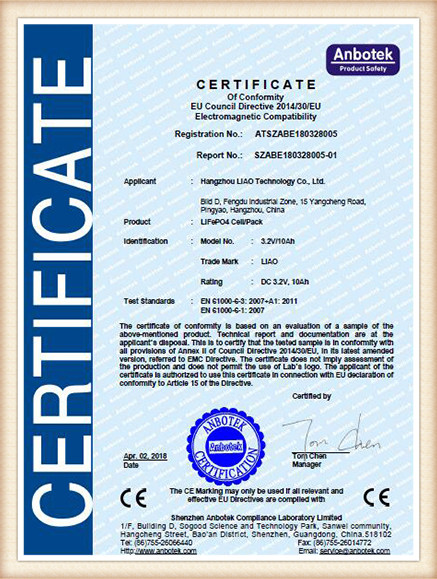
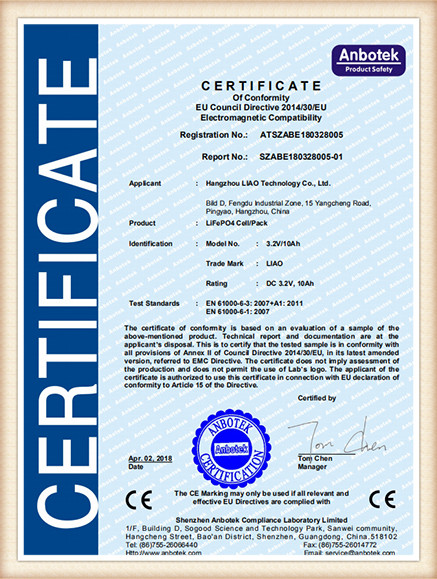
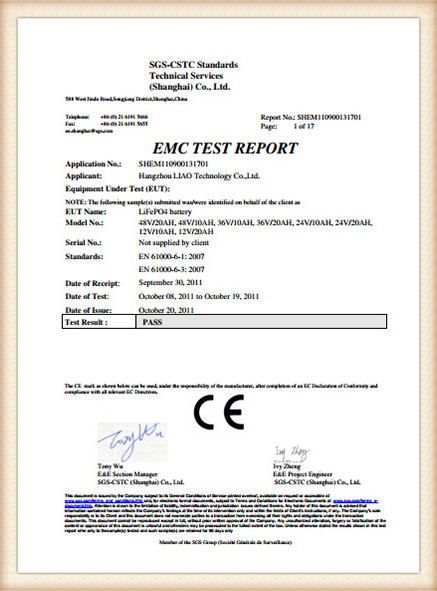
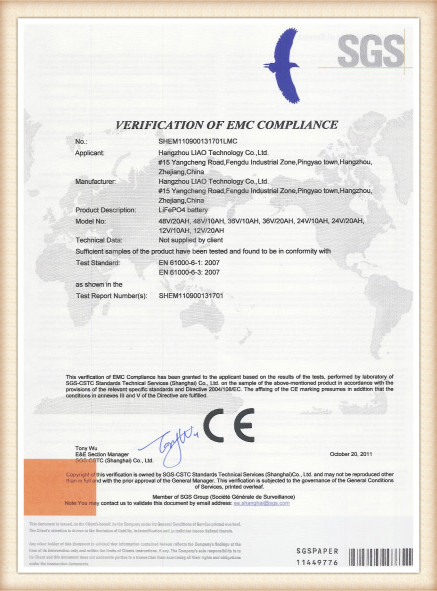
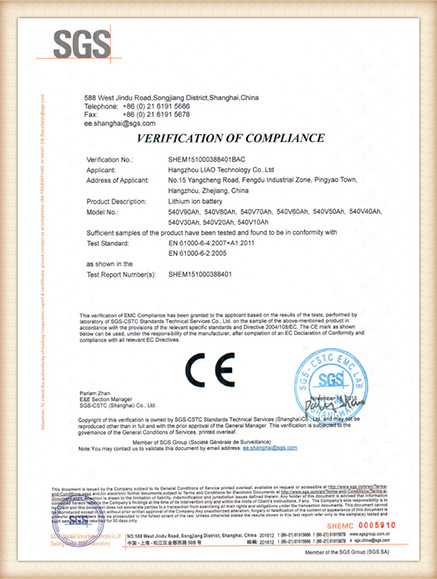
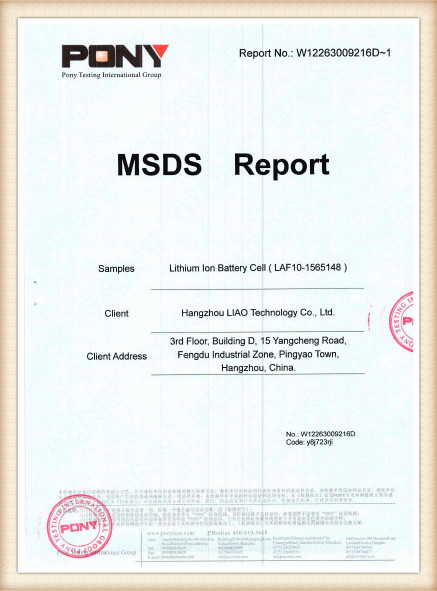
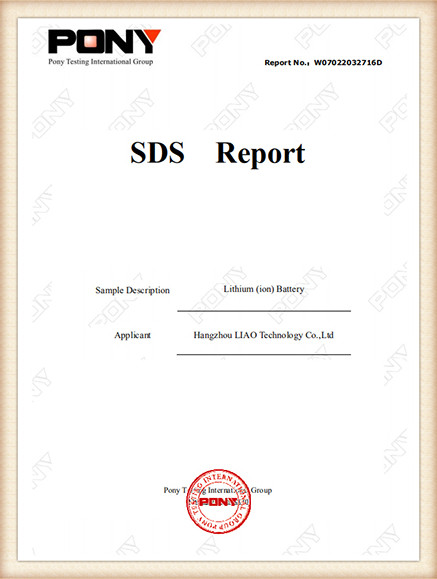
Answering key technical questions regarding chemical specifications, testing methods, and product design integration.
 Liao Battery