Direct access to state-of-the-art power products with complete manufacturing transparency.
The global transition toward green industrialization and electrification has intensified the requirement for high-density, safe, and cost-effective electrochemical power systems. Within the light electric vehicle (LEV), industrial automation (AGVs), and smart utility sectors, the 60V 20Ah lithium battery pack has emerged as a crucial benchmark design. Providing a nominal energy capacity of 1.2 kWh (1200Wh), this configuration balances power, range, and physical layout.
While ternary formulations (NMC/NCA) have historically dominated consumer markets due to high gravimetric energy density, the industrial and commercial sectors are undergoing a significant shift. Lithium Iron Phosphate (LiFePO4) chemistry has become the preferred choice for industrial procurements. This transition is motivated by LiFePO4's superior thermal runaway thresholds (exceeding 270°C), minimal degradation profiles, and reduced dependency on volatile raw material markets (such as Cobalt).
Modern 60V 20Ah packs incorporate sophisticated Battery Management Systems (BMS). Using communication protocols like CANbus, RS485, and Bluetooth, these systems provide real-time telemetry on State of Health (SOH), State of Charge (SOC), and cell balancing parameters. This allows for predictive maintenance and remote fleet management.
Global deployment requires batteries that can withstand cold logistics chains and hot industrial floors. LIAO technology batteries maintain reliable performance across a broad temperature curve, discharging effectively from -40°C to 85°C.
While cylindrical cells offer design flexibility for irregular spaces, heavy-duty applications increasingly utilize prismatic cells. These cells feature flat form factors that optimize structural space, reduce cell interconnection points, and simplify thermal management pathways.
Procuring industrial-grade energy solutions requires analyzing metrics beyond unit pricing. Below is an engineering framework for evaluating potential manufacturing partners:
Safety validation requires looking for structures designed with cell-level vents, insulated pressure release channels, and non-flammable casing materials. These designs must prevent catastrophic failure and prevent ignition under nail-penetration testing.
Verify the continuous discharge ratings. While standard operations may draw 1C (20A) to power a 1200W motor, industrial applications often require 2C to 3C surge peaks to handle high start-up torques.
Calculate the Total Cost of Ownership (TCO). A battery pack that delivers 2,800+ cycles at 100% DOD provides a lower cost-per-cycle than cheaper chemistries that degrade after 800 cycles.
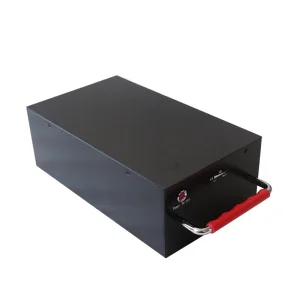
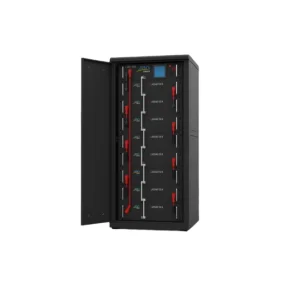
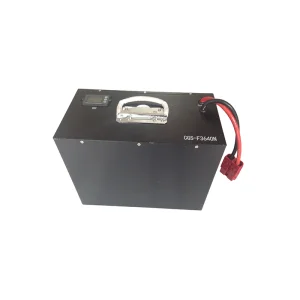
Hangzhou LIAO Technology Co., Ltd. designs and manufactures custom LiFePO4 packs configured to meet specific application requirements:

Our next-generation LiFePO4 golf cart batteries deliver consistent output on hilly terrain. These packs feature low self-discharge profiles and rapid recharge capabilities.
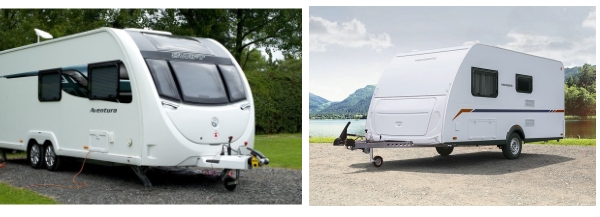
Our LiFePO4 caravan batteries deliver quiet power with zero local emissions. They reduce overall vehicle weight while improving operational efficiency.
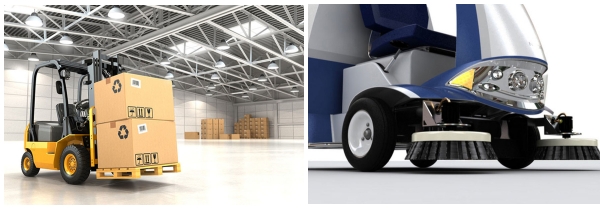
Designed for short-distance cargo handling, our high-discharge LiFePO4 packs help utility vehicles and heavy lifts transport payloads efficiently.
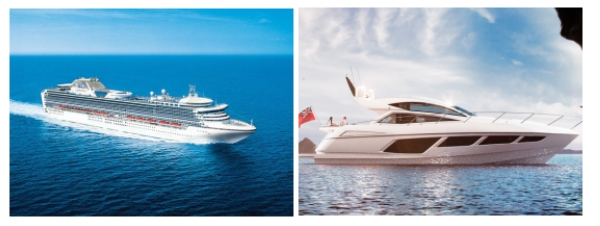
Our marine-grade packs offer high water-resistance, corrosion protection, and zero noise pollution, supporting clean operation in sensitive waterways.
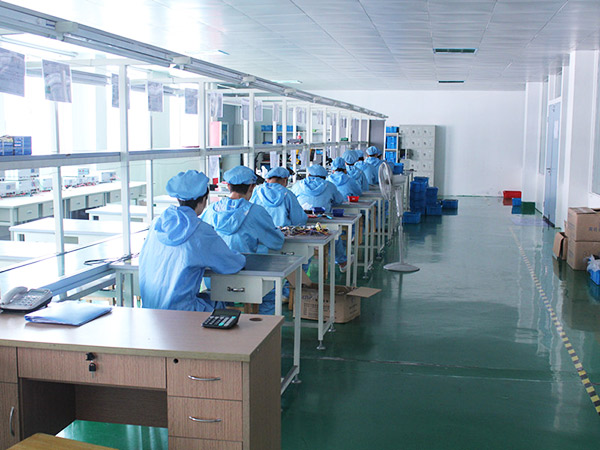
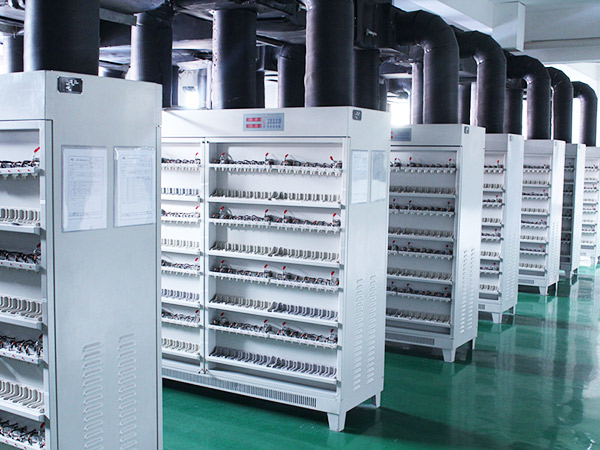
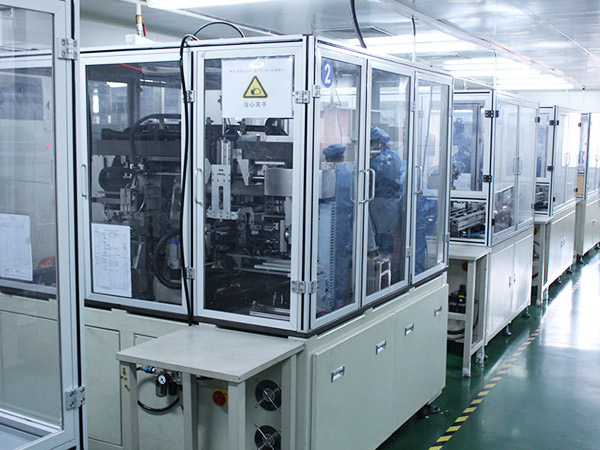
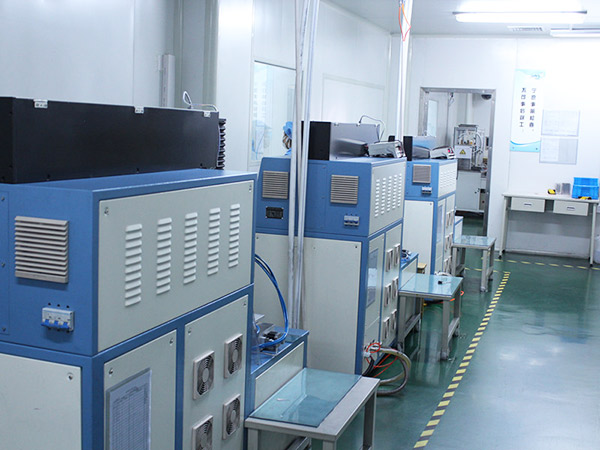
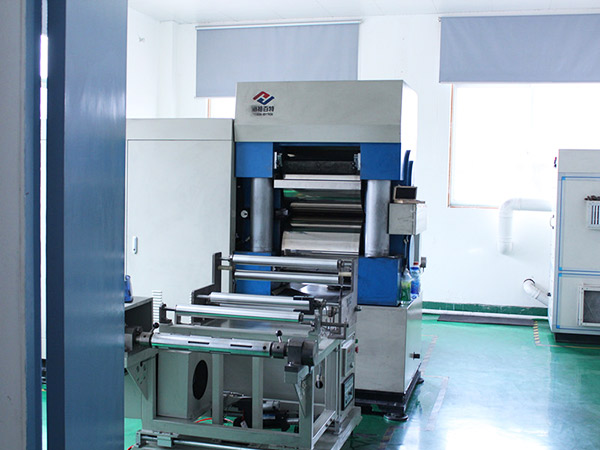
Hangzhou LIAO Technology operates modern production facilities where automation and quality control protocols ensure reliable cell production and pack assembly.
We measure and match voltage, internal resistance, and capacity parameters for every cell. Proper matching helps ensure even load distribution and long-term cycle consistency.
We use robotic laser welding systems to connect cell terminals. This creates strong mechanical joins and low-resistance electrical connections, minimizing internal heating.
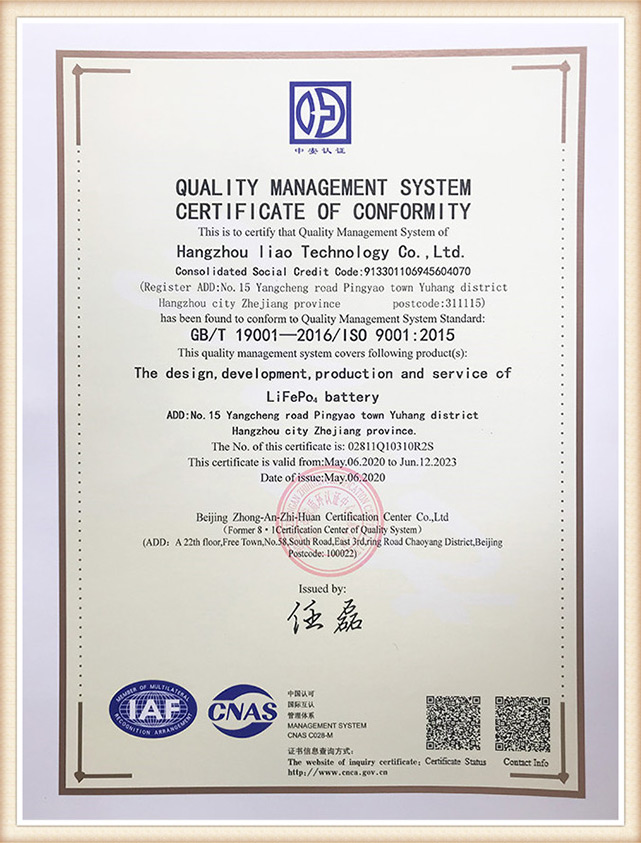
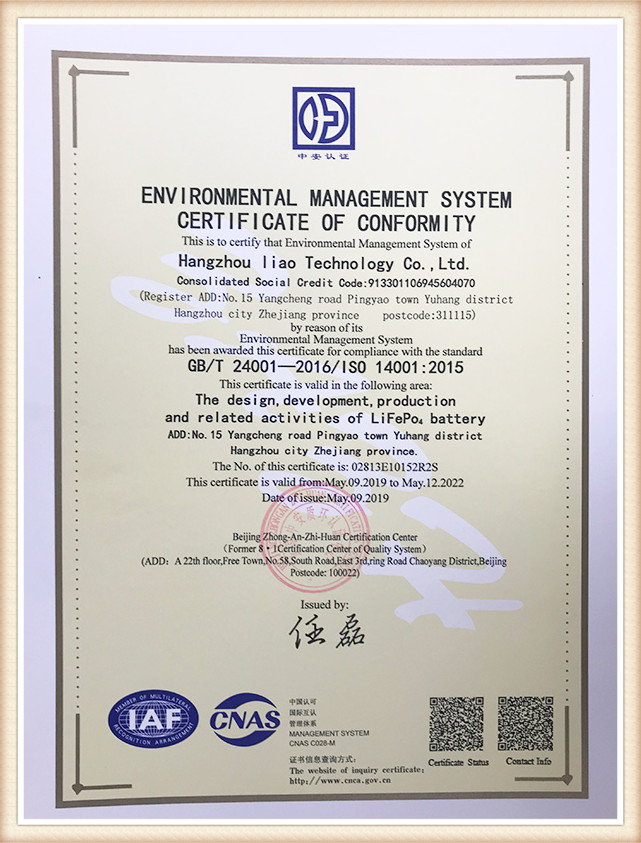
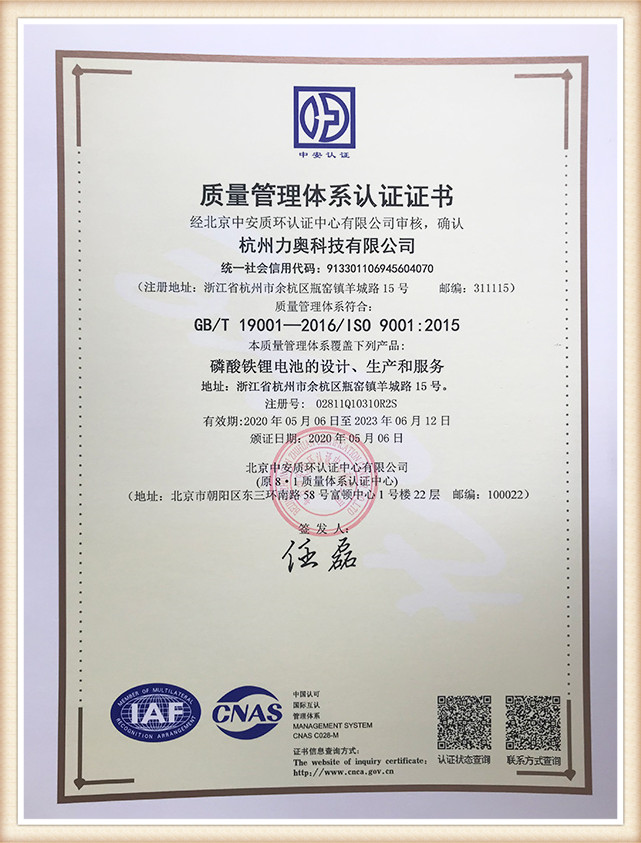
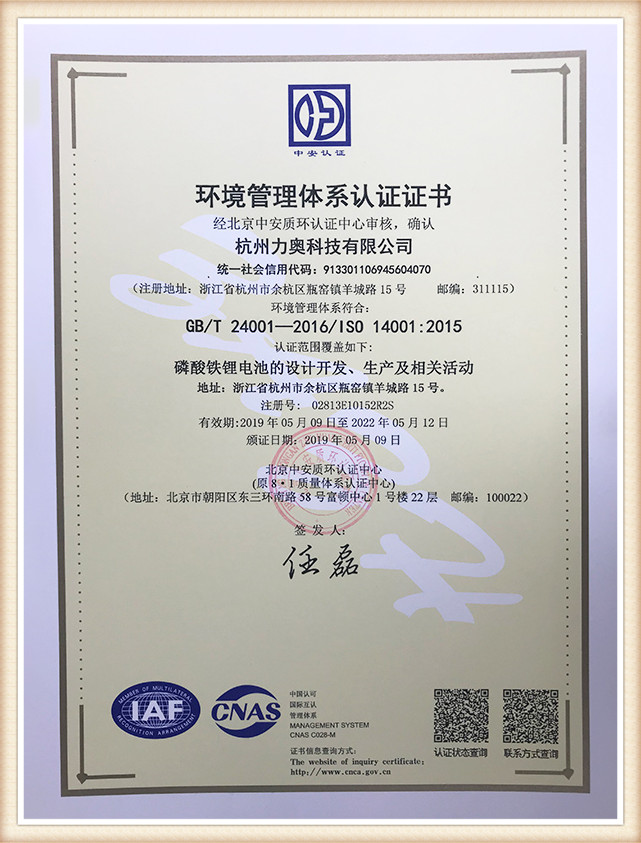
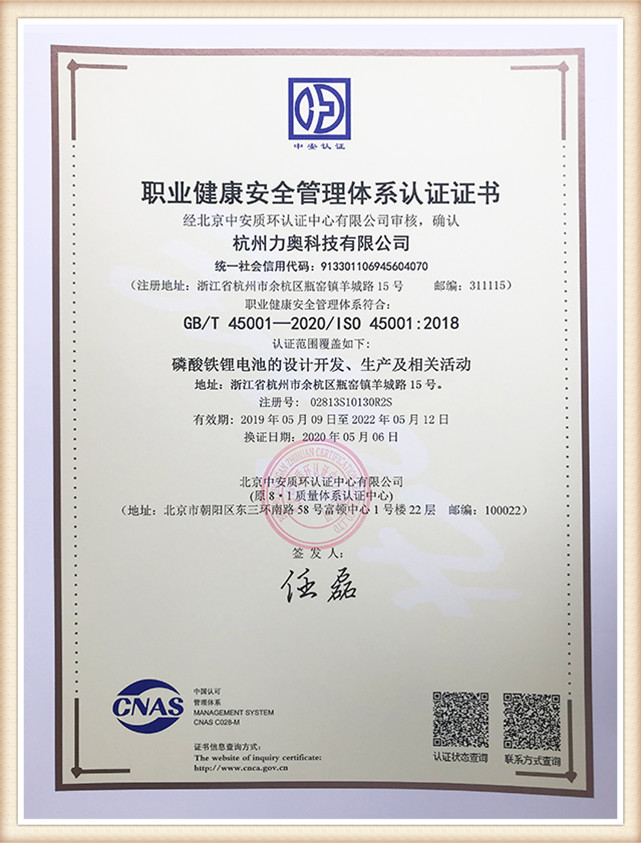
Our facilities maintain compliance with ISO 9001, ISO 14001, and ISO 18001 frameworks. Every step of our process is tracked to ensure product traceability.
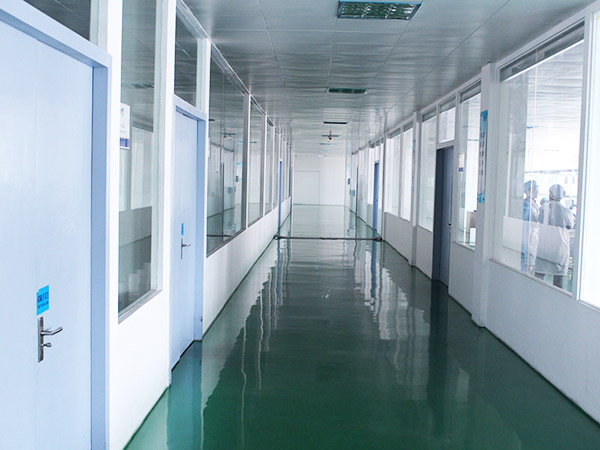
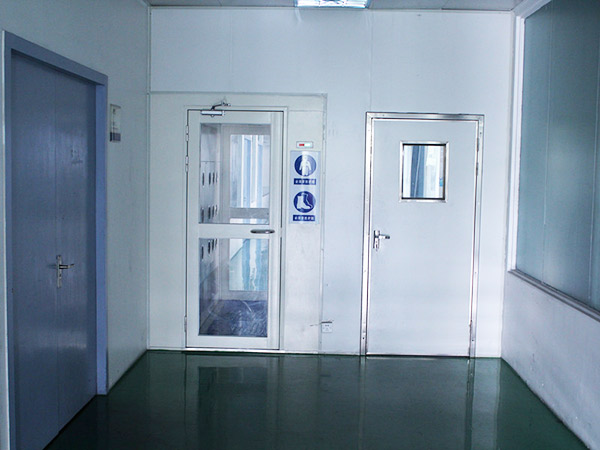
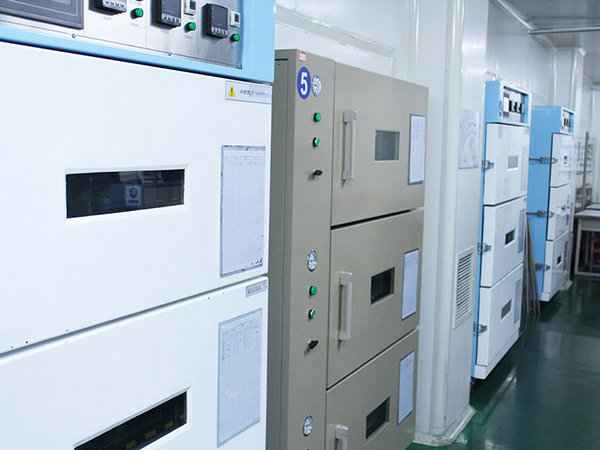
A window into Hangzhou LIAO Technology Co., Ltd.'s advanced battery production, quality control, and testing environments:
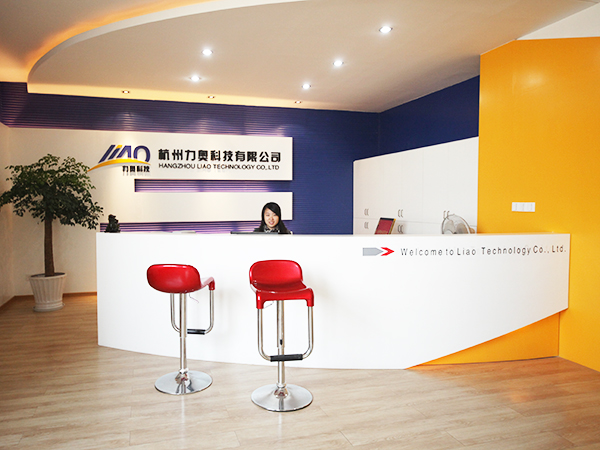
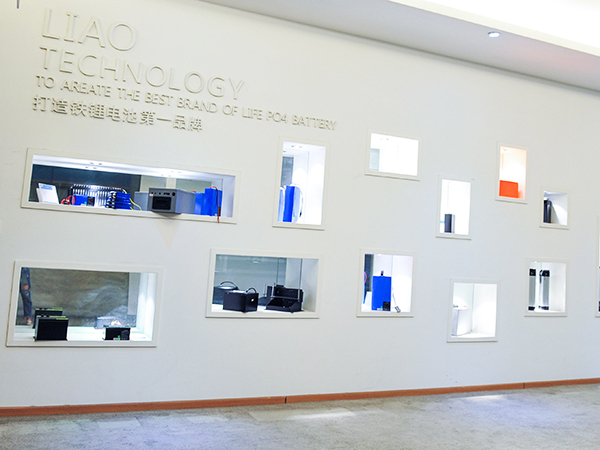
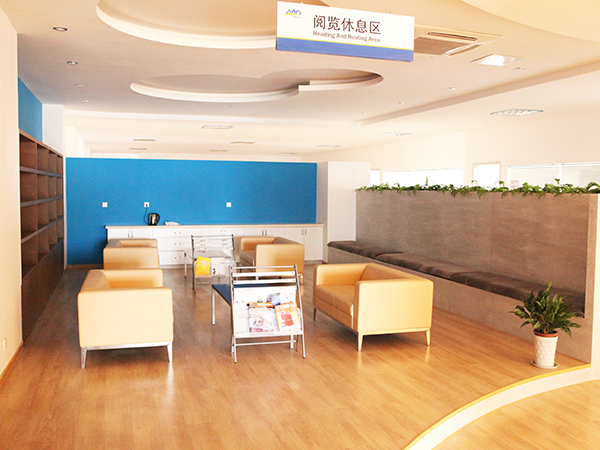
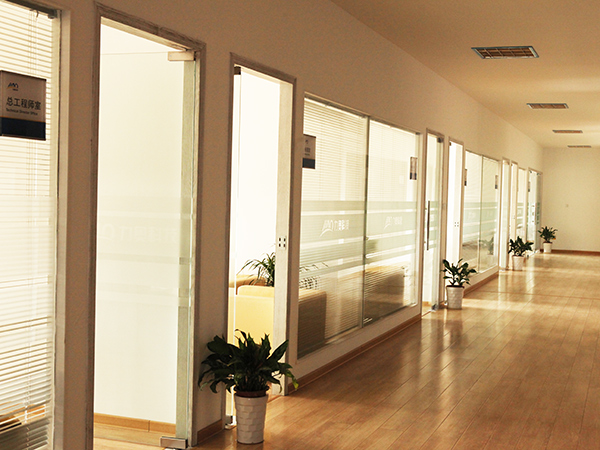
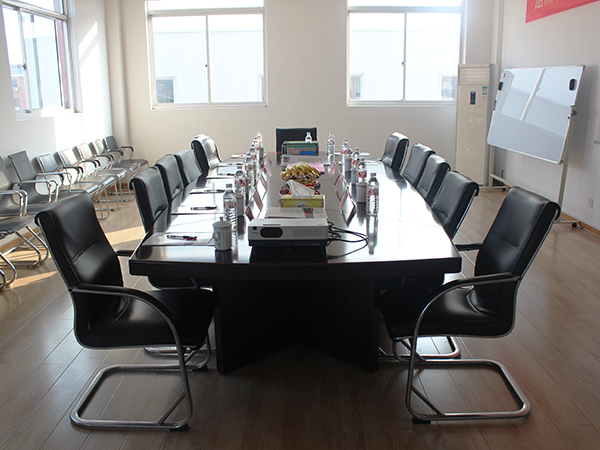
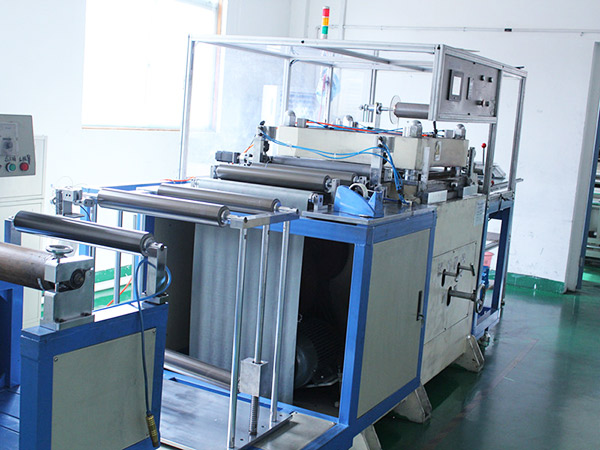
Founded in 2009, Hangzhou LIAO Technology Co., Ltd. is a specialized manufacturer of LiFePO4 batteries. Our product range serves customers in more than 20 countries worldwide.
We operate a quality control system where all processes are managed in accordance with ISO 9001 standards. Our environmental and safety compliance policies are aligned with ISO 14001 and ISO 18001 standards.
LIAO operates as a custom battery pack designer, working with clients to build systems for unique applications. Our engineering team assists with electrical design, mechanical constraints, thermal management, and BMS optimization.

Our cells and custom battery designs are shipped to regions including:
Our management and technical teams work to address customer requirements efficiently. By managing our own R&D processes, we design solutions that match specific operational profiles. Our assembly and quality control staff are trained to maintain consistency throughout production.
Our sales team supports international business transactions by assisting with import requirements, shipping logistics, and compliance documentation.
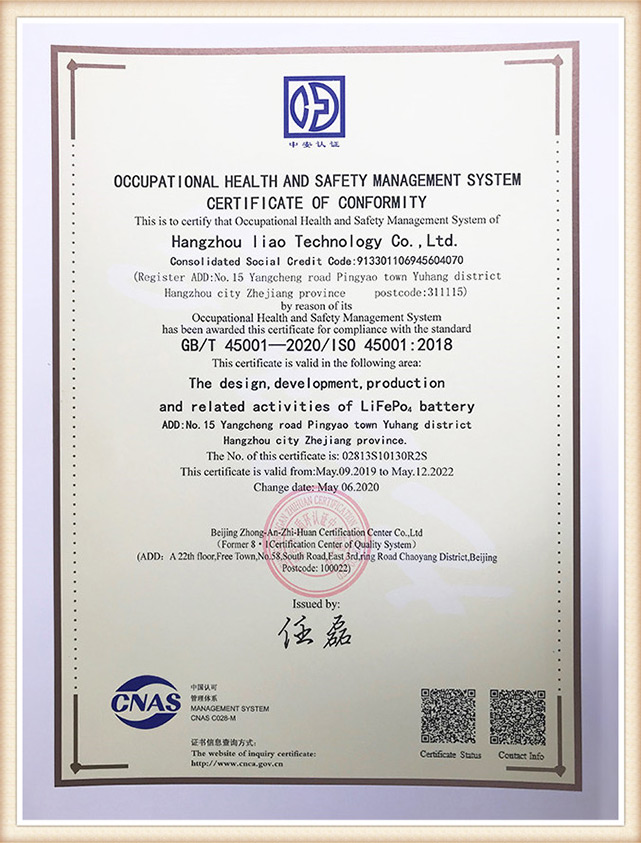
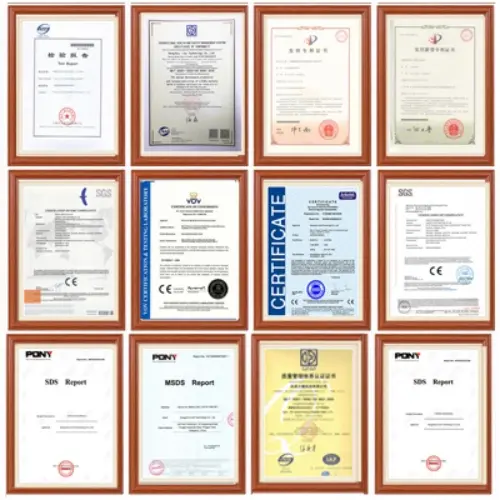
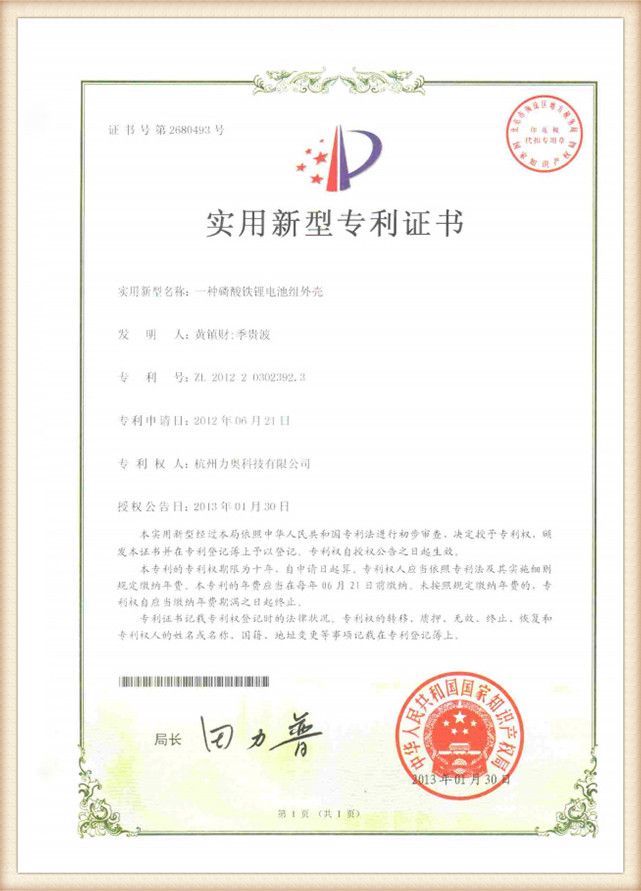
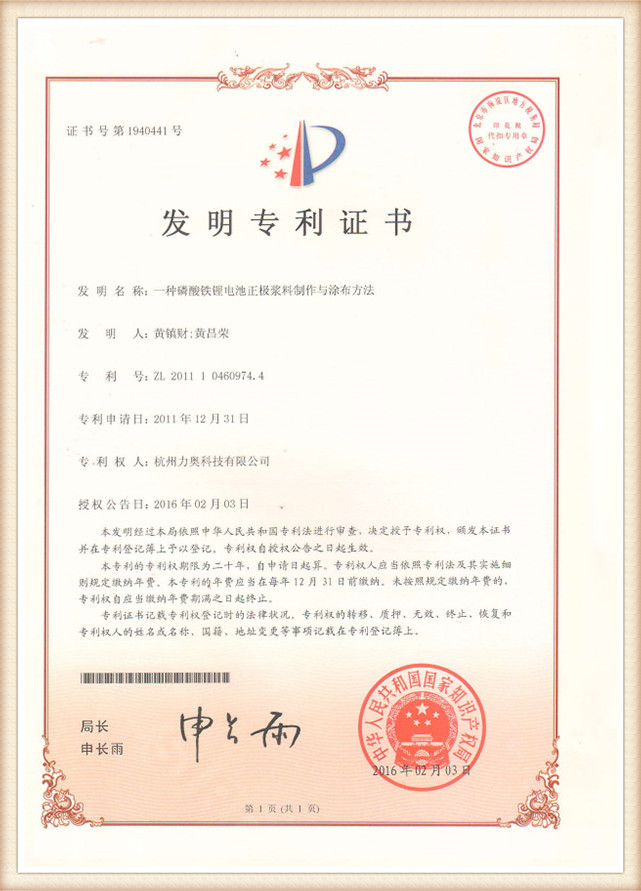
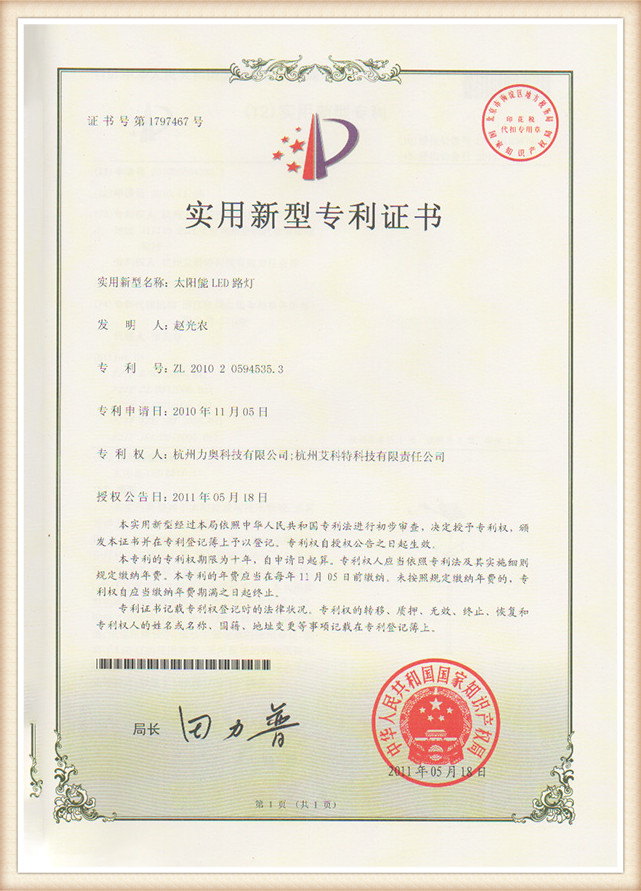
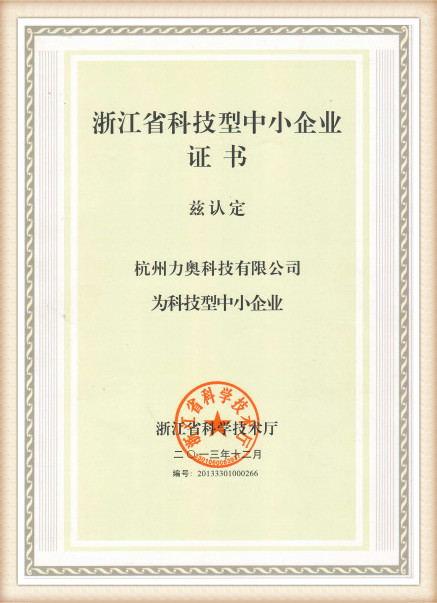
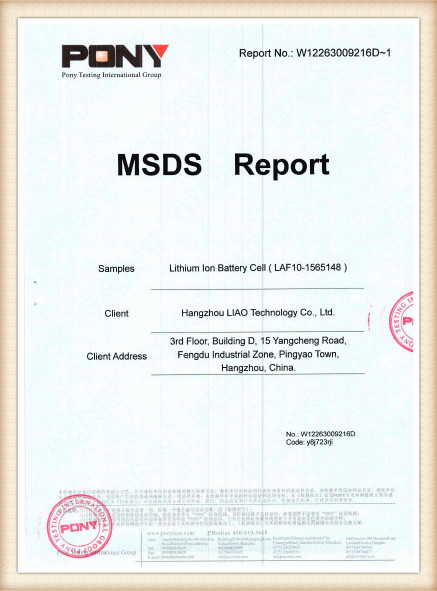
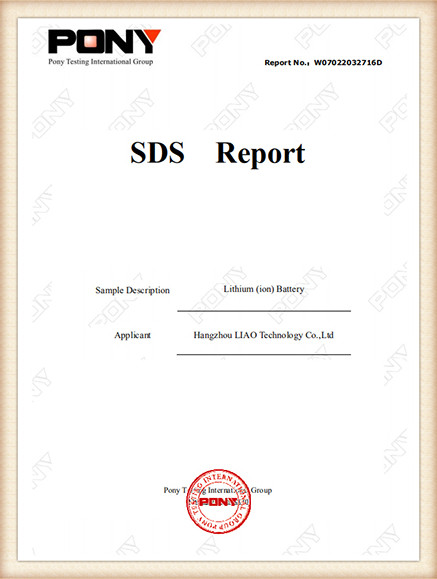
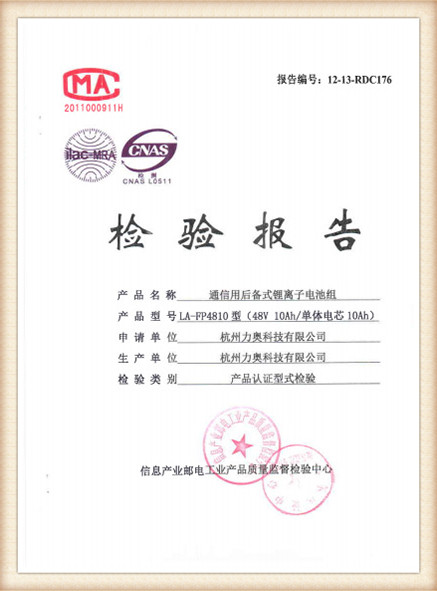
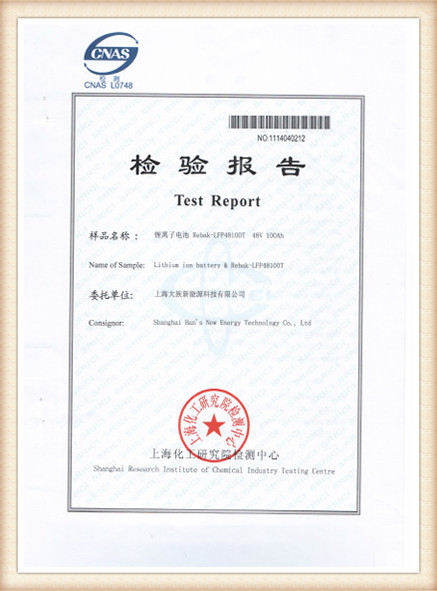
We maintain product safety testing records and quality certifications to support compliance audits and ease importing procedures:

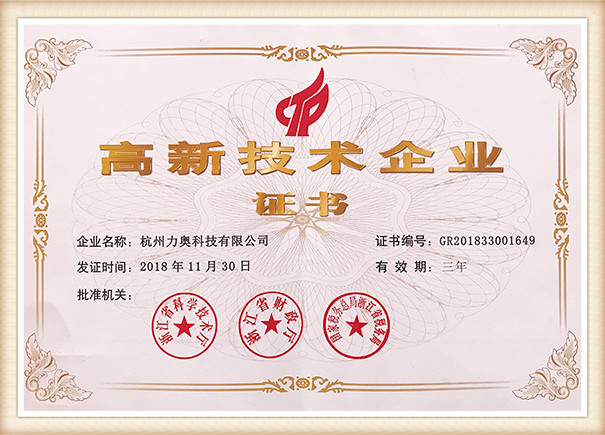
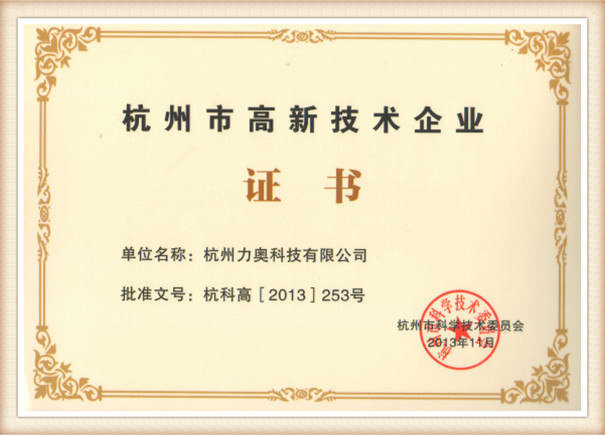
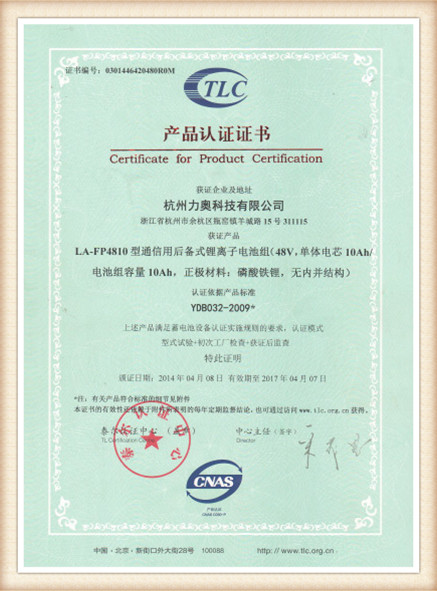
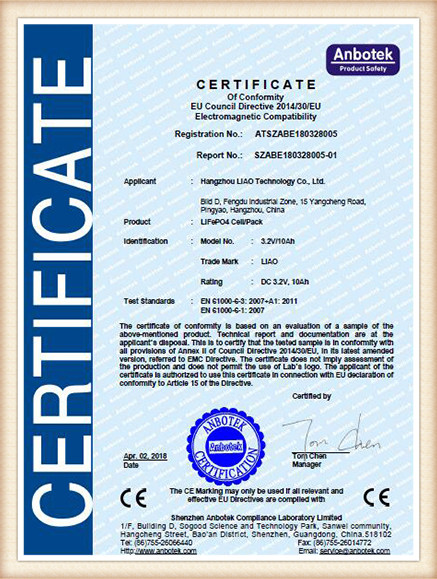
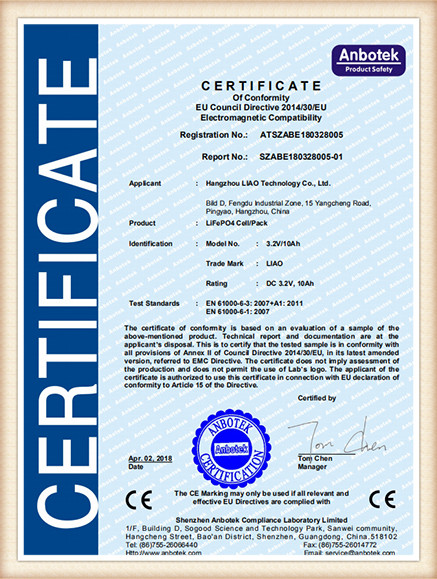
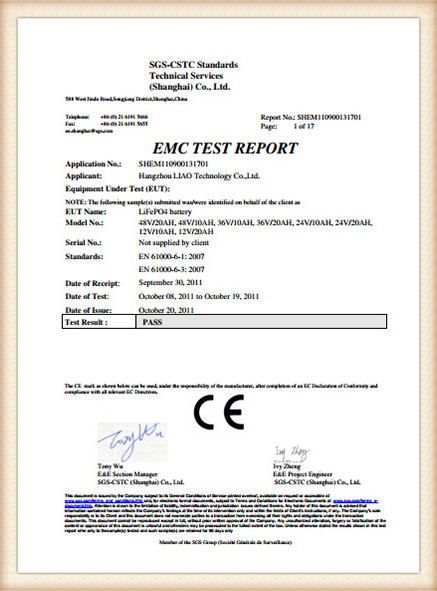
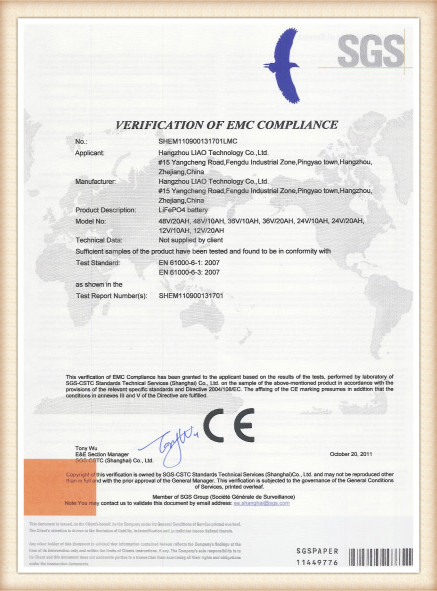
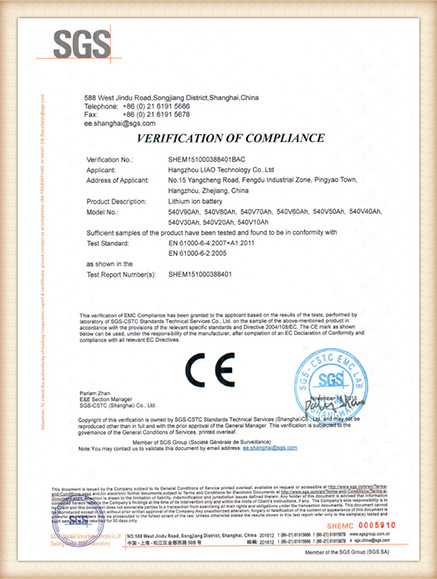
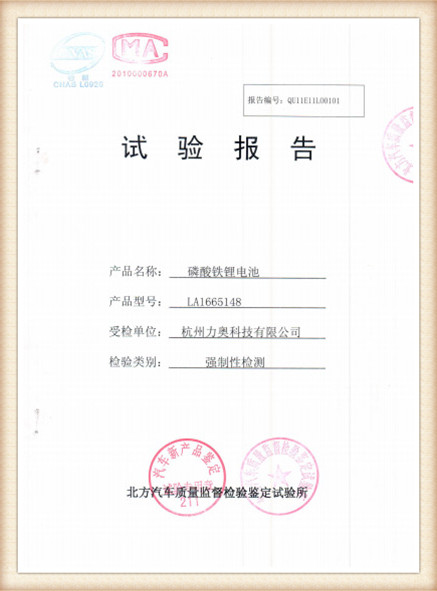
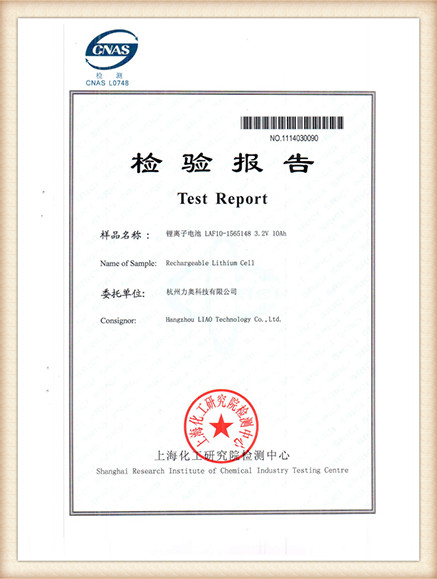
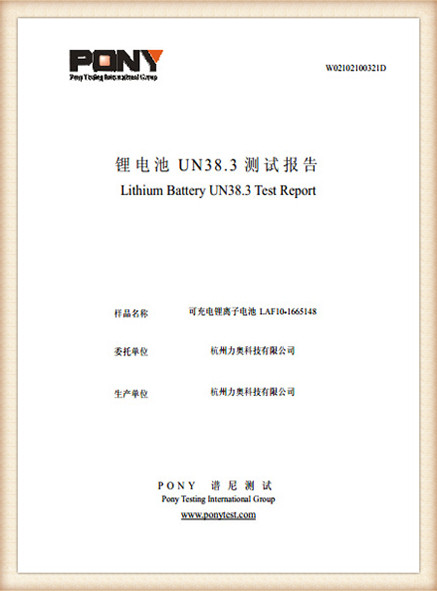
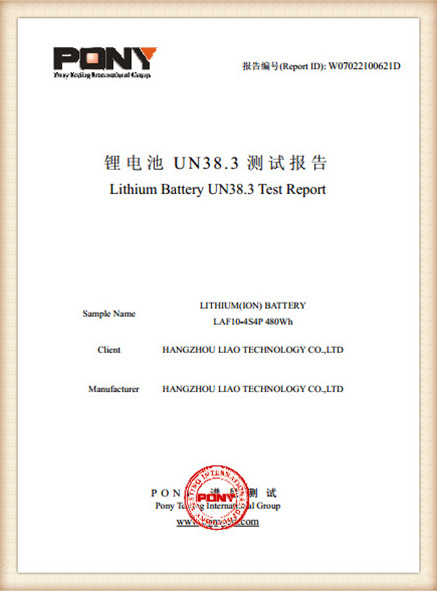
We supply custom power packs and battery modules to original equipment manufacturers worldwide.






LiFePO4 offers safety advantages, including higher thermal runaway thresholds and stable cell structure under puncture testing. It also delivers a longer cycle life (2,800+ cycles at 1C/100% DOD compared to approximately 800 cycles for NMC), making it suitable for high-usage industrial applications.
Our Battery Management Systems monitor individual cell voltage, total current, temperature, and state of charge. The BMS protects the pack by disconnecting it in the event of over-charging, over-discharging, short circuits, or extreme temperatures, helping preserve the battery's overall service life.
Yes, our batteries can discharge in temperatures down to -40°C. However, standard lithium cells require temperatures above 0°C to charge safely without plating. For cold-climate charging, we can design custom heating elements integrated within the battery case.
Our engineering team can customize the pack enclosure (sheet metal, ABS, or aluminum alloys), specify particular terminal connectors, adjust voltage and capacity specifications, and program the BMS communication protocol (such as CANbus or RS485) to integrate with your system's drive controllers.
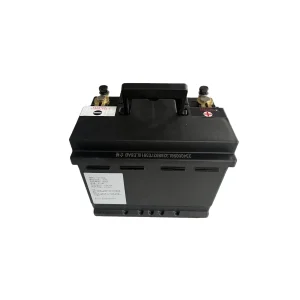
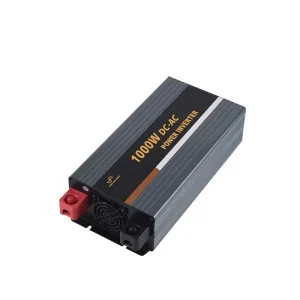
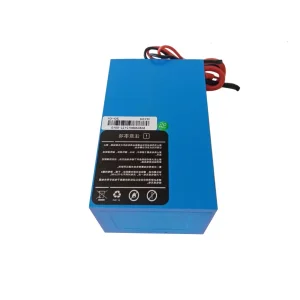
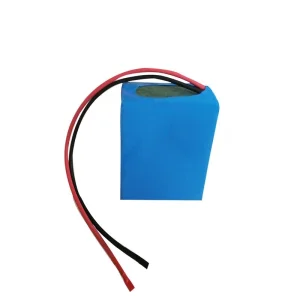
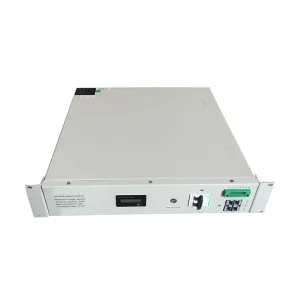
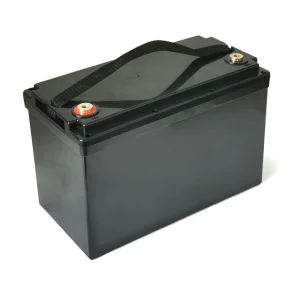
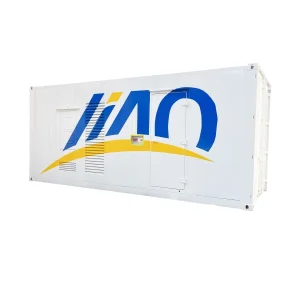
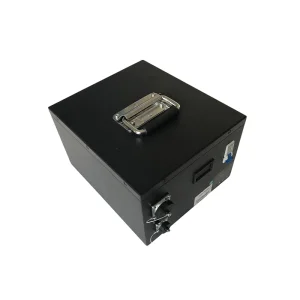
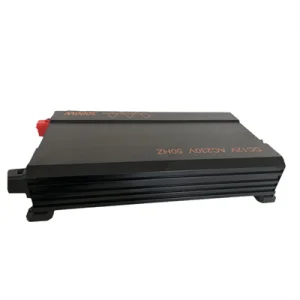
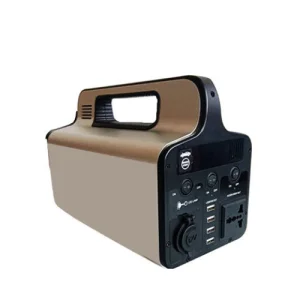
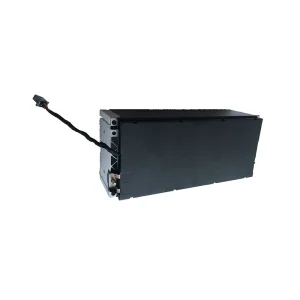
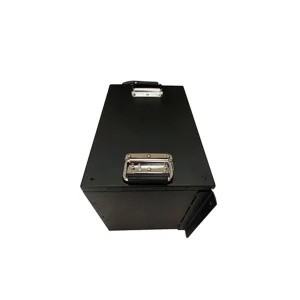
Below is the remainder of our specialized products, including high-capacity modules, backup systems, and pure sine wave inverters.
 Liao Battery