Explore LIAO's high-grade lithium iron phosphate (LiFePO4) battery systems built for peak power output, extended cycles, and maximum structural safety.
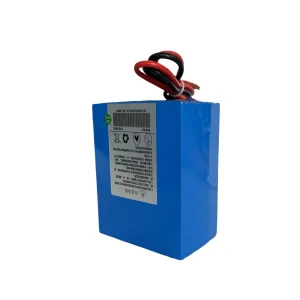
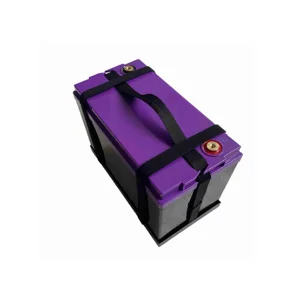
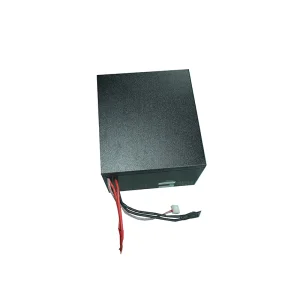
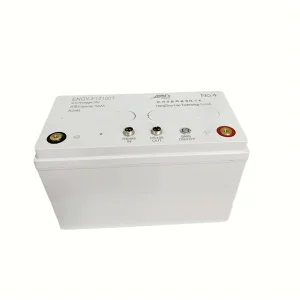
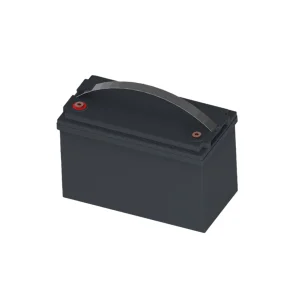
Founded in 2009, Hangzhou LIAO Technology Co., Ltd. is a leading and highly specialized manufacturer focused on the development, design, and production of top-tier lithium iron phosphate (LiFePO4) batteries. Over the last 15 years, our commitment to technical precision and customized power integration has enabled us to export our products to over 20 countries globally.
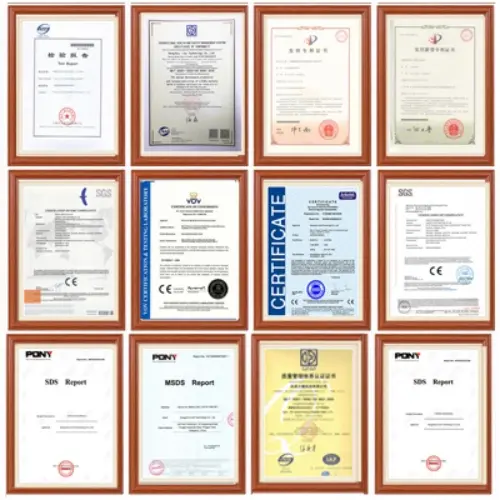
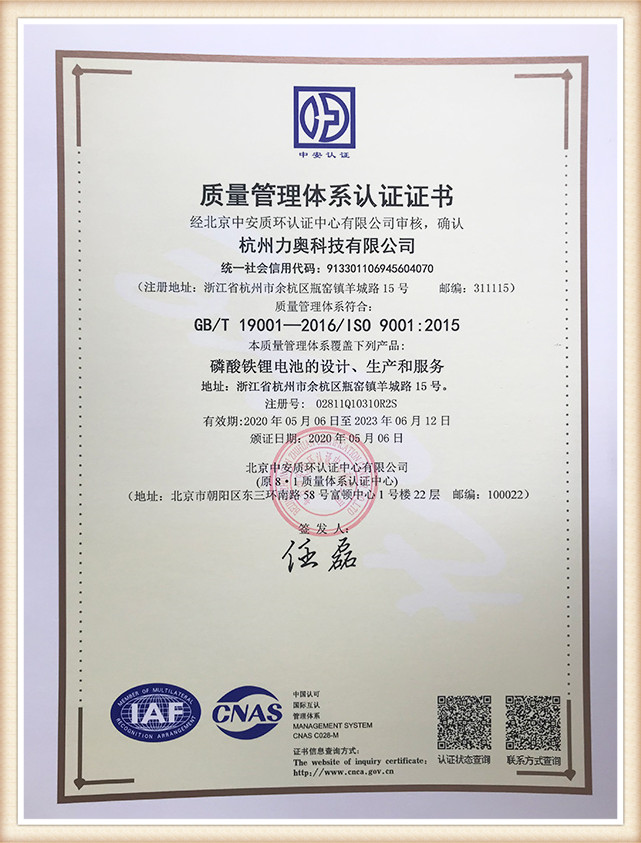
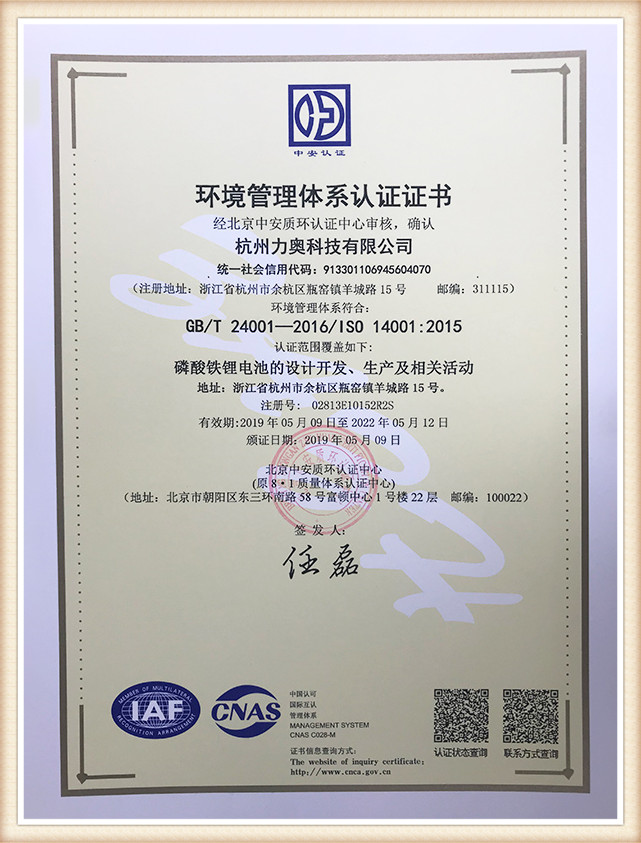
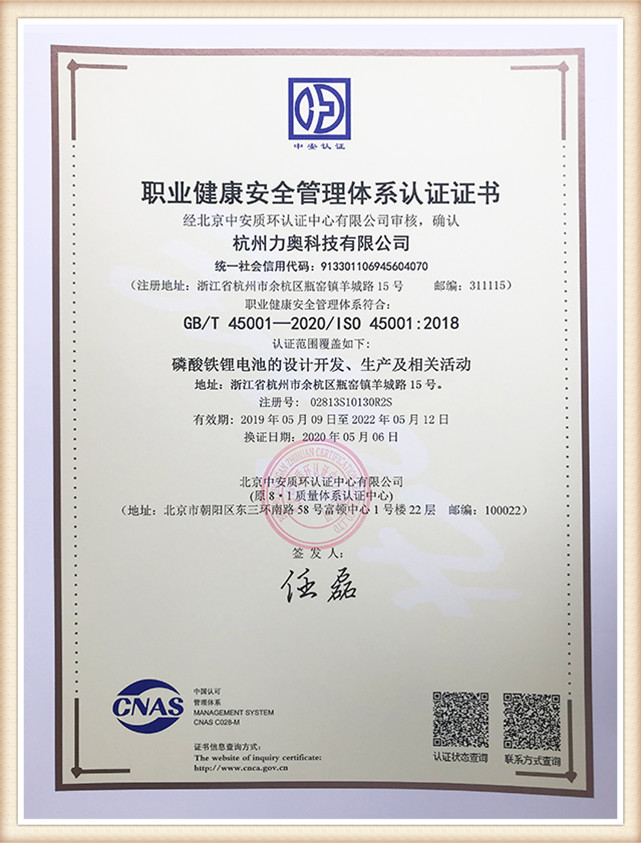
We operate within a strict quality management system under the international benchmark ISO 9001. Additionally, we actively implement and align our operations to the environmental management standards of ISO 14001 and the occupational health and safety parameters of ISO 18001. This structured manufacturing control ensures that every battery cell, pack, and comprehensive energy system leaving our facility provides optimal safety and operational stability.
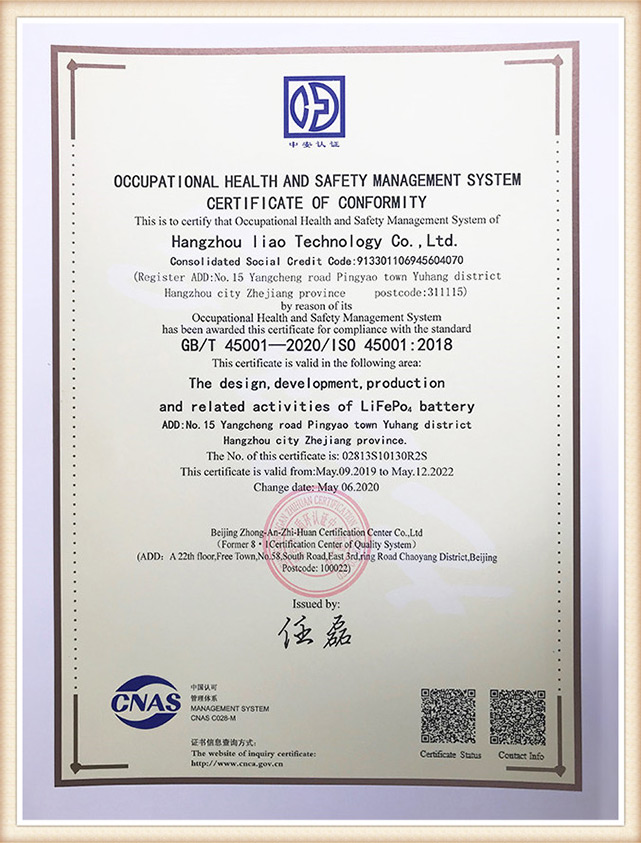
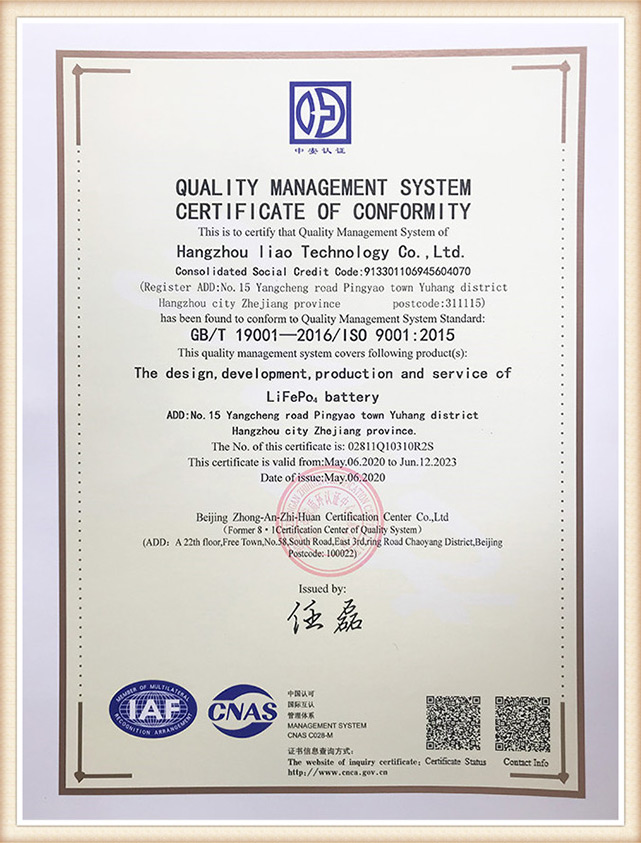
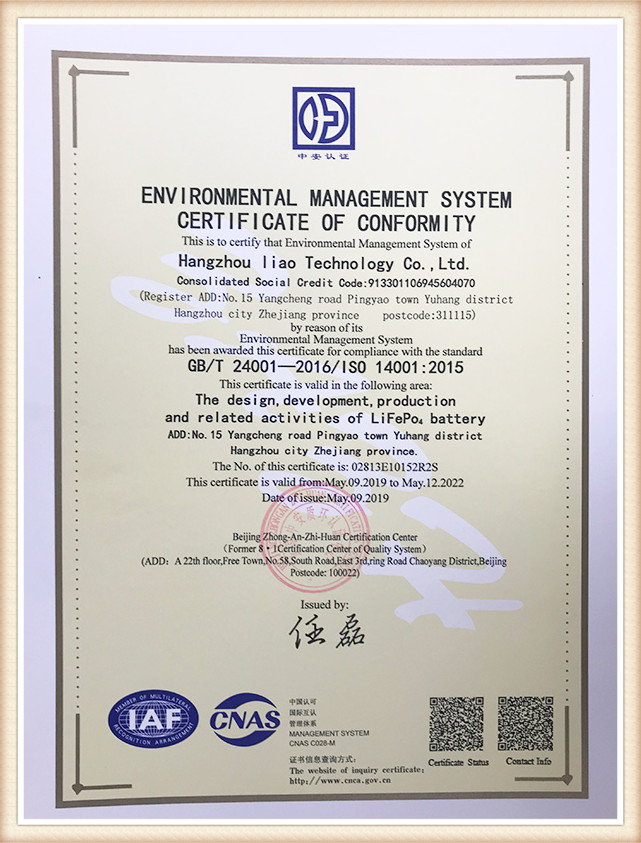
Through rigorous chemical optimization and structural reinforcement, LIAO batteries offer safety profiles and life cycle lengths that exceed basic industry benchmarks.
LIAO's LiFePO4 cells are engineered to withstand severe physical damage. Under standard industry nail penetration (acupuncture) testing, our cells experience no open flame or explosive reactions, minimizing fire hazards in high-risk environments.
Equipped with customized low-impedance electrolyte additives, our batteries can safely and effectively discharge within an operational envelope spanning -40 ℃ to 85 ℃, suitable for arctic backup and desert solar arrays.
A single LIAO LiFePO4 cell maintains upwards of 2800+ full charging cycles under 1C charge/discharge current at 100% Depth of Discharge (DOD) before the capacity capacity dips below 80% of its original rating.
Our custom energy systems are internationally recognized. The LAXpower-1230 battery pack was awarded testing champion in Germany, validating our electrical design and continuous power output stability.
From cell selection to electrical, thermal, and mechanical layout, LIAO's design engineers develop optimized power solutions that minimize time-to-market.
Our engineering division covers cell matching, active balancing BMS programming, custom communication protocols (CANbus, RS485, SMBus), and high-vibration casing design. Over 10 years of cross-industry design knowledge helps you build reliable power systems quickly.

We work directly with OEM procurement and product leads to minimize engineering costs. Standard casing designs are available to accelerate development, while clean-sheet custom battery builds are engineered to fit complex enclosures.
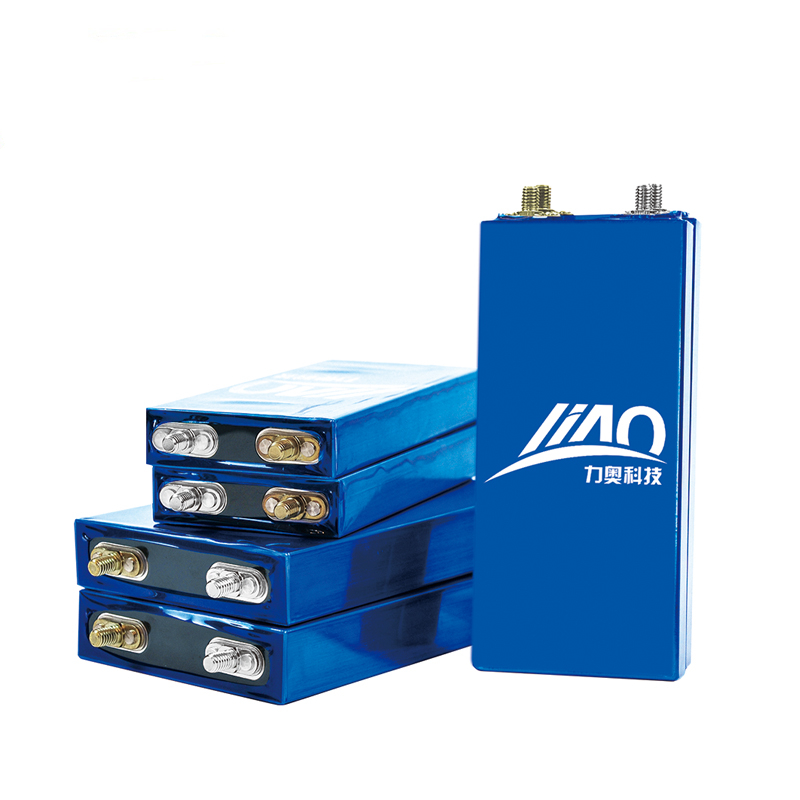
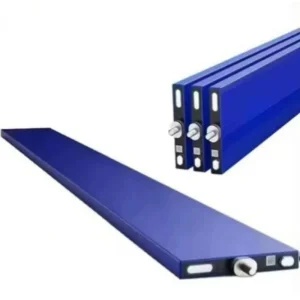
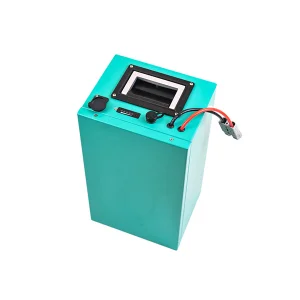
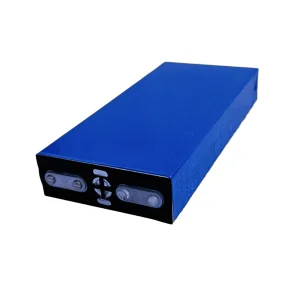
High capacity density, solid aluminum shell, and excellent thermal dissipation capabilities for high-current industrial systems.
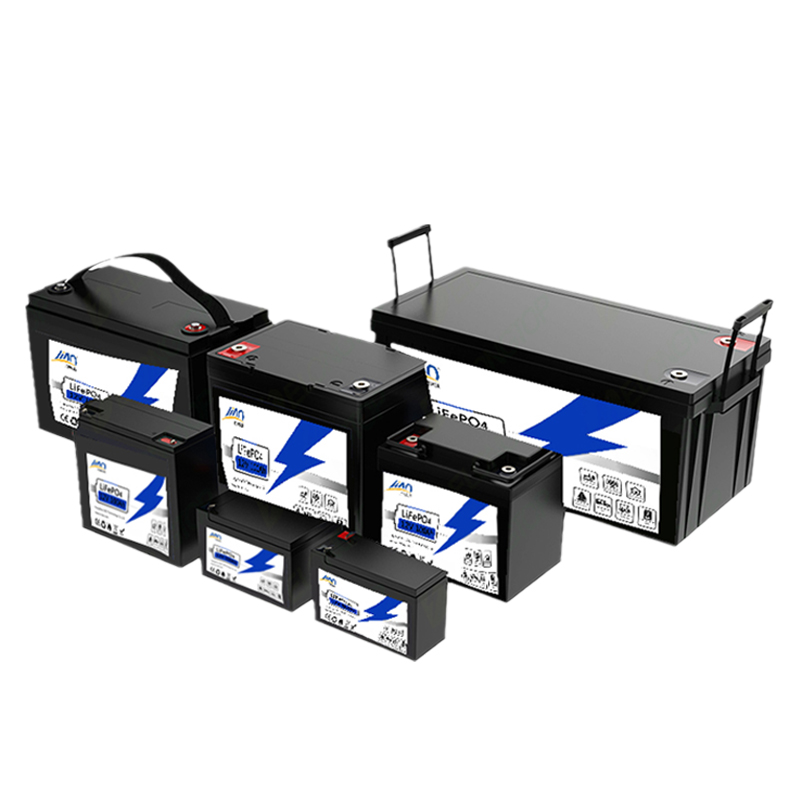
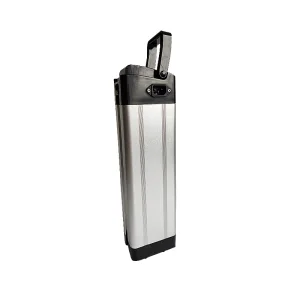
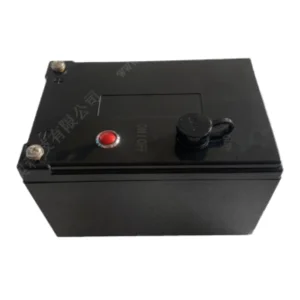
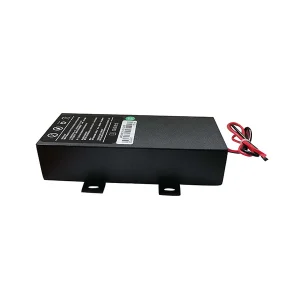
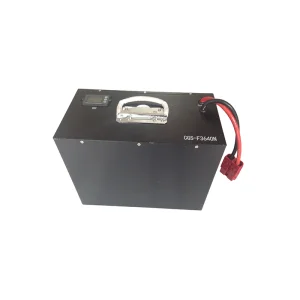
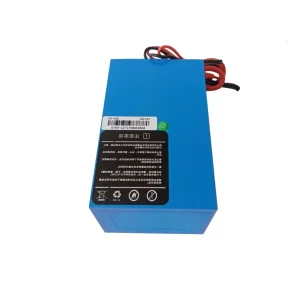
Custom wired configurations (12V, 24V, 36V, 48V, 72V) designed with localized protection circuitry and vibration resilience.
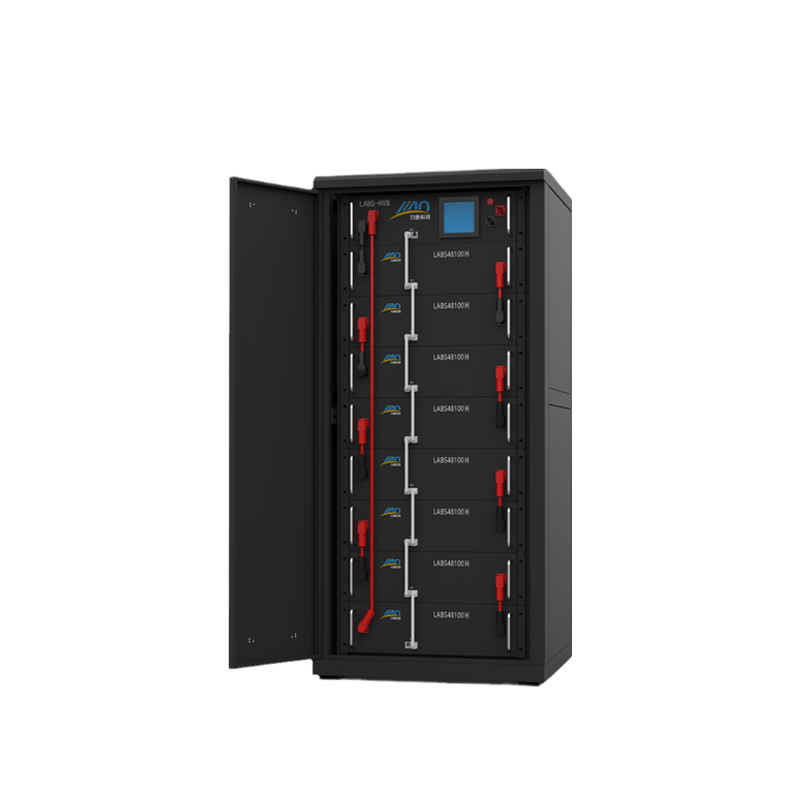
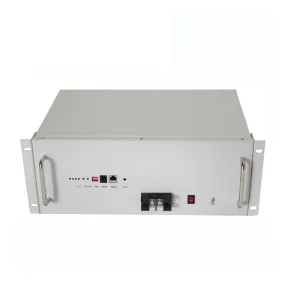
Modular racking solutions designed for residential solar backup, industrial peak shaving, and hybrid mini-grid setups.
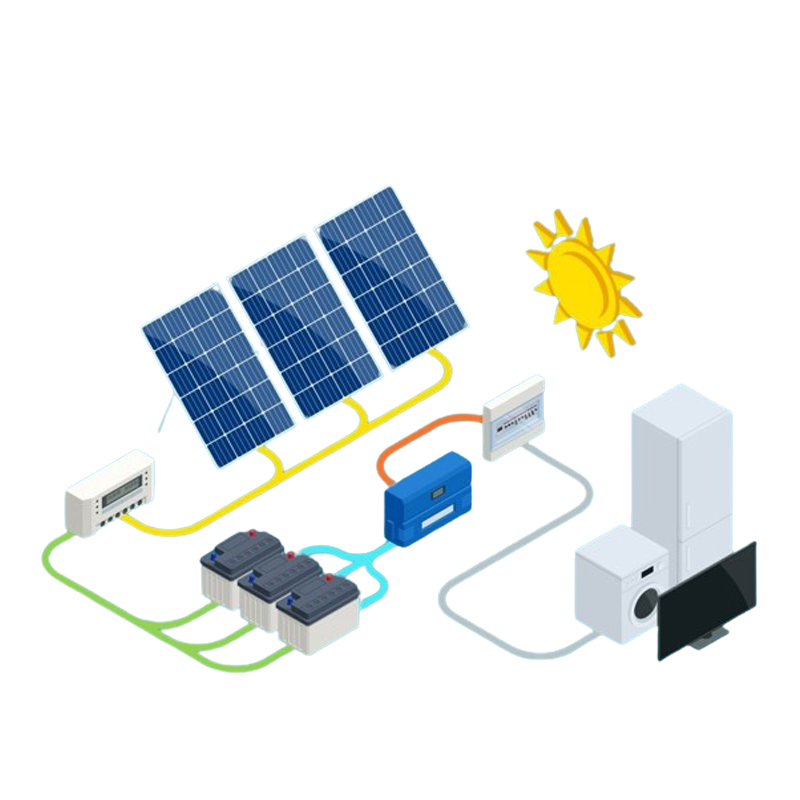
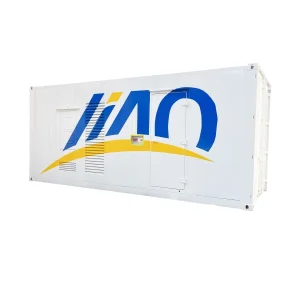
Tailored utility schemes incorporating battery banks, smart grid inverters, and automatic transfer switches for uninterrupted power.
LIAO LiFePO4 batteries are configured to meet the distinct performance profiles and environment requirements of global specialty vehicles and marine systems.

The new generation of LiFePO4 golf cart batteries helps your carts run easily on varied terrains and steep grades. Lighter weights reduce course turf wear, while rapid-charging capabilities maximize cart availability throughout the day.
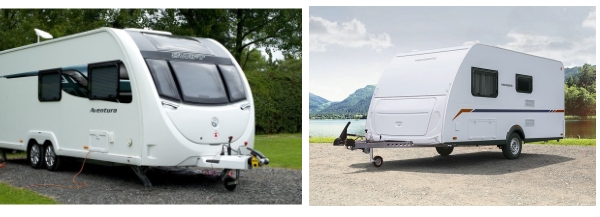
Our LiFePO4 batteries help your caravan mover operate quietly with zero direct emissions. Stable voltage discharge rates provide smooth torque for tight maneuvering, while low self-discharge rates preserve capacity during seasonal storage.
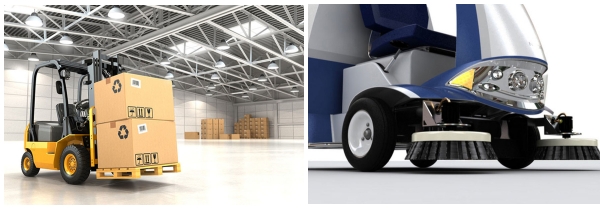
Designed for short-distance material transport, LIAO batteries help forklifts, AGVs, and industrial haulers raise and transport heavy loads efficiently. Fast partial charging (opportunity charging) removes the need for spare battery packs and swapping breaks.
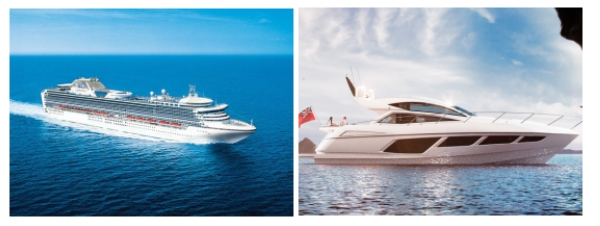
Electric boats and utility marine vessels require dependable power. LIAO marine LiFePO4 packs operate without engine noise, structural vibrations, or risk of fuel leaks. High ingress-protection (IP) casings prevent water intrusion and corrosion.
Our manufacturing facility uses structured automated processes to maintain cell consistency and structural reliability throughout the production run.
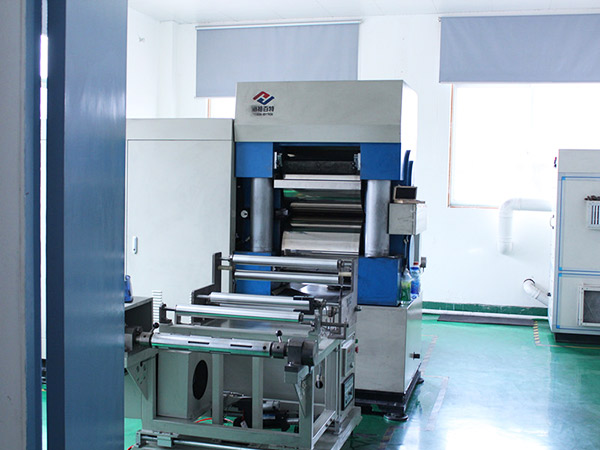
Copper and aluminum foils are coated with active material and rolled under pressure to ensure uniform thickness and consistent energy density across all batch runs.
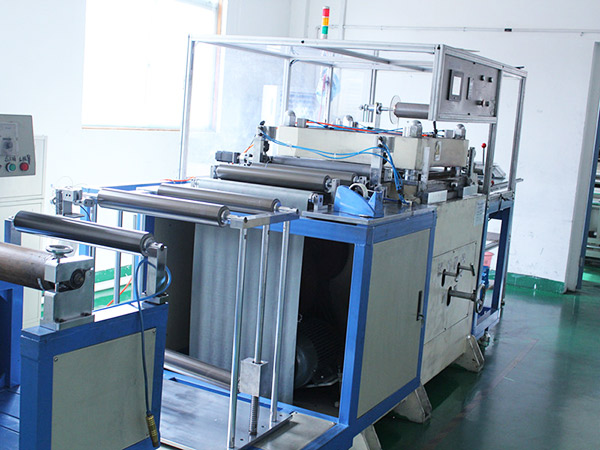
Automated cutting dies shape the coated electrodes with high geometric tolerance, preventing burrs that could damage separators and cause internal shorts.
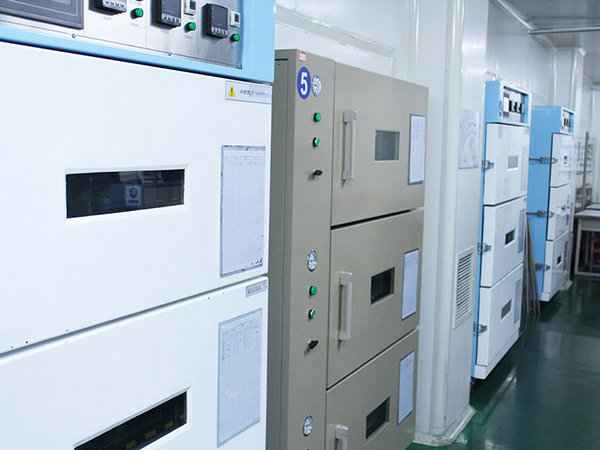
Wound and stacked cell structures undergo vacuum heat treatments to eliminate moisture traces down to parts-per-million levels before electrolyte injection.
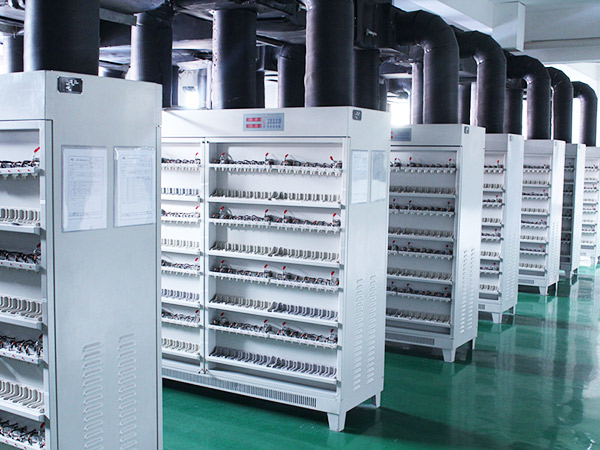
Every cell is charged and discharged to map its dynamic capacity, internal resistance, and voltage curve. Only closely matched cells are compiled into packs.
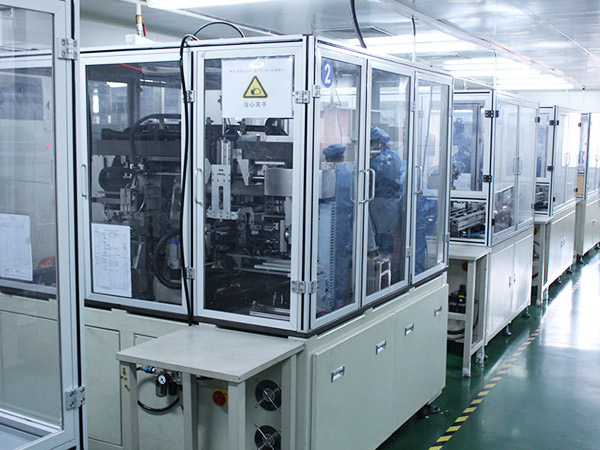
Robotic pick-and-place lines position anodes, cathodes, and separators to prevent layer shifting, maintaining long-term cycle performance.
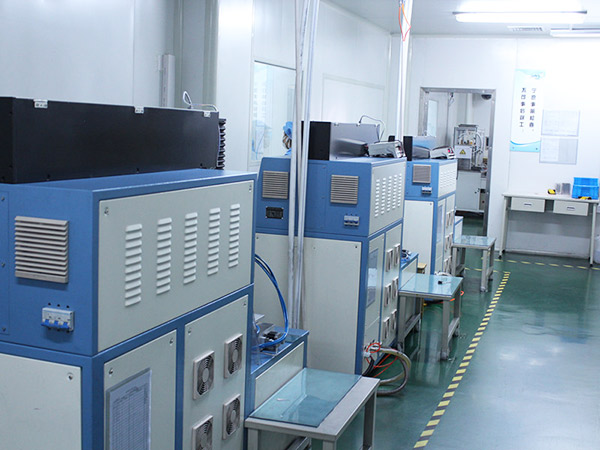
Automated fiber laser systems weld cell tabs and connect internal busbars. This ensures low contact resistance joints that handle continuous high-discharge currents.
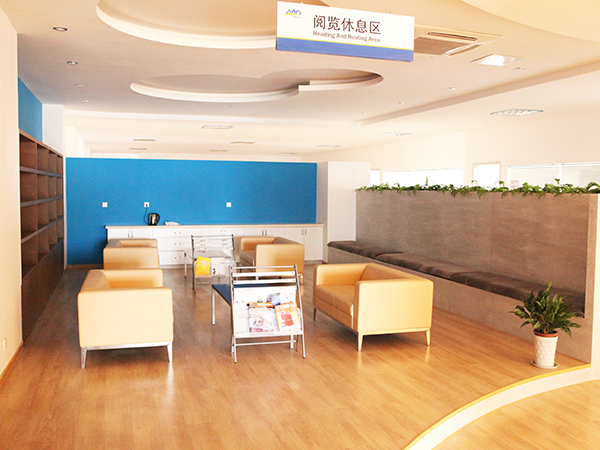
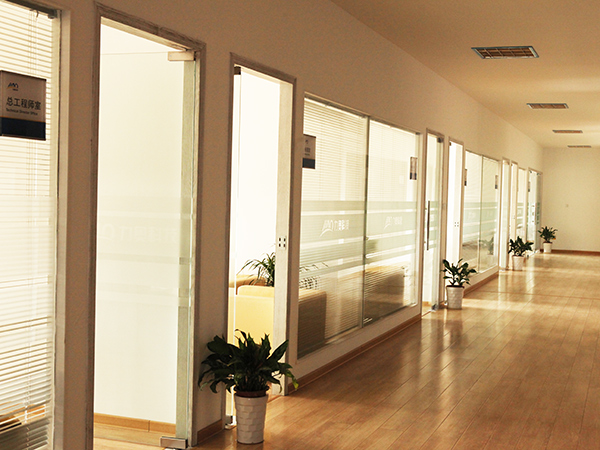
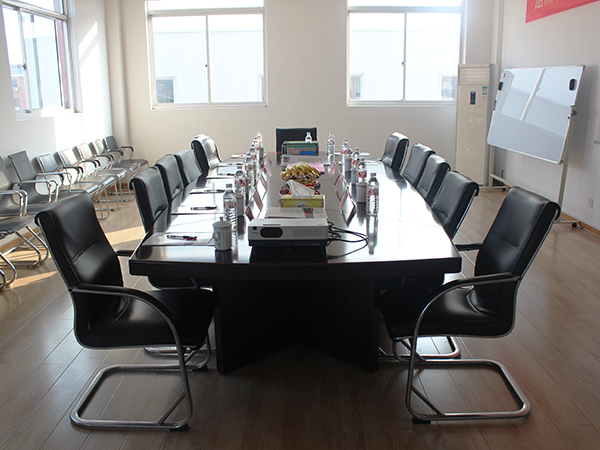
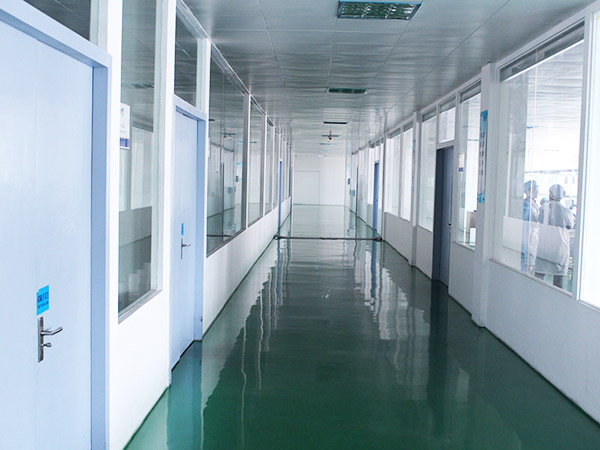
Our manufacturing and administrative workflows are designed to support fast client communications and robust documentation. Clients are welcome to schedule factory tours to review our storage areas, production floors, assembly lines, and QC stations.
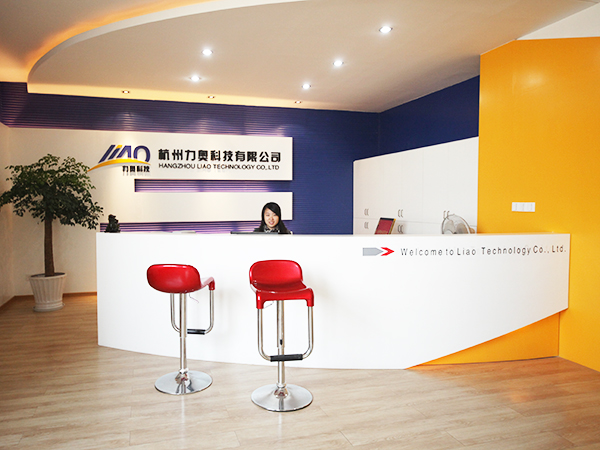
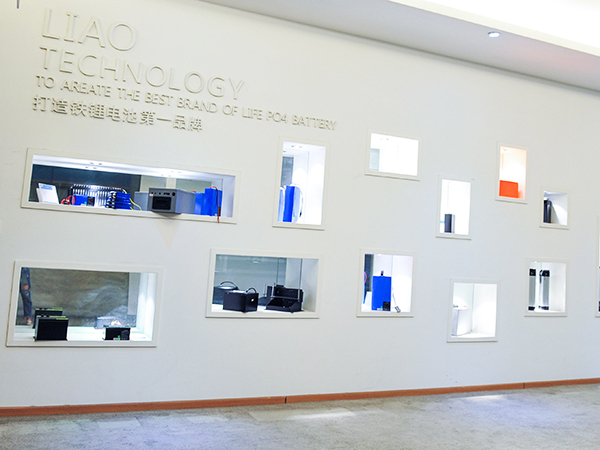
As the global energy landscape changes, LIAO is evolving its technology to deliver higher energy density, increased safety, and eco-friendly lifecycle designs.
We are currently researching Lithium Manganese Iron Phosphate (LMFP) chemistry. By adding manganese to the core LFP structure, we aim to increase the nominal voltage from 3.2V to 3.8V, providing a bump in cell-level energy density without affecting thermal safety.
Our upcoming BMS models integrate cloud-connected edge telemetry. Using machine learning models trained on millions of data points, these systems estimate State of Charge (SOC) and State of Health (SOH) in real time to resolve cell drift issues before they cause downtime.
We design our battery assemblies with disassembly in mind. By avoiding excessive potting compounds and choosing screw-assembled structural frames over bonded materials, we simplify the recovery of copper, aluminum, and active LFP materials at end-of-life.
Procuring industrial battery supplies requires evaluating more than just the initial price tag. Let's look at key factors that ensure long-term ROI and project viability.
While standard lead-acid or cheap lithium options may lower your initial capital expenditure (CAPEX), LIAO’s 2800+ cycle life (at 1C / 100% DOD) reduces operational expenditure (OPEX). Over a 10-year period, LIAO batteries lower replacement labor, shipping, and downtime costs, reducing overall lifetime costs.
We work directly with engineering and procurement teams to align product specifications. By providing direct access to our test data, CAD models, and compliance certifications, we help speed up your approval process and reduce integration bottlenecks.
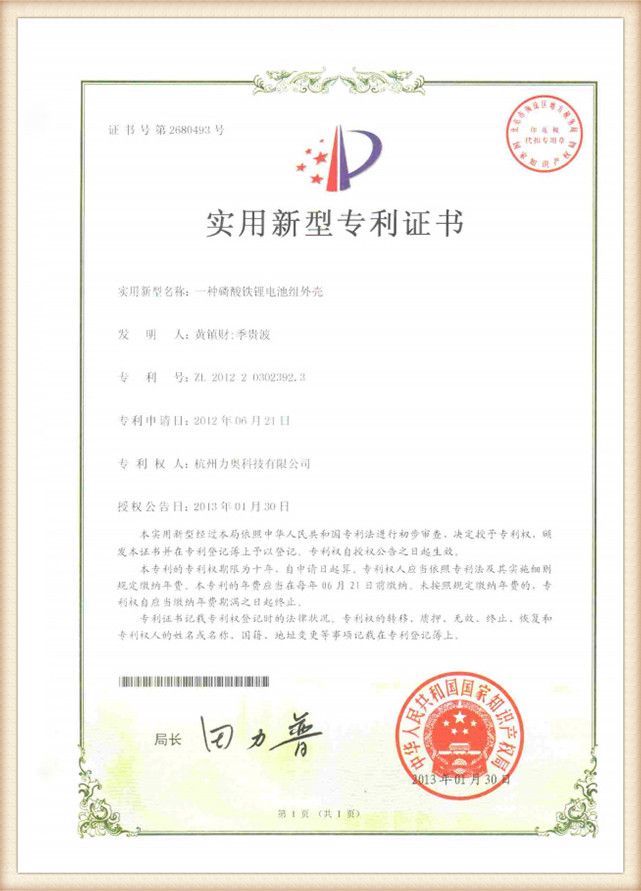
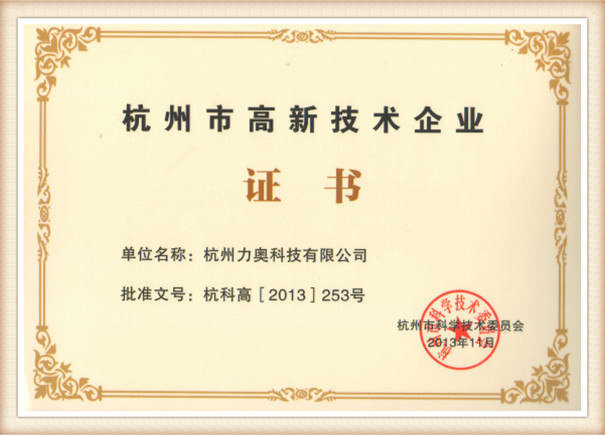
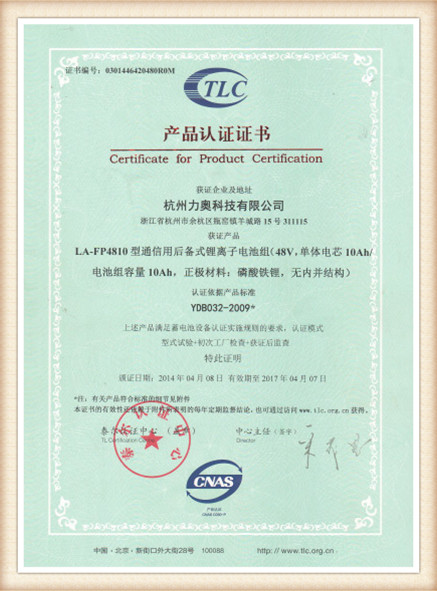
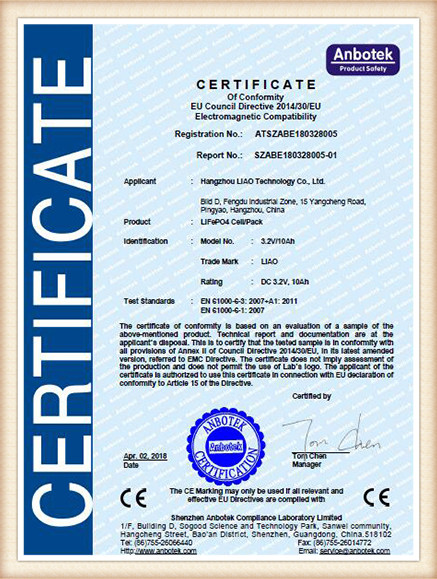
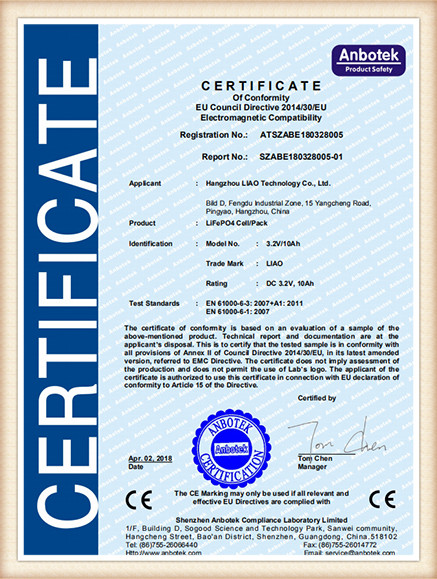
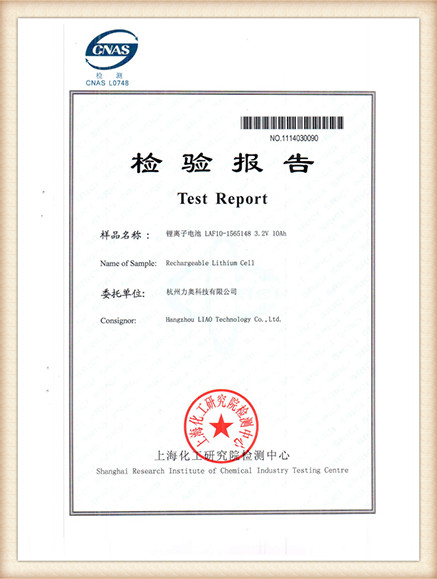
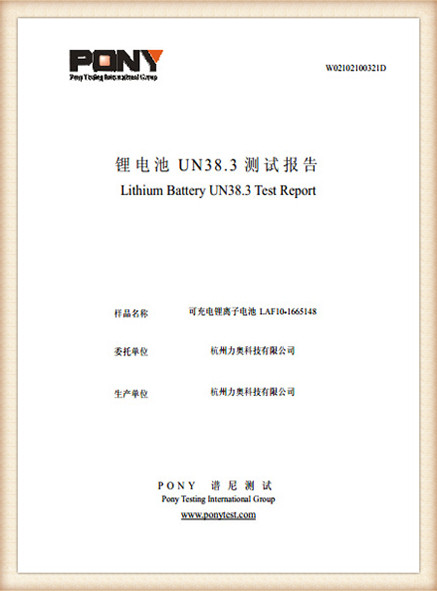
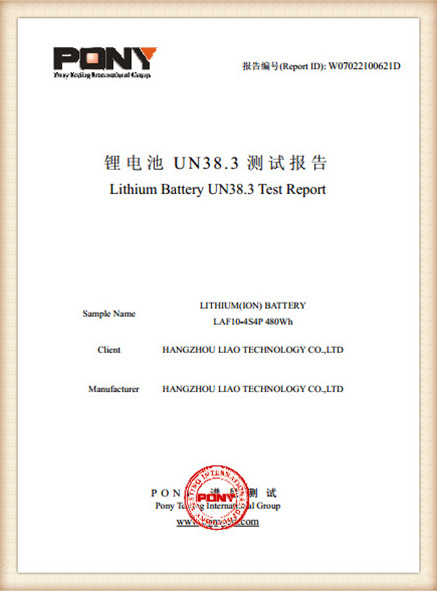
We test and verify our systems against international safety and quality standards to ensure safe global transport and compliance in your destination market.
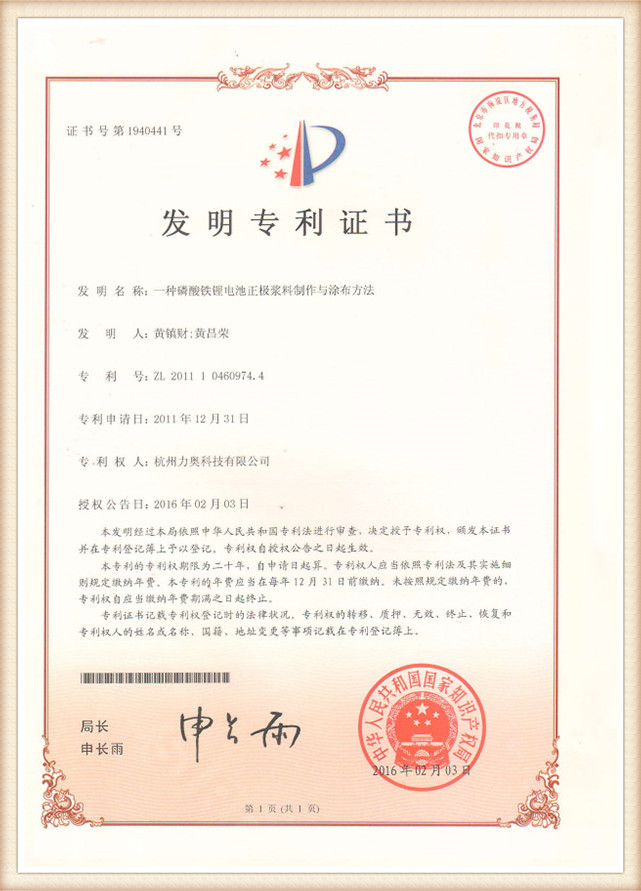
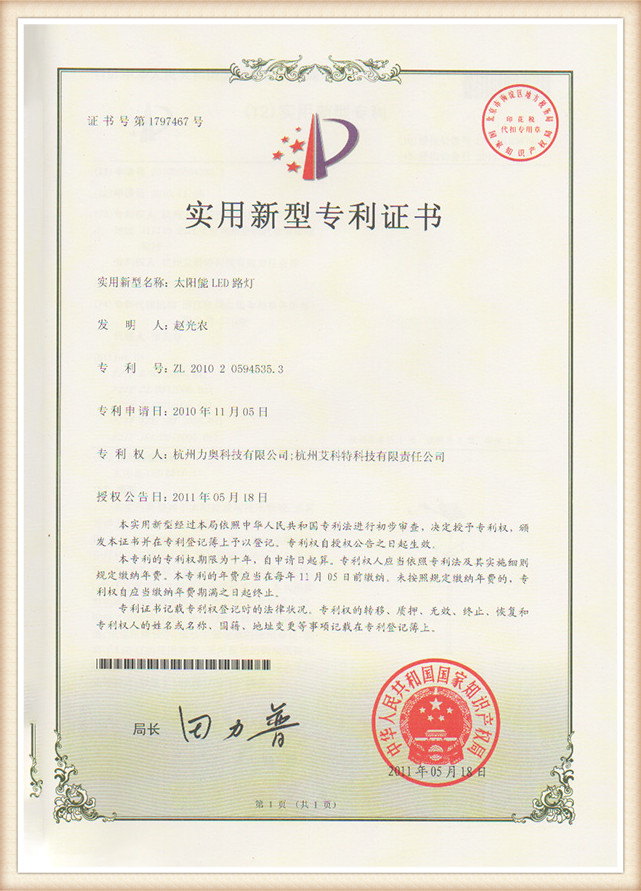
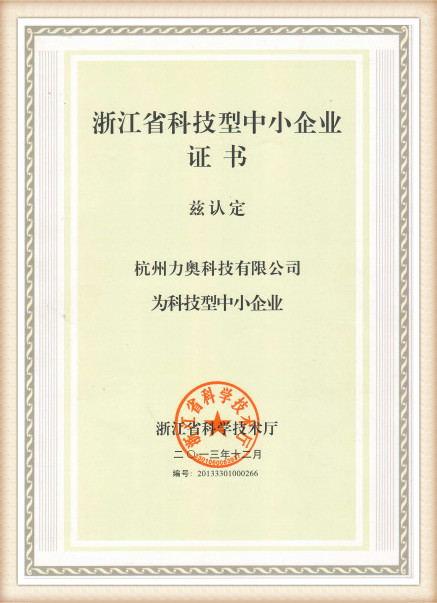

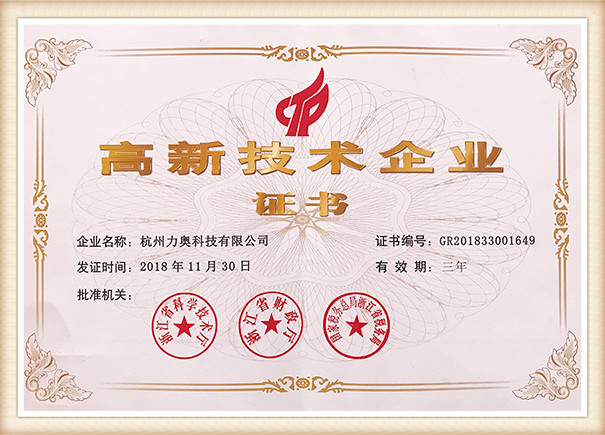
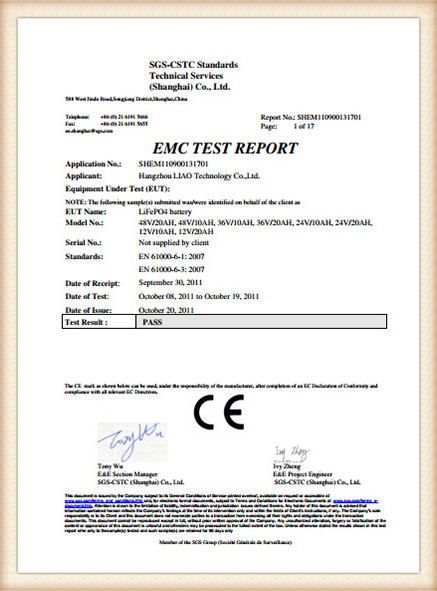
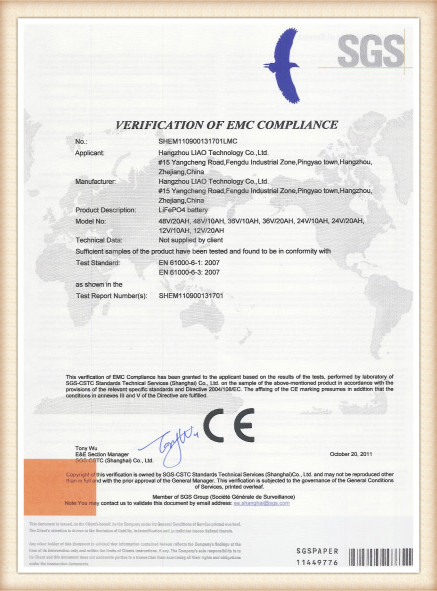
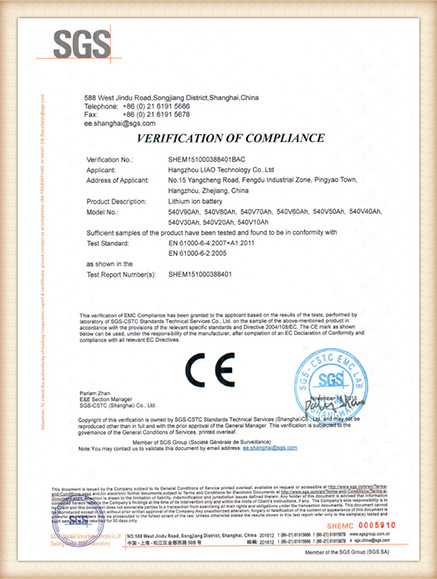
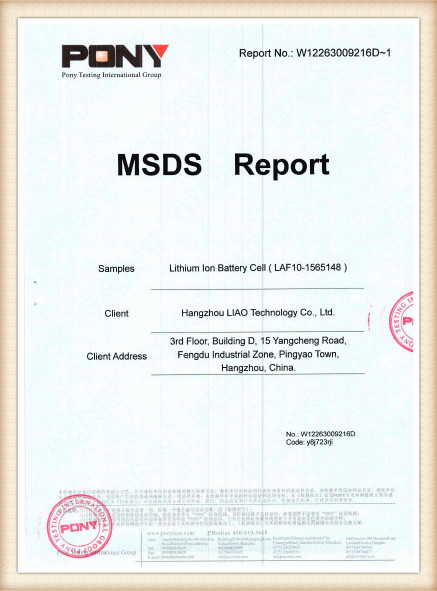
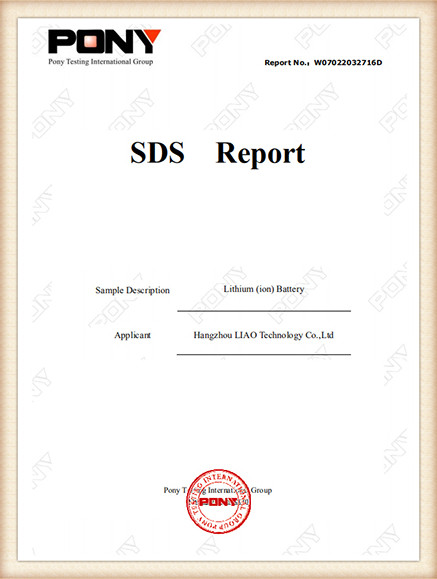
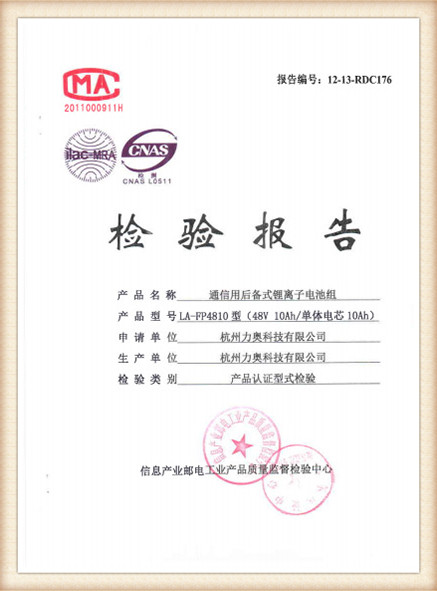
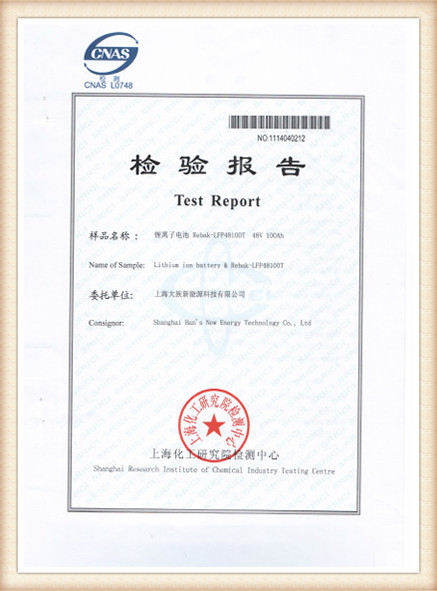
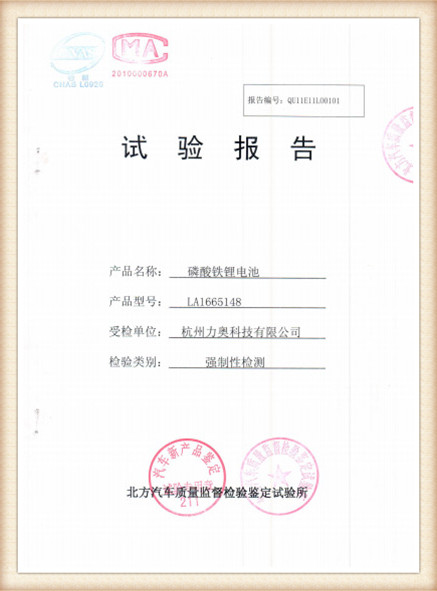
Find answers to common questions about cell selection, safety profiles, cycle lifetimes, and battery management parameters.
Examine our broader range of rechargeable batteries designed for electric mobility, backup generators, golf cart fleets, and deep cycle storage systems.
LIAO supports operations in major energy storage and mobility markets globally, including Europe, the Americas, Asia-Pacific, and Africa.
Germany, France, Netherlands, Spain, United Kingdom
USA, Canada, Mexico, Brazil
Australia, Korea, Japan, India, Singapore, South Africa, Nigeria






 Liao Battery