Explore our certified range of high-efficiency lithium iron phosphate solutions engineered for heavy-duty industrial, marine, and commercial power systems.
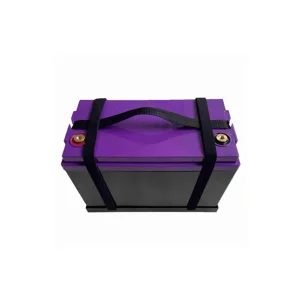
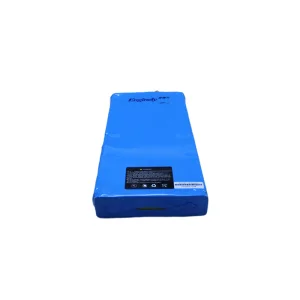
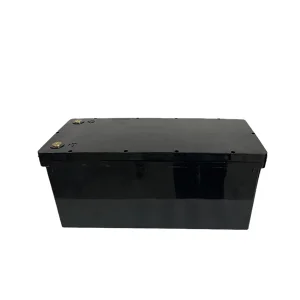
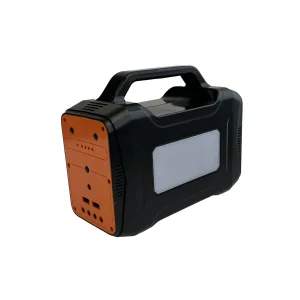
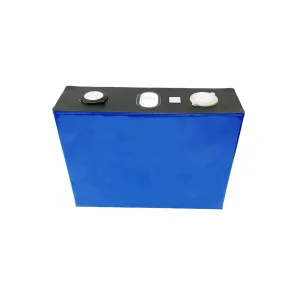
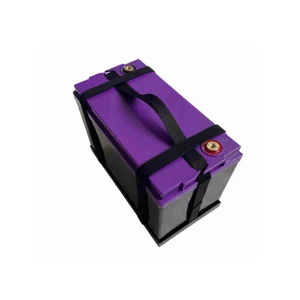
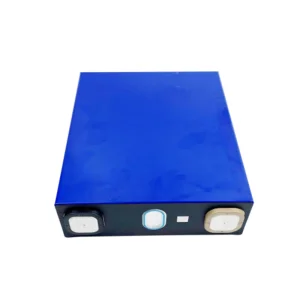
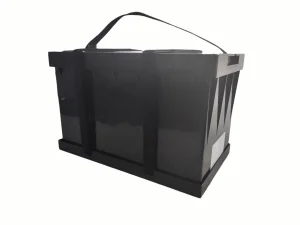
The global demand for decentralized energy has triggered a massive transition from traditional Sealed Lead-Acid (SLA) batteries to Lithium Iron Phosphate (LiFePO4) chemistry. In commercial sectors—including RV systems, marine transport, electric golf carts, medical devices, and telecommunications—the 12V standard remains the bedrock of low-voltage DC power. The transition is driven not just by weight reduction, but by overall system economics. SLA systems suffer from a low depth of discharge (DOD) capped at 50% to prevent rapid degradation. In contrast, engineered 12V LiFePO4 packs operate reliably at 100% DOD, effectively doubling the usable energy storage in the same physical volume.
From a commercial standpoint, the total cost of ownership (TCO) of 12V lithium packs is less than one-third of lead-acid over a five-year lifecycle. This shift is highly accelerated in regions like Europe and North America where high labor rates make frequent maintenance and replacement of batteries commercially non-viable. Sourcing premium 12V lithium packs directly from specialized Chinese manufacturing hubs like Hangzhou allows procurement managers to balance customized smart BMS designs with high efficiency, scaling, and cost-efficiency.
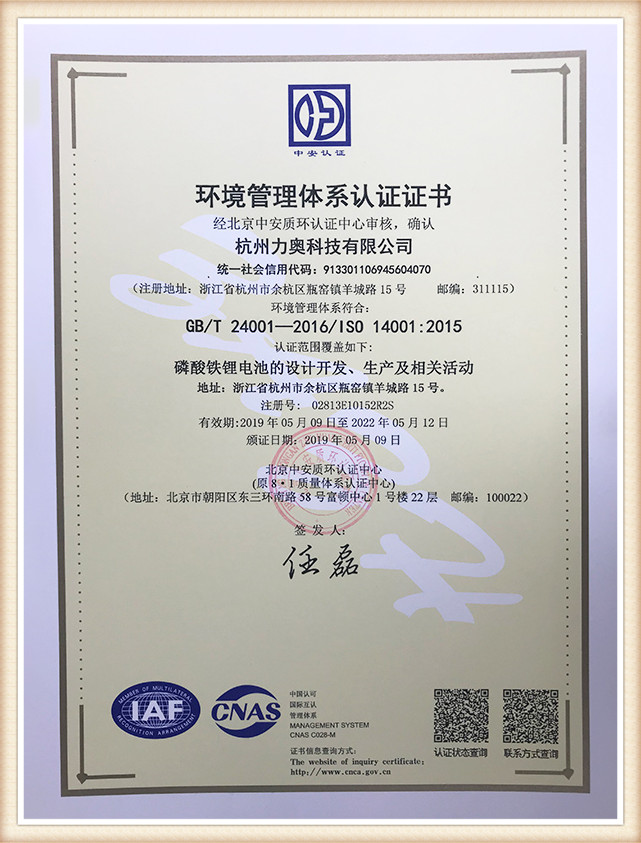
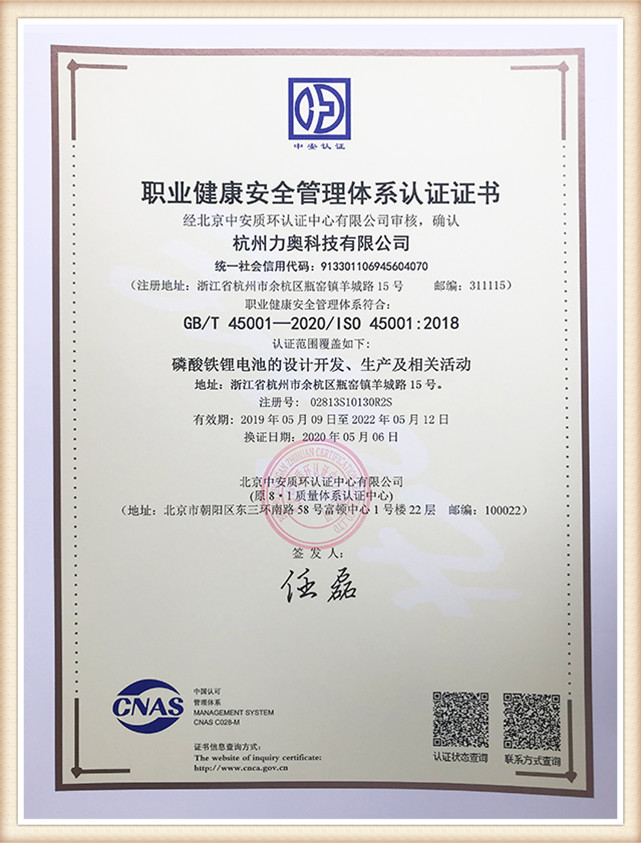
Founded in 2009, Hangzhou LIAO Technology Co., Ltd. has established itself as an authoritative leader in the development and manufacture of high-performance lithium iron phosphate (LiFePO4) batteries. Over the last 15+ years, we have delivered specialized power solutions to clients across more than 20 countries. Our production site is optimized under strict global frameworks, maintaining active compliance with ISO 9001:2015 Quality Management Systems, ISO 14001:2015 Environmental Management, and ISO 45001 / OHSAS 18001 Occupational Health and Safety frameworks.
Our core mission is to bridge the gap between heavy industrial safety and high energy density. Through deep material research, customized cell configurations, and proprietary BMS (Battery Management System) design, we enable global brands to introduce robust, low-maintenance energy products to market.






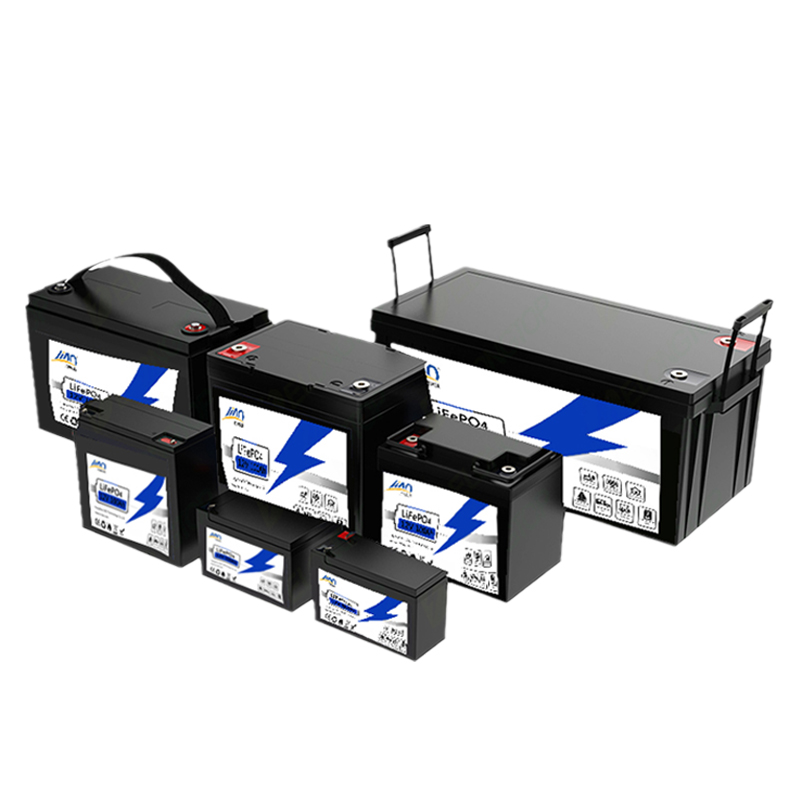
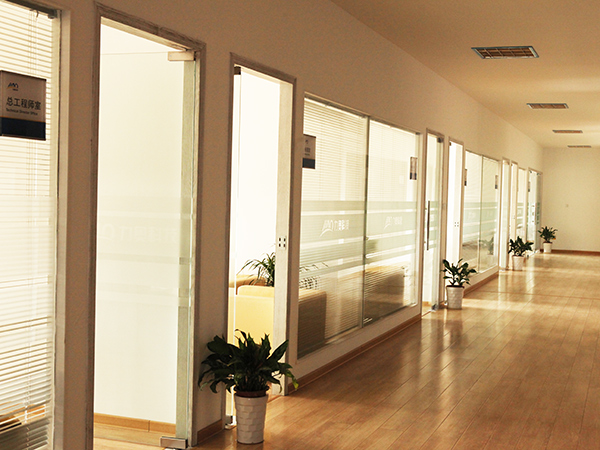
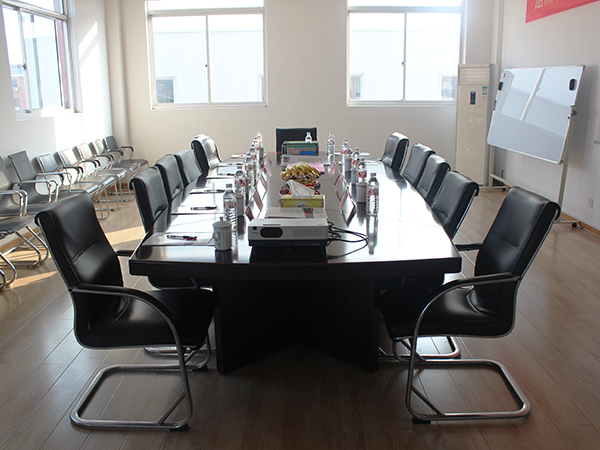
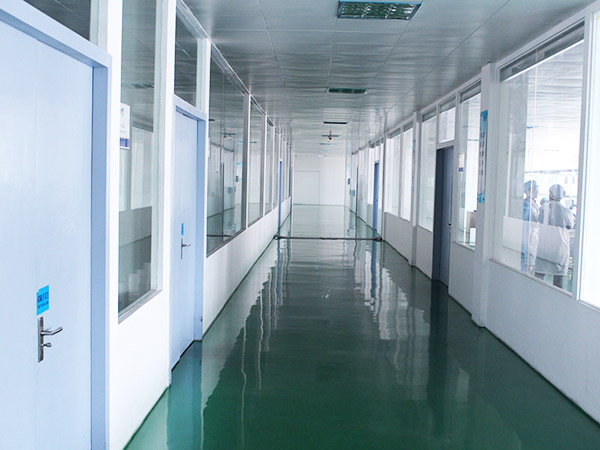
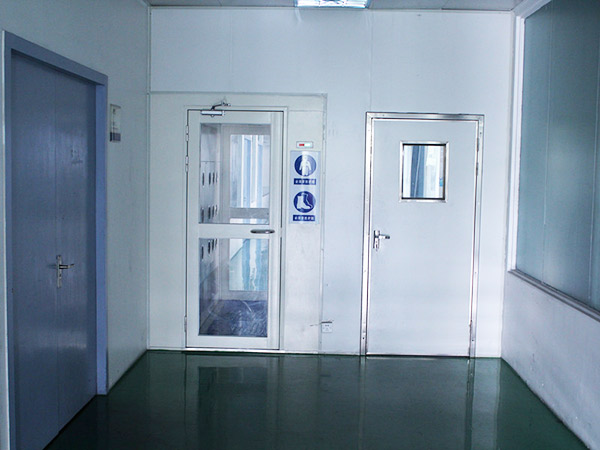
Inside our Hangzhou facility, where automated processes and rigorous quality checkpoints converge to produce reliable, high-performance battery packs.
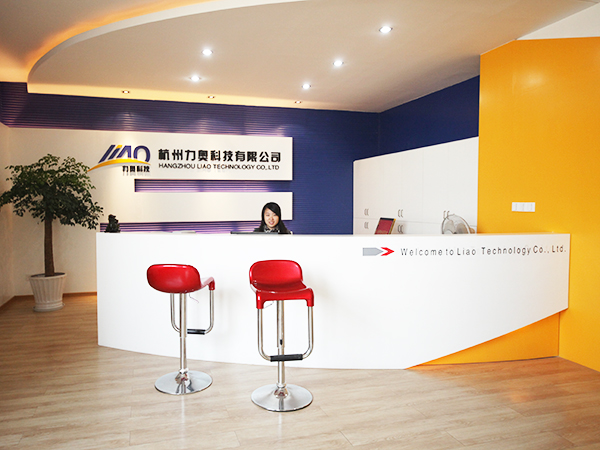
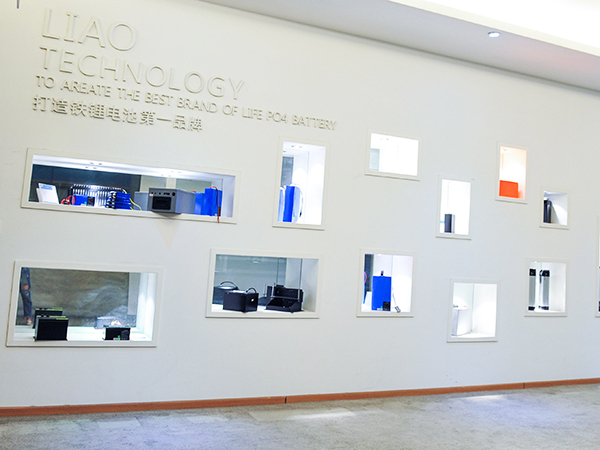
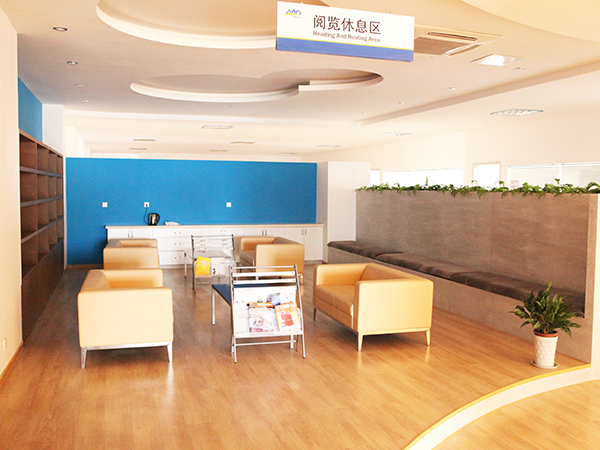
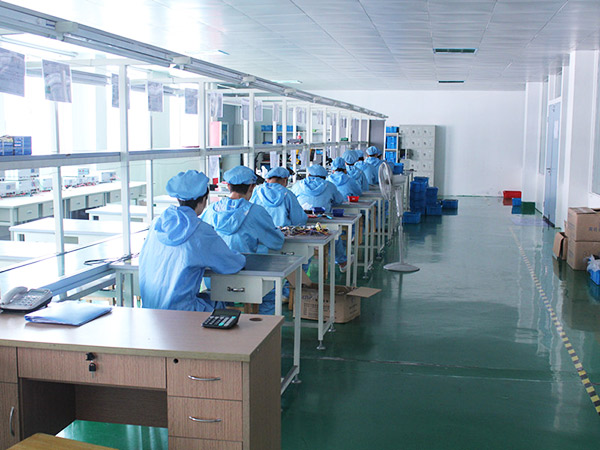
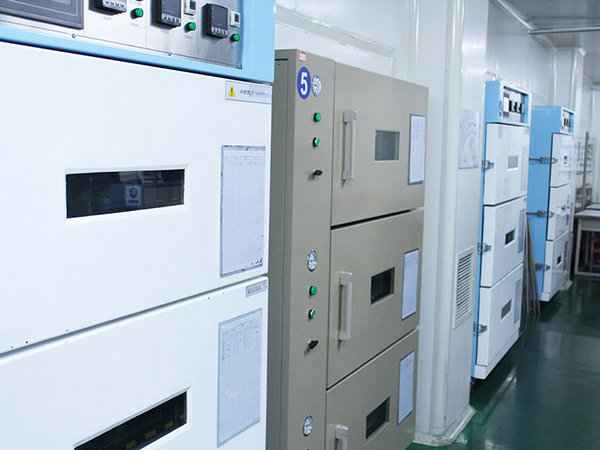
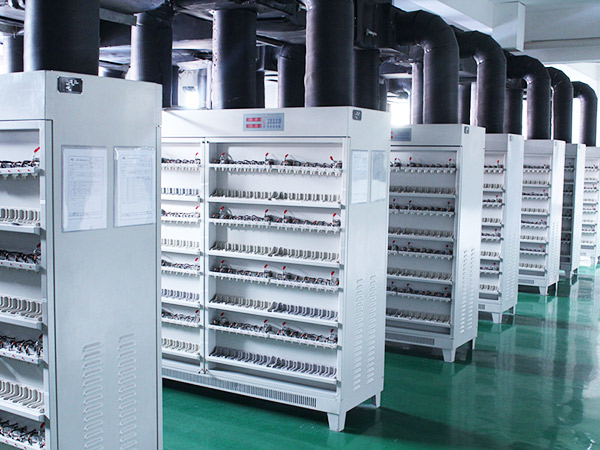
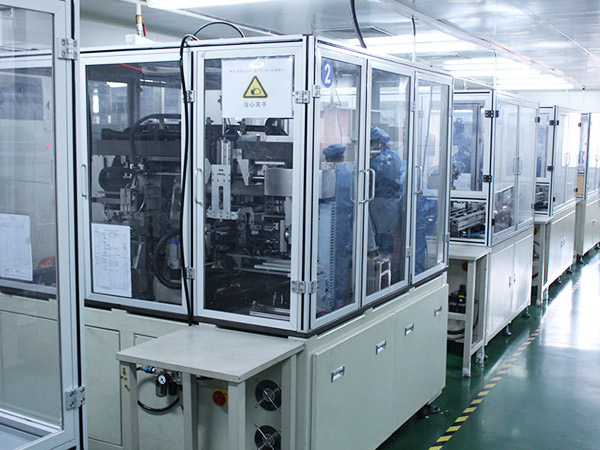
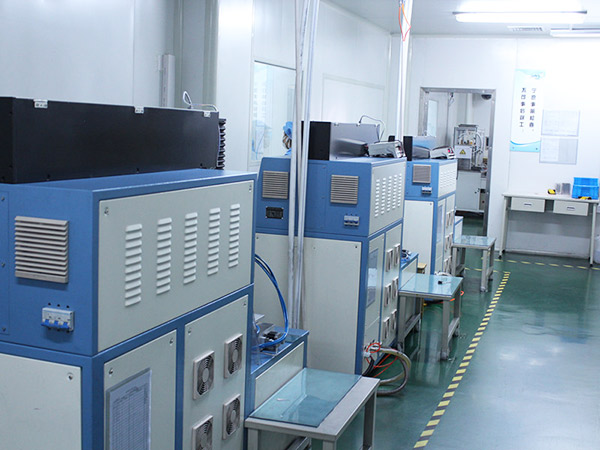
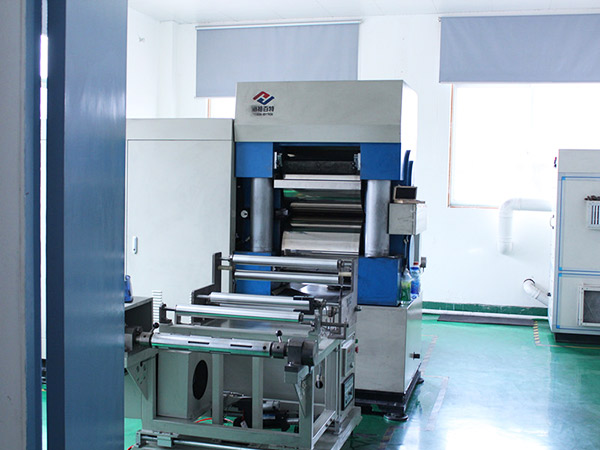
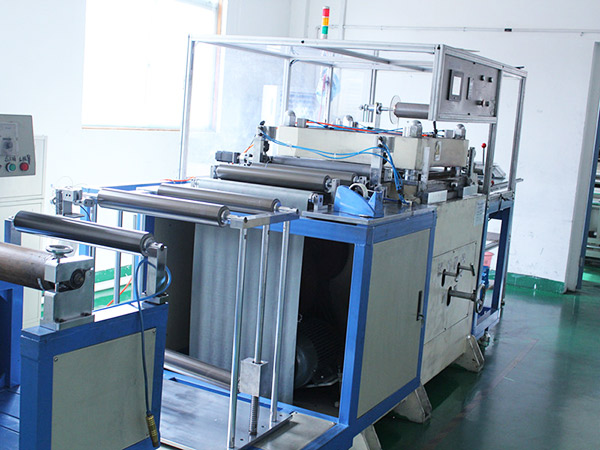
Our manufacturing efficiency stems from raw materials sorting through high-speed automation. Sourcing premium cells requires sorting by capacity, internal resistance (IR), and open-circuit voltage (OCV). At Hangzhou LIAO Technology, this sorting is completed via smart grading systems. Cells matching within a tolerance of 0.05V and 0.5mΩ are grouped to assemble 12V LiFePO4 packs. This strict consistency protocol ensures uniform performance across all series and parallel configurations.
Following cell stacking, high-performance laser welding creates robust interconnects between tabs, reducing thermal impedance at contact points. Completed packs go through multi-stage vacuum baking to eliminate ambient humidity. This reduces internal side reactions over years of deep cycle use.

Every application has its own operating conditions. A golf cart battery pack experiences high start-up currents, caravan movers require long standby reliability, and industrial vehicles demand resilience against vibration and physical shock. Our engineering team combines mechanical structural design with custom electrical controls.
Under heavy needle puncture tests, our proprietary prismatic LiFePO4 cells do not ignite or explode, maintaining physical integrity.
Operating temperature range from -40°C to 85°C ensures performance in polar research facilities and desert installations alike.
Delivers more than 2,800 full cycles at 1C charge and discharge profiles under 100% Depth of Discharge (DOD).
At the center of each 12V lithium pack is our custom-designed Battery Management System (BMS). The BMS prevents damage from overcharging, over-discharging, and over-current, while continuously managing thermal loads. It monitors each parallel cell string to prevent individual cells from degrading prematurely. Additionally, it offers optional communication protocols (such as CANbus, RS485, and Bluetooth) for real-time monitoring of State of Charge (SOC) and State of Health (SOH).
By designing the BMS in-house, we customize safety margins to match specific motors or charging systems. In Europe, our LAXpower-1230 model was recognized as a top-performing battery pack during independent benchmark testing.
Our custom lithium iron phosphate systems are engineered to meet the technical requirements of specific applications.
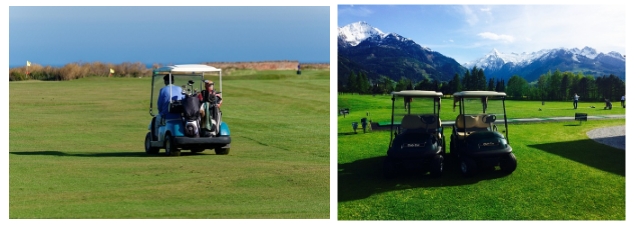
LiFePO4 golf cart batteries deliver consistent power on varied terrain and courses, eliminating lead-acid maintenance.
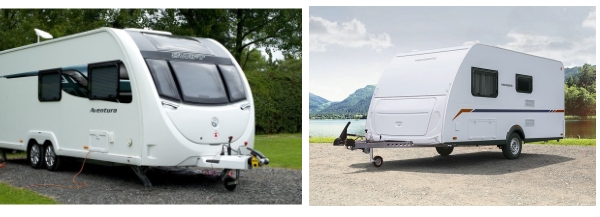
Zero emission, quiet operation, and reliable cold-start capabilities for caravans and remote utility trailers.
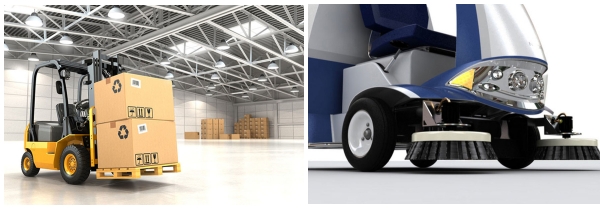
Engineered for heavy loads and warehouse use, reducing downtime and lowering total operational costs.
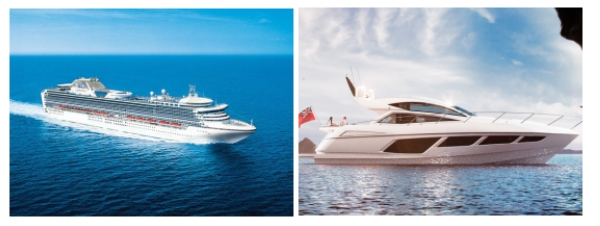
Zero emissions and silent running, with housings built to resist saltwater corrosion in marine environments.
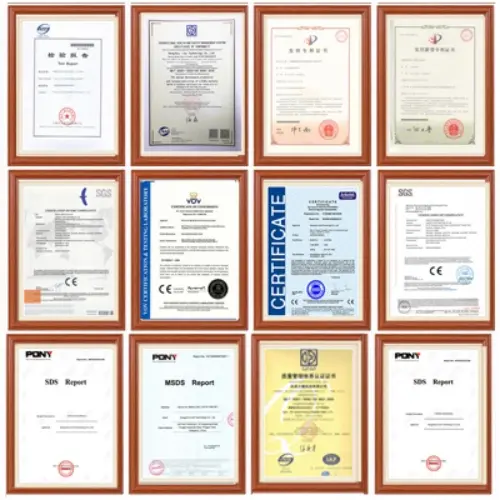
All Hangzhou LIAO products are developed, manufactured, and tested to meet international standards for quality, safety, and performance.
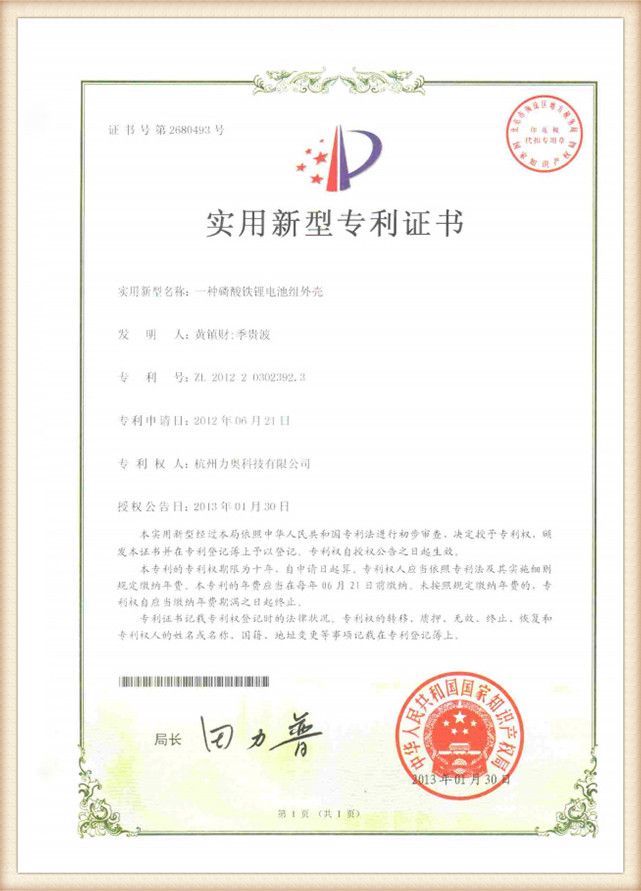
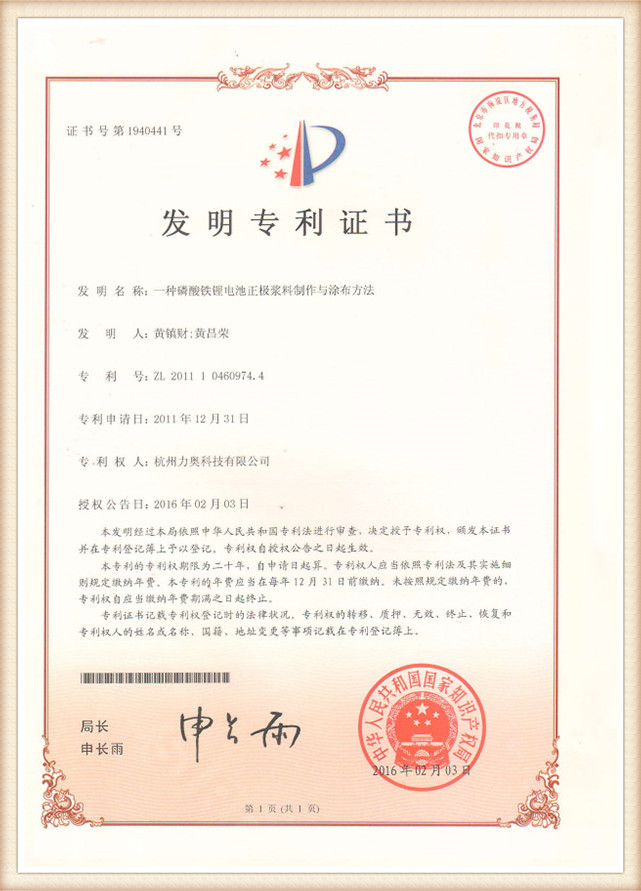
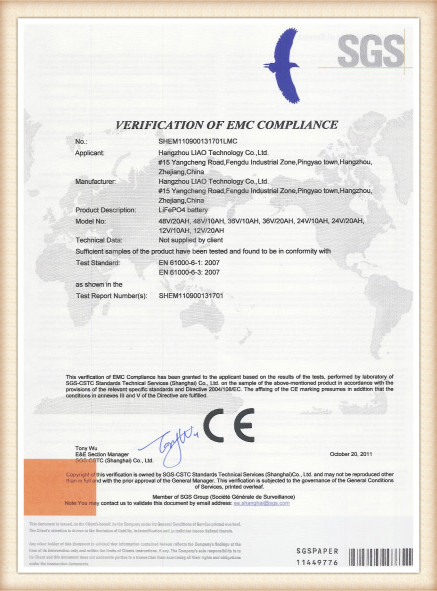
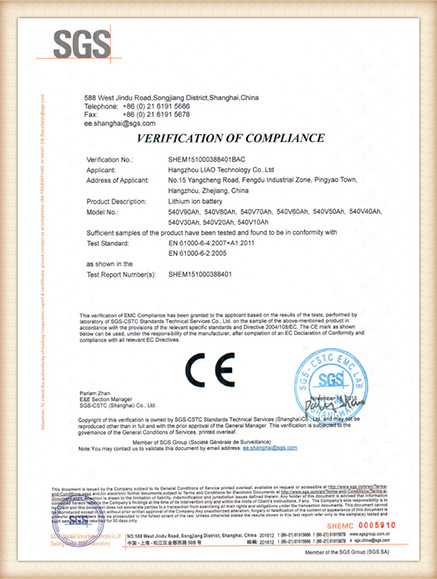
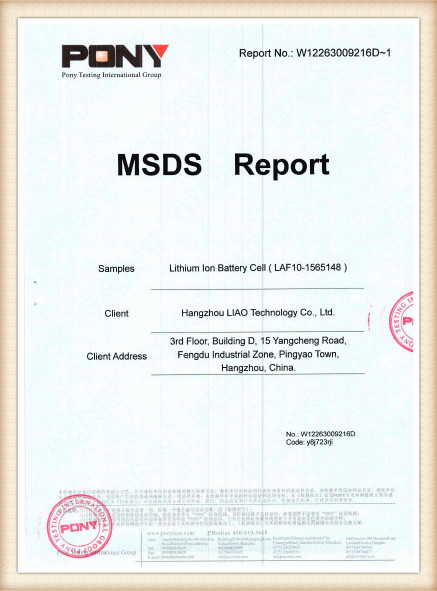
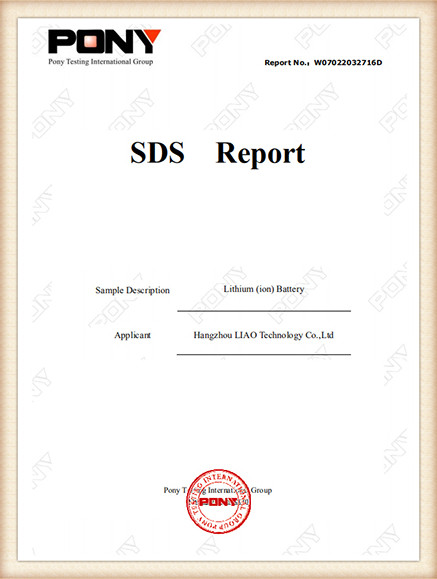
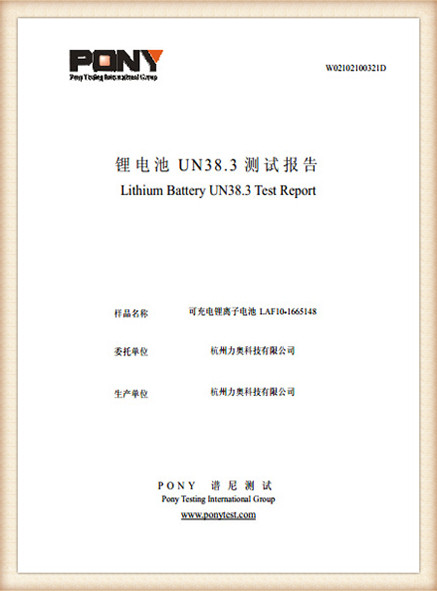
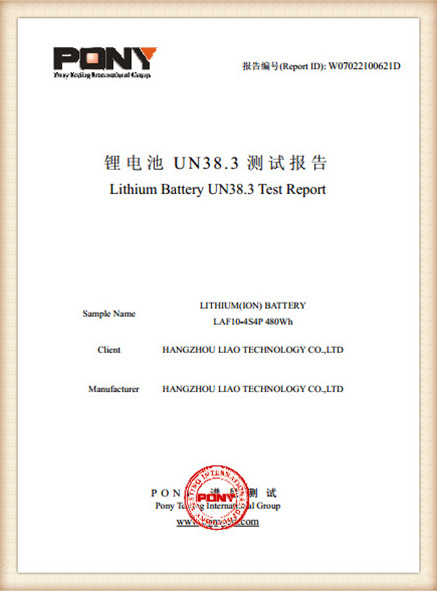
To support our global customers, we maintain up-to-date compliance certifications. Our factory operates under audited quality, environmental, and occupational safety frameworks, and our cells carry CE, UN38.3, and related international safety reports.
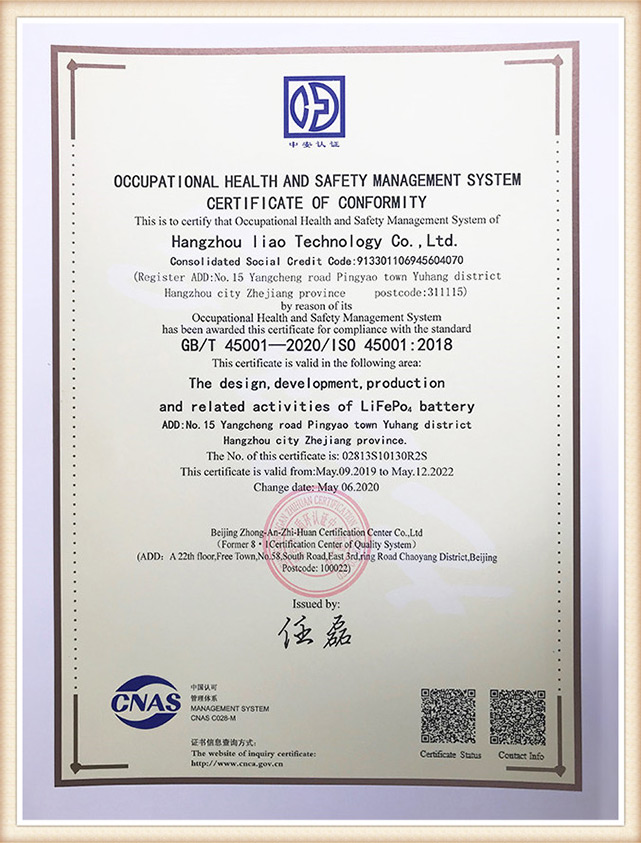
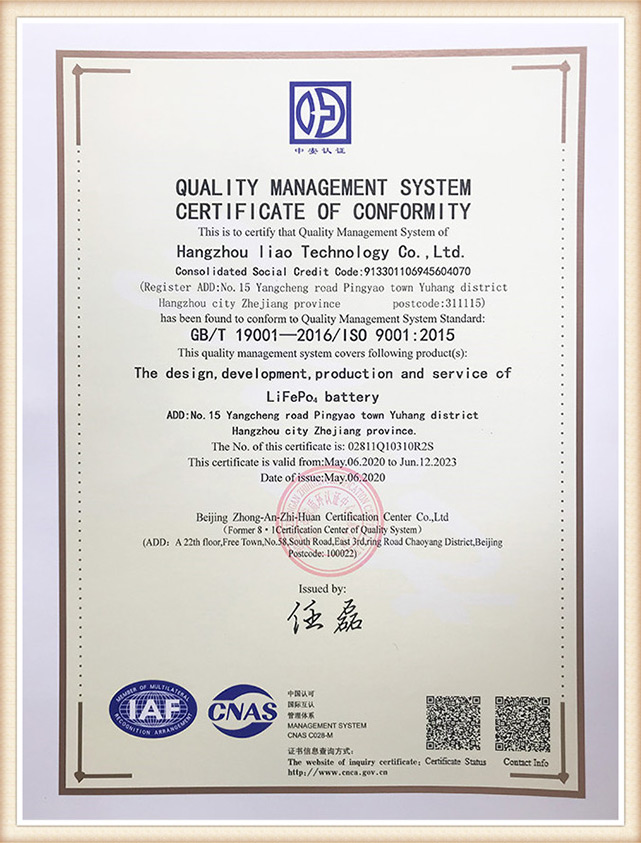
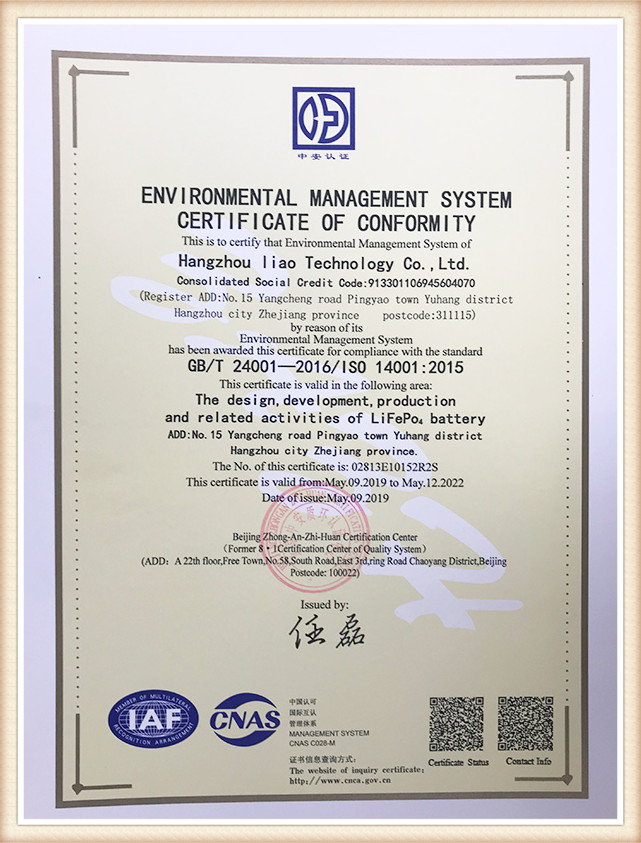
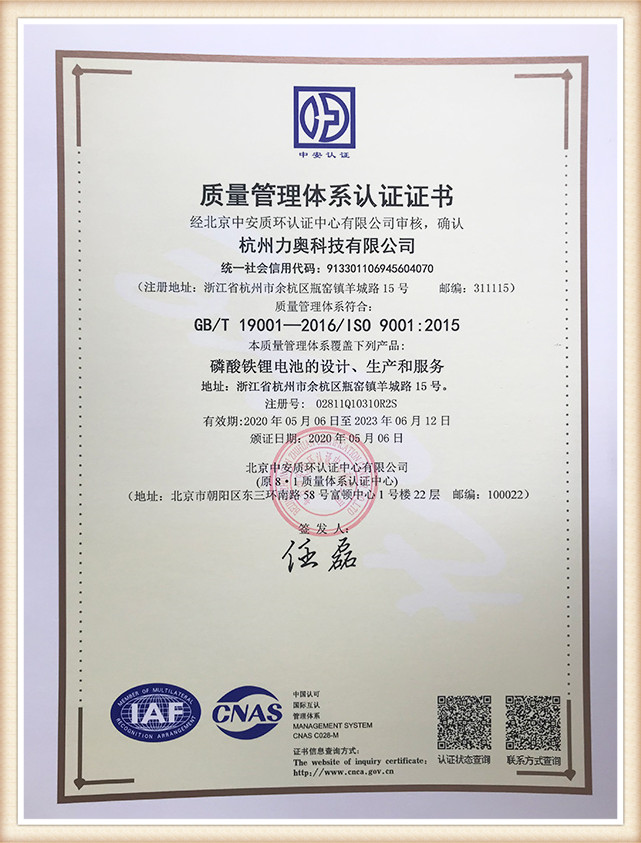
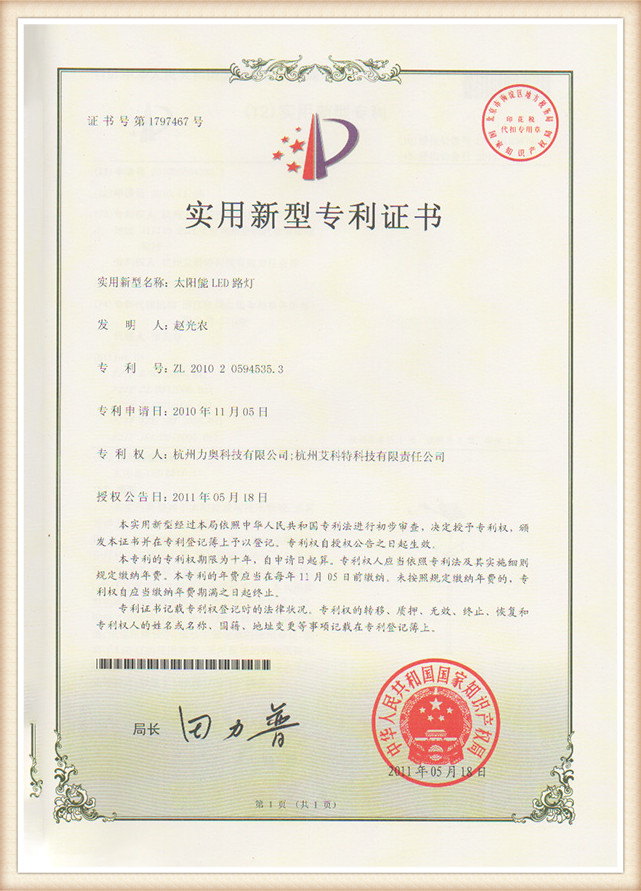
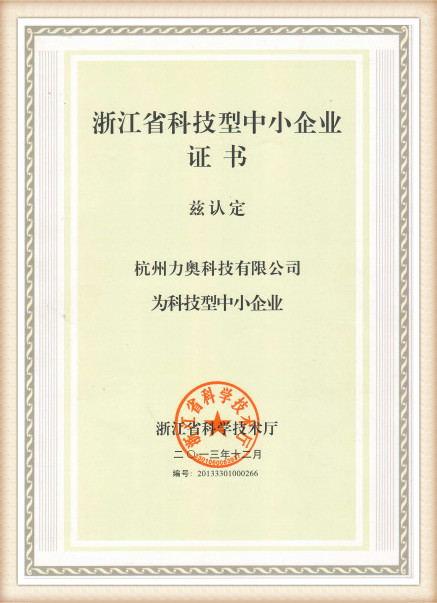

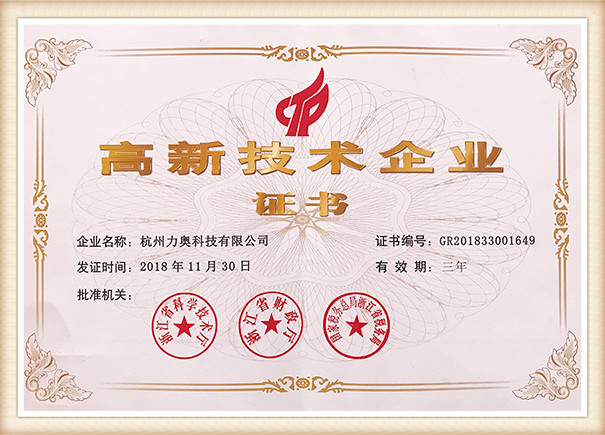
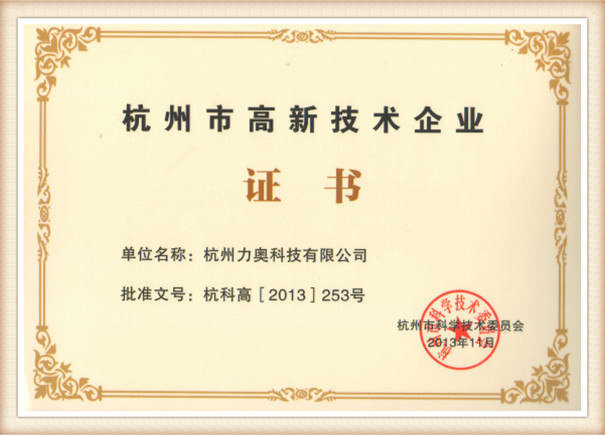
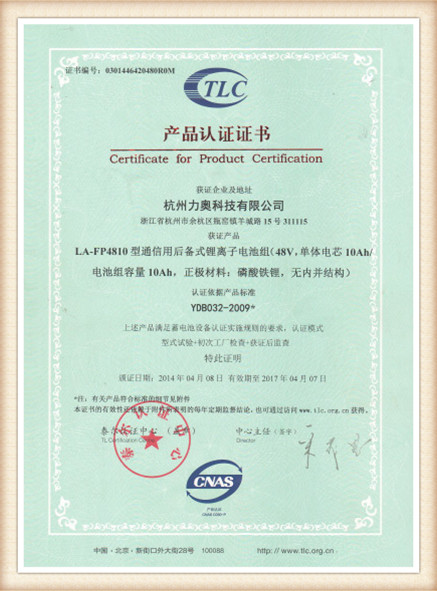
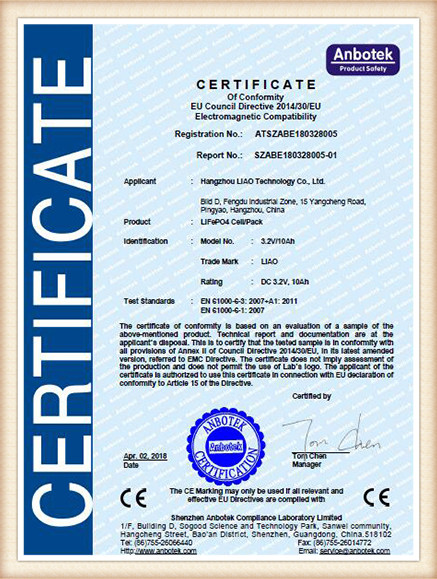
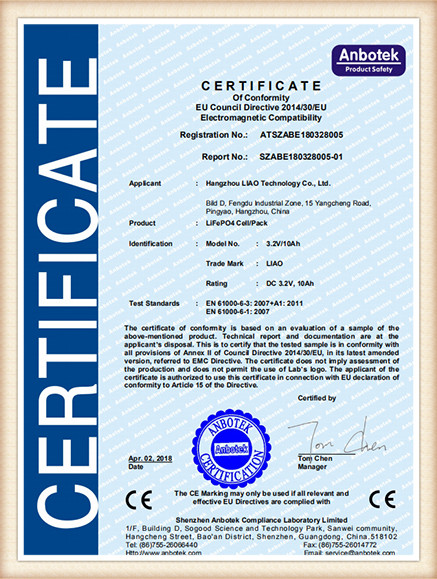
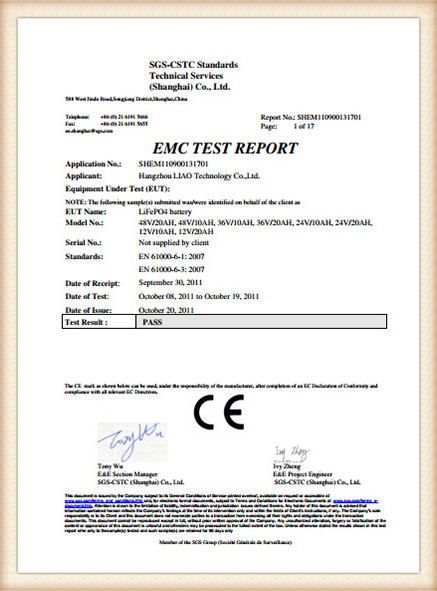
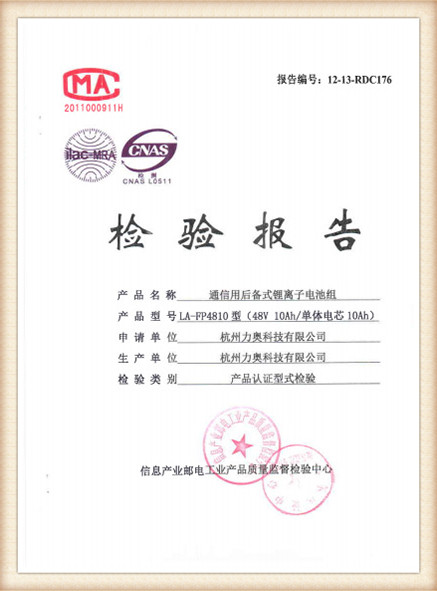
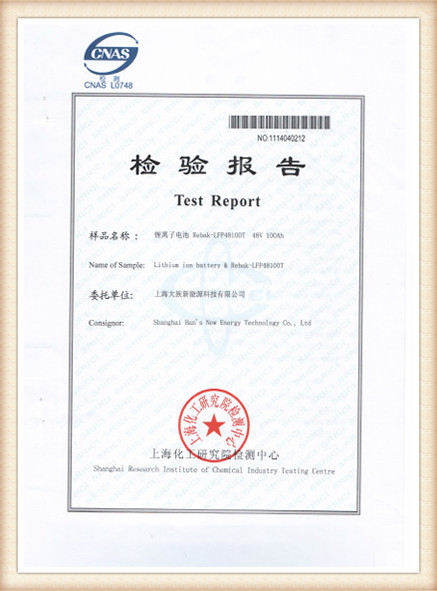
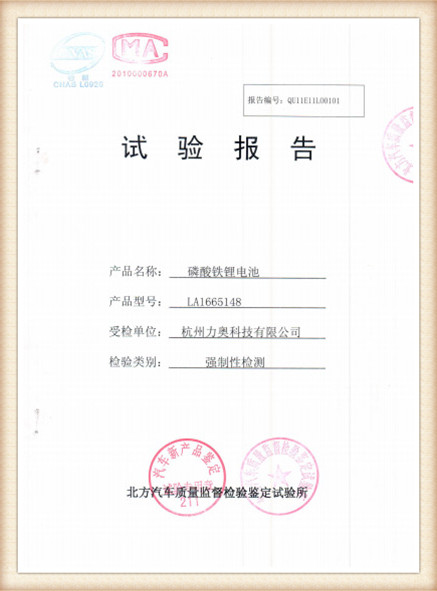
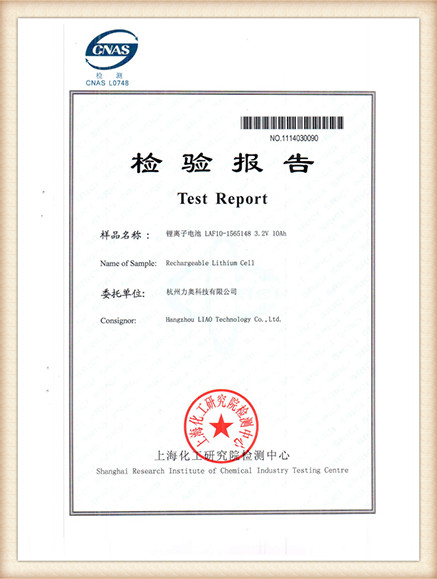
For industrial procurement managers, sourcing battery packs requires balancing cost efficiency against compliance and quality control. Below are key technical parameters to verify during the qualification process for a 12V LiFePO4 battery pack supplier.
| Evaluation Parameter | Legacy Lead-Acid (SLA/AGM) | Hangzhou LIAO LiFePO4 Packs | Impact on Operating Costs |
|---|---|---|---|
| Usable Depth of Discharge (DOD) | 50% maximum limit | Up to 100% usable capacity | Requires half the footprint and nominal Ah rating. |
| Usable Lifetime Cycles | 300 - 500 cycles (to 50% capacity) | 2,800+ full cycles (to 80% capacity) | Reduces battery replacements and related labor costs. |
| Self-Discharge Rate | 8% to 15% per month | Less than 2% to 3% per month | Minimizes inventory maintenance charges and shelf-life losses. |
| Integrated Protection (BMS) | None (requires external fuses) | Smart, automated safety overrides | Protects cells against damage from short circuits or user error. |
| Weight to Capacity Ratio | approx. 30 kg for 12V 100Ah | approx. 11 kg for 12V 120Ah | Reduces shipping costs and allows for more compact system designs. |
In addition to chemistry, verify that the supplier conducts high-voltage insulation tests, environmental chamber tests, and dynamic vibration tests. Working with an ISO-certified Chinese manufacturer with control over cell sorting and pack assembly helps ensure consistent performance across production runs.
Common technical questions answered by our engineering and quality assurance teams.
We use automated systems to match cells by voltage, internal resistance, and capacity before assembly. Groups are matched within 5mV and 0.5mΩ. Our BMS also balance cells during charge cycles to prevent imbalances that can reduce overall cycle life.
Yes, our standard packs support parallel connections for higher capacity. For series configurations (e.g., creating 24V, 36V, or 48V systems), please specify this during ordering. We configure the BMS with higher voltage protection limits and transient suppression to handle potential voltage spikes.
Our battery systems undergo certification testing to meet shipping safety requirements. We provide complete UN38.3 test documentation, MSDS reports, and CE certifications, helping to ensure compliance for sea, air, and land freight.
Our cells are designed to discharge at temperatures down to -40°C. For charging in sub-zero environments, we can integrate an automated heating film controlled by the BMS. This uses charging current to warm the cells to safe levels before charging begins, preventing lithium plating.
Custom prototype designs (enclosure modification, custom BMS parameters) are typically completed in 15 to 21 days. Bulk production orders generally range from 30 to 45 days, depending on materials sourcing and order volume.
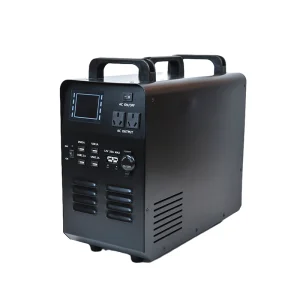
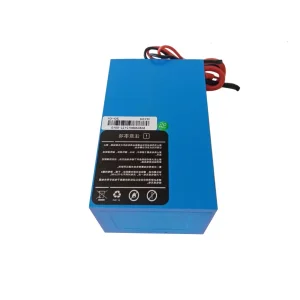
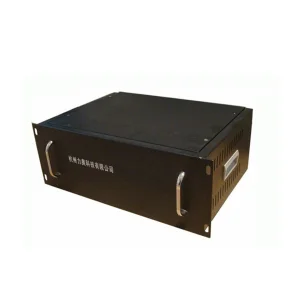
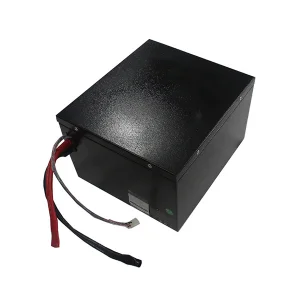
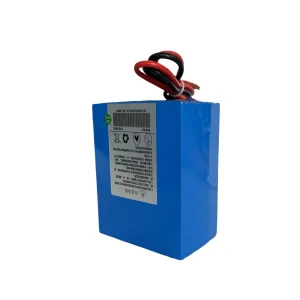
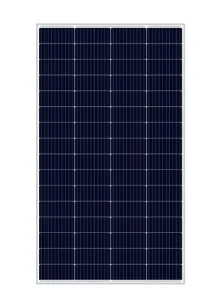
Explore our broader product catalog, including medical equipment backups, e-bike batteries, solar storage units, and high-capacity solar arrays.
 Liao Battery