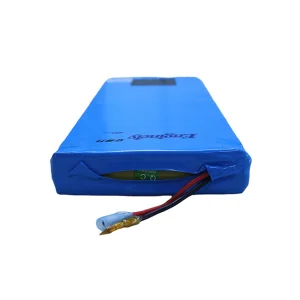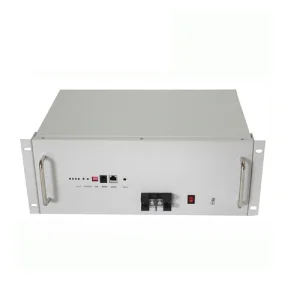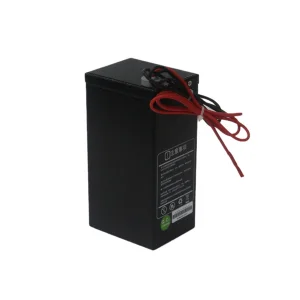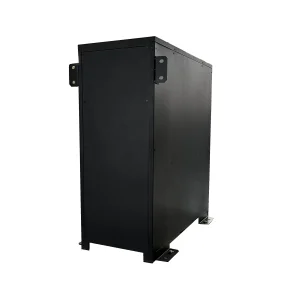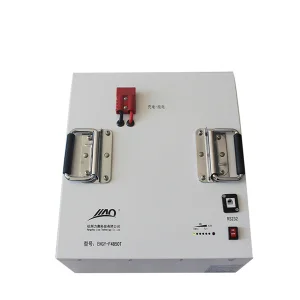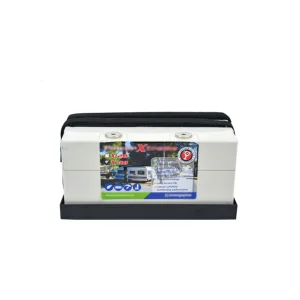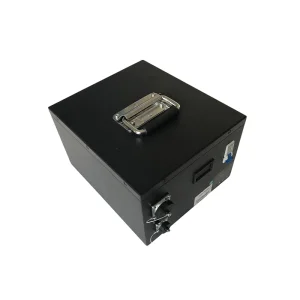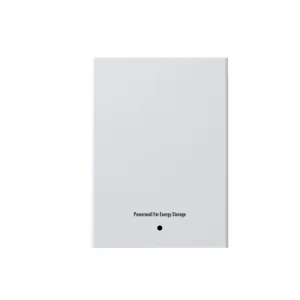
China Rack Mounting 48V 50Ah Lithium Ion Battery Manufacturer & Products

Premium Grade-A LiFePO4 Chemistry, Smart BMS Integration, and Customizable Energy Storage Systems for Critical Telecom & Enterprise Operations

Macro-Level Energy Storage: 48V 50Ah System Dynamics

Analyzing the Global Shift Towards Decarbonization, Telecom Power Upgrade Cycles, and High-Density Rack Integration

The global energy matrix is undergoing a seismic paradigm shift. As corporate initiatives and sovereign goals target net-zero carbon emissions, the demand for decentralized backup energy infrastructure has skyrocketed. Within telecommunication base transceiver stations (BTS), edge computing facilities, data micro-centers, and off-grid utility architectures, the standard 19-inch rack format remains the absolute form-factor benchmark. Specifically, the 48V 50Ah Lithium Iron Phosphate (LiFePO4) battery pack represents the critical standard unit for reliable DC power backup systems.

Traditionally, lead-acid options dominated the telecommunication backup sector. However, the operational reality of lead-acid batteries—specifically their sensitivity to elevated operational temperatures, excessive mass, limited depth-of-discharge (DoD) limitations, and short service lifetimes—has created an urgent need for modern alternatives. A standard 48V 50Ah LiFePO4 rack-mount battery delivers a nominal energy density of 2.4 kWh within a compact 2U or 3U design space, weighing roughly 25 kg. In comparison, a lead-acid setup with similar usable energy capacity requires more than triple the physical footprint and up to four times the weight, while offering a significantly shorter operating lifespan.

Decarbonizing Telecommunications and Smart Microgrids

The modern telecom sector, with the rapid buildout of 5G cellular infrastructure, presents unique power challenges. 5G base stations require up to 60-80% more electrical energy than their 4G predecessors. This elevated demand places extreme strain on existing DC rectifiers and backup power banks during outages. 48V 50Ah LiFePO4 configurations, configured in parallel blocks to scale up to 150Ah, 200Ah, or more, allow operators to easily drop in modern lithium replacements without retrofitting entire rack frames.

Furthermore, in hybrid off-grid settings where solar photovoltaic (PV) arrays combine with diesel generators, the high-efficiency charging capability of lithium chemistry significantly minimizes generator run-time. The low internal resistance of LiFePO4 cells permits rapid recharge currents (up to 1C rates), meaning a 48V 50Ah battery can reach 90% state-of-charge (SoC) in just one hour, capturing maximum energy during intermittent solar solar generation windows and lowering diesel fuel costs.

Deep Technical Specifications: 15S vs 16S Topologies & Smart BMS Architecture

When specifying a 48V rack-mount lithium-ion battery system, engineering teams face critical design decisions regarding the cell arrangement and active cell balancing configurations. The designation "48V" typically refers to two distinct lithium chemistry alignments:

  • 15S Configuration: Incorporates 15 cells in series. With a nominal cell voltage of 3.2V, the total pack nominal voltage is 48.0V. The operational voltage window ranges from 42.0V (fully discharged at 2.8V per cell) to 54.0V (charged to 3.6V per cell).
  • 16S Configuration: Incorporates 16 cells in series. This delivers a nominal voltage of 51.2V, with an operating range between 44.8V and 57.6V. The 16S layout matches standard lead-acid float charge profiles (typically 54.0V to 56.0V) and is widely favored by major global telecom companies for its stable voltage retention.
Parameters 15S Configuration (48V Nominal) 16S Configuration (51.2V Nominal) Design Advantage Notes
Nominal Voltage 48.0V 51.2V 16S offers higher efficiency at low states of charge.
Full Charge Voltage 54.0V 57.6V 16S aligns perfectly with standard lead-acid rectifiers.
Discharge Cut-off Voltage 40.0V - 42.0V 43.2V - 44.8V Prevents over-discharge issues on standard power systems.
Cell Voltage Target 3.2V Nominal (3.65V Max) 3.2V Nominal (3.65V Max) Utilizes stable prismatic LFP chemistry.
Usable Energy (50Ah) 2.40 kWh 2.56 kWh 16S layout provides 6.7% additional capacity.

Smart BMS (Battery Management System) Integrations

An industrial-grade 48V 50Ah rack system is only as reliable as its Battery Management System (BMS). The integrated BMS handles three main operational tasks:

  1. Precision Protection: Active sensing of cell temperature, pack temperature, charge/discharge currents, and individual cell voltages. If any parameter exceeds limits (e.g., cell over-temperature above 60°C or cell voltage drop below 2.5V), the BMS triggers solid-state MOSFETs or relays to isolate the pack, preventing thermal damage or capacity degradation.
  2. Dynamic Cell Balancing: Passive or active balancing algorithms equalise the voltage levels across all series-connected cells. This prevents any single cell from acting as a bottleneck, ensuring maximum usable capacity across the pack's lifespan.
  3. Industrial Telemetry: Features isolated communication buses (RS485, CAN, Modbus-RTU) that allow full integration with master site controllers or hybrid solar inverters. Telemetry parameters include state-of-charge (SoC), state-of-health (SoH), alarm logs, and real-time current metrics.

Engineering & Structural Design: Rack-Mount Usability and Thermal Management

The physical environment inside standard telecom and IT cabinets requires careful mechanical engineering. A premium 48V 50Ah rack battery utilizes heavy-duty cold-rolled steel (SPCC) or aluminum alloy enclosures to resist impact and structural loading. Internally, the battery layout is engineered for both thermal dissipation and vibration resistance:

  • Thermal Isolation Barriers: Aerogel or customized silicone isolation pads separate individual prismatic cells, preventing heat conduction between adjacent cells and mitigating thermal runaway risks.
  • Direct Busbar Welding: Heavy-gauge copper busbars are laser-welded directly to the cell terminals, minimizing contact resistance and heating during high-current discharges.
  • Passive Heat Sinks: Strategically designed metal chassis enclosures naturally dissipate heat without requiring failure-prone cooling fans, securing a long operating lifespan.
Core Technical Advantages & Quality Benchmarks

Why Global Telecommunications Operators Trust Hangzhou LIAO Technology

Unmatched Cell Safety

Premium LiFePO4 formulation prevents combustion or explosion, even under extreme physical impact or puncture tests.

Thermal Resilience

Operational discharge capacity maintained across extreme temperature ranges, from -40°C up to +85°C.

Extended Cycle Life

Delivers over 2,800 full charge/discharge cycles at 100% Depth of Discharge (DoD) before capacity drops below 80%.

Europe-Tested Champion

Award-winning cell technology, validated by rigorous European performance testing for high reliability.

15+
Years Battery Manufacturing Expertise
500+
Custom Battery Designs Maintained
20+
Countries Globally Exported to
2800+
Cycles at 100% DoD Performance

Hangzhou LIAO Technology Co., Ltd.

Established in 2009 — Global LiFePO4 Pioneer

Hangzhou LIAO Technology Co., Ltd. is a specialized manufacturer focused on the development, design, and production of high-performance Lithium Iron Phosphate (LiFePO4) battery systems. Over the past 15 years, our engineering team has delivered custom power systems to client installations in more than 20 countries.

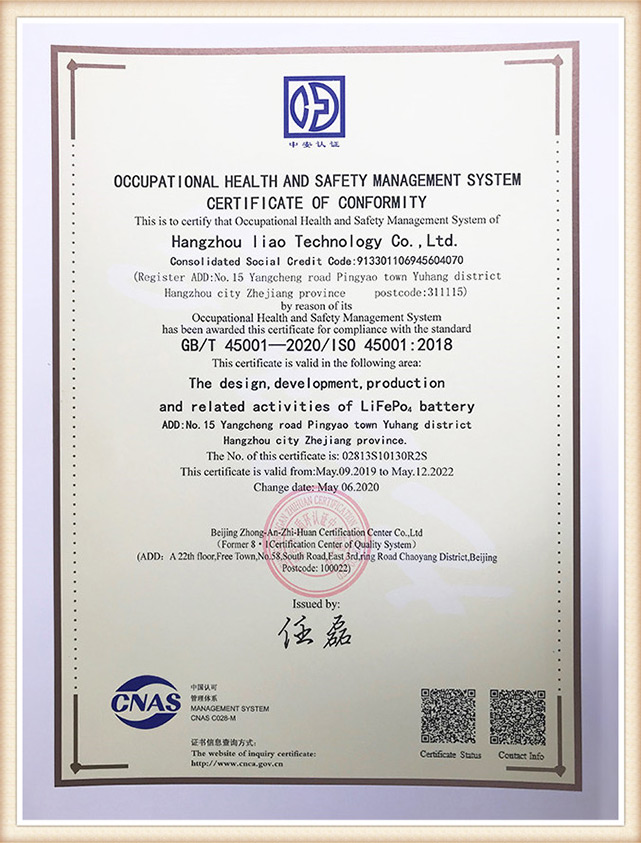
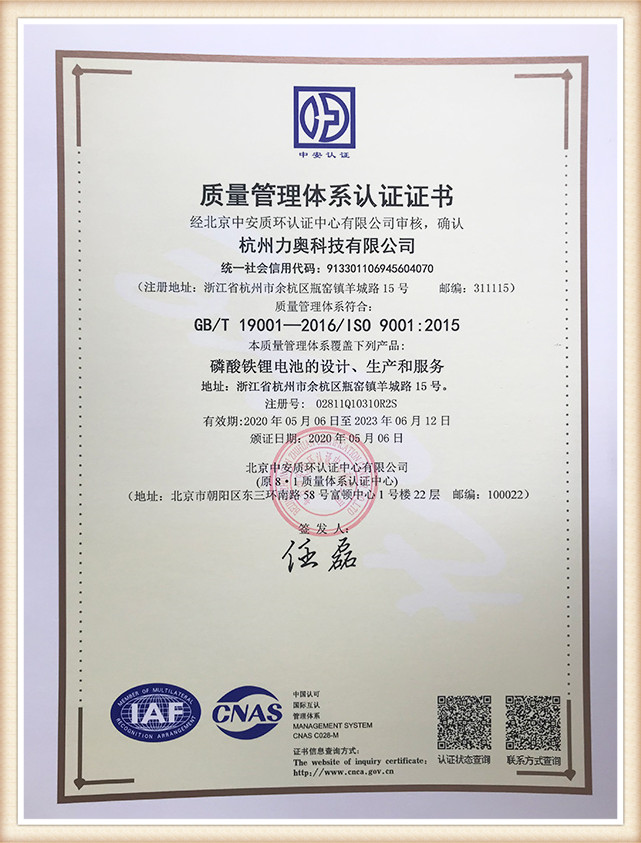
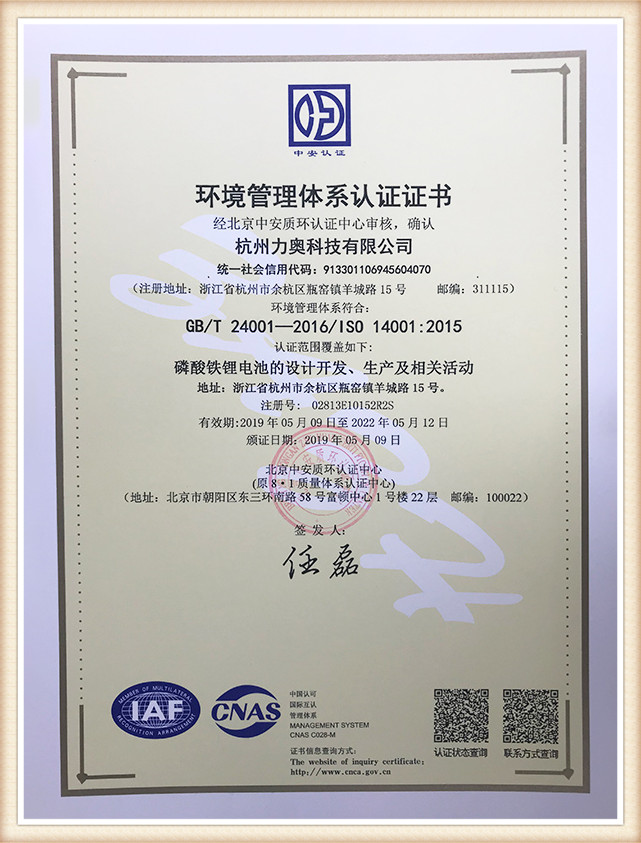
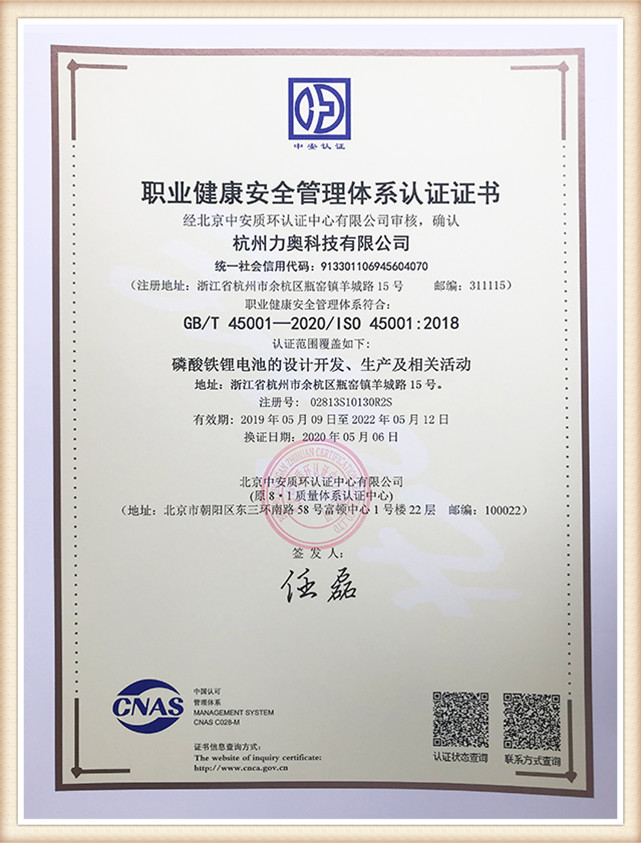
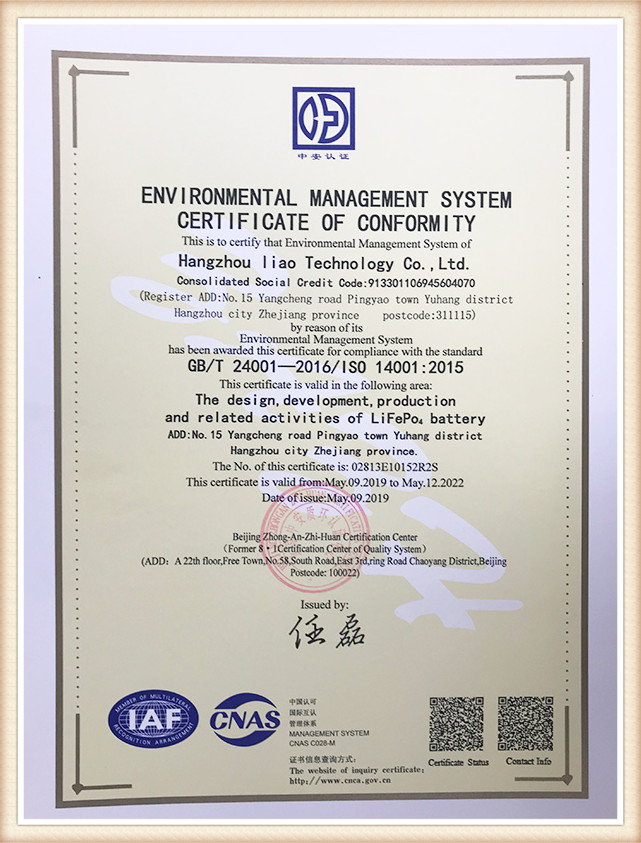
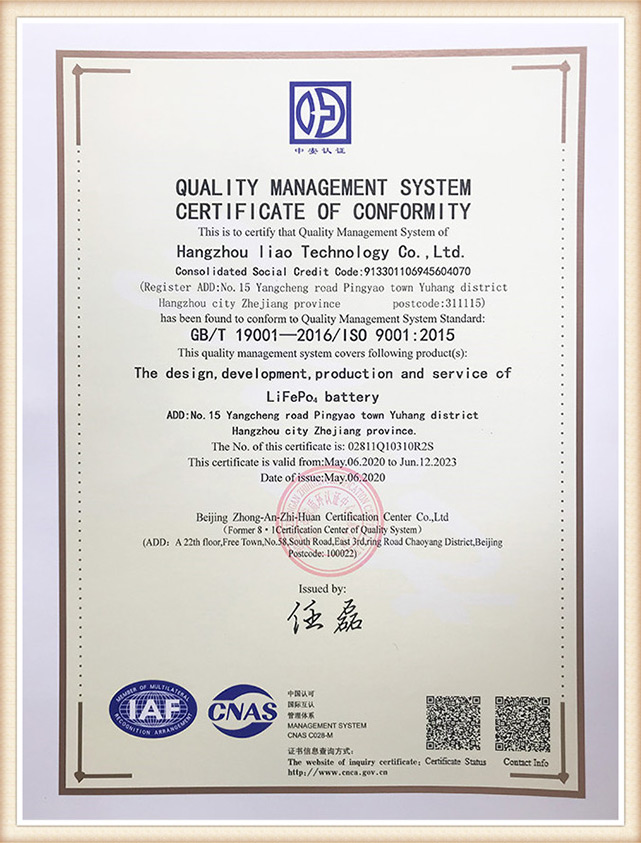
All products are manufactured under quality systems certified to ISO 9001 and ISO 14001, alongside OHSAS 18001 compliance for occupational health and safety. This systematic approach ensures traceabilty and high quality from raw materials through to final testing.

Our core engineering strength lies in customizing battery packs for complex applications. Whether configuring automated guided vehicles (AGVs), off-grid solar microgrids, marine power systems, or telecom infrastructure, our design team delivers customized solutions tailored to specific operating requirements.

ISO Quality Certificate ISO Environmental Certificate ISO OHSAS Certificate

Global Sales Reach & Customer-Centric Teams

Our export operations supply critical industries across North America, Western Europe, Southeast Asia, and Sub-Saharan Africa. We maintain support operations across major international regions, including:

Europe & North America

Germany, France, Netherlands, Spain, United Kingdom, USA, Canada, Mexico, Brazil.

Asia-Pacific & Oceania

Australia, Philippines, Thailand, Singapore, Korea, Japan, India.

Sub-Saharan Africa

South Africa, Nigeria, and regional distribution networks.

Targeted Energy Storage Applications

Custom-Engineered Battery Configurations Built for High-Stress Commercial Environments

Golf Cart Energy Solution

Golf Carts Solutions

High-rate discharge cells designed to maintain stable power output across challenging terrains and variable gradient courses.

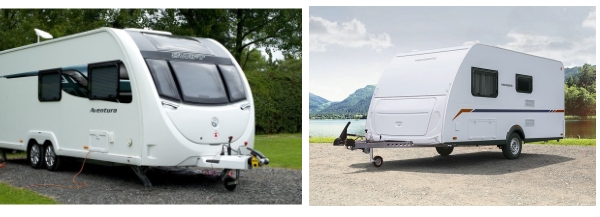
Caravan Mover Solution

Caravan Mover Packs

High energy density, zero-maintenance power systems that deliver clean, emissions-free operation for mobile recreational vehicles.

Industrial Vehicles Solution

Industrial Vehicles

Engineered for heavy loads and high duty cycles in logistics facilities, improving workflow efficiency while lowering labor costs.

E-Boat Marine Solution

E-Boat Propulsion

Sealed, corrosion-resistant battery systems that provide quiet, zero-emission operation for sensitive marine environments.

Engineering Team

Expert Engineering Group

Our engineering team combines custom cell topology, BMS design, and mechanical packaging to deliver optimal system performance.

Custom Manufacturing

Custom OEM & ODM Services

We design and assemble custom battery packs to meet specific power and mechanical constraints, helping partners accelerate product development.

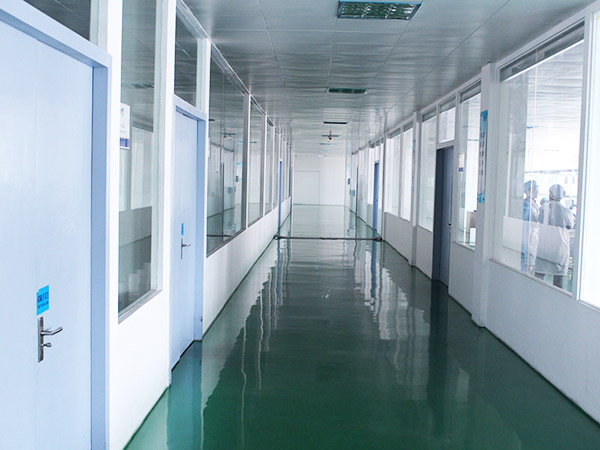
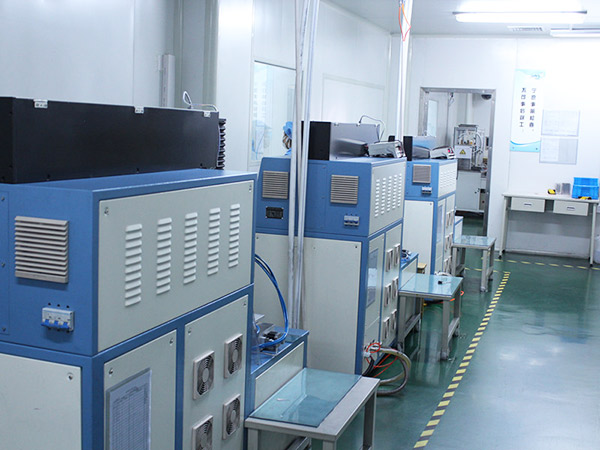
Factory Tour & Advanced Production Capabilities

A Visual Showcase of Our Advanced Manufacturing Processes and Quality Control Systems

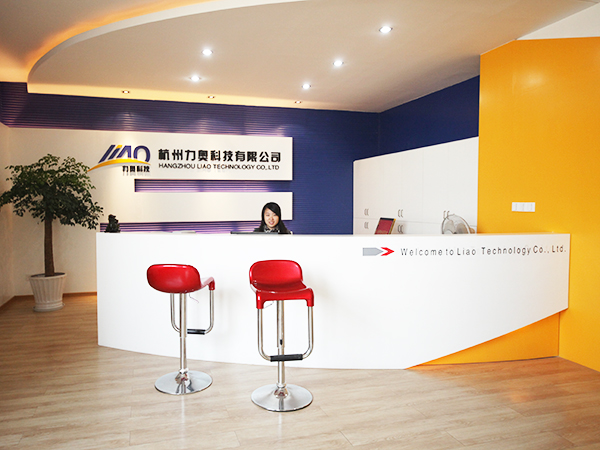
LIAO Power Reception Area

Corporate Reception

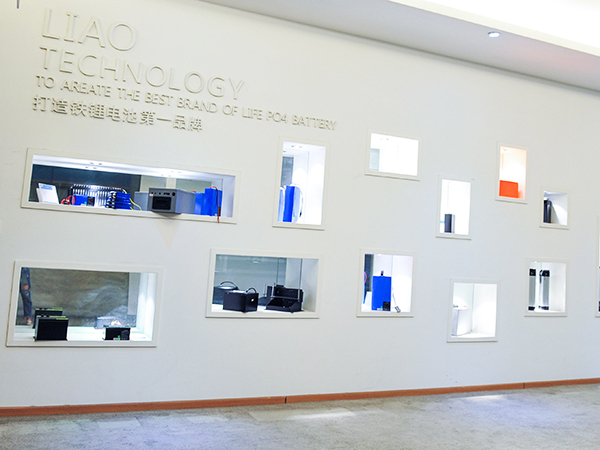
Exhibition Area

Exhibition Area

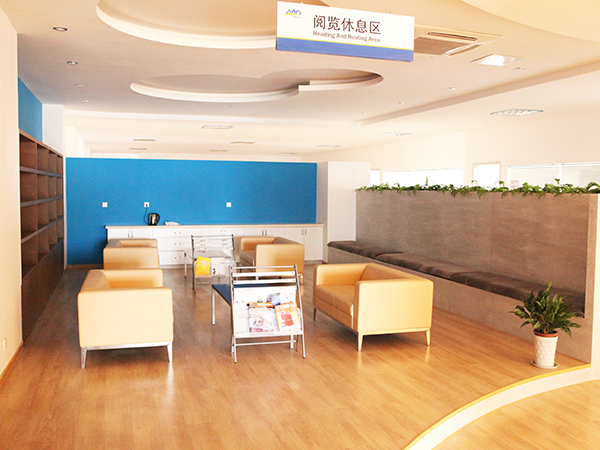
Reading Rest Area

Reading & Rest Area

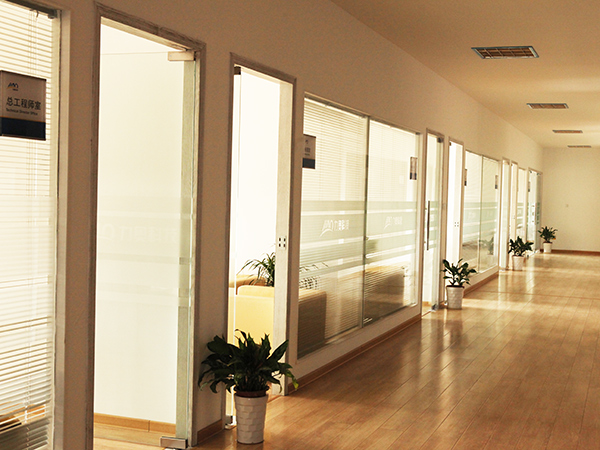
Office Area

Office Area

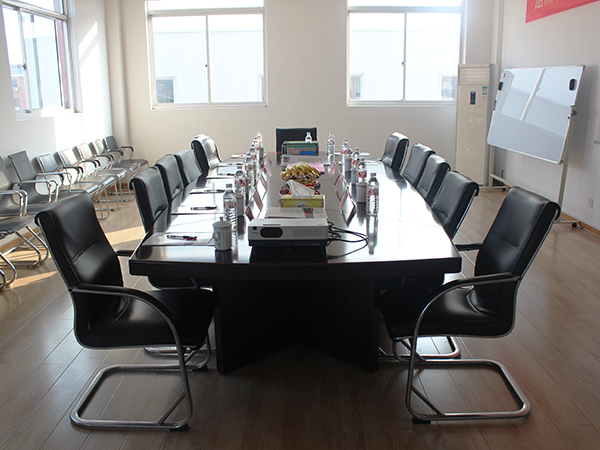
Meeting Room

Meeting Room

Visiting Access

Visiting Access

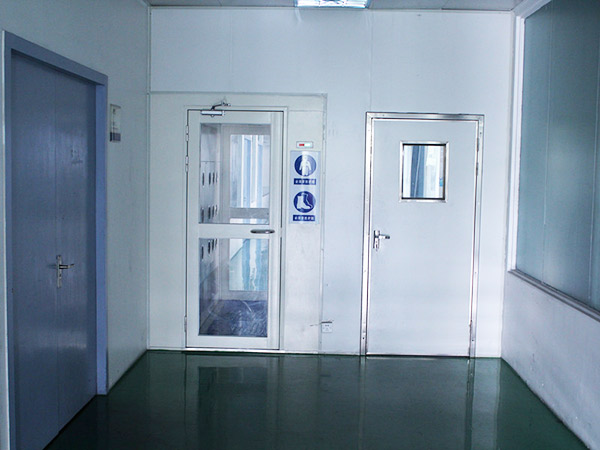
Production Entrance

Production Entrance

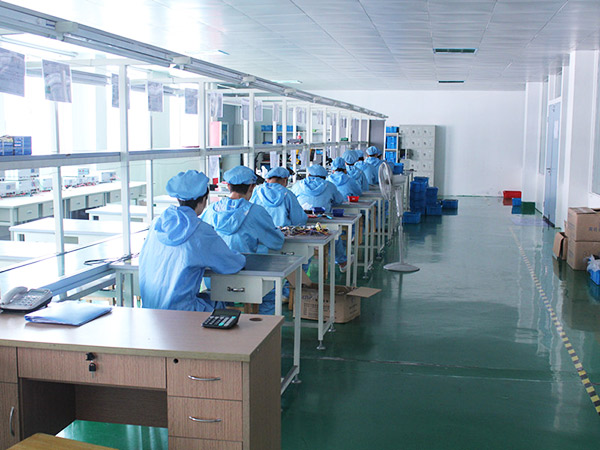
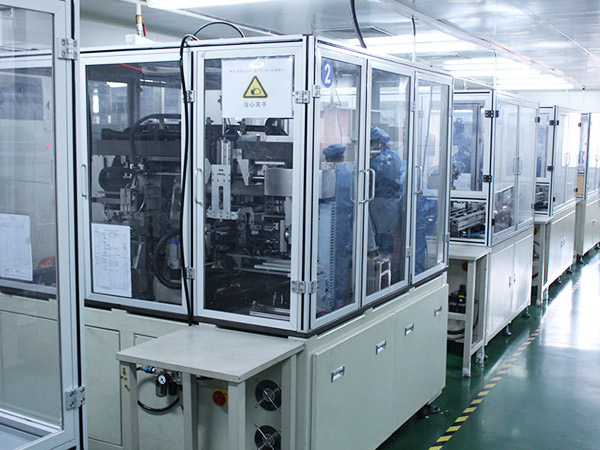
Battery Pack Assembly Line

Battery Pack Assembly

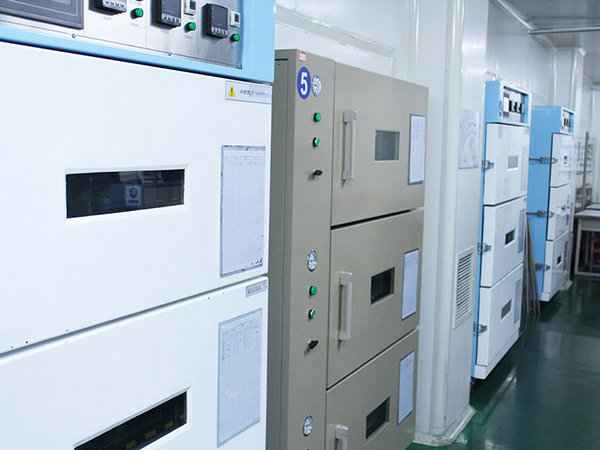
Baking and Drying

Vacuum Drying

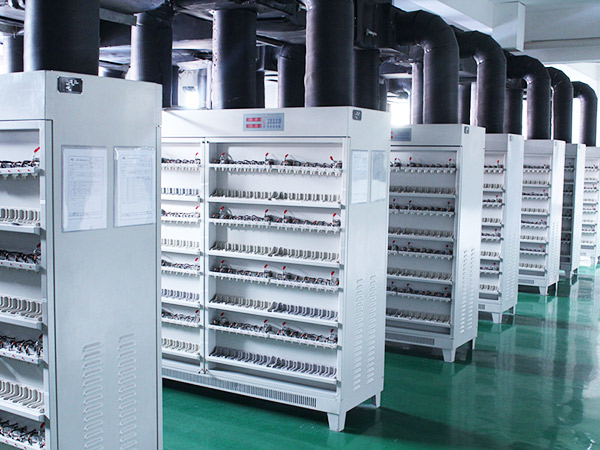
Capacity Sorting Line

Capacity Sorting & Testing

Cell Stacking Process

Precision Stacking

Laser Welding System

Automatic Laser Welding

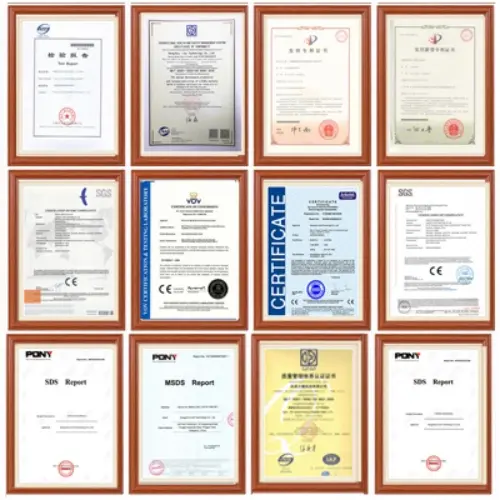
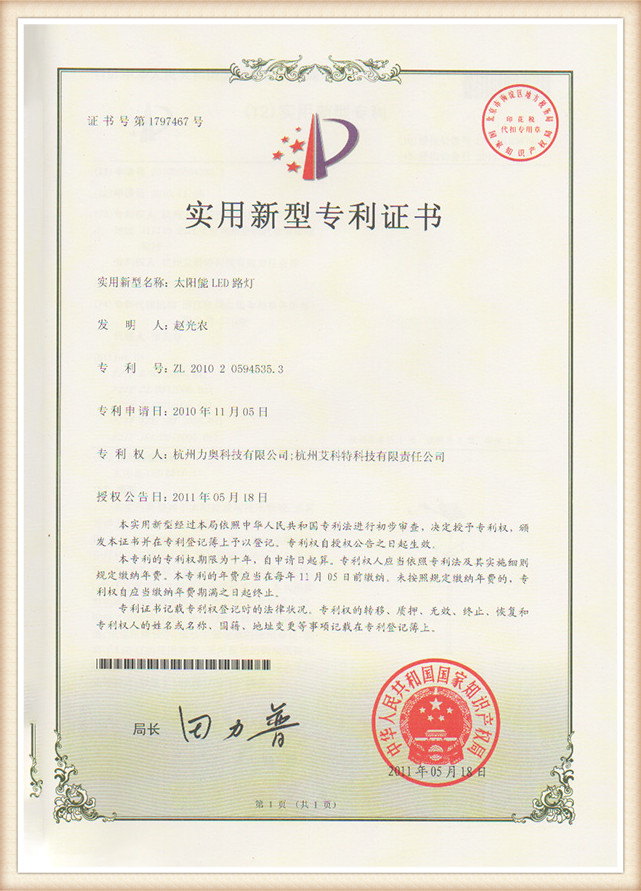
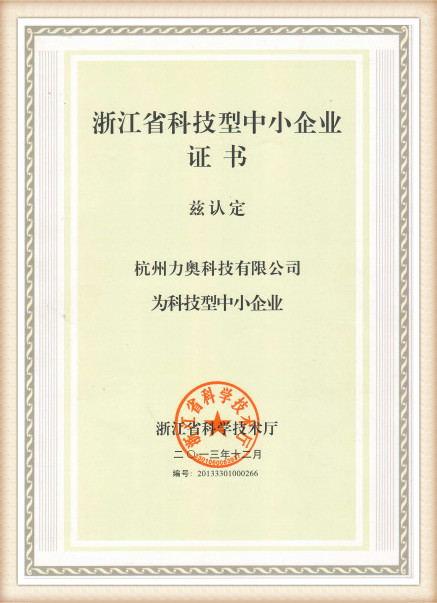
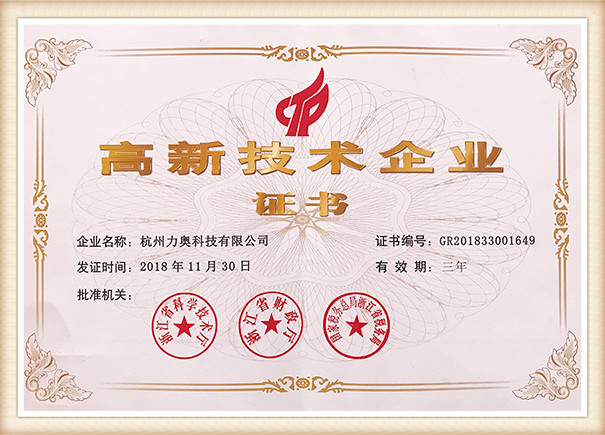
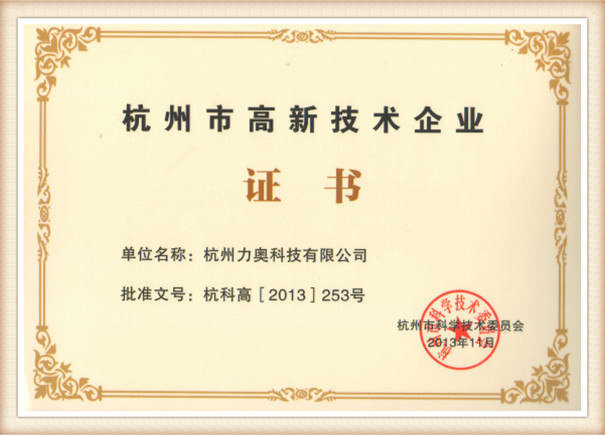
Global Certifications & Qualifications

Fully compliant with international safety, environmental, and transportation standards

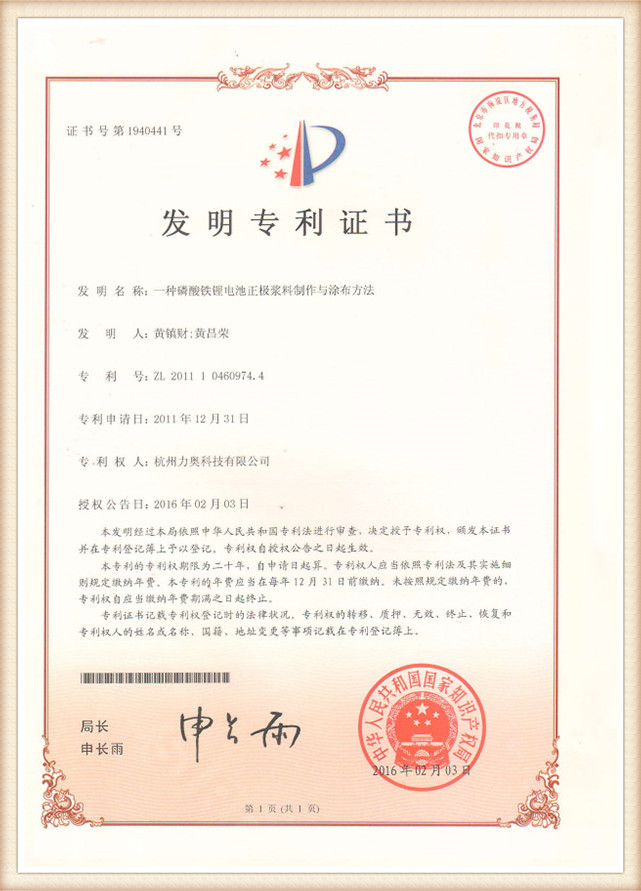
Patent document 1

Patent Certification

Patent document 2

Patent Certification

Patent document 3

Patent Certification

Patent document 4

Design Patent

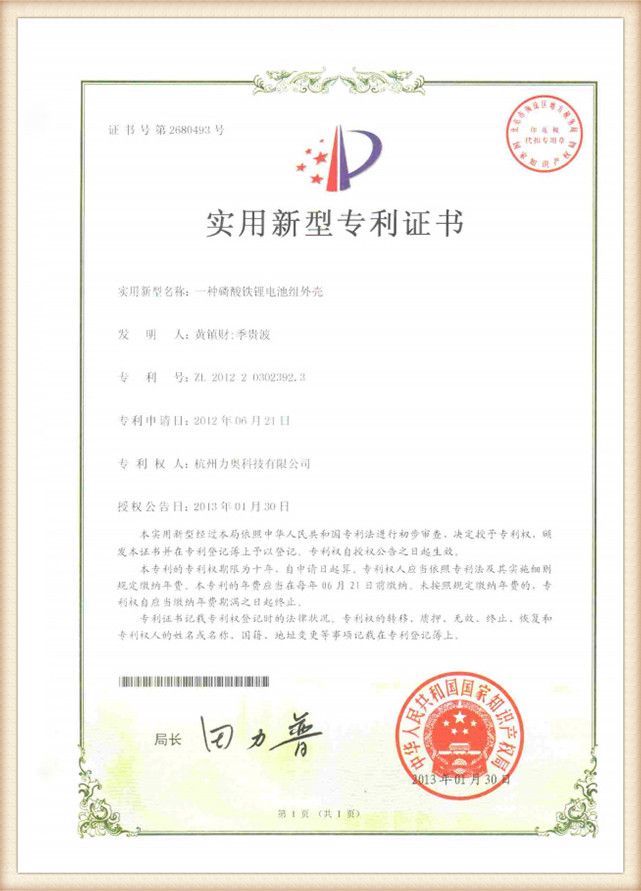
Patent 5

Utility Model Patent

Patent 6

Product Qualification Certificate

Certificate 1

Honorary Certification

Certificate 2

Regional Quality Award

Certificate 3

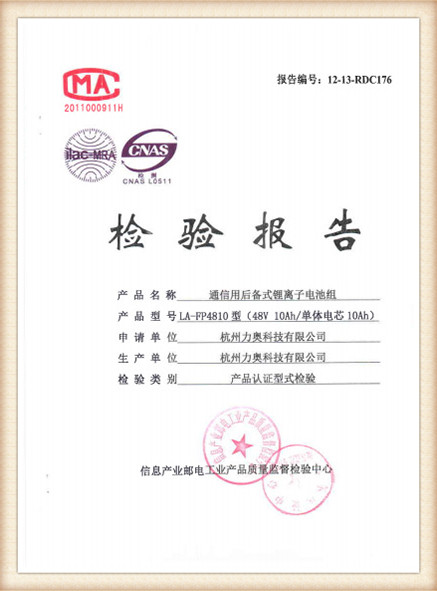
Approved Testing Certification

Certificate 4

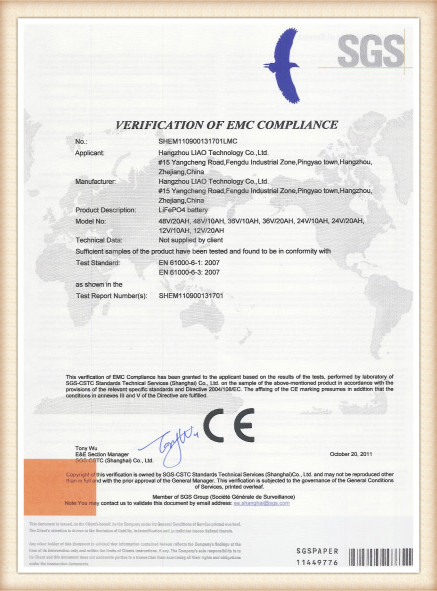
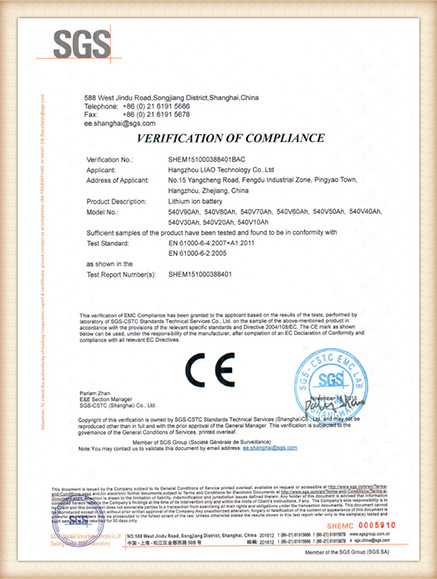
Compliance Verification Report

Product Report

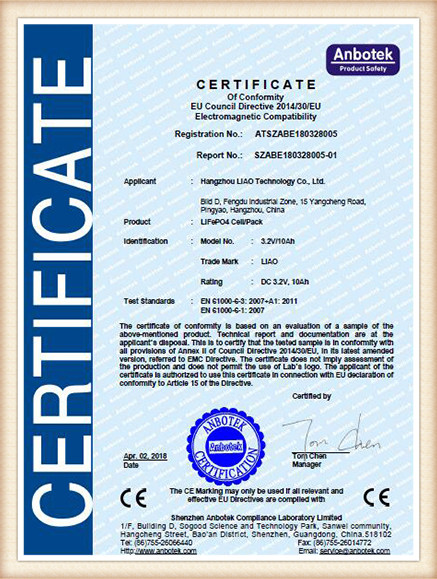
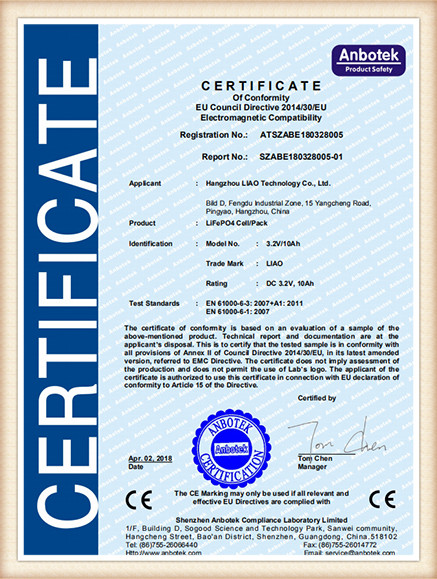
CE Safety Assessment

Product Report 2

IEC Compliance Documentation

Report 3

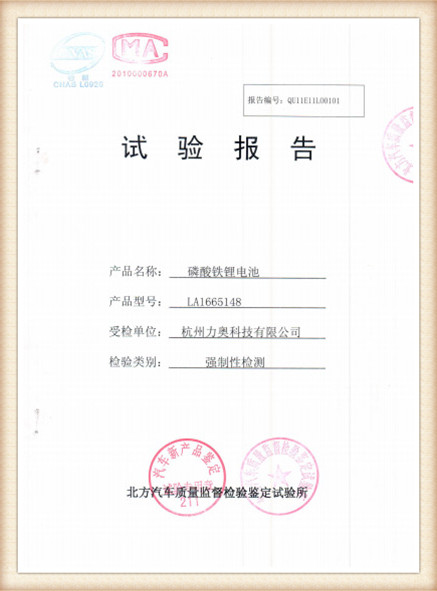
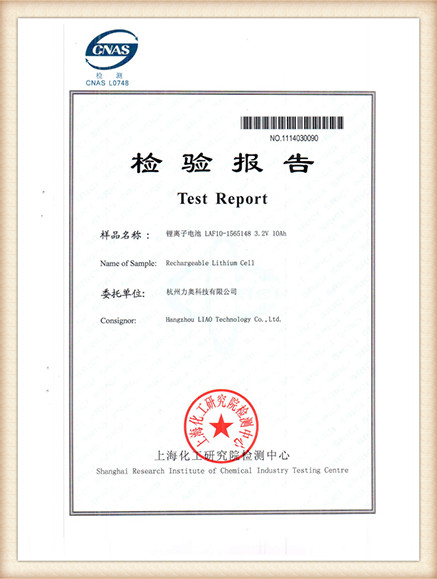
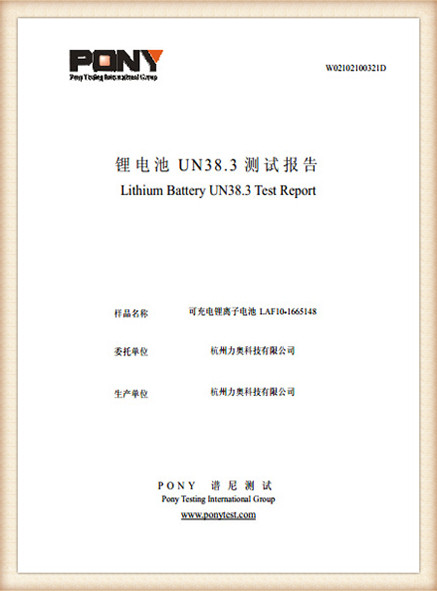
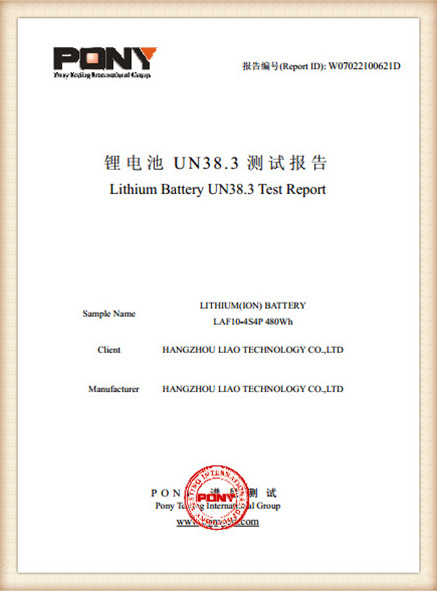
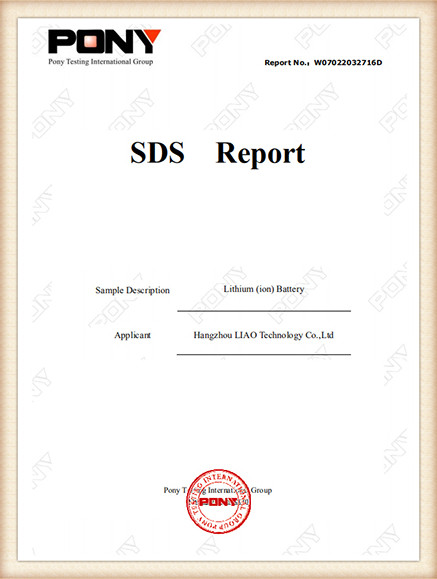
UN38.3 Safe Transport Certification

Report 4

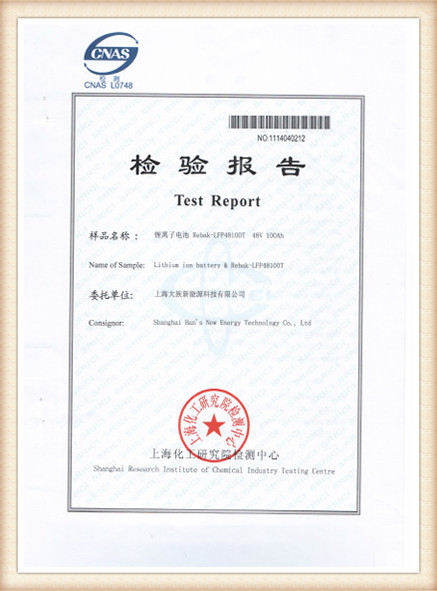
Safety Test Report Summary

Report 5

Factory System Audit Cert

Report 6

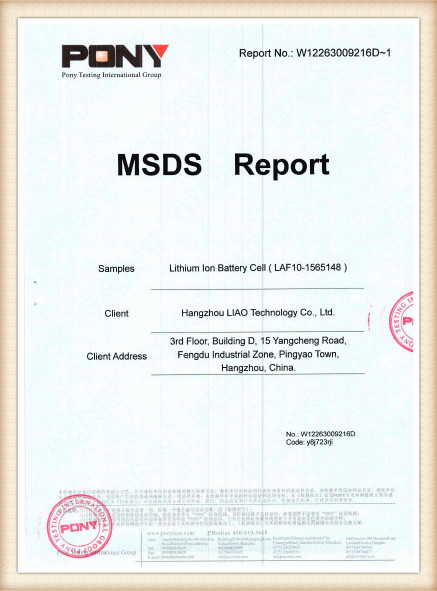
MSDS Safe Packing Declaration

Report 7

Electrostatic Test Declaration

Report 8

ISO 9001 Compliance Statement

Report 9

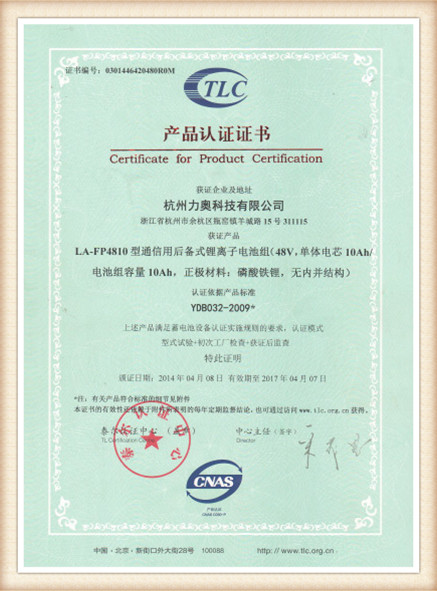
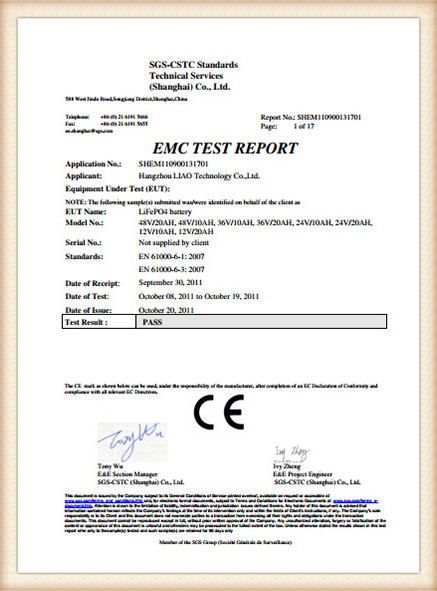
EMC Directive Certification

Report 10

Vibration Dampening Certification

Report 11

Low Voltage Directive Compliance

Report 12

Global Safe Shipping Endorsement

Report 13

RoHS Material Compliance Report

Report 14

Thermal Runaway Simulation Certificate

Technology Roadmap & Future Outlook

The Evolution of Lithium Solid-State Interfaces, High-Capacity Sodium-Ion Alternatives, and Cloud-BMS Platforms

As telecom infrastructure transitions toward edge computing and 6G network trials, the requirements for energy storage density and safety are rising. To meet these demands, Hangzhou LIAO Technology is developing a multi-path technology roadmap focused on three key areas:

1. Solid-State and Semi-Solid LiFePO4 Development

Standard liquid electrolytes present flammability risks under extreme thermal or mechanical stress. Our research and development team is working to integrate semi-solid-state polymer electrolytes into our next-generation cell lines. This advancement replaces flammable organic solvents with stable polymer matrices, raising the thermal runaway threshold of our cells from 270°C to over 400°C while increasing gravimetric energy density by 15-20%.

2. AI-Driven IoT Cloud BMS

Future telecom and microgrid installations will rely on cloud-connected telemetry. Our engineering team is developing cloud-integrated BMS platforms that stream real-time current, voltage, and temperature metrics to remote servers. Using machine learning models, the system analyzes performance data to predict cell failures or capacity loss up to 100 cycles before they occur, allowing operators to plan preventative maintenance.

3. Sodium-Ion Battery (SIB) Alternatives

Given global lithium raw material price volatility, Sodium-Ion chemistry represents an attractive alternative for stationary energy storage systems. Sodium-ion cells use abundant sodium raw materials, perform well in low temperatures down to -40°C, and are less prone to thermal runaway. Hangzhou LIAO is prototyping a 48V 50Ah sodium-ion rack battery module designed for low-temperature base stations and standby power installations.

Deep-Dive Technical FAQ

Comprehensive answers to technical questions about our 48V 50Ah rack-mounted battery systems

What is the difference between 15S and 16S cell configurations in a 48V LiFePO4 battery pack?
A 15S cell configuration utilizes 15 cells in series, delivering a nominal voltage of 48.0V (charging up to 54.0V). A 16S configuration uses 16 cells in series to provide a nominal voltage of 51.2V (charging up to 57.6V). The 16S configuration is typically preferred for telecom sites and industrial systems because it matches the float charging voltages of standard lead-acid rectifier systems, allowing for direct drop-in integration.
Can multiple 48V 50Ah rack-mount battery packs be connected in parallel?
Yes, our rack-mount battery modules are designed for parallel expansion to scale total energy capacity. The integrated BMS includes auto-addressing features and RS485/CAN communication ports to synchronize voltage, current, and charging parameters across up to 15 parallel units, expanding capacity up to 750Ah (36 kWh) on a single bus.
What communications protocols does the integrated smart BMS support?
Our BMS supports common industrial and telecom communication protocols, including CAN bus, RS485, RS232, and Modbus-RTU. These protocols enable direct integration with inverters from manufacturers like Growatt, Victron, SMA, and Deye, as well as telecom monitoring systems.
How does the battery pack perform in extreme temperatures?
Our LiFePO4 cells are engineered for stable operation across a wide thermal window. While charging is typically restricted to 0°C to +55°C to protect cell life, discharge operations can continue in ambient temperatures from -40°C up to +85°C. For extreme climates, we offer optional integrated heating elements to pre-warm cells before charging.
What certifications do your batteries hold for international shipping?
All our battery systems comply with international transport safety standards. We hold UN38.3 certification for transport safety, MSDS declarations, CE compliance certification, and selective UL 1973 / IEC 62619 compliance for energy storage systems.

Global Industrial Integration Partners

Providing high-reliability battery systems for critical infrastructure worldwide

Partner Logo 1 Partner Logo 2 Partner Logo 3 Partner Logo 4 Partner Logo 5 Partner Logo 6